
قائمة الآلات الموسيقية الأوروبية في العصور الوسطى
هذه قائمة بالآلات الموسيقية التي استُخدمت في الموسيقى الأوروبية خلال العصور الوسطى ، وتغطي الفترة من قبل القرن الخامس الميلادي وحتى القرن الخامس عشر الميلادي. قد يكون هناك بعض التداخل مع آلات عصر النهضة، إذ بدأت موسيقى عصر النهضة في القرن الخامس عشر. تغطي القائمة بشكل رئيسي أوروبا الغربية، وقد تشمل أوروبا الشرقية وأجزاءً غير أوروبية من الإمبراطورية البيزنطية (الأناضول، شمال أفريقيا).
آلات الإيقاع
| الأسماء والاختلافات | وصف | الروابط العرقية والمناطق | صور | |
|---|---|---|---|---|
| أدوفي [ 1 ] | طبلة إطارية جلبها المسلمون إلى شبه الجزيرة الأيبيرية، وتعزف عليها النساء في الغالب. [ 3 ] تُستخدم في رقصة شارامبا في البرتغال، وهي رقصة دائرية للأزواج. [ 3 ] الأدوف عبارة عن طبلة مربعة أو مستطيلة الشكل، مصنوعة عادةً من خشب الصنوبر، ومغطاة بجلد الماعز. يتراوح حجم الإطار عادةً بين 12 و22 بوصة لكل جانب، وسمكه بين 1 و2 بوصة. يُخاط الجلد على الجوانب، وتُغطى الغرز بشريط ملون. تُوضع في الداخل بذور صغيرة أو أحجار أو أجراس لإصدار أصوات جميلة. تُزين النماذج الموضحة، ربما بالحناء. [ 4 ] | شبه الجزيرة الأيبيرية، البرتغال، إسبانيا |   |   |
جرس
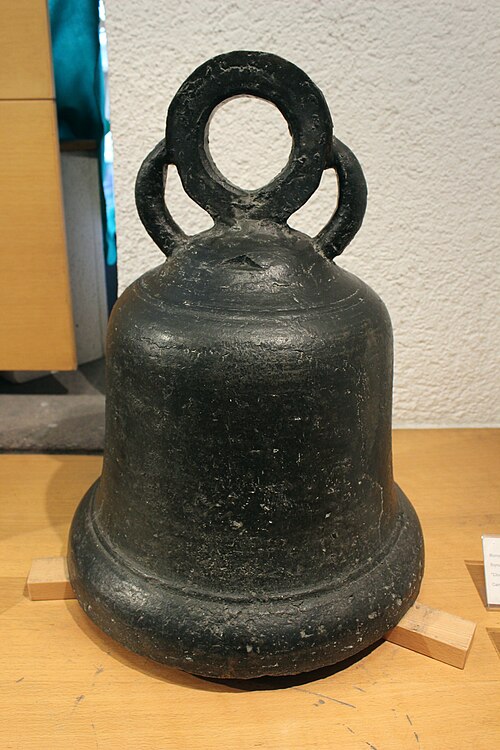
| من القرن الأول إلى القرن الرابع الميلادي، تعرض المسيحيون للاضطهاد في الإمبراطورية الرومانية ، وأُبقيت طقوسهم الدينية سرية. بعد انتهاء الاضطهاد بمرسوم ميلانو عام 313 ميلادي ، أصبحت الأجراس جزءًا من التعبير العلني عن المسيحية. [ 7 ] ومع انتشار المسيحية، استُخدمت الأبواق والصفارات والأجراس في الشعائر الدينية، بما في ذلك دعوة المصلين إلى الصلاة. [ 8 ] يُنسب إلى بولينوس النولي (حوالي 400 ميلادي) والبابا سابينيانوس (حوالي 604 ميلادي) الفضل في الاستخدام المبكر للأجراس في الكنائس. [ 9 ] [ 10 ] قام الرهبان في الأديرة البيزنطية بدمشق بصنع بعض أقدم أجراس المسيحية (بحجم جرس اليد تقريبًا). [ 7 ] استُخدمت هذه الأجراس لإعلان الوقت داخل الأديرة. [ 7 ] كما استخدم المسيحيون أجراسًا صغيرة مصبوبة على الطراز المتوسطي خلال القرون الأربعة الأولى الميلادية. [ 11 ] في القرن الخامس الميلادي، صنع المسيحيون الأيرلنديون أجراسًا مطروقة من صفائح معدنية، وحمل القديس باتريك أحدها لاستخدامه كجرس للكنيسة. [ 11 ] وبحلول عهد القديس كولومبا (521-597 ميلادي)، كان يُستخدم كل من الأجراس الحديدية المثبتة بمسامير والأجراس البرونزية المصبوبة رباعية الأضلاع. [ 12 ] وكانت هذه الأجراس تُقرع في الكنيسة المسيحية السلتية ، التي نشرت المسيحية في أجزاء من أوروبا غزاها الجرمان بعد سقوط الإمبراطورية الرومانية. [ 12 ] [ 13 ] وترتبط الأجراس في أيرلندا ثقافيًا بتلك الموجودة في اسكتلندا وويلز وإنجلترا وبريتاني وفرنسا وسويسرا. [ 12 ] وبناءً على عدد الأجراس المعروفة، يُحتمل أن تكون أيرلندا مصدرًا لنوع الأجراس المعدنية في المنطقة. [ 12 ] في عام 530 ميلادي، بدأ الرهبان البينديكتين بتصميم وتصنيع أجراس الكنائس، وأنشأوا مصانع لإنتاجها، وقاموا بتوزيعها في جميع أنحاء أوروبا الغربية. [ 11 ] أما أوروبا الشرقية، فكانت تحصل على الأجراس من القسطنطينية. [ 11 ] كما كانت مدينة خيرسون في شبه جزيرة القرم تصنع الأجراس أيضاً. [ 11 ] صُنعت أجراس خلية النحل في الفترة ما بين القرنين الثامن والثاني عشر الميلاديين تقريبًا [ 14 ] . أما أجراس مخروط السكر، فقد صُنعت بدءًا من القرن الثاني عشر [ 15 ] . وصُنعت أجراس الضلع الانتقالية وأجراس الضلع القوطية من القرن الثاني عشر وحتى القرن السابع عشر [ 5 ] . | اللاتينية، التقاليد الغربية من الكنيسة
|     |     |
| أجراس يدوية أجراس أجراس الرنين رنين الجرس | كانت الأجراس معروفة في الإمبراطورية الرومانية التي سبقت العصور الوسطى في أوروبا. ومن الأمثلة على ذلك "التينتينابولوم" ، وهو عبارة عن رنين هوائي مصنوع من أجراس صغيرة. تُسمى مجموعات الأجراس التي تُقرع بالمطارق "أجراسًا موسيقية". [ 20 ] كلمة "أجراس موسيقية" مشتقة من كلمة "سيمبالوم " (لاتينية). [ 20 ] في العصور الوسطى (القرون من العاشر إلى السادس عشر)، كانت تُستخدم لآلة موسيقية داخلية تتكون من 4 إلى 12 جرسًا صغيرًا، تُعلق على قضيب وتُقرع بالمطارق. [ 20 ] ابتداءً من القرن الثاني عشر، ربما أُضيف إليها "مفتاح خشبي كبير" لتسهيل العزف عليها وللمساعدة في عزف الأجراس الأكبر حجمًا. [ 20 ] تم تصويرها في مجموعات صغيرة (من 4 إلى 5، ومن 8 إلى 9). [ 21 ] أصبحت السيمبالا ، المعلقة في الأبراج، تُعرف باسم الكاريلون، وأصبحت الأجراس في النهاية كبيرة جدًا مقارنة بالأجراس المعلقة على الرفوف. | اللاتينية، التقاليد الغربية من الكنيسة
|     |     |
جرس
| يُستخدم على الحيوانات للعثور عليها عند ضياعها. يُستخدم على سرج الحيوانات. |   |   | |
| بامبولوم (أسطوري) بونيبولوم (أسطوري) | وضع بعض النساخ في العصور الوسطى نظرياتٍ حول الموسيقى القديمة، أو استخدموا الآلات الموسيقية لتوضيح نقاط عقائدية. وقد نسخوا في مخطوطة رسالةً من القديس جيروم (342-420 م) إلى كلوديوس بوستوموس داردانوس . حاول جيروم في هذه الرسالة شرح الآلات الموسيقية الوثنية والمسيحية المذكورة في الكتاب المقدس ومعانيها الرمزية. [ 23 ] وقد أُعيد نشر الرسالة في المخطوطات المسيحية. وبدءًا من حوالي عام 850، بدأ النساخ بتوضيح الرسالة في المخطوطات، انطلاقًا من أوصاف الآلات الموسيقية الواردة فيها. [ 24 ] بعض هذه الآلات رمزية ولا يمكن تفسيرها، مثل بوق بثلاثة فوهات لكل من الثالوث الأقدس ؛ إلا أنه في الرمزية، يُعبَّر عن الثالوث من خلال التحدث عبر الفوهات الأربع، التي ترمز إلى الإنجيليين الأربعة . كان يُعزف على البومبولوم بهزّه. وكان يحتوي على أجراس أو رنينات معلقة من قطعة مركزية، معلقة بدورها من الأعلى. ووُصف بأنه مربع نجار (يرمز إلى الصليب المقدس) مع "جسم رباعي الزوايا" معلق منه (يرمز إلى المسيح على الصليب)، مع 12 أنبوبًا معلقًا من جوانب الجسم (لإصدار رنين وللدلالة على الرسل الاثني عشر). [ 25 ] |  |  | |
| صفارات الإنذار كليكيتس كاستانيتس | كانت الكروتالا، التي تعود إلى الإمبراطورية الكارولنجية، عبارة عن أجراس معدنية مثبتة على عصي. أما الكليكيت (وتُسمى أيضًا كروتالا) فكانت عبارة عن قطع خشبية تُحمل في راحة اليد. تُصدر هذه القطع أصوات طقطقة وخشخشة تُشبه صوت الصنجات. ومن الآلات الموسيقية المشابهة الأخرى حول العالم: الكراب سيفا التايلاندية/الكمبودية، والخرتال الهندية/النيبالية ، والقيراق الأوزبكي / الطاجيكي ، والكراكيب في شمال إفريقيا . أما الصنجات فكانت آلات خشبية مصنوعة من عصي تُصفق أو تُضرب معًا. [ 26 ] |    |    | |
| الصنج | انتقلت الكلمة اليونانية "كيمبولون" إلى أوروبا في العصور الوسطى عبر اللاتينية ( سيمبالوم - للمفرد، سيمبالا - للجمع). وتُظهر أمثلة في الفسيفساء الرومانية والبيزنطية فتيات يرقصن بها، بأشكال مختلفة تشمل الصنوج التي تُعزف بالأصابع أو الكف ، والصنوج المثبتة على العصي ، والصنوج ذات الشكل الكأسي . وجدت الصنجات المعلقة على العصي (الكروتالا) طريقها إلى فنون الإمبراطورية الكارولنجية . وفي المخطوطات التي تعود إلى العصور الوسطى، تحولت السيمبالا إلى أجراس معلقة على التوالي تُقرع بالمطارق. كما ظهرت الصنوج ذات الشكل الكأسي في المخطوطات التي تعود إلى العصور الوسطى. وعلى عكس الأعمال الفنية الراقصة في الفسيفساء الرومانية والبيزنطية، جُرِّدت الأعمال الفنية الكارولنجية وما تلاها من دلالات جنسية ووُضعت في سياق مسيحي أو يهودي. |    |    | |
| طبل | كانت الطبول الوحيدة في أوروبا التي تعود إلى العصور القديمة هي "الطبول الإطارية السامية"، مثل الطبول اليونانية والرومانية . [ 27 ] وقد أُدخلت طبول أكبر حجماً من "غرب آسيا" في العصور الوسطى. [ 27 ] وكانت تُستخدم لضبط الإيقاع، إذ لم يكن "تطورها الإيقاعي" قد اكتمل بعد. [ 27 ] | طبل ، كلمة إنجليزية، بدأت في القرن السادس عشر. الطبل ، الفرنسية [ 27 ] تامبورو ، إيطالي [ 27 ] trommel ، ألماني [ 27 ] |   |  |
| * إطار الطبلة | انظر بانديرو ، تابور «الطبلة هي قطعة من الجلد أو الجلد المدبوغ تُشد على قطعة من الخشب من جانب واحد.» - إيسيدور الإشبيلي، حوالي عام 600 ميلادي يمكن تسمية الطبل الإطاري المستخدم في أوروبا قبل وصول الطبول الأكبر حجمًا من غرب آسيا بالدفوف اليوم. وقد استُخدم اسم "تيمبانوم" كاسم له، وكذلك "تابور" . كانت هذه عبارة عن حلقات خشبية مغطاة بالجلد من جانب واحد. في البداية، لم تكن مزودة بجلاجل، كما أصبح شائعًا فيما بعد. ومن أنواعها " بانديرو" ، الذي ظهر مع الغزوات الإسلامية ووُصف في مخطوطات في إسبانيا وصقلية. بعض أنواع التابور كانت طبولًا إطارية، لكن بعضها الآخر كان أعرض من الحلقة اليدوية التي نسميها اليوم دفًا. كانت آلة الطوف هي الآلة العبرية التي عزفت عليها مريم، والتي تُترجم عادةً إلى الإنجليزية باسم الدف [ 29 ]. أصلها من الشرق الأدنى، وقد استخدمها الغاليون واليونانيون والرومان ( الطبل ) والمصريون والآشوريون. [ 30 ] من المحتمل أن تكون الأجراس في الأصل منفصلة عن هذه الآلة. [ 30 ] وهي مرتبطة أيضًا بالدف . [ 30 ] عند إضافة الأجراس، يتم تصنيف الآلة كنوع من أنواع الخشخشة، وهي "خشخشة إطارية"، حيث تضرب الخشخشة (أو الأجراس) الجسم الذي يتم ربطها به. كان الدف أو التامبوريلو الباسكي عبارة عن "طبل إطاري ذو جلد واحد مع صنجات" ( الدف الحديث )، بينما يمكن تسمية "طبل إطاري ذو جلد واحد" بدون جلاجل بالدف أو البندير . [ 26 ] البندير هو أيضًا طبل إطاري إسلامي ذو وترين من شمال إفريقيا، واسمه "ربما مشتق من كلمة إسبانية". [ 31 ] | الطبلة ، لاتينية تيمبانون ، يوناني توف بندير [ 26 ] التامبوريلو الباسكي [ 26 ] |  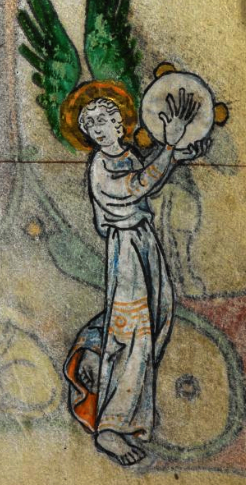  |   |
| طبلة الساعة الرملية | تُظهر الصور المصغرة في كتابي "كانتيغاس دي سانتا ماريا" و" فالكافادو بياتوس" استخدام طبلة على شكل ساعة رملية في إسبانيا. تُستخدم هذه الطبول في شمال إفريقيا ، ويُحتمل أنها دخلت أوروبا مع الجنود الموريين الذين غزو شبه الجزيرة الأيبيرية. كما رُسمت الطبلة في صقلية، وهي منطقة أخرى في أوروبا التقت فيها الثقافتان الإسلامية والمسيحية. |  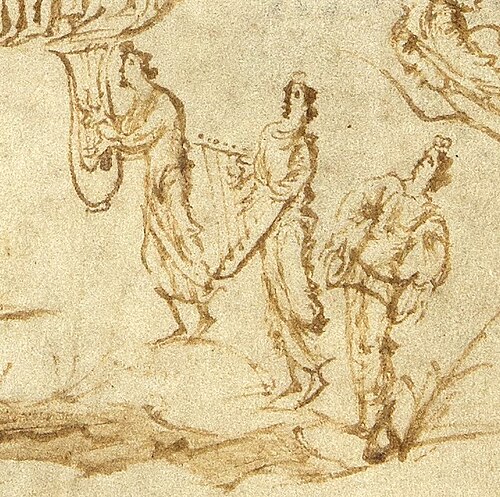 |   | |
| قيثارة يهودية [ 34 ] |  |  | ||
| ناكرز | يظهر في الكتابات الإنجليزية من عام 1352 إلى عام 1440 [ 35 ] وهو اقتباس أوروبي من الطبل ذي الطبلة الكبيرة من الشرق الأدنى، النقارة . [ 35 ] ناكر مفرد ولكن يتم عزفه في أزواج. | الناكرز , الإنجليزية الوسطى [ 35 ] ناكير ، الفرنسية [ 35 ] nacchera ، إيطالي [ 35 ] nacara ، الإسبانية [ 35 ] |  |  |
حشرجة الموت
خشخشة السفينة
صوت خشخشة الإطار (انظر الدف) خشخشة الصف أو القضيب | شملت الخشخيشات في العصور الوسطى خشخيشات الأواني (الكروتال) وخشخيشات القضبان وخشخيشات الإطارات. انظر أيضًا: أدولف ، كلابيرز أو كليكيت ، الدف ، المثلث كانت الكروتال، المعروفة أيضًا باسم أجراس الجلجلة، عبارة عن صفيحتين معدنيتين نصف كرويتين مشقوقتين ملحومتين معًا، تنتفخان عند نقطة اتصالهما لتشكلا كرة. وكانت توجد حبة صغيرة داخل الكرة. وشملت استخداماتها التاريخية استخدامها من قبل النبلاء على الملابس والدروع والخيام وخيول وكلاب الفرسان، واستخدامها من قبل السيدات للرقص (مثل الفتيات اللواتي كن يرتدين أجراسًا على الطريقة الموريسكية حول أفخاذهن وأذرعهن وكواحلهن لاستقبال شارل الخامس في إسبانيا)، واستخدامها من قبل المهرج كجزء من زيه ( قبعة المهرج ). [ 36 ] [ 37 ] خشخيشات على شكل صفوف أو قضبان؛ خشخيشات معلقة على قضيب مستقيم أو حلقي الشكل. وقد تم تصوير المثلثات في العصور الوسطى باستخدام خشخيشات بهذه الطريقة. |    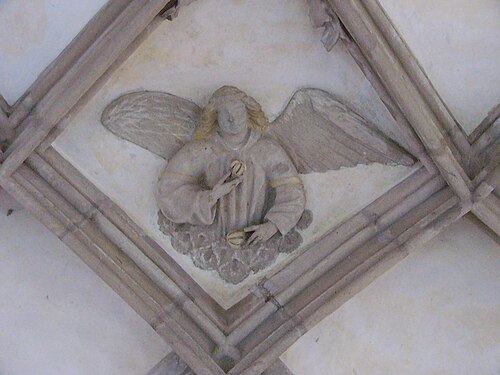 |    | |
| صوت خشخشة التروس قعقعة
| استُخدمت هذه التقنية بين المسيحيين الكاثوليك في الاحتفالات الدينية كبديل للأجراس. وقد استُخدمت بين الكاثوليك كبديل للأجراس بين ترنيمة المجد في قداس العشاء الأخير يوم خميس العهد وقداس ليلة عيد الفصح. [ 38 ] يستخدم اليهود أداةً تُسمى "السقاطة" لإحداث ضجيج من قِبل الجماعة أثناء الاحتفال بعيد بوريم . وقد جلب اليهود السفارديم الذين هاجروا إلى الممتلكات الإمبراطورية الإسبانية في الأمريكتين بعد طردهم من إسبانيا عام 1492 أدواتٍ تُسمى "الجرجر" للاحتفال بعيد بوريم ، والتي يُمكن اعتبارها بمثابة "المطرقة" في الاستخدام الكاثوليكي. [ 39 ] | 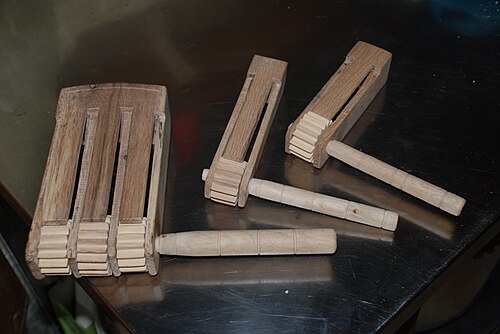 |  | |
| سيمانترون (باليونانية: σήμαντρον) Lignum sarum ناقوس (بالعربية: ناقوس) تواكا (روماني) | لوحة إيقاعية خشبية، تُضرب بمطرقة كالجرس. يمكن تعليقها أفقيًا أو رأسيًا. أما النسخ الأصغر حجمًا، فيمكن حملها باليد. في الأديرة، تُستخدم لاستدعاء الرهبان. تُستخدم في الكنيسة الأرثوذكسية اليونانية خلال أسبوع عيد الفصح. ولا تزال تُستخدم في الأديرة الأرثوذكسية الشرقية، وقد تُصنع من الخشب أو المعدن. | اليونان مقدونيا بلغاريا رومانيا روسيا صربيا أرمينيا إسرائيل سوريا |   |   |
| تابور | طبلة السنير المبكرة ، ذات جسم ضيق مقارنة بعرض غشاء الطبلة، من القرن الثاني عشر وما بعده. [ 40 ] كانت الفرقة الموسيقية التي تعزف على مزمار ثلاثي الثقوب و"طبل صغير" تُستخدم في جميع أنحاء أوروبا الغربية لتوفير الموسيقى للرقصات، وقد ظهرت لأول مرة في جنوب فرنسا وشمال إسبانيا في القرن الثاني عشر. [ 41 ] وكان العازف يعزف على الآلتين في الوقت نفسه. [ 41 ] كانت الطبول الأولى في أوروبا تُعرف باسم "الطبول الجانبية"، تُعلق على جانب العازف أو على كتفه أو على ذراعه اليسرى. [ 40 ] [ 42 ] وكانت هذه الطبول عبارة عن طبول ذات وجهين مزودة بخيوط إيقاعية (ربما على جانب واحد فقط). [ 42 ] وكان يتم قرع هذه الطبول إما بعصوين، أو العزف عليها كمزيج من المزمار والطبلة . [ 42 ] وظهرت الطبول الأكبر حجماً بحلول القرن السادس عشر الميلادي. [ 42 ] يستخدم أحد أشكال العزف في فرنسا الدف ذو الأوتار أو الدف ذو الأوتار ، حيث يتم استبدال طبلة السنير بآلة الدلسيمر أو الطبلة الوترية. [ 41 ] | tabur ، الفرنسية القديمة [ 40 ] طبل [ 40 ] |   |  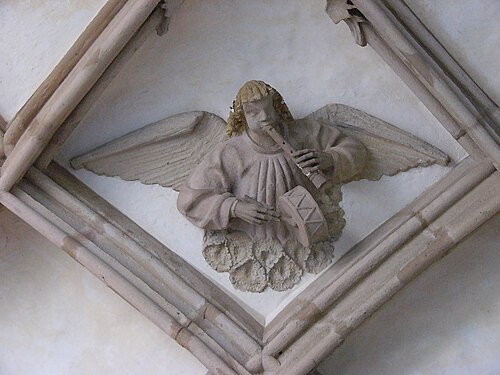 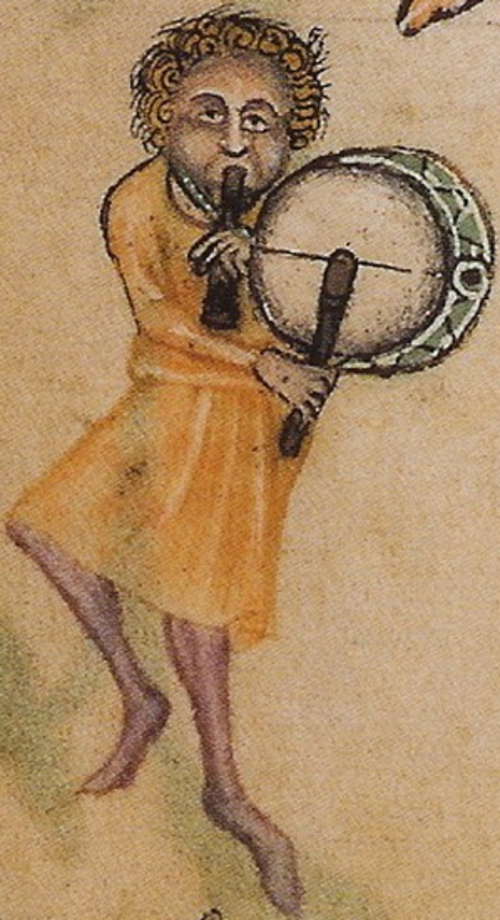 |
| تامبورين دي بيرن tambourin à cordes [ 41 ] طبلة وترية ttun-ttun [ 44 ] بوتافوكو | آلة موسيقية تُعزف بشكل رئيسي في شبه الجزيرة الأيبيرية والمناطق الإيطالية المتأثرة بالثقافة الإسبانية. [ 45 ] ظهرت في وقت مبكر في المنحوتات والمنمنمات على شكل صندوق مربع بسيط مزود بأوتار. لاحقًا، أصبح الصندوق أكثر تعقيدًا. تُعزف باستخدام أنبوب بثلاثة ثقوب. تُظهر بعض الصور العزف باستخدام عصوين، وكذلك باستخدام عصا واحدة والأصابع. |   |   | |
| مثلث |  | 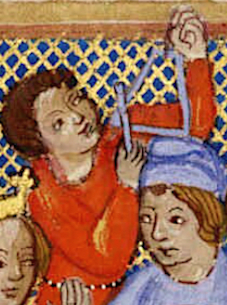 | ||
الآلات الوترية
| الأسماء والاختلافات | وصف | الروابط العرقية والمناطق | صور | |
|---|---|---|---|---|
| سيتول [ 46 ] [ 47 ] |  | |||
| موترة المفاتيح | كانت آلات الكلافيكورد موجودة في "السنوات الأولى من القرن الخامس عشر". [ 48 ] وُجدت كلمة "كلافيكورد " في نص يعود تاريخه إلى عام 1404. [ 48 ] يعود تاريخ أقدم صورة معروفة لها إلى عام 1425، في نقش على مذبح في ميندن، ألمانيا. [ 48 ] |  |  | |
كروث
ستراخاربا | تضمنت الكلمات الويلزية والإنجليزية الوسطى للآلة الوترية ذات 3-5 أوتار: crwth، وchorus، وcrot، وcrowd. [ 49 ] استخدمت اللغة الأيرلندية كلمة cruit (التي تشير إلى القيثارة، ولاحقًا إلى القيثارة الإطارية). [ 49 ] شوهدت هذه الآلة في ويلز حتى القرن الثامن عشر. [ 49 ] أما الآلات الحديثة المتبقية فتأتي من كاريليا ( jouhikko )، والإستونية hiiukannel ، والسويدية stråkharpa ، والنرويجية Talharpa . [ 49 ] شوهدت هذه الآلة في جميع أنحاء الجزر البريطانية، ومنها انتقلت عبر جزر شتلاند والنرويج إلى السويد، واستقرت في إستونيا وفنلندا. ويُحتمل أنها مرتبطة بالقيثارة الألمانية القديمة (rotte lyre) في ألمانيا وإنجلترا الأنجلوسكسونية؛ إلا أن مسار انتقال هذه الآلة الوترية بين الثقافات، ومن امتلكها أولاً، لا يزال مجهولاً. [ 49 ] [ 50 ] |    |     | |
| الدلسيمر | آلة قيثارة صندوقية؛ انظر المزمار. "لا يُعرف الكثير عن آلة الدلسيمر قبل منتصف القرن الخامس عشر." [ 51 ] أقدم تصوير معروف لها موجود على نقش عاجي لغلاف كتاب، يعود تاريخه إلى القرن الثاني عشر الميلادي [ 51 ] [ 52 ] |   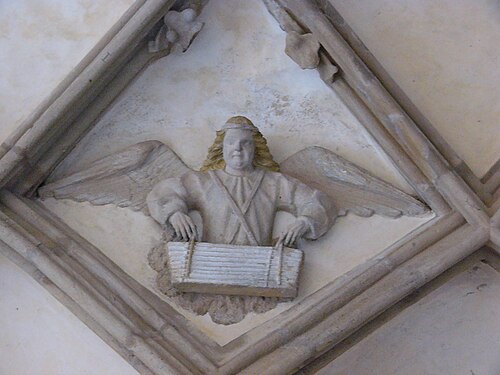  |    | |
| انظر أيضًا إلى الكمان |  |   | ||
| جيترن [ 47 ] |  | |||
| جيتار لاتيني | وقد لخص أحد الكتاب مصطلح "الغيتارا اللاتينية"، وهو مصطلح غير محدد بشكل جيد، قائلاً: "بالنسبة للموسيقيين في زمن ألفونسو، ربما كان يعني فقط "آلة وترية يتم نقرها: وليس الآلة الإسلامية". [ 54 ] |  |  | |
| Guitarra morisca [ 55 ] |   |  | ||
القيثارة في العصور الوسطى (الشكل الذي يعود للعصور الوسطى للقيثارة الحديثة )
| باستثناء القيثارات اليونانية القديمة ، تشمل أقدم الصور للقيثارات في أوروبا أمثلة في اسكتلندا ( حجر نيغ ، أواخر القرن الثامن) وأيرلندا (تظهر الصور المبكرة في المنحوتات الحجرية قيثارات أو آلات قيثارة مستطيلة، وأخرى على شكل حرف C، وثالثة مثلثة الشكل. [ 56 ] ). ويمكن رؤية أعمال مبكرة أخرى من فرنسا، مثل الغلاف العاجي لمزامير داغولف في فرنسا، والرسوم التوضيحية التي تعود إلى القرن التاسع في مزامير أوتريخت . كانت القيثارات تُصنع في جميع أنحاء أوروبا بأوتار مصنوعة من أمعاء الحيوانات. ومن الاستثناءات أيرلندا (حيث كانت الأوتار مصنوعة من المعدن) وويلز (حيث كانت القيثارات المحمولة تستخدم أوتارًا مصنوعة من شعر الخيل حتى القرن السابع عشر الميلادي). [ 57 ] للمقارنة بين القيثارات من مختلف أنحاء العالم القديم والوسيط، انظر إلى القيثارات الزاوية والقيثارات المقوسة وآلات الكونغ هو . |     |    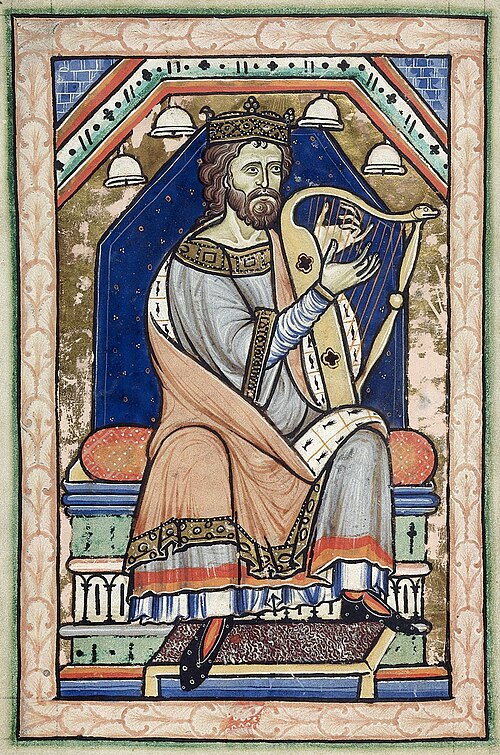  | |
| العود [ 59 ] |   |  | ||
| ليرا | انظر ريبيك أدناه النسخة البيزنطية من الربابة. قال ساكس : "تحت أسماء الكمان ، والفيولا ، والفيولا ، أصبحت الآلة الوترية الرئيسية في أوروبا." [ 60 ] | 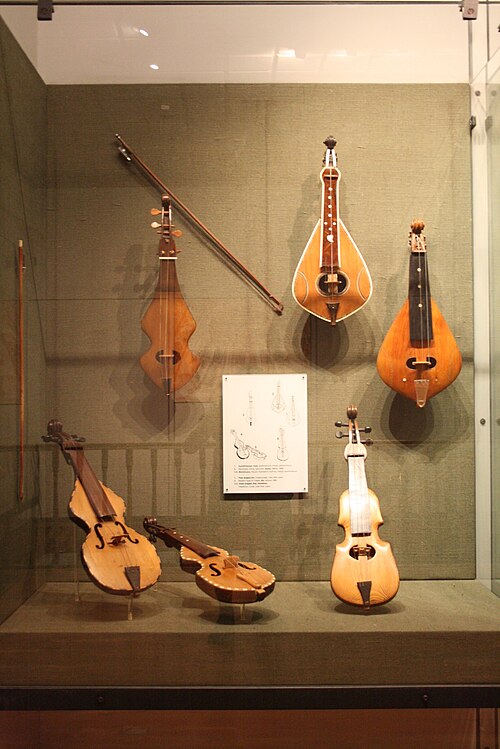 |  | |
قيثارة
القيثارة الجرمانية [ 61 ] القيثارة الأيرلندية
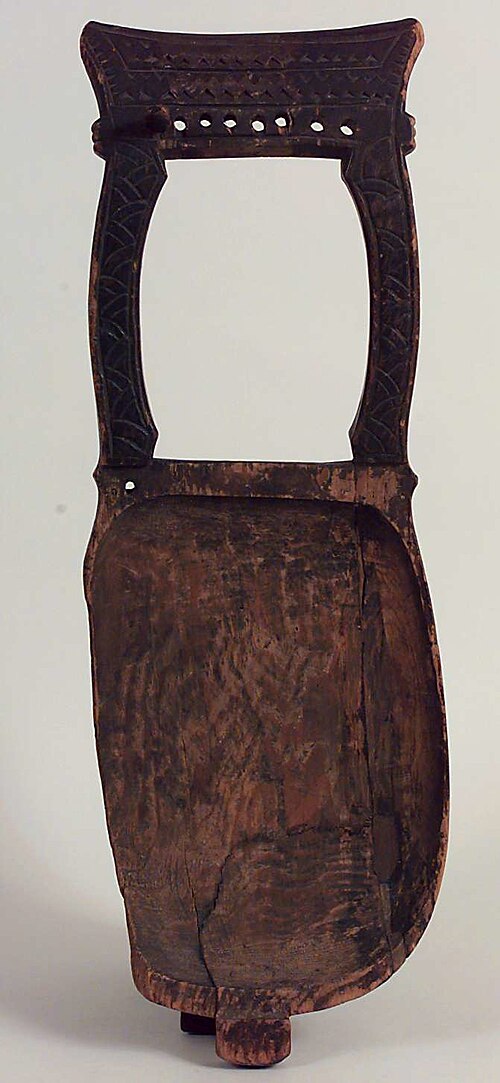
| القيثارة الجرمانية ، التي استُخدمت في شمال غرب أوروبا في أوائل العصور الوسطى (حوالي 450 ميلادي) وحتى القرن الثالث عشر. [ 62 ] ورد ذكر القيثارة 21 مرة في الشعر الأنجلوسكسوني، خمس منها في ملحمة بيوولف . [ 63 ] | * هيربي ( الإنجليزية القديمة ) [ 64 ] [ 65 ]
|    |     |
| المونوكورد | كانت الآلة أحادية الوتر آلة نظرية تم تصويرها في المنمنمات الدينية. وهي عبارة عن آلة قيثارة ذات وتر واحد، يمكنها إصدار نغمات مختلفة عن طريق الضغط والنقر. |  | 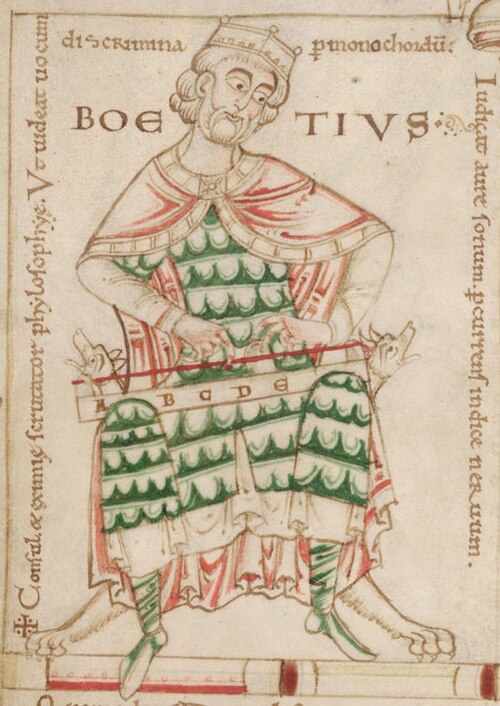 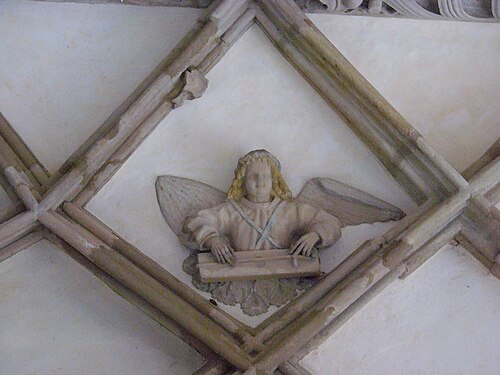 | |
| نيكيلهاربا | يتم العزف عليها بواسطة قوس يمر عبر الأوتار؛ مفاتيح على رقبة الآلة ترفع الأوتار ليتم إصدار الصوت. | فيولا أ تشيافي ، إيطالي |  |  |
| Organistrum (شكل كبير من القرون الوسطى hurdy-gurdy ) | الأورغانستروم، شكل مبكر من آلة الهوردي جوردي، يُحتمل أنه سلف آلات الهوردي جوردي اللاحقة. [ 83 ] كان يُعزف عليه في الكنائس والمدارس الرهبانية حتى القرن الثالث عشر الميلادي. [ 84 ] بعد القرن الثالث عشر، تراجع استخدام الآلة، وتوقف استخدامها في القرن الرابع عشر. [ 84 ] خارج الكنيسة، استُخدمت للموسيقى الشعبية والفلكلورية، ولاحقًا من قِبل المتسولين. [ 84 ] كانت في البداية آلة موسيقية على شكل كمان مزودة بذراع تدوير يدوي يدير عجلة. [ 84 ] كانت العجلة تحتك بجميع الأوتار في آن واحد، مما يؤدي إلى إصدار الصوت. [ 84 ] كانت الأوتار تُصدر الصوت في وقت واحد، حيث تعمل الأوتار الخارجية كأوتار ثابتة، بينما تُستخدم الأوتار المركزية (التي يتم تفعيلها بواسطة المفاتيح) للعزف اللحني. [ 84 ] في البداية، كان يعزف عليه شخصان: أحدهما يدير المقبض بينما يحرك الآخر "قضبان المفاتيح" لتغيير النغمة الموسيقية للأوتار. [ 84 ] ومع تحول الآلة إلى آلة أصغر حجماً يعزف عليها شخص واحد، أصبحت قضبان المفاتيح "أذرع دفع". [ 84 ] تطلبت الآلية الجديدة إمالة الآلة أثناء العزف. [ 84 ] [ 85 ] في القرن العاشر الميلادي، كتب أودو من كلوني كتابًا ( Quomodo organistrum construatur ) ساعد القراء على صنع آلة موسيقية. [ 84 ] | أداة أورغانيا ، لاتينية [ 86 ] عضوي ، حوالي 942 م - القرن الرابع عشر. [ 84 ] السمفونية ، القرنين الثاني عشر والسادس عشر [ 84 ] آلة الهوردي جوردي ، بدءًا من القرن الثامن عشر [ 84 ] سيمفونية , شيفونية , أرموني , Vielle à roue , فرنسية [ 84 ] لاير ، ألماني [ 84 ] gaita del pobre , vihuela de rueda , sinfonía , chifonía , zanfoña , الإسبانية [ 87 ] |    |    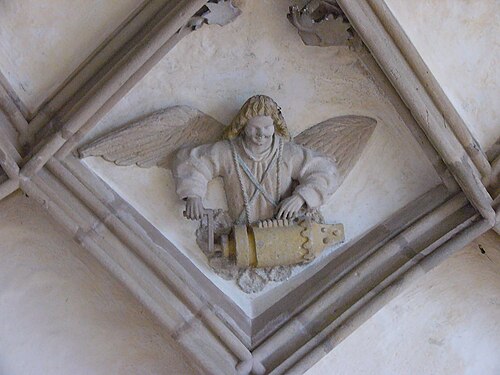 |
| المزامير | 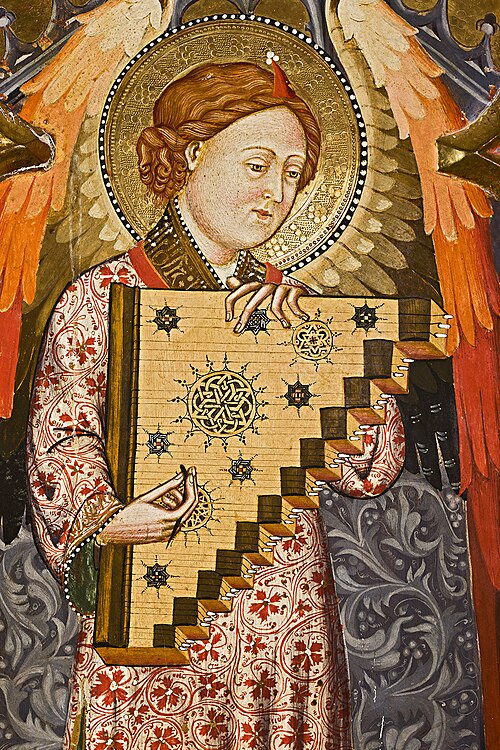    |     | ||
| رابيل | الكمان، ربما يكون نوعًا من أنواع الربابة. لا يزال موجودًا حتى اليوم في المناطق الناطقة باللغة الباسكية؛ تاريخيًا، كان يتميز بلوحة صوتية جلدية؛ أما الآلات الحديثة فقد تحتوي على لوحة صوتية خشبية. انتقلت هذه الآلة إلى المستعمرات الإسبانية في أمريكا، حيث يمكن العثور عليها اليوم في بنما. | أرابيل روبيل روفيل أريباتا (الباسكية) xirribika (الباسكية) |     |  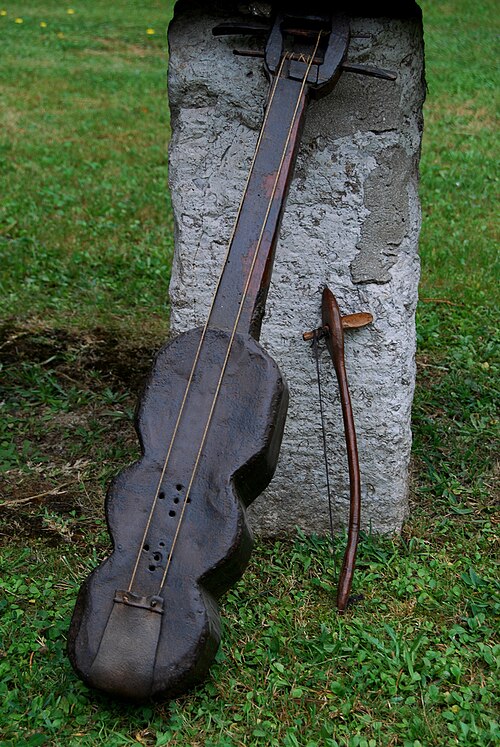 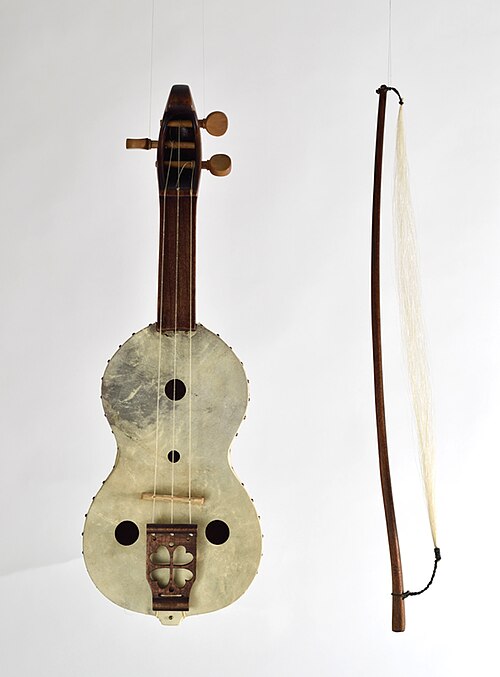  |
| ريباب رابي موريسكو | في أواخر القرن الثامن الميلادي، استُخدم مصطلح "رباب " في اللغة العربية للإشارة إلى آلة عود نقرية على شكل قارب. [ 89 ] وبحلول القرن العاشر الميلادي، استُخدم الاسم نفسه للإشارة إلى آلات العود المقوسة ذات الأوتار، كما ذكر الفارابي. [ 89 ] ثم تطورت آلة العود ذات الشكل القارب لتصبح مقوسة، واستُخدمت في شمال إفريقيا باسم "الربابة المغاربية"، وفي الأندلس باسم "الرباقة". [ 89 ] كانت آلات القيثارة في النسخ الأولى من تفسير سفر الرؤيا عبارة عن عود يُعزف بالنقر؛ وقد ظهرت هذه الآلات لاحقًا على شكل عود مقوس. [ 89 ] دخلت الآلات المقوسة إلى أوروبا من العالم الإسلامي في الأندلس وبيزنطة. [ 89 ] الرباب كلمة تُستخدم للإشارة إلى أنواع مختلفة من آلات الكمان في العالم الإسلامي. تختلف قواعد التهجئة، لأن اللغة العربية لا تُدوّن الحركات. وقد استُخدمت عدة صيغ، منها: رباب، رباب، رباب، رباب، وبعضها يُستخدم للإشارة إلى الآلات الوترية في آسيا أيضاً. | 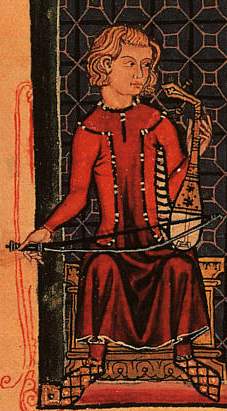  |   | |
| ريبيك [ 90 ] | النسخة الأوروبية الغربية من آلة الليرا. قام الأوروبيون بتكييف الرباب، وهو آلة موسيقية من الشرق الأدنى ، مع الموسيقى الغربية. [ 91 ] أطلق البيزنطيون على نسختهم اسم "ليرا" (نسبةً إلى الآلات الموسيقية اليونانية)، بينما في إسبانيا شمالاً، أصبح الرباب يُعرف بأسماء " ريباب " و"ريبيك" و " رابيل" و " روبيبي" . شرقاً من الإمبراطورية البيزنطية، أصبح يُعرف باسم "ليريكا " (لدى الكروات)، و "غودوك" (في روسيا)، و "غوسلا" و "غادولكا" (في بلغاريا). [ 91 ] تم تفسير كلمة "راباب" على أنها "ليرا" في القرن الحادي عشر. [ 91 ] حيثما تم استخدام كلمتي "ربك" و "روبي" ، اختفت كلمة "روبي" من الاستخدام بعد منتصف القرن الخامس عشر. [ 92 ] كان أحد النماذج يحتوي على وترين، يفصل بينهما مسافة خامسة. [ 91 ] وكان نموذج آخر ذا جسم خشبي بخمسة أوتار، "مماثل للربّاب العربي". [ 91 ] وأصبح نموذج بثلاثة أوتار مضبوطة على مسافات خامسة وأوتاد جانبية هو الآلة النموذجية المستخدمة حتى عصر النهضة. [ 91 ] | ريبيك (فرنسا، إنجلترا) [ 92 ] روبيب (فرنسا) [ 92 ] rybybe (إنجلترا) [ 92 ] ريبيكا (إيطاليا) [ 92 ] ريبيبي (إيطاليا) [ 92 ] | 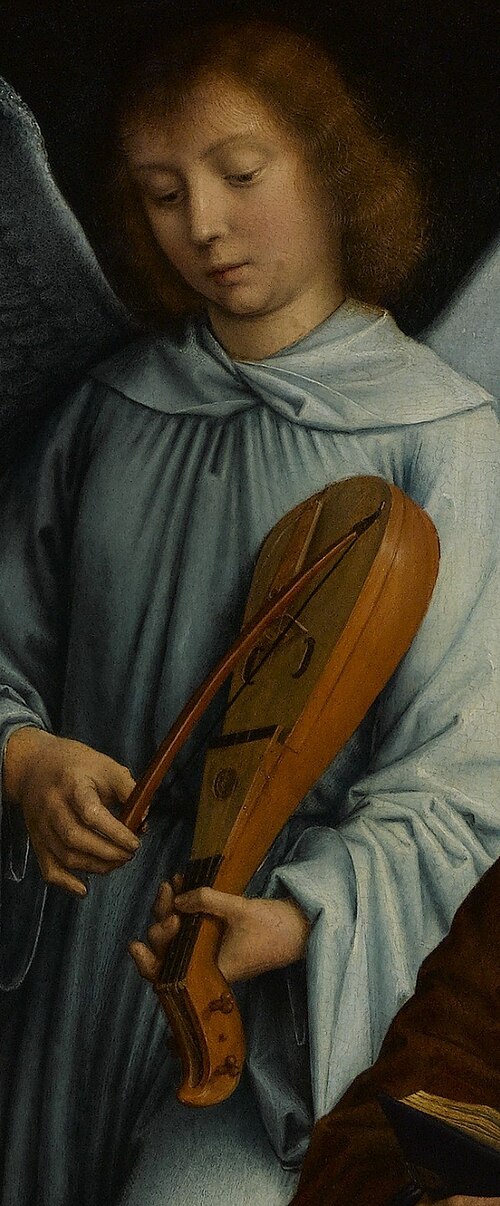  |    |
| روت | تم استخدام اسم rotte للقيثارات أولاً؛ وبدأ تطبيق الاسم على آلة قيثارة تشبه القيثارة حوالي القرن الثاني عشر الميلادي [ 93 ]. كثيراً ما يُخلط بينها وبين القيثارات في الرسوم التوضيحية. كان لدى كتّاب الكنيسة في الإمبراطورية الكارولنجية فهم محدود للآلات الموسيقية السابقة، مثل القيثارة العمودية الزاوية . وقد تسببت الأوصاف التي وردت في القرنين الرابع والخامس لهذه الآلة في حدوث ارتباك في القرنين العاشر والثاني عشر من قبل الفنانين الذين رسموا صوراً مصغرة في المخطوطات. | القيثارة الزيثارية مزمار مثلث الشكل |    |   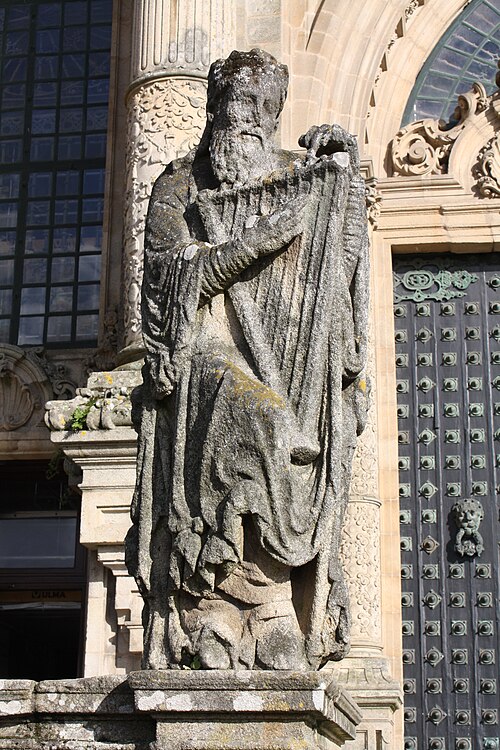 |
| التامبورا |  | |||
| مارينا ترومبا عازف البوق البحري | 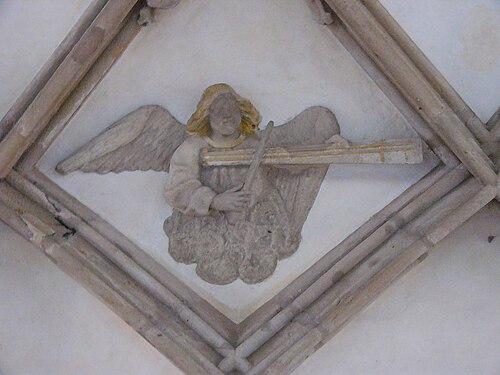 |  | ||
| فيول فيل |  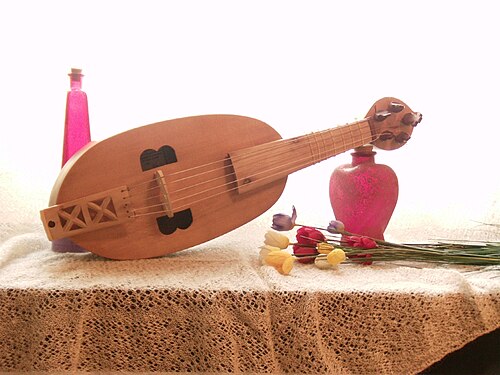  |   | ||
| فيويلا الفيولا | في شبه الجزيرة الأيبيرية، تظهر صور لآلات عود صغيرة، يُعتقد أنها كانت تُشبه آلات السيثارا والسيتول . وفي البرتغال، استمر هذا التقليد حتى العصر الحديث، حيث عُرفت الآلات باسم الفيولا . وكانت تُعرف في إسبانيا باسم الفيويلا. وفي عصر النهضة، تطورت الفيويلا لتصبح آلة موسيقية كبيرة تُشبه الغيتار. أما الفيولا، فظلت صغيرة الحجم. وقد أُعيد استخدام اسم الفيولا للإشارة إلى مجموعة متنوعة من الآلات، بما في ذلك الفيولا دا غامبا والفيولا ( وهي نوع من الكمان الحديث). |   |   | |
| فيويلا دي أركو فيولا دي أركو فيهويلا دي أركو بيكينيا (فيهويلا صغيرة منحنية) | قد تكون الفيويلا دي أركو نوعًا مختلفًا من الفييل. وقد امتلكت إسبانيا مجموعة متنوعة من آلات الكمان (التي سبقت الكمان الأعظم) في الأعمال الفنية للكاتدرائيات والمخطوطات المصغرة . |  |   | |
| الزيثارة | ||||
آلات النفخ
| الأسماء والاختلافات | وصف | الروابط العرقية والمناطق | صور | صور |
|---|---|---|---|---|
| ألبوجون [ 98 ] | انظر إلى آلات النفخ الخشبية أدناه آلة نفخية مزدوجة القصبة أو نوع من أنواع الشاوم ، ربما تكون مقتبسة من البوق الإسلامي . [ 99 ] |  | ||
| ألبوكا بينول | انظر إلى آلات النفخ الخشبية أدناه الآلات الموسيقية التقليدية للرعاة. مزمار قصب استُبدل فيه جسم القصبة بمادة أخرى كالخشب أو العظم. تُفصل القصبة المفردة (التي كانت جزءًا من جسم المزمار) وتُدخل في جسم الآلة. يُدخل الطرف الآخر من القصبة في فم العازف ويُنفخ من خلاله لإصدار الصوت. تحتوي مزمار الهورنبايب على غطاء واقٍ فوق القصبة للنفخ فيه. يستخدم الكرومهورن أيضًا نظام القصبة المحمي هذا، ولكن بقصبة مزدوجة.
انظر أيضًا قرن الراعي (أدناه) |  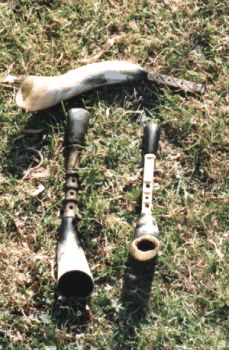  |    | |
| Bagpipes[100] | See article: List of bagpipes See reedpipes below Reedpipes attached to a leather bag to give a continuous air supply. | baghèt, N. Italy duda, Hungary gaita (Iberian Peninsula)
gajda, Balkans
great Highland bagpipe, Scotland
huemmelchen, Germany säckpipa, Sweden torupill, Estonia xeremia, Mallorca żaqq, Malta |    |     |
| Bladder pipe | See reedpipes below Reedpipes in which the player blows into a bag made from a bladder; by puffing their cheeks (to continue air pressure while taking a breath) players could keep a continual air flow going to the reeds. |   |   | |
| Buisine Anafil Trompe | See horn and wooden trumpet below. The nafir was a Muslim instrument, adapted by Europeans and renamed the anafil in Spain[105] and the buisine in France.ú[106] ú The buisine (first mention about 1100 A.D.) was a long, slightly curved horn, used in battle for signaling.[106] It was replaced by the nafir, the name transferred to the new instrument.[106] The new buisine was of brass, copper or silver, 4–7 feet long, made in sections that could be assembled with "bosses" covering the joints.[106] In 12th century trompe in French (also Catalan, Spanish and Portuguese variants) is recorded for an instrument that is "long and straight." Used in battles as a signal horn, in tournaments and weddings for atmosphere. By the 17th century the trompe had a single coil.[107] Europeans developed the instrument further into the herald trumpet or clarion near the end of the medieval period. | Initially in Spain (during the Reconquista), and France and other parts of Europe during the Crusades. |   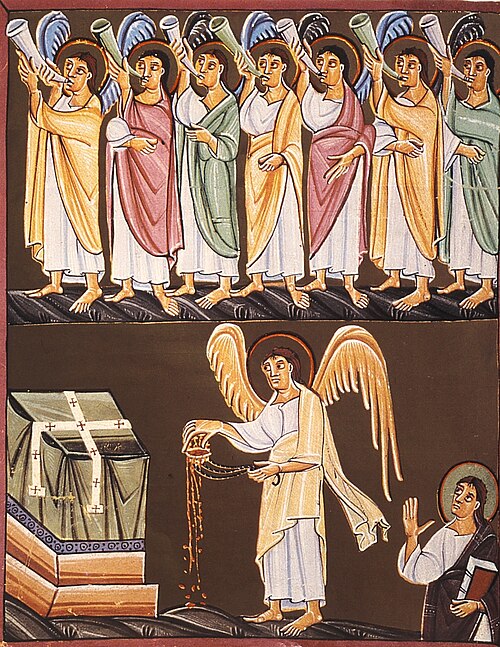 |     |
Clarion
| Clarion today implies high, angelic, pealing notes. That sound was developed, however, as Europeans began to learn to shape and bend sheet-metal tubes for trumpets. Muslims also had trumpets with clarion notes, as part of a mix of trumpet sounds with tenor and bass.[105] Horns would change too, becoming metal instruments such as the bugle (Old English word for ox). Clarion eventually became a range of notes, within the reach of natural trumpets and bugles. The later medieval and Renaissance cornetts (fingerhole horns) would also come to hit clarion notes. |    |     | |
| Cornett "Proto-cornetts"[109] Fingerhole trumpets Fingerhole horns | See horn, shepherd's horn and wooden trumpet below Best known as a Renaissance instrument (1500s-1600s), cornetts were wooden fingerhole trumpets whose blowhole was so small it required the instrument be played at the side of the mouth. The cornett was likely derived from an animal horn pierced with fingerholes such as the coradoiz.[110] Later cornetts took on a stylized appearance, the curved instruments somewhat resembling an animal horn. Carved wooden instruments had octagon exterior by the 12th century.[110] In artwork, it may be difficult to know whether an instrument is lip-blown (a trumpet) or a reedpipe (sounded by a reed inserted into the tip, held in the player's mouth).[109] |    |    | |
| Crumhorn | See reedpipes below A Renaissance/Baroque instrument, the sound mechanism was a bundle of reeds beneath a wooden cap.[111] The musician blew through the cap.[111] The instrument likely descended from the medieval bladder pipe.[111] | krumnhorn, Germany[111] cromorne, tournebout, France[111] |  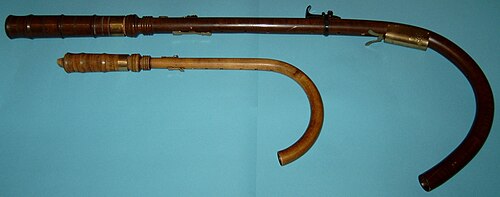 |  |
| Flageolet | Originally a "whistle flute" or duct flute from Asia.[112] Used in medieval Europe by the 11th century A.D.[112] In Europe it was a flute of the countryside, made of willow (see willow flute below) as late as the mid-13th century.[113] It was also made of cane or wood (and in one example, copper) with a fipple at the top, which musicians blew through to produce sound.[112] Later version in 1581 would have 4 fingerholes and 2 thumbholes.[112][113] It was characterized in 1640 as being shorter than the recorder.[112] One possible version of the instrument was a short four-holed duct flute (Russpfeif), illustrated in 1511 by Virdung.[114] The flaviol was a flageolet of the Pyrenees, about 6 inches long with one fingerhole and played with one hand with the drum or tabor.[115] Some flaviols may have 3 fingerholes and two vents, one thumbhole and two vents.[115] Another, played one-handed with tabor, had a single fingerhole.[115] | flageol, French until 13th century[112] flageolet, French from 13th century forward[112] flaviol, Catalonian, Provincial |  | 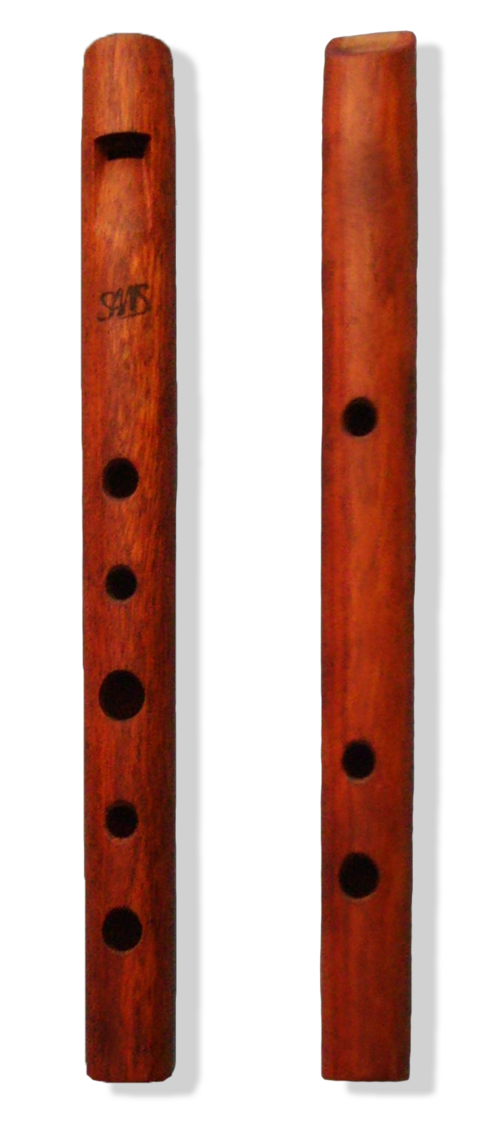 |
| Fife and drum | The fife is a small transverse flute with 6 fingerholes.[116] Introduced widely to Europe as soldier's instruments during 15th century by Swiss mercenaries.[116] Seen in France in 1507 and England in 1510.[116] | French
German Italian
Spanish
|  | |
| Flute | Flutes in medieval Europe included the transverse flute and the duct flute. The transverse flute was held horizontally below the musician's head, allowing them to blow air into the top side of the instrument (across the hole's sharp edge). Flutes had been known in Europe in prehistoric times but disappeared. The transverse flute had also been seen in Europe as early as the 2nd century B.C. (recorded in Etruscan artwork from a tomb in Perugia).[117][118] It also made an appearance on a coin from Syria, circa 169 A.D.[117] These are the only early examples currently known.[117] The transverse flute which arrived in medieval Europe developed in Asia, where separate traditions existed in India and China.[117] It entered Europe through Byzantium (by way of "North Africa, Hungary, and Bohemia") and Germany.[119][117] Curt Sachs saw examples of it in Greek art as early as the 10th century, and said it had been written about "as plágioi about 800 A.D."[117] Other researchers note the 11th century as the beginning of depictions in European artwork.[119] Transverse flutes became popular in Germany and were known as German flutes as the instruments' use spread.[117] In the early 20th century, it was noted that the countries of Romania, Yugoslavia, Hungary, Bohemia, Austria and Switzerland held a "predilection" for the transverse flute in the folk music.[117] | side blown flute cross flute German flute (English)[117] Swegel (German)[117] flauta alemana (Spanish)[117] flauste d'Allemand (French)[117] flauste traversaine (French)[117] |   |   |
| Duct flute | Duct flute with tapering bore, seen in French art in 11th century A.D., traceable back from modern times into the 12th century.[120] Called the recorde in England by about 1400.[120] In 1400s multiple sizes existed. By 1511, sizes included bass, tenor, alto and soprano instruments.[120] Recorders are fairly rare in medieval art, the pipe (for pipe and tabor) being more common. Possibly began main start in European music in Northern Italy in the 14th century, and was established at the beginning of the 16th century.[121] It is difficult to tell from art if a recorder is presented (with a thumb hole) or a "some kind of folk pipe (without the thumb hole)."[121] In comparison, reed pipes had a very limited range of notes (having only 3-4 holes and being played with one hand). Recorders and pipes with the holes requiring two hands to play had a broader range of notes. Another detail difficult to see is the mechanism of sound; recorders are flutes in which the sound is produced by a fipple.[121] Reed pipes such as aulos used reed bundles like a shawm to produce notes, or single reeds like the zummara.[121] Three and four hole pipes have been excavated in Novgorod, dating to the 11th and 15th centuries A.D. The timeline is not clear for the development into flutes with more holes. It isn't certain whether pipes with 3-4 holes were played alone, with a timbrel or tabor, or in pairs. Double flutes in Eastern Europe date back to the 12th-13th centuries.[122] Used in Russia, Belarus, western Ukraine, Serbia, Bosnia and Croatia.[122] | recorder, English, late 14th century[120] flûte à bec, French[120] Blockflöte, German[120] flauto dritto, Italian[120] flauta de pico, Spanish[120] |   |    |
| Double flutes | See: tabor pipe, below Uses a fipple (hole to blow through, combined with sound producing hole) as on a recorder. Similar to double reedpipes, in that each flute was played with one hand. Some were three hole flutes. Other flutes existed with more holes, still played with one hand, including the Flabiol. |   | 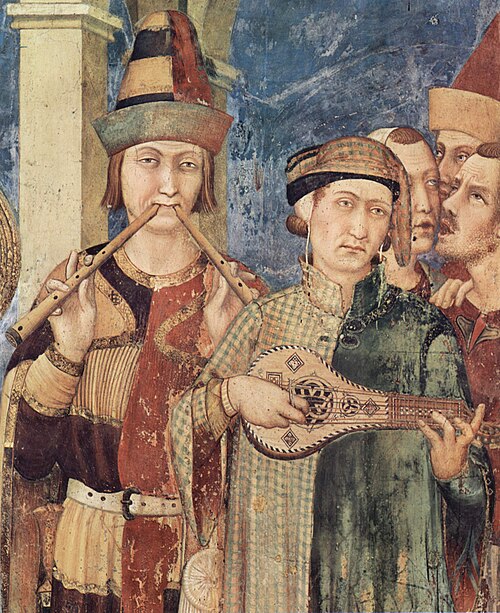   | |
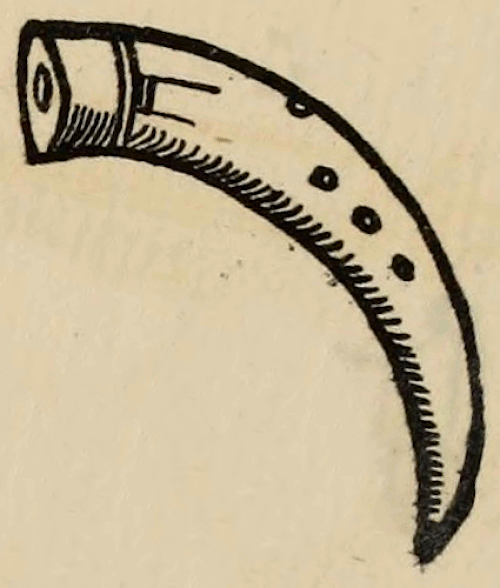
| Gemshorn | A recorder made from horn.[123] It was originally made from chamois horn, but in later music, the an ox-horn version filled the gap between the flageolet and the recorder.[123] It became common to use ox horn after 1375 A.D.[123] The instrument's popularity in the 15th century led to an organ stop being created by 1511 with the name gemshorn or cor de chamois.[124] It was illustrated by Virdung in 1511, and Agricola in 1528, but may have been in decline in the 16th century.[124][125] The mouthpiece of the instrument is at the top of the wide end of the horn; the large hole has been filled in with a blowing hole left at the top, creating a fipple.[124] A sound hole to create the sound is cut into the sidewall of the horn, along with fingerholes.[124] Artwork showing the instrument shows three or four fingerholes on the top.[125] Three fingerholes and a thumb hole will play an octave.[125] Modern builders have added soundholes.[125] | Scottish-English
French
German
Italian
Spanish
|  |   |
| Horn Bockhorn or Bukkehorn Battle horn War horn | Trumpets made from cattle horns[126] (the name bugle from Latin, for buculus or bullock[127]), from other materials and shaped like cattle horns, and other animal horns such as goats (bukkehorn) or sheep (shofar). Carved ivory horns of this style were called oliphants. Words in English: cowhorn, bullhorn, oxhorn, steerhorn. Horn in English was used in Old English as well; in Beowulf a leader calls his men to battle with a horn.[128] Among peaceful uses of these horns was for farmers to call to their cattle herds to bring them in.[129] Could be drilled with as many as three or four fingerholes.[129] Bockhorns have been found with fingerholes as far back as the Iron Age.[129] | Old English: horn used in Beowulf[128] Norway/Sweden |    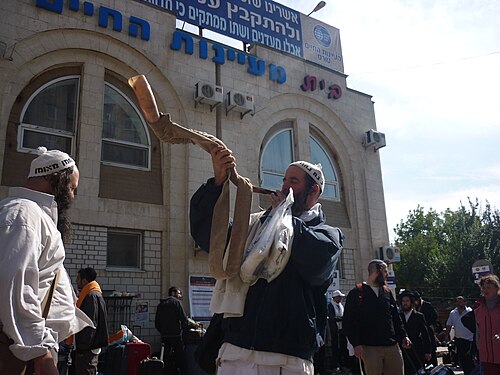 |    |
| Olifant | Hunting or war horns carved from ivory |  |  | |
| Medieval trumpet Iberian trumpet | See shepherd's horn and wooden trumpet below |   | 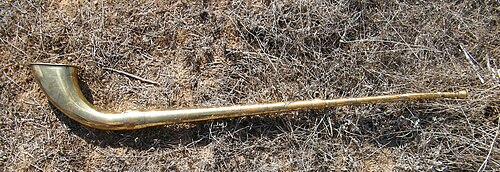  | |
| Organ | Organs invented in antiquity, but not common in Europe.[130] Under reigns of Pepin the short and Charlemagne, the organ was re-introduced to Europe, starting in about 757 A.D.[130] Theophilus's organ in the 11th century A.D., used bellows activated by body weight.[131] That was refined to make all air from three bellows enter into a common channel.[131] Smaller organs are illustrated that are now called portative organs and positive organs. |  |   | |
| Portative Organ |  |   | ||
| Positive organ | A tabletop pipe organ |  |  | |
| Panpipes Panflute | An instrument of shepherds in the late Roman Empire, seen in 3rd century A.D. Christian art. The instrument was widespread, appearing in Chinese art from the Tang dynasty featuring men on the Silk Road. |    |     | |
| Pipes | English word for a variety of instruments.[132] Tube of wood, reed or other material through which air is blown.[132] Sound occurs from interaction of air with a sharp edge, notch, a duct, reed or some other form of mouthpiece.[132] In European instruments the name "pipes" includes:
| Word used in English and Old French[132] German
| ||
| Reedpipe[133] | See also alboka, in above in this table. An aerophone in the form of a tube with "vibrating reed" inserted, either at the tip (as in launeddas) or inside the interior (as in a crumhorn or alboka).[133] Reeds such as on the launeddas are single reeds; reeds on the shawm are double reeds. Includes bagpipes and bladder pipes (both with internal reeds). Europeans made pipes out of reeds, splitting a reed to make a single reed. A single 3-hole reed pipe could be used for the pipe and tabor. The Launeddas was a more elaborate reed pipe, with multiple pipes; each might have its own reed or one reed might sound multiple pipes. These are more common in medieval art than the recorder (which has more holes and requires both hands to play). Reed pipe traditions around the world include Asia, Southeast Asia, the Middle East and Africa. |    |    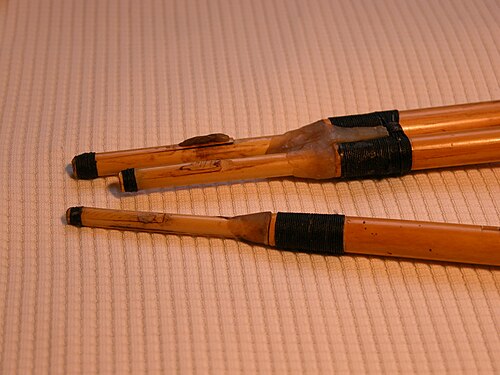  | |
| Double reedpipes double clarinet diplica | Reedpipes played in sets, one in each hand. In ancient Greece, the aulos were double reedpipes. |   | 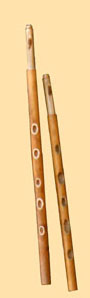  | |
| Triple pipes Cumbrian pipes cuisle triple reedpipes |  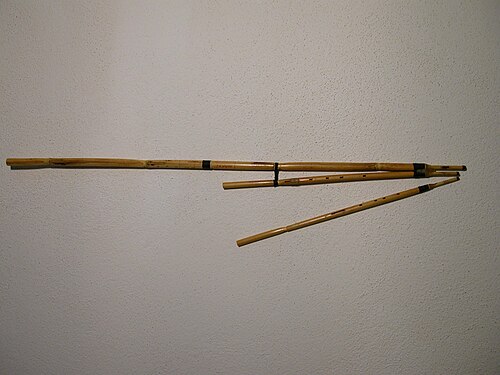 |   | ||
| Sackbut[134] | Renaissance instrument, ancestor of the trombone. Medieval variant was clarion or slide trumpet. |  |  | |
| Shawm[135] oboe | See reedpipes above Double-reed instruments. The reed bundle is inserted through a disk (used for breath control, for uninterrupted sound, playing while the musician breathes.) In France, musettes were small oboes until the 16th century, when they became bagpipes.[136] The musette was a small keyless double-reed chalumeau, with a visibly conical bore and a pear-shaped bell. | England (Middle English, from French)
France (Old French)
German
Iberian Peninsula
|   |    |
| Shepherd's horn[138] | Wooden trumpets, conical tube about 4 ft long with mouthpiece; made of separate sections of hollowed out wood, glued together; bound with bark.[139][140] In Norway [and Sweden] used by shepherds in mountain pasturage to call to livestock, frighten predators and call signals to surrounding communities.[139] Shorter lurs could also be used as megaphones.[139] Horns constructed of strips of birchbark or alder bark rolled into tubes, or into cups to fit onto the end of flutes or reedpipes. Also fingerhole horn carved of wood. A mouthpiece is inserted; they may have reed tongues (making them reed horns, shawms or obes) a trumpet mouthpiece, or a tip to make them into flutes. Holes may be cut into the bark tube as well.[141][142][138] Instruments may also be built with a mouthpiece resembling a cup or funnel, in which the player uses his lips to create the sound.[143] | Sweden, Russia, Karelia, Belarus, Ukraine, former Yugoslavia Pastusheskiy rog (Пастушеский рог) Old Norse lúðr[139] |   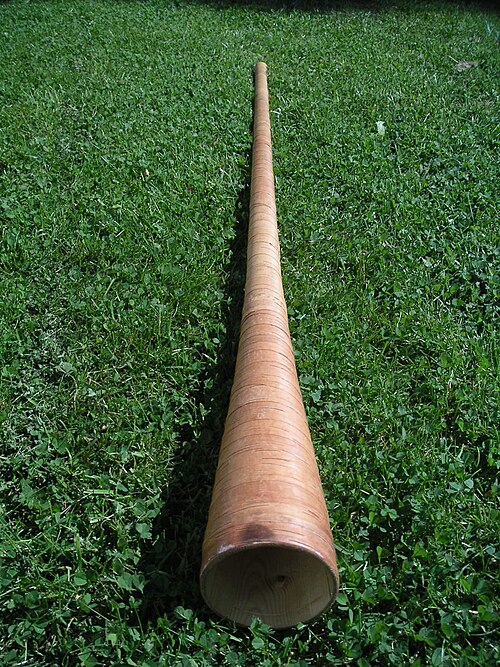 |   |
| Clay trumpet | Horns of clay |  | ||
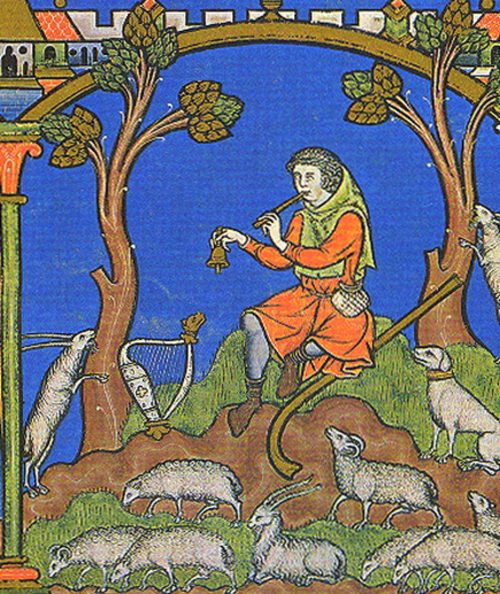
| Tabor Pipe | A duct flute with three-holes (or two holes and a thumbhole), with a body of wood or reed. Played with other instruments such as the tabor, tambourin à cordes, handbell, or with a second pipe (see double pipes above). Other recorder variants have been used in this manner including the full-sized recorder and the flageolet or flaviol (see above in table). | French
|  |   |
| Willow flute | These instruments are commonly called willow whistles because they use the bark of a willow tree (the tube created when the center is pulled from inside the bark) to make a whistle. The Russian kalyuka also makes a tube for a whistle, often out of thistle. The two instruments are played the same way, by varying the force of the air blown into the mouthpiece, with the end of the tube being covered by the finger or left open. | Norway Sweden Finland Latvia Lithuania Romania
Russia Ukraine | 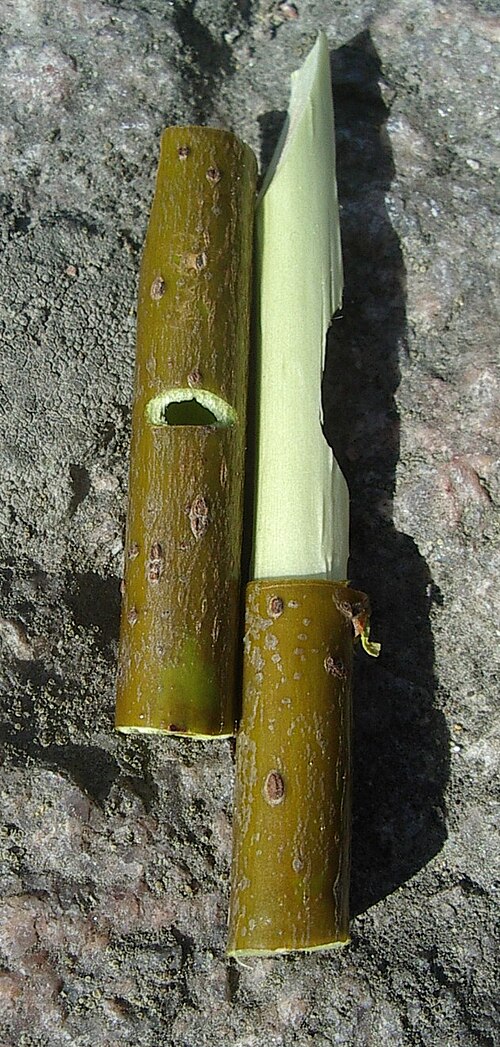 |   |
| Wooden trumpet | After the fall of the Roman Empire, trumpets of metal were relatively rare in Europe. Europeans used horns (from goats, sheep and cattle) or carved them from wood. The wooden trumpet was illustrated by Anglo Saxon artists in France in the Utrecht Psalter, circa 850 A.D. They drew long wooden horns with thick metal bands to hold the separate halves of the instrument together. Examples of surviving wooden instruments made in this fashion include the lur found in the Oseberg ship (two hollowed out halves held together with 5 rings or bands[139]) and also the Irish wooden trumpet. In Ireland, a wooden trumpet was found in the Erne River and attributed to the "early Christian Period...8th-10th century."[145] The yew-wood trumpet was carved in two halves lengthwise and bound together with strips of bronze, with a bronze mouthpiece.[145][146] This Irish trumpet has resembles trumpets illustrated in the Vespasian Psalter.[146] In literature, the instrument was the beme (byme, bemastocc) in Old English.[147][148][149] Hygelac (in the late 10th century epic poem Beowulf) calls soldiers to battle with "horn and bȳman".[128] It was the buisine to the French in the epic Chanson de Roland (circa 1100-1120), and the word was used for this instrument until transferred to the later metal instrument in the late 12th century.[108] | Bemastocc (Old-English bem trumpet + stocc wood)[149] Buisine[108] Lúðr (Old Norse[139]) |  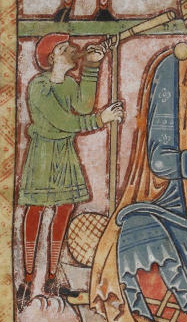   |    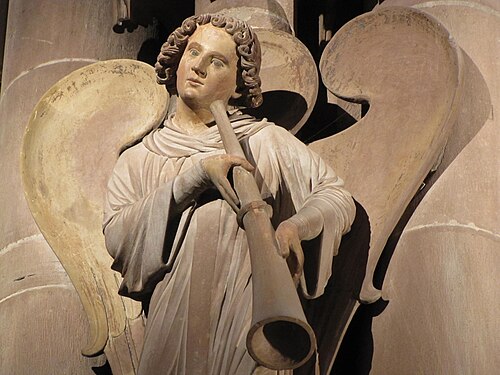  |
Groups of musicians
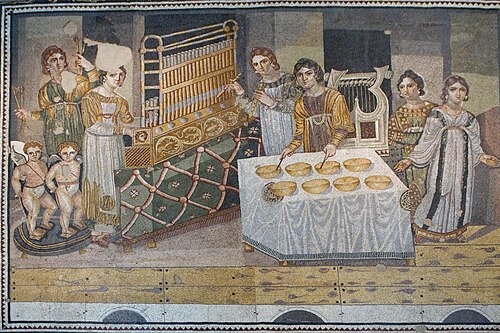
 Circa 795 A.D., Carolingian Empire. Probably from Aachen. Crotala (clappers), harp and fiddle.
 8th century A.D., England. Vespasian Psalter (Canterbury Psalter, MS Cotton Vespasian A.I, fol. 30v). King David playing the lyre with players on wooden trumpets and horns, and gleomen clapping and dancing,
 970 A.D. Spain. Medieval band plays for evil being, from the Valcavado Beatus, folio 199v. From left: trumpet or reedpipe (cowhorn attached to reed body), cymbals, hourglass drum, double reedpipes, cythara, wooden trumpet.
 Circa 1025-1050, England, Winchcombe Psalter. King David plays medieval harp surrounded by musicians playing rotte, crwth, cornett (fingerhole horn), and crotals (clappers/cymbals on sticks).
 Circa 1029-1050 A.D., Germany. Musicians with bowed lyre, psaltery, monchord, and dancers, from the Psalterium cum Canticis ('Werdener Psalter') Berlin, Staatsbibliothek zu Berlin – Preußischer Kulturbesitz, Ms. theol. lat. fol. 561.
 Circa 1075 A.D., England. King Alfred poses as King David.[152] The dove brings the holy spirit; a juggler and a fiddler perform at top; at bottom a wooden trumpet and cowhorn.
 11th century A.D., France David playing lyre with his musicians playing coradoiz, harp, panpipes and rebec.
 Circa 1050 A.D., Germany. Detail from Heidelberg Psalter. Double pipes, cymbala (bells), psaltery, rotte, viola.
 Circa 1000 A.D., Kyiv, Ukraine. Musicians in the Saint Sophia Cathedral with wooden trumpets, a kobza and a psaltery played upright as a harp.
 1022-1032, Monte Casino. Musicians from the "De rerum naturis" manuscript, Monte Cassino MS Casin 132; from left cymbals, psaltery, harp or rotte, lute.
 Last third of 11th century, Spain. Three instruments in the Jaca Cathedral Portico; far left the psalterium quadratum; center, David playing the Byzantine lira; right, a musician with a triangular harp (not a rota, because the curved right side is shaped as a harp's forpost). The psalterium quadratum is one of Jerome's instruments; see bumbulum above.
 Circa 1125, Italy. Bottom, King David plays rotte; around him are a tabor (frame drum), horn or trumpet, and crwth or fiddle
 Circa 1100 A.D., Polirone Abbey, San Benedetto Po, Italy. King David playing a rotte (psaltery), with other musicians on fiddle, bell, bagpipe and horn, from the Musicians from the Psalter of Polirone.
 12th century A.D., England. David playing lyra (center), surrounded by (top) musicians with wooden trumpets and nakers, (center) musicians with harps, (bottom) musicians with cymbala (bell chimes), from the Saint Alban's Psalter.
 1172–1174 A.D., Germany. Musicians from The Book of Divine Works by Hildegard of Bingen. From left: harp, flute or recorder, unknown, vielle (with 2 drone strings), panpipes, portative organ.
 12th century A.D., Germany, copy printed in 1774. Martin Gerber made tracings of this image from a 12th c. manuscript. The original manuscript burned in 1768 with the abbey. Monochord, rotte and cymbala are illustrated.
 Early 12th century A.D. Top, spiritual music, King David surrounded by musicians. Bottom, carnal or secular music, the devil surrounded by dancers and musicians. From PSALTERIUM TRIPLEX, B.18, f.1r, St John's College Cambridge
 12th century A.D., Spain. Some of the 24 Elders of the Apocalypse on the Church of Saint Dominic, Soria. Instruments include rebecs and rabels (both plucked and bowed), rottes, psalteries and a organistrum.
 1201–1208 A.D. Germany, St. Elizabeth's Psalter. King David holding the rotte (lyre) and musicians playing chime bells, vielle, pipe organ and long wooden horn
 12th-13th century A.D., Palermo, Sicily. Byzantine musical instruments: lute, trumpet or shawm, cymbals, rota. Skylitzes Manuscript, Madrid, National Library, codex vitr. 26-2, page 173 (folio 78r).
 13th century, Russia. King David (center) plays organstrum or hurdy-gurdy. To David's right (our left) man playing naker (drum with snare), probable oboe, cowhorn, gusli (or rotte). To David's left, one man plays cymbals, while another man holds a psaltery. Bottom left corner (our left), a man plays a bowed lyre. Bottom right, a man with drum and curved drumstick. Simonovskaya Psalter, State Historical Museum, Moscow, Russia.
 1255–1260 A.D., England. Celebrations with musicians in work titled "The Unburied Bodies of the Two Witnesses and the Rejoicing People", Ms. Ludwig III 1 (83.MC.72), fol. 17v. From left: vielle, triple pipes, tabor or drum, cymbals.
 1340 A.D., Germany. King David with scribes and musicians, detail from World Chronicle of Rudolf von Ems.
 1305–1340 A.D., Zurich, Switzerland. Heinrich Frauenlob, a Minnesinger (seated, top) in the Codex Manesse. From bottom left: Tabor, recorder, shawm, vielle, vielle, psaltery, bagpipe.
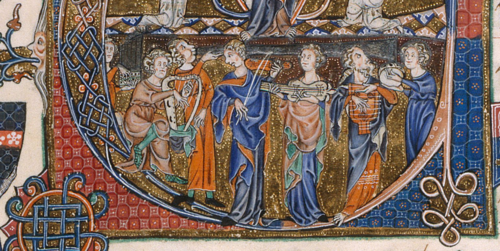 1310, England. Gorleston psalter, folio 107v. Instruments from left: castagnette, harp, singing, rebec, citole, psaltery, tambourine.
 Circa 1320–1330, Catalonia. Women playing instruments from the Golden Haggadah; (from left) cymbals, adufe, lute, timbrel, women dancing.
 14th century A.D., Italy. King David, his wife Musica and their children. From manuscript of Manlius Severinus Boethius's De Musica, Naples, Biblioteca Nazionale, Ms. VA 14, fol. 47
 1305 and 1340 A.D., Zurich, Switzerland. Codex Manesse showing King Otto IV of Brandenburg playing chess with a woman. Below are buisines, tabor drum with two drumsticks, and bagpipes.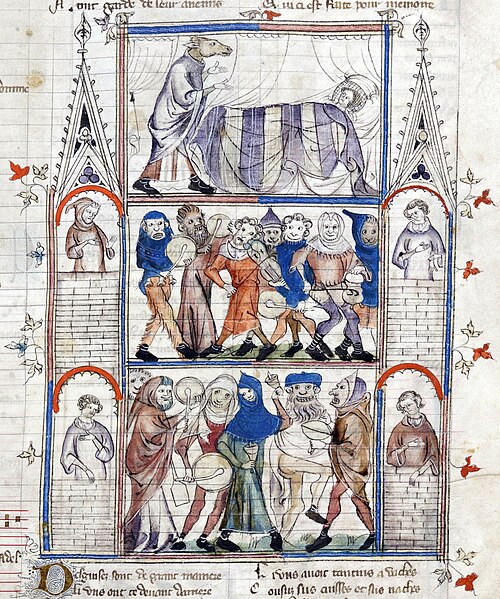
 1474 A.D., Italy. The Assumption of the Virgin by Matteo di Giovanni.
 1480 A.D., Italy. Remnants of a fresco from Santi Apostoli, Rome, damaged during renovation in 1711. Triangle,pipe and tabor, vielle, lute, tambourine.
 Circa 1434, Spain. Jesus Christ surrounded by twelve men with instruments and wearing crowns, above the main entrance of the Church of San Martiño de Noia.
 1480s, Germany. Christ with Singing and Music-Making Angels by Hans Memling.
References
- ↑Gutwirth, Eleazar (1998). "Music, Identity and the Inquisition in Fifteenth-Century Spain". Early Music History. 17: 161–181. doi:10.1017/S0261127900001637. ISSN 0261-1279. JSTOR 853882.
- ↑Mauricio Molina (2006). Frame Drums in the Medieval Iberian Peninsula. pp. 101–. ISBN 978-0-542-85095-0. Retrieved 25 December 2012.
- 12Schechter, John M. (1984). "Adulfe". In Sadie, Stanley (ed.). The New Grove Dictionary of Musical Instruments. Vol. 1. p. 25.
- ↑Sienna, Noam (4 December 2018). "March to Your Own Drummer: The History of Hennaed Drums (Part One)".
- 1234"Das Geheimnis der Rippe"[The Secret of the Rib]. rincker.de (in German).
The " transitional rib" (from around the 12th century... and the so-called "Gothic rib"...were made in this way until at least the Thirty Years' War [1618 to 1648]. This was a major turning point for bell making, since bell founders, if they survived at all, tended to become piece-casters, i.e. cannon founders).
- 12Price, Percival (1984). "Bell: 5 Bellfounding". In Sadie, Stanley (ed.). The New Grove Dictionary of Musical Instruments. Vol. 1. p. 214.
The common form of the bell changed from the more or less cylindrical 'beehive' shape to a slightly conical 'sugar-loaf'...
- 1234Rech, Adelheid. "Carillon History". Essential Vermeer.
- ↑Buse, Adolf (1858). S. Paulin évêque de Nole et son siècle (350-450) (in French). Translated by Dancoisne, L. Paris: H. Casterman. pp. 415–418.
- ↑Walters, H. B. (1908). The Arts of the Church: Church Bells. London: A. R. Mowbray & Company Ltd. pp. 3–4.
Their [the bells'] invention is sometimes ascribed to Paulinus, Bishop of Nola, in Italy, about A.D. 400; sometimes to Pope Sabinianus (A.D. 604)...
- ↑Roger J. Smith (1997). "Church Bells". Sacred Heart Catholic Church and St. Yves Mission. Archived from the original on December 7, 2021. Retrieved October 26, 2012.
Bells came into use in our churches as early as the year 400, and their introduction is ascribed to Paulinus, bishop of Nola, a town of Campania, in Italy. Their use spread rapidly, as in those unsettled times the church-bell was useful not only for summoning the faithful to religious services, but also for giving an alarm when danger threatened. Their use was sanctioned in 604 by Pope Sabinian, and a ceremony for blessing them was established a little later. Very large bells, for church towers, were probably not in common use until the eleventh century.
- 12345Price, Percival (1984). "Bell: 5 Bellfounding". In Sadie, Stanley (ed.). The New Grove Dictionary of Musical Instruments. Vol. 1 -. p. 214.
- 1234567Anderson, Joseph (1881). Scotland in early Christian times. Edinburgh: D. Douglas. pp. 186–187, 199, 214–215.
- ↑Cahill, Thomas (1995). How the Irish saved civilization : the untold story of Ireland's heroic role from the fall of Rome to the rise of medieval Europe. New York: Nan A. Talese, Doubleday. ISBN 978-0-385-41848-5.
- ↑Asmus, Bastian (6 May 2018). "Successful Carolingian bell-founding".
The bells from the 8th to the 12th century did differ in several respects from bells we know nowadays. They possessed a different shape, reminiscent of old beehives.
- ↑"Zuckerhutglocke"[Sugarloaf Bell]. haseldorfer-marsch.de/.
Towards the end of the 12th century, a new bell shape with an elongated, truncated cone-shaped bell body became popular: the sugarloaf bell. In bell manufacturing, the lost-wax casting process had been replaced by the shell-lifting process, and the new bell shape probably developed from this.
- 12"Saint Gall: Irish saint". Encyclopedia Britannica online.
- ↑Schwartz, Clarissa (28 September 2022). "Abbey Cathedral St.Gallen".
preserved in the [St. Gall] cathedral...The bell brought by Gallus on his seventh-century journey from Ireland is one of the three oldest surviving bells in Europe...
- ↑Linda Schaitberger. "THE BELL-FOUNDER OF BRESLAU". revisionist.net/.
on May 17, 1945, an explosion destroyed the south tower. Part of the church collapsed and demolished the bridge connecting the towers, the gable end and the main portal (west) with its valuable sculptures as well as the vaults and the famous 'Bell of the Sinners', cast in 1386. It was probably the largest bell in Silesia with a circumference of 6.30 meters and an inner height of 1.80 meters, and was rung on holidays and the Lord's Prayer.
- ↑"A bell's 500 years: from the London Times". The New York Times. 26 August 1886. ProQuest 94449648.
The bell which hangs in the southern tower of St. Mary Magdalen's Church and is named "St. Mary's bell," but is usually known as "the poor sinner's bell," rang out morning and evening on the 17th of July to remind all who heard it that it was cast on that day 500 years ago...the bell founder withdrew... leaving a boy in charge of the furnace... warning him not to mess with the catch that secured the seething metal in the caldron. The boy disregarded the caution...rushing in and seeing what he had intended to be his masterpiece ruined, as he thought, angered to madness, he slew the boy on the spot... he was condemned to die, and went to his doom while his beautiful bell pealed an invitation to all to pray for "the poor sinner..."
- 1234Price, Percival (1984). "Chimes". In Sadie, Stanley (ed.). The New Grove Dictionary of Musical Instruments. Vol. 1. pp. 351–352.
- ↑Blades, James (January 1973). "Percussion instruments of the Middle Ages and Renaissance Their history in literature and painting". Early Music. 1 (1): 11–18. doi:10.1093/earlyj/1.1.11.
- ↑"Refectory Bell". Metropolitan Museum of Art.
- ↑Ad Dardanum, de diversis generibus musicorum instrumentorum.
- ↑Trede, Juliane. Image 109 of Saint Jerome's "Instruments of Hieronymus" and other Music Manuscripts. Library of Congress.
{{cite book}}:|work=ignored (help) - ↑Sebastian Virdung (1993). Musica Getutscht - A Treatise on Musical Instruments (1511) by Sebastian Virdung. Cambridge University Press. p. 116,117,118. ISBN 978-0-521-30830-4.
[note, Virdung first published Musica Getutscht in Basel in 1511.]
- 123456"Le Percussioni nel medioevo: Introduzione"[Percussion in the middle ages] (in Italian). Union Cattolica Italiana, Insegnanti, Dirigenti, Educatori, Formatori (UCIIM). Archived from the original on 16 November 2019.
- 123456Marcuse, Sibyl (1975). "Drum". A Survey of Musical Instruments. New York: Harper & Row. p. 156.
- ↑Blades, James (January 1973). "Percussion instruments of the Middle Ages and Renaissance Their history in literature and painting". Early Music. 1 (1): 11–18. doi:10.1093/earlyj/1.1.11. JSTOR 3125789.
A 12th century manuscript in St. John's College, Cambridge, associates the drum at this period with profane music. It shows a barrel-shaped drum suspended horizontally in front of the performer (a juggler disguised as a bear) who strikes it with his hand
- ↑Sadie, Stanley, ed. (1984). "Timbrel". The New Grove Dictionary of Musical Instruments. Vol. 3. p. 585.
- 123Sadie, Stanley, ed. (1984). "Tambourine". The New Grove Dictionary of Musical Instruments. Vol. 3. p. 511.
- ↑Sadie, Stanley, ed. (1984). "Bendir". The New Grove Dictionary of Musical Instruments. Vol. 1. p. 220.
- ↑"TIMBREL - JewishEncyclopedia.com". Jewishencyclopedia.com. Retrieved 2016-05-13.
- 12Bouterse, Curt. "Las Cantigas de Santa Maria". curt.bouterse.com.
On the other hand, Cantiga 300 shows a strange ensemble: a man and a woman (both Muslim by their sleeve patches) playing unique instruments. The man, wearing the noble box-cap birrete, blows a huge fingerhole horn, while the woman plays an hourglass-shaped drum.
- ↑Leonard Fox (1988). The Jew's harp : a comprehensive anthology. Lewisburg: Bucknell University Press. ISBN 0-8387-5116-4. OCLC 16356799.
- 123456Marcuse, Sibyl (1975). "Naker". A Survey of Musical Instruments. New York: Harper & Row. p. 358.
- ↑Marcuse, Sibyl (1975). A Survey of Musical Instruments. New York: Harper & Row. pp. 80–91.
- ↑Marcuse, Sibyl (1966). "Rattle". Musical Instruments: A Comprehensive Dictionary. A complete, authoritative encyclopedia of instruments throughout the world. London: Country Life Limited. p. 435f.
- ↑"Rätsch II". Schweizerisches Idiotikon digital. Schweizerisches Idiotikon. Vol. 6. p. 117.
- ↑Tenorio, Rich (16 August 2016). "When the Spanish Inquisition expanded to the New World". The Times of Israel. Archived from the original on 9 May 2021. Retrieved 29 June 2022.
- 1234Marcuse, Sibyl (1975). "Tabor". A Survey of Musical Instruments. New York: Harper & Row. p. 504.
- 12345Marcuse, Sibyl (1975). "Pipe and Tabor". A Survey of Musical Instruments. New York: Harper & Row. p. 413.
- 1234Blades, James (1984). "Drum, 3: Side". In Sadie, Stanley (ed.). The New Grove Dictionary of Musical Instruments. Vol. 1. pp. 607–609.
- ↑Marcuse, Sibyl (1975). "Tutu-panpan". A Survey of Musical Instruments. New York: Harper & Row. p. 552.
popular Provençal appellation for the galoubet and tambourine (i.e., pipe and tabor) ensemble
- ↑Marcuse, Sibyl (1975). "Tuntun". A Survey of Musical Instruments. New York: Harper & Row. p. 551.
small Basque tambourin à cordes...
- ↑Goffredo Degli Esposti. "Buttafuoco (tamburo di corde)".
- ↑"Citole". British Museum.
- 12Baker, Paul. "The Gittern and Citole". Retrieved 4 December 2016.
- 123Ripin, Edwin M. (1984). "Clavichord". In Sadie, Stanley (ed.). The New Grove Dictionary of Musical Instruments. Vol. 1. pp. 415–417.
- 12345Kettlewell, David (1984). "Crwth". In Sadie, Stanley (ed.). The New Grove Dictionary of Musical Instruments. Vol. 1. p. 523.
- ↑Kettlewell, David (1984). "Rotte (ii)". In Sadie, Stanley (ed.). The New Grove Dictionary of Musical Instruments. Vol. 3. p. 261.
- 12Kettlewell, David (1984). "Dulcimer". In Sadie, Stanley (ed.). The New Grove Dictionary of Musical Instruments. Vol. 1. p. 627.
- ↑"A marvel in gold and ivory: Queen Melisende's Psalter". 26 May 2022.
[Caption for photograph of the book cover. The dulcimer is in bottom right corner of book-cover carving] The Melisende Psalter, Upper cover with scenes from the life of David: Egerton MS 1139/1
- ↑"A Sense of Detachment". British Library: Medieval Manuscripts Blog. 22 May 2014.
- ↑Bouterse, Curt. "Medieval Instruments V: Fiddles – Curt Bouterse".
- ↑Galpin, Francis William (1911). Old English Instruments of Music. Chicago: A. C. McClurg and Company. pp. 21–22.
- ↑Chadwick, Simon. "Early medieval depictions of harpers on stone, manuscript and metal".
- ↑Sally Harper (2022). "Chapter 4 - Secular Music before 1650". In Trevor Herbert; Martin V. Clarke; Helen Barlow (eds.). A History of Welsh Music. Cambridge University Press. pp. 78–99. doi:10.1017/9781009036511.007. ISBN 9781009036511.
A self-accompanying poet like Dafydd ap Gwilym would have used a small, portable harp, perhaps a form of the telyn raun (or rawn)...This horsehair-strung instrument remained prevalent in the Welsh bardic context until at least the seventeenth century...Other types of harp were nevertheless known in Wales, including the metal-strung harp used by the Irish...Gut strings were the norm elsewhere in Europe and England, but apparently despised in Wales, at least by some...
- ↑Lavoix, Henri Marie (1884). Histoire de la musique. p. 89.
Harpe des Bardes Gallois
- ↑"A Panoply of Instruments for Medieval, Renaissance, and Baroque Music". Music Educators Journal. 65 (9): 38–69. 1979. doi:10.2307/3395616. ISSN 0027-4321. JSTOR 3395616.
- ↑Sachs, Curt (1940). The History of Musical Instruments. New York: W. W. Norton & Company. p. 276.
- ↑Hillberg, Julia (2015). Early Lyres in Context: A Comparative Contextual Study on Early Lyres and the Identity of Their Owner/User(PDF) (Master's Thesis in Archaeology thesis). Lund University. pp. 6, 7, 22, 48.
- 12345Myrtle Bruce-Mitford (2002). "Rotte [round lyre, Germanic lyre](ii)". Rotte (ii). Grove Music Online. Oxford University Press. doi:10.1093/gmo/9781561592630.article.23943. ISBN 978-1-56159-263-0.
one of the most widely used plucked instruments in north-western Europe from pre-Christian times to medieval times
- ↑"Beowulf". heorot.dk. Retrieved Sep 2, 2020.
[note: mentioned in Beowulf, lines 89, 2107, 2262, 2458, 3023]
- ↑Marcuse, Sibyl (1966). "Hearpe". Musical Instruments: A Comprehensive Dictionary. A complete, authoritative encyclopedia of instruments throughout the world. London: Country Life Limited. p. 239.
Hearpe...harp
- 123Montagu, Jeremy. "Lyres, Harps and Liars".
The old English name for the lyre was hearpe, and until the tenth century or so this always meant the lyre, but from then on it meant the harp...Beowulf and his Anglo-Saxon contemporaries were said to play the harp – they didn't, they played the lyre.
- ↑Hortense Panum (1915). Jeffrey Pulver (ed.). The Stringed Instruments Of The Middle Ages (English Edition, revised). William Reeves. pp. 91–101, 114.
From its shape this lyre must, to differentiate it from the antique form, be characterized as the round lyre. [note: Specific date this book was published in the early 20th century is not certain. On page 103, the author refers to his original Danish work from 1915 as if that were in the past.]
- ↑"Hörpu". Cleasby & Vigfusson Dictionary.
- ↑Marcuse, Sibyl (1966). "Harpa". Musical Instruments: A Comprehensive Dictionary. A complete, authoritative encyclopedia of instruments throughout the world. London: Country Life Limited. p. 231.
Harpa...believed to have been a generic name for stringed instruments
- 1234Marcuse, Sibyl (1975). A Survey of Musical Instruments. New York: Harper & Row. p. 373.
At an early time this must have been translated into Old High German as chrotta or hrotta, tortoise...
- ↑Marcuse, Sibyl (1966). "Cruit". Musical Instruments: A Comprehensive Dictionary. A complete, authoritative encyclopedia of instruments throughout the world. London: Country Life Limited. p. 133.
- ↑Buckley, Ann (May 2000). "Music and Musicians in Medieval Irish Society". Early Music. 28 (2). Oxford University Press: 165–171. doi:10.1093/earlyj/XXVIII.2.165. JSTOR 3519019.
cruitire, a player of a lyre or a harp...Irish sources provide many names for musical instruments. Primary among them are cruit or crot, and timpan, both metal-strung instruments. In its earliest period a cruit was probably a lyre...The plucked version was sounded with the fingernails, as were the cruit and later Irish harps.
- ↑Marcuse, Sibyl (1966). "Crot". Musical Instruments: A Comprehensive Dictionary. A complete, authoritative encyclopedia of instruments throughout the world. London: Country Life Limited. p. 133.
OIrish syn. of cruit
- ↑Fabienne Toupin; Ileana Sasu; Vladimir Agrigoroaei; Katarzyna Jasinska (May 2021). "The Musical Instruments in the Early Vernacular Translations of the Psalms (3): Collective Research". MuseIKON a Journal of Religious Art and Culture: 100.
Since the Old Irish word crott is a generic designation of the category of stringed instruments (including 'harp' and 'lyre')...
- ↑Marcuse, Sibyl (1966). "Rota". Musical Instruments: A Comprehensive Dictionary. A complete, authoritative encyclopedia of instruments throughout the world. London: Country Life Limited. p. 133.
MEngl
- ↑Marcuse, Sibyl (1966). "Chrotta". Musical Instruments: A Comprehensive Dictionary. A complete, authoritative encyclopedia of instruments throughout the world. London: Country Life Limited. p. 99.
Chrotta, Lat. equivalent of cruit
- ↑Marcuse, Sibyl (1966). "Hruozza". Musical Instruments: A Comprehensive Dictionary. A complete, authoritative encyclopedia of instruments throughout the world. London: Country Life Limited. p. 248.
- ↑Steger, 1971, pp. 13-17, plate 2
- ↑Marcuse, Sibyl (1966). "Rota". Musical Instruments: A Comprehensive Dictionary. A complete, authoritative encyclopedia of instruments throughout the world. London: Country Life Limited. p. 447.
- ↑Marcuse, Sibyl (1966). "Rotta". Musical Instruments: A Comprehensive Dictionary. A complete, authoritative encyclopedia of instruments throughout the world. London: Country Life Limited. p. 447.
- ↑Marcuse, Sibyl (1966). "Rote". Musical Instruments: A Comprehensive Dictionary. A complete, authoritative encyclopedia of instruments throughout the world. London: Country Life Limited. p. 447.
OFr. and MEngl. form of the word cruit.
- ↑Marcuse, Sibyl (1966). "Rotte". Musical Instruments: A Comprehensive Dictionary. A complete, authoritative encyclopedia of instruments throughout the world. London: Country Life Limited. p. 447.
- ↑Marcuse, Sibyl (1966). "Sambuca 2". Musical Instruments: A Comprehensive Dictionary. A complete, authoritative encyclopedia of instruments throughout the world. London: Country Life Limited. p. 452.
in Med. Europe it denoted a chordophone...glossed in the 10th c. as hruozza, the cruit
- ↑"www.organistrum.com -- Antonio Poves --". www.organistrum.com. Retrieved 2020-06-04.
- 123456789101112131415Marcuse, Sibyl (1975). "Hurdy-gurdy". A Survey of Musical Instruments. New York: Harper & Row. pp. 251–252.
- ↑Jackson, Roland (2013-10-23). Performance Practice: A Dictionary-Guide for Musicians. Routledge. ISBN 978-1-136-76770-8.
- ↑Marcuse, Sibyl (1975). "Organistrum". A Survey of Musical Instruments. New York: Harper & Row. p. 386.
- ↑"zanfona". Diccionario de la lengua española. 12 January 2016.
- ↑Brown, Howard Mayer (1984). "Symphonia". In Sadie, Stanley (ed.). The New Grove Dictionary of Musical Instruments. Vol. 3. p. 483.
- 12345Marcuse, Sibyl (1975). A Survey of Musical Instruments. New York: Harper & Row. pp. 470–471, 480.
- ↑Spohnheimer. "The Rebec". Music.iastate.edu. Archived from the original on 2016-05-04. Retrieved 2016-05-13.
- 123456Marcuse, Sibyl (1975). A survey of musical instruments. New York: Harper & Row. pp. 483, 484.
- 123456Hortense Panum (1915). Jeffrey Pulver (ed.). The Stringed Instruments Of The Middle Ages (English Edition, revised). William Reeves. p. 360.
- ↑Myrtle Bruce-Mitford (2002). "Rotte (i)". Rotte (i). Grove Music Online. Oxford University Press. doi:10.1093/gmo/9781561592630.article.23943. ISBN 978-1-56159-263-0.
triangular psaltery...the 12th century copyist of Notker Balbulus complained that the ancient ten-string psaltery had been adopted by musicians and actors...the musicians applied to the new instrument...the name of one already familiar to them...the Germanic lyre
- ↑"Digenes Akritas and Eydokia / Ο Διγενής Ακρίτας και η Ευδοκία / Digenis Akritas ve Evdokia". Koç University Digital Collections.
...Digenes Akritas and Eydokia... The Vilgort Byzantine cup depicts Digenes Akritas holding a triangular psaltery ...date 1150 - 1159
- ↑"Серебряная византийская (армянская?) чаша из Эрмитажа, XII-XIII вв"[Silver Byzantine (Armenian?) bowl from the Hermitage, 12th-13th centuries] (in Russian).
- ↑"Título uniforme [In Apocalipsin] Title Beati in Apocalipsin libri duodecim". bdh.bne.es. BIBLIOTECA DIGITAL HISPÁNICA. Retrieved 10 December 2016.
- ↑"Título uniforme [In Apocalipsin] Title Beati in Apocalipsin libri duodecim". bdh.bne.es. Biblioteca Digital Hispánica. Retrieved 10 December 2016.
- 12Centre Int. de la Música Medieval (11 February 2023). "ALBOGÓN. Ms. b.I.2. fol. 268v. RBME. Cantiga de Santa María 388"– via YouTube.
[note: video of a modern recreation of the Albogón
- 12Bouterse, Curt. "Medieval Instruments VI: Winds".
Another unusual instrument depicted in the Cantigas is the albogón. This was derived from the Arabic al-buq, originally a generic word for horns and trumpets, but latterly restricted to horns. Supposedly, in the 10th century, during the reign of the Spanish Umayyad caliph, al-Hakam II, a horn was fitted with a double reed and fingerholes...Cantiga 300 shows a huge one being played, accompanied by an hourglass-shaped drum.
- ↑Jones, G. Fenwick (1949). "Wittenwiler's "Becki" and the Medieval Bagpipe". The Journal of English and Germanic Philology. 48 (2): 209–228. ISSN 0363-6941. JSTOR 27713052.
- ↑Marcuse, Sibyl (1964). "Zampogna". Musical instruments: A comprehensive dictionary. p. 273.
- ↑Marcuse, Sibyl (1964). "Odrecillo". Musical instruments: A comprehensive dictionary. p. 373.
Latin uter, bag + diminutive cillo
- ↑Marcuse, Sibyl (1964). "Musette". Musical instruments: A comprehensive dictionary. p. 349.
- ↑Marcuse, Sibyl (1964). "Musa". Musical instruments: A comprehensive dictionary. p. 349.
- 12Marcuse, Sibyl (1964). "Aňafil". Musical instruments: A comprehensive dictionary. p. 15.
- 1234Marcuse, Sibyl (1964). "Buisine". Musical instruments: A comprehensive dictionary. pp. 70–71.
- ↑Marcuse, Sibyl (1964). "Trompe". Musical instruments: A comprehensive dictionary. p. 535.
- 123Marcuse, Syble (1964). "Buisine". Musical Instruments A Comprehensive Dictionary. Garden City, New York: Doubleday & Company. p. 70.
Buisine...[Old French] term for larger horns and trumpets...until the late 12th c. it was a long horn, slightly curved, used as a martial signal instr. By the 13th c. it was supplanted by a straight, long Saracen trumpet to which the name buisine was transfered [sic].
- 12345Hakelberg, Dietrich (4 December 1990). "A medieval wind instrument from Schlettwein, Thuringia"(PDF). Historic Brass Society Journal. 7: 188–189.
The author's intention...might not have been to illustrate the object in "photographic" detail, but rather to use undefined musical instruments as signs or attributes carrying symbolic meaning...Making clear distinctions between lip-vibrated and reed-pipe aerophones in medieval pictorial sources is often quite difficult, because the means of sound-production, i.e., reeds and cup-shaped mouthpieces, are scarcely visible while the instrument is in use. In illuminations of the 11th and 12th centuries, both types of aerophones have been interpreted as fingerhole-horns or even (proto-)"cornetts."
- 12Marcuse, Sibyl (1964). "Cornett and Coradoiz". Musical instruments: A comprehensive dictionary. pp. 124, 128–129.
- 12345Marcuse, Sibyl (1964). "Crumhorn". Musical instruments: A comprehensive dictionary. p. 134.
- 1234567Marcuse, Sibyl (1964). "Flageolet". Musical instruments: A comprehensive dictionary. p. 183.
- 12Marcuse, Sibyl (1975). A Survey of Musical Instruments. New York: Harper & Row. p. 557.
- ↑Brown, Howard Mayer (1984). "Flageolet: History". In Sadie, Stanley (ed.). The New Grove Dictionary of Musical Instruments. Vol. 1. p. 763.
- 123Marcuse, Sibyl (1964). "Flaviol". Musical instruments: A comprehensive dictionary. p. 185.
- 12345678Marcuse, Sibyl (1964). "Fife". Musical instruments: A comprehensive dictionary. pp. 181–182.
- 12345678910111213Sachs, Kurt (1940). The History of Musical Instruments. New York: W. W. Norton & Company. pp. 142, 144 (plate VIIIa), 159, 178–179, 287–288.
- ↑Munaretto, Rossano. "Il flauto, etrusco o greco!"[The flute, Etruscan or Greek!]. suoniemozionali.it/ (in Italian).
The passion and love for the transverse flute...has been documented through an important engraving...carved on an Etruscan cinerary urn from the 2nd century BC, kept at the Antiquarium of the Ipogeo dei Volumni, in Perugia
- 12Buchner, Alexander (1980). Colour Encyclopedia of Musical Instruments. New York: Hamlyn. pp. 64–65. ISBN 0-600-36421-6.
- 12345678Marcuse, Sibyl (1964). "Recorder". Musical instruments: A comprehensive dictionary. pp. 348–349.
- 1234Hunt, Edgar (1984). "Recorder: History". In Sadie, Stanley (ed.). The New Grove Dictionary of Musical Instruments. Vol. 3. pp. 205–208.
- 12"Flute". Музыкальная энциклопедия. Том 4. — М (Musical Encyclopedia. Volume 4. - M.): Советская энциклопедия (Soviet Encyclopedia). 1978. pp. 884–976.
- 123FitzPatrick, Horace (1984). "Gemshorn". In Sadie, Stanley (ed.). The New Grove Dictionary of Musical Instruments. Vol. 2. p. 33.
- 1234567Marcuse, Sibyl (1975). A Survey of Musical Instruments. New York: Harper & Row. p. 573.
- 1234Brown, Larry D. "The Medieval Gemshorn".
- ↑"Bugle". Oxford English Dictionary.
1.a1375–Originally: a simple wind instrument made from the horn of a wild ox and used for signalling in battle or during hunting.
- ↑"Bugle". Bugle | History, Types & Uses | Britannica. Britannica.
English light infantry...taking the name bugle horn (from Old French bugle, derived from the Latin buculus, "bullock")
- 123James Albert Harrison; Robert Sharp, eds. (1893). I. Beowulf: an Anglo-Saxon poem. II. The fight at Finnsburh: a fragment.
[Line:] 2940...syððan hīe Hygelāces horn and bȳman gealdor ongeāton
- 123456Kjellström, Birgit (1984). "Bockhorn". In Sadie, Stanley (ed.). The New Grove Dictionary of Musical Instruments. Vol. 1. p. 242.
- 12von Katzenelnbogen, Johann (23 April 2017). "The Utrecht Psalter and its Furnishings - Part IV".
According to The Organ; An Encyclopedia, the organ was "re-introduced" into Western Europe from Byzantium in the time of Pepin the Short, (in 757 AD) and Charlemagne. While these two incidents are recorded and thus textual evidence for actual events, the fact that they are illustrated in the Utrecht Psalter and the Stuttgart Psalter testify to them being fairly commonplace at the beginning of the 9th century.
- 12Sadie, Stanley, ed. (1984). "Organ: Construction, 2: Medieval Chest and 3: Medieval bellows". The New Grove Dictionary of Musical Instruments. Vol. 2. pp. 839–840.
- 12345Marcuse, Sibyl (1964). "Pipe". Musical instruments: A comprehensive dictionary. p. 412.
- 12Marcuse, Sibyl (1964). "Reedpipe". Musical instruments: A comprehensive dictionary. p. 441.
- ↑Spohnheimer. "The Sacbut". Music.iastate.edu. Archived from the original on 2016-05-04. Retrieved 2016-05-13.
- ↑Spohnheimer. "The Renaissance Shawm". Music.iastate.edu. Archived from the original on 2016-05-25. Retrieved 2016-05-13.
- ↑Letourmy, Georgina (2000). Le 11e arrondissement. Itinéraires d'histoire et d'architecture, Action Artistique Ville Paris, coll. " Paris en 80 quartiers ". FeniXX réédition numérique. ISBN 9782402071420.
- ↑Marcuse, Sibyl (1964). "Chirimía". Musical instruments: A comprehensive dictionary. p. 95.
- 12345Antykova N.I. "Исторические аспекты развития народных инструментов в Оренбургской области"[Historical aspects of the development of folk instruments in the Orenburg region]. Greyish.ru (in Russian).
...settlers from the Tver region brought a horn (a shepherd's instrument)...belongs to reed aerophones, the sound in which occurs from the vibration of...an oscillating reed. The material for the horn is exclusively alder. The pipe is made from an alder shoot, about a finger thick (12-14 mm).[source cited at end of article:] The Fifth Lazarev Readings: "Faces of Traditional Culture": Proc. of the International Scientific Conf. Chelyabinsk, February 25–26, 2011: in 2 parts / Chelyabinsk State Academy of Culture and Arts; ed. by prof. N. G. Apukhtin. – Chelyabinsk, 2011. – Part II. – 350 p.]
- 123456789101112Aksdal, Bjørn (25 November 2024). "Lur". Store Norske Leksikon.
The lur is a wind instrument in the horn family. It can be made of wood, bark or metal, and is played in the same way as a trumpet by vibrating the lips against the blow end, which can sometimes be shaped like a mouthpiece...ETYMOLOGY Old Norse lúðr...Lures made of bark (for example, alderlur), wood covered with willow bark (neverlur) or grass (tåger) have been used in Norwegian saddle farming since the 9th century
- ↑Marcuse, Sibyl (1964). "Lur (2)". Musical instruments: A comprehensive dictionary. p. 316.
- ↑Финченко А. Е. (Finchenko A. E.) (1982). "Восточнославянские народные музыкальные инструменты в собрании МАЭ"[East Slavic Folk Musical Instruments in the MAE Collection Archive](PDF). Памятники культуры народов Европы и европейской части СССР (Cultural Monuments of the Peoples of Europe and the European Part of the USSR) (in Russian). 38. Ленинград (Leningrad): Наука (Nauka): 86, 89. Archived from the original(PDF) on 5 October 2021.
- ↑"Рог пастушеский. Русские. Россия, Архангельская область (Архангельская губ.). Конец XIX - начало XX вв"[Shepherd's horn. Russians. Russia, Arkhangelsk region (Arkhangelsk province). Late 19th - early 20th centuries.] (in Russian).
[museum exhibit information for birchbark trumpet:] Museum room MAE No. 1877-5 Name, title Shepherd's horn Ethnicity Russians Place of creation Russia, Arkhangelsk region (Arkhangelsk province) Geographic localization of the place of creation East Europe Time of creation Late 19th - early 20th centuries Collector - private individual Zhuravsky Andrey Vladimirovich Material birch bark, wood, fabric Size Overall length - 17.5; circumference length at the bell - 32.0; bell diameter - 10.0; mouthpiece diameter - 9.0; circumference length at the mouthpiece - 3.5
- ↑"Пастушеский рожок"[Shepherd's Horn]. spacenation.info (in Russian). Archived from the original on 16 March 2016.
[Talking about the lip-activated trumpet:] instead of a squeaker or whistle, this instrument has a mouthpiece that resembles a cup or funnel, and the sound is produced by contact with the lips, folded in a special way. The instruments differ in the length of the barrel and the number of holes (from three to six). The sound resembles a human voice.
- ↑Marcuse, Sibyl (1964). "Galoubet". Musical instruments: A comprehensive dictionary. p. 198.
- 12Waterman, D. M. (1969). "An Early Medieval Horn from the River Erne". Ulster Journal of Archaeology. 32: 101–104. JSTOR 20567644.
- 12Purse, John (2002). "Reconstructing the River Erne Horn". Ulster Journal of Archaeology. 61: 17–25. JSTOR 20568294.
- ↑Marcuse, Sibyl (1964). "Beme". Musical instruments: A comprehensive dictionary. pp. 51–52.
Beme (OEngl.) med trumpet mentioned in OEngl. and MEngl. literature...
- ↑Marcuse, Sibyl (1964). "Byme". Musical instruments: A comprehensive dictionary. p. 74.
Byme, var of Beme.
- 12Marcuse, Sibyl (1964). "Bemastocc, bemalstocc". Musical instruments: A comprehensive dictionary. p. 51.
- ↑ "التأثير القبطي في الكنيسة البريطانية المبكرة" . 30 يناير 2018.
- ↑ بوترس، كيرت. "أدوات العصور الوسطى السادسة: الرياح" .
- ↑ ساوثوورث، جون (1989). المغني الإنجليزي في العصور الوسطى . سوفولك، بريطانيا العظمى: مطبعة بويديل. ص 24. ISBN 0851155367.
كثيراً ما يتم تصويره في مخطوطات القرنين العاشر والحادي عشر على صورة داود ... في هذه المخطوطة ... يظهر كعازف قيثارة موحى إليه إلهياً برفقة ثلاثة موسيقيين ومشعوذ.
- قوائم الآلات الموسيقية
- الآلات الموسيقية في العصور الوسطى
- قوائم متعلقة بالعصور الوسطى