
بيت ولف
آل ولف ( أو غويلف ) [ 1 ] سلالة أوروبية حكمت العديد من الملوك الألمان والبريطانيين من القرن الحادي عشر إلى القرن العشرين، والإمبراطور إيفان السادس إمبراطور روسيا في القرن الثامن عشر. وتعود أصول هذه العائلة إلى فرانكونيا، وتحديداً إلى منطقة ميوز-موزيل، وترتبط ارتباطاً وثيقاً بالعائلة الإمبراطورية الكارولنجية .
الأصول
يُعدّ آل ولف (الأصغر) الفرع الأقدم من آل إستي ، وهي سلالة حكمت فينيتو ولومبارديا في أواخر القرن التاسع/أوائل القرن العاشر، وكان أول أفرادها المعروفين يُطلق عليهم أحيانًا اسم ولف-إستي. وكان أولهم ولف الأول، دوق بافاريا ، المعروف أيضًا باسم ولف الرابع. وقد ورث ممتلكات آل ولف الأكبر عندما توفي خاله ولف الثالث ، دوق كارينثيا وفيرونا ، آخر ذكر من آل ولف الأكبر، عام 1055.
كان فولف الرابع ابنًا لأخت فولف الثالث كونيغوندي من ألتدورف وزوجها ألبرت أزو الثاني، مارغريف ميلانو . في عام 1070، أصبح فولف الرابع دوق بافاريا .
تزوج فلف الثاني، دوق بافاريا، من الكونتيسة ماتيلدا من توسكانا ، التي توفيت دون أن تنجب له أبناءً ، تاركةً له ممتلكاتها، بما في ذلك توسكانا وفيرارا ومودينا ومانتوا وريجيو ، والتي لعبت دورًا في نزاع التنصيب . ولأن سلالة فلف انحازت إلى جانب البابا في هذا النزاع، عُرف أنصار البابا في إيطاليا باسم الغويلفيين ( Guelfi ).
أول نسب لعائلة ولف هو كتاب Genealogia Welforum ، الذي تم تأليفه قبل عام 1126 بقليل. أما التاريخ الأكثر تفصيلاً للسلالة، Historia Welforum ، فقد تم تأليفه حوالي عام 1170. وهو أقدم تاريخ لعائلة نبيلة في ألمانيا.
 كونغوند من ألتدورف ، شقيقة ولف الثالث، زوجة ألبرت أزو الثاني من إستي ، مارغريف ميلانو، والدا ولف الرابع
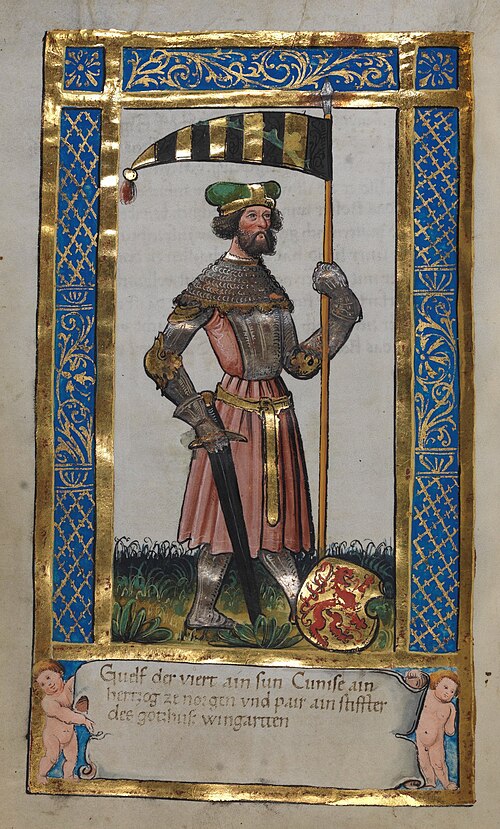 ولف الأول، دوق بافاريا ( حوالي 1030/1040 - 1101)
 فلف الثاني، دوق بافاريا (1073–1120)
بافاريا وساكسونيا
كان هنري التاسع، دوق بافاريا ، الذي حكم من عام 1120 إلى 1126، أول دوق من سلالة ولف الثلاثة الذين حملوا اسم هنري. وكانت زوجته وولفيلد وريثة آل بيلونغ ، الذين امتلكوا الأراضي المحيطة بلونيبورغ في ساكسونيا السفلى. أما ابنهما، هنري المتكبر ، فكان صهر ووريث لوثير الثاني، إمبراطور الإمبراطورية الرومانية المقدسة ، وأصبح أيضًا دوق ساكسونيا بعد وفاة لوثير.
ترك لوثير أراضيه المحيطة ببرونزويك ، التي ورثها عن والدته من آل برونونيد ، لابنته جيرترود. وأصبح زوجها هنري المتغطرس المرشح المفضل في الانتخابات الإمبراطورية ضد كونراد الثالث من آل هوهنشتاوفن . خسر هنري الانتخابات، إذ خشي الأمراء الآخرون من قوته وطبعه، وجرّده كونراد الثالث من دوقياته.
ترك شقيق هنري، ولف السادس (1115-1191)، مارغريف توسكانا، أراضيه السوابية حول رافينسبورغ، وهي الممتلكات الأصلية لبيت ولف الأكبر ، لابن أخيه الإمبراطور فريدريك الأول ، وبالتالي لبيت هوهنشتاوفن.
 هنري الأسود ، دوق بافاريا (1075-1126) وزوجته وولفيلد من بيلونغ
 هنري المتغطرس (1102-1139)، دوق بافاريا وساكسونيا، وزوجته جيرترود من ساكسونيا، ابنة لوثير الثاني، إمبراطور الإمبراطورية الرومانية المقدسة ، دوق ساكسونيا
 ولف السادس (1115-1191)، مارغريف توسكانا
 دير شتينغادين ، شوابيا، مكان دفن مؤسسها فلف السادس (ت. 1191)

استعاد هنري الأسد (1129/1131-1195) ، الدوق التالي لسلالة ولف ، دوقيتي والده، ساكسونيا عام 1142 وبافاريا عام 1156، وبذلك حكم أجزاءً شاسعة من ألمانيا. وفي عام 1168، تزوج من ماتيلدا (1156-1189)، ابنة هنري الثاني ملك إنجلترا وإليانور آكيتين ، وشقيقة ريتشارد الأول ملك إنجلترا ، فازداد نفوذه. حاول ابن عمه، فريدريك الأول، إمبراطور الإمبراطورية الرومانية المقدسة من سلالة هوهنشتاوفن، التقرب منه، لكن عندما رفض هنري مساعدته مجددًا في حملة حربية إيطالية، أصبح الصراع حتميًا.
بعد أن جُرِّد من دوقياته بعد معركة ليجنانو عام 1176 على يد الإمبراطور فريدريك الأول والأمراء الآخرين للإمبراطورية الألمانية الذين كانوا حريصين على المطالبة بأجزاء من أراضيه الشاسعة، نُفي إلى بلاط حماه هنري الثاني في نورماندي عام 1180. وعاد إلى ألمانيا بعد ثلاث سنوات.
عقد هنري صلحًا مع إمبراطور هوهنشتاوفن عام ١١٨٥، وعاد إلى أراضيه المتضائلة حول برونزويك دون أن يستعيد دوقيتيه. مُنحت بافاريا لأوتو الأول، دوق بافاريا ، وقُسّمت دوقية ساكسونيا بين رئيس أساقفة كولونيا وآل أسكانيا وآخرين. توفي هنري في برونزويك عام ١١٩٥.
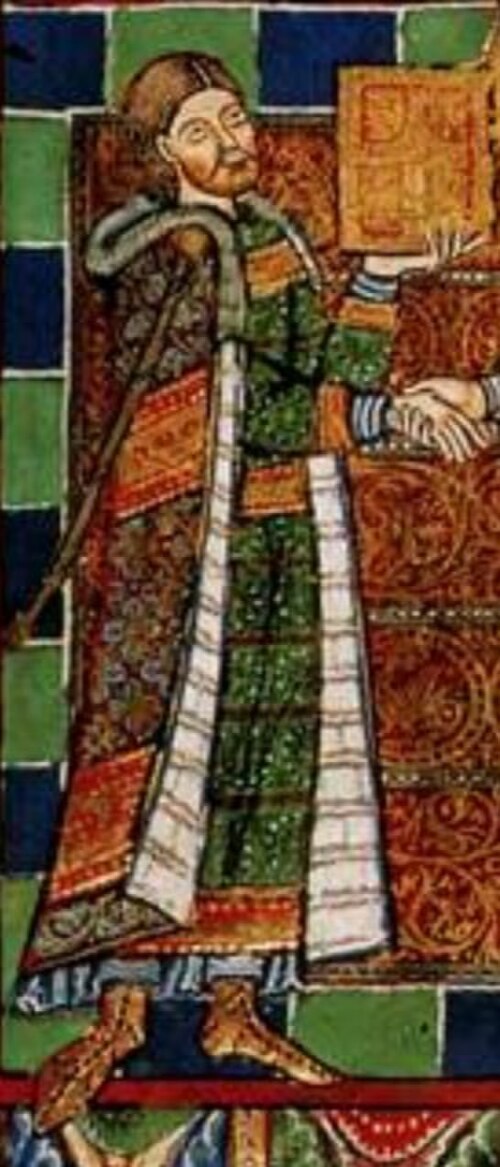 هنري الأسد (1130-1195)، دوق بافاريا وساكسونيا
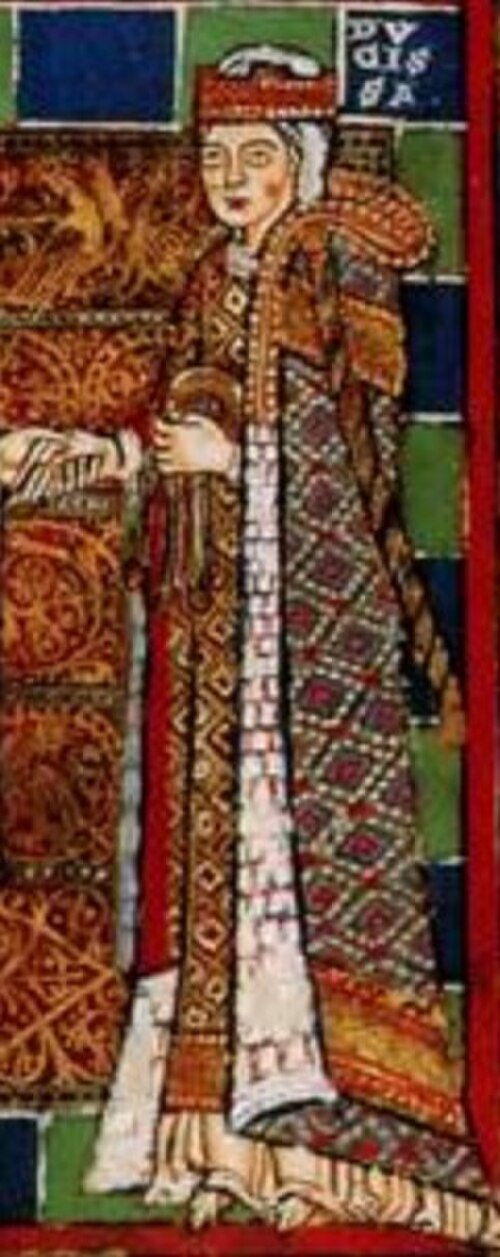 ماتيلدا بلانتاجنت (1156-1189)، زوجة هنري الأسد، شقيقة ريتشارد الأول ملك إنجلترا
 أسد هنري برونزويك
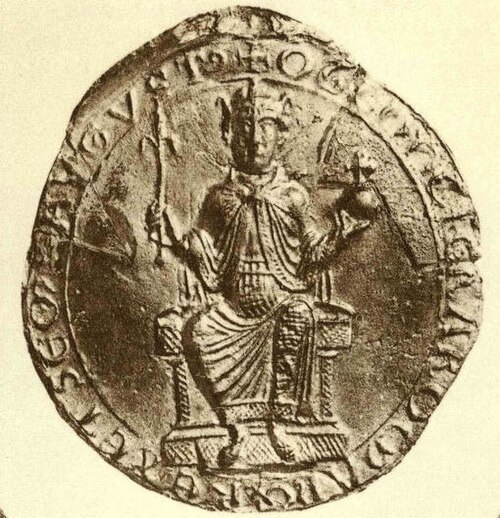 أوتو الرابع، إمبراطور الإمبراطورية الرومانية المقدسة ، ابن هنري الأسد وماتيلدا ملكة إنجلترا
برونزويك وهانوفر
انتُخب أوتو برونزويك، ابن هنري الأسد، ملكًا على الرومان وتُوِّج إمبراطورًا للإمبراطورية الرومانية المقدسة باسم أوتو الرابع بعد سنوات من الصراعات مع أباطرة هوهنشتاوفن. وقد أثار غضب البابا إنوسنت الثالث ، فتم حرمانه كنسيًا عام ١٢١٥. وأُجبر أوتو على التنازل عن العرش الإمبراطوري على يد فريدريك الثاني من آل هوهنشتاوفن . [ ٢ ] وكان أوتو الوحيد من آل ولف الذي أصبح إمبراطورًا للإمبراطورية الرومانية المقدسة.

أصبح أوتو الطفل، حفيد هنري الأسد، دوقًا لجزء من ساكسونيا عام ١٢٣٥، وهي دوقية برونزويك-لونيبورغ الجديدة ، وتوفي فيها عام ١٢٥٢. قُسّمت الدوقية عدة مرات خلال العصور الوسطى العليا بين فروع مختلفة من آل ولف. تمتعت الدوقيات التابعة بوضع قانوني كإمارات داخل الدوقية، التي ظلت إقطاعية إمبراطورية موحدة . سُمّيت كل دوقية عمومًا نسبةً إلى مقر إقامة حاكمها، فعلى سبيل المثال، كان حكام برونزويك-فولفنبوتل يقيمون في الأصل في فولفنبوتل.
عندما ينقرض فرع من العائلة من جهة الذكور، تُمنح المنطقة لفرع آخر، إذ تبقى الدوقية مُمنوحة للعائلة ككل لا لأفرادها. وكان جميع أفراد آل ولف، ذكورًا وإناثًا، يحملون لقب دوق/دوقة برونزويك-لونيبورغ بالإضافة إلى لقب الإمارة التابعة. [ 3 ] وبحلول عام 1705، اتخذت الإمارات التابعة شكلها النهائي كإمارة هانوفر الانتخابية وإمارة برونزويك-فولفنبوتل ، والتي أصبحت فيما بعد مملكة هانوفر ودوقية برونزويك بعد مؤتمر فيينا عام 1815.
إمارة برونزويك-فولفنبوتل
في عام ١٢٦٩، تأسست إمارة برونزويك عقب التقسيم الأول لدوقية برونزويك-لونيبورغ. وفي عام ١٤٣٢، نتيجةً لتصاعد التوترات مع سكان برونزويك ، نقل آل برونزويك مقر إقامتهم إلى قلعة فولفنبوتل ، ومن هنا أصبح اسم فولفنبوتل الاسم غير الرسمي لهذه الإمارة. وتولى آل برونزويك العرش الإمبراطوري الروسي لفترة وجيزة عام ١٧٤٠ في عهد إيفان السادس إمبراطور روسيا. ولم يُنقل مقر الإقامة إلى برونزويك مرة أخرى إلا عام ١٧٥٤، إلى قصر برونزويك الجديد . وفي عام ١٨١٤، أصبحت الإمارة دوقية برونزويك ، يحكمها الفرع الأكبر من آل ولف.
إمارة كالينبيرغ – لاحقاً إمارة برونزويك-لونيبورغ الانتخابية

في عام ١٤٣٢، انفصلت العقارات التي اكتسبتها إمارة برونزويك-فولفنبوتل بين نهري دايستر ولاين لتُشكّل إمارة كالينبيرغ . وفي عام ١٤٩٥ ، توسّعت الإمارة لتشمل غوتينغن ، وفي عام ١٥٨٤ عادت إلى حدود فولفنبوتل. وفي عام ١٦٣٤، نتيجةً لتوزيع الميراث، آلت الإمارة إلى آل لونيبورغ المقيمين في قلعة سيل . وفي عام ١٦٣٥، مُنحت الإمارة لجورج ، الشقيق الأصغر للأمير إرنست الثاني من لونيبورغ ، الذي اختار هانوفر مقرًا لإقامته.
أُضيفت أراضٍ جديدة عام 1665، وفي عام 1705، استولى الهانوفريون على إمارة لونيبورغ. وفي عام 1692، حصل الدوق إرنست أوغسطس من سلالة كالينبيرغ-هانوفر على حق أن يكون أميرًا ناخبًا في الإمبراطورية الرومانية المقدسة بصفته أميرًا ناخبًا لبرونزويك-لونيبورغ . وكان يُعرف هذا الإقليم شعبيًا باسم إمارة هانوفر الانتخابية . وفي عام 1814، خلفته مملكة هانوفر .
الخلافة البريطانية
وضعت السياسة ذات الدوافع الدينية زوجة إرنست أوغسطس، صوفيا من بالاتينات، في خط الخلافة على العرش البريطاني بموجب قانون التوريث لعام 1701 ، الذي كُتب لضمان خلافة بروتستانتية لعرشي اسكتلندا وإنجلترا في وقت كانت فيه المشاعر المعادية للكاثوليكية متأججة في معظم أنحاء شمال أوروبا وبريطانيا العظمى. توفيت صوفيا قبل فترة وجيزة من وفاة ابنة عمها آن، ملكة بريطانيا العظمى ، آخر ملوك آل ستيوارت .
خلف جورج الأول، ابن صوفيا ، الملكة آن، وشكّل اتحادًا شخصيًا بين التاج البريطاني وإمارة هانوفر الانتخابية عام ١٧١٤، واستمر هذا الاتحاد حتى بعد انتهاء الحروب النابليونية بأكثر من قرن، مرورًا بتفكك الإمبراطورية الرومانية المقدسة وظهور مملكة جديدة خلفت العرش. وأصبحت العائلة المالكة البريطانية تُعرف باسم آل هانوفر .
 شعار النبالة لملوك هانوفر في بريطانيا العظمى (1714-1801)
 جورج الأول (1714-1727)
 جورج الثاني (1727-1760)
 فريدريك، أمير ويلز (مواليد 1707، توفي 1751)
 جورج الثالث (1760-1820)
 جورج الرابع (1820-1830)
 ويليام الرابع (1830-1837)
 فيكتوريا (1837–1901)
مملكة هانوفر
تم توسيع "إمارة هانوفر" (الدوقية الأساسية) بإضافة أراضٍ أخرى، وأصبحت مملكة هانوفر عام 1814 في مؤتمر فيينا . وخلال النصف الأول من القرن التاسع عشر، حُكمت المملكة كاتحاد شخصي من قبل التاج البريطاني منذ تأسيسها في عهد جورج الثالث ملك المملكة المتحدة، آخر ناخب لهانوفر، وحتى وفاة ويليام الرابع عام 1837.
في ذلك الوقت، انتقل تاج هانوفر إلى شقيق ويليام الأصغر، إرنست أوغسطس، دوق كمبرلاند وتيفيوتايل، بموجب القانون السالي الذي ينص على وراثة العرش للوريث الذكر التالي، بينما ورثت العرش البريطاني ابنة الأخ الأكبر الوحيدة، الملكة فيكتوريا . وينتمي نسلها إلى آل ساكس-كوبرغ وغوتا ، وفي عام 1917 تم تغيير الاسم إلى آل وندسور .
خسرت مملكة هانوفر عام 1866 على يد جورج الخامس ، نجل إرنست أوغسطس ، حليف النمسا خلال الحرب النمساوية البروسية ، عندما ضمتها بروسيا بعد هزيمة النمسا، لتصبح مقاطعة هانوفر البروسية. لجأ آل فلف إلى المنفى في غموندن بالنمسا، حيث بنوا قلعة كمبرلاند .
 شعار مملكة هانوفر 1837
 الملك جورج الخامس ملك هانوفر
 إرنست أوغسطس، ولي عهد هانوفر
خلافة برونزويك

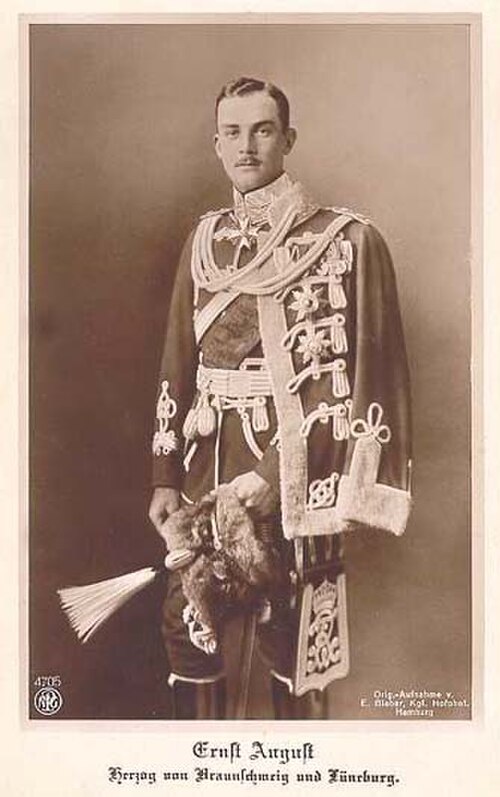
حكم الفرع الأكبر من السلالة إمارة برونزويك-فولفنبوتل الأصغر بكثير، وأسس دوقية برونزويك السيادية عام ١٨١٤. انقرض هذا الفرع عام ١٨٨٤. ورغم أن الدوقية كان من المفترض أن يرثها دوق كمبرلاند ، نجل آخر ملوك هانوفر، إلا أن شكوك بروسيا في ولائه أبقت عرش الدوقية شاغرًا حتى عام ١٩١٣، حين تزوج ابن دوق كمبرلاند، إرنست أوغسطس ، من ابنة القيصر فيلهلم الثاني، وسُمح له بتولي الحكم. لم يدم حكمه طويلًا، إذ انتهت الملكية بعد الحرب العالمية الأولى عام ١٩١٨.
سلالة الولف اليوم
لا تزال سلالة ولف قائمة. آخر من جلس على عرش أوروبي كانت فريدريكا من هانوفر ، ابنة إرنست أوغسطس، آخر دوق لبرونزويك، ملكة اليونان (توفيت عام ١٩٨١)، ووالدة الملكة صوفيا ملكة إسبانيا والملك قسطنطين الثاني ملك اليونان . تزوج شقيق فريدريكا، الأمير جورج ويليام من هانوفر، من الأميرة صوفي اليونانية والدنماركية ، شقيقة الأمير فيليب، دوق إدنبرة . يرأس العائلة حاليًا ابن شقيق الملكة فريدريكا، إرنست أوغسطس ، الزوج الثالث والحالي للأميرة كارولين أميرة موناكو .
 قصر لاين في هانوفر
 قصر هيرنهاوزن وحدائق هيرنهاوزن في هانوفر


الحكام
بيت ولف
| مقاطعة أوكسير (866-888) رُفعت إلى: مملكة بورغندي العليا (888-1032) | مقاطعة ألتدورف (820-1191) | ||||||||||
| ضمت إلى الإمبراطورية الرومانية المقدسة | مقاطعة بالاتين على نهر الراين (1195-1267) | سيادة لونيبورغ (1126-1235) رُفعت إلى: دوقية برونزويك-لونيبورغ (1235-1269) | |||||||||
| ملحق ببيت فيتلسباخ | إمارة برونزويك (1269-1291) | إمارة لونيبورغ (التأسيس الأول) (1269-1369) | |||||||||
| إمارة غروبنهاغن (1291-1596) [ أ ] | إمارة فولفنبوتل (التأسيس الأول) (1291-1292) | ||||||||||
| إمارة غوتينغن (1291–1463) | |||||||||||
| إمارة فولفنبوتل (التأسيس الثاني) (1344-1400) | لونيبورغ تحت حكم أسكانيا (1373-1388) | ||||||||||
| إمارة لونيبورغ (التأسيس الثاني) (1388-1705) | |||||||||||
| إمارة كالينبيرغ (التأسيس الأول) (1432-1584) | إمارة فولفنبوتل (التأسيس الثالث) (1409-1485) | ||||||||||
| إمارة فولفنبوتل (التأسيس الرابع) (1494-1807) | |||||||||||
| إمارة كالينبيرغ (الإنشاء الثاني) (1634-1692) رُفعت إلى إمارة هانوفر الانتخابية (1692-1866) | |||||||||||
| ضمتها فرنسا | |||||||||||
| دوقية برونزويك (1813-1918) | |||||||||||
| ضمتها بروسيا | |||||||||||
جدول المساطر | |||||||||||||||||||||||||||||||||||||||||||||||||||||||||||||||||||||||||||||||||||||||||||||||||||||||||||||||||||||||||||||||||||||||||||||||||||||||||||||||||||||||||||||||||||||||||||||||||||||||||||||||||||||||||||||||||||||||||||||||||||||||||||||||||||||||||||||||||||||||||||||||||||||||||||||||||||||||||||||||||||||||||||||||||||||||||||||||||||||||||||||||||||||||||||||||||||||||||||||||||||||||||||||||||||||||||||||||||||||||||||||||||||||||||||||||||||||||||||||||||||||||||||||||||||||||||||||||||||||||||||||||||||||||||||||||||||||||||||||||||||||||||||||||||||||||||||||||||||||||||||||||||||||||||||||||||||||||||||||||||||||||||||||||||||||||||||||||||||||||||||||||||||||||||||||||||||||||||||||||||||||||||||||||||||||||||||||||||||||||||||||||||||||||||||||||||||||||||||||||||||||||||||||||||||||||||||||||||||||||||||||||||||||||||||||||||||||||||||||||||||||||||||||||||||||||||||||||||||||||||||||||||||||||||||||||||||||||||||||||||||||||||||||||||||||||||||||||||||||||
|---|---|---|---|---|---|---|---|---|---|---|---|---|---|---|---|---|---|---|---|---|---|---|---|---|---|---|---|---|---|---|---|---|---|---|---|---|---|---|---|---|---|---|---|---|---|---|---|---|---|---|---|---|---|---|---|---|---|---|---|---|---|---|---|---|---|---|---|---|---|---|---|---|---|---|---|---|---|---|---|---|---|---|---|---|---|---|---|---|---|---|---|---|---|---|---|---|---|---|---|---|---|---|---|---|---|---|---|---|---|---|---|---|---|---|---|---|---|---|---|---|---|---|---|---|---|---|---|---|---|---|---|---|---|---|---|---|---|---|---|---|---|---|---|---|---|---|---|---|---|---|---|---|---|---|---|---|---|---|---|---|---|---|---|---|---|---|---|---|---|---|---|---|---|---|---|---|---|---|---|---|---|---|---|---|---|---|---|---|---|---|---|---|---|---|---|---|---|---|---|---|---|---|---|---|---|---|---|---|---|---|---|---|---|---|---|---|---|---|---|---|---|---|---|---|---|---|---|---|---|---|---|---|---|---|---|---|---|---|---|---|---|---|---|---|---|---|---|---|---|---|---|---|---|---|---|---|---|---|---|---|---|---|---|---|---|---|---|---|---|---|---|---|---|---|---|---|---|---|---|---|---|---|---|---|---|---|---|---|---|---|---|---|---|---|---|---|---|---|---|---|---|---|---|---|---|---|---|---|---|---|---|---|---|---|---|---|---|---|---|---|---|---|---|---|---|---|---|---|---|---|---|---|---|---|---|---|---|---|---|---|---|---|---|---|---|---|---|---|---|---|---|---|---|---|---|---|---|---|---|---|---|---|---|---|---|---|---|---|---|---|---|---|---|---|---|---|---|---|---|---|---|---|---|---|---|---|---|---|---|---|---|---|---|---|---|---|---|---|---|---|---|---|---|---|---|---|---|---|---|---|---|---|---|---|---|---|---|---|---|---|---|---|---|---|---|---|---|---|---|---|---|---|---|---|---|---|---|---|---|---|---|---|---|---|---|---|---|---|---|---|---|---|---|---|---|---|---|---|---|---|---|---|---|---|---|---|---|---|---|---|---|---|---|---|---|---|---|---|---|---|---|---|---|---|---|---|---|---|---|---|---|---|---|---|---|---|---|---|---|---|---|---|---|---|---|---|---|---|---|---|---|---|---|---|---|---|---|---|---|---|---|---|---|---|---|---|---|---|---|---|---|---|---|---|---|---|---|---|---|---|---|---|---|---|---|---|---|---|---|---|---|---|---|---|---|---|---|---|---|---|---|---|---|---|---|---|---|---|---|---|---|---|---|---|---|---|---|---|---|---|---|---|---|---|---|---|---|---|---|---|---|---|---|---|---|---|---|---|---|---|---|---|---|---|---|---|---|---|---|---|---|---|---|---|---|---|---|---|---|---|---|---|---|---|---|---|---|---|---|---|---|---|---|---|---|---|---|---|---|---|---|---|---|---|---|---|---|---|---|---|---|---|---|---|---|---|---|---|---|---|---|---|---|---|---|---|---|---|---|---|---|---|---|---|---|---|---|---|---|---|---|---|---|---|---|---|---|---|---|---|---|---|---|---|---|---|---|---|---|---|---|---|---|---|---|---|---|---|---|---|---|---|---|---|---|---|---|---|---|---|---|---|---|---|---|---|---|---|---|---|---|---|---|---|---|---|---|---|---|---|---|---|---|---|---|---|---|---|---|---|---|---|---|---|---|---|---|---|---|---|---|---|---|---|---|---|---|---|---|---|---|---|---|---|---|---|---|---|---|---|---|---|---|---|---|---|---|---|---|---|---|---|---|---|---|---|---|---|---|---|---|---|---|---|---|---|---|---|---|---|---|---|---|---|---|---|---|---|---|---|---|---|---|---|---|---|---|---|---|---|---|---|---|---|---|---|---|---|---|---|---|---|---|---|---|---|---|---|---|---|---|---|---|---|---|---|---|---|---|---|---|---|---|---|---|---|---|---|---|---|---|---|---|---|---|---|---|---|---|---|---|---|---|---|---|---|---|---|---|---|---|---|---|---|---|---|---|---|---|---|---|---|---|---|---|---|---|---|---|---|---|---|---|---|---|---|---|---|---|---|---|---|---|---|---|---|---|---|---|---|---|---|---|---|---|---|---|---|---|---|---|---|---|---|---|---|---|---|---|---|---|---|---|---|---|---|---|---|---|---|---|---|---|---|---|---|---|---|---|---|---|---|---|---|---|---|---|---|---|---|---|---|---|---|---|---|---|---|---|---|---|---|---|---|---|---|---|---|---|
| |||||||||||||||||||||||||||||||||||||||||||||||||||||||||||||||||||||||||||||||||||||||||||||||||||||||||||||||||||||||||||||||||||||||||||||||||||||||||||||||||||||||||||||||||||||||||||||||||||||||||||||||||||||||||||||||||||||||||||||||||||||||||||||||||||||||||||||||||||||||||||||||||||||||||||||||||||||||||||||||||||||||||||||||||||||||||||||||||||||||||||||||||||||||||||||||||||||||||||||||||||||||||||||||||||||||||||||||||||||||||||||||||||||||||||||||||||||||||||||||||||||||||||||||||||||||||||||||||||||||||||||||||||||||||||||||||||||||||||||||||||||||||||||||||||||||||||||||||||||||||||||||||||||||||||||||||||||||||||||||||||||||||||||||||||||||||||||||||||||||||||||||||||||||||||||||||||||||||||||||||||||||||||||||||||||||||||||||||||||||||||||||||||||||||||||||||||||||||||||||||||||||||||||||||||||||||||||||||||||||||||||||||||||||||||||||||||||||||||||||||||||||||||||||||||||||||||||||||||||||||||||||||||||||||||||||||||||||||||||||||||||||||||||||||||||||||||||||||||||||


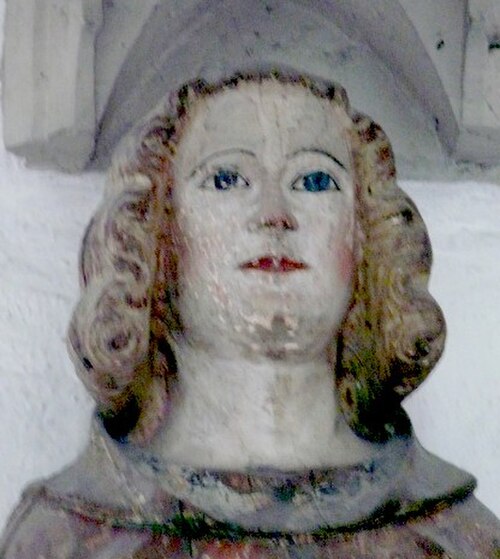

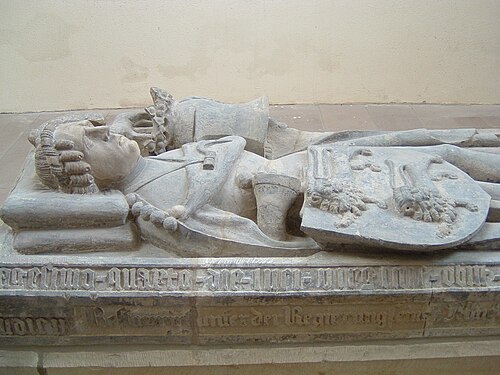


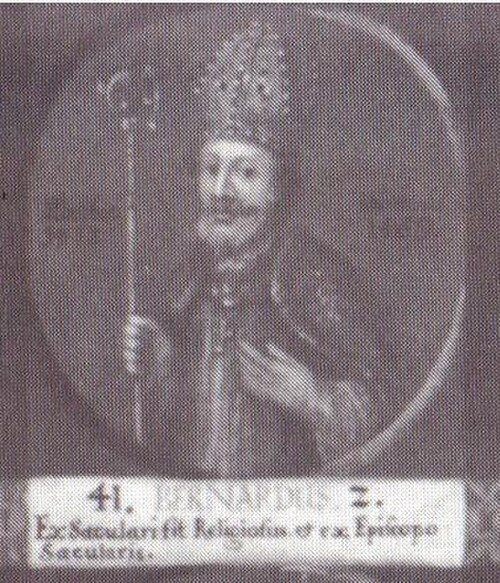


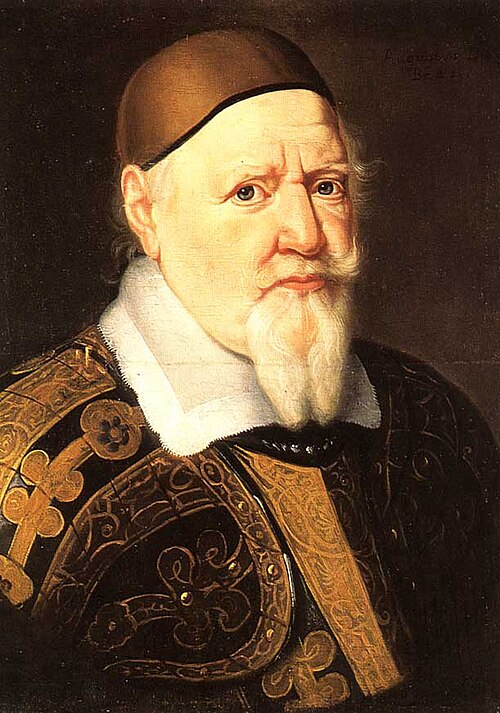


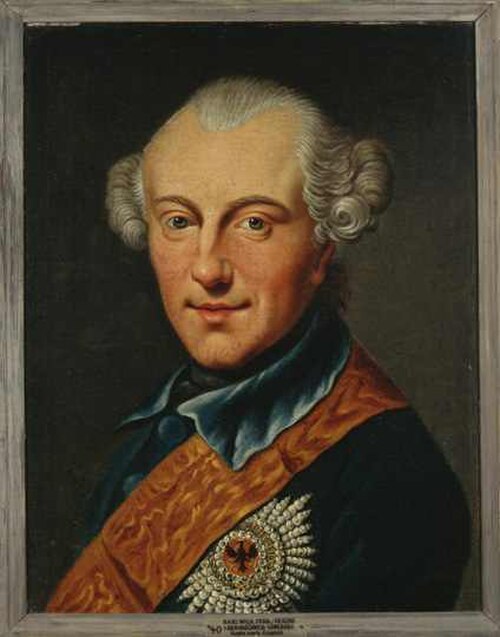


النمو الإقليمي
 ستاميشيرتسوغتويمر من ساكسونيا حوالي عام 1000
 دوقيات ساكسون حوالي عام 1235
 ساكسونيا السفلى، 1250
 برونزويك-لونيبورغ، 1400
 ساكسونيا السفلى، 1400
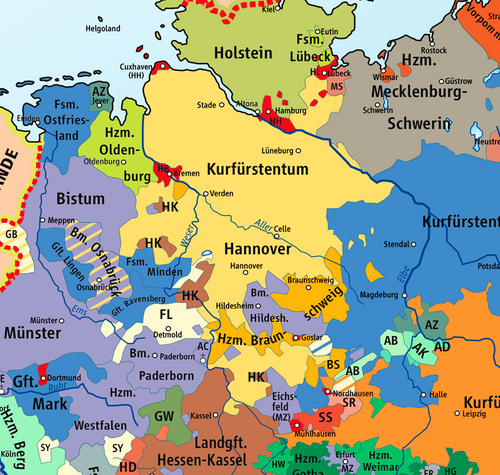 خريطة ناخبي برونزويك-لونيبورغ 1789، أوشنيت
 التوسع الإقليمي لبرونزويك-لونيبورغ ليشمل الدائرة الانتخابية التي تغطي معظم دوقية ساكسونيا الجنوبية
 مملكة هانوفر ، 1815-1866، والتي تضم معظم دوقية ساكسونيا القديمة.
 دوقية برونزويك، 1914
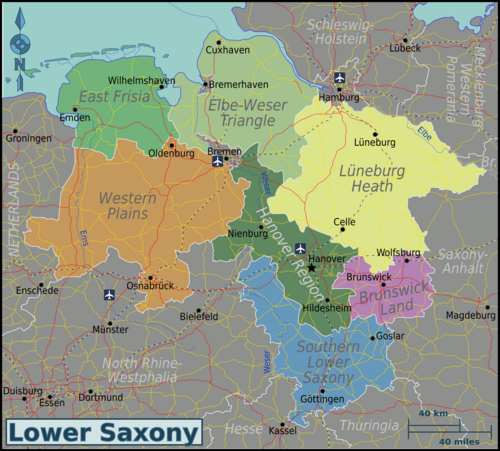 خريطة ولاية ساكسونيا السفلى التي تشكل مملكة هانوفر ما يقرب من 85٪ منها.
شجرة العائلة
شجرة عائلة ولف في القرن الثاني عشر
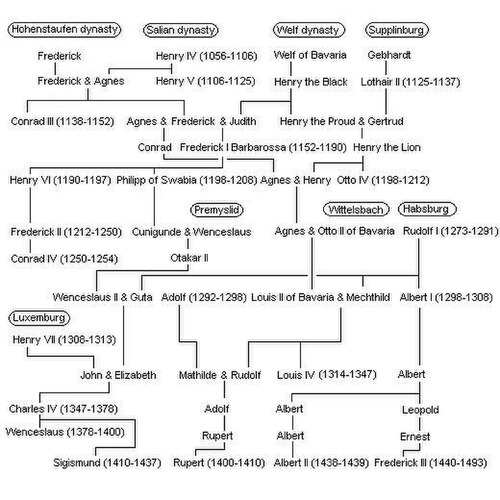
شجرة عائلة بيت ولف إلى أوتو الطفل
| Stammbaum der Jüngere Welfinger bis zum Otto das Kind ( بيت ولف ) | |||||||||||||||||||||||||||||||||||||||||||||||||||||||||||||||||||||||||||||||||||||||||||||||||||||||||||||||||||||||||||||||||||||||||||||||||||||||||||||||||||||||||||||||||||||||||||||||||||||||||||||||||||||||||||||||||||||||||||||||||||||||||||||||||||||||||||||||||||||||||||||||||||||||||||||||||||||||||||||||||||||||||||||||||||||||||||||||||||||||||||||||||||||||||||||||||||||||||||||||||||||||||||||||||||||||||||||||||||||||||||||||||||||||||||||||||||||||||||||||||||||||||||||||||||||||||||||||||||||||||||||||||||||||||||||||||||||||||||||||||||||||||||||||||||||||||||||||||||||||||||||||||||||||||||||||||||||||||||||||||||||||||||||||||||||||||||||||||||||||||||||||||||||||||||||||||||||||||||||||||||||||||||||||||||||||||||||||||||||||||||||||||||||||||||||||||||||||||||||||||||||||||||||||||||||||||||||||||||||||||||||||||||||||||||||||||||||||||||||||||||||||||||||||||||||||||||||||||||||||||||||||||||||||||||||||||||||||||||||||||||||||||||||||||||||||||||||||||||||||
| |||||||||||||||||||||||||||||||||||||||||||||||||||||||||||||||||||||||||||||||||||||||||||||||||||||||||||||||||||||||||||||||||||||||||||||||||||||||||||||||||||||||||||||||||||||||||||||||||||||||||||||||||||||||||||||||||||||||||||||||||||||||||||||||||||||||||||||||||||||||||||||||||||||||||||||||||||||||||||||||||||||||||||||||||||||||||||||||||||||||||||||||||||||||||||||||||||||||||||||||||||||||||||||||||||||||||||||||||||||||||||||||||||||||||||||||||||||||||||||||||||||||||||||||||||||||||||||||||||||||||||||||||||||||||||||||||||||||||||||||||||||||||||||||||||||||||||||||||||||||||||||||||||||||||||||||||||||||||||||||||||||||||||||||||||||||||||||||||||||||||||||||||||||||||||||||||||||||||||||||||||||||||||||||||||||||||||||||||||||||||||||||||||||||||||||||||||||||||||||||||||||||||||||||||||||||||||||||||||||||||||||||||||||||||||||||||||||||||||||||||||||||||||||||||||||||||||||||||||||||||||||||||||||||||||||||||||||||||||||||||||||||||||||||||||||||||||||||||||||||


[1]: هنري الأسود، حوالي عام 1095، استحوذ على جزء من ممتلكات بيلونغ حول لونيبورغ ، والتي كانت نواة دوقية برونزويك-لونيبورغ التابعة لعائلة ولف في وقت لاحق .
شجرة عائلة آل ولف من أوتو الطفل حتى القرن السابع عشر
Welf family tree 16th century to present
Brunswick-Wolfenbuttel
| Stammbaum der älterer (Wolfenbuttel) Welfinger von 16. nach 19. Jahrhundert (House of Welf) | |||||||||||||||||||||||||||||||||||||||||||||||||||||||||||||||||||||||||||||||||||||||||||||||||||||||||||||||||||||||||||||||||||||||||||||||||||||||||||||||||||||||||||||||||||||||||||||||||||||||||||||||||||||||||||||||||||||||||||||||||||||||||||||||||||||||||||||||||||||||||||||||||||||||||||||||||||||||||||||||||||||||||||||||||||||||||||||||||||||||||||||||||||||||||||||||||||||||||||||||||||||||||||||||||||||||||||||||||||||||||||||||||||||||||||||||||||||||||||||||||||||||||||||||||||||||||||||||||||||||||||||||||||||||||||||||||||||||||||||||||||||||||||||||||||||||||||||||||||||||||||||||||||||||||||||||||||||||||||||||||||||||||||||||||||||||||||||||||||||||||||||||||||||||||||||||||||||||||||||||||||||||||||||||||||||||||||||||||||||||||||||||||||||||||||||
| |||||||||||||||||||||||||||||||||||||||||||||||||||||||||||||||||||||||||||||||||||||||||||||||||||||||||||||||||||||||||||||||||||||||||||||||||||||||||||||||||||||||||||||||||||||||||||||||||||||||||||||||||||||||||||||||||||||||||||||||||||||||||||||||||||||||||||||||||||||||||||||||||||||||||||||||||||||||||||||||||||||||||||||||||||||||||||||||||||||||||||||||||||||||||||||||||||||||||||||||||||||||||||||||||||||||||||||||||||||||||||||||||||||||||||||||||||||||||||||||||||||||||||||||||||||||||||||||||||||||||||||||||||||||||||||||||||||||||||||||||||||||||||||||||||||||||||||||||||||||||||||||||||||||||||||||||||||||||||||||||||||||||||||||||||||||||||||||||||||||||||||||||||||||||||||||||||||||||||||||||||||||||||||||||||||||||||||||||||||||||||||||||||||||||||||


House of Hanover
Some direct ancestors (fathers and sons) of the present generation are:
- Ernest Augustus, King of Hanover (1771–1851), Duke of Cumberland and Teviotdale from 1799, king from 1837
- George V of Hanover (1819–1878)
- Ernest Augustus, Crown Prince of Hanover (1845–1923)
- Ernest Augustus, Duke of Brunswick (1887–1953)
- Ernest Augustus, Prince of Hanover (1914–1987)
- Ernest Augustus, Prince of Hanover (born 1954)
Key:: The red border indicates leaders of the House: The bold black border indicates children of leaders: The thin black border indicates other relatives
| |||||||||||||||||||||||||||||||||||||||||||||||||||||||||||||||||||||||||||||||||||||||||||||||||||||||||||||||||||||||||||||||||||||||||||||||||||||||||||||||||||||||||||||||||||||||||||||||||||||||||||||||||||||||||||||||||||||||||||||||||||||||||||||||||||||||||||||||||||||||||||||||||||||||||||||||||||||||||||||||||||||||||||||||||||||||||||||||||||||||||||||||||||||||||||||||||||||||||||||||||||||||||||||||||||||||||||||||||||||||||||||||||||||||||||||||||||||||||||||||||||||||||||||||||||||||||||||||||||||||||||||||||||||||||||||||||||||||||||||||||||||||||||||||||||||||||||||||||||||||||||||||||||||||||||||||||||||||||||||||||||||||||||||||||||||||||||||||||||||||||||||||||||||||||||||||||||||||||||||||||||||||||||||||||||||||||||||||||||||||||||||||||||||||||||||||||||||||||||||||||||||||||||||||||||||||||||||||||||||||||||||||||||||||||||||||||||||||||||||||||||||||||||||||||||||||||||||||||||||||||||||||||||||||||||||||||||||||||||||||||||||||||||||||||||||||||||||||||||||||
Complete male-line family tree
Male, male-line, legitimate, non-morganatic members of the house who either lived to adulthood, or who held a title as a child, are included. Heads of the house are in bold.
- Adalberto the Margrave, d. c. 951
- Oberto I, c. 910–975
- Adalbert II of Milan
- Oberto II, Margrave of Milan, c. 940–1014
- Hugh, Margrave of Milan
- Albert Azzo I, Margrave of Milan, 970–1029
- Albert Azzo II, Margrave of Milan, 997–1097
- Welf I, Duke of Bavaria, c. 1035–1101
- Welf II, Duke of Bavaria, 1072–1120
- Henry IX, Duke of Bavaria, 1075–1126
- Conrad of Bavaria, 1105–1126
- Henry the Proud, 1108–1139
- Henry the Lion, 1130–1195
- Henry V, Count Palatine of the Rhine, 1173–1227
- Henry VI, Count Palatine of the Rhine, 1196–1214
- Otto IV, Holy Roman Emperor, 1175–1218
- William of Winchester, Lord of Lunenburg, 1184–1213
- Otto I, Duke of Brunswick-Lüneburg, 1204–1252
- Albert I, Duke of Brunswick, 1236–1279
- Henry I, Duke of Brunswick-Grubenhagen, 1267–1322
- Otto, 1283–1309
- Albert, Teutonic Knight, 1284–1341
- Henry II, Duke of Brunswick-Grubenhagen, 1296–1351
- Otto, Duke of Brunswick-Grubenhagen, 1320–1398
- John, canon of Halberstadt, 1321–1346
- Louis, canon of Cammin, 1323–1373
- Philip of Brunswick-Grubenhagen, Constable of Jerusalem, 1332–1370
- John of Brunswick-Grubenhagen, Admiral of Cyprus, d. 1414
- Riddag, 1334–1367
- Balthazar, Despot of Romania, 1336–1384
- Thomas, 1338–1384
- Melchior, Bishop of Osnabrück and Schwerin, 1341–1381
- Frederick, c. 1291–1323
- Conrad, c. 1294–1320
- Ernest I, Duke of Brunswick-Grubenhagen, 1297–1361
- Albert I, Duke of Brunswick-Grubenhagen, 1339–1383
- Eric I, Duke of Brunswick-Grubenhagen, 1383–1427
- Henry III, Duke of Brunswick-Grubenhagen, 1416–1464
- Henry IV, Duke of Brunswick-Grubenhagen, 1460–1526
- Ernest II, Duke of Brunswick-Grubenhagen, 1418–1466
- Albert II, Duke of Brunswick-Grubenhagen, 1419–1485
- Philip I, Duke of Brunswick-Grubenhagen, 1476–1551
- Ernest III, Duke of Brunswick-Grubenhagen, 1518–1567
- Albert, 1521–1546
- John, 1526–1557
- Wolfgang, Duke of Brunswick-Grubenhagen, 1531–1595
- Philip II, Duke of Brunswick-Grubenhagen, 1533–1596
- Eric of Brunswick-Grubenhagen, Bishop of Paderborn and Osnabrück, 1478–1532
- Ernest, d. 1486
- Philip I, Duke of Brunswick-Grubenhagen, 1476–1551
- Henry III, Duke of Brunswick-Grubenhagen, 1416–1464
- Eric I, Duke of Brunswick-Grubenhagen, 1383–1427
- Ernest II, abbot of Corvey, c. 1346–1401
- Frederick I, Duke of Brunswick-Osterode, 1350–1421
- Otto II, Duke of Brunswick-Osterode, 1396–1452
- Albert I, Duke of Brunswick-Grubenhagen, 1339–1383
- William, Duke of Brunswick-Grubenhagen, 1298–1360
- John I, Duke of Brunswick-Grubenhagen, c. 1300–1367
- Albert II "the Fat", Duke of Brunswick, 1268–1318
- Otto "the Mild", Duke of Brunswick, 1292–1344
- Lothar, Teutonic Knight
- Albert II of Brunswick-Lüneburg, Bishop of Halberstadt, 1294–1358
- Henry III of Brunswick-Lüneburg, Bishop of Hildesheim, 1296–1363
- Magnus I "the Pious", Duke of Brunswick-Lüneburg, 1304–1369
- Magnus II "with the Necklace", Duke of Brunswick-Lüneburg, 1324–1373
- Frederick I, Duke of Brunswick-Wolfenbüttel, 1357–1400
- Bernard I, Duke of Brunswick, 1361–1434
- Otto IV "the Lame", Duke of Brunswick-Lüneburg, d. 1446
- Frederick II "the Pious", Duke of Brunswick, 1418–1478
- Bernard II, Duke of Brunswick-Lüneburg, 1437–1464
- Otto V "the Victorious", Duke of Brunswick, 1439–1471
- Henry I "the Middle", Duke of Brunswick, 1468–1532
- Otto I, Duke of Brunswick-Harburg, 1495–1549
- Otto II, Duke of Brunswick-Harburg, 1528–1603
- Duke Otto Henry of Brunswick-Harburg, 1555–1591
- John Frederick, 1557-1619
- William Augustus, Duke of Brunswick-Harburg, 1564–1642
- Enno, 1565–1600
- Christopher, Duke of Brunswick-Harburg, 1570–1606
- Otto III, Duke of Brunswick-Harburg, 1572–1641
- John, 1573–1625
- Frederick, 1578–1605
- Otto II, Duke of Brunswick-Harburg, 1528–1603
- Ernest I "the Confessor", Duke of Brunswick, 1497–1546
- Francis Otto, Duke of Brunswick-Lüneburg, 1530–1559
- Frederick, 1532–1553
- Henry, Duke of Brunswick-Dannenberg, 1533–1598
- Julius Ernest, Duke of Brunswick-Dannenberg, 1571–1636
- Francis, Provost of Strasbourg, 1572–1601
- Augustus II "the Younger", Duke of Brunswick, 1579–1666
- Rudolph Augustus, Duke of Brunswick-Wolfenbüttel, 1627–1704
- Anthony Ulrich, Duke of Brunswick, 1633–1714
- Augustus Frederick, 1657–1676
- Augustus William, Duke of Brunswick-Wolfenbüttel, 1662–1731
- Louis Rudolph, Duke of Brunswick, 1671–1735
- Ferdinand Albert I, Duke of Brunswick-Wolfenbüttel-Bevern, 1636–1687
- Augustus Ferdinand, 1677–1704
- Ferdinand Albert II, Duke of Brunswick-Wolfenbüttel, 1680–1735
- Charles I, Duke of Brunswick-Wolfenbüttel, 1713–1780
- Charles William Ferdinand, Duke of Brunswick, 1735–1806
- Charles George Augustus, Hereditary Prince of Brunswick-Wolfenbüttel, 1766–1806
- George William Christian, 1769–1811
- Augustus, 1770–1822
- Frederick William, Duke of Brunswick-Wolfenbüttel, 1771–1815
- Charles II, Duke of Brunswick, 1804–1873
- William, Duke of Brunswick, 1806–1884
- Frederick Augustus, Prince of Brunswick-Wolfenbüttel-Oels, 1740–1805
- Albert Henry, 1742–1761
- William Adolf, 1745–1770
- Leopold of Brunswick-Wolfenbüttel, 1752–1785
- Charles William Ferdinand, Duke of Brunswick, 1735–1806
- Duke Anthony Ulrich of Brunswick, 1714–1774
- Ivan VI of Russia, 1740–1764
- Peter Antonovich of Brunswick, 1745–1798
- Alexei Antonovich of Brunswick, 1746–1787
- Duke Louis Ernest of Brunswick-Lüneburg, 1718–1788
- Duke Ferdinand of Brunswick-Wolfenbüttel, 1721–1792
- Albert of Brunswick-Wolfenbüttel, 1725–1745
- Frederick Francis of Brunswick-Wolfenbüttel, 1732–1758
- Charles I, Duke of Brunswick-Wolfenbüttel, 1713–1780
- Ferdinand Christian, 1682–1706
- Ernest Ferdinand, Duke of Brunswick-Wolfenbüttel-Bevern, 1682–1746
- Augustus William, Duke of Brunswick-Wolfenbüttel-Bevern, 1715–1781
- George Louis, 1721–1747
- George Frederick, 1723–1766
- Frederick Charles Ferdinand, Duke of Brunswick-Wolfenbüttel-Bevern, 1729–1809
- Henry Ferdinand, 1684–1706
- William the Younger, Duke of Brunswick, 1535–1592
- Ernest II, Duke of Brunswick-Lüneburg, 1564–1611
- Christian, Duke of Brunswick-Lüneburg, 1566–1633
- Augustus the Elder, Duke of Brunswick-Lüneburg, 1568–1636
- Frederick IV, Duke of Brunswick-Lüneburg, 1574–1648
- Magnus of Brunswick-Lüneburg, 1577–1632
- George, Duke of Brunswick, 1582–1641
- Christian Louis, Duke of Brunswick-Lüneburg, 1622–1665
- George William, Duke of Brunswick, 1624–1705
- John Frederick, Duke of Brunswick, 1625–1679
- Ernest Augustus, Elector of Hanover, 1629–1698
- George I of Great Britain, 1660–1727
- George II of Great Britain, 1683–1760
- Frederick, Prince of Wales, 1707–1751
- George III, 1738–1820
- George IV, 1762–1830
- Prince Frederick, Duke of York and Albany, 1763–1827
- William IV, 1765–1837
- Prince Edward, Duke of Kent and Strathearn, 1767–1820
- Ernest Augustus, King of Hanover, 1771–1851
- George V of Hanover, 1819–1878
- Ernest Augustus, Crown Prince of Hanover, 1845–1923
- George William, Hereditary Prince of Hanover, 1880–1912
- Ernest Augustus, Duke of Brunswick, 1887–1953
- Prince Ernest Augustus of Hanover, 1914–1987
- Ernest Augustus of Hanover, b. 1954
- Ernest Augustus of Hanover, b. 1983
- Welf Augustus von Hannover, b. 2019
- Prince Christian of Hanover, b. 1985
- 3 children
- Ernest Augustus of Hanover, b. 1983
- Prince Louis Rudolph of Hanover, 1955–1988
- Prince Otto Henry of Hanover, b. 1988
- Prince Henry of Hanover, b. 1961
- Oscar Nick, b. 1996
- Albert, b. 1999
- Julius, b. 2006
- Ernest Augustus of Hanover, b. 1954
- Prince George William of Hanover, 1915–2006
- Prince Welf, 1947–1981, issue?
- Prince George, b. 1949, issue?
- Prince Christian, 1919–1981
- Prince Guelph, 1923–1997
- Prince Ernest Augustus of Hanover, 1914–1987
- Ernest Augustus, Crown Prince of Hanover, 1845–1923
- George V of Hanover, 1819–1878
- Prince Augustus Frederick, Duke of Sussex, 1773–1843
- Prince Adolphus, Duke of Cambridge, 1774–1850
- Prince George, Duke of Cambridge, 1819–1904
- Prince Edward, Duke of York and Albany, 1739–1767
- Prince William Henry, Duke of Gloucester and Edinburgh, 1743–1805
- Prince Henry, Duke of Cumberland and Strathearn, 1745–1790
- George III, 1738–1820
- Prince William, Duke of Cumberland, 1721–1765
- Frederick, Prince of Wales, 1707–1751
- George II of Great Britain, 1683–1760
- Frederick Augustus, 1661–1691
- Maximilian William of Brunswick-Lüneburg, 1666–1726
- Charles Philip, 1669–1690
- Christian Henry, 1671–1703
- Ernest Augustus, Duke of York and Albany, 1674–1728
- George I of Great Britain, 1660–1727
- John of Brunswick-Lüneburg, 1583–1628
- Francis, Duke of Brunswick-Lüneburg, 1508–1549
- Otto I, Duke of Brunswick-Harburg, 1495–1549
- Henry I "the Middle", Duke of Brunswick, 1468–1532
- Godfrey, 1441–1465
- Otto, Archbishop of Bremen, 1364–1406
- Henry the Mild, Duke of Brunswick-Lüneburg, d. 1416
- William the Victorious, Duke of Brunswick-Lüneburg, 1392–1482
- Frederick III "the Turbulent", Duke of Brunswick-Lüneburg, 1424–1495
- William IV "the Younger", Duke of Brunswick-Lüneburg, 1425–1503
- Henry IV "the Elder", Duke of Brunswick-Lüneburg, 1463–1514
- Christopher of Brunswick-Wolfenbüttel, Archbishop of Bremen, 1487–1558
- Henry V "the Younger", Duke of Brunswick-Lüneburg, 1489–1568
- Charles Victor, 1525–1553
- Philip, 1527–1553
- Julius, Duke of Brunswick-Lüneburg, 1528–1589
- Henry Julius, Duke of Brunswick-Lüneburg, 1564–1613
- Frederick Ulrich, Duke of Brunswick-Lüneburg, 1591–1634
- Christian the Younger of Brunswick, 1599–1626
- Philip Sigismund of Brunswick-Wolfenbüttel, 1568–1623
- Joachim Charles, Provost of Strasbourg, 1573–1615
- Julius Augustus, Abbot of Michaelstein, 1578–1617
- Henry Julius, Duke of Brunswick-Lüneburg, 1564–1613
- Francis of Brunswick-Wolfenbüttel, Bishop of Minden, 1492–1529
- George of Brunswick-Wolfenbüttel, Archbishop of Bremen, 1494–1566
- Eric of Brunswick-Wolfenbüttel, Teutonic Knight, 1500–1553
- William of Brunswick-Wolfenbüttel, Teutonic Knight, d. 1557
- Eric I "the Elder", Duke of Brunswick-Lüneburg, 1470–1540
- Eric II, Duke of Brunswick-Lüneburg, 1528–1584
- Henry IV "the Elder", Duke of Brunswick-Lüneburg, 1463–1514
- Henry the Peaceful, Duke of Brunswick-Lüneburg, 1411–1473
- William the Victorious, Duke of Brunswick-Lüneburg, 1392–1482
- Louis, d. 1367
- Albert II, Prince-Archbishop of Bremen, d. 1395
- Henry, provost of Halberstadt
- Ernest
- Magnus II "with the Necklace", Duke of Brunswick-Lüneburg, 1324–1373
- Ernest I, Duke of Brunswick-Göttingen, 1305–1367
- Otto I "the Evil", Duke of Brunswick-Göttingen, 1340–1394
- other son, clergyman
- William I, Duke of Brunswick-Lüneburg, 1270–1292
- Otto, d. c. 1346
- Lothar of Brunswick, 1275–1335
- Conrad, d. c. 1303
- Henry I, Duke of Brunswick-Grubenhagen, 1267–1322
- John, Duke of Brunswick-Lüneburg, 1242–1277
- Otto II "the Strict", Duke of Brunswick-Lüneburg, 1266–1330
- John, d. 1324
- Otto III, Duke of Brunswick-Lüneburg, 1296–1352
- Louis, Bishop of Minden, d. 1346
- William II, Duke of Brunswick-Lüneburg, 1300–1369
- Otto II "the Strict", Duke of Brunswick-Lüneburg, 1266–1330
- Otto, Bishop of Hildesheim, d. 1279
- Conrad of Brunswick and Lunenburg, Prince-Bishop of Verden, d. 1300
- Albert I, Duke of Brunswick, 1236–1279
- Otto I, Duke of Brunswick-Lüneburg, 1204–1252
- Henry V, Count Palatine of the Rhine, 1173–1227
- Henry the Lion, 1130–1195
- Welf VI, 1115–1191
- Welf VII, 1135–1167
- Adalbert, Abbot of Corvey
- Fulco I, Margrave of Milan, c. 1070–1134
- Azzo IV d'Este (d. before 1145)
- Bonifacio I d'Este (d. 1163)
- Fulco II d'Este (d. before 1172)
- Alberto (d. after 1184)
- Obizzo I d'Este (d. 1193)
- Azzo V of Este, d. 1190
- Azzo VI d'Este, 1170–1212
- Aldobrandino I d'Este, 1190–1215
- Contardo of Este, 1216–1249
- Azzo VII d'Este, 1205–1264
- Rinaldo d'Este, 1221–1251
- Obizzo II d'Este, 1247–1293, legitimised 1252
- Azzo VIII d'Este, d. 1308
- Hildebrand II of Este, Marquis of Ferrara, d. 1326
- Obert III of Este, Marquis of Ferrara, 1294–1352
- Hildebrand III of Este, Marquis of Ferrara, 1335–1361
- Nicholas II of Este, Marquis of Ferrara, 1338–1388
- Albert V of Este, Marquis of Ferrara, 1347–1393
- Nicholas III of Este, Marquis of Ferrara, 1383–1441, legitimised
- Hercules I of Este, Duke of Ferrara, 1431–1505
- Alphonse I of Este, Duke of Ferrara, 1476–1534
- Hercules II of Este, Duke of Ferrara, 1508–1559
- Alphonse II of Este, Duke of Ferrara, 1533–1597
- Louis of Este, Bishop of Ferrara, 1538–1586
- Hippolyte II of Este, Archbishop of Milan, 1509–1572
- Francis of Este, Marquis of Massalombarda, 1516–1578
- Alphonse of Este, Marquis of Montecchio, 1527–1597, legitimised 1532
- Alphonse of Este, 1560–1578
- Caesar of Este, Duke of Modena and Reggio, 1562–1628
- Alphonse III of Este, Duke of Modena and Reggio, 1591–1644
- Francis I of Este, Duke of Modena and Reggio, 1610–1658
- Alphonse IV of Este, Duke of Modena and Reggio, 1634–1662
- Almeric d'Este, 1641–1660
- Reynold of Este, Duke of Modena and Reggio, 1655–1737
- Francis III of Este, Duke of Modena and Reggio, 1698–1780
- John Frederick of Este, 1700–1727
- Obizzo d'Este, Bishop of Modena, 1611–1644
- Caesar d'Este, 1614–1677
- Charles Alexander d'Este, 1616–1679
- Reynold d'Este, cardinal, 1618–1672
- Philibert d'Este, 1623–1645
- Francis I of Este, Duke of Modena and Reggio, 1610–1658
- Louis of Este, Lord of Montecchio and Scandiano, 1594–1664
- Hippolyte d'Este, 1599–1647
- Nicholas d'Este, 1601–1640
- Borso d'Este, 1605–1657
- Louis d'Este, Lord of Scandiano, 1648–1698
- Foresto Francis d'Este, Lord of Montecchio, 1652–1725
- Caesar Ignatius d'Este, Lord of Montecchio, 1653–1713
- Foresto d'Este, 1606–1639
- Alphonse III of Este, Duke of Modena and Reggio, 1591–1644
- Alexander of Este, 1568–1624, cardinal
- Hercules II of Este, Duke of Ferrara, 1508–1559
- Ferdinand of Este, 1477–1540
- Hippolyte of Este, Archbishop of Esztergom, 1479–1520
- Sigismund of Este, 1480–1524
- Alphonse I of Este, Duke of Ferrara, 1476–1534
- Sigismund of Este, 1433–1507
- Hercules I of Este, Duke of Ferrara, 1431–1505
- Nicholas III of Este, Marquis of Ferrara, 1383–1441, legitimised
- Rinaldo
- Niccolò
- Obert III of Este, Marquis of Ferrara, 1294–1352
- Francesco
- Obizzo II d'Este, 1247–1293, legitimised 1252
- Rinaldo d'Este, 1221–1251
- Aldobrandino I d'Este, 1190–1215
- Azzo VI d'Este, 1170–1212
- Azzo V of Este, d. 1190
- Hugh V, Count of Maine, c. 1060–1131
- Welf I, Duke of Bavaria, c. 1035–1101
- Albert Azzo II, Margrave of Milan, 997–1097
- Guido
- Otbert III, Margrave of East Liguria
- Oberto I, c. 910–975
- Ambrose (d. 988), bishop of Aléria in Corsica
Summary Armorial

 Widukind's White Steed as ensign of the Duchy of Saxony, claimed by the House of Welf from 1361, adopted by the Electorate of Hanover
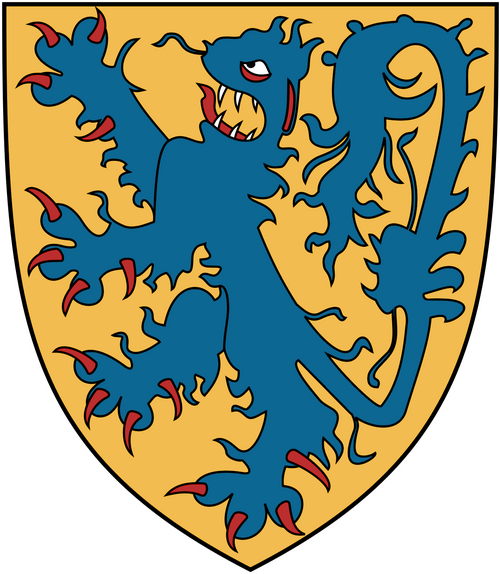 Arms of Henry the Lion (attributed?)
 Coat of Arms of the Guelphs; Bavaria c. 1200 (margins probably late 13th century); sandstone; from Steingaden Abbey
 Coat of arms of the House of Welf-Brunswick (Braunschweig), probably based on their English cousin's arms.
 Coat of arms of the principality of Lüneburg, possibly based on their in-laws the Danish Royal House and Henry the Lion.
 Coat of Arms of Brunswick-Lüneburg
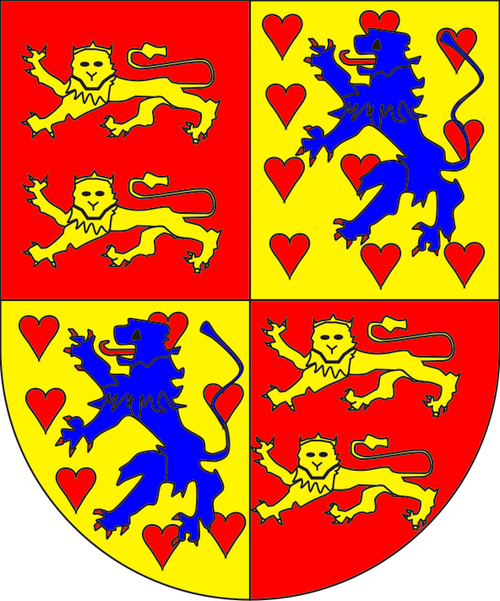 Brunswick-Luneburg 1250, 1367
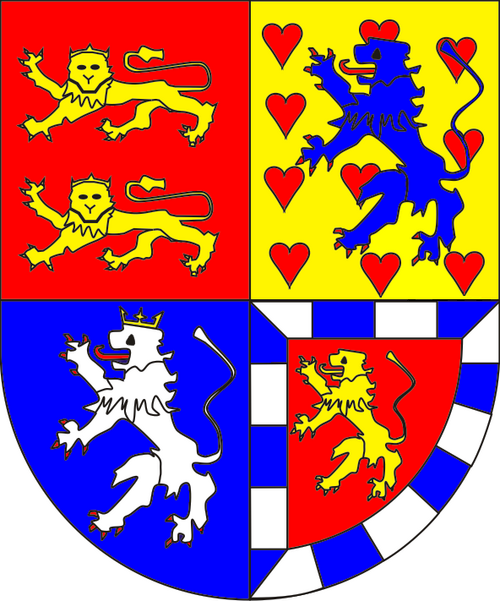 Brunswick-Luneburg 1482, coat of arms of the duchy of Brunswick-Lüneburg (1482–1582);[h]
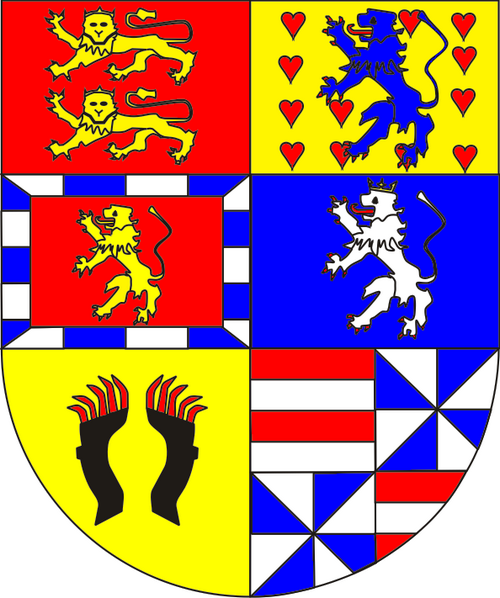 Coat of arms of the duchy of Brunswick-Wolfenbüttel (1582–1596); Brunswick-Lüneburg (1582–1624); Brunswick-Harburg (1582–1624); [i]
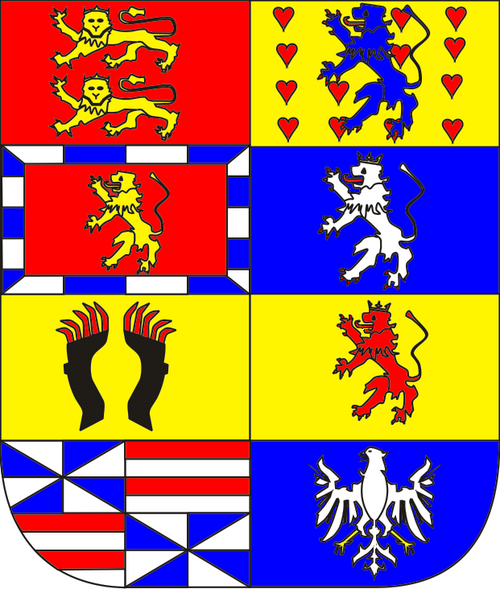 Coat of arms of the duchy of Brunswick-Lüneburg (1585); [j]
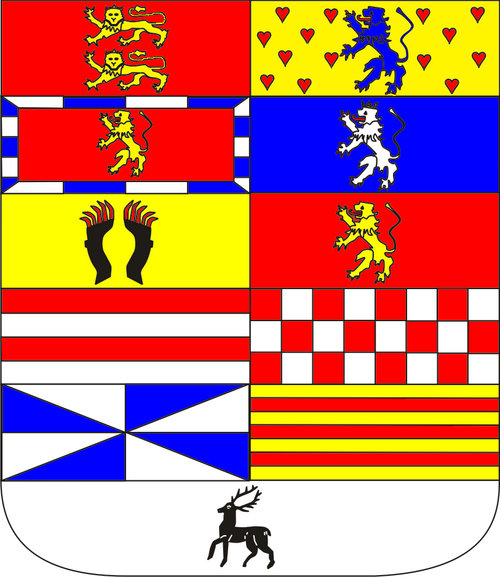 Coat of arms of the duchy of Brunswick-Lüneburg (1596–1599); [k]
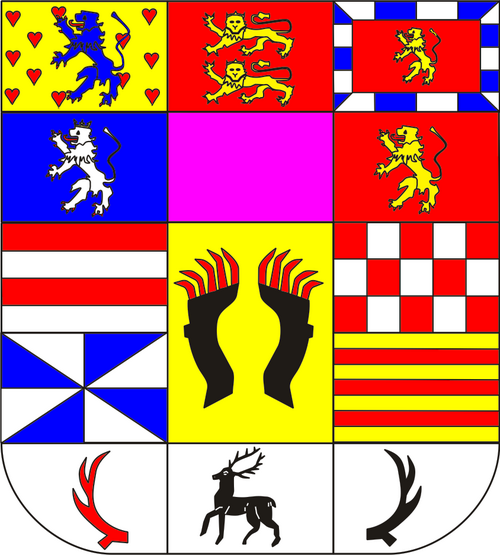 Coat of arms of the duchy of Brunswick-Lüneburg (1599–1613); [l]
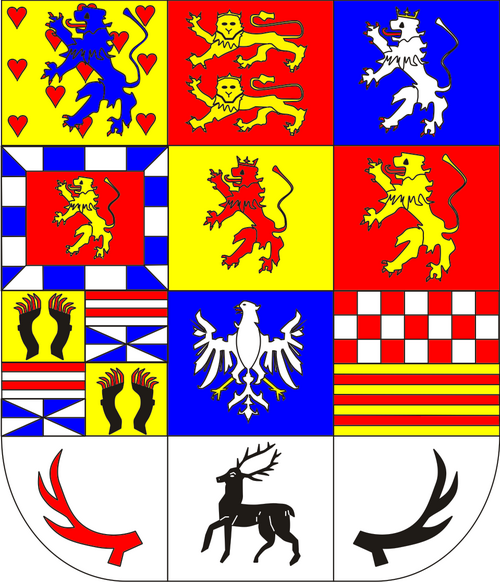 Coat of arms of the duchy of Brunswick (-Wolfenbüttel) (1634–1918); coat of arms of the electorate of Brunswick-Lüneburg;[m]
 Coat of arms of the electorate of Brunswick-Lüneburg; [n]
 Coat of Arms of Ernest Augustus (1692–1698) & George I Louis, Electors-designate of Hanover (1698–1708) until approved by the Imperial Diet in 1708, hence the blank red electorial shield.[o]
- Coat of Arms of George I Louis, Elector of Hanover (1708–1714) (same as his father's but with the electorial shield now filled)
 Coat of arms of the HRE Arch-Treasurer
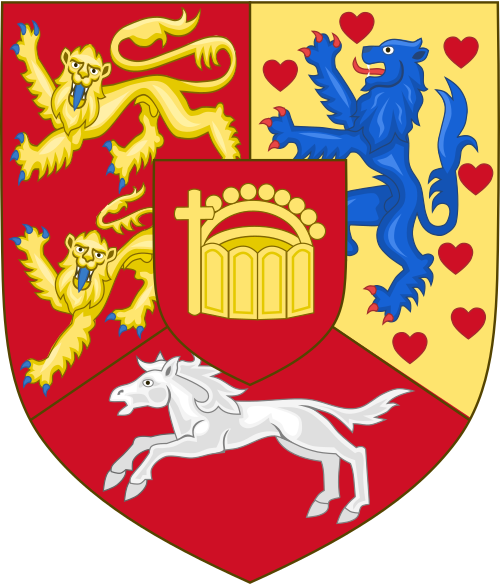 Royal Hanover Inescutcheon in Great Britain and the United Kingdom
 Royal Arms of the Kingdom of Hanover
 Coat of Arms of the Kingdom of Hanover (1814–1866)
 Duchy of Brunswick[p]
See also
Notes
- ↑Grubenhagen was firstly annexed to Wolfenbüttel, but in 1617 was a part of Lüneburg.
- 1234567891011The numbering of the first Henrys and Welfs follows the one established in the Historia Welforum. See Historia Welforum Weingartensis, MGH SS XXI.
- ↑Numbered V as Count Palatine of the Rhine
- ↑Numbered VI as Count Palatine of the Rhine
- ↑As the first Duke of Brunswick-Luneburg, the numbering restarts from here.
- 1234Nickname given to him by the Fruitbearing Society.
- ↑Known in the Fruitbearing Society as the Liberator
- ↑1: duchy of Brunswick; 2: duchy of Lüneburg; 3: county of Eberstein; 4: lordship of Homburg
- ↑1: duchy of Brunswick; 2: duchy of Lüneburg; 3: lordship of Homburg; 4: county of Eberstein; 5: county of Hoya; 6a/d: lordship of Neu-Bruchhausen; 6b/c: lordship of Alt-Bruchhausen<
- ↑1: duchy of Brunswick; 2: duchy of Lüneburg; 3: lordship of Homburg; 4: county of Eberstein; 5: county of Hoya (1); 6: county of Diepholz (1); 7: county of Hoya (2)[a,d: lordship of Alt-Bruchhausen; b,c: lordship of Neu-Bruchhausen]; 8: county of Diepholz(2)
- ↑1: duchy of Brunswick; 2: duchy of Lüneburg; 3: lordship of Homburg; 4: county of Eberstein; 5: county of Hoya; 6: county of Lauterberg(1); 7: lordship of Neu-Bruchhausen; 8: county of Hohenstein; 9: lordship of Alt-Bruchhausen; 10: county of Lauterberg(2); 11: lordship of Klettenberg
- ↑1: duchy of Lüneburg; 2: duchy of Brunswick; 3: lordship of Homburg; 4: county of Eberstein; 5: reservation? ; 6: county of Lauterburg(1); 7: lordship of Neu-Bruchhausen; 8: county of Hoya; 9: county of Hohenstein; 10: lordship of Alt-Bruchhausen; 12: count of Lauterberg(2); 13: county of Regenstein; 14: county of Klettenberg; 15: county of Blankenburg.
- ↑ 1: duchy of Lüneburg; 2: duchy of Brunswick; 3: county of Eberstein; 4: lordship of Homburg; 5: county of Diepholz (1); 6: county of Lauterberg(1); 7a/d: county of Hoya; 7bc1: lordship of Alt-Bruchhausen; 7b/c2: lordship of Neu-Bruchhausen; 8: county of Diepholz(2); 9a: county of Hohenstein; 9b: county of Lauterberg(2); 10: county of Regenstein; 11; county of Klettenberg; 12: county of Blankenburg.
- ↑1: duchy of Lüneburg; 2: duchy of Brunswick; 3: county of Eberstein; 4: lordship of Homburg; 6: county of Lauterberg(1); 7a: county of Hoya; 7b: lordship of Alt-Bruchhausen; 7b2: lordship of Neu-Bruchhausen; 8: county of Diepholz(1); 9a: county of Hohenstein; 9b: county of Lauterberg(2); 10: county of Klettenberg; 11: county of Diepholz(2); 12a: county of Regenstein; 12b: county of Bankenburg; heart: duchy of Saxonia (Westphalia)
- ↑Ecartelé, I: de gueules, à deux léopards d'or (Welf) ; II: de gueules, au cheval cabré d'argent, harnaché d'or (Saxe ancien our Westphalie) III: d'or, semé de cœurs de gueules, au lion d'azur (Lunebourg), IV: d'azure au lion couronné d'argent (Comté d'Eberstein), V: le cinquiéme vuide pour fair place à l'écu sur le tout, VI: de gueules au lion d'or, à la borure componnée d'argent et d'azure (Comté de Hombourg), VII: d'azure au lion d'argent; et au dessours pour VIII'eme quartier, d'argent à l'aigle éployé d'azure (Comté de Deipholt), IX: vuide pour fair place à l'écu sur le tout, X:de gueules au lion d'or; et au dessous, XI: d'or à trois fasces de gueules (Comté de Latuerberg), XII: en revenant au flanc dextre, d'argent au cerf de sable (Comté de Clettemberg), XIII: sous l'écu sur le tout, d'argent, à deux pattes d'ours adoffées, mises en pal; coupé, fascé de gueules et d'argent; recoupé, gironné d'argent et d'azur (Comtés de Hoga et de Bruchussen), XIV: échiqueté d'argent et de gules (Comté de Honstein), la pointe de l'écu, d'argent à une perche de boid de cerf de gueules, chevillée de quatre cors, posée en fasce, parti d'argent à la perche de boid de cerf de sable, chevillée de quatre cors, posée en fasce (Comtés de Reinstein et de Blanenbourg).
- ↑Shield of the Duchy of Brunswick. Quarterly of 12:
- 1: Duchy of Lüneburg (Or semée of hearts gules, a lion rampant azure armed and langued of the second. The coat of arms of Lüneburg consisted of a blue lion on a gold field, which was sprinkled with red hearts. It was derived from the coat of arms of Denmark: the mother of Otto I, 1st Duke of Brunswick-Lüneburg was Princess Helena of Denmark. (Source: https://www.wikipe.wiki/wiki/nl/Wapens_van_Brunswijk_en_Lueneburg)
- 2:
 Duchy of Brunswick/Braunschweig (Gules, two lions passant guardant in pale or); In 1235 Otto I was elevated to Duke of Brunswick and Lüneburg by the Emperor. He was the only son of w:William of Winchester, Lord of Lunenburg, born in Winchester, England, the fifth and youngest son of the deposed Duke Henry the Lion of Saxony and Bavaria by his wife Matilda, the eldest daughter of King Henry II of England. Otto's royal lineage was accentuated by the arms designed for Brunswick and Lüneburg. The coat of arms of Brunswick consisted of two golden leopards in a red field and was derived from the coat of arms of England because of the marriage of Henry the Lion to Mathilde of England. (Source: https://www.wikipe.wiki/wiki/nl/Wapens_van_Brunswijk_en_Lueneburg)
 - 3:
 County of Eberstein/Everstein (Azure, a lion rampant argent armed and langued gules crowned or); w:de:Everstein (Adelsgeschlecht); In 1425 w:Otto IV, Duke of Brunswick-Lüneburg (d.1446) (son of w:Bernard I, Duke of Brunswick-Lüneburg) married the heiress Countess Elizabeth of Eberstein (c.1415-1468), which gave him the possession of the County of Eberstein in 1408. The dukes included the arms of Eberstein and Homburg in their coat of arms in 1482. Their descendants, the later Electors of Hanover and the Dukes of Brunswick, continued to do so. (Source: https://www.wikipe.wiki/wiki/nl/Wapens_van_Brunswijk_en_Lueneburg)
 - 4:
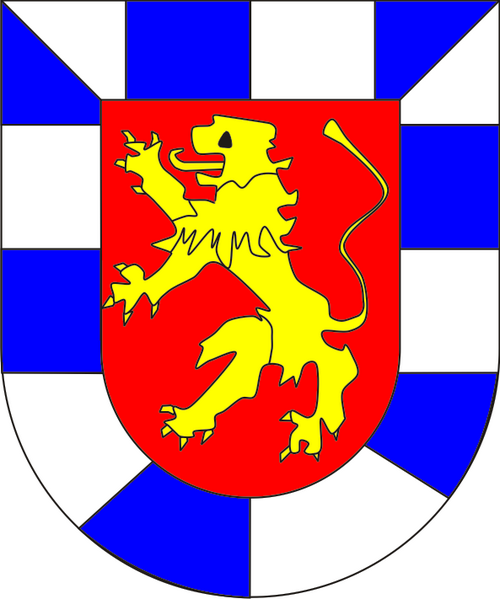 Lordship of Homburg; in 1409 w:Bernard I, Duke of Brunswick-Lüneburg (1358/64-1434) ("Middle House of Lüneburg") bought the lordship of Homburg, whose lords had died out in 1408. (Source: https://www.wikipe.wiki/wiki/nl/Wapens_van_Brunswijk_en_Lueneburg)
 - 5:
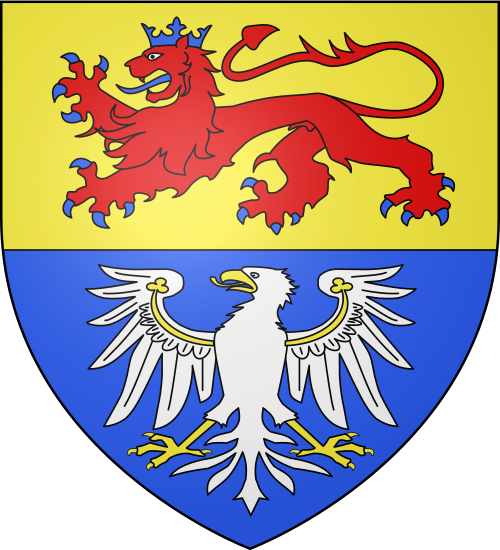 county of Diepholz. In 1585 the lords of Diepholz died out with Frederick II. The area later named a county fell to Duke William of Brunswick-Celle, (w:William the Younger, Duke of Brunswick-Lüneburg (d.1592)) the founder of the newer branch of Lüneburg. His brother Hendrik van Brunswijk-Dannenberg (w:Henry, Duke of Brunswick-Dannenberg (1533-1598))) was the founder of the newer branch Brunswijk. They both included Diepholz's coat of arms in their coat of arms.
 - 6:
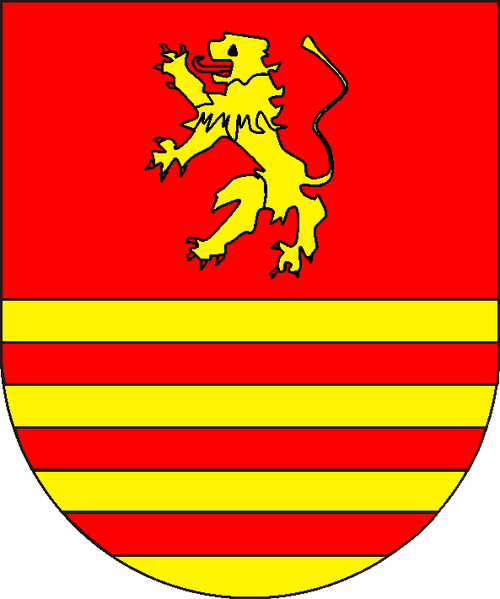 w:de:Grafschaft Lohra; county of Lohra; county of Lauterberg;
 - 7:

- 7a:
 w:County of Hoya; w:de:Grafschaft Hoya; In 1582 the house of Hoya died out with Count Otto VIII. Half of the county of Hoya belonged to Duke Wilhelm of Brunswick-Celle (?w:William the Younger, Duke of Brunswick-Lüneburg (1535-1592)) from the middle branch of Lüneburg, the other half to Duke Julius of Brunswick-Wolfenbüttel from the middle branch of Brunswick. The coat of arms of the County of Hoya and the associated lordships of Alt-Bruchhausen and Neu-Bruchhauden were added to the arms of both branches. Brunswijk-Wolfenbüttel carried this coat of arms until 1596 and Brunswijk-Harburg until 1624. (Source: https://www.wikipe.wiki/wiki/nl/Wapens_van_Brunswijk_en_Lueneburg)
 - 7b1:
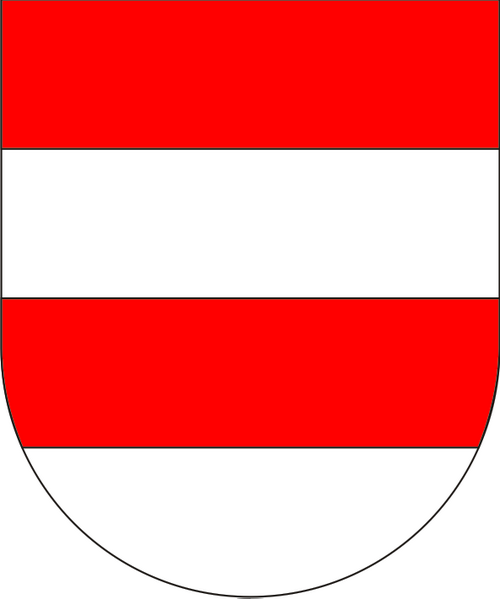 lordship of Neu-Bruchhausen; Wappen der Grafschaft Neubruchhausen
 - 7b2:
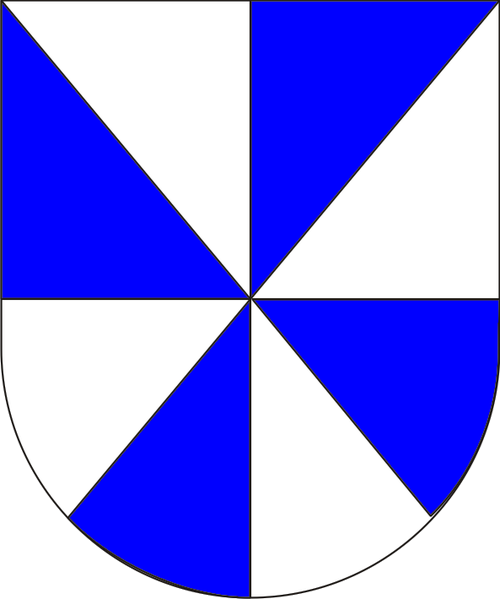 ; lordship of Alt-Bruchhausen;
- 7a:
- 8: county of Diepholz
- 9:
 w:de:Hohnstein (Adelsgeschlecht); county of Hohnstein; In 1593, the Klettenberg branch of the Counts of Hohnstein died out. The Counts of Stolberg inherited the county, but Brunswijk also claimed the county as liege lord. In 1596, the Dukes of Brunswick-Wolfenbüttel took up the arms in their coat of arms. Eventually the county was divided between Brunswijk and Stolberg. (Source: https://www.wikipe.wiki/wiki/nl/Wapens_van_Brunswijk_en_Lueneburg)
 - 10:
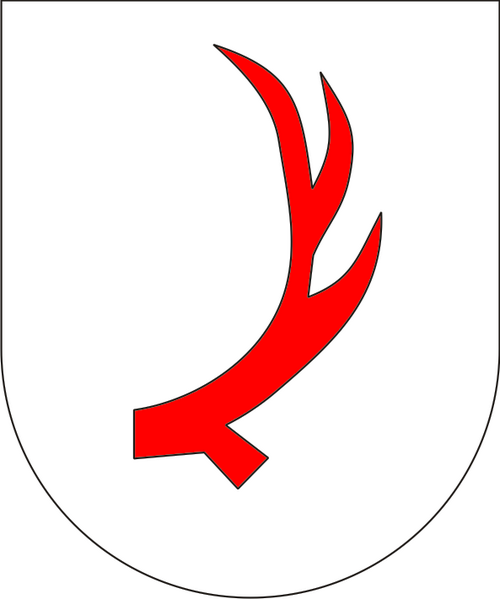 w:County of Regenstein; In 1162 the Comes de Regenstein (Count of Regenstein), Conrad, was mentioned for the first time. He was the son of Count Poppo I of Blankenburg, a vassal of the Duke of Saxony. After Poppo's death around 1161, his sons divided their heritage: Conrad took his residence at Regenstein Castle, 4 km (2.5 mi) north of Blankenburg, and became the ancestor of the noble House of Regenstein, while his brother Siegfried I retained Blankenburg Castle. In the 15th century, the Regenstein counts moved to nearby Blankenburg Castle. Regenstein fell into disrepair and became a ruin. The last male descendant of the noble family, Count John Ernest of Regenstein, died in 1599.
 - 11:
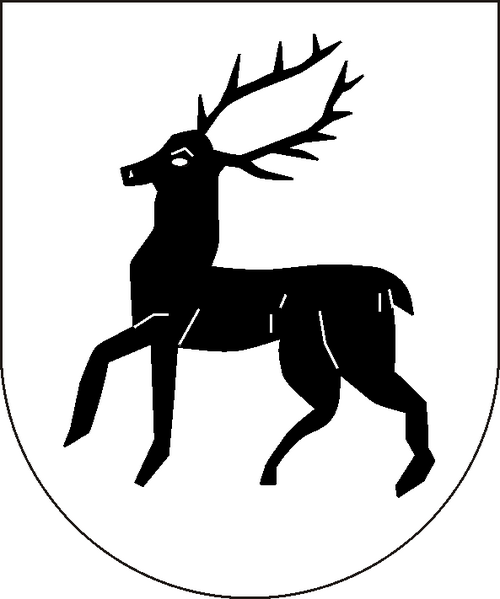 w:de:Grafschaft Klettenberg; county of Klettenberg; in 1593, the Klettenberg branch of the Counts of Hohnstein died out.
 - 12:
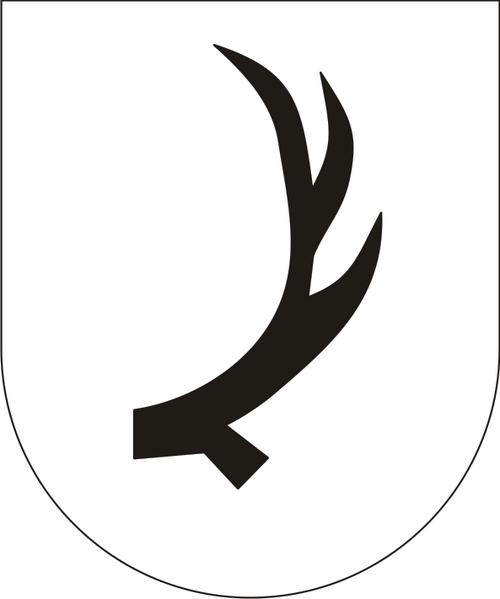 w:County of Blankenburg. In 1599 the counts of Blankenburg died out with Count Johan Ernst. The county came to Brunswick-Wolfenbüttel as a vacant fief. The arms of the counts of Blankenburg were also added. After the death of Duke Hendrik Julius in 1613, the ranking was changed by his successor Frederik Ulrich. With this duke the middle house Brunswijk (in Wolfenbüttel) died out in 1634.(Source: https://www.wikipe.wiki/wiki/nl/Wapens_van_Brunswijk_en_Lueneburg)
- 1:
References
- ↑ جونز، ب. (2013). قاموس السير الذاتية العالمية . كانبرا، أستراليا: مطبعة الجامعة الوطنية الأسترالية . ص 356. ISBN 9781922144492.
- ↑ كاندوتشي، صفحة 294
- ↑ ريديسيل، فريدريش أدولف (1868). فون إيلكينغ، ماكس (محرر). مذكرات ورسائل ومذكرات اللواء ريديسيل خلال إقامته في أمريكا . المجلد 1. ترجمة ستون، ويليام ل. ألباني: ج. مونسيل. ص 29.
أبقى دائمًا، محبكم تشارلز، دوق برونزويك ولونيبورغ. برونزويك، 14 فبراير 1776. إلى العقيد ريديسيل.
- ^ شنايدمولر، يموت فيلفين ، ص. 127؛ ستورمر، Die Welfen in der Reichspolitik ، ص. 261.
- ^ "صوفيا فون بايرن. في: Genealogie Mittelalter: Mittelalterliche Genealogie im Deutschen Reich bis zum Ende der Staufer" . تم الاسترجاع 2016/04/27 .
روابط خارجية
 الوسائط المتعلقة بـ House of Welf على ويكيميديا كومنز
- يموت ولفين. الموقع الرسمي (باللغة الألمانية)
- قوانين الخلافة في مجلس الرفاهية
- بيت ولف
- بيت إستي
- العائلات النبيلة الألمانية
- عائلات العسكريين في ألمانيا
- العائلات النبيلة في الإمبراطورية الرومانية المقدسة
- العلاقات الألمانية البريطانية
- العلاقات الألمانية الإيطالية
- العلاقات الإيطالية البريطانية