
كتاب الأورغن الصغير

كتاب "أورغلبوخلاين " ( كتاب الأرغن الصغير )، BWV 599-644، هو مجموعة من 46 مقدمة كورالية للأرغن - إحداها موجودة بنسختين - من تأليف يوهان سيباستيان باخ . كُتبت جميعها باستثناء ثلاث بين عامي 1708 و1717 عندما كان باخ عازف أرغن في البلاط الدوقي في فايمار ؛ أما الباقي ومقطع قصير من مقطعين فلم يُكتب قبل عام 1726، بعد تعيين الملحن مرتلاً في مدرسة توماس في لايبزيغ .
كانت خطة باخ الظاهرة هي جمع 164 لحنًا كوراليًا تُغنى خلال السنة الكنسية ، بحيث يُمثل كل فصل من فصول السنة. إلا أنه لم يُنجز منها سوى 46 لحنًا. المخطوطة، الموجودة الآن في مكتبة الدولة ، تُخلّف عددًا من الألحان مفقودة أو "غير مكتملة". وفي القرن الحادي والعشرين، أُطلق مشروعٌ لإكمال الترانيم المفقودة، يُعرف باسم "مشروع كتاب الأورغن الصغير"، حيث كُتبت الترانيم بأساليب حديثة. [ 1 ] استغرق هذا المشروع تسع ساعات في أول أداء كامل له، مما يُعطي فكرة عن النطاق المحتمل لكتاب باخ "الصغير". يحتوي كتاب الأورغن الصغير ، كما تركه باخ، على حوالي 80 دقيقة من الموسيقى التي تُغطي التقويم الليتورجي.
تعتمد كل مقطوعة موسيقية على ترنيمة لوثرية ، وتضيف إليها مصاحبة لحنية، وتستكشف الشكل الموسيقي بحرية تامة. معظم المقدمات قصيرة، إذ تُعزف فيها بيت واحد فقط من الترنيمة، وتستخدم أربعة أصوات متناغمة . جميعها تحتوي على جزء موسيقي ثابت، بعضها يتطلب لوحة مفاتيح واحدة ودواسة فقط، مع لحن أساسي بسيط . بينما تتطلب مقطوعات أخرى لوحتي مفاتيح ودواسة. وتشمل هذه المقطوعات عدة مقطوعات كانون ، وأربع مقدمات زخرفية رباعية الأجزاء ذات خطوط ترنيمة مزخرفة بدقة، ومقدمة واحدة على شكل سوناتا ثلاثية .
خطا باخ خطوةً أخرى نحو إتقان هذا الشكل الموسيقي عندما جعل العناصر المتناغمة في موسيقاه وسيلةً لعكس جوانب عاطفية معينة من الكلمات. لم يُحاول باتشيلبل فعل ذلك؛ فقد افتقر إلى ذلك الشعور الجارف الذي كان سيُمكّنه من الغوص في موضوعه. والأمر هنا هو الغوص فيه، وليس مجرد تصويره. فكما يُقال، في كل حركة حيوية في العالم الخارجي نرى صورةً لحركة داخلنا؛ وكل صورة من هذا القبيل لا بد أن تُؤثر فينا لتُنتج العاطفة المُقابلة في عالمنا الداخلي من المشاعر.
— فيليب سبيتا ، 1873، يكتب عن كتاب الأورغن الصغير في المجلد الأول من سيرته الذاتية عن باخ
هنا، حقق باخ مثالاً يحتذى به في مقدمة الكورال. فالأسلوب في غاية البساطة والكمال في آن واحد. ولا يظهر طابع دورر في أسلوبه الموسيقي جلياً كما في هذه المقدمات القصيرة للكورال. فبمجرد دقة كل سطر من سطور اللحن المتعدد الأصوات، وبجودة مميزة، يعبّر عن كل ما يُراد قوله، موضحاً بذلك العلاقة بين الموسيقى والنص الذي تحمله.
— ألبرت شفايتزر ، جان سيباستيان باخ، الشاعر الموسيقي ، 1905
صفحة العنوان

Orgel-Büchlein Worrine einem anfahenden Organisten Anleitung gegeben wird، auf allerhand Arth einen Choral durchzuführen، an- bey sich im Pedal studio zu habi - literen ، indem in solchen darinne befindlichen Choralen das Pedal gantz complat tratiret wird. Dem Höchsten Gott allein' zu Ehren، Dem Nechsten، draus sich zu belehren. المؤلف جوان سيباست. Bach pt Capellae Magistri SPR Anhaltini- Cotheniensis.
كتاب صغير للأرغن، يُقدّم فيه لعازف الأرغن المبتدئ تعليماتٍ حول أداء الترانيم بطرقٍ مُتعددة، مع إتقان استخدام الدواسة، إذ تُعامل الدواسة في الترانيم الواردة فيه كأداةٍ أساسية. إهداءً لربنا يسوع المسيح وحده، لكي يُصقل أخي الإنسان مهاراته. من تأليف يوهان سيباستيان باخ، قائد أوركسترا صاحب السمو أمير أنهالت- كوتن [ 2 ].
| المحتوى المخطط له لكتاب الأورجيلبوشلاين كما هو موضح في المخطوطة الأصلية [ 3 ] | ||||
|---|---|---|---|---|
| رقم | عنوان | الأهمية الليتورجية | صفحة | BWV |
| 1 | Nun komm, der Heiden Heiland | زمن المجيء | 1 | 599 |
| 2 | Gott، durch dein Güte أو Gottes Sohn ist kommen | زمن المجيء | 2-3 | 600 |
| 3 | السيد المسيح، der ein'ge Gottessohn أو Herr Gott، nun sei gepreiset | زمن المجيء | 4 | 601 |
| 4 | Lob sei dem allmächtigen Gott | زمن المجيء | 5 | 602 |
| 5 | ولد طفل في بيت لحم | عيد الميلاد | 6-7 | 603 |
| 6 | لوب سي جوت في قصر هيميلز ثرون | عيد الميلاد | 7 | |
| 7 | Gelobet seist du, Jesu Christ | عيد الميلاد | 8 | 604 |
| 8 | Der Tag، der ist so freudenreich | عيد الميلاد | 9 | 605 |
| 9 | Von Himmel hoch، da komm ich لها | عيد الميلاد | 10 | 606 |
| 10 | فون هيميل كام دير إنجل شار | عيد الميلاد | 11-10 | 607 |
| 11 | In dulci jubilo | عيد الميلاد | 12-13 | 608 |
| 12 | لوبت جوت، أنا كريستين، في كل مكان | عيد الميلاد | 14 | 609 |
| 13 | يا يسوع، فرحتي | عيد الميلاد | 15 | 610 |
| 14 | كريستوم وير سولين لوبين شون | عيد الميلاد | 16 | 611 |
| 15 | نحن مسيحيون | عيد الميلاد | 17 | 612 |
| 16 | ساعدني يا الله، أسعار جيدة | السنة الجديدة | 18 | 613 |
| 17 | Das alte Jahr vergangen ist | السنة الجديدة | 19 | 614 |
| 18 | In dir ist Freude | السنة الجديدة | 20-21 | 615 |
| 19 | ميت فرايد وفرويد ich fahr dahin [ Nunc dimittis ] | طهارة | 22 | 616 |
| 20 | هير جوت، راهبة شليوس دن هيمل عوف | طهارة | 23-23أ | 617 |
| 21 | يا حمل الله، بلا لوم | عيد الآلام | 24-24أ | 618 |
| 22 | كريستي، دو لام غوتس | عيد الآلام | 25 | 619 |
| 23 | المسيح الذي يجعلنا آمنين | عيد الآلام | 26 | 620a/620 |
| 24 | Da Jesu an dem Kreuze stund | عيد الآلام | 27 | 621 |
| 25 | يا مينش، بين دين سوند الإجمالي | عيد الآلام | 28-29 | 622 |
| 26 | Wir danken dir، Herr Jesu Christ، dass du für uns gestorben bist | عيد الآلام | 30 | 623 |
| 27 | Hilf Gott, das mir's gelinge | عيد الآلام | 31-30أ | 624 |
| 28 | يا يسوع، كيف هو كيانك؟ | عيد الآلام | 32 | |
| 29 | يا تراوريكيت، يا هرتزليد (جزء) | عيد الآلام | 33 | Anh. 200 |
| 30 | Allein nach dir، Herr، allein nach dir، Herr Jesu Christ، verlanget mich | عيد الآلام | 34-35 | |
| 31 | O wir armen Sünder | عيد الآلام | 36 | |
| 32 | لقد كان هيرزليبستر جيسو مخطئًا | عيد الآلام | 37 | |
| 33 | نون جيبت مين يسوع جوت ناخت | عيد الآلام | 38 | |
| 34 | المسيح يقبع في أغلال الموت | عيد الفصح | 39 | 625 |
| 35 | يسوع المسيح، unser Heiland، der den Tod überwand | عيد الفصح | 40 | 626 |
| 36 | المسيح قائم | عيد الفصح | 41-43 | 627 |
| 37 | Erstanden ist der Heil'ge Christ | عيد الفصح | 44 | 628 |
| 38 | Erscheinen ist der Herrliche Tag | عيد الفصح | 45 | 629 |
| 39 | Heut triumphieret Gottes Sohn | عيد الفصح | 46-47 | 630 |
| 40 | Gen Himmel aufgefahren ist | الصعود | 48 | |
| 41 | Nun freut euch، Gottes Kinder، all | الصعود | 49 | |
| 42 | كوم، هيليجر جيست، erfüll die Herzen deiner Gläubigen | عيد العنصرة | 50-51 | |
| 43 | كوم، هيليجر جيست، هير جوت | عيد العنصرة | 52-53 | |
| 44 | كوم، جوت شوفر، هيليجر جيست | عيد العنصرة | 54 | 631a/631 |
| 45 | راهبة عضت في Heil'gen Geist | عيد العنصرة | 55 | |
| 46 | Spiritus Sancti gratia أو Des Heil'gen Geistes reiche Gnad | عيد العنصرة | 56 | |
| 47 | يا Heil'ger Geist، du göttlich's Feuer | عيد العنصرة | 57 | |
| 48 | يا هيليجر جيست، يا هيليجر جوت | عيد العنصرة | 58 | |
| 49 | السيد يسوع المسيح، dich zu uns wend | عيد العنصرة | 59 | 632 |
| 50 | يا يسوع الحبيب، نحن هنا | عيد العنصرة | 60 | 634 |
| 51 | ليبستر جيسو، wir sind hier ( متميز ) | عيد العنصرة | 61 | 633 |
| 52 | الله الأب يعيش معنا | ترينيتي | 62-63 | |
| 53 | ألين جوت إن دير هوه سي إير | ترينيتي | 64 | |
| 54 | Der du bist drei in Einigkeit | ترينيتي | 65 | |
| 55 | Gelobet sei der Herr, der Gott Israel [ بنديكتوس ] | القديس يوحنا المعمدان | 66 | |
| 56 | Meine Seele erhebt den Herren [ Magnificat ] | زيارة | 67 | |
| 57 | السيد جوت، لدينا كل شيء | القديس ميخائيل وجميع الملائكة | 68 | |
| 58 | Er stehn vor Gottes Throne | القديس ميخائيل وجميع الملائكة | 69 | |
| 59 | يا رب، أنت تحبنا | القديسان سيمون ويهوذا الرسولان | 70-71 | |
| 60 | يا هير جوت، هذا نبتة جيدة | مهرجان الإصلاح | 72 | |
| 61 | Dies Sind die Heil'gen zehn Gebot | الوصايا العشر | 73 | 635 |
| 62 | مينش، willst du leben seliglich | الوصايا العشر | 74 | |
| 63 | السيد جوت، erhalt uns für und für | الوصايا العشر | 75 | |
| 64 | نحن نؤمن جميعًا بالله | العقيدة | 76-77 | |
| 65 | Vater unser im Himmelreich | صلاة الرب | 78 | 636 |
| 66 | المسيح، Unser Herr، zu Jordan Kam | المعمودية المقدسة | 79 | |
| 67 | Auf Tiefer Not schrei ich zu dir [مزمور 130] | الاعتراف والتوبة والتبرير | 80 | |
| 68 | Erbarm dich me، يا سيد جوت | الاعتراف والتوبة والتبرير | 81 | |
| 69 | يسوع، روحي | الاعتراف والتوبة والتبرير | 82 | |
| 70 | Allein zu dir، السيد يسوع المسيح | الاعتراف والتوبة والتبرير | 83 | |
| 71 | آخ غوت أوند هير | الاعتراف والتوبة والتبرير | 84 | |
| 72 | السيد يسوع المسيح، du höchstes Gut | الاعتراف والتوبة والتبرير | 85 | |
| 73 | آخ هير، ميش أرمن سوندر | الاعتراف والتوبة والتبرير | 86 | |
| 74 | Wo soll ich fliehen hin | الاعتراف والتوبة والتبرير | 87 | |
| 75 | Wir haben schwerlich | الاعتراف والتوبة والتبرير | 88 | |
| 76 | دورش آدامز فال هو أمر حقيقي | الاعتراف والتوبة والتبرير | 89 | 637 |
| 77 | Es ist das Heil uns kommen لها | الاعتراف والتوبة والتبرير | 90 | 638 |
| 78 | يسوع المسيح، وطننا | عشاء الرب | 91 | |
| 79 | Gott sei gelobet und gebenedeiet | عشاء الرب | 92-93 | |
| 80 | Der Herr is mein getreuer Hirt [مزمور 23] | عشاء الرب | 94 | |
| 81 | Jetzt komm ich als ein Armer Gast | عشاء الرب | 95 | |
| 82 | يا يسوع، يا غابي النبيل | عشاء الرب | 96 | |
| 83 | Wir danken dir، Herr Jesu Christ، dass du das Lämmlein worden bist | عشاء الرب | 97 | |
| 84 | Ich weiss ein Blümlein hübsch und fein | عشاء الرب | 98 | |
| 85 | Nun freut euch، lieben Christen g'mein | عشاء الرب | 99 | |
| 86 | Nun lob, mein Seel, den Herren [مزمور 103] | عشاء الرب | 100-101 | |
| 87 | Wohl dem, der in Gottes Furcht steht | الحياة والسلوك المسيحي | 102 | |
| 88 | Wo Gott zum Haus nicht gibt sein Gunst [مزمور 127] | الحياة والسلوك المسيحي | 103 | |
| 89 | كان لي أن حصلت على الإرادة، das g'scheh allzeit | الحياة والسلوك المسيحي | 104 | |
| 90 | Kommt لها زو مير، spricht Gottes Sohn | الحياة والسلوك المسيحي | 105 | |
| 91 | Ich ruf zu dir، السيد يسوع المسيح | الحياة والسلوك المسيحي | 106-107 | 639 |
| 92 | Weltlich Ehr und zeitlich Gut | الحياة والسلوك المسيحي | 107 | |
| 93 | لن يضطر فون جوت إلى العبث | الحياة والسلوك المسيحي | 108 | |
| 94 | Wer Gott vertraut | الحياة والسلوك المسيحي | 109 | |
| 95 | لقد شعرت بالحزن، لذا استمتعت كثيرًا | الحياة والسلوك المسيحي | 110 | |
| 96 | يا الله، أنت يا الله | الحياة والسلوك المسيحي | 111 | |
| 97 | في dich hab ich gehoffet، هير [مزمور 31] | الحياة والسلوك المسيحي | 112 | |
| 98 | في dich hab ich gehoffet، Herr ( alia modo ) | الحياة والسلوك المسيحي | 113 | 640 |
| 99 | ماج إيتش أنجلوك ليس أوسع نطاقا | الحياة والسلوك المسيحي | 114 | |
| 100 | Wenn wir in höchsten Nöten sein | الحياة والسلوك المسيحي | 115 | 641 |
| 101 | An Wasserflüssen بابل [مزمور 137] | الحياة والسلوك المسيحي | 116-117 | |
| 102 | Warum betrübst du dich, mein Herz | الحياة والسلوك المسيحي | 118 | |
| 103 | فريش عوف، مين سيل، لا شيء | الحياة والسلوك المسيحي | 119 | |
| 104 | آخ جوت، مثل مانشس هرتسلايد | الحياة والسلوك المسيحي | 120 | |
| 105 | Ach Gott, erhör mein Seufzen und Wehklagen | الحياة والسلوك المسيحي | 121 | |
| 106 | So wünsch ich nun eine gute Nacht [مزمور 42] | الحياة والسلوك المسيحي | 122 | |
| 107 | Ach lieben Christen, seid getrost | الحياة والسلوك المسيحي | 123 | |
| 108 | Wenn dich Unglück tut greifen an | الحياة والسلوك المسيحي | 124 | |
| 109 | لا أحد يترك الله | الحياة والسلوك المسيحي | 125 | |
| 110 | Gott ist mein Heil، mein Hülf und Trost | الحياة والسلوك المسيحي | 126 | |
| 111 | Was Gott tut, das ist wohlgetan, kein einig Mensch ihn tadeln kann | الحياة والسلوك المسيحي | 127 | |
| 112 | Was Gott tut, das ist wohlgetan, es bleibt gerecht sein Wille | الحياة والسلوك المسيحي | 128 | |
| 113 | Wer nur den lieben Gott lässt walten | الحياة والسلوك المسيحي | 129 | 642 |
| 114 | Ach Gott, vom Himmel sieh Darin [مزمور 12] | ترانيم المزامير | 130 | |
| 115 | Es spricht der Unweisen Mund wohl [مزمور 14] | ترانيم المزامير | 131 | |
| 116 | Ein feste Burg ist unser Gott [مزمور 46] | ترانيم المزامير | 132 | |
| 117 | Es woll uns Gott genädig sein [مزمور 67] | ترانيم المزامير | 133 | |
| 118 | Wär Gott nicht mit uns diese Zeit [مزمور 124] | ترانيم المزامير | 134 | |
| 119 | Wo Gott der Herr nicht bei uns hält [مزمور 124] | ترانيم المزامير | 135 | |
| 120 | Wie schön leuchtet der Morgernstern | كلمة الله والكنيسة المسيحية | 136-137 | |
| 121 | Wie nach einer Wasserquelle [مزمور 42] | كلمة الله والكنيسة المسيحية | 138 | |
| 122 | Erhalt uns، Herr، bei deinem Wort | كلمة الله والكنيسة المسيحية | 139 | |
| 123 | Lass mich dein sein und bleiben | كلمة الله والكنيسة المسيحية | 140 | |
| 124 | جيب فرايد، يا فرومر، ترور جوت | كلمة الله والكنيسة المسيحية | 141 | |
| 125 | دو فريدفورست، السيد يسوع المسيح | كلمة الله والكنيسة المسيحية | 142 | |
| 126 | يا إله القوة العظيم | كلمة الله والكنيسة المسيحية | 143 | |
| 127 | Wenn mein Stündlein vorhanden ist | الموت والاحتضار | 144 | |
| 128 | السيد يسوع المسيح، wahr Mensch und Gott | الموت والاحتضار | 145 | |
| 129 | نحن في منتصف العمر | الموت والاحتضار | 146-147 | |
| 130 | يجب على جميع البشر أن يموتوا | الموت والاحتضار | 148 | |
| 131 | Alle Menschen müssen sterben ( alio modo ) | الموت والاحتضار | 149 | 643 |
| 132 | سأعطيك خدمة صف السيارات | الموت والاحتضار | 150 | |
| 133 | Nun last uns den Leib begraben | الموت والاحتضار | 151 | |
| 134 | المسيح، الذي هو حياتي | الموت والاحتضار | 152 | |
| 135 | هرتزليش ليب هاب إيتش ديش، يا هير | الموت والاحتضار | 152-153 | |
| 136 | إلى إلهي الحبيب | الموت والاحتضار | 154 | |
| 137 | السيد يسوع المسيح، ich weiss gar wohl | الموت والاحتضار | 155 | |
| 138 | Mach's mit mir، Gott، nach deiner Güt | الموت والاحتضار | 156 | |
| 139 | السيد يسوع المسيح، meins Lebens Licht | الموت والاحتضار | 157 | |
| 140 | Mein Wallfahrt ich vollendet hab | الموت والاحتضار | 158 | |
| 141 | Gott hat das Evangelium | الموت والاحتضار | 159 | |
| 142 | آخ غوت، تو ديش إربارمن | الموت والاحتضار | 160 | |
| 143 | Gott des Himmels und der Erden | صباح | 161 | |
| 144 | أشكرك يا سيدي العزيز | صباح | 162 | |
| 145 | من أعماق قلبي | صباح | 163 | |
| 146 | Ich dank dir schon | صباح | 164 | |
| 147 | Das walt mein Gott | صباح | 165 | |
| 148 | المسيح، دير دو بيست دير هيلي العلامة | مساء | 166 | |
| 149 | Christe، der du bist Tag und Licht | مساء | 167 | |
| 150 | Werde munter, mein Gemüte | مساء | 168 | |
| 151 | الآن استرخوا جميع الغابات | مساء | 169 | |
| 152 | Dankt dem Herrn, denn er ist sehr freundlich [مزمور 136] | بعد الوجبات | 170 | |
| 153 | Nun lasst uns Gott dem Herren | بعد الوجبات | 171 | |
| 154 | Lobet dem Herren, denn er ist sehr freundlich [مزمور 147] | بعد الوجبات | 172 | |
| 155 | سنغني من أعماق القلب | بعد الوجبات | 173 | |
| 156 | يا أبانا، يا شمسي | طقس جيد | 174 | |
| 157 | يسوع، قلبي فرويد | زائدة | 175 | |
| 158 | حسنًا، لقد كان الأمر كذلك بالنسبة إلى Sűnder machen | زائدة | 176 | |
| 159 | Ach wie nichtig، ach wie Fluchtig | زائدة | 177 | 644 |
| 160 | آخ، ما هو دورنا في الحياة؟ | زائدة | 178 | |
| 161 | Allenthalben, wo ich gehe | زائدة | 179 | |
| 162 | Hast du denn, Jesu, dein Angesicht gänzlich Verborgen أو Soll ich denn, Jesu, mein Leben in Trauern beschliessen | زائدة | 180 | |
| 163 | Sei gegrüsset، Jesu gütig أو O Jesu، du edle Gabe | زائدة | 181 | |
| 164 | Schmücke dich, o liebe Seele | زائدة | 182 | |
تاريخ


بدأ تدريب باخ الرسمي كموسيقي عندما التحق كعضو في جوقة كنيسة القديس ميخائيل في لونيبورغ بين عامي 1700 و 1702. وتُظهر مخطوطات بخط يد باخ، اكتشفها مؤخرًا الباحثان بيتر وولني ومايكل مول في فايمار، أنه أثناء إقامته في لونيبورغ، درس العزف على الأرغن مع جورج بوم ، الملحن وعازف الأرغن في كنيسة القديس يوحنا . وتُعدّ هذه الوثائق نسخًا يدويةً نُسخت في منزل بوم، مُدوّنةً على شكل تدوين موسيقي ، لمؤلفات موسيقية للأرغن من تأليف رينكن وبوكستيهود وغيرهما. وتشير هذه الوثائق إلى أن باخ كان عازف أرغن بارعًا في سن الخامسة عشرة، حيث كان يعزف بعضًا من أصعب المقطوعات الموسيقية في تلك الفترة. [ ٥ ] بعد فترة وجيزة قضاها باخ في فايمار كعازفٍ في بلاط يوهان إرنست، دوق ساكس-فايمار ، عُيّن عازفًا للأرغن في كنيسة القديس بونيفاس (التي تُعرف الآن باسم كنيسة باخ ) في أرنشتات صيف عام ١٧٠٣، بعد أن تفقد الأرغن هناك في وقت سابق من العام نفسه وقدم تقريرًا عنه. وفي عامي ١٧٠٥ و ١٧٠٦، مُنح باخ إجازة من أرنشتات للدراسة مع عازف الأرغن والملحن ديتريش بوكستيهود في لوبيك، وهي رحلة حجّ قام بها سيرًا على الأقدام. وفي عام ١٧٠٧، أصبح باخ عازفًا للأرغن في كنيسة القديس بلاسيوس في مولهاوزن ، قبل تعيينه للمرة الثانية في بلاط فايمار عام ١٧٠٨ كقائد أوركسترا وعازف أرغن، حيث بقي حتى عام ١٧١٧.
خلال الفترة التي سبقت عودته إلى فايمار، ألّف باخ مجموعة من 31 مقدمة كورالية، اكتشفها كريستوف وولف وويلهلم كرونباخ بشكل مستقل في مكتبة جامعة ييل في منتصف ثمانينيات القرن العشرين، ونُشرت لأول مرة تحت عنوان " Das Arnstadter Orgelbuch" . تُشكّل هذه المقدمات جزءًا من مجموعة أكبر لموسيقى الأرغن جمعها عازف الأرغن يوهان غوتفريد نيوميستر (1756-1840) في تسعينيات القرن الثامن عشر، وتُعرف الآن باسم " Neumeister Chorales BWV 1090 – 1120". تتميز هذه المقدمات الكورالية بقصرها، إما على شكل تنويعات أو فوغيتا . [ 6 ] لا يُمكن تحديد تاريخ سوى عدد قليل من أعمال الأرغن الأخرى المبنية على الكورالات بدقة إلى هذه الفترة، ومنها "chorale partitas BWV 766-768 و770"، وهي عبارة عن مجموعات من التنويعات على كورال مُحدد. [ 7 ] [ 8 ]
خلال فترة عمله كعازف أرغن في أرنشتات، وبّخه مجلس أرنشتات عام ١٧٠٦ "لإدخاله زخارف غريبة ومتنوعة في الترانيم ومزجه العديد من النغمات غير المألوفة فيها، مما أدى إلى إرباك المصلين". ويُشار إلى هذا النوع من مقدمات الترانيم، والذي يُعرف غالبًا باسم "نمط أرنشتات"، حيث كان يُستخدم لمرافقة المصلين بمقاطع ارتجالية متغيرة النغمات بين الأبيات: ومن الأمثلة التي يُفترض أنها من هذا النوع BWV ٧١٥، ٧٢٢، ٧٢٦، ٧٢٩، ٧٣٢، و٧٣٨. أما أقدم مخطوطة أصلية باقية لمقدمة ترنيمة فهي BWV ٧٣٩، بعنوان " Wie schön leuchtet der Morgenstern" ، والمستوحاة من ترنيمة عيد الغطاس. يعود تاريخها إلى عام 1705 وربما تم إعدادها لزيارة باخ إلى لوبيك. [ 9 ]
 مخطوطة بخط اليد لـ BWV 739
 لوحة كراناش الجدارية في كنيسة القديسين بطرس وبولس، حيث عزف باخ على الأرغن
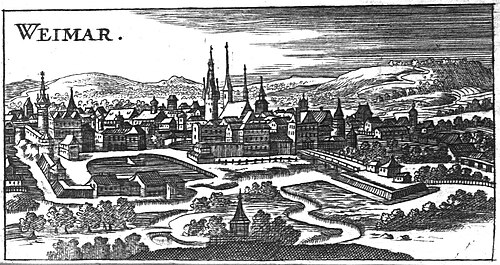 منظر لمدينة فايمار، ١٦٨٦: قلعة فيلهلمسبورغ في الوسط، وكنيسة القديسين بطرس وبولس في الخلف، والقصر الأحمر فوق جسر المشاة على اليسار
 فيلهلمسبورغ، فايمار، حوالي عام 1730، بُنيت في خمسينيات القرن السابع عشر ودُمرت جراء حريق عام 1774
غاية
يُعدّ كتاب "أورغلبوخلاين" في آنٍ واحدٍ رسالةً في التأليف الموسيقي، ومجموعةً من موسيقى الأرغن الليتورجية، ومنهجاً لتعليم العزف على الأرغن، وبياناً لاهوتياً. هذه الجوانب الأربعة متداخلةٌ تداخلاً وثيقاً لدرجة يصعب معها التمييز بين نهاية أحدها وبداية الآخر.
— ستينسون (1999 ، ص 25)
أسلوب التأليف
على الرغم من وجود بعض الاختلافات المهمة، فقد تم تأليف مقدمات الكورال في كتاب الأورجيلبوشلاين بعدد من السمات الأسلوبية المشتركة، والتي تميز وتفرق ما يسمى "أسلوب الأورجيلبوشلاين": [ 10 ]
- إنها عبارة عن تناغمات لحن أساسي يتم أخذه بواسطة صوت السوبرانو .
- وهي مؤلفة من أربعة أجزاء، مع ثلاثة أصوات مصاحبة.
- يتم استكمال التناغمات في الأصوات المصاحبة بواسطة زخارف أو أشكال مشتقة من اللحن الرئيسي ومكتوبة بطريقة تقليدية .
- تبدأ مباشرة باللحن الرئيسي، سواء كان مصحوباً أو غير مصحوب.
- لا توجد فواصل بين سطور اللحن الرئيسي (cantus) بالنسبة للريتورنيلوس أو الفواصل الموسيقية في الأصوات المصاحبة.
- يتم تمييز النوتات التي تنهي أبيات الشعر في اللحن بعلامات التوقف (الوقفات).
وتشمل الاستثناءات ما يلي:
- BWV 611، Christum wir sollen loben schon ، حيث يكون الكانتوس بصوت ألتو
- BWV 600، 608، 618، 619، 620، 624، 629 و 633/634 حيث يكون صوت السوبرانو متناغمًا مع صوت آخر.
- BWV 615، In dir ist Freude ، حيث يُسمع اللحن في شكل كانون في جميع الأصوات فوق الزخارف المصاحبة.
- BWV 599، Nun komm، der Heiden Heiland ، و BWV 619، Christe du Lamm Gottes ، وهي مكتوبة لخمسة أصوات.
- BWV 639، Ich ruf' zu dir، Herr Jesu Christ ، وهو مكتوب لثلاثة أصوات.
- BWV 617، 618، 619 و 637، حيث تبدأ المصاحبة قبل اللحن الرئيسي.
مقدمات كورالية BWV 599–644
- تستند الأوصاف الموجزة لمقدمات الترانيم إلى التحليل المفصل الوارد في ويليامز (2003) وستينسون (1999) . أما الترجمات الإنجليزية الموزونة لنصوص الترانيم اللوثرية، فقد أُخذت في معظمها من تيري (1921) ؛ ويمكن الاطلاع على ترجمات أكثر حرفية في ويليامز (2003) ، وقد أُدرجت في النص أدناه عند الاقتضاء.
مجيء BWV 599–602
- BWV 599 Nun komm, der Heiden Heiland [تعال الآن مخلص الوثنيين]
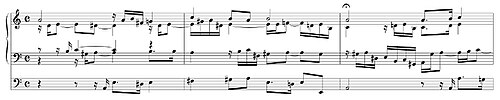

فيما يلي المقطع الأول من ترنيمة لوثر الخاصة بالمجيء " Nun komm, der Heiden Heiland " مع ترجمة جورج ماكدونالد إلى الإنجليزية .
Nun komm, der Heiden Heiland, der Jungfrauen Kind erkannt! Dass sich wundert alle Welt, Gott solch' Geburt ihm bestellt.
هلمّ يا منقذ الأمم البرية، يا من أنجبت الطفلة من العذراء، املأ الأرض كلها دهشةً، إن رزقها الله بمثل هذه الولادة.
على الرغم من شيوع تشبيه هذه المقدمة الكورالية الافتتاحية لعيد الميلاد بمقدمة موسيقية فرنسية، من حيث البناء، بنسيجها من التآلفات المتتابعة، إلا أنها أقرب إلى مقدمات آلات المفاتيح الباروكية لكبار الموسيقيين الألمان والفرنسيين، مثل كوبيرين. يُستمد اللحن المصاحب في الأجزاء الثلاثة أو الأربعة السفلية من نغمة هابطة في الخط اللحني، تتكون من سكتة موسيقية من ستة عشر نغمة (نصف نغمة سادسة عشرة) - أي "نَفَس" - متبوعة بثلاث نغمات نصف عشر ونغمة رابعة أطول. وقد رأى بعض المعلقين أن هذا الشكل الهابط يمثل هبوطًا إلى الأرض، ولكنه قد يعكس أيضًا تكرار عبارة "الآن تعال" في النص. تتكون النغمة الهابطة من فواصل ثانية صاعدة، ورابعة هابطة، تليها ثانية صاعدة أخرى. وهي مشتقة من السطر الأول من لحن الكانتوس فيرموس ، وغالبًا ما تُوزع بحرية بين الأصوات في المصاحبة. يتجلى سر مجيء المخلص في اللحن الأساسي الخفي نوعًا ما، والذي يرتكز على تناغمات تتجدد باستمرار. وهو أقل قابلية للتنبؤ والانتظام من غيره من ألحان باخ أو أسلافه مثل بوكستيهود لنفس الترتيلة، إذ لا تتسم بالانتظام إلا السطران الثاني والثالث. أما السطر الأخير فيكرر السطر الأول، ولكن مع حذف النغمات المتقطعة واستبدال الإيقاعات المنقطة في طبقة الباص بنغمة ثابتة طويلة، ربما تعكس الدهشة الموصوفة في السطرين الثالث والرابع من المقطع الأول.
- BWV 600 Gott, durch deine Güte [يا الله من خلال صلاحك] (أو Gottes Sohn ist kommen [لقد جاء ابن الله])


فيما يلي المقطع الأول من ثلاثة مقاطع من ترنيمة المجيء ليوهان سباننبرغ مع ترجمة تشارلز سانفورد تيري إلى الإنجليزية .
Gott, durch deine Güte, wolst uns army Leute Herze, Sinn und Gemüte für des Teufels Wüten am Leben and im Todt gnädiglich behüten.
يا إله النعمة والرحمة، انظر إليّ بعين الرحمة؛ احفظ قلبي وعقلي وروحي بفضلك. الشيطان يتربص بي في كل ساعة ليفترسني.
تم تلحينها على نفس لحن ترنيمة يوهان روه الميلادية Gottes Sohn ist kommen ، والتي تم تقديم المقطع الأول منها هنا مع الترجمة الإنجليزية لكاثرين وينكوورث .
Gottes Sohn is kommen allen zu Frommen hier auf diese Erden in Armen Gebärden، daß es von Sünde freiet' und entbünde.
لقد جاء مرةً مباركاً، ليُصلح كل آلامنا؛ جاء في صورة متواضعة، ابن الله القدوس؛ حمل الصليب ليخلصنا، ومنحنا الأمل والحرية.
هذه المقدمة الكورالية عبارة عن كانون على الأوكتاف في صوتي السوبرانو والتينور، حيث يدخل التينور بعد ميزان واحد من دخول السوبرانو. وقد حدد باخ بوضوح نقاط توقف أجزاء الكانون في النسخة الأصلية، مع وضع جزء التينور العالي في دواسة القدم، مكتوبًا على النغمة التي أرادها باخ، وكذلك ضمن نطاق أورغن فايمار. لم يترك باخ أي إشارة إلى أن أجزاء لوحة المفاتيح اليدوية يجب عزفها على لوحتي مفاتيح: في الواقع، كما يشير ستينسون (1999) ، فإن النسخة الأصلية تجمع جميع أجزاء لوحة المفاتيح معًا؛ بالإضافة إلى ذلك، من الناحية الفنية، في بعض النقاط، يجب مشاركة أجزاء لوحة المفاتيح بين اليدين. المصاحبة عبارة عن حركة دائمة متقنة ومتناغمة في جزئي لوحة مفاتيح الألتو والباص مع نغمات ثُمنية متدفقة في الألتو، مشتقة من أول أربعة أشكال ثُمنية متداخلة ، تُعزف فوق باص متواصل بنغمات ربعية منفصلة. كُتبت الترتيلة في الأصل بإيقاع ثنائي، ولكن لتسهيل التناغم الكنسي، اعتمد باخ إيقاعًا ثلاثيًا مع نبضة دنيم، بنصف سرعة صوت الباص. يُستمد عزف الباص في البداية مباشرةً من اللحن؛ وخلال فترات الصمت في جزء السوبرانو، يتكرر لحنٌ ثانٍ. يُعد العزف المتواصل بنغمات ثُمانية ورُباعية مثالًا على النوع الأول من نوعي ألحان الفرح التي وصفها شفايتزر (1911ب) ، والمستخدمة للتعبير عن "فرحٍ مباشرٍ وعفوي". وكما يقول ألبرت ريمنشنايدر : "يشير غنى المقطع الموسيقي إلى خلفيةٍ بهيجة".
- BWV 601 Herr Christ, der einge Gottes-Sohn [الرب المسيح، ابن الله الوحيد] (أو Herr Gott, nun sei gepreiset [أيها الرب الإله، الآن تمجّد])


فيما يلي البيتان الأول والأخير من ترنيمة إليزابيث كروسيجر لعيد الغطاس ، Herr Christ, der einig Gotts Sohn، مع الترجمة الإنجليزية لمايلز كوفردايل .
السيد المسيح، أحد Gottes-Sohn Vaters في Ewigkeit، مثل Herzen entsprossen، gleichwie geschrieben steht، er is der Morgensterne، sein Glänzen streckt erne vorothern Sternen klar. ∘∘∘ Ertöt uns durch dein Güte, erweck uns durch dein Gnad; den menschen kränke، daß der neu' leben mag wohl hie auf dieser Erden، den Sinn and all Begehren und G'danken hab'n zu dir.
المسيح هو ابن الله الوحيد، الآب الأزلي: لقد وجدنا في يسى هذا الصولجان، إلهًا وإنسانًا في آن واحد! هو نجم الصباح؛ يرسل أشعته بعيدًا وراء كل النجوم. أيقظنا يا رب، نرجوك؛ لقد وهبتنا روحك القدوس، الذي قد يُميت إنساننا العتيق، لكي يحيا إنساننا الجديد. لذلك سنشكرك دائمًا، الذي أظهر لنا رحمته العظيمة، والذي يغفر ذنوبنا.
تم استخدام نفس اللحن في ترنيمة ما بعد الأكل Herr Gott, nun sei gepreiset ، والتي يرد أدناه المقطع الأول منها مع الترجمة الإنجليزية لتشارلز سانفورد تيري .
Herr Gott، الذي لم يقم بالسيطرة عليه، سيخبرنا من Dank، لأنه من أولاده الجدد، يستحوذ على Speis وTrank، عليهما أن يتسوقا، ثم يتجمدان في مكانهما، منذ أن أصبحا Gott.
يا الله الذي في السماء، نسبحك ونشكرك على كل كرمك وسخائك، وعلى كل طعامنا اليومي، وعلى كل الحب الذي غمرتنا به، وعلى كل النعمة التي أنعمت بها علينا يا ربنا الحبيب.
بحسب التسلسل الزمني لستينسون (1999) ، يُرجّح أن تكون هذه المقدمة الكورالية أول ما أدخله باخ في مخطوطته الأصلية. وهي تُظهر ببساطة آسرة جميع السمات المميزة لمقدمات كتاب الأورغن الصغير. يُقدّم اللحن الأساسي (cantus firmus) دون زخرفة في خط السوبرانو، بينما تُعزف الأصوات الثلاثة الأخرى على نفس لوحة المفاتيح وفي دواسة البيانو. أما المصاحبة الموسيقية فهي مُستمدة من لحن دواسة البيانو المتقطع (suspirans ) المكون من ثلاث نغمات نصفية (نغمات من فئة السادسة عشرة) متبوعة بنغمتين ثُمنيتين (نغمات من فئة الثامنة). بالنسبة لشفيتزر (1911ب)، كان هذا اللحن تحديدًا يرمز إلى "الفرح البهيج"، مُمثلاً إما "السرور العميق أو العبادة المُبهجة". على الرغم من أنه لا يُمكن مُطابقة المقدمة الكورالية بدقة مع كلمات أي من الترنيمتين، إلا أن الحالة المزاجية المُعبر عنها تتوافق مع كلتيهما، حيث تُعبّر عن الفرح بقدوم المسيح والامتنان لكرم الله. كان اللحن، الذي يُتوقع ويُردد صداه في الأجزاء الداخلية المتداخلة بسلاسة، شائعًا بالفعل في مقدمات الكورال في تلك الفترة. وبفضل سهولة عزفه بتناوب الأقدام، برز بشكل خاص في مقدمات بوكستيهود وبوم ، بالإضافة إلى لحن سابق باليد الواحدة لنفس الترتيلة من تأليف ابن عم باخ، يوهان غوتفريد فالتر . إلا أن باخ يتجاوز النماذج السابقة، مُبتكرًا نسيجًا فريدًا في المصاحبة الموسيقية يتسارع، لا سيما في دواسة البيانو، وصولًا إلى النهايات الموسيقية. وكما يشير ويليامز (2003) ، تتجلى براعة باخ في التأليف الموسيقي منذ المقياس الافتتاحي. إذ يُقدم جزء الألتو اللحن الأساسي، ويُردد معه ومع الشكل المنقط اللاحق اللحن في جزء السوبرانو. كان هذا النوع من الكتابة - في هذه الحالة مع التقليد الخفي والهادئ بين الأصوات، تقريبًا في شكل قانون، مما ينقل جوًا من الحميمية - سمة جديدة قدمها باخ في كتابه الموسيقي Orgelbüchlein.
- BWV 602 Lob sei dem allmächtigen Gott [الحمد لله تعالى]


فيما يلي أول بيتين من ترنيمة المجيء لمايكل فايس مع الترجمة الإنجليزية لجون غامبولد .
Lob sei dem allmächtigen Gott, der unser sich erbarmet hat, gefandt sein allerliebsten Sohn, aus ihm geborn im höchsten Thron, ∘∘∘ auf daß er unser Heiland würd, uns friet von der Sündenbürd and durch sein Gnade und Wahrheit führet zur ewigen Klarheit.
لله نرفع الشكر والثناء، الذي أشفق على البشرية الساقطة، وبذل ابنه الحبيب الوحيد لكي يعترف بنا كأبناء. جاء ليبحث عن الضالين ويخلصهم؛ أخطأنا، وهو سيتحمل العقاب. لنشارك في النعيم الأبدي؛ يا له من حب لا حدود له!
يستمد اللحن الأساسي لهذه المقدمة الكورالية أصوله من الترتيلة الغريغورية "Conditor alme siderum" . ورغم أنها مكتوبة بالنمط الفريجي ، إلا أن باخ أدخل عليها تعديلاً طفيفاً، مستبدلاً بعض نغمات سي بيمول بنغمات سي بيمول في اللحن، لكنها تبقى في النهاية على مفتاح لا. تتألف المصاحبة الموسيقية من دافعين، كلاهما هابط : أحدهما في الأجزاء الداخلية يحمل دافعاً للفرح؛ والآخر، المشترك بين الأجزاء الثلاثة السفلية، يتكون من ثلاث نغمات سداسية عشرية ونغمة أطول أو أربع نغمات سداسية عشرية فقط. في الجزء الأساسي، يُنظر إلى هذا الدافع الهابط البارز على أنه يرمز إلى "نزول الجلال الإلهي". وقد أشار بعض المعلقين إلى أن حركة الأجزاء الداخلية في أثلاث أو أسداس متوازية قد تمثل الأب والابن في الترتيلة. وصف ألبرت ريمنشنايدر الأصوات المنخفضة بأنها تخلق "جواً من التسبيح المهيب".
كريسماس BWV 603–612
- BWV 603 Puer natus في بيت لحم [ولادة صبي في بيت لحم]


فيما يلي المقطع الأول من ترنيمة عيد الميلاد اللاتينية التقليدية "Puer natus in Bethlehem" مع الترجمة الإنجليزية لهاملتون مونتغمري ماكجيل.
|
|

اللحن الأساسي في صوت السوبرانو لهذه المقدمة الكورالية هو شكل مختلف قليلاً عن الجزء الثلاثي من لحن " Puer natus" الرباعي للوسيوس. تتكون المقدمة الكورالية من أربعة أجزاء للوحة مفاتيح واحدة ودواسات. ومن غير المألوف فيها عدم وجود علامات تكرار في معظم النسخ المنشورة. مع ذلك، توجد في النسخة الأصلية المكتوبة بخط يد باخ علامات في نهاية النوتة الموسيقية قد تشير إلى أنه كان ينوي تكرار المقدمة كاملةً بنسختين، الأولى والثانية، للميزان الأخير. وقد أخذت بعض الطبعات الحديثة هذا الاقتراح في الاعتبار. يتبع الصوتان الداخليان والدواسات نمط "Orgelbüchlein" المعتاد، موفرةً مصاحبة متناغمة، مع نغمات ثامنة متأرجحة برفق في الصوتين الداخليين، ونمط متكرر في الدواسات، يرتفع أولاً ثم يهبط بخطوات ربعية. وقد اقترح العديد من المعلقين تفسيرات للأنماط المصاحبة: فالنمط المتأرجح يوحي بفعل التقميط ؛ ويُرمز إلى نغمة الدواسة إما برحلة المجوس إلى بيت لحم ( شفايتزر، 1905 ) أو بنزول المسيح إلى الأرض ( تشايلي، 1974 ). وعلى المستوى الموسيقي البحت، يتولد جو من الرهبة المتزايدة مع ازدياد كثافة المصاحبة الموسيقية خلال الترانيم، مع دخول أكثر تقليدًا في الأجزاء الداخلية. [ 11 ] [ 12 ]
- BWV 604 Gelobet seist du, Jesu Christ [مبارك أنت يا يسوع المسيح] a 2 Clav. et Ped.
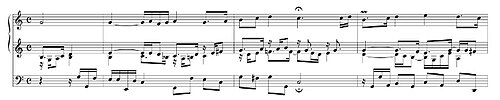

فيما يلي المقطع الأول من نسخة مارتن لوثر " Gelobet seist du, Jesu Christ " (1524) من ترنيمة عيد الميلاد التقليدية Gratis nunc omnes reddamus ، مع الترجمة الإنجليزية لمايلز كوفردايل .
|
|
استخدم باخ نفس الترتيلة في مؤلفات أخرى للأرغن، وكذلك في الكانتاتات BWV 64 و 91 و 248 ، الجزأين الأول والثالث (أوراتوريو عيد الميلاد). كُتبت مقدمة الكورال لآلتين يدويتين ودواسة، مع اللحن الأساسي بصوت السوبرانو على الآلة اليدوية العلوية. أما على الآلة اليدوية السفلية، فيُقدم الصوتان الداخليان المصاحبة التوافقية، متحركين بشكل متدرج في أنصاف نغمات متناوبة. ويستجيب جزء الدواسة طوال العمل بنمط موسيقي متغير باستمرار يتضمن قفزات أوكتاف لأنصاف النغمات. مقدمة الكورال مكتوبة على مقام ميكسوليدي . وبالاقتران مع اللحن البسيط والعذب ومصاحبته الرقيقة، ينتج عن ذلك جو من الرقة والنشوة.
- BWV 605 Der Tag, der ist so freudenreich [اليوم مليء بالبهجة] a 2 Clav. وآخرون.

فيما يلي النسخة الألمانية من ترنيمة عيد الميلاد Dies est latitiae مع الترجمة الإنجليزية لتشارلز سانفورد تيري .
|
|
نُشر اللحن، ذو الأصل القروسطي، مع النص عام ١٥٢٩. وإلى جانب BWV ٦٠٦، لحّن باخ ترنيمةً بتناغم في BWV ٢٩٤، ووضعها كمقدمة كورالية، BWV ٧١٩، ضمن مجموعة نيوميستر . كُتبت المقدمة الكورالية BWV ٦٠٥ لآلتين يدويتين ودواسة، مع اللحن الأساسي في صوت السوبرانو. تشير نغمات فا♮ المتكررة إلى نمط الميكسوليدي . يتشارك الصوتان الداخليان في الآلة اليدوية الثانية اللحن المصاحب، حيث يُشكّلان معًا سلسلةً متصلةً من النغمات السداسية، مع نغمتين نصف سداسيتين في النغمة السداسية الثانية من كل مجموعة. تُضفي الدواسة نبضًا إيقاعيًا مع لحن جهير متواصل من النغمات السداسية، مع نغمات ممتدة في كل نهاية موسيقية. يشير ويليامز (2003) إلى أن البساطة النسبية لـ BWV 605 وتجانس المصاحبة الموسيقية قد يكونان دليلين على أنها من أوائل المقطوعات الموسيقية المؤلفة في كتاب الأورغن الصغير (Orgelbüchlein). مع ذلك، قد تكون التنافرات في دواسة البيانو في المقياسين 3 و5 دلالة على نضج أسلوب باخ. وقد فسّر كلٌ من إرنست أرفكن وسيغفريد فوغلسانغر بعض نغمات فا دييز المتنافرة على أنها إشارات إلى عناصر تنذر بالسوء في النص (على سبيل المثال، عبارة "يا يسوع المسيح اللطيف" في المقطع الثاني). أما اللحن المصاحب في الأصوات الداخلية، فقد فسّره شفايتزر (1905) على أنه لحن فرح، وكيلر (1948) على أنه استحضار للترنح ، بينما اعتبره أرفكن رمزًا لمعجزة الميلاد العذري. وقد اتفق العديد من المعلقين مع سبيتا (1899) على أن المصاحبة الموسيقية الحيوية والإيقاعية تنقل "بهجة عيد الميلاد". [ 13 ] [ 14 ]
- BWV 606 Vom Himmel hoch, da komm ich her [من السماء في الأعالي أتيت إلى هنا]

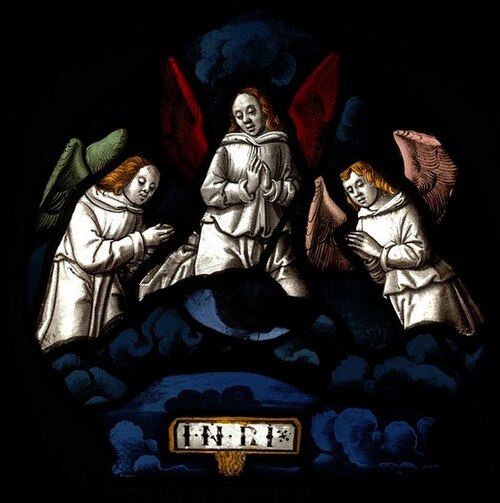
فيما يلي الأبيات الأولى والثانية والأخيرة من ترنيمة عيد الميلاد " Vom Himmel hoch, da komm ich her" لمارتن لوثر مع الترجمة الإنجليزية لكاثرين وينكوورث .
|
|

نُشر لحن ترنيمة "Vom Himmel hoch" عام ١٥٣٩. وقد عُزفت هذه الترنيمة طوال فترة عيد الميلاد، وخاصةً خلال عروض ميلاد المسيح . قام العديد من الملحنين بتلحينها للجوقة والأرغن: ففي الفترة الأقرب إلى زمن باخ، كتب باتشيلبل ويوهان فالتر [ ١٥ ] مقدمات كورالية. استخدم باخ هذه الترنيمة في أعماله الكورالية، ومنها ترنيمة "Magnificat" (BWV ٢٤٣) وثلاثة ألحان في "Oratorio عيد الميلاد" (BWV ٢٤٨). إلى جانب BWV ٦٠٦، تشمل ألحانه للأرغن المقدمات الكورالية المبكرة BWV ٧٠١ و٧٠٢ من مجموعة كيرنبرغر، وBWV ٧٣٨ من مجموعة نيوميستر ؛ أما " التنويعات الكنسية الخمس" (BWV ٧٦٩) فقد ألفها في أواخر حياته.
كُتبت مقدمة الكورال BWV 606 لآلة الأرغن ذات لوحة مفاتيح واحدة ودواسة، مع اللحن الأساسي في جزء السوبرانو. وكما هو الحال في جميع مؤلفاته الأخرى للأرغن، غيّر باخ البنية الإيقاعية للحن بإطالة النغمات الصاعدة الأولى إلى نغمات طويلة. وهذا يتناقض مع مؤلفات باخ الكورالية ومقدمات الكورال لباتشيلبل وفالتر، التي تتبع الإيقاع الطبيعي للترنيمة. في BWV 606، يزداد الإيقاع غموضًا بسبب إيقاعات السطرين الثاني والأخير التي تقع على النغمة الثالثة من المقياس. أما المصاحبة على لوحة المفاتيح فهي مبنية على زخارف نصفية، تتألف من مجموعات من أربع نغمات من أنصاف النغمات المتقطعة (تبدأ بسكتة أو "نَفَس"). وتشمل هذه الزخارف أشكالًا متعرجة وسلالم موسيقية صاعدة أو هابطة، وكلها مُقدمة في المقياس الأول. تتوالى النغمات السداسية، أحيانًا على شكل ثوالث أو سداسيات متوازية، بشكل متواصل في جميع الأجزاء العلوية، بما في ذلك جزء السوبرانو، مما يزيد من غموض اللحن. أسفل الأصوات العلوية، يوجد جزء موسيقي ثابت (بيدال) بنغمات ثامنة مع تناوب في الخطوات. في المقياسين الختاميين، يظهر بشكل عابر أشكال موسيقية ترتبط عادةً بترانيم الصلب، مثل Da Jesus an dem Kreuzer stund ، BWV 621: زخارف صليبية ثامنة [ 16 ] في الأجزاء العلوية فوق دخول متأخر أو ممتد في الدواسة.
يسود مقدمة الكورال جوٌ من البهجة والفرح. وتخلق النغمات السريعة، في حركة دائمة صعودًا وهبوطًا، ما وصفه شفايتزر (1905) بـ"متاهة ساحرة"، ترمز إلى الملائكة التي تبشر بميلاد المسيح. وكما لاحظ أنطون هيلر وآخرون، فإن الإشارات الموسيقية الموجزة إلى الصلب في المقاطع الختامية تجمع بين ألحان عيد الميلاد وعيد الفصح، في تذكيرٍ عابر بأن المسيح جاء إلى العالم ليتألم؛ وكما قال كلارك وبيترسون (1984) : "إن تجسد المسيح وآلامه أمران لا ينفصلان، وقد حاول باخ التعبير عن ذلك من خلال الموسيقى". [ 17 ] [ 18 ] [ 19 ] [ 20 ]
- BWV 607 فوم هيميل كام دير إنجل شار

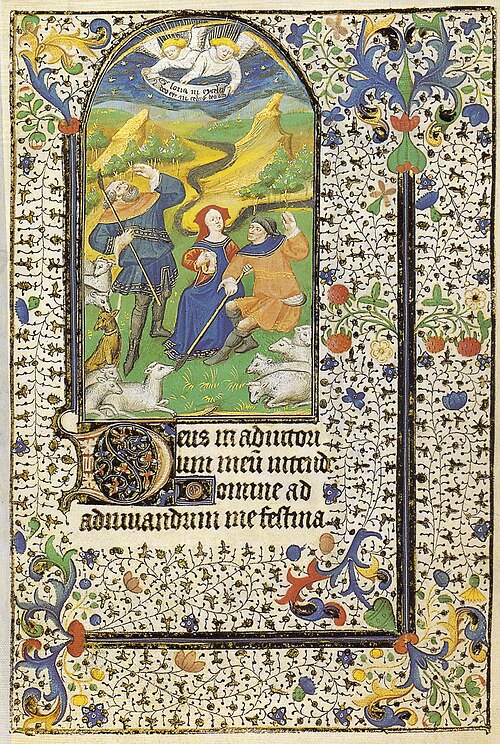
فيما يلي البيتان الأول والرابع من ترنيمة عيد الميلاد لمارتن لوثر " Vom Himmel kam der Engel Schar" مع الترجمة الإنجليزية لكاثرين وينكوورث .
|
|

اللحن الأساسي لهذه المقدمة الكورالية هو لحن السوبرانو، وهو مقتبس من جزء التينور في التوزيع الرباعي لترنيمة " Puer natus" للوسيوس. وهذه هي المرة الوحيدة التي استخدم فيها باخ هذا اللحن. على الرغم من وجود بعض الغموض في المخطوطة الأصلية، إلا أن تقاطع الأجزاء يشير إلى أن التوزيع المقصود هو للوحة مفاتيح واحدة ودواسات. أما الزخارف في المصاحبة المتقنة الصنع فهي عبارة عن سلالم موسيقية صاعدة وهابطة، أحيانًا بحركة معاكسة، مع سلالم سريعة من أنصاف النوتات تتشاركها الأصوات الداخلية، وسلالم أبطأ من ربع النوتة في الباص المتحرك لجزء الدواسات بعد كل عبارة من اللحن. يتميز جو المقدمة الكورالية بأنه "أثيري" و"متألق"، ويتأرجح ببراعة بين اللحن المتناغم التأملي والسلالم الموسيقية المتسارعة العابرة: ففي النهاية، تغلف السلالم في الأصوات الداخلية اللحن. وقد تم تفسير زخارف النوتات الموسيقية ذات النغمات النصفية على أنها تمثل تحليق الملائكة في السماء: بالنسبة لسبيتا (1899) ، "تندفع موسيقى باخ إلى أسفل ثم إلى أعلى مرة أخرى مثل رسل السماء النازلين والصاعدين." [ 21 ] [ 22 ]
- BWV 608 في دولسي جوبيلو [في الفرح الحلو]


فيما يلي ترنيمة عيد الميلاد الألمانية/اللاتينية التقليدية من القرن الرابع عشر In dulci jubilo مع الترجمة الإنجليزية/اللاتينية لروبرت لوكاس دي بيرسال .
|
|

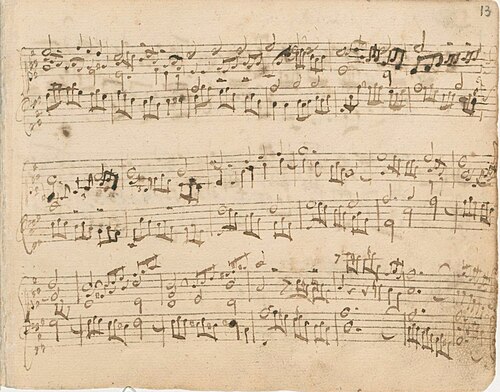
تستند هذه المقدمة الكورالية إلى ترنيمة عيد ميلاد تقليدية مكتوبة بنظام الكانون ، تعود إلى ما قبل لوثر. قبل باخ، كانت هناك ألحان لهذه الترنيمة مكتوبة بنظام الكانون من قِبل فريدولين سيشر ويوهان فالتر للأرغن، ومن قِبل مايكل بريتوريوس للجوقة. كُتبت مقدمة باخ الكورالية للوحة مفاتيح واحدة ودواسات، مع صوت السوبرانو الرئيسي. يُعزف الكانون - الذي يكون عادةً في جزء التينور في الترنيمة - بعد مقياس واحد في الدواسات. وكما جرت عادة باخ، دُوّن الكانون في المخطوطة الأصلية على النغمة التي ينبغي أن يُعزف بها، على الرغم من أن هذا كان خارج نطاق دواسات آلات الباروك. وقد تحقق التأثير المطلوب باستخدام مفتاح دواسة بطول 4 أقدام ، أي عزف الدواسات على أوكتاف أقل. الصوتان الداخليان المصاحبان، المبنيان على لحن ثلاثي هابط، مكتوبان أيضًا بنظام الكانون على الأوكتاف: يُعد هذا الكانون المزدوج فريدًا من نوعه بين ترانيم باخ للأرغن. اتباعًا للتقاليد الباروكية، دوّن باخ الثلاثيات في المصاحبة الموسيقية على شكل نغمات ثُمانية بدلًا من نغمات ربعية، لتسهيل قراءة النوتة الموسيقية على عازف الأرغن. تحتوي المصاحبة أيضًا على نغمات ربعية متكررة على نغمة "لا" المنفردة، والتي، بالاشتراك مع نغمات "لا" في الكانون الرئيسي، تُحاكي صوتًا رتيبًا لآلة موسيقية صغيرة تُعزف باستمرار خلال الكورال حتى نغمة "لا دييز" في المقياس 25. عند هذه النقطة، يتوقف الكانون الصارم في المصاحبة، لكن يستمر لحن الثلاثيات المُقلّد حتى النهاية، وينتقل بسلاسة إلى جزء السوبرانو. وعلى طول النغمة الثابتة الأخيرة ، يُعزف اللحن في جميع الأصوات الثلاثة العليا. يبقى بعض الغموض حول ما إذا كان باخ قد قصد عزف النغمات الربعية في لحن المصاحبة كإيقاع منقط متزامن مع الثلاثيات، أو كنبضتين مقابل ثلاث. قد يوحي الاختلاف المتعمد في التباعد في النوتة الموسيقية الأصلية والتأثير الشبيه بالطائرة بدون طيار المقصود باعتماد الحل الثاني في كل مكان، على الرغم من أن الطبعات الحديثة غالبًا ما تحتوي على مزيج من الاثنين.
تُضفي النغمات الثلاثية المُصاحبة لصوت آلة الموزيت جوًا رعويًا رقيقًا، يتماشى مع موضوع الترتيلة. ويرى ويليامز (2003) أن رنين نغمات لا الكبرى المتواصل، المُزيّن بلطفٍ بالمصاحبة الموسيقية، يُوحي بوضوحٍ بروح الاحتفال التي تُجسّدها كلمات " دولسي" و "جوبيلو" في العنوان؛ وقد وصف شفايتزر (1905) النغمات الثلاثية المُصاحبة بأنها تُمثّل "فرحًا مباشرًا وبسيطًا". ويُشير ويليامز أيضًا إلى أن نغمة فا دييز الكبرى في المقياس 25 قد تكون إشارةً إلى عبارة " leuchtet als die Sonne " ("يُشرق كالشمس") في المقطع الأول؛ وأن النغمة الثابتة الطويلة في النهاية تُشير إلى عبارة " Alpha es et Omega " ("أنت الألف والياء") في نهاية المقطع الأول. كما يعكس الجو العام أيضًا السطرين الأولين من المقطع الثالث، "يا حب الأب، يا رقة المولود الجديد!". كثيراً ما استخدم باخ الكانونات في مقدمات ترانيمه الكورالية للدلالة على العلاقة بين "القائد" و"التابع"، كما في لحنه " Dies sind die heil'gen zehn Gebot" ("هذه هي الوصايا العشر"). ويرى ستينسون (1999) أن هذا الأمر غير مرجح هنا، على الرغم من عبارة " Trahe me post te" ("اجذبني إليك") في المقطع الثاني. [ 23 ] [ 24 ]
- BWV 609 Lobt Gott, ihr Christen, allzugleich [الحمد لله، أيها المسيحيون جميعًا معًا]


فيما يلي البيتان الأول والأخير من ترنيمة عيد الميلاد لنيكولاس هيرمان مع الترجمة الإنجليزية لآرثر توزر راسل .
|
|
ظهر اللحن لأول مرة مع هذا النص في كتاب ترانيم يعود لعام ١٥٨٠. قبل باخ، كانت هناك ألحان كورالية من تأليف مايكل بريتوريوس وصموئيل شيدت ، ولحن للأرغن في مقدمة الكورال BuxWV 202 من تأليف ديتريش بوكستيهود . وباستثناء BWV 609، لحّن باخ الترتيلة في الكانتات BWV 151 و 195 ، والتوزيعين الموسيقيين BWV 375 و376، ومقدمة الكورال BWV 732. مقدمة الكورال BWV 609 مكتوبة لآلة موسيقية يدوية واحدة ودواسة، مع عزف اللحن الأساسي بدون زخرفة في صوت السوبرانو. المصاحبة في الأصوات الداخلية عبارة عن سلسلة منتظمة من النغمات السداسية المشتركة بين الأجزاء، غالبًا في سداسيات متوازية ولكن أحيانًا في حركة معاكسة. وهي مبنية من عدة أنماط من النغمات السداسية الرباعية التي تُسمع لأول مرة في المقاطع الافتتاحية. أسفلها في دواسة البيانو، يوجد لحن جهير متناغم متباين ، يتألف من نغمات ثامنة مع نغمات ممتدة في نهاية كل عبارة. على عكس الأصوات الداخلية، يتميز جزء الدواسة بنطاق واسع: فهناك مقطعان يشبهان السلم الموسيقي، حيث يرتفع بشكل ملحوظ عبر أوكتافين، ليغطي جميع النغمات من أدنى نغمة ري إلى أعلى نغمة ري. تنقل الأصوات الأربعة مجتمعةً حالة من البهجة والسرور. يتكهن ستينسون (1999) بأن المقاطع الصاعدة عبر جميع نغمات لوحة الدواسة قد ترمز إلى كلمة allzugleich ("معًا")؛ ويقترح كلارك وبيترسون (1984) أن الفواصل المتسعة في البداية بين اللحن الرئيسي وجزء الدواسة الهابط قد ترمز إلى انفتاح السماوات ( schließt auf sein Himmelreich ). [ 25 ] [ 26 ]
- BWV 610 Jesu, meine Freude [يسوع، فرحي]


فيما يلي أول بيتين من ترنيمة يوهان فرانك " يا يسوع، فرحتي" مع الترجمة الإنجليزية لكاثرين وينكوورث .
|
|
نُشر اللحن لأول مرة مع النص في كتاب الترانيم "Praxis pietatis melica" ليوهان كروجر عام 1653. وفي كتب الترانيم اللاحقة، ارتبطت الترنيمة بعيد الميلاد وعيد الغطاس؛ كما أُدرجت بشكل متكرر ضمن ما يُعرف باسم " Jesuslieder" ، وهي ترانيم دينية موجهة إلى يسوع، وغالبًا ما كانت للاستخدام الشخصي. ومن أوائل الألحان التي قُدّمت لهذه الترنيمة كانتاتا ديتريش بوكستيهود رقم BuxWV 60 لأربعة أصوات وآلات وترية وكونتينو، والتي أُلّفت في ثمانينيات القرن السابع عشر. قام صديق باخ وزميله يوهان فالتر بتأليف بارتيتا للأرغن على الترتيلة في عام 1712. وبصرف النظر عن BWV 610، تشمل مؤلفات باخ للأرغن مقدمات الكورال BWV 713 في مجموعة كيرنبرغر، وBWV 1105 في مجموعة نيوميستر، وBWV 753 التي ألفها في عام 1720. ومن بين مؤلفاته الكورالية التناغم BWV 358، والموتيت BWV 227 لجوقة بدون مصاحبة موسيقية، والكانتات BWV 12 و 64 و 81 و 87 .
كُتبت مقدمة الكورال BWV 610 لآلة موسيقية يدوية واحدة ودواسة، مع عزف اللحن الأساسي (cantus firmus) بدون زخرفة في صوت السوبرانو. يُشار إلى المقدمة بعلامة "Largo" ، حيث كُتب اللحن والأصوات المصاحبة في الجزأين الداخليين والدواسة بنبرة منخفضة بشكل غير معتاد، مما يُضفي عليها طابعًا كئيبًا. تعتمد المصاحبة على زخارف موسيقية من أنصاف النوتات، تُسمع كاملةً لأول مرة في الدواسة في المقياس الأول؛ غالبًا ما تتحرك الأجزاء الداخلية في أثلاث متوازية، تليها استجابات شبه متكررة في الدواسة. يُعزى جزء من البنية التوافقية الغنية والمعقدة إلى التنافرات الناتجة عن التعليقات والتلوينات اللونية العرضية في الأصوات المصاحبة ذات التوزيع الكثيف: تُطوّر الزخارف بمهارة ولكن بضبط النفس.
يتفق كل من ويليامز (2003) وستينسون (1999) مع تقييم سبيتا (1899) بأن "الشوق الحار ( sehnsuchtsvoll Innigkeit ) واضح في كل سطر من متاهة الموسيقى الرائعة التي أدرج فيها الموسيقار أحد ألحانه المفضلة". وكما أشار هوندرز (1988)، فربما كان باخ، عند تأليفه هذه المقدمة الكورالية، يفكر في أحد النصوص البديلة الأكثر حميمية للحن، مثل " Jesu, meine Freude, wird gebohren heute" ، المتوفرة في كتب الترانيم المعاصرة في فايمار، والتي أعيد طبعها لاحقًا في كتاب ترانيم شيميلليس (Schemellis Gesangbuch) عام 1736. [ 27 ] [ 28 ]
- BWV 611 Christum wir sollen loben schon [يجب علينا أن نمدح المسيح] كورال في ألتو

فيما يلي المقطع الأول من ترنيمة مارتن لوثر " Christum wir sollen loben schon" مع الترجمة الإنجليزية لريتشارد ماسي (1854). نص لوثر هو نسخته من الترنيمة اللاتينية "A solis ortus cardine" ، وهي جزء من كتاب الأبجديات (abecedarius) لكويليوس سيدوليوس الذي يعود إلى القرن الخامس ؛ وقد أُدرج بين المقطعين. وقد أصبح مقتطف آخر من قصيدة سيدوليوس الترنيمة اللاتينية " Hostis herodes impie" . يُعرض المقطع الأول أدناه مع النسخة الألمانية للوثر " Was fürchtst du, Feind Herodes, sehr" على نفس اللحن. يتناول كلا المقطعين مجيء المسيح إلى الأرض.
|
|
|


يستند لحن الكانتوس فيرموس في مقام دوريان إلى الترتيلة اللاتينية "A solis ortus cardine" ، التي ظهرت بنسختها اللوثرية عام 1524. وقد استُخدمت في أعمال كلٍّ من شيدت ، وشايدمان ، ووالثر، ودي غريني ، حيث استخدم الأخيران العنوان اللاتيني. وباستثناء BWV 611، لحّن باخ الترتيلة سابقًا في BWV 696، وهي مقدمة كورالية من مجموعة كيرنبرغر ، ولاحقًا في كانتاتا "Christum wir sollen loben schon" (BWV 121) .
تتميز مقطوعة BWV 611، المُصنّفة كـ Adagio ، بعدة خصائص غير مألوفة وجديدة. فعلى عكس مقدمة الكورال BWV 610 ذات التوزيع الموسيقي الكثيف، فإن الأجزاء الأربعة - التي تُضاف إليها خمسة أجزاء باستخدام الدواسة المزدوجة في المقياسين الأخيرين - متباعدة على نطاق واسع، ما يُتيح استخدام النطاق الكامل لآلة الأرغن الباروكية. وبصرف النظر عن مقدمات الكورال التي تُعدّ كانونات ، تُعتبر هذه المقدمة فريدة من نوعها في Orgelbüchlein حيث يكون اللحن الأساسي في صوت الألتو "المتوسط". وقد كُتبت المقطوعة لآلة يدوية واحدة ودواسة، والأصوات المصاحبة هي السوبرانو (اليد اليمنى)، والتينور (اليد اليسرى)، والباص (الدواسة). ويُعزف جزء الألتو الأساسي بإيقاع منقط مشترك بين اليدين، كما لو كان مخفيًا. ويستمد اللحن المصاحب من شكل suspirans ، وهو سلم موسيقي من أربع نغمات تنازلية أو تصاعدية تبدأ من النبضة. ربما يكون هذا اللحن الانسيابي مستوحى من لحن الترتيلة، إذ يتحرك على شكل خطوات، وإن كان بوتيرة أبطأ بكثير. يُسمع اللحن أولًا في طبقة صوت السوبرانو العالية، والتي تبرز بوضوح بفضل النغمات الممتدة واللحن البطيء في الطبقات الصوتية المنخفضة. وعلى وجه الخصوص، تُعزز النغمة الثابتة في النوتة الأولى من طبقة الباص التأثير الدرامي للمقدمة من خلال التخلي مؤقتًا عن نمط اللحن المعتاد في كتاب الأورغن الصغير. بعد المقدمة، يمتد اللحن المكون من أربع نوتات في طبقة الباص إلى خمس نوتات، وذلك بتقديمه بنغمة ثُمانية منقطة: يُسهل الإيقاع البطيء استخدام السلالم الموسيقية ذات النغمات السداسية في الطبقة الثابتة. في المقياس السادس، تعزف السوبرانو والباص أعلى وأدنى نوتتين في سجل أورغن فايمار، وهما نوتتا "دو" أعلى وأسفل نوتتي "دو" الوسطى. وقد وصف الباحث في موسيقى باخ، هيرمان كيلر، النسيج الموسيقي الناتج بأنه الأكثر شفافية في كتاب الأورغن الصغير. يُضفي لحن الترتيلة "الخفي" لصوت الألتو، المُطعّم أحيانًا بالتلوين اللحني ، إحساسًا إضافيًا بالغموض. وفوقه وتحته، تُسمع أشكال السلم الموسيقي في الأجزاء الثلاثة المصاحبة وهي تتجول في حركة متوازية وأحيانًا متعاكسة. في المقياس الحادي عشر، تتوقف مصاحبة الباص اللحنية لنقطة ثابتة ثانية، ثم تستأنف بشكل غير متوقع من خلال أخذ اللحن الأساسي في الكانون - بعد نبضتين وأوكتافين أسفل صوت الألتو - حتى نهاية المقياس الثاني عشر. في الوقت نفسه في المقياس الحادي عشر، يعزف كل من السوبرانو والتينور ألحانًا نصفية في الكانون مفصولة بنصف نغمة وأوكتافين، قبل أن يعزفوا بتقليد أكثر وضوحًا في المقياسين 12 و13. بعد الإيقاع في المقياس 14 من مقام ري الصغير إلى مقام لا الصغير، يتم توسيع المصاحبة إلى أربعة أصوات مع صوت ثانٍ في النقطة الثابتة، أولًا بأشكال نصفية لحنية في جميع الأجزاء في المقياس قبل الأخير؛ ثم زخارف الفرح التقليدية ذات الإيقاع الإيقاعي في أجزاء السوبرانو والتينور خلال المقطع الختامي.
يوجد سلف للأسلوب الموسيقي لـ BWV 611 - لحن الترتيل البسيط A solis ortus cardine / Hostis herodes impie المصحوب بزخارف سلمية متعددة الأصوات - في كتاب Deuxième Livre d'Orgue لعام 1667 من نيفير .
أشار المعلقون إلى أن الشكل الموسيقي يعكس موضوعات الترتيلة، حيث يعكس اللحن الأساسي سر التجسد، والمسيح المختبئ في رحم مريم، بينما يرمز التلوين اللحني إلى نقاء العذراء. وقد اعتُبر النسيج متعدد الأصوات المتباعد تصويرًا موسيقيًا لبيت الشعر لسيدوليوس "من مفترق الشمس المشرقة إلى أقصى حدود الأرض". ويرى شفايتزر (1911أ) أن المصاحبة اللحنية الافتتاحية "تنسج لحن الكورال بطريقة بالغة التأثير، وتحتضن عالمًا كاملًا من الفرح الذي لا يوصف"، وأن الأداجيو "تأمل صوفي"، وأن الألحان "ابتهاج بهيج في طبقة السوبرانو".
- BWV 612 Wir Christenleut [نحن المسيحيون]


فيما يلي البيتان الأول والثالث من ترنيمة كاسبار فوجر مع الترجمة الإنجليزية لكاثرين وينكوورث التي نُشرت لأول مرة عام 1592 مع اللحن، والذي يسبقها.
|
|

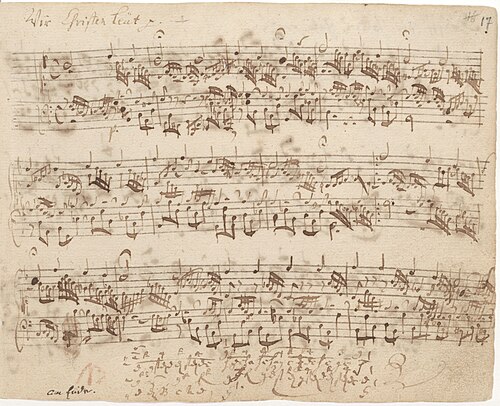
كانت هذه الترتيلة مُلحّنة سابقًا كمقدمة كورالية BWV 710 في مجموعة كيرنبرغر ، وتظهر أيضًا برقم BWV 1090 في مجموعة نيوميستر . تحتوي المخطوطة الأصلية لكتاب الأورغن الصغير (Orgelbüchlein) على النوتة الموسيقية الأصلية للتأليف BWV 612. وكما هو الحال مع معظم أعمال المجموعة، خصّص باخ صفحة واحدة للمقدمة الكورالية. ونظرًا لضيق المساحة، دوّن آخر ميزانين ونصف في تدوين تابلاتشر أكثر إيجازًا . وقد ظهرت النقاط التي تشير إلى إمكانية تكرار النصف الثاني - وهي سمة غير مألوفة في كتاب الأورغن الصغير - لأول مرة مطبوعةً في طبعة جمعية باخ الجديدة (Neue Bach-Gesellschaft) لعام 1983 من تأليف هاينز-هارالد لولين.
كُتبت مقطوعة BWV 612 لآلة موسيقية ذات لوحة مفاتيح واحدة ودواسة، بأربعة أصوات. اللحن الأساسي البسيط موجود في جزء السوبرانو. أما المصاحبة الموسيقية - نغمات ثُمانية متتابعة في الدواسة تشبه لحن الباص المتكرر، ونغمات نصف ثُمانية راقصة في الأجزاء الداخلية - فتتكون من وحدتين موسيقيتين قصيرتين. ترتبط الوحدتان الموسيقيتان ببعضهما، كما يتضح عند سماعهما معًا لأول مرة في جزئي الألتو والباص في آخر نبضتين من المقياس الأول وأول نبضتين من المقياس الثاني: يفصل بينهما أوكتاف وثلث، ويمكن اعتبار وحدة الباص (سكتة متبوعة بست نغمات) شكلاً مبسطًا لوحدة الألتو (سكتة متبوعة بنمطين من خمس نغمات). في الوقت نفسه، تُشتق الوحدة الموسيقية في الأجزاء الداخلية من سلم تنازلي D، C، B♭، A، والذي يتكرر في اللحن الأساسي . يُسهم كلا اللحنين المصاحبين في دفع مقدمة الكورال إلى الأمام، حيث يؤدي خط الباص وظيفة مشابهة لتلك الموجودة في الحركة الأخيرة من كونشيرتو براندنبورغ الرابع . ورغم أن اللحن الرئيسي نفسه يُكرر عددًا أكبر من أسطره مقارنةً بمعظم الترانيم اللوثرية، إلا أن باخ يتجنب التكرار في مقدمة الكورال من خلال تنويع التناغمات والنسيج الإيقاعي في المصاحبة لكل عبارة. إضافةً إلى ذلك، فإن ما يبدو وكأنه فاصل موسيقي لآلتي الألتو والتينور خلال سكتة مدتها ميزانان ونصف في جزء الدواسة يُضفي مزيدًا من التنوع.
رأى شفايتزر (1911 ب) أن الجهير الحازم يمثل الثبات في الإيمان، في إشارة إلى السطرين الأخيرين من الآية الأولى Wer sich des tröst', und glaubet fest, soll nicht werden verloren : "من يتوكل عليه وآمن به بشدة فلن يضيع." تم استخدام نفس النوع من خط الجهير في وقت لاحق من قبل باخ في مقدمة الكورال " Wir glauben all an einen Gott" ، BWV 664 في Clavier-Übung III . [ 29 ]
رأس السنة الجديدة BWV 613–615
- BWV 613 Helft mir Gotts Güte preisen [ساعدني في مدح صلاح الله]


فيما يلي المقطع الأول من ترنيمة رأس السنة الجديدة هذه لبول إيبر مع الترجمة الإنجليزية لجون كريستيان جاكوبي .
|
|
- BWV 614 Das alte Jahr vergangen ist [لقد مر العام القديم] a 2 Clav. وآخرون.


فيما يلي الأبيات الستة من ترنيمة رأس السنة الجديدة هذه مع الترجمة الإنجليزية لكاثرين وينكوورث .
|
|


تُغنى هذه الترتيلة عادةً في رأس السنة الميلادية ، وهي تُعبّر عن الشكر للمسيح على العام الماضي والدعاء له بالعام القادم. ورغم أنها في جوهرها دعاءٌ يتطلع إلى المستقبل، إلا أنها تسترجع الماضي أيضًا، متأملةً في المخاطر التي تواجه الإنسان، وخطاياه، وفنائه.
لم تظهر النسخة التي استخدمها باخ في ترنيمة BWV 614 إلا تدريجيًا. نُشر البيتان الأولان من نص الترنيمة لأول مرة في كتاب ترانيم نورمبرغ لكليمنس ستيفاني عام 1568؛ بينما ظهرت الأبيات الستة كاملة في كتاب ترانيم إرفورت ليوهان شتويرلاين عام 1588. كما ظهرت نسخة مبكرة من اللحن في كتاب ترانيم شتويرلاين، ولكن بكلمات مختلفة ( Gott Vater, der du deine Sonn ). ظهر هذا اللحن لأول مرة مع النص في كتاب ترانيم إرهارد بودنشاتز في لايبزيغ عام 1608. ومن أقدم المصادر المعروفة لنسخة الترتيلة التي استخدمها باخ كتاب ترانيم غوتفريد فوبيليوس في لايبزيغ عام 1682. قبل ظهور الأساليب العلمية الحديثة لتأريخ مخطوطات باخ الأصلية، اعتمد الباحثون على تحديد كتب الترانيم المتاحة له لتحديد تاريخ كتابة Orgelbüchlein بدقة. وقد أخطأ تيري (1921) في تحديد تاريخ بعد عام 1715، لأن أقدم مصدر لـ Das alte Jahr تمكن من العثور عليه كان كتاب ترانيم كريستيان فريدريش ويت في غوتا، والذي نُشر لأول مرة عام 1715. وكما هو معروف الآن، قام باخ بتلحين Das alte Jahr في بداية مسيرته المهنية كـ BWV 1091، وهو أحد مقدمات الكورال في مجموعة نيوميستر ؛ كما قام بتأليف مقطوعتين موسيقيتين رباعيتي الأجزاء، BWV 288 و 289. [ 30 ] [ 31 ] [ 32 ] [ 33 ]
كُتبت مقدمة الكورال BWV 614 لآلتين يدويتين ودواسة، مع اللحن الأساسي في صوت السوبرانو. على الرغم من بدايتها الصريحة بنغمتين ربعيتين متكررتين - بدون مصاحبة أو زخرفة - في اللحن الأساسي، إلا أن BWV 614 هي مقدمة كورال زخرفية: فالخط اللحني شديد التعبير، وإن كان متحفظًا، يتضمن زخرفة متقنة، وتلحينات لونية (تُذكّر بمقدمات كورال أرنشتات لباخ)، ونغمات هابطة "تنهد" ، والتي في النهاية تُطغى تمامًا على اللحن مع صعودها وهبوطها في الكادنس الأخير. بُنيت المصاحبة من فكرة رابعة كروماتية صاعدة تُسمع أولًا في الرد على النغمتين الأوليين من اللحن الأساسي. ترتبط الفكرة بدورها بالخط اللحني، الذي يُزخرف لاحقًا في المقياس 5 برابعة كروماتية صاعدة. يُطوّر باخ ببراعة المصاحبة الموسيقية باستخدام الموتيف في الكانون ، والانعكاس ، والستريتو ذي النغمات السداسية . تستجيب الأصوات الثلاثة المنخفضة لبعضها البعض وللخط اللحني، مع تنهد صوتي السوبرانو والألتو في سداسيات متوازية في النهاية. كانت الرابعة الكروماتية شكلاً شائعاً من أشكال الباسوس دوريوسكولوس الباروكي، المذكور في الرسالة الموسيقية التي كتبها كريستوف برنارد ، تلميذ هاينريش شوتز ، في القرن السابع عشر . يخلق التلوين اللحني غموضاً في المفتاح الموسيقي طوال مقدمة الكورال. لحن الترتيلة الأصلي في الوضع الإيولي لـ A ( الشكل الطبيعي لـ A الصغير) وينتقل إلى E الكبير في الكادنس الأخير. يحلل رينويك (2006) أسرار بنية المفتاح في BWV 614. بالإضافة إلى تقديم تحليل شينكري مفصل ، يشير إلى أن الكادنسات تنتقل بين D الصغير و A حتى الكادنس الأخير إلى E الكبير؛ أن البنية المقامية تنتقل بين النمط الدوري على نغمة ري والنمط الفريجي على نغمة مي عبر النغمة المشتركة بينهما لا؛ وأن تغييرات المقام تتم بوساطة الأرباع اللونية في المصاحبة الموسيقية. [ 30 ] [ 31 ] [ 34 ] [ 35 ]
منذ القرن التاسع عشر، لاحظ العديد من المعلقين أن جو مقدمة الكورال يغلب عليه الحزن، رغم عدم توافق ذلك مع نص الترتيلة. وقد فُسِّرت الرابعة اللونية على أنها "لحن حزن". ووصفها شفايتزر (1905) بأنها "كئيبة"، ووصفها سبيتا (1899) بأنها "شديدة الحدة" ، ووصفها إرنست أرفكن بأنها "دعاء" مصحوب "بقلق على المستقبل"، ووصفها جاك شايلي بأنها مفترق طرق بين "الماضي والمستقبل" . ويشير ويليامز (2003) إلى أن جو الحزن قد يعكس أحداثًا مأساوية في حياة باخ وقت تأليفه؛ ففي عام 1713، أنجبت زوجته الأولى توأمين توفيا بعد شهر من ولادتهما. يتبنى رينويك (2006) منهجًا مختلفًا، إذ يشير إلى أن اختيار باخ للبنية النغمية يدفع المستمع إلى توقع أن تُقابل نغمات "مي" التي تُنهي مقدمة الكورال بنغمات "لا" التي تبدأها. ويرى رينويك أن هذه "الدورية" تعكس موضوعات الترتيلة: "نقطة تحول؛ انعكاسٌ ذو وجهين، ذهابًا وإيابًا؛ ندمٌ على الماضي وأملٌ في المستقبل؛ المكان الفاصل بين ما قبل وما بعد". [ 30 ] [ 31 ] [ 34 ]
- BWV 615 في دير إيست فرويد [فيك فرح]
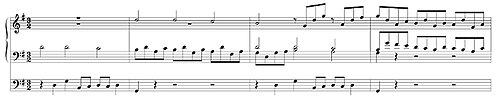

فيما يلي المقطع الأول من ترنيمة " In dir ist Freude" مع الترجمة الإنجليزية التي كتبتها كاثرين وينكوورث .
|
|
قام الموسيقي الكنسي يوهان ليندمان بنشر النص في عام 1598 والذي تم وضعه على لحن جيوفاني جياكومو جاستولدي الذي كتب في عام 1591. [ 36 ]
عيد الشموع BWV 616–617
- BWV 616 Mit Fried' und Freud' ich fahr' dahin [أغادر بالسلام والفرح]


فيما يلي المقطع الأول من نسخة مارتن لوثر من Nunc dimittis ، Mit Fried und Freud ich fahr dahin ، وهو نص مرتبط بعيد الظهور الإلهي في الهيكل ، بالإضافة إلى ترجمة إنجليزية من كاثرين وينكوورث .
|
|
- BWV 617 Herr Gott, nun schleuß den Himmel auf [أيها الرب الإله، افتح الآن السماء]


فيما يلي البيتان الأول والأخير من ترنيمة توبياس كيل التي تشير إلى ترنيمة سمعان ، وهي نصٌّ توراتيٌّ مرتبطٌ بعيد الظهور الإلهي في الهيكل . الترجمة الإنجليزية من إعداد كاثرين وينكوورث .
|
|
الصوم الكبير BWV 618–624
- BWV 618 O Lamm Gottes, unschuldig [يا حمل الرب البريء] Canon alla Quinta


فيما يلي المقطع الأول واللازمة من المقطع الثالث من هذه النسخة من ترنيمة " Agnus Dei , O Lamm Gottes, unschuldig" ، مع الترجمة الإنجليزية لكاثرين وينكوورث .
|
|
- BWV 619 Christe, du Lamm Gottes [المسيح، حمل الله] في Canone alla Duodecime، a 2 Clav. وآخرون.


فيما يلي المقطع الأول واللازمة من المقطع الثالث من ترنيمة Christe, du Lamm Gottes ، وهي نسخة ألمانية من ترنيمة Agnus Dei ، مع الترجمة الإنجليزية لتشارلز سانفورد تيري .
|
|
- BWV 620 Christus, der uns selig macht [المسيح الذي يجعلنا مباركين] في Canone all'Ottava


تتميز هذه النسخة من ترنيمة "Christus, der uns selig macht" اللوثرية بتوزيع كورالي متناغم بين أعلى صوت في لوحة المفاتيح وجزء الدواسة. تحتوي المخطوطة الأصلية على مقاطع مكتوبة بنظام التدوين الموسيقي (التابلاتشر) ، مما أدى إلى قراءات غير دقيقة في بعض الطبعات المنشورة. [ 37 ]
فيما يلي نص المقطع الأول والأخير من ترنيمة زمن الآلام مع الترجمة الإنجليزية لجون كريستيان جاكوبي .
|
|
- BWV 621 Da Jesus an dem Kreuze Stund [كما عُلق يسوع على الصليب]


Below is the text by Johann Böschenstein (1472–1540) of the first and last verses of this Passiontide hymn Da Jesus an dem Kreuze stund with the English translation from the Moravian Hymn Book (1746). Usually sung on Good Friday, the hymn has as its theme the Seven Last Words from the Cross, each of the seven intervening verses meditating on a different Word.
|
|

The hymn melody is in the phrygian mode and dates back to the Reformation. In the generation prior to Bach, organ settings had mainly been made by composers in Southern Germany like Kindermann, Pachelbel and Fischer.
Unlike most of the other chorale preludes in the Orgelbüchlein, Bach did not use the chorale in any of his cantatas—BWV 621 is his unique setting of the hymn. BWV 621 is scored for single manual and pedal, with the cantus firmus in the soprano voice almost entirely in plain crotchets. The accompaniment below the cantus creates an unusually dense texture. There are three accompanying voices, often closely scored: the alto and tenor voices in the keyboard between them weave a continuous and complex pattern of rising and falling semiquavers, sometimes in parallel thirds; and below them the bass voice in the pedal moves in steady quavers and syncopated crotchets.
The accompaniment in each lower voice is constructed from its own separate motifs, each having its own characteristic rhythm. Although the longer figures in the two lowest voices are heard several times throughout the piece, Bach's ingenious writing gives no sense of artifice or mechanical repetition. In addition, as Williams (2003) notes, the outer and inner voices are naturally paired: the pedal with—or in opposition to—the cantus; and the alto voice with the tenor. The pedal starts off with a cross motif in quavers, which recurs throughout the composition.[16] The cross motifs are followed by suspended crochets, falling in steps. These create constant dissonances with the cantus which are resolved only by the cadence at the close. The syncopated crotchets in the pedal also interrupt the fermatas at the end of each cantus line, giving a further sense of restlessness. The alto part is characterised by falling anapaests; while the tenor line is made up of two parts, the first a rising semiquaver figure and the second shorter semiquaver cross motifs descending in sequence. As the piece progresses the motifs become more concentrated, with the alto taking up some of the tenor motifs towards the close. These novel features mark a departure from the more standard settings of the hymn by Bach's predecessors such as Fischer which conform more closely to the stile antico.
Many commentators have interpreted the compositional form and motifs of BWV 621 in terms of the themes of the Passiontide hymn, primarily concerned with the crucifixion. Spitta (1899) wrote that Christ's hanging on the cross "is represented by the heavy, syncopated notes" and takes this as "evidence of a wonderfully true aesthetic feeling" [in Bach], since "that enforced quietude of direst anguish was no real calm." Similarly for Schweitzer (1911b), the pedal line symbolises "the drooping of the exhausted body of Jesus on the cross." Stinson (1999) describes the dissonant suspensions as fitting for "the tragic subject matter." For Williams (2003) the syncopated bass line is a "masterful" way of evoking the dragging of the cross. Similar motifs and handling of voices occur at the close of Von Himmel hoch, da komm ich her, BWV 606: although that Christmas hymn primarily concerns the incarnation of Christ, later parts of the text foreshadow the crucifixion.[38][39]
- BWV 622O Mensch, bewein dein Sünde groß [Oh Man, bewail your great sins] a 2 Clav. et Ped.

Below is the text of the first stanza of the hymn O Mensch, bewein dein Sünde groß by Sebald Heyden with the English translation of Catherine Winkworth.
|
|


"O Mensch" is one of the most celebrated of Bach's chorale preludes. The cantus firmus, composed in 1525 by Matthias Greitter and associated with Whitsuntide, was also later used with the same words for the closing chorale of the first part of the St Matthew Passion, taken from the 1725 version of the St John Passion. Bach ornamented the simple melody, in twelve phrases reflecting the twelve lines of the opening verse, with an elaborate coloratura. It recalls but also goes beyond the ornamental chorale preludes of Buxtehude. The ornamentation, although employing conventional musical figures, is highly original and inventive. While the melody in the upper voice is hidden by coloratura over a wide range, the two inner voices are simple and imitative above the continuo-style bass. Bach varies the texture and colouring of the accompaniment for each line of what is one of the longest melodies in the collection.

In the penultimate line, accompanying the words "ein schwere Bürd" (a heavy burden), the inner parts intensify moving in semiquavers (16th notes) with the upper voice to a climax on the highest note in the prelude. The closing phrase, with its mounting chromatic bass accompanying bare unadorned crotchets (quarter notes) in the melody to end in an unexpected modulation to C♭ major, recall but again go beyond earlier compositions of Pachelbel, Frohberger and Buxtehude. It has been taken by some commentators as a musical allusion to the words kreuze lange in the text: for Spitta the passage was "full of imagination and powerful feeling." As Williams (2003) comments, however, the inner voices, "with their astonishing accented passing-notes transcend images, as does the sudden simplicity of the melody when the bass twice rises chromatically."
- BWV 623Wir danken dir, Herr Jesu Christ [We give thanks to you, Lord Jesus Christ]
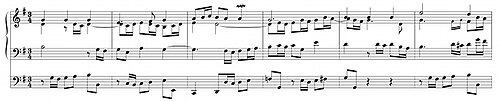

Below is the German text of the 1568 Lutheran hymn by the Bohemian theologian Christoph Fischer, with the English translation of Benjamin Hall Kennedy.
|
|
- BWV 624Hilf, Gott, daß mir's gelinge [Help me, God, that I may succeed] a 2 Clav. et Ped.


Below is the text of the hymn from the Ballad of the Passion (1527) by Heinrich Müller[40] with a 16th-century translation from The Gude and Godlie Ballatis.
|
|
Easter BWV 625–630
- BWV 625Christ lag in Todesbanden [Christ lay in the bonds of death]


Below are the first and fourth verses of Martin Luther's Easter hymn Christ lag in Todesbanden with the English translation of Paul England.[41]
|
|
BWV 625 is based on the hymn tune of Luther's "Christ lag in Todesbanden". The sharp on the second note was a more modern departure, already adopted by the composer-organists Bruhns, Böhm and Scheidt and by Bach himself in his early cantata Christ lag in Todes Banden, BWV 4.[42] The chorale prelude is in four parts for single manual and pedals, with the cantus firmus in the soprano voice. It closely follows the four voices of Bach's earlier harmonisation in the four-part chorale BWV 278, with virtually no changes in the cantus firmus.[43] The two accompanying inner parts and pedal are elaborated by a single motif of four or eight semiquavers descending in steps. It is derived from the final descending notes of the melody:
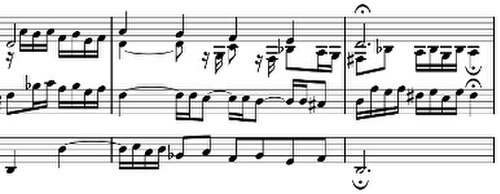
The semiquaver motif runs continuously throughout the piece, passing from one lower voice to another. Commentators have given different interpretations of what the motif might symbolise: for Schweitzer (1905) it was "the bonds of death" (Todesbanden) and for Hermann Keller "the rolling away of the stone". Some have also seen the suspensions between bars as representing "the bonds of death". These interpretations can depend on the presumed tempo of the chorale prelude. A very slow tempo was adopted by the school of late nineteenth and early twentieth century French organists, such as Guilmant and Dupré: for them the mood of the chorale prelude was quiet, inward-looking and mournful; Dupré even saw in the descending semiquavers "the descent by the holy women, step by step, to the tomb". At a faster tempo, as has become more common, the mood becomes more exultant and vigorous, with a climax at the words Gott loben und dankbar sein ("praise our God right heartily"), where the music becomes increasingly chromatic. Williams (2003) suggests that the motif might then resemble the Gewalt ("power") motif in the cello part of BWV 4, verse 3; and that the turmoil created by the rapidly changing harmonies in some bars might echo the word Krieg ("war") in verse 4.[44][45]
- BWV 626Jesus Christus, unser Heiland, der den Tod überwand [Jesus Christ, our Saviour, who conquered death]


Below is the first verse of Martin Luther's Easter hymn Jesus Christus, unser Heiland, der den Tod überwand with the English translation by George MacDonald.
|
|
- BWV 627Christ ist erstanden [Christ is risen]


Below is the text of the three verses of the Easter hymn Christ ist erstanden with the English translation of Myles Coverdale.
|
|
- BWV 628Erstanden ist der heil'ge Christ [The holy Christ is risen]


Below is the traditional Easter carol Surrexit Christus hodie in German and English translations.
|
|
- BWV 629Erschienen ist der herrliche Tag [The glorious day has come] a 2 Clav. et Ped.


Below is the first verse of Nikolaus Herman's hymn Erschienen ist der herrlich Tag with the English translation of Arthur Russell.
|
|
- BWV 630Heut triumphieret Gottes Sohn [Today the Son of God triumphs]


Below is the first verse of Caspar Stolshagen's Easter hymn Heut triumphieret Gottes Sohn by Bartholomäus Gesius with the English translation of George Ratcliffe Woodward.
|
|
Pentecost BWV 631–634
- BWV 631Komm, Gott Schöpfer, Heiliger Geist [Come God, Creator, Holy Ghost]


Below are the first and last verses of Martin Luther's hymn for PentecostKomm, Gott Schöpfer, Heiliger Geist with the English translation of George MacDonald.
|
|
- BWV 632Herr Jesu Christ, dich zu uns wend [Lord Jesus Christ, turn to us]


Below are the first and third verses of the Lutheran hymn Herr Jesu Christ, dich zu uns wend by Wilhelm, Duke of Saxe-Weimar (1648) with the English translation of John Christian Jacobi. Throughout Thuringia and Saxony this became the hymn that the congregation sang as the priest entered the pulpit before delivering his Sunday sermon.
|
|

Although, with its references to the Holy Spirit, the hymn has relevance to Pentecost, its customary use in Sunday services almost certainly prompted Bach to compose several settings (BWV 622, BWV 655, BWV 709, BWV 726 and BWV 749). Johann Gottfried Walther, Bach's distant cousin and the organist in the Stadtkirche in Weimar, also set the hymn as a chorale prelude and as a partita with many variations.
BWV 632 is written for single keyboard and pedal with the cantus firmus in the soprano part: it starts with a characteristic triad, at first concealed by the intermediate notes of the legato dotted rhythm. The same suspirans triad motif, like a broken chord or arpeggio, forms the basis of the accompaniment in the two inner voices: the imitative responses between the parts providing a steady flow of semiquaver figures, rising and falling, melifluous and sweet. More than a simple accompaniment, the push the harmonies forward, revealing it unexpectedly at every turn. Below them the pedal bass provides a distinctive accompaniment in quavers and crotchets, starting off with a quaver triad. Although largely moving in steps, like a walking bass, the pedal plays a type of canon two octaves below the cantus. The canon is itself disguised, in crotchets in the first half with the same rhythm as the soprano; but in the second half it is heard in fragmentary form at double the speed in quavers.
The accompanying arpeggio motifs in the inner parts are not dissimilar to figurations in settings of the hymn by Georg Böhm and Walther (the 6th variation in his partita). But the light and airy texture of the keyboard writing has more in common with the harpsichord allemande, such as BuxWV 238/1 below, from the thirteenth keyboard suite of Dieterich Buxtehude: the introductory upbeat; the repeats of binary dance form; and the arpeggiated accompaniment at the cadences.

The reprise of the second part differs from the hymn as it appears in hymnbooks; but the stream of repeated triadic motifs—which Schweitzer (1911a) interpreted as constant repetitions of Herr Jesu Christ—add to the mood of supplication in the chorale prelude. Hermann Keller has suggested that Bach might have employed the canon as musical iconography for the plea to be "led" at the end of the first verse: und uns den Weg zu Wahrheit führ ("and lead us on the path of truth").[46][47]
- BWV 633Liebster Jesu, wir sind hier (distinctius) [Dearest Jesus, we are here] in Canone alla Quinta, a 2 Clav. et Ped.

- BWV 634Liebster Jesu, wir sind hier [Dearest Jesus, we are here] in Canone alla Quinta, a 2 Clav. et Ped.


Below is the first verse of Tobias Clausnitzer's Lutheran hymn Liebster Jesu, wir sind hier with the English translation of Catherine Winkworth.
|
|
Catechism hymns BWV 635–638
- BWV 635Dies sind die heil'gen zehn Gebot [These are the ten commandments]


Below are the first and last two verses of the Lutheran catechism hymn Dies sind die heil'gen zehn Gebot (the Ten Commandments) with an English translation by George MacDonald.
|
|
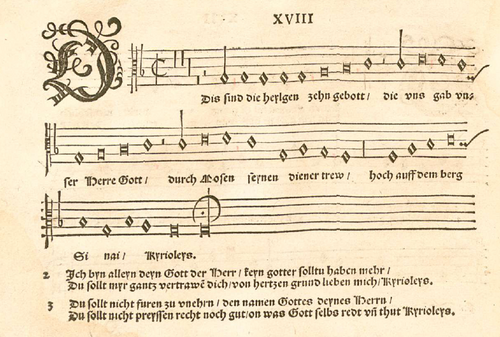
The Lutheran Erfurter Enchiridion of 1524 contains the text with the melody, which was also used for In Gottes Nahmen fahren wir, a pilgrims' hymn. Bach wrote a four-part chorale on the hymn tune in BWV 298; he used it for the trumpet canon in the opening chorus of cantata BWV 77; and much later he set it for organ in the first two of the catechism chorale preludes, BWV 678 and 679, of Clavier-Übung III.
The chorale prelude BWV 635 is in the mixolydian mode with the cantus firmus in the soprano voice in simple minims. The accompaniment in the three lower voices is built up from two motifs each containing the repeated notes that characterise the theme. The first motif in quavers is a contracted version of the first line of the cantus (GGGGGGABC), first heard in the pedal bass in bars 1 and 2. It also occurs in inverted form. This emphatic hammering motif is passed imitatively between the lower voices as a form of canon. The second motif, first heard in the alto part in bars 2 and 3, is made up of five groups of 4 semiquavers, individual groups being related by inversion (first and fifth) and reflection (second and third). The pivotal notes CCCDEF in this motif are also derived from the theme. The second motif is passed from voice to voice in the accompaniment—there are two passages where it is adapted to the pedal with widely spaced semiquavers alternating between the feet—providing an unbroken stream of semiquavers complementing the first motif.
The combined affekt of the four parts, with 25 repetitions of the quaver motif, is one of "confirming" the biblical laws chanted in the verses of the hymn. There is likewise a reference to "law" in the canon of the quaver motif. For Spitta (1899) the motif had "an inherent organic connection with the chorale itself." Some commentators, aware that the number "ten" of the Ten Commandments has been detected in the two chorale preludes of Clavier-Übung III, have endeavoured to find a hidden numerology in BWV 635. The attempts of Schweitzer (1905) have been criticised: Harvey Grace felt that Bach was "expressing the idea of insistence, order, dogma—anything but statistics." Williams (2003) points out, however, that if there is any intentional numerology, it might be in the occurrences of the strict form of the motif, with tone and semitone intervals matching the first entry: it occurs precisely ten times in the chorale prelude (b1 – bass; b1 – tenor; b2 – bass; b4 – bass; b9 – tenor; b10 – bass; b11 – tenor; b13 – tenor; b15 – alto; b18 – tenor).[48][49]
- BWV 636Vater unser im Himmelreich [Our Father who art in Heaven]
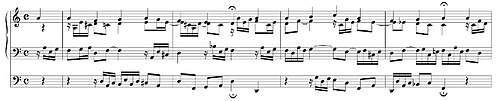

Below are the first and last verses of the Lutheran version of the Lord's Prayer with the English translation of George MacDonald.
|
|
Following the publication of the text and melody in 1539, the hymn was used in many choral and organ compositions. Amongst Bach's immediate predecessors, Dieterich Buxtehude wrote two settings of the hymn for organ—a freely composed chorale prelude in three verses (BuxWV 207) and a chorale prelude for two manuals and pedal (BuxWV 219); and Georg Böhm composed a partita and two chorale preludes (previously misattributed to Bach as BWV 760 and 761). Bach himself harmonised the hymn in BWV 416, with a later variant in one of the chorales from the St John Passion. He used it in cantatas BWV 90, 100 and 102 with a different text. Amongst the early organ compositions on Vater unser attributed to Bach, only the chorale prelude BWV 737 has been ascribed with any certainty. After Orgelbüchlein, Bach returned to the hymn with a pair of chorale preludes (BWV 682 and 683) in Clavier-Übung III.
In the chorale prelude BWV 636 the plain cantus firmus is in the soprano voice. The accompaniment in the inner parts and pedal is based on a four-note semiquaver suspirans motif (i.e. preceded by a rest or "breath") and a longer eight-note version; both are derived from the first phrase of the melody. In turn Bach's slight alteration of the melody in bars 1 and 3 might have been dictated by his choice of motif. The two forms of the motif and their inversions pass from one lower voice to another, producing a continuous stream of semiquavers; semiquavers in one voice are accompanied by quavers in the other two. The combined effect is of the harmonisation of a chorale by arpeggiated chords. Hermann Keller even suggested that Bach might have composed the chorale prelude starting from an earlier harmonisation; as Williams (2003) points out, however, although the harmonic structure adheres to that of a four-part chorale, the pattern of semiquavers and suspended notes is different for each bar and always enhances the melody, sometimes in unexpected ways. Schweitzer (1905) described the accompanying motifs as representing "peace of mind"(quiétude).[50][51][52]
- BWV 637Durch Adams Fall ist ganz verderbt [Through Adam's fall are wholly ruined]


Below are the first and seventh verses of the hymn written in 1524 by Lazarus Spengler with an English translation by John Christian Jacobi.
|
|

The penitential text, written in the Nuremberg of Hans Sachs and the Meistersingers where Spengler was town clerk, is concerned with "human misery and ruin," faith and redemption; it encapsulates some of the central tenets of the Lutheran Reformation. The melody, originally for a Reformation battle hymn of 1525, was first published with Spengler's text in 1535. Bach previously set it as a chorale prelude in the Kirnberger Collection (BWV 705) and Neumeister Collection (BWV 1101); the seventh verse also recurs in the closing chorales of cantatas BWV 18 and BWV 109. Dieterich Buxtehude had already set the hymn as a chorale prelude (BuxWV 183) prior to Bach.
The chorale prelude BWV 637 is one of the most original and imaginative in the Orgelbüchlein, with a wealth of motifs in the accompaniment. Scored for single manual and pedal, the unadorned cantus firmus is in the soprano voice. Beneath the melody in a combination of four different motifs, the inner parts wind sinuously in an uninterrupted line of semiquavers, moving chromatically in steps. Below them the pedal responds to the melodic line with downward leaps in diminished, major and minor sevenths, punctuated by rests. Bach's ingenious writing is constantly varying. The expressive mood is heightened by the fleeting modulations between minor and major keys; and by the dissonances between the melody and the chromatic inner parts and pedal. The abrupt leaps in the pedal part create unexpected changes in key; and halfway through the chorale prelude the tangled inner parts are inverted to produce an even stranger harmonic texture, resolved only in the final bars by the modulation into a major key.
The chorale prelude has generated numerous interpretations of its musical imagery, its relation to the text and to baroque affekt. Williams (2003) records that the dissonances might symbolise original sin, the downward leaps in the pedal the fall of Adam, and the modulations at the close hope and redemption; the rests in the pedal part could be examples of the affekt that the seventeenth century philosopher Athanasius Kircher called "a sighing of the spirit." Stinson (1999) points out that the diminished seventh interval used in the pedal part was customarily associated with "grief." The twisting inner parts have been interpreted as illustrating the words verderbt ("ruined") by Hermann Keller and Schlang ("serpent") by Jacques Chailley. Terry (1921) described the pedal part as "a series of almost irremediable stumbles"; in contrast Ernst Arfken saw the uninterrupted cantus firmus as representing constancy in faith. For Wolfgang Budday, Bach's departure from normal compositional convention was itself intended to symbolise the "corruption" and "depravity" of man. Spitta (1899) also preferred to view Bach's chorale prelude as representing the complete text of the hymn instead of individual words, distinguishing it from Buxtehude's earlier precedent. Considered to be amongst his most expressive compositions—Snyder (1987) describes it as "imbued with sorrow"—Buxtehude's setting employs explicit word-painting.[53][54][55]
- BWV 638Es ist das Heil uns kommen her [Salvation has come to us]


The first verse of the Lutheran hymn Es ist das Heil uns kommen her of Paul Speratus is given below with the English translation of John Christian Jacobi.
|
|
The text treats a central Lutheran theme—only faith in God is required for redemption. The melody is from an Easter hymn. Many composers had written organ settings prior to Bach, including Sweelinck, Scheidt and Buxtehude (his chorale prelude BuxWV 186). After Orgelbüchlein, Bach set the entire hymn in cantata Es ist das Heil uns kommen her, BWV 9; and composed chorales on single verses for cantatas 86, 117, 155 and 186.
In the chorale prelude BWV 638 for single manual and pedal, the cantus firmus is in the soprano voice in simple crotchets. The accompaniment in the inner voices is built on a four-note motif—derived from the hymn tune—a descending semiquaver scale, starting with a rest or "breath" (suspirans): together they provide a constant stream of semiquavers, sometimes in parallel sixths, running throughout the piece until the final cadence. Below them the pedal is a walking bass in quavers, built on the inverted motif and octave leaps, pausing only to mark the cadences at the end of each line of the hymn. The combination of the four parts conveys a joyous mood, similar to that of BWV 606 and 609. For Hermann Keller, the running quavers and semiquavers "suffuse the setting with health and strength." Stinson (1999) and Williams (2003) speculate that this chorale prelude and the preceding BWV 637, written on opposite sides of the same manuscript paper, might have been intended as a pair of contrasting catechism settings, one about sin, the other about salvation. Both have similar rhythmic structures in the parts, but one is in a minor key with complex chromatic harmonies, the other in a major key with firmly diatonic harmonies.[56][57]
Miscellaneous BWV 639–644
- BWV 639Ich ruf zu dir, Herr Jesu Christ [I call to you, Lord Jesus Christ] a 2 Clav. et Ped.


Below is the first verse of Johannes Agricola's hymn with the English translation of John Christian Jacobi.
|
|
"Ich ruf zu dir" is amongst the most popular chorale preludes in the collection. Pure in style, this ornamental chorale prelude has been described as "a supplication in time of despair." Written in the key of F minor, it is the unique prelude in trio form with voices in the two manuals and the pedal. It is possible that the unusual choice of key followed Bach's experience playing the new organ at Halle which employed more modern tuning. The ornamented melody in crotchets (quarter notes) sings in the soprano above a flowing legato semiquaver (16th note) accompaniment and gently pulsating repeated quavers (eighth notes) in the pedal continuo. Such viol-like semiquaver figures in the middle voice already appeared as "imitatio violistica" in the Tabulatura nova (1624) of Samuel Scheidt. The instrumental combination itself was used elsewhere by Bach: in the third movement of the cantata Schmücke dich, o liebe Seele, BWV 180 for soprano, violoncello piccolo and continuo; and the 19th movement of the St John Passion, with the middle voice provided by semiquaver arpeggios on the lute.
Arrangements
BWV 639 was used in Andrei Tarkovsky's 1972 film Solaris, mainly in the original version and also in arrangement.
A close variant of BWV 639 is catalogued as BWV Anh. 73, an expanded arrangement for organ, attributed to the composer's son C.P.E. Bach.[58]
- BWV 640In dich hab ich gehoffet, Herr [In you have I put my hope, Lord]


Below is the first verse of the Lutheran hymn In dich hab ich gehoffet, Herr of Adam Reissner with the English translation of Catherine Winkworth.
|
|

The text of the hymn is derived from the first six lines of Psalm 31 and was associated with two different melodies, in major and minor keys. The hymn tune in the major key was used many times by Bach, most notably in the funeral cantata BWV 106, the Christmas Oratorio and the St. Matthew Passion. BWV 640 is the only occasion he used the melody in the minor key, which can be traced back to an earlier reformation hymn tune for Christ ist erstanden and medieval plainsong for Christus iam resurrexit.
In Bach's chorale prelude BWV 640, the cantus firmus is in the soprano voice, several times held back for effect. Beneath it the two inner voices—often in thirds—and the pedal provide an accompaniment based on a motif derived from the melody, a falling three-note anapaest consisting of two semiquavers and a quaver. The motif is passed imitatively down through the voices, often developing into more flowing passages of semiquavers; the motif in the pedal has an added quaver and—punctuated by rests—is more fragmentary. The harmonies resulting from the combined voices produce a hymn-like effect. Schweitzer (1905) described the anapaest as a "joy" motif; to Hermann Keller it symbolised "constancy". For Williams (2003), the angular motifs and richer subdued textures in the lower registers are consonant with the "firm hope" of the text, in contrast to more animated evocations of joy.[59][60]
- BWV 641Wenn wir in höchsten Nöten sein [When we are in the greatest distress] a 2 Clav. et Ped.


Below are the first two verses of the hymn of Paul Eber with the English translation of Catherine Winkworth.
|
|
The cantus firmus of this ornamental chorale prelude was written by Louis Bourgeois in 1543. It was used again the last of the Great Eighteen Chorale Preludes, BWV 668. The accompaniment in the two middle voices, often in parallel sixths, and the pedal is derived from the first four notes of the melody. The highly ornate ornamentation is rare amongst Bach's chorale preludes, the only comparable example being BWV 662 from the Great Eighteen. The vocal ornamentation and portamentoappoggiaturas of the melody are French in style. Coloratura passages lead into the unadorned notes of the cantus firmus. Williams (2003) describes this musical device, used also in BWV 622 and BWV 639, as a means of conveying "a particular kind of touching, inexpressible expressiveness." The prelude has an intimate charm: as Albert Schweitzer commented, the soprano part flows "like a divine song of consolation, and in a wonderful final cadence seems to silence and compose the other parts."
- BWV 642Wer nur den lieben Gott läßt walten [He who allows dear God to lead him]


Below are the first and last verses of the hymn Wer nur den lieben Gott läßt walten of Georg Neumark with the English translation of Catherine Winkworth.
|
|
The melody was also composed by Neumark: it and the text were first published in his hymn book of 1657. The hymn tune was later set to other words, notably "Wer weiß, wie nahe mir mein Ende" ("Who knows how near is my end?"). Neumark originally wrote the melody in 32 time. Bach, however, like Walther, Böhm and Krebs, generally preferred a version in 44 time for his fourteen settings in chorale preludes and cantatas: it appears in cantatas BWV 21, BWV 27, BWV 84, BWV 88, BWV 93, BWV 166, BWV 179 and BWV 197, with words taken from one or other of the two hymn texts. In the chorale prelude BWV 642, the unadorned cantus firmus in 44 time is in the soprano voice. The two inner voices, often in thirds, are built on a motif made up of two short beats followed by a long beat—an anapaest—often used by Bach to signify joy (for example in BWV 602, 605, 615, 616, 618, 621, 623, 627, 629, 637 and 640). The pedal has a walking bass which also partly incorporates the joy motif in its responses to the inner voices. For Schweitzer (1905) the accompaniment symbolised "the joyful feeling of confidence in God's goodness." BWV 642 has similarities with the earlier chorale prelude BWV 690 from the Kirnberger collection, with the same affekt of a delayed entry in the second half of the cantus firmus. The compositional structure for all four voices in BWV 642 is close to that of BWV 643.[61][62]
- BWV 643Alle Menschen müssen sterben [All mankind must die]


Below are the first and last two verses of the funeral hymn of Johann Georg Albinus with the English translation of Catherine Winkworth.
|
|
BWV 643 is one of the most perfect examples of Bach's Orgelbüchlein style. A mood of ecstasy permeates this chorale prelude, a funeral hymn reflecting the theme of heavenly joy. The simple cantus firmus sings in crotchets (quarter notes) above an accompanying motif of three semiquavers (16th notes) followed by two quavers (eighth notes) that echoes between the two inner parts and the pedal. This figure is also found in the organ works of Georg Böhm and Daniel Vetter from the same era. Schweitzer (1905) describes its use by Bach as a motif of "beatific peace", commenting that "the melody of the hymn that speaks of the inevitability of death is thus enveloped in a motif that is lit up by the coming glory." Despite the harmonious thirds and sixths in the inner parts, the second semiquaver of the motif produces a momentary dissonance that is instantly resolved, again contributing to the mood of joy tinged by sadness. As Spitta (1899) comments, "What tender melancholy lurks in the chorale, Alle Menschen müßen sterben, what an indescribable expressiveness, for instance, arises in the last bar from the false relation between c♯ and c', and the almost imperceptible ornamentation of the melody!"
- BWV 644Ach wie nichtig, ach wie flüchtig [Oh how fleeting, oh how feckless]


Below are the first and last verses of Michael Franck's 1652 Lutheran hymn Ach wie flüchtig, ach wie nichtig with the English translation of Sir John Bowring.
|
|

The verses of Franck's hymn alternate the order of the words nichtig and flüchtig in their opening lines. Bach's title conforms to a later 1681 hymnbook from Weimar which inverted the order throughout. The chorale prelude is in four voices for single manual with pedals. The cantus firmus in the soprano voice is a simple form of the hymn tune in crotchets. The accompaniment, intricately crafted from two separate motifs in the inner voices and in the pedal, is a particularly fine illustration of Bach's compositional method in the Orgelbüchlein. The motif in the pedal is a constant three-note quaver figure, with octave leaps punctuated by frequent rests. Above this bass, the inner voices weave a continuous pattern of descending and ascending scales in semiquavers, constantly varying, sometimes moving in the same direction and sometimes in contrary motion. This texture of flowing scales over a "quasi-pizzicato" bass captures the theme of the hymn: it is a reflection on the transitory nature of human existence, likened to a mist "gathered in an hour together, and soon dispersed." Similar semiquaver figures had been used in other contemporary settings of this hymn, for example in a set of variations by Böhm[63]

4th variation of Georg Böhm's partita on Ach wie nichtig
and in the first chorus of Bach's cantata BWV 26, but without conveying the same effect of quiet reflection. To Spitta (1899) the scales "hurry by like misty ghosts." Hermann Keller saw the bass motif as representing "the futility of human existence." Others have suggested that the rests in the pedal part might symbolise the nothingness of ach wie nichtig. Exceptionally Bach scored the final chord of this nebulous piece without pedal. A similar device has been used by Bach for the word inanes ("empty") in the ninth movement of his Magnificat. Stinson (1999) also sees similarities with Bach's omission of a bass part in Wie zittern und wanken from cantata BWV 105, an aria concerned with the uncertainties in the life of a sinner.[63][64]
Reception
The Orgelbüchlein was originally passed from teacher to student and was not published in its entirety until Felix Mendelssohn edited an edition. Notable editions have been made by Robert Clark and John David Peterson, Quentin Faulkner, Albert Riemenschneider, and Albert Schweitzer.
Transcriptions
| Arranger and instrumentation | Published title | Original chorale prelude by BWV number |
|---|---|---|
| Johann Nepomuk Schelble, piano duet | Var. Choraele fürs P.f. zu 4 Haenden eingerichtet, Dunst, undated | BWV 620a, 614, 622 |
| Adolph Bernhard Marx, piano | Anzahl aus Sebastian Bach's Kompositionen, zur ersten Bekanntschaft mit dem Meister am Pianoforte, Challier, 1844 | BWV 614, 619 |
| Ferruccio Busoni, piano | Orgelchoralvorspiele von Johann Sebastian Bach: Auf das Pianoforte im Kammerstyl übertragen, 2 vols, Breitkopf & Härtel, 1898 | BWV 615, 617, 637, 639 |
| Max Reger, piano | Ausgewählte Choralvorspiele von Joh. Seb. Bach: Für Klavier zu 2 Händen übertragen, Universal Edition, 1900. | BWV 614, 622, 637, 639, 644 |
| Bernhard Friedrich Richter, piano duet | Joh. Seb. Bachs Werke, Nach der Ausgabe der Bachgesellschaft. Orgelbüchlein: 46 kürzere Choralbearbaitungen für Klavier zu vier Händen, Breitkopf & Härtel, 1902. | BWV 599-644 |
| Max Reger, string orchestra | Johann Sebastian Bach: "O Mensch, bewein dein Sünde gross." Aria nach dem Choralvorspiel für Streichorchester bearbeitet, Breitkopf & Härtel, 1915. | BWV 622 |
| Max Reger, violin and organ | Album für Violine mit Orgelbegleitung, Breitkopf & Härtel, 1915 | BWV 622 |
| Leopold Stokowski, orchestra | Arrangements of several of the chorale preludes for the Philadelphia Orchestra, 1916–1926 | BWV 599, 639 |
| Walter Rummel, piano | Adaptations, Ser. 1 (J.S. Bach), J. & W. Chester, 1922 | BWV 614 |
| Vittorio Gui, orchestra | Due corale di J.S. Bach. Trascritti dall' organo per orchestra, Universal Edition, 1925. | BWV 615, 622 |
| Harry Hodge, string orchestra | Johann Sebastian Bach: organ choral preludes arranged for strings, Patterson's Publications, 1926 | BWV 600, 639 |
| William Murdoch, piano | Johann Sebastian Bach: organ choral preludes arranged for pianoforte, Schott, 1928 | BWV 622, 639 |
| Marco Enrico Bossi, violin or viola and organ | Johann Sebastian Bach: "O Mensch, bewein dein Sünde gross." Edition Euterpe, 1929. | BWV 622 |
| Arthur Bliss, piano | A Bach Book for Harriet Cohen: Transcriptions for Pianoforte from the works of J.S. Bach, Oxford University Press, 1932 | BWV 614 |
| Herbert Howells, piano | A Bach Book for Harriet Cohen: Transcriptions for Pianoforte from the works of J.S. Bach, Oxford University Press, 1932 | BWV 622 |
| Constant Lambert, piano | A Bach Book for Harriet Cohen: Transcriptions for Pianoforte from the works of J.S. Bach, Oxford University Press, 1932 | BWV 605 |
| Harry S. Hirsch, oboe, clarinet, bassoon | Johann Sebastian Bach: I Call Upon Thy Name O Jesus, Carl Fischer, 1934 | BWV 639 |
| Alexander Kelberine, piano | Joh. Seb. Bach: Organ Chorale Prelude, "Ich ruf' zu dir, Herr Jesu Christ", Elkan-Vogel, 1934 | BWV 639 |
| Mabel Wood-Hill, string quartet/orchestra | J.S. Bach: Chorale Preludes, R.D. Roe, 1935 | BWV 615, 619, 623 |
| Eric DeLamarter, string orchestra | J.S. Bach: Chorale Prelude Das alte Jahr vergangen ist, Ricordi, 1940 | BWV 614 |
| Amedeo de Filippi, string quartet/orchestra | Johann Sebastian Bach: Blessed Jesus, We Are Here (Chorale Prelude), Concord 1940 | BWV 633 |
| Boris Goldovsky, 2 pianos | J.S. Bach: Oh, How Fleeting, J. Fischer and Bro., 1940 | BWV 644 |
| Felix Guenther, piano | Johann Sebastian Bach: 24 chorale preludes compiled and arranged for piano, solo, Edward B. Marks, 1942 | BWV 814, 615, 623, 639 |
| Max Reger, piano | Johann Sebastian Bach: drei Orgelchoralvorspiele, für Klavier gearbeitet, Breitkopf & Härtel, 1943 | BWV 606, 638 |
| Charles Henry Stuart Duncan, 2 pianos | Johann Sebastian Bach: eleven chorale preludes from the little organ book, G. Schirmer, 1949 | BWV 600, 601, 608, 609, 610, 625, 627, 633, 636, 637, 643 |
| Anne Hull, 2 pianos | Johann Sebastian Bach: Chorale Prelude In dir ist Freude, Carl Fischer, 1950 | BWV 615 |
| Wilhelm Kempff, piano | Johann Sebastian Bach: Ich ruf' zu dir, Herr Jesu Christ (Choralvorspiel), Bote & Bock, 1954 | BWV 639 |
| György Kurtág, 2 pianos | Transcriptions from Machaut to J.S. Bach, Editio Musica Budapest, 1985 | BWV 611, 618, 619, 637, 643, 644 |
| Harrison Birtwistle, soprano, clarinet in A, basset horn, bass clarinet | Five Chorale Preludes, Universal Edition, 1975. | BWV 637, 620, 614 (and BWV 691 and 728) |
| Harrison Birtwistle, chamber ensemble | Bach Measures, Boosey and Hawkes, 1996 | BWV 599, 639, 617, 619, 628, 615, 622, 637 |
Discography
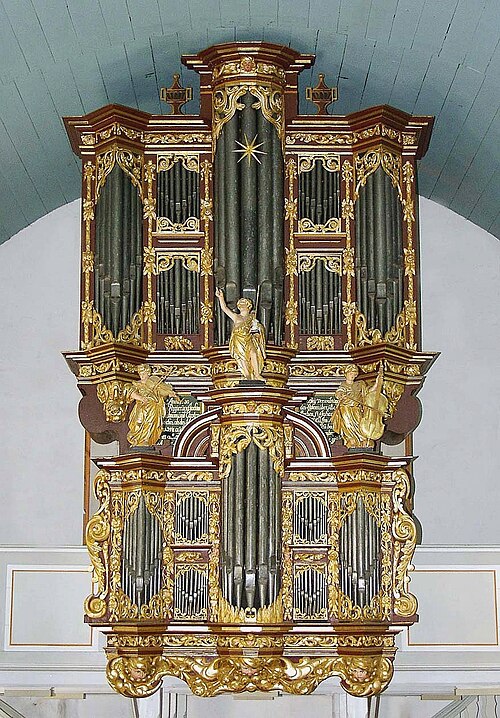
- Helmut Walcha, Schnitger organ, St Peter and St Paul, Cappel, Lower Saxony (Deutsche Grammophon)
- Ton Koopman, Riepp organ, Ottobeuren Abbey (Teldec 214662)
- Marie-Claire Alain, Silbermann organ, Freiberg Cathedral (Erato 4509-96759-2)
- André Isoir, Ahrend organ in Cantate Domino evangelical church, Frankfurt (Calliope 9711)
- Bernard Foccroulle, Schott organ in the Klosterkirche, Muri Abbey (Ricercar)
- Peter Hurford, organs of Church of Our Lady of Sorrows, Toronto and St Catharine's College, Cambridge (Decca 443485-2) (with Choir of St John's College, Cambridge singing Walter Emery's 1969 harmonisations of chorales)
- Simon Preston, organ in Sorø Academy, Denmark (Deutsche Grammophon)
- Francesco Cera, organ in Church of S. Maria Assunta, Giubasco, Switzerland, (Brillant 94639) (with Swiss Radiotelevision Choir singing each chorale)
- René Saorgin, organ in Saint-Pierre de Luxeuil Cathedral, France (Harmonia Mundi HMX 2951215)
- Anton Heiller, 1964 Metzler organ in Nestal, Switzerland (Vanguard LPs VCS-10026 & VCS-10027; 1968)
See also
Notes
- ↑Anon. n.d.
- ↑Geck 2005, p. 91.
- ↑Stinson 1999, pp. 3–10
- ↑Haupt 2000 Example of a possible registration for BWV 605 with glockenspiel:
- ↑Rose 2008; Wollny & Maul 2008.
- ↑See:
- Williams 2003, pp. 541–574
- Wolff 1991, p. 300
- ↑Wolff 1991.
- ↑Stinson 2003, pp. 499–527. sfn error: no target: CITEREFStinson2003 (help)
- ↑See:
- Boyd 2000, pp. 28–29
- Williams 2003
- ↑Williams 2003, p. 236
- ↑Stinson 1999, pp. 80–81
- ↑Williams 2003, pp. 245–247
- ↑Williams 2003, pp. 249–250
- ↑Stinson 1999, pp. 82–83
- ↑Williams, Peter (22 September 2009). The Organ Music of J. S. Bach (2nd ed.). Cambridge University Press. p. 30. ISBN 978-0511481871. Retrieved 21 August 2016.
- 12Williams 2003, p. 586 Similar to the Bach motif but with different pitches, this is a four-note figure with the first and fourth notes having the same pitch, but the second and third notes higher and lower (or lower and higher); so named because the two lines joining the end notes and the middle notes form a cross.
- ↑Williams 2003, pp. 250–251
- ↑Stinson 1999, pp. 83–85
- ↑Benitez 1987, p. 6
- ↑Clark & Peterson 1984, p. 75
- ↑Williams 2003, pp. 251–252
- ↑Stinson 1999, pp. 106–108
- ↑Williams 2003, pp. 253–255
- ↑Stinson 1999, pp. 85–87
- ↑Williams 2003, pp. 255–256
- ↑Stinson 1999, p. 88
- ↑Williams 2003, pp. 256–258
- ↑Stinson 1999, pp. 107–109
- ↑Stinson 1999, p. 109; Stinson 2006, p. 206; Williams 1985, pp. 39–41; Williams 2003, pp. 260–262.
- 123Williams 2003, pp. 264–265
- 123Stinson 1999, pp. 110–111
- ↑Kielian-Gilbert 2006
- ↑Emery, Walter (1941), "Footnotes to Sanford Terry's 'Bach's Chorals'", Musical Times, 82 (1175): 13–15, 58–60, doi:10.2307/921966, JSTOR 921966
- 12Renwick 2006
- ↑Temperley 2006
- ↑Williams 2003, p. 266
- ↑Emery 1938.
- ↑Williams 2003, pp. 277–278
- ↑Stinson 1999, pp. 88–89
- ↑Terry 1921, p. 203 The initial letters of the thirteen verses spell Heinrich Müler
- ↑Williams 2003, p. 285 England's translation is taken from Terry (1921, p. 118) who reproduces all seven verses.
- ↑Williams 2003, pp. 284–285
- ↑Renwick 1995, pp. 4–6
- ↑Williams 2003, pp. 284–286
- ↑Stinson 1999, pp. 111–112
- ↑Williams 2003, pp. 296–298
- ↑Stinson 1999, pp. 92–94
- ↑Williams 2003, pp. 300–302
- ↑Stinson 1999, pp. 94–95
- ↑Williams 2003, pp. 302–303
- ↑Snyder 1987
- ↑Stinson 1999, pp. 95–96
- ↑Williams 2003, pp. 303–305
- ↑Stinson 1999, pp. 97–98
- ↑Benitez 1987, p. 10
- ↑Williams 2003, pp. 305–306
- ↑Stinson 1999, pp. 99–100
- ↑Richards & Yearsley 2008, p. xvii
- ↑Stinto 1999, pp. 120–121. sfn error: no target: CITEREFStinto1999 (help)
- ↑Williams 2003, pp. 310.
- ↑Williams 2003, pp. 311–313
- ↑Stinson 1999, p. 122
- 12Williams 2003, pp. 314–316
- ↑Stinson 1999, pp. 124–125
Sources
- Anon. (n.d.). "Orgelbüchlein Project". Retrieved 13 May 2020.
- Benitez, Vincent P. (1987). "Musical-rhetorical figures in the Orgelbüchlein of J. S. Bach". Bach. 18 (1): 3–21. JSTOR 41640282.
- Boyd, Malcolm (2000), Bach, Master musicians (3rd ed.), Oxford University Press, ISBN 0-19-514222-5
- Chailley, Jacques (1974), Les chorales pour orgues de J.-S. Bach, Leduc, ISBN 2856890113
- Clark, Robert; Peterson, John David, eds. (1984), Orgelbüchlein, Concordia
- Geck, Martin (2005), Bach, London: Haus Publishing, ISBN 1-904341-16-0
- Emery, Walter (October 1938), "The Orgelbuchlein: Some Textual Matters: I. Readings of the tablature in 'Christus, der uns selig macht'", The Musical Times, 79 (1148): 770–771, doi:10.2307/923787, JSTOR 923787
- Haupt, Hartmut (2000), Stauffer, George B.; May, Ernest (eds.), Bach's organs in Thuringia, J. S. Bach as Organist: His Instruments, Music, and Performance Practices, Indiana University Press, pp. 25–30, ISBN 0-253-21386-X
- Honders, A. Casper (1988), "Het 'Orgel-Büchlein' gehoord vanuit de teksten", in Brouwer, Frans (ed.), Bachs 'Orgel-Büchlein' in nieuw perspectief; Studies over Bachs 'Orgel-Buchlein'. Verslag van het internationale Bach-Congres van de Nederlandse Organistenvereniging, Groningen 1985, KerkMLiturg, vol. 1, Utrecht, Hogeschool voor de Kunsten, pp. 21–51
- Kielian-Gilbert, Marianne (2006), "Inventing a Melody with Harmony: Tonal Potential and Bach's "Das alte Jahr vergangen ist""(PDF), Journal of Music Theory, 50: 77–101, doi:10.1215/00222909-2008-008
- Keller, Hermann (1948), The organ works of Bach: a contribution to their history, form, interpretation and performance (transl. Helen Hewitt, 1967), C.F. Peters
- Renwick, William (1995), Analyzing Fugue: A Schenkerian Approach, Pendragon Press, ISBN 0945193521
- Renwick, W. (2006), "Of Time and Eternity: Reflections on "Das alte Jahr vergangen ist""(PDF), Journal of Music Theory, 50: 65–76, doi:10.1215/00222909-2008-007
- Richards, Annette; Yearsley, David (2008), Carl Philipp Emanuel Bach: Organ Works(PDF), Packard Humanities Institute, ISBN 978-1-933280-33-2, archived from the original(PDF) on 2016-08-04
- Rose, Stephen (2008), "Review of The Creative Development of Johann Sebastian Bach, i: 1695–1717. Music to Delight the Spirit. By Richard D. P. Jones", Music & Letters, 89: 618–620, doi:10.1093/ml/gcm124
{{citation}}: CS1 maint: deprecated archival service (link) - Schweitzer, Albert (1905), J.S.Bach le musicien-poète, Breitkopf & Härtel
- Schweitzer, Albert (1911a), J.S.Bach, Volume I, Breitkopf & Härtel
- Schweitzer, Albert (1911b), J.S.Bach, Volume II, Breitkopf & Härtel
- Snyder, Kerala (1987), Dieterich Buxtehude: Organist in Lübeck, Schirmer Books, ISBN 0-02-873080-1
- Spitta, Philipp (1899), Johann Sebastian Bach: his work and influence in the music of Germany, Volume I (transl. Clara Bell & J.A. Fuller Maitland), Novello
- Stinson, Russell (1999), Bach: the Orgelbüchlein, Oxford University Press, ISBN 978-0-19-386214-2
- Stinson, Russell (2006), The reception of Bach's organ works from Mendelssohn to Brahms, Oxford University Press, ISBN 0-19-517109-8
- Temperley, David (2006), "Key Structure in "Das alte Jahr vergangen ist""(PDF), Journal of Music Theory, 50: 103–110, doi:10.1215/00222909-2008-009
- Terry, Charles Sanford (1921), Bach's Chorals, vol. III, Cambridge University Press
- Williams, Peter (1985), The Organ Music of J.S. Bach, Volume II: BWV 599–771, etc., Cambridge Studies in Music, Cambridge University Press, ISBN 0-521-31700-2
- Williams, Peter (2003), The Organ Music of J. S. Bach (2nd ed.), Cambridge University Press, pp. 227–316, ISBN 0-521-89115-9
- Wolff, Christoph (1991), Bach: essays on his life and music, Harvard University Press, pp. 297–305, ISBN 0-674-05926-3, Chapter 22. "Chronology and style in the early works: a background for the Orgelbüchlein"
- Wollny, Peter; Maul, Michael (2008), "The Weimar Organ Tablature: Bach's Earliest Autographs"(PDF), Understanding Bach, 3: 67–74
Further reading
- Geck, Martin (2000). Bach: Leben und Werk (in German). Reinbek: Rowohlt. ISBN 3-498-02483-3.
- Hiemke, Sven, ed. (2004), Orgelbüchlein: BWV 599-644: Faksimile nach dem Autograph in der Staatsbibliothek zu Berlin Preussischer Kulturbesitz, Laabe Verlag, ISBN 3890075703
- Hiemke, Sven (2007), Johann Sebastian Bach – Orgelbüchlein, Bärenreiter Verlag, ISBN 978-3761817346
- Jones, Richard Douglas (2007), The Creative Development of Johann Sebastian Bach: Music to Delight the Spirit, Volume 1: 1695–1717, Oxford University Press, ISBN 978-0-19-816440-1
- Wolff, Christoph (2002), Johann Sebastian Bach: The Learned Musician, Oxford University Press, ISBN 0-19-924884-2
External links
- Part 1 and Part 2 of scanned images of the autograph manuscript of the Orgelbüchlein at IMSLP
- Das Orgel-Büchlein ، BWV 599–644 : النوتات الموسيقية في مشروع مكتبة النوتات الموسيقية الدولية
- تتوفر النوتات الموسيقية المجانية على موقع Mutopia لمجموعة كاملة من 46 مقدمة كورالية من كتاب Orgelbüchlein.
- تنزيلات مجانية لكتاب الأورغن الكامل (Orgelbüchlein) الذي سجله جيمس كيبي على أورغن تروست الذي يعود تاريخه إلى عام 1717، في كنيسة سانت والبورغيس، غروسنغوترن، ألمانيا: ابحث عن أعمال فردية أو قم بتنزيل المجموعة كاملة.
- مشروع Orgelbüchlein ، وهو مشروع لإكمال مقدمات الكورال المفقودة المدرجة في خطة باخ الأصلية.
- مقدمات كورالية من تأليف يوهان سيباستيان باخ
- مقطوعات موسيقية للأرغن