بدأ الجنود بارتداء القبعات كجزء من أغطية الرأس في الزي العسكري في بعض الدول الأوروبية خلال القرن التاسع عشر؛ ومنذ منتصف القرن العشرين، أصبحت جزءًا من زي العديد من القوات المسلحة حول العالم. عادةً ما تُدفع القبعات العسكرية إلى اليمين لإتاحة حرية حركة الكتف الذي يحمل البندقية لدى معظم الجنود، لكن جيوش بعض الدول، وخاصة في أوروبا وأمريكا الجنوبية وآسيا، تأثرت بدفعها إلى اليسار (أي "السحب الفرنسي").
يعود استخدام أغطية الرأس الشبيهة بالقبعة الفرنسية كغطاء رأس مدني إلى مئات السنين، ومن الأمثلة المبكرة على ذلك قبعة "بلو بونيه" الاسكتلندية، التي أصبحت رمزًا فعليًا للقوات اليعقوبية الاسكتلندية في القرنين السادس عشر والسابع عشر. أما القبعات الفرنسية نفسها، فقد استُخدمت لأول مرة كغطاء رأس عسكري في ثلاثينيات القرن التاسع عشر خلال الحرب الكارلية الأولى في إسبانيا، حيث يُقال إن القوات الليبرالية استوردتها من جنوب فرنسا ، لكنها اشتهرت بفضل الجنرال المعارض توماس دي زومالاكارغي ، الذي كان يرتدي قبعة فرنسية بيضاء أو حمراء ذات شرابة طويلة ، والتي أصبحت شعارًا للقضية الكارلية. [ 1 ]
جندي فرنسي من مشاة جبال الألب في الحرب العالمية الأولى، بقبعته الكبيرة المميزة.
كانت فرقة الصيادين الجبليين الفرنسية ، التي تأسست في أوائل ثمانينيات القرن التاسع عشر، أول وحدة نظامية ترتدي القبعة العسكرية كغطاء رأس رسمي. [ 2 ] وقد زُوِّدت هذه القوات الجبلية بزيٍّ تضمن عدة سمات كانت مبتكرة في ذلك الوقت، ولا سيما القبعة الزرقاء الكبيرة والمرنة التي لا تزال تُستخدم حتى اليوم. [ 3 ] كان هذا الزي غريبًا جدًا خارج فرنسا لدرجة أنه وُصف في موسوعة بريتانيكا عام 1911 بأنه "قبعة ناعمة أو قبعة تام أوشانتر ". [ 4 ]
تتميز القبعات الفرنسية بخصائص تجعلها جذابة للجيش؛ فهي رخيصة الثمن، وسهلة الصنع بأعداد كبيرة، ويمكن إنتاجها بمجموعة واسعة من الألوان التي تشجع على روح الفريق ، ويمكن طيها ووضعها في جيب أو تحت كتفي القميص دون تلف، ويمكن ارتداؤها مع سماعات الرأس. [ 5 ]
وُجد أن القبعة السوداء عملية للغاية كزيّ رسمي لأطقم المركبات المدرعة ؛ فقد اعتمد فوج الدبابات الملكي البريطاني قبعة سوداء لا تظهر عليها بقع الزيت، وتمت الموافقة عليها رسميًا في عام 1924. [ 6 ] كما اعتمدت قوات البانزر الألمانية قبعة سوداء أو قبعة شوتزموتزه في عام 1934، والتي تضمنت غطاءً مطاطيًا للرأس من الداخل. [ 7 ]
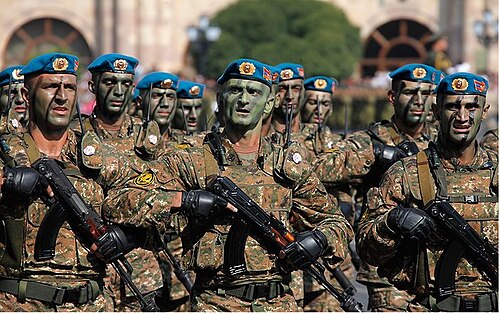
لا تزال القوات المسلحة الأرمينية ترتدي القبعات العسكرية ذات الطراز السوفيتي (المصنوعة من قطع قماشية)، والتي تُلفّ عادةً إلى اليمين. أما عند الظهور في الاستعراضات العامة، فتُلفّ القبعات إلى اليسار بحيث تظهر الشارات للشخصيات الرسمية والجمهور.
في جميع فروع الخدمة العسكرية، تُطوى القبعة إلى اليمين، ويُوضع شعار أو شارة فوق العين اليسرى. في الجيش، يُمكن لجميع الوحدات ارتداؤها، مع وجود وحدات مُحددة ترتدي قبعات خاصة بها. [ 13 ] في البحرية، تُعتبر القبعة اختيارية [ 14 ] ، وفي القوات الجوية، لا ترتديها إلا وحدات مُحددة. [ 15 ]
يُرتدى شعار النبالة النمساوي على الجانب الأيسر من القبعة (الضباط باللون الذهبي، وضباط الصف باللون الفضي، والجنود والمجندون باللون الرمادي الداكن). ويُستثنى من ذلك أفراد القوات الخاصة ( Jagdkommando ) : فبعد إتمامهم بنجاح دورة القوات الخاصة الأساسية ( Jagdkommandogrundkurs )، يرتدون شارة القوات الخاصة ( Jagdkommandoabzeichen ) بدلاً من شعار النبالة على قبعاتهم.
الأسود – الجيش الملكي البحريني والقوات البحرية الملكية البحرينية
الأزرق – سلاح الجو الملكي البحريني
الأحمر - الشرطة العسكرية
تان - القوات الخاصة
الأخضر - الحرس الملكي
أخضر زيتوني – الحرس الوطني
مارون - قوات الأمن العام
أزرق داكن – خفر السواحل
أخضر داكن - هراء
بنغلاديش
قوات الكوماندوز التابعة للجيش البنغلاديشي
لون
مرتدي
أسود
سلاح المدرعات (فرسان البنغال، والكتيبة الثانية عشرة من الرماح، والكتيبة الرابعة من الخيالة، والكتيبة السابعة من الخيالة، والكتيبة السادسة والعشرون من الخيالة، إلخ)، كتيبة العمل السريع
المدفعية، الإشارة، فيلق التعليم بالجيش، مهندسو الكهرباء والميكانيكا، الذخائر، فيلق طب الأسنان بالجيش، فيلق القوات التطوعية الملكية، الخدمة البحرية وجميع الضباط من رتبة عقيد فما فوق ، شرطة بنغلاديش
فرقة من فوج البنادق الخيالة الثاني/الرابع في العرض العسكري بمناسبة يوم الباستيل عام 2007
في البداية، كانت وحدة صيادي أردينيه هي الوحدة الوحيدة في الجيش البلجيكي التي ترتدي القبعات الفرنسية (البيريه) منذ ثلاثينيات القرن العشرين. ومنذ الحرب العالمية الثانية، أصبحت هذه القبعات معتمدة لدى جميع الوحدات. وتختلف ألوان القبعات الفرنسية باختلاف الفوج، وتحمل شارة (أحيانًا على رقعة ملونة على شكل درع) مطلية بالذهب للضباط، وفضية لضباط الصف، وبرونزية للرتب الأخرى. ويرتدي جميع أفراد وحدات سلاح الفرسان شارات فضية اللون.
لون
مرتدي
أسود
القوات المدرعة والمرشدون (الكشافة) والمطاردون وبعض وحدات المهندسين
كانت تستخدم سابقاً من قبل وحدات COPESP (اعتباراً من عام 2016 تم استبدالها بقبعات بيريه حمراء داكنة، للمظليين، أو قبعات بيريه خضراء زيتونية وقبعات سوداء)
أسود
تستخدمها ألوية الفرسان/المشاة المدرعة والميكانيكية، و
طلاب مدارس التشكيل العسكري (الطلاب العسكريون، ومرشحو الضباط، ومرشحو ضباط الصف)
أزرق ملكي
الطيران العسكري، من CAvEx.
نبيذ أحمر
المظليون
تمويه
قوات الأدغال (تقاعدت في عام 2012 وأعيدت في أوائل عام 2017)
تان
وحدات الهجوم الجوي (من اللواء الثاني عشر للمشاة الخفيفة)
بلغاريا
يرتدي أفراد الجيش البلغاري القبعات منذ عام 1991. وتختلف ألوان القبعات حسب الفرع العسكري، وتحمل دبوسًا شعاريًا (أحيانًا على رقعة خلفية ملونة) يشبه شعار الوحدة.
أزرق رمادي – القوات الجوية (بما في ذلك القوات المحمولة جواً)
لم يتم اعتماد القبعات الفرنسية رسميًا من قبل قوات الشرطة المركزية المسلحة، لكن بعض القوات أصدرت أنواعًا خاصة بها. (غير رسمي)
الأحمر – فيلق الشرطة النسائية الخاصة الإقليمي التابع لقوات الشرطة المركزية المسلحة
أزرق داكن – قوات التدخل السريع التابعة لشرطة الأمن العام
خلال ثمانينيات القرن الماضي، تم توزيع قبعات مموهة على بعض قوات الاستطلاع التابعة لجيش التحرير الشعبي الصيني. وهي لا تحمل أي شارة.
بدأ توزيع الزي الرسمي من النوع 07 على كل من جيش التحرير الشعبي الصيني وقوات الشرطة المركزية المسلحة في 1 أغسطس 2007. وتم تغيير ألوان قبعات هذا النوع لتتوافق مع ألوان الزي الرسمي. كما أُجريت عدة تعديلات على تصميم قبعة النوع 99. ولم يبدأ توزيع هذه القبعات على معظم القوات إلا في صيف 2009.
وبصرف النظر عن ألوان القبعات، فإن أهم فرق بين النوع 99 والنوع 07 هو أن شارة قبعة النوع 99 مصنوعة من القماش، بينما شارة النوع 07 مصنوعة من البلاستيك.
كولومبيا
فرقة مكافحة المخدرات التابعة للجيش الكولومبي تُكرّم القوات الخاصة الأمريكية 161207-A-KD443-030.
يرتدي جميع أفراد الجيش الوطني الكولومبي ( الجيش )، وبعض أفراد البحرية ( الأرمادا ) والشرطة الوطنية ( الشرطة الوطنية )، القبعات البيريه، مع ألوان مميزة لبعض الوحدات أو الوظائف. ألوان البيريه هي:
في الجيش الكرواتي، تُستخدم القبعات في القوات الخاصة وألوية الحرس، وكذلك في كتائب الطلاب العسكريين. خلال حرب الاستقلال الكرواتية ، كان الجيش الكرواتي يتألف من سبعة ألوية محترفة - ألوية الحرس - لكل منها لون قبعة خاص بها. خلال إصلاحات الجيش، تم تقليص عدد ألوية الحرس إلى اثنين، لكن الكتائب احتفظت بأسماء وشعارات (لون القبعة أيضًا) الألوية السابقة.
ترتدي قوات الدبابات ( tanquistas ) قبعات سوداء (بما في ذلك "Gran Unidad Rescate de Sanguily" )؛ وكذلك القوات الخاصة ( Brigada Especial Nacional "Gallitos Negros" ) التابعة لوزارة الداخلية (MININT). [ 20 ] [ 21 ] [ 22 ]
جنود تشيكيون يرتدون مجموعة متنوعة من القبعات العسكرية خلال مراسم أداء القسم، مارس 2023.إن النمط الحالي للقبعات العسكرية، بالإضافة إلى النسخة الكاكية الجديدة، هي إشارة إلى الزي البريطاني الذي كان يرتديه الجنود التشيكوسلوفاكيون خلال الحرب العالمية الثانية كجزء من اللواء المدرع التشيكوسلوفاكي المستقل .جنود تشيكيون يرتدون قبعات بيريه متوقفة عن الاستخدام (كانت القبعات خضراء فاتحة اللون مخصصة لجميع القوات البرية، واستُبدلت في عام 2023 بقبعات بيريه كاكية اللون؛ أما القبعات البرتقالية فكانت ترتديها قوات الإنقاذ والدفاع المدني، التي تم حلها منذ ذلك الحين). يونيو 2017.
تستخدم القوات المسلحة لجمهورية التشيك القبعات العسكرية (البيريه) في كلٍ من الزي القتالي وزي العرض. ويشير لون البيريه إلى فرع القوات المسلحة. وتحمل البيريه شارة الجيش التشيكي (فضية للضباط والجنود، وذهبية للضباط، وذهبية مزينة بأغصان الزيزفون للجنرالات) ورتبة الفرد . [ 26 ]
يعود تاريخ القبعات العسكرية في الجيش التشيكي إلى الحرب العالمية الأولى على الأقل، عندما كان جنود الفيلق التشيكوسلوفاكي في فرنسا يرتدون القبعات العسكرية الزرقاء الميدانية كجزء من زيهم الرسمي. [ 27 ] بعد الحرب وتأسيس الجمهورية التشيكوسلوفاكية الأولى ، استمر استخدام الزي الرسمي بالكامل لأغراض احتفالية من قبل حرس قلعة براغ. خلال الحرب العالمية الثانية، ارتدى الجنود التشيكوسلوفاكيون الذين خدموا في اللواء المدرع التشيكوسلوفاكي المستقل الأول الزي القتالي البريطاني القياسي، بما في ذلك القبعة السوداء الخاصة بسلاح المدرعات، مع الشارات التشيكوسلوفاكية. [ 28 ]
بعد الحرب، في عام 1948، اعتمدت القوات المحمولة جواً التشيكوسلوفاكية حديثة التأسيس القبعة المارونية، مستوحاة من تلك التي كان يرتديها المظليون البريطانيون . وبعد توقف وجيز من قبل القيادة الشيوعية لأسباب أيديولوجية، أُعيد اعتمادها في ستينيات القرن العشرين، ولا تزال تُستخدم حتى يومنا هذا. [ 29 ] بعد الثورة المخملية، اختيرت القبعات كغطاء رأس قياسي جديد للقوات المسلحة الديمقراطية الجديدة، مع توفر عدة ألوان مختلفة لتمييز أنواع القوات أو الفيالق التي يجري تشكيلها.
في عام 2023، قامت القوات المسلحة التشيكية بتحديث ألوان قبعاتها، حيث أوقفت تماماً استخدام القبعة البرتقالية لقوات الإنقاذ والدفاع المدني (التي تم حلها) واعتمدت لونين جديدين: الأزرق لحرس قلعة براغ والكاكي للقوات البرية (بما في ذلك لواء الرد السريع الرابع ، الذي كان يرتدي سابقاً القبعات العنابية)، وكلاهما يحل محل القبعة الخضراء الفاتحة السابقة التي لم تكن تحظى بشعبية كبيرة. [ 30 ]
لون
مرتدي
كاكي
القوات البرية (المشاة، المدرعات، المدفعية، الحماية من الأسلحة النووية والبيولوجية والكيميائية، الوحدات الهندسية، إلخ) وقوات الدفاع الإقليمي
أخضر داكن
قوات الاستطلاع والحرب الإلكترونية، وقوات الحرب السيبرانية والمعلوماتية، والاستخبارات العسكرية
شبه جزيرة سيناء مع شارة القوة متعددة الجنسيات، والتي تم إصدارها أيضاً للجنود التشيكيين المنتشرين هناك.
أخضر
طلاب المدرسة الثانوية العسكرية في مورافسكا تريبوفا . (قبعة القوات البرية التشيكية الأصلية حتى عام 2023).
د
الدنمارك
أدخل الجيش الملكي الدنماركي القبعات السوداء لأول مرة لأفراد سلاح المدرعات في عام 1958. [ 31 ] وفي عام 1968 تم تعميمها على الجيش بأكمله والحرس الوطني وأجزاء من البحرية والقوات الجوية، لتحل محل القبعة الجانبية القياسية . [ 32 ]
لون
مرتدي
أسود
جميع وحدات القتال والمدفعية التابعة للجيش: JDR و GHR و LG و SLFR و DAR (2014–) [ 33 ]
القبعة الرسمية للقوات المسلحة لجمهورية الدومينيكان زرقاء داكنة، وهي اللون الموحد لجميع فروع القوات المسلحة، إلا أن بعض الوحدات تستخدم ألوانًا مختلفة. يرتدي المظليون اللون العنابي، بينما يرتدي الكوماندوز اللون الأخضر، وسلاح المدرعات اللون الأسود. [ 34 ]
لون
مرتدي
أزرق داكن
قبعة بيريه عامة تصدر لجميع فروع القوات المسلحة.
مارون (أمارانتو)
يرتديها المظليون.
أخضر
يرتديها الكوماندوز.
أسود
يرتديها سلاح المدرعات.
تان
كان يرتديه جنود المشاة الجبلية.
أزرق
يرتديها أفراد الوحدات الهندسية وأفراد الطيران العسكري.
تمويه
يرتديها بعض وحدات الكوماندوز/القوات الخاصة.
هـ
الإكوادور
أفراد من الجيش الإكوادوري
يرتدي جميع أفراد الجيش الإكوادوري ( Ejército ) وبعض أفراد البحرية ( Armada ) والقوات الجوية ( Fuerza Aérea ) القبعات، مع ألوان مميزة لبعض الوحدات أو المهام. ألوان القبعات هي:
لون
مرتدي
أسود
الشرطة العسكرية؛ المشاة البحرية ( إنفانتيريا دي مارينا )
أخضر داكن
جميع وحدات الجيش الأخرى؛ وحدة التدخل والإنقاذ التابعة للشرطة الوطنية
أزرق داكن
طيران الجيش ( Aviación del Ejército )؛ المشاة الجوية للقوات الجوية ( Infantería Aérea )
أزرق ملكي
شرطة أمن القوات الجوية
أحمر
قوات المظليين وقوات العمليات الخاصة
رمادي
للاستخدام مع الزي الرسمي ( 4-ب ) للقوات التي تستخدم القبعة الخضراء الداكنة
كان جميع أفراد الجيش الإستوني يرتدون القبعات بعد إعادة استقلال البلاد في عام 1991. وعلى الرغم من تعليق ممارسة ارتداء القبعات، إلا أنها عادت في عام 2013.
القوات البرية - الأخضر
الأسود – سلاح المدرعات، الوحدات البحرية
سلات - القوات الجوية
الأحمر – الشرطة العسكرية
الأبيض – الفرق الموسيقية العسكرية (عندما لا يكون الزي الرسمي للاستعراضات)
F
فنلندا
فوج أوتي ياغر، عرض يوم العلم 2014
تستخدم القوات المسلحة الفنلندية قبعات البيريه المزودة بشارات خاصة بالجيش والبحرية والقوات الجوية . تُرتدى هذه القبعات في مهام الثكنات الروتينية ، مثل التعداد الصباحي ومع الزي الرسمي للخروج، ولكن ليس مع الزي القتالي. وحتى منتصف التسعينيات، كانت قبعة البيريه حكرًا على القوات ذات الوضع الخاص، مثل القوات المدرعة وقوات المشاة الساحلية وقوات المشاة المحمولة جوًا، ولكنها تُستخدم اليوم من قبل جميع الوحدات. وفي فصل الشتاء، تُستبدل قبعات البيريه بأغطية رأس شتوية.
كما تستخدم القبعات من قبل حرس الحدود الفنلندي ، وهي منظمة عسكرية تابعة لوزارة الداخلية خلال وقت السلم.
لون
مرتدي
بني
حرس الحدود الخاص
زيتون
الجيش، وقوات الحدود، وقوة الانتشار السريع الفنلندية ، ووحدات الجيش في الخارج (بخلاف قوات حفظ السلام التابعة للأمم المتحدة).
نشأت القبعة العسكرية في الجيش الفرنسي ، على شكل غطاء رأس عريض ومرن كان يرتديه جنود المشاة الخفيفة الجبلية ( Chasseurs Alpins ) منذ تأسيسهم في أوائل ثمانينيات القرن التاسع عشر. [ 35 ] وسرعان ما تم إدراك الاستخدامات العملية للقبعة، واستخدمتها قوات مشاة البحرية التي كانت جزءًا من قوة الحملة المرسلة إلى الصين عام 1900. [ 36 ] وفي وقت لاحق، اعتمدت القوات المدرعة الفرنسية نسخة ضيقة منها قرب نهاية الحرب العالمية الأولى. وبين الحربين، ارتدت وحدات الحصون الخاصة التي تم تشكيلها لحماية خط ماجينو قبعات كاكية اللون، وكذلك فعلت اللواء الثالث عشر من الفيلق الأجنبي عند إنشائه عام 1940. أما ميليشيا فيشي خلال فترة الحرب، فكانت ترتدي قبعة زرقاء.
كانت القبعة الزرقاء أو الحمراء أو الخضراء رمزًا مميزًا لوحدات المظليين التابعة لفيلق العاصمة، وفيلق المستعمرات، وفيلق المحاربين القدامى على التوالي، خلال حربي الهند الصينية والجزائر . وفي عام 1962، أصبحت القبعة الكاكية الفاتحة أو الألوان المذكورة أعلاه غطاء الرأس القياسي للجيش الفرنسي للاستخدام اليومي. [ 37 ]
باستثناء قوات الكوماندوز البحرية وقوات البنادق البحرية ، الذين يرتدون قبعاتهم مائلة إلى اليمين، فإن جميع القبعات العسكرية الفرنسية الأخرى (الجيش والقوات الجوية والدرك) تُسحب إلى اليسار مع وضع الشارة فوق العين اليمنى أو الصدغ. كما أن القوات العسكرية للدول التي تربطها علاقات تاريخية أو استعمارية أو تعاونية مع فرنسا - مثل الجزائر وبوركينا فاسو والكاميرون وجمهورية أفريقيا الوسطى وتشاد والكونغو وساحل العاج والغابون ولبنان ومالي وموريتانيا والمغرب والنيجر والسنغال وتوغو وتونس - أو التي تلقت تدريبًا على يد الجيش الفرنسي، ترتدي قبعاتها مائلة إلى اليسار.
يرتدي أفراد الدرك العاملون مع قوة الدرك الأوروبية (EUROGENDFOR) - وهي قوة تابعة للاتحاد الأوروبي للاستجابة للأزمات والتدخل - القبعة والشارة الزرقاء الملكية القياسية لقوة الدرك الأوروبية عند تكليفهم بذلك.
لون
مرتدي
قبعة واسعة، زرقاء داكنة
الصيادون الألبيون (يُطلق على القبعة العريضة اسم التارت (فطيرة)؛ كما يتم ارتداؤها مع غطاء أبيض (فستان شتوي)).
رقيب أول في فرقة بانزر ياغر يرتدي قبعة سوداء، 1989
يستخدم الجيش الألماني (الهير) قبعات بيريه تحمل شارات مختلفة لكل فرع من فروع الخدمة. أما سلاح الجو (لوفتفافه) وسلاح مشاة البحرية ( المارينز ) فيصدران قبعات بيريه زرقاء داكنة فقط لوحدات القتال البري (المعروفة باسم قوات حماية سلاح الجو وقوات مشاة البحرية ) على التوالي. تُرتدى قبعات البيريه عادةً في الاحتفالات الخاصة وعمليات التعداد، على الرغم من أن الوحدات التي تتمتع بروح معنوية عالية ، وخاصة كتائب المشاة المدرعة والميكانيكية ( بانزرغرينادير )، ترتدي قبعاتها طوال الوقت. تُسحب قبعات البيريه الألمانية دائمًا إلى اليمين، بحيث تكون الشارة ظاهرة فوق الصدغ الأيسر.
لون
مرتدي
أسود
الوحدات المدرعة، بما في ذلك وحدات الاستطلاع المدرعة
أخضر
وحدات المشاة، بما في ذلك وحدات المشاة الخفيفة ( ياغرتروب )، ووحدات المشاة المدرعة ( بانزرغرينادير )، وحرس الاحتفالات العسكرية ( واخباتيلون ديس هيريس )، ووحدات المشاة المدرعة المضادة للدبابات ( بانزرياغر ) التي تم حلها الآن . بدأ البانزرياغر بقبعات سوداء، ثم تم نقلهم إلى فرع البانزرغرينادير . وارتدى آخر البانزرياغر قبعات خضراء.
الأزرق الداكن
مشاة القوات الجوية (لوفتفافه) ومشاة البحرية (البحرية) وغواصي القتال، والحرس الاحتفالي؛ كتائب المرشحين للضباط (كتائب الجيش، تم حلها منذ عام 2020)، والوحدات متعددة الجنسيات (مثليوروكوربس) ووحدات تكنولوجيا الفضاء الإلكتروني (CIR).
أزرق كوبالت
الوحدات الطبية
مارون
الوحدات المحمولة جواً (أو الوحدات التي تحتوي على مكونات كبيرة محمولة جواً)، بما في ذلك المظليين، وطيران الجيش ، وقسم العمليات الجوية ( Division Luftbewegliche Operationen ; DLO)، وفرقة القوات الخاصة ( Division Schnelle Kräfte ; DSK)، بما في ذلك Kommando Spezialkräfte (KSK)
أحمر مرجاني
وحدات الدعم، بما في ذلك المدفعية، والهندسة، والاستخبارات، والعمليات النفسية ( معلومات العمليات )، والدفاع الجوي، والإمداد، والحماية من أسلحة الدمار الشامل، والإشارات، والحرب الإلكترونية، والنقل، والطبوغرافيا، والشرطة العسكرية (الشرطة الميدانية )، وصيانة المركبات
رمادي حجري
وحدات الدفاع الوطني الألمانية ( Heimatschutz )، التي بدأت بارتداء القبعات الخضراء لوحدات المشاة النظامية منذ الستينيات، ولكن مُنحت لونًا خاصًا بها للقبعات في عام 2025.
ترتدي الفرق الموسيقية العسكرية لون القبعة الخاص بفرقتها (على سبيل المثال، اللون الأسود في فرقة بانزر الأولى ).
غانا
ألوان القبعات التي يرتديها الجيش الغاني هي كالتالي:
التاريخ: صُرف أول قبعة من نوع البيريه (باللون الكاكي، مع شريط أسود وشارة "نسر") لأفراد القوات الجوية المجندين عام 1930، لكن البيريه اكتسب شعبية واسعة في سبعينيات القرن العشرين، عندما مُنحت قوات الاستطلاع (المظليين) قبعات بيريه خضراء زاهية (أو خضراء عشبية). وقد جُرّبت سابقًا قبعات بيريه عنابية اللون، بل وصُنعت قبعات بيريه "متعددة الأغراض" قابلة للعكس (من الأخضر إلى التمويه)، لكن التوحيد القياسي بدأ في العرض العسكري عام 1975. وفي عام 1982، مُنح طلاب المدارس الثانوية العسكرية قبعات بيريه خضراء أيضًا، بينما حصل جنود القوات النهرية عام 1987 على قبعات بيريه زرقاء داكنة. وبعد انهيار الشيوعية، اكتسبت قبعة البيريه، باعتبارها "علامة الجندي النخبة"، شعبية متزايدة بين الجنود. تم إصدار قبعات بيريه خضراء فاتحة (تحمل شارة حرس الحدود) لقوات الرد السريع التابعة لحرس الحدود بين عامي 1990 و2007. صُنعت قبعات القوات المجرية في البداية على الطراز الشرقي الأوروبي (كما هو الحال في معظم جيوش حلف وارسو)، حيث كانت تُخاط من أربع قطع. بعد عام 1993، تم اعتماد قبعات البيريه ذات القطعة الواحدة على الطراز الغربي.
القبعات العسكرية الحالية في الجيش المجري:
أسود (مع شارة قوات الدبابات) – الوحدات المدرعة
أسود (مع – رقم الكتيبة – شارة ورقة البلوط المرقمة) – قوات الاحتياط التطوعية الإقليمية
أسود (مع شارة مرساة) – قوات النهر
أحمر قرمزي (مع شارة الشرطة العسكرية) – الشرطة العسكرية
اللون الأخضر الفاتح (مع شارة المشاة) – المشاة (فقط في البعثات الخارجية)
بني داكن (مع شارة المشاة) – فريق الكتيبة الخاصة للحرس (فقط في العقد الأول من القرن الحادي والعشرين، تم إيقافه)
تان (مع شارة العمليات الخاصة) - لواء العمليات الخاصة الثاني "فيتيس بيرتالان أرباد"
اللون العنابي (الأحمر القرمزي) (مع شارة LC) – سلاح الإمداد والتموين (صدر في عام 2020)
باستثناء هذه، كانت ولا تزال تُستخدم قبعات بيريه خاصة بالمهام في بعثات حفظ السلام الدولية (أزرق الأمم المتحدة، أصفر EBECS، أحمر طوبي MFO، إلخ). وإلى جانب النسخ الرسمية، تُرتدى أنواع وألوان وشارات مختلفة من قبعات البيريه غير الرسمية، على سبيل المثال قبعات البيريه الزرقاء الداكنة التي يرتديها طلاب سلاح الإشارة، إلخ.
أنا
أيسلندا
تستخدم القوات المسلحة الأيسلندية القبعات الصوفية بشكل شائع.
القبعة الفرنسية هي غطاء الرأس الرسمي لمختلف فروع القوات المسلحة الهندية . يرتديها الضباط والرتب الأخرى، باستثناء السيخ الذين يرتدون العمائم . ألوان القبعات الفرنسية التي يرتديها الجيش الهندي هي كالتالي:
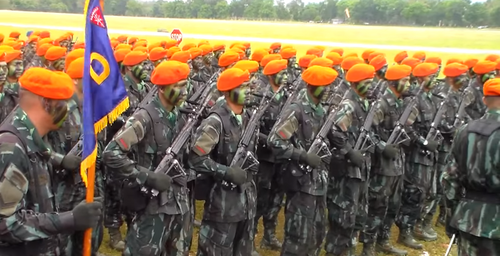
القبعة الفرنسية هي غطاء الرأس الرسمي لأفراد القوات المسلحة والشرطة في إندونيسيا . كما يرتديها أفراد القوات شبه العسكرية وغيرها من الأجهزة النظامية في البلاد، مثل فرق الإطفاء والبحث والإنقاذ والكشافة والميليشيات المدنية (مثل بانسر ) والمنظمات شبه العسكرية المدنية. في القوات المسلحة (الجيش والبحرية والقوات الجوية)، تُسحب القبعة الفرنسية إلى اليمين (وتُوضع الشارات على الجانب الأيسر)، بينما في الشرطة الوطنية الإندونيسية وفيلق الشرطة العسكرية ، تُسحب إلى اليسار (وتُوضع الشارات على الجانب الأيمن). ولكل اتجاه دلالة خاصة، فسحبها إلى اليمين يعني "الاستعداد للقتال والدفاع"، وسحبها إلى اليسار يعني "الاستعداد لإنفاذ القانون والحفاظ على النظام". وفيما يلي ألوان القبعات الفرنسية التي تُمثل وحدات مختلفة داخل القوات المسلحة والشرطة:
اللون الأزرق الداكن – القبعات القياسية للبحرية، يرتديها جميع الأفراد مثل البحارة البحريين وبحارة البحرية أثناء خدمتهم في طاقم السفن، أو في القواعد البحرية.
القوات السوداء - الغواصات
الأزرق الداكن – الطيران البحري، خدمة الإنقاذ تحت الماء، مركز الهيدروأوشنوغرافيا البحرية
الشرطة الوطنية الإندونيسية [ 42 ] (قوات شبه عسكرية، وليست جزءًا من القوات المسلحة/الجيش الإندونيسي)، تُسحب جميع قبعات الشرطة إلى اليسار ما لم يُذكر خلاف ذلك
بني فاتح – موظفو وزارة الدفاع وموظفو الخدمة المدنية في القوات المسلحة (PNS)، يتم سحب القبعة إلى اليسار
اللون الأرجواني – فوج طلاب الجامعات
إيران
قوات الكوماندوز التابعة للواء القوات الخاصة المحمولة جواً 65 الإيراني تتدرب
لون
مرتدي
أزرق داكن
مشاة البحرية الإيرانية
أسود
القوات المحمولة جواً التابعة للجيش الإيراني، وقوات الكوماندوز التابعة للحرس الثوري الإيراني، والشرطة
أخضر
القوات الخاصة للجيش الإيراني (الرينجرز)، والقوات الخاصة للبحرية الإيرانية، والقوات الخاصة للحرس الثوري الإيراني
تان
قوات الكوماندوز التابعة للجيش الإيراني
قرمزي
أفراد طاقم الدبابات التابع للجيش الإيراني
العراق
قبعة بيريه عراقية بلون المارون
تغير نظام ألوان القبعات المستخدم في مختلف فروع الجيش العراقي وقوات الأمن بعد سقوط صدام حسين . وفيما يلي ألوان القبعات التي كانت ترتديها القوات العراقية سابقاً (والتي كانت ترتديها حالياً):
مارون – الجيش (سابقًا الحرس الجمهوري الخاص، والمظليين، و/أو القوات الخاصة)
الكاكي (الأخضر الزيتوني) - لم يعد يستخدم (كان يستخدم سابقاً من قبل موظفي الخدمات اللوجستية والنقل)
الأخضر – القوات الخاصة (سابقاً الكوماندوز وقوات ثاندر المظلية)
أحمر فاقع – الشرطة العسكرية
الشرطة السوداء (الحرس الجمهوري والجيش النظامي سابقاً)
أزرق رمادي – لم يعد يُرتدى (كان سابقاً تابعاً للقوات الجوية العراقية)
أيرلندا
قبعات الجيش الأيرلندي بألوان مختلفةأمثلة على القبعة الزرقاء التابعة للأمم المتحدة وقبعة الخدمة البحرية التي يرتديها ضباط قوات الدفاع الأيرلندية
يرتدي جميع أفراد الجيش شارة قبعة موحدة ، وهي عبارة عن شعار شمسي محفور عليه الحرفان "FF" فوق العين اليسرى للقبعة. أما شارة قبعة ضباط القوات المسلحة الأيرلندية فهي ذات مظهر أكثر بساطة. ويرتدي أفراد سلاح الجو والبحرية شارات قبعات خاصة بهم على قبعاتهم.
ألوان القبعات التي ترتديها قوات الدفاع الأيرلندية هي كالتالي:
جيش الدفاع الإسرائيلي - لواء المظليين يرحب بأحدث أعضائه.
يرتدي جنود جيش الدفاع الإسرائيلي القبعات فقط في المناسبات الرسمية، كالمراسم والاحتفالات، وفي المواقف التأديبية كالمحاكم العسكرية والسجن. وفي غير المناسبات الرسمية، يجب عليهم وضع القبعة أسفل الكتفية اليسرى . أما شرطة الحدود، وهي وحدة تابعة للشرطة المدنية وليست للجيش الإسرائيلي، فترتدي قبعاتها في معظم الأوقات. ألوان القبعات هي كالتالي:
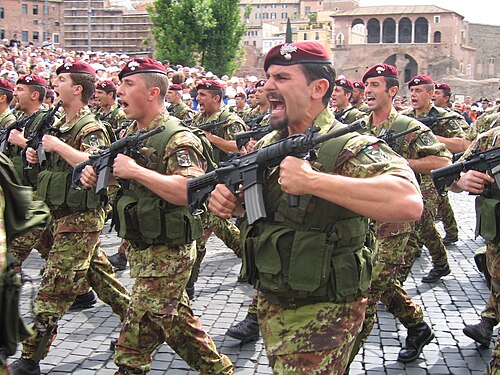
مظليون من قوات الدرك الإيطالية (كارابينييري) في عرض عسكريجندية من لواء فولغوري الإيطاليفوج غرينادير الإيطالي الأول
اعتاد أفراد الجيش الإيطالي ارتداء قبعة الحامية إلى جانب القبعة الرسمية، حتى أوائل سبعينيات القرن العشرين، حين استُبدلت قبعة الحامية بالبيريه. وكان جنود الألبيني وحدهم لا يرتدون البيريه، بل يرتدون قبعة الألبينو المميزة . وحتى أوائل ثمانينيات القرن العشرين، كان اللون الكاكي الباهت هو اللون العام للبيريه في الجيش، بينما كان اللون الأسود مخصصًا للوحدات المدرعة. أما الألوان المستخدمة حاليًا في الجيش الإيطالي فهي كالتالي:
يُسمح لجميع أفراد قوات الدفاع الذاتي البرية بارتداء القبعات الصوفية - المعروفة باسم " بيريبو " (ベレー帽) - كغطاء رأس اختياري للزي الرسمي وزي العمل والزي المموه منذ عام 1992. ومع ذلك، تُعتبر عادةً قطعة ملابس خاصة، تُرتدى في المناسبات العامة أو الاستعراضات. تُثبّت على القبعة شارة مطرزة بالذهب لقوات الدفاع الذاتي البرية اليابانية، مطابقة لتلك المستخدمة على قبعة الخدمة الرسمية . كانت القبعات سابقًا خضراء اللون، ولكن مع إدخال الزي الرسمي من النوع 18، تم تغيير اللون إلى الأسود. يرتدي عازفو البوق وعازفو الفرق الموسيقية من الفرقة الأولى قبعات حمراء مع شارة مطرزة لقوات الدفاع الذاتي البرية اليابانية. [ 43 ] يرتدي جنود المظلات التابعون للواء المحمول جواً الأول قبعات بيريه عنابية اللون تحمل نسخة مطلية بالمينا من شارة اللواء بدلاً من شارة قوات الدفاع الذاتي البرية اليابانية المطرزة. [ 44 ]
يرتدي طلاب فريق التدريب التابع للمدرسة الفنية العليا لقوات الدفاع الذاتي البرية اليابانية قبعات سوداء عليها نسخة معدنية من شعار المدرسة.
يرتدي أفراد قوات الدفاع الذاتي البرية اليابانية في بعثات الأمم المتحدة قبعات زرقاء تابعة للأمم المتحدة مع شعار الأمم المتحدة مثبت في مقدمتها. [ 45 ]
ضباط قوات الدفاع الذاتي البرية اليابانية في معسكر كورتني، أوكيناوا عام 2014، يرتدون سابقًا القبعات الخضراء.جنرال من قوات الدفاع الذاتي البرية اليابانية (يسار) مع جنرال من الجيش الأمريكي (يمين)، 2019، يرتدي قبعة سوداءجندي استطلاع من اللواء المحمول جواً الأول التابع لقوات الدفاع الذاتي البرية اليابانية خلال تمرين عام 2023، يرتدي قبعة سوداء.
الأردن
ألوان القبعات التي يرتديها الجيش الأردني هي كالتالي:
براون - مشاة
مارون – القوات الخاصة
بلاك – سلاح المدرعات
الأخضر – الحرس الملكي
أزرق داكن – مدفعية
أزرق سماوي – مهندسون
الأحمر – الشرطة العسكرية
رمادي مزرق - سلاح الجو
أزرق داكن - كحلي
ك
كازاخستان
أزرق فاتح – قوات المظليين
مارون – الحرس الوطني – الأمن الداخلي
أورانج – وحدات الإنقاذ في حالات الطوارئ
الأزرق الداكن – وحدات البحرية
كينيا
ألوان القبعات التي ترتديها القوات المسلحة الكينية هي كالتالي:
بلاك – سلاح المدرعات
الكتيبة الخضراء المحمولة جواً
الأحمر – الشرطة العسكرية
الأزرق الداكن - جميع الأسلحة والوحدات الأخرى بما في ذلك الخدمة البحرية
الكوماندوز الأخضر - اللواء الخامس والعشرون من الكوماندوز
أخضر داكن – جيش إزالة المتفجرات
بلاك – القوات البرية للجيش والقوات البحرية والدفاع الجوي
الشرطة السوداء – حرس وزارة الداخلية والجمعية الوطنية
فاير بلاك – قوة الإطفاء والدعم اللوجستي
الأزرق الداكن – إدارة الإطفاء العامة ( سابقاً )
الأحمر - الشرطة العسكرية
مارون – هيئة الحرس الأميري
الكوماندوز مارون – الكتيبة 67 للعمليات الخاصة التابعة للحرس الوطني
الأزرق - الحرس الوطني للطيران
أزرق سلاح الجو - سلاح الجو
أزرق فاتح – قطاع الوقاية من الحرائق
الكوماندوز الأزرق – القوات الخاصة
تان – الوحدات البحرية الخاصة
كاكي بني - الكلية العسكرية
كاكي تان - الكلية العسكرية ( سابقاً )
قوات حفظ السلام التابعة للأمم المتحدة (يو إن بلو)
جلف جرين - قوات درع شبه الجزيرة المشتركة
ل
لاتفيا
ألوان القبعات التي يرتديها الجيش اللاتفي هي كالتالي:
أخضر زيتوني – وحدة المهام الخاصة
الأحمر – الشرطة العسكرية
أسود – الحرس الوطني، البحرية
تان - لواء مشاة ميكانيكي (جيش) اعتبارًا من 18/11/2018
الأزرق - القوات الجوية
لبنان
ترتدي جميع الوحدات في القوات المسلحة اللبنانية القبعات عندما لا تكون في وضع القتال (الخوذة)، أو معسكر التدريب (القبعة)، أو الزي الرسمي (القبعة الرسمية).
يرتدي الجيش اللبناني، على عكس معظم الجيوش، القبعة مائلة (مسحوبة للأسفل) على الجانب الأيسر حيث يتم وضع شعار الجيش على اليمين محاذياً للحاجب الأيمن.
على مستوى القوات المسلحة، يتم استخدام القبعة الزرقاء التي تحمل شعار الأمم المتحدة من قبل قوات حفظ السلام بدءًا من عام 2015-2016، عندما أرسلت المكسيك أفرادًا من القوات المسلحة إلى عمليات حفظ السلام التابعة للأمم المتحدة.
منغوليا
جنود من الجيش المنغولي يرتدون قبعات بيريه خضراء داكنة
في عام ٢٠٠٢، تمّ اعتماد زيّ عسكري جديد للقوات المسلحة المنغولية ، وشمل هذا الزيّ الجديد قبعات بيريه خضراء داكنة لجميع الأفراد. ووفقًا للوائح، تُدفع جميع قبعات البيريه العسكرية إلى اليمين، وتتوسطها علامة "سويومبو" وسط أوراق بلوط ذهبية على الجانب الأيمن.
يرتدي أفراد الشرطة المنغولية القبعات منذ عام 1994. تختلف قبعات الشرطة عن قبعات الجيش في اللون والشكل، حيث يتم دفعها إلى اليسار بينما يتم دفع قبعات الجيش إلى اليمين.
الأخضر الداكن - جميع فروع القوات المسلحة
الأحمر - القوات الداخلية
الأزرق الداكن – قوات الطوارئ الوطنية (المنقذون)
أسود – وحدة شرطة (مدفوعة إلى اليسار)
أزرق فاتح – قوات حفظ السلام التابعة للأمم المتحدة (مُزاحة إلى اليمين)
المغرب
الزي العسكري المغربي مستوحى من الزي الفرنسي، وعادة ما يتم سحب القبعات إلى اليسار مع وضع الشارة فوق العين اليمنى أو الصدغ.
اللون الأخضر الليموني – القوات المسلحة (Les Forces armees royales)، بما في ذلك المظليين
الأحمر – الحرس الملكي (La garde royale)
الأزرق – القوات الجوية الملكية المغربية
الأزرق الداكن – القوات الجوية وقوات الأمن
اللون الأزرق للأمم المتحدة – أفراد القوات المغربية التابعة للأمم المتحدة الذين يخدمون مع الأمم المتحدة في بعثات حفظ السلام الدولية
براون – القوات المغربية المساعدة
موزمبيق
يتدرب جنود مشاة البحرية الموزمبيقية على التحركات التكتيكية خلال تمرين كاتلاس إكسبريس 2017.
The Chief of Indian Army Staff, General Bikram Singh and the Nepalese Army Chief, General Gaurav Shumsher Jung Bahadur Rana witnessing the combined training exercise, in Pithoragarh District of Uttarakhand on September 30, 2013.
Veterans Day 2014, NetherlandsColonel Jelte Groen, commander of the Korps Commandotroepen
When the Royal Netherlands Armed Forces acquired new modernised uniforms (designed by the Dutch couturier Frans Molenaar) in 2000, the berets changed as well. Since 2004, soldiers of the Royal Netherlands Army have worn a petrol (blue-green) beret, whereas previously they wore brown.
The following colours are also used (before and after the modernisation):
Dark blue – 1(GE/NL)Corps (Eerste Duits-Nederlandse Legerkorps)
All regiments and services have their own distinctive colours. There are quite a lot, but the number of colours in the logistic services was reduced in 2001. This colour is shown in a patch of cloth behind the beret flash. The intendance (maroon), transport troops (blue), military administration (pink; hence the nickname 'Pink Mafia'), technical service (black), and medical troops and service (green) lost their colours and all now wear yellow patches. In 2010, the technical service and medical troops and services recovered their colors. The intendance and transport troops merched into one regiment with new colours (maroon with blue border) and the administration got the crimson color.
Infantry – Red, except:
Grenadier Guards – Red with blue border
Rifle Guards – Green with yellow border
Fusilier Guards – Orange with blue border
Regiment van Heutsz – Black with orange border
Limburg Rifles Regiment – Green with maroon border
Korps Commandotroepen – Black with dark green border
Cavalry (Armour) – Blue with white, red or orange border
Cavalry (Reconnaissance) – Blue with black border
Artillery – Black with red border
Engineers – Brown
Signals – Blue with white border
Logistics – Yellow (obsolete since 2010)
Legal Affairs – Black with white border
Psychological and Sociological Service – Red
Protestant Chaplains – Black
Catholic Chaplains – Blue
Jewish Chaplains – Black
Humanist Society Chaplains – Bright green
Hindu Chaplains – Bright blue
Troops in Initial Training – Red
Royal Military Academy Cadets – Red with yellow border
Physical Training Instructors – Blue
Technical Staff – Maroon
New Zealand
Royal New Zealand Navy –
Dark blue – Military police
Dark blue/black – All other branches
New Zealand Army –
Pre 2002 beret colours –
Khaki – Royal Regiment of New Zealand Artillery
Green – Royal New Zealand Infantry Regiment
Jet black – Royal New Zealand Armoured Corps
Royal blue – Royal New Zealand Military Police
Red – Regular Force Cadet School
Rifle green – Royal New Zealand Corps of Signals
Grey – Royal New Zealand Nursing Corps
Cypress green – New Zealand Intelligence Corps
Sand or 'ecru'[46] – New Zealand Special Air Service
Dark blue – All other corps
Post 2002 beret colours –
Sand or 'ecru'[46] – New Zealand Special Air Service
Dark blue – Royal New Zealand Military Police
Rifle green – All other corps
Royal New Zealand Air Force –
The RNZAF does not currently wear berets except for:
Norwegian soldiers from Telemark Battalion, Task Force Viking, march to their staging position for the Latvia Day Parade in Riga, Latvia, on November 18, 2014.
The Norwegian armed forces use the beret as a garrison cap, but some units (mostly armored vehicle personnel) also use it in the field. The Norwegian beret and all other headwear except those of the Navy and His Majesty The King's Guard always have the current king's cipher as a badge in gold (most of the army) or silver (the air force); currently this is a numeral 5 inside an H, for "Harald V". The navy has a crowned gold anchor for their enlisted personnel, a crowned gold anchor surrounded by a circle of rope for their petty officers, and a crowned golden anchor surrounded by leaved branches for officers. The colours used are:
Colour
Wearer
Royal blue
Brigade Nord (except cavalry troops, intelligence troops and military police)
The special operations units of the Navy wear the same berets as the rest of the navy. However they have a coloured patch behind the cap badge, the colour of which determines the unit:
Dark blue – Worn by the General Staff officers (rank of Colonel and above) irrespective of their Regimental association.
State of Palestine
Palestinian Civil and Military policemen wearing navy blue and red berets.
The Palestinian Security Services adopted berets as their standard headgear since their establishment in 1994 following the Oslo Accords. The colouring scheme is similar to neighboring Jordan and Egypt.
Berets were widely worn by many units in the Panama Defense Forces (PDF) under Manuel Noriega. The PDF was abolished in February 1990, and with it all of the old military units stood down. Unique beret insignia were never approved, so units authorized to wear berets wore a combination of the approved shoulder insignia, as well as rank and qualification insignia (e.g. parachutist wings) on the berets. The following were being worn at the time of the 1989 invasion:
Black – 7th Infantry Company "Macho de Monte"; Comando Operacional de Fuerzas Expeciales (COFFEE - Special Forces Command)
Maroon – Battalion 2000; 2nd Airborne Infantry Company "Puma"; 3rd Infantry Company "Diablo Rojo"
Lime green – 4th Infantry Company "Urraca"
Camouflage – 7th Infantry Company "Macho de Monte"; Comando Operacional de Fuerzas Expeciales (Cadre)
Previously known as the PA-SOCOM and includes the Special Forces, Scout Ranger and Light Reaction Regiment and wearing a dark green beret. The Command was elevated as a Combatant Command and has expanded to include the PAF 710th SPOW, the Force Reconnaissance Group and the Naval Special Operations Command as well as a K9 Platoon from the deactivated AFP Joint Special Operations Group, a predecessor of SOCOM. The command has shifted to a dark brown beret at around September 2020.
Poland
Black berets were introduced before World War II for tank and armoured car crews. During World War II, berets were widely adopted in the Polish Army on the Western Front, armored troops – black, airborne – grey, commando – green. After the war in the communist era, berets were worn only by armoured units (black), navy for field and work uniform (black), paratroopers (maroon), and marines (light blue). After 1990, the beret became the standard headgear in the Armed Forces of Republic of Poland. Around the year 2000 the design of the Polish Army Beret changed, the beret sewn together from three pieces of material with four air holes, two at each side was changed to a smaller beret molded from one piece of material with no air holes. The following colours are in use:
Soldier of the Maltese Armed Forces and the Polish Honor GuardPolish Military Police officers wearing scarlet red berets
The black beret is also the distinctive headgear of World War II veterans, particularly Armia Krajowa veterans.
The dress code of the Polish armed forces states that when not worn on the head or kept in a locker the beret should be placed under the left shoulder loop. This practice was discontinued due to introducing new field uniform (wz. 2010) with rank insignia placed on chest.
Portugal
The beret was first introduced in the Portuguese Armed Forces in 1956, when the Air Force Paratroopers adopted the green beret. The Portuguese Army adopted the brown beret for its Caçadores Especiais special forces in 1960, generalizing its wear to all units in 1962.
The following colors of berets were or are still worn by the Portuguese Military and Paramilitary forces:
Up to this point the Security Forces wore the beret as the primary working dress and service dress headgear. Like most countries formerly associated with the British Empire, Berets were coloured according to unit or service branch, with a distinctive regimental cap badge pinned above the left eye. The Rhodesian Security Forces were integrated into the new Zimbabwe Defence Forces in 1980.
Rhodesia introduced the brown beret as a new colour for specialist berets, for use of the Selous Scouts, which has since been used for specialist units in the Finnish and Brazilian forces, and with the New Zealand SAS
Like the United Kingdom, Rhodesia also used flashes and hackles behind cap badges on their berets, such as:
The blue, yellow and red shield on the medical corps beret
The blue diamond flash on the military police beret
The red outline of the Rhodesian Artillery beret
The red tombstone of the Grey Scouts beret
The red diamond hacking of the Rhodesian Regiment beret (similar to that of the KRRC)
The Blue and White hackle of the 4th Battalion Rhodesian Regiment Beret
Romania
Romanian special forces soldiers send commands to the a Raven unmanned aerial vehicle (UAV) during a Raven UAV familiarization flight at the Romanian Land Forces facility in Buzau, Romania, June 2, 2011.
Colour
Wearer
Black
Anti-air Artillery and Missiles, Artillery, Military Automobile Troops (automobilişti militari), Tanks, Communication and Informatics structures, Engineers, Nuclear Biological and Chemical (NBC) Defense and Naval Forces
Green
Mountain Troops (or Mountain Hunters, Vânători de Munte), Special Operations Forces
Dark blue
Military Justice, Romanian Gendarmerie (Jandarmeria Română)
Maroon
Paratroopers
Red
Military Music
Dark red (bordeaux red)
Military Medicine
Violet
Military Logistics, or administration (intendenţă)
Light grey
Military Police
Light blue
Air Force and Radar Troops (radiolocaţie)
Dark brown
Infantry
Russia
Russian Naval Infantry with their three-piece berets pulled left for a pass-in-review during the 2008 Moscow Victory Day Parade
The Soviet Union's beret color scheme detailed below (e.g. for airborne troops and naval infantry) remained in effect in post-1991 Russia. In the late 1990s the Russian Ministry of Extreme Situations introduced orange berets for its own troops.
In the Soviet Union berets were sewn together from three pieces of material (top, front, and rear) with four air holes, two at each side, worn with the service badge centered between the eyes and draped to the right in most circumstances. When appearing in public on parade, the berets were draped to the left side so that the insignia shows to observing dignitaries and the public. The multi-piece beret has changed to a smaller beret molded from one piece of material with no air holes.
In 2011 the Russian defence ministry authorised the wearing of berets by all non-naval military personnel as part of their field uniforms.
Airborne Troops general issue berets, Spetznaz units of the Russian Ground Forces (will often wear headwear of other units in the field to avoid identification)
604th Special Purpose Center, 7th OSN, 19th OSN of the National Guard Forces Command Spetsnaz - soldiers are allowed to wear this beret after passing special tests
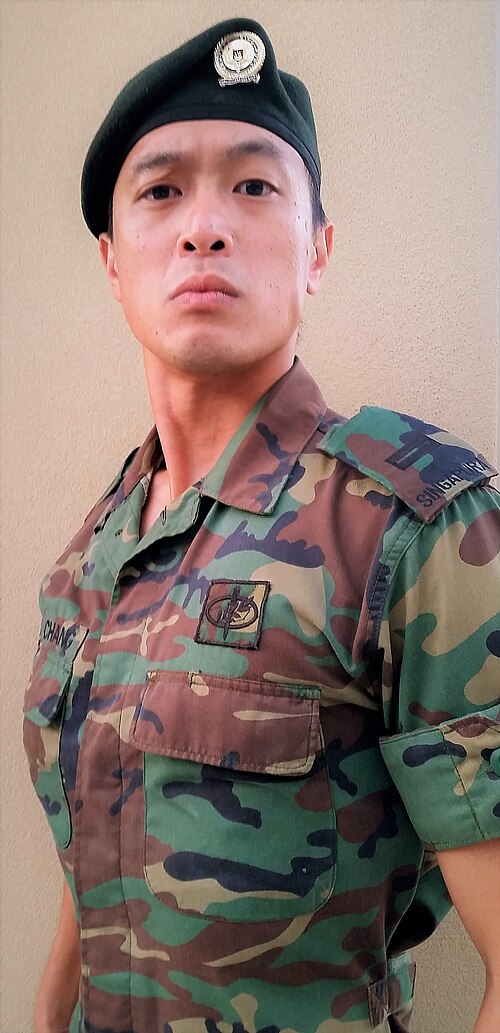
The berets are all adorned with the Singapore Armed Forces coat of arms, with the exception of the Air Force beret, Military Police beret, Republic of Singapore Navy beret, Digital and Intelligence Service beret which are adorned with their respective cap-badge. Officers in the navy have a different cap-badge from the ratings. Officers of the rank of colonel and above have a different cap-badge.
Brigadier General Odowaa Yusuf Rageh wearing the Khaki Infantry Beret and rank slide
The Somali Armed Forces have had the beret as standard headgear since its inception in 1960. Each function within the security forces of Somalia has a unique colour.
Other than these units, several secret commando units (mostly disbanded in the mid-1990s, among them the "Unit 684" which became infamous for its mutiny) formed to infiltrate North Korea during the Cold War days wore black berets and adorned them with the badges of individual units. Korean liaison soldiers serving in the U.S. Eighth Army (KATUSA) have also been wearing black berets along with American uniforms since that beret became a standard headgear of the U.S. Army in 2001.
South Vietnam
American advisers assigned to these units wore the berets.[53]
In the Soviet Union berets were sewn together from three pieces of material (top, front and rear) with four air holes two per side seam, one per each side, worn with the service badge centered between the eyes and draped to the right in most circumstances. When appearing in public on parade, the berets were draped to the left side so that the insignia shows to observing dignitaries and the public. Berets were worn only by:
Colour
Wearer
Black
Naval infantry, tank troops (only for coveralls), OMON special militia units
Raspberry
Airborne troops (till 1969, unofficially from 1963 with jump uniform only)
Sky blue
Airborne troops (since 1969)
Green
103rd Airborne Division (while subordinate to Border Guards in 1989–91)
Navy (WMF) – as a part of working and technical uniform for enlisted and petty officers (officially matrosy i starshiny in Russian)
During this period berets were also worn by female personnel of the Armed Forces for everyday and parade uniform. The colour of the beret corresponded with that of the main uniform (e.g. Army and Air Force everyday uniform – olive, Navy uniform – navy blue or white, Army parade uniform – sea green, Air Force parade uniform – dark blue).
Spain
Spain's Crown Prince Felipe de Borbon (in blue beret of the Royal Guard) speaks with a Spanish engineer soldier about the capabilities of a bomb disposal robot during a visit to Spain's San Gregorio training area to meet with participants in exercise Interdict 12, Oct. 30.
Commando green – Sri Lanka Sinha Regiment, Mechanized Infantry Regiment, Military Intelligence Corps, Sri Lanka Army Women Corps, Sri Lanka Rifle Corps, Special Task Force
Green – Gajaba Regiment (Infantry)
Blue – Vijayabahu Infantry Regiment, The Gemunu Watch (Infantry) & All Other Ranks of Artillery, Engineers, Signals, Light Infantry & all Service Corps
Khaki – All Officers of Sri Lanka Artillery, Corps of Engineers, Corps of Signals, Light Infantry, Service Corps, Corps Engineer Services, General Service Corps, Electrical & Mechanical Engineers, Sri Lanka National Guard, Sri Lanka Army Pioneer Corps
Generals in the army and amphibious corps, personnel in the organizational unit that have not assigned another beret color except the navy's naval unit (fleet)
The beret is worn by all police and military personnel.
Maroon – Paratroops
Pink – special police
Switzerland
Since 1995, when it replaced the grey side cap, the beret is worn with the dress uniform and with the personally issued battle dress uniform by all Swiss soldiers. In training, a black beret (without insignia) is worn by mechanised units, otherwise a camouflage-coloured field cap is worn instead.
Black — armoured and mechanised units; signals and headquarters troops; rescue troops; NBC specialists; intelligence, military justice and general staff personnel
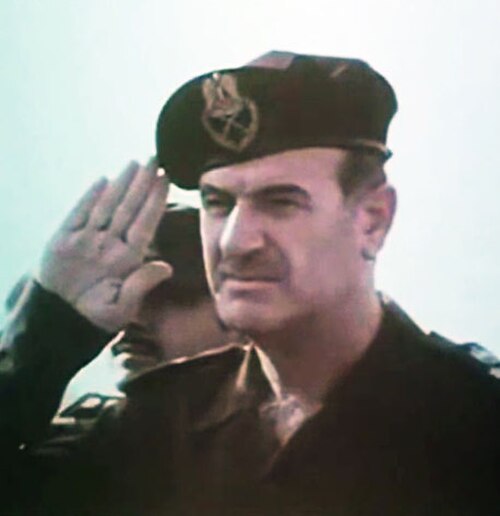
The beret was used in the now disbanded (2024) Syrian Arab Armed Forces as a standard patrol cap headgear in all branches of the military. Syria inherited most of their beret colors from Egypt during the period of the United Arab Republic.
Ukrainian paratrooper wearing maroon beretMarines in black berets, 2003Tankman in black beret, 2017Ukrainian national guard, 2020
The Ukrainian Armed Forces continued Soviet beret traditions even after the dissolution of the Soviet Union, with paratroopers and marines respectively wearing blue and black berets. The start of the Russo-Ukrainian War in 2014 made the Ukrainian military distance itself from Russian and Soviet traditions. Starting in 2016, Ukrainian special operations personnel began wearing light grey berets, and the Ukrainian Air Assault Forces switched to western-style maroon headgear in 2017.
Since 2017, the Armed Forces have worn berets of the following colours:[63]
The Armed Forces of the UAE and National Service use berets with distinct colours to display the specific branch of the armed forces. All berets displays the United Arab Emirates Armed Forces emblem.[64]
Emirati military personnel may also choose to wear military camo coloured ghutra in a turban fashion in keeping with traditional Arabic attire.
The British Army beret dates back to 1918 when the French 70th Chasseurs alpins were training with the British Tank Corps. The Chasseurs alpins wore a distinctive large beret and Major-General Sir Hugh Elles, the TC's Colonel, realised this style of headdress would be a practical option for his tank crews, forced to work in a reduced space. He thought, however, that the Chasseur beret was "too sloppy" and the Basque-style beret of the French tank crews was "too skimpy", so a compromise based on the Scottish tam o'shanter was designed and submitted for the approval of King George V in November 1923. It was adopted in March 1924.
During the Second World War, the use of the black beret was extended to all the regiments of the Royal Armoured Corps in 1940. The maroon beret was adopted by British airborne forces in 1941 (the Special Air Service had adopted a sand coloured beret, was subsequently compelled to change to maroon in common with other airborne units, but resumed wear of the sand beret after the Second World War) and the green beret by the Commandos in late 1942. A khaki beret was worn by the Reconnaissance Corps from 1941 until 1944,[65] and the Royal Air Force Regiment adopted a blue-grey beret in 1943.[66] Later in the war, a rather baggier beret-like hat, called the General Service Cap, was issued to all ranks of the British Army (with RAC, parachute, commando, Scottish and Irish units excepted), to replace the earlier Field Service Cap.[67] The GS Cap was not popular, and after the war was replaced with a true beret.[68][69]
Today most units of the British Army wear a beret, however the Tam o' shanter is worn by the Royal Regiment of Scotland as well as Scottish UOTC units.[70] The caubeen is worn by the Royal Irish Regiment as well as by Queens UOTC, (the Scots Guards and Irish Guards, however, wear berets inline with the rest of the Field Army). Many of these berets are in distinctive colours and all are worn with the cap badge of the service, regiment or corps. The cap badge for all services in the UK is usually worn directly over the left eye, Units who wear the Tam o’ shanter have different rules for the Tam with the cap badge worn on the left side of the head.
Royal Military Police, 1984RAMCLieutenant GeneralMartin Bricknell wearing a dark-blue beret with ACDS insignia.A soldier of the Parachute Regiment wearing the maroon beretThe pale "Cambridge blue" berets of the Army Air Corps in London, 2006
Royal Marine berets; blue berets with red cap badge backing are worn by personnel who are not commando-qualified, while green berets without any cap badge backing are worn by personnel with commando qualification.
An officer of the Princess of Wales's Royal Regiment (on the right), showing the coloured backing patch behind the regimental cap badgeRoyal Air Force airman wearing that service's blue-grey beret
Special Air Service including attached troops who are not SAS-qualified (a white beret was briefly worn on formation of the regiment in 1942 and a maroon beret from 1944 to 1956)
Generic: worn by all other Army units (except Scottish and Irish line infantry regiments), Royal Navy, Royal Marines who are not commando-qualified who include recruits in training, musicians and instructors of the affiliated cadet organisations.[75] (and who wear the Royal Marines cap badge with red backing).
Also worn by Sea Cadets, including Royal Marines Cadets.
Royal Air Force: Officer cadets wear a white disc behind their cap badge.
Members of the Royal Tank Regiment, 4/73 (Sphinx) Special OP Battery Royal Artillery,[77] Royal Regiment of Fusiliers, Army Air Corps, Parachute Regiment, SAS and Intelligence Corps wear berets in Nos 1, 2, 3 and 6, Dress. Other English and Welsh Regiments and Corps wear peaked caps in these orders of dress.[78] Troops from other services, regiments or corps on attachment to units with distinctive coloured berets often wear those berets (with their own cap badge). Colonels, brigadiers and generals usually continue to wear the beret of the regiment or corps to which they used to belong with the cap badge distinctive to their rank.
An Air Force SOWT—redesignated Special Reconnaissance—wearing grey beret
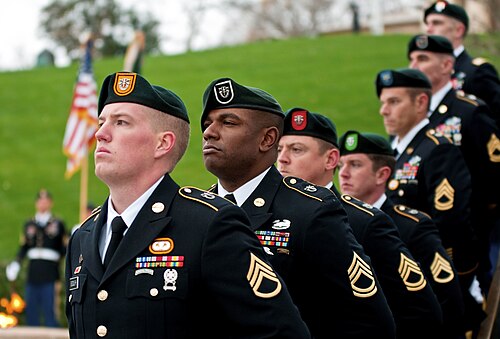
Berets were originally worn by select forces in the United States Army. The first were worn during World War II, when a battalion of the 509th Parachute Infantry Regiment were presented maroon berets by their British counterparts.[79] Though unofficial at first, the green beret of the US Army Special Forces was formally adopted in 1961. Maroon airborne and black US Army Ranger berets were formally authorized in the 1970s.
"D" Troop 17th Cavalry were authorized a maroon beret in Vietnam.[80]
After the Vietnam War, morale in the US Army waned. In response, from 1973 through 1979 HQDA permitted local commanders to encourage morale-enhancing uniform distinctions; however, these distinctions were allowed to be worn only on the post. Consequently, many units embraced various colored berets, for example armor and armored cavalry units often adopted the black beret. Similarly many other units embraced various colored berets in an attempt to improve dwindling morale. In particular, the First Cavalry Division assigned various colored berets to its three-pronged TRICAP approach. In this implementation, armored cavalry, airmobile infantry units, air cavalry units, division artillery units, and division support units all wore different colored berets, including black, light blue, Kelly green, and red. The 101st Airborne Division was authorised a dark-blue beret.
In 1975 all female soldiers of the Women's Army Corps were authorized to wear a black beret variant as standard headgear for the service uniform.[81]
In 1975 the 172nd Light Infantry Brigade at Fort Richardson and Fort Wainwright, Alaska, wore olive-drab berets.
In 2001, Army Chief of Staff Eric Shinseki ordered the black beret worn as standard headgear army-wide, a controversial decision because it was previously reserved for the rangers. The rangers were then authorized to wear a tan beret, exclusive to them. The decision was implemented in hopes of boosting morale among conventional units. However, many soldiers began complaining that the new black beret was not practical with the utility uniform. In June 2011, Army Secretary John McHugh, acting on the recommendations made by Chief of Staff Martin Dempsey and Sergeant Major of the Army Raymond F. Chandler, once again chose the traditional patrol cap to be worn with the utility uniform. The black beret may be authorized with utility uniforms at commander's discretion for special ceremonies. The beret remains part of the Army's dress uniform for all units.
United States Army berets now use the following distinctive colors:
Worn by all soldiers with the Army Service Uniform as standard headgear (The patrol cap is the standard headgear with utility uniforms such as the ACUs; however, the black beret may be authorized with utility uniforms at commander discretions.[82])
Special forces, ranger, and airborne unit berets sport distinctive organizational flashes. All other units use a standard pale blue flash bordered with 13 white stars. Officers wear their rank insignia within the flash, while enlisted ranks wear their distinctive unit insignia.
In 2019, the army proposed the creation of a grey beret for USASOC soldiers qualified in Psychological operations, but it did not receive official approval.[84]
CNO and COMRIVPATFOR wearing black berets with River Patrol Force TF-116 patch (1969)
During the Vietnam War, the U.S. Navy created special boat teams, unofficially dubbed the brown-water navy, to patrol coastlines, estuaries and rivers. Naval personnel assigned to these teams wore black berets as part of their uniform, as portrayed in the movie Apocalypse Now.[88] U.S. Navy SEAL teams serving in Vietnam wore camouflage berets in the field, the only beret somewhat standardized in the SEALs.
Starting in the 1970s, a special female beret was authorized for wear as alternate headgear for the Army, Air Force, Navy, and Marine Corps with various service uniforms.[89][90][91][92] The Navy was the last service to remove the female beret from their uniform regulations in 2015.[93] These black (Army and Navy), dark-blue (Air Force), and dark-green (Marine Corps) female berets were of similar design and worn on the crown of the head.[89][90][91][92][94] These service members wore their traditional cap devices on these female berets but unlike today's Army and Air Force beret flashes, these devices were worn center-forward on the beret with the exception being the Navy who wore their devices centered over the left eye.[89][90][91][92][94]
How the former female service uniform berets and cap devices were worn
An Army officer wearing black female beret with Officer Cap Device (c.1975)[95]
An airman wearing dark-blue female beret with Enlisted Cap Device centered with her face (1974)[90]
A sailor wearing black female beret with Enlisted Cap Device aligned over her left eye (c.1998)
A Marine wearing dark-green female beret with subdued Enlisted Eagle, Globe, and Anchor Emblem (c.1978)[91]
The Pontifical Swiss Guard wears large black berets, draped to the right. The beret badge is a symbol indicating the rank of the wearer, and is worn essentially above the left ear.
Venezuela
Berets are worn by some units in the Venezuelan National Armed Forces, with distinctive colors for some units or functions. The beret colours are as follows:
Military personnel of any country serving with the Multinational Force and Observers wear a terracotta-colored beret or bush hat in lieu of their normal headgear.
African Union
Officers wearing the African Union beret
Colour
Wearer
Green
Military personnel of any country serving with the African Union peacekeeping forces.[98] AU forces in Mali and Darfur have since been turned over to UN administration and swapped their berets for UN light blue ones.[99][100]
A U.S. Navy SEAL in Vietnam with a camouflage beret
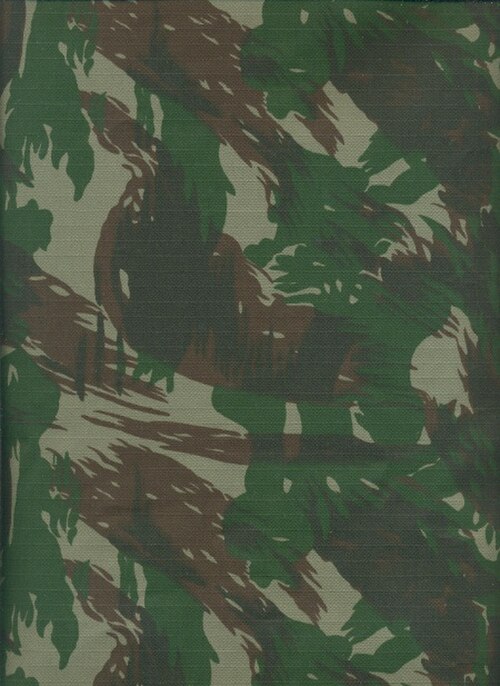
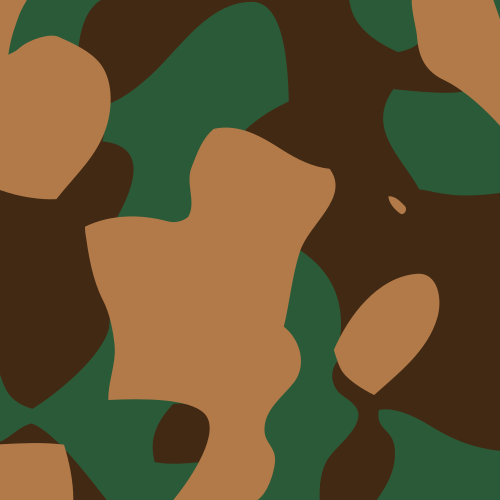
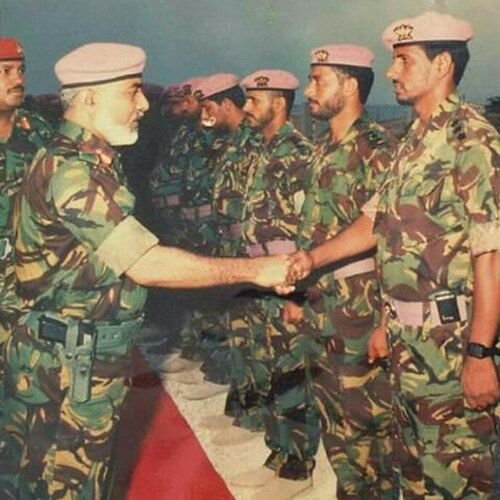
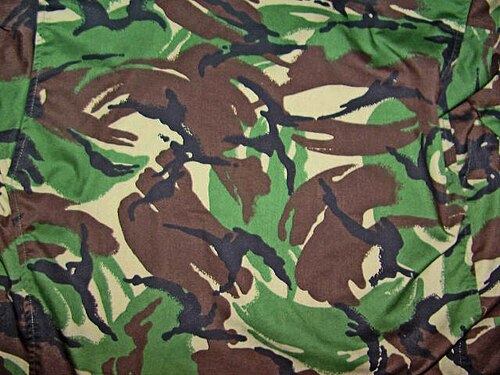
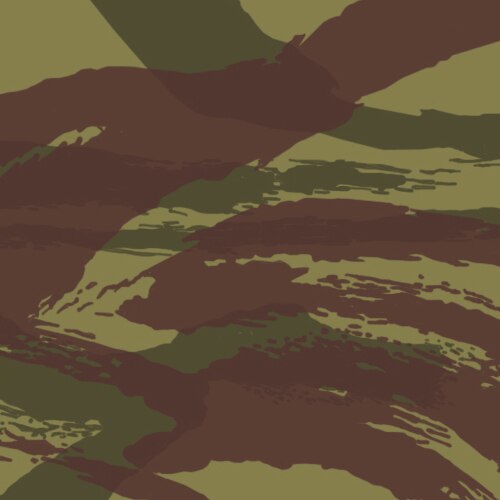
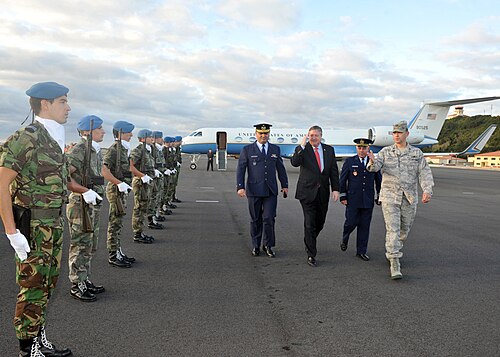
A camouflage beret is intended for use on the battlefield when wearing combat fatigues. They are mostly issued to the likes of special forces, particularly in jungle warfare operations.
History
Students of the Polish high school in Casarano, Italy wearing the Cap, General Service
Camouflage berets possibly originate from the General Service cap "Cap, General Service" issued to the British Army in a Khaki material before the introduction of berets. It was first introduced under "Army Council Instruction 1407" of September 1943. This cap was designed to replace the "Field Service cap" or "FS Cap" that had been worn since the outbreak of war. These caps were issued in priority to units serving overseas. UK based units got theirs later on. It was at first unpopular due to its over large appearance. This cap was not a beret. It was made from several pieces of drab cloth material, whereas a beret was a one piece item. It was based on the Scottish balmoral bonnet in design. First issues were made from the same gaberdine cloth as the old "FS" cap. Badges worn on it were the conventional officers' bronze, and ORs' badges in both plastic and metal. Units which had special distinctions could still wear these on the "GS" cap. The General Service cap was worn by regulation one inch above the eyebrows, with the badge over the left eye and the cap pulled down to the right. But many wartime photos will show it worn pushed back on the head, which seemed to be a fashion with many soldiers late in the war.
Officers could only obtain the cap upon repayment to the RAOC. They were not allowed to buy the cap until their unit had been issued with it wholesale. Higher-ranking officers often got away with wearing a khaki beret, which was against regulations. Fashion conscious ORs would also risk punishment from NCOs/officers buying one of these for "walking out".
Not exactly camouflage, but an early example is the Jungle Beret issued to the Australian Army during WW2.[101][102][103]
Users
Argentina – Jungle Troops (Brigada de Monte XII "General Manuel Obligado")[104]
↑"Army Dress Manual Chapter 3 - Items of Dress, Embellishments and Accoutrements"(PDF). Australian Army. Archived from the original(PDF) on 4 June 2020. Retrieved 29 May 2020.
↑"Uniform instructions for the Royal Australian Navy"(PDF). Royal Australian Navy. 2019. Archived from the original(PDF) on 23 October 2021. Retrieved 29 May 2020.
12"Air Force Vol.55, No.12"(PDF). Royal Australian Air Force. 4 July 2013. Archived from the original(PDF) on 26 August 2016. Retrieved 29 May 2020.
↑"Air Force Vol.55, No.13"(PDF). Royal Australian Air Force. 18 July 2013. Archived from the original(PDF) on 18 November 2017. Retrieved 29 May 2020.
↑"Aniversario de Tropas de Prevención - Sitio Web de la defensa de la República de Cuba". www.cubadefensa.cu. Archived from the original on October 10, 2016.
↑Laestadius, Patrik, ed. (2015). Reglemente: uniformsbestämmelser 2015: Unibest FM 2015(PDF) (in Swedish). Stockholm: Swedish Armed Forces. pp.117, 134, 178–179, 307, 429. SELIBR19513428. Archived from the original(PDF) on 22 January 2019.
↑Laestadius, Patrik, ed. (2010). INSTRUKTION FÖR FÖRSVARSMAKTEN - UNIFORMSBESTÄMMELSER 2009: KAPITEL 8 AV 8 TJÄNSTETECKEN(PDF) (in Swedish). Stockholm: Swedish Armed Forces. p.99. M7739-350014. Archived from the original(PDF) on 5 December 2011.
↑Kommunikation Verteidigung (2009). Schweizer Armee. Huber, Verlag. p.356. ISBN978-3-7193-1515-3.
↑Hallett, Edward (24 November 2014). "General Service Cap". Tales from the Supply Depot - Collecting British Empire Militaria. Retrieved 10 December 2023.
↑Gordon, David. Uniforms of the World War II Tommy (Pictorial Histories Publishing Company, Missoula, MT, 2005). ISBN1-57510-122-X
↑Hallett, Edward (26 February 2016). "Post War Blue Beret". Tales from the Supply Depot - Collecting British Empire Militaria. Retrieved 10 December 2023.
↑"Yorkshire Gunners honoured for Service in Iraq and Afghanistan". Ministry of Defence. Archived from the original on 2012-09-29. Earlier in the day, in what marks a historic change in the history of one of the Batteries from the Regiment - 4/73 (Sphinx) Battery, the traditional dark blue beret of the Royal Artillery was replaced with a khaki-coloured beret. The change came about as a result of the Battery working closely, in times of war, with the Honourable Artillery Company
↑"AUTHORISED HEADDRESS". Archived from the original on 2008-05-29. Retrieved 2009-12-31.
↑Powers, Rod (2019-01-29). "Army And Air Force Beret Use - Uniform Headgear". Usmilitary.about.com. Archived from the original on 2011-08-10. Retrieved 2019-06-18.
123AR 670–1 1981 (OBSOLETE):Wear and appearance of Army uniforms and insignia, Department of the Army via Ike Skelton Combined Arms Research Library Digital Library, dated 1 November 1981, last accessed 21 November 2020
↑"Aviación Militar Bolivariana se fortalece con la creación de un nuevo grupo de Fuerzas Especiales No 20 - MippCI". Archived from the original on 2018-07-26. Retrieved 2018-07-26.
↑"UN police into Darfur refugee camp". sudantribune.com. Abou Shouk. AP. 29 January 2008. Archived from the original on 31 July 2011. Retrieved 5 March 2021.












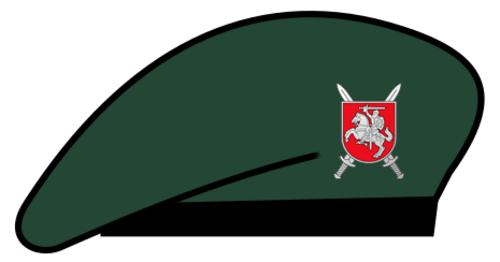
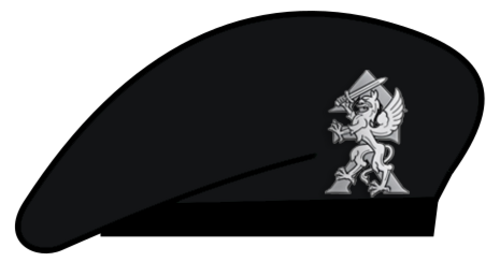
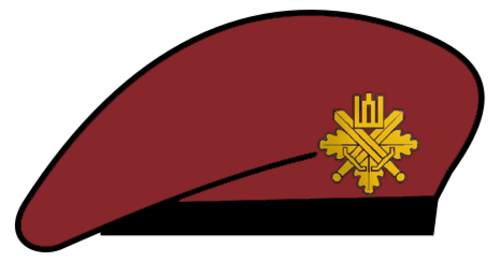

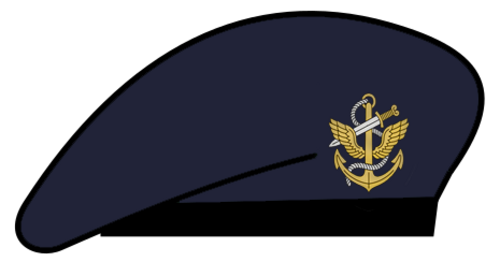
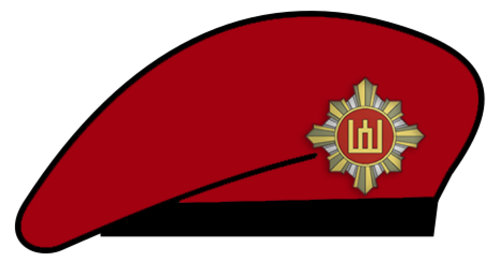

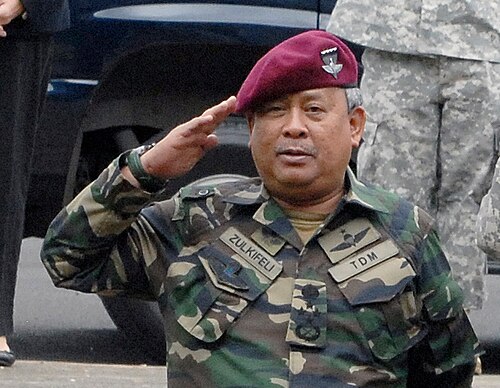


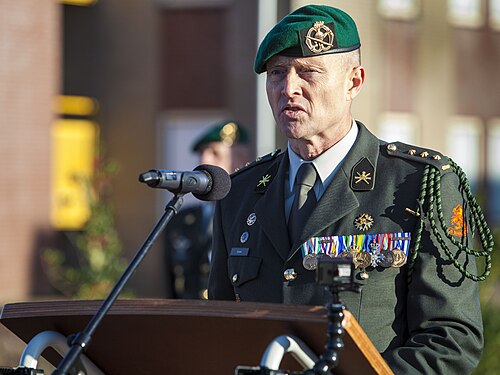




 Army black beret
 Army Special Operations Troops (Rangers) moss/dry green beret
 Army Paratroopers green beret
 Navy Marines dark blue beret
 Air Force Police light blue beret


 Russian Paratroopers 106th VDD
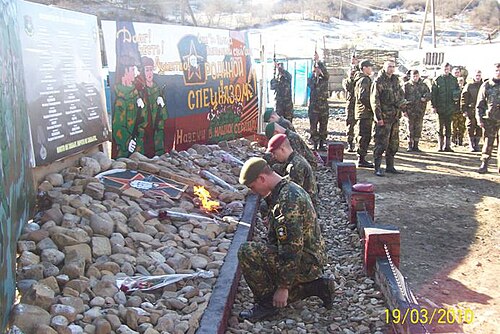 Olive and Red beret wearing National Guardsman on the Day of Remembrance
 National Guard troops wearing maroon berets in the 2018 Moscow Victory Day Parade
 EMERCOM troops marching in the 2018 Moscow Victory Day Parade.







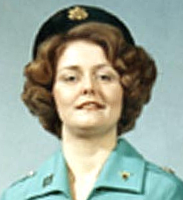


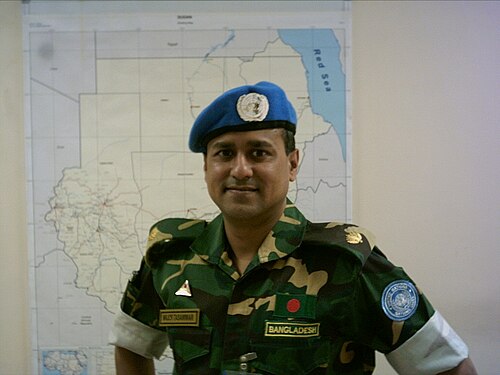


 Argentina – Jungle Troops (Brigada de Monte XII "General Manuel Obligado")[104]
 Bolivia – Special Forces "Bolivian Condors"
 Brazil – Jungle Troops
 China – During the 80s, camo berets were issued to some of the recon forces of PLA. It has no cap badge on it.
 Denmark – Naval Infantry, Armoured forces of Bornholm (Bornholms Værn's Marineinfantery) Disbanded
 Ecuador – IWIA (indigenous tribal members unit) forces
 Israel – Kfir Brigade (Urban Combat)
 Paraguay – Special Naval Forces
 Panama – 7th Infantry Company "Macho de Monte"; Comando Operacional de Fuerzas Expeciales (Cadre)
 Philippines – Philippine Air Force pararescue
 Portugal – "Flechas" and Guinea 3rd Commando Company both wore vertical lizard pattern.
 South Africa – 32 Buffalo Battalion, 61 Mechanised Battalion Group and the Special Task Force
 South Korea – Army armoured units
 Thailand – Royal Thai Marine Corps and Navy SEALs