
Greek colonisation
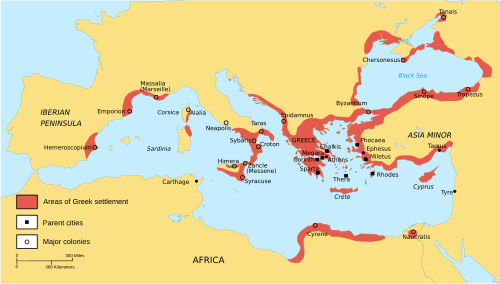
The Greek colonisation was the expansion of Archaic Greeks across the Mediterranean and the Black Sea, particularly during the 8th–6th centuries BCE.
The Archaic expansion differed from the Iron Age migrations of the Greek Dark Ages, in that it consisted of organised direction by oikistes away from the originating metropolis rather than the simplistic movement of tribes, which characterised the aforementioned earlier migrations. Many colonies, or apoikiai (Greek: ἀποικία, transl."home away from home"), that were founded during this period eventually evolved into strong Greek city-states, functioning independently of their metropolis.
Motives
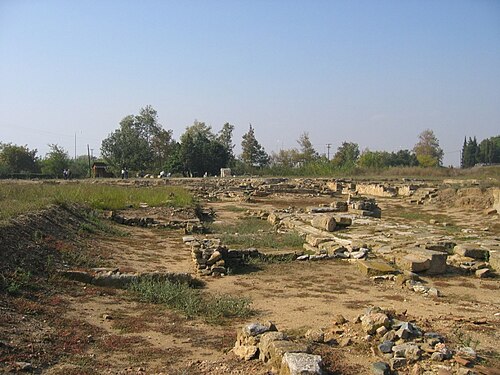
Greek colonisation was typically motivated by a combination of factors, depending on the context. Many Greek city-states experienced strong economic growth with consequent overpopulation of the motherland,[1] such that the existing territory of these Greek city-states could no longer support a growing polity. The areas where the Greeks would try to colonise were hospitable and fertile.[2]
إلى جانب الضغط الديموغرافي، قد تدفع العوامل البيئية إلى استعمار أراضٍ أخرى. يروي هيرودوت في روايته عن تأسيس مستعمرة قورينا في ليبيا اضطرابات اجتماعية في جزيرة ثيرا ( عاصمة المستعمرة )، ناجمة عن اكتظاظ سكاني حاد وجفاف طويل الأمد. [ 3 ] وقدّم هيرودوت روايتين مختلفتين لتأسيس قورينا. ركّزت رواية القورينيين على التعيين الإلهي لباتوس (المؤسس) من قِبل وحي أبولو لتأسيس مستعمرة في ليبيا. [ 3 ] ويعكس تضمين هيرودوت للنبوءات الدينية والعناصر الأسطورية ميلًا نحو دور الدين كأحد العوامل التي ساهمت في الاستعمار. [ 4 ] في المقابل، ركّزت رواية الثيرانيين على ملكهم غرينوس (أو غرينوس) وأمره بإرسال باتوس لتأسيس مستعمرة في ليبيا. [ 3 ] على الرغم من أن هذه الرواية كانت أكثر واقعية، إلا أنها ربما كانت بمثابة دعاية للثيرانيين للحفاظ على روابطهم التاريخية والثقافية مع القورينيين لتحقيق مكاسب اقتصادية وسياسية. [ 4 ]
الأراضي الخصبة في البيلوبونيز محدودة. وقد ذكر ثوسيديدس أن المدن اليونانية القديمة كانت تتنازع في كثير من الأحيان على التربة الخصبة المستخدمة في الزراعة، وذلك بشن غارات عنيفة. [ 5 ] وقد زاد هذا من الضغط على سكان المدن، مما صعّب على المجتمعات الاستقرار وشجع على الهجرة. [ 6 ]

كان توسيع النفوذ سببًا آخر للاستعمار اليوناني. فمع تطور شعور اليونانيين القدماء في البيلوبونيز وإيونيا بالهوية، رغبوا في نشر ثقافتهم من خلال الاستعمار. خلال بدايات الاستعمار اليوناني (القرنين الثامن والسابع قبل الميلاد)، كانت "الأبوكيا" ( ἀποικία) من أكثر أنواع المستعمرات اليونانية شيوعًا. [ 7 ] ورغم أن هذه المستعمرات كانت عادةً مستقلة عن المدينة الأم ولها نظام حكمها الخاص، إلا أنها كانت تُحاكي أنظمتها في الغالب أنظمة مدينتها الأم. [ 8 ] علاوة على ذلك، حافظت "الأبوكياي " (ᾰ̓ποικῐ́αι) عادةً على روابط ثقافية متينة مع المدينة الأم من خلال تراثهما المشترك؛ مما سمح للثقافة اليونانية السائدة بالانتشار بين السكان الأصليين. [ 8 ]
استندت رواية ديدوروس عن تأسيس مستعمرة ثوريوم إلى دعوة من السيباريين لإنشاء مستعمرة يونانية شاملة تضم مدنًا يونانية مختلفة. [ 9 ] وقد كشفت الحفريات الأثرية عن مبانٍ وآثار يونانية مدمرة قد تُلقي الضوء على أصول المدينة اليونانية. [ 10 ] علاوة على ذلك، كان الأثينيون حريصين على توسيع نفوذهم والبحث عن حلفاء خلال الحرب البيلوبونيسية . ويعود سرد ثوسيديدس لمحاولة الأثينيين استعمار صقلية خلال الحرب البيلوبونيسية إلى دعم المدن الصقلية، مما يُبرز أهمية إقامة التحالفات لتوسيع نطاق نفوذهم. [ 5 ]
في بعض الحالات، أُسست بعض المستعمرات هربًا من الاضطرابات المدنية أو عدم الاستقرار السياسي. فعلى سبيل المثال، تسببت أزمة الهوية في المدينة الأم في توترات سياسية واجتماعية، مما أدى إلى طرد بعض الجماعات. وقد ذكر سترابو تأسيس البارثينيين لمدينة تاراس ، وهم أحفاد نساء إسبرطة ، لكنهم حُرموا من حقوق المواطنة الكاملة. وبعد محاولة فاشلة للتآمر ضد السكان المحليين، حُثّوا على البحث عن مستعمرة تاراس لمنع المزيد من الصراع. [ 11 ] يتوافق سرد سترابو لتأسيس البارثينيين لتاراس مع سياقات تاريخية أخرى، مثل حرب ميسينيا التي أدت إلى ظهور البارثينيين. ومن خلال إبعاد أحد الأطراف، أمكن تخفيف حدة الصراعات الاجتماعية في المدينة الأم. كما يشير باحثون معاصرون إلى أن عوامل مثل الفرار من جريمة أو حتى الاستكشاف قد تحفز آخرين على إنشاء مستعمرات جديدة. [ 12 ]
تشير الدراسات الحديثة إلى أن إدراك القيمة الاقتصادية والاستراتيجية يؤدي إلى مزيد من الاستعمار. فقد أُنشئت العديد من المستعمرات على طول البحر الأبيض المتوسط والبحر الأسود كمراكز تجارية رئيسية. عُرفت هذه المستعمرات باسم "إمبوريون" (ἐμπόριον) ، والتي كانت تُؤسس عادةً في مواقع استراتيجية تُمكّنها من السيطرة على طرق تجارية مُحددة وتسهيلها. [ 13 ] وبمرور الوقت، تحولت هذه المستعمرات إلى مراكز تجارية هامة. [ 13 ] فعلى سبيل المثال، أُنشئت مستعمرات إمبوريون على طول سواحل جنوب إيطاليا وصقلية نظرًا لوفرة الموارد الطبيعية والأراضي الخصبة. [ 14 ] وقد ساعد ذلك في تسهيل التجارة البحرية وتوسيع شبكتها التجارية. [ 15 ] علاوة على ذلك، تمكنت هذه المستعمرات من تنظيم الضرائب مع تطورها إلى مستعمرات أكبر، [ 13 ] مما ساهم في الازدهار الاقتصادي طويل الأمد للمدينة الأم. [ 15 ] كما أُنشئت مستعمرات أخرى على طول الساحل كمراكز عسكرية لحماية الطرق التجارية. [ 13 ] كان الهدف الرئيسي للحملة الصقلية التي شنّها الأثينيون خلال الحرب البيلوبونيسية هو الاستيلاء على سيراكوز ، وهي نقطة استراتيجية رئيسية وحليف للرابطة البيلوبونيسية بقيادة إسبرطة. ووفقًا لثوسيديدس ، فقد انجذب الأثينيون أيضًا إلى الثروة والموارد المتاحة هناك، على الرغم من مبالغته في ذلك. [ 5 ] علاوة على ذلك، زعم أن الاستيلاء على صقلية من شأنه أن يعزز نفوذهم في عالم البحر الأبيض المتوسط. [ 5 ] مع أن ثوسيديدس بالغ في التركيز على العوامل الشخصية، مثل الرغبة في الثروة والمجد، إلا أن الباحثين المعاصرين يُقرّون بالأهمية الاستراتيجية لمثل هذه الحملات التي ساهمت في تشكيل القرارات التي اتخذها هؤلاء الأفراد. [ 16 ] فمن خلال الاستيلاء على صقلية ، كانوا سيسيطرون على طرق التجارة في البحر الأبيض المتوسط. وهذا يدل على أن الأثينيين كانوا على الأرجح مُدركين للفوائد الاستراتيجية والتجارية التي تُحققها المستعمرات.
During the 5th to 4th century BCE, a new type of colony called Cleruchies (κληρουχία) was established by the Athenian empire.[7] Unlike other Greek colonies, Cleruchies were politically dependent on Athens, where its governance was modelled after Athens and its citizen retained Athenian citizenship.[7] Moreover, citizens living inside these colonies were granted lands in exchange for military service and had to pay taxes to Athens.[17]
There are debates on the other motives of Cleruchies. Ancient sources suggest that Cleruchies were set up to alleviate poverty by giving land to the poor.[18]Plutarch's account implies Cleruchies were established as a social welfare measure by distributing land to the poor.[18][19] Moreover, there were ancient inscriptions in the Cleruchy of Brea that intends for land allocation only for the lower and middle classes, excluding higher property classes.[18] On the contrary, some ancient Greek grave markers in the Cleruchy of Euboea suggest that wealthy individuals resided in the colony.[17] Furthermore, archaeological evidence on the site of Vrachos on Euboea suggests that it was not solely populated by the poor. For instance, the presence of 200 non-Athenian mercenaries in the area as well as strong fortifications suggests heavy economic and military investments there.[17] Other modern scholars suggest that the motive was to safeguard grain fleets and Cleruchies were set up along the route to the Black Sea, where the land was more fertile than in Greece.[7] Some islands, such as Lesbos, contributed significantly to Athens through rent from settlements.[17] Hence, Cleruchies were important to Athens not only as strategic locations but also as a source of wealth in the form of agriculture and rents, which were vital during the Peloponnesian War.[7][17]
Characteristics
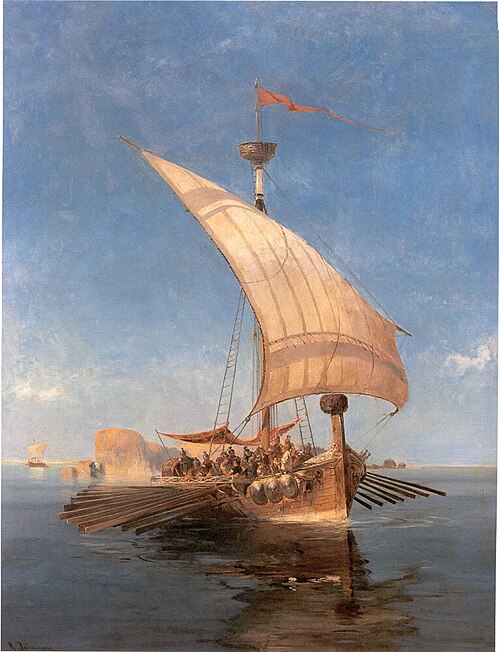
The founding of the colonies was typically an organised enterprise by the metropolis (mother city), although in many cases it could involve collaboration with other cities. In order to create a feeling of security and confidence in the new colony, the place to be colonised was decided in advance with the goal of offering business advantages and protection from raiders.[20] The mission always included a leader, or oikistes, nominated by the colonists. In the new cities, the colonists parcelled out the land, including farms. The system of governance usually took a form similar to that of the metropolis.
Greek colonies were often established along coastlines, especially during the period of colonisation between the 8th and 6th centuries BC. Many Greek colonies were strategically positioned near coastlines to facilitate trade, communication, and access to maritime resources. These colonies played a crucial role in expanding Greek culture, trade networks, and influence throughout the Mediterranean and Black Sea regions. While some colonies were established inland for various reasons, coastal locations were generally more common due to the Greeks' strong connection to the sea.
While the term ἐποικισμός referred to the founding of a new settlement or colony, the term ἐνοικισμός was used to describe the settlement of Greeks among native populations, as in the case of the Greek quarter at Gravisca.[21]
History
The Greeks started colonising around the beginning of the 8th century BC when the Euboeans founded Pithecusae in Southern Italy and Olynthus in Chalcidice, Greece. Subsequently, they founded the colonies of Cumae, Zancle, Rhegium and Naxos.[20]
At the end of the 8th century, Euboea fell into decline with the outbreak of the Lelantine War but other Greeks—such as the Ionians and Corinthians—continued to found colonies.[2] The Ionians started their first colonies around the 7th century in Southern Italy, Thrace and on the Black Sea. Thera founded Cyrene and Andros, and Samos founded multiple colonies in the Northern Aegean.[22]
The Greek "colonies" differed from many colonies established in later history:
To use the term 'colonization" for this expansion is problematic, since it invites false associations. Unlike the colonization whereby early modern states seized the New World, the settlement of the Mediterranean was not centrally controlled. The oracle at Delphi seems to have been a hub where information was gathered, but settlements emanated from a multitude of Greek poleis. It is even in doubt whether the foundations had any official character. At least in some cases, it is more likely that they were private initiatives. Often, cities may well not have emerged through a single founding act, but developed from trading posts that were initially intended to be temporary. Whereas in the early modern period, gaining and developing land were important goals of colonization, the settlements of the Greeks were limited to coastal regions and did not involve demanding tribute or laying claim to the hinterland. And unlike the Spanish and English empires, the new settlements quickly became independent of the mother cities. The term 'early Greek/great Greek colonization' is therefore placed here between inverted commas.[23]
Wiebke Denecke summarises: "The 'Great Greek Colonization' [...] peaked between 750–500 BCE, when Greek-speaking people of about twenty Greek municipalities on the Greek mainland, the West coast of Asia minor, modern-day Turkey, created a couple of hundred trading ports on the coasts of southern Italy, the Black Sea, and Gaul.[24]
Locations

Macedonia and Thrace
Numerous colonies were founded in Northern Greece, chiefly in the region of Chalcidice but also in the region of Thrace.
استوطن الإيبويون، ومعظمهم من خالكيذا، منطقة خالكيذا، وأطلقوا اسمهم على هذه المستعمرات. وكانت أهم مستوطنات الإيبويين في خالكيذا هي أولينثوس (التي أُسست بالتعاون مع الأثينيين )، وتوروني ، وميندي ، وسيرميل ، وأفيتيس ، وكليوناي في شبه جزيرة آثوس . ومن المستعمرات المهمة الأخرى في خالكيذا أكانثوس ، التي أسسها مستوطنون من أندروس [ 25 ] ، وبوتيديا ، وهي مستعمرة تابعة لكورنث . وأسس الثاسوسيون، بمساعدة الأثيني كاليستراتوس من أفيدناي، مدينة داتوس . خلال الحرب البيلوبونيسية ، أسس الأثينيون مع هاجنون، ابن نيكياس، مدينة إنيا هودوي (Ἐννέα ὁδοὶ)، أي تسعة طرق، في الموقع الحالي لـ "التل 133" شمال أمفيبوليس في سيريس . [ 26 ]
أسس الأيونيون، القادمون من ساحل آسيا الصغرى ، العديد من المستعمرات الأخرى في منطقة تراقيا. ومن أهمها مارونيا وأبديرا . كما أسس الميليسيون أبيدوس وكارديا على مضيق الدردنيل ، وريديستوس في بروبونتيس . واستعمر الساميون جزيرة ساموثراكي ، التي استمدت منها اسمها . وأخيرًا ، استعمر الباريون ثاسوس بقيادة تيليسيكليس، الشاعر ووالد الشاعر أرخيلوخوس .
في عام 340 قبل الميلاد، وبينما كان الإسكندر الأكبر وصياً على مقدونيا، أسس مدينة ألكساندروبوليس ميديكا بعد هزيمة قبيلة تراقية محلية. [ 27 ]
ماجنا غراسيا: إيطاليا القارية وصقلية


كانت ماجنا غراسيا [ 28 ] هي الاسم الذي أطلقه الرومان على المناطق الساحلية في جنوب إيطاليا في المناطق الإيطالية الحالية كالابريا ، وأبوليا ، وبازيليكاتا ، وكامبانيا، وصقلية، والتي استوطنها اليونانيون على نطاق واسع. [ 29 ]
بدأ اليونانيون في الاستيطان في جنوب إيطاليا في القرن الثامن قبل الميلاد. [ 30 ]
كانت أول موجة هجرة كبيرة موجهة نحو غرب البحر الأبيض المتوسط هي موجة الإيبويين التي استهدفت خليج نابولي، والذين أسسوا، بعد بيثيكوساي (في جزيرة إيشيا )، أقدم مستوطنة يونانية في إيطاليا، كوماي القريبة، وهي أول مستعمرة لهم على البر الرئيسي، ثم في مضيق ميسينا، وزانكلي في صقلية، وبالقرب منها على الساحل المقابل، ريجيوم . [ 31 ]
كانت الموجة الثانية من الإغريق الذين تركزوا في البداية على ساحل البحر الأيوني ( ميتابونتيون ، بوسيدونيا ، سيباريس ، كروتون )، [ 32 ] [ 33 ] قبل عام 720 قبل الميلاد بقليل. [ 34 ] وفي تاريخ غير معروف بين القرنين الثامن والسادس قبل الميلاد، أسس الأثينيون، من أصل أيوني، مدينة سكيلتيوم (بالقرب من كاتانزارو الحالية ). [ 35 ]
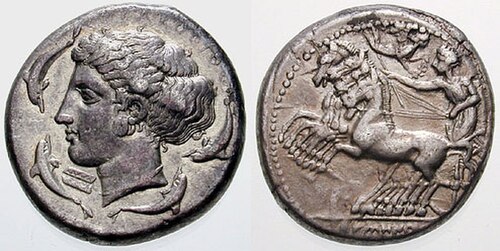
في صقلية، أسس الإيبويون لاحقًا مدينة ناكسوس ، التي أصبحت قاعدة لتأسيس مدن ليونتيني ، وتاورومينيون، وكاتانيا . ورافقهم عدد قليل من الدوريين والأيونيين ؛ ومن الجدير بالذكر أن الأثينيين رفضوا المشاركة في الاستيطان. [ 36 ] وكانت أقوى المستعمرات الصقلية هي سيراكوزا ، وهي مستعمرة كورنثية تعود إلى القرن الثامن قبل الميلاد.
أسس لاجئون من إسبرطة مدينة تارانتو التي تطورت لتصبح إحدى أقوى مدن المنطقة. وأسست ميغارا مدينتي ميغارا هيبلايا وسيلينوس ؛ وأسست فوكايا مدينة إيليا ؛ وأسس رودس مدينة جيلا بالتعاون مع الكريتيين ، وليباري بالتعاون مع كنيدوس ؛ وأسس اللوكريون مدينة لوكريس الإبيزيفيرية . [ 20 ] ووفقًا للأسطورة، أسس الفوكيون مدينة لاغاريا الواقعة بين ثوري ونهر سيني .
وتأتي الأدلة على التواصل المتكرر بين المستوطنين اليونانيين والشعوب الأصلية من تيمبوني ديلا موتا، والتي تُظهر تأثير الأسلوب اليوناني في فخار أونيوتريا . [ 37 ]
أصبحت العديد من مدن المنطقة بدورها مراكزَ لمستعمرات جديدة، مثل السراسنة الذين أسسوا مدينة كامارينا في جنوب صقلية، أو الزانكليين الذين قادوا تأسيس مستعمرة هيميرا . وبالمثل، أسست ناكسوس العديد من المستعمرات، بينما أسست سيباريس مستعمرة بوسيدونيا . وأسست جيلا مستعمرتها الخاصة، أكراغاس . [ 38 ]
مع الاستعمار، انتقلت الثقافة اليونانية إلى إيطاليا، حاملةً معها لهجاتها من اللغة اليونانية القديمة ، وطقوسها الدينية، وتقاليدها المتعلقة بالمدينة المستقلة . وسرعان ما نشأت حضارة يونانية أصيلة ، تفاعلت لاحقًا مع الحضارات الإيطالية المحلية . وكان من أهم هذه الانتقالات الثقافية استخدام الأبجدية اليونانية الكلاسيكية (الخالكيدية / الكومية) التي تبناها الأتروسكان ؛ ثم تطورت الأبجدية الإيطالية القديمة إلى الأبجدية اللاتينية ، التي أصبحت الأبجدية الأكثر استخدامًا في العالم.
| مدينة | سنة التأسيس (قبل الميلاد) - بقلم المؤلف [ 39 ] | ||||
| اليونانية | ثوسيديدس | يوسابيوس | جيروم | آحرون | |
| كوماي | كيمي | – | – | 1050(?) | – |
| ميتابونتوم | ميتابونتون | – | 773(?) | – | – |
| زانكل | زاكلي | – | 757/756 | – | 756 |
| ناكسوس | ناكوس | 734 | 735 | 741 | – |
| سيراكيوز | Συράκουσαι | 733 | 733 | 738/737 | 733 |
| لنتيني | ليونتوني | 728 | – | – | – |
| كاتانيا | كاتاني | 728 | 733 | 737/736 | – |
| ميغارا | ميغارا | 727 | – | – | – |
| ريجيو | إريثرا / ريجيون | – | – | – | حوالي 730 |
| ميلاتزو | مولاي | – | 715(?) | 716(?) | – |
| سيباريس | Σύβαρις | – | 708–707 | 709–708 | 721/720 |
| كروتوني | كروتون | – | 709 | – | 709/708 |
| تارانتو | تاراس | – | – | 706 | – |
| لوكري | شكرا جزيلا | – | 673 | 679 | حوالي 700 |
| بوسيدونيا | Ποσειδωνία | – | – | – | 700(?) |
| جيلا | جيلا | 688 | 688 | 691/690 | – |
| كولونيا | كالونيا | – | – | – | حوالي 675 |
| فدان | 663 | – | – | – | |
| كاسمين | كاسميني | 643 | – | – | – |
| سيلينونتي | سيلينوس | 627 | 757(?) | 650/649 | 650 |
| هيميرا | إيميرا | – | – | – | 648 |
| ليباري | ميليجونيس | – | 627(?) | 629(?) | 580/576 |
| كامارينا | كامارينا | 598 | 598/597 | 601/600 | 598/596 |
| أغريجنتو | أكراغاس | 580 | – | – | 580/576 |
مستعمرات كورنث في البحر الأدرياتيكي والبحر الأيوني
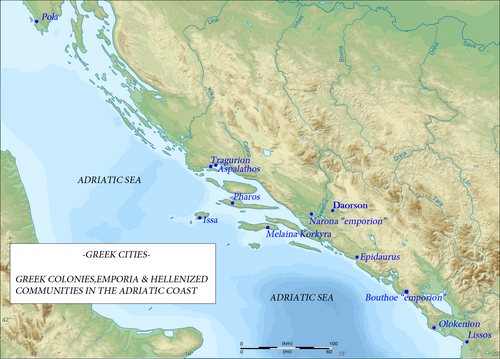

استوطنت كورنث منطقة البحر الأيوني وإيليريا بشكل حصري . أسس الكورنثيون مستعمرات بحرية هامة على الطرق البحرية المؤدية إلى جنوب إيطاليا والغرب، مما جعلها مراكز تجارية رئيسية على الجانب الغربي من البحر الأبيض المتوسط. ومن بين مستعمرات كورنث الهامة: ليوكادا ، وأستاكوس ، وأناكتوريوم ، وأكتيوم ، وأمبراسيا ، وكورسيرا ، وجميعها تقع في غرب اليونان الحالية.
أسس الكورنثيون أيضًا مستعمرات مهمة في إيليريا ، تطورت لاحقًا إلى مدينتين هامتين، هما أبولونيا وإبيدامنوس ، في ألبانيا الحالية. ويؤكد بناء سكان إبيدامنوس لخزانة على الطراز الدوري في أولمبيا حوالي القرن السادس قبل الميلاد ، أن المدينة كانت من بين أغنى مدن العالم اليوناني القديم . ويصفها أحد الروايات القديمة بأنها مدينة "قوية جدًا ومكتظة بالسكان". [ 40 ] وكانت نيمفيوم مستعمرة يونانية أخرى في إيليريا. [ 41 ] وأسس الأبانتيون في إيبويا مدينة ثرونيون في إيليريا . [ 42 ]
مستعمرات سيراكيوز في البحر الأدرياتيكي
في أوائل القرن الرابع قبل الميلاد، أسس الطاغية اليوناني لسيراكوزا ديونيسيوس الأول سلسلة من المستعمرات الجديدة في البحر الأدرياتيكي: في إيطاليا أنكون ( أنكونا حاليًا ، وهي مستعمرة سكنها المنفيون السياسيون عام 387 قبل الميلاد)، وأدريا (عام 385 قبل الميلاد، وهي أدريا حاليًا )؛ وفي دالماسيا عيسى ( فيس حاليًا ) وفي ألبانيا ليسوس (عام 385 قبل الميلاد، وهي ليجي حاليًا ).
In 385 Syracuse also collaborated with Paros in the foundation of Pharos (in 384 BC, now Stari Grad[22]), on the island of Hvar in Croatia. The Syracusan colony of Issa in turn founded in 3rd century BC emporia in Tragyrion (now Trogir), Melaina Korkyra (now Korčula) and Epetion (now Stobreč, a suburb of Split) and used the Greek emporium of Salona.[43]
With this colonization program, Dionysius effectively managed to secure total control over the Adriatic routes that carried Po Valley grain to Greece, thus allowing Syracuse and the whole of Sicily to compete with the Etruscans in this trade.
In 1877 a Greek inscription was discovered in Lumbarda on the eastern tip of the island of Korčula in modern-day Croatia which talks about the founding of another Greek settlement there in the 3rd or 4th century BC, by colonists from Issa. The artifact is known as Lumbarda Psephisma.[44] Evidence of coinage on the Illyrian coast used for trade between the Illyrians and the Greeks can be dated to around the 4th century BC and minted in Adriatic colonies such as Issa and Pharos.[45]
Black Sea and Propontis

Although the Greeks had at one point called the Black Sea shore "inhospitable", according to ancient sources they eventually created 70 to 90 colonies.[46] The colonisation of the Black Sea was led by the Megarans and some of the Ionian cities such as Miletus, Phocaea and Teos. The majority of colonies in the region of the Black Sea and Propontis were founded in the 7th century BC.
Ammianus Marcellinus in the 4th century AD wrote that on the left shore of the Maeotis (modern Sea of Azov) lay the Cherronesus (modern Crimea), which was densely settled with Greek colonies. He emphasized that, as a result, the inhabitants were calm and peaceful, farming the land and living off its produce. In contrast, he described the nearby Tauri tribes as exceptionally cruel and ruthless.[47]
The first phase (2nd half of the 7th century BC)
في منطقة بروبونتيس، أسس الميجرانيون مدن أستاكوس في بيثينيا وخالسيدونيا وبيزنطة التي احتلت موقعًا متميزًا. أسس ميليتوس Cyzicus وPhocaeans Lampsacus . [ 48 ]
على الشاطئ الغربي للبحر الأسود، أسس الميغاريون مدينتي سيليمبريا ، وبعد ذلك بقليل، نيسيبار . وإلى الشمال قليلاً في رومانيا الحالية، أسس الميليسيون مدن هيستريا وأرغامي وأبولونيا .
في جنوب البحر الأسود، كانت سينوب أهم مستعمرة، والتي يُعتقد أنها تأسست على يد ميليتوس في منتصف القرن السابع قبل الميلاد تقريبًا. [ 48 ] تأسست سينوب مع سلسلة من المستعمرات الأخرى في منطقة البحر الأسود: طرابزون ، سيراسوس ، سيتوروس ، كوتيورا ، كرومني، بتريا ، تيوم ، وغيرها.
وإلى الشمال من دلتا نهر الدانوب، استعمر الإغريق الجزيرة الصغيرة، التي ربما كانت آنذاك شبه جزيرة، باريثمينيس ( بيريزان الحديثة ) والتي تطورت إلى مستعمرة بوريستينيس في القرن التالي.
المرحلة الثانية (القرن السادس قبل الميلاد)
كانت أهم مستعمرة تأسست على الشاطئ الجنوبي للبحر الأسود هي مستعمرة ميغارا وبويوتيا: هيراكليا بونتيكا في الفترة ما بين 560 و550 قبل الميلاد. [ 49 ]
على الشاطئ الشمالي للبحر الأسود، كانت ميليتوس أول من أسس المدن، حيث أنشأت أولبيا البنطية وبانتيكابايوم ( كيرتش الحديثة). وفي حوالي عام 560 قبل الميلاد ، أسس الميليسيون أوديسا في منطقة أوكرانيا الحالية . [ 48 ] وعلى شبه جزيرة القرم (التي أطلق عليها الإغريق آنذاك اسم خيرسونيس التاورية أو "شبه جزيرة الثيران")، أسسوا أيضًا مدن سيمفيروبوليس ونيمفايوم وهيرموناسا . وعلى بحر آزوف (بحيرة مايوتيس عند القدماء)، أسسوا تانايس (في روستوف) وتيريتاس وميرميسيوم وسيكرين وفاناغوريا ، وكانت الأخيرة مستعمرة للتييين .
On the eastern shore, which was known in ancient times as Colchis, today in Georgia and the autonomous region of Abkhazia, the Greeks founded the cities of Phasis and Dioscouris. The latter was called Sebastopolis by the Romans and Byzantines and is known today as Sokhumi.
Heraclea Pontica founded Callatis on the southern coast of Romania at the end of the 6th century BC.[50]
Later colonies
Only a few colonies were founded during the Greek Classical period which included Mesembria (modern Nessebar) by the Megareans in 493 BC.[51][52] Heraclea Pontica founded Chersonesus Taurica in Crimea at the end of the 5th or early 4th century BC.
The ancient Greek settlement called Manitra of the 4th–3rd centuries BC near the town of Baherove in Crimea[53] was discovered in 2018.
Wider Mediterranean

The Greek colonies expanded as far as the Iberian Peninsula and North Africa.
Africa
In North Africa, on the peninsula of Kyrenaika, colonists from Thera founded Kyrene, which evolved into a very powerful city in the region.[20] Other colonies in Kyrenaika later included Barca, Euesperides (modern Benghazi), Taucheira, and Apollonia.
By the middle of the 7th century, the lone Greek colony in Egypt had been founded, Naukratis.[54] The pharaohPsammitecus I gave a trade concession to Milesian merchants for one establishment on the banks of the Nile, founding a trading post which evolved into a prosperous city by the time of the Persian expedition to Egypt in 525 B.C.Strabo also mentions a Milesian fortress near the Bolbitine mouth, close to a place known as the Watchtower of Perseus. This watchtower is also mentioned by Herodotus.[55]
2023 archaeological findings in Thonis-Heracleion at Egypt, suggested that Greeks, who were already allowed to trade in the city, "had started to take root" there as early as during the Twenty-sixth Dynasty of Egypt and that likely Greek mercenaries were employed to defend the city.[56]
Diodorus Siculus mentions Meschela (Μεσχέλα), a city on the northern coast of Africa, founded by the Greeks after the Trojan War.[57][58]
In Cirta, King Micipsa of Numidia established a Greek colony within the city.[59]
Asia
At the mouth of the Orontes River at the site of Al-Mina along the Syrian coast, a Greek trading colony, of unknown name, was established by the Euboeans around 825 B.C. Nearby, Cape Basit had also Greek presence from the similar period and is almost certainly the location of the colony of Posideion.[60][61] Additionally, archaeological evidence suggests that the Greeks established a settlement at Tell Sukas around the same time they arrived at Al Mina.[62]
Archaeological discoveries of Greek findings as early as the ninth century BC across the Near East indicate a Greek presence in the region. Finds at sites such as Hamath, Samaria, Nineveh, Tell Abu Hawam and others suggest active trade, cultural exchange, and possibly Greek settlement.[62]
Rest of the Mediterranean
On the north side of the Mediterranean, the Phokaians founded Massalia on the coast of Gaul. Massalia became the base for a series of further foundations farther away in the region of Spain. Phokaia also founded Alalia in Corsica and Olbia in Sardinia. The Phokaians arrived next on the coast of the Iberian peninsula. As related by Herodotus, a local king summoned the Phokaians to found a colony in the region and rendered meaningful aid in the fortification of the city. The Phokaians founded Empuries in this region and later the even more distant Hemeroskopeion.
Index of Greek colonies before Alexander the Great (pre-336 BC)
Modern Albania
AL1. Nymphaeum AL2. Epidamnos AL3. Apollonia AL4. Aulon AL5. Chimara AL6. Bouthroton AL7. Oricum AL8. Thronion
Modern Arabia
AR1. Gerrha
Modern Bulgaria
BUL1. Mesembria BUL2. Odessos BUL3. Apollonia / Antheia BUL4. Agathopolis BUL5. Kavarna BUL6. Pomorie BUL7. Naulochos BUL8. Krounoi BUL9. Pistiros BUL10. Anchialos BUL11. Bizone[a] BUL12. Develtos BUL13. Heraclea Sintica BUL14. Beroe
Modern Croatia
C1. Salona C2. Tragyrion C3. Aspálathos C4. Epidaurus C5. Issa C6. Dimos C7. Pharos C8. Kórkyra Mélaina C9. Epidaurum C10. Narona C11. Lumbarda C.12 Epetion[63]
Modern Cyprus
Modern Egypt
E1. Naucratis
Modern France
F1. Agde F2. Massalia F3. Tauroentium/Tauroeis[66] F4. Olbia F5. Nicaea F6. Monoikos F7. Antipolis F8. Alalia F9. Rhodanousia F10. Athenopolis F11. Pergantium[67][68]
Modern Georgia
G1. Bathys G2. Triglite G3. Pityus G4. Dioscurias G5. Phasis G6. Gyenos
Modern Greece
GR1. بوتيدايا GR2. ستاجيرا GR3. الأقنثة GR4. مندي GR5. أمبراسيا GR6. كورسيرا GR7. مارونيا GR8. كرينيدس GR9. أولينثوس GR10. عبديرا GR11. ثيرما GR12. أريثوزا GR13. لوكاس جي آر 14. ايون GR15. عاقل GR16. أمفيبوليس GR17. ارجيلوس GR18. عاقل GR19. أكانثوس GR20. أستاكوس GR21. جاليبسوس [ 69 ] GR22. أوسيمي GR23. فاجرس GR24. داتوس GR25. ستريم GR26. بيستيروس GR27. ريسيلوس GR28. ديكيا GR29. ميثوني GR30. هيراكليا في تراتشيس [ 70 ] GR31. هيراكليا في أكارنانيا GR32. اناكتوريوم GR33. بيع GR34. يجفف GR35. توروني GR36. أمورجوس GR37. أكتيوم GR38. سكابالا GR39. فيليبي جي آر 40. كولونيدس GR41. أوليروس GR42. بوتيديا GR43. ثيرا GR44. ميرسينوس GR45. تارف GR46. سوليوم [ 71 ] GR47. البروشيوم [ 72 ] GR48. أمبراسيا [ 73 ]
إيطاليا الحديثة
I1. Olbia I2. Adria I3. Ancona I4. Megaris[74] I5. Cumae I6. Procida I7. Dicaearchia I8. Neapolis[74] I9. Poseidonia I10. Metapontum I11. Sybaris I12. Thurii[75] I13. Taras I14. Siris I15. Crotona I16. Gallipoli, Apulia[76][77][78] I17. Hyele/Elea[79] I18. Messina I19. Kale Akte I20. Syracuse I21. Didyme I22. Hycesia I23. Phoenicusa I24. Therassía I25. Lipara/Meligounis I26. Epizephyrian Locris I27. Rhegium I28. Lentini I29. Selinountas I30. Megara Hyblaea I31. Naxos I32. Tauromenium[80] I33. Acragas I34. Himera I35. Gela I36. Catania I37. Leontini[81] I38. Ereikousa I39. Euonymos I40. Kamarina I41. Medma I42. Hipponion I43. Heraclea Minoa I44. Caulonia I45. Trotilon I46. Pyxous I47. Mylae I48. Laüs I49. Terina I50. Rhegion I51. Tindari I52. Macalla I53. Temesa I54. Metauros I55. Krimisa I56. Chone I57. Saturo I58. Heraclea Lucania, Siris I59. Scylletium[82] I60. Agathyrnum I61. Adranon I62. Akrillai I63. Casmenae I64. أكراى I65. إنجيون I66. ثابسوس I67. بيثيكوساي I68. كاستيلميزانو I69. ليكاتا I70. أورتيجا I71. لاجاريا I72. هيدروس [ 83 ] [ 84 ] ط73. ماكتوريوم [ 85 ] [ 65 ] I74. هيلوروس [ 86 ] I75. بيتيليا [ 87 ] I76. ساتيريون [ 88 ] ط 77. شيفونيا [ 89 ] I78. باندوسيا (بروتيوم) [ 90 ] I79. كلامبيتيا [ 90 ]
ليبيا الحديثة
L1. بارس L2. سيرين L3. بالاجراي L4. تاوشيرا L5. بطليموس L6. يوسبيريديدس L7. مضاد الحمى L8. أبولونيا L9. سينيبس [ 91 ] L10. مينيلاي بورتوس
الجبل الأسود الحديث
M1. بوثوي
مقدونيا الشمالية الحديثة
NMA1. الدمار [ ب ] NMA2. هيراكليا لينسيتيس
فلسطين الحديثة (قطاع غزة)
PA1. أنثيدون (فلسطين) ، ربما مستعمرة من أنثيدون (بيوتيا) من حوالي 520 قبل الميلاد [ 96 ] [ 97 ]
رومانيا الحديثة
ريال عماني 1. توميس RO2. هيستريا/إستروس RO3. إيجيسوس RO4. ستراتونيس RO5. اكسيوبوليس RO6. كالاتيس
روسيا الحديثة
رو1. تانيس RU2. كيبوي RU3. فاناجوريا RU4. باتا RU5. جورجيبيا RU6. هيرموناسا RU7. كوروكوندامي RU8. تاغانروغ RU9. تيرامبا RU10. باتريوس RU11. توركوس [ 98 ]
صربيا الحديثة
إسبانيا الحديثة
S1. بورتوس إليسيتانوس S2. أكرا لوك S3. ألونيس S4. هيميروسكوبيوم S5. زاكينثوس S6. سالوريس S7. رود S8. إمبوريون S9. كالاثوسا S10. ميناكي [ 99 ] S11. مينيستيوس ليمين S12. كيبسيلا S13. هيليك
سوريا الحديثة
تركيا الحديثة
TR1. سيليمبريا TR2. هيراكليا بونتيكا [ 100 ] TR3. سيوس TR4. أفسس TR5. ديوس هيرون TR6. ياسوس TR7. ميندوس TR8. سيلج TR9. بريني TR10. هاليكارناسوس TR11. ميليتوس TR12. تراليس TR13. فاسيليس TR14. اسبندوس TR15. الجانب TR16. سيليون TR17. زفيريون TR18. كيليندريس TR19. مالوس TR20. عاموس TR21. بيزنطة TR22. أماسيا TR23. أماستريس [ 100 ] TR24. عينوس [ 101 ] TR25. بيرج TR26. بيرينثوس تي آر 27. كارديا TR28. خلقيدونية [ 102 ] TR29. نيكوميديا TR30. أبيدوس TR31. سيستوس TR32. لامبساكوس TR33. بانورموس TR34. سيزيكوس TR35. إليون TR36. سيجيون TR37. سينوب [ 100 ] TR38. تيريبولو TR39. أميسوس [ 100 ] TR40. تريبوليس TR41. كوتيورا [ 103 ] TR42. بوليمونيون [ 100 ] TR43. فارناكيا TR44. كيراسوس [ 100 ] TR45. شبه منحرف TR46. ثيميسيرا TR47. أستاكوس في بيثينيا TR48. أسوس TR49. بيتان TR50. فوكايا TR51. سميرنا TR52. بيرغامون TR53. تيوس TR55. بيانات النسخ TR56. باتارا TR57. كاناي TR58. بارجيليا TR59. ماديتوس TR60. إليوس TR61. تييون TR62. أفاميا ميرليا [ 104 ] TR63. كلازوميناي TR64. فكرةTR65. باريون TR66. هيرايون تيشوس TR67. بيسانثي TR68. إريثراي TR69. بريابوس TR70. الثعلبة TR71. ليمني TR73. كريثوت تي آر 74. باكتيا TR75. بيرينثوس TR76. تيوم [ 100 ] TR77. تيتشيوسا [ 105 ] TR78. التريوبيوم TR79. بلاسيا TR80. سيليس TR81. أريسبا TR82. أبولونيا TR83. أبولونيا إلى رينداكوم TR84. ميرينا TR85. بيثوبوليس TR86. سيتورس TR87. أرمين TR88. كولوناي TR89. بيسوس [ 106 ] TR90. سكيبسس TR91. ميوس TR92. مالوس TR93. موبسوس TR94. كارياندا TR95. أثينا TR96. سيرنا TR97. سيمي TR98. ماراثيزيوم TR99. كريسوبوليس TR100. نيونتيكوس TR101. ارتيس TR102. كوبريس [ 107 ] TR104. السيباسيس [ 107 ] TR105. كيدونيز TR106. كوريفاس TR107. هيراكليا (أيوليس) TR108. جارجارا TR109. لامبونيا [ 108 ] TR110. ايليا TR111. مارياندين TR112. كلاروس TR113. كنيدوس TR114. بروسياس أد هيبيوم TR115. داردانوس TR116. بيجيلا TR117. تيمنوس TR118. الجرينيوم TR119. ايجاي TR120. رويتيون TR121. كادريما TR122. دامينون تيشوس TR123. هيدريلا [ 109 ] [ 110 ] TR124. أثيمبرا TR125. كاروسا [ 111 ] TR126. ترميرا [ 112 ] TR127. هاماكسيتوس [113 ] تي آر 128.ماستيا [ 114 ] TR129.ناجيدوس [ 115 ] [ 116 ] [ 117 ] TR130.الميناء [ 118 ] TR131.أغوريسوس [ 119 ] TR132.بيربيرين [ 120 ] TR133.نياندريا [ 121 ] TR134.أيانتيون [ 122 ] [ 123 ] TR135.البشايرية [ 124 ] TR136.جايسونيا [ 125 ] TR137.اودينيوس [ 126 ] TR138.هولموي [ 127 ] TR139.الثباتية [ 125 ]
أوكرانيا الحديثة
U1. بوريثينيس [ 128 ] U2. تيراس U3. أولبيا U4. نيكونيون [ 129 ] [ 130 ] U5. أوديسا U6. بانتيكابايوم U7. نيمفايون U8. تريتاكي U9. ثيودوسيا U10. تشيرسونيسوس U11. شاراكس U12. ميرميكون U13. التهاب القرنية U14. كيميريكون U15. كالوس ليمين U16. ياليتا تحت 17. أكرا U18. مانيترا [ 53 ] تحت 19 سنة. جيلونوس [ د ] U20. تاربانشي [ 134 ] تحت 21 سنة. كيتايا [ 135 ] تحت 22 سنة. أوفيوسا [ 135 ]
انظر أيضاً
ملحوظات
- ↑ يكتب بسودو-سيمنوس أن البعض يقول إن مدينة بيزون تنتمي إلى البرابرة، بينما يقول آخرون إنها مستعمرة يونانية لميسيمبريا .
- ↑ يعتقد بعض المؤرخين أنها كانت بالقرب من ريسن (مقدونيا الشمالية) الحديثة [ 92 ] [ 93 ] [ 94 ] ، بينما يعتقد آخرون أنها كانت بالقرب من فرانيي (صربيا) الحديثة. [ 95 ]
- ↑ يعتقد بعض المؤرخين أنها كانت بالقرب من ريسن (مقدونيا الشمالية) الحديثة [ 92 ] [ 93 ] [ 94 ] ، بينما يعتقد آخرون أنها كانت بالقرب من فرانيي (صربيا) الحديثة. [ 95 ]
- ↑According to Herodotus, Geloni were originally Greeks who settle away from the coastal emporia among the Budini and their language evolved into half Greek and half Scythian.[131][132]Pavel Jozef Šafárik wrote that they might be Greeks among the Slavs and Fins (Μιξέλληνες – half Greeks, half barbarians).[133]
References
- ↑"Magna Grecia" (in Italian). Retrieved 9 July 2023.
- 12Descœudres, Jean-Paul (4 February 2013). "Greek colonization movement, 8th–6th centuries BCE". The Encyclopedia of Global Human Migration. doi:10.1002/9781444351071.wbeghm260. ISBN 978-1-4443-3489-0.
- 123Herodotus - The Histories. Translated by Holland, Tom (pbk ed.). Penguin Classics (published 1 January 2014). 2014 [2013]. pp. 250–270 (Book IV Chapter 145–167). ISBN 9780143107545.
- 12"Ancient Information War within Greek Colonial Narratives: An Analysis of the Theraian-Cyrenean Founding Myth through Historiography and Archaeology".
- 1234Thucydides (1919). History of the Peloponnesian War. Loeb Classical Library. Translated by Smith, C. F. Harvard University Press. doi:10.4159/dlcl.thucydides-history_peloponnesian_war.1919.
- ↑van Wees, Hans (25 May 2017), "Thucydides on Early Greek History", in Forsdyke, Sara; Foster, Edith; Balot, Ryan (eds.), The Oxford Handbook of Thucydides, Oxford University Press, p. 0, doi:10.1093/oxfordhb/9780199340385.013.2, ISBN 978-0-19-934038-5, retrieved 26 March 2025
- 12345Cargill, Jack (1995). Athenian settlements of the fourth century B.C. E.J. Brill. ISBN 9004099913.
- 12Malkin, Irad (24 May 2016). "Greek Colonisation: The Right to return". In Donnellan, L.; Nizzo, V.; Burgers, G.-J. (eds.). Conceptualising early Colonisation. Belgisch Historisch Instituut te Rome. ISBN 978-90-74461-82-5– via Academia.edu.
- ↑Diodorus Siculus (1933). The Library of History. Harvard University Press. doi:10.4159/dlcl.diodorus_siculus-library_history.1933.
- ↑ أومي، ن.؛ أتيما، ب. أ. ج. (14 ديسمبر 2018). "المستوطنات الريفية الهلنستية ومدينة ثوري: الأدلة المسحية (سيباريتيد، جنوب إيطاليا)" . باليوهيستوريا . 60 : 135-166 . doi : 10.21827/5beab05419ccd . ISSN 2773-1723 .
- ↑ سترابو (1917). الجغرافيا (تقرير). مطبعة جامعة هارفارد. doi : 10.4159/dlcl.strabo-geography.1917 .
- ↑ زويدرهوك، أندرياس يوهان (2022). "الاستعمار اليوناني القديم : الأسس، والدوافع، والنتائج" . مجلة التاريخ القديم . 38 : 28-33 . ISSN 2451-8700 .
- 1 2 3 4 ألترن، بادي (16 مارس 2015). "ما هو الإمبوريون وما الدور الذي لعبته الإمبوريات في التجارة القديمة في البحر الأبيض المتوسط؟" . Academia.edu .
- ↑ كارترايت، مارك (7 مايو 2018). "الاستعمار اليوناني" . Greek_Colonization/ . تم الاسترجاع في 27 مارس 2025 .
- 1 2 كرونوبولوس، ديميتريس ك. كامبانيليس، سوتيريس؛ أوتو بيرالياس، دانيال؛ ويلسون ، جون أو إس (9 نوفمبر 2021). "الاستعمار القديم والجغرافيا الاقتصادية للبحر الأبيض المتوسط" . مجلة الجغرافيا الاقتصادية . 21 (5): 717-759 . دوى : 10.1093/jeg/lbaa028 . اتش دي ال : 10023/26635 . ردمك 1468-2702 .
- ↑ دروكالوس، سوتيريوس ف. (9 مارس 2022). "إعادة النظر في الحملة الصقلية" . المجلة البريطانية للتاريخ العسكري . 8 (1): 2-19 . doi : 10.25602/GOLD.bjmh.v8i1.1603 . ISSN 2057-0422 .
- 1 2 3 4 5 مورينو، أ. (2009). "الجيران الأتيكيون": رجال الدين في الإمبراطورية الأثينية (طبعة منفصلة ). داكوورث. ص 211-221 . ISBN 9780715637845.
- 1 2 3 لينفانت، دومينيك (15 نوفمبر 2016). "وجهة نظر الحلفاء حول الإمبراطورية الأثينية: أدلة من كتاب حياة بلوتارخ" . Academia.edu .
- ↑Plutarch (1916). Lives. Pericles (Report). Harvard University Press. doi:10.4159/dlcl.plutarch-lives_pericles.1916.
- 1234Nikolaos Papahatzis; et al. (1971). Ιστορία του ελληνικού έθνους[History of the Greek Nation]. Vol. 2. Ekdotike Athenon.
- ↑Boardman, John; Hammond, N. G. L., eds. (1982). The Cambridge Ancient History Volume III Part 3 – The Expansion of the Greek World, Eighth to Sixth Centuries B.C. (2nd ed.). p. 9 – via www.ancientportsantiques.com.
Only in two known coastal settlements is the quantity of Greek Geometric ware so great that we may conclude that Greeks lived there. In each case we find not a colony but an ἐνοικισμός, a settlement of Greeks among natives, comparable to the sixth-century Greek quarter at Gravisca, in the port of an Etruscan city. The most important of these two eastern settlements is Al Mina, at the mouth of the Orontes in what is today the Turkish territory of Hatay.
- 12Lombardo, Mario (June 2012). "Greek colonization: small and large islands". Mediterranean Historical Review. 27 (1): 73–85. doi:10.1080/09518967.2012.669150. ISSN 0951-8967.
- ↑Grethlein, Jonas (12 November 2024) [2017]. "Polyphemus: Narrative, Art and History". Reading the Odyssey: A Guide to Homer's Narrative. Translated by Stolfa, Sabrina. Princeton, New Jersey: Princeton University Press. pp. 121–122. ISBN 9780691182490. Retrieved 8 May 2026.
- ↑Denecke, Wiebke (2014). "Setting the Stage: Sino-Japanese and Greco-Roman Constellations". Classical World Literatures: Sino-Japanese and Greco-Roman Comparisons. New York: Oxford University Press. p. 34. ISBN 9780199971848. Retrieved 8 May 2026.
The 'Great Greek Colonization' that created the Greek cultural sphere of Magna Graecia in Southern Italy and Sicily peaked between 750–500 BCE, when Greek-speaking people of about twenty Greek municipalities on the Greek mainland, the West coast of Asia minor, modern-day Turkey, created a couple of hundred trading ports on the coasts of southern Italy, the Black Sea, and Gaul.
- ^ إليني ترياكوبولو سالاكيدو (يونيو 1997). "Ακάνθος-Εριίσσος-Ιερίσσος" [ Acanthus-Erissus-Hierissus ] (PDF) . Αρχαιονογία και Τέχνες (علم الآثار والفن) (باللغة اليونانية). المجلد. 63.
- ↑ «ثوسيديدس، الحرب البيلوبونيسية، الكتاب الرابع، الفصل ١٠٢» . www.perseus.tufts.edu .
سلسلة تاريخية في مجلدين. أكسفورد، مطبعة جامعة أكسفورد. ١٩٤٢.
- ↑ "9 الإسكندر" . حياة بلوتارخ . ترجمة بيرين، برنادوت. كامبريدج، ماساتشوستس: مطبعة جامعة هارفارد. 1919 – عبر www.perseus.tufts.edu.
- ↑ المملكة المتحدة : / ˌ mæ ɡ n ə ˈ ɡ riː s i ə , - ɡ riː ʃ ə / MAG -nə GREE -see -ə ، - GREE -shə ، الولايات المتحدة : / - ɡ r eɪ ʃ ə / - GRAY -shə ، اللاتينية: [ ˈmaŋna ˈɡrae̯ki.a ] ؛ مضاءة. " اليونان العظمى " ؛ اليونانية القديمة : Μεγάρη Ἑνάς ، بالحروف اللاتينية : Megalē Hellás ، IPA: [ meɡálɛː hellás ] ، بنفس المعنى؛ إيطالي : ماجنا جريسيا ، IPA: [ ˈmaɲɲa ˈɡrɛːtʃa ] .
- ↑ توزر، هنري فانشو (30 أكتوبر 2014). تاريخ الجغرافيا القديمة . مطبعة جامعة كامبريدج. ص 43. ISBN 978-1-108-07875-7.
- ^ سيرشياي، لوكا. جانيلي، لورينا؛ لونغو، فاوستو (2004). المدن اليونانية ماجنا جراسيا وصقلية . منشورات جيتي. ص. 7. رقم ISBN 978-0-89236-751-1.
- ^ دي فيدو، ستيفانيا “كابيتاني كوراجيوسي”. Gli Eubei nel Mediterraneo C. Bearzot, F. Landucci، في Tra il mare e il القارة: l'isola d'Eubea (2013) ISBN 978-88-343-2634-3
- ↑ سترابو 6.1.12
- ↑ هيرودوت 8.47
- ↑ "ماغنا غريسيا" (بالإيطالية) . تم الاطلاع عليه بتاريخ 7 يوليو 2023 .
- ^ سترابو، جغرافيكا ، 6.1.10
- ↑Strabo (1903). "6.2.2". Geographica. Translated by W. Falconer. in Perseus Project6.2
- ↑Allen, Peter S. (October 2010). "Book Review of Meetings of Cultures: Between Conflict and Coexistence, edited by Pia Guldager Bilde and Jane Hjarl Petersen". American Journal of Archaeology. 114 (4). doi:10.3764/ajaonline1144.allen. ISSN 1939-828X.
- ↑Strabo (1903). "6.2.6". Geographica. Translated by W. Falconer. in Perseus Project6.2
- ↑"Storia di Locri Epizefiri - Periodo Greco (Capitolo I)". www.locriantica.it. Retrieved 26 November 2025.
- ↑Cabanes, Pierre (2008). "Greek Colonisation in the Adriatic". In Tsetskhladze, Gocha R. (ed.). Greek Colonisation: An Account of Greek Colonies and Other Settlements Overseas. Vol. 2. Brill. p. 271. ISBN 9789047442448.
- ↑Cabanes 2008, p. 175.
- ↑"Pausanias, Description of Greece, chapter 22, section 4". www.perseus.tufts.edu.
- ↑Lorenzo Braccesi (1977). "Ancona (e Numana) - Issa e Lissos - Pharos: colonia paria - Issa e Pharos, ultime vicende dei Greci in Adriatico". Grecità Adriatica: un capitolo della colonizzazione greca in Occidente[Adriatic Greece: A Chapter on Greek Colonization in the West] (in Italian). Pàtron.
- ↑Wilkes, J. J. (2003). "Reviewed work: Grčki utjecaj na istočnoj obali Jadrana/ Greek Influence along the East Adriatic Coast. Proceedings of the International Conference Held in Split from September 24th to 26th 1998, N. Cambi, S. Čače, B. Kirigin". The Journal of Hellenic Studies. 123: 251–253. doi:10.2307/3246311. JSTOR 3246311.
- ↑"Keria". Studia Latina et Graeca. 20 (3). 28 January 2019. doi:10.4312/keria.20.3. ISSN 2350-4234.
- ↑Ancient Europe 8000 B.C-A.D 1000 Vol. 2
- ↑Ammianus Marcellinus, Rerum Gestarum, 22.8.30
- 123
- ديميتريادو ، دافني (9 مايو 2003). " Αποικισμός του Εύξεινου Πόντου " [ استعمار البحر الأسود ] . موسوعة العالم الهيليني، آسيا الصغرى . ترجمه كالوجيروبولو، جورجيا.
- ↑ هند، ج. (1998). "الاستعمار الميغاريّ في النصف الغربي من البحر الأسود (المدن الشقيقة والتابعة لهيراكليا)". في: تسيتسخلادزه، ج. ر. (محرر). الاستعمار اليوناني لمنطقة البحر الأسود . التفسير التاريخي لعلم الآثار، (سلسلة التاريخ الفردية 121). شتوتغارت: دار نشر فرانز شتاينر. ص 135-137.
- ↑ ستانيكا، إيفا (2023)، "كالياتيس كميناء بحري"، دراسات في الفن والحضارة القديمة ، العدد 17، الصفحات 325-333 ، doi : 10.12797/SAAC.17.2013.17.28
- ↑ هيرودوت 6.33
- ↑ هند، ج.، "الاستعمار الميغاري في النصف الغربي من البحر الأسود: المدن الشقيقة والتابعة لهيراكليا"، في تستسخلادزه، ج. ر. (محرر)، الاستعمار اليوناني لمنطقة البحر الأسود. التفسير التاريخي لعلم الآثار (Historia Einzelschriften 121، شتوتغارت 1998)، ص 137-138.
- ١ ٢ «قال علماء آثار روس إنهم اكتشفوا مستوطنة يونانية قديمة في شبه جزيرة القرم» . مؤرشف من الأصل بتاريخ ١٦ نوفمبر ٢٠١٨. تم الاطلاع عليه بتاريخ ١٦ نوفمبر ٢٠١٨ .
- ↑ سترابو، الجغرافيا 17.1.18، نقلاً عن "العصر العتيق: الاقتصاد: محطة التجارة" . التاريخ الهيليني على الإنترنت . مؤسسة العالم الهيليني.
- ↑ سترابو، الجغرافيا، 17.1.18
- ↑ «عُثر على معابد قديمة غارقة في مدينة غامضة تحت الماء، تضم كنوزًا مصرية ويونانية» . بزنس إنسايدر. ٢٠ سبتمبر ٢٠٢٣. مؤرشف من الأصل في ٢٠ سبتمبر ٢٠٢٣.
- ^ "LacusCurtius • Diodorus Siculus - الكتاب العشرون الفصول 45-72" . penelope.uchicago.edu .
- ↑ هاري ثورستون بيك (1898). "ميشيلا" . قاموس هاربرز للآثار الكلاسيكية . تم الاطلاع عليه في 30 سبتمبر 2023 – عبر مكتبة بيرسيوس الرقمية ، جامعة تافتس .
- ↑ سترابو، الجغرافيا، 17.3.13
- ↑ أدكينز، ليزلي وروي (1997). دليل الحياة في اليونان القديمة . نيويورك: فاكتس أون فايل. ISBN 0816031118.
- ↑ تاريخ كامبريدج القديم - توسع العالم اليوناني، من القرن الثامن إلى القرن السادس قبل الميلاد - حرره جون بوردمان، إن جي إل هاموند
- 1 2 3 أصول كوروس، ريبيكا آن دونهام، جامعة فلوريدا
- ^ "ستوبريك (Epetion)" . www.iarh.hr .
- ↑ "هاري ثورستون بيك، قاموس هاربرز للآثار الكلاسيكية (1898)، G، Glossa، Golgi" . www.perseus.tufts.edu .
- 1 2 "Brill's New Pauly Online" . referenceworks .
- ^ "قاموس الجغرافيا اليونانية والرومانية (1854)، تاناخ، تاوم، تاورويس" . www.perseus.tufts.edu .
- ^ أنتير ، جان جاك (27 أبريل 1977). مارينز دي بروفانس ولانغدوك: خمسة قرون من تاريخ الساحل الفرنسي المتوسطي . أوبانيل. رقم ISBN 978-2-7006-0075-9– عبر كتب جوجل.
- ^ الجغرافيا التاريخية والإدارية للغول الروماني، ص 734
- ↑ هاري ثورستون بيك (1898). "غاليبسوس" . قاموس هاربرز للآثار الكلاسيكية .
- ↑ قاموس السير الذاتية والأساطير اليونانية والرومانية، زيناريس
- ↑ سميث، ويليام (1854). "باليروس" . قاموس الجغرافيا اليونانية والرومانية - عبر www.perseus.tufts.edu.
- ↑ هاري ثورستون بيك (1898). "Pylēné" . قاموس هاربرز للآثار الكلاسيكية - عبر www.perseus.tufts.edu.
- ↑ سكيمينوس الزائف أو باوسانياس الدمشقي، دائرة الأرض، 450
- 1 2 موسوعة برينستون للمواقع الكلاسيكية، نيابوليس
- ↑ أندوسيدس، ضد ألكيبيادس، 4.12
- ↑ آشبي، توماس (1911). . الموسوعة البريطانية . المجلد 11 ( الطبعة الحادية عشرة). الصفحات 419-420 .
- ^ بومبونيوس ميلا، كوروغرافيا، 2.66
- ↑ ديونيسيوس الهاليكارناسي، الآثار الرومانية، 19.3.1-19.3.2
- ↑ "بحث SOL" . www.cs.uky.edu .
- ^ "قاموس الجغرافيا اليونانية والرومانية (1854)، تاناخ، تاوم، تورومينيوم" . www.perseus.tufts.edu .
- ↑ " قاموس الجغرافيا اليونانية والرومانية (1854)، لاباناي أكواي، ليمو، ليونتيني" . www.perseus.tufts.edu
- ↑ " هاري ثورستون بيك، قاموس هاربرز للآثار الكلاسيكية (1898)، S، سكودرا، سكيلاسيوم" . www.perseus.tufts.edu
- ↑"Dictionary of Greek and Roman Geography (1854), Habessus, Hy'drea, Hydruntum". www.perseus.tufts.edu.
- ↑John Bagnell Bury (2015). A History of Greece. Cambridge University Press. p. 105. ISBN 978-1-108-08220-4.
- ↑Stephanus of Byzantium, Ethnica, 429.7
- ↑"Dictionary of Greek and Roman Geography (1854), Habessus, Hellas, Helo'rum". www.perseus.tufts.edu.
- ↑"Harry Thurston Peck, Harpers Dictionary of Classical Antiquities (1898), Petelia". www.perseus.tufts.edu.
- ↑The Princeton Encyclopedia of Classical Sites, Satyrion
- ↑Xiphonia
- 12Pseudo Scylax, Periplous
- ↑Herodotus, Histories, 5.42
- 12Barrington atlas of the Greek and Roman world: map-by-map directory, Tome 1,by Richard J. A. Talbert,page 758,near Resen?
- 12Wilkes, John, The Illyrians, p. 128,
north or northeast of ohrid
- 12Archibald, Z. H. (1998), The Odrysian Kingdom of Thrace: Orpheus Unmasked, Oxford Monographs on Classical Archaeology, p. 107, ISBN 0-19-815047-4,
of Paion-ian Damastion
- 12"Kultura : Kale iznova iznenađuje naučnike : POLITIKA". Politika.rs. Retrieved 20 October 2011.
- ↑The editorial team (24 January 2009). "Gaza at the Crossroad of Civilisations: Two Contemporary Views". The Foundation for Science, Technology and Civilisation UK (FSTC UK). Retrieved 10 January 2024. Article references a book and an exhibition: Gerald Butt (1995), Life at the Crossroads: A History of Gaza, and "Gaza at the Crossroads of Civilizations" (2007) at the Musée d'art et d'histoire in Geneva.
- ↑Les Villes Philistines, Gaza, Ascalon(in French), at antikforever.com. Archived 1 September 2022 at the Wayback Machine
- ↑Scylax, Periplous, 2.74
- ↑Dictionary of Greek and Roman Geography (1854), Maenaca
- 1234567Ammianus Marcellinus, Rerum Gestarum, 22.8
- ↑Suda, alphaiota, 225
- ↑Oracle of Apollo in Kalkhedon
- ↑Xenophon, Anabasis, 5.5.3
- ↑ "هاري ثورستون بيك، قاموس هاربرز للآثار الكلاسيكية (1898)، م، ميلاي، ميرليا" . www.perseus.tufts.edu .
- ^ "موسوعة برينستون للمواقع الكلاسيكية، تابيرناي (لالة جيلاليا) المغرب. تيتشيوسا (دوغانبيليني) تركيا" . www.perseus.tufts.edu .
- ↑ "قاموس الجغرافيا اليونانية والرومانية (1854)، باكاتيانا، باكاتيانا، بايسوس" . www.perseus.tufts.edu .
- 1 2 Pseudo Scylax, Periplous, 1.67
- ↑ " قاموس الجغرافيا اليونانية والرومانية (1854)، لاباناي أكواي، لاغكوم، لامبونيا" . www.perseus.tufts.edu
- ↑ "قاموس الجغرافيا اليونانية والرومانية (1854)، هيدريلا" . www.perseus.tufts.edu .
- ↑ "المجموعات على الإنترنت | المتحف البريطاني" . www.britishmuseum.org .
- ↑ " قاموس الجغرافيا اليونانية والرومانية (1854)، كاباليس، كارنوتيس، كاروسا" . www.perseus.tufts.edu
- ^ "قاموس الجغرافيا اليونانية والرومانية (1854)، تاناخ، تيريا، تيرميرا" . www.perseus.tufts.edu .
- ↑ "قاموس الجغرافيا اليونانية والرومانية (1854)، Habessus، Habessus، Hamadistus" . www.perseus.tufts.edu .
- ↑ «بليني الأكبر، التاريخ الطبيعي، الكتاب السادس. وصف البلدان والأمم والبحار والمدن والموانئ والجبال والأنهار والمسافات والشعوب الموجودة حاليًا أو التي كانت موجودة سابقًا، الفصل 2. (2) - بافلاغونيا » . www.perseus.tufts.edu
- ↑ "موسوعة برينستون للمواقع الكلاسيكية، نابلس، انظر فلافيا نيابوليس، ناجيدوس (بوزيازي) تركيا" . www.perseus.tufts.edu .
- ↑ " هاري ثورستون بيك، قاموس هاربرز للآثار الكلاسيكية (1898)، ساموس" . www.perseus.tufts.edu
- ^ "بومبونيوس ميلا، دي كوروغرافيا الأول" . www.thelatinlibrary.com .
- ↑ موسوعة برينستون للمواقع الكلاسيكية، الميناء
- ^ ستيفانوس البيزنطي، إثنيكا، A20.12، أجوريسوس
- ^ استفانوس البيزنطي، إثنيكا، ص 37 ، 57
- ↑ توبوس تكست-نياندريا
- ^ جايوس يوليوس سولينوس، بوليهيستور، 40.18
- ↑ بليني الأكبر، التاريخ الطبيعي، 5.125
- ↑ Pseudo Scylax, Periplous, 2.84
- 1 2 Pseudo Scylax, Periplous, 2.88
- ↑ Pseudo Scylax, Periplous, 2.83
- ↑ Pseudo Scylax, Periplous, 2.102
- ↑"Perseus Encyclopedia, Borysthenes". www.perseus.tufts.edu.
- ↑"The Princeton Encyclopedia of Classical Sites, Nikonion (Roksolany) Ukraine". www.perseus.tufts.edu.
- ↑Sekerskaya, N. M. (2001). "Nikonion". In Tsetskhladze, Gocha R. (ed.). North Pontic Archaeology: Recent Discoveries and Studies. Colloquia Pontica. Vol. 6. Leiden: Brill. pp. 67–90. ISBN 9789004120419.
- ↑"Herodotus, The Histories, Book 4, chapter 108". www.perseus.tufts.edu.
- ↑"Perseus Encyclopedia, Geloni". www.perseus.tufts.edu.
- ↑"Dictionary of Greek and Roman Geography (1854), Gabae, Gaure´leon, Gelo´NI". www.perseus.tufts.edu.
- ↑"The Princeton Encyclopedia of Classical Sites, TARPANCHI Crimea". www.perseus.tufts.edu.
- 12Pseudo Scylax, Periplous, 1.68
Further reading
- Zuchtriegel, Gabriel (2020). Colonization and Subalternity in Classical Greece: Experience of the Nonelite Population. Cambridge University Press; Reprint edition. ISBN 978-1108409223.
- Lucas, Jason; Murray, Carrie Ann; Owen, Sara (2019). Greek Colonization in Local Context: Case Studies Exploring the Dynamics among Locals and Colonizers. University of Cambridge Museum of Classical Archaeology Monographs. Oxbow Books. ISBN 978-1789251326.
- Tsetskhladze, Gocha R.; Atasoy, Sümer; Temür, Akın; Yiğitpaşa, Davut (2019). Settlements and Necropoleis of the Black Sea and Its Hinterland in Antiquity: Select Papers from the Third International Conference 'The Black Sea in Antiquity and Tekkeköy: An Ancient Settlement on the Southern Black Sea Coast', 27-29 October 2017, Tekkeköy, Samsun. Archaeopress. doi:10.2307/j.ctvwh8bw7. S2CID 241412939.
- Bosher, Kathryn (2016). Theater outside Athens: Drama in Greek Sicily and South Italy. Cambridge University Press. ISBN 978-1107527508.
- Irad, Malkin (2013). A Small Greek World: Networks in the Ancient Mediterranean. Oxford University Press; Reprint edition. ISBN 978-0199315727.
- Tsetskhladze, Gocha (2011). The Black Sea, Greece, Anatolia and Europe in the First Millennium BC. Peeters Publishers. ISBN 978-9042923249.
- Rhodes, P. J. (2010). A History of the Classical Greek World: 478 - 323 BC. Wiley-Blackwell. ISBN 978-1405192866.
- Dietler, Michael; López-Ruiz, Carolina (2009). Colonial Encounters in Ancient Iberia: Phoenician, Greek, and Indigenous Relations. University Of Chicago Press. ISBN 978-0226148472.
- Tsetskhladze, Gocha (2008). Greek Colonisation: An Account Of Greek Colonies and Other Settlements Overseas: Volume 2. Brill Academic Publishers. ISBN 978-9004155763.
- Tsetskhladze, Gocha (2006). Greek Colonisation: An Account Of Greek Colonies and Other Settlements Overseas: Volume 1. Brill Academic Publishers. ISBN 978-9004122048.
- Kirigin, Branko (2006). Pharos. The Parian Settlement in Dalmatia: A study of a Greek colony in the Adriatic. British Archaeological Reports. ISBN 978-1841719917.
- Hall, Jonathan M. (2006). A History of the Archaic Greek World: ca. 1200-479 BCE. Wiley-Blackwel. ISBN 978-0631226680.
- Cerchiai, Luca; Janelli, Lorena; Longo, Fausto; Edward Smith, Mark (2004). The Greek Cities of Magna Graecia and Sicily. J. Paul Getty Museum. ISBN 978-0892367511.
- Tsetskhladze, Gocha (2004). The Archaeology of Greek Colonisation: Essays Dedicated to Sir John Boardman. Oxford University School of Archaeology; 2nd Revised edition. ISBN 978-0947816612.
- Tsetskhladze, Gocha; Snodgrass, A. M. (2002). Greek Settlements in the Eastern Mediterranean and the Black Sea. British Archaeological Reports. ISBN 978-1841714424.
- Graham (2001). Collected Papers on Greek Colonization. Brill Academic Publishers. ISBN 978-9004116344.
- Dominguez, Adolfo; Sanchez, Carmen (2001). Greek Pottery from the Iberian Peninsula: Archaic and Classical Periods. Brill Academic Publishers. ISBN 978-9004116047.
- Boardman, John; Solovyov, Sergei; Tsetskhladze, Gocha (2001). Northern Pontic Antiquities in the State Hermitage Museum. Brill Academic Publishers. ISBN 978-9004121461.
- Boardman, John (1999). The Greeks Overseas: Their Early Colonies and Trade. Thames & Hudson. ISBN 978-0500281093.
- Tsetskhladze, Gocha R. (1998). The Greek Colonisation of the Black Sea Area. Franz Steiner Verlag. ISBN 978-3515073028.
- Isaac, Benjamin H. (1997). The Greek Settlements in Thrace Until the Macedonian Conquest. Studies of the Dutch Archaeological and Historical Society, Vol 10. Brill Academic Pub. ISBN 978-9004069213.
- Treister, M Yu (1997). The Role of Metals in Ancient Greek History. Brill. ISBN 978-9004104730.
- كوهين، جيتزل م. (1996). المستوطنات الهلنستية في أوروبا والجزر وآسيا الصغرى . الثقافة والمجتمع الهلنستي. مطبعة جامعة كاليفورنيا. ISBN 978-0520083295.
- إيراد، مالكين (1987). الدين والاستعمار في اليونان القديمة . دار بريل للنشر الأكاديمي. رقم ISBN 978-9004071193.
- سيلي، رافائيل (1976). تاريخ دول المدن اليونانية، 700-338 قبل الميلاد. مطبعة جامعة كاليفورنيا. رقم ISBN 978-0520031777.
روابط خارجية
- الاستعمار اليوناني
- اليونان القديمة