
عائلات الأعلام

عائلات الأعلام هي مجموعات من الأعلام ذات تصميمات متشابهة، وغالبًا ما تستند إلى تاريخ أو ثقافة أو تأثير مشترك. لا تشمل العائلات المذكورة هنا الأعلام ذات التشابهات العرضية. قد ينتمي العلم إلى أكثر من عائلة. لم يكن هناك سوى اثني عشر علمًا وطنيًا حاليًا قبل القرن التاسع عشر، حين بدأ استخدام الأعلام على نطاق واسع. سبعة من هذه الأعلام ( الدنمارك ، فرنسا ، هولندا ، روسيا ، تركيا ، المملكة المتحدة ، والولايات المتحدة ) هي مصدر إلهام لأكثر من 130 علمًا وشعارًا وطنيًا حاليًا . [ 1 ]
الصليب المسيحي

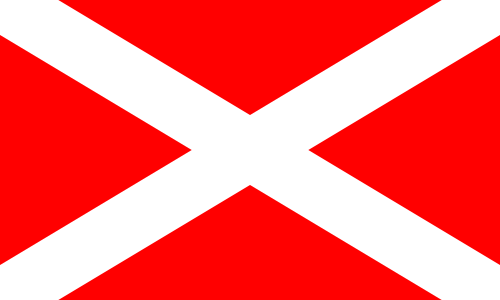

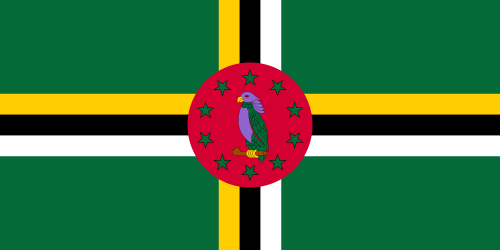
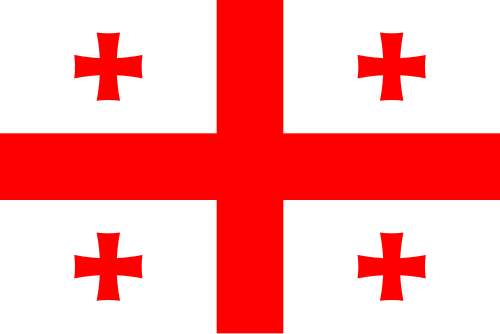
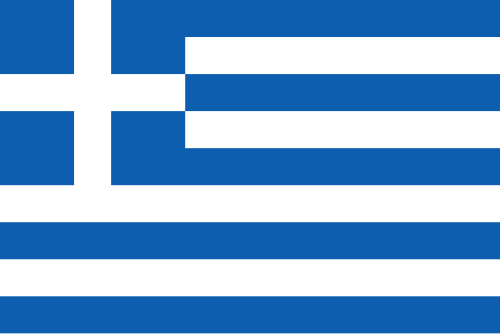
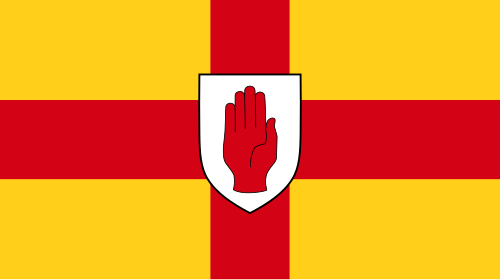
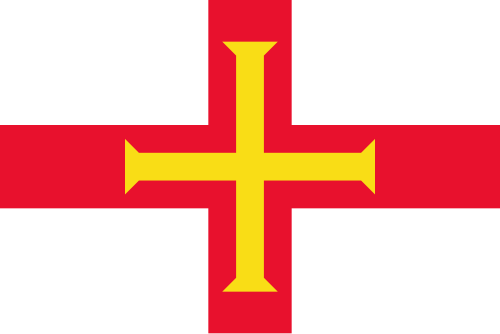
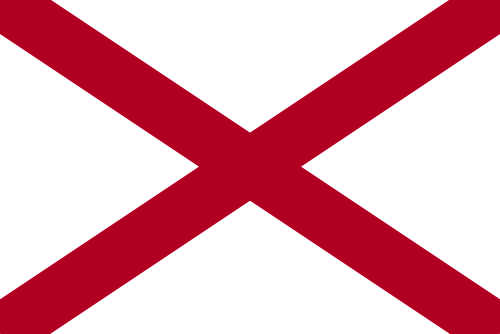
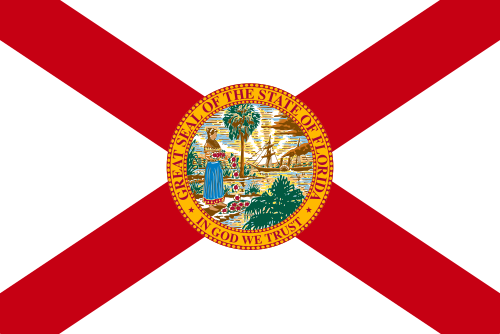
علم الصليب المسيحي هو أي علم يتضمن صليبًا أو صلبانًا كعنصر أساسي في تصميمه (على عكس أعلام مثل أعلام مالطا وصربيا ، التي تستخدم الصلبان كزخارف أصغر). وهو أقدم عائلة أعلام. يُزعم أن أول علم يحمل هذا الصليب هو علم البرتغال، بدءًا من حوالي عام 1100. [ 2 ] أصبح تصميم هذا العلم الأكثر شيوعًا على السفن التجارية في جميع أنحاء أوروبا لعدة قرون. [ 3 ] تستخدم الأعلام في هذه العائلة أنواعًا مختلفة من الصلبان ، بما في ذلك الصليب اللاتيني (†)، والصليب اليوناني (✚)، والصليب المالطي (✠) - لا يظهر الصليب المالطي على العلم الوطني لمالطا، بل فقط على علمها المدني - وصليب القدس ، والصليب المائل (✖).



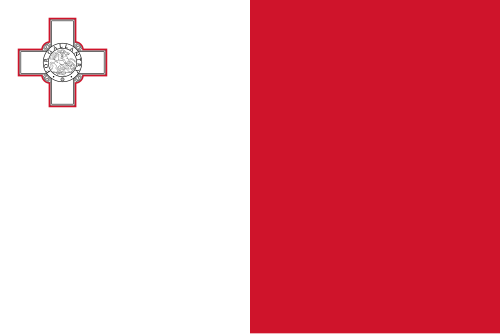

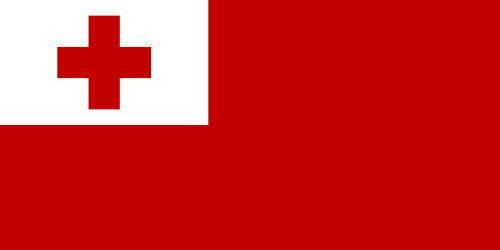


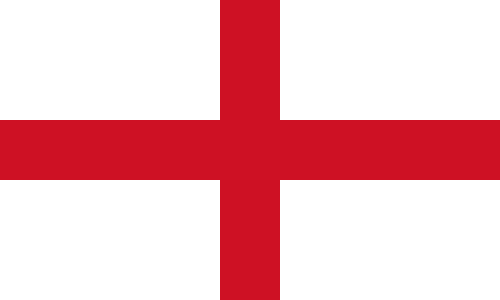
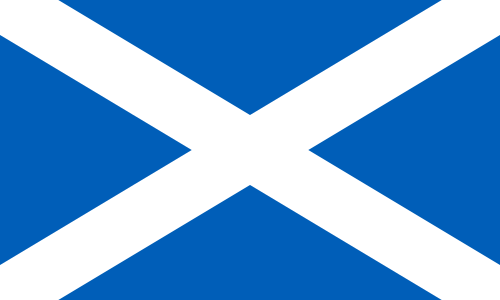



الصليب الشمالي
تتميز أعلام عائلة الصليب النوردي بصلبان تمتد على عرض العلم وطوله، مع إزاحة مركزها نحو جهة الرفع . يرمز تصميم الصليب إلى المسيحية ، [ 4 ] [ 5 ] [ 6 ] [ 7 ] وقد ظهر لأول مرة في علم الدنمارك (Dannebrog )، العلم الوطني للدنمارك منذ القرن الرابع عشر. تبنت الدول النوردية الأخرى أعلامًا وطنية تحمل التصميم نفسه لاحقًا. ورغم ارتباط هذا التصميم ارتباطًا وثيقًا بالدول النوردية، فإن مدنًا وأقاليم خارج المنطقة تستخدمه. تُعد غرينلاند المنطقة النوردية الوحيدة التي لا تستخدم الصليب النوردي. [ 8 ]
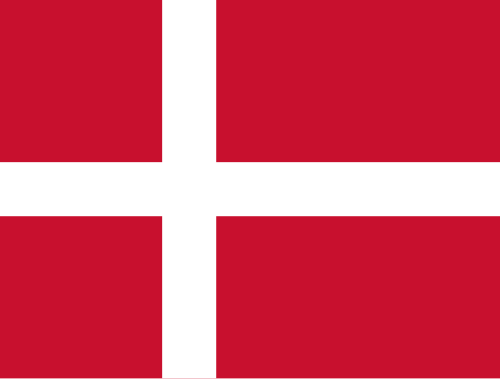
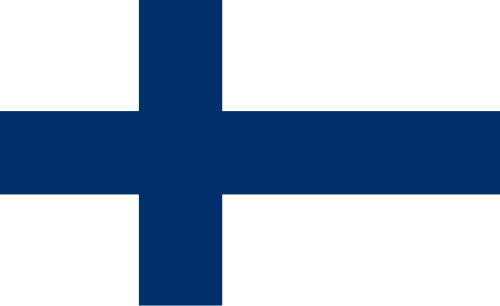

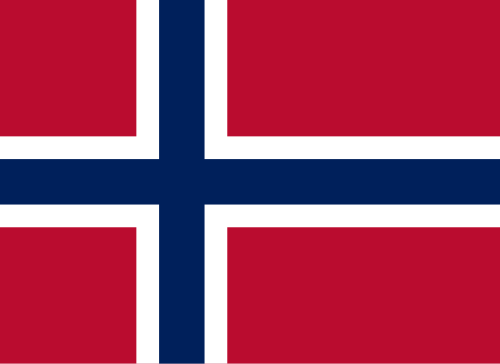

 علم جزر أولاند (فنلندا)
 علم جزر فارو (الدنمارك)
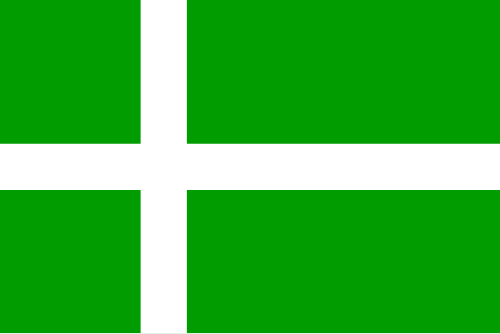 علم بارا ( جزر هبريدس ، اسكتلندا)
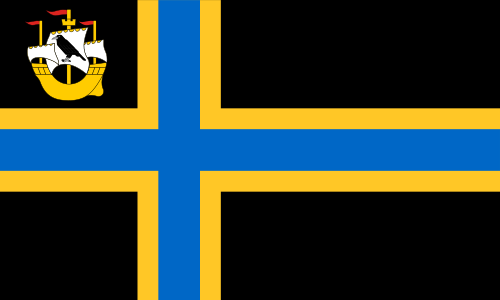 علم كيثنيس (البر الرئيسي لاسكتلندا)
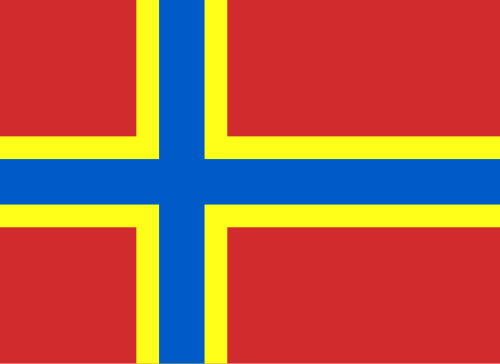 علم جزر أوركني ( الجزر الشمالية ، اسكتلندا)
 علم شتلاند ( الجزر الشمالية ، اسكتلندا)
 علم جزيرة سكاي ( جزر هبريدس ، اسكتلندا)
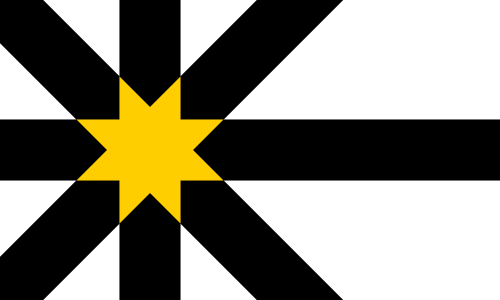 علم ساذرلاند (البر الرئيسي لاسكتلندا)
 علم ساوث يويست ( جزر هبريدس ، اسكتلندا)
 علم منطقة ويست رايدينغ أوف يوركشاير (إنجلترا)
هلال
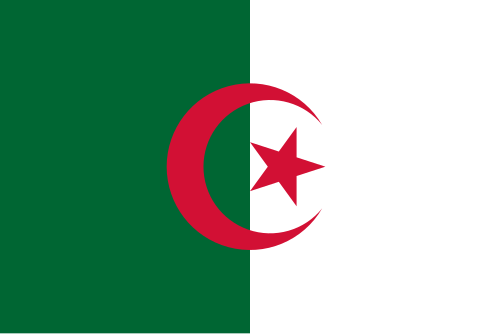
تشير السجلات إلى استخدام الأعلام التي تحمل الهلال في منطقة الشرق الأوسط وشمال إفريقيا منذ القرن الرابع عشر الميلادي. [ 9 ] غالبًا ما كانت هذه التصاميم تتميز بهلال أبيض مفتوح من الأعلى على خلفية بلون موحد. خلال القرن التاسع عشر، عندما شاع استخدام الأعلام الوطنية، كانت الإمبراطورية العثمانية الدولة الإسلامية الوحيدة التي تُعتبر قوة عالمية . [ 10 ] وقد ساهم علمها في انتشار تصميم الهلال بين الدول الإسلامية الأخرى عندما اعتمدت أعلامًا مماثلة لاحقًا. [ 3 ] تحتوي معظم أعلام الهلال الإسلامية أيضًا على نجمة واحدة أو أكثر بالقرب من الدائرة التي يشكلها الهلال أو داخلها. يظهر الهلال على العديد من أعلام الدول والبلديات غير الإسلامية، والتي تحمل دلالات رمزية لا علاقة لها بالإسلام.


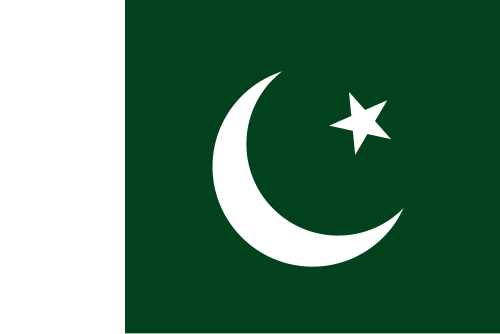


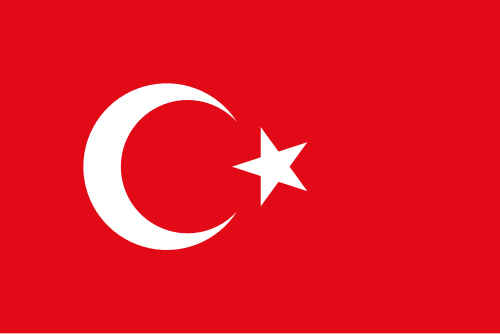


 علم منظمة الدول التركية
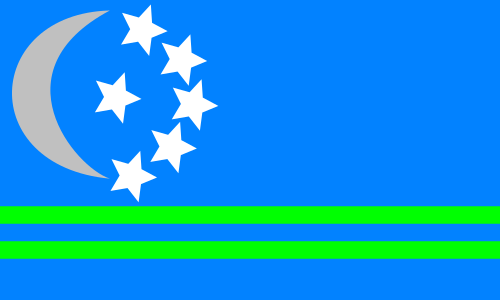 علم مقاطعة أوسا ، كوستاريكا

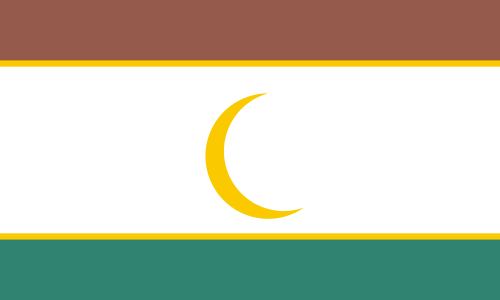 علم مقاطعة واجير ، كينيا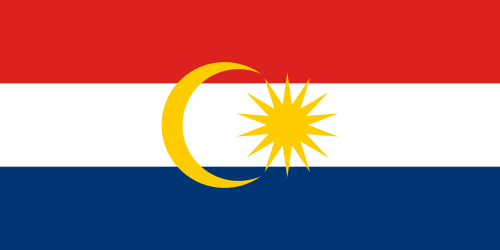


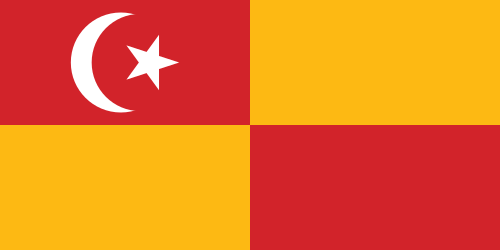

 علم مقاطعة بيان-أولجي ، منغوليا

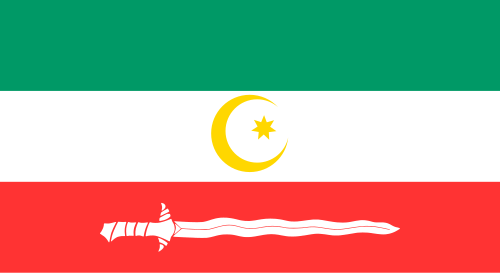

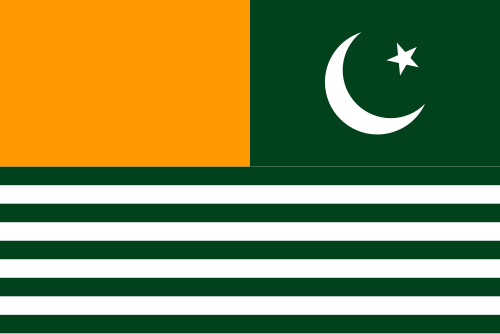 علم آزاد كشمير (الإقليم المتنازع عليه)
 علم شمال قبرص (إقليم متنازع عليه)
 علم الصحراء الغربية (إقليم متنازع عليه)
 علم سفيتي إيفان زيلينا ، كرواتيا
 علم مدينة فارنسدورف ، جمهورية التشيك
 علم مدينة هالي أن دير زاله ، ألمانيا

 علم مدينة ميلانو الكبرى ، إيطاليا


 علم مينسك مازوفيتسكي ، بولندا


العلم البريطاني

1. العلم الأحمر المدني 2. العلم الأبيض البحري
3. الراية الزرقاء للولاية

تتألف عائلة الأعلام البريطانية من أعلام تحمل علم الاتحاد (Union Jack) في الزاوية العلوية اليسرى . وقد تم اعتماد علم الاتحاد عام 1606 بدمج صليب القديس جورج الإنجليزي وصليب القديس أندرو الاسكتلندي لتشكيل علم الاتحاد. [ 11 ] وفي عام 1801، أُضيف صليب القديس باتريك إلى العلم. وفي منتصف القرن التاسع عشر، أعلنت الحكومة البريطانية أن العلم الأبيض مخصص حصريًا للبحرية الملكية ، والعلم الأزرق لجميع السفن "التابعة للمستعمرات أو العاملة لديها بشكل دائم"، والعلم الأحمر للسفن غير الحكومية. [ 12 ] ومع توسع الإمبراطورية البريطانية ، ازداد استخدام أشكال مختلفة من الأعلام، وخاصة العلم الأزرق. [ 3 ] ومن بين الدول المستقلة الثلاث والخمسين الأصلية في الكومنولث البريطاني ، كان علم الاتحاد موجودًا على أعلام جميعها باستثناء أربع دول. وقد أزالت أربع وأربعون دولة علم الاتحاد من أعلامها. [ 13 ]

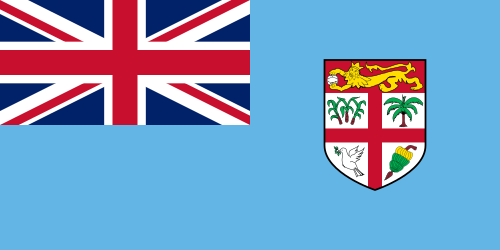

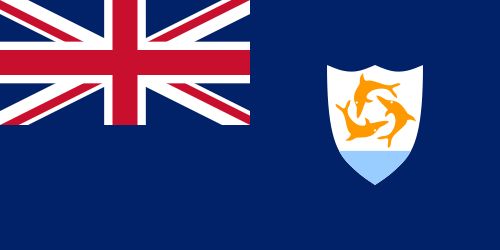

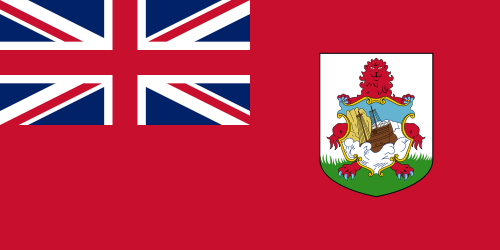


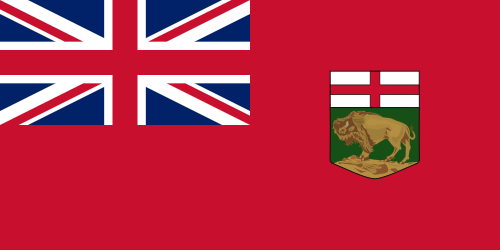


النجوم والخطوط


تتألف عائلة أعلام النجوم والخطوط من أعلام ذات خطوط متناوبة مع حقل في جهة السارية (غالباً ما يكون الكانتون) يحمل شعاراً (غالباً، ولكن ليس دائماً، نجمة أو نجوم). [ 14 ]
استندت النسخ الأولى من علم الولايات المتحدة إلى علم المملكة المتحدة، مع وضع علم الاتحاد في الزاوية العلوية اليسرى. وبدلاً من خلفية بلون واحد، كانت تحتوي على خطوط مستوحاة من علم شركة الهند الشرقية . وفي عام 1777، قرر الكونغرس القاري للولايات المتحدة استبدال علم الاتحاد بعلم ذي ثلاثة عشر نجمة. [ 14 ]
كانت مملكة هاواي أول دولة تتبنى علمًا مشابهًا ، [ 15 ] وحذت حذوها العديد من الدول الأخرى التي أرادت التعبير عن مُثُل الحرية والديمقراطية. [ 3 ]

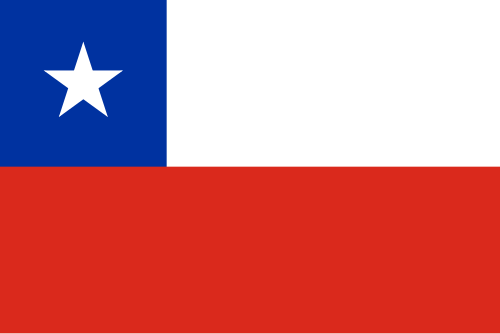
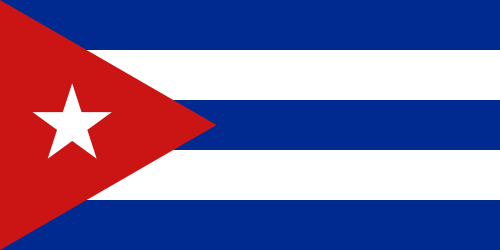

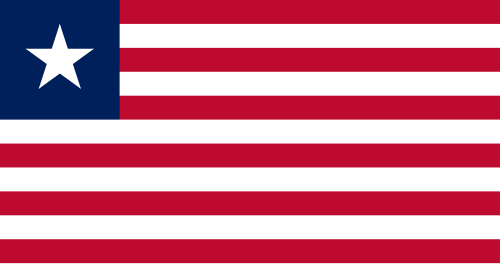
 علم أبخازيا (جمهورية معترف بها جزئياً)
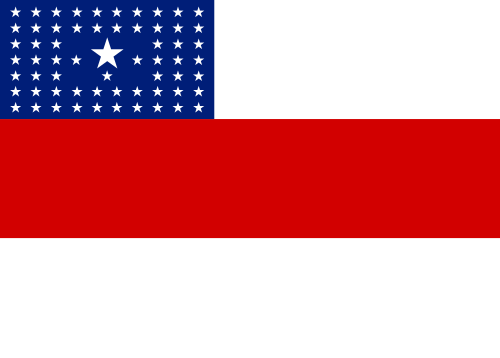 علم ولاية أمازوناس (الولاية البرازيلية)
 علم ولاية باهيا (الولاية البرازيلية)
 علم بريتاني (منطقة في فرنسا)
 علم ولاية جورجيا (ولاية أمريكية)
 علم ولاية غوياس (الولاية البرازيلية)
 علم هاواي (ولاية أمريكية)
 علم ولاية مارانهاو (البرازيلية)
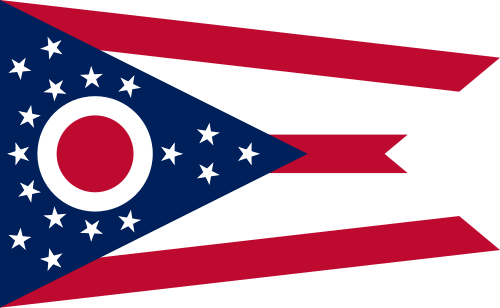 علم ولاية أوهايو (ولاية أمريكية)
 علم بورتوريكو (إقليم تابع للولايات المتحدة)
 علم ولاية بياوي (البرازيلية)
 علم ولاية كارولاينا الشمالية (ولاية أمريكية)
 علم ولاية يوكاتان (المكسيك)
 علم ساو باولو (ولاية برازيلية)
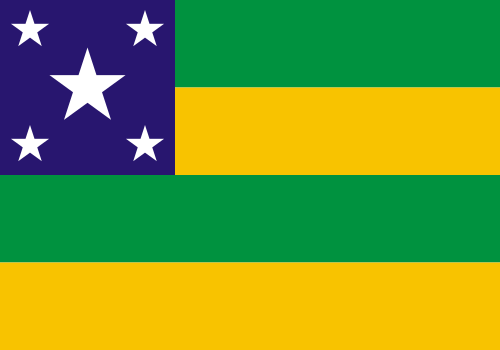 علم سيرجيبي (ولاية برازيلية)
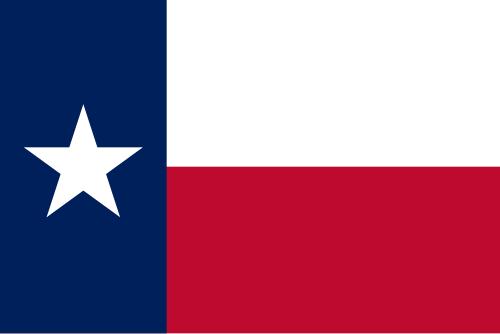 علم ولاية تكساس (ولاية أمريكية)
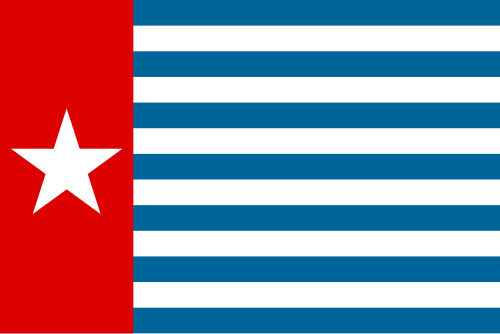 علم بابوا الغربية ( الدولة المقترحة )
الألوان الهولندية والسلافية

تُعدّ الألوان الهولندية والسلافية مجموعة من الأعلام، تتألف عادةً من خطوط حمراء وبيضاء وزرقاء، مستوحاة من العلم الهولندي، ثم العلم الروسي لاحقًا. كان أول علم ذي خطوط بسيطة هو ألوان زيّ ويليام الأول، أمير أورانج ، الذي استُخدم في منتصف القرن السادس عشر. أصبحت هذه الخطوط البرتقالية والبيضاء والزرقاء أول علم لهولندا . [ 16 ] في القرن السابع عشر، استُبدل اللون البرتقالي باللون الأحمر. [ 17 ] صمّم القيصر بطرس الأكبر بنفسه علمًا تجاريًا لروسيا مستوحى من ألوان العلم الهولندي. [ 18 ] بدوره، ألهم العلم الروسي العديد من أعلام دول المنطقة السلافية . احتفظت معظمها بالأبيض والأزرق والأحمر، لكن بلغاريا غيّرت الخط الأزرق في علم روسيا إلى خط أخضر يرمز إلى الحرية . [ 19 ]
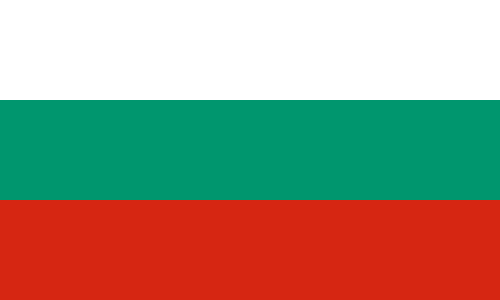


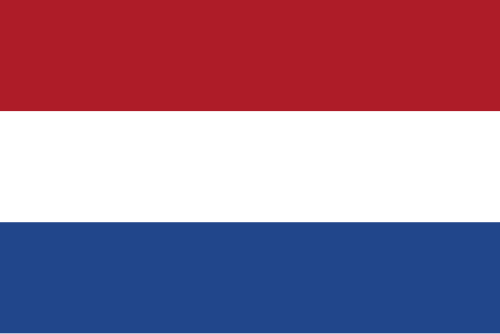
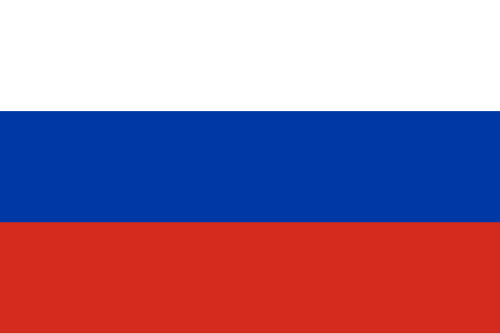

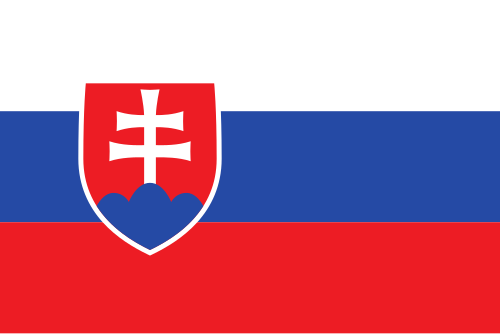

 العلم الرسمي المشترك لترانسنيستريا (إقليم متنازع عليه)
الألوان الثلاثية والأشرطة الثلاثية


العلم ثلاثي الألوان هو أي علم يتبع تصميم العلم الفرنسي بثلاثة خطوط عمودية متساوية العرض، لكل منها لون مميز. عشية الثورة الفرنسية ، في 13 يوليو 1789، مُنحت شارات حمراء وزرقاء لميليشيا باريس. وبعد ذلك بوقت قصير، أضاف لويس السادس عشر واحدة إلى شارته البيضاء الملكية. [ 20 ] أصبحت هذه الألوان، المرتبة على شكل خطوط، علم فرنسا عام 1794. وبهذه الطريقة، ارتبطت الأشرطة الثلاثية العمودية بثلاثة ألوان بحركات الجمهورية ، واعتمدتها العديد من الدول التي انتقلت إلى الحكم الجمهوري، [ 3 ] على الرغم من أن استخدامها لم يقتصر على هذه الدول. على عكس العلم ثلاثي الألوان، قد يحتوي تصميم العلم ثلاثي الأشرطة على لونين متطابقين، مثل علمي نيجيريا وبيرو.


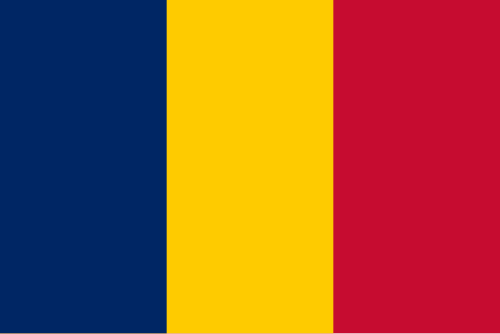
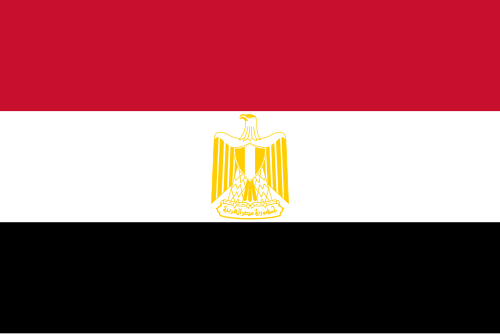


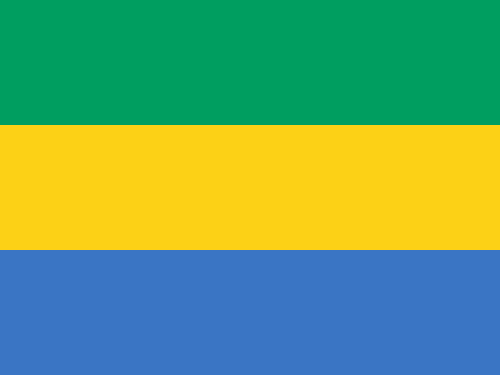
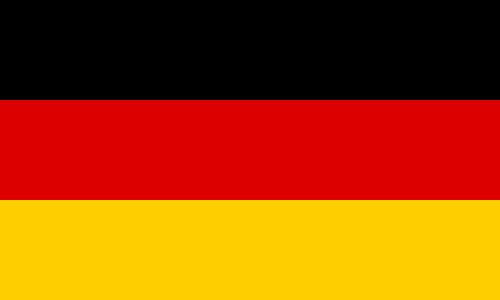
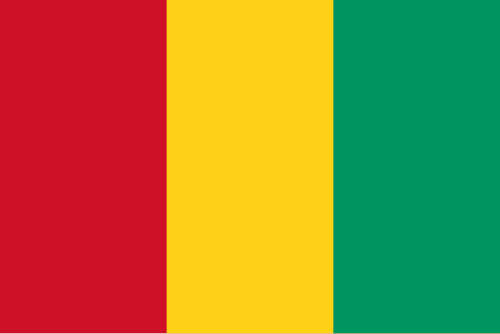
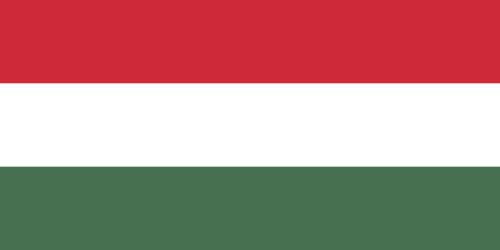

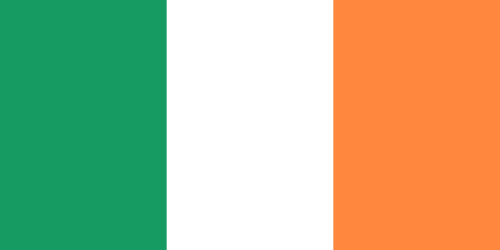


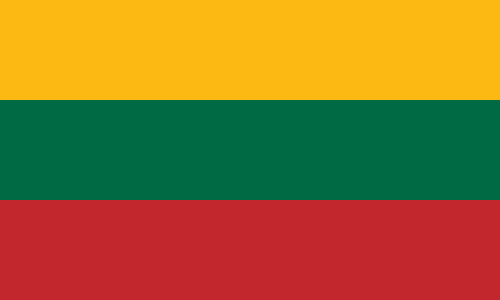
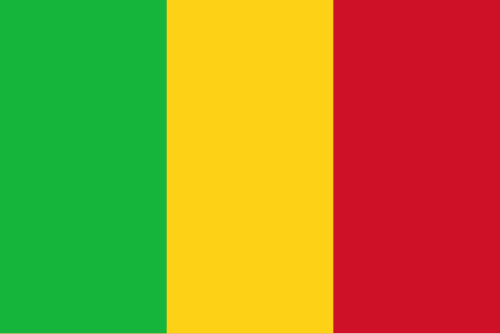
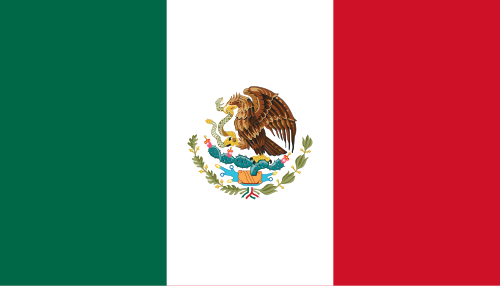
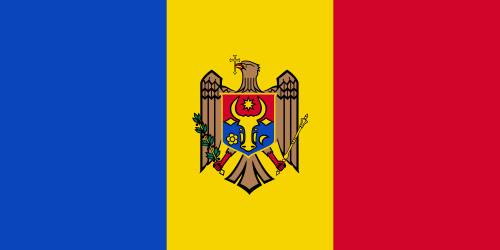
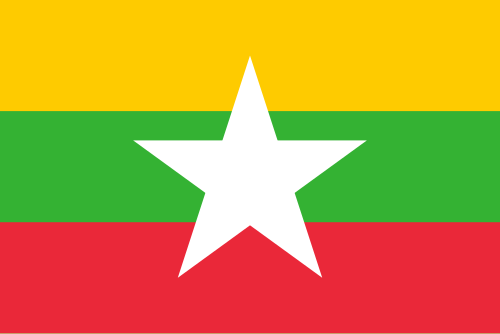
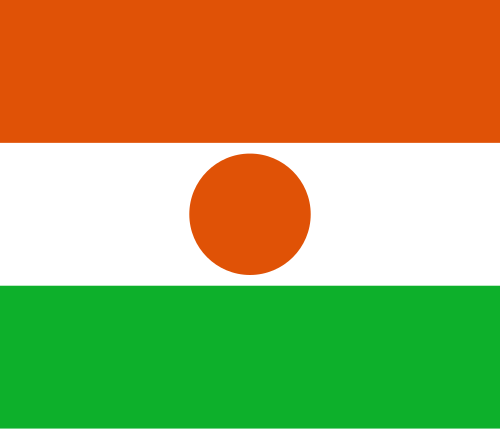

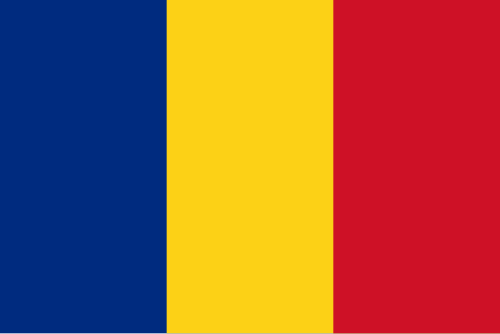


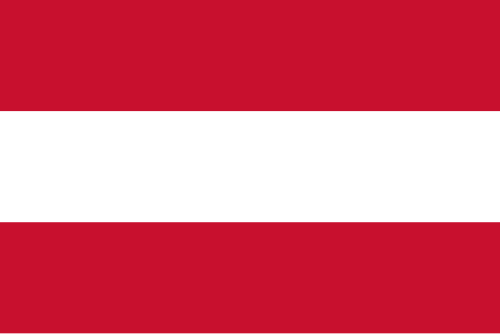
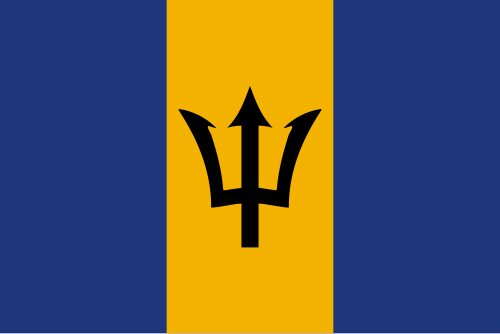


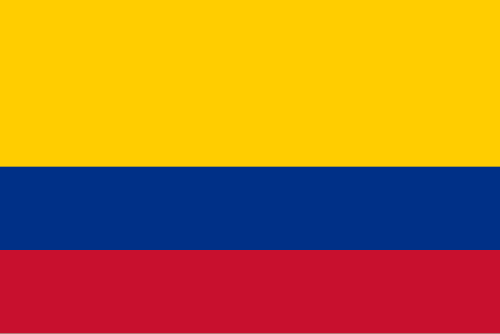
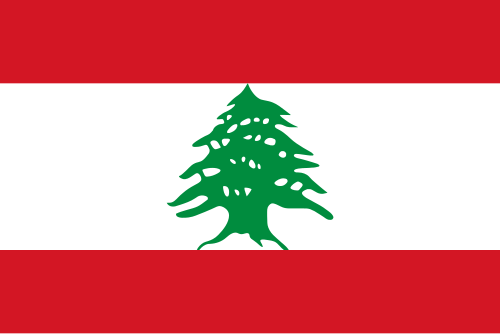
تتميز بعض الأعلام ثلاثية الألوان بوجود شريط مركزي ضعف عرض أشرطة الأعلام الأخرى، وهو تصميم يُعرف باسم الشريط الأفقي الإسباني أو الشريط الرأسي الكندي . وفي بعض الأعلام، لا يكون هذا الشريط هو الشريط المركزي، كما هو الحال في أعلام كولومبيا ورواندا .



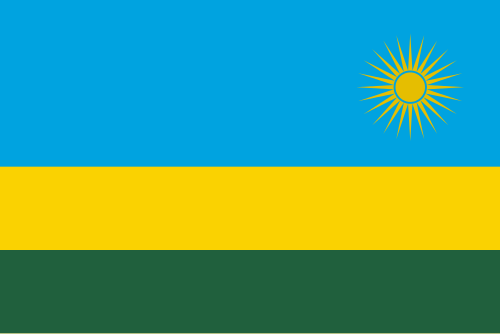

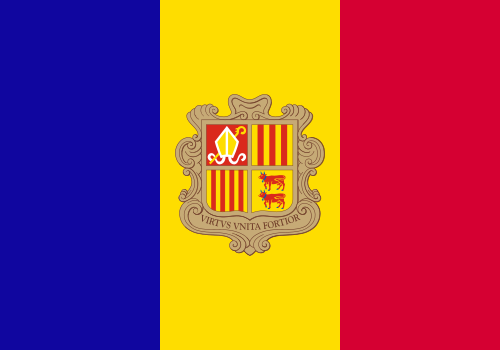 علم أندورا (8:9:8)
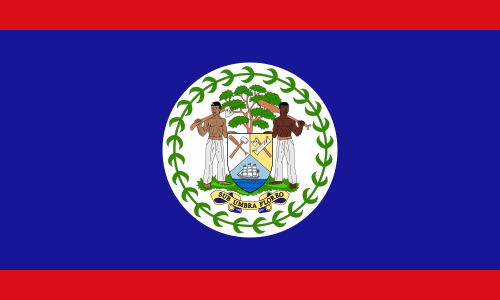 علم بليز (1:8:1)
 علم لاتفيا (2:1:2)
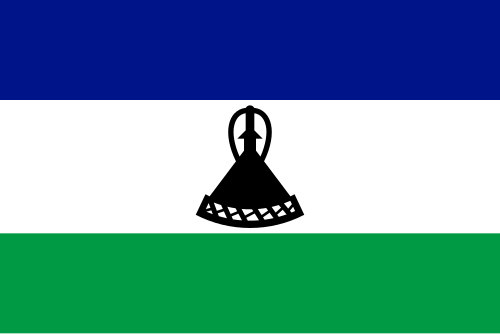 علم ليسوتو (3:4:3)
 علم طاجيكستان (2:3:2)
ألوان الوحدة الأفريقية
تستخدم أعلام العائلة الأفريقية الجامعة مزيجًا من بعض أو كل الألوان: الأحمر والأصفر والأخضر والأسود. تحتوي بعض هذه الأعلام أيضًا على اللون الأبيض، وفي حالات أقل شيوعًا، اللون الأزرق، لكن هذه الألوان لا تُعتبر ألوانًا أفريقية جامعة. تتنوع تصاميم أعلام هذه العائلة بشكل كبير. ارتبطت الألوان الأحمر والأصفر والأخضر بالألوان الأفريقية الجامعة من خلال العلم الإثيوبي . [ 21 ] أُضيف اللون الأسود لاحقًا على يد ماركوس غارفي ، الناشط والمنظم لأول حركة توحيد للسود في الولايات المتحدة. [ 22 ] استلهامًا من ارتباط الألوان الأفريقية الجامعة المتزايد بالاستقلال ما بعد الاستعمار، تبنت العديد من دول الكاريبي وغيانا ، التي تضم أعدادًا كبيرة من السكان من أصول أفريقية ، هذه الألوان أيضًا. [ 23 ]
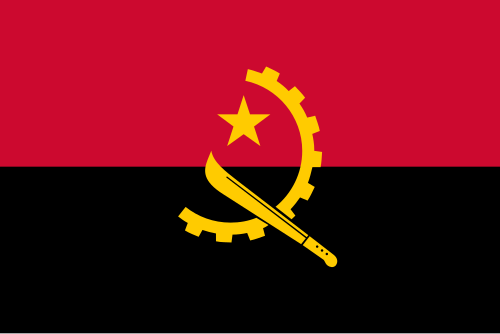

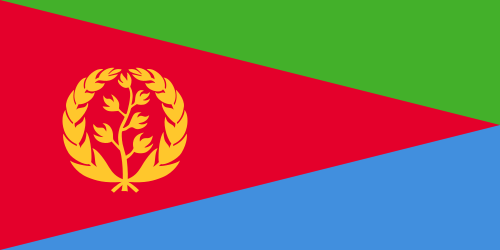

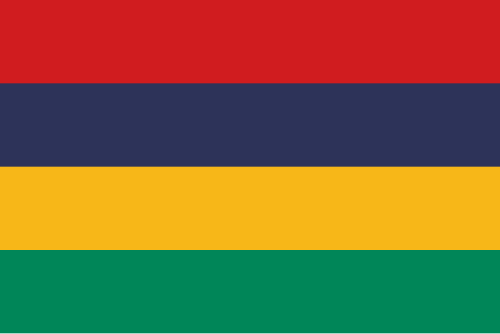

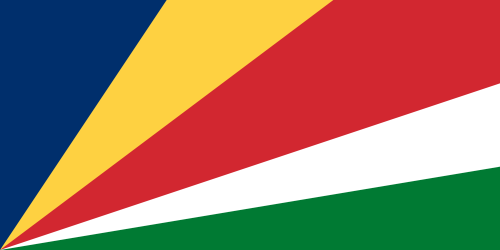


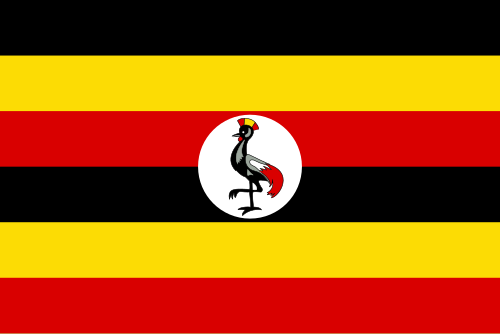

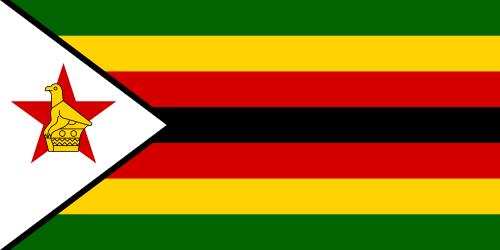
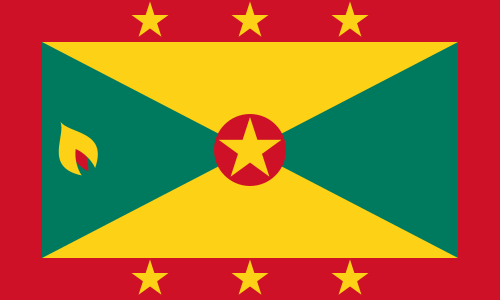


عائلة أعلام إثيوبيا

The colors green, yellow, and red have been historically important in Ethiopia since the early 17th century.[24] Along with Liberia, Ethiopia was the only currently existing nation to avoid European colonization during the scramble for Africa.[25] Its flag, therefore, was the inspiration for many countries that gained independence after colonization. The modern flags of Bolivia, Lithuania, and Myanmar also use these three colors, but their origins are unrelated to the Ethiopian flag.[26][27]


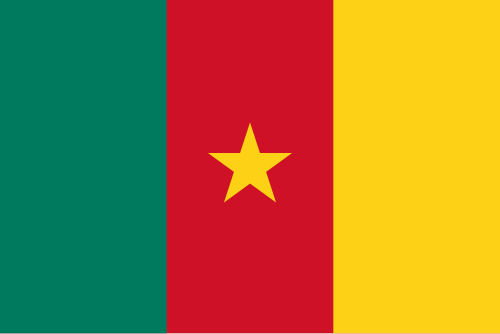

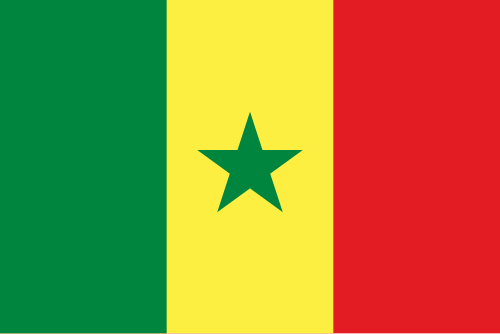
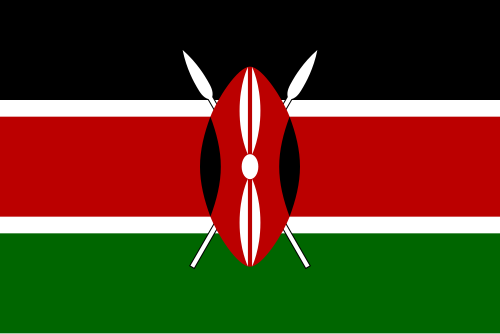
Marcus Garvey and Theodosia Okoh families


The Jamaicanpan-Africanist leader Marcus Garvey inspired two independent sets of national African flags. In 1917, he proposed a red, black, and green flag for his organization, known as the Universal Negro Improvement Association and African Communities League.[22] According to Garvey:[28]
"Red is the color of the blood which men must shed for their redemption and liberty; black is the color of the noble and distinguished race to which we belong; green is the color of the luxuriant vegetation of our Motherland."
These three decorative colors ofMarcus Garvey were the inspiration behind the flag of Kenya, the flag of Malawi, the Flag of South Sudan and other historic flags such as the flag of Biafra.[29] Independently, Marcus Garvey also created the Black Star Line, a shipping company between the United States and West Africa that transported many African-Americans to Africa and vice versa.[30] The eponymous black star of the house flag of the company later became a part of three national flags in West Africa, starting with the flag of Ghana designed by Theodosia Okoh.[31][32]


Pan-Arab colors


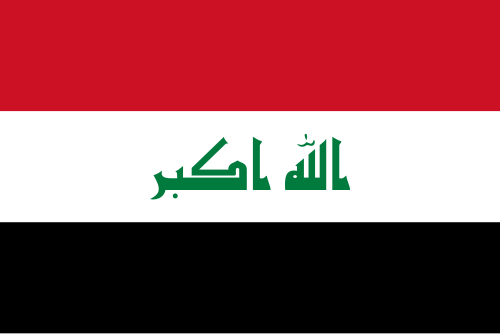
The pan-Arab flag family is a set of flags featuring three or four of the colors red, black, white, and green. The flags have three horizontal stripes, often with an emblem in the center or an overlapping shape in the hoist. According to biographers of Muhammad, he used both flags of white and flags of black.[33] Each color of the pan-Arab flags is associated with a caliphate of Islam. White and black flags were used by the Umayyad and Abbasid dynasties respectively.[34] Although green is often identified as the color of the Fatimid dynasty by vexillological sources,[35][36][37] that is not correct: their dynastic color was white.[38][39][40] Green is now considered the color of Islam.[35] Red was the color of the Hashemites.[34] These colors were also described by the 14th-century Iraqi poet Safi al-Din al-Hilli: "White are our deeds, black are our battles, green are our ranches, red are our swords."[41]
In 1911, members of a Turkish literary club chose these four colors as the colors of the modern Arabic flag.[3] The colors were combined in the flag of the Arab Revolt in 1916, and many countries adopted these colors as the colors of their national flags upon gaining independence from the Ottoman Empire at the end of World War I.[42]
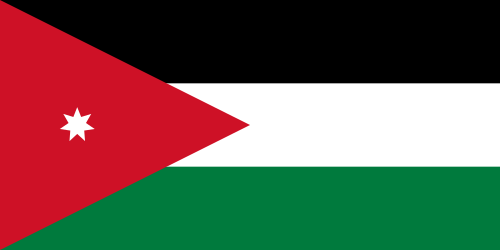
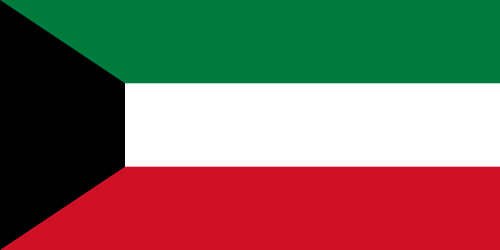
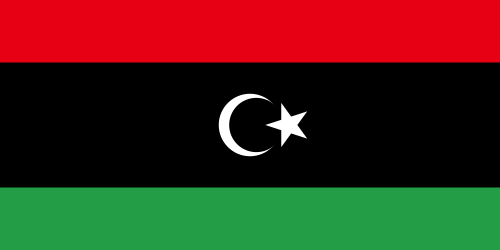
 Flag of Palestine (disputed territory)


- Flag of Western Sahara (disputed territory)
Pan-Iranian colors

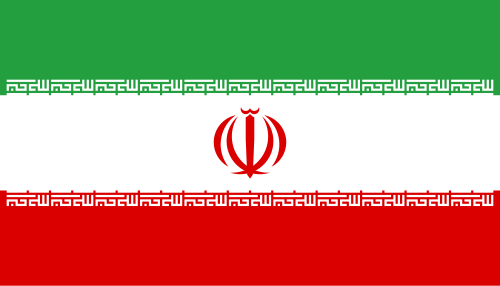
Iran adopted a flag with green, white, and red stripes in the mid-19th century.[43] The flag has undergone changes since, but the three stripes remain. When the newly independent republic of Tajikistan changed its flag from its former Soviet version, it chose to use the same stripes in reverse order as a nod to its close cultural ties with neighbouring Iran.[44] The flag of Kurdistan, a geo-cultural region overlapping with Iran, uses the green-white-red stripes of the pan-Iranian flag charged with a 21-rayed golden sun that symbolizes the festival of Newroz marking the arrival of spring and the new year in Kurdish culture on the vernal equinox of 20 March.

Pan-Colombian colors

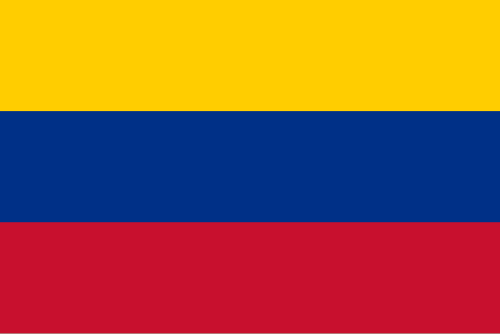

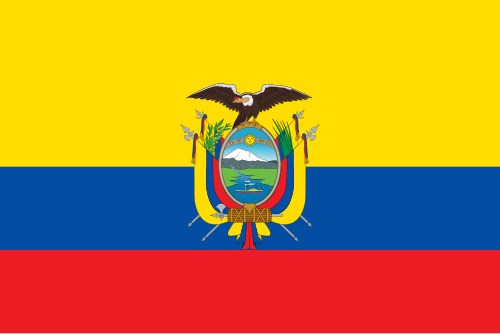
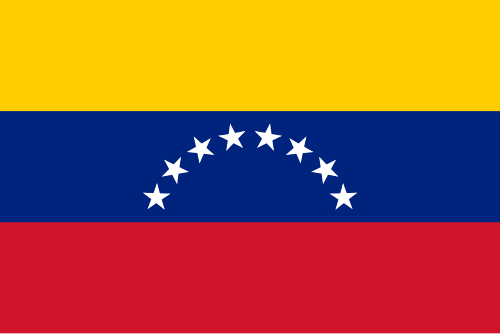
The Pan-Colombian colors family is made up of flags of countries in the South American former area of Gran Colombia. They have three horizontal stripes of yellow, blue, and red taken from the pre-discoverial coat of arms of the Columbus dynasty. Venezuelan revolutionary leader Francisco de Miranda personally designed the flag of Gran Colombia, a historic state that included modern Colombia, Ecuador, Panama, Venezuela, and parts of Brazil and Guyana.[45] The flag of Gran Colombia had three colours signifying Hispanic America (yellow), the Atlantic Ocean (blue), and "bloody Spain" (red).[3] Miranda attributed the inspiration for these colors to a late-night conversation with the German writer and color theorist Johann Wolfgang von Goethe, who is described as saying[46]
Yellow is the most warm, noble and closest to light ... blue is that mix of excitement and serenity, a distance that evokes shadows ... red is the exaltation of yellow and blue, the synthesis, the vanishing of light into shadow.
The flag of Gran Colombia was first hoisted in 1806. It led to the current designs of Colombia, Ecuador, and Venezuela.[3]
Belgrano

The Belgrano flag family is composed of flags of Central and South America with blue and white stripes. In 1812, the Argentine revolutionary general Manuel Belgrano raised a flag in Rosario, Argentina, of three horizontal stripes of blue-white-blue. It was formally adopted by the Government of Argentina in 1816.[47] Six years later, commander-general of El SalvadorManuel José Arce took the "Argentine colours of Belgrano" as a new national flag of that province, becoming the first additional flag of the family.[3][48] Building on this, the flag of the Federal Republic of Central America had blue and white stripes, and all of the countries that were once part of that republic retain those stripes in some way in their flags. El Salvador and Nicaragua have also retained the triangular emblem of the former republic; the flag of Costa Rica has an additional red stripe. Argentina's and Uruguay's flags now have the Sol de Mayo.[3]


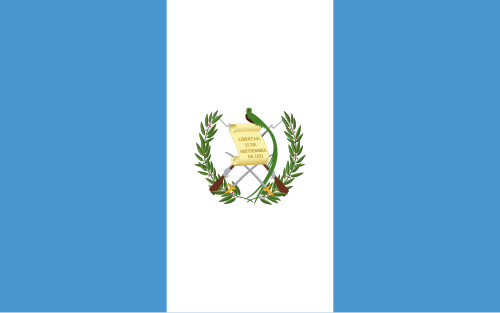


 Flag of Artigas(official flag along the flag of Uruguay since 1952)
 Flag of Ahuachapán(Salvadoran Department)
 Flag of Canelones(Uruguayan Department)
 Flag of Cerro Largo(Uruguayan Department)
 Flag of Corrientes(Argentine Province)
 Flag of Entre Ríos(Argentine Province)
 Flag of Formosa(Argentine Province)
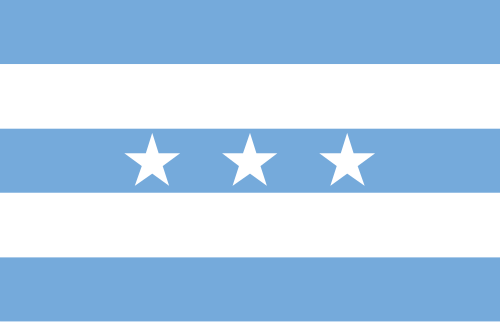 Flag of Guayaquil(Ecuadorian City)
 Flag of La Pampa(Argentine Province)
 Flag of La Rioja(Argentine Province)
 Flag of Mendoza(Argentine Province)
 Flag of Neuquén(Argentine Province)
 Flag of Paysandú(Uruguayan Department)
 Flag of Rio Negro(Uruguayan Department)
 Flag of Rivera(Uruguayan Department)
 Flag of San Andrés and Providencia(Colombian Department)
 Flag of San Juan(Argentine Province)
 Flag of Soriano(Uruguayan Department)
 Flag of Tucumán(Argentine Province)
 Flag of Treinta y Tres(Uruguayan Department)
Red banner

The red banner flag family is the family of flags that use large red fields or red stars as symbols of communism. The color red became associated with revolution when it was adopted by the Jacobins during the early days of the French Revolution as a symbol of their willingness to shed blood for their cause.[49] After being used by the Paris Commune in 1871, the color became closely associated with socialism.[50] The Bolsheviks used these flags as inspiration during the Russian Revolution, adopting the flag of the Soviet Union upon their victory in 1922. As a result, the color red became more closely associated with communism than socialism.[51] The flag also featured a hammer and sickle and a red star fimbriated by gold, two symbols that also became closely associated with communism. As communism spread during the 20th century, many countries, especially in Asia and Africa, adopted red flags and stars to symbolize their support for the political movement. Every former Soviet state once flew red banners.[52] All but Belarus, which simply removed the traditional communist hammer and sickle, has adopted a different flag since the fall of the Soviet Union. Similarly, the current flag of Mongolia removed the communist star from its flag in 1992, but kept all of the other elements.[53]


Trucial States

Trucial State flags are a flag family from the southern and eastern coasts of the Persian Gulf. They consist of red flags with white stripes, cantons, or borders. Red is a traditional color of the Kharijite Muslims who lived in this region, and they historically used all-red banners.[54] It was the British who added the white to the flags of the region. When the region became a British protectorate in 1820, the treaty drafted by the United Kingdom said[55]
the friendly Arabs shall carry by land and sea a red flag, with or without letters in it, at their option, and this shall be in a border of white...
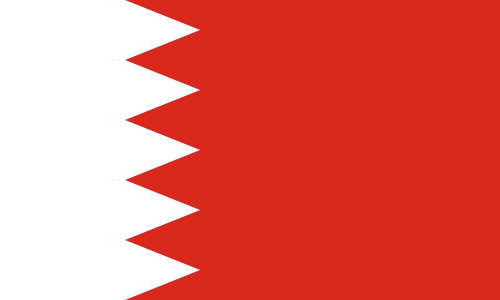
Instead of borders, most of the states adopted a stripe. Nearly all of these states are now member emirates of the United Arab Emirates. While the flag of the United Arab Emirates is not a Trucial States flag, the flags of the individual member emirates still are. In the 1930s, the independent countries within the Trucial State flag family, Bahrain and Qatar, both adopted serrated edges from their earlier straight-edge designs.[56] The flag of Qatar is unique in the Trucial State flag family for having a darker shade of red or maroon, a color made using traditional shell-based dye from the area.[57]

United Nations

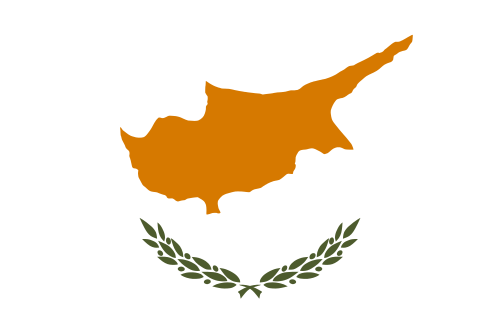
The United Nations flag family includes the flag of the United Nations and subsequent flags that borrowed design elements from the flag including the colors, symbols, or both. The UN adopted its emblem and flag in 1947.[58] The flag came to represent the neutrality and cooperation of the UN, so similar flags are often adopted for regions in states of conflict or instability. The first such national flag was the flag of Eritrea from 1952 to 1962, which symbolized peace between the Christians and Muslims in the newly formed country.[3] The current Eritrean national flag, adopted in 1993, has less of the UN blue, but still retains the UN olive branches from the first design.[59] The flag of Cyprus, adopted 1960, has no UN blue, but has the laurel wreath and a map as the central emblem.[60] Most national flags inspired by the UN's were flags of United Nations trust territories, colonies that transitioned to independence with support and administration from the UN. These include the flag of the Trust Territory of the Pacific Islands (which later inspired the flags of Micronesia and the Northern Mariana Islands) the flag of the Trust Territory of Somaliland (which is the design of the current flag of Somalia), and the Flag of the United Nations Transitional Authority in Cambodia (which was replaced by the current flag of Cambodia that is not in the UN flag family).[61]




Southern Cross

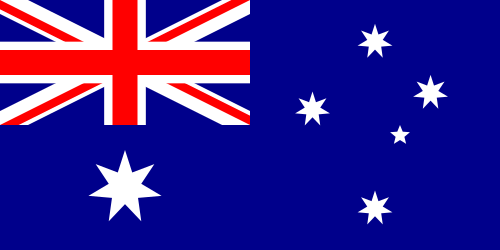
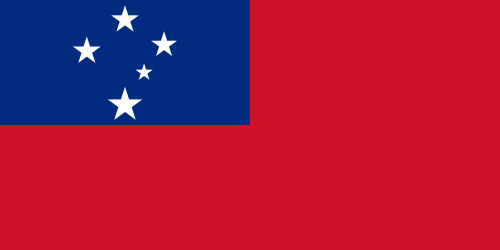
The Southern Cross, or Crux, is a constellation visible in the Southern Hemisphere, close to the position of the South Celestial Pole, just as the Pole Star Polaris is currently positioned very close to the North Celestial Pole of the celestial sphere. This constellation is visible mostly in the southern hemisphere and it therefore symbolises the southern location of its users. It is depicted on flags and coats of arms of various countries and sub-national entities. It is most closely associated with nation states and territories of Oceania, primarily, but to a much lesser degree also South America, with it appearing in varying orientations on the flags of a large number of Brazilianmunicipalities.

 Flag of the Cocos (Keeling) Islands(unofficial flag of the external territory of Australia — no image: flag design copyright in question)



See also
- Vexillology
- Glossary of vexillology
- Vexillological symbol
- Civil flag
- Ensign (flag)
- Ethnic flag
- Maritime flag
- National flag
- National coat of arms
- National emblem
- National seal
- National symbol
- State flag
- Galleries and lists:
- Armorial of dependent territories
- Armorial of sovereign states
- Flags of Europe
- Gallery of sovereign state flags
- Gallery of flags of dependent territories
- Lists of flags
- List of flags by design
- List of national flags by design
- List of national flags of sovereign states
- List of Japanese flags
- List of United Kingdom flags
- List of Antarctic flags
- List of flags by color combination
- List of sovereign states by date of current flag adoption
- Timeline of national flags
- Gallery pages of flags of country subdivisions
References
- ↑Znamierowski, Alfred (2013). The World Encyclopedia of Flags: The Definitive Guide to International Flags, Banners, Standards, and Ensigns, with Over 1400 Illustration. Lorenz Books. p. 100. ISBN 978-0-7548-2629-3.
...flag use did not develop on a large scale until the 19th Century and continued during the 20th Century. Out of some 195 independent countries, only 12 have flags whose designs were adopted before 1800. Seven of these (Denmark, Great Britain, the Netherlands, Russia, the United States, France and Turkey) have influenced the designs and colors of over 130 national flags and ensigns...
- ↑"AMT - Bandeiras de Portugal". 25 February 2007. Archived from the original on 25 February 2007. Retrieved 23 October 2022.
- 1234567891011Znamierowski, Alfred (2013). The World Encyclopedia of Flags: The Definitive Guide to International Flags, Banners, Standards, and Ensigns, with Over 1400 Illustration. Lorenz Books. pp. 100–129. ISBN 978-0-7548-2629-3.
- ↑Jeroen Temperman (2010). State Religion Relationships and Human Rights Law: Towards a Right to Religiously Neutral Governance. Martinus Nijhoff Publishers. p. 88. ISBN 978-9004181489. Retrieved 31 December 2007.
Many predominantly Christian states show a cross, symbolising Christianity, on their national flag. The so-called Scandinavian crosses or Nordic crosses on the flags of the Nordic countries–Denmark, Finland, Iceland, Norway and Sweden–also represent Christianity.
- ↑Carol A. Foley (1996). The Australian Flag: Colonial Relic or Contemporary Icon. William Gaunt & Sons. ISBN 9781862871885. Retrieved 31 December 2007.
The Christian cross, for instance, is one of the oldest and most widely used symbols in the world, and many European countries, such as the United Kingdom, Norway, Sweden, Finland, Denmark, Iceland, Greece and Switzerland, adopted and currently retain the Christian cross on their national flags.
- ↑Andrew Evans (2008). Iceland. Bradt. ISBN 9781841622156. Retrieved 31 December 2007.
Legend states that a red cloth with the white cross simply fell from the sky in the middle of the 13th-century Battle of Valdemar, after which the Danes were victorious. As a badge of divine right, Denmark flew its cross in the other Scandinavian countries it ruled and as each nation gained independence, they incorporated the Christian symbol.
- ↑"Oldest continuously used national flag". Guinness World Records. Retrieved 23 October 2022.
- ↑"The Greenland flag in the capital Nuk, Greenland | GRID-Arendal". www.grida.no. Retrieved 5 November 2022.
- ↑Masood, Hassan. The History and Symbolic Meaning of Crescent.
- ↑"The Great Powers and the 'Eastern Question'". staff.lib.msu.edu. Retrieved 23 October 2022.
- ↑Fox-Davies, Arthur Charles (1904). The art of heraldry : an encyclopædia of armory. Boston Public Library. London : T.C. & E.C. Jack.
- ↑Weekes, Nick (10 June 2008). "Colonial Flag Badges: A Chronology"(PDF). The Flag Institute. 2: 2.
- ↑Mulholland, Malcolm (2016). "New Zealand Flag Fats". natlib.govt.nz. p. 49. Retrieved 23 October 2022.
- 12"Resolved, That the flag of the United States..."postalmuseum.si.edu. Retrieved 23 October 2022.
- ↑Marshall, Tim (4 July 2017). A Flag Worth Dying For: The Power and Politics of National Symbols. Simon and Schuster. pp. 52–53. ISBN 978-1-5011-6833-8.
- ↑Rey, Jean (1837). Histoire du drapeau, des couleurs et des insignes de la Monarchie française, précédée de l'histoire des enseignes militaires chez les anciens (in French). Techener. p. 515.
- ↑Eriksen, Thomas Hylland; Jenkins, Richard (18 October 2007). Flag, Nation and Symbolism in Europe and America. Routledge. p. 23. ISBN 978-1-134-06696-4.
- ↑Massie, Robert K. (2012). Peter the Great. Vol. 160 (Modern Library ed.).
- ↑"Bulgaria: Flag". The World Factbook. Central Intelligence Agency. Archived from the original on 14 November 2022. Retrieved 14 November 2022.
- ↑"The French flag". elysee.fr. 21 October 2015. Retrieved 24 October 2022.
- ↑Shelby, Tommie (2003). "Two Conceptions of Black Nationalism". Political Theory. 31 (5): 664–692. doi:10.1177/0090591703252826. S2CID 145600053.
- 12"On Flag Day, Remembering The Red, Black And Green". NPR.org. Retrieved 24 October 2022.
- ↑"All the Flags of the Caribbean and the Meaning Behind Their Designs". Matador Network. Retrieved 24 October 2022.
- ↑Flag Bulletin. Flag Research Center. 1988.
- ↑"Countries in Africa Considered Never Colonized". ThoughtCo. Retrieved 24 October 2022.
- ↑Ordóñez, Micaela Sanjines (17 August 2022). "Día de la Bandera: Homenaje e historia de la 'Tricolor'". Bolivia.com (in Spanish). Retrieved 5 November 2022.
- ↑"The Lithuanian State flag". lrs.lt. Retrieved 5 November 2022.
- ↑McGuire, George Alexander; Harvey, Thomas W.; Universal Negro Improvement Association (1921). Universal Negro catechism: a course of instruction in religious and historical knowledge pertaining to the race. New York: Universal Negro Improvement Association.
- ↑"The Pan-African flag started as response to bigotry — It became an enduring symbol". FOX 5 Atlanta. 19 February 2020. Retrieved 24 October 2022.
- ↑Moore, Jay E. (27 February 2021). "Marcus Garvey's Black Star Line". The Mariners' Museum and Park. Retrieved 24 October 2022.
- ↑Znamierowski, Alfred (2013). The World Encyclopedia of Flags: The Definitive Guide to International Flags, Banners, Standards and Ensigns, with Over 1400 Illustration. Lorenz Books. p. 124. ISBN 978-0-7548-2629-3.
In 1957, Ghana became the first independent country in western Africa to adopt a flag in these colours. Its flag, in the Ethiopian colors with a black star, was inspired by the flag of the Black Star Line shipping company established by Garvey in Accra.
- ↑"Theodosia Salome Okoh: Designer of the Ghana Flag". Ghanaian Museum. 13 June 2020. Archived from the original on 24 October 2022. Retrieved 24 October 2022.
- ↑Cook, David (1966). Studies in Muslim apocalyptic. p. 6. Retrieved 24 October 2022– via Internet Archive.
- 12"Saudi Aramco World: Flags of the Arab World". archive.aramcoworld.com. Retrieved 24 October 2022.
- 12Beam, Christopher (9 June 2009). "Why is the color green so important in the Muslim world?". Slate. Retrieved 24 October 2022.
- ↑Znamierowski, Alfred (2013). The World Encyclopedia of Flags: The Definitive Guide to International Flags, Banners, Standards and Ensigns, with Over 1400 Illustration. Lorenz Books. p. 122. ISBN 978-0-7548-2629-3.
- ↑"Saudi Aramco World: Flags of the Arab World". archive.aramcoworld.com. Retrieved 29 October 2022.
- ↑Hathaway, Jane (2003). A Tale of Two Factions: Myth, Memory, and Identity in Ottoman Egypt and Yemen. Albany, New York: State University of New York Press. p. 97. ISBN 978-0-7914-5883-9.
The Ismaili Shi'ite counter-caliphate founded by the Fatimids took white as its dynastic color, creating a visual contrast to the Abbasid enemy.
- ↑Blair, Sheila S.; Bloom, Jonathan M. (1999). "Art and Architecture: Themes and Variations". In Esposito, John L. (ed.). The Oxford History of Islam. Oxford: Oxford University Press. pp. 215–267. ISBN 0-19-510799-3.
...white was also the color associated with the Fatimid caliphs, the opponents of the Abbasids.
- ↑Sanders, Paula A. (1994). Ritual, Politics, and the City in Fatimid Cairo. SUNY Series in Medieval Middle East History. SUNY Press. p. 44. ISBN 0-7914-1781-6.
...wore white (the Fatimid color) while delivering the sermon (khuṭba) in the name of the Fatimid caliph.
- ↑"The Flag – protocol-en". protocol.gov.iq. Archived from the original on 23 October 2022. Retrieved 24 October 2022.
- ↑Friedman, Isaiah (31 December 2011). British Pan-Arab Policy, 1915-1922. Transaction Publishers. p. 135. ISBN 978-1-4128-1514-7.
- ↑"Iranian Flag, A Brief History (English version)"(PDF). 26 July 2011. Archived from the original on 26 July 2011. Retrieved 24 October 2022.
- ↑"Tajikistan". www.fotw.info. Retrieved 23 October 2022.
- ↑"Los nombres de Colombia". 18 September 2016. Archived from the original on 18 September 2016. Retrieved 23 October 2022.
- ↑Smith-Mesa, Vladimir A. ""...A Place Where Primary Colours Are Not Distorted" (Goethe, Francisco de Miranda and the Theory of Colours". Academia.
- ↑"Flag of Argentina - History of Argentina Flag - don Quijote". www.donquijote.org. Retrieved 24 October 2022.
- ↑"flag of El Salvador | Britannica". www.britannica.com. Retrieved 24 October 2022.
- ↑"Red Flag". Age of Revolution. Retrieved 24 October 2022.
- ↑"The Paris Commune 1871: Cannon, The Red Flag and Balloons over Montmartre". Montmartre Artists' Studios. Retrieved 24 October 2022.
- ↑"flag of Union of Soviet Socialist Republics | Britannica". www.britannica.com. Retrieved 24 October 2022.
- ↑"Emblems and Flags of the Soviet Republics". soviettours.com. 12 January 2021. Retrieved 24 October 2022.
- ↑"flag of Mongolia | Britannica". www.britannica.com. Retrieved 26 October 2022.
- ↑Smith, Whitney (1976). Flags through the Ages and across the World. McGraw Hill. p. 274.
- ↑Treaty. Peace and Friendship. [Also known as the General Maritime Treaty]. 8 January 1820.
- ↑ دار النشر DK (6 يناير 2009). أعلام العالم الكاملة . دار بنغوين. ISBN 978-0-7566-5486-3.
- ↑ "تاريخ علم قطر | اللجنة المنظمة لليوم الوطني لدولة قطر" . اللجنة المنظمة لاحتفالات اليوم الوطني لدولة قطر . تم الاطلاع عليه بتاريخ 24 أكتوبر 2022 .
- ↑ "شعار وعلم الأمم المتحدة" . الأمم المتحدة . تم الاطلاع عليه بتاريخ 24 أكتوبر 2022 .
- ↑ "العلم الوطني: رمز وطني ثمين" . وزارة الإعلام الإريترية. 17 أكتوبر 2020. تاريخ الاطلاع: 24 أكتوبر 2022 .
- ↑ «رئاسة جمهورية قبرص - العلم» . 26 يناير 2017. مؤرشف من الأصل في 26 يناير 2017. تم الاطلاع عليه في 24 أكتوبر 2022 .
- ↑ مكتبة داغ همرشولد. "أدلة البحث: وثائق مجلس الوصاية التابع للأمم المتحدة: الأقاليم المشمولة بالوصاية" . research.un.org . تاريخ الاطلاع: 24 أكتوبر 2022 .
- الأعلام
- أنواع المجموعات
- الرموز الوطنية
- علم الرايات