وحدة الاستشهاد الرئاسية (الولايات المتحدة)
| وحدة الاستشهاد الرئاسية | |
|---|---|
     | |
| يكتب | شريط (ديكور) |
| مُنحت لـ | "الشجاعة والتصميم والروح الجماعية في إنجاز مهمتها في ظل ظروف بالغة الصعوبة والخطورة." [1] |
| مقدم من | وزارة الجيش الأمريكية [2] وزارة البحرية الأمريكية [3] وزارة القوات الجوية الأمريكية [4] وزارة الأمن الداخلي الأمريكية [5] |
| الأهلية | الوحدات العسكرية |
| حالة | مُنحت حاليًا |
| الحائز على الجائزة الأولى | 1941 |
   اللافتات: أعلى؛ الجيش والقوات الجوية وقوات الفضاء في المنتصف؛ البحرية ومشاة البحرية في الأسفل؛ خفر السواحل | |
| أسبقية | |
| التالي (الأعلى) | الجيش: ميدالية إنجازات الجيش الخدمة البحرية: شريط العمل القتالي القوات الجوية والفضائية: ميدالية العمل القتالي خفر السواحل: شريط العمل القتالي لخفر السواحل |
المعادل الفردي | وسام الخدمة المتميزة ، وسام البحرية ، وسام القوات الجوية ، وسام خفر السواحل |
| التالي (الأدنى) | جائزة الوحدة المتميزة المشتركة |
يُمنح وسام الوحدة الرئاسية ( PUC )، والذي كان يُسمى في الأصل وسام الوحدة المتميزة ، لوحدات الخدمات العسكرية الموحدة للولايات المتحدة ، وتلك التابعة للدول المتحالفة، للبطولة غير العادية في العمل ضد عدو مسلح في أو بعد 7 ديسمبر 1941 (تاريخ الهجوم على بيرل هاربور وبداية المشاركة الأمريكية في الحرب العالمية الثانية ). يجب أن تُظهر الوحدة مثل هذه الشجاعة والتصميم وروح العمل الجماعي في إنجاز مهمتها في ظل ظروف بالغة الصعوبة والخطورة لتمييزها عن الوحدات الأخرى المشاركة في نفس الحملة وتفوقها عليها.
منذ إنشائها من قبل الرئيس فرانكلين د. روزفلت بتوقيع الأمر التنفيذي 9075 في 26 فبراير 1942، بأثر رجعي إلى 7 ديسمبر 1941، حتى عام 2008، تم منح وسام الوحدة الرئاسية في صراعات مثل الحرب العالمية الثانية، والحرب الكورية ، وحرب فيتنام ، وحرب العراق ، والحرب في أفغانستان .
الدرجة الجماعية للشجاعة (بطولة القتال) ضد عدو مسلح من قبل الوحدة المرشحة لوسام الخدمة المتميزة هي نفس الدرجة التي تبرر منح الجائزة الفردية لصليب الخدمة المتميزة أو صليب القوات الجوية أو صليب البحرية . في بعض الحالات، قد يكون فرد أو أكثر داخل الوحدة قد حصلوا أيضًا على جوائز فردية لمساهمتهم في الإجراءات التي مُنحت وحدتهم بأكملها وسام الوحدة الرئاسية. الوحدات التي لديها أكبر عدد من وسام الوحدة الرئاسية هي الغواصة USS Parche (SSN-683) والفرقة البحرية الأولى ، وكلاهما بتسع وسام. [6]
الإنشاء والشكل الرسمي
الجيش والقوات الجوية وقوات الفضاء
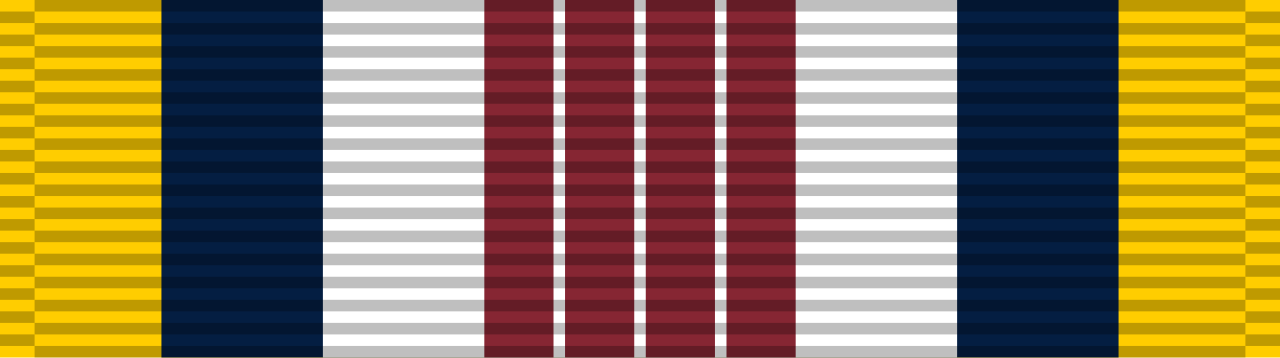
تم إنشاء وسام الجيش بموجب الأمر التنفيذي رقم 9075 في 26 فبراير 1942، والذي حل محله الأمر التنفيذي رقم 9396 في 2 ديسمبر 1943، والذي أذن بوسام الوحدة المتميزة . [7] [8] كما هو الحال مع وسام الوحدات الأخرى في الجيش، يكون وسام الوحدة المتميزة في إطار أكبر من الشرائط الأخرى، ويُرتدى فوق الجيب الأيمن. يجوز لجميع أفراد الوحدة ارتداء الوسام، سواء شاركوا شخصيًا في الأعمال التي تم وسام الوحدة من أجلها أم لا؛ يجوز فقط للأعضاء المعينين في الوحدة وقت العمل المذكور ارتداء الوسام كجائزة دائمة. بالنسبة لكل من الجيش والقوات الجوية وقوات الفضاء، يكون الشعار عبارة عن شريط أزرق صلب محاط بإطار ذهبي .
تم اعتماد وسام القوات الجوية والفضائية من وسام الوحدة المتميزة للجيش بعد أن أصبح سلاح الجو فرعًا عسكريًا منفصلاً في عام 1947. بموجب الأمر التنفيذي 10694، المؤرخ 10 يناير 1957، أعادت وزارة القوات الجوية تسمية وسام الوحدة المتميزة باسم وسام الوحدة الرئاسية. [9] وسام القوات الجوية والفضائية هو نفس لون وتصميم وسام الجيش ولكنه أصغر قليلاً، بحيث يمكن ارتداؤه بمحاذاة شرائط القوات الجوية والفضائية الأخرى على الجيب الأيسر بعد الجوائز الشخصية. كما هو الحال مع الجيش، يجوز لجميع أعضاء الوحدة المستلمة ارتداء الوسام أثناء تعيينهم فيها، ولكن فقط أولئك المخصصون للوحدة في وقت الإجراء المذكور قد يرتدون الوسام كجائزة دائمة؛ أو إذا كان أي عضو في الوحدة المستلمة لديه في آخر محطة عمل له قبل تسريحه أو تقاعده، فيجوز له الاستمرار في ارتداء الوسام على النحو المنصوص عليه.
يتم حمل الوسام بألوان الوحدة المستقبلة في شكل شريط أزرق، يبلغ طوله 4 أقدام (1.2 متر) وعرضه 2.75 بوصة (7.0 سم). بالنسبة للجيش، في حالات نادرة فقط، تكون الوحدة الأكبر من الكتيبة مؤهلة للحصول على هذا الوسام. [8]

البحرية وسلاح مشاة البحرية
تم إنشاء الاستشهادات "للوحدات البحرية ومشاة البحرية للأداء المتميز في العمل" بموجب الأمر التنفيذي رقم 9050 في 6 فبراير 1942.
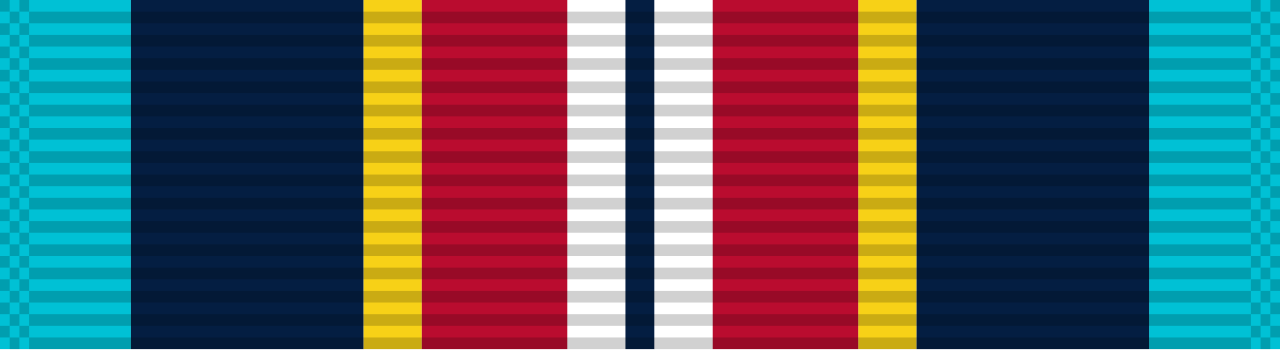
النسخة البحرية لها خطوط أفقية زرقاء داكنة وصفراء وحمراء، وهي الشريط البحري الوحيد الذي يحتوي على خطوط أفقية. [10] للتمييز بين النسختين من وسام الوحدة الرئاسية، يُشار إلى النسخة البحرية التي يُشار إليها غالبًا ببساطة باسم وسام الوحدة الرئاسية، باسم وسام الوحدة الرئاسية للبحرية وأحيانًا باسم "وسام الوحدة الرئاسية للبحرية ومشاة البحرية". يرتدي الشريط فقط أفراد الخدمة البحرية ومشاة البحرية الذين تم تعيينهم في الوحدة خلال "فترة الجائزة" للجائزة. في الجيش، يجوز لأولئك الذين ينضمون إلى الوحدة بعد "فترة الجائزة" ارتداؤها أيضًا أثناء تعيينهم في الوحدة. تنص ALNan 137–43 على أن الجائزة الأولى بها نجمة زرقاء مطلية بالمينا على الشريط ونجوم إضافية للجوائز اللاحقة. [11] [12] في عام 1945، كتب وزير البحرية وسام الوحدة الرئاسية لإيو جيما بدون السطر "وكل من يرتبطون به أو يخدمون معه". في عام 1949، تم تغيير الجائزة حيث لم تعد هناك نجمة للجائزة الأولى وتم منح النجوم البرونزية للجوائز اللاحقة.
مشابك خاصة
يو إس إسنوتيلوس(رقم الضمان الاجتماعي-571)

لإحياء ذكرى أول رحلة تحت الماء تحت القطب الشمالي بواسطة الغواصة النووية يو إس إس نوتيلوس (SSN-571) في عام 1958، تم السماح لجميع أفراد طاقمها الذين قاموا بهذه الرحلة بارتداء شريط شارة الوحدة الرئاسية الخاص بهم مع مشبك خاص على شكل حرف N من الذهب. [13] يُسمح للبحارة في البحرية الأمريكية المخصصين لنصب يو إس إس نوتيلوس التذكاري في متحف قوة الغواصات في جروتون بولاية كونيتيكت بارتداء شارة الوحدة الرئاسية البحرية مع جهاز "N" أثناء خدمتهم هناك.
اعتبارًا من عام 2014، قد يتم منح نفس الجهاز لميدالية خدمة عمليات الردع النووي لأولئك الأفراد الذين يعملون في الدعم المباشر لعمليات الصواريخ الباليستية العابرة للقارات والذين يخدمون 179 يومًا غير متتالية في مجمع صاروخي. [14]
يو إس إستريتون(رقم السجل الاجتماعي 586)

لإحياء ذكرى أول رحلة حول العالم تحت الماء بواسطة الغواصة النووية تريتون خلال رحلتها التجريبية في عام 1960، تم السماح لجميع أفراد طاقمها الذين قاموا بهذه الرحلة بارتداء شريط الوحدة الرئاسية الخاص بهم مع مشبك خاص على شكل نسخة ذهبية من الكرة الأرضية. [15]
خفر السواحل
يمكن منح وحدات خفر السواحل في الولايات المتحدة إما نسخة البحرية أو خفر السواحل من وسام الوحدة الرئاسية، اعتمادًا على الخدمة التي كان خفر السواحل يدعمها عند تنفيذ إجراء الاستشهاد.
يُعرف الوسام الحالي باسم "وسام الوحدة الرئاسية لوزارة الأمن الداخلي". تم إنشاء وسام الوحدة الرئاسية لخفر السواحل الأصلي بموجب سلطة الأمر التنفيذي رقم 10694 (الذي وقعه الرئيس دوايت د. أيزنهاور في 10 يناير 1957)، وتم تعديله بموجب القسم 74 من الأمر التنفيذي رقم 13286 (الذي وقعه الرئيس جورج دبليو بوش في 28 فبراير 2003) لنقل جائزة وسام الوحدة الرئاسية لخفر السواحل إلى وزير الأمن الداخلي.
مشبك خاص

تم منح نسخة من جائزة خفر السواحل لجميع أفراد خفر السواحل الأمريكي وأفراد خفر السواحل المساعدين من قبل الرئيس جورج دبليو بوش لعمليات الإنقاذ والإغاثة استجابة لإعصار كاترينا من 29 أغسطس 2005 إلى 13 سبتمبر 2005. يُسمح لجميع الذين حصلوا على الجائزة للاستجابة لإعصار كاترينا بارتداء شريط وحدة الرئاسة مع مشبك خاص على شكل رمز الإعصار المعترف به دوليًا. [16]
هيئة مفوضي هيئة الصحة العامة الأمريكية
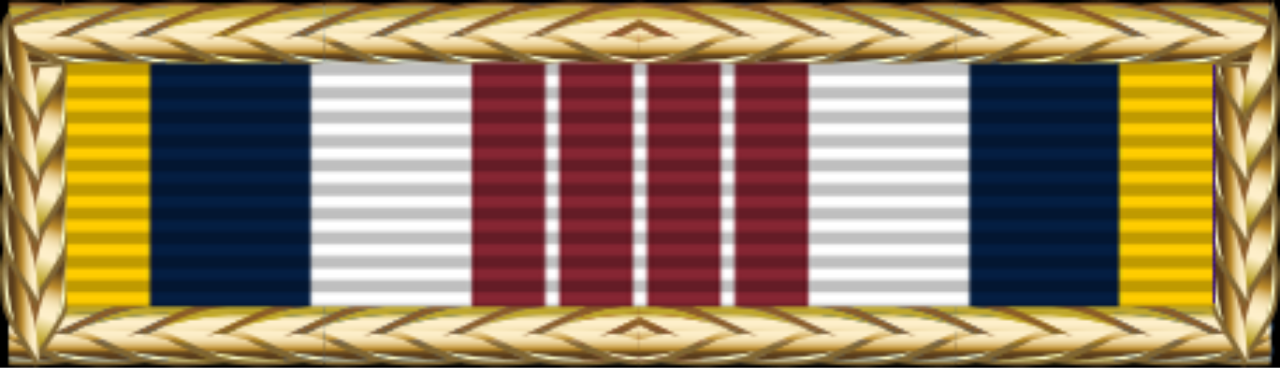
تأسست جائزة رئيس هيئة الصحة العامة الأمريكية في عام 2015. وقد تم الانتهاء من التصميم من قبل معهد الشعارات العسكرية للجيش في 17 أغسطس 2015. [17] في 24 سبتمبر 2015، قدم الرئيس باراك أوباما جائزة الوحدة الرئاسية لضباط هيئة الصحة العامة الأمريكية المفوضة لوباء الإيبولا 2013-2016 في غرب إفريقيا والولايات المتحدة. [18] في 19 يناير 2021، قدم الرئيس دونالد ترامب الجائزة لجميع ضباط هيئة المفوضين الذين خدموا من عام 2020 إلى عام 2021، لأدائهم الاستثنائي لواجبهم أثناء جائحة كوفيد-19 . [19] [ مصدر غير أساسي مطلوب ] يتم وضع إطار ذهبي حول شريط جائزة الوحدة الرئاسية للإشارة إلى جائزة ثانية. [20]
المستلمون
الحرب العالمية الثانية
جيش
| وحدة | خدمة | سنة الحصول على الجائزة | حملة أو معركة | ملحوظات |
|---|---|---|---|---|
| فوج الفرسان السادس والعشرون | الجيش الامريكي | 1941 | معركة دامورتيس/خليج لينجاين | |
| الكتيبة الثالثة، فوج المشاة 358 ، فرقة المشاة 90 | الجيش الامريكي | 1944 | خط ماهلمان | استشهاد الوحدة – 24 فبراير 1945
بموجب أحكام القسم الرابع، التعميم 333، وزارة الحرب، 22 ديسمبر 1943، وعملاً بالسلطة الواردة في التصديق الرابع، مقر الجيش الأمريكي الثالث، ملف AG 200.6 (5 نوفمبر 1944) GHMCA-4، بتاريخ 14 فبراير 1945، تم الاستشهاد بالوحدة التالية: تم الاستشهاد بالكتيبة الثالثة، فوج المشاة 358، لبطولتها غير العادية في مواجهة العدو في فرنسا. خلال الفترة من 10 إلى 12 يوليو 1944، أظهر ضباط ورجال هذه المنظمة شجاعة كبيرة وتحملًا وتصميمًا عنيدًا في الهجوم عبر Foret de Mont Castre الكثيفة، فرنسا. كان الموقع المعروف باسم "خط ماهلمان" جزءًا من خط الدفاع الرئيسي للعدو. كان يتألف من مواقع محصنة، مموهة بذكاء في الشجيرات المتشابكة وغيرها من الأجهزة التي استخدمت إلى أقصى حد الصفات الدفاعية الطبيعية للمنطقة. وعلى الرغم من الهجمات المضادة الشرسة المتكررة للعدو، فقد تقدمت الكتيبة بلا هوادة إلى الأمام وقضت على كتيبة من مشاة المظلات وسرية من مهندسي المظلات، وكلاهما كان جزءًا من فرقة المظلات الألمانية الخامسة النخبوية. وبحلول نهاية اليوم الأول، كان قائد الكتيبة و11 من أصل 17 ضابطًا ضحايا، لكن التقدم تقدم إلى مسافة 75 ياردة من الهدف الأولي. وفي اليوم التالي، أعيد تنظيم بقايا سرايا البنادق الثلاث، التي كان لدى إحداها 20 رجلاً، في سرية مركبة واحدة بقوة 126 رجلاً بقيادة ملازم. وفي هجوم متجدد، اجتاح الكتيبة المستنفدة الهدف، وقتلت 40 عدوًا، واستولت على 8 رشاشات وبازوكا وقذائف هاون. وفي 12 يوليو 1944، عندما غادرت الغابة، قاتلت الكتيبة، التي احتفظت بعدوانيتها، بجرأة استثنائية ومهارة كبيرة واستولت على أهداف متتالية. لقد ساهم اختراق الكتيبة للمواقع الرئيسية للعدو بشكل كبير في تقدم الفرقة. وكانت القيادة الملهمة لضباطها والشجاعة التي أظهرها جميع الرتب متوافقة مع أعلى التقاليد العسكرية. بأمر من اللواء روكس: [21] |
| الفوج 22 مشاة | الجيش الامريكي | 1944 | عملية الكوبرا | وحدة رئاسية استشهادية لفوج المشاة 22
اشتهر فوج المشاة الثاني والعشرون بالبطولة غير العادية والأداء المتميز للواجب في المعارك في نورماندي بفرنسا خلال الفترة من 26 يوليو إلى 1 أغسطس 1944. كان فوج المشاة الثاني والعشرون هو عنصر المشاة في قيادة قتالية للمشاة المدرعة نجحت في اختراق خط المقاومة الألماني غرب سانت لو، وتشكيل فجوة سانت جيليس-ماريني، والتي توغلت من خلالها أعمدة المشاة المدرعة في عمق الأراضي التي يسيطر عليها الألمان. وقد واجه هذا الفوج، الذي كان يركب الدبابات المرافقة له في كثير من الأحيان، أقوى المقاومة الألمانية في اشتباكات يائسة في سانت جيليس وكانيسي ولي ميسنيل هيرمان وفيليبودون وموين وبيرسي وتيسي سور فير. في أول عملية له مع فرقة مدرعة، وبعد فترة قصيرة من التلقين، تولى فوج المشاة الثاني والعشرون دور المشاة المدرعة بنجاح لا مثيل له. وخلال العملية السريعة التي استمرت سبعة أيام، كانت فرق المشاة تواكب الدبابات، ولم تسترح إلا لفترة وجيزة في الليل للضغط بلا هوادة على الهجوم عند الفجر. وخاضت الصفوف الخلفية قتالاً مع مجموعات العدو التي تم تجاوزها في الهجوم. ولم تكن هناك حماية تذكر من المدفعية الثقيلة التي استخدمها الألمان لصد الدروع الأمريكية. وكانت قاذفات العدو تضايق القوات الأمريكية باستمرار في الليل. ولكن في أداء رائع للواجب، أتقن فوج المشاة الثاني والعشرون فريق مشاة-دبابات أصبح بقوة روحه القتالية العازمة قوة لا تقاوم في ساحة المعركة. [22] |
| السرية أ، فوج المشاة المدرع رقم 36 ، الفرقة المدرعة الثالثة ، الفيلق السابع ، الجيش الأول | الجيش الامريكي | 1944 | خط سيغفريد | الأوامر العامة رقم 24 لوزارة الحرب 6 أبريل 1945
وفقًا لما تم تفويضه بموجب الأمر التنفيذي رقم 9396 (القسم الأول، اللائحة 22، WD، 1943)، والذي حل محل الأمر التنفيذي رقم 9075 (القسم الثالث، اللائحة 11، WD، 1942)، تم تأكيد الاستشهاد بالوحدات التالية في الأوامر العامة، رقم 24، مقر الفرقة المدرعة الثالثة، 20 فبراير 1945، كما وافق عليها القائد العام لمسرح العمليات الأوروبي، بموجب أحكام القسم الرابع، التعميم رقم 333، وزارة الحرب، 1943، باسم رئيس الولايات المتحدة كدليل عام على الشرف والتميز المستحقين. وتنص الاستشهادات على ما يلي: تم تكريم سرية أ من فوج المشاة المدرع السادس والثلاثين لأدائها المتميز في أداء الواجب في المعركة خلال الفترة من 10 إلى 13 ديسمبر 1944 في ألمانيا. في 10 ديسمبر 1944، تم تعيين سرية أ باعتبارها سرية المشاة الوحيدة في قوة المهام التي شنت هجومًا على إيشتز. وإدراكًا لتفوق قوات العدو التي كانت محصنة ومحصنة بشدة، هاجم رجال وضباط سرية أ بقوة، وبإصرار كبير، طردوا العدو من مواقعه الدفاعية وأمنوا القرية قبل حلول الليل. في الثاني عشر من ديسمبر 1944، انضمت سرية أ، كجزء من قوة استطلاعية، إلى الدبابات لاستطلاع قرية صغيرة على نهر روير. تطلب القطاع المخصص لسرية أ التقدم لمسافة 1500 ياردة فوق أرض مستوية ومفتوحة وتحت مراقبة العدو الكاملة من الضفة الشرقية للنهر. وعلى الرغم من أن السرية الموجودة على يسارها قد تم صدها في محاولتها عبور الحقل الذي اجتاحته النيران، إلا أن ضباط ورجال سرية أ، تجاهلوا القذائف المتفجرة الثقيلة ونيران الدبابات المباشرة ونيران الأسلحة الأوتوماتيكية المهلكة وتكبدوا خسائر فادحة، وتقدموا دون تردد عبر الحقل الذي اجتاحته النيران للوصول إلى حافة المدينة. مع بقاء عدد قليل جدًا من القادة وتقلص صفوفها بسبب الخسائر، واصلت السرية أ التقدم بقوة ونجحت في الاستيلاء على القرية، وتطهير الطرق المؤدية إلى المدينة استعدادًا لتقدم سرية بنادق أخرى. إن الأعمال البطولية والروح الجماعية التي أظهرها ضباط ورجال السرية أ، فوج المشاة المدرع السادس والثلاثين، على الرغم من ضعفها بسبب الخسائر الفادحة، تستحق الثناء الكبير. [23] |
| السرية C، فوج المشاة المدرع رقم 36 ، الفرقة المدرعة الثالثة ، الفيلق السابع ، الجيش الأول | الجيش الامريكي | 1944 | خط سيغفريد | الأوامر العامة رقم 24 لوزارة الحرب 6 أبريل 1945
وفقًا لما تم تفويضه بموجب الأمر التنفيذي رقم 9396 (القسم الأول، اللائحة 22، WD، 1943)، والذي حل محل الأمر التنفيذي رقم 9075 (القسم الثالث، اللائحة 11، WD، 1942)، تم تأكيد الاستشهاد بالوحدات التالية في الأوامر العامة، رقم 24، مقر الفرقة المدرعة الثالثة، 20 فبراير 1945، كما وافق عليها القائد العام لمسرح العمليات الأوروبي، بموجب أحكام القسم الرابع، التعميم رقم 333، وزارة الحرب، 1943، باسم رئيس الولايات المتحدة كدليل عام على الشرف والتميز المستحقين. وتنص الاستشهادات على ما يلي: تم تكريم شركة C، فوج المشاة المدرع رقم 36، لأدائها المتميز في أداء الواجب أثناء الفترة من 10 إلى 13 ديسمبر 1944 في ألمانيا. في العاشر من ديسمبر 1944، كانت سرية C جزءًا من قوة مهام وكانت تدعم سرية الدبابات الرائدة في هجوم على أوبيرجيتش. وعندما اقتربت القوة لمسافة 600 ياردة من القرية، لم يتبق سوى أربع دبابات في الخدمة بسبب المناطق المليئة بالألغام والتضاريس الصعبة. مر رجال سرية C، دون قيادة من قادتهم، عبر الدبابات وهاجموا مواقع العدو بقوة، مما سمح للوحدات المجاورة بالتقدم بأقل عدد من الضحايا. وعلى الرغم من خسارة جميع ضباطها و55 رجلاً، اندفعت سرية C إلى الأمام، وبفضل تصميمها وشجاعتها، نجحت في الاستيلاء على هدفها. وبعد يومين عملت السرية "ج" كقوة احتياطية عندما شنت كتيبتان من المشاة هجومًا على قرية هوفن. وتكبدت العناصر المهاجمة خسائر فادحة، وعلى الرغم من إضعاف السرية "ج" بسبب الخسائر التي تكبدتها في القتال السابق، فقد تم تكليفها على الفور بالعمل. تحركت السرية "ج" بسرعة عبر التضاريس المسطحة المفتوحة، وفي مواجهة النيران القاتلة من عدو متفوق عدديًا، نجحت في تطهير المدينة من كل المقاومة. إن الشجاعة الفردية والبسالة والمثابرة التي أظهرها أفراد شركة C، فوج المشاة المدرع رقم 36، في مواجهة الصعوبات المتفوقة، تتفق مع أعلى تقاليد القوات المسلحة وتستحق المحاكاة. [23] |
| الكتيبة الأولى، فوج المشاة المدرع 36 ، الفرقة المدرعة الثالثة ، الفيلق السابع ، الجيش الأول | الجيش الامريكي | 1944 | خط سيغفريد | الأوامر العامة رقم 54 لوزارة الحرب 12 يوليو 1945
وفقًا لما تم تفويضه بموجب الأمر التنفيذي 9396 (القسم الأول، نشرة WD 22، 1943)، الذي حل محل الأمر التنفيذي 9075 (انظر القسم الثالث، نشرة DW 11، 1942)، يتم تأكيد الاستشهادات بالوحدات التالية في الأوامر العامة 54، مقر الفرقة المدرعة الثالثة، 30 أبريل 1945، كما وافق عليها القائد العام لمسرح العمليات الأوروبي، بموجب أحكام القسم الرابع، النشرة الدورية WD 333، 1943، باسم رئيس الولايات المتحدة كدليل عام على الشرف والتميز المستحق. وتنص الاستشهادات على ما يلي: تم تكريم الكتيبة الأولى من فوج المشاة المدرع السادس والثلاثين لأدائها المتميز في العمل ضد العدو في ألمانيا خلال الفترة من 12 إلى 22 سبتمبر 1944. تم تكليف الكتيبة الأولى من فوج المشاة المدرع السادس والثلاثين في 12 سبتمبر 1944 بمهمة دعم قوة مهام مدرعة في مساعيها لسحق دفاعات خط سيغفريد. أعاقت العوائق المضادة للدبابات تقدم الدروع، وكانت الكتيبة ملتزمة باجتياح المواقع الدفاعية المحصنة بقوة المطلة على العوائق. في يومين من القتال العنيف ضد عدو مصمم، نجحت الكتيبة الأولى من فوج المشاة المدرع السادس والثلاثين في التغلب على دفاعات العدو واختراق الحزام المحصن الأول من الجدار الغربي. ثم هاجمت هذه القوة المقاتلة، عبر تضاريس صعبة تطل على الحزام المحصن الثاني، لإجبار رأس جسر على المرور عبر الحزام الثاني من أسنان التنين. وقد قوبل العمل العدائي العنيف برغبة لا تُقهر في الاقتراب من العدو وتدميره أينما وجد. وعلى الرغم من الصعوبات الهائلة التي واجهتها الكتيبة، نجحت في إقامة رأس جسر وصدت لمدة ثلاثة أيام هجمات مضادة قوية شنها العدو ضدها في محاولة لكسر موطئ قدم الكتيبة شمال أنياب التنين على أرض حرجة. وفي 18 سبتمبر 1944، بعد فشل عناصر المشاة على اليسار واليمين في التقدم، تم تكليف الكتيبة الأولى بالمهمة الحيوية المتمثلة في الانسحاب من موقعها البارز ومهاجمة مدينة مونستربوش المحصنة بقوة. ولم تضعف روحها القتالية، فانسحبت الكتيبة الأولى تحت الضغط وشنت الهجوم. وأطلق العدو نيرانًا مميتة على صفوفها وألحق خسائر فادحة بالمهاجمين. وقاتل العدو بوحشية مما أدى غالبًا إلى قتال بالأيدي. وعلى الرغم من الخسائر الهائلة التي تكبدتها في هذا الهجوم، لم تسمح الكتيبة الأولى للعدو بأي راحة. دافع العدو عن المدينة بعناد، واستخدم نيران الدبابات وقذائف الهاون والمدفعية والأسلحة الأوتوماتيكية، واحتفظ بمواقعه بشدة حتى قُتل أو تغلب عليه الضغوط المتواصلة. خلال الفترة من 12 إلى 22 سبتمبر 1944، أظهرت الكتيبة الأولى بطولة استثنائية وأظهرت شجاعة وتصميمًا وروحًا جماعية في التغلب على ظروف صعبة وخطرة بشكل غير عادي. إن الروح التي لا تقهر التي أظهرتها الكتيبة الأولى من فوج المشاة المدرع رقم 36 في مهام الهجوم ضد أهداف مهمة جعلت من الممكن توجيه ضربات أكثر فتكًا ضد العدو على الأراضي الألمانية. [24] |
| القسم الطبي، الكتيبة الثالثة، فوج المشاة المدرع 36 ، الفرقة المدرعة الثالثة ، الفيلق السابع ، الجيش الأول | الجيش الامريكي | 1944 | خط سيغفريد | الأوامر العامة رقم 54 لوزارة الحرب 12 يوليو 1945
وفقًا لما تم تفويضه بموجب الأمر التنفيذي 9396 (القسم الأول، نشرة WD 22، 1943)، الذي حل محل الأمر التنفيذي 9075 (انظر القسم الثالث، نشرة DW 11، 1942)، يتم تأكيد الاستشهادات بالوحدات التالية في الأوامر العامة 54، مقر الفرقة المدرعة الثالثة، 30 أبريل 1945، كما وافق عليها القائد العام لمسرح العمليات الأوروبي، بموجب أحكام القسم الرابع، النشرة الدورية WD 333، 1943، باسم رئيس الولايات المتحدة كدليل عام على الشرف والتميز المستحق. وتنص الاستشهادات على ما يلي: القسم الطبي، الكتيبة الثالثة، فوج المشاة المدرع السادس والثلاثين، يُستشهد به للأداء المتميز للواجب في العمل في ألمانيا خلال الفترة من 17 إلى 21 سبتمبر 1944. طوال هذا الاشتباك المرير، عمل القسم الطبي، الكتيبة الثالثة، فوج المشاة المدرع السادس والثلاثين، بلا انقطاع على الرغم من نيران المدفعية المعادية المدمرة وقذائف الهاون والأسلحة الصغيرة، في تقديم المساعدة الطبية وإجلاء المصابين. وعلى الرغم من إصابة العديد من أفراد القسم بجروح مؤلمة، فقد حرموا أنفسهم من العلاج أو الراحة حتى يتم رعاية مرضاهم. في إحدى المرات، عندما أُجبرت كتيبة مجاورة على التراجع وتركت محطة المساعدة دون حماية، واصل أفراد القسم رعاية الجرحى، مدركين أن نقل المرضى كان ليكون مميتًا في كثير من الحالات. عملت فرق نقل الجرحى في مواجهة نيران كثيفة بين محطة المساعدة والوحدات المتقدمة، لإجلاء الضحايا. تحرك رجال المساعدة مع وحدات الهجوم الأمامية، وقدموا العلاج الطبي الفوري للجرحى. لقد أدت الشجاعة التي لا تتزعزع والتفاني الرائع في أداء الواجب الذي أظهره أعضاء القسم الطبي، الكتيبة الثالثة، فوج المشاة المدرع 36، إلى إنقاذ العديد من الأرواح بشكل مباشر، مما جسد أعلى تقاليد الخدمة العسكرية. [24] |
| الفرقة واللواء الأول، الفرقة المحمولة جواً 101 | الجيش الامريكي | 1944 | نورماندي | |
| الفرقة واللواء الأول، الفرقة المحمولة جواً 101 (ناقص الكتيبة الثانية، فوج المشاة الشراعية 401) ومع الوحدة الملحقة التالية: فوج المشاة المظلي 501. | الجيش الامريكي | 1945 | معركة باستون | قلعة باستون
وفقًا لما هو مصرح به بموجب الأمر التنفيذي 9396 (القسم الأول، النشرة 22، WD، 1943)، الذي حل محل الأمر التنفيذي 9075 (القسم الثالث، النشرة WD، 11، 1942)، يتم الاستشهاد بالوحدة التالية من قبل وزارة الحرب بموجب أحكام القسم الرابع، النشرة رقم 333، وزارة الحرب، 1943 باسم رئيس الولايات المتحدة كدليل عام على الشرف والتميز المستحق. نص الاستشهاد على النحو التالي: الفرقة المحمولة جواً 101 (ناقص الكتيبة الثانية، فوج مشاة الطائرات الشراعية 401)، مع الوحدات الملحقة التالية: فوج مشاة المظلات 501؛ فوج مشاة المظلات 506؛ كتيبة المدفعية الميدانية المظلية 463؛ مفرزة مكافحة التجسس، الفرقة المحمولة جواً 101؛ مفرزة ترتيب المعركة رقم 5؛ فريق مترجمي الاستخبارات العسكرية رقم 410؛ فرق مترجمي الصور رقم 9 و81؛ فرق استجواب أسرى الحرب رقم 1 و9 و87؛ المجموعة الجراحية المساعدة الثالثة، الفريق رقم 3؛ كتيبة المدفعية الميدانية 969؛ كتيبة المدفعية الميدانية 755؛ كتيبة المدفعية الميدانية 705؛ القيادة القتالية ب، الفرقة المدرعة العاشرة، بما في ذلك: المقر وشركة المقر، القيادة القتالية ب، الفرقة المدرعة العاشرة؛ الكتيبة الثالثة للدبابات (باستثناء السرية ج)؛ الكتيبة العشرين للمشاة المدرعة (باستثناء السرية أ)؛ الكتيبة الرابعة والخمسين للمشاة المدرعة (باستثناء السرية أ والسرية ج)؛ الكتيبة 420 للمدفعية الميدانية المدرعة؛ الفصيلة د، سرب الاستطلاع الفرسان التسعين (ميكانيكي)؛ السرية ج، كتيبة مدمرة الدبابات 609 (باستثناء الفصيلة الأولى؛ مع سرية الاستطلاع من الفصيلة الثانية الملحقة)؛ البطارية ب، كتيبة الأسلحة الآلية المدفعية المضادة للطائرات 796؛ السرية ج، كتيبة المهندسين المدرعة 55؛ السرية ج، الكتيبة الحادية والعشرون للدبابات؛ القيادة الاحتياطية، الفرقة المدرعة التاسعة، بما في ذلك: القيادة الاحتياطية، الفرقة المدرعة التاسعة؛ المقر وشركة المقر، المجموعة المدرعة الثانية عشرة؛ الكتيبة الثانية للدبابات؛ الكتيبة الثانية والخمسون للمشاة المدرعة؛ الكتيبة الثالثة والسبعون للمدفعية الميدانية المدرعة؛ الشركة ج، الكتيبة التاسعة للمهندسين المدرعين؛ الشركة ج، الكتيبة 811 لمدمرات الدبابات؛ البطارية ج، الكتيبة 482 للمدفعية المضادة للطائرات والأسلحة الأوتوماتيكية (ذاتية الحركة)؛ الكتيبة الثانية، فوج المشاة 378، فرقة المشاة 95، الجيش الثالث. تميزت هذه الوحدات في القتال ضد قوات العدو القوية والعدوانية المكونة من عناصر من 8 فرق ألمانية خلال الفترة من 18 ديسمبر إلى 27 ديسمبر 1944 ببطولة وشجاعة غير عادية في الدفاع عن مركز الاتصالات الرئيسي في باستون، بلجيكا. كان من الضروري لاستغلال اختراقه لبلجيكا وشمال لوكسمبورج على نطاق واسع أن يحاول العدو الاستيلاء على باستون من خلال الهجوم المستمر والوحشي بأفضل ما لديه من دروع ورجال مشاة. وعلى الرغم من القصف العنيف للغاية، ونيران المدفعية المكثفة، والهجمات المستمرة من المشاة والدروع على جميع جوانب موقعهم المعزول والمحاصر بالكامل، فقد حرم هذا الدفاع الماهر والعازم العدو من تحقيق أي نجاح ولو مؤقت في عملية دفع ثمنها غالياً من الرجال والمواد، وفي نهاية المطاف من الروح المعنوية. إن الشجاعة المتميزة والحيلة والتصميم الذي لا يعرف اليأس الذي تتمتع به هذه القوة الشجاعة يتوافق مع أعلى تقاليد الخدمة. [الأوامر العامة رقم 17، وزارة الحرب، 13 مارس 1945.] |
| شركة إيزي، الفوج 117 ، فرقة المشاة الثلاثين | الجيش الامريكي | 1944 | معركة آخن |
الأمر العام 91، مقر فرقة المشاة الثلاثين، مكتب القائد العام، 2 مايو 1945: |
| فرقة المشاة الثالثة | الجيش الامريكي | 1945 | كولمار بوكيت | أوامر وزارة الحرب العامة رقم 44، 6 يونيو 1945: وفقًا لما تم تفويضه بموجب الأمر التنفيذي 9396 (القسم الأول، WD Bul. 22، 1943)، الذي حل محل الأمر التنفيذي 9075 (القسم الثالث، WD Bul، 11، 1942)، تم الاستشهاد بالوحدة التالية من قبل وزارة الحرب للأداء المتميز للواجب في العمل خلال الفترة المشار إليها بموجب أحكام القسم الرابع، WD Circular 333، 1943، باسم رئيس الولايات المتحدة كدليل عام على الشرف والتميز المستحقين. يقرأ الاستشهاد على النحو التالي:
خاضت فرقة المشاة الثالثة مع الوحدات الملحقة بها التالية: فوج المشاة 254، الكتيبة الكيميائية 99، شركة مولد الدخان الكيميائي 168، كتيبة الأسلحة الآلية المدفعية المضادة للطائرات 441، كتيبة مدمرة الدبابات 601 (SP)، كتيبة الدبابات 756، فريق IPW 183، وكتيبة المهندسين 2831 (C) قتالًا متواصلًا، من 22 يناير إلى 6 فبراير 1945، في عواصف ثلجية كثيفة، عبر المستنقعات والغابات المليئة بالعدو، وعلى سهل مسطح تتقاطع معه العديد من القنوات الصغيرة وخنادق الري والجداول التي لا يمكن عبورها، وهي تضاريس مثالية للدفاع، اخترقت جدار الدفاع الألماني على المحيط الشمالي لجسر كولمار واندفعت للأمام لعزل كولمار عن نهر الراين. عبرت قوات الهجوم نهر فيشت من غومار، الألزاس، خلسة خلال ساعات متأخرة من الظلام في الثاني والعشرين من يناير، وقاتلت في طريقها إلى الأمام ضد المقاومة المتزايدة. وعند الوصول إلى نهر إيل، تم بناء جسر عبره لكنه انهار قبل أن تتمكن الدروع من المرور لدعم كتيبتين من فوج المشاة الثمانين على الجانب البعيد. ومع عزلة وهجوم لواء بانزر ألماني كامل، تفوق عليهم عددًا وعتادًا، أُجبرت هذه القوات الشجاعة على التراجع ساحة تلو الأخرى. وتعرضت لموجة تلو الأخرى من الدروع والمشاة ضدهم، ولكن على الرغم من الصعوبات اليائسة، تمسك الفوج بعناد برأس جسره. تقدمت فرقة المشاة الثالثة في الثلوج التي تصل إلى الركبة، والتي حجبت أفدنة من الألغام المزروعة بكثافة، وقاتلت من منزل إلى منزل ومن شارع إلى شارع في مدن الحصن في سهل الألزاس. وتحت تركيزات غاضبة من النيران الداعمة، عبرت قوات الهجوم قناة كولمار في قوارب مطاطية خلال ليلة التاسع والعشرين من يناير. في غضون ثماني ساعات، تمكن الألمان من الاستيلاء على ست مدن، وتكبد العدو 500 قتيل خلال النهار، كما استولى الألمان على كميات كبيرة من الغنائم. وبعد اختراق قناة الرون-الراين، تم قطع الطريق على حامية كولمار، وتأكد سقوط المدينة. وبعد تغيير اتجاه الهجوم، تحركت الفرقة جنوبًا بين قناة الرون-الراين والراين باتجاه نوف بريزاش وجسر نوف بريزاش. وفي تزامن للهجمات، تم الاستيلاء على الجسر ونوف بريزاش من خلال عبور الخندق الواقي وتسلق الجدران التي تعود إلى العصور الوسطى باستخدام سلم. وفي واحدة من أصعب الحملات وأكثرها دموية في الحرب، قضت فرقة المشاة الثالثة على ثلاث فرق معادية، ودمرت جزئيًا ثلاث فرق أخرى، وأسرت أكثر من 4000 سجين، وأوقعت أكثر من 7500 قتيل في صفوف العدو. [25] |
| فرقة المشاة 32 | الجيش الامريكي | 1943 | حملة مسار كوكودا ، معركة بونا-جونا | "الأوامر العامة رقم 21، وزارة الحرب، 6 مايو 1943: ""عندما غزا العدو الجريء والعدواني بابوا بقوة، أوقف العمل المشترك للوحدات البرية والجوية لهذه القوات، بالاشتراك مع وحدات الحلفاء، التقدم المعادي، ودفع العدو إلى الساحل وفي سلسلة من العمليات ضد منطقة دفاعية عالية التنظيم، دمره تمامًا. أظهرت قوات القتال البرية، التي تعمل فوق الجبال والمستنقعات المغطاة بالغابات التي لا توجد بها طرق، شجاعتها وحنكتها في الاقتراب من العدو الذي استغل كل ميزة من التضاريس التي يصعب عبورها تقريبًا. جعلت القوات الجوية، من خلال مهاجمة القوات البرية ومنشآت العدو بشكل متكرر، وتدمير قوافله التي تحاول التعزيز والإمداد، ونقل القوات البرية والإمدادات إلى مناطق كانت الطرق البرية غير موجودة فيها والطرق البحرية بطيئة وخطرة، نجاح العمليات البرية ممكنًا. قامت وحدات الخدمة، التي تعمل بعيدًا عن مواقعها الطبيعية وفي بعض الأحيان أمام عناصر القتال البري، ببناء حقول هبوط في الغابة، وإنشاء وتشغيل نقاط الإمداد، وتوفير المستشفيات وإجلاء الجرحى "وكانت الشجاعة والروح والإخلاص في أداء الواجب من قِبَل جميع عناصر القيادة سبباً في تحقيق النصر الكامل." [26] |
| الكتيبة الثانية، فوج المشاة 274، فرقة المشاة 70 | الجيش الامريكي | 1945 | وينجن | |
| الكتيبة الثانية، فوج المشاة 311، فرقة المشاة 78 | الجيش الامريكي | 1945 | كسترنيخ (خط سيغفريد) | |
| الكتيبة الثالثة، فوج المشاة 310، فرقة المشاة 78 | الجيش الامريكي | 1945 | حملة راينلاند | |
| فصيلة الاستخبارات والاستطلاع ، فوج المشاة 394 ، فرقة المشاة 99 | الجيش الامريكي | 1945 | معركة الثغرة | في 26 أكتوبر 1981، وبعد الكثير من الضغط وكتابة الرسائل من قبل الملازم لايل بوك ، تم تكريم أعضاء الوحدة أخيرًا. حضر أربعة عشر من الأعضاء الثمانية عشر. قدم وزير الجيش جون أو. مارش التكريم. تميزت فصيلة الاستخبارات والاستطلاع، فوج المشاة 394، فرقة المشاة 99، ببطولة غير عادية، في العمل ضد قوات العدو في 16 ديسمبر 1944 بالقرب من لانزراث. بلجيكا. تم توجيه هجوم آردين الألماني الذي بدأ معركة الثغرة في البداية ضد قطاع صغير تدافع عنه فصيلة الاستخبارات والاستطلاع. بعد قصف مدفعي استمر ساعتين، شنت قوات العدو بقوة كتيبة على الأقل ثلاث هجمات أمامية منفصلة ضد فصيلة الاستخبارات والاستطلاع الصغيرة المكونة من 18 رجلاً. تم صد كل هجوم بنجاح من قبل الفصيلة. أصبح موقف الفصيلة غير قابل للدفاع حيث تزايدت الخسائر واستنفدت الذخيرة تقريبًا. وقد تم وضع الخطط لكسر الاتصال بالعدو والانسحاب تحت جنح الظلام. وقبل أن يتسنى تحقيق ذلك، تمكن العدو من الاستيلاء على الموقع أخيرًا بعد هجوم رابع، وتم القبض على الفصيلة. ورغم تفوق العدو عليها عددًا، إلا أن الفصيلة تمكنت من إلحاق خسائر فادحة بقوات العدو، ونجحت في تأخير تقدم القوات الألمانية المهاجمة لمدة 24 ساعة تقريبًا. وقد وفرت أفعالها الشجاعة وقتًا حاسمًا للقوات الأمريكية للاستعداد للدفاع ضد الهجوم الألماني الضخم. إن الشجاعة غير العادية والعزيمة والروح القتالية التي تحلى بها أفراد فصيلة الاستخبارات والاستطلاع في القتال عن قرب ضد قوة معادية متفوقة عدديًا تتوافق مع أعلى تقاليد جيش الولايات المتحدة وتعكس فضلًا كبيرًا على الوحدة والقوات المسلحة للولايات المتحدة. |
| فرقة المشاة السادسة والعشرون | الجيش الامريكي | 1945 | آردين-ألزاس | |
| القيادة القتالية "ب"، الفرقة المدرعة السابعة | الجيش الامريكي | 1948 | سانت فيث (حملة آردين) | وزارة الجيش، الأمر رقم 48، بتاريخ 12 يوليو 1948: "قيادة القتال ب. الفرقة المدرعة السابعة، تتألف من الوحدات التالية: المقر وشركة المقر؛ الكتيبة 17 للدبابات؛ الكتيبة 31 للدبابات؛ الكتيبة 23 للمشاة المدرعة؛ الكتيبة 38 للمشاة المدرعة؛ سرب الاستطلاع الميكانيكي 87 للفرسان (باستثناء الكتيبة د)؛ الكتيبة 275 للمدفعية الميدانية المدرعة؛ الكتيبة 434 للمدفعية الميدانية المدرعة؛ الكتيبة 965 للمدفعية الميدانية؛ الكتيبة 81 للمهندسين القتاليين (فرقة المشاة 106)؛ الكتيبة 168 للمهندسين القتاليين؛ الفصيلة الأولى، السرية ف، فوج المشاة 423 (تم تعديلها من الفصيلة الثالثة في الأمر الدائم لوزارة الدفاع رقم 032-01، بتاريخ 1 فبراير 1999)؛ تم الاستشهاد بالسرية ب، كتيبة المهندسين المدرعة 33؛ والسرية أ، كتيبة مدمرة الدبابات 814 (SP)، لأدائها المتميز في العمل من 17 إلى 23 ديسمبر 1944، شاملاً، في سانت فيث، بلجيكا. تعرضت القيادة القتالية ب، الفرقة المدرعة السابعة، لهجمات متكررة بالدبابات والمشاة، والتي ازدادت شدتها مع محاولة القوات الألمانية تدمير الدفاعات العنيدة التي كانت تحرمهم من استخدام مركز الاتصالات الرئيسي في سانت فيث. بحلول اليوم الثاني، تعرضت الأجنحة للتهديد باستمرار من قبل قوات العدو التي تجاوزت منطقة سانت فيث ودفعت بعيدًا إلى الخلف في محاولة لتطويق القيادة شرق نهر سالم. تم صد القوات المهاجمة مرارًا وتكرارًا من قبل القوات الشجاعة التي نهضت من جحورها وخاضت قتالًا عنيفًا بالأيدي لوقف الاختراقات وإلحاق خسائر فادحة بالعدو المتفوق عدديًا. ومع استمرار القيادة في حرمان الألمان من الطريق السريع المهم ومركز السكك الحديدية في سانت فيث، فقد الهجوم بأكمله زخمه الأولي وأصبحت أعمدة الإمداد الخاصة بهم مشلولة. وبحلول 21 ديسمبر، تعطل الجدول الزمني الألماني لدرجة أن العدو اضطر إلى تحويل فيلق للاستيلاء على سانت فيث. وتحت ضغط شديد من القوات الساحقة، أُمرت هذه القيادة، التي احتفظت بمنطقة سانت فيث لمدة 6 أيام بشجاعة، بالانسحاب غرب نهر سالم. وبفضل موقفها الملحمي، وبدون دفاعات مُجهزة وعلى الرغم من الخسائر الفادحة، ألحقت قيادة القتال ب، الفرقة المدرعة السابعة، خسائر فادحة بالعدو وفرضت تأخيرًا كبيرًا على العدو من خلال دفاع ماهر وحازم بما يتماشى مع أعلى تقاليد جيش الولايات المتحدة. |
| كتيبة المشاة المظلية 551 التابعة للفرقة المحمولة جواً 82 | الجيش الامريكي | 1944 | معركة الثغرة ، روخيلينفال، بلجيكا | لبطولتهم الاستثنائية في بداية الهجوم المضاد الأمريكي في آردين ببلجيكا، مشيرين إلى "الهجوم البطولي والاستيلاء على الموقع الألماني الفوجي الحرج والمحصن بشدة" في روشيلينفال على نهر سالم . بدأت كتيبة منفصلة تابعة للفرقة المحمولة جواً رقم 82 أيامها المرهقة كرأس حربة للفرقة من خلال تنفيذ غارة بنجاح على مواقع ألمانية متقدمة في نويرفونتين يومي 27 و28 ديسمبر 1944، وتسليم فيلق المحمول جواً الثامن عشر معلومات استخباراتية حيوية للهجوم المضاد للحلفاء الذي سيأتي قريبًا. في 3 يناير 1945، هاجمت الكتيبة 551 من خط انطلاق الفرقة في باس بودو ضد صعوبات كبيرة وأمنوا سلسلة جبال هيريسبي المهيبة. في اليوم التالي، 8 يناير، أمر هتلر بالانسحاب الأول للجيش الألماني من معركة الثغرة. في قتال عدو متفوق عدديًا يتمتع بميزة أرضية مرتفعة مهيمنة، فقدت الكتيبة 551 أكثر من أربعة أخماس رجالها، بما في ذلك وفاة قائدها الملهم، المقدم وود يورج، أثناء قيادته للهجوم الأخير. تسببت الكتيبة في مقتل 400 ألماني، وأسر أكثر من 300 أسير. قاتلت كتيبة المشاة المظلية 551 بإصرار وحماس غير عاديين. في ما أطلق عليه المؤرخ في جيش الولايات المتحدة تشارلز ماكدونالد "أعظم معركة خاضها جيش الولايات المتحدة على الإطلاق"، أظهرت الكتيبة 551 أفضل ما في تقاليد الجيش في أداء الواجب على الرغم من التضحيات الكبيرة وضد كل الصعاب.
(تم منحها في 23 فبراير 2001 من قبل رئيس أركان الجيش الأمريكي الجنرال إريك ك. شينسكي خلال حفل رسمي في البنتاغون.) |
| الكتيبة 21 للدبابات، القيادة القتالية ب، الفرقة المدرعة العاشرة | الجيش الامريكي | 1944 | معركة باستون | في 18 ديسمبر 1944، توقفت هجمة الفرقة العاشرة عبر أوروبا بسبب هجوم آردين. نفذت الفرقة المدرعة العاشرة انعطافة بزاوية 90 درجة واندفعت لمسافة 75 ميلاً في الهجوم الألماني. تم إرسال القيادة القتالية B مباشرة إلى باستون بأوامر بالصمود. لأكثر من ثماني ساعات، احتفظت CCB بمدينة باستون وحدها، ضد ثماني فرق ألمانية. عندما وصلت الفرقة المحمولة جواً 101، حوصرت كلتا المجموعتين العسكريتين ووقعتا في الفخ. ومع ذلك، حافظت CCB والفرقة المحمولة جواً 101 على وضع دفاعي وصمدت حتى احترق الهجوم الألماني بعد عدة أيام. في ختام المعركة، مُنحت الكتيبة المدرعة 21 وسام الوحدة الرئاسية لبطولتها غير العادية من 17 ديسمبر إلى 27 ديسمبر 1944 معركة الثغرة . |
| الشركة "أ"، [27] كتيبة مدمرة الدبابات رقم 612 ، | الجيش الامريكي | 12-29 ديسمبر 1944 | هوفن، ألمانيا معركة الثغرة | خلال الفترة من 12 ديسمبر 1944 إلى 29 ديسمبر 1944 في محيط هوفن بألمانيا، تميزت سرية أ، كتيبة مدمرة الدبابات 612 بإظهار شجاعة بارزة وبطولة فائقة في حضور العدو. نجح ضباط ورجال سرية أ، كتيبة مدمرة الدبابات 612، من خلال عدوانيتهم الحماسية المتميزة، في منع اختراق العدو في القطاع الذي تحتله الكتيبة الثالثة من فوج المشاة 395. خلال العملية بأكملها، تم توظيف أفراد سرية أ، كتيبة مدمرة الدبابات 612 في دور المشاة، وهو الدور الذي لم يتم تدريبهم عليه ولا تعيينهم فيه، حيث قاتلوا بشجاعة وروح المشاة وكانوا مسؤولين عن أسر العديد من أفراد العدو ومعداته بالإضافة إلى قتل العديد من الألمان. لقد أظهرت شجاعتهم وشجاعتهم وانضباطهم المتميز للجميع أن هذه الوحدة القتالية كانت متفوقة وكانت مفيدة في مقاومة الفرع الشمالي للكماشة الألمانية التي كانت تستهدف يوبن في بلجيكا عبر مونشاو في ألمانيا. لو نجح هجوم العدو في اجتياح مواقع كتيبة مدمرة الدبابات 612 التابعة لشركة أ، لكان الجناح الشمالي بالكامل للجيش الأمريكي الأول قد تعرض للخطر، وكانت مستودعات الإمدادات الرئيسية في محيط يوبن وفيرفييه معرضة للخطر. |
| كتيبة الدبابات 761 | الجيش الامريكي | 1978 | ETO ، الحرب العالمية الثانية | الأمر العام رقم 5 |
| الكتيبة الأولى، فوج المدفعية الدفاعية الجوية 43 | الجيش الامريكي | غوادالكانال | استشهاد الجيش | |
| كتيبة المهندسين (المقاتلة) رقم 146 | الجيش الامريكي | 1944 | عملية أوفرلورد | هبطت بعد 3 دقائق على شاطئ أوماها، يوم النصر، 6 يونيو 1944 |
| كتيبة المدفعية الميدانية المدرعة 695 | الجيش الامريكي | 1945 | الغزو خلف خطوط العدو والاستيلاء على مدينة ميتز الفرنسية. | |
| المدفعية الميدانية رقم 34 | الجيش الامريكي | 1943 | شمال أفريقيا | |
| كتيبة المهندسين القتالية رقم 51 | الجيش الامريكي | 1945 | آردين | الدفاع عن العديد من المدن البلجيكية الرئيسية ضد مجموعة بايبر القتالية في الفترة من 17 إلى 22 ديسمبر 1944. |
| الكتيبة الأولى، فوج المشاة 307 من فرقة المشاة 77 | الجيش الامريكي | 1945 | أوكيناوا ، شيما | "للهجوم على The Escarpment، والاستيلاء عليها وتأمينها، وهي قلعة صخرية مرجانية محصنة بشدة كانت المفتاح لموقع شوري الدفاعي الياباني الشهير في أوكيناوا، خلال الفترة من 30 أبريل إلى 5 مايو 1945، وتمكين التقدم العام لجميع عناصر القيادة." |
| فوج المشاة المظلي رقم 505 التابع للفرقة المحمولة جواً رقم 82 | الجيش الامريكي | 1944 | يوم النصر – نورماندي | للعمل في Sainte-Mère-Église |
| الكتيبة الأولى، فوج المشاة المظلي 504 (باستثناء السرية "أ") من الفرقة المحمولة جواً 82 | الجيش الامريكي | 1945 | عملية ماركت جاردن – شينيو، بلجيكا |
المقر الرئيسي الفرقة المحمولة جواً 82D مكتب قائد الفرقة APO 469، جيش الولايات المتحدة، 23 مارس 1945 الأوامر العامة رقم وحدة الاستشهاد 43 تم تكريم الكتيبة الأولى من فوج المظلات 504 (باستثناء السرية "أ") من قبل القائد العام للجيش الأمريكي الأول، وذلك لأدائها المتميز في أداء الواجب في مواجهة العدو. والتكريم على النحو التالي: تم تكريم الكتيبة الأولى من فوج المظلات 504 (باستثناء السرية "أ") لأدائها المتميز في العمل ضد العدو في 20-21 ديسمبر 1944، في شينيو، بلجيكا. صدرت الأوامر لهذه القوة بالاستيلاء على المدينة واحتلالها والتي تقع على أرض جبلية وكانت تدافع عنها كتيبة معززة بشدة من قوات الأمن الخاصة المدرعة مدعومة بدبابة مارك السادس والعديد من المدافع الرشاشة ومدافع SP 20 ملم ومدافع SP 77 ملم ومدافع هاوتزر 105 ملم. تم الدفاع عن الموقع بشكل أعمق بواسطة نصف مجنزرات مدرعة مثبتة بمدافع ثلاثية 20 ملم وقذائف هاون SP 81 ملم. هاجمت الكتيبة شينيو في صفوف من موجات الهجوم واقتحمت العدو المتمركز بقوة من خلال النيران الكثيفة لمدفع 20 ملم والرشاشات وقذائف الهاون والأسلحة الصغيرة. تكبدت الموجات الثلاث الأولى خسائر فادحة حيث هاجمت عبر 400 ياردة من الحقول المفتوحة المسورة بالأسلاك الشائكة. وعلى الرغم من الخسائر الفادحة، استمر هؤلاء الجنود المظليون في التقدم بعزيمة قاتمة، مع اقتراب كل موجة لاحقة حتى تمكن العدو ومركباته المدرعة ومدافعه أخيرًا من التغلب عليه في قتال شرس بالأيدي. وعندما نفدت الذخيرة، طرد الجنود العدو من مواقع منيعة تقريبًا بالحراب والبنادق. وتم هزيمة العدو العنيد تمامًا من دفاعاته المحيطة واستمر الهجوم حتى تم الاستيلاء على جزء من شينيو، حيث تم إعادة التنظيم والاستعداد لهجوم مضاد. عند الفجر، وضع العدو استعدادات مدفعية ثقيلة، ثم شن خمس هجمات مضادة متتالية طوال اليوم. تم صد كل هذه الهجمات وعند الغسق واصلت هذه القوة الشجاعة الهجوم وطردت الألمان من المدينة والمناطق المرتفعة القريبة. في هذه المعركة من أجل شينيو، دمرت الكتيبة الأولى من فوج المظلات 504 (باستثناء السرية "أ") خمس سرايا من قوات مدرعة ألمانية وكميات كبيرة من المدفعية والمركبات ودبابة واحدة من طراز مارك السادس. لقد تمكنوا من نصب فخ لثلاثين دبابة وخمسة وتسعين مركبة تم تدميرها بالكامل في النهاية. لقد تكبدت هذه القوة المحمولة جواً خسائر فادحة في الاشتباك، ولكن على الرغم من هذه الخسائر والضراوة المتعصبة التي دافع بها العدو عن المواقع الرئيسية، فقد سادت بطريقة رائعة من خلال الانضباط الممتاز والمهارة والعمل الجماعي. إن الشجاعة العالية والشجاعة التي لا مثيل لها والإنجازات الفردية للشجاعة من جانب كل رجل وضابط تعكس الفضل في تقاليد القوات المحمولة جواً في جيش الولايات المتحدة. |
| السرية "أ"، فوج المشاة المظلي رقم 504 من الفرقة المحمولة جواً رقم 82 | الجيش الامريكي | 1945 | شركة أ لعبور نهر الراين في هيتدورف، ألمانيا في 6 أبريل 1945 |
تم تكريم سرية "أ" من فوج المظلات رقم 504، لأدائها المتميز في أداء الواجب في الصراع المسلح ضد العدو في ألمانيا في الفترة من 6 إلى 7 أبريل 1945. عبرت هذه السرية نهر الراين في الساعة 02-30 من يوم 6 أبريل 1945، واستولت على بلدة هيتدورف التي يبلغ طولها ميلًا واحدًا على الشاطئ الشرقي بمهمة توفير قاعدة لمزيد من الدوريات وإجبار القيادة العليا الألمانية على إرسال قوات غير متناسبة ضدهم معتقدة أنها ستكون معبرًا رئيسيًا للنهر. شن العدو هجومًا مضادًا على الفور، لكن مجموعات الهجوم قوبلت بقوة كبيرة ودُمرت تقريبًا. على ما يبدو تحت الانطباع بأن رأس جسر أمريكي قوي قد تم إنشاؤه بين عشية وضحاها، جمع الألمان ووجهوا جزءًا كبيرًا من فرقتين لمهمة احتواء وإبادة الهجوم الهائل. في منتصف بعد الظهر تعرضت المنطقة بأكملها لقصف مدفعي مدمر ومدمر لمدة ساعتين وبعدها هاجمت قوات الهجوم المضاد بقوة ساحقة بدعم من الدبابات الجنود المدافعين من كل اتجاه واخترقت قلب المدينة. وقف جنود السرية أ بعناد على أرضهم وقاتلوا عن قرب ومن مسافة قريبة وألحقوا خسائر فادحة بجماهير العدو. قاتلت هذه السرية الشجاعة بشراسة لا هوادة فيها طوال فترة ما بعد الظهر والليل، وصمدت في أرضها ونفذت مهمتها حتى أمرت أخيرًا بالانسحاب إلى الضفة الغربية لنهر الراين ليلة 6-7 أبريل. كان القتال مريرًا وعن قرب. تم تدمير الدروع الألمانية الملتزمة بالأسلحة اليدوية، واستخدم معظم الجنود مدافع بانزرفاوست الألمانية التي تم الاستيلاء عليها. قاتلت السرية طريقها خطوة بخطوة خلال ساعات الظلام إلى قواربهم. إن الجهود الشجاعة والماهرة التي بذلها ضباط ورجال هذه المجموعة الشجاعة، على الرغم من تفوقهم العددي بنسبة ثمانية إلى واحد على الأقل، تنعكس في العدد الإجمالي للخسائر التي لحقت بالقوات الألمانية خلال قتال ذلك اليوم. تم أسر ثمانين سجينًا وإجلاؤهم وتشير التقديرات المحافظة إلى مقتل 150 من العدو وإصابة 250. يعكس سلوك شركة A الفضل الكبير للقوات المحمولة جواً التابعة لجيش الولايات المتحدة. [28] |
| فوج المشاة المظلي رقم 505 التابع للفرقة المحمولة جواً رقم 82 | الجيش الامريكي | 1944 | عملية ماركت جاردن – جروسبيك ، هولندا | |
| فرقة المشاة 96 | الجيش الامريكي | 2001 | أوكيناوا | تميزت فرقة المشاة 96 والوحدات الملحقة بها خلال الفترة من 1 أبريل 1945 إلى 30 يونيو 1945 ببطولة وشجاعة غير عادية في العمل ضد العدو في غزو أوكيناوا وجزر ريوكيو واليابان. في 1 أبريل 1945، قامت فرقة المشاة 96 بإنزال هجومي على شواطئ هاجوشي في أوكيناوا وفي غضون ثلاثة أيام تغلبت على كل المقاومة في كتلة تل سونابي الكبيرة التي سيطرت على شواطئ إنزال الفيلق الرابع والعشرين. ثم هاجمت الفرقة على الفور بسرعة ومهارة جنوبًا على طول النصف الغربي من الجزيرة، واجتاحوا ودمروا أو دفعوا خطوط البؤر الاستيطانية للعدو والنقاط القوية التي تحرس الطرق المؤدية إلى مركز الدفاع الرئيسي في شوري. بحلول 7 أبريل، اخترقت الفرقة الحلقة الخارجية الرئيسية. في 9 أبريل، بدأت الفرقة سلسلة من الهجمات ضد موقع الدفاع الياباني القوي في سلسلة جبال كاكازو. كان من الضروري حفر وتفجير وحرق أو دفن المدافعين المتعصبين للعدو إلى الأبد. بحلول 15 أبريل، تمكنت الفرقة من السيطرة على أجزاء مهيمنة من التلال. وفي 16 أبريل، أصبحت الفرقة فرقة داخلية عندما دخلت فرقة ثالثة الخط على جانبها الأيمن. وواصلت هجماتها يومًا بعد يوم. وتم الاستيلاء على تل تومبستون. وتم الاستيلاء على منحدرات تانابارو ومايدا. وتم الاستيلاء على تل نيدل روك 153 والبوابة. وفي 1 مايو، تم سحب الفرقة لمدة تسعة أيام من الراحة واستقبال واستيعاب البدلاء الذين بلغ عددهم الإجمالي أكثر من 4000. وفي 9 مايو، أعادت الفرقة دخول الخطوط على الضفة اليسرى (الشرقية)، وبدأت سلسلة من الهجمات المريرة والدموية باليد المصممة لانتزاع المفتاح الحيوي للقسم الشرقي من موقع معركة شوري من التل المخروطي الياباني. رد المدافعون اليائسون بكل النيران والقوة البشرية تحت قيادتهم. تم وضع تركيزات من المدفعية وقذائف الهاون المتوسطة والثقيلة على خطوطنا لفترات لم تكن معروفة من قبل في حرب المحيط الهادئ. بحلول الحادي والعشرين من مايو، تم الاستيلاء على قمة ومنحدرات تل كونيكال الشرقية، مما فتح طريقًا للالتفاف حول شوري. إلى الغرب من تل كونيكال، استولت الفرقة على تلة شوغر واخترقت خط شوري إلى مسافة 200 ياردة من طريق ناهي-شوري-يونابارو، وهو خط الاتصال الداخلي والأساسي للعدو. أدى فقدان تل كونيكال إلى إحباط موقع شوري، وانسحب العدو، بعد وقت قصير من سقوطه، إلى مواقع نهائية على طول الطرف الجنوبي للجزيرة. واصلت الفرقة مطاردة العدو المنسحب. في مواقع العدو النهائية على منحدرات يوزا-يايجو-داكي، كانت أعلى تلين في منطقة الفرقة 96. هاجمت الفرقة ببطولة وبعنف لا يمكن إيقافه، باستخدام نفس الهجمات اليدوية والحفر والحرق المتفجر المطلوبة في الاشتباكات السابقة. أنهت الفرقة 96 حصتها من القتال المنظم كما بدأته، واقتربت من مدى الحراب بشجاعة،لقد كانت البطولة والتصميم على الفوز من العوامل التي دفعت بهجماتها إلى الأمام على الرغم من الخسائر الفادحة والمشلولة والمتاعب الجسدية التي تفوق قدرة التحمل البشرية تقريبًا. لقد قتلت الفرقة ما مجموعه 37763 من العدو في 73 يومًا من القتال. وبلغ إجمالي خسائرها في المعركة 7294، بما في ذلك 1504 قتيل. ساهمت الانتصارات الرائعة التي حققتها الفرقة 96 في أوكيناوا بشكل كبير في هزيمة حامية العدو الكبيرة. لقد جسدت الروح المعنوية والبطولة والمظاهر المستمرة للشجاعة الخام طوال المعركة أعلى تقاليد الخدمة العسكرية. |
| الكتيبة الثانية وفصيلة واحدة من السرية أ، كتيبة الدبابات 749 وفصيلة واحدة من السرية أ، كتيبة مدمرة الدبابات 776 من فرقة المشاة 44 (الولايات المتحدة) | الجيش الامريكي | 1945 | فرنسا | بدأت العملية الدفاعية في 31 ديسمبر 1944 ضد الهجوم الألماني عملية نوردويند في ريملينج، فرنسا. |
| فرقة القتال الفوج 503 | الجيش الامريكي | 1945 | معركة كوريجيدور (1945) | تحرير جزيرة كوريجيدور في خليج مانيلا، 16-26 فبراير. |
| فوج المشاة 222 | الجيش الامريكي | 2001 | الألزاس | 24 و 25 يناير 1945 صمد أمام هجمات متكررة من ثلاث فرق معادية |
| الفصيلة الثالثة، السرية C من كتيبة مدمرة الدبابات 614 | الجيش الامريكي | 1945 | الألزاس | 14 ديسمبر 1944 نصبوا مدافعهم في مرأى ومسمع العدو، وكانوا بمثابة خدعة حتى تتمكن الوحدات الأخرى من الهجوم والاستيلاء على بلدة كليمباك في فرنسا |
| الوحدة المركبة 5307 (" مارودرز ميريل ") | الجيش الامريكي | 1966 [2] | شمال بورما | |
| كتيبة مدمرة الدبابات 601 | الجيش الامريكي | 1942 | معركة القطار | في 23 مارس 1942، فضت هجومًا شنته عناصر قوية من فرقة الدبابات العاشرة ، ودمرت 37 دبابة وحصلت على وسام الوحدة الرئاسية. كان هذا هو التميز المثير للاهتمام لكونه المرة الوحيدة التي تقاتل فيها كتيبة بالطريقة التي تصورها مفهوم "مدمرة الدبابات" الأصلي، كوحدة مستقلة منظمة تعارض قوة مدرعة في منطقة مفتوحة. حصلت على وسام الوحدة الرئاسية الثاني للعمل الثقيل في جيب كولمار، ودمرت 18 دبابة. |
| الكتيبة الثالثة، فوج المشاة 351 | الجيش الامريكي | 1944 | 9 يوليو إلى 13 يوليو 1944 - خمسة أيام من القتال العنيف؛ وأسر 425 سجينًا؛ ومقتل وإصابة 250 من الأعداء. | |
| الكتيبة 100 مشاة | الجيش الامريكي | 1944 | بلفيدير وساسيتا، إيطاليا | أوامر وزارة الحرب العامة رقم 66، 15 أغسطس 1944: 26 و27 يونيو 1944 - أدت الرغبة العنيدة للرجال في الاقتراب من عدو متفوق عدديًا والسرعة التي قاتلوا بها إلى تمكين الكتيبة 100 للمشاة من تدمير مواقع الجناح الأيمن للجيش الألماني تمامًا، مما أسفر عن مقتل 178 ألمانيًا على الأقل وإصابة حوالي 20 وأسر 73 وإجبار بقية الكتيبة المعطلة تمامًا على الاستسلام على مساحة 10 كيلومترات تقريبًا من الأرض. بالإضافة إلى ذلك، تم الاستيلاء على كميات كبيرة من أسلحة العدو ومركباته ومعداته أو تدميرها. |
| الكتيبة 100 مشاة | الجيش الامريكي | 1944 | برويير، بيفونتين، وفي غابات دومينيال دي شامب، فرنسا | أوامر وزارة الحرب العامة رقم 78، 12 سبتمبر 1945: من 15 إلى 30 أكتوبر 1944 - تم تكليف الكتيبة 100 مرة أخرى بالهجوم. ذهبت لإنقاذ "الكتيبة المفقودة"، فوج المشاة 141، وقاتلت دون هوادة لمدة 4 أيام ضد عدو متعصب كان مصممًا على إبقاء "الكتيبة المفقودة" معزولة وإجبارها على الاستسلام. في اليوم الرابع، وعلى الرغم من الإرهاق وتقليص قوتها بسبب الخسائر إلى حوالي نصف قوتها الطبيعية، قاتلت الكتيبة بإصرار ضد نيران الأسلحة الصغيرة وقذائف الهاون القوية للعدو حتى اتصلت بالوحدة المعزولة. |
| فريق القتال الفوجي 442 | الجيش الامريكي | 1945 | سيرافيزا، كارارا، وفوسدينوفو، إيطاليا | أوامر وزارة الحرب العامة رقم 34، 10 أبريل 1946، المعدلة بموجب أوامر وزارة الحرب العامة رقم 106، 20 سبتمبر 1946: من 5 إلى 14 أبريل 1945 - تم إنجاز مهمة إنشاء تحويل على طول ساحل ليغوريا، والذي كان بمثابة خدعة للاختراق اللاحق لقوات الجيش الخامس إلى بولونيا ووادي بو. أدى الإنجاز الناجح لهذه المهمة إلى تحويل العمل التحويلي إلى هجوم واسع النطاق ومنتصر، والذي لعب دورًا مهمًا في التدمير المزدوج للجيوش الألمانية في إيطاليا. |
| الكتيبة الثانية، فريق القتال الفوجي 442 | الجيش الامريكي | 1944–1945 | برويير، فرنسا؛ بيفونتين، فرنسا؛ و ماسا، إيطاليا | أوامر وزارة الحرب العامة 83، 6 أغسطس 1946: 19 أكتوبر 1944، 28 و29 أكتوبر 1944، 6 إلى 10 أبريل 1945 - نفذت الكتيبة الثانية عملية تكتيكية رائعة في الاستيلاء على هيل 503، لتسريع الحركة الأمامية بعد برويير، فرنسا ومحو التهديد الألماني من الخلف. في 28 أكتوبر 1944، أمّنت الكتيبة الثانية هدفها في عملية استمرت يومين، والتي قضت على تهديد لأجنحة فرقتين أمريكيتين. في مواجهة وابل العدو المكثف والهجمات المضادة العديدة، قاتل جنود المشاة من هذه الكتيبة طريقهم عبر تضاريس صعبة تشبه الغابة في طقس متجمد وحاصروا العدو تمامًا. حافظت الكتيبة الثانية على سجلها المثير للإعجاب من الإنجازات في محيط ماسا بإيطاليا، وحطمت واستغلت الخط الأخضر القوي على ساحل ليغوريا. وبعد أن تغلبت الكتيبة الثانية على المرتفعات الهائلة وسط مقاومة شديدة، تمكنت خلال خمسة أيام من القتال العنيف المتواصل من الاستيلاء على سلسلة من الأهداف لتمهيد الطريق لدخول مراكز الاتصالات المهمة في ماسا وكارارا بإيطاليا دون مقاومة. وفي هذه العملية، تمكنت الكتيبة الثانية من أسر أكثر من 200 ألماني وأسر كميات كبيرة من المعدات المعادية أو تدميرها. |
| الكتيبة الثالثة، فريق القتال الفوجي 442 | الجيش الامريكي | 1944 | بيفونتين، فرنسا | أوامر وزارة الحرب العامة رقم 68، 14 أغسطس 1945: 27 إلى 30 أكتوبر 1944 - فجأة حاصر العدو إحدى كتائب وحدة أخرى كانت تتقدم في عمق أراضي العدو خارج مدينة بيفونتين، وانفصلت عن جميع الوحدات الصديقة قوة معادية تقدر بنحو 700 رجل. كانت مهمة الكتيبة الثالثة هي الهجوم جنبًا إلى جنب مع الكتيبة 100 وأربع كتائب أخرى وتخفيف حدة الوحدة المحاصرة. وعلى الرغم من استنزاف القوى البشرية بشكل خطير، صدت الكتيبة هجومين مضادين حاسمين للعدو، وبعد تقليص حاجز طريق ملغوم بكثافة، أقامت أخيرًا اتصالاً مع الكتيبة المحاصرة. |
| الشركات F و L، فريق القتال الفوجي 442 | الجيش الامريكي | 1944 | بلمونت، فرنسا | أوامر عامة لوزارة الحرب رقم 14، 4 مارس 1945: 21 أكتوبر 1944 - شنت الشركتان F وL، من فريق القتال الفوجي 442، المسمى قوة مهام أوكونور، هجومًا على المنحدر الشمالي للتلال المشجرة، فور دي بلمونت. في تدمير خط المقاومة الرئيسي للعدو والتقدم بخطوط الجبهة الفرقية بحوالي 2000 متر، أسرت قوة المهام 56 سجينًا وقتلت 80 من العدو واستولت على كميات كبيرة من معدات العدو ومعداته. |
| سرية قتال المهندسين رقم 232 (التي كانت حينها تابعة لكتيبة قتال المهندسين رقم 111)، فرقة المشاة السادسة والثلاثين | الجيش الامريكي | 1944 | برويير، فرنسا | أوامر وزارة الحرب العامة رقم 56، 17 يونيو 1946: من 23 أكتوبر إلى 11 نوفمبر 1944 - على الرغم من أن المهندسين تكبدوا 57 قتيلاً وجريحًا، إلا أنهم أسروا 27 أسيرًا ألمانيًا وقتلوا المزيد أثناء عملهم. جعلت الأمطار والثلوج المستمرة تقريبًا مهمتهم أكثر صعوبة، ومع ذلك، وبفضل التصميم والشجاعة، تمكن هؤلاء الرجال من تحقيق هذا الإنجاز الهندسي الرائع. بدون هذا الطريق، لم يكن من الممكن أن تنجح عملية الفرقة، ويرجع الفضل في الإنجاز الاستثنائي الذي حققته الكتيبة القتالية الهندسية الحادية عشرة مع سرية القتال الهندسية 232 (المرفقة) إلى أن الفرقة 36 تمكنت من الالتفاف حول قوات العدو في وادي لافلين-كورسيو وملاحقة عدو غير منظم إلى ضفاف نهر مورثي. |
| كتيبة المهندسين القتالية رقم 254 [29] | الجيش الامريكي | 1945 | معركة الثغرة | الأوامر العامة رقم 32، وزارة الحرب، واشنطن العاصمة، 23 أبريل 1945: تم الاستشهاد بكتيبة المهندسين القتالية رقم 254 لبطولتها غير العادية في العمل ضد عدو مسلح في 17 ديسمبر 1944 في بلجيكا. في وقت مبكر من صباح يوم 17 ديسمبر 1944، صدرت أوامر للكتيبة باتخاذ موقف دفاعي على الجانب الأيمن للفيلق. وعلى الرغم من تسليحها بأسلحة صغيرة ورشاشات وقاذفات صواريخ فقط، وعدم وجود أي دعم لها على الإطلاق، فقد نجحت الكتيبة في مقاومة العديد من الهجمات الشرسة التي شنتها المشاة المدرعة والدبابات (فرقة الدبابات الثانية الألمانية SS). وعندما اجتاحتها دبابات العدو أخيرًا، واصلت الكتيبة مقاومتها البطولية من مواقع متتالية لمدة 9 ساعات قبل وصول الإغاثة أخيرًا (من قبل عناصر من فرقة المشاة الأولى الأمريكية التي تحركت من منطقة استراحة). لقد مكن هذا العمل الشجاع الشجاع من اتخاذ تدابير ناجحة لتأمين سلامة الجناح الأيمن للفيلق، وسمح بإخلاء مخازن كبيرة من البنزين والحصص الغذائية التي يحتاجها العدو بشدة، وحرمه من استخدام ثلاثة طرق حيوية للتقدم. لقد منع التصميم والبطولة والروح الجماعية التي أظهرها الضباط والجنود الأفراد في الكتيبة في هذا العمل الناجح ضد قوة مدرعة قوية للعدو، على الرغم من الخسائر الفادحة، العدو من اختراق المناطق الخلفية للفيلق وساهم بشكل كبير في الفشل النهائي لهجومه المضاد. إنه يعكس الفضل الكبير للكتيبة 254 للمهندسين القتاليين ويتماشى مع أرقى تقاليد الخدمة العسكرية. |
| الفرقة المدرعة الرابعة | الجيش الامريكي | 1945 | آردين | 22 ديسمبر 1944 – 27 مارس 1945؛ WD GO 54، 1945 |
| فرقة المشاة الثلاثين [30] | الجيش الامريكي | 2020 | مورتين ، فرنسا | بيان من الرئيس، واشنطن العاصمة، 17 مارس 2020: بناءً على توجيهاتي، سيمنح جيش الولايات المتحدة وسام الوحدة الرئاسية لفرقة المشاة الثلاثين. منذ أكثر من 75 عامًا، نام جنود فرقة المشاة الثلاثين في خنادقهم بعد اتخاذ مواقع دفاعية على عجل حول بلدة مورتين الصغيرة في فرنسا. استيقظوا ليجدوا أنفسهم تحت هجوم من قبل فيلق بانزر ألماني بأكمله. من خلال هذا الهجوم، راهن أدولف هتلر على منع القوات الأمريكية من الخروج من رأس جسر نورماندي إلى الريف المفتوح. تطلبت الخطة النازية من قوات الدبابات اختراق فرقة المشاة الثلاثين في طريقها إلى البحر. ومع ذلك، أثبتت تصرفات فرقة المشاة الثلاثين أنها حاسمة في صد هذا الهجوم.
أطلق على جنود الفرقة الثلاثين لقب "فرقة هيكوري القديمة" لأن جنودها كانوا من وحدات الحرس الوطني من ولايات نورث وساوث كارولينا وتينيسي وجورجيا - وهي ولايات مرتبطة ارتباطًا وثيقًا بالرئيس أندرو جاكسون - وقد أثبت جنود الفرقة الثلاثين أنهم أقوياء مثل وحدتهم التي تحمل اسمهم. كان الموقف الذي واجهوه في 6 أغسطس 1944 مروعًا. فقد وجدوا أنفسهم في مواجهة دروع العدو الساحقة، واخترقت الدبابات الألمانية خطوطهم. ومع ذلك، لم تتوقف فرقة هيكوري القديمة عن القتال. فقد دفعت طهاتها وموظفيها وسائقيها إلى الخدمة كرجال بنادق. وحمت مدفعية الفرقة عناصرها المحاصرة والمعزولة بوابل مستمر من النيران. وعند بزوغ الفجر، وصل الدعم الجوي الأمريكي والبريطاني للمساعدة. وبحلول فترة ما بعد الظهر من يوم 7 أغسطس، توقف الهجوم الألماني وهاجمت الفرقة بسرعة لتخفيف العبء عن عناصرها المحاصرين، خلال خمسة أيام أخرى من القتال العنيف. قُتل أو جُرح أكثر من 2000 جندي من جيش هيكوري القديم خلال المعركة التي استمرت أسبوعًا، لكن جهودهم وتضحياتهم سيكون لها تأثير عميق على مسار التاريخ. بعد الحرب، تم تكريم ثماني وحدات ضمن فرقة المشاة الثلاثين بوسام الوحدة الرئاسية. واليوم، يسعدني توجيه الجيش لتكريم بقية الفرقة والوحدات الملحقة بها بوسام الوحدة الرئاسية لموقفهم البطولي في مورتين. هذا الإجراء يعترف بحق بمحاربينا القدامى الذين انتصروا على صعوبات لا تصدق، وكذلك أولئك الذين ماتوا خلال معركة حاسمة ساعدت في ضمان انتصار الحلفاء في أوروبا. |
| فوج المشاة 254، فرقة المشاة 63 | الجيش الامريكي | 1945 | كولمار، فرنسا | |
| الكتيبة الثانية من فوج المشاة 254، فرقة المشاة 63 | الجيش الامريكي | 1945 | جيبسهايم، فرنسا | |
| الكتيبتان الأولى والثالثة، فوج المشاة 254، فرقة المشاة 63 | الجيش الامريكي | 1945 | إنشيم، ألمانيا (خط سيغفريد) | |
| الكتيبة الثالثة والشركتان أ و ب، فوج المشاة 253، فرقة المشاة 63 | الجيش الامريكي | 1945 | كلاينبليترسدورف، ألمانيا | |
| الكتيبة الثانية والثالثة، فوج المشاة 124 | الجيش الامريكي | 1944 | غينيا الجديدة [31] | - |
القوات الجوية للجيش
| وحدة | خدمة | سنة الحصول على الجائزة | حملة أو معركة | ملحوظات |
|---|---|---|---|---|
| مجموعة القصف رقم 99 | الجيش الامريكي | 1944 | الفرقة الجوية الخامسة عشر – مسرح عمليات البحر الأبيض المتوسط | مهمة 23 أبريل 1944 إلى فينر نويشتات ، رومانيا. مقاومة هجمات المقاتلات العنيفة لقصف مصنع الطائرات والمرافق الحيوية |
| مجموعة القصف 301 | الجيش الامريكي | 1944 | الفرقة الجوية الخامسة عشر – مسرح عمليات البحر الأبيض المتوسط | 25 فبراير 1944 مهمة إلى ريجينسبيرج ، رومانيا. وعلى الرغم من المواجهات الشرسة مع مقاتلات العدو، قامت المجموعة بقصف مراكز إنتاج الطائرات. |
| مجموعة القصف 301 | الجيش الامريكي | 1943 | الفرقة الجوية التاسعة – مسرح عمليات البحر الأبيض المتوسط | مهمة 6 أبريل 1943 إلى بنزرت ، تونس. صمدت المجموعة في وجه نيران كثيفة مضادة للطائرات من دفاعات الشاطئ والسفن القريبة لمهاجمة قافلة من السفن التجارية قبالة بنزرت وبالتالي تدمير الإمدادات الأساسية لدفاع المحور عن تونس. |
| مجموعة القصف رقم 376 | الجيش الامريكي | 1944 | الفرقة الجوية الخامسة عشر – مسرح عمليات البحر الأبيض المتوسط | مهمة 16 يونيو 1944 إلى براتيسلافا. |
| مجموعة القصف رقم 376 | الجيش الامريكي | 1943 | الفرقة الجوية التاسعة – مسرح عمليات البحر الأبيض المتوسط | مهمة 1 أغسطس 1943 إلى بلويشتي ، رومانيا. بعد أن أدركت المجموعة أنها خرجت عن المسار، حاولت الوصول إلى هدفها المحدد من اتجاه آخر؛ ومع ذلك، بحلول هذا الوقت، كانت دفاعات العدو في حالة تأهب تام وأجبرت المعارضة الشديدة الفرقة 376 على تحويل مسارها إلى أهداف الفرصة في منطقة الهدف العامة. |
| مجموعة القصف رقم 376 | الجيش الامريكي | 1943 | الفرقة الجوية التاسعة – مسرح عمليات البحر الأبيض المتوسط | 17 أغسطس 1943. العمليات ضد العدو في الشرق الأوسط وشمال أفريقيا وصقلية |
| مجموعة القصف 449 | الجيش الامريكي | 1944 | الفرقة الجوية الخامسة عشر – مسرح عمليات البحر الأبيض المتوسط | 4 أبريل 1944 مهمة إلى بوخارست ، المجر. حلقت بدون حراسة، وأغارت على ساحات الحشد في بوخارست؛ وعلى الرغم من تفوق المقاتلات الألمانية عليها بشكل كبير، نجحت المجموعة ليس فقط في قصف الهدف ولكن أيضًا في تدمير العديد من طائرات الاعتراض المعادية. |
| مجموعة القصف 449 | الجيش الامريكي | 1944 | الفرقة الجوية الخامسة عشر – مسرح عمليات البحر الأبيض المتوسط | مهمة 9 يوليو 1944 إلى بلويشت ، رومانيا. الطيران وسط الدخان الكثيف ونيران العدو المكثفة لمهاجمة مصفاة نفط كونكورديا. |
| المجموعة المقاتلة الأولى | الجيش الامريكي | 1944 | الفرقة الجوية الخامسة عشر – مسرح عمليات البحر الأبيض المتوسط | مهمة 22 مايو 1944 إلى بلويشتي ، رومانيا. تغطية استثنائية لطائرات B-17 بعد الهجوم. |
| المجموعة المقاتلة رقم 82 | الجيش الامريكي | 1944 | الفرقة الجوية الخامسة عشر – مسرح عمليات البحر الأبيض المتوسط | مهمة 10 يونيو 1944 إلى بلويشتي ، رومانيا |
| المجموعة المقاتلة رقم 52 | الجيش الامريكي | 1944 | الفرقة الجوية الخامسة عشر – مسرح عمليات البحر الأبيض المتوسط | مهمة 9 يونيو 1944 إلى ميونيخ ، ألمانيا |
| المجموعة المقاتلة رقم 52 | الجيش الامريكي | 1944 | الفرقة الجوية الخامسة عشر – مسرح عمليات البحر الأبيض المتوسط | مهمة 31 أغسطس 1944 إلى Landeplatz Reghin |
| مجموعة القصف رقم 97 | الجيش الامريكي | 1944 | الفرقة الجوية الخامسة عشر – مسرح عمليات البحر الأبيض المتوسط | مهمة 24 فبراير 1944 إلى ستير ، النمسا |
| مجموعة القصف رقم 97 | الجيش الامريكي | 1944 | الفرقة الجوية الخامسة عشر – مسرح عمليات البحر الأبيض المتوسط | مهمة 18 أغسطس 1944 إلى بلويشتي ، رومانيا |
| المجموعة المقاتلة 332 | الجيش الامريكي | 1945 | الفرقة الجوية الخامسة عشر – مسرح عمليات البحر الأبيض المتوسط | مهمة 24 مارس 1945 إلى برلين ، ألمانيا |
| المجموعة المقاتلة الرابعة عشر | الجيش الامريكي | 1944 | فرقة العمليات البحرية الخامسة عشر في البحر الأبيض المتوسط | مهمة 2 أبريل 1944 إلى ستير ، النمسا |
| مجموعة القصف 322 | القوات الجوية للجيش الأمريكي | 1944 | المسرح الأوروبي للعمليات |
       المقر الرئيسي APO 696 للجيش الأمريكي
      القوة الجوية التاسعة 28 أكتوبر 1944
(الأوامر العامة)   مقتطف
الرقم...254 شرف المعركة 1. بموجب أحكام القسم الرابع، التعميم رقم 333، WD، 1943، تم ذكر الوحدات المذكورة أدناه من القوة الجوية التاسعة لأدائها المتميز في العمل ضد العدو. وتنص الاستشهادات على ما يلي:
***
" مجموعة القصف 322 (م) . للأداء المتميز للواجب في العمل في مسرح العمليات الأوروبي من 15 مايو 1943 إلى 24 يوليو 1944. طوال هذه الفترة، تميز أعضاء مجموعة القصف 322 (م) بسجل إنجازاتهم سواء أثناء الهجوم الجوي في أوروبا أو الحملة في شمال أوروبا، وخلال العمليات أظهرت المجموعة قدرة غير عادية وتنوعًا في إتقان تقنيات جديدة للقصف المتوسط والتي كانت ذات أهمية خاصة في توجيه وتدريب فرقة القصف التاسعة (م) ككل. بعد أن أثبتت تكتيكات B-26 منخفضة المستوى الأولية عدم ملاءمتها للعمليات في نوع المهمة التي تم إرسال الطائرات من أجلها، شرعت مجموعة القصف 322 (م) في برنامج تدريب مكثف في إجراءات القصف التشكيلي على ارتفاعات متوسطة، وكان نجاحه مفيدًا في اعتماد B-26 للعب دور حيوي في العمليات الجوية في مسرح العمليات الأوروبي. "إن الدقة التي تم تحقيقها في تطوير القصف بالتشكيلات العمياء التي حققتها المجموعة كانت عاملاً مهماً في استخدام B-26 في عمليات حققت نجاحاً كبيراً. بالإضافة إلى ذلك، تميز أعضاء المجموعة بتبنيهم الرائع لتقنية القصف الليلي، والتي مثلت زيادة مهمة في تنوع طائرات القصف المتوسطة. إن السجل المتميز الذي حققته مجموعة القصف 322 (M) طوال هذه العمليات، جنبًا إلى جنب مع النجاح الاستثنائي الذي صاحب العديد من الابتكارات في الإجراءات التشغيلية، قد ميز المجموعة وأفرادها بتميز خاص. إن المثابرة والشجاعة والتفاني في أداء الواجب التي أظهرها أعضاء المنظمة على الرغم من الصعوبات والمخاطر التي تنطوي عليها الطرق غير المجربة، تضع مجموعة القصف 322 (M) بين صفوف تلك المنظمات التي ساهمت إلى حد كبير في شق طرق جديدة للقوات الجوية للجيش"
***
بأمر من اللواء فاندنبرغ:
عقيد WWMillard، GSC C of S. |
| مجموعة القصف رقم 344 | القوات الجوية للجيش الأمريكي | 1944 | شبه جزيرة شيربورغ، منطقة سانت لو، نورماندي، فرنسا | اشتهرت مجموعة القصف 344 (M) ببطولتها غير العادية في الصراع المسلح مع العدو من 24 إلى 26 يوليو 1944. لعبت مجموعة القصف 344 (M) دورًا حيويًا في تمهيد الطريق لهجوم الحلفاء على شبه جزيرة شيربورج من خلال مهاجمة أربع منشآت حيوية للعدو. في 24 يوليو، أرسلت المجموعة 39 طائرة لمهاجمة جسر رئيسي فوق نهر لوار بالقرب من تورز، والذي كان يستخدم لجلب التعزيزات المعادية إلى قطاع سانت لو. وعلى الرغم من وابل مكثف من نيران مضادات الطائرات التي فرقت الرحلة الرئيسية وألحقت أضرارًا بـ 31 طائرة، أرسل الطيارون الشجعان قنابلهم بتأثير واضح ودمروا الجسر. في صباح اليوم التالي، تم شن هجوم بكامل قوته ضد تجمعات قوات العدو في طريق قوات الحلفاء المتقدمة في منطقة سانت لو. وبعد أربع ساعات هاجمت المجموعة جسر سكة حديد في ماينتينون وقطعته، وفي 26 يوليو، دمر تشكيل من طائرات من طراز بي-26 من المجموعة إمدادات كبيرة من الوقود والذخيرة. ونتيجة للشجاعة الشجاعة للطيارين والجهود الحثيثة التي بذلها أفراد القوات البرية، تمكنت القوات البرية المتحالفة من التقدم فوق المنطقة بأقل الخسائر. وبفضل شجاعتهم وعزيمتهم، يعكس ضباط ورجال مجموعة القصف 344 (م) قدرًا كبيرًا من الفضل لأنفسهم وللقوات الجوية للجيش. (الأوامر العامة 170، مقر القوات الجوية التاسعة، 31 أغسطس 1945، كما وافق عليها القائد العام، المسرح الأوروبي (الرئيسي).)
بأمر من وزير الحرب إدوارد ف. ويتسيل اللواء القائم بأعمال القائد العام دوايت د. أيزنهاور القائم بأعمال رئيس الأركان |
| مجموعة القصف رقم 320، فيلق الجيش الجوي الثاني عشر | القوات الجوية للجيش الأمريكي | 1944 | APO 650، فوندي ، إيطاليا | لأداء متميز للواجب في الصراع المسلح مع العدو في مسرح عمليات البحر الأبيض المتوسط في 12 مايو 1944. شاركت في العمليات التي سبقت ودعمت اختراق الحلفاء في كاسينو بإيطاليا، وأظهرت مجموعة القصف 320 دقة غير عادية في قصف جسور السكك الحديدية والطرق السريعة وتجمعات القوات والمطارات والشحن بشكل فعال، وأسقطت مرارًا وتكرارًا جميع قنابلها في غضون 200 ياردة من أهداف محددة. في 12 مايو 1944، ودعمًا مباشرًا لتقدم الجيش الخامس على طول الطريق السريع الساحلي نحو روما، حققت مجموعة القصف 320 نتائج مذهلة في هجوم على تجمعات قوات العدو المحمية بشدة، بما في ذلك فرقة بانزر غرينادير الشهيرة 15، التي كانت تتمركز بالقرب من فوندي. في الساعة 1330، أقلعت ست وثلاثون طائرة من طراز B-26 Marauder من مجموعة القصف 320 من قاعدتها في سردينيا وهبطت جنوب شرق سبيرلونجا بإيطاليا. وبإظهار مهارات طيران فائقة وبطولة غير عادية، حافظ طيارو المجموعة على رحلاتهم سليمة بثبات من خلال إطلاق نار كثيف ودقيق مضاد للطائرات تعقبهم من البر إلى الهدف ثم العودة إلى الساحل. كانت النيران المعادية مميتة لدرجة أنه على الرغم من الاستخدام الأكثر مهارة للعمل المراوغة القوي، فقد تضررت سبعة عشر من قاذفاتهم وأصيب العديد من أفراد الطاقم. واستمر الطيارون العازمين في مواصلة رحلة طويلة ومتعمدة للقنابل على الرغم من القصف المكثف، وتمكنوا ببراعة من الإمساك بطائراتهم المارودرز غير المصحوبة في تشكيل منسق بشكل رائع، مما مكن القاذفات من إطلاق 3978 قنبلة متشظية بدقة لا تخطئ. ألحق النمط المركّز الذي غطى منطقة الهدف خسائر ودمارًا لا يمكن تعويضهما بالعدو الذي كان مضغوطًا بالفعل، وحطم هذا التركيز الرئيسي للاحتياطيات وقدم مساعدة لا تُحصى للقوات البرية المتحالفة في تقدمها شمالاً. إن النتائج المتميزة التي حققتها والتي جعلتها تتفوق على الوحدات الأخرى المشاركة في نفس الاشتباك هي نموذجية للقصف الدقيق المتفوق باستمرار لمجموعة القصف 320، وربما كانت فقط من خلال القيادة المتميزة والجهد الدؤوب والأداء الفائق للواجب من قبل كل عضو في المنظمة. من خلال شجاعتهم التي لا مثيل لها ومهارتهم في القتال وتفانيهم الثابت في أداء الواجب، عكس أفراد مجموعة القصف 320 فضلًا كبيرًا على أنفسهم وعلى الخدمة العسكرية للولايات المتحدة.
بأمر من اللواء كانون: الرسمي: ويليام ديك، العقيد، المساعد العام. الرسمي: جون دبليو موناهان، العقيد، رئيس أركان المدفعية |
| مجموعة القصف رقم 320 ، فيلق الجيش الجوي الثاني عشر | القوات الجوية للجيش الأمريكي | 1945 | APO 374، سار بالاتينات، ألمانيا | مجموعة القصف 320. لأداء متميز للواجب في العمل ضد العدو في مسرح العمليات الأوروبي في 15 مارس 1945. بالتنسيق المباشر مع هجوم الحلفاء ضد القوات البرية للعدو في سار بالاتينات، أُمر الجيش السابع بالهجوم مباشرة عبر خط سيجفريد المحصن بقوة على طول الجبهة الواقعة شرق تسفايبروكن، ألمانيا؛ كان هدف مجموعة المارودر هذه هو تغطية المخابئ المعادية وحواجز الدبابات بقنابل هدم ثقيلة لإضعاف هذا الخط المزعوم بشكل كافٍ، وتمكين القوات البرية من اختراق مواقع العدو. وعلى الرغم من النيران الدقيقة المضادة للطائرات من دفاعات سيجفريد، أطلقت مجموعة القصف 320 تركيزًا مدمرًا ودقيقًا من القنابل لإحداث أضرار لا تقدر بثمن للمنشآت والأفراد. كان الدور البارز الذي لعبته هذه المجموعة مميزًا ومتفوقًا عن الوحدات الأخرى المشاركة في نفس الاشتباك وضمان نجاح هذه العمليات. بدءًا من الساعة 0630 صباحًا، في 15 مارس 1945، انطلقت خمس موجات من تسع عشرة طائرة من طراز B-26 من مجموعة القصف 320 من هذه القاعدة الفرنسية. وعلى الرغم من النيران الأرضية المستمرة والدقيقة، فقد واصل المارودرز بحزم محاور الهجوم الثابتة لتنفيذ عمليات قصف طويلة متعمدة وخالية من العيوب، وأطلقوا 1340 قنبلة شديدة الانفجار في أنماط مثالية داخل الإحداثيات المحددة على الرغم من الضباب الأرضي الكثيف، مما ألحق خسائر لا يمكن تعويضها بأفراد العدو. بعد أن كشفت الصور عن مخابئ وخنادق اتصالات وحفر أسلحة وطرق مدمرة داخل منطقة الهدف بمثل هذا التأثير الذي حققه الجيش السابع في اختراقه الأولي لخط سيغفريد دون أي معارضة تقريبًا على المناطق التي هاجمتها مجموعة القصف 320. تم تنفيذ هذا المسعى المنفذ بشكل مثالي للتنسيق الجوي الأرضي إلى نهايته الناجحة للغاية من خلال التغطية الكاملة للضباب الأرضي الثقيل والمحدود بشكل واضح. لقد تم تحقيق ذلك بفضل القيادة المتميزة لمجموعات الطيارين والقاذفين المدربين تدريبًا كاملاً على التقنية الثورية في قصف شوران غير المرئي والمساهمات الماهرة المستمرة لجميع الأفراد في مجموعة المارودر هذه. هذه العملية نموذجية للقصف المتفوق لمجموعة القصف 320، وقد عكست أعظم الفضل للمجموعة والخدمة المسلحة للولايات المتحدة.
بأمر من اللواء ويبستر: سي إي كرومرين، العقيد، رئيس أركان المدفعية. |
| مجموعة المقاتلات الثالثة ، القوة الجوية الرابعة عشرة | الجيش الامريكي | 1945 | المهمة "أ"، الصين | في الفترة ما بين 1 مايو 1944 و30 يونيو 1944، شن الجناح الصيني الأمريكي المركب حملة ضد تقدم ياباني قوامه 75000 جندي وفرقة ميكانيكية كاملة عبر سهول هونان. وعلى الرغم من أن الجناح كان يتألف من أفراد من جنسيتين، وكان قد وصل إلى المنطقة قبل بضعة أسابيع فقط، وكان لديه خرائط محلية مع نقاط تفتيش رئيسية فقط تُرجمت إلى اللغة الإنجليزية، وكان عليه نقل جميع الإمدادات جواً، فقد تسبب ذلك في تعثر الحملة اليابانية. وقد تكبد الجناح خسائر تقدر بنحو 2317 قتيلاً أو جريحًا من قوات العدو، وتدمير 1321 من سلاح الفرسان والحيوانات، وتدمير وإتلاف 865 مركبة للعدو، وتدمير 48 طائرة، وتدمير 110 قوارب نهرية (اثنان آخران بطول 100 قدم). في حين بلغ متوسط عدد الضباط والجنود في الجناح 799 ضابطًا وجنديًا (صينيين وأمريكيين)، مع 31 طائرة مقاتلة من طراز P-40 و11 قاذفة متوسطة من طراز B-25. ولهذا، حصلت CACW على وسام الوحدة المتميزة في 18 أغسطس 1945. |
| مجموعة القصف رقم 387 | القوات الجوية للجيش الأمريكي | 1945 | ماين ، ألمانيا، جسر السكة الحديدية | اشتهرت مجموعة القصف 387 بالبطولة غير العادية في الصراع المسلح مع العدو في 23 ديسمبر 1944، عندما أُرسلت المجموعة لمهاجمة جسر سكة حديد حيوي ومُدافع عنه بقوة في ماين بألمانيا. أثناء الطريق إلى الهدف، تعرض الصندوق الثاني من طائرات B-26، الذي كان بدون مرافقة مقاتلة وكان منفصلاً بعدة أميال عن الصندوق الأول، لهجوم شرس من قبل ما بين 15 و25 طائرة من طراز Messerschmitt. وعلى الرغم من النيران الدفاعية الحاسمة التي أودت بحياة عدد كبير من المقاتلين المعادين، فقد ضغط العدو على هجماته بمثل هذا الغضب لدرجة أن الطيران المنخفض تغلب عليه وأُجبرت أربع طائرات B-26 على الهبوط في النيران. وعلى الرغم من أن كل طائرة في الرحلتين المتبقيتين لحقت بها أضرار من هجمات العدو في المواجهات التي تلت ذلك، إلا أن الطيارين الشجعان نجحوا في دفع أربع طائرات معادية إلى الدمار المؤكد وإجبار أربع طائرات أخرى على الانفصال في النيران. وفي الوقت نفسه، ضغطت المجموعة الأولى على الهدف على الرغم من التقطع في الجناح واقتراب هجوم المقاتلات. ورغم حدوث فشل في نظام تحديد المسار قبل دقيقة واحدة من وقت إطلاق القنبلة، فقد تزامنت ضربات القاذفات على الهدف بدقة كبيرة لدرجة أن أضرارًا جسيمة قد ألحقت بالجسر. وعلى الرغم من الخسائر الفادحة التي تكبدتها المجموعة الثانية أثناء هجمات العدو، فقد عادت المجموعة الثانية لشن هجوم إضافي على الهدف، ونتيجة لجهودها الحثيثة، تم تدمير الجزء المركزي من امتداد الجسر بالكامل. وعلى الرغم من الأضرار الجسيمة التي لحقت بطائرات المجموعة أثناء المهمة الصباحية، فقد أظهر ضباط ورجال مجموعة القصف 387 تصميمًا كبيرًا في الشروع في مهمة أخرى بعد ساعتين فقط من عودة القاذفات إلى القاعدة. وتم مواجهة وابل مدمر من نيران مضادات الطائرات فوق منطقة الهدف في بروم بألمانيا، مما أدى إلى إتلاف 21 طائرة من أصل 26 طائرة تم إرسالها. وفي مواجهة هذا القصف المستمر، أطلق الطيارون الشجعان قنابلهم بدرجة عالية من الدقة على منشآت الاتصالات. في تنفيذ هذه الضربة المزدوجة ضد مرافق الاتصالات والنقل للعدو في هذا التاريخ، أظهر ضباط ورجال مجموعة القصف 387 مهارة جوية وعزيمة وتفانيًا في أداء الواجب بما يتماشى مع أرقى تقاليد القوات الجوية للجيش. الأوامر العامة 140، مقر القوات الجوية التاسعة، 23 يوليو 1945، كما وافق عليها القائد العام للقوات الأمريكية، المسرح الأوروبي (الرئيسي).
بأمر من اللواء ويلاند تم منحها في 14 أغسطس 1945، في برج إيفل، باريس، فرنسا، من قبل اللواء ويليام إي. كيبنر، قائد القوات الجوية التاسعة. [32] |
| جناح القصف 410 (الخفيف) ، القوات الجوية التاسعة | القوات الجوية للجيش الأمريكي | 1944 | حصلت على وسام الوحدة المتميزة لفعالية هجماتها على خطوط الاتصالات الألمانية أثناء معركة الثغرة. | |
| مجموعة القصف الثانية | الجيش الامريكي | 1944 | فرقة العمليات البحرية الخامسة عشر في البحر الأبيض المتوسط | مهمة 24 فبراير 1944 إلى ستير ، النمسا |
| مجموعة القصف الثانية | الجيش الامريكي | 1944 | فرقة العمليات البحرية الخامسة عشر في البحر الأبيض المتوسط | مهمة 25 فبراير 1944 إلى ريغنسبورغ ، ألمانيا. تمثل المرة الوحيدة في تاريخ الطيران العسكري الأمريكي التي يتم فيها منح وحدة استشهادات متتالية لأعمال في أيام متتالية. [33] |
| السرب 46، المجموعة المقاتلة 21 | الجيش الامريكي | 1945 | تم الاستشهاد به في 13 نوفمبر 1945 لأداء متميز للواجب في 7 أبريل 1945 أثناء الصراع المسلح مع العدو أثناء مرافقة هجوم B-29 Superfortress على مصنع الطائرات ناكاجيما المحصن بشدة بالقرب من طوكيو. انطلقت من إيو جيما، وكانت أيضًا أول مرافقة مقاتلة للقاذفات فوق اليابان. [34] | |
| المجموعة المقاتلة رقم 56 | الجيش الامريكي | 1944 | مهام ضد مصانع الطائرات ومراكز التجميع الألمانية. | خلال الفترة من 20 فبراير إلى 9 مارس 1944، دمرت المجموعة المقاتلة رقم 56 98 طائرة معادية، وربما دمرت 9 طائرات أخرى وألحقت أضرارًا بـ 52 طائرة. [35] |
| المجموعة المقاتلة رقم 56 | الجيش الامريكي | 1944 | عملية ماركت جاردن | في 18 سبتمبر 1944، نفذت المجموعة المقاتلة رقم 56 مهمة بالغة الخطورة لقمع مواقع نيران العدو لدعم عمليات الإنزال الجوي في هولندا. تم تنفيذ المهمة بنجاح ولكنها أسفرت عن خسارة 16 طائرة من أصل 39 طائرة وتضرر 15 طائرة أخرى. [35] [36] |
| مجموعة المطاردة رقم 57 | الجيش الامريكي | 1943 | تمكنت المجموعة من تدمير أكثر من 70 طائرة نقل ومقاتلة للعدو في معركة جوية فوق خليج تونس في 18 أبريل 1943، وحصلت على وسام الوحدة المتميزة. | |
| مجموعة المطاردة رقم 57 | الجيش الامريكي | 1943 | بالنسبة للعمليات في الخطوط الأمامية للدعم المباشر للجيش الثامن من معركة العلمين الثانية إلى استسلام قوات العدو في صقلية، حصلت المجموعة على وسام الوحدة المتميزة مرة أخرى. | |
| سرب المطاردة رقم 99 | الجيش الامريكي | 1943 | بالنسبة للاستسلام لجزيرة بانتيليريا ، إيطاليا، عن طريق القوة الجوية وحدها، فهو الأول من نوعه في التاريخ. | |
| مجموعة القصف 319 | الجيش الامريكي | 1944 | وفي شهر مارس/آذار، حصلت على وسام الوحدة المتميزة لغاراتها على ساحات الحشد في روما وفلورنسا والتي ألحقت الضرر باتصالات العدو دون تدمير المعالم الثقافية. | |
| مجموعة القصف رقم 330 | الجيش الامريكي | 1945 | المهمة 27 و 46 | حصلت المجموعة على وسام الوحدة المتميزة لشن غارات حارقة على الأقسام الصناعية في توكوشيما وجيفو ولشن هجوم على مركز الطاقة الكهرومائية في كوفو باليابان في يوليو 1945. كما حصلت المجموعة على وسام الوحدة المتميزة لمهاجمة مصنع محركات الطائرات ناكاجيما-موساشينو بالقرب من طوكيو في أغسطس 1945 [37] |
| المجموعة المقاتلة 367 | الجيش الامريكي | 1945 | مطارات Luftwaffe في Clastres وPéronne وRosières. | بفضل إنجازاتها التي حققتها في 25 أغسطس، حصلت مجموعة المقاتلات 367 على وسام الوحدة الرئاسية، وهو أعلى جائزة ممكنة لوحدة في القتال. |
| المجموعة المقاتلة 367 | الجيش الامريكي | 1945 | مقر الجيش الألماني على الجبهة الغربية بأكملها. | ولنجاح هذه المهمة، حصلت مجموعة المقاتلات 367 على جائزة Oak Leaf Cluster لوحدة الرئاسة. |
| المجموعة 480 لمكافحة الغواصات | القوات الجوية للجيش الأمريكي | 1944 | معركة الأطلسي | كما هو مصرح به بموجب الأمر التنفيذي رقم 9396 (القسم الأول، المرسوم رقم 22، WD، 1943) الذي حل محل الأمر التنفيذي رقم 9075 (القسم الثالث، المرسوم رقم 11، WD، 1942)، تُمنح الاستشهادات باسم رئيس الولايات المتحدة، كدليل عام على التكريم والتميز المستحقين، للوحدات المذكورة أدناه. وتنص الاستشهادات على ما يلي: تم الاستشهاد بمجموعة مكافحة الغواصات رقم 480، القوات الجوية للجيش، للأداء المتميز للواجب في العمل مع العدو خلال الفترة من 10 نوفمبر 1942 إلى 28 أكتوبر 1943 في مسارح العمليات الأوروبية وشمال إفريقيا. كانت المنظمة الرائدة في إنشاء عمليات مكافحة الغواصات الهجومية للقوات الجوية للجيش في نصف الكرة الشرقي. منذ بداية وجود قيادة مكافحة الغواصات التابعة للقوات الجوية للجيش (التي تم تفعيلها في 15 أكتوبر 1942) قادت هذه المجموعة قوات القوات الجوية للجيش في القتال ضد الغواصات، وحملت الهجوم إلى المياه الإقليمية للعدو. وبالتالي ساهمت بشكل كبير في نجاح عمليات الأمم المتحدة في شمال إفريقيا وفي غزو أوروبا. شاركت المجموعة في جميع مراحل معركة الأطلسي وهزمت العدو فوق سطح البحر وعلى سطحه وتحته. بلغت أنشطتها ذروتها في الأسبوع الثاني من يوليو 1943، عندما بذل العدو كل جهد ممكن لإحباط إمدادات وتعزيز قواتنا التي كانت تقوم آنذاك بغزو صقلية. في الأيام التسعة بين 6 و14 يوليو (شاملة) شنت طائرات هذه المنظمة 12 هجومًا على غواصات العدو، أسفرت 8 منها عن تدمير العدو أو إلحاق أضرار محتملة به. كانت القوة الجوية المصرح بها للمجموعة 24 قاذفة من طراز B-24. على مدى 12 شهرًا، أرسلت هذه القوة الصغيرة طائراتها فوق القوافل وممرات الشحن المؤدية إلى أوروبا وشمال إفريقيا في مهام تمتد إلى مسافة 1250 ميلًا من القاعدة وتستمر لمدة 17 ساعة. واجهت طائرات مجموعة مكافحة الغواصات 480، التي كانت تحلق بمفردها وغالبًا ما تكون أقل عددًا بشكل كبير، طائرات Ju 88 و Fw 200 المتسللة، وهاجمتها وهزمتها في معارك جوية فوق القوافل وأثناء الدوريات. وعلى الرغم من تفوقها العددي في هذه المعارك بنسبة متوسطة تبلغ 1 إلى 3، فقد دمرت طائرتين للعدو مقابل كل طائرة واحدة من طائراتها المفقودة. يبلغ عدد أفرادها القتلى والمفقودين 101 ضابط ورجل، أي ما يقرب من 50 في المائة من قوتها المصرح بها (240). ساهمت مجموعة مكافحة الغواصات 480 ببطولة وكفاءة فائقة في الفوز بمعركة الأطلسي. سجلها ملهم ويستحق المحاكاة. بأمر من وزير الحرب: المارشال العام، رئيس الأركان. المسؤول: جيه إيه أوليو، اللواء، المساعد العام. AGO 40، وزارة الحرب، واشنطن العاصمة، 25، 4 يناير 1944. |
| مجموعة القصف رقم 484 | القوات الجوية للجيش الأمريكي | 1944 | انسبروك ، النمسا | في 13 يونيو 1944، منع ستار دخان كثيف المجموعة من قصف ساحات الحشد في ميونيخ؛ ومع ذلك، وعلى الرغم من الأضرار الجسيمة الناجمة عن النيران المضادة للطائرات والصواريخ الاعتراضية، وعلى الرغم من إطلاق النار الكثيف الذي واجهته المجموعة على الهدف البديل، قصفت المجموعة ساحات الحشد في إنسبروك وتلقت تقديرًا لعملها المستمر. |
| مجموعة القصف رقم 484 | القوات الجوية للجيش الأمريكي | 1944 | فيينا | حصلت على وسام DUC الثاني لأدائها في 21 أغسطس 1944 عندما قاتلت المنظمة، دون حراسة، طريقها عبر معارضة شديدة لمهاجمة منشآت تخزين النفط تحت الأرض في فيينا. |
| مجموعة القصف الحادية عشر | القوات الجوية للجيش الأمريكي | 1942 | جنوب المحيط الهادئ | للقيام بعمليات ضد قوات العدو في جزر سليمان (جوادالكانال) دعماً للبحرية الأمريكية. |
| مجموعة القصف السابعة عشر | الجيش الامريكي | 1945 | شفاينفورت ، ألمانيا | أول قوة جوية تكتيكية (مؤقتة)، APO 374، 19 مايو 1945، الأوامر العامة رقم 128، مجموعة القصف السابعة عشر
لأداء متميز للواجب في العمل ضد العدو في مسرح العمليات الأوروبي في 10 أبريل 1945. بعد عمليات عبور نهر الراين التي قامت بها الجيوش المتحالفة على نطاق واسع، وصلت فرقة المشاة الأمريكية الثانية والأربعون إلى ضواحي مدينة شفاينفورت المحصنة بألمانيا، وهي مركز اتصالات مهم. مع تقدمها نحو نورمبرج وميونيخ التي أعاقتها العديد من النقاط القوية في هذه المدينة، والتي شكلت أحد المعاقل الدفاعية الرئيسية التي تسيطر عليها ألمانيا، كان من الضروري تحييد شفاينفورت بالقصف الجوي. قدم التعاون الجوي الرائع للفرقة الثانية والأربعين من قبل جناح القصف الثاني والأربعين في هذه المناسبة الجديرة بالملاحظة تحية بليغة لفعالية التنسيق الجوي الأرضي والعمل الجماعي. إن الدور البارز الذي لعبته مجموعة القصف السابعة عشر جعلها تتفوق على الوحدات الأخرى المشاركة في نفس الاشتباك وضمن فعالية هذه العمليات ككل. بعد إقلاعها من قاعدتها في ديجون بفرنسا في الساعة 09.15 من يوم 10 أبريل 1945، بدأت ثماني وستون طائرة من طراز B-26 من المجموعة طلعاتها القصفية بالقرب من الهدف وسط وابل من النيران الثقيلة والدقيقة المضادة للطائرات والتي ألحقت أضرارًا بخمس عشرة طائرة من طائرات المارودرز المهاجمة. واصلت الرحلات الاثنتي عشرة للقاذفات مسارها فوق الهدف بتشكيل مثالي وأكملت القصف بدقة لا تصدق. كشف الاستطلاع الفوتوغرافي أن 133 طنًا من القنابل التي أطلقتها مجموعة القصف السابعة عشرة على الهدف حققت تدميرًا لا مثيل له. ألحق الانفجار والنيران أضرارًا جسيمة بالمدينة لدرجة أن الفعالية العسكرية لقوات العدو المدافعة عن المدينة أصيبت بالشلل. كان نجاح المهمة، الذي كان نموذجياً للقصف المتفوق الذي قامت به مجموعة القصف السابعة عشرة، كارثياً للعدو لدرجة أن الفرقة الثانية والأربعين تمكنت من الاستيلاء على شفاينفورت دون أي مقاومة تقريباً، وبالتالي تسريع تقدم الجيش السابع نحو نورمبرج وميونيخ، وبالتالي الوصول إلى نتيجة أسرع للنصر النهائي للحلفاء. إن دقة التخطيط للمهمة ودقة التنفيذ تشهد على كفاءة وحماسة وتصميم أطقم القتال. وتعزى النتائج المتفوقة التي تم تحقيقها إلى التعاون الشامل والتفاني في أداء الواجب الذي أظهرته أطقم الأرض وموظفو الإدارة الذين جعلوا من الممكن تحقيق مثل هذا الإنجاز الاستثنائي. إن الأضرار الهائلة التي ألحقتها مجموعة القصف السابعة عشرة بمنشآت العدو في مسرح العمليات في البحر الأبيض المتوسط وأوروبا، خلال فترة تسعة وعشرين شهراً متتالية من الحرب الجوية، تم تحقيقها بدقة قصف عالية بشكل ثابت والتي يُعتقد أنها غير مسبوقة. ومن خلال أدائها الفريد والناجح للغاية ضد العدو في ستمائة وستة مهام قصف،لقد فازت مجموعة القصف السابعة عشر بمكانة محسودة في القوات الجوية للجيش، مما يعكس الفضل الأكبر للمجموعة التي تتوافق مع أعرق تقاليد الخدمة العسكرية للولايات المتحدة. |
| مجموعة القصف 92 | القوات الجوية للجيش الأمريكي | 1944 | أوشرسليبن ، ألمانيا | أمر ميداني _؛ الثلاثاء، 11 يناير 1944؛ الهدف الأساسي: أوشرسليبن، الهدف الثانوي: هالبرشتات، التشكيل: مجموعة القنابل 92 (الأسراب 325، 326، 327، 407) الجناح القتالي الأربعين، السرب 325، السرب العالي - المجموعة العالية، السرب المنخفض 407. |
| مجموعة القنابل رقم 389 | سلاح الجو بالجيش الأمريكي | 1 أغسطس 1943 | كامبينا ، بلويشت ، رومانيا | |
| مجموعة القصف رقم 450 | سلاح الجو بالجيش الأمريكي | 1944 | ريغنسبورغ ، ألمانيا |
تم تكريم مجموعة القصف 450 (H) لأدائها المتميز في الصراع المسلح مع العدو. في 24 فبراير 1944، تم إخطار مجموعة القصف 450 (H) بإعداد أقصى عدد من الطائرات لمهمة ضد مصنع طائرات بروفينينج في ريغنسبورغ بألمانيا. كان الغرض الأولي من هذا الهجوم تدمير المصنع المهم، القادر على إنتاج مائتين وخمسين طائرة مسرشميت بي إف 109 شهريًا. إن إكمال المهمة بنجاح من شأنه أن يكلف العدو من 8 إلى 9 أشهر من الإنتاج وسيقلل بشكل ملموس من اعتراض النازيين للقصف الاستراتيجي للحلفاء على القارة. طوال المساء السابق للهجوم، عملت أطقم الأرض بلا كلل في حقل موحل، مصممين على إبقاء طائراتهم في حالة ميكانيكية مثالية لهذه العملية الحيوية. في 25 فبراير 1944، أقلعت تسع وعشرون طائرة من طراز B-24 محملة بأقصى حمولة إلى وجهتها المهمة في قيادة تشكيل جناح كامل. واجهت الطائرات ظروفًا جوية خطيرة بعد وقت قصير من الإقلاع، واعترضتها أكثر من 15 طائرة مقاتلة للعدو بينما كانت لا تزال على بعد 300 ميل من الهدف. قاتلت الطواقم الشجاعة هجوم العدو، وتغلبت على مخاطر الطقس، وتمسكوا بثبات بمسارهم بينما هاجمتهم موجة ثانية من عشرين طائرة مسرشميت بي إف 109. تم الدفاع عن الاقتراب من الهدف والهدف نفسه بشدة بواسطة بطاريات مضادة للطائرات أطلقت وابلًا مكثفًا من النيران طارت من خلاله التشكيلة بلا خوف إلى جولة قصف دقيقة، مما أدى إلى توجيه ضربة قوية للمصنع المهم والمنشآت المحيطة. ساهم هذا بشكل لا يُحصى في شل إنتاج العدو بشكل فعال في وقت مهم. حجبت سحب الدخان المنبعثة من الحطام المتبقي في أعقاب القاذفات المراقبة، لكن الاستطلاع اللاحق كشف عن تدمير كامل للهدف. طوال المعركة المتسلسلة، قاتلت الطواقم الشجاعة هجومين آخرين للعدو في الطريق وتسببت في تدمير طائرة معادية واحدة. لقد تمكنا من تقليص خسائرنا إلى 4 قتلى، في مهمة كانت محفوفة بالمخاطر، ودفاعات برية مكثفة، وإجمالي أكثر من 60 مقاتلاً معاديًا. وبفضل التصميم والمهارة المهنية المتميزة والشجاعة البطولية لأطقم القتال، إلى جانب تفاني أفراد القوات البرية في أداء واجبهم، قدمت مجموعة القصف 450 (H) مساهمة لا تقدر بثمن في جهود الحرب الحليفة، مما يعكس فضلًا كبيرًا على أنفسهم وعلى القوات المسلحة للولايات المتحدة. |
| مجموعة القصف رقم 450 | سلاح الجو بالجيش الأمريكي | 1944 | بلويشتي، رومانيا | For outstanding performance of duty in armed conflict with the enemy. On 4 April 1944, the 450th Bombardment Group was notified to prepare a maximum number of aircraft for a mission against the Ploesti Marshalling Yards in Rumania. The initial purpose of this mission was disrupt the enemy's oil supply so vital to their operations on the Eastern front and to their interception of Allied strategic bombing. Prior to this operation, the ground crews worked zealously with grim determination to have their aircraft at the peak of mechanical performance to insure the success of the mission. On 5 April 1944, forty (40) B-24 type aircraft, heavily loaded with maximum tonnage, were airborne, and, after assuming the lead of the wing formation, set course for their destination. Nearin the target the formation was aggressively attacked by approximately fifty (50) enemy aircraft, firing rockets, cannon and heavy machine guns, in a desperate effort to break up and destroy the bomber formation before the objective was reached. Displaying outstanding courage and determination, realizing the strategic importance of their task, the gallant crew battled their way through to the target. Despite the persistence of the fighter attacks, the intense barrage of enemy flak and partial concealment of the target by a smoke screen, the group continued for a highly successful bombing run, inflicting grave damage to vital enemy installations, supplies and equipment. Throughout the aerial battle, these gallant crews, in the heroic defense of their aircraft, destroyed a total of twenty-seven (27) enemy fighters and probably destroyed or damaged many more, thus holding our losses to a minimum for such a long and extremely hazardous mission. By the conspicuous gallantry, professional skill and determination of the combat crews, together with the superior technical skill and devotion to duty of the ground personnel, the 450th Bombardment Group has reflected great credit upon itself and the Armed forces of the United States of America. |
| 463rd Bombardment Group | U.S. Army Air Force | 1944 | Ploesti, Romania | The 463d Bombardment Group is cited for outstanding performance of duty in armed conflict with the enemy. Assigned the mission to attack and destroy the Romano Americano Oil Refinery, Ploesti, Romania, in an effort to reduce the total Axis oil production to a critical point in her military requirements. The ground crews worked enthusiastically and with grim determination to have their aircraft at the peak of mechanical perfection to insure the success of this mission despite the damages and losses suffered by their group through a sustained period of operations. On 18 May 1944, thirty-five B-17 type aircraft, heavily loaded with maximum tonnage, were airborne, and despite adverse weather conditions rallied with the wing formation and set course for their destination. Under continued adverse weather conditions encountered en route, the visibility became so limited, with dense cloud layers reaching to 30,000-foot elevation, that all other units returned to base. Undaunted by the seemingly overwhelming odds, the 463d Bombardment Group continued on alone through the dense cloud coverage, which rendered compact formation flying extremely hazardous. Despite intense, heavy, and accurate enemy anti-aircraft fire encountered over the target, the gallant crews, displaying outstanding courage, professional skill, and determination, though many of their airplanes were damaged severely, maintained their tight formation and brought their ships through the enemy defenses for a highly successful bombing run, inflicting grave damage to vital enemy installations and supplies. Rallying off the target after the bombing run and while unprotected by friendly fighters, the group was savagely attacked by approximately 100 highly aggressive enemy fighters. In the ensuing fierce engagement, while battling their way through the heavy enemy opposition, the group lost 7 bombers; however, in the gallant defense of the formation, the gunners accounted for 28 enemy aircraft destroyed, 30 probably destroyed, and 2 damaged. With the arrival of friendly fighters, the remaining bombers proceeded for a safe landing without further damage. By the extraordinary heroism, airmanship, and grim determination of the combat crews, together with the highly technical skill and intense devotion to duty of the ground personnel, the 463d Bombardment Group has upheld the highest traditions of the military service, thereby reflecting great credit on themselves and the armed forces of the United States.[38] |
| 463rd Bombardment Group | U.S. Army Air Force | 1945 | Berlin, Germany | The 463d Bombardment Group is cited for outstanding performance of duty in armed conflict with the enemy. On 24 March 1945, this group was notified to prepare maximum aircraft to lead a wing formation on a mission to attack and destroy the Daimler-Benz Tank Works in Berlin, Germany. A successful completion of this mission would materially reduce the enemy hopes of a prolonged defensive against the Red Army then deployed on the eastern banks of the Oder River. Realizing the strategic importance of this undertaking, the deepest escorted penetration ever attempted in the European Theatre of Operations, and one hitherto deemed all but impossible from bases in Southern Italy, the ground crews enthusiastically and sedulously labored day and night to bring all available aircraft to the peak of mechanical efficiency despite the extensive battle damages incurred in the almost daily operations of the preceding month. Operations and Intelligence personnel indefatigably applied their greatest efforts to supply the carefully selected crews with vital bomb and target data. On 24 March 1945, thirty-one B-17 type aircraft loaded with maximum bomb tonnage took off, made rendezvous with other groups of the Wing, and after assuming the lead, set course for the objective. The Alps crossed, and having bypassed all known flak areas in Austria and Czechoslovakia, the group had almost entered Germany proper when suddenly and without warning it was savagely opposed by a concentrated and sustained anti-aircraft barrage which inflicted heavy damage to nearly the entire formation and destroyed four heavy bombers. Despite the intensity and accuracy of the heavy guns, the gallant crews battled their way through the many defenses, reformed the temporarily demoralized and scattered aircraft of the wing, and were successful at holding the entire formation intact at this critical stage of the flight. Passing out of the effective range of the gun emplacements, the battered group was immediately attacked by 15 jet propelled enemy fighters firing cannon and rockets which were only dispersed by the belated but aggressive appearance of friendly fighters after another bomber was destroyed in the running battle. As the fight continued, the crippled airplanes were realigned into three squadrons for the dual purposes of protective cover and bombing accuracy. Nearing the specific target, the flak-riddled formation was for the third time subjected to a stiffened enemy resistance and a sixth ship was shot down, but not withstanding the severe damage sustained by the aircraft, the unnerving experiences just passed, the improvised character of the formation, the last minute change of bombing calculations, and the weariness induced by many hours spent at high altitude, the 463rd Bombardment Group relentlessly and unswervingly led the entire wing formation through for an exceptionally successful bombing run, with the complete bomb tonnage of its formation concentrated in the target area thus inflicting extensive damage to vital enemy installations and supplies so greatly needed by the enemy in its defense of the capital city. Turning off the target, the formation rallied and turned for home. The long and still hazardous trip through heavily defended enemy terrain over mountainous regions and finally over water was too great a strain for 6 of the 20 airplanes which had reached the heart of the enemy's productive system and these were forced down at friendly fields in northern Italy and Yugoslavia for medical treatment to the many wounded men as well as mechanical repairs to the crippled aircraft. Only 14 of the original attacking force were successful in reaching their home base, but in no instance was there a reported case of insufficient fuel, so brilliantly had this mission been planned and so skillfully flown. By the conspicuous courage, airmanship, and determination of the combat crews, together with the outstanding professional skill and devotion to duty of the maintenance crews, the 463rd Bombardment Group upheld the highest traditions of the armed forces of the United States.[39] |
| 483rd Bombardment Group | U.S. Army Air Force | 1944 | Germany | For outstanding performance of duty in action against the enemy on 18 July 1944. In connection with the counter air offensive against vitally import and high priority targets in Germany, the 483rd Bombardment Group (H) was ordered to attack and destroy the enemy airdrome and installations at Memmingen. En route to the target, the Group became separated from the other Groups in the formation and from the fighter escort by extremely severe and adverse weather conditions. Alone, the Group proceeded to the target area where it was aggressively attacked by approximately two hundred (200) enemy fighters. In the air battle which ensued, gunners of the Group shot down or damaged sixty-six (66) enemy aircraft at the same time losing fourteen (14) airplanes with their entire crews. Undismayed by the ferocity and viciousness of the attack and in spite of the severe losses suffered, the remainder of the Group proceeded, and with great heroism, gallantry and determination, carried out the bombing attack as ordered, though under the concentrated gunfire of the entire enemy fighter force. The bombs were dropped on the target with devastating effect, destroying all major installations and destroying or damaging an additional thirty-five (35) grounded enemy aircraft. Throughout the entire action which was carried out with exceptional gallantry and determination, and in spite of overwhelming opposition, crew esprit and individual heroism could not be excelled. By their professional skill and devotion to duty, their extraordinary display of heroism in the face of unparalleled odds and the exceptionally gallant manner in which this attack was carried out, combat and ground personnel, 483rd Bombardment Group (H), have reflected great credit upon themselves and the Armed Forces of the United States of America.[40] |
| 317th Troop Carrier Group | U.S. Army Air Force | 1945 | Battle of Corregidor, Philippines | For outstanding performance of duty in action in the Philippine Islands on 16 and 17 February 1945. As part of the campaign to liberate Luzon it was necessary that American forces retake from the Japanese the historic island fortress of Corregidor at the mouth of Manila Bay so as to open the port of Manila to Allied shipping. The 317th Troop Carrier Group was assigned the mission of transporting and dropping the parachute troops who were to land on the plateau at the western end of the rocky island. Successful accomplishment of the operation demanded thorough preparation, sound judgment, and exceptional flying skill on the part of the crews of the C-47's. The 2 zones into which the paratroopers and their supplies were to be placed were of such small size that each plane had to come over the target individually and drop not more than 8 men on each pass. Corregidor, with its multitude of caves, tunnels, and dug-in positions, afforded ideal concealment for anti-aircraft gunners and was a hazardous target over which to fly unarmed, unarmored C-47's at a height of only 400 to 600 feet above the dropping zones. On the morning of 16 February, 51 of the group's C-47's dropped a total of 1,021 paratroopers and 151 bundles of supplies in a period of one hour, more than 92 percent of the troops and supplies landing in the designated areas. In a period of nearly 1½ hours on the afternoon of the same day 50 C-47's dropped 978 paratroopers and 159 bundles, 94 percent of the men and supplies landing in the target zones. On the morning of 17 February, 43 C-47s dropped 197 bundles of supplies in less than an hour; 95 percent to 98 percent hit the target. On the afternoon of 17 February, during a period of nearly 2½ hours, 785 bundles of supplies were dropped by 33 C-47s, 98 percent landing in the target zones. In all, approximately 563 separate passes had to be made to put the 1,999 paratroopers and 1,292 bundles on Corregidor. Anti-aircraft and small arms fire from the desperate and fanatical Japanese defenders of the island damaged 25 of the transports. The outstanding courage and superb flying skill of its air crews and the tireless determination and exemplary technical proficiency of its ground echelon enabled the 317th Troop Carrier Group to play a significant role in the liberation of Luzon. Its achievements have brought great honor to the armed forces of the United States.
By direction of the President, under the provisions of Executive Order No. 9396 (Section I, Bulletin 22, WD, 1943), superseding Executive Order No. 9075 (Section III, Bulletin 2, WD, 1942), and of Section IV, Circular No. 333, WD, 1943, the following units are cited by the Commanding General, Far East Air Forces: |
| 442nd Troop Carrier Group | U.S. Army Air Force | 1944 | D Day: Operation_Overlord, France | For outstanding performance of duty in action against the enemy on 5, 6, and 7 June 1944. On these dates, members of Group Headquarters and of the 303d, 304th, 305th, and 306th Troop Carrier Squadrons of the 442nd Troop Carrier Group accomplished 108 sorties in unarmed and unarmored aircraft, in unfavorable weather, at minimum altitudes and airspeeds, over water, in troop carrier's bold leadership of the invasion of the European Continent. The magnificent teamwork of the personnel of this unit, the expert performance of their duties with coolness and precision, despite formidable opposing ground fire, and the courage displayed in their dispatch of their loads of paratroops with extreme accuracy over vital zones are in keeping with the highest traditions of the service.
General Orders No 85, War Department, Washington 25, D.C., 3 November 1944 |
Navy
| Unit | Service | Year awarded | Campaign or battle | Notes |
|---|---|---|---|---|
| USS Redfish (SS-395) | U.S. Navy | 1945 | Midway / Pacific Campaign |
USS REDFISH 395 received a PRESIDENTIAL UNIT CITATION which read "For extraordinary heroism in action during the First and Second War Patrols against enemy Japanese surface units in the restricted waters of the Pacific. Operating In bold defiance of foul weather and persistent hostile depth charging, gunfire and bombing by outnumbering forces of radar-equipped ships, air escorts and patrol craft, the U.S.S. REDFISH launched her accurate and intensive gun and torpedo fire during brief periods of concentrated attack to sink a new Japanese aircraft carrier with her entire complement of embarked planes and equipment destined to be used against our forces, to damage severely another vital carrier and to destroy or cripple much additional shipping necessary to the enemy's continued prosecution of the war. Although forced to the bottom In 230 feet of water by vicious countermeasures, with her pressure hull cracked and numerous leaks throughout, the REDFISH responded gallantly to the superb handling of her skilled and aggressive ship's company and succeeded in evading further damage and returning to port. Her brilliant record of success in combat and her indomitable fighting spirit in the face of the most determined and fierce counterattacks by an alert and relentless enemy reflect the highest credit upon the REDFISH, her valiant officers and men and the United States Naval Service." |
| USS Pigeon (ASR-6) | U.S. Navy | 1941 | Cavite Navy Yard / Philippine Islands |
USS PIGEON ASR-6 received two PRESIDENTIAL UNIT CITATION awards retroactively, after President Roosevelt created the award in 1942. The first was for her specific action at the start of the Japanese invasion of The Philippines at Cavite Naval Yard on 10 December 1941. The second was for her ongoing service during the invasion through the month of December, 1941.[41] "Pigeon was moored in a five-ship nest at the Cavite Navy Yard 10 December 1941 when Japanese bombers launched massive raids. But Commander Hawes had relieving tackles rigged, steam at throttle, and men ready for action. His foresight saved Pigeon and submarine Seadragon, soon to become a tonnage champion of World War II." Pigeon was the first US Navy ship to receive the PRESIDENTIAL UNIT CITATION and the only Navy ship to receive two of them during World War II. [42] |
| USS O'Bannon (DD-450) | U.S. Navy | 1943 | Solomon Islands Campaign |
The President of the United States takes pleasure in presenting the PRESIDENTIAL UNIT CITATION to the UNITED STATES SHIP USS O'BANNON (DD-450) for service as set forth in the following CITATION: "For outstanding performance in combat against enemy Japanese forces in the South Pacific from October 7, 1942, to October 7, 1943. An aggressive veteran after a year of continuous and intensive operations in this area, the U.S.S. O'BANNON has taken a tremendous toll of vital Japanese warships, surface vessels, and aircraft. Launching a close-range attack on hostile combatant ships off Guadalcanal on the night of November 13, 1942, the O'BANNON scored three torpedo hits on a Japanese battleship, boldly engaged two other men o' war with gunfire and retired safely in spite of damage sustained. During three days of incessant hostilities in July 1943, she gallantly stood down Kula Gulf to bombard enemy shore positions in coverage of our assault groups, later taking a valiant part in the rescue of survivors from the torpedoed U.S.S. STRONG while under fierce coastal battery fire and aerial bombing attack and adding her firepower toward the destruction of a large Japanese naval force. In company with two destroyers, the O'BANNON boldly intercepted and repulsed nine hostile warships off Vella Lavella on October 7, 1943, destroying two enemy ships and damaging others. Although severely damaged, she stood by to take aboard and care for survivors of a friendly torpedoed destroyer and retired to base under her own power. The O'BANNON's splendid achievements and the gallant fighting spirit of her officers and men reflect great credit upon the United States Naval Service." For the President, /s/ Frank Knox, Secretary of the Navy |
| USS Alchiba (AKA-6) | U.S. Navy | 1943 | Guadalcanal Campaign | Navy Citation, for service at Guadalcanal from August through December 1942:
"The vessel arrived off Guadalcanal on 7 August, disembarked her troops, unloaded her cargo, and left the Solomons two days later, bound for New Caledonia. Alchiba returned to Guadalcanal on 18 September. After unloading cargo to support marines struggling for that island, she sailed back to New Caledonia for more supplies and returned to Guadalcanal on 1 November. She was anchored off Lunga Point at 0616 on 28 November, when two torpedoes from the Japanese submarine 1–16 exploded on the vessel's port side. At that time, her hold was loaded with drums of gasoline and ammunition, and the resulting explosion shot flames 150 feet (46 m) in the air. The commanding officer ordered the ship to get underway to run her up on the beach. This action undoubtedly saved the ship. Hungry flames raged in the ship for over five days before weary fire fighting parties finally brought them under control. Salvage operations began soon thereafter. Most of her cargo was saved, and temporary repairs were in progress when Alchiba was torpedoed again on 7 December. An enemy submarine's conning tower had been spotted shortly before two torpedoes were fired. One passed close under the cargo ship's stern, but the other struck her port side near the engine room. The blast killed three men, wounded six others, and caused considerable structural damage. Once the fires and flooding were controlled, salvage operations resumed and enabled the ship to get underway for Tulagi on 27 December 1942."[43] |
| USS Archerfish (SS-311) | U.S. Navy | 1944 |
For sinking the Japanese aircraft carrier Shinano in November 1944 – the largest warship ever sunk by a submarine |
The President of the United States takes pleasure in presenting the PRESIDENTIAL UNIT CITATION to the UNITED STATES SHIP ARCHERFISH for service as set forth in the following CITATION:
"For extraordinary heroism in action during the Fifth War Patrol against enemy Japanese combatant units in restricted waters of the Pacific. Relentless in tracking an alert and powerful hostile force which constituted a potential threat to our vital operations in the Philippine area, the U.S.S. ARCHERFISH culminated a dogged six and one-half-hour pursuit by closing her high speed target, daringly penetrated the strong destroyer escort screen, and struck fiercely at a large Japanese aircraft carrier (SHINANO) with all six of her torpedoes finding their mark to sink this extremely vital enemy ship. Subjected to devastating air and surface anti-submarine measures, the ARCHERFISH skillfully evaded her attackers by deep submergence and returned to port in safety. Handled with superb seamanship, she responded gallantly to the fighting determination of the officers and men and dealt a fatal blow to one of the enemy's major Fleet units despite the most merciless Japanese opposition and rendered valiant service toward the ultimate destruction of a crafty and fanatic enemy." For the President, /s/ James Forrestal Secretary of the Navy |
| USS Barb (SS-220) | U.S. Navy | 1945 | The President of the United States takes pleasure in presenting the PRESIDENTIAL UNIT CITATION to the UNITED STATES SHIP BARB for service as set forth in the following CITATION:
"For extraordinary heroism in action during the Eighth, Ninth, Tenth, and Eleventh War Patrols against enemy Japanese surface forces in restricted waters of the Pacific. Persistent in her search for vital targets, the USS BARB relentlessly tracked down the enemy and struck with indomitable fury despite unfavorable attack opportunity and severe countermeasures. Handled superbly, she held undeviatingly to her aggressive course and, on contacting a concentration of hostile ships in the lower reaches of a harbor, boldly penetrated the formidable screen. Riding dangerously, surfaced, in shallow water, the BARB launched her torpedoes into the enemy group to score devastating hits on the major targets, thereafter retiring at high speed on the surface in a full hour's run through uncharted, heavily mined and rock obstructed waters. Inexorable in combat, the BARB also braved the perils of a tropical typhoon to rescue fourteen British and Australian prisoners of war who had survived the torpedoing and sinking of a hostile transport ship en route from Singapore to the Japanese Empire. Determined in carrying the fight to the enemy, the BARB has achieved an illustrious record of gallantry in action, reflecting the highest credit upon her valiant officers and men and upon the United States Naval Service." | |
| USS Bogue (CVE-9) Hunter-killer Groups | U.S. Navy | 1944 | The President of United States takes pleasure in presenting the PRESIDENTIAL UNIT CITATION to the following six Anti-Submarine Task Groups which operated with the U.S.S. BOGUE as Flagship:
TG 21.11 – United States Ships Bogue, Haverfield, Swenning, Willis, Hobson (until March 25), Janssen (until April 7), and VC-96, from February 26 to April 19, 1944. TG 22.2 – United States Ships Bogue, Haverfield, Swenning, Willis, Janssen, F.M. Robinson, and VC-69, from May 4 to July 3, 1944. TG 22.3 – United States Ships Bogue, Haverfield, Swenning, Willis, Janssen, Wilhoite and VC-42, from August 1–24, 1944. For service as set forth in the following CITATION: "For extraordinary heroism in action against enemy submarines in the Atlantic Area from April 20, 1943, to August 24, 1944. Carrying out powerful and sustained offensive action during a period of heavy German undersea concentrations threatening our uninterrupted flow of supplies to the European theater of operations, these Six Anti-Submarine Task Groups tracked the enemy packs relentlessly, and by the unwavering vigilance and persistent aggressiveness of all units involved, sank a notable number of hostile U-boats. The gallantry and superb teamwork of the officers and men who fought the embarked planes and manned the BOGUE and her escort vessels were largely instrumental in forcing the complete withdrawal of enemy submarines from supply routes essential to the maintenance of our established military supremacy." For the President, James Forrestal Secretary of the Navy (Note 1: This text was taken from a citation to USS Haverfield, which does not list three cited periods that the Bogue operated without Haverfield: 20-APR-1943 to 20-JUN-1943, 12-JUL-1943 to 23-AUG-1943, 14-NOV-1943 to 29-DEC-1943, per http://www.usshorne.net/horne/images/ribbons/opnavnote1650.pdf) (Note 2: The Navy considers this as one award, covering multiple dates, per http://www.usshorne.net/horne/images/ribbons/opnavnote1650.pdf) | |
| USS Enterprise (CV-6) | U.S. Navy | 1943 | Air raids on the Marshall Islands (1942), Doolittle Raid, Battle of Midway, Battle of the Eastern Solomons, Battle of the Santa Cruz Islands, Naval Battle of Guadalcanal, Guadalcanal Campaign | Navy Citation, for 7 December 1941 to 15 November 1942. First aircraft carrier to receive the PUC. Most decorated U.S. Navy ship from World War II.[3]
"For consistently outstanding performance and distinguished achievement during repeated action against enemy Japanese forces in the Pacific war area, December 7, 1941, to November 15, 1942. Participating in nearly every major carrier engagement in the first year of the war, the Enterprise and her air group, exclusive of far-flung destruction of hostile shore installations throughout the battle area, did sink or damage on her own a total of 35 Japanese vessels and shoot down a total of 185 Japanese aircraft. Her aggressive spirit and superb combat efficiency are fitting tribute to the officers and men who so gallantly established her as an ahead bulwark in the defense of the American nation." |
| USS Cabot (CVL-28) | U.S. Navy | 1945 | Airgroup 31. Marshall Islands, Truk, Palau, Hollandia, Marianas, Bonins, Yap, Philippines. Airgroup 29. Ryukyus, Formosa, Philippines, Luzon, China Sea, Japan, Bonins. |
One of 3 light aircraft carriers to be awarded the Presidential Unit Citation in WW II.
The President of the United States takes pleasure in presenting the PRESIDENTIAL UNIT CITATION to the U.S.S. CABOT and her attached Air Groups participating in the following operations: January 29 to February 16, 1944, Marshalls, Truk; March 29 to April 30, 1944, Palau, Hollandia, Truk; June 11 to August 5, 1944, Marianas, Bonins, Yap; September 6 to 24, 1944, Philippines, Palau, Yap: AG-31 (VF-31, VT-31). October 10 to November 25, 1944, Ryukyus, Formosa, Philippines, Luzon; December 14 to 16, 1944, Luzon; January 3 to 22, 1945, Philippines, Formosa, China Sea, Ryukyus; February 16 to 25, 1945, Japan, Bonins; March 18 to April 8, 1945, Ryukyus, Japan: AG-29 (VF-29, VT-29). for service as set forth in the following CITATION: "For extraordinary heroism in action against enemy Japanese forces in the air, ashore and afloat in the Pacific War Area from January 29, 1944, to April 8, 1945. Operating continuously in the most forward areas, the U.S.S. CABOT and her air groups struck crushing blows toward annihilating Japanese fighting power; they provided air cover for our amphibious forces; they fiercely countered the enemy's aerial attacks and destroyed his planes; and they inflicted terrific losses on the Japanese in Fleet and merchant marine units sunk or damaged. Daring and dependable in combat, the CABOT with her gallant officers and men rendered loyal service in achieving the ultimate defeat of the Japanese Empire." |
| USS Houston (CA-30) | U.S. Navy | 1942, 1944 |
Java Campaign, ending with Second Battle of the Java Sea | Navy Citation... "(f)or action in the Battle of Sunda Strait." Sunk in action with HMAS Perth against incredible odds. The two ships steamed into a Japanese invasion force and were sunk in the ensuing battle. |
| USS Hugh W. Hadley (DD-774) | U.S. Navy | 1945 | Battle of Okinawa | USS Hugh W. Hadley (DD-774)
"For extraordinary heroism in action as Fighter Direction Ship on Radar Picket Station Number 15 during an attack by approximately 100 enemy Japanese planes, forty miles northwest of the Okinawa Transport Area, May 11, 1945. Fighting valiantly against waves of hostile suicide and dive-bombing planes plunging toward her from all directions, the U.S.S. HUGH HADLEY sent up relentless barrages of antiaircraft fire during one of the most furious air-sea battles of the war. Repeatedly finding her targets, she destroyed twenty enemy planes, skillfully directed her Combat Air Patrol in shooting down at least forty others and, by her vigilance and superb battle readiness, avoided damage to herself until subjected to a coordinated attack by ten Japanese planes. Assisting in the destruction of all ten of these, she was crushed by one bomb and three suicide planes with devastating effect. With all engineering spaces flooded and with a fire raging amidships, the gallant officers and men of the HUGH W. HADLEY fought desperately against almost insurmountable odds and, by their indomitable determination, fortitude and skill, brought the damage under control, enabling their ship to be towed to port and saved. Her brilliant performance in this action reflects the highest credit upon the HUGH W. HADLEY and the United States Naval Service." |
| USS Pope (DD-225) | U.S. Navy | 1942, 1944 |
Java Campaign, ending with Second Battle of the Java Sea |
Navy Citation... "(f)or extraordinary heroism in action against enemy Japanese forces in the Java Campaign in the Southwest Pacific War Area, from January 23 to March 1, 1942...".[44] |
| USS Santee (CVE-29) | U.S. Navy | 1942 to 1945 | CAG-29 (VGS-29, VGF-29), North Africa, November 8 to 11, 1942; CAG-29, Task Group 21.11, June 13 to August 6, 1943; CVEG-26, Palau, Yap, Ulithi, Woleai Raid, March 30 to April 1, 1944; CVEG-26, Western New Guinea Operation, April 22 to May 5, 1944; CVEG-26, Western New Guinea Operation, September 15 to 27, 1944; CVEG-26, Leyte Operation, October 12 to 27, 1944; CVEG-24, Okinawa Gunto Operation, March 25 to June 16, 1945; CVEG-24, Third Fleet Operations against Japan, July 10 to 15, 1945 | USS Santee (CVE-29)
"For extraordinary heroism in action against enemy forces in the air, ashore and afloat. Operating in the most advanced areas, the U.S.S. SANTEE and her attached air squadrons struck with sustained fury at hostile warships, aircraft, merchant shipping and shore installations in the face of frequent and prolonged enemy air attacks. During the historic Battle for Leyte Gulf, the valiant SANTEE withstood successively the shattering explosion of a suicide plane in her flight deck and a torpedo hit in her side, stoutly conducting flight operations and fighting her antiaircraft guns throughout the period of emergency repairs. Despite the strain of constant alerts and long periods of unrelieved action, she sent out her planes to cover our landing operations and land offensives and to destroy the enemy's vital airfields and his camouflaged dispersal areas. The SANTEE's illustrious record of combat achievement reflects the highest credit upon her gallant officers and men and upon the United States Naval Service." |
| USS Sealion (SS-315) | U.S. Navy | 1945 | U.S. submarine campaign against the Japanese Empire | Navy Citation, for first through sixth war patrols – 8 June 1943 to 30 June 1945
"For extraordinary heroism in action during the Second and Third War Patrols against enemy Japanese surface forces in restricted waters of the Pacific. Operating dangerously in defiance of extremely strong air and surface opposition, the U.S.S. SEALION penetrated deep into hostile waters to maintain a steady offensive against ships vital to Japan's prosecution of the war. Consistently outnumbered and outgunned, she pursued her aggressive course in spite of formidable screens and severe anti-submarine measures to strike at every opportunity and, by her concentrated torpedo fire, delivered against convoys and combatant ships, sank thousands of tons of enemy shipping including one large battleship and a destroyer of a major hostile task force, and seriously damaged another battleship. Daring and skilled in carrying the fight to the enemy, the SEALION also braved the perils of a tropical typhoon to rescue fifty-four British and Australian prisoners of war, survivors of a hostile transport ship torpedoed and sunk while en route from Singapore to the Japanese Empire. Her meritorious record of achievement is evidence of her own readiness for combat and the gallantry and superb seamanship of the officers and men who brought her through unscathed." For the President, /signed/ JAMES FORRESTAL Secretary of the Navy |
| USS Trigger (SS-237) | U.S. Navy | 1943 | U.S. submarine campaign against the Japanese Empire | Navy Citation, for fifth, sixth, and seventh war patrols – 30 April to 8 December 1943 |
| USS Tirante (SS-420) | U.S. Navy | 1945 | U.S. submarine campaign against the Japanese Empire | Navy Citation for first war patrol – March 1945. Commanding Officer George L. Street III awarded Medal of Honor |
| Torpedo Squadron 8 (VT-8) (2 citations) | U.S. Navy | 1943 | Battle of Midway | For first combat mission, 4 June 1942. Second citation for Battle of Guadalcanal |
| Mine Division 34 (Pacific Fleet) | U.S. Navy | 1945 | Borneo | USS Sentry (Flagship)—Borneo Liberation Support |
| Task Unit 77.4.3 (a.k.a. "Taffy 3") |
U.S. Navy | 1944 | Battle off Samar | Taffy 3 was made up of six escort carriers, three destroyers and four destroyer escorts: USS St Lo (CVE-63) and VC-65, USS White Plains (CVE-66) and VC-4, USS Kalinin Bay (CVE-68) and VC-3, USS Fanshaw Bay (CVE-70) and VC-68, USS Kitkun Bay (CVE-71) and VC-5, USS Gambier Bay (CVE-73) and VC-10, USS Heermann (DD-532), USS Hoel (DD-533), USS Johnston (DD-557), USS John C. Butler (DE-339), USS Raymond (DE-341), USS Dennis (DE-405), USS Samuel B. Roberts (DE-413).
In the Battle off Samar, these 13 ships repelled the 23 battleships, heavy cruisers, light cruisers and destroyers of the Japanese Center Force engaged in the collection of naval battles associated with the landings at Leyte Gulf. "For extraordinary heroism in action against powerful units of the Japanese Fleet during the Battle off Samar, Philippines, October 25, 1944. Silhouetted against the dawn as the Central Japanese Force steamed through San Bernardino Strait towards Leyte Gulf, Task Unit 77.4.3 was suddenly taken under attack by hostile cruisers on its port hand, destroyers on the starboard and battleships from the rear. Quickly laying down a heavy smoke screen, the gallant ships of the Task Unit waged battle fiercely against the superior speed and fire power of the advancing enemy, swiftly launching and rearming aircraft and violently zigzagging in protection of vessels stricken by hostile armor-piercing shells, anti-personnel projectiles and suicide bombers. With one carrier of the group sunk, others badly damaged and squadron aircraft courageously coordinating in the attacks by making dry runs over the enemy Fleet as the Japanese relentlessly closed in for the kill, two of the Unit's valiant destroyers and one destroyer escort charged the battleships point-blank and, expending their last torpedoes in desperate defense of the entire group, went down under the enemy's heavy shells as a climax to two and one half hours of sustained and furious combat. The courageous determination and the superb teamwork of the officers and men who fought the embarked planes and who manned the ships of Task Unit 77.4.3 were instrumental in effecting the retirement of a hostile force threatening our Leyte invasion operations and were in keeping with the highest traditions of the United States Naval Service." For the President, /signed/ JAMES FORRESTAL Secretary of the Navy This unit also awarded the Philippine Presidential Unit Citation Badge for the same action, dated October 12, 1984. |
| USS Laffey (DD-724) | U.S. Navy | 1945 | Battle of Okinawa |
"For extraordinary heroism in action as a Picket Ship on Radar Picket Station during a coordinated attack by approximately twenty-five Japanese aircraft near Okinawa on May 3, 1945. Shooting down two Kamikazes which approached in determined suicide dives, the U.S.S. Laffey was struck by a bomb from a third suicide plane as she fought to destroy this attacker before it crashed into her superstructure and sprayed the entire area with flaming gasoline. Instantly flooded in her after engine room and fireroom, she battled against flames and exploding ammunition on deck and, maneuvering in a tight circle because of damage to her steering gear, countered another coordinated suicide attack and destroyed three Kamikazes in rapid succession. Still smoking heavily and maneuvering radically, she lost all power when her forward fireroom flooded under a seventh suicide plane which dropped a bomb close aboard and dived in flames into the main deck. Unable to recover from this blow before an eighth bomber crashed into her superstructure bulkhead only a few seconds later, she attempted to shoot down a ninth Kamikaze diving toward her at high speed and, despite the destruction of nearly all her gun mounts aft when this plane struck her, took under fire the tenth bomb-laden plane, which penetrated the dense smoke to crash on board with a devastating explosion. With fires raging uncontrolled, ammunition exploding and all engine spaces except the forward engine room flooded as she settled in the water and listed to port, she began a nightlong battle to remain afloat and, with the assistance of a towing vessel, finally reached port the following morning. By her superb fighting spirit and the courage and determination of her entire company, the Laffey upheld the finest traditions of the United States Naval Service." |
| USS Laffey (DD-459) | U.S. Navy | 1942 | Naval Battle of Guadalcanal |
Shortly after midnight on 13 November 1942, at the start of the Naval Battle of Guadalcanal, the destroyer USS Laffey was crippled early in the battle yet engaged two Japanese battleships and two destroyers at point-blank range. At one point Laffey was so close to the battleship Hiei that she was able to use her machine guns to cause critical damage to the control and communication systems on the bridge of the battleship, wound her commanding officer Admiral Hiroaki Abe, and kill Abe's chief of staff. Before she herself was sunk in the battle, Laffey contributed to the sinking of a cruiser and two destroyers. |
| USS Queenfish (SS-393) | U.S. Navy | 1944 | U.S. submarine campaign against the Japanese Empire |
For Patrols 1 and 2. Charles Elliott Loughlin in command. |
| USS Nicholas (DD-449) | U.S. Navy | 1943 | Battle of Kula Gulf | "For outstanding performance in action against enemy Japanese forces off Kolombangara Island, New Georgia Group, Solomon Islands, on the night of July 5–6, 1943. After waging a vigorous battle as part of the small Task Force which destroyed a superior Japanese surface force, the NICHOLAS remained behind with an accompanying destroyer to save the survivors of the torpedoed U.S.S. HELENA. Forced to clear the area on three occasions during rescue operations, she gallantly fought off continuing attacks by Japanese warships emerging from Kula Gulf and, with the other destroyer, sank or damaged an enemy light cruiser and two destroyers with deadly torpedo and gunfire, returning to the area after each onslaught to complete the heroic rescue of more than seven hundred survivors. The valorous achievements of the NICHOLAS reflect great credit upon the United States Naval Service." |
| LCT-540 | U.S. Navy | 1944 | Operation Overlord | "The Secretary of the Navy
Washington The President of the United States takes pleasure in presenting the PRESIDENTIAL UNIT CITATION to the UNITED STATES LCT 540 For service as set forth in the following: Citation: For outstanding performance and distinguished service in combat during the assault on the Coast of Normandy, France, launched June 6, 1944. Rocked by the blasts of German 88-mm. Cannon during the approach, her gun turrets wrecked, fires blazing aboard, her Officer-in-Charge killed and eight of her men casualties, the U.S. LCT 540 hit the beach on schedule under the heaviest concentration of enemy fire. In gallant response to the urgency of her task, she operated twenty-four hours a day until June 9, beaching her cargo while still under fire and returning repeatedly to place ashore the equipment, supplies and troops vital to the success and the very life of our assault forces. Crippled but undaunted, the LCT pursued her course unwaveringly despite German-emplaced underwater obstacles and terrific gunfire opposition, supplementing the valor and fortitude of her inexperienced officer and her men by her own steadfastness in the fulfillment of a perilous mission. For the President James Forrestal Secretary of the Navy" |
Marine Corps
| Unit | Service | Year awarded | Campaign or battle | Notes |
|---|---|---|---|---|
| 3rd Marines, Reinforced, serving as 3rd Combat team, 3rd Marine Division consisting of 3rd Marine Regiment, 2nd Battalion, 9th Regiment; Company "C", 3rd Tank Battalion: Company "C", 19th Marine Regiment (Combat Engineers), and 3rd Band Section Regiment (United States) | U.S. Marine Corps | July 21 to August 10, 1944 | Battle of Guam | Navy Citation..."For extraordinary heroism in action against enemy Japanese forces during the invasion and recapture of Guam, Mariana Islands, from July 21 to August 10, 1944. Crossing a 400-yard reef under frontal and flanking fire from strongly defended positions on dominating terrain, the 3rd Marine Regiment (Reinforced), serving as the 3rd Combat Team, assaulted the steep slopes of the objective and by evening has captured Adelupe Point and Chonito Cliff. With no reserve available to be committed in their zone of action during the ensuing 8 days, the gallant officers and men of this team fought their way forward through a maze of hostile caves and pillboxes and over rugged terrain to secure Fonte Canyon and the northeastern slopes of Fonte Ridge despite constant mortar, machine-gun, small-arms and artillery fire which blasted all echelons, shore party and lines of communication and supply. Seriously depleted by heavy casualties, including two battalion commanders, the 3rd Combat Team was continually in action as the left assault regiment until the cessation of organized resistance and the securing of the island on August 10, after 21 days of furious combat. By their effective teamwork, aggressive fighting spirit and individual acts of heroism and daring, the men of the 3rd Combat Team achieved an illustrious record of courage and skill in keeping with the highest traditions of the United States Naval Service." |
| VMA-214 and 213 | U.S. Marine Corps | 1944 | the Black Sheep Squadron—for their second combat tour, lasting 84 days at the end of 1943 | |
| 2nd Marine Division | U.S. Marine Corps | 20–24 November 1943 | Battle of Tarawa | Navy Citation... "For outstanding performance in combat during the seizure and occupation of the Japanese-held Atoll of Tarawa, Gilbert Islands, November 20 to 24, 1943." |
| Wake Det, 1st Defense Bn and VMFA 211 | U.S. Marine Corps | 8–22 Dec 1941 | Wake Island | |
| MAG 22 and VMF-221 | U.S. Marine Corps | Jun 1942 | Midway Island | |
| 1st Marine Division | U.S. Marine Corps | 7 August-9 December 1942 | Solomon Islands | Under command of Major General Alexander A. Vandergrift, USMC Citation: "The officers and enlisted men of the First Marine Division, Reinforced, from August 7 to December 9, 1942, demonstrated outstanding gallantry and determination in successfully executing forced landings assaults against a number of strongly defended Japanese positions on Tulagi, Gavutu, Tanambogo, Florida and Guadalcanal, British Solomon Islands, completely routing all the enemy forces and seizing a most valuable base and airfield within the enemy zone of operations in the South Pacific Ocean. During the above period this Reinforced Division not only held their important strategic positions despite determined and repeated Japanese naval, air and land attacks, but by a series of offensive operations against strong enemy resistance drove the Japanese from the proximity of the airfield and inflicted great losses on them by land and air attacks. The courage and determination displayed in these operations were of an inspiring order." – Frank Knox, Secretary of the Navy.[45] |
| VMFA-214 | U.S. Marine Corps | 7 April 1943 17 July – 30 August 1943 16 September – 19 October 1943 17 December 1943 – 6 January 1944 | Battle of Guadalcanal, Munda, North Solomons, Vella Lavella and Torokina | |
| 2nd Marine Division | U.S. Marine Corps | 20–24 November 1943 | Tarawa | |
| 4th Marine Division (Reinforced) | U.S. Marine Corps | 15 June-1 August 1944 | Battle of Saipan, Battle of Tinian and Battle of Iwo Jima | |
| 1st Marine Division | U.S. Marine Corps | 15–19 September 1944 | Battle of Peleliu and Negesebus | |
| VMFA-124 and 213 | U.S. Marine Corps | 16 Feb-11 May 1943 and 3–22 January 1945 | USS Essex, Philippines, Formosa, South China Sea | |
| VMFA 211 and VMFA 451 | U.S. Marine Corps | 16 February −11 May 1945 | USS Bunker Hill, Japan, Bonins, and Ryukyu Islands | |
| V Amphibious Corps (composed of landing forces from 3rd, 4th and 5th Marine Divisions) | U.S. Marine Corps | 19–28 February 1945 | Iwo Jima | The assault troop units of the three Marine Divisions, operating under the command structure of V Amphibious Corps, earned a collective Presidential Unit Citation.[46] (The support troop units of those same Marine Divisions, also within V Amphibious Corps, earned a collective Navy Unit Commendation for the same battle.[46]) |
| 1st Marine Division (Reinforced) | U.S. Marine Corps | 1 April-21 June 1945 | Okinawa | "... Securing its assigned area in the north of Okinawa by a series of lightning advances against stiffening resistance, the FIRST Marine Division, Reinforced, turned southward to drive steadily forward through a formidable system of natural and manmade defenses protecting the main enemy bastion at Shuri Castle. Laying bitter siege to the enemy until the defending garrison was reduced and the elaborate fortifications at Shuri destroyed, these intrepid Marines continued to wage fierce battle as they advanced relentlessly, cutting off the Japanese on Oroku Peninsula and smashing through a series of heavily fortified, mutually supporting ridges extending to the southernmost tip of the island to split the remaining hostile force into two pockets where they annihilated the trapped and savagely resisting enemy...."[47] |
| 6th Marine Division (Reinforced) | U.S. Marine Corps | 1 April-21 June 1945 | Okinawa | "For extraordinary heroism in action against enemy Japanese forces during the assault and capture of Okinawa, April 1 to June 21, 1945. Seizing Yontan Airfield in its initial operation, the SIXTH Marine Division, Reinforced, smashed through organized resistance to capture Ishikawa Isthmus, the town of Nago and heavily fortified Motobu Peninsula in 13 days. Later committed to the southern front, units of the Division withstood overwhelming artillery and mortar barrages, repulsed furious counterattacks and staunchly pushed over the rocky terrain to reduce almost impregnable defenses and capture Sugar Loaf Hill. Turning southeast, they took the capital city of Naha and executed surprise shore-to-shore landings on Oroku Peninsula, securing the area with its prized Naha Airfield and Harbor after nine days of fierce fighting. Reentering the lines in the south, SIXTH Division Marines sought out enemy forces entrenched in a series of rocky ridges extending to the southern tip of the island, advancing relentlessly and rendering decisive support until the last remnants of enemy opposition were exterminated and the island secured..."[47] |
| 2nd MAW | U.S. Marine Corps | 4 April-14 July 1945 | Okinawa | "... Bearing the entire burden of land-based aircraft support during the early part of the Okinawa Campaign, the Second Marine Aircraft Wing established facilities and operated its aircraft under the most hazardous field conditions with a minimum of equipment and personnel. Undeterred by either the constant rain during April and May or by heavy enemy artillery shelling and repeated day and night aerial bombing of the air strips, the unit succeeded in carrying out highly effective aerial operations against the enemy from Kyushu to the southernmost islands of the Ryukyu Group, flying picket-ship and anti-submarine patrols, fighter sweeps, day and night fighter and bomber strikes, reconnaissance and search missions, escort missions, and minesweeper and photographic plane cover, in addition to paradrop missions to move essential supplies to our forces. Blasting night and day at the enemy's dug-in infantry and artillery positions and executing some of the most successful night fighter operations of the Pacific War, the unit furnished close air support for our ground forces, shooting down 495 Japanese planes during this period, A gallant, fighting unit..."[47] |
| Marine Observation Squadron 3 | U.S. Marine Corps | 2 April- 21 June 1945 | Okinawa | "... The first aviation squadron to land on and operate from Yontan Airfield, Marine Observation Squadron THREE assisted in preparing a landing strip on the field while under enemy fire and, during the first nine days of the operation, provided that field with the only available fire, crash and ambulance service. Despite inclement weather, intense enemy antiaircraft fire and constant bombing of its operational field, this squadron rendered invaluable service for more than two months, conducting extremely low-altitude searches, spotting and photographic missions over organized enemy positions to furnish thorough observation for all the Marine artillery units on Okinawa, serving as many as fourteen battalions during some periods. Though reduced in number by enemy action and operational losses, Marine Observation Squadron THREE effectively pursued its mission throughout a hazardous campaign and, by the indomitable courage and excellent teamwork of its officers and men, contributed immeasurably to the destruction of the Japanese on Okinawa."[47] |
| Marine Aircraft Group 12 | U.S. Marine Corps | 3 December 1944 – 9 March 1945 | Philippine Islands |
Korean War
Air Force
| Unit | Service | Year awarded | Campaign or battle | Notes |
|---|---|---|---|---|
| 452d Bomb Wing | U.S. Air Force | First: 9 Jul – 27 Nov 1951 Second: 28 Nov 1951 – 30 Apr 1952 |
Korean War | The 452d Bomb Wing was a composite combat reserve wing stationed at Long Beach California called to serve in the Korean War. It was composed of men from both the 452d and the 448th Bomb Wings many of whom had served during World War II. With aircrew flying in re-conditioned Douglas B-26 Invader light bombers and ground crew maintaining them in combat readiness, the Wing was cited two times during the Korean War for its intrepid action under difficult circumstances. The unit was called to active duty 10 August 1950 and released from active duty in May 1952. During its period of active duty, it flew over 15,000 combat sorties, at a high cost of personnel and aircraft. 85 men and 39 aircraft never returned. |
| 6147th TCS | U.S. Air Force | First: Approx. Jun 1950 – Nov 1950 |
Korean War | The 6147 Tactical Control Squadron directed the Air Strikes in Korea. With aircrew flying in the venerable North American T-6 Texan light trainer and ground crew maintaining them in combat readiness, the Squadron was cited 4FEB1951 during the Korean War for its directing airstrikes to aid the US/UN troops. The unit made use of an innovative radio system that revolutionized Tactical Air Control. |
Marine Corps
| Unit | Service | Year awarded | Campaign or battle | Notes |
|---|---|---|---|---|
| 1st Provisional Marine Brigade | U.S. Marine Corps | 7 August-7 September 1950 | Korean War | |
| 1st Marine Division | U.S. Marine Corps | 15 September-11 October 1950 | Battle of Inchon, Korean War | |
| 1st Marine Division | U.S. Marine Corps | 27 November-11 December 1950 | Battle of Chosin Reservoir, Korean War | |
| 1st Marine Division | U.S. Marine Corps | 21–26 April, 16 May- 30 June and 11–25 September 1951 all one award | Korean War | |
| VMO 6 | U.S. Marine Corps | 2 August 1950– 27 July 1953 | Korean War | |
| VMF 214 and VMF 323 | U.S. Marine Corps | 3–6 August, 8–14 September, 12 October-26 November 1950 and 15 December 50–1 August 1951 all one award | Korean War | |
| 1st Marine Aircraft Wing | U.S. Marine Corps | 18 March-30 June, 3 August-29 September 1951 all one award | Korean War | |
| VMF 214 and VMF 323 | U.S. Marine Corps | 3–6 August, 8–14 September, 12 October-26 November 1950 and 15 December 50–1 August 1951 all one award | Korean War | |
| 1st Marine Aircraft Wing | U.S. Marine Corps | 18 March-30 June, 3 August-29 September 1951 all one award | Korean War |
Army
| Unit | Service | Year awarded | Campaign or battle | Notes |
|---|---|---|---|---|
| Co A, 5th Infantry & Secti 1, Machinegun Plt, Co D, 5th Infantry | U.S. Army | 1953 | Songnae-dong | Army citation |
| 1st Battalion, 43rd Air Defense Art. | U.S. Army | Nam River | Army citation | |
| 1st Battalion, 43rd Air Defense Art. | U.S. Army | Pakchon | Army citation | |
| 1st Battalion, 43rd Air Defense Art. | U.S. Army | Wonju-Hwachon | ||
| 2nd Infantry Division | U.S. Army | 1951 | Korean War | |
| 1st Battalion, 7th Infantry | U.S. Army | 1951 | CHOKSONG | September 1951 Department of the Army General Order No 79 – DISTINGUISHED UNIT CITATION. – The 1st Battalion, 7th Infantry Regiment, 3d Infantry Division, and the following attached units: Intelligence and Reconnaissance Platoon, Headquarters and Headquarters Company,7th Infantry Regiment, 1st Platoon, Medical Company, 7th Infantry Regiment; 3d Platoon, Heavy Tank Company, 7th Infantry Regiment;1st Platoon, Heavy Mortar Company, 7th Infantry Regiment, are cited for outstanding performance of duty and extraordinary heroism in action against an armed enemy near Choksong, Korea, during the period 23 to 25 April 1951. On the morning of 23 April, the 1st Battalion was given the mission of cleaning out enemy pockets in the rear and on the right and left flanks of the 29th British Independent Brigade. After fighting fiercely the entire day, the battalion was ordered to attack an enemy force estimated to be composed of two regiments which had forced the withdrawal of friendly troops resulting in the entrapment of the Belgian United Nations Battalion. Under intense enemy small-arms, automatic-weapons, mortar, and artillery fire, the battalion launched a night attack which was pressed with such aggressiveness, determination, and skill that the enemy was required to commit his entire force to meet the onslaught, thereby relieving pressure on the Belgian Battalion and allowing them to withdraw all equipment and vehicles. Following the withdrawal of the Belgian Battalion, and although surrounded on three sides by enemy troops, the 1st Battalion immediately started a brilliantly executed disengagement. The 1st Battalion inflicted such staggering losses on the enemy that he was unable to continue action in that area. On the afternoon of 24 April, the battalion, after a movement of some 15 miles, took up positions of the 7th Infantry Regiment's main line of resistance with the mission of holding a sector of this line. During the night of 24–25 April, the enemy hurled the might of two whole divisions against the 7th Infantry Regiment's front. Although the enemy had succeeded In infiltrating to the rear of the battalion and its right Bank was completely exposed, the 1st Battalion and attached units fought with magnificent tenacity and courage, holding in line until all other units of the 3d Infantry Division had withdrawn. When ordered, the battalion withdrew under a series of enemy attacks. This gallant unit killed over 3,000 enemy troops and wounded an estimated 5,500 of the enemy. The 1st Battalion, 7th Infantry Regiment, 3d Infantry Division, and attached units displayed such gallantry, determination, skill, and esprit de corps in accomplishing their mission under extremely difficult and hazardous conditions as to set them apart and above other units participating In the action, and reflect great credit on each courageous soldier thereof and the military service of. the United States. (General Orders 560, Headquarters, Eighth United States Army, Korea, 19 July 1951.) |
| 2d Battalion, 7th Infantry & 2d Battalion, 15th Infantry | U.S. Army | 1952 | KOWANG-NI | July 1952 Department of the Army General Order No 71 DISTINGUISHED UNIT CITATION – The 2d Battalion, 7th Infantry, and the 2nd Battalion, 15th Infantry, 3d Infantry Division, and the following attached units: 1st Platoon, Tank Company, 7th Infantry; 3d Platoon, Tank Company, 7th Infantry; 2d Platoon, Heavy Mortar Company, 7th Infantry; Intelligence and Reconnaissance Platoon, 7th Infantry; Battle Patrol, Headquarters and Headquarters Company, 7th Infantry; Counterfire Platoon, Headquarters and Headquarters Company, 7th Infantry; 2d Medical Platoon, Medical Company, 7th Infantry; 2d Littler Section, Medical Company, 7th Infantry; 2d Ambulance Section, Medical Company, 7th Infantry; 2d Wire Team, Communications Platoon, Headquarters and Headquarters Company, 15th Infantry; 2d Platoon, Heavy Mortar Company, 15th Infantry; Antitank Mine Platoon, 15th Infantry; Liaison Section 2, Headquarters and Headquarters Battery, 10th Field Artillery Battalion; Forward Observation Teams 35, 36, and 37, Battery B, 10th Field Artillery Battalion; Liaison Section 2, Headquarters and Headquarters Battery, 39th Field Artillery Battalion; Forward Observation Teams 35, 36, and 37, Battery B, 39th Field Artillery Battalion; are cited for outstanding performance of duty and extraordinary heroism in action against the enemy in the vicinity of Kowang-ni, Korea, during the period 23 to 25 November 1951. On 23 November, the 2d Battalion, 7th Infantry, moved into defensive positions on a hill which was of vital importance to the ceasefire talks then in progress. Soon after assuming responsibility for this sector, the battalion was subjected to a heavy barrage of mortar and artillery fire as a prelude to a full-scale enemy attack. Shortly thereafter, an estimated two regiments of the enemy were observed moving frantically through their own supporting fire in an assault against the friendly positions. Wave after wave of the hostile troops came charging up the slope, only to be beaten back by the heavy fire poured into their ranks by the friendly force. The enemy, determined to take their objective at all costs, concentrated five battalions at one sector of the defense line and, under this tremendous pressure, one of the friendly companies was forced to execute a limited withdrawal to save itself from total annihilation, Although masses of the enemy were hurling themselves at the entire friendly line, the defenders, fighting fiercely against heavy odds, held them back except for this single penetration, The 2d Battalion, 15th Infantry, was immediately ordered to move forward and block the hostile troops attempting to push through the gap in the defense line. Upon reaching the area, one company immediately launched a spirited counterattack. Despite the heavy fire pouring down on them from all sides, the friendly troops pushed the enemy back steadily until the heavy casualties inflicted on them by the numerically superior hostile force made it necessary for them to halt their advance and occupy defensive positions on a newly won ridge. Another friendly company quickly moved through these positions and continued the attack until the enemy was repulsed and the breach in the friendly defense was closed. At this point, a fresh assault company advanced through the other two, who were in the process of consolidating their positions, and drove the enemy completely from the area with heavy casualties. The hostile force immediately launched a fierce counterattack but the friendly troops, exhibiting a matchless fighting spirit, repulsed the enemy repeatedly. Finally, seriously weakened by the tremendous casualties they had suffered, the hostile troops retreated, completely frustrated in their attempt to force the friendly troops from the strategic hill. In this action, approximately 2,000 of the enemy were killed, approximately 8,000 wounded, and 8 taken prisoner. The 2d Battalion, 7th Infantry, and the 2d Battalion, 15th Infantry, 3d Infantry Division, and attached units displayed such superlative effectiveness in accomplishing their mission under extremely difficult and hazardous conditions as to set them apart and above other units participating in the action. The extraordinary heroism, singleness of purpose, and esprit de corps exhibited by the members of these units reflect great credit on themselves and are in keeping with the most esteemed traditions of the military service. (General Orders 259. Headquarters, Eighth United States Army. Korea, 21 May 1952) |
| 3rd Battalion, 7th Infantry | U.S. Army | 1952 | SEGOK (Hill 717) | March 1952 Department of the Army General Order 33 DISTINGUISHED UNIT CITATION – The 3d Battalion (second award for Company L only), 7th Infantry Regiment, 3d Infantry Division, and the following attached units :3d Platoon, Medical Company, 7th Infantry Regiment; 1st Platoon, Heavy Mortar Company, 7th Infantry Regiment (second award); 2d Platoon, Heavy Tank Company, 7th Infantry Regiment; 3d Platoon, Heavy Tank Company, 7th Infantry Regiment (second award); Liaison Section 244, Headquarters Battery, 39th Field Artillery Battalion; Forward Observer Sections 1, 2, and 3, Battery B, 89th Field Artillery Battalion, are cited for outstanding performance of duty and extraordinary heroism inaction against the enemy near Segok, Korea, during the period 30 June to 4 July 1951. On the evening of 30 June, the 3d Battalion and attached units commenced their assigned mission which was to attack and seize Hill 717, the commanding terrain feature of the Chorwon-Kumhwa-Pyonggang area. A previous attempt by a friendly battalion to secure this vital objective had been unsuccessful because of the numerical superiority of the enemy force. Advancing nearly 7,000 yards (6,400 m) over rugged and uncertain terrain in darkness, while continually under intense enemy small-arms, automatic-weapons, artillery, and mortar fire, the battalion and attached units moved up the precipitous slopes and pressed the attack with such aggressiveness, determination, and skill that the enemy was forced to abandon carefully prepared entrenchments. Throughout the night of 1 July, the hostile force savagely counterattacked, attempting to dislodge the battalion and attached units from their precarious positions on the slopes of Hill 717. On the morning of 2 July, the battalion and attached units resumed their assault against the enemy's fortified hill positions. Even though they had suffered severely from the previous night's engagement, these gallant units, imbued with a steadfast determination, continued to advance against vast numbers of the enemy, inflicting staggering losses on the hostile force. To supplement its seriously depleted force, the enemy was forced to commit additional reserves to prevent the seizure of this important hill by the friendly forces. The battle continued to rage throughout the night of 2 July, with the enemy force hurling its entire might against the 3d Battalion and attached units, repeatedly charging down on the friendly forces in suicidal waves. In the face of tremendous odds, the valiant members of these units engaged the enemy in hand-to-hand combat with such magnificent tenacity and courage that their positions remained intact and the enemy was repulsed with heavy casualties. The fierce battle went on until, late in the afternoon of 3 July, the stubbornly resisting hostile force was routed from its strongly defended hilltop emplacements. After repulsing several enemy counterattacks during the night, the positions of the friendly units were consolidated on 4 July. Throughout this heroic engagement, more than 1,500 casualties were inflicted on the hostile troops. The 3d Battalion, 7th Infantry Regiment, 3d Infantry Division, and attached units displayed such gallantry, determination, and esprit de corps in accomplishing their mission under extremely difficult and hazardous conditions as to set them apart and above other units participating in the action. The extraordinary heroism displayed by all members of these units reflects great credit on themselves and upholds the highest traditions of the military service. (General Orders 769, Headquarters, Eighth United States Army, Korea, 15 October 1951.) |
| "A" Company, 72nd Heavy Tank Battalion | U.S. Army | 22 April to 25 April 1951 | Kapyong | [48] |
United Nations Forces
| Unit | Service | Year awarded | Campaign or battle | Notes |
|---|---|---|---|---|
| 3rd Battalion, Royal Australian Regiment | Australian Army | 22 April to 25 April 1951 | Kapyong | Only 3rd Battalion permitted to carry DUC streamer on Regimental Colour. Citation reads:
GENERAL ORDER number 453, 23 June 1951 AWARD OF DISTINGUISHED UNIT CITATION, the following units are cited as public evidence of deserved honor and distinction: 3RD BATTALION, ROYAL AUSTRALIAN REGIMENT 2ND BATTALION, PRINCESS PATRICIA'S CANADIAN LIGHT INFANTRY COMPANY A, 72ND HEAVY TANK BATTALION (UNITED STATES) are cited for extraordinary heroism and outstanding performance of combat duties in action against the armed enemy near Kapyong, Korea, on 24 and 25 April 1951. The enemy had broken through the main line of resistance and penetrated to the area north of Kapyong. The units listed above were deployed to stem the assault. The 3rd Battalion, Royal Australian Regiment, moved to the right flank of the sector and took up defensive positions north of the Pukham River. The 2nd Battalion, Princess Patricia's Canadian Light Infantry, defended in the vicinity of Hill 677 on the left flank. Company A, 72nd Heavy Tank Battalion, supported all units to the full extent of its capacity and, in addition, kept the main roads open and assisted in evacuating the wounded. Troops from a retreating division passed through the sector which enabled enemy troops to infiltrate with the withdrawing forces. The enemy attacked savagely under the clamor of bugles and trumpets. The forward elements were completely surrounded going through the first day and into the second. Again and again the enemy threw waves of troops at the gallant defenders, and many times succeeded in penetrating the outer defenses, but each time the courageous, indomitable, and determined soldiers repulsed the fanatical attacks. Ammunition ran low and there was no time for food. Critical supplies were dropped by air to the encircled troops, and they stood their ground in resolute defiance of the enemy. With serene and indefatigable persistence, the gallant soldiers held their defensive positions and took heavy tolls of the enemy. In some instances when the enemy penetrated the defenses, the commanders directed friendly artillery fire on their own positions in repelling the thrusts. Toward the close of 25 April, the enemy breakthrough had been stopped. The seriousness of the breakthrough on the central front had been changed from defeat to victory by the gallant stand of these heroic and courageous soldiers. The 3rd Battalion, Royal Australian Regiment; 2nd Battalion, Princess Patricia's Canadian Light Infantry; and Company A, 72nd Heavy Tank Battalion, displayed such gallantry, determination, and esprit de corps in accomplishing their missions under extremely difficult and hazardous conditions as to set them apart and above other units participating in the campaign, and by their achievements they brought distinguished credit on themselves, their homelands, and all freedom-loving nations. BY COMMAND OF LIEUTENANT GENERAL VAN FLEET Leven C. Allen Major General U.S. Army Chief of Staff |
| 2nd Battalion, Princess Patricia's Canadian Light Infantry Regiment | Canadian Army | 22 April to 25 April 1951 | Kapyong | Only 2nd Battalion permitted to carry DUC streamer on Regimental Colour (see above for full citation, simultaneously awarded to 3rd Battalion, Royal Australian Regiment as well).[49] |
| 1st Battalion, Gloucestershire Regiment | British Army | 23rd, 24th, and 25 April 1951 | Battle of the Imjin River | The citation reads as follows:-
The 1ST BATTALION GLOUCESTERSHIRE REGIMENT, BRITISH ARMY and TROOP C, 170TH INDEPENDENT MORTAR BATTERY, ROYAL ARTILLERY, attached, are cited for exceptionally outstanding performance of duty and extraordinary heroism in action against the armed enemy near Solma-ri, Korea on the 23rd, 24th and 25 April 1951. The 1st BATTALION and TROOP C were defending a very critical sector of the battle front during a determined attack by the enemy. The defending units were overwhelmingly outnumbered. The 83rd Chinese Communist Army drove the full force of its savage assault at the positions held by the 1st BATTALION, GLOUCESTERSHIRE REGIMENT and attached unit. The route of supply ran Southeast from the battalion between two hills. The hills dominated the surrounding terrain northwest to the Imjin River. Enemy pressure built up on the battalion front during the day 23 April. On 24 April the weight of the attack had driven the right flank of the battalion back. The pressure grew heavier and heavier and the battalion and attached unit were forced into a perimeter defense on Hill 235. During the night, heavy enemy forces had by-passed the staunch defenders and closed all avenues of escape. The courageous soldiers of the battalion and attached unit were holding the critical route selected by the enemy for one column of the general offensive designed to encircle and destroy 1st Corps. These gallant soldiers would not retreat. As they were compressed tighter and tighter in their perimeter defense, they called for close-in air strikes to assist in holding firm. Completely surrounded by tremendous numbers, these indomitable, resolute, and tenacious soldiers fought back with unsurpassed fortitude and courage. As ammunition ran low and the advancing hordes moved closer and closer, these splendid soldiers fought back viciously to prevent the enemy from overrunning the position and moving rapidly to the south. Their heroic stand provided the critically needed time to regroup other 1st Corps units and block the southern advance of the enemy. Time and again efforts were made to reach the battalion, but the enemy strength blocked each effort. Without thought of defeat or surrender, this heroic force demonstrated superb battlefield courage and discipline. Every yard of ground they surrendered was covered with enemy dead until the last gallant soldier of the fighting battalion was over-powered by the final surge of the enemy masses. The 1st BATTALION, GLOUCESTERSHIRE REGIMENT and TROOP C, 170th INDEPENDENT MORTAR BATTERY displayed such gallantry, determination, and esprit de corps in accomplishing their mission under extremely difficult and hazardous conditions as to set them apart and above other units participating in the same battle. Their sustained brilliance in battle, their resoluteness, and extraordinary heroism are in keeping with the finest traditions of the renowned military forces of the British Commonwealth, and reflect unsurpassed credit on these courageous soldiers and their homeland.[50] |
| Belgian United Nations Command | Belgian Army Luxembourg Army | 23rd, 24th, and 25 April 1951 | Battle of the Imjin River | Known as the Belgian and Luxembourg Volunteer Corps For Koriea. Belgium and Luxembourg's Corps (Corps Volontaires Coree) comprised over 900 troops at the time. The 1st Belgium Battalion (1eme Bataillon Belge) arrived in January 1951 and was attached to the U.S. 3rd Infantry Division in January 1951. It was replaced by the 2nd Belgium Battalion (2eme Bataillon Belge) in August 1951, which remained in Korea until June 1955. A 44-man all volunteer platoon from Grand Duchy of Luxembourg served with the Belgium troops until 1953. |
| Troop C. 170th Independent Mortar Battery, Royal Artillery | British Army | 23rd, 24th, and 25 April 1951 | Battle of the Imjin River | now 170 (Imjin) Battery, 12th Regiment Royal Artillery[50] |
| Nederlands Detachement Verenigde Naties (Netherlands Detachment United Nations) | Royal Netherlands Army | February 1951 and May–June 1951 | Wonju and Hoengson & the Soyang River Battle | Designated a battalion of a newly formed regiment, known as the Regiment Van Heutsz. |
| 2 Squadron SAAF | South African Air Force | November 1950 to December 1953 | Korean War | During the war the squadron flew a total of 12,067 sorties, most being dangerous ground attack missions, accounting for the loss of 34 pilots and 2 other ranks. 74 of the 94 P-51 Mustangs and 4 out of the 22 F-86 Sabres were lost. |
| Turkish Armed Forces Command (TAFC) | Turkish Army | 25–26 January 1951 | Battle of Kumyangjang-Ni | The Turkish Brigade, a member of the United Nations Forces in Korea was cited for exceptionally outstanding performance of duty in combat in the area of Kumyangjang-ni, Korea, from 25 to 27 January 1951. |
| Greek Expeditionary Force battalion (Royal Hellenic Battalion) | Hellenic Army | February 1952 and 17–18 June 1953 | The capture of Scotch Hill & the defense of Outpost Harry | Known as the Sparta Battalion. 840 soldiers of the Royal Hellenic Battalion arrived in Korea on 9 December 1950. The battalion was assigned to the U.S. 1st Cavalry Division's 7th Cavalry Regiment. Augmented by a second battalion shortly after the Korean War Armistice Agreement, these units returned home in December 1955. |
| Greek Expeditionary Force Flight 13 | Hellenic Air Force | December 1950 | Evacuation of US Marines at Hagaru-ri | |
| Bataillon français de l'ONU (French Battalion of the United Nations Organization) | French Army | February 20, July 11 and August 9, 1951 | Actions in Chipyong-Ni | 39 officers, 172 non-commissioned officers and more than 800 enlisted personnel arrived at Pusan on 30 November. Equipped with US weapons and vehicles, it was attached to the 23rd Infantry Regiment, 2nd US Division with which it served until the end of hostilities. 3,421 French soldiers served in Korea, of whom 287 were KIA, 1,350 WIA, 7 MIA, and 12 POW. |
Cold War
| Unit | Service | Year awarded | Campaign or battle | Notes |
|---|---|---|---|---|
| USS Parche (SSN-683) | U.S. Navy | 1979, 1980, 1981, 1982, 1986, 1993, 1994, 1998,[51] 2004 | Official operations are still classified.[52] | The most decorated unit in U.S. Navy history, with a total of nine PUCs awarded during its 30 years of service.[52] Parche's special modifications and extensive research and development duties allowed her to be the premier spy submarine in the US fleet. This earned her the many PUCs, but prevents the release of many of the details involved. [4] |
| USS Richard B. Russell (SSN-687) | U.S. Navy | 1987[51] | Operation Manta/Acetone | Submarine communications cable wiretapping operations while USS Parche underwent hull overhaul. |
| USS Halibut (SSGN-587) | U.S. Navy | 1972 | Operation Ivy Bells | Navy Citation. [5] [6] Submarine communications cable wiretapping operations. |
| USS Flasher (SSN-613) | U.S. Navy | 1970 | Awarded PUC for having tailed on a Soviet Navy Hotel II ballistic missile submarine undetected for more than twenty days – first long tailing in the Pacific. | |
| USS Lapon (SSN-661) | U.S. Navy | 1969 | Awarded PUC for having tailed on a Soviet Navy Yankee class ballistic missile submarine undetected for a period of forty-seven days. | |
| USS Halibut (SSGN-587) | U.S. Navy | 1968 | Operation Sand Dollar | Navy Citation for search mission to locate the sunken Soviet ballistic missile submarine K-129 (Project Azorian). [7] |
| USS Triton (SSRN-586) | U.S. Navy | 1960 | Operation Sandblast | Navy Citation for the first submerged circumnavigation made during its shakedown cruise, for 16 February 1960 to 10 May 1960; second peacetime PUC awarded to a unit of the U.S. Navy.[8] |
| USS Nautilus (SSN-571) | U.S. Navy | 1958 | Operation Sunshine | Navy Citation for the first submerged voyage under the North Pole, for 22 July 1958 to 5 August 1958; first peacetime PUC awarded to a unit of the U.S. Navy.[9] |
| 6555th ATW | U.S. Air Force | 1966 | NASA Gemini and USAF Minuteman Programs | AF Citation for support all AF and NASA launches from the Cape. Significant work included the Gemini Launch Program and development of the USAF Minuteman ICBM.[10] Archived March 4, 2016, at the Wayback Machine |
Vietnam War
| Unit | Service | Year awarded | Campaign or battle | Notes |
|---|---|---|---|---|
| 1st Military Intelligence Battalion (ARS) | U.S. Army | 23 January 1969 | 1966–1967 | U.S. Air Force Presidential Unit Citation[53] for extraordinary gallantry in connection with military operations from 18 February 1966 to 30 June 1967.[54] |
| 460th Tactical Reconnaissance Wing | U.S. Air Force | 23 January 1969 | 1966–1967 | For extraordinary gallantry in connection with military operations from 18 February 1966 to 30 June 1967.[54] |
| 366th Tactical Fighter Wing | U.S. Air Force | Operation Linebacker I 1 April – 26 June 1972 | The 366th Tactical Fighter Wing, Pacific Air Forces distinguished itself by extraordinary heroism in connection with military operations against opposing armed forces in Southeast Asia, from 1 April 1972 to 26 June 1972. During this period, members of the 366th Tactical Fighter Wing, participating in a variety of tactical missions, were responsible for inflicting heavy damage on hostile forces while flying 11,500 sorties in support of United States and Republic of Vietnam forces under attack. In the course of these operations, Wing personnel repeatedly braved intense hostile fire from rockets, mortars, antiaircraft artillery-small arms weapons and surface-to-air missiles. The professionalism, dedication to duty, and extraordinary heroism demonstrated by the members of the 366th Tactical Fighter Wing are in keeping with the finest traditions of the military service and reflect the highest credit upon themselves and the Armed Forces of the United States. | |
| Company D. 4th Battalion, 12th Infantry, 199th Infantry Brigade and Attached Units: Medical Aid Detachment, Battalion Headquarters and Headquarters Company, 4th Battalion 12th Infantry; Forward Observer Team/Battery C, 2nd Battalion 40th Artillery and 1st Platoon, D Troop, 17th Armored Cavalry. | U.S. Army | 1969 | May Offensive | GENERAL ORDERS NO. 60 HEADQUARTERS DEPARTMENT OF THE ARMY WASHINGTON, DC, 17 OCTOBER 1969: (awarded to these units) who distinguished themselves by extraordinary heroism during the period 5 to 10 May 1968, while engaged in military operations against a hostile force in the Republic of Vietnam. Serving as a blocking element to deny hostile forces approach routes into Saigon and portions of Binh Chanh District, Company D and attached units repeatedly displayed outstanding acts of valor against superior forces in offensive, defensive, and ambush operations. During the period nine major contacts were made with elements of four North Vietnamese Army battalions and in each instance the enemy forces were routed from the battlefield by the aggressive action, teamwork, firepower, spirit, heroism, and outstanding tactics of the combined arms team. Maintaining pressure on the enemy forces to prevent their withdrawal, Company D dispersed and demoralized the units and prevented their reorganization, while killing 181 North Vietnamese Army soldiers and capturing ten prisoners of war, numerous weapons, equipment, and ammunition. Throughout the prolonged period of savage fighting the men of Company D by their relentless determination, undaunted courage and aggressive spirit performed countless acts of heroism as they defeated enemy forces with numerically superior automatic weapons, small arms, mortar and rocket fire. These actions significantly contributed to the overall defense of Saigon. The extraordinary heroism, devotion to duty, and determination of all personnel of Company D and attached units reflect great credit upon themselves, their units and the United States Army. Delta Company is also entitled to the Presidential Unit Citation (Army) Streamer embroidered SAIGON |
| 1st Brigade, 4th Infantry Division and supporting units | U.S. Army | 1966 | Battle of Dak To and Jackson Hole | Oakleaf Cluster in October and into November 1967, Battle of Dakto the forward 4th Infantry Base Camp and SOG's, Special Forces Camp, and Battle of Kontum, and LZ Jackson Hole, Vietnam. |
| 173rd Airborne Brigade (Separate) | U.S. Army | Battle of Dak To | Nov. 6—25, 1967[55] | |
| 3rd Brigade, 101st Airborne Division | U.S. Army | Battle of Dong Ap Bia Mountain | ||
| 11th Armored Cavalry Regiment | U.S. Army | Hau Nghia province-Binh Duong province | Tet Offensive near Saigon, Hq. Troop/Air Cavalry Troop, 1st Platoon Gunships (1st Sqdn.), and Troops A, B, C and Company D[56] | |
| 11th Armored Cavalry Regiment | U.S. Army | 7 November 1969 | Duc Hoa, Hau Nghia Province | "3rd Squadron and attached and supporting units, 1st Platoon, Air Cavalry Troop, 11th Armored Cavalry Regiment; 2d Platoon, 919th Engineer Company; Tactical Air Control Party, 19th Tactical Air Support Squadron distinguished themselves by extraordinary heroism in actions against hostile forces in the Republic of Vietnam from 12 March 1968 to 1 April 1968. During this peripd the 3d Squadron conducted continuous offensive operations in the vicinity of Duc Hoa, Hau Nghia Province as part of the South Vietnamese counter-offensive Quet Thang."[57] |
| 11th Armored Cavalry Regiment | U.S. Army | 2009 | War Zone C, Tay Ninh Province | Troop A, 11th Armored Cavalry for action on 26 March 1970, Troop A volunteered to rescue Company C, 2nd Battalion, 8th Cavalry, 1st Cavalry Division who was surrounded by an overwhelming enemy force near the Cambodian border, in The Dog's Face, in Tay Ninh Province, Republic of Vietnam. Company C was engaged by a battalion of the 272nd Regiment of the North Vietnamese Army which was fighting from a sheltered and fortified bunker complex. The North Vietnamese had resisted hours of air support and artillery fire and was expected to overwhelm Company C, unless they were relieved. Company C's ammunition was running low, and was not mobile due to numerous casualties. A lack of landing zones precluded relief or retreat. Troop A made a 4 km march through difficult jungle terrain to mount a direct assault into the fortified North Vietnamese Army position. Outnumbered three to one, Troop A's attack placed them into close range of the concealed defenders. Despite sustained small-arms, rocket-propelled grenade, and recoilless rifle fire, Troop A rendered the North Vietnamese Army unit combat ineffective. At dusk, following the assault, Troop A executed a night march to evacuate the dead and wounded.[58] |
| VO-67 | U.S. Navy | 2007 | Battle of Khe Sanh | For extraordinary heroism and outstanding performance of duty in action against enemy forces in the Republic of Vietnam from 15 November 1967 to 2 July 1968. Throughout this period, Observation Squadron SIXTY-SEVEN (VO-67), operating in the Republic of Vietnam, successfully executed its primary mission of providing quick reaction, close air support, and combat logistics support for United States and Vietnamese military forces. In the face of extremely harsh climatic conditions at a remote operating base, while sustaining extensive operating damage and losses, the flight crews and ground support personnel of VO-67 carried out their highly important and extremely sensitive missions with outstanding skill and dedication. The Squadron flew countless missions implanting newly developed sensors to detect enemy movement. The support provided by VO-67 was instrumental in supplying real-time intelligence regarding the movement of North Vietnamese troops and supplies, which enabled U.S. Forces to prevent the total invasion of the U.S. Marine Combat Base at Khe Sanh during the Tet Offensive and contributed to saving countless lives. The squadron's operations were consistently characterized by prudent tactics while maintaining meticulous adherence to the rules of engagement, ensuring maximum deterrence of the enemy with minimum risk to friendly troops and civilians. VO-67' s successful initiation of this new mission provided a significant and vital contribution to the art of warfare. By their outstanding courage, resourcefulness, and aggressive fighting spirit in combat against a frequently well-equipped, well-trained, and often numerically superior enemy, the officers and enlisted personnel of Observation Squadron SIXTY-SEVEN reflected great credit upon themselves and upheld the highest traditions of the United States Naval Service. |
| USS Kitty Hawk (CVA-63) and Carrier Air Wing Eleven | U.S. Navy | 1969 | Vietnam War | 9 January 1969: The Presidential Unit Citation, covering 23 December 1967 – 1 June 1968, was awarded to the U.S.S. Kitty Hawk and Carrier Air Wing Eleven (CVW-11) for their exceptional performance during the fierce fighting of the enemy's Tet Offensive, in part noting that they "succeeded in inflicting extensive damage and destruction to sites and installations vital to the enemy's operations." ADM Hyland noted during the award ceremony: "The ship is recognized in professional circles as having been on Yankee Station during the toughest part of the war and against the most heavily defended area in the world." Kitty Hawk launched 185 major strikes, 150 of them against northern North Vietnam, hitting the Hanoi and Haiphong areas 65 times. Due to fluid enemy tactics additional emphasis was placed upon "lucrative targets of a fleeting nature." |
| USS Bon Homme Richard (CVA-31) and Carrier Air Wing Twenty One | U.S. Navy | 1972 | Vietnam War | By virtue of the authority vested in me as President of the United States and as Commander-in-Chief of the Armed Forces of the United States. I have today awarded
THE PRESIDENTIAL UNIT CITATION (NAVY) FOR EXTRAORDINARY HEROISM TO USS BON HOMME RICHARD (CVA-31) and ATTACK CARRIER AIR WING TWENTY-ONE For extraordinary heroism and outstanding performance of duty in Action against enemy forces in Southeast Asia from 26 February to 30 July 1967, in support of United States national policy. During this period of intensive combat operations, BON HOMME RICHARD aircraft carried out numerous day and night strikes against a wide variety of targets in North Vietnam and succeeded in inflicting extensive damage to these targets. BON HOMME RICHARD and her embarked Air Wing continuously overcame determined enemy defenses and hazardous weather conditions to project aggressive, effective naval air power against the enemy. All assigned tasks were accomplished expeditiously and contributed significantly to the combat air effort of the United States in Southeast Asia. The courage, professional competence, and devotion to duty displayed by the officers and men of BON HOMME RICHARD and her embarked Attack Carrier Air Wing TWENTY-ONE reflected great credit upon them selves and were in keeping with the highest traditions of the United States Naval Service. Signed Richard M Nixon |
| USS Midway (CVA-41) and Carrier Air Wing Five (CVW-5) | U.S. Navy | 1973 | Vietnam War | The Presidential Unit Citation was awarded to USS Midway and its Carrier Air Wing Five "For extraordinary heroism and outstanding performance of duty in action against enemy forces in Southeast Asia from 30 April 1972 to 9 February 1973. During this crucial period of the Vietnam conflict, USS MIDWAY and embarked Attack CarrierAir Wing FIVE carried out devastating aerial attacks against enemy installations, transportation, and lines of communications in the face of extremely heavy opposition including multi-calibre antiaircraft artillery fire and surface-to-air missiles. Displaying superb airmanship and unwavering courage, MIDWAY/CVW-5 pilots played a significant role in lifting the prolonged sieges at An Loc, Kontum, and Quang Tri and in carrying out the concentrated aerial strikes against the enemy's industrial heartland which eventually resulted in a cease -fire." |
| MACV | U.S. Army | 1971 | Tet Offensive | Only Advisor/Liaison Personnel attached to the 3d Armored Cavalry Squadron, Army of the Republic of Vietnam from 1 January 1968 to 30 September 1968. (DAGO 1971–24)[59] |
| MACV-SOG | Various units | April 4, 2001 | Vietnam War | The Studies and Observation Group is cited for extraordinary heroism, great combat achievement and unwavering fidelity while executing unheralded top secret missions deep behind enemy lines across Southeast Asia. Military Assistance Command, Vietnam – Studies and Observations Group and specific assigned or attached units from 24 January 1964 to 30 April 1972. (DAGO-2001-25)[60] U.S. Navy: Naval Advisory Detachment, Danang, Republic of Vietnam; One U.S. Navy EC-121 Aircraft and Crew based at Saigon, Republic of Vietnam U.S. Marine Corps: assigned individually to Studies and Observation Group staffs U.S. Air Force: 1st Flight Detachment, Nha Trang, Republic of Vietnam, 24 January 1964 to 31 December 1971 Joint Service: Headquarters, Military Assistance Command, Vietnam – Studies and Observation Group, Saigon, Republic of Vietnam Republic of Vietnam Air Force: 219th Helicopter Squadron, Danang, Republic of Vietnam |
| 1st Battalion, 5th Infantry Regiment, and attached units: 1st Platoon, Troop A, 3D Squadron, 4th Cavalry; 38th Infantry Platoon (Scout Dog), 3D Platoon, Company A, 65th Engineer Battalion; 1st Platoon, Battery B, 5th Battalion (AW)(SP), 2D Artillery; 5th Section, Battery D, 7th Artillery; 44th Infantry Platoon (Scout Dog), Battery A, 7th Battalion, 11th Artillery | U.S. Army | 1969 | Ben Cui | 18 August 1968 to 20 September 1968 – "The 1st Battalion (Mechanized), 5th Infantry, 25th Infantry Division and its attached units distinguished themselves by extraordinary heroism in combat operations against numerically superior enemy forces in the Republic of Vietnam from 18 August to 20 September 1968. During this period, the 1st Battalion Task Force, through reconnaissance in force, ambush, counterambush, and reaction missions, effectively destroyed a regimental size enemy force and prevented the enemy from seizing the initiative in its "third offensive." The officers and men of the Task Force displayed outstanding bravery, high morale and exemplary spirit de corps in fierce hand-to-hand combat and counteroffensive action against well disciplined, heavily armed and entrenched enemy forces. An example of the outstanding bravery and aggressiveness occurred on 21 August during a reconnaissance in force mission. The lead elements of Company C, 1st Battalion came under heavy mortar, rocket propelled grenade, machine gun and automatic weapons fire. The company deployed against the enemy forces while the scout platoon protected the company flank and prevented reinforcement by a battalion sized enemy unit. Through skillful use of close supporting fires from artillery, helicopter gunship and tactical air, the officers and men of the Task Force repulsed "human wave" counterattacks and defeated a numerically superior enemy force, which left one hundred and eighty-two dead on the battlefield. The individual acts of gallantry, the teamwork and the aggressiveness of the officers and men of the 1st Battalion Task Force continued throughout the period of prolonged combat operations, resulting in the resounding defeat of enemy forces in their operational area. The heroic efforts, extraordinary bravery and professional competence displayed by the men of the 1st Battalion, 5th Infantry and attached units are in the highest tradition of the military service and reflect great credit upon themselves, their units and the Armed Forces of the United States."[61] |
| 9th Marine Regiment | U.S. Marine Corps | Operation Dewey Canyon | 2 January 1969 to 18 March 1969 Army PUC.[62][63] | |
| 26th Marine Regiment | U.S. Marine Corps | Battle of Khe Sanh | 20 January to 1 April 1968 | |
| 1st Mobile Communications Group | U.S. Air Force | 1969 | Vietnam War | 1 January 1967 to 15 February 1968 |
| 1879th Comminisation Squadron | U.S. Air Force | 1969 | Vietnam War | 21 June 1968 to 30 June 1969 DAFSO GB-939/70 |
| D Company, 6th Battalion, Royal Australian Regiment | Australian Army | 1968 | Battle of Long Tan | 18 August 1966 – 19 August 1966 |
| 17th Special Operations Squadron | U.S. Air Force | 1969 | Vietnam War | 1–30 June 1969 Combat in Southeast Asia, 1 June 1969–30 September 1971.[64] |
| 834th Air Division | U.S. Air Force | 1969 | Battle of Khe Sanh | 483rd Tactical Airlift Wing, 535th Tactical Airlift Squadron (C-7A Caribou) received the Navy Presidential Unit Citation and the Air Force Presidential Unit Citation for airlift support of Khe Sanh and other forward bases from January to May 1968. |
| 834th Air Division | U.S. Air Force | 1971 | Battle of Dak Seang | 483rd Tactical Airlift Wing, 535th Tactical Airlift Squadron (C-7A Caribou) received the Air Force Presidential Unit Citation, Special Order GB-613 dated 3 September 1971, for extraordinary gallantry from 1 April 1970 to 30 June 1970 for participation in aerial resupply of the besieged Special Forces Camp at Deak Seang. Nearly all C-7A Caribou's sustained battle damage during this time. Six, 6, C-7A Caribou's and fifteen, 15, airmen were lost during this time due to extreme enemy fire. This amounts to almost one-half of C-7A Caribou losses since the U.S. Air Force took over the C-7A Caribou mission from the U.S. Army in 1967. The primary mission for C-7A Caribou's was to support Special Forces and Special Operations Group missions and bases located throughout South Vietnam, Cambodia, and Laos. |
| 3rd Marine Division | U.S. Marine Corps | 8 March 65–15 September 67 | Vietnam War | For extraordinary heroism and outstanding performance of duty in action against the North Vietnamese Army and Viet Cong forces in the Republic of Vietnam from 8 March 1965 to 15 September 1967. Throughout this period, the Third Marine Division (Reinforced), operating in the five northernmost provinces of the Republic of Vietnam, successfully executed its three-fold mission of occupying and defending key terrain, seeking out and destroying the enemy, and conducting an intensive pacification program. Operating in an area bordered by over 200 miles of South China Sea coastline, the mountainous Laotian border and the Demilitarized Zone, the Third Marine Division (Reinforced) successfully executed eighty major combat operations, carrying the battle to the enemy, destroying many of his forces, and capturing thousands of tons of weapons and material. In addition to these major operations, more than 125,000 offensive counterguerrilla actions, ranging from squad patrols and ambushes to company-sizes search and destroy operations, were conducted in both the coastal rice lands and the mountainous jungle inland. These bitterly contested actions routed the enemy from his well-entrenched positions, denied him access to his source of food, restricted his freedom of movement, and removed his influence from the heavily populated areas. In numerous operations, the Third marine Division (Reinforced) demonstrated the great efficacy of combined operations with units of the Army of the Republic of Vietnam. In July 1966, the Third marine Division (Reinforced) moved to the north to counter major elements of the North Vietnamese Army moving across the Demilitarized Zone into the Province of Quang Tri; its units fought a series of savage battles against the enemy, repeatedly distinguishing themselves and, time and again, forcing the enemy to retreat across the Demilitarized Zone. Imbued with an unrelenting combat spirit and initiative and undeterred by heavy hostile artillery and mortar fire, extremely difficult terrain, incessant heat and monsoon rains, the Third marine Division (Reinforced), employing courageous ground, heliborne and amphibious assaults, complemented by intense and accurate air, artillery and naval gunfire support, inflicted great losses on the enemy and denied him the political and military victory he sought to achieve at any cost. The outstanding courage, resourcefulness and aggressive fighting spirit of the officers and men of the Third marine Division (Reinforced) in battle after battle against a well-equipped and well-trained enemy, often numerically superior in strength, and the great humanitarianism constantly shown to the people of the Republic of Vietnam, reflected great credit upon the Marine Corps and were in keeping with the highest traditions of the United States Naval Service.[65] |
| 1st Marine Division | U.S. Marine Corps | 29 March 65–15 September 67 | Vietnam War | |
| 1st Marine Aircraft Wing | U.S. Marine Corps | 1968 | Vietnam War | For extraordinary heroism and outstanding performance of duty in action against the North Vietnamese Army and Viet Gong forces in the Republic of Vietnam, from 11 May 1965 to 15 September 1967. Throughout this period, the First Marine Aircraft Wing, operating in I and II Corps tactical -zones of the Republic of Vietnam, North Vietnam, and adjacent waters, sought out and destroyed determined enemy forces and provided combat air support to ground forces of the Free World and the Republic of Vietnam. Participating in 195 major operations, and thousands of other attacks, the Wing continuously and aggressively carried the battle to the elusive enemy in bitterly contested actions. Operations such as DOUBLE EAGLE, HARVEST MOON, STARLITE, HASTINGS, PRAIRIE, UNION, HICKORY, COCHISE, AND SWIFT, reflect the high degree of superior airmanship, valor, devotion to duty and professionalism exhibited by personnel of the Wing. Although heavily committed to increased combat operations, the Wing developed and successfully employed new weapons, tactics, and procedures against the hard-core communist forces with gratifying results. Through the aggressive actions of the Wing, military and political victories were denied the insurgent communist forces, thereby providing a more stable atmosphere for the legally constituted Government of the Republic of Vietnam. The establishment, and logistical support of many separate airfields throughout the I Corps tactical zone and the vital air supply support provided the III Marine Amphibious Force and its allied ground forces, was a tribute to the resourcefulness and determination of the Wing. This dependable support was provided under the most trying and difficult combat conditions. Flying in fair weather and foul, against a fanatical, well-armed enemy, the uncommon courage and intrepidity of the Marine pilots and supporting Wing personnel, acting in a concerted team effort, contributed to another glorious chapter in an already illustrious history. The valor, devotion to duty, aggressive spirit, professionalism, and ingenuity of the entire First Marine Aircraft Wing in battle against a well trained, dangerous, and determined enemy, reflected the highest degree of heroism and exemplary performance, and were in keeping with the highest traditions of the Marine Corps and the United States Naval Service. |
| 5th Marine Regiment | U.S. Marine Corps | 25 April-5 June 67 | Vietnam War | |
| 1st Marine Regiment | U.S. Marine Corps | 31 January-2 March 68 | Vietnam War | |
| 1st Marine Division | U.S. Marine Corps | 16 September 67–31 October 68 | Vietnam War | |
| Seal Team One | U.S. Navy | 11 November 1968 | Vietnam War | THE PRESIDENT of the United States takes pleasure in presenting the PRESIDENTIAL UNIT CITATION TO SEAL TEAM ONE for service as set forth in the following CITATION:
For exceptionally meritorious and heroic service from 16 July 1966 to 31 August 1967, in the conduct of naval unconventional warfare operations against the Viet Cong in the Republic of Vietnam. Although often required to carry out their operations in treacherous and almost impenetrable mangrove swamps against overwhelming odds, SEAL TEAM ONE personnel maintained an aggressive operating schedule and were highly successful in gathering intelligence data and in interdicting Viet Cong operations. On one occasion, a six-man fire team ambushed one junk and two sampans, accounting for seven Viet Cong dead and the capture of valuable intelligence data. During this daring ambush, all members of the fire team remained in exposed, waist-deep mud and water in order to obtain clear fields of fire. As a result of their constant alertness and skillful reading of Viet Cong trail markers, patrols of SEAL TEAM ONE succeeded in discovering numerous well-concealed Viet Cong base camps and supply caches, and captured or destroyed over 228 tons of Viet Cong rice, as well as numerous river craft, weapons, buildings, and documents. The outstanding esprit de corps of the men of this unit was evidenced on 7 October 1966 when a direct hit by an enemy mortar round wounded sixteen of the nineteen men aboard the detachment's armed LCM, and again on 7 April 1967 when three members of the SEAL TEAM ONE LCM were killed and eleven were wounded in a fire fight with Viet Cong positioned along the banks of a narrow stream. On both occasions, SEAL TEAM ONE men who were able, even though seriously wounded, returned to their positions and continued to fire their weapons until the boat was out of danger, thereby helping to save the lives of their comrades. The heroic achievements of SEAL TEAM ONE reflect the outstanding professionalism, valor, teamwork, and selfless dedication of the unit's officers and men. Their performance was in keeping with the highest traditions of the United States Naval Service.[66] |
| 1st Marine Regiment | U.S. Marine Corps | 20 November-31 December 68 | Vietnam War | |
| Combined Action Program | U.S. Marine Corps | 1 January-31 December 68 | Vietnam War | |
| Seal Team Two | U.S. Navy | 1970 | Vietnam | [67] |
| Operation Sealords | Various units | 1968–1972 | Vietnam War | |
| Operation Swift raiders | Various units | 6 December 1968 – 31 March 1969 | Vietnam War | |
| Mobile Riverine Force (Task Force 117) | U.S. Navy | 29 January to 4 March 1968 | Vietnam War | For exceptionally meritorious and heroic service from 29 January to 4 March 1968 while engaged in armed conflict against communist insurgent (Viet Cong) forces in the Republic of Vietnam. Throughout the Tet (Lunar New Year) Offensive, the Mobile Riverine Force (MRF) was locked in nearly continuous combat as the enemy lay siege to or threatened to attack every large population center and military installation in the Delta. During this hectic, 35-day campaign, the MRF played a vital role in driving the enemy out of My Tho and Vinh Long, the most severely ravaged of all the Delta cities, and in preventing enemy forces from launching sustained attacks on Can Tho, Binh Thuy, Sa Dec, Cai Be, Cai Lay, the Army Base at Đồng Tâm, and many other less populated areas. In every battle, MRF personnel, both individually and collectively, although often matched against forces of much greater size than their own, displayed outstanding courage and professionalism in subduing the Viet Cong challenge. Navy crewmen embarked in Monitors, Command and Communication Boats, Assault Support Patrol Boats, and Armored Troop Carriers were frequently ambushed at point-blank range from concealed positions along both banks of the narrow, jungle-enshrouded Delta streams. In each instance, they succeeded in suppressing the enemy fire before maneuvering their assault craft out of ambush areas. Together, the MRF Army/Navy team successfully met the challenge posed by the Tet Offensive, probably saving the Delta from being overrun by insurgent forces. The gallantry, professionalism, courage under fire, and devotion to duty displayed by the officers and men of the United States Navy Element of the Mobile Riverine Force were in keeping with the highest traditions of the United States Naval Service. |
| Commander Task Group 194.0 (Units Participating in Operation Sealords) | U.S. Navy | 18 October to 5 December 1968 | Vietnam War | For extraordinary heroism and outstanding performance of duty from 18 October to 5 December 1968 while engaged in armed conflict against enemy forces in the Republic of Vietnam. Commander Task Group 194.0 initiated and prosecuted the first of several interdiction campaigns to sever enemy lines of communication and resupply and to establish the legal government in areas previously held by the enemy. The naval units engaged in Operation SEA LORDS consistently displayed the striking power and professionalism which were to mark this and following campaigns. Tasked with routing a myriad of enemy forces from their previous sanctuaries, personnel of Commander Task Group 194.0 ventured courageously into little-known canals and back-water areas, fighting valiantly through countless intense enemy rocket and automatic weapons attacks. The naval units, through their persistent and aggressive strikes against enemy strongholds, were eminently successful in their campaign to interdict enemy resupply routes and base areas throughout the lower Mekong Delta region. The courage, professionalism, and dedication displayed by the officers and men of Commander Task Group 194.0 reflected credit upon themselves and were in keeping with the highest traditions of the United States Naval Service. |
| Commander Task Group 194.9 (Units Participating in Operation Giant Slingshot) | U.S. Navy | 6 December 1968 to 31 March 1969 | Vietnam War | For extraordinary heroism and outstanding performance of duty from 6 December 1968 to 31 March 1969 while engaged in armed conflict against enemy forces in the Republic of Vietnam. Commander Task Group 194.9 initiated and prosecuted a determined interdiction offensive against the ingress of enemy personnel and war material from Southeast Cambodia into the upper Mekong Delta region of the Republic of Vietnam. The naval units engaged in Operation GIANT SLINGSHOT, including the Riverine Warfare and River Patrol Forces who supplied support, consistently distinguished themselves by their countless deeds of valiant service while carrying out patrols along the narrow, enemy-infested Vam Co, Vam Co Dong, and Vam Co Tay Rivers. Operating with limited logistic support under austere and dangerous conditions, personnel of Commander Task Group 194.9 countered intense rocket and automatic weapons barrages at point-blank range with unshakable determination. As a result of their intrepidity and resolution, the enemy threat was significantly diminished and vital routes of resupply were severed. The quantity of captured enemy war material reached staggering proportions, and the ever-increasing number of enemy casualties attested to the effectiveness of ingeniously developed individual and group offensive tactics. The selfless dedication and inspiring professional performance of the officers and men of Commander Task Group 194.9 reflected credit upon themselves and were in keeping with the highest traditions of the United States Naval Service. |
| Mobile Riverine Force (Task Force 117) | U.S. Navy | 25 January through 5 July 1969 | Vietnam War | For extraordinary heroism and outstanding performance of duty from 25 January through 5 July 1969 while engaged in armed conflict against enemy forces in the Mekong Delta region of the Republic of Vietnam. With enemy forces planning to launch a large-scale, winter-spring offensive against Saigon and other cities of the upper Mekong Delta, the ships and assault craft of Task Force 117 provided waterborne mobile support to United States Army, Vietnamese Army, and Vietnamese Marine Corps troops. By riverine assault operations preempting enemy offensive operations, the Force made a significant contribution to thwarting the threat to Saigon and the Mekong Delta. Surprise attacks and routine fire fights on the narrow streams and canals were an almost daily occurrence, while rocket and mining attacks against the Mobile Riverine Bases were an ever-present danger. The courage and determination of Task Force 117 personnel contributed significantly to the successful completion of each Force objective. The skill, fortitude, perseverance, and sustained outstanding performance of the officers and men of the United States Navy Element of the Mobile Riverine Force reflected great credit upon themselves and were in keeping with the highest traditions of the United States Naval Service. |
| Rung Sat Special Zone River Patrol Group | U.S. Navy | 24 June 1969 to 28 February 1970 | Vietnam War | For extraordinary heroism and outstanding performance of duty in action against an armed enemy in the Republic of Vietnam from 24 June 1969 to 28 February 1970. During this period, the Rung Sat Special Zone River Patrol Group operated throughout the 405-square-mile maze of rivers, canals, waterways and mangrove swamps of the Rung Sat Special Zone and on the upper Saigon River. When enemy sappers mounted an aggressive offensive against free-world merchant shipping in late spring of 1969, the Rung Sat Special Zone River Patrol Group, in conjunction with South Vietnamese forces, commenced a unique, unrelenting campaign of combined counter-offensive operations. Over two-hundred successful combined operations with United States Army, Air Force and South Vietnamese ground, air and waterborne units were conducted, which routed the enemy from his sanctuaries, denied him access to his source of food, restricted his freedom of movement, and established security for the safe passage of 4,800 free-world merchant ships on the vital Long Tau shipping channel to Saigon. Concurrent with operations in the Rung Sat Special Zone, the task group demonstrated great flexibility and response by initiating counter-offensive operations against threatening enemy forces on the upper Saigon River. Despite extremely limited support facilities, incessant heat, and torrential monsoon rains, units of the task force fought a series of savage battles, repeatedly distinguishing themselves, and inflicted great losses on the enemy, denying him further use of a major infiltration route threatening the city of Saigon. The outstanding courage, resourcefulness, and perseverance displayed by the officers and men of the Rung Sat Special Zone River Patrol Group were in keeping with the highest traditions of the United States Naval Service. |
| 2nd Brigade, 9th Infantry Division, composed of: Headquarters and Headquarters Company, 2d Brigade 3d Battalion, 47th Infantry, 3d Battalion, 60th Infantry, Company C, 4th Battalion, 47th Infantry, 3d Battalion, 34th Artillery | U.S. Army | 29 January to 4 March 1968 | Vietnam War | The foregoing assigned units of the 2d Brigade, 9th Infantry Division, United States Army component of the Mobile Riverine Force, distinguished themselves by displaying extraordinary heroism in action against an armed hostile force during the Tet Offensive and immediately thereafter from 29 January to 4 March 1968 in the Mekong Delta, Republic of Vietnam. Although the enemy possessed many tactical advantages due to an intimate knowledge of the area and detailed long range planning, his offensive was shattered within 5 weeks of its inception. In the Provincial capital of My Tho, 2d Brigade soldiers fought in a crowded city, an unfamiliar environment for infantry who were trained to fight primarily in a riverine environment. After restoring the security of the western sector of the city, the riverine forces commenced successive operations against enemy movements. At Cai Lai, they disrupted enemy attempts at regrouping. Strikes in and around Vinh Long and My Tho collapsed maturing enemy offensives which threatened these two key cities. Finally the riverine forces moved to the relief of the city of Can Tho, where, in 3 weeks of virtually continuous combat, the heaviest enemy attack of the entire Delta offensive was broken. The 2d Brigade engaged the enemy wherever he could be found and inflicted heavy casualties. The achievements of the riverine forces in turning back the enemy offensive represent a key factor in the operations that saved the Delta. The aggressiveness, determination, and exemplary courage under fire demonstrated by all members of the United States Army component are in the highest traditions of the military service and reflect great credit upon the 2d Brigade, 9th Infantry Division, the Mobile Riverine Force, and the United States Army. |
| 1st Brigade, 9th Infantry Division, composed of: Headquarters and Headquarters Company 2nd Battalion, 39th Infantry-2nd Battalion 60th Infantry, and Attached Units: Company A, 15th Engineer Battalion-1st Battalion, 11th Artillery | U.S. Army | 7 March 1968 to 22 June 1968 | Vietnam War | The 1st Brigade, 9th Infantry Division, and attached units distinguished themselves by extraordinary heroism in connection with military operations against hostile forces in the Republic of Vietnam during the period 7 March 1968 to 22 June 1968. The 1st Brigade, 9th Infantry Division with attached units reopened and secured Highway 4, the vital link between the Mekong Delta and Saigon, in Dinh Tuong Province and conducted operations against main-force units operating in the area adjacent to Highway 4. In a series of operations, the 1st Brigade, with Company A, 15th Engineer Battalion (Attached) and the 1st Battalion, 11th Artillery in direct support, located and engaged superior enemy forces in some of the most difficult terrain in Vietnam. The swift, decisive and fierce actions of the maneuver and supporting elements annihilated three well equipped and well trained enemy battalions. The 1st Brigade succeeded in driving the Viet Cong from their traditional base areas in central Dinh Tuong Province. During these actions, 629 Viet Cong were killed and 144 captured along with 184 individual and crew served weapons captured and destroyed. The 1st Brigade's success in reopening Highway 4 restored use of this vital communications link to the Vietnamese populace. By their determined display of initiative, professional skill and extraordinary courage, which was in the highest traditions of the military service, the men of the 1st Brigade, 9th Infantry Division and attached units reflected the utmost credit upon themselves, the 9th Infantry Division and the United States Army. |
| 21st Tactical Air Support Squadron | United States Air Force | 1 Aug 65 -1 Feb 66; 2 Feb 66–28 Feb 67; 1 Aug 68- 31 Aug 69; 1 Jan 70–31 Dec 70; 30 Jan 71–31 Dec 71 | Vietnam War | |
| 716th Military Police Battalion and supporting units | United States Army | 1969 | Tet Offensive | Defense of Saigon from 31 January to 10 February 1968 including the attack on the US Embassy, battle of Cholon and Phu Tho Racetrack and the attack on the Joint General Staff Compound[68] |
Persian Gulf War
| Unit | Service | Year awarded | Campaign or battle | Notes |
|---|---|---|---|---|
| Marine Aircraft Group 14 (MAG-14) |
U.S. Marine Corps | 1995 | Operation Desert Storm | During Operation Desert Storm, MAG-14 flew night combat missions deep into Iraq and over Kuwait and provided artillery destruction of the Iraqi Republican Guard. This is MAG-14's second Presidential Unit Citation in its combat history, one of only two MAGs to achieve this honor. |
Global War on Terrorism
| Unit | Service | Period | Awarded | Campaign | Notes |
|---|---|---|---|---|---|
| Combined Joint Special Operations Task Force-SOUTH/Task Force K-BAR | Navy | Oct 2001 – Mar 2002 | 7 Dec 2004 | Operation Enduring Freedom | Joint task force composed of U.S. Navy, Army and Air Force personnel, along with allied forces from Canada, Norway, Denmark, Germany, Australia, New Zealand and Turkey.[69] |
| 1st BCT, 1st Armored Division | Army | 9 Mar 2004 – 27 Jun 2004 | 16 Aug 2011 | Operation Iraqi Freedom | Permanent Order 228-05 (Archived) |
| 2nd Battalion, 7th Cavalry | Army | 3 Nov 2004 – 24 Nov 2004 | 10 Mar 2008 | Operation Iraqi Freedom | Second Battle of Fallujah Permanent Orders 070-18 Archived February 24, 2014, at the Wayback Machine |
| 5th Squadron, 73rd Cavalry Regiment. | Army | 12 Nov 2006 – 14 Jan 2007 | 12 May 2010 | Operation Iraqi Freedom | Deployment in Diyala Province, Iraq Permanent Order 132-09 Archived February 24, 2014, at the Wayback Machine |
| 2d Battalion, 503d Infantry Regiment | Army | 5 Jun 2007 – 10 Nov 2007 | 26 Oct 2011 | Operation Enduring Freedom | Assigned as Task Force Rock in Kunar and Southern Nuristan Provinces, Afghanistan Permanent Order 299–18 Archived February 24, 2014, at the Wayback Machine |
| 1d Battalion, 508th Infantry Regiment | Army | 7 December 2007 to 12 December 2007 | 2 June 2023 | Operation Enduring Freedom | By Order of the 45th President of the United States, award of the Presidential Unit Citation to the following units of the Armed Forces of the United States for extraordinary heroism in action against and armed enemy in accordance with Army Regulation 600–8–22, paragraph 7–2: GENERAL ORDERS NO. 2023 –12 Archived March 6, 2024, at the Wayback Machine |
| Marine Expeditionary Brigade-Afghanistan (MEB-A) | Marine Corps | 29 May 2009 – 12 Apr 2010 | 2012 | Operation Enduring Freedom | Announced in MARADMIN 615/12 |
| 2nd Brigade Combat Team, 101st Airborne Division (Air Assault) | Army | 2010–11 | 2013 | Operation Enduring Freedom | The award was earned by the brigade's performance in the Taliban heartland of Kandahar Province, Afghanistan, during Operation Enduring Freedom 10–11 . The area was considered a "no-go" zone for coalition troops until 2nd BCT retook control in a determined campaign that was among the most difficult and bloody for the 101st Airborne in the post 9/11 era. [11][permanent dead link] |
| 1st Battalion, 75th Ranger Regiment | Army | 15 May 2010 – 20 Oct 2010 | 10 May 2012 | Operation Enduring Freedom | Permanent Order 131–26 Archived February 24, 2014, at the Wayback Machine |
Iraq War
| Unit | Service | Year awarded | Campaign or battle | Notes |
|---|---|---|---|---|
| 5th Squadron, 73rd Cavalry Regiment, 82d Airborne Division | U.S. Army | 2011 | Operation Iraqi Freedom | For extraordinary heroism in action against an armed enemy. During the period 12 November 2006 to 14 January 2007, Headquarters and Headquarters Troop, 5th Squadron, 73d Cavalry Regiment and its subordinate units displayed extraordinary heroism in action against an armed enemy in and around Turki Village, Diyala Province, Iraq,[70] while deployed in support of Operation Iraqi Freedom. During this period, the unit successfully built a capable and effective Iraqi Security Force which prevented enemy personnel and materiel from crossing through Iran into Iraq, denied safe haven to insurgents and provided a peaceful and secure environment for the Iraqi people. In addition, the unit conducted countless combat patrols and launched Operation Turki Bowl, an extremely successful offensive campaign which crushed the will of a Wahabist insurgent group known as "The Council. " The council had enacted a violent guerrilla campaign against the Iraqi Security Forces and local Iraqi civilian population, greatly threatening regional stability. However, the unit fearlessly met the threat head-on, conducting 14 squadron and troop-level operations over a 3-month period which set the stage for a classic linear battle in which over 250 Al Qaeda operatives were killed and over 100 caches discovered. The unit's outstanding accomplishments, indomitable spirit and peerless heroism directly contributed to Coalition Forces' success. Headquarters and Headquarters Troop, 5th Squadron, 73d Cavalry Regiment's outstanding performance of duty is in keeping with the finest traditions of military service and reflects great credit on the unit, the 82d Airborne Division, and the United States Army. |
| 1st Infantry Division | U.S. Army | 2004 to 2005 | Operation Iraqi Freedom | Army Citation |
| 1st Armored Division | U.S. Army | 2004 | Operation Iraqi Freedom | Army Citation |
| 3d Infantry Division | U.S. Army | 2003 | Operation Iraqi Freedom | The 3rd Infantry Division and its supporting units distinguished themselves by extraordinary gallantry, valor, professionalism and esprit de corps displayed in the conduct of usually complex, difficult, and hazardous combat operation to liberate Iraq from 19 March 2003 to 1 May 2003.
Relentlessly attacking over unforgiving terrain during extremely difficult weather conditions, the division advanced 750 kilometers while spearheading the Coalition's offensive. Continuously opposed by determined Iraqi forces using both conventional and unconventional tactics, under frequent threat of chemical attack, the soldiers of the 3d Infantry Division decisively won every engagement of every battle by virtue of their unequaled fighting spirit, dedication to duty, and commitment to their cause. Before the fighting ended, the division defeated or destroyed four Republican Guard Divisions, one Iraqi Regular Army Division, three Special Republican Guard Brigades, and thousands of fanatical paramilitary forces; sustaining few casualties, the 3d Infantry Division achieved one of the most stunning victories in military history. Aggressively attacking into the heart of Baghdad the division ultimately removed the brutal Iraqi regime from power, then rapidly transitioned to enforce law and order and help rebuild a shattered nation despite the constant threat of terrorist attacks. Its efforts have been instrumental in the success of Operation Iraqi Freedom. The courage, skill, and professionalism of the division's soldiers and its supporting units exemplify the highest traditions of military service and are in keeping with the finest tradition of the 3d Infantry Division "Rock of the Marne" and the United States Army. |
| I Marine Expeditionary Force | U.S. Marine Corps | 21Mar-24Apr2003 | Operation Iraqi Freedom | For extraordinary heroism and outstanding performance in action against enemy forces in support of Operation Iraqi Freedom from 21 March to 24 April 2003. During this period, I Marine Expeditionary Force (MEF) (REIN) conducted the longest sequence of coordinated combined arms overland attacks in the history of the Marine Corps. From the border between Kuwait and Iraq, to the culmination of hostilities north of Baghdad, I MEF advanced nearly 800 kilometers under sustained and heavy combat. Using the devastating combat power of organic aviation assets, coupled with awesome power resident in the ground combat elements and maintaining momentum through the herculean efforts of combat service support elements, I MEF destroyed nine Iraqi divisions. This awesome display of combat power was accomplished while simultaneously freeing the Iraqi people from more than 30 years of oppression and reestablishing basic infrastructure in the country. During the 33 days of combat, to the transition to civil-military operations, I MEF sustained tempo of operations never before seen on the modern battlefield, conducting four major river crossings, maintaining the initiative, and sustaining forces. The ferocity and duration of the campaign was made possible through the skills and determination of the Soldiers, Sailors, Airmen, Marines, and Coalition Partners comprising I MEF at all levels, all echelons, and in all occupational fields. By their devotion to duty, the officers and enlisted personnel of I Marine Expeditionary Force (REIN) reflect great credit upon themselves and upheld the highest traditions of the Marine Corps and the United States Naval Service. |
| 1st Special Forces Operational Detachment-Delta | U.S. Army | 19Mar-13Dec2003 | Operation Iraqi Freedom | Permanent Order 137–33
For extraordinary heroism in action against an armed enemy. During the period 19 March 2003 to 13 December 2003, the 1st Special Forces Operational Detachment-DELTA distinguished itself by extraordinary heroism, valor and gallantry, for its actions while engaged in sustained conflict with Iraqi Military Forces and Terrorist Insurgent Forces throughout the Iraqi Theater of Operations. Charged with the mission to interdict the lines of communication out of Iraq and to conduct direct action missions against Ba'ath Party Leadership, the unit conducted extensive special operations raids against the High Value Targets (HVT) within the Ba'ath Party Senior Leadership. This relentless and unprecedented series of special operation missions, conducted with surgical precision, decapitated Iraq's Senior Leadership and brought to justice a great majority of HVTs within the Ba'athist Regime. During this dynamic period of sustained, high-risk combat operations, the members of the unit earned 144 valor awards and were awarded 22 purple hearts. The 1st Special Forces Operational Detachment-DELTA's combat prowess, martial skills and steadfast devotion to duty are in keeping with the finest traditions of the Special Operations Forces and the United States Army. |
| First Naval Construction Division – 1st Marine Expeditionary Force I MEF – Engineer Group (I MEG) | U.S. Navy | 2003 | Operation Iraqi Freedom | Navy Citation, for 31 March to 24 April 2003[71] |
| NSW Task Group-Central, NSW Squadron 3, and NSW Unit 3 | U.S. Navy | 2006 | Operation Iraqi Freedom | Navy Citation[72] |
| 814th Bridge Company – Attached to 3d ID | U.S. Army | 2003 | Operation Iraqi Freedom | Army Citation[73] |
| 478th Combat Engineer Battalion – Attached to 1st MEF | U.S. Army | 2003 | Operation Iraqi Freedom | Army Confirmed Navy Citation[73][74][75] |
| DETACHMENT, 9TH PSYCHOLOGICAL OPERATIONS BATTALION – Attached to 1st MEF | U.S. Army | 2003 | Operation Iraqi Freedom | Army Confirmed Navy Citation[76] |
| 354TH PUBLIC AFFAIRS DETACHMENT – Attached to 1st MEF | U.S. Army | 2003 | Operation Iraqi Freedom | Army Confirmed Navy Citation[76] |
| H&H DETACHMENT, 468TH CHEMICAL BATTALION – Attached to 1st MEF | U.S. Army | 2003 | Operation Iraqi Freedom | Army Confirmed Navy Citation[76] |
| U.S. ARMY SPACE SUPPORT TEAM – Attached to 1st MEF | U.S. Army | 2003 | Operation Iraqi Freedom | Army Confirmed Navy Citation[76] |
| 86TH SIGNAL BATTALION – Attached to 1st MEF | U.S. Army | 2003 | Operation Iraqi Freedom | Army Confirmed Navy Citation[76] |
| 208TH SIGNAL COMPANY – Attached to 1st MEF | U.S. Army | 2003 | Operation Iraqi Freedom | Army Confirmed Navy Citation[76] |
| COMPANY C, 40TH SIGNAL BATTALION – Attached to 1st MEF | U.S. Army | 2003 | Operation Iraqi Freedom | Army Confirmed Navy Citation[76] |
| 3RD BATTALION, 27TH FIELD ARTILLERY – Attached to 1st MEF | U.S. Army | 2003 | Operation Iraqi Freedom | Army Confirmed Navy Citation[76] |
| 1ST FIELD ARTILLERY DETACHMENT – Attached to 1st MEF | U.S. Army | 2003 | Operation Iraqi Freedom | Army Confirmed Navy Citation[76] |
| 498TH MEDICAL COMPANY – Attached to 1st MEF | U.S. Army | 2003 | Operation Iraqi Freedom | Army Confirmed Navy Citation[76] |
| H&H BATTERY, 108TH AIR DEFENSE ARTILLERY BRIGADE – Attached to 1st MEF | U.S. Army | 2003 | Operation Iraqi Freedom | Army Confirmed Navy Citation[76] |
| 2ND BATTALION, 43RD AIR DEFENSE ARTILLERY – Attached to 1st MEF | U.S. Army | 2003 | Operation Iraqi Freedom | Army Confirmed Navy Citation[76] |
| 3rd Battalion, 124th Infantry Regiment – Attached to 1st MEF and separately awarded attached to 3rd Infantry Division | U.S. Army | 2003 | Operation Iraqi Freedom | Army Citation (3ID); Army Confirmed Navy Citation (I MEF)[76][77] |
| 555TH MAINTENANCE COMPANY – Attached to 1st MEF | U.S. Army | 2003 | Operation Iraqi Freedom | Army Confirmed Navy Citation[76] |
| HHC DETACHMENT, 378TH SUPPORT BATTALION – Attached to 1st MEF | U.S. Army | 2003 | Operation Iraqi Freedom | Army Confirmed Navy Citation[76] |
| 777TH MAINTENANCE COMPANY – Attached to 1st MEF | U.S. Army | 2003 | Operation Iraqi Freedom | Army Confirmed Navy Citation[76] |
| 727TH TRANSPORTATION COMPANY – Attached to 1st MEF | U.S. Army | 2003 | Operation Iraqi Freedom | Army Confirmed Navy Citation[76] |
| 319TH TRANSPORTATION COMPANY – Attached to 1st MEF | U.S. Army | 2003 | Operation Iraqi Freedom | Army Confirmed Navy Citation[76] |
| 319TH TRANSPORTATION DETACHMENT – Attached to 1st MEF | U.S. Army | 2003 | Operation Iraqi Freedom | Army Confirmed Navy Citation[76] |
| 299TH ENGINEER COMPANY – Attached to 1st MEF | U.S. Army | 2003 | Operation Iraqi Freedom | Army Confirmed Navy Citation[76] |
| 459TH ENGINEER COMPANY – Attached to 1st MEF | U.S. Army | 2003 | Operation Iraqi Freedom | Army Confirmed Navy Citation[76] |
| HHC DETACHMENT, 716TH MILITARY POLICE BATTALION – Attached to 1st MEF | U.S. Army | 2003 | Operation Iraqi Freedom | Army Confirmed Navy Citation[76] |
| HHC, 265TH ENGINEER GROUP – Attached to 1st MEF | U.S. Army | 2003 | Operation Iraqi Freedom | Army Confirmed Navy Citation[76] |
| 130TH ENGINEER BATTALION – Attached to 1st MEF | U.S. Army | 2003 | Operation Iraqi Freedom | Army Confirmed Navy Citation[76] |
| 478TH ENGINEER BATTALION – Attached to 1st MEF | U.S. Army | 2003 | Operation Iraqi Freedom | Army Confirmed Navy Citation[76] |
| Company B, 51st Signal Battalion -Attached to 3d Infantry Division | U.S. Army | 2003 | Operation Iraqi Freedom | Army Citation[77] |
| HHC, 358TH CIVIL AFFAIRS BRIGADE – Attached to 1st MEF | U.S. Army | 2003 | Operation Iraqi Freedom | Army Confirmed Navy Citation[76] |
Other actions
| Unit | Service | Year awarded | Campaign or battle | Notes |
|---|---|---|---|---|
| United States Coast Guard | U.S. Coast Guard | 2006 | Hurricane Katrina | Entire Coast Guard (including Coast Guard Auxiliary and civilian employees)[78] |
| Joint Special Operations Command | U.S. Navy U.S. Army U.S. Air Force |
2011 | Operation Neptune Spear | [79] |
| USS Liberty (AGTR-5) | U.S. Navy | June 8–9, 1967 | Six-Day War | Among the awards earned by the officers and enlisted crew of the USS Liberty due to surviving the 1967 USS Liberty incident are 1 Medal of Honor, 2 Navy Crosses, 12 Silver Stars, 20 Bronze Stars, 9 Navy Commendation Medals, 208 Purple Hearts, 294 Combat Action Ribbons, and the Presidential Unit Citation, which makes the USS Liberty one of the most decorated ships in U.S. Navy history and the most decorated for a single engagement. In 1991 (24 years after the attack), Rear Admiral Thomas A. Brooks presented approximately 50 Liberty survivors at the White House with the Citation that had been signed by President Lyndon B. Johnson but never awarded.[80][81] |
| USS Jimmy Carter (SSN-23) | U.S. Navy | 2012 | [82] | |
| United States Public Health Service | U.S. Public Health Service | 2015 | Ebola virus disease | U.S. President Obama recognized the PHS Commissioned Corps for its work as a uniformed service working on the frontlines of the Ebola epidemic in West Africa[83] |
| United States Public Health Service | U.S. Public Health Service | 2021 | COVID-19 pandemic | U.S. President Trump recognized the PHS Commissioned Corps for its work as a uniformed service working during the COVID-19 pandemic.[19] |
U.S. and Non-U.S. Unit recipients
For a full list of non-U.S. units receiving Distinguished Unit Citations and later the renamed Presidential Unit Citation see Non-U.S. recipients of U.S. gallantry awards#Unit citations
World War II
A reconnaissance and intelligence unit (1st Bn.) of the 394th Infantry Regiment, on the 16th December 1944 at Losheimergraben, found itself in a situation which turned into a decisive battle with an overwhelming German Paratrooper Bn. Almost 40 years later their heroic fight was awarded with the Presidential Unit Citation Order No. 26 in 1981.[84] The memorial plaque is mounted on a stone at the N626 at the Losheimergraben crossroads.

Erected in honor of the 1st Bn., 394th Infantry Regiment and attached units of the 99th Division, whose valor and heroic action at this location on Dec. 16th, 1944, was recognized by award of the Presidential Unit Citation No. 26[84]
Says Captain John Della-Giustina, "For their exploits, the I&R Platoon, 394th Infantry Regiment, 99th Infantry Division, would later become "the most heavily decorated platoon for a single action in World War II."[85]
Two units of the Free French Forces were awarded Presidential Unit Citations during World War II. The first was the 2nd Armored Division, which received the award after the liberation of Strasbourg; the second was the 3rd Foreign Infantry Regiment, which received it in 1946 with the inscription 'Rhine-Bavarian Alps'.
On April 22, 1986, the 1st Fighter Aviation Group of the Força Aérea Brasileira (the Brazilian Air Force) was awarded the Presidential Unit Citation for its actions in the Po Valley region of Italy in World War II. The Brazilians, operating in Italy in support of Allied forces, destroyed in one day (April 22, 1945) over 45 vehicles, strafed pontoon bridges on the River Po (hampering a German retreat) and harassed fixed positions of the German forces. From the citation:[86]
The casualties that they suffered reduced their pilot strength to about one half that of the United States Army Air Force squadrons operating in the same area, but they flew an equal number of sorties as their US counterparts ... Eleven missions of 44 sorties were flown destroying nine motor transports and damaging 17. Additionally, they destroyed the facilities of a motor pool, immobilized 35 horse vehicles, damaged a road bridge and a pontoon bridge, destroyed 14 and damaged three enemy-occupied buildings, and attacked four military positions and inflicted much other damage.[citation needed]
Korean War
The 1st Battalion, Gloucestershire Regiment and Troop C, 170th Independent Mortar Battery RA of the British Army were both awarded US Presidential Unit Citations for their defense of Hill 235 while surrounded by Chinese forces during the Battle of the Imjin River also known by the US as the Battle of Solmari. The 2nd Battalion, Princess Patricia's Canadian Light Infantry and 3rd Battalion, Royal Australian Regiment were awarded the citation for their actions during the Battle of Kapyong, shortly afterwards.
One Belgian-Luxembourgian battalion of the Belgian United Nations Command (now the 3rd Parachute Regiment,) was awarded the Presidential Unit Citation once for actions during the Battle of the Imjin River.
The Colombia Battalion received the citation while attached to the American 21st Infantry Regiment in 1951.[87]
One Dutch unit, the Netherlands Detachment United Nations, part of the Regiment Van Heutsz, was awarded the Presidential Unit Citation twice for actions during the Korean War. The first citation was awarded after the battle near Wonju and Hoengson in February 1951. The unit was awarded a second time for its bravery during the Soyang River Battle in May–June 1951.
President Harry Truman signed a Distinguished Unit Citation (now the Presidential Unit Citation) on July 11, 1951, for the Turkish Brigade's acts of heroism. It reads: "The Turkish Brigade, a member of the United Nations Forces in Korea is cited for exceptionally outstanding performance of duty in combat in the area of Kumyangjang-ni, Korea, from 25 to 27 January 1951."
The Greek Expeditionary Force (Korea), Sparta Battalion, received its first US Presidential Unit Citation in February 1952 for the capture of Scotch Hill. It was awarded the Presidential Unit Citation for the second time for their actions in the defense of Outpost Harry while vastly outnumbered by Chinese forces, June 18, 1953. The 13th Flight of the Royal Hellenic Air Force received a US Presidential Unit Citation for its participation in the evacuation of US Marines at Hagaru-ri in December 1950.
The French battalion of the UN forces in Korea, attached to the 23rd Infantry Regiment, US 2nd Infantry Division ("Indian Head"), received 3 Distinguished Unit Citations in 1951 : on February 20, July 11 (actions in Chipyong-Ni) and August 9 (as part of the 2nd Infantry Division).
The 2 Squadron SAAF of South Africa was awarded the honor, which was presented in August 1956.[88]
41 Commando Royal Marines was awarded the US Navy and Marine Corps PUC for its actions at the Chosin Reservoir while attached to the 1st Marine Division.
The 17th Bombardment Group was awarded the Republic of Korea Presidential Unit Citation for the period May 24, 1952 – March 31, 1953 and Distinguished Unit Citation for actions December 1, 1952 – April 30, 1953.[89][90]
Vietnam War
President Lyndon B. Johnson awarded a Presidential Unit Citation to 1st Brigade 101st Airborne June 2–22 during Operation Hawthorne Dak To Province elements of 327th Tiger Force & Attached Recon of A troop 17th Cavalry also were awarded a Vietnam Presidential Unit Citation from South Vietnamese Prime Minister Nguyễn Cao Kỳ for extraordinary heroism; the 2nd 327 also received a second Presidential citation from President Johnson at the Battle of Tou Mourong in 1966.
A Presidential Unit Citation was awarded to D Company, 6th Battalion, Royal Australian Regiment, on 28 May 1968, for the units actions during the Battle of Long Tan on 18 August 1966.
In 1968 The Presidential Unit Citation was awarded to units of the 3rd Brigade of the 4th Infantry Division (2/12th Inf, 3/22nd Inf,2/22nd Mech Inf, 2/77th Artillery and Brigade Command unit at the battle site) for their participation in the Battle of Suoi Tre. In addition elements of the 2/34th Armor were also awarded the PUC for their participation in that battle. That battle would have the distinction of killing more of the enemy in a one-day battle of the entire war. 647 dead enemy soldiers were recovered from the battle site at the conclusion of the battle. See PUC General Orders 59, dated 21 October 1968
In 1968, the Presidential Unit Citation was awarded to the 3d Marine Division (Reinforced) "for extraordinary heroism and outstanding performance of duty" ... "from 8 March 1965 to 15 September 1967." See MCBul 1650 for included units list.
In 1969, the Presidential Unit Citation was awarded to USS Harnett County (LST-821) by President Richard Nixon, for Extraordinary Heroism during the period 12 December 1968 to 30 April 1969 supporting Operation Giant Slingshot on the Vam Co Dong River. <Award Citation>
In 2012, the Presidential Unit Citation was awarded to the 4th contingent, CDT3 [Clearance Diving Team 3], Royal Australian Navy for service during the Vietnam War in 1968/69.
In 1977, the Presidential Unit Citation was presented to New Zealand's 161 Battery in 1977 for service during the Vietnam War in 1965–66.[91][92]
In 1971, the Presidential Unit Citation was awarded to the 3d Armored Cavalry Squadron, Army of the Republic of Vietnam and attached U.S. Advisor/Liaison Personnel for extraordinary heroism during the period 1 January 1968 to 30 September 1968 in actions in Pleiku and Binh Dinh Provinces. (DA General Order No. 24, 27 April 1971.)[59]
In 2001, the Presidential Unit Citation was awarded to the Republic of Vietnam Air Force 219th Helicopter Squadron (South Vietnam), Danang, Republic of Vietnam while assigned or attached to MACV-SOG for extraordinary heroism, great combat achievement and unwavering fidelity while executing unheralded top secret missions deep behind enemy lines across Southeast Asia during the period 24 January 1964 to 30 April 1972. (DA General Order No. 25, 8 June 2001.)[60]
In 1966, the Presidential Unit Citation was awarded to the 514th Tactical Fighter Squadron of the Republic of Vietnam Air Force for extraordinary heroism and outstanding performance of duty in combat against an armed enemy of the Republic of Vietnam throughout the period 1 January 1964 to 28 February 1965.
In 1968 and 1970 the Air Force's 56 Special Operations Wing (56 SOW) was awarded two Presidential Unit Citations for extraordinary heroism and outstanding performance of duty while conducting Search and Rescue (SAR) operations in North Vietnam and Laos as well as strike, interdiction and Forward Air Control (FAC) operations against hostile forces.[citation needed]
Units of the Army, 3rd battalion, 16th Artillery were awarded the presidential unit citation for actions during the January, 1968 Tet offensive in Vietnam. They provided sustained artillery fire under severe conditions that protected their own troops and prevented the attacking forces of North Vietnam and the Viet Cong from retreating. The support they provided lasted for 72 hours, during which time the troops had no sleep and no time to eat. Some units of the 16th artillery received sniper and mortar fire but continued supporting troops in spite of the risks involved.
In 1973 the PUC was awarded to Carrier Air Wing Nine and USS Constellation for extrarodinary heroism. On May 10, 1972, VF-92 and VF-96 shot down 7 Migs tying the single day record of any air unit. Wing pilots received 5 Navy Crosses, and 24 Silver Stars.[93]
Operation Enduring Freedom
On December 7, 2004, the Combined Joint Special Operations Task Force-South, known as Task Force K-Bar, a special collection of U.S. and international special forces units, was awarded the Presidential Unit Citation. This award, for service between 17 October 2001 and 30 March 2002, was very unusual in that it was made to multiple international units fighting in the War in Afghanistan.[94]
The following units were recognized:
- Australian Special Air Service Regiment (although not a part of Task Force K-Bar)
- Canada's Joint Task Force 2
- New Zealand Special Air Service
- Denmark's Specialoperationsstyrke and Jægerkorpset
- Norway's Forsvarets Spesialkommando, Hærens Jegerkommando and Marinejegerkommandoen
- Germany's Kommando Spezialkräfte
- American units, including the
In the Presidential Unit Citation for Task Force K-BAR, Major General W. Semianiw, Chief Military Personnel For the Chief of the Defense Staff, stated:
Operating first from Oman and then from forward locations throughout the southern and eastern regions of Afghanistan, successfully executed its primary mission to conduct special operations in support of the United States' efforts to destroy, degrade, and neutralize the Taliban and Al-Qaeda leadership and military. During its six-month existence, this Task Force was the driving force behind extremely high-risk missions and unconventional warfare operations in Afghanistan. The sailors, soldiers, airmen, marines and coalition partners of CJSOTF-South established benchmark standards of professionalism, tenacity, courage, tactical brilliance, and operational excellence while demonstrating superb esprit de corps and maintaining the highest measures of combat readiness. By their outstanding courage, resourcefulness and aggressive fighting spirit in combat against a well-equipped, well-trained, and treacherous terrorist enemy, the officers and enlisted personnel of CJSOTF-South/Task-Force K-BAR reflected great credit upon themselves and upheld the highest traditions of the United States Armed Forces.[95]
— cquote
In 2012, the Navy and Marine Corps Presidential Unit Citation was awarded and presented at the U.S. Embassy in Canberra to two members of the Australian Army for service as embedded members of the Marine Expeditionary Brigade-Afghanistan for outstanding performance in action against enemy forces from 29 May 2009 to 12 April 2010, in support of Operation Enduring Freedom.
See also
- Awards and decorations of the United States military
- Non-US recipients of US gallantry awards
- Philippine Republic Presidential Unit Citation
- Republic of Korea Presidential Unit Citation
- Vietnam Presidential Unit Citation
Notes
- ^ "Chapter 7 United States Unit Awards" (PDF). Army Regulation 600–8–22. Washington, D.C.: Department of the Army. 2011. p. 80. Archived from the original (PDF) on October 17, 2013. Retrieved January 25, 2012.
- ^ "Archived copy" (PDF). Archived from the original (PDF) on January 11, 2018. Retrieved January 10, 2018.
{{cite web}}: CS1 maint: archived copy as title (link) - ^ "Archived copy" (PDF). Archived from the original (PDF) on September 18, 2010. Retrieved January 10, 2018.
{{cite web}}: CS1 maint: archived copy as title (link) - ^ "Production publication" (PDF). static.e-publishing.af.mil. Archived from the original (PDF) on January 27, 2018. Retrieved January 10, 2018.
- ^ "Data" (PDF). media.defense.gov. 2017.
- ^ Tinoko, PO2 Maebel (2007-08-29). "USS Parche Dedicates Sail to Puget Sound Navy Museum NNS070828-19". Navy News Service. Retrieved 2014-06-05.
- ^ "Presidential Unit Citation". Air Force Personnel Center. Archived from the original on September 15, 2012. Retrieved September 14, 2012. The Army renamed it with its present name on 3 November 1966.
- ^ a b "Army Presidential Unit Citations". The Institute of Heraldry, Office of the Administrative Assistant to the Secretary of the Army. Archived from the original on March 14, 2010. Retrieved March 2, 2009.
- ^ "Presidential Unit Citation". Air Force Personnel Center. Archived from the original on September 15, 2012. Retrieved September 14, 2012.
- ^ US Navy Personnel Command. "Navy Awards Precedence Chart". Millington, TN: US Navy. Retrieved March 3, 2022.
- ^ "Navy And Marine Corps Presidential Unit Citation". Medals of America. Retrieved August 3, 2023.
- ^ Battalion, United States Navy 6th Construction (August 3, 1949). "Saga of the Sixth: A History, 1942–1945". U.S. Navy Seabee Museum. Retrieved August 3, 2023 – via Google Books.
{{cite web}}: CS1 maint: numeric names: authors list (link) - ^ "Navy Presidential Unit Citation". amtrac.org. Retrieved August 3, 2023.
- ^ "MEMORANDUM FOR AF/A1 SUBJECT: Establishment of a Nuclear Deterrence Operations Service Medal" (PDF). United States Air Force. Archived from the original (PDF) on June 28, 2014. Retrieved June 28, 2014.
- ^ "Presidential Unit Citation". garrygray.tripod.com. Retrieved August 3, 2023.
- ^ "Presidential Unit Citation" (PDF). U.S. Department of Homeland Security. U.S. Coast Guard. Retrieved April 11, 2012.
- ^ "Ribbon, Presidential Unit Citation, USPH". Assistdocs.com. US Department of Defense. Archived from the original on September 30, 2015. Retrieved September 28, 2015.
- ^ "President Barack Obama speaks in the Oval Office of the White House in Washington, Thursday, Sept. 24, 2015, after signing a citation awarding the Presidential Unit Citation, to the members of the Public Health Service Commissioned Corps who participated in the Ebola containment efforts in West Africa". White House. Archived from the original on January 25, 2017. Retrieved September 24, 2015 – via National Archives.
- ^ a b "Presidential Unit Citation". Twitter- Assistant Secretary for Health. January 19, 2021.
- ^ "COMMISSIONED CORPS INSTRUCTION 511.01" (PDF). Commissioned Corps Issuance System (CCIS). US Department of Health and Human Services. January 19, 2021. p. 7. Retrieved April 22, 2021.
- ^ Hogg, mervin. "3dBn358 – page 1 of 59". 90thdivisionassoc.org. Archived from the original on March 4, 2016. Retrieved April 4, 2015.
- ^ National Archives at College Park, Record Group 407 Entry 427 WW II Operation Reports
- ^ a b "U.S. Army General Orders 1945 GENERAL ORDERS No. 24 WAR DEPARTMENT 6 April 1945" (PDF). Archived from the original (PDF) on October 24, 2015. Retrieved August 3, 2023.
- ^ a b "U.S. Army General Orders 1945 GENERAL ORDERS #54 WAR DEPARTMENT 12 July 1945" (PDF). Archived from the original (PDF) on October 24, 2015. Retrieved August 3, 2023.
- ^ War Department General Orders Number 44, 6 June 1945
- ^ Blakeley, Herbert W., Major General, Retired (May 6, 1943). "The 32d Infantry Division in World War II (General Orders Number 21, War Department)". pp. 130, 131. Archived from the original on January 11, 2009. Retrieved November 14, 2008.
{{cite web}}: CS1 maint: multiple names: authors list (link) - ^ "Roster Company A". microrap.biz.
- ^ "The 504th Parachute Infantry Regiment". Retrieved October 11, 2009.
- ^ "254th Engineer Combat Battalion". January 28, 2015.
- ^ "30th Infantry Division". White House. March 17, 2020 – via National Archives.
- ^ "U.S. Army Center of Military History – Lineage and Honors Information".
- ^ "387th Bomb Group Distinguished Unit Citation: Germany, 23 Dec 1944". b26.com.
- ^ Sredl, K editor: "Defenders of Liberty", page 213. Turner Publishing Co., 1996
- ^ Stevens, Mark W. "21st Fighter Group Homepage". 7thfighter.com.
- ^ a b Davis, Coffin and Woodward, ed. (1948). "Introduction". The 56th Fighter Group in World War II. Infantry Journal, Inc., xvi.
- ^ Danny Morris (1972). Aces & Wingmen. Neville Spearman Ltd., London. pp. 144–148. ISBN 0-85435-241-4.
- ^ Air Force Combat Units of World War II By United States USAF Historical Division, Maurer Maurer, James Gilbert
- ^ "463rd Bombardment Group". Retrieved February 17, 2014.
- ^ "463rd Bombardment Group Website". Retrieved February 17, 2014.
- ^ "Distinguished Unit Citation". United States Air Force. Archived from the original on September 6, 2011. Retrieved November 21, 2011.
- ^ Navy and Marine Corps Awards Manual [Rev. 1953], Pt. 2 – Unit Awards.[1]
- ^ "Pigeon I (AM-47)". NHHC. Retrieved August 3, 2023.
- ^ Dictionary of American Fighting Ships, Department of the Navy
- ^ James Forrestal, Sec of the Navy, for the President. Presidential Unit Citation
- ^ Taken from Citation Fathers award case. Can scan and send upon request.
- ^ a b "Battle Honors of the Six Marine Divisions in World War II". Archived from the original on May 8, 2013.
- ^ a b c d Frank, Benis M.; Shaw, Henry I. Jr. (1968), "Appendix N- Unit Citations" (PDF), Victory and occupation, History of U.S. Marine Corps Operation in World War II, vol. V, Washington, D.C.: Historical Branch, G-3 Division, Headquarters, U.S. Marine Corps, archived from the original (PDF) on July 14, 2014, retrieved July 4, 2014, transcription also available here
- ^ "Department of the Army General Orders No. 47" (PDF). armypubs.army.mil/. Army Publishing Directorate. 5 May 1952. Archived from the original (PDF) on 17 March 2013. Retrieved 2 June 2014.
- ^ "Volume 3, Part 2: Infantry Regiments PRINCESS PATRICIA'S CANADIAN LIGHT INFANTRY". cmp-cpm.forces.gc.ca/dhh-dhp/his/ol-lo/vol-tom-3/par2/index-eng.asp. National Defence and the Canadian Forces. November 9, 2004. Archived from the original on February 2, 2015. Retrieved June 2, 2014.
- ^ a b "GENERAL ORDERS NUMBER 286". nationalarchives.gov.uk/. National Archives. Retrieved June 2, 2014.
- ^ a b Sherry Sontag and Christopher Drew, Blind Man's Bluff
- ^ a b Navy News article reprint "USS Parche Dedicates Sail to Museum" by PO2 Maebel Tinoko, August 29, 2007
- ^ "Lineage and Honors Information". 1st Military Intelligence Battalion. U.S. Army Center for Military History. Archived from the original on June 25, 2012. Retrieved February 6, 2012.
- ^ a b "Department of the Air Force Special Order GB-36". Presidential Unit Citation for 460th Tactical Reconnaissance Wing and supporting units. 1st MIBARS Association. Retrieved March 17, 2023.
- ^ (CMH), U.S. Army Center of Military History. "HEADQUARTERS 173d AIRBORNE BRIGADE COMBAT TEAM (SKY SOLDIERS) – Lineage and Honors – U.S. Army Center of Military History (CMH)". United States Army. Archived from the original on September 21, 2012. Retrieved July 17, 2012.
- ^ "11th Armored Cavalry Lineage". Center of Military History. United States Army. November 2, 2001.
- ^ "Department of the Army General Order 1969-69" (PDF). armypubs.army.mil/. 7 November 1969. p. 4. Archived from the original (PDF) on 2 November 2013. Retrieved 13 July 2012.
- ^ "Permanent Orders 096-02" (PDF). history.army.mil/. U.S. Army Human Resources Command. Archived from the original (PDF) on September 17, 2012. Retrieved July 13, 2012.
- ^ a b "Presidential Unit Citation (Army) for extraordinary heroism" (PDF). Archived from the original (PDF) on July 16, 2011. Retrieved June 11, 2010.
- ^ a b "Individual and Unit Awards" (PDF). Archived from the original (PDF) on September 4, 2012. Retrieved July 6, 2012.
- ^ "Presidential Unit Citation". November 25, 1969. Retrieved November 14, 2013.
- ^ Department of the Army (June 4, 1973). "General Orders 20, 73" (PDF). Washington, DC: Headquarters, Department of the Army. Archived from the original (PDF) on April 19, 2014. Retrieved April 17, 2014.
- ^ Department of the Navy (January 31, 2014). "NAVMC 2922" (PDF). Quantico, VA: Manpower Management Division, HQMC Military Awards (MMMA); Department of the Navy, Headquarters United States Marine Corps. Retrieved April 17, 2014. [permanent dead link]
- ^ "History of the 17th Special Operations Squadron in SEA". Archived from the original on July 21, 2011. Retrieved August 3, 2023.
- ^ "Presidential Unit Citation III Mar Div" (PDF). Retrieved November 3, 2012.
- ^ "Presidential Unit Citation Awarded to SEAL TEAM ONE ,USN". Archived from the original on November 2, 2022.
- ^ "Washington For the Record", The New York Times, p. 4, June 19, 1970, ProQuest
- ^ "Lineage and Honors Headquarters and Headquarters Detachment 716th Military Police Battalion (Saigon Warriors)". Department of the Army. September 7, 2016. Retrieved February 2, 2023.
 This article incorporates text from this source, which is in the public domain.
- ^ Senior Chief Journalist (SW/AW) Austin Mansfield (December 8, 2004). "Enduring Freedom Task Force Earns Presidential Unit Citation". Naval Special Warfare Command Public Affairs. Retrieved May 19, 2013.
- ^ Battle of Turki#Aftermath
- ^ "Seabees Earn Presidential Unit Citation". Archived from the original on July 17, 2007. Retrieved December 20, 2007.
- ^ Affairs, This story was written by Journalist 3rd Class Christopher Menzie, Naval Special Warfare Public. "NSW Forces Receive Presidential Unit Citation". Archived from the original on September 12, 2007. Retrieved December 20, 2007.
{{cite web}}: CS1 maint: multiple names: authors list (link) CS1 maint: numeric names: authors list (link) - ^ a b "Editor's Note". VFW Magazine. May 2011. p. 6. Retrieved November 16, 2013.
- ^ "Marines.mil – Messages". marines.mil.
- ^ http://www.encyclopedia.com/doc/1P3-744852231.html [dead link]
- ^ a b c d e f g h i j k l m n o p q r s t u v w x y z "Marines.mil – Announcement of Presidential Unit Citation (Navy)". marines.mil.
- ^ a b "Permanent orders" (PDF). United States Army. April 20, 2009. Retrieved August 3, 2023.
- ^ Coast Guard Commandant (2006), Award of the Presidential Unit Citation to the Coast Guard, Washington, DC: U.S. Coast Guard, retrieved May 1, 2014
- ^ "Obama meets bin Laden raiders, promises victory over al Qaeda". CNN. May 6, 2011. Retrieved May 7, 2011.
- ^ "Spy ship brought in from the cold". The Washington Post. June 15, 1991. Retrieved August 3, 2023.
- ^ Israel's Attack on the USS Liberty: Cracks in the 25-Year Cover-Up Washington Report on Middle East Affairs, June 1992, p.52
- ^ "Query Unit Awards". awards.navy.mil/awards/webapp01.nsf/(frmQUnitName)?OpenForm. United States Navy. Archived from the original (pdf) on April 16, 2014. Retrieved September 30, 2014.
- ^ Commissioned Officers Association of the USPHS (2015), USPHS Receives Presidential Unit Citation, Washington, DC: Commissioned Officers Association of the USPHS, archived from the original on September 26, 2015, retrieved September 24, 2015
- ^ a b "Presidential Unit Citation No. 26" (PDF). Army Publishing Directorate. Retrieved October 8, 2017.
- ^ "The Heroic Stand of an Intelligence Platoon". Military Intelligence Professional Bulletin. Retrieved October 7, 2017.
- ^ "Sinopse e Créditos". December 10, 2004. Archived from the original on December 10, 2004. Retrieved September 28, 2018.
- ^ Coleman, Bradley Lynn (October 2005). "The Colombian Army in Korea, 1950–1954". The Journal of Military History. 69 (4). Project Muse (Society for Military History): 1137–1177. doi:10.1353/jmh.2005.0215. ISSN 0899-3718. S2CID 159487629.
- ^ McGregor, P. M. J. (June 3, 1978). "The History of No 2 Squadron, SAAF, in the Korean War". Military History Journal. 4 (3). The South African Military History Society. ISSN 0026-4016. Archived from the original on August 23, 2009. Retrieved July 18, 2009.
- ^ "17th Bomb Group – 17 bw". bombgroup17.com.
- ^ "Archived copy" (PDF). Archived from the original (PDF) on July 31, 2009. Retrieved October 25, 2009.
{{cite web}}: CS1 maint: archived copy as title (link) - ^ Rivers, CM. "161 Bty in Vietnam". riv.co.nz. Archived from the original on June 5, 2010.
- ^ "SAS soldiers awarded rare presidential honour". The New Zealand Herald. May 24, 2007. Archived from the original on February 23, 2013. Retrieved September 12, 2011.
- ^ "CVW-9 Command Website". United States Navy. Archived from the original on February 25, 2015. Retrieved February 24, 2015.
- ^ "Department of National Defence, Canadian Forces".

References
- "Navy and Marine Corps Awards Manual [Rev. 1953]". Part 2 – Unit Awards. Naval History and Heritage Command. July 29, 2019. Retrieved January 27, 2020.
- "Navy and Marine Corps Awards Manual" (PDF). United States Marine Corps Unit Awards Manual. United States Marine Corps. October 1, 2007. Retrieved December 20, 2007. [permanent dead link]
- "Secretary of the Navy Instruction for awards" (PDF). Awards Manual. United States Marine Corps. September 18, 2003. Archived from the original (PDF) on July 22, 2011. Retrieved December 20, 2007.
- "578.57 Presidential Unit Citation". Presidential Unit Citation 2008.
External links
 Media related to Presidential Unit Citation at Wikimedia Commons
| Decorations | |
|---|---|
| Unit awards |
|
| Service medals | |
| Service ribbons | |


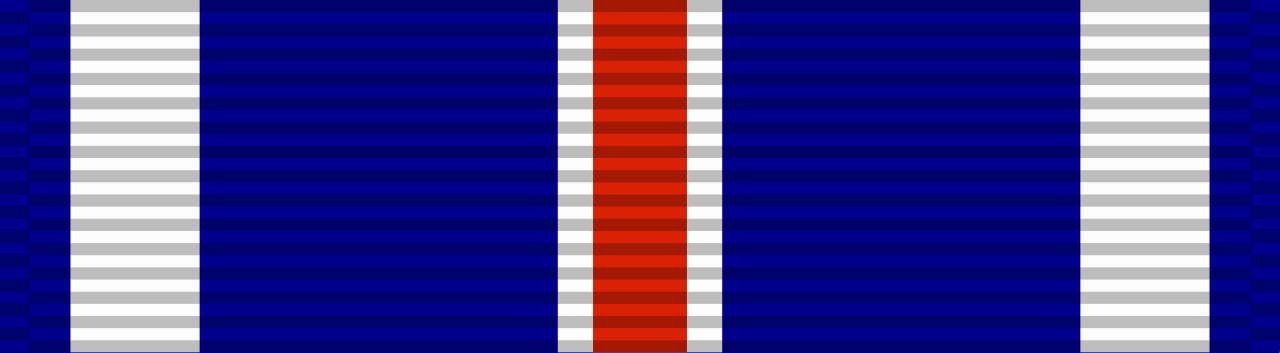


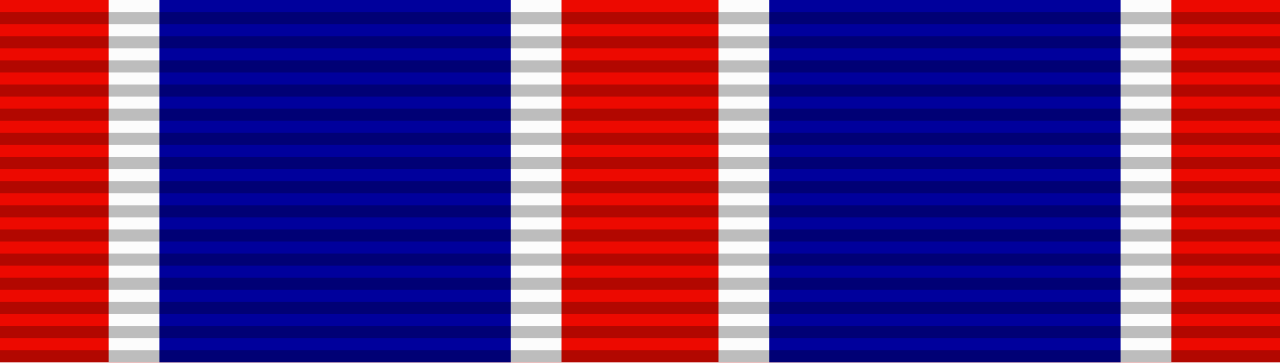


| Decorations | |
|---|---|
| Good conduct | |
| Unit awards |
|
| Service ribbons | |
| Defunct | |
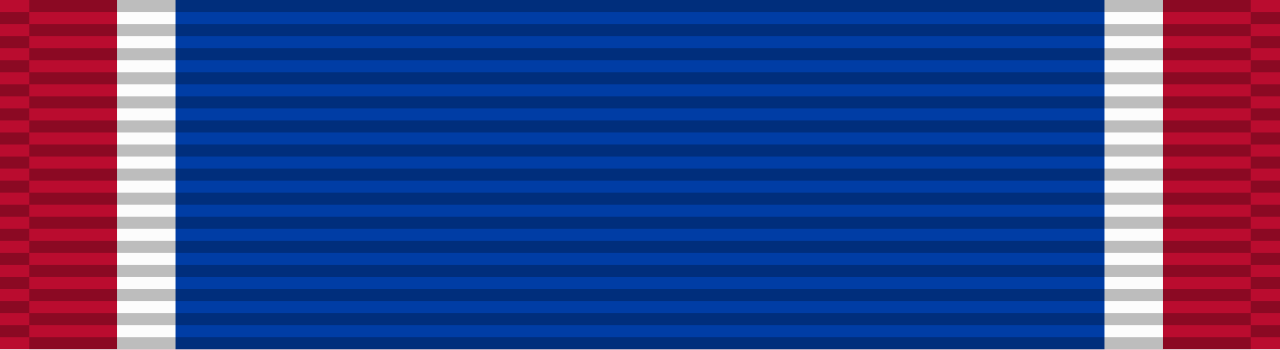


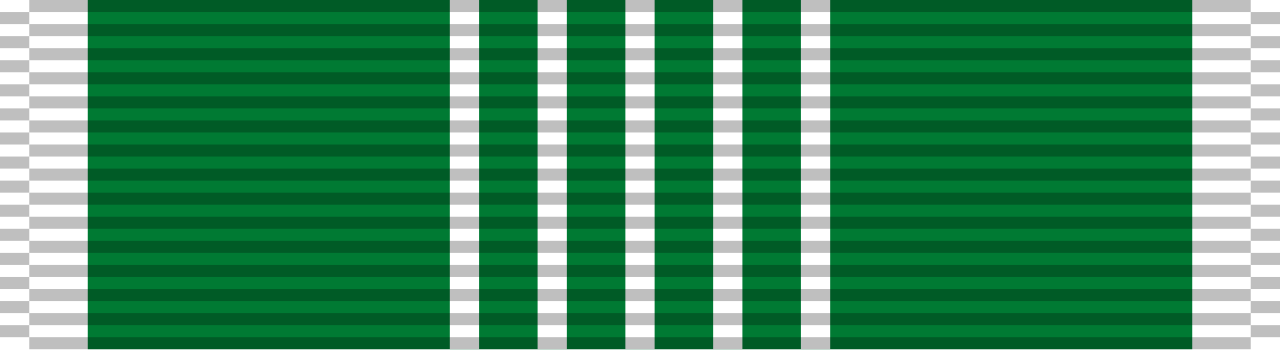




| Personal decorations | |
|---|---|
| Unit awards |
|
| Good Conduct medals | |
| Expeditionary medals | |
| Service ribbon awards |
|
| Marksmanship | |
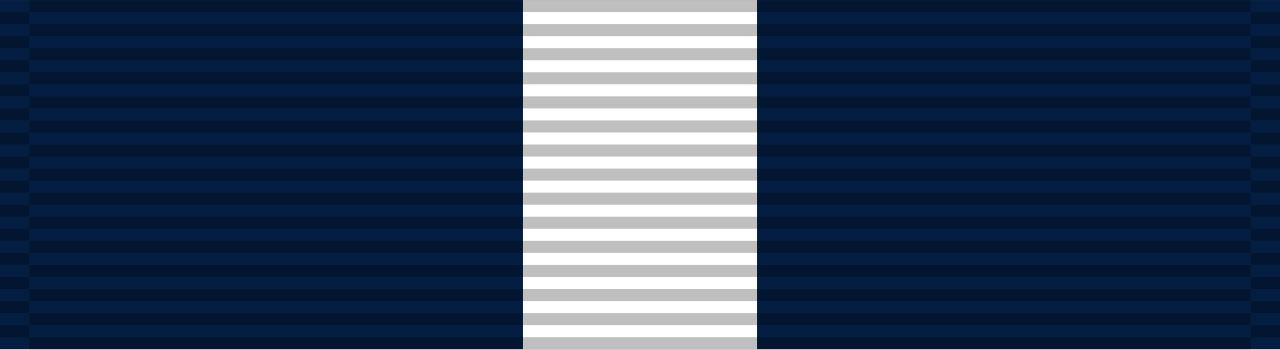




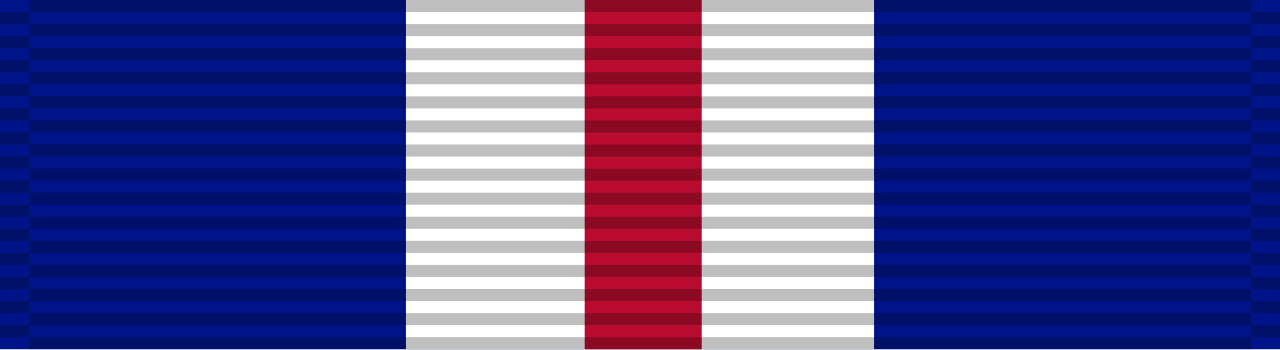


| Decorations | |
|---|---|
| Lifesaving Medals | |
| Unit Awards |
|
| Conduct Medals | |
| Service Awards | |
| الرماية |
|