الأوكرانيون في روسيا
 | This article needs additional citations for verification. (August 2017) |
 | |
| إجمالي السكان | |
|---|---|
| 884 007 (2021) | |
| اللغات | |
| الروسية (99.8٪، 2002 )، الأوكرانية | |
| دِين | |
| أغلبهم من المسيحيين (55%) [1] [2] | |
| المجموعات العرقية ذات الصلة | |
| قوزاق كوبان ، شعوب سلافية أخرى (وخاصة السلاف الشرقيين ) |
حدد التعداد الروسي أن هناك أكثر من 5,864,000 أوكراني يعيشون في روسيا في عام 2015، ويمثلون أكثر من 4.01٪ من إجمالي سكان الاتحاد الروسي ويشكلون ثامن أكبر مجموعة عرقية. في فبراير 2022، كان هناك ما يقرب من 2.8 مليون أوكراني فروا إلى روسيا .
في فبراير/شباط 2014، كان هناك 2.6 مليون مواطن أوكراني في أراضي روسيا، أي ثلثي العمال المهاجرين؛ ومع ذلك، بعد ضم روسيا لشبه جزيرة القرم وبداية الحرب في دونباس ، قُدِّر أن العدد ارتفع إلى 4.5 مليون.
تاريخ
القرنين السابع عشر والثامن عشر
أدت معاهدة بيرياسلاف لعام 1654 إلى أن تصبح أوكرانيا محمية لقيصرية روسيا . أدى هذا إلى زيادة الهجرة الأوكرانية إلى روسيا، في البداية إلى سلوبودا أوكرانيا ولكن أيضًا إلى أراضي الدون ومنطقة نهر الفولجا . كانت هناك هجرة كبيرة إلى موسكو ، ولا سيما من قبل نشطاء الكنيسة والكهنة والرهبان والعلماء والمعلمين والفنانين والمترجمين والمغنين والتجار. في عام 1652، انتقل اثنا عشر مغنيًا تحت إشراف تيرنوبولسكي [ من؟ ] إلى موسكو، وانتقل ثلاثة عشر خريجًا من كلية كييف موهيلا لتعليم طبقة النبلاء في موسكو. هاجر العديد من الكهنة وإداريي الكنيسة من أوكرانيا؛ على وجه الخصوص، أسس رجال الدين الأوكرانيون دير أندرييفسكي، [3] الذي أثر على الكنيسة الأرثوذكسية الروسية ، ولا سيما سياسات الإصلاح للبطريرك نيكون التي أدت إلى انشقاق المؤمن القديم راسكول (الإنجليزية: الانشقاق). استمر نفوذ رجال الدين الأوكرانيين في النمو، وخاصة بعد عام 1686، عندما تم نقل متروبوليت كييف من بطريرك القسطنطينية إلى بطريرك موسكو .
بعد إلغاء كرسي البطريرك من قبل بطرس الأول ، أصبح الأوكراني ستيفن يافورسكي متروبوليت موسكو ، وتبعه ثيوفان بروكوبوفيتش . كان خمسة أوكرانيين مطارنة، وكان 70 من أصل 127 أسقفًا في التسلسل الهرمي الأرثوذكسي في روسيا مهاجرين حديثًا من كييف. [4] بدأ طلاب كلية كييف موهيلا المدارس والمعاهد الدينية في العديد من الأبرشيات الروسية. بحلول عام 1750، تم افتتاح أكثر من 125 مؤسسة من هذا القبيل، وسيطر خريجوها عمليًا على الكنيسة الروسية، وحصلوا على مناصب رئيسية حتى أواخر القرن الثامن عشر. في عهد بروكوبوفيتش، افتُتحت الأكاديمية الروسية للعلوم في عام 1724، والتي ترأسها الأوكراني كيريل رازوموفسكي من عام 1746. [4]
في عام 1713، تأسست جوقة في بلاط موسكو تضم 21 مغنيًا من أوكرانيا. وكان قائدها لفترة من الزمن هو أ. فيدل. وفي عام 1741، تم نقل 44 رجلاً و33 امرأة و55 فتاة إلى سانت بطرسبرغ من أوكرانيا للغناء والترفيه. كما عمل الملحن ماكسيم بيريزوفسكي في سانت بطرسبرغ في ذلك الوقت. كما لوحظ وجود أوكراني كبير في أكاديمية الفنون.
كما زاد الوجود الأوكراني في الجيش الروسي بشكل كبير. وحدث أكبر تدفق بعد معركة بولتافا في عام 1709. واستقرت أعداد كبيرة من الأوكرانيين حول سانت بطرسبرغ وعملوا في بناء المدينة.
كانت فئة منفصلة من المهاجرين هم أولئك الذين رحلتهم الحكومة الروسية إلى موسكو لإظهارهم مشاعر معادية لروسيا . تم إحضار المرحلين إلى موسكو في البداية للتحقيق، ثم تم نفيهم إلى سيبيريا أو أرخانجيلسك أو جزر سولوفيتسكي . كان من بين المرحلين القوزاق الأوكرانيون بما في ذلك د. موهوهريشني وإيفان سامويلوفيتش وبيترو دوروشينكو . يشمل الآخرون جميع أفراد عائلة هيتمان إيفان مازيبا وأ. فويناروفسكي وأولئك في قوات القوزاق التابعة لمازيبا الذين عادوا إلى روسيا. [ بحاجة لمصدر ] سُجن بعضهم في المنفى لبقية حياتهم، مثل هيتمان بافلو بولوبوتوك وبافلو هولوفاتي وبيترو هلوبا وبيترو كالنيشيفسكي .
القرن التاسع عشر

ابتداءً من القرن التاسع عشر، كانت هناك هجرة مستمرة من بيلاروسيا وأوكرانيا وشمال روسيا للاستقرار في المناطق البعيدة من الإمبراطورية الروسية. كان الوعد بالأرض الخصبة المجانية عاملاً مهمًا للعديد من الفلاحين، الذين عاشوا تحت نظام العبودية حتى عام 1861. في استعمار الأراضي الجديدة، قدم الأوكرانيون العرقيون مساهمة كبيرة. في البداية استعمر الأوكرانيون المناطق الحدودية في القوقاز . جاء معظم هؤلاء المستوطنين من الضفة اليسرى لأوكرانيا وسلوبوزهانشتشينا واستقروا بشكل أساسي في منطقتي ستافروبول وتريك . كما تم توطين بعض المناطق المدمجة في نهر الدون وفولجا والأورال .
أنشأ الأوكرانيون مستوطنات كبيرة داخل روسيا، وأصبحوا الأغلبية في مراكز معينة. وواصلوا تعزيز تقاليدهم ولغتهم وهندستهم المعمارية. واختلفت بنية قراهم وإدارتهم إلى حد ما عن السكان الروس المحيطين بهم. وفي الأماكن التي كانت مختلطة السكان، كان الترويس يحدث غالبًا. [5] شوهد حجم ومساحة المستوطنات الأوكرانية لأول مرة في سياق تعداد الإمبراطورية الروسية لعام 1897، والذي أشار إلى اللغة ولكن ليس العرق. تم تسجيل ما مجموعه 22،380،551 متحدثًا بالأوكرانية، مع 1،020،000 أوكراني في روسيا الأوروبية و209،000 في روسيا الآسيوية . [ملاحظة 1]
تشكيل الحدود الأوكرانية

أجرى أول تعداد للإمبراطورية الروسية عام 1897، وأعطى إحصاءات بشأن استخدام اللغة في الإمبراطورية الروسية وفقًا للحدود الإدارية. ولوحظ الاستخدام المكثف للغة الروسية الصغيرة (وفي بعض الحالات الهيمنة) في المحافظات التسع الجنوبية الغربية ومنطقة كوبان . [6] وعندما تم تحديد الحدود المستقبلية للدولة الأوكرانية، تم أخذ نتائج التعداد في الاعتبار. ونتيجة لذلك، كانت الحدود الإثنوغرافية لأوكرانيا في القرن العشرين ضعف مساحة هيتمانات القوزاق التي تم دمجها في الإمبراطورية الروسية في القرن الثامن عشر. [7]
كانت بعض المناطق تضم مجموعات سكانية مختلطة تتألف من عرقيات أوكرانية وروسية وأقليات مختلفة. وشملت هذه المناطق إقليم سلوبودا ودونباس . كانت هذه الأراضي تقع بين أوكرانيا وروسيا. وقد ترك هذا مجتمعًا كبيرًا من الأوكرانيين العرقيين على الجانب الروسي من الحدود. وقد حافظت جمهورية أوكرانيا الاشتراكية السوفياتية إلى حد كبير على حدود جمهورية أوكرانيا الشعبية التي لم تدم طويلاً .
في سياق الإصلاحات الإدارية في منتصف عشرينيات القرن العشرين، تم التنازل عن بعض الأراضي التي كانت في البداية تحت سيطرة جمهورية أوكرانيا السوفييتية الاشتراكية لجمهورية روسيا السوفييتية الاشتراكية، مثل مدينتي تاغانروغ وشاختي في شرق دونباس. وفي الوقت نفسه، اكتسبت جمهورية أوكرانيا السوفييتية الاشتراكية عدة أراضٍ تم دمجها في منطقة سومي في منطقة سلوبودا.
أواخر القرن العشرين وأوائل القرن الحادي والعشرين

بدأت النهضة الثقافية الأوكرانية في روسيا في نهاية ثمانينيات القرن العشرين، مع تشكيل جمعية سلافوتيتش في موسكو والمركز الثقافي الأوكراني الذي سمي باسم ت. شيفتشينكو في لينينغراد (سانت بطرسبرغ حاليًا).
في عام 1991، نظمت جمعية أوكرانيا في كييف مع مندوبين من مختلف المنظمات المجتمعية الأوكرانية الجديدة في الشتات الشرقي. وبحلول عام 1991، كان هناك أكثر من 20 منظمة من هذا القبيل. وبحلول عام 1992، تم تسجيل 600 منظمة في روسيا وحدها. ساعد المؤتمر في توحيد جهود هذه المنظمات. ومنذ عام 1992، بدأت المؤتمرات الإقليمية في الانعقاد، والتي نظمتها المنظمات الأوكرانية في بريموريا، وتيومين أوبلاست ، وسيبيريا والشرق الأقصى. وفي مارس 1992، تأسس اتحاد المنظمات الأوكرانية في موسكو. وفي مايو 1992، تأسس اتحاد الأوكرانيين في روسيا.
يُستخدم مصطلح "الشتات الشرقي" منذ عام 1992 لوصف الأوكرانيين الذين يعيشون في الاتحاد السوفييتي السابق، على عكس مصطلح "الشتات الأوكراني الغربي" الذي كان يُستخدم حتى ذلك الحين لوصف جميع الشتات الأوكراني خارج الاتحاد. ويُقدر عدد الشتات الشرقي بحوالي 6.8 مليون نسمة، بينما يُقدر عدد الشتات الغربي بحوالي 5 ملايين نسمة.
في فبراير 2009، قُدِّر عدد المواطنين الأوكرانيين العاملين في الاتحاد الروسي، وخاصة في موسكو وفي صناعة البناء، بنحو 3.5 مليون مواطن. [8] ووفقًا لفولوديمير يلتشينكو ، سفير أوكرانيا لدى الاتحاد الروسي، لم تكن هناك مدارس حكومية في روسيا بها برنامج لتدريس المواد المدرسية باللغة الأوكرانية اعتبارًا من أغسطس 2010؛ واعتبر "تصحيح هذا الوضع" أحد أهم أولوياته. [9]
اعتبارًا من عام 2007، قُدِّر عدد المهاجرين الأوكرانيين غير الشرعيين في روسيا بما يتراوح بين 3 و11 مليونًا. [ بحاجة لمصدر ]
في استطلاع للرأي أجري عام 2011، قال 49% من الأوكرانيين أن لديهم أقارب يعيشون في روسيا. [10]
الحرب الروسية الأوكرانية
![[icon]](https://file.arabipedia.wiki/wikipedia/commons/thumb/1/1c/Wiki_letter_w_cropped.svg/1280px-Wiki_letter_w_cropped.svg.png) | This section needs expansion. You can help by adding to it. (September 2023) |
خلال الحرب الروسية الأوكرانية التي بدأت في عام 2014، اشتكى بعض الأوكرانيين المقيمين في روسيا من وصفهم بـ " بانديريت " (أتباع ستيبان بانديرا )، حتى عندما كانوا من أجزاء من أوكرانيا حيث لا يحظى ستيفان بانديرا بدعم كبير . [11]
بدءًا من عام 2014، تمت مقاضاة عدد من الناشطين والمنظمات الأوكرانية في روسيا على أسس سياسية. ومن الأمثلة البارزة قضية أوليج سينتسوف ، التي وصفتها منظمة العفو الدولية بأنها " محاكمة في حقبة ستالين "، [12] وإغلاق مكتبة أوكرانية في موسكو ومقاضاة موظفي المكتبة، [13] وحظر المنظمات الأوكرانية في روسيا، مثل المؤتمر العالمي الأوكراني . [13]
اعتبارًا من سبتمبر 2015 [update]، كان هناك 2.6 مليون أوكراني يعيشون في روسيا، أكثر من نصفهم مصنفون على أنهم "عمال ضيوف". وقد وصل مليون شخص آخر في الثمانية عشر شهرًا السابقة [14] (على الرغم من أن المنتقدين اتهموا دائرة الهجرة الفيدرالية ووسائل الإعلام بتداول أرقام مبالغ فيها [15] [16] ). تقدم حوالي 400000 شخص بطلب للحصول على وضع اللاجئ وطلب ما يقرب من 300000 الحصول على وضع الإقامة المؤقتة، مع اعتبار 600000 آخرين مخالفين لقواعد الهجرة. [14] بحلول نوفمبر 2017، كان هناك 427240 طالب لجوء ولاجئ من أوكرانيا مسجلين في روسيا، [17] حصل أكثر من 185000 منهم على اللجوء المؤقت، وأقل من 590 حصلوا على وضع اللاجئ. [18] كان اللاجئون من أراضي جمهورية دونيتسك الشعبية وجمهوريتي لوغانسك الشعبيتين اللتين استولى عليهما الانفصاليون الموالون لروسيا منذ الحرب الروسية الأوكرانية . وتوجه معظم اللاجئين إلى المناطق الريفية في وسط روسيا. وشملت الوجهات الرئيسية للمهاجرين الأوكرانيين كاريليا وفوركوتا ومنطقة ماجادان ؛ وتعد مناطق مثل ماجادان وياكوتيا وجهات لبرنامج إعادة التوطين الحكومي حيث تتجنب الغالبية العظمى المدن الكبرى مثل موسكو وسانت بطرسبرغ . [ 19]
خلال الغزو الروسي لأوكرانيا عام 2022 ، وصل ما يقدر بنحو 2.8 مليون أوكراني إلى روسيا اعتبارًا من سبتمبر 2022؛ [20] صرح مكتب الأمم المتحدة لحقوق الإنسان : "كانت هناك مزاعم موثوقة بشأن النقل القسري للأطفال غير المصحوبين بذويهم إلى الأراضي الروسية المحتلة ، أو إلى الاتحاد الروسي نفسه". [21] [22]
في 22 يناير 2024، وقع فولوديمير زيلينسكي ، رئيس أوكرانيا، مرسومًا رئاسيًا "بشأن مناطق الاتحاد الروسي التي يسكنها الأوكرانيون تاريخيًا"، وحث الحكومة الأوكرانية على اتخاذ تدابير "للحفاظ على الهوية الوطنية للأوكرانيين في روسيا"، و"مكافحة المعلومات المضللة بشأن تاريخ وحاضر الأوكرانيين في روسيا" و"تطوير العلاقات بين الأوكرانيين والشعوب الأخرى المستعبدة من قبل روسيا". [23]
المراكز السكانية الأوكرانية في روسيا


كوبان

استعمر القوزاق الأصليون في البحر الأسود منطقة كوبان منذ عام 1792. وفي أعقاب حرب القوقاز والاستعمار اللاحق لمنطقة سيركاكوس، اختلط قوزاق البحر الأسود بمجموعات عرقية أخرى، بما في ذلك السكان الشركس الأصليين .
وفقًا لتعداد عام 1897، أشار 47.3٪ من سكان كوبان (بما في ذلك المهاجرين غير القوزاق في أواخر القرن التاسع عشر من أوكرانيا وروسيا) إلى لغتهم الأم باسم الروسية الصغيرة (المصطلح الرسمي للغة الأوكرانية )، بينما أشار 42.6٪ إلى لغتهم الأم باسم الروسية العظمى . [24] تمت كتابة القليل من الإنتاج الثقافي في كوبان من تسعينيات القرن التاسع عشر حتى عام 1914، مثل المسرحيات والقصص والموسيقى، باللغة الأوكرانية، [25] وكان أحد الأحزاب السياسية الأولى في كوبان هو الحزب الثوري الأوكراني. [25] خلال الحرب الأهلية الروسية ، شكلت رادا القوزاق في كوبان تحالفًا عسكريًا مع جمهورية أوكرانيا الشعبية وأعلنت أن الأوكرانية هي اللغة الرسمية لجمهورية كوبان الوطنية . لم يتم دعم هذا القرار بشكل موحد من قبل القوزاق أنفسهم، وسرعان ما تم حل الرادا نفسها من قبل جيش المتطوعين الروسي دينيكين الأبيض . [ 25 ]
في عشرينيات القرن العشرين، تم اتباع سياسة نزع الملكية . وفي الوقت نفسه، دعمت السلطات البلشفية سياسات روجت للغة الأوكرانية والهوية الذاتية، وفتحت 700 مدرسة باللغة الأوكرانية وقسمًا أوكرانيًا في الجامعة المحلية. [26] يزعم المؤرخون الروس أن القوزاق أُكرِنوا بهذه الطريقة بالقوة ، [27] بينما يزعم المؤرخون الأوكرانيون أن الأكرنة في كوبان كانت مجرد موازية للأكرنة في أوكرانيا نفسها، حيث كان يتم تعليم الناس بلغتهم الأم. وفقًا لتعداد عام 1926، كان هناك ما يقرب من مليون أوكراني مسجل في منطقة كوبان وحدها (أو 62٪ من إجمالي السكان). [28] خلال هذه الفترة، تم اختبار العديد من القمع السوفييتي على أراضي القوزاق، وخاصة السبورات السوداء التي أدت إلى المجاعة السوفيتية في الفترة 1932-1934 في كوبان. ومع ذلك، بحلول منتصف الثلاثينيات من القرن العشرين، كان هناك تغيير مفاجئ في سياسة الموقف السوفييتي تجاه الأوكرانيين في روسيا. في كوبان، توقفت سياسة الأكرنة وانعكست. [29] في عام 1936، أعيد تشكيل جوقة القوزاق في كوبان وكذلك أفواج القوزاق الفردية في الجيش الأحمر . بحلول نهاية الثلاثينيات من القرن العشرين، اختار العديد من أحفاد القوزاق التعريف بأنفسهم على أنهم روس. [30] ومنذ ذلك الوقت فصاعدًا، كان جميع الأوكرانيين الذين حددوا هويتهم في كوبان تقريبًا من غير القوزاق؛ أظهر التعداد السوفييتي لعام 1989 أن إجمالي 251198 شخصًا في كراسنودار كراي (بما في ذلك منطقة أديغيا المتمتعة بالحكم الذاتي ) ولدوا في جمهورية أوكرانيا السوفيتية الاشتراكية. [31] في تعداد عام 2002 ، سُجل عدد الأشخاص الذين حددوا هويتهم على أنهم أوكرانيون في كوبان بـ 151788. على الرغم من حقيقة أن معظم أحفاد قوزاق كوبان يعتبرون أنفسهم مواطنين روس. [32] فإن العديد من عناصر ثقافتهم نشأت في أوكرانيا، مثل موسيقى الباندوريست الكوبية ولهجة بالاشكا .
موسكو
كان لموسكو حضور أوكراني كبير منذ القرن السابع عشر. كانت المستوطنة الأوكرانية الأصلية تحد كيتاي جورود . لم تعد تحمل طابعًا أوكرانيًا، وهي تُعرف اليوم باسم ماروسيكا (تحريف لمالوروسيكا، أو الروسية الصغيرة ). خلال العصر السوفييتي، سُمي الشارع الرئيسي، ماروسيكا، على اسم هيتمان القوزاق الأوكراني بوهدان خميلنيتسكي . بعد تأسيس جامعة موسكو الحكومية عام 1755، درس العديد من الطلاب من أوكرانيا هناك. بدأ العديد من هؤلاء الطلاب دراستهم في أكاديمية كييف موهيلا .
في السنوات الأولى بعد ثورة 1905، كانت موسكو واحدة من المراكز الرئيسية للحركة الأوكرانية للوعي الذاتي. تم تحرير مجلة زوريا الشهرية (Зоря، بالإنجليزية: Star ) بواسطة أ. كريمسكي، ومن عام 1912 إلى عام 1917 نُشرت أيضًا المجلة الثقافية والأدبية الأوكرانية Ukrainskaya zhizn (حررها سيمون بيتليورا ). نُشرت كتب باللغة الأوكرانية في موسكو منذ عام 1912 وكانت الفرق المسرحية الأوكرانية التابعة لم. كروبوفنيتسكي وم. سادوفسكي تقدم عروضها باستمرار في موسكو.
لعب الأوكرانيون في موسكو دورًا نشطًا في معارضة محاولة الانقلاب في أغسطس 1991. [33]
وفقًا لتعداد عام 2001، يعيش 253.644 أوكرانيًا في مدينة موسكو، [34] مما يجعلهم ثالث أكبر مجموعة عرقية في تلك المدينة بعد الروس والتتار. ويعيش 147.808 أوكرانيًا آخرين في منطقة موسكو . يدير المجتمع الأوكراني في موسكو مركزًا ثقافيًا في شارع أربات ، يتم تعيين رئيسه من قبل الحكومة الأوكرانية. [35] وينشر صحيفتين باللغة الأوكرانية وينظم مدارس باللغة الأوكرانية يومي السبت والأحد.
سانت بطرسبرغ
عندما كانت سانت بطرسبرغ عاصمة خلال عصر الإمبراطورية الروسية ، اجتذبت الناس من العديد من الدول بما في ذلك أوكرانيا. قضى الشاعران الأوكرانيان تاراس شيفتشينكو وديميتري بورتنيانسكي معظم حياتهما في سانت بطرسبرغ. كان إيفان مازيبا ، الذي نفذ أوامر بطرس الأول ، مسؤولاً عن إرسال العديد من الأوكرانيين للمساعدة في بناء سانت بطرسبرغ. [36]
وفقًا لتعداد عام 2001، يعيش 87119 أوكرانيًا في مدينة سانت بطرسبرغ، حيث يشكلون أكبر مجموعة عرقية غير روسية. [37] ولدت العمدة السابقة، فالنتينا ماتفيينكو (ني تيوتينا)، في منطقة خملنيتسكي في غرب أوكرانيا وهي من أصل أوكراني. [ بحاجة لتحقق ]
أوكرانيا الخضراء


غالبًا ما يشار إلى أوكرانيا الخضراء باسم زيليني كلين . هذه منطقة من الأرض استوطنها الأوكرانيون وهي جزء من أقصى شرق سيبيريا ، وتقع على نهر آمور والمحيط الهادئ . وقد أطلق عليها المستوطنون الأوكرانيون هذا الاسم. تبلغ مساحة المنطقة أكثر من 1,000,000 كيلومتر مربع (390,000 ميل مربع) وبلغ عدد سكانها 3.1 مليون نسمة في عام 1958. شكل الأوكرانيون 26% من السكان في عام 1926. [ بحاجة لمصدر ] في آخر تعداد روسي، ادعى 94,058 شخصًا في إقليم بريمورسكي أنهم من العرق الأوكراني، [38] مما يجعل الأوكرانيين ثاني أكبر مجموعة عرقية وأكبر أقلية عرقية.
أوكرانيا الرمادية
نشأت مستوطنة أوكرانيا الرمادية أو سيري كلين (حرفيًا "الإسفين الرمادي") حول مدينة أومسك في غرب سيبيريا. كتب م. بوندارينكو، وهو مهاجر من مقاطعة بولتافا، قبل الحرب العالمية الأولى: "تبدو مدينة أومسك وكأنها مدينة موسكوفية نموذجية، لكن البازار والأسواق تتحدث الأوكرانية". كانت القرى الأوكرانية منتشرة في جميع أنحاء مدينة أومسك. بدأ استيطان الناس خارج جبال الأورال في ستينيات القرن التاسع عشر. كانت هناك محاولات لتشكيل منطقة أوكرانية مستقلة في الفترة من 1917 إلى 1920. في المجموع، استقر 1،604،873 مهاجرًا من أوكرانيا في المنطقة قبل عام 1914. وفقًا لتعداد روسيا لعام 2010 ، حدد 77،884 شخصًا من منطقة أومسك أنفسهم كأوكرانيين، مما يجعل الأوكرانيين ثالث أكبر مجموعة عرقية هناك بعد الروس والكازاخستانيين . [ 39]
أوكرانيا الصفراء
تأسست مستوطنة أوكرانيا الصفراء، أو زولتي كلين (الإسفين الأصفر)، بعد فترة وجيزة من معاهدة بيرياسلاف عام 1659 باعتبارها الحدود الشرقية لزاسينايا تشيرتا الثانية . سميت المستعمرة على اسم السهوب الصفراء في نهر الفولجا الأوسط والسفلي، وتعايشت مع قوزاق الفولجا ، واستقر المستعمرون في المقام الأول حول مدينة ساراتوف . بالإضافة إلى الأوكرانيين، هاجر الألمان الفولجا والموردوفيون إلى زولتي كلين بأعداد كبيرة. اعتبارًا من عام 2014، تم دمج معظم السكان في جميع أنحاء المنطقة، على الرغم من بقاء عدد قليل من القرى الأوكرانية ثقافيًا. [40][update]
العلاقات بين الأعراق
يمثل الأوكرانيون في الاتحاد الروسي ثالث أكبر مجموعة عرقية بعد الروس والتتار . وعلى الرغم من أعدادهم المرتفعة نسبيًا، أبلغ بعض الأوكرانيين في روسيا عن [ متى؟ ] معاملة غير عادلة ومشاعر معادية للأوكرانيين في الاتحاد الروسي. [41] [42] في نوفمبر 2010، ألغت المحكمة العليا في روسيا تسجيل إحدى أكبر المجتمعات المدنية للأقلية الأوكرانية، "الحكم الذاتي القومي الثقافي الفيدرالي للأوكرانيين في روسيا" (FNCAUR). [43]
أظهر استطلاع للرأي أجراه مركز ليفادا للأبحاث الروسي المستقل في فبراير 2019 أن 77% من الأوكرانيين و82% من الروس يفكرون بشكل إيجابي في بعضهم البعض كأشخاص. [10]
التركيبة السكانية
الاحصائيات والمنح الدراسية
| This section needs additional citations for verification. (March 2021) |

تتضمن مواد التعداد السكاني للإمبراطورية الروسية والاتحاد السوفييتي والاتحاد الروسي معلومات إحصائية عن الأوكرانيين، والتي تم جمعها في أعوام 1897 و1920 و1923 و 1926 و 1937 و1939 و1959 و1970 و1979 و1989 و 2002 و 2010 . ومن بين هذه المواد، تم تجاهل تعداد عام 1937 وتم البدء فيه مرة أخرى باعتباره تعداد عام 1939.
في أعقاب تفكك الاتحاد السوفييتي في عام 1991، ركزت جمعية العلاقات مع الأوكرانيين خارج أوكرانيا على الشتات الأوكراني الشرقي. وقد بُذلت محاولات عديدة لتوحيدهم. تنشر الجمعية مجلة Zoloti Vorota (Золоті Ворота، المسماة على اسم البوابة الذهبية لكييف ) ومجلة Ukrainian Diaspora ( الشتات الأوكراني) .
| لا. | سنة التعداد [44] | عدد السكان الأوكرانيين في روسيا | نسبة إجمالي عدد السكان الروس |
|---|---|---|---|
| 1 | 1926 | 6,871,194 | 7.41 |
| 2 | 1939 | 3,359,184 | 3.07 |
| 3 | 1959 | 3,359,083 | 2.86 |
| 4 | 1970 | 3,345,885 | 2.57 |
| 5 | 1979 | 3,657,647 | 2.66 |
| 6 | 1989 | 4,362,872 | 2.97 |
| 7 | 2002 | 2,942,961 | 2.03 |
| 8 | 2010 | 1,927,988 [45] | 1.40 |
| 9 | 2015 تقديرًا | 5,864,000 | 4.01 |
دِين
الغالبية العظمى من الأوكرانيين في روسيا هم من أتباع الكنيسة الأرثوذكسية الروسية . كان لرجال الدين الأوكرانيين دور مؤثر في الأرثوذكسية الروسية في القرنين السابع عشر والثامن عشر.
في الآونة الأخيرة، [ متى؟ ] نجح المهاجرون الاقتصاديون المتزايدون من غاليسيا في إنشاء عدد قليل من الكنائس الكاثوليكية الأوكرانية ، وهناك العديد من الكنائس التابعة للكنيسة الأرثوذكسية الأوكرانية (بطريركية كييف) ، حيث وافق البطريرك فيلاريت على قبول المجموعات المنشقة التي طردتها الكنيسة الأرثوذكسية الروسية بسبب انتهاكات القانون الكنسي. في عام 2002، أكد البعض أن البيروقراطية الروسية المفروضة على الدين أعاقت توسع هاتين المجموعتين. [46] وفقًا للكنيسة الكاثوليكية اليونانية الأوكرانية، فإن طائفتهم لديها مبنى كنيسة واحد فقط في جميع أنحاء روسيا. [47]
الاتجاهات
| This section needs additional citations for verification. (May 2021) |
خلال تسعينيات القرن العشرين، انخفض عدد السكان الأوكرانيين في روسيا بشكل ملحوظ بسبب عدد من العوامل. وكان أهمها الانخفاض العام في عدد السكان في روسيا. وفي الوقت نفسه، انتقل العديد من المهاجرين الاقتصاديين من أوكرانيا إلى روسيا بحثًا عن وظائف ومهن ذات أجور أفضل. وتشير التقديرات إلى وجود ما يصل إلى 300000 مهاجر مسجلين قانونيًا [48] . وهناك مشاعر سلبية تجاه غالبية المهاجرين من القوقاز وآسيا الوسطى، حيث يثق السكان الروس نسبيًا في الأوكرانيين. وكان الاستيعاب أيضًا عاملاً في انخفاض عدد الأوكرانيين؛ حيث يتزوج العديد منهم من الروس، بسبب التشابه الثقافي، ويتم احتساب أطفالهم على أنهم روس في التعداد. وبخلاف ذلك، ظل عدد السكان الأوكرانيين مستقرًا في الغالب بسبب الهجرة من أوكرانيا.
شخصيات أوكرانية بارزة في روسيا
 | It has been suggested that this section be split out into another article titled List of Ukrainians in Russia. (Discuss) (January 2024) |



- مارينا أوفسيانيكوفا (تكاتشوك) – صحفية عملت في قناة روسيا الأولى التلفزيونية
- فاسيلي لانوفوي ، الممثل الذي عمل في مسرح فاختانغوف، كان معروفًا أيضًا بأنه رئيس مهرجان أرتيك لأفلام الأطفال
- بافيل سودوبلاتوف ، ضابط في جهاز الأمن السوفييتي ، وملازم أول في وزارة الداخلية ، شارك في العديد من الحلقات الشهيرة، بما في ذلك اغتيال ليون تروتسكي في عام 1940، وبرنامج التجسس السوفييتي الذي حصل على معلومات حول القنبلة الذرية من مشروع مانهاتن، وعملية شيرهورن في عام 1944.
- بوجدان ستاشينسكي ، ضابط سابق في المخابرات السوفييتية وجاسوس اغتال الزعيمين القوميين الأوكرانيين ليف ريبيت وستيبان بانديرا في أواخر الخمسينيات.
- فيتالي جراشيف ، مغني
- فلاد ليسوفيتس – مصفف شعر، مصمم أزياء ومضيف
- سيميون تسفيجون - ضابط في شرطة الأمن السوفييتية ( كي جي بي ) كانت وفاته المفاجئة وغير المبررة بمثابة تحول كبير في سياسة القوة في الكرملين.
- فيكتور ميدفيدتشوك – سياسي معارض أوكراني. ولد في بوتشيت، إقليم كراسنويارسك ، جمهورية روسيا الاتحادية الاشتراكية السوفييتية. فلاديمير بوتن هو الأب الروحي لابنة ميدفيدتشوك دارينا (ولدت عام 2004).
- يوري كوفالتشوك – رجل أعمال وممول ملياردير "يُقال إنه المصرفي الشخصي لفلاديمير بوتن"
- جينادي تيمشينكو – رجل أعمال ملياردير
- مكسيم شيفتشينكو – محرر وصحفي ومقدم برامج تلفزيونية وإذاعية، وأحد أبرز الصحفيين الروس والخبراء في السياسات العرقية والثقافية والدينية
- ماكسيم كونونينكو - صحفي وكاتب ومقدم برامج تلفزيونية
- سيرجي تيريشنكو - رئيس وزراء كازاخستان (1991-1994). ولد في عائلة أوكرانية عرقية في مدينة ليسوزافودسك، التي كانت تقع في منطقة بريمورسكي كراي في جمهورية روسيا الاتحادية الاشتراكية السوفييتية.
- القديس إنوسنت من إيركوتسك – مبشر إلى سيبيريا وأول أسقف لإيركوتسك في روسيا
- يواساف من بيلغورود - أسقف أرثوذكسي روسي، أسقف بيلغورود من عام 1748 حتى وفاته
- يوحنا توبولسك – متروبوليت توبولسك
- القديس يوحنا من شنغهاي وسان فرانسيسكو - زاهد أرثوذكسي شرقي بارز ورئيس الكنيسة الأرثوذكسية الروسية خارج روسيا (ROCOR) الذي كان نشطًا في منتصف القرن العشرين
- أرسينيوس (ماتسييفيتش) - مطران روستوف وياروسلافل الذي احتج على مصادرة أراضي الكنيسة من قبل الإمبراطورة كاثرين الثانية في عام 1764
- ديمتري روستوف - المعارض الرئيسي للإصلاح القيصري البابوي للكنيسة الأرثوذكسية الروسية الذي روج له ثيوفان بروكوبوفيتش.
- إيفان زابوروجيتس - ضابط أمن سوفييتي ومسؤول في جهاز الأمن السياسي المفتوح (OGPU) التابع لجهاز الأمن السوفييتي (NKVD) والذي يشتبه في تورطه في اغتيال سيرجي كيروف في لينينغراد في ديسمبر 1934
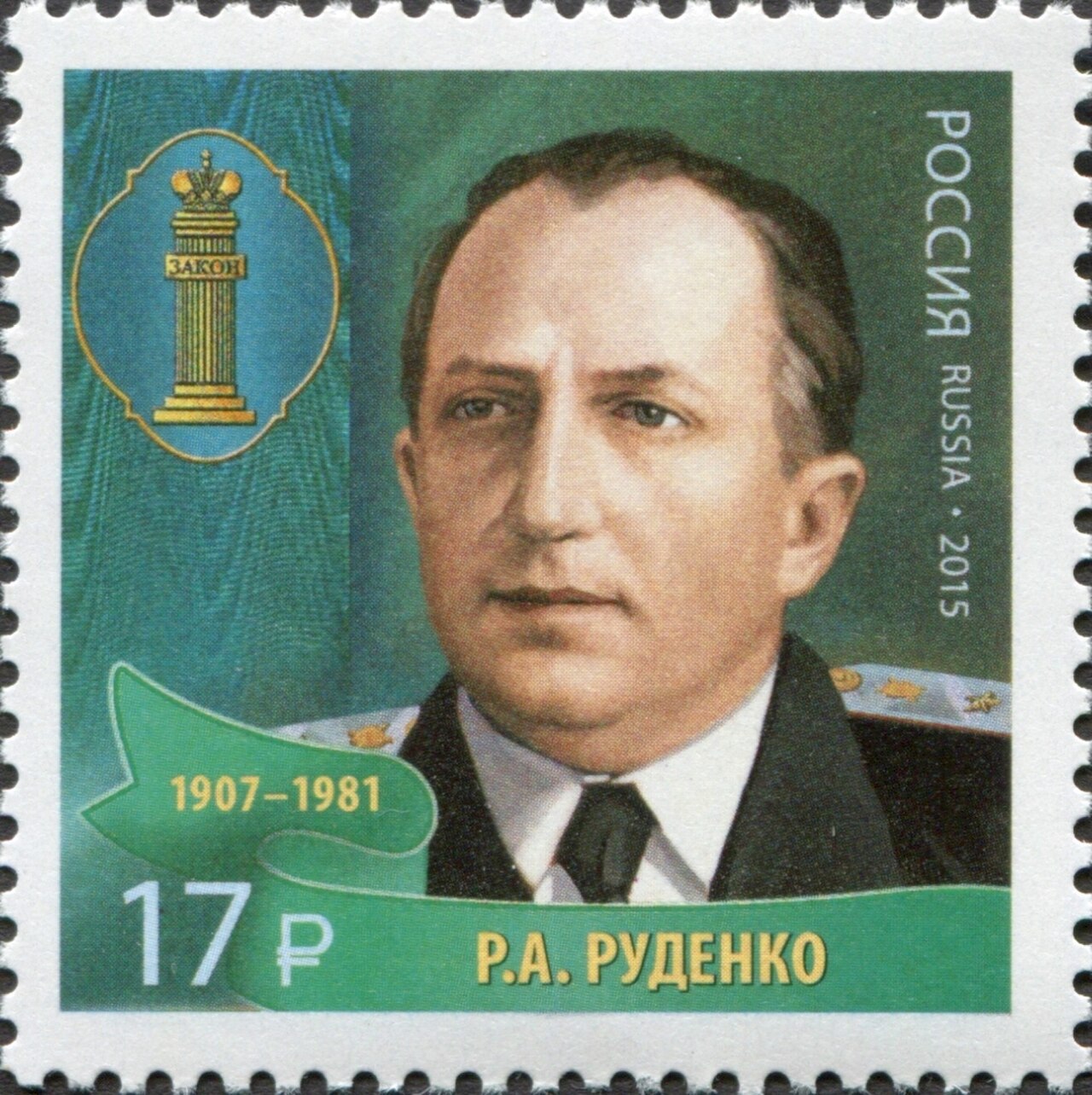
- رومان رودينكو - المدعي العام للاتحاد السوفييتي (1953-1981). وهو معروف دوليًا بتوليه منصب المدعي العام للاتحاد السوفييتي في محاكمة مجرمي الحرب النازيين الرئيسيين في نورمبرج عام 1946 .
- أركادي بابتشينكو – صحفي في الصحافة المطبوعة والتلفزيونية
- إيونا نيكيتشنكو – قاضية في المحكمة العليا للاتحاد السوفييتي
- أوليكسي ألتشيفسكي – رجل أعمال ورجل خير وصناعي في الإمبراطورية الروسية. كان رائدًا في تأسيس أول مجموعة مالية في روسيا.
- جورجي جابون ، قس أرثوذكسي روسي وزعيم شعبي للطبقة العاملة قبل الثورة الروسية عام 1905
- فيكتور بوت – تاجر أسلحة
- ستيفان يافورسكي – رئيس أساقفة ورجل دولة في الإمبراطورية الروسية وأول رئيس للمجمع المقدس
- نينا كوخارشوك خروشوفا - السيدة الأولى للاتحاد السوفييتي، والزوجة الثانية للزعيم السوفييتي نيكيتا خروشوف
- رايسا تيتارينكو-غورباتشوفا - السيدة الأولى لاتحاد الجمهوريات الاشتراكية السوفياتية، زوجة الزعيم السوفياتي ميخائيل غورباتشوف
- فيرا خلودنايا – نجمة السينما الروسية الصامتة
- يلينا بوندارتشوك (نصف أوكرانية)، ممثلة سوفييتية
- ميخائيل زفينتشوك - مدون عسكري ومؤلف قناة Rybar (بالروسية: Рыбарь، حرفيًا "صياد") على تطبيق Telegram الروسي، والتي تضم أكثر من 1.1 مليون مشترك
- زانا بروخورينكو ، ممثلة سوفيتية
- كلارا لوتشكو ، ممثلة سوفييتية
- جريجوري كوشيليف-بيزبورودكو - كاتب وناشر وناشط خيري
- فاليريا زاكلونا - ممثلة سوفييتية، فنانة الشعب الروسية (22 مايو 2004)
- بافل بافلينكو - ممثل مسرحي وسينمائي سوفيتي
- ألكسندر ياتسينكو – ممثل
- سيرجي ستيبانتشينكو - ممثل مسرحي وسينمائي ومخرج سينمائي
- ألكسندر أوليشكو - ممثل مسرحي وسينمائي، ومقدم برامج تلفزيونية، ومغني، ومؤلف بارودي، وفنان مكرم من روسيا (2015)
- أرتور كيريلينكو – رجل أعمال، كان بين عامي 1994 و2010 مالكًا ومديرًا لشركة Stroymontazh، إحدى أكبر شركات تطوير العقارات في سانت بطرسبرغ، روسيا. باني فخري لروسيا.
- فيكتور بشونكا - المدعي العام السابق لأوكرانيا (من 4 نوفمبر 2010 حتى 22 فبراير 2014)، مستشار الدولة للعدل في أوكرانيا وعضو المجلس الأعلى للعدل في أوكرانيا
- يوري شفيتس – رائد في المخابرات السوفييتية بين عامي 1980 و1990
- فيكتور كوستيتسكي – ممثل روسي وسوفيتي
- آنا كوفالتشوك – ممثلة
- ميروسلافا كاربوفيتش – ممثلة وعارضة أزياء
- ياروسلاف بويكو – ممثل مسرحي وسينمائي روسي
- بافيل ديريفيانكو - ممثل مسرحي وسينمائي
- يوري موزيتشينكو – موسيقي ومدون فيديو ومغني رئيسي وأحد مؤسسي فرقة الروك الشعبية "The Hatters"
- ألكسندر تسيكالو – موسيقي وممثل ومقدم برامج إذاعية وتلفزيونية. مؤسس شركة الإنتاج Sreda.
- سيرجي ماكوفيتسكي – ممثل سينمائي ومسرحي
- إيفان كوفال سامبورسكي – ممثل مسرحي وسينمائي
- دميتري تاباتشنيك - سياسي شغل منصب وزير التعليم والعلوم في أوكرانيا من عام 2010 إلى عام 2014
- سيرجي جارماش - ممثل سينمائي ومسرحي سوفيتي وروسي، وفنان الشعب الروسي
- سيرجي ماجنيتسكي - محامٍ روسي من أصل أوكراني ومستشار ضريبي
- أوليج شيلاب – موسيقي روك وشاعر وكاتب وقائد فرقة Optimalniy Variant
- دوسيثيوس (إيفانتشينكو) – أسقف الكنيسة الأرثوذكسية الروسية
- نيكيتا دجيجوردا – ممثل سينمائي ومغني وأيقونة إعلامية
- آلان تشوماك – المعالج الروحي الذي برز في ذروة البيريسترويكا التي قادها جورباتشوف
- أليكسي بيترينكو - ممثل سينمائي ومسرحي سوفيتي وروسي
- بيترو بروكوبوفيتش - مؤسس تربية النحل التجارية ومخترع أول خلية إطارية متحركة
- فيكتور بتريك – رجل أعمال، يدعي أنه حقق عددًا من الاكتشافات العلمية التي يسوقها من خلال شركته
- أناتولي سافينكو - قومي روسي، ناشط اجتماعي وسياسي، محام، كاتب، مقالات وصحفي.
- كيريل فيشينسكي – صحفي
- ألكسندر بوروداي - صحفي ورجل أعمال وزعيم انفصالي سابق كان رئيس وزراء جمهورية دونيتسك الشعبية المعلنة من جانب واحد في عام 2014
- أركادي بابتشينكو – صحفي في الصحافة المطبوعة والتلفزيونية
- أناتولي ليسينكو - شخصية تلفزيونية سوفيتية وروسية، صحفي، مخرج، منتج
- ديمتري جيراسيمينكو - رجل أعمال، المالك السابق لشركة الصلب كراسني أوكتيابر المحدودة المساهمة ونادي كرة السلة بي سي كراسني أوكتيابر وبالاكانيسترو كانتو.
- يوري كوتسينكو – ممثل ومنتج ومغني وشاعر وكاتب سيناريو
- ديانا بانتشينكو - صحفية ومقدمة برامج تلفزيونية
- ديمتري دياتشينكو - مخرج ومنتج وكاتب سيناريو.
- ألكسندر كليمينكو - رجل أعمال وسياسي أوكراني سابق، ووزير الإيرادات والرسوم السابق في أوكرانيا
- فلاديمير إيفانينكو - مؤسس أول شبكة تلفزيونية غير حكومية في الاتحاد السوفييتي (1988)؛ مؤسس ومنظم أول بث مباشر عبر الأقمار الصناعية من أراضي الاتحاد السوفييتي السابق (1994)
- أوليكسي جورافكو - سياسي
- فيكتور يانوكوفيتش ، الرئيس الرابع لأوكرانيا
- ليودميلا ناستينكو يانوكوفيتش ، السيدة الأولى السابقة لأوكرانيا
- فيكتور يانوكوفيتش الابن ، سياسي أوكراني وعضو في البرلمان
- إيليا كيفا - سياسي أوكراني انشق إلى روسيا بعد أن طلب من الرئيس الروسي فلاديمير بوتن الحصول على جواز سفر روسي (الجنسية الروسية) واللجوء السياسي
- أوليكساندر موزيتشكو - ناشط سياسي أوكراني، عضو في UNA-UNSO ومنسق قطاع اليمين في غرب أوكرانيا. ولد بالقرب من جبال الأورال



.jpg/1280px-Portr%C3%A4t_des_Komponisten_Pjotr_I._Tschaikowski_(1840-1893).jpg)




.jpg/1280px-%D0%A1%D0%B2%D0%B5%D1%82%D0%BB%D0%B0%D0%BD%D0%B0_%D0%9B%D0%BE%D0%B1%D0%BE%D0%B4%D0%B0_%D0%BD%D0%B0_VK_Fest_2018_(cropped).jpg)

- يوري دود – صحفي رياضي ويوتيوبر ، كان رئيس تحرير Sports.ru
ثقافة
- نيكولاي غوغول – كاتب
- بيوتر إليتش تشايكوفسكي (ربع القوزاق الزابوريزي) – ملحن
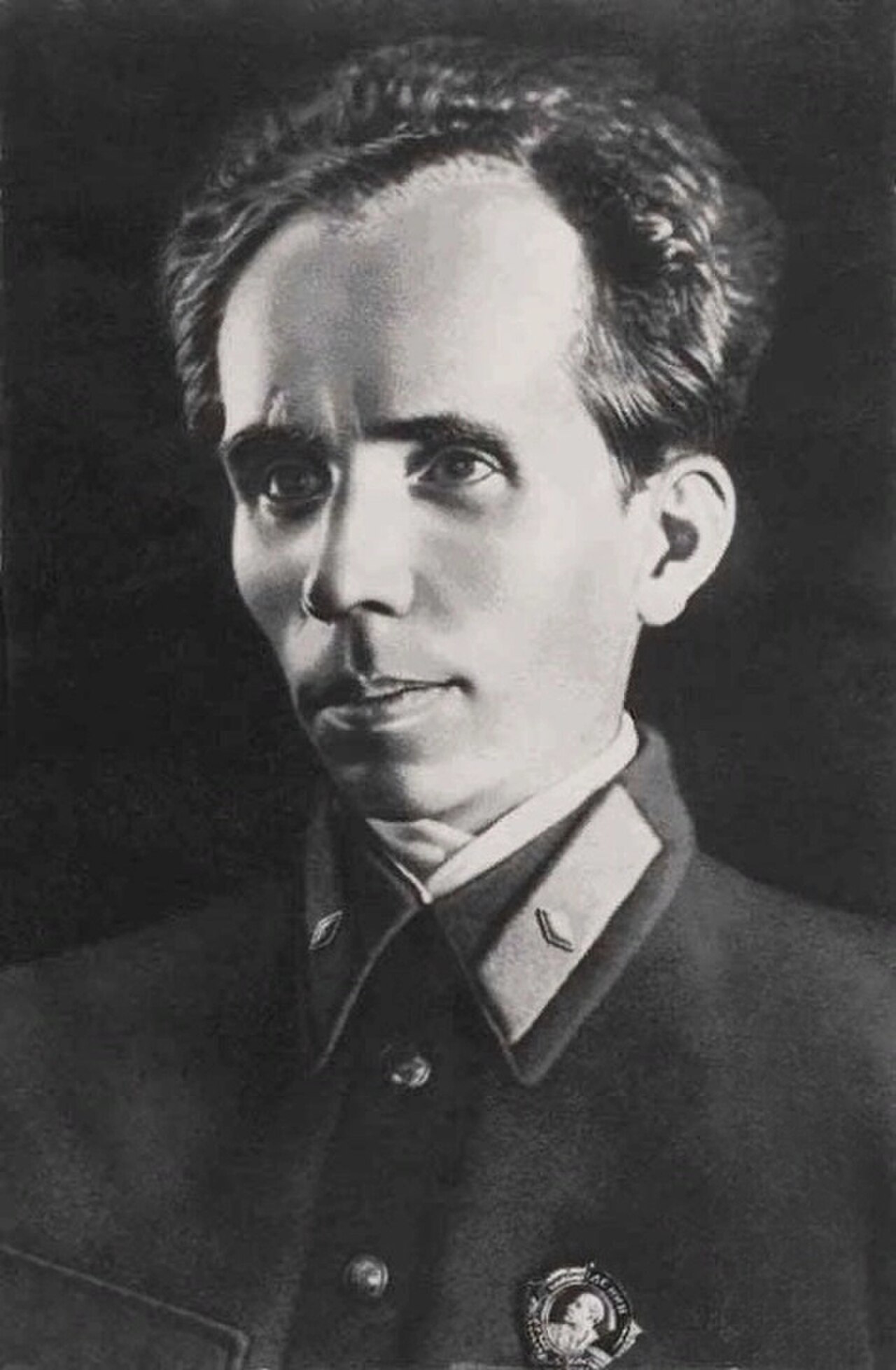
- نيكولاي أوستروفسكي – كاتب واقعي اشتراكي
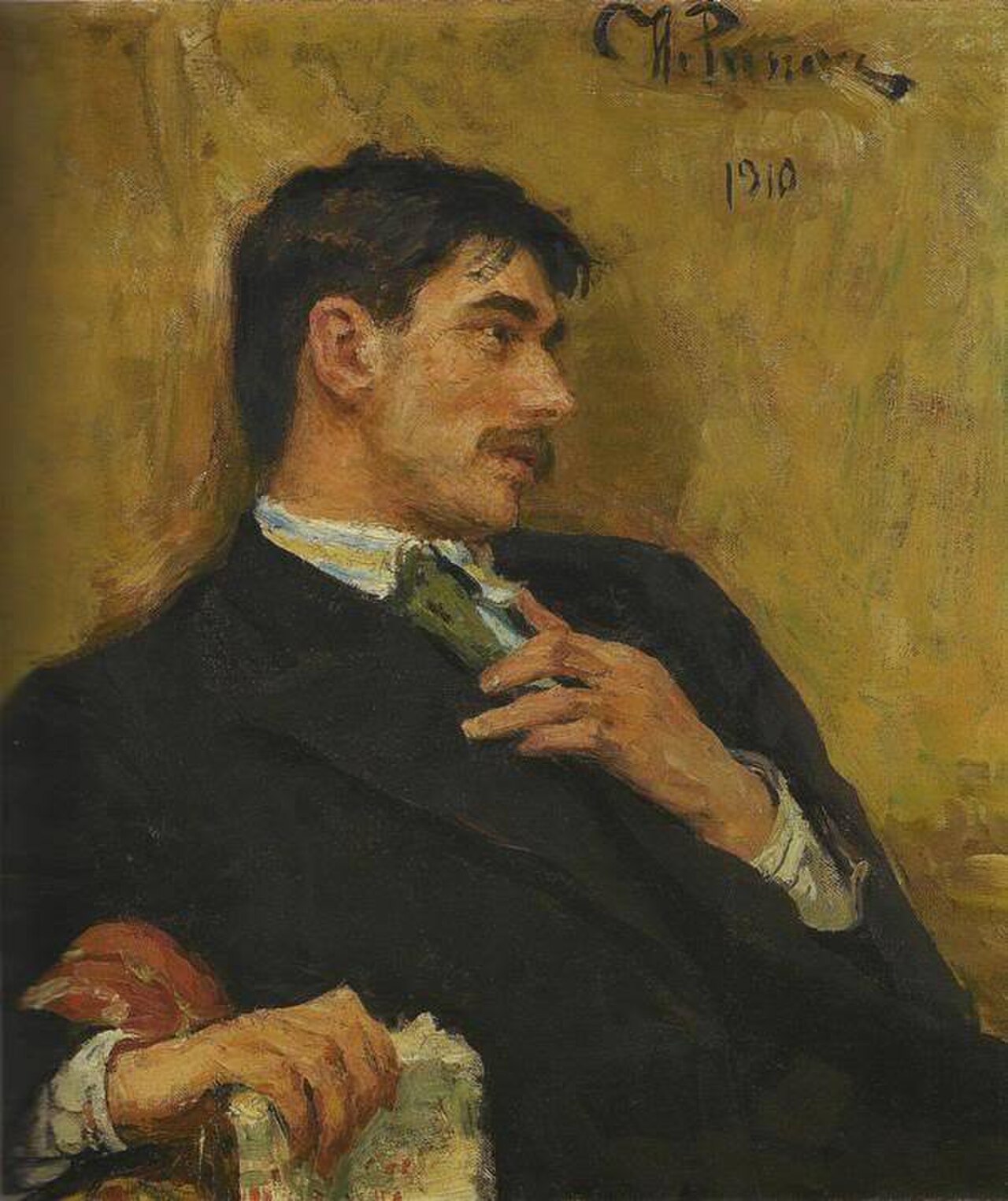
- كورني تشوكوفسكي – شاعر
- يفغيني يفتوشينكو – شاعر
- سيرجي بوندارتشوك – ممثل ومخرج سينمائي
- ناتاليا بوندارتشوك – ممثلة ومخرجة أفلام
- فيودور بوندارتشوك – مخرج سينمائي
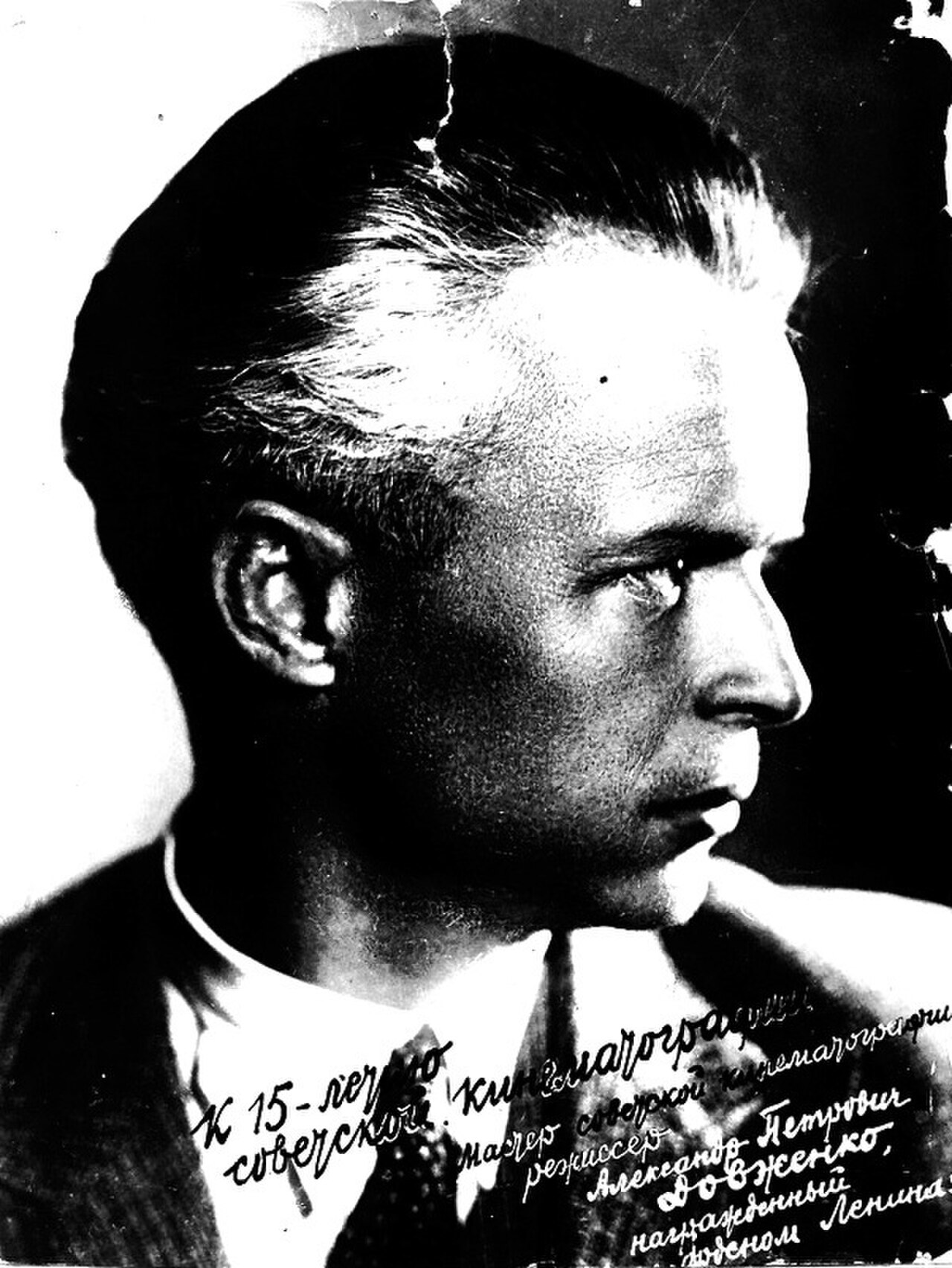
- ألكسندر دوفجينكو – مخرج سينمائي
- ليونيد جيداي – مخرج سينمائي
- آنا بوليتكوفسكايا – صحفية وكاتبة وناشطة في مجال حقوق الإنسان
- تاراس شيفتشينكو – شاعر
- فلاديمير كورولينكو – كاتب
- ميخائيل زوشينكو – كاتب
- فلاديمير نيميروفيتش دانتشينكو - كاتب مسرحي ومدير مسرح، أحد مؤسسي مسرح موسكو للفنون
- فاسيلي نيميروفيتش دانتشينكو – كاتب وصحفي
- سيرجي لوكيانينكو – مؤلف الخيال العلمي والخيال
- كونستانتين باوستوفسكي – كاتب
- جريجوري سكوفورودا – كاتب وفيلسوف
- آنا نتريبكو – سوبرانو أوبرا
- أركادي أفيرشينكو – كاتب مسرحي وساخر
- لاريسا شيبيتكو - مخرجة أفلام وكاتبة سيناريو وممثلة
- جريجوري تشوخراي – مخرج سينمائي سوفيتي
- بافيل تشوخراي – مخرج سينمائي سوفيتي
- ليه كورباس - مخرج سينمائي سوفيتي
- كونستانتين لوبوشانسكي – مخرج سينمائي سوفيتي وروسي ومنظر سينمائي ومؤلف
- بافيل موروزينكو – ممثل مسرحي وسينمائي سوفيتي
- يوري موروز - مخرج سينمائي وممثل وكاتب سيناريو ومنتج سوفيتي وروسي
- أندريه كرافتشوك – مخرج سينمائي وتلفزيوني وكاتب سيناريو
- ديفيد بورليوك - شاعر ورسام، يوصف غالبًا بأنه "أبو المستقبلية الروسية"
- فلاديمير بورليوك – فنان طليعي، كوبو مستقبلي
- ثيوفان بروكوبوفيتش - عالم لاهوت وكاتب وشاعر ورياضي وفيلسوف من الإمبراطورية الروسية الأرثوذكسية
- ديمتري ليفيتسكي – رسام
- فلاديمير بوروفيكوفسكي – رسام
- كونستانتين كريزيتسكي – رسام المناظر الطبيعية
- بوريس فلاديميرسكي – رسام سوفيتي من مدرسة الواقعية الاشتراكية.
- ديمتري بيزبيرشي – رسام
- روفين سودكوفسكي – رسام
- فلاديمير أورلوفسكي – رسام
- نيكولاي بيمونينكو – رسام
- نيكولاي ياروشينكو – رسام
- الكسندر ليتوفشينكو – رسام
- ألكسندر موراشكو – رسام
- إيفان سافينكو - رسام سوفيتي، فنان فخري في جمهورية روسيا الاتحادية الاشتراكية السوفياتية، عاش وعمل في لينينغراد، ويعتبر أحد ممثلي مدرسة لينينغراد للرسم، وأشهرها لوحاته للمناظر الطبيعية.
- أنطون لوسينكو – رسام وأكاديمي كلاسيكي جديد
- ألكسندر شيفتشينكو – رسام ونحات معاصر
- سيرجي سولومكو – رسام، فنان ألوان مائية، رسام توضيحي ومصمم
- إيفان سوشينكو – رسام
- فاسيلي فيليشكو — الشاعر والكاتب المسرحي والدعاية
- إيفان سافينكو – رسام، فنان محترم في جمهورية روسيا الاتحادية الاشتراكية السوفياتية
- نيكولاي ساموكيش – رسام
- إيغور سافيتسكي - رسام وعالم آثار وجامع، وخاصة للفن الطليعي
- جريجوري زوزوليا – فنان
- إيبوليت بوغدانوفيتش - مؤلف كلاسيكي روسي للشعر الخفيف،
- يفغيني غريبيونكا – كاتب نثري رومانسي وشاعر وناشط خير
- فاسيلي كابنيست – شاعر وكاتب مسرحي
- إيجور ماركيفيتش - مؤلف موسيقي وقائد فرقة موسيقية طليعية
- يفهين بلوزنيك – شاعر
- فاسيلي ستوس – شاعر
- داريا سيرينكو – شاعرة، أمينة متحف وفنانة عامة
- سيرجي باركومينكو – ناشر وصحفي ومعلق سياسي
- إيغور سافتشينكو – كاتب سيناريو ومخرج سينمائي
- إيليا لاغوتينكو – موسيقي
- فيكتور بوردوك - فنان
- يوري شيفشوك – موسيقي
- يوري كليمينكو - مصور سينمائي ومصور فوتوغرافي سوفيتي وروسي
- نيكولاي جوبينكو - ممثل سوفيتي وروسي، ومخرج سينمائي ومسرحي، وكاتب سيناريو، ومؤسس مسرح مجتمع الممثلين في تاجانكا. فنان الشعب في جمهورية روسيا الاتحادية الاشتراكية السوفييتية
- فيودور سولوجوب – شاعر رمزي وروائي وكاتب مسرحي ومقال
- إيفان كوزلوفسكي - تينور غنائي ، مدرس منذ فترة طويلة في معهد موسكو الموسيقي
- بوهدان ديديكي – كاتب وشاعر وصحفي
- مكسيم بيريزوفسكي – ملحن
- غريغوري الشيفسكي – ملحن
- ميخال تشايكوفسكي – كاتب
- توماسز بادورا - شاعر رومانسي
- جريجوري دانيلفسكي – كاتب وروائي تاريخي ومستشار خاص لروسيا
- يوري كليمينكو - مصور سينمائي ومصور فوتوغرافي سوفيتي وروسي
- مارينا وسيرهي دياتشينكو – مؤلفين خياليين
- فاسيلي ناريزني - كاتب معروف بتصويره الساخر للأعراف الإقليمية على غرار رواية القرن الثامن عشر
- رسلان جوروبيتس – ملحن ومغني ومنظم موسيقي
- نيكولاي شيربينا – شاعر
- كليم بوليشوك – صحفي وشاعر وكاتب
- يوري كوفال – مؤلف وفنان وكاتب سيناريو
- أليكسي بيبيك – أحد أوائل روائيي الطبقة العاملة
- فالنتين بيكول - روائي تاريخي سوفيتي
- أوليج كوليك – فنان أداء ونحات ومصور ومشرف على المعارض
- أناتولي بوليانسكي – مهندس معماري
- إيفان مارتوس - نحات ومعلم فنون أوكراني وروسي ساعد في إيقاظ الاهتمام الروسي بالنحت الكلاسيكي الجديد
- ألكسندر فيرتينسكي - فنان وشاعر ومغني وملحن وفنان كباريه وممثل
- سيرهي فاسيلكيفسكي – فنان
- فاسيلي غوغول يانوفسكي - مؤلف عدد من المسرحيات
- بانتيليمون كوليش – كاتب وناقد وشاعر وفلكلوري ومترجم
- يفجيني تيتارينكو – كاتب
- نيكولاي جريتسينكو – ممثل مسرحي وسينمائي
- غريغوري باسكو – صحفي عسكري
- فيكتور كوسينكو – ملحن وعازف بيانو ومعلم
- ألكسندر شيفتشينكو رسام ونحات معاصر
- ألكسندرا ستريلشينكو - ممثلة ومغنية، ومؤدية للأغاني الشعبية الروسية والرومانسية الروسية والأغاني الشعبية، وفنانة الشعب في جمهورية روسيا الاتحادية الاشتراكية السوفياتية
- كلوفيا شولجينكو - مغنية وممثلة سوفييتية شهيرة
- ألكسندرا سنيجكو بلوتسكايا - مخرجة أفلام الرسوم المتحركة السوفيتية
- ليودميلا جورشينكو - ممثلة ومغنية وفنانة سوفييتية وروسية شهيرة. فنانة الشعب في الاتحاد السوفييتي (1983)
- فيكتور كليمينكو – مغني
- فانيا دميترينكو - مغنية
- داريا انتونيوك – مغنية
- يفغيني كيبكالو – باريتون وفنان شعبي في جمهورية روسيا الاتحادية الاشتراكية السوفياتية
- فيكتور ميريزكو - كاتب سيناريو، مخرج أفلام، كاتب مسرحي، ممثل، كاتب، مقدم برامج تلفزيونية، فنان الشعب في الاتحاد الروسي (2014)
- أوليج كارافايشوك - ملحن سوفيتي وروسي، مؤلف موسيقى للعديد من الأفلام والعروض المسرحية
- اناستازيا ستوتسكايا – مغنية
- أركادي أوكوبنيك – ملحن ومغني بوب وممثل ومنتج
- بوجدان تيتومير - موسيقي ومغني راب ودي جي، بدأ حياته المهنية في الثنائي الشهير كار-مان في التسعينيات
- سوغديانا فيدورينسكايا – مغنية وممثلة
- بوريس سلوتسكي – شاعر
- ألكسندر جنيليتسكي – فنان
- تيتيانا يابلونسكا – رسامة
- إيليا تشيتشكان – فنان
- فيتالي كوروتيتش – كاتب وصحفي
- بامفيل يوركيفيتش – فيلسوف ومعلم مثالي
- نيكولاي جنيديتش – شاعر ومترجم
- ناتاليا دودينسكايا - راقصة باليه رئيسية سيطرت على فرقة باليه كيروف من ثلاثينيات القرن العشرين وحتى خمسينياته
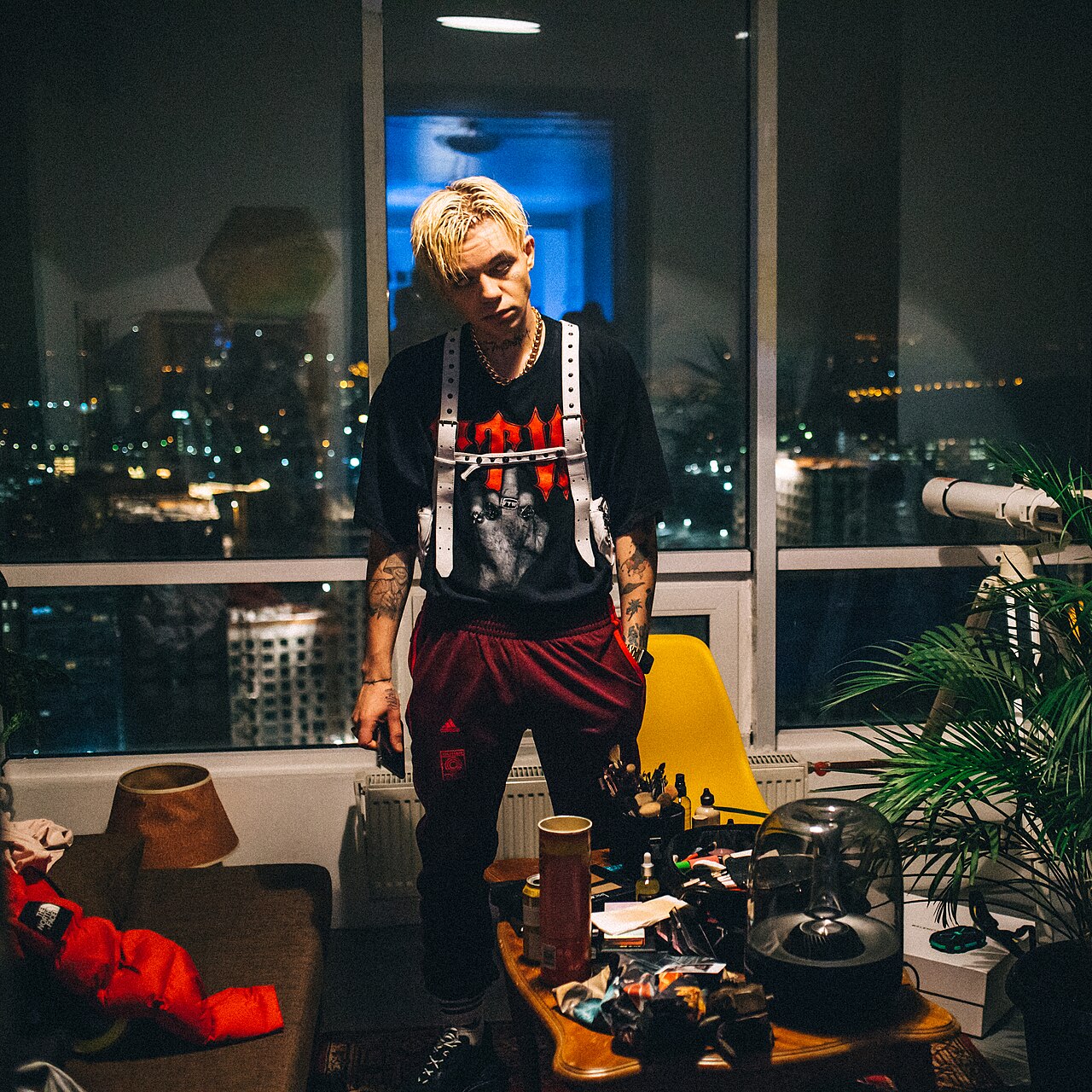
- سفيتلانا لوبودا – مغنية وملحنة.
- ناتاشا كوروليوفا (بوريفاي) – مغنية
- فيرا بريجنيفا (هالوشكا) – مغنية
- أنستازيا بريخودكو – مغنية، مثلت روسيا في مسابقة الأغنية الأوروبية 2009 في موسكو
- ريجينا تودورينكو - مغنية بوب ومقدمة برامج تلفزيونية وعضوة في البرنامج الروسي " Voice "
- ألكسندر أرشيبينكو – فنان طليعي ونحات وفنان جرافيكي
- ماريان بيريتياتكوفيتش – مهندس معماري
- أندريه كوفالتشوك – نحات.
- ناتاليا إرمولينكو يوجينا – مغنية الأوبرا (سوبرانو)
- نيكولاي إيفانوفيتش كرافشينكو – رسام معارك وصحفي وكاتب
- يفسي مويسيينكو – رسام ومعلم سوفيتي. رسام الشعب في الاتحاد السوفييتي (1970) وبطل العمل الاشتراكي (1986).
- بيوتر ليشينكو – مغني، يعتبر عالميًا "ملك التانجو الروسي"
- أولغا بيريتياتكو – سوبرانو أوبرالية
- فلاديمير بورتكو – مخرج سينمائي
- زينايدا برونشينكو - مؤرخة سينمائية وناقدة سينمائية وصحفية
- آلا هورسكا - رسامة أثرية، واحدة من أوائل ممثلي حركة الفن السري
- ميخايلو بويتشوك – رسام، يُعرف غالبًا بأنه فنان النصب التذكارية
- إيغور كروتوي - ملحن موسيقي، وفنان، ومنتج، ومروج موسيقي
- ميخائيل جولكو – مؤلف ومؤدي أغاني تشانسون الروسية
- بيلا رودينكو - مغني أوبرا ومعلم موسيقى وأستاذ في معهد موسكو الموسيقي
- إغناتي بوتابينكو – كاتب ومؤلف مسرحي.
- فلاديمير خوتينينكو – مخرج سينمائي
- إيجور ماتفينكو - منتج، ملحن، مؤسس فرق Lyube، Ivanushki International، Korni، Fabrika، KuBa
- لوليتا ميليافسكايا – مغنية وممثلة ومخرجة تلفزيونية وسينمائية
- يولكا – مغنية
- بوريس تيشينكو - ملحن وعازف بيانو.
- سيرجي دورينكو - صحفي تلفزيوني وإذاعي روسي، معروف باستضافة برنامج تعليق إخباري أسبوعي في عامي 1999 و2000
- زينايدا برونشينكو – مؤرخة سينمائية وناقدة سينمائية وصحفية
- سيرجي ميجيتسكو – ممثل سينمائي ومسرحي
- بافل بافلينكو - ممثل مسرحي وسينمائي
- إيرينا كوبشينكو - ممثلة مسرحية وسينمائية
- فيكتور أفديوشكو - ممثل سوفيتي وفنان الشعب في جمهورية روسيا الاتحادية الاشتراكية السوفياتية
- ألكسندر فيليبينكو - ممثل، فنان الشعب الروسي (2000)
- فيرا كامشا - مؤلفة روايات خيالية عالية الجودة وصحفية.
- أندريه كافون – مخرج سينمائي وكاتب سيناريو
- هالينا بزروك – ممثلة ومغنية
- آنا كوفالتشوك - ممثلة معروفة بأدوارها في السينما والتلفزيون والمسرح
- إلدزهي (أليكسي أوزينيوك) – مغني راب وكاتب أغاني
- رومان فيكتيوك – مخرج مسرحي وممثل وكاتب سيناريو
- تيسيا بوفالي - مغنية وممثلة
- ميخائيل ريشتنياك - مغني وملحن وكاتب أغاني
- آنا أستي - مغنية
الرياضة




.jpg/1280px-Kirilenko_(cropped).jpg)
.jpg/1280px-Zenit_soccerman_(8).jpg)


.jpg/1280px-TetyanaKozyrenko_(9).jpg)



.jpg/1280px-Denis_Shvidki_(30835901743).jpg)



.jpg/1280px-Valentyna_Ivakhnenko_(14989519658).jpg)


- فلاديمير كرامنيك - أستاذ كبير في الشطرنج، وبطل العالم في الشطرنج الكلاسيكي من عام 2000 إلى عام 2006، وبطل العالم بلا منازع في الشطرنج من عام 2006 إلى عام 2007. وقد فاز بثلاث ميداليات ذهبية جماعية وثلاث ميداليات فردية في أولمبياد الشطرنج.
- ألكسندر جريشوك - أستاذ كبير في الشطرنج، بطل روسيا (2009)، بطل العالم في الشطرنج الخاطف ثلاث مرات (في أعوام 2006 و2012 و2015).
- ألكسندرا كوستينيوك - أستاذة شطرنج كبيرة كانت بطلة العالم في الشطرنج للسيدات من عام 2008 إلى عام 2010. كانت بطلة أوروبا للسيدات في عام 2004 وبطلة روسيا في الشطرنج للسيدات مرتين (في عامي 2005 و2016)
- ليودميلا رودينكو - لاعبة شطرنج سوفييتية وثاني بطلة عالمية للشطرنج للسيدات، من عام 1950 حتى عام 1953؛ حصلت على ألقاب الاتحاد الدولي للشطرنج الأستاذة الدولية (IM) والأستاذة الدولية للمرأة (WIM) في عام 1950، والأستاذة الكبرى للمرأة (WGM) في عام 1976. كانت أول امرأة تحصل على لقب الأستاذة الدولية.
- ناتاليا تيتورينكو - لاعبة شطرنج حاصلة على لقب أستاذة دولية في الاتحاد الدولي للشطرنج (1982)
- إيكاترينا لاغنو - أستاذة روسية في الشطرنج منذ عام 2014 ، ونائبة بطلة العالم للسيدات في عام 2018، وبطلة العالم في الشطرنج السريع للسيدات في عام 2014، وبطلة العالم في الشطرنج الخاطف للسيدات في أعوام 2010 و2018 و2019.
- أندريه إسبينكو - أستاذ كبير في الشطرنج، فاز ببطولة أوروبا للشطرنج تحت 10 سنوات في عام 2012، وبطولة أوروبا للشطرنج تحت 16 سنة وبطولة العالم للشطرنج تحت 16 سنة في عام 2017
- ديمتري جاكوفينكو - لاعب شطرنج، حصل على لقب أستاذ كبير من الاتحاد الدولي للشطرنج في عام 2001
- كيريل ألكسينكو - أستاذ الشطرنج
- أنطون ديمشينكو - أستاذ الشطرنج
- ألكسندر بانتشينكو - أستاذ الشطرنج الكبير والمدرب المحترم الذي ترأس مدرسة الشطرنج الروسية
- بوريس سافتشينكو - لاعب شطرنج
- أليكسي كولاشكو - لاعب شطرنج يحمل لقب أستاذ الاتحاد الدولي للشطرنج (FM)
- ألكسندر مويسينكو - بطل أوروبا في الشطرنج لعام 2013
- نيكولاي دافيدينكو – لاعب تنس
- أندريه كيريلينكو - مسؤول تنفيذي في كرة السلة ولاعب كرة سلة محترف سابق
- فلاديسلاف تريتياك - حارس مرمى هوكي الجليد؛ حائز على الميدالية الذهبية الأولمبية ثلاث مرات؛ بطل العالم 10 مرات؛ يُعتبر واحدًا من أعظم اللاعبين على مر العصور.
- ايليا كوفالتشوك – لاعب هوكي الجليد
- بافيل داتسيوك - لاعب هوكي الجليد المحترف الذي يعتبر حاليًا وكيلًا حرًا غير مقيد
- أليكسي زيتنيك - مدافع هوكي الجليد؛ لعب عددًا أكبر من المباريات في دوري الهوكي الوطني (NHL) (1,085) من أي مدافع آخر من مواليد الاتحاد السوفيتي.
- دانييل سوبتشينكو - لاعب هوكي الجليد، كان عضوًا في المنتخب الوطني الروسي الذي تنافس في بطولة العالم للهوكي على الجليد تحت 18 عامًا وتحت 20 عامًا، وفاز بالميدالية الذهبية للبلاد في عام 2011.
- فيتالي أنيكينكو – لاعب هوكي الجليد
- كيريل مارشينكو - لاعب هوكي الجليد المحترف الذي يلعب حاليًا مع فريق كولومبوس بلو جاكيتس في دوري الهوكي الوطني
- نيكولاي كوفالينكو - مهاجم هوكي الجليد
- أندريه كوفالينكو - لاعب هوكي الجليد المحترف السابق
- جريجوري دينيسينكو - لاعب هوكي الجليد المحترف الذي يلعب حاليًا لفريق هندرسون سيلفر نايتس في دوري الهوكي الأمريكي كأحد اللاعبين المحتملين لفريق فيجاس جولدن نايتس في دوري الهوكي الوطني
- أليكسي مارشينكو - لاعب دفاع محترف في رياضة الهوكي على الجليد ويلعب حاليًا مع نادي لوكوموتيف ياروسلافل في دوري الهوكي القاري (KHL)
- أليكسي تيريشينكو - لاعب هوكي الجليد المحترف، وهو حاليًا وكيل حر غير مقيد، ولعب مؤخرًا مع أفانغارد أومسك في دوري الهوكي القاري (KHL).
- فلاديمير تاراسينكو - الجناح الأيمن المحترف في رياضة الهوكي على الجليد والقائد البديل لفريق سانت لويس بلوز في دوري الهوكي الوطني (NHL)
- إجنات زيمتشينكو - لاعب هوكي الجليد المحترف الذي يلعب حاليًا مع نادي HC Yugra في دوري الهوكي الأعلى (VHL)
- رومان لياشينكو - لاعب هوكي الجليد
- ميخائيل جريجورينكو - مهاجم محترف في رياضة الهوكي على الجليد لصالح نادي HC CSKA Moscow في دوري الهوكي القاري (KHL)
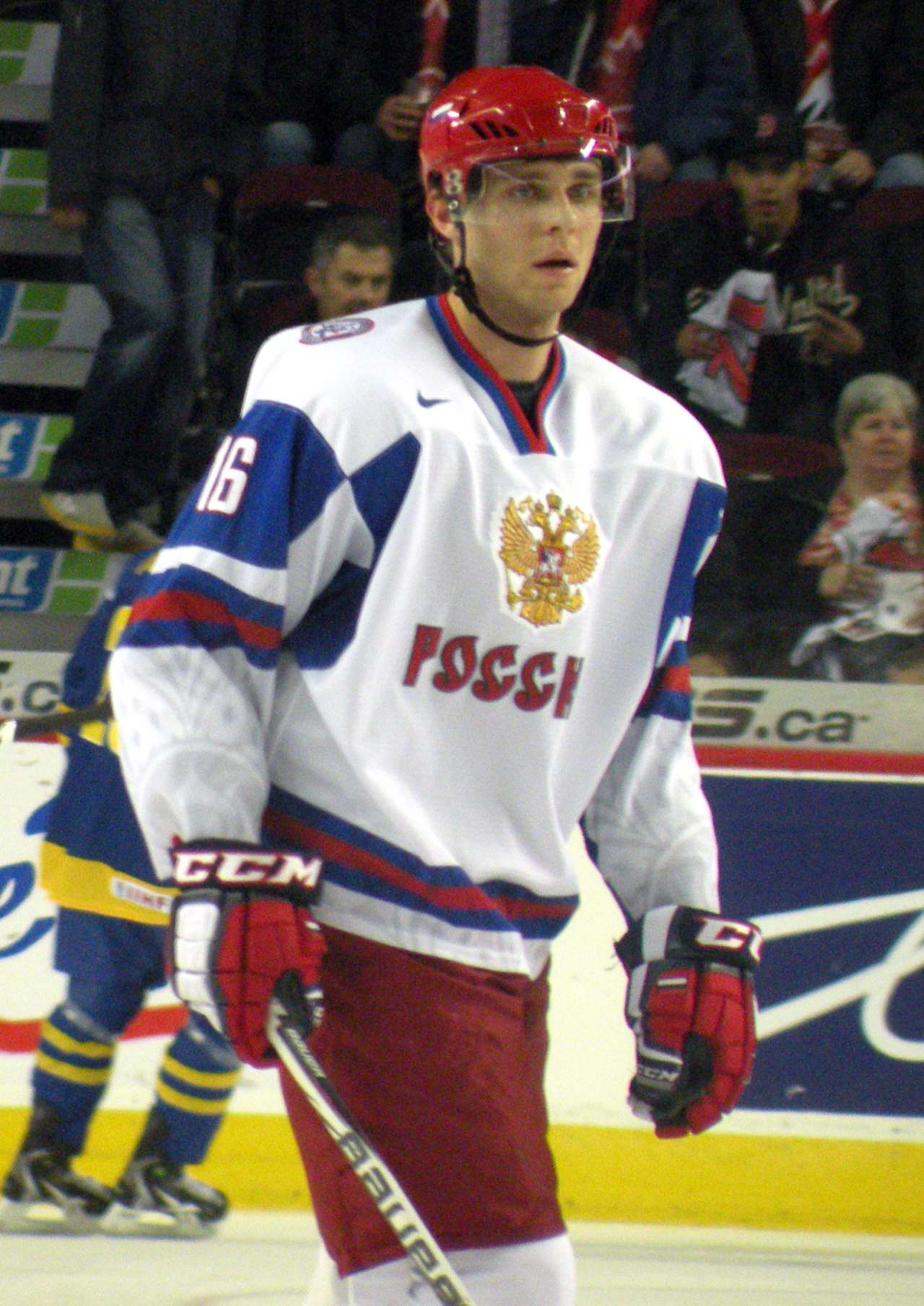
- دينيس شفيدكي – لاعب هوكي الجليد المحترف السابق في الجناح الأيمن
- ديمتري خريستش – لاعب هوكي الجليد
- أنطون بوت – لاعب هوكي الجليد المحترف السابق
- أوليج تفردوفسكي – لاعب دفاع في رياضة الهوكي على الجليد
- فيتالي فيشنفسكي – لاعب دفاع محترف سابق في رياضة الهوكي على الجليد. لعب سابقًا في دوري الهوكي الوطني مع فرق Mighty Ducks of Anaheim وAtlanta Thrashers وNashville Predators وNew Jersey Devils، بالإضافة إلى فرق Lokomotiv Yaroslavl وSKA St. Petersburg وSeverstal Cherepovets في دوري KHL.
- ألكسندر كوماريستي - لاعب وسط هوكي الجليد الذي يلعب لصالح نادي دينامو سانت بطرسبرغ في دوري الهوكي الأعلى (VHL)
- أندريه نيكوليشين – لاعب هوكي الجليد؛ الحائز على الميدالية البرونزية الأولمبية
- أنطون بابشوك – لاعب دفاع في رياضة الهوكي على الجليد
- أرسيني جريتسيوك - لاعب هوكي الجليد المحترف في نادي SKA Saint Petersburg في دوري الهوكي القاري
- أليكس جالشينيوك - لاعب وسط هوكي الجليد الذي يرتبط حاليًا بعقد مع نادي أمور خاباروفسك في دوري الهوكي القاري
- ألكسندر جالشينيوك - لاعب هوكي الجليد المحترف السابق، بدأ ممارسة هوكي الجليد الاحترافي على أعلى مستوى مع نادي دينامو موسكو
- كوستيانتين كاسيانشوك لاعب هوكي الجليد
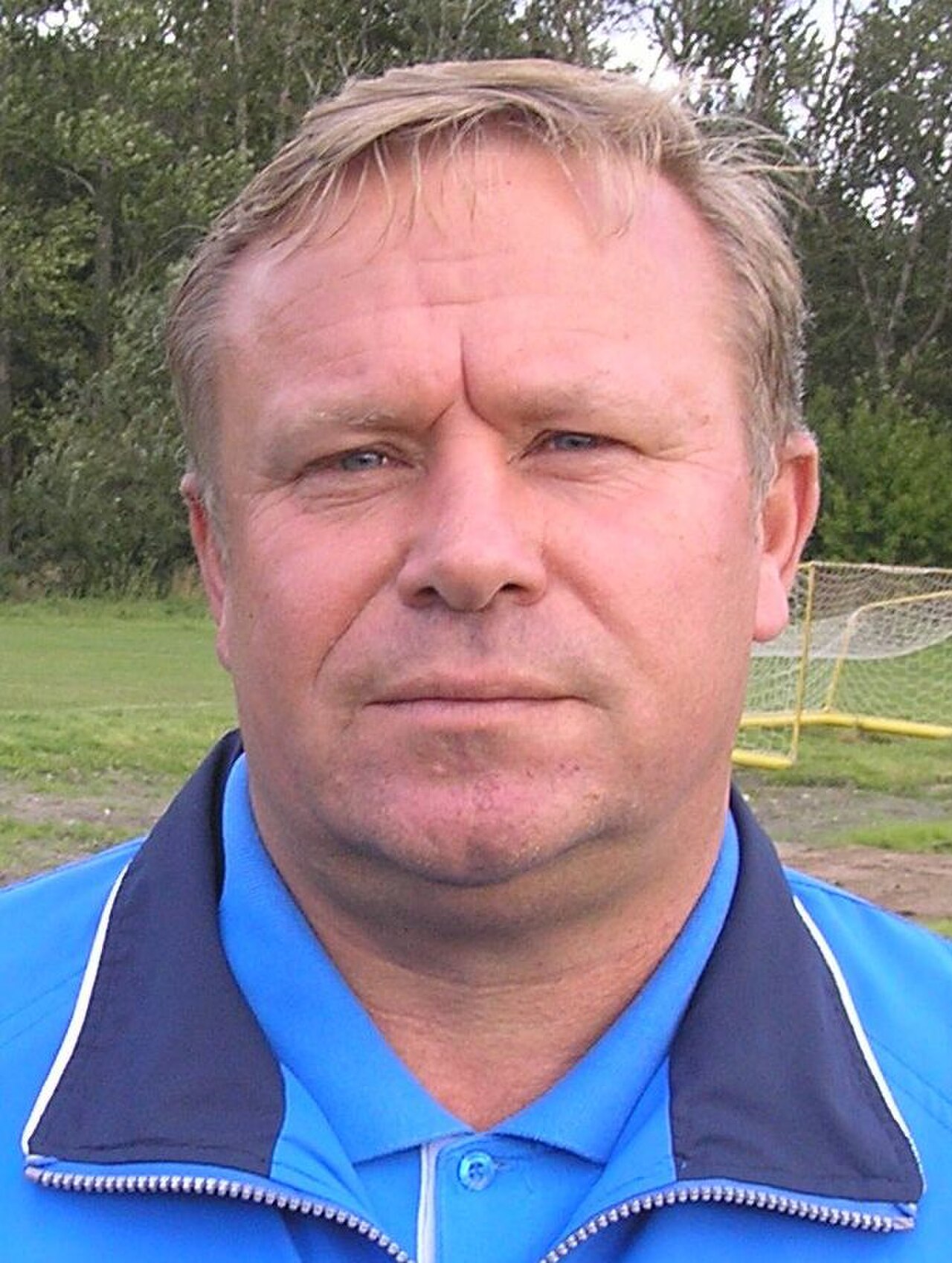
- أناتولي تيموشوك - مدرب كرة قدم ولاعب خط وسط سابق، ويعمل حاليًا مساعدًا لمدرب نادي زينيت سانت بطرسبرغ في الدوري الروسي الممتاز
- فلاديمير كوتس - عداء المسافات الطويلة السوفيتي ، الذي فاز بسباقات 5000 و10000 متر في أولمبياد 1956، محققًا أرقامًا قياسية أولمبية في كلا الحدثين
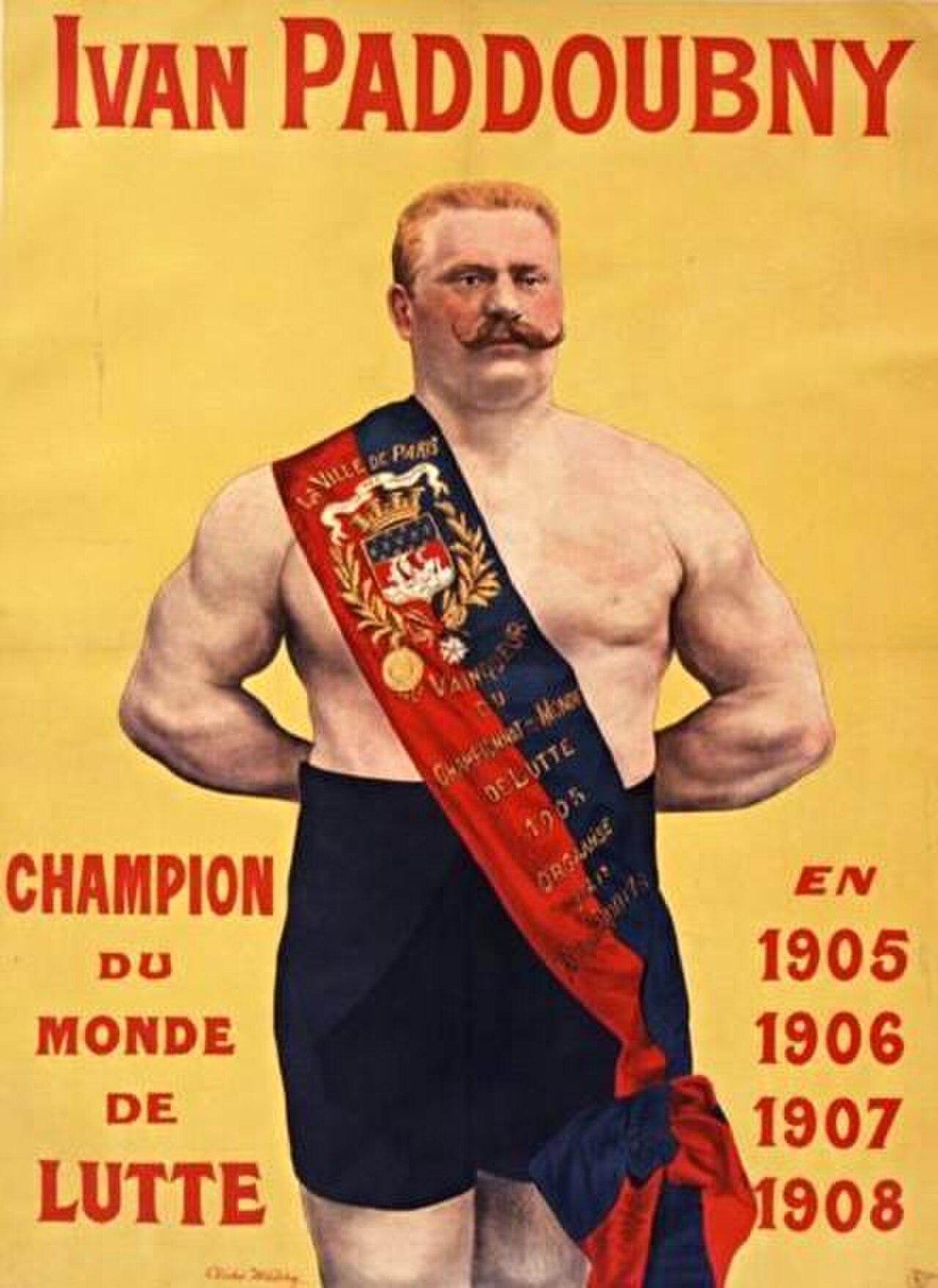
- إيفان بودوبني - مصارع محترف من الإمبراطورية الروسية والاتحاد السوفييتي لاحقًا
- أولغا دفيرنا - عداءة المسافات المتوسطة التي مثلت الاتحاد السوفييتي في أواخر السبعينيات وأوائل الثمانينيات
- أنطون شفيتس - لاعب كرة قدم يلعب لصالح نادي أحمد غروزني ، كلاعب خط وسط مركزي، ويمثل منتخب روسيا لكرة القدم على المستوى الدولي
- أوليج سالينكو – لاعب كرة قدم
- أرتيم دزيوبا هو لاعب كرة قدم روسي من أصل أوكراني، والده أوكراني.
- أليكسي ميرانتشوك وأنتون ميرانتشوك – لاعبا كرة قدم توأمان روسيان من أصل أوكراني من كوبان.
- ياروسلاف راكيتسكي – لاعب كرة قدم يلعب حاليًا كمدافع في نادي زينيت سانت بطرسبرغ الروسي
- فلاديسلاف تيرنافسكي – مدرب كرة قدم ولاعب سابق
- أناتولي بيشوفيتس - مدرب كرة القدم السوفييتي والروسي والمهاجم الدولي السوفييتي السابق
- سيرجي سيماك - مدير كرة قدم ولاعب خط وسط دولي سابق وهو حاليًا مدير نادي زينيت سانت بطرسبرغ
- أليكسي أولينيك - فنان فنون قتالية مختلطة ومقاتل سامبو قتالي متعاقد حاليًا مع بطولة Ultimate Fighting Championship، ويتنافس في قسم الوزن الثقيل.
- آنا بوجوريلايا – متزلجة على الجليد
- إيرينا بولتوراتسكايا - لاعبة كرة اليد في المنتخب الروسي، تلعب في المنتخب الوطني للسيدات لكرة اليد.
- تاتيانا نافكا – راقصة جليدية سابقة
- أولغا شيرباك – لاعبة كرة يد تلعب في نادي HC Lada
- أوكسانا جريشوك - راقصة الجليد التنافسية السابقة.
- إيلينا ريابشوك – متزلجة زوجية سابقة
- أليكسي كلاشينك – لاعب كرة قدم محترف
- فالنتين مولدافسكي - روسي (منذ عام 2014) يمارس فنون القتال المختلطة والسامبو، بطل العالم وأوروبا في وزن +100 كجم.
- ديمتري باشتسكي - لاعب كرة طائرة ، عضو في نادي زينيت سانت بطرسبرغ الروسي، بطل إستونيا (2011)، بطل روسيا (2019).
- إيرينا جوك - مدربة الرقص على الجليد ومنافسة سابقة للاتحاد السوفييتي
- ماريا ستافيتسكايا - لاعبة تزلج على الجليد سابقة
- ليونيد زابوتينسكي – رافع أثقال حطم 19 رقمًا قياسيًا عالميًا في فئة الوزن الثقيل، وفاز بالميداليات الذهبية في الألعاب الأولمبية لعامي 1964 و1968
- سيرجي ماكارينكو - متسابق قوارب الكانو السوفييتي المتقاعد الذي تنافس في الفترة من أواخر الخمسينيات إلى أوائل الستينيات
- أناتولي يفتوشينكو – المدرب المحترم للاتحاد السوفييتي لكرة اليد
- إيرينا زاريازكو - لاعبة كرة طائرة، تلعب في مركز حجب الوسط
- ألكسندر كوفالينكو - لاعب القفز الثلاثي السوفييتي المتقاعد الذي فاز بالميدالية البرونزية في دورة الألعاب الأولمبية الصيفية عام 1988
- فلاديمير ياشتشينكو - عضو المنتخب الوطني السوفيتي وحامل الرقم القياسي العالمي السابق في القفز العالي (233 سم، 234 سم و 235 سم).
- تيتيانا هلوشينكو - لاعبة كرة يد سوفييتية سابقة شاركت في دورة الألعاب الأولمبية الصيفية عام 1976
- تيتيانا كوزيرينكو - لاعبة كرة قدم، تلعب لفريق لوكوموتيف موسكو في الدوري النسائي لكرة القدم
- ناتاليا زينتشينكو - لاعبة كرة قدم تعمل حاليًا كمديرة لفريق زفيزدا بيرم
- أرتيم كليمينكو – لاعب كرة سلة محترف
- فيكتور فاشينكو – لاعب كرة قدم محترف سابق
- دميتري ميخايلينكو - لاعب كرة قدم يلعب لصالح نادي خيميك دزيرجينسك
- ديمتري ميخايلنكو - لاعب كرة قدم سابق، لعب للفريق الرئيسي لنادي فولغا نيجني نوفغورود في كأس روسيا ضد نادي سكا-إينيرجيا خاباروفسك في 30 أكتوبر 2013
- سيرجي كوفالينكو – لاعب كرة سلة سوفيتي فاز بالميدالية الذهبية مع المنتخب السوفييتي لكرة السلة في أولمبياد 1972. لعب لصالح نادي سيسكا موسكو (1976-1980)
- إيرينا تشونيخوفسكا - بحارة سابقة، تنافست لصالح الاتحاد السوفييتي
- لاريسا موسكالينكو - بحارة سابقة، تنافست لصالح الاتحاد السوفييتي
- ايرينا إيلتشينكو - لاعبة كرة طائرة
- أنجلينا لازارينكو - لاعبة كرة طائرة، عضو في فريق الكرة الطائرة الوطني للسيدات في روسيا
- كسينيا إيلتشينكو - لاعبة كرة طائرة، تلعب كلاعبة هجومية خارجية
- كوستيانتين بارخومينكو – لاعب كرة قدم لعب آخر مرة مع نادي سخالين يوجنو ساخالينسك
- إيغور جامولا - مدرب كرة قدم محترف ولاعب سابق. يعمل ككشاف لنادي روستوف لكرة القدم. ظهر لأول مرة في الدوري السوفييتي الممتاز عام 1978 مع نادي زاريا فوروشيلوفغراد لكرة القدم.
- أناتولي بوليفودا - لاعب كرة سلة لعب لصالح الاتحاد السوفييتي
- إيغور بيدان - رجل قوي اشتهر بمنافسته في بطولة العالم للرجل القوي التابعة للاتحاد الدولي لرياضة كمال الأجسام وأقوى رجل في العالم
- فيكتور خريابا - لاعب كرة سلة محترف سابق لعب آخر مرة مع فريق سيسكا موسكو في دوري VTB United League
- إيليا تسيمبالار – لاعب كرة قدم ومدرب
- سيرجي يوران – مدير كرة قدم محترف ولاعب سابق. وهو مدير نادي SKA-Khabarovsk.
- فاسيل ياكوشا - مجدف سوفيتي تنافس باسم الاتحاد السوفييتي في الألعاب الأولمبية الصيفية عام 1980 وفي الألعاب الأولمبية الصيفية عام 1988.
- أوليكساندر مارشينكو – مجدف سوفيتي. فاز هو وزميله بالميدالية البرونزية للاتحاد السوفييتي في مسابقة التجديف المزدوج في دورة الألعاب الأوليمبية الصيفية عام 1988.
- إيفان إيديشكو - لاعب كرة سلة محترف ومدرب.
- ألكسندر سوبكو – لاعب كرة قدم سابق
- فاليري بوبنشينكو - ملاكم سوفيتي تنافس في قسم الوزن المتوسط (−75 كجم)
- بوريس بوتينكو - رياضي سوفيتي، تنافس في رمي القرص للرجال في دورة الألعاب الأولمبية الصيفية عام 1952
- أندريه تيشينكو - لاعب التجديف السوفييتي السابق الذي تنافس مع الاتحاد السوفييتي في دورة الألعاب الأولمبية الصيفية عام 1980
- إيغور كورنينكو – لاعب تنس محترف سابق
- بوجدان أليشتشينكو - لاعب خط الوسط السابق لكرة القدم.
- ألكسندر أندريوشينكو - مدرب كرة قدم محترف ولاعب سابق يعمل حاليًا كمدير لقسم الرياضة في نادي روستوف لكرة القدم
- جينادي أفرامينكو - مطلق النار الرياضي السوفيتي
- فولوديمير هيراشتشينكو - مدرب كرة قدم سوفيتي محترف ولاعب سابق.
- ألكسندر بافلينكو – مسؤول كرة قدم ولاعب سابق
- سيرجي كوفالينكو - لاعب كرة سلة سوفيتي فاز بالميدالية الذهبية مع فريق كرة السلة السوفييتي في أولمبياد 1972 ، ولعب لصالح نادي سيسكا موسكو (1976-1980)
- أوليج ستيبكو – لاعب جمباز روسي (منذ مارس 2018)
- أولها هوزينكو - لاعبة تجديف شاركت في الألعاب الأولمبية الصيفية عام 1976 لصالح الاتحاد السوفييتي
- فيكتور مارينكو - لاعب كرة قدم ومدرب سوفيتي
- يفجيني زاجورولكو – مدرب القفز العالي
- ميخائيل رادشينكو - لاعب كرة قدم يلعب في مركز المدافع
- أنطونينا رودينكو - سباحة سوفييتية متقاعدة فازت بالميدالية الذهبية في سباق التتابع 4 × 100 متر سباحة حرة في بطولة أوروبا للألعاب المائية عام 1966 ، محققة بذلك رقمًا قياسيًا أوروبيًا جديدًا.
- ألكسندر بافلينكو - مسؤول كرة قدم ولاعب، يلعب كلاعب خط وسط في نادي رودينا موسكو لكرة القدم
- فاديم ياروششوك - سباح سابق في فئتي الفراشة والمتنوعة من الاتحاد السوفيتي، والذي فاز بميداليتين برونزيتين في دورة الألعاب الأولمبية الصيفية عام 1988 في سيول، كوريا الجنوبية.
- أوليكسي ديميانوك - لاعب القفز العالي، الذي حقق أفضل أداء عالمي في عام 1981 بقفزة بلغت 2.33 متر في لقاء في لينينغراد
- ديمتري موسيرسكي - لاعب كرة طائرة ، عضو في فريق الكرة الطائرة الوطني للرجال في روسيا ، بطل الألعاب الأولمبية 2012 ، بطل أوروبا 2013 ، الحائز على الميدالية الذهبية في كأس العالم 2011 وحاصل على ميداليات متعددة في الدوري العالمي .
- سيميون بولتافسكي - لاعب الكرة الطائرة، الذي كان عضوًا في المنتخب الوطني للرجال الذي فاز بالميدالية الفضية في بطولتي أوروبا 2005 و2007، تم اختياره كأفضل لاعب في البطولة الأخيرة
- ليليا أوسادتشايا - لاعبة الكرة الطائرة السوفيتية السابقة، التي فازت بالميدالية الفضية في دورة الألعاب الأولمبية الصيفية عام 1976
- أندريه كارياكا - مدرب كرة قدم روسي ولاعب سابق لعب كلاعب خط وسط
- سيرجي مامتشور - مدافع كرة القدم.
- فيكتور ميروشينشينكو – ملاكم، مثل الاتحاد السوفييتي في دورة الألعاب الأولمبية الصيفية عام 1980 في موسكو، الاتحاد السوفييتي
- روستيسلاف بليتشكو - ملاكم محترف يحمل حاليًا لقب روسيا ولقب رابطة الملاكمة العالمية الآسيوية للوزن الثقيل
- أوليج جونشارينكو - أستاذ الرياضة المتميز في الاتحاد السوفيتي، وكان أول متزلج سريع سوفييتي يصبح بطل العالم في التزلج الشامل.
- كونستانتين يريومينكو - لاعب كرة الصالات الروسي الذي تم اختياره كأعظم لاعب كرة صالات في القرن العشرين
- ديمتري شكيدتشينكو - مدرب التزلج الفني والمتزلج الزوجي السابق الذي تنافس دوليًا باسم الاتحاد السوفيتي.
- أولينا زوبكو – مجدفة تنافست مع الاتحاد السوفييتي في دورة الألعاب الأوليمبية الصيفية عام 1976. في عام 1976 كانت عضوًا في طاقم القارب السوفييتي الذي فاز بالميدالية الفضية في سباق الثماني
- فيكتور بوديانسكي - لاعب كرة قدم متقاعد لعب كلاعب خط وسط
- أوليه ليشينسكي – لاعب خط وسط كرة قدم سوفييتي محترف سابق ومدرب أوكراني (حتى عام 2014) وروسي (منذ عام 2014)
- سيرهي ناهورني – متسابق قوارب الكانو السوفييتي
- تاتيانا فولوسوزار – متزلجة زوجية.
- ليسيا ماخنو - لاعبة كرة طائرة، عضو المنتخب الروسي الذي فاز بالميدالية الذهبية في بطولة العالم 2010.
- يفجيني إيفتشينكو - رياضي سوفيتي تنافس بشكل أساسي في سباق المشي لمسافة 50 كم
- يوري فلاسينكو – راقص على الجليد.
- فاسيلي أرخيبينكو - رياضي سوفيتي تنافس بشكل أساسي في سباق 400 متر حواجز
- ليونيد تكاتشينكو – لاعب سوفيتي سابق ومدرب أوكراني روسي
- ماكسيم تيشينكو - مدرب كرة قدم روسي محترف ولاعب سابق
- جورجي بروكوبينكو - سباح سوفيتي متقاعد شارك في الألعاب الأولمبية الصيفية لعامي 1960 و1964
- فيكتور فاشينكو – لاعب كرة قدم محترف سابق
- فلاديسلاف إجناتنكو - لاعب كرة قدم يلعب لصالح نادي نوستا نوفوترويتسك
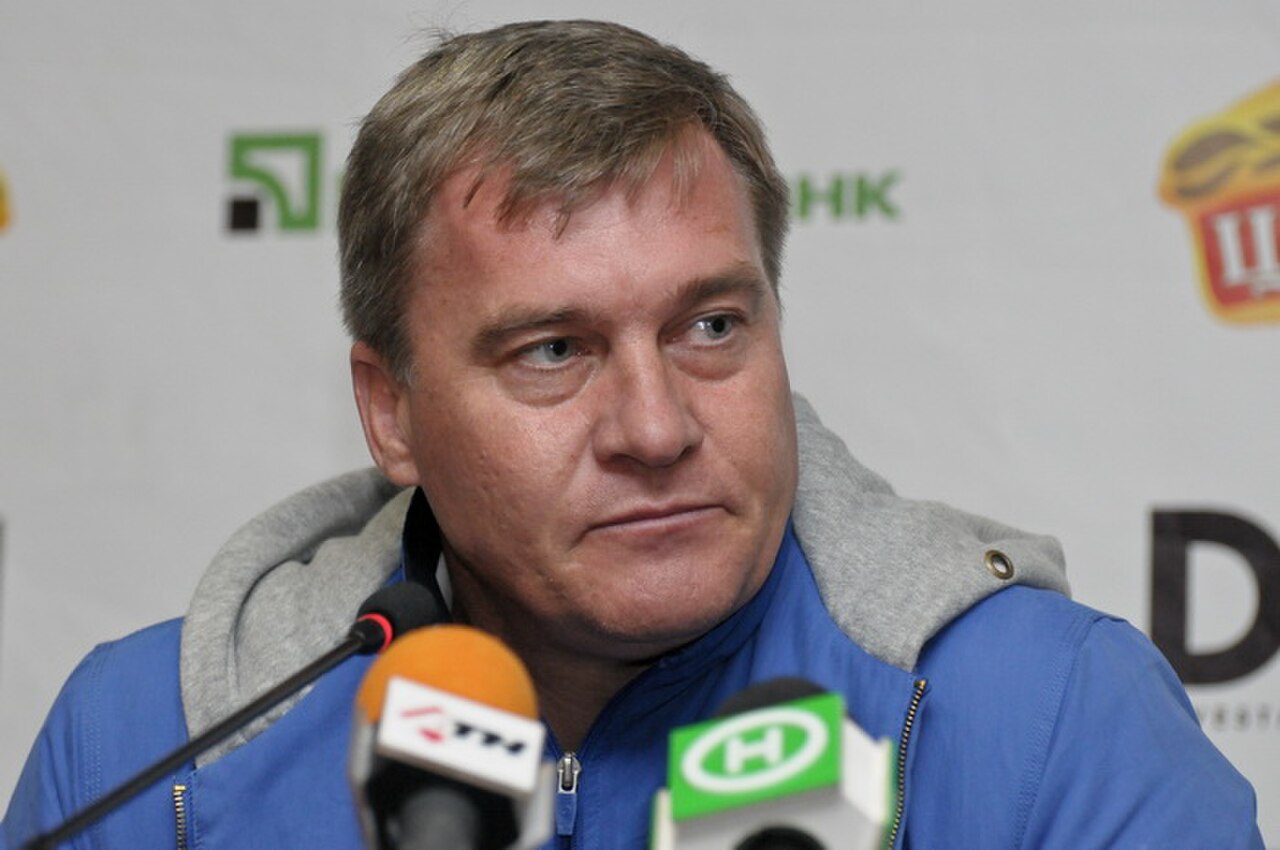
- فالنتينا إيفاخنينكو – لاعبة تنس محترفة
- سيرهي بيترينكو – راكب زورق سريع متقاعد
- ليودميلا أفديينكو – رياضية. شاركت في مسابقة القفز العالي للسيدات في دورة الألعاب الأولمبية الصيفية عام 1988، ممثلة الاتحاد السوفييتي.
- سيرجي شافلو – لاعب كرة قدم سوفييتي سابق
- ألكسندر شباكوفسكي – لاعب كرة قدم سوفيتي
- فيكتور أونوبكو – مدرب كرة قدم
- أندريه ديمشينكو – مدرب كرة قدم ولاعب خط وسط سابق
- داريا تكاتشينكو - روسية (منذ عام 2016)، لاعبة درافت تحمل ألقاب FMJD Master (MF) وWomen's International Grandmaster (GMIF) في FMJD. وهي بطلة العالم للسيدات أربع مرات (2005، 2006، 2008، 2011) وبطلة أوروبا للسيدات مرتين (2004، 2006) في الدرافت الدولي.
- أنجيليكا شيفتشينكو - عداءة روسية (منذ عام 2017) متخصصة في سباقات المسافات المتوسطة
- كونستانتين باكون - لاعب كرة طائرة [أوكراني] يحمل الجنسية [الروسية] (منذ عام 2011)، عضو في فريق الكرة الطائرة الوطني للرجال في روسيا ، بطل روسيا (2020).
- أوليكساندر هايداش - مهاجم كرة قدم روسي محترف (منذ عام 2014).
- دينيس هولايدو – لاعب خط وسط كرة قدم متقاعد
- إيغور دوبروفولسكي – مدير كرة قدم ولاعب سابق
- إيليا ستيفانوفيتش – لاعب كرة قدم، يلعب كمهاجم لفريق نادي فولجار أستراخان لكرة القدم
- أليكسي سوكيرسكي – لاعب رمي المطرقة الروسي (منذ عام 2015)
- أنستازيا شبيليفايا – راقصة جليدية سابقة
- أرتيوم بيزرودني – لاعب كرة قدم روسي
- سيرجي كاريتنيك – لاعب وسط كرة قدم
- أندريه فيدوريف - عداء سابق من الاتحاد السوفييتي السابق، تخصص في سباق 200 متر
- إيفان أورديتس - لاعب كرة قدم محترف يلعب كمدافع لنادي دينامو موسكو الروسي
- أولها ماسليفيتس – لاعبة ركوب الأمواج الشراعية التي شاركت في أربع دورات أولمبية (2000، 2004، 2008 و2012)
- أوليكساندر بومازون - حارس مرمى سابق ومدرب كرة قدم روسي ومدرب حراس مرمى في نادي خيميك أرسنال
- أوليج جونشارينكو - أستاذ الرياضة المتميز في الاتحاد السوفيتي، وكان أول متزلج سريع سوفييتي يصبح بطل العالم في التزلج الشامل.
- يوري دوروشينكو – لاعب كرة قدم محترف
- ميكولا موسيينكو – لاعب القفز الثلاثي السابق الذي مثل الاتحاد السوفييتي
- فياتشيسلاف بروتسينكو – مدرب كرة قدم محترف ولاعب سابق
- أناستاسيا شلياخوفايا – لاعبة كرة طائرة
- يوري بروخورينكو - لاعب القفز بالزانة السابق الذي تنافس في الألعاب الأولمبية الصيفية لعام 1976 وفي الألعاب الأولمبية الصيفية لعام 1980
- كونستانتين يريومينكو – لاعب كرة الصالات الذي تم اختياره كأعظم لاعب كرة صالات في القرن العشرين
- ماكسيم أوبيرمكو – روسي (منذ عام 2015) [ممارس رياضة ركوب الأمواج الشراعية]
- يوري ستارونسكي - لاعب الكرة الطائرة السوفييتي الذي تنافس مع الاتحاد السوفييتي في الألعاب الأولمبية الصيفية لعام 1972 وفي الألعاب الأولمبية الصيفية لعام 1976
- فلاديسلاف جوفنيرسكي - مدرب التزلج الثنائي والمنافس السابق.
- نيكولاي لاتيش - مدرب كرة قدم محترف، مساعد مدير في نادي توبول لكرة القدم
- بافيل موروز - لاعب كرة طائرة ، عضو في فريق الكرة الطائرة الوطني للرجال في روسيا ونادي فاكل نوفي يورنغوي الروسي
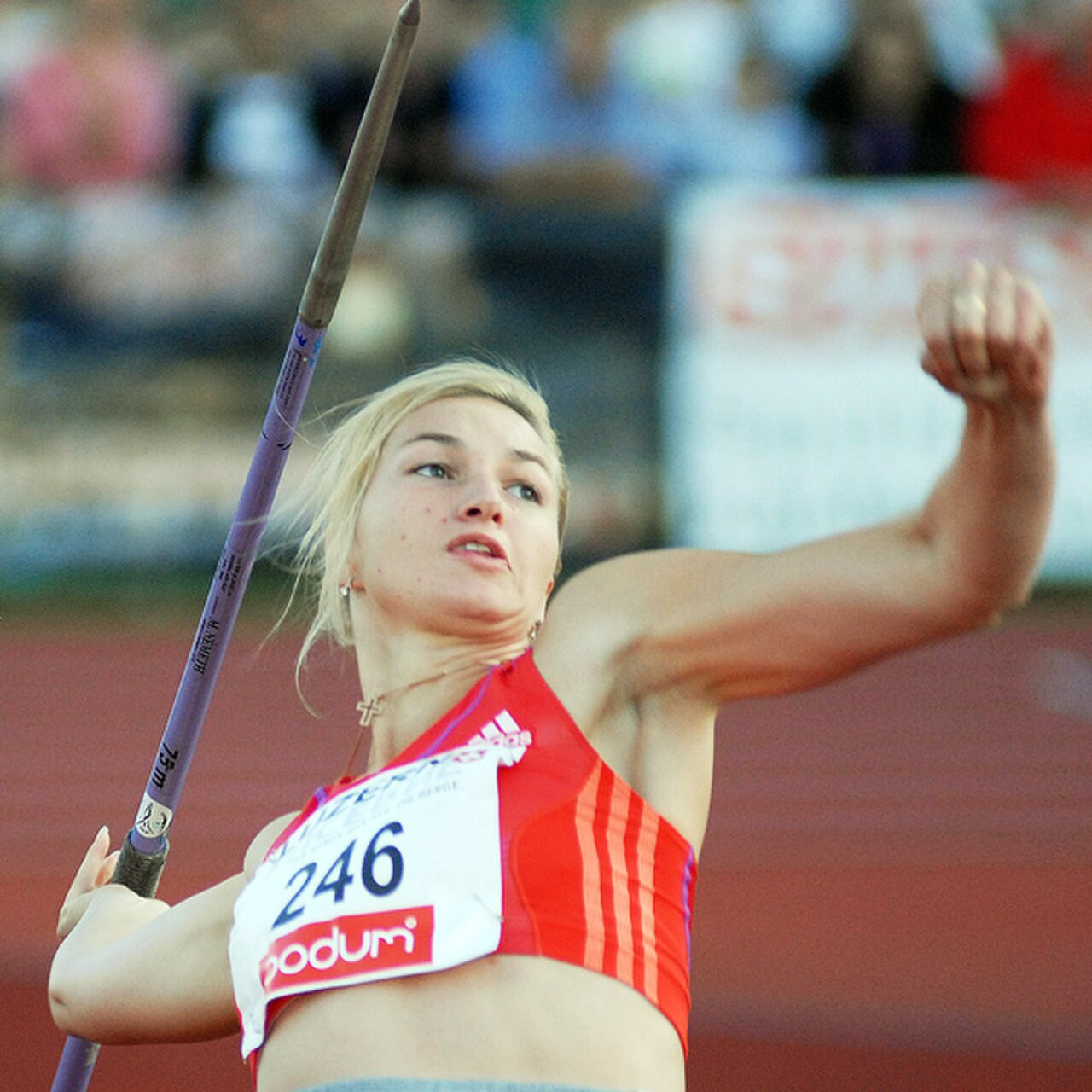
- فيرا ريبريك - لاعبة ألعاب القوى الروسية (منذ عام 2015) التي تتنافس في رمي الرمح
- تاراس ختي - لاعب كرة طائرة، عضو في المنتخب الوطني الروسي للكرة الطائرة للرجال.
- ألكسندر بوندار – روسي (منذ 2014)
- تاتيانا فويتيوك - راقصة الجليد السوفيتية السابقة
- سيرهي كراسيوك - سباح سوفيتي سابق، فاز بالميدالية الذهبية والفضية في أولمبياد صيف 1980 في سباق 4 × 100 متر متنوعة و4 × 200 متر سباحة حرة تتابع على التوالي
- أناستاسيا بليزنيوك – لاعبة جمباز إيقاعي جماعي
- فيرا موسكاليوك – لاعبة جودو
- ناتاليا لينيتشوك - مدربة الرقص على الجليد وراقصة الجليد التنافسية السابقة للاتحاد السوفيتي
- ليودميلا بانتشوك - لاعبة كرة اليد السوفيتية التي شاركت في الألعاب الأولمبية الصيفية عام 1976
- بوريس تيريشوك - لاعب الكرة الطائرة السوفييتي السابق الذي تنافس مع الاتحاد السوفييتي في دورة الألعاب الأولمبية الصيفية عام 1968
- أناتولي بوليشوك - لاعب الكرة الطائرة السابق الذي تنافس مع الاتحاد السوفييتي في دورة الألعاب الأولمبية الصيفية عام 1976
- رومان رومانشوك – ملاكم هاوٍ روسي (منذ عام 2000)
- أناتولي بوندارتشوك - لاعب رمي المطرقة السوفييتي المتقاعد، والذي يُعتبر المدرب الأكثر إنجازًا في رمي المطرقة على الإطلاق
- فيكتور ميخالشوك - لاعب الكرة الطائرة السابق الذي تنافس مع الاتحاد السوفييتي في دورة الألعاب الأولمبية الصيفية عام 1968
- فاليري كرافتشوك - لاعب رفع الأثقال السوفيتي المتقاعد
- سيرهي كرافتشوك - مبارز سوفيتي
- فاسيلي بينتشوك – لاعب كرة قدم سابق
- ميكولا بينتشوك - لاعب كرة قدم سوفيتي متقاعد
- أرتور مينتشوك - مدرب التزلج الزوجي الروسي والمنافس السابق.
- بوريس سافتشوك - عداء سوفيتي، تنافس في سباق 200 متر للرجال في دورة الألعاب الأولمبية الصيفية عام 1964 ممثلاً للاتحاد السوفييتي
- رسلان لياششوك – لاعب كرة قدم سابق
- إيغور ليشتشوك - لاعب كرة قدم يلعب كحارس مرمى لفريق دينامو موسكو لكرة القدم
- فلاديمير كوستيوك – لاعب كرة قدم محترف
- يوري بانتشينكو - مدرب روسي من أصل أوكراني ولاعب كرة طائرة سابق تنافس مع الاتحاد السوفييتي في دورة الألعاب الأولمبية الصيفية لعام 1980 وفي دورة الألعاب الأولمبية الصيفية لعام 1988
- فيتالي موتكو – وزير الرياضة الروسي السابق
علوم


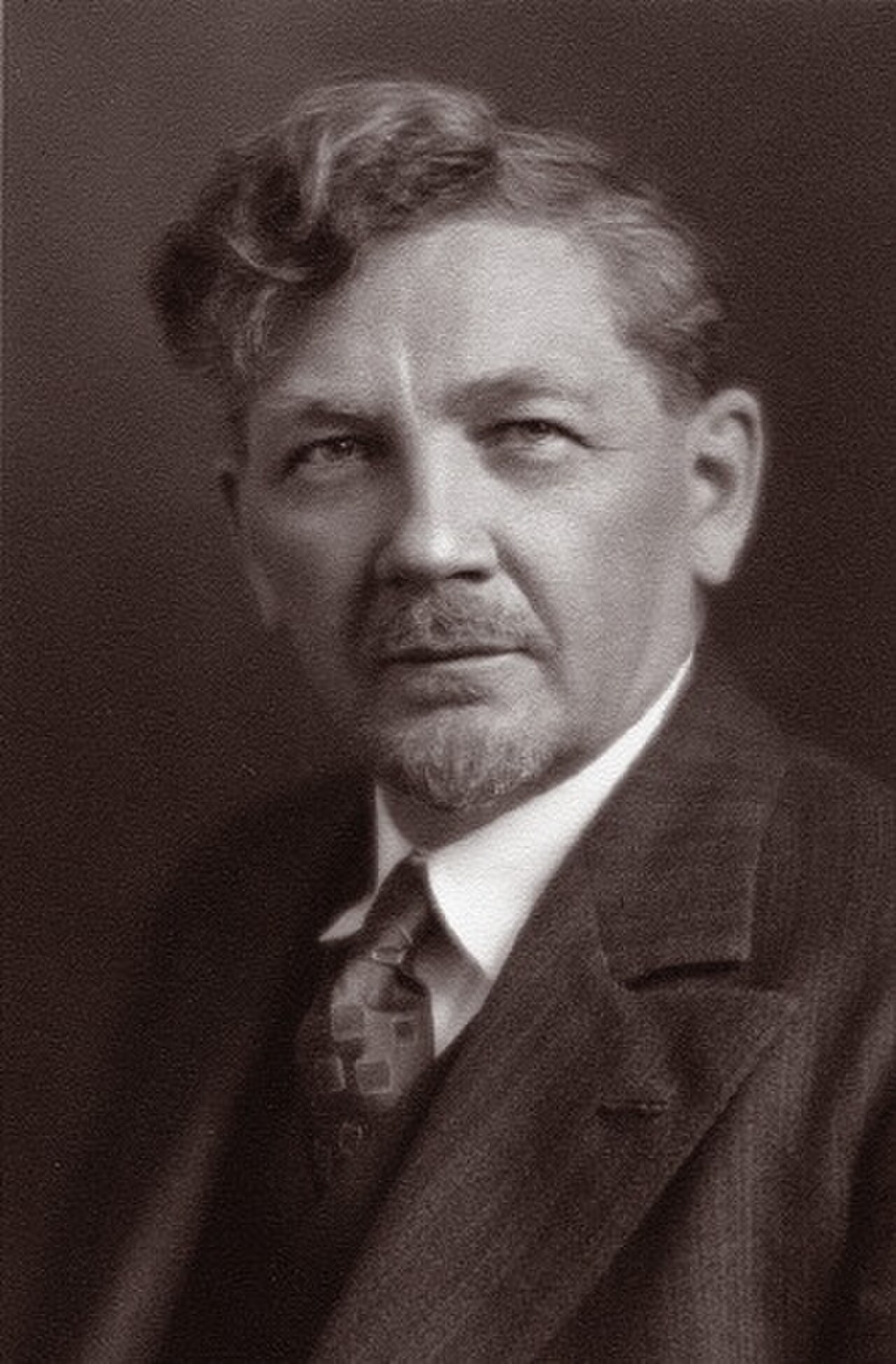




- نيكولاس ميكلوهو ماكلاي - مستكشف ، وعالم إثنولوجيا ، وعالم أنثروبولوجيا ، وعالم أحياء
- جليب لوزينو لوزينسكي - المطور الرئيسي لبرنامج المكوك الحلزوني السوفييتي بوران .
- فلاديمير فيرنادسكي – عالم معادن وكيميائي جيولوجي
- جورج فرنادسكي – مؤرخ
- فالنتين غلوشكو - عالم صواريخ ورائد في أنظمة الدفع الصاروخي ومساهم رئيسي في تكنولوجيا الفضاء والدفاع السوفييتية
- تروفيم ليسينكو – عالم زراعي وأحياء
- ثيودوسيوس دوبجانسكي - [عالم الوراثة] وعالم الأحياء التطوري
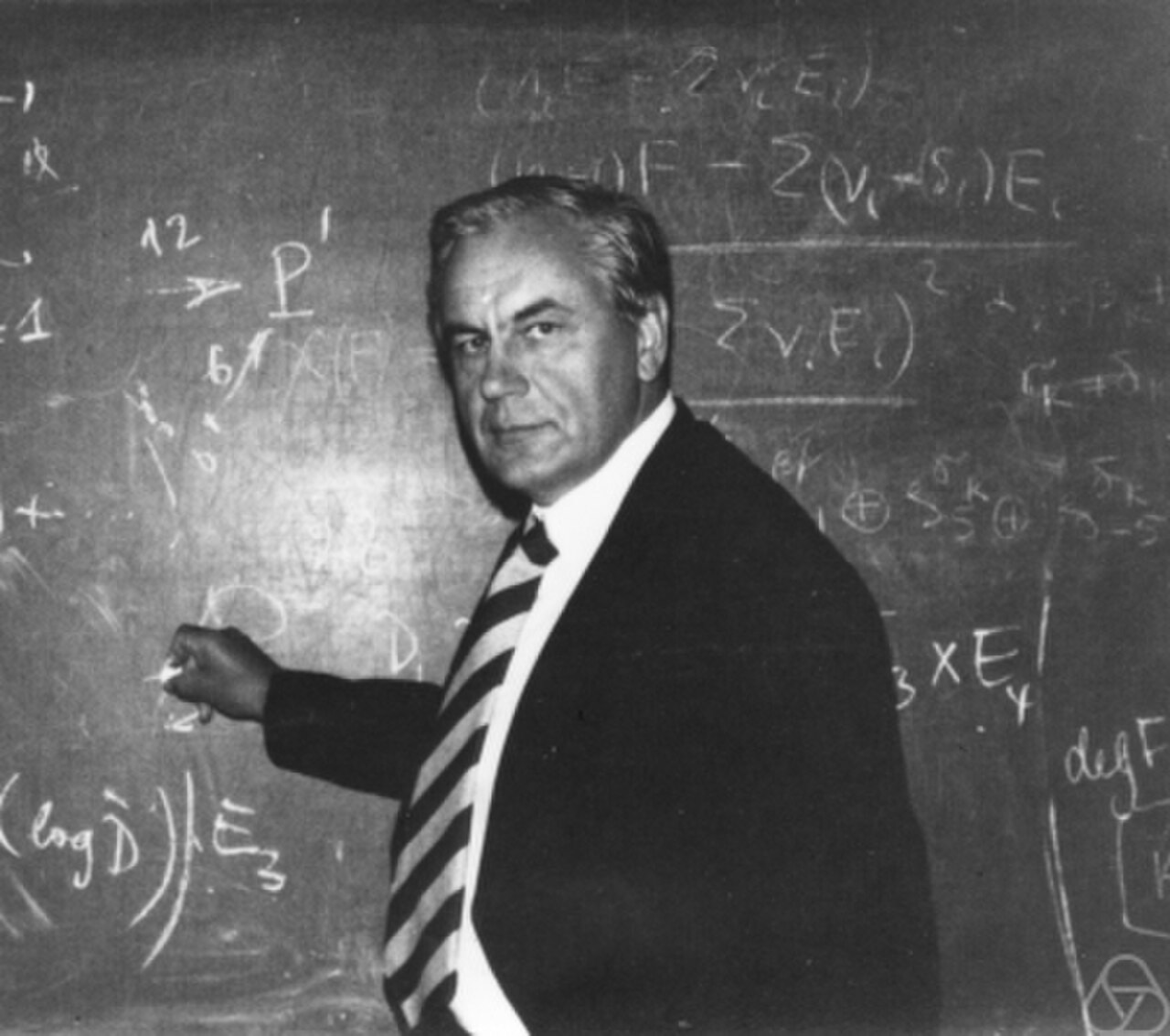
- ميخائيل أوستروجرادسكي – عالم رياضيات
- أناتولي فومينكو - عالم رياضيات، معروف كعالم طوبولوجيا، ومؤلف نظرية علمية زائفة تُعرف باسم التسلسل الزمني الجديد
- أنطون ماكارينكو – أحد مؤسسي التربية السوفييتية
- فلاديمير تشيلومي - عالم ميكانيكا ومهندس طيران وصواريخ وهو الذي اخترع أول محرك نفاث سوفييتي نبضي
- فاسيل سوخوملينسكي - مربي إنساني في الاتحاد السوفييتي رأى أن هدف التعليم هو إنتاج كائن إنساني حقيقي
- بوريس باتون - عالم ميكانيكي ومهندس سوفيتي، اشتهر بأعماله في مجال اللحام الكهربائي
- ستيفن تيموشينكو - مهندس وأكاديمي، يعتبر أبا الميكانيكا الهندسية الحديثة
- ليونيد كوليك - عالم معادن معروف بأبحاثه حول النيازك
- فيكتور بونياكوفسكي – عالم رياضيات
- يوري ليسيانسكي – المستكشف
- جورج كيستياكوفسكي – أستاذ الكيمياء الفيزيائية
- ألكسندر كيستياكوفسكي – عالم طيور ومتخصص في قمل الطيور
- بوجدان كيستياكوفسكي – فيلسوف وعالم اجتماع
- يوري دينيسيوك – فيزيائي سوفيتي، أحد مؤسسي التصوير المجسم البصري. وهو معروف بمساهمته العظيمة في التصوير المجسم، وخاصة ما يسمى "هولوغرام دينيسيوك"
- فالنتين بليزنيوك - مصمم طائرات ، كبير مصممي طائرة تو-160
- ميخائيل كرافتشوك – عالم رياضيات
- فاليري كوستوك - عالم روسي ساهم في تطوير عمليات إنتاج الغازات والسوائل المبردة
- بيوتر كاشتشينكو – طبيب نفسي وناشط اجتماعي وزراعي ومؤلف مقالات عن الصحة العقلية وخدمات الصحة العقلية
- أوليج غازينكو - عالم وضابط عام في القوات الجوية السوفيتية والمدير السابق لمعهد المشاكل الطبية الحيوية في موسكو
- ألكسندر زاسيادكو - مدفعي إمبراطوري روسي ومتخصص في الصواريخ
- براسكوفيا جورجيفنا بارتشومينكو - عالمة فلك سوفييتية اكتشفت العديد من الكواكب الصغيرة بين عامي 1930 و1940
- فاليري جليفنكو – عالم رياضيات
- إيغور سيمونينكو – عالم رياضيات
- يوري نيسترينكو - عالم رياضيات
- سيرجي رودينكو - عالم الأنثروبولوجيا والآثار السوفيتي البارز الذي اكتشف وحفر في أشهر المدافن السكيثية، بازيريك في سيبيريا.
- فلاديمير ليسينكو – أكاديمي روسي
- أناتولي بابكو – كيميائي
- ألكسندر بارشينكو – عالم أحياء وباحث في الظواهر الشاذة من سانت بطرسبرغ
- ماريا سيرجينكو - عالمة سوفييتية في التاريخ الروماني وعالمة لغوية
- ألكسندر نيكيتينكو – مؤرخ، رقيب، أستاذ في جامعة سانت بطرسبرغ
جامعة وعضو عادي في أكاديمية سانت بطرسبرغ للعلوم
- أندريه يفغينييفيتش ليتشكو – طبيب نفسي
- فيودور بيروتسكي - مخترع أول نظام كهربة للسكك الحديدية والترام الكهربائي في العالم
- فلاديمير بودفيسوتسكي - أخصائي علم الأمراض، وأخصائي الغدد الصماء، وأخصائي المناعة، وأخصائي الأحياء الدقيقة
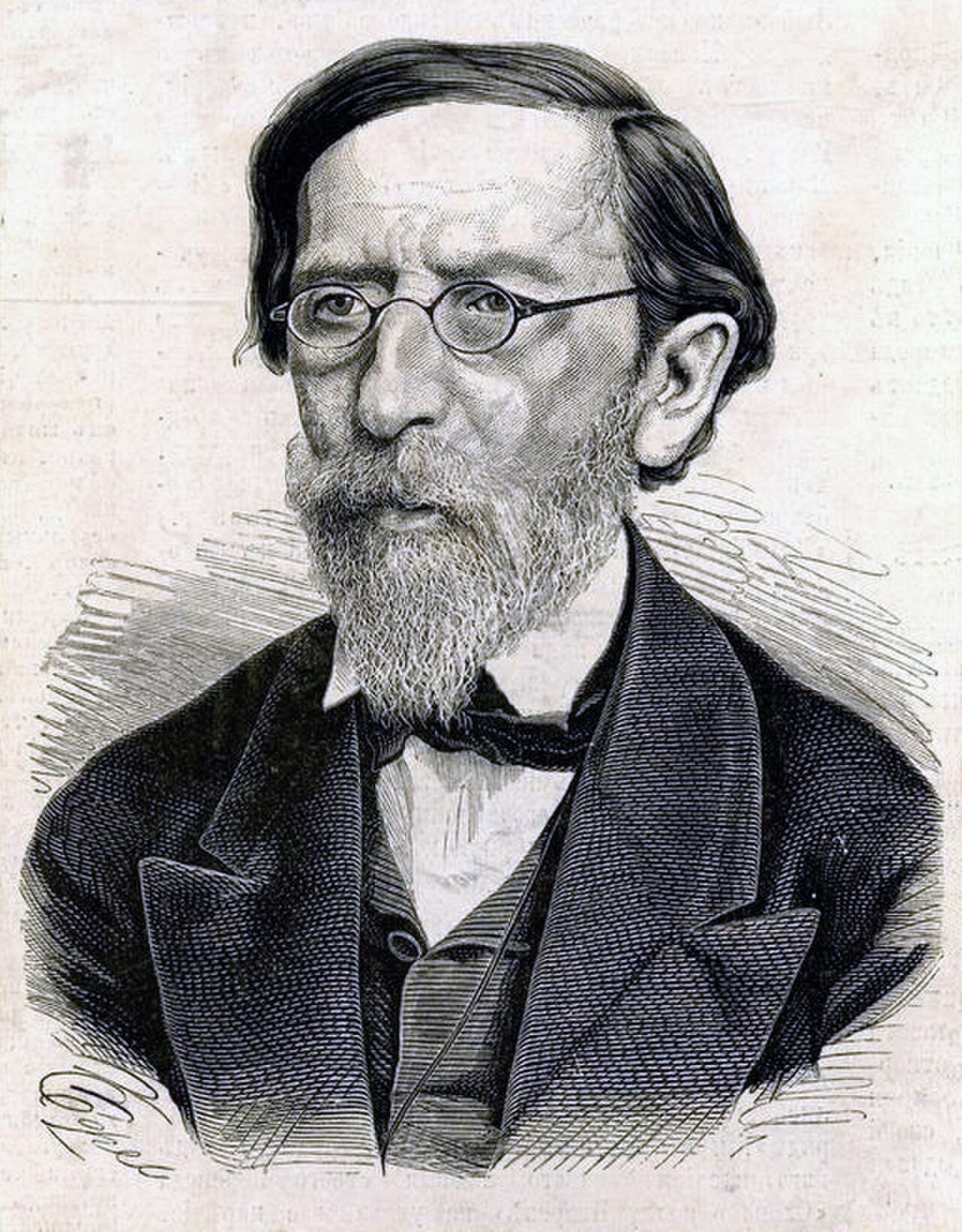
- أمفروسي ميتلينسكي – شاعر، وعالم إثنوغرافيا، وفلكلوري، وعالم بانسلافي
- أرخيب ليولكا - عالم سوفيتي ومصمم محركات نفاثة، ورئيس مكتب تصميم ليولكا، وعضو أكاديمية العلوم في الاتحاد السوفييتي
- نيكولاي كيبالتشيتش – رائد الصواريخ
- نيكولاي زارودني - مستكشف وعالم حيوان درس النباتات والحيوانات في آسيا الوسطى
- بيتر زينتشينكو - عالم نفس تنموي
- ديمتري إيفانينكو – عالم فيزياء نظرية
- نيكولاي بوردينكو - جراح سوفيتي، مؤسس جراحة الأعصاب الروسية
- فلاديمير نيموسكالينكو – فيزيائي
- فلاديمير مارتينينكو - عالم اجتماع، وخبير اقتصادي، وعالم سياسي؛ دكتور في العلوم السياسية، وأستاذ، ومدير علمي، معهد الدراسات الاجتماعية والسياسية التابع للأكاديمية الروسية للعلوم (ISPI RAN).
- بيوتر يفيمينكو – عالم إثنوغرافي ومؤرخ
- يفجينيا كيريشنكو – مؤرخة العمارة والفن
- أنتونينا بريخوتكو - فيزيائية تجريبية
- كونستانتين بوتيكو ، مبتكر طريقة بوتيكو لعلاج الربو واضطرابات التنفس الأخرى
- أناتولي كوندراتينكو – عالم فيزياء نظرية
- يفجيني دوبرينكو – مؤرخ
- فلاديمير مارشينكو – عالم رياضيات
- بوريس إيفجينيفيتش فوتشال - أكاديمي في أكاديمية العلوم الطبية في الاتحاد السوفييتي (منذ عام 1969)، عالم محترم في الاتحاد الروسي (1966)، أحد مؤسسي علم الصيدلة السريرية في روسيا
- فيكتور لينيتسكي – عالم هيدروجيولوجيا البترول
- ألكسندر أندريفيتش سامارسكي – عالم رياضيات
- فاسيلي أوميليانسكي - عالم الأحياء الدقيقة ومؤلف أول كتاب مدرسي روسي أصلي عن علم الأحياء الدقيقة
- يعقوب هولوفاتسكي – مؤرخ
- نيكولاي ديكانسكي – فيزيائي
- بوريس سترومنسكي - فيزيائي معروف بمساهمته في فيزياء الجسيمات الأولية النظرية
- فاديم سليوسار - مؤسس نظرية مصفوفة الموتر لمصفوفات الهوائيات الرقمية (DAAs)، ونظرية N-OFDM ونظريات أخرى في مجالات أنظمة الرادار والهوائيات الذكية للاتصالات اللاسلكية وتشكيل الحزمة الرقمية
- سيرجي فيلكومير – عالم الكمبيوتر
- يوري كيفشار – فيزيائي
- ستيبان كوزومياكا – مهندس وباني جسور ولغوي
- كليمنت كفيتكا – عالم الموسيقى والإثنوغرافيا
- نيكولاي جماليا - طبيب وعالم سوفيتي لعب دورًا رائدًا في علم الأحياء الدقيقة وأبحاث اللقاحات
- فلاديمير ديبو – متخصص في اللغويات التاريخية المقارنة وعلم اللهجات
- ألكسندر بوغوموليتس - [أخصائي في علم وظائف الأعضاء المرضية]
- بوريس جرابوفسكي - أحد رواد التلفزيون، اخترع أول جهاز تلفزيون إلكتروني بالكامل (أنبوب إرسال الفيديو وجهاز استقبال الفيديو)، والذي تم عرضه في عام 1928
- ليف بيسارزيفسكي – كيميائي
- سيرجي وينوجرادسكي - عالم الأحياء الدقيقة والبيئة وعالم التربة الذي كان رائدًا في مفهوم دورة الحياة
- يوري لينيك – عالم رياضيات سوفيتي نشط في نظرية الأعداد ونظرية الاحتمالات والإحصاء الرياضي
- فلاديمير ليبسكي – عالم نبات
- أفلاطون بوريتسكي - عالم فلك ورياضيات ومنطق إمبراطوري روسي مشهور
- دانييل زابولوتني - عالم أوبئة ومؤسس أول قسم أبحاث في علم الأوبئة في العالم
- أوليكساندر هارماش – عالم سوفيتي في مجال أساليب خطوط الإنتاج في البناء (هندسة البناء)
- فيدير فوفك ، عالم أنثروبولوجيا وآثار ، أمين متحف ألكسندر الثالث في سانت بطرسبرغ
- يفجيني باتون - عالم ميكانيكي ومهندس سوفيتي، اشتهر بأعماله في مجال اللحام الكهربائي
- فلاديمير بيتز - عالم تشريح ونسيج، اشتهر باكتشاف الخلايا العصبية الهرمية العملاقة في القشرة الحركية الأولية
- ألكسندر جوربان – عالم فيزياء وأحياء
- كيريل تولبيجو – فيزيائي
- ميخائيل فيدوروك – رئيس جامعة نوفوسيبيرسك الحكومية ، دكتور في الفيزياء والرياضيات
- ألكسندر ماركيفيتش - عالم حيوان ، وعالم ديدان وقشريات غزير الإنتاج
- ميخائيل ماكسيموفيتش – أستاذ في علم الأحياء النباتية
- ألكسندر زابوروجيتس – عالم نفس النمو السوفييتي
- زينون ايفانوفيتش بوريفيتش – عالم رياضيات
- فلاديمير برافديتش نيمينسكي - عالم وظائف الأعضاء الذي نشر أول رسم كهربي للدماغ والإمكانات المستحثة لدماغ الثدييات
- ميخائيل توغان بارانوفسكي – خبير اقتصادي
- ديمتري جريجوروفيتش – مصمم طائرات سوفيتي
- فيكتور سادوفنيتشي - عالم رياضيات، حائز على جائزة الدولة للاتحاد السوفييتي عام 1989، ومنذ عام 1992 كان رئيسًا لجامعة موسكو الحكومية
- أوسيب بوديانسكي – سلافي
- بافلو زيتيتسكي - عالم لغوي وعالم في علم اللغة والإثنوغرافيا ومؤرخ أدبي، حاصل على درجة الدكتوراه في الأدب الروسي (1908)
- سيرهي بلوخي - مؤرخ
- بافيل تشوبينسكي – عالم إثنوغرافي وجغرافي
- ميخائيل جروشيفسكي – مؤرخ
- أناتولي فيشنفسكي - ديموغرافي وخبير اقتصادي
- أناتولي كاشبيروفسكي - معالج نفسي، يزعم أنه منوم مغناطيسي ومعالج نفسي
سياسة
.jpg/1280px-A.A._Bezborodko_after_Lampi_(ca._1800,_Hillwood).jpg)


.jpg/1280px-%D0%91%D0%BE%D1%82%D0%BC%D0%B0%D0%BD_-_%D0%9F%D0%BE%D1%80%D1%82%D1%80%D0%B5%D1%82_%D0%BA%D0%BD%D1%8F%D0%B7%D1%8F_%D0%92%D0%B8%D0%BA%D1%82%D0%BE%D1%80%D0%B0_%D0%9F%D0%B0%D0%B2%D0%BB%D0%BE%D0%B2%D0%B8%D1%87%D0%B0_%D0%9A%D0%BE%D1%87%D1%83%D0%B1%D0%B5%D1%8F_(1879).jpg)



_(9776894576)_(cropped).jpg/1280px-Sergey_Kirienko_(01113353)_(9776894576)_(cropped).jpg)
.jpeg/1280px-Vasily_Yurchenko_(cropped).jpeg)
.jpg/1280px-%D0%98%D1%89%D0%B5%D0%BD%D0%BA%D0%BE_%D0%90%D0%BD%D0%B4%D1%80%D0%B5%D0%B9_%D0%A1%D0%B5%D1%80%D0%B3%D0%B5%D0%B5%D0%B2%D0%B8%D1%87_(cropped).jpg)


.jpg/1280px-Natalia_Poklonskaya_August_2015_(cropped).jpg)

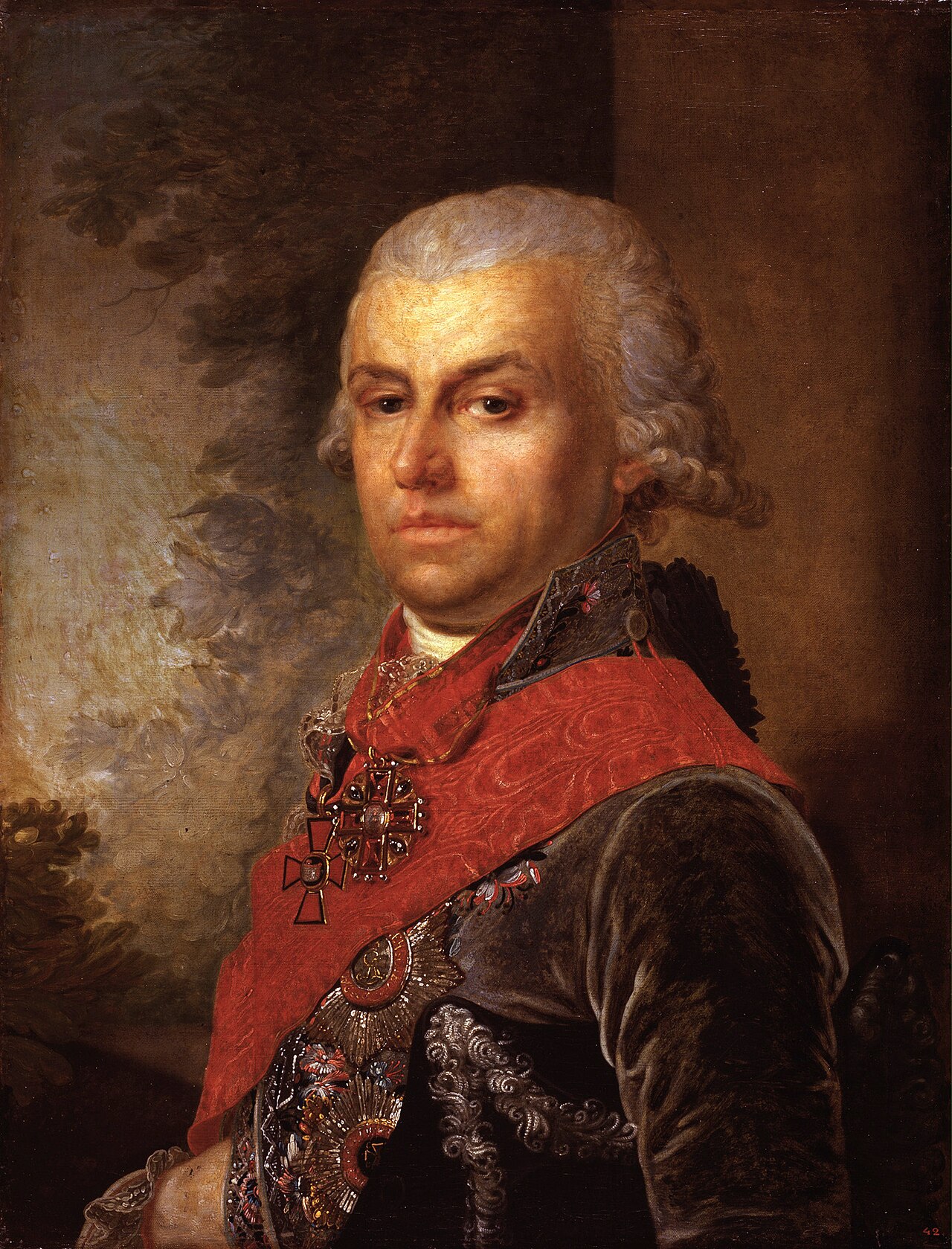
- ألكسندر بيزبورودكو - المستشار الأعظم للإمبراطورية الروسية والمهندس الرئيسي للسياسة الخارجية للإمبراطورة كاثرين العظيمة
- ألكسندر كوشيليف-بيزبورودكو - نبيل وسياسي إمبراطوري
- بيوتر زافادوفسكي - رجل دولة إمبراطوري روسي
- جريجوري كوزيتسكي - سكرتير مجلس وزراء كاترين الثانية
- ديمتري تروششينسكي - سكرتير مجلس الوزراء الأقدم (1793-1798)، المدعي العام (1814-1817)، مستشار خاص ، عضو مجلس الشيوخ، مالك مسرح الأقنان
- أندريه رازوموفسكي - دبلوماسي إمبراطوري روسي قضى سنوات عديدة من حياته في فيينا
- أليكسي رازوموفسكي - القائم بأعمال رئيس الغرفة (1775)، عضو مجلس الشيوخ (1776-1807)، وزير التعليم العام (1810-1816). عضو مجلس خاص نشط (1807)
- بيتر ب. دوبروفسكي - محب للكتب، ودبلوماسي، وعالم في علم الآثار القديمة، وأمين عام السفارة الروسية في فرنسا، وجامع للمخطوطات والكتب
- فيكتور كوتشوبي - رجل دولة روسي ومساعد مقرب لألكسندر الأول ملك روسيا
- بيوتر كابنيست - دبلوماسي إمبراطوري روسي وسفير في النمسا (1895-1904)
- ميخائيل رودزيانكو - أمين سر العائلة الإمبراطورية ورئيس مجلس الدوما وأحد قادة ثورة فبراير عام 1917
- ميخائيل تيريشنكو – وزير خارجية الحكومة الروسية المؤقتة (1917)
- فلاديمير أنتونوف أوفسينكو – زعيم ودبلوماسي بلشفي ، أحد قادة ثورة أكتوبر
- بافيل ديبنكو – ثوري بلشفي ، أحد قادة ثورة أكتوبر
- ألكسندرا كولونتاي – ثورية وسياسية ودبلوماسية ومنظرة ماركسية. عملت كمفوضة الشعب للرعاية الاجتماعية في الفترة 1917-1918، وكانت أول امرأة في التاريخ تصبح عضوًا رسميًا في مجلس الوزراء الحاكم.
- نيكولاي بودفويسكي - ثوري بلشفي ورجل دولة سوفيتي وأحد قادة ثورة أكتوبر
- ستيبان بيتريشينكو - سياسي نقابي أناركي، وزعيم فعلي لكومونة كرونشتادت ، وزعيم اللجنة الثورية التي قادت تمرد كرونشتادت عام 1921.
- ديمتري كورسكي - المدعي العام لجمهورية روسيا الاتحادية الاشتراكية السوفياتية (1922-1928)
- جليب بوكي - ثوري بلشفي ، ترأس "القسم الخاص" لجهاز الشرطة السرية السوفييتية، ويُعتقد أنه كان مسؤولاً عن نظام معسكرات الاعتقال في الاتحاد السوفييتي.
- بوريس شيربينا ، سياسي سوفيتي شغل منصب نائب رئيس مجلس الوزراء من عام 1984 إلى عام 1989. مشرف على إدارة الأزمات السوفيتية خلال كارثة تشيرنوبيل عام 1986 وزلزال أرمينيا عام 1988 .
- جريجوري بتروفسكي – بلشفي قديم، شارك في توقيع معاهدة إنشاء الاتحاد السوفييتي ، وهو أحد المسؤولين عن تنفيذ سياسات ستالين مثل التجميع.
- فسيفولود باليتسكي - مسؤول سوفيتي، مفوض أمن الدولة من الدرجة الأولى (ما يعادل جنرالًا بأربع نجوم) في جهاز الأمن السوفييتي وعضو اللجنة المركزية للحزب الشيوعي في الاتحاد السوفييتي
- ياكوف مالك - دبلوماسي سوفيتي، السفير السوفييتي لدى المملكة المتحدة، المعروف بإعطاء مبررات للاتحاد السوفييتي لاحتلال تشيكوسلوفاكيا في مجلس الأمن في أغسطس 1968
- يوري كوتسيوبينسكي - سياسي بلشفي
- فاسيلي شاخراي - ناشط سياسي وثوري بلشفي أثناء الثورة الروسية، مؤسس ما أصبح يسمى بالشيوعية الوطنية
- ديمتري بوليانسكي - رجل دولة سوفيتي روسي كان النائب الأول لرئيس مجلس وزراء الاتحاد السوفيتي من عام 1965 إلى عام 1973. ومن عام 1958 إلى عام 1962 كان رئيسًا لمجلس وزراء جمهورية روسيا الاتحادية الاشتراكية السوفياتية، وهو منصب يعادل رئيس وزراء إحدى الجمهوريات الاشتراكية السوفيتية الخمس عشرة التي كانت تشكل الاتحاد السوفيتي.
- فلاديمير ماتسكيفيتش - نائب رئيس مجلس الوزراء السوفييتي؛ سفير الاتحاد السوفييتي لدى تشيكوسلوفاكيا
- ألكسندر زاسيادكو – الزعيم الاقتصادي والسياسي والحزبي السوفييتي
- سيميون سيريدا – مفوض الشعب للزراعة في روسيا السوفييتية
- ألكسندر تسيوروبيا - زعيم بلشفي، رجل دولة سوفيتي، نائب رئيس، ثم رئيس قسم الأغذية في روسيا السوفييتية
- فاسيل شاخراي – ثوري بلشفي
- نيكولاي بودجورني ، رئيس هيئة رئاسة مجلس السوفييت الأعلى للاتحاد السوفييتي (1965–1977)
- زينوفي سيرديوك ، نائبة مجلس السوفييت الأعلى لاتحاد الجمهوريات الاشتراكية السوفياتية ، السكرتيرة الأولى للحزب الشيوعي المولدافي
- ألكسندر دانييليوك ستيفانسكي – عضو في حزب العمل الاجتماعي الديمقراطي الروسي
- بيوتر شيلست ، نائب رئيس مجلس وزراء الاتحاد السوفيتي، عضو كامل العضوية في المكتب السياسي الثاني والعشرين والثالث والعشرين والرابع والعشرين.
- ليونيد كورنييتس - سياسي سوفيتي
- أليكسي كيريشنكو - السكرتير الثاني للحزب الشيوعي في الاتحاد السوفييتي (17 ديسمبر 1957 - 5 أبريل 1960)
- فلاديمير إيفاشكو – سياسي سوفيتي، عمل لفترة وجيزة أمينًا عامًا للحزب الشيوعي في الاتحاد السوفييتي. نائب الأمين العام للحزب الشيوعي في الاتحاد السوفييتي (1990-1991)
- نيكولاي ديمشينكو - النائب الأول لمفوض الزراعة في الاتحاد السوفييتي، مفوض الشعب لمزارع الحبوب والثروة الحيوانية في الاتحاد السوفييتي
- إيفان ديمشينكو - نائب في مجلس الدوما الخامس والسادس والسابع والثامن
- ستيبان تشيرفونينكو – السفير السوفييتي في بكين
- إيغور جوزينكو - موظف تشفير في السفارة السوفيتية في كندا في أوتاوا ، أونتاريو
- جريجوري جرينكو – وزير مالية الاتحاد السوفييتي (1930–1937)
- نيكولاي جيكالو - ثوري ورجل دولة سوفيتي.
- فيكتور بوليانيشكو - دبلوماسي وسياسي سوفيتي وروسي، ونائب الشعب في الاتحاد السوفييتي، ونائب الشعب في جمهورية أذربيجان السوفييتية الاشتراكية، ونائب في مجلس نواب العمال الإقليمي في تشيليابينسك، ومندوب المؤتمر الثالث والعشرين للحزب الشيوعي في الاتحاد السوفييتي
- فلاس تشوبار – وزير مالية الاتحاد السوفييتي (1937–1938)
- إيفان كازانيتس - وزير المعادن الحديدية في الاتحاد السوفييتي
- فسيفولود موراخوفسكي – النائب الأول لرئيس وزراء الاتحاد السوفييتي في عهد جورباتشوف
- فيتالي فيدورشوك – ضابط في المخابرات السوفييتية ووزير داخلية الاتحاد السوفييتي
- نيكولاي جولوشكو - ضابط في المخابرات السوفييتية ومدير الخدمة الفيدرالية لمكافحة التجسس في الاتحاد الروسي
- ستيبان تشيرفونينكو – السفير السوفييتي في بكين
- فلاديمير تشوب - حاكم منطقة روستوف في روسيا من عام 1991 حتى عام 2010
- فيتالي موكا - سياسي شغل منصب الحاكم الأول والثالث لمنطقة نوفوسيبيرسك من عام 1991 إلى عام 1993 ومن عام 1995 إلى عام 2000
- سيرجي كيريينكو (نصف أوكراني) - رئيس وزراء روسيا
- ألكسندر سكوروبوجاتكو - رجل أعمال ملياردير ونائب سابق في مجلس الدوما، ممثلاً للحزب الديمقراطي الليبرالي الروسي (2003-2007) وروسيا الموحدة (2007-2016)
- جورجي بولتافتشينكو – حاكم سابق لمدينة سانت بطرسبرغ
- إيرينا بانتشينكو - سياسية وعضوة سابقة في مجلس الدوما من مقاطعة تشوكوتكا المتمتعة بالحكم الذاتي (2003-2007)
- سيرجي بيدونكو - نائب في مجلس الدوما السابع والثامن
- يلينا بوندارينكو (سياسية روسية) - عضو مجلس الدوما عن إقليم ستافروبول
- إيغور أنتروبينكو - شخصية سياسية، نائب في الدورة الثامنة لمجلس الدوما
- نيكولاي أليكسيينكو - نائب في الدورة الثامنة لمجلس الدوما
- فيكتور خريستنكو - سياسي كان رئيس مجلس إدارة اللجنة الاقتصادية الأوراسية (2012-2016)؛ نائب أول لرئيس وزراء روسيا (1999-2000)؛ وزير الصناعة (2004-2012)
- سيرجي ألكساشينكو – خبير اقتصادي ومسؤول حكومي سابق. كان نائب وزير المالية والنائب الأول لرئيس مجلس إدارة البنك المركزي الروسي من عام 1995 إلى عام 1998.
- ديمتري كوزاك ، نائب رئيس وزراء روسيا من عام 2008 إلى عام 2020، نائب رئيس أركان الكرملين
- ألكسندر نوفاك – نائب رئيس وزراء روسيا منذ عام 2020
- سيرجي كيسلياك - سفير روسيا لدى الولايات المتحدة (2008-2017)
- سيرجي شاخراي – أحد مؤلفي دستور الاتحاد الروسي
- إيرينا ياروفايا - نائبة رئيس مجلس الدوما من حزب روسيا الموحدة وعضو المجلس العام لحزب روسيا الموحدة
- أناتولي بروفكو - سياسي روسي شغل منصب حاكم منطقة فولغوغراد
- فيكتوريا أبرامتشينكو - نائبة رئيس وزراء الاتحاد الروسي المسؤولة عن المجمع الزراعي الصناعي والموارد الطبيعية والبيئة.
- فلاديمير تيموشينكو - دبلوماسي محترف وسفير سابق للاتحاد الروسي في بنين
- أليكسي ديدينكو – سياسي، نائب مجلس الدوما تومسك أوبلاست
- ألكسندر دروزدينكو – خبير اقتصادي وسياسي. يشغل منصب حاكم منطقة لينينغراد منذ 28 مايو 2012.
- أندريه دوروشينكو - نائب في مجلس الدوما الثامن
- ألكسندر جامانينكو - عضو الحزب الشيوعي في الاتحاد الروسي
- أندريه أندريشينكو - عضو مجلس الدوما للدورة السابعة من 31 مايو 2017 إلى 12 أكتوبر 2021، وعضو الجمعية التشريعية لإقليم بريمورسكي للدورة السادسة من 18 سبتمبر 2016 إلى 24 مايو 2017.
- أندريه إيشينكو - سياسي يشغل حاليًا منصب عضو البرلمان في الجمعية التشريعية لإقليم بريمورسكي
- يفغيني نازدراتينكو – الحاكم الثاني لإقليم بريمورسكي
- أوليغ كوزيمياكو - حاكم إقليم بريمورسكي منذ عام 2018. [ بحاجة لمصدر ] كان في السابق حاكم منطقة سخالين ، روسيا.
- أندريه تاراسينكو - سياسي وضابط سابق في الجيش يشغل حاليًا منصب رئيس حكومة جمهورية ساخا (ياقوتيا) منذ 31 يوليو 2020
- نيكولاي كوندراتينكو - سياسي، حاكم إقليم كراسنودار لفترة طويلة، مرشح الحزب الشيوعي الروسي في عام 2003
- إيغور بيلشوك - سياسي ورجل أعمال شغل منصب القائم بأعمال حاكم إقليم بريمورسكي في ربيع عام 2001.
- كونستانتين تشويتشنكو – سياسي ورجل أعمال ومحامي شغل منصب وزير العدل منذ 21 يناير 2020
- ديمتري جريجورينكو - سياسي روسي يشغل منصب نائب رئيس وزراء الاتحاد الروسي ورئيس ديوان الحكومة تولى منصبه في يناير 2020
- فيتالي موتكو - سياسي شغل منصب نائب رئيس وزراء روسيا من عام 2016 إلى عام 2020
- ميخائيل موراشكو – طبيب وسياسي، يشغل منصب وزير الصحة في الاتحاد الروسي منذ 21 يناير 2020
- جينادي أونيشينكو - مسؤول حكومي كان كبير مفتشي الصحة في روسيا من عام 1996 إلى عام 2013
- ديمتري تشيرنيشينكو - رجل أعمال وسياسي يشغل منصب نائب رئيس وزراء روسيا للسياحة والرياضة والثقافة والاتصالات منذ عام 2020
- ألكسندر بروكوبتشوك - موظف في وكالات الشؤون الداخلية، ورئيس المكتب المركزي الوطني للإنتربول بوزارة الداخلية في الاتحاد الروسي منذ 14 يونيو 2011، ونائب رئيس الإنتربول منذ 10 نوفمبر 2016
- أليكسي أوفرشوك - سياسي يشغل منصب نائب رئيس وزراء الاتحاد الروسي منذ 21 يناير 2020
- فاليري ليمارينكو - الحاكم الحالي لمنطقة سخالين ، وهي كيان فيدرالي تابع لروسيا منذ عام 2018
- فلاديمير بابينكو - أول رئيس لإدارة منطقة تامبوف من عام 1991 إلى عام 1995
- ألكسندر جروشكو - دبلوماسي، ويشغل حالياً منصب نائب وزير الخارجية منذ 22 يناير 2018. وكان في السابق الممثل الدائم لروسيا لدى حلف شمال الأطلسي، من عام 2012 إلى عام 2018.
- سيرجي فيريمينكو - رجل أعمال وسياسي
- فلاديمير ستريلتشينكو - عمدة خيمكي منذ 2005 إلى 2012
- فلاديمير شومييكو - أول رئيس لمجلس الاتحاد، النائب الأول لرئيس الوزراء
- فيكتور تومينكو - رجل دولة يشغل حاليًا منصب حاكم إقليم ألتاي منذ 17 سبتمبر 2018
- ألبرت كريفشينكو - شخصية سياسية شغل منصب أول حاكم لمنطقة أمور
- إيغور بانتشينكو - سياسي شغل منصب عضو مجلس الشيوخ عن منطقة تولا من 14 أكتوبر 2021 حتى وفاته
- يفغيني سافتشينكو - عضو مجلس الشيوخ عن منطقة بيلغورود في السلطة التشريعية منذ 22 سبتمبر 2020
- فلاديمير دياتشينكو - رئيس إدارة منطقة أمور من عام 1994 إلى عام 1996
- فاسيلي يورتشينكو - حاكم منطقة نوفوسيبيرسك (2010–2014)
- يوري لياشكو - رجل دولة، شغل منصب الحاكم الخامس لمنطقة أمور من عام 1996 إلى عام 1997. كما شغل منصب أول رئيس بلدية لمدينة بلاغوفيشتشينسك من عام 1991 إلى عام 1996
- سيرجي مينيايلو - رئيس جمهورية أوسيتيا الشمالية منذ 9 أبريل 2021
- بيوتر مارشينكو - سياسي، كان نائبًا في مجلس دوما إقليم ستافروبول، ورئيسًا للجنة مجلس دوما إقليم ستافروبول المعنية بالأمن والعلاقات البرلمانية والمنظمات المخضرمة والقوزاق في الفترة 2011-2021
- سيرجي ليفتشينكو - سياسي وعضو مجلس الدوما الثامن
- يكاترينا خارتشينكو - شخصية سياسية ونائبة في مجلس الدوما الثامن
- أليكسي كورنينكو (سياسي) - شخصية سياسية ونائب في مجلس الدوما الخامس والسادس والسابع والثامن
- ناتاليا كوستينكو - شخصية سياسية ونائبة في مجلس الدوما السابع والثامن
- يفجيني جروميكو - سياسي شغل منصب عضو مجلس الشيوخ عن إقليم كراسنودار من عام 2014 إلى عام 2015
- ألكسندر فيليبينكو - سياسي، الحاكم السابق لمقاطعة خانتي مانسي المتمتعة بالحكم الذاتي
- فاليري بوتابينكو - الحاكم الخامس (الرئيس) لإقليم نينيتس المتمتعة بالحكم الذاتي من عام 2006 إلى عام 2009
- ليونيد جوربينكو - الحاكم الثاني لمنطقة كالينينجراد في عام 1996، وشغل هذا المنصب حتى عام 2000
- أوليج سافتشينكو (سياسي، من مواليد 1948) - سياسي ورجل أعمال شغل منصب الحاكم الثاني لمنطقة كالوغا في عام 1996
- ديمتري ديمترينكو - حاكم مورمانسك السابق
- أوليج سافتشينكو (سياسي، من مواليد 1966) - نائب في مجلس الدوما الرابع والخامس والسادس والثامن
- دينيس كرافشينكو - نائب في مجلس الدوما الثامن
- أندريه روستنكو - عمدة يالطا السابق
- فلاديمير روشايلو - وزير الداخلية (21 مايو 1999 – 28 مارس 2001)
- فالنتينا بيترينكو - عضو مجلس الشيوخ عن خاكاسيا من 2001 إلى 2011
- أولغا بيليبينكو - نائبة في مجلس الدوما السابع والثامن
- تاتيانا كوسايكو - عضو مجلس الاتحاد بين عامي 2016 و2021 ونائبة مجلس الدوما الثامن منذ عام 2021
- أليكسي لافرينينكو - نائب في مجلس الدوما السابع والثامن
- ميخائيل تاراسينكو - نائب في مجلس الدوما الثامن
- ألكسندر يوشينكو - نائب في مجلس الدوما السادس والسابع والثامن
- ألكسندر تيتيردينكو - نائب في مجلس الدوما الثامن
- يفغيني ريفينكو - نائب في مجلس الدوما السابع ومجلس الدوما الثامن
- نيكولاي فينيتشينكو - الخدمة المدنية الفيدرالية للدولة برتبة من الدرجة الأولى، عضو مجلس الدولة النشط في الاتحاد الروسي
- أوليج ميلنيتشينكو - رئيس لجنة مجلس الاتحاد المعنية بالهيكل الفيدرالي والسياسة الإقليمية والحكم الذاتي المحلي والشؤون الشمالية
- فيتالي خوتسينكو - القائم بأعمال حاكم أومسك أوبلاست منذ مارس 2023
- فالنتينا رودشينكو - رئيسة مجلس الدوما الحالية في مقاطعة تشوكوتكا المتمتعة بالحكم الذاتي
- يفغيني مارشينكو (سياسي) - نائب في مجلس الدوما السابع والثامن
- أندريه أليكسيينكو - سياسي وخبير اقتصادي شغل منصب عمدة كراسنودار من عام 2021 إلى عام 2022
- فاليري راينكو - رئيس الجمعية التشريعية لإقليم كامتشاتكا (2011-2021)
- سيرجي كرافتشوك - سياسي يشغل حاليًا منصب عمدة مدينة خاباروفسك الثالث منذ 25 سبتمبر 2011
- ألكسندر نزارشوك - وزير الزراعة في روسيا (1994-1996)
- أوليج فالينشوك - نائب في مجلس الدوما الخامس والسادس والسابع والثامن
- بوريس كوفالتشوك - مسؤول يشغل منصب رئيس غرفة الحسابات في روسيا منذ عام 2024
- ألكسندر ياروشوك - عضو مجلس الشيوخ عن الاتحاد الروسي عن منطقة كالينينغراد
- لاريسا أوباناسيوك - محامية وسياسية
- فاسيلي تاراسيوك - نائب رئيس لجنة الموارد الطبيعية واستغلالها في مجلس الدوما
- ميخائيل كيسليوك - سياسي شغل آخر منصب حاكم منطقة كيميروفو من عام 1991 إلى عام 1997
- سيرجي سميتانيوك - سياسي شغل منصب القائم بأعمال حاكم منطقة تيومين في نوفمبر 2005، ورئيس إدارة تيومين من عام 2005 إلى عام 2007
- إيليا سيريديوك - حاكم منطقة كيميروفو منذ 15 مايو 2024
- رسلان كوخاروك - القائم بأعمال حاكم منطقة خانتي مانسي ذاتية الحكم منذ 30 مايو 2024
- أندريه جولوفاتيوك - عضو الحزب الليبرالي الديمقراطي في مجلس الدوما الروسي
- ميخائيل بروساك - حاكم منطقة نوفغورود من عام 1991 إلى عام 2007
- تاتيانا لوباش - نائبة في مجلس الدوما الثامن
- أليكسي تشيرنياك - عضو سابق في مجلس الدوما
- نيكولاي ماكسيوتا - حاكم منطقة فولغوغراد من 1997 إلى 2010
- Dmitry Belik – politician who is currently a member of parliament in the State Duma of the VII convocation, a member of the United Russia party, and a member of the State Duma committee on control and regulations and a member since 5 October 2016
- Vladimir Medinsky – Russia's Minister of Culture (2012–2020)
- Natalia Poklonskaya – politician, diplomat, serving as deputy head of Rossotrudnichestvo since 2 February 2022
- Alexei Navalny – Russian opposition leader, lawyer, and anti-corruption activist
- Alexander Aksyonenko - Member of the State Duma for Novosibirsk Oblast
- Nikolai Semashko – Russian politician, Minister of Health of Soviet Union
Cosmonauts
.jpg/1280px-The_Soviet_Union_1962_CPA_2730_stamp_(First_'Team'_Manned_Space_Flight._Soviet_Cosmonauts_Commemoration._Portrait_of_Pavel_Popovich).jpg)
- Georgy Beregovoy, Soviet cosmonaut No.12, Soviet MP in 1974–89 representing Donetsk region
- Leonid Kizim, Soviet cosmonaut
- Yuri Romanenko, Soviet cosmonaut
- Georgy Grechko, Soviet cosmonaut
- Anatoly Levchenko, Soviet cosmonaut
- Anatoly Filipchenko, Soviet cosmonaut
- Anatoly Artsebarsky, Soviet cosmonaut
- Igor Volk, Soviet cosmonaut
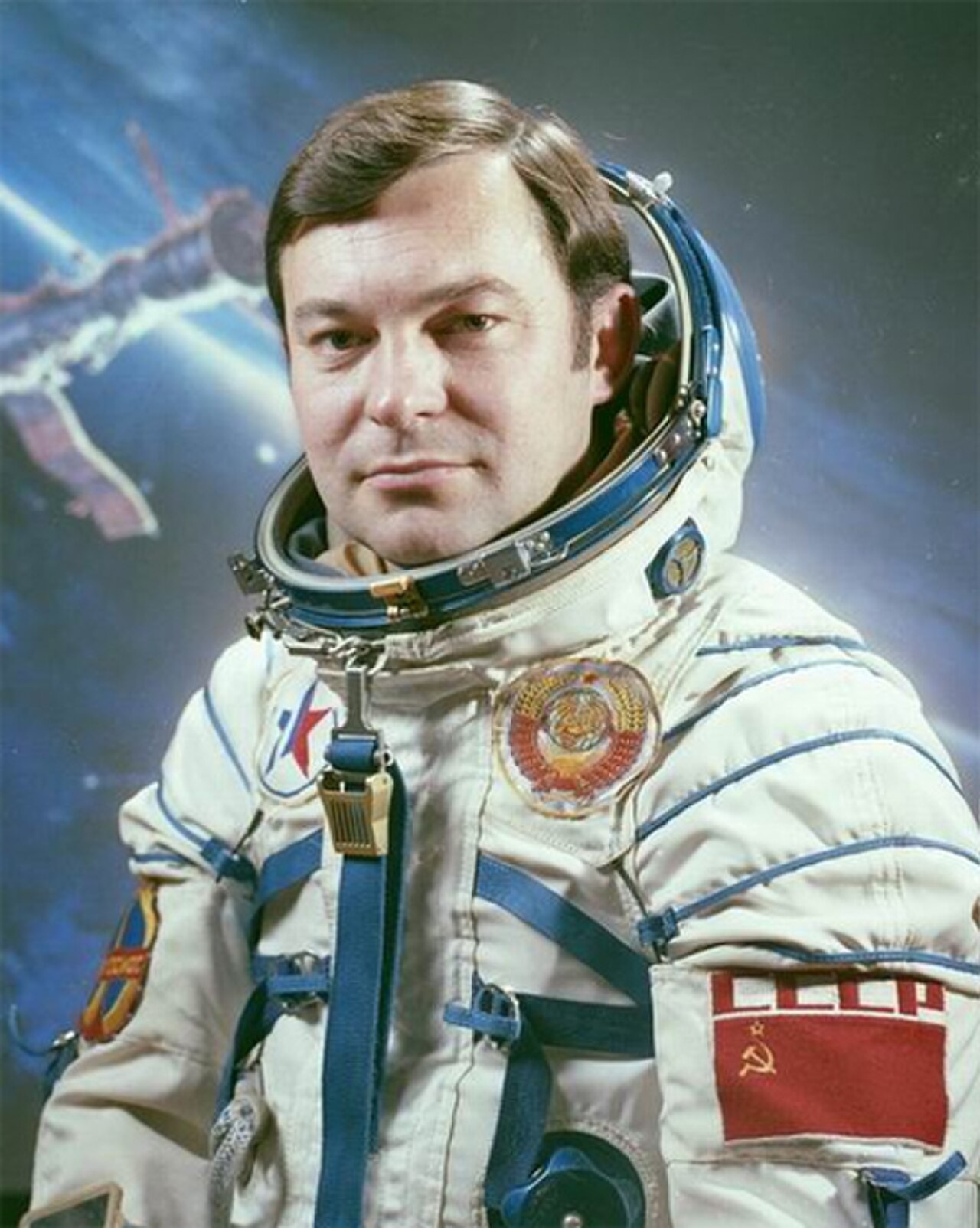
- Pavel Popovich, Soviet cosmonaut No.4, Verkhovna Rada MP in 1964–88, head of Ukrainian diaspora in Moscow
- Georgy Dobrovolsky, Soviet cosmonaut
- Aleksandr Poleshchuk, Russian cosmonaut
- Roman Romanenko, Russian cosmonaut
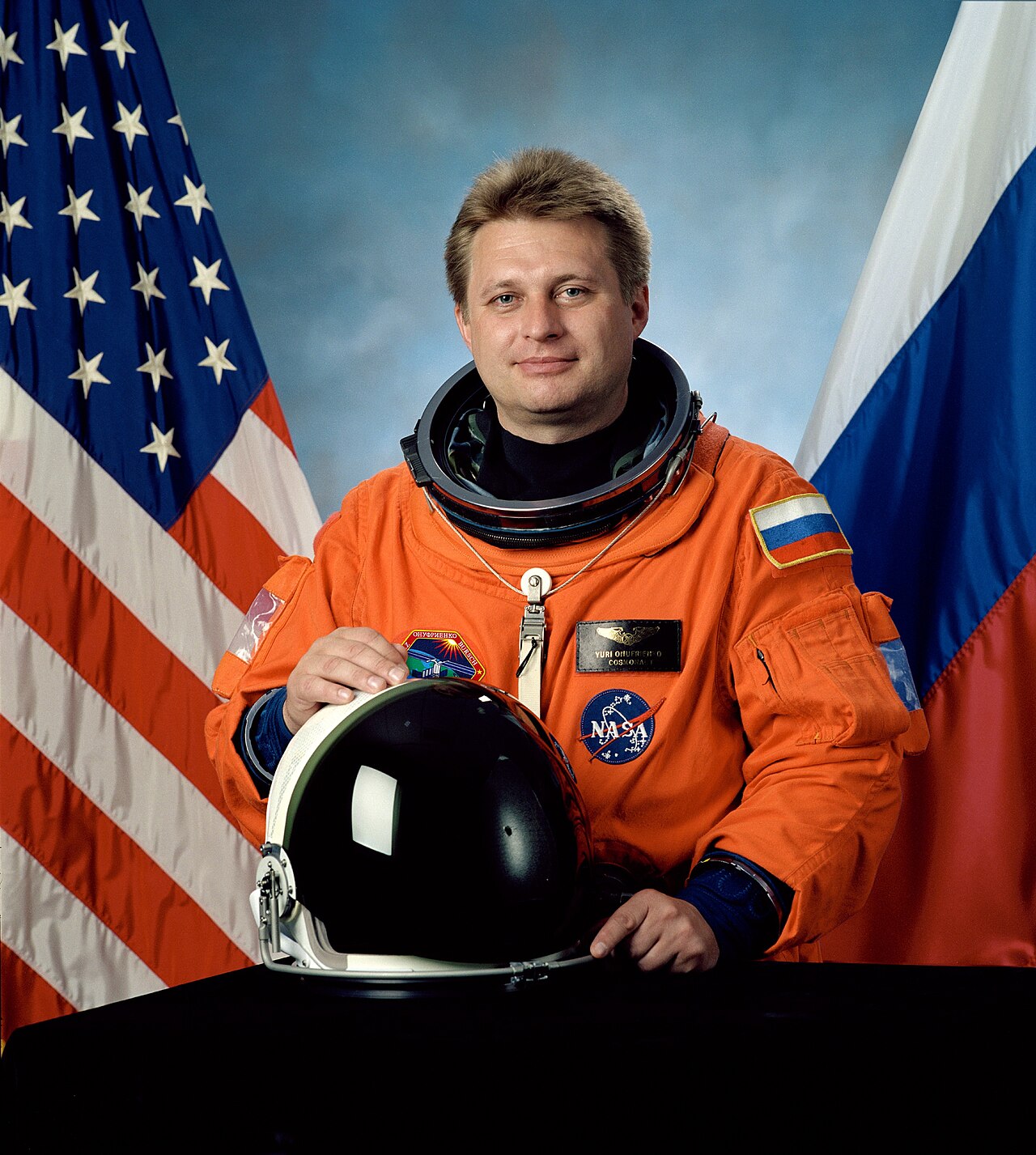
- Yury Onufriyenko, Russian cosmonaut
- Yuri Malenchenko, Russian cosmonaut
- Yuri Gidzenko, Russian cosmonaut
Military


,_%D0%B0%D0%B4%D0%BC%D0%B8%D1%80%D0%B0%D0%BB_-_%D0%BA%D0%B0%D1%80%D1%82%D0%B8%D0%BD%D0%B0_1911-1913%D0%B3%D0%B3_color_e1z.jpg/1280px-%D0%93%D1%80%D0%B8%D0%B3%D0%BE%D1%80%D0%BE%D0%B2%D0%B8%D1%87_%D0%98%D0%B2%D0%B0%D0%BD_%D0%9A%D0%BE%D0%BD%D1%81%D1%82%D0%B0%D0%BD%D1%82%D0%B8%D0%BD%D0%BE%D0%B2%D0%B8%D1%87_(Grigorovich),_%D0%B0%D0%B4%D0%BC%D0%B8%D1%80%D0%B0%D0%BB_-_%D0%BA%D0%B0%D1%80%D1%82%D0%B8%D0%BD%D0%B0_1911-1913%D0%B3%D0%B3_color_e1z.jpg)

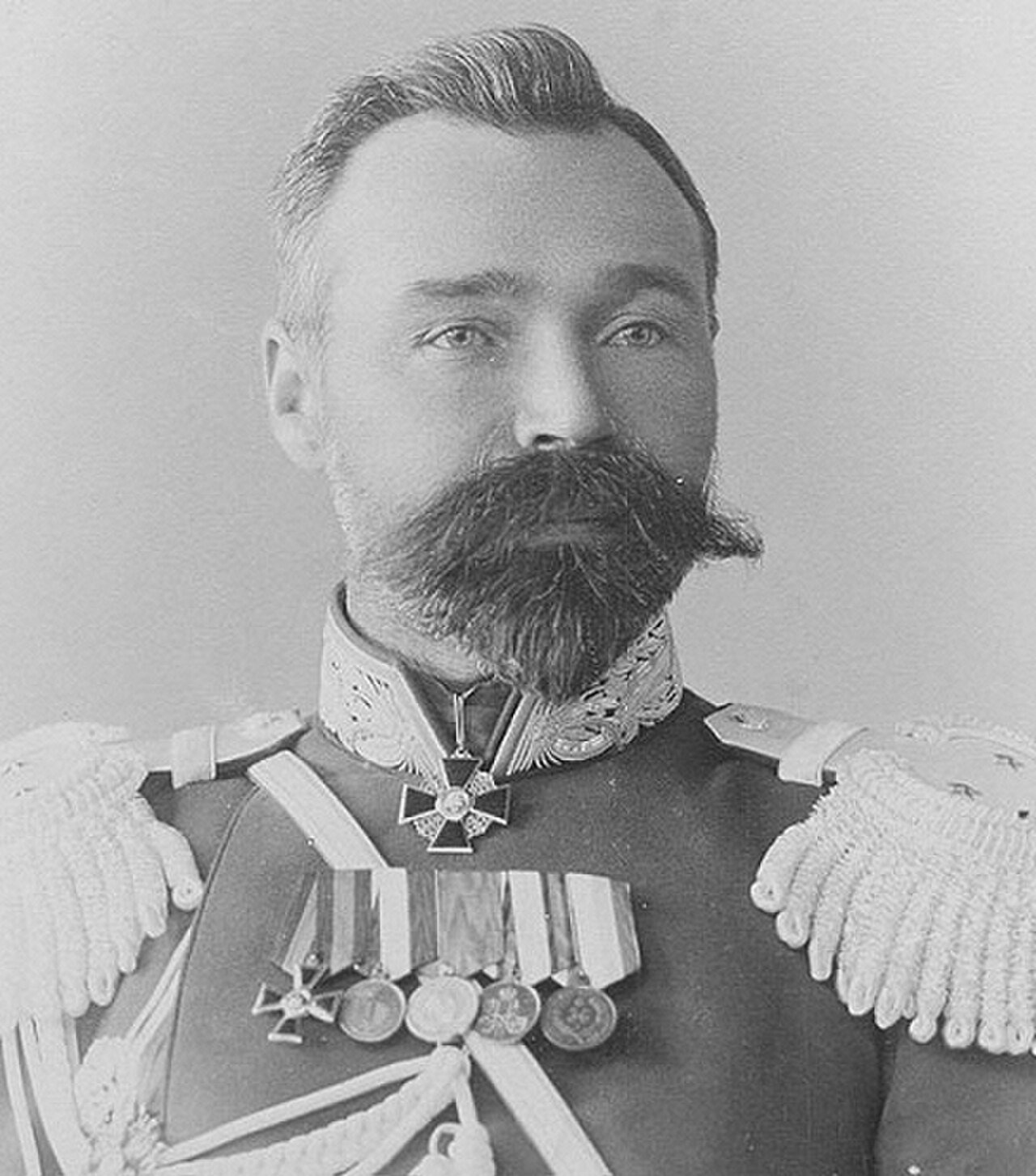
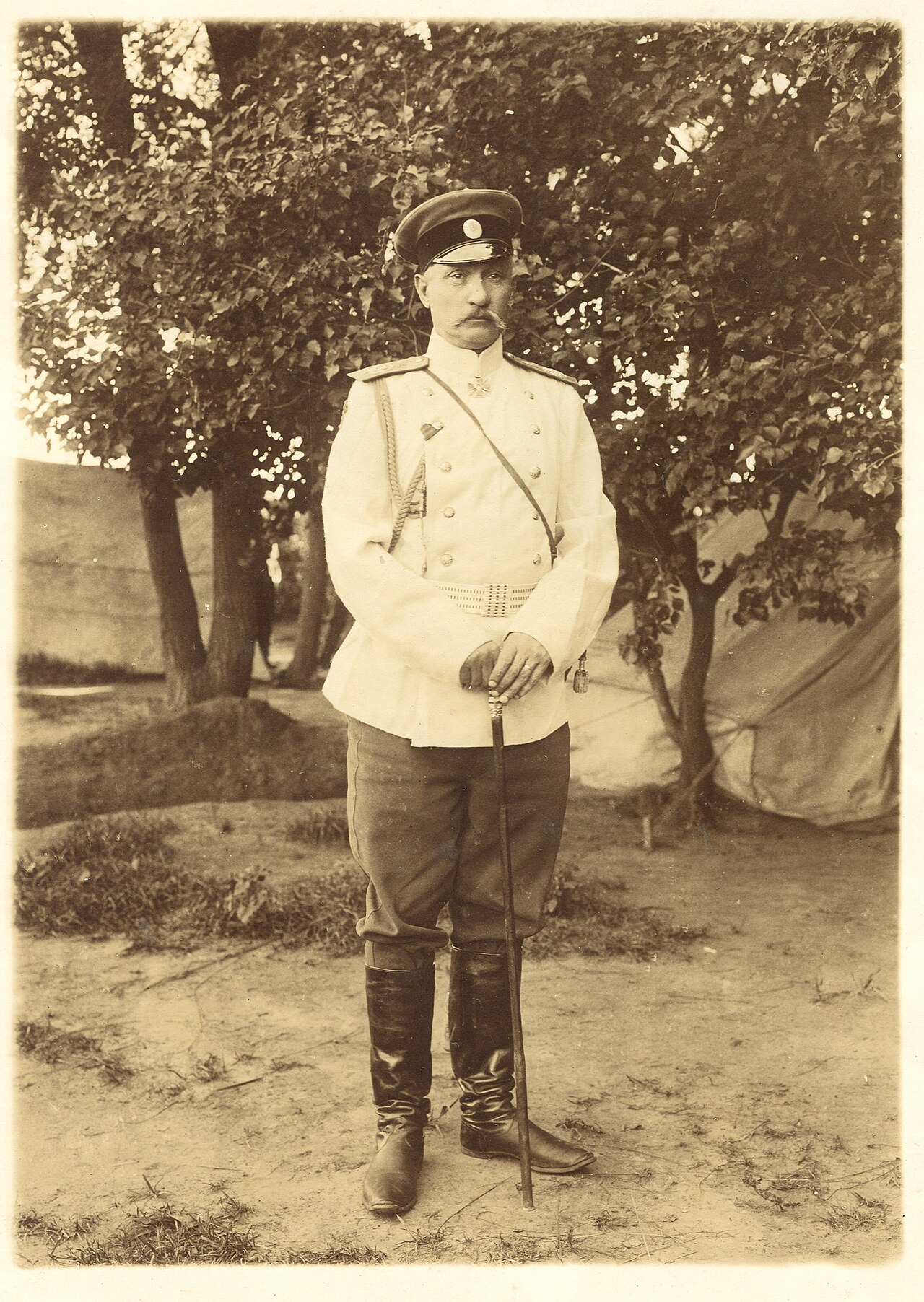


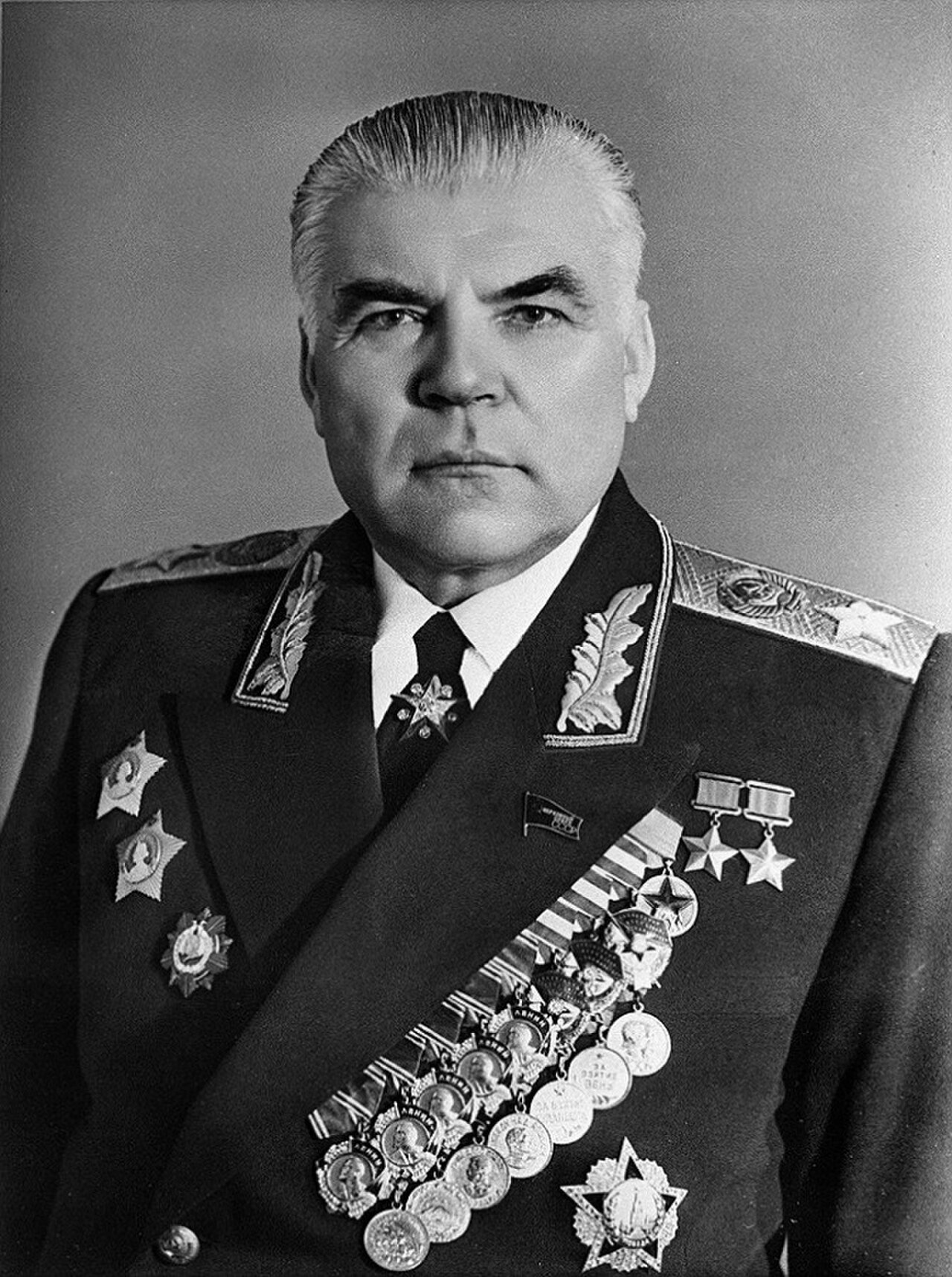
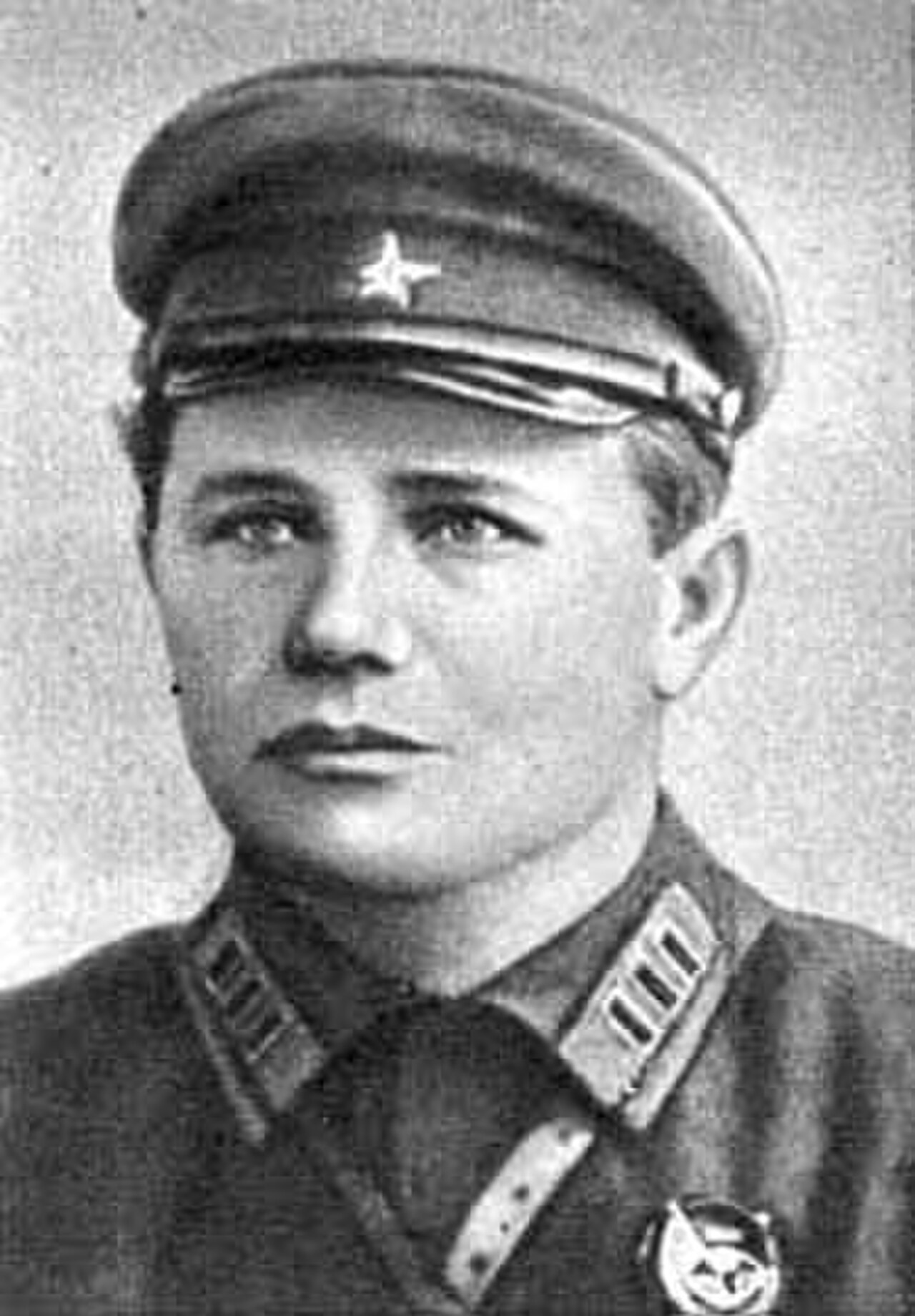
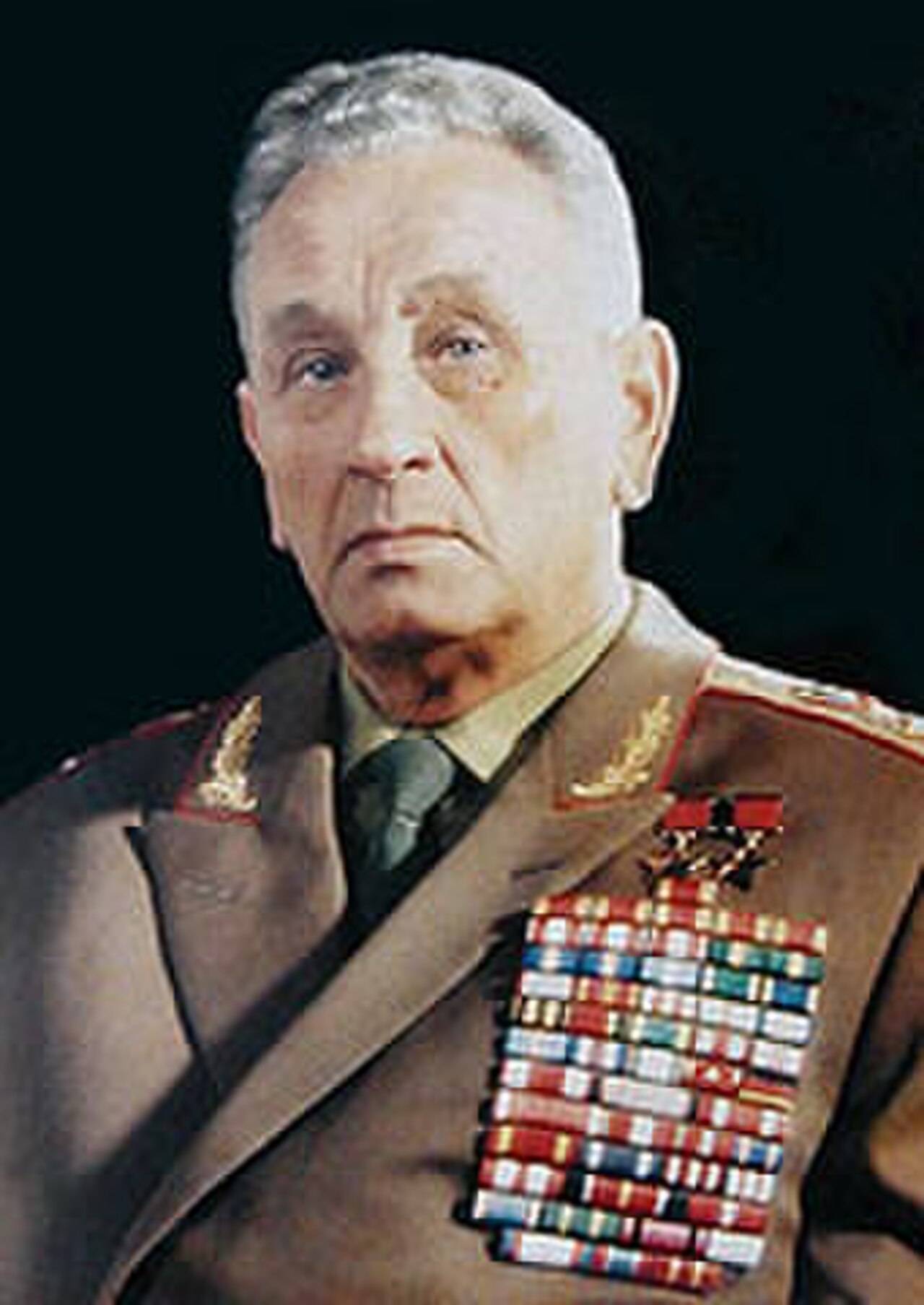

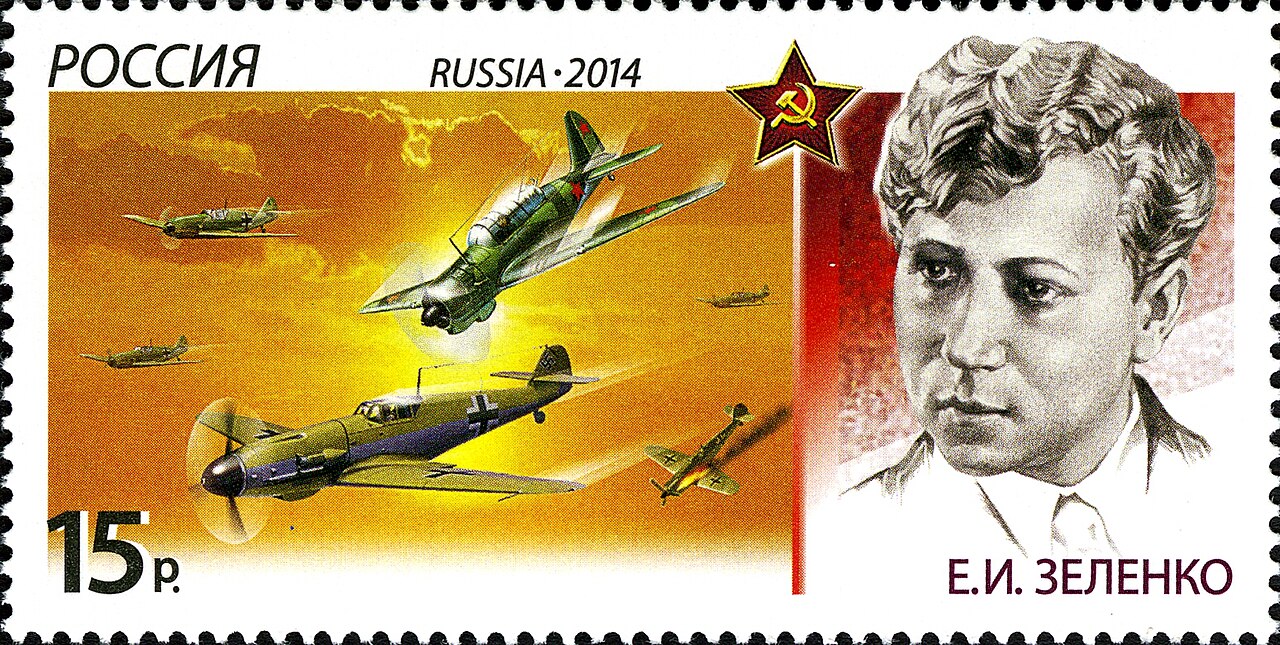
.jpg/1280px-%D0%9B%D0%B0%D0%B2%D1%80%D0%B8%D0%BD%D0%B5%D0%BD%D0%BA%D0%BE_%D0%94%D0%BC%D0%B8%D1%82%D1%80%D0%B8%D0%B9_%D0%A4%D1%91%D0%B4%D0%BE%D1%80%D0%BE%D0%B2%D0%B8%D1%87_(%D0%91%D1%8E%D1%81%D1%82_%D0%B2_%D0%92%D0%BE%D0%BB%D0%BE%D0%BA%D0%BE%D0%BB%D0%B0%D0%BC%D1%81%D0%BA%D0%B5).jpg)
.jpg/1280px-Aleksandr_Ivanovich_Utvenko_(2).jpg)
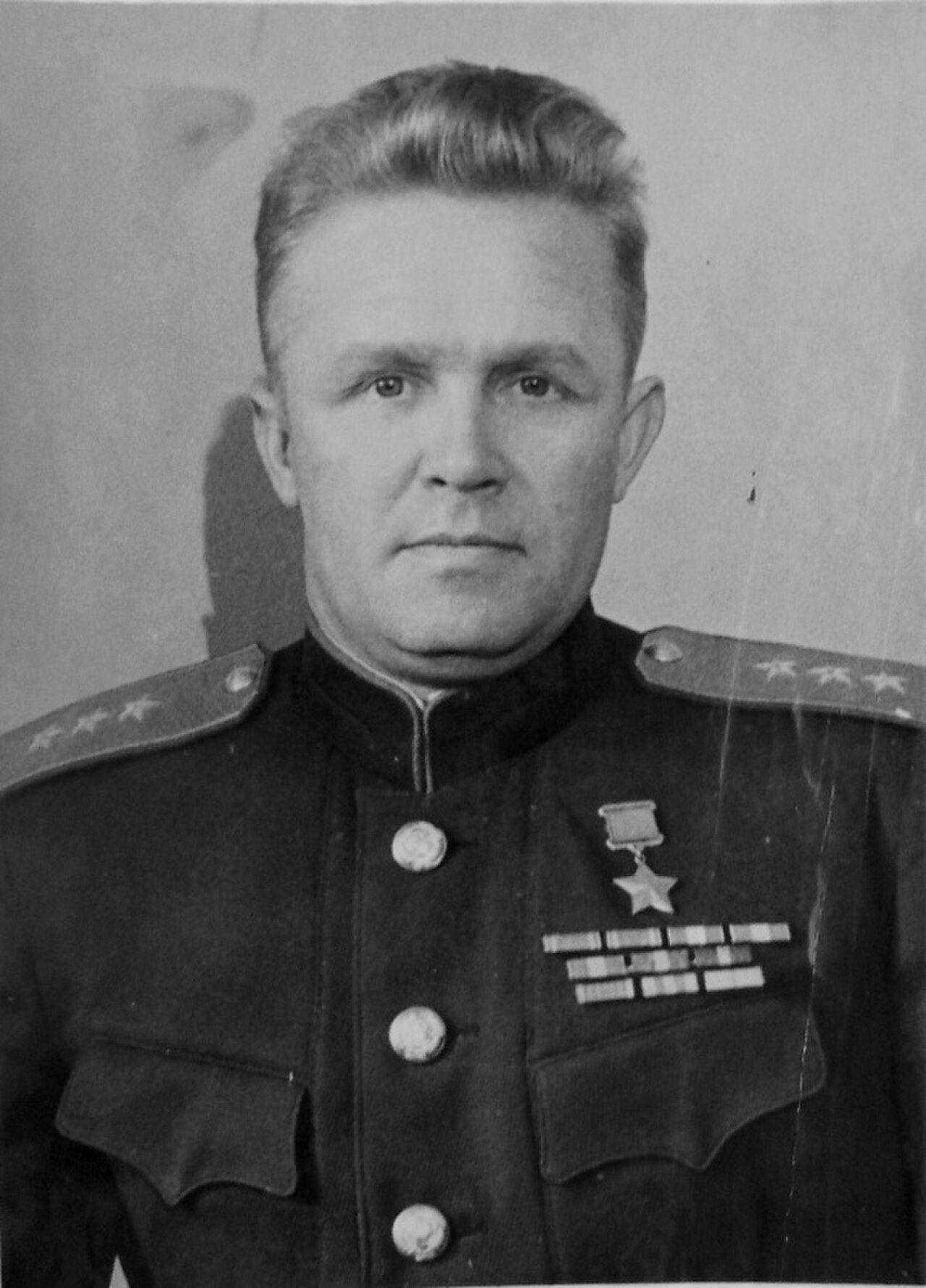


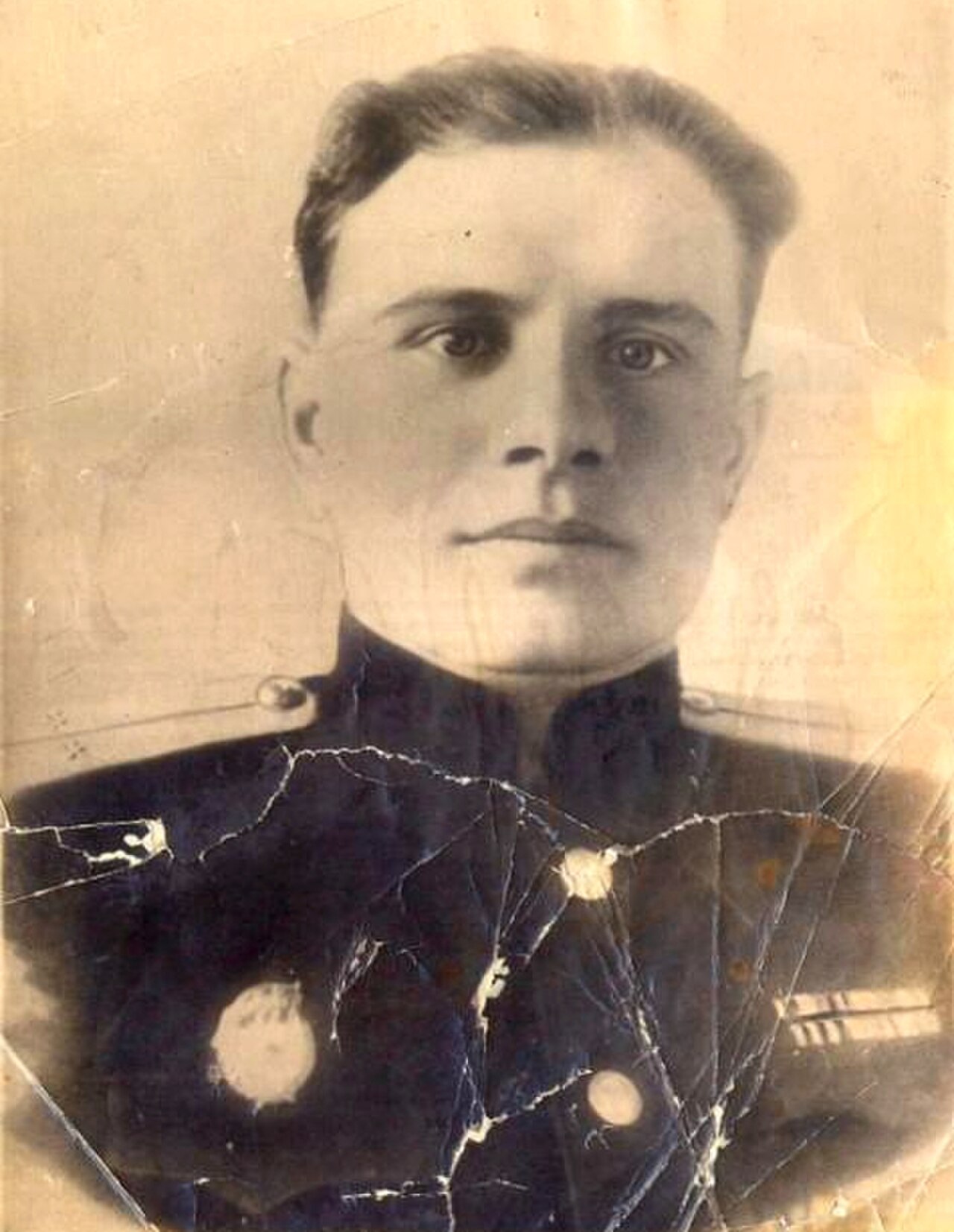


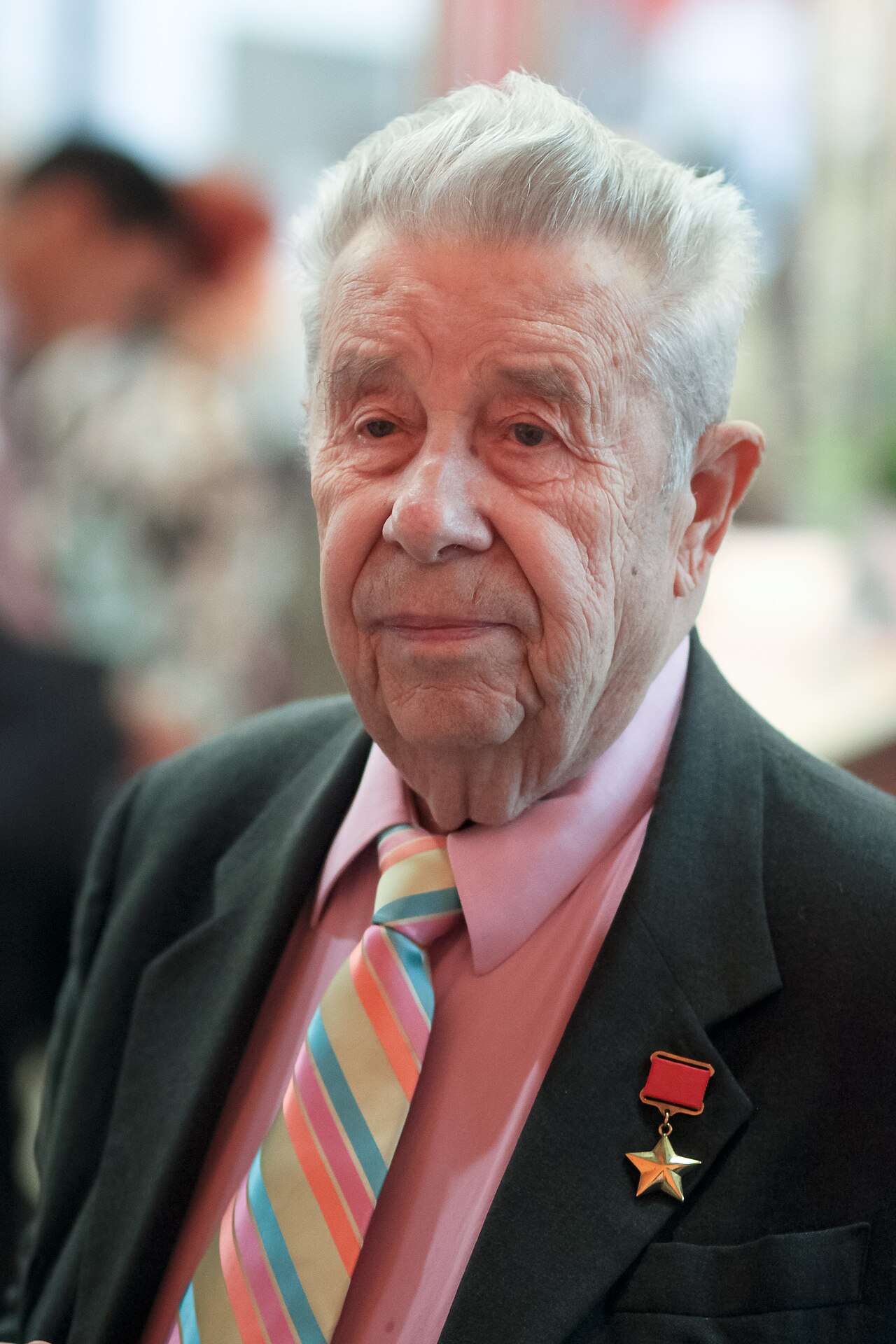

- Petro Doroshenko – Hetman of Right-Bank Ukraine (1665–1672) and a Russian voivode
- Alexander Lebed – late Lieutenant General of Russia, 1996 Presidential candidate (Ukrainian origin)
- Alexei Razumovsky – Field marshal of Russian Imperial Army
- Kirill Razumovski – Field marshal of Russian Imperial Army
- Nikolai Linevich – career military officer, General of Infantry (1903) and Adjutant general in the Imperial Russian Army in the Far East during the latter part of the Russo-Japanese War.
- Yuri Lysianskyi – officer in the Imperial Russian Navy and explorer
- Ivan Gudovich – Russian noble and military leader
- Vasily Zavoyko – an admiral in the Russian Imperial navy. In 1854, during the Crimean War, he led the successful defence against the Siege of Petropavlovsk by the allied British-French troops.
- Pavel Mishchenko – Imperial Russian career military officer and statesman of the Imperial Russian Army
- Ivan Grigorovich served as Imperial Russia's last Naval Minister from 1911 until the onset of the 1917 revolution.
- Roman Kondratenko – general in the Imperial Russian Army famous for his devout defense of Port Arthur during the Russo-Japanese War of 1904–1905
- Alexey Schastny – Russian naval commander during World War I
- Ivan Kozhedub – Soviet World War II fighter ace, considered to be the highest-scoring Soviet and Allied fighter pilot of World War II
- Pavel Rybalko – commander of armoured troops in the Red Army during and following World War II.
- Alexei Berest – Soviet political officer and one of the three Red Army soldiers who hoisted the Victory Banner
- Fedor Zinchenko – Soviet officer who commanded the 150th Rifle Division's 756th Regiment during the Storming of the Reichstag.
- Dmitry Lavrinenko – Soviet tank commander and Hero of the Soviet Union. He was the highest scoring tank ace of the Allies during World War II.
- Alexander Marinesko – Soviet naval officer and, during World War II, the captain of the submarine S-13 which sank the German military transport ship Wilhelm Gustloff. The most successful Soviet submarine commander in terms of gross register tonnage (GRT) sunk.
- Dmitry Lelyushenko, Soviet military commander, his final actions in 1945 involved directing forces during the Red Army's attacks on both Berlin and Prague.
- Kuzma Derevyanko – general of the Red Army. He was the representative of the Soviet Union at the ceremonial signing of the written agreement that established the armistice ending the Pacific War, and with it World War II
- Semyon Timoshenko – Marshal of the Soviet Union
- Andrey Yeryomenko – Soviet general during World War II and, subsequently, a Marshal of the Soviet Union
- Panteleimon Ponomarenko – a Soviet statesman and politician and one of the leaders of Soviet partisan resistance during WW2
- Alexander Utvenko – Red Army Lieutenant general
- Ivan Sidorovich Lazarenko - Red Army major general and a posthumous Hero of the Soviet Union
- Fedir Dyachenko – Soviet sniper during World War II, credited with as many as 425 kills.
- Nikolai Pinchuk (pilot) – Soviet fighter pilot and flying ace during World War II who totaled 20 solo and 2 shared aerial victories
- Kirill Moskalenko – marshal of the Soviet Union
- Ivan Taranenko – Soviet fighter pilot, flying ace, and regimental commander in World War II who went on to become a general
- Sergei Rudenko (general) – Soviet Marshal of the aviation
- Grigory Panchenko - Soviet Army major general and a Hero of the Soviet Union who held divisional commands during World War II
- Grigory Kulik – marshal of the Soviet Union
- Pyotr Koshevoy – Soviet military commander and a Marshal of the Soviet Union
- Alexei Burdeinei – Soviet general
- Pavel Batitsky – Soviet military leader awarded the highest honorary title of Hero of the Soviet Union in 1965 and promoted to Marshal of the Soviet Union in 1968
- Alexei Radzievsky - professional soldier of the Soviet Union who fought in the Second World War, commanding the 2nd Guards Tank Army during the Lublin–Brest offensive and afterwards
- Ivan Pavlovsky - Soviet military leader, Commander-in-Chief Ground Forces - Deputy Minister of Defense of the Soviet Union (1967—1980), and a General of the Army (1967)
- Anatoly Petrakovsky - Soviet Army major general and Hero of the Soviet Union
- Ivan Moshlyak – Soviet major general who received the highest honorary title of Hero of the Soviet Union in 1938 for his heroism during the Battle of Lake Khasan
- Pyotr Gnido – Soviet fighter pilot during World War II who was credited with 34 solo and 6 shared aerial victories, and recipient of the title of Hero of Soviet Union
- Nikolay Dyatlenko – Soviet officer, interrogator and translator who was part of a team that attempted to deliver a message of truce (sometimes referred to as an "ultimatum") to the German Sixth Army at the Battle of Stalingrad in January 1943
- Grigory Kravchenko – test pilot who became a flying ace and twice Hero of the Soviet Union in Asia before the start of Operation Barbarossa
- Mikhail Grigoryevich Bondarenko - captain-lieutenant in Soviet Navy during World War II who was awarded the title Hero of the Soviet Union for his actions in the Kerch-Eltigen operation
- Nikita Lebedenko - Soviet Army lieutenant general and a Hero of the Soviet Union
- Mikhail Ivanovich Bondarenko (1901–1943) - artillerist of the Soviet Army during World War II
- Mariya Borovichenko - Soviet medical officer
- Grigory Mitrofanovich Davidenko - Soviet soldier, Hero of the Soviet Union (1944)
- Vasily Davidenko (general) - Soviet military figure, Hero of the Soviet Union (1943)
- Aleksandr Gorgolyuk - Soviet fighter pilot in World War II
- Ivan Dubovoy - Soviet Army major general of tank forces and a Hero of the Soviet Union
- Aleksey Burdeyny - Soviet colonel general who held corps command during World War II
- Stepan Borozenets - Soviet Air Force colonel and a Hero of the Soviet Union
- Ivan Golubets – Soviet sailor with the Black Sea Fleet
- Vladimir Sudets – Soviet air commander during World War II, commanding the 17th Air Army, and later became Marshal of the aviation after the war
- Pyotr Vershigora – one of the leaders of the Soviet partisan movement in Ukraine, Belarus and Poland
- Pyotr Braiko – Soviet soldier during the Second World War who gained the status of Hero of the Soviet Union following the conflict
- Vasyl Herasymenko – Soviet military leader
- Anatoly Nikolayevich Levchenko - Soviet fighter pilot in the 655th Fighter Aviation Regiment of the 40th Army of the Turkestan Military District during the Soviet–Afghan War
- Oleg Koshevoy – Soviet partisan and one of the founders of the clandestine organization Young Guard, which fought the Nazi forces in Krasnodon during World War II between 1941 and 1945
- Mikhail Tsiselsky – Soviet naval pilot during World War II who was awarded the title Hero of the Soviet Union
- Ivan Turkenich – Soviet partisan, one of the leaders of the underground anti-Nazi organization Young Guard, which operated in Krasnodon district during World War II between 1941 and 1944
- Dmitry Glinka (aviator) – Soviet flying ace during World War II who was twice awarded the title Hero of the Soviet Union for his achievements, having scored 50 individual aerial victories by the end of the war.
- Boris Glinka – Soviet flying ace during World War II with over 20 solo shootdowns.
- Vasily Mykhlik – Ilyushin Il-2 pilot and squadron commander in the 566th Assault Aviation Regiment of the Soviet Air Forces during the Second World War who was twice awarded the title Hero of the Soviet Union.
- Alexey Perelet - Soviet pilot who was the principal test pilot for military aircraft prototypes produced by Tupolev during World War II.
- Leonid Beda – ground-attack squadron commander in the Soviet Air Forces during the Second World War who went on to become a Lieutenant-General of Aviation.
- Pavel Dubinda – sergeant in the Red Army during World War II and one of only four people that was both a full bearer of the Order of Glory and Hero of the Soviet Union
- Nikolai Simoniak – General in the Soviet Army during World War II
- Yuri Shvets – KGB officer
- Yepifan Kovtyukh – Soviet corps commander
- Sergey Sheyko – Hero of the Russian Federation, is a colonel in Russian Naval Infantry
- Boris Dumenko – Red Army commander during the Russian Civil War
- Alexander Kravchenko (revolutionary) – revolutionary, agronomist and partisan who fought against Admiral Kolchak's White forces in Siberia in 1919 during the Russian Civil War
- Grigory Skiruta – WWII Red Army officer
- Andrey Baklan - Soviet flying ace during World War II
- Mikhail Badyuk - Soviet aviator in the 9th Guards Mine Torpedo Aviation Regiment of the 5th Mine-Torpedo Air Division in the Northern Fleet’s aviation division during the Second World War
- Ivan Afanasenko - Red Army Sergeant and a Hero of the Soviet Union
- Zakhar Slyusarenko – WWII tank officer and brigade commander, twice awarded the title Hero of the Soviet Union
- Bogdan Stashinsky – KGB officer and spy who assassinated the Ukrainian nationalist leaders in the late 1950s
- Ivan Stepanenko – Soviet WWII flying ace with over 30 solo victories
- Vladimir Sudets – Soviet WWII air commander, later marshal of aviation
- Pavel Sudoplatov – secret police officer, lieutenant general of the MVD
- Stepan Suprun – Soviet test pilot who tested over 140 aircraft types during his career
- Pavel Taran – WWII Il-4 pilot, twice awarded the title Hero of the Soviet Union
- Ivan Taranenko – Soviet WWII fighter ace, later a general
- Sergey Tereshchenko – Prime Minister of Kazakhstan (1991–1994)
- Semyon Timoshenko – Marshal of the Soviet Union
- Grigory Tkhor – Soviet aviator, Spanish Civil War and Second Sino-Japanese War volunteer, and major general of the Soviet Air Force
- Sergei Trofimenko – Soviet military commander, active in the Russian Civil War and Second World War
- Andrey Titenko - Soviet soldier who served during World War II and recipient of the title Hero of the Soviet Union
- Galina Dzhunkovskaya - squadron navigator in 125th Guards Dive Bomber Regiment during the Second World War who was honored with the title Hero of the Soviet Union on 18 August 1945
- Mikhail Tsiselsky – Soviet WWII naval pilot, awarded the title Hero of the Soviet Union
- Ivan Turkenich – Soviet partisan, a leaders of the anti-Nazi Young Guard during WWII
- Yelena Ubiyvovk – WWII partisan and leader of a Komsomol cell
- Nina Ulyanenko – navigator, pilot and flight commander in the women's 46th Taman Guards Night Bomber Aviation Regiment
- Nikolai Usenko – Red Army soldier, Hero of the Soviet Union
- Nikolai Semeyko – Soviet Il-2 pilot and navigator during World War II who was twice awarded the title Hero of the Soviet Union.
- Grigory Vakulenchuk – sailor, organizer, and leader of the uprising on the Russian battleship Potemkin
- Pyotr Vershigora – Soviet partisan leader in Ukraine, Belarus and Poland
- Andrey Vitruk – Soviet Air Force general
- Polina Osipenko – Soviet military pilot
- Alexander Osipenko (pilot) - Soviet military aviator and, according to some accounts, the Soviet Air Forces' top ace in the Spanish Civil War
- Timofei Strokach – prominent military figure of the Soviet NKVD and KGB
- Ilya Amvrosievich Strokach – prominent military figure of the Soviet NKVD and KGB
- Oleg Ostapenko – the former director of Roscosmos, the federal space agency, retired Colonel General in the Russian Military, former Deputy Minister of Defence, and former commander of the Aerospace Defence Forces
- Fyodor Ostashenko - Soviet Army lieutenant general and a Hero of the Soviet Union
- Vladimir Sergeyevich Vysotsky – Russian admiral and Commander of the Russian Northern Fleet
- Viktor Yanukovych – fourth President of Ukraine
- Viktor Yanukovych Jr – Ukrainian politician and Member of Parliament
- Nikolai Yegipko – Soviet Navy officer, Hero of the Soviet Union
- Iosif Apanasenko – Soviet division commander
- Fyodor Kostenko – Soviet corps and army commander
- Ivan Drachenko – Soviet Il-2 pilot and the only aviator awarded both the title Hero of the Soviet Union and been a full bearer of the Order of Glory.
- Andrey Yeryomenko – Soviet general during World War II
- Vitaly Zakharchenko – Former Minister of Internal Affairs of Ukraine
- Yekaterina Zelenko – WWII Soviet Su-2 pilot, flew during Winter War
- Yakov Cherevichenko – Soviet military leader and colonel general
- Stepan Artyomenko – the commander of a battalion of the 447th Rifle Regiment in the Red Army during the Second World War, who was twice awarded the title Hero of the Soviet Union
- Ivan Boyko – the commander of the 69th Guards Tank Regiment and later the 64th Guards Tank Brigade during World War II; he was twice awarded the title Hero of the Soviet Union for his successful combat leadership
- Ivan Zaporozhets – Soviet security officer and official of the OGPU-NKVD
- Nikolai Zhugan - Air Force major general, a pilot during World War II, and Hero of the Soviet Union (1944)
- Vasily Zavoyko – Russian admiral, successfully defended against the Siege of Petropavlovsk
- Yevgeniya Zhigulenko – WWII Soviet Air Force pilot and navigator, Hero of the Soviet Union
- Filipp Zhmachenko – Soviet Army general, Hero of the Soviet Union
- Nikolai Lyashchenko - Soviet Army general
- Irina Levchenko – medic turned tank officer in the Red Army during World War II who was awarded the title Hero of the Soviet Union in 1965; she was also the first Soviet woman awarded the Florence Nightingale Medal
- Aleksandra Samusenko – Soviet T-34 tank commander and a liaison officer during World War II
- Fedor Zinchenko – Soviet officer who commanded the regiment that placed the Victory Banner during the Storming of the Reichstag.
- Fyodor Zozulya – admiral of the Soviet Navy
- Georgy Zozulya – WWII ground-attack pilot in the Soviet Air Force
- Andrei Girich – Soviet Air Force major general and Hero of the Soviet Union
- Andrei Paliy – naval officer who served as the deputy commander of the Black Sea Fleet
- Aleksandr Chaiko – army officer who is currently the commander of the Eastern Military District since 12 November 2021
- Aleksandr Golovko – colonel general in the Russian military and commander of the Russian Space Forces since 1 August 2015
- Sergey Kuralenko - military commander serving as the Head of the Main Directorate of Military Police of the Ministry of Defense of Russia
- Valery Solodchuk – officer of the Russian Army
- Sergei Pinchuk – officer of the Russian Navy, currently holds the rank of vice-admiral, and is deputy commander in chief of the Black Sea Fleet
- Alexander Romanchuk – colonel general in the Russian Armed Forces
- Anatoly Nedbaylo – Il-2 pilot in the 75th Guards Assault Aviation Regiment of the Soviet Air Forces during the Second World War who was twice awarded the title Hero of the Soviet Union
- Vasily Mykhlik – Ilyushin Il-2 pilot and squadron commander in the 566th Assault Aviation Regiment of the Soviet Air Forces during the Second World War who was twice awarded the title Hero of the Soviet Union
- Ilya Mazuruk - Soviet pilot and polar explorer
- Ivan Moshlyak - major general in the Soviet Army who received the title Hero of the Soviet Union for his heroism in the Battle of Lake Khasan during the Soviet–Japanese border conflicts
- Alexander Molodchy – Soviet long-range pilot who flew over 300 missions on the B-25, Il-4, and Yer-2 during World War II, WHO was the first person twice awarded the title Hero of the Soviet Union during the war while alive
- Ivan Mikhailichenko – Il-2 pilot in the Soviet Air Forces during the Second World War who was twice awarded the title Hero of the Soviet Union
- Aleksey Mazurenko – commander of the 7th Guards Assault Aviation Regiment in the Black Sea Fleet during World War II, who was twice awarded the title Hero of the Soviet Union during the war and remained in the military afterwards, reaching the rank of General-major
- Grigory Kravchenko – a test pilot who became a flying ace and twice Hero of the Soviet Union
- Andrey Kravchenko (general) – commander of multiple tank units of the Red Army throughout World War II who was twice awarded the title Hero of the Soviet Union
- Ivan Yakovlevich Kravchenko - Red Army major and a Hero of the Soviet Union
- Sergey Kramarenko (pilot) - Soviet Air Force officer who fought in World War II and the Korean War
- Stepan Naumenko - Soviet MiG-15 pilot during the Korean War, credited as the first Soviet ace in the conflict
- Alexander Mironenko - Soviet airborne senior sergeant and posthumous Hero of the Soviet Union
- Dmitry Onuprienko - Soviet Army lieutenant general and Hero of the Soviet Union
- Nikolai Onoprienko - Red Army colonel and World War II Hero of the Soviet Union
- Yevdokiya Nosal - junior lieutenant and deputy squadron commander in the 588th Night Bomber Regiment (nicknamed the "Night Witches" by the Germans) during World War II
- Semyon Kozak – Soviet Army lieutenant general who was twice awarded the title Hero of the Soviet Union for his command of a division during World War II
- Mikhail Bondarenko (pilot) – navigator and squadron commander in the 198th Assault Aviation Regiment of the Soviet Air Forces during the Second World War who was twice awarded the title Hero of the Soviet Union for his ground-attack sorties on the Il-2 during the war
- Ivan Boyko – commander of the 69th Guards Tank Regiment and later the 64th Guards Tank Brigade during World War II; he was twice awarded the title Hero of the Soviet Union for his successful combat leadership
- Ivan Sidorenko - Red Army officer and a Hero of the Soviet Union, who served during World War II.
- Vladimir Aleksenko – ground-attack aviation squadron and regimental commander during World War II who was twice awarded the title Hero of the Soviet Union
- Stepan Suprun – Soviet test pilot who tested over 140 aircraft types during his career, who was also a fighter pilot and twice awarded the title Hero of the Soviet Union
- Vasily Senko – Soviet Air Force colonel and the only navigator who was twice awarded the title Hero of the Soviet Union
- Vasili Yanchenko – World War I flying ace credited with 16 aerial victories
- Ivan Loiko – World War I flying ace credited with six confirmed aerial victories
- Pavel Taran – Il-4 pilot who was twice awarded the title Hero of the Soviet Union during World War II
- Yevgraf Kruten – World War I flying ace credited with seven aerial victories
Business
- Oleksiy Alchevsky – industrialist, established the first finance group in Russia.
- Viktor Bout – arms dealer
- Leonid Fedun – billionaire businessman
- Yury Kovalchuk – billionaire businessman and financier who is "reputed to be Vladimir Putin's personal banker"
- Mikhail Kovalchuk - physicist and official
- Alexander Ponomarenko – billionaire businessman who made his fortune in banking, sea ports, commercial real estate and airport construction
- Andrey Melnichenko – billionaire entrepreneur
- Serhiy Kurchenko – businessman and founder/owner of the group of companies "Gas Ukraine 2009" specializing in trading of liquefied natural gas. Kurchenko is also the former owner and president of FC Metalist Kharkiv and the Ukrainian Media Holding group.Since 2014 lives in Russia.
- Dmitry Gerasimenko – businessman, industrialist
- Vladimir Ivanenko – businessman, founded first private cable and television network in USSR
- Artur Kirilenko – entrepreneur, property developer
- Sergei Magnitsky – Ukrainian-born Russian tax advisor and prisoner
- Viktor Petrik – businessman
- Petro Prokopovych – founder of commercial beekeeping and the inventor of the first movable frame hive
- Vladimir Kovalevsky – statesman, scientist and entrepreneur
- Boris Kamenka – entrepreneur and banker in the Russian Empire. He was one of the richest people in Russia before the Russian Revolution.
Other
- Nina Kukharchuk-Khrushcheva – First Lady of USSR, second wife of Nikita Khrushchev
- Lyudmyla Nastenko-Yanukovych – First Lady of Ukraine
- Raisa Titarenko-Gorbacheva – First Lady of USSR, wife of Mikhail Gorbachev
- Gennady Alferenko
- Valeria Ivanenko
- Vitali Kischenko
- Petro Oliynik
- Oleksandr Opanasenko
- Anastasia Prokopenko
- Oleg Sukhoruchenko
- Vitaly Teslenko
- Nikolai Usenko
- Aleksey Yakimenko
- Dmitri Yaroshenko
- Kostyantyn Zhevago
- Alexander Shlemenko
See also
Notes
- ^ Asian Russia statistics exclude the Caucasus.
References
- ^ Arena – Atlas of Religions and Nationalities in Russia. Sreda.org
- ^ "Арена в PDF : Некоммерческая Исследовательская Служба "Среда"". Sreda.org. Retrieved 20 April 2014.
- ^ Val, Парк ГорькогоAddress: Moscow Krymsky. "Andreevsky Monastery". Gorky Park. Retrieved 9 August 2021.
- ^ a b Kagramanov, Yuri (2006). Война языков на Украине [The War of Languages in Ukraine]. Novy Mir (8). magazines.russ.ru. Retrieved 27 September 2016.
- ^ Kubiyovych, p. 2597.
- ^ 1897 Census on Demoscope.ru Retrieved Archived 28 May 2012 at the Wayback Machine on 20 May 2007.
- ^ Kulchitskyi, Stanislav (26 January 2006). Імперія та ми [The Empire and We]. Den (in Ukrainian) (9). day.kyiv.ua. Retrieved 19 March 2007.
- ^ "Nearly 3.5 million Ukrainians work in Russia". unian.info. 25 February 2009. Archived from the original on 27 February 2014. Retrieved 28 September 2016.
- ^ Yelchenko wants Ukrainian secondary school to operate in Moscow, Kyiv Post (19 August 2010)
- ^ a b "Why ethnopolitics doesn't work in Ukraine". al-Jazeera. 9 April 2019.
- ^ Russia's Ukrainian minority under pressure, Al Jazeera English (25 April 2014)
A ghost of World War II history haunts Ukraine's standoff with Russia, Washington Post (25 March 2014) - ^ Walker, Shaun (25 August 2015). "Russian court jails Ukrainian film-maker for 20 years over terror offences". The Guardian. ISSN 0261-3077. Retrieved 29 July 2019.
- ^ a b "Disappearing books: How Russia is shuttering its Ukrainian library". Reuters. 15 March 2017. Retrieved 29 July 2019.
- ^ a b Weir, Fred (1 December 2015). "Ukrainian refugees in Russia: Did Moscow fumble a valuable resource?". The Christian Science Monitor. Retrieved 3 June 2016.
- ^ "Ukrainian refugees in Russian Federation". Civic Assistance Committee. 7 October 2014. Retrieved 20 January 2021.
- ^ Fitzpatrick, Catherine A. (4 July 2014). "Russia This Week: How Many Refugees Are There from Ukraine?". The Interpreter. Retrieved 20 January 2021.
- ^ "Ukraine: UNHCR Operational Update, 01 – 30 November 2017". ReliefWeb. Retrieved 1 February 2018.
- ^ "The Russian Federation, November 2017" (PDF). United Nations High Commissioner for Refugees (UNHCR factsheet). 2017. Retrieved 20 January 2021.
- ^ Malinkin, Mary Elizabeth; Nigmatullina, Liliya (4 February 2015). "The Great Exodus: Ukraine's Refugees Flee to Russia". The National Interest. Retrieved 3 June 2016.
- ^ "Refugees fleeing Ukraine (since 24 February 2022)". UNHCR. 2022. Archived from the original on 10 March 2022. Retrieved 3 October 2022.
- ^ "Human rights concerns related to forced displacement in Ukraine". OHCHR. Retrieved 11 September 2022.
- ^ "UN says 'credible' reports Ukraine children transferred to Russia". www.aljazeera.com. Retrieved 11 September 2022.
- ^ Court, Elsa (22 January 2024). "Zelensky signs decree recognizing some Russian territories as historically inhabited by Ukrainians". The Kyiv Independent. Retrieved 22 January 2024.
- ^ Demoscope.ru, 1897 census results for the Kuban Oblast Archived 28 May 2012 at the Wayback Machine
- ^ a b c The politics of identity in a Russian borderland province: the Kuban neo-Cossack movement, 1989–1996, by Georgi M. Derluguian and Serge Cipko; Europe-Asia Studies; December 1997 URL
- ^ Ukraine and Ukrainians Throughout the World, edited by A.L. Pawliczko, University of Toronto Press, 1994. ISBN 0-8020-0595-0
- ^ Shambarov, Valery (2007). Kazachestvo Istoriya Volnoy Rusi. Algoritm Expo, Moscow. ISBN 978-5-699-20121-1.
- ^ Kuban Okrug from the 1926 census demoscope.ru
- ^ Zakharchenko, Viktor (1997). Народные песни Кубани [Folk songs of the Kuban]. geocities.com (in Russian). Archived from the original on 11 February 2002. Retrieved 7 November 2007.
- ^ Kaiser, Robert (1994). The Geography of Nationalism in Russia and the USSR. Princeton University Press, New Jersey. ISBN 0-691-03254-8.
- ^ Demoscope.ru Soviet Census of 1989, population distribution in region by region of birth.Retrieved 13 November 2007
- ^ "Russian census 2002". Retrieved 22 April 2007.
- ^ Trylenko, Larysa (29 December 1991). "The coup: Ukrainians on the barricades". The Ukrainian Weekly. LIX (52). ukrweekly.com. Archived from the original on 20 May 2006.
- ^ Всероссийская перепись населения 2002 года - Москва [National Population Census 2002 – Moscow] (in Russian). Demoscope.ru. 19 September 2016. Retrieved 27 September 2016.
- ^ "Kyiv-appointed head of Ukrainian Cultural Center in Moscow intimidated by Russian personnel". Unian.info. 21 September 2016. Retrieved 27 September 2016.
- ^ Kraliuk, Petro (7 July 2009). "Mazepa's many faces: constructive, tragic, tragicomic". The Day. Retrieved 27 September 2016.
- ^ Всероссийская перепись населения 2002 года - Санкт Петербург [National Population Census 2002 – St. Petersburg] (in Russian). Demoscope.ru. 19 September 2016. Retrieved 27 September 2016.
- ^ Всероссийская перепись населения 2002 года - Приморский край [National Population Census 2002 – Primorsky Krai] (in Russian). Demoscope.ru. 19 September 2016. Retrieved 27 September 2016.
- ^ Всероссийская перепись населения 2002 года: Приморский край [Russian Population Census 2002: Primorsky Krai] (in Russian). Demoscope.ru. 2002. Retrieved 3 June 2016.
- ^ Zhelty Klin website
- ^ Открытое письмо Комиссару национальных меньшинств ОБСЕ господину Максу Ван дер Стулу [Open letter to the Commissioner for National Minorities for the OSCE, Mr. Max van der Stoel] (in Russian). Ukrainians of Russia – Kobza. 30 September 2000. Archived from the original on 27 September 2007. Retrieved 20 November 2007: Open letter to the OSCE from the Union of Ukrainians in the Urals.
{{cite web}}: CS1 maint: postscript (link) - ^ Гарантуйте нам в Росії життя та здоров'я! [Guarantee us life and health in Russia!] (in Ukrainian). Ukrainians of Russia – Kobza. 31 December 2006. Archived from the original on 21 March 2008. Retrieved 20 November 2007: Letter to President Putin from the Union of Ukrainians in Bashkiria.
{{cite web}}: CS1 maint: postscript (link) - ^ Nalyvaichenko, Valentyn (26 January 2011). "Nalyvaichenko to OSCE: Rights of Ukrainians in Russia systematically violated". KyivPost. Archived from the original on 14 September 2011.
- ^ Таблица 22. Украинцы в структуре населения регионов России (численность и удельный вес), переписи 1897–2010 гг. / Завьялов А. В. Социальная адаптация украинских иммигрантов : монография / А. В. Завьялов. – Иркутск : Изд-во ИГУ, 2017. – 179 с. (Russian)
- ^ Национальный состав населения Российской Федерации 2010 г. [National composition of the population of the Russian Federation in 2010]. Russian Federation – Federal State Statistics Service (in Russian). Retrieved 3 June 2016.
- ^ Lozynskyj, Askold S. (30 January 2002). "The Ukrainian World Congress regarding the census in Russia". Ukrainians of Russia – Kobza. Archived from the original on 2 December 2007.
- ^ "The first Catholic church in Russia built in the Byzantine style has been blessed". ugcc.org.ua. 24 October 2007. Archived from the original on 22 December 2007.
- ^ Украинцы в России: еще братья, но уже гости - О "средне-потолочной" гипотезе про 4 миллиона "заробітчан" в РФ и бесславном конце "Родной Украины" [Ukrainians in Russia: still brothers, but now guests – On the "medium ceiling" hypothesis on 4 million "(Ukrainian) workers" in the RF and the inglorious end of "Mother Ukraine"] (in Russian). Ukrainians of Russia – Kobza. 18 June 2006. Archived from the original on 10 November 2007.
Bibliography
- Kubiyovych, Volodymyr. Entsykolpedia Ukrainoznavstva. Vol. 7.
- Українське козацтво - Енциклопедія - Kyiv, 2006
- Zaremba, S. (1993). From the national-cultural life of Ukrainians in the Kuban (1920 and 1930s). Kyivska starovyna. pp. 94–104.
- Lanovyk, B.; et al. (1999). Ukrainian Emigration: from the past to the present. Ternopil.
{{cite book}}: CS1 maint: location missing publisher (link) - Petrenko, Y. (1993). Ukrainian cossackdom. Kyivska starovyna. pp. 114–119.
- Польовий Р. Кубанська Україна К. Дiокор 2003.
- Ratuliak, V. (1996). Notes from the history of Kuban from historic times until 1920. Krasnodar.
{{cite book}}: CS1 maint: location missing publisher (link) - Сергійчук В. Українізація Росії К. 2000
- Internet site for Ukrainians in Russia
- Зав'ялов А. В. Соціальна адаптація українських іммігрантів : монографія / А. В. Зав'ялов. — Київ : Саміт-книга, 2020. — 180 с.
- Завьялов А. В. Социальная адаптация украинских иммигрантов : монография / А. В. Завьялов. – Иркутск : Изд-во ИГУ, 2017. – 179 с.
External links
- Zavialov, A. Ukrainian Catastrophe: Ukrainians and the Ukrainian Language in Russia in the Mirror of 1989–2021 Russian Censuses. (2024)
- Races of Europe 1942–1943 (in English)
- Hammond's Racial map of Europe 1923 (in English)
- Peoples of Europe / Die Voelker Europas 1914 (in German)
- Ethnographic map of Europe 1914 (in English)
- Ukrainians of Russia by number, sex and share in the population structure, 1926–2010 censuses (in Russian)
- Ukrainian language knowledge in Russia by ethnic groups (in Russian)
- Ukrainians of Russia by their native language, 2010 (in Russian)
- Ukrainians of Russia by languages knowledge, 2002, 2010 (in Russian)
- Distribution of the Ukrainian population of Russia by age and sex, 2010 (in Russian)
- Завьялов А. В. Социальная адаптация украинских иммигрантов : монография / А. В. Завьялов. – Иркутск : Изд-во ИГУ, 2017. – 179 с. (tables The Ukrainian language knowledge by Russian regions, 2010 и Ukrainians in the population structure of Russian regions, 1897–2010) (in Russian)
| Europe |  | |
|---|---|---|
| Americas | ||
| Asia and Oceania |
| |
| From Europe |
|
|---|---|
| From Asia |
|
| من افريقيا |
|
| من امريكا |
|