
تاريخ الشيوعية
يشمل تاريخ الشيوعية طيفًا واسعًا من الأيديولوجيات والحركات السياسية التي تشترك في المبادئ الأساسية للملكية الجماعية للثروة ، والمشاريع الاقتصادية ، والممتلكات . [ 1 ] [ 2 ] تستند معظم أشكال الشيوعية الحديثة، على الأقل اسميًا، إلى الماركسية ، وهي نظرية ومنهج صاغهما كارل ماركس وفريدريك إنجلز خلال القرن التاسع عشر. [ 3 ] اكتسبت الماركسية لاحقًا انتشارًا واسعًا في معظم أنحاء أوروبا، وخلال أواخر القرن التاسع عشر، كان لأنصارها المتشددين دورٌ فعال في عدد من الثورات الفاشلة في تلك القارة. [ 1 ] خلال الحقبة نفسها، انتشرت أيضًا الأحزاب الشيوعية التي رفضت الثورة المسلحة، لكنها تبنت المثل الماركسي للملكية الجماعية والمجتمع اللاطبقي . [ 1 ]
على الرغم من أن النظرية الماركسية أشارت إلى أن المجتمعات الصناعية هي أنسب الأماكن للثورة الاجتماعية (سواءً عبر الانتقال السلمي أو بالقوة المسلحة)، إلا أن الشيوعية حققت نجاحًا كبيرًا في البلدان النامية التي تعاني من الفقر المستشري، مثل جمهورية الصين . [ 3 ] في عام 1917، استولى الحزب البلشفي على السلطة خلال الثورة الروسية ، وفي عام 1922 أسس الاتحاد السوفيتي ، أول دولة اشتراكية معلنة ذاتيًا في العالم . [ 4 ] تبنى البلاشفة مفهوم الأممية البروليتارية والثورة العالمية تبنيًا كاملًا ، إذ اعتبروا نضالهم قضية دولية لا إقليمية بحتة. [ 3 ] [ 4 ] كان لهذا أثر بالغ على انتشار الشيوعية خلال القرن العشرين، حيث نصب الاتحاد السوفيتي حكومات ماركسية لينينية جديدة في وسط وشرق أوروبا عقب الحرب العالمية الثانية ، ودعم بشكل غير مباشر صعود حكومات أخرى في الأمريكتين وآسيا وأفريقيا. [ 1 ] كان للأممية الشيوعية ، المعروفة أيضًا باسم الكومنترن، دور محوري في هذه السياسة ، إذ تأسست بهدف دعم ومساعدة الأحزاب الشيوعية حول العالم وتعزيز الثورة. [ 4 ] وكان هذا أحد الأسباب الرئيسية للتوترات خلال الحرب الباردة ، حيث ربطت الولايات المتحدة وحلفاؤها العسكريون بين الانتشار العالمي للشيوعية والتوسع السوفيتي بالوكالة. [ 5 ]
بحلول عام ١٩٨٥، كان ثلث سكان العالم يعيشون في ظل نظام حكم ماركسي لينيني. [ ١ ] ومع ذلك، دار جدل واسع بين المنظرين الشيوعيين والماركسيين حول ما إذا كان من الممكن اعتبار معظم هذه الدول ماركسية بحق، نظرًا لتعديل العديد من المكونات الأساسية للنظام الماركسي ومراجعتها من قبل هذه الدول. [ ٥ ] شهدت الشيوعية تراجعًا سريعًا في أواخر الثمانينيات وأوائل التسعينيات، بما في ذلك تفكك الاتحاد السوفيتي عام ١٩٩١، ونبذ العديد من الدول الماركسية اللينينية الأخرى لهذه الأيديولوجية أو إلغائها تمامًا. [ ٦ ] وقدّم مؤرخون لاحقون تفسيرات مختلفة لهذا التراجع، منها أن الحكومات الماركسية اللينينية لم ترتقِ إلى مستوى المثل الأعلى للمجتمع الشيوعي ، وأن هناك اتجاهًا عامًا نحو تزايد الاستبداد ، وأنها عانت من بيروقراطية مفرطة، وأن اقتصاداتها تعاني من أوجه قصور. [ 1 ] [ 7 ] [ 8 ] في القرن الحادي والعشرين، لم يتبق سوى عدد قليل من الدول الماركسية اللينينية، وهي الصين وكوبا ولاوس وكوريا الشمالية وفيتنام. [ 1 ] [ 9 ] باستثناء كوريا الشمالية ، بدأت جميع هذه الدول بالسماح بمزيد من المنافسة الاقتصادية مع الحفاظ على نظام الحزب الواحد . [ 7 ]
أصول الشيوعية
الشيوعية في العصور القديمة

اعتُبرت العديد من الجماعات التاريخية من أتباع أشكال مختلفة من الشيوعية . فقد اعتقد كارل ماركس وغيره من المنظرين الشيوعيين الأوائل أن مجتمعات الصيد وجمع الثمار ، كما وُجدت في العصر الحجري القديم، وصولًا إلى المجتمعات الزراعية ، كما وُجدت في العصر النحاسي، كانت في جوهرها مجتمعات قائمة على المساواة، ولذلك أطلق على أيديولوجيتها اسم الشيوعية البدائية . [ 11 ] وكان الفيلسوف الرواقي الروماني سينيكا من أوائل الكتّاب الذين تبنوا فكرة الشيوعية البدائية في الماضي، حيث قال: "ما أسعد العصر البدائي حين كانت خيرات الطبيعة مُشتركة... لقد امتلكوا الطبيعة كلها بشكل مشترك، مما منحهم حيازة آمنة للثروة العامة." [ 12 ] ولهذا السبب، اعتقد أن هذه المجتمعات البدائية كانت الأغنى، إذ لم يكن فيها فقر. [ 12 ] ومن بين الكتّاب اليونانيين والرومان الآخرين الذين آمنوا بوجود إنسان ما قبل التاريخ مارس الشيوعية: ديودور الصقلي ، وفيرجيل ، وأوفيد . [ 13 ] وبالمثل، فقد أكد آباء الكنيسة الأوائل ، مثل أسلافهم الوثنيين، أن المجتمع البشري قد انحدر إلى حالته الراهنة من نظام اجتماعي قائم على المساواة فقد الآن. [ 14 ]
Around the late 5th century BC in Ancient Greece, ideas similar to communism were parodied by the dramatist Aristophanes in his comedy The Assemblywomen in which the women of Athens seize control of the Ecclesia (city government) and abolish all private property while making the sharing of women and the collective rearing of children mandatory.[15] In Plato's Republic, Socrates declares that an ideal state would eliminate all forms of private property among the elite of society to the extent that even children and wives are shared.[16][17] He asserts that such practices would prevent internal conflict within a society and promote a sense of unity and common identity.[18] Around AD 500 in Iran, the Zoroastrian reformist Mazdak purportedly founded a movement preaching religious communism while under the patronage of the Sassanian King Kavad I who initially supported the priest and his reforms, but later had the Mazdakians repressed and Mazdak executed.[19]
Developments in Christian communism
Early Christianity supported a form of common ownership based on the teachings in the New Testament which emphasised sharing.[14][20] Despite these practices falling into decline even before the Christianization of the Roman Empire, the principles of sharing property and holding goods in common continued within the Christian traditions of monasticism.[14][21]
منذ العصور الوسطى العليا وحتى أوائل العصر الحديث في أوروبا، تبنت بعض الطوائف المسيحية الإصلاحية جماعاتٍ مختلفةً تدعم الأفكار الشيوعية والجماعية المسيحية . ففي أوائل القرن الثاني عشر، ظهرت جماعةٌ بروتستانتيةٌ بدائيةٌ من ليون ، في مملكة بورغندي-آرل، تُعرف باسم الوالدنسيين، الذين كانوا يمتلكون ممتلكاتهم بشكلٍ مشتركٍ وفقًا لسفر أعمال الرسل، لكنهم تعرضوا للاضطهاد من قِبل الكنيسة الكاثوليكية، فلجأوا إلى بيدمونت . [ 22 ] وقاد بعض الوالدنسيين انشقاقًا بعد أن شعروا بأن زعيم الجماعة أصبح استبداديًا . [ 23 ] ومع صعود الرهبانيات المتسولة في القرن الثالث عشر، بدأت جماعاتٌ مثل الفرنسيسكان في تحدي مفهوم الملكية الخاصة، لدرجة أن البابا يوحنا الثاني والعشرين اضطر للدفاع عنه في مرسومه البابوي " Quia vir reprobus" عام 1328 ، حيث قضى بأن ملكية الممتلكات مُجازةٌ إلهيًا لأن الله قد وهب آدم الأرض كملكٍ له. [ 24 ] [ 25 ] في القرن الثالث عشر أيضًا، بدأت جماعة علمانية تُعرف باسم البغارد ، نشأت في البلدان المنخفضة ، بالانتشار بين الفئات المهمشة في المجتمع، واستقطبت أعضاءً نبذوا الملكية الخاصة وكرسوا أنفسهم للحياة الجماعية وأنماط الحياة التقشفية كحرفيين. [ 26 ] [ 27 ] على الرغم من نجاح هذه الممارسات بما يكفي لانتشارها إلى مناطق أخرى في القارة مثل فرنسا وألمانيا، إلا أن الكنيسة الكاثوليكية أدانت البغارد مرارًا وتكرارًا فيما بعد. [ 28 ] [ 26 ] حوالي عام 1300 ، تولى فرا دولتشينو قيادة الإخوة الرسوليين في شمال إيطاليا ، وشكل طائفة تُعرف باسم الدولسينيين، دعت إلى إنهاء الإقطاع، وحل التسلسل الهرمي في الكنيسة، وامتلاك جميع الممتلكات بشكل مشترك. [ 22 ] بشر جون ويكليف ، العالم المدرسي الإنجليزي ومؤسس اللولاردية في القرن الرابع عشر ، بدولة مسيحية مثالية ذات ملكية جماعية، وانتقد أولئك الذين يرفضون "الصدقة المشتركة والملكية المشتركة للرجال المسيحيين" . [ 29 ]30 ] [ 31 ] : 54 في نفس الوقت تقريبًا، زعم الكاهن الثوريجون بول، الذي أُعدم لاحقًا لدوره البارز في تمردوات تايلر الفاشل، أنه "لا يمكن أن تسير الأمور على ما يرام في إنجلترا، ولن تسير كذلك أبدًا، حتى تُصبح جميع الممتلكات مشتركة". [ 32 ]

في تابور ، بوهيميا ، خلال حروب الهوسيين في القرن الخامس عشر ، حاول التابوريون الراديكاليون إرساء نظام أطلقوا عليه اسم "مجتمع المنافع"، حيث "لا يوجد شيء لي أو لك، بل كل شيء مشترك"، ولكن ما إن بدأ هذا النظام حتى تم التخلي عنه سريعًا. [ 34 ] [ 35 ] ويُعتبرون روادًا للحكم الشمولي تحت قيادة الديكتاتور يان زيليفسكي . [ 36 ] [ 37 ] [ 38 ] [ 39 ] بعد انهيار سلطة التابوريين في ليباني، فرّ خلفاؤهم إلى مورافيا، مؤسسين الكنيسة المورافية تحت قيادة الزعيم الروحي المسالم بيتر تشيلتشيكي، الذي كان يحمل في طياته معتقدات شيوعية مسيحية وفوضوية مسيحية . [ 31 ] [ 40 ] يُثار جدلٌ حول مدى التزام أتباع تشيلتشيكي، المعروفين أيضًا باسم الإخوة البوهيميين ، بمبادئه، وتحديدًا الامتناع عن الملكية والتجارة والحكم، وبحلول القرن السادس عشر، لم يعد الإخوة يتبنونها قطعًا. [ 31 ] [ 41 ] خلال الإصلاح البروتستانتي في القرن السادس عشر، أيّد المعمدانيون ، الذين نشأوا في سويسرا ، نظام الملكية الجماعية للممتلكات كما ورد في سفر أعمال الرسل. [ 42 ] من أبرز الجماعات المعمدانية جماعة الهوتريين ، التي أسسها يعقوب هوتر ، واستقرت في مورافيا في عشرينيات القرن السادس عشر، ومعمدانيو مونستر الذين أُبيدوا في معركة خلال محاولتهم عام 1535 تحويل مدينة مونستر قسرًا إلى أورشليم الجديدة الثيوقراطية . [ 42 ] قامت جماعات مختلفة من جانب البرلمانيين خلال الحرب الأهلية الإنجليزية في منتصف القرن السابع عشر بالترويج لإعادة توزيع الثروة على أساس المساواة، وتحديداً جماعة المساوين وجماعة الحفارين، مع أن الأخيرة فقط بقيادة جيرارد وينستانلي هي التي دعت إلى مجتمع شيوعي بلا ملكية. [ 43 ] [ 44 ]
بدأ الكتّاب الأوروبيون بتصوير مجتمعات شيوعية مثالية في رواياتهم الطوباوية منذ القرن السادس عشر فصاعدًا. استلهم توماس مور، الإنساني الإنجليزي الذي أصبح لاحقًا مستشارًا للورد ، من روايات خيالية إلى حد كبير عن مجتمعات السكان الأصليين في العالم الجديد ، فكتب روايته الطوباوية " يوتوبيا " (1516)، حيث يستنكر بطل الرواية الملكية الخاصة بعد سفره إلى جزيرة مثالية خالية من المال والملكية الخاصة، حيث "كل شيء تحت سيطرة الدولة". [ 45 ] [ 46 ] [ 47 ] وقد صاغ مور مصطلح "يوتوبيا " كاسم لمجتمعه المثالي، وهو مصطلح لاتيني يعني "لا مكان"، مما يدل على أن مور لم يعتبر مثل هذا المجتمع قابلًا للتحقيق في الواقع. أما توماسو كامبانيلا ، فقد روّج في كتابه "مدينة الشمس" (1601) لمفهوم مجتمع تُوزّع فيه نتاجات المجتمع بالتساوي. [ 48 ] في يوتوبيا كامبانيلا، جميع الناس متعلمون تعليماً جيداً، ويوم العمل أربع ساعات فقط، ولا وجود للملكية الخاصة، ويمارس السكان تحسين النسل لتعزيز اللياقة العقلية والبدنية، ويُكرس معظم الوقت إما للترفيه أو لتطوير الذات، ويدير المجتمع عالم حاكم يبني إدارته على مبادئ علمية، كل ذلك لمصلحة المجتمع ككل. [ 44 ] [ 49 ] وصف الكاتبان الفرنسيان فرانسوا فينيلون ودينيس فيراس مجتمعات شيوعية طوباوية ، بينما كتب الكاتب الإنجليزي فرانسيس بيكون عن يوتوبيا لا تتعدى كونها "شيوعية في المعرفة". [ 50 ] [ 51 ]
الشيوعية خلال عصر التنوير
خلال عصر التنوير في فرنسا في القرن الثامن عشر، بدأ بعض الكتاب الليبراليين ينتقدون بشكل متزايد مؤسسة الملكية الخاصة، حتى أنهم طالبوا بإلغائها. [ 52 ] إحدى أولى الرؤى العلمانية لمجتمع شيوعي وردت في وصية الأب الكاثوليكي الفرنسي جان ميسلييه ، التي نُشرت بعد وفاته عام 1729. [ 44 ] [ 53 ] وبالمثل، كتب الأب دي مابلي ، وهو فيلسوف فرنسي أيضًا، أن الملكية الفردية للأرض هي مصدر كل شر، وأن التفاوت الكبير في الثروة يؤدي إلى خراب اجتماعي لا يمكن عكسه إلا من خلال تبني مجتمع قائم على الملكية الجماعية. [ 54 ] [ 55 ] إلا أنه خفف من حدة آرائه، معتبرًا أن أي محاولات لتطبيق المساواة الحقيقية والملكية الجماعية ستكون مكلفة ومدمرة للغاية بحيث لا تستحق التنفيذ. [ 56 ] كما جادل المفكر الفرنسي إتيان غابرييل موريلي بأن الملكية الخاصة هي مصدر كل رذيلة في المجتمع، ووضع المبادئ الأساسية لمجتمع شيوعي، وهي: إلغاء الملكية، وحق الجميع في العيش والعمل، وواجب جميع المواطنين العمل من أجل الصالح العام. [ 54 ] [ 56 ] وقد حدد الفيلسوف الفرنسي جان جاك روسو، في كتابه المؤثر للغاية "العقد الاجتماعي " (1762)، أساس نظام سياسي قائم على فضّل السيادة الشعبية على حكم الملوك، وفي كتابه " مقال في عدم المساواة " (1755) انتقد بشدة الآثار المفسدة للملكية الخاصة، مدعياً أن اختراع الملكية الخاصة قد أدى إلى "الجرائم والحروب والقتل والمعاناة" التي ابتليت بها الحضارة. [ 57 ] [ 58 ]
أعتقد أنه لا أحد سيجادل في عدالة هذا الاقتراح: أنه حيث لا توجد ملكية، لا يمكن أن توجد أي من عواقبها الضارة ... إذا قمت بسحب الملكية، والمصلحة الذاتية العمياء والقاسية التي تصاحبها، فسوف تتسبب في انهيار جميع الأحكام المسبقة والأخطاء التي تدعمها.
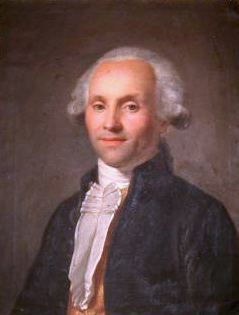

في عام ١٧٨٥، كتب الروائي الفرنسي الشهير ريستيف دي لا بريتون مراجعةً لكتاب فيكتور دوباي الصادر عام ١٧٧٩ بعنوان " مشروع من أجل مجتمع فلسفي" ، والذي وصف فيه خطةً لتجربة مجتمعية في مرسيليا تُحظر فيها جميع أشكال الملكية الخاصة، والتي يمكن اعتبارها "أول مخطط كامل لمجتمع شيوعي علماني في العالم". [ ٦٠ ] [ ٦٢ ] وأشار ريستيف في مراجعته إلى أن دوباي قد وصف نفسه بـ" الشيوعي " (communiste )، وهي الصيغة الفرنسية لكلمة "شيوعي"، في رسالةٍ عام ١٧٨٢، وهي أول حالة مُسجلة لاستخدام هذا المصطلح. [ ٦٠ ] وقد كتب ريستيف نفسه العديد من الروايات التي تمحورت حول فكرة إلغاء الملكية الخاصة، مستخدمًا في البداية مصطلح "مجتمع السلع" عام ١٧٨٣، ثم مصطلح "الشيوعية" عام ١٧٩٣، والذي يُترجم إلى الفرنسية بـ" communisme" . [ ٦١ ] [ ٦٣ ]

These currents of thought in French philosophy proved influential during the French Revolution of 1789 in which various anti-monarchists, particularly the Jacobins, supported the idea of redistributing wealth equally among the people, including Jean-Paul Marat and Gracchus Babeuf. The latter was involved in the Conspiracy of the Equals of 1796 intending to establish a revolutionary regime based on communal ownership, egalitarianism and the redistribution of property.[65] Babeuf was directly influenced by Morelly's anti-property utopian novel The Code of Nature and quoted it extensively, although he was under the erroneous impression it was written by Diderot.[59]Also during the revolution the publisher Nicholas Bonneville, the founder of the Parisian revolutionary Social Club used his printing press to spread the communist treatises of Restif and Sylvain Maréchal.[66] Maréchal, who later joined Babeuf's conspiracy, would state in his Manifesto of the Equals (1796), "we aim at something more sublime and more just, the COMMON GOOD or the COMMUNITY OF GOODS" and "The French Revolution is just a precursor of another revolution, far greater, far more solemn, which will be the last."[67] Restif also continued to write and publish books on the topic of communism throughout the Revolution.[61] Accordingly, through their egalitarian programs and agitation Restif, Maréchal, and Babeuf became the progenitors of modern communism.[68] Babeuf's plot was detected, however, and he and several others involved were arrested and executed. Because of his views and methods, Babeuf is sometimes referred to as the first revolutionary communist, although at the time Babeuf himself used the term "communitist".[69][63] Despite this setback, the example of the French Revolutionary regime and Babeuf's doomed insurrection was an inspiration for French socialist thinkers such as Henri de Saint-Simon, Louis Blanc, Charles Fourier and Pierre-Joseph Proudhon.[70] Proudhon, the founder of modern anarchism and libertarian socialism would later famously declare "" الممتلكات سرقة! " عبارة ابتكرها الثوري الفرنسي بريسو دي وارفيل . [ 71 ]
الشيوعية في فترة ما بعد الثورة الفرنسية
من المهم أن نذكر أن أحد شركاء بابوف في المؤامرة، فيليب بوناروتي ، نجا من حملة القمع التي استهدفت مؤامرة المتساوين، مما مكّنه لاحقًا من تأليف كتاب " مؤامرة بابوف من أجل المساواة" المؤثر ، الذي نُشر لأول مرة عام 1828، والذي وثّق معتقدات بابوف ونشرها على نطاق واسع. [ 72 ] أكد بوناروتي في كتابه على ضرورة تقسيم الأعباء والإنتاج والمزايا بالتساوي في المجتمع، معتقدًا أن هذا التقسيم سيؤدي إلى "أقصى قدر من السعادة للجميع". [ 73 ] أدت كتابات بوناروتي إلى إحياء فكر بابوف في فرنسا ونشر نظريات سياسية تُعرف باسم البابوية الجديدة . ووفقًا للبابوية الجديدة لبورناتي، فإن نخبة ثورية من المواطنين "الحكماء والشجعان" الذين لا يكترثون إلا "بضمان انتصار المساواة" ستكون ضرورية لرفع مستوى الجماهير وإقامة مجتمع جديد قائم على مبادئ المساواة. [ 74 ]
بحلول ثلاثينيات وأربعينيات القرن التاسع عشر، لاقت مفاهيم المساواة في الشيوعية، وما يرتبط بها من أفكار اشتراكية، رواجًا واسعًا في الأوساط الثورية الفرنسية، بفضل كتابات نقاد اجتماعيين وفلاسفة مثل بيير ليرو وثيودور ديزامي ، الذين أدت انتقاداتهم لليبرالية البرجوازية والفردية إلى رفض فكري واسع النطاق لرأسمالية عدم التدخل ، لأسباب اقتصادية وفلسفية وأخلاقية. [ 75 ] ووفقًا لما كتبه ليرو عام 1832، "إن عدم الاعتراف بأي هدف آخر غير الفردية يعني تسليم الطبقات الدنيا للاستغلال الوحشي. فالبروليتاريا ليست سوى إحياء للعبودية القديمة". كما أكد أن الملكية الخاصة لوسائل الإنتاج تسمح باستغلال الطبقات الدنيا، وأن الملكية الخاصة مفهوم منفصل عن كرامة الإنسان. [ 75 ] أكد ديزامي في كتابه "قانون الملكية المشتركة " الصادر عام 1842 أن المطلوب هو "مجتمع ملكية مشتركة كامل وغير مقيد" تُركز فيه جميع الأنشطة. [ 76 ] دفع التحليل المنهجي والتاريخي والمادي لطبيعة الشيوعية في أعمال ديزامي ماركس إلى اعتباره من أوائل الاشتراكيين العلميين إلى جانب جول غاي . [ 77 ] لم يبدأ أنصار الملكية المشتركة في فرنسا، بمن فيهم الاشتراكيون تيودور ديزامي وإتيان كابيه وجان جاك بيلو، في تبني مصطلح "الشيوعية" على نطاق واسع كمصطلح لنظام معتقداتهم إلا في عام 1840. [ 78 ]
شهد عام 1840 حدثًا بارزًا رسّخ شعبية الحركة الشيوعية في فرنسا، حين نظّم ديزامي، برفقة بيلو وألبرت لابونيراي، مأدبة مؤيدة للشيوعية في بيلفيل ، فرنسا، والتي كانت "أول ظهور علني للحزب الشيوعي" في فرنسا، وحققت نجاحًا باهرًا دفع الحكومة الفرنسية إلى حظر أي مآدب شيوعية أخرى مُخطط لها. [ 79 ] [ 62 ] وفي العام نفسه، تأسست في باريس جمعية "العمال المساواتيين" التي تتبنى برنامجًا شيوعيًا، ودُعي إلى إضراب عام، قيل إن قادته استلهموا أفكارهم من المُثل الشيوعية. [ 79 ] وخلال أربعينيات القرن التاسع عشر، حظي إتيان كابيه بتأييد ما بين 100 ألف و 200 ألف عامل فرنسي، واعتبره فريدريك إنجلز ممثلًا للبروليتاريا الفرنسية. [ 80 ] كان أوغست بلانكي أحد أبرز الشيوعيين الفرنسيين وأكثرهم نفوذاً في أربعينيات القرن التاسع عشر، واشتهر بإيمانه بضرورة استخدام العمل الثوري العنيف للإطاحة بالدولة التي تهيمن عليها البرجوازية. [ 81 ] ورأى بلانكي أن الثورة ستكون أكثر نجاحاً إذا نفذتها مجموعة صغيرة سرية، قادرة على إقامة "ديكتاتورية البروليتاريا". [ 81 ] عارض ديزامي أي برنامج يدعم الديكتاتورية، معتقداً بدلاً من ذلك أن التركيز الأساسي يجب أن ينصب على تعزيز وحدة البروليتاريا من خلال الدعاية والتثقيف. [ 74 ]
ألهمت أعمال وتعاليم هؤلاء الكتاب الفرنسيين، الذين يُعرّف الكثير منهم أنفسهم اليوم بالشيوعيين، جماعات شيوعية جديدة مثل رابطة العادلين ، وهي منظمة أسسها في باريس عام 1836 المهاجران الألمانيان المسيحيان الشيوعيان فيلهلم ويتلينغ وكارل شابر . [ 82 ] وشُكّلت جماعة ثانية، هي لجنة المراسلات الشيوعية ، في بروكسل عام 1846 على يد مهاجرين ألمانيين آخرين هما كارل ماركس وفريدريك إنجلز . [ 83 ] اندمجت الجماعتان عام 1847 لتشكيل الرابطة الشيوعية التي ترأسها شابر، الذي كلف بعد ذلك العضوين المؤسسين ماركس وإنجلز بكتابة بيان يحدد مبادئ الحزب السياسي الجديد. [ 84 ] [ 85 ]
الماركسية
كارل ماركس
الشيوعية هي لغز التاريخ الذي تم حله، وهي تدرك أنها هذا الحل.
— كارل ماركس ، 1844 [ 86 ]
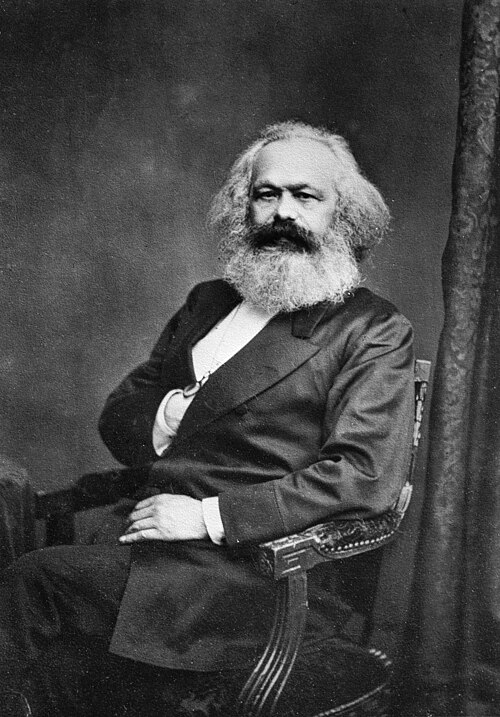
في أربعينيات القرن التاسع عشر، بدأ الفيلسوف وعالم الاجتماع الألماني كارل ماركس ، الذي كان يعيش في إنجلترا بعد فراره من السلطات في بروسيا حيث كان يُعتبر تهديدًا سياسيًا، بنشر كتبٍ شرح فيها نظرياته حول شكلٍ مختلفٍ من الشيوعية يُعرف اليوم بالماركسية . تلقى ماركس دعمًا ماليًا من مهاجر ألماني آخر هو فريدريك إنجلز ، الذي فرّ مثله من السلطات الألمانية عام ١٨٤٩. [ ٨٧ ] تأثر ماركس وإنجلز بالعديد من الاشتراكيين السابقين، مثل مدرسة سان سيمون الاشتراكية الطوباوية . [ ٨٨ ] سياسيًا، تأثرا بماكسيميليان روبسبير والعديد من الشخصيات الراديكالية الأخرى في الثورة الفرنسية، بينما تأثرا اقتصاديًا بديفيد ريكاردو . [ ٨٩ ] [ ٩٠ ] فلسفيًا، تأثرا بجورج فيلهلم فريدريك هيجل . [ 91 ] كان إنجلز يلتقي ماركس بانتظام في مكتبة تشيثام في مانشستر ، إنجلترا، منذ عام 1845، ولا يزال الركن الذي التقيا فيه على حاله حتى يومنا هذا. [ 92 ] [ 93 ] وهناك روى إنجلز تجاربه في مانشستر الصناعية، والتي دوّنها في كتابه " أوضاع الطبقة العاملة في إنجلترا" ، مسلطًا الضوء على نضالات الطبقة العاملة.
ذكر ماركس أن "تاريخ كل المجتمعات القائمة حتى الآن هو تاريخ صراعات طبقية "، وهو ما اعتقد أنه يدور بين البرجوازية (النخبة المختارة من الطبقة العليا والطبقة الوسطى العليا ) التي كانت تسيطر على المجتمع آنذاك، والبروليتاريا ( جماهير الطبقة العاملة ) التي كانت تكدح لإنتاج كل شيء، لكنها لم تكن تملك أي سلطة سياسية. وطرح فكرة أن المجتمع البشري يمر بسلسلة من المراحل التقدمية، بدءًا من الشيوعية البدائية مرورًا بالعبودية والإقطاع وصولًا إلى الرأسمالية؛ وأن هذه الأخيرة ستُستبدل بدورها بالشيوعية. بالنسبة لماركس، كانت الشيوعية حتمية ، وإن كانت غير مؤكدة ومرغوبة.
Marx founded the Communist Correspondence Committee in 1846 through which the various communists, socialists and other leftists across Europe could keep in contact with one another in the face of political repression. He then published The Communist Manifesto in 1848, which would prove to be one of the most influential communist texts ever written. He subsequently began work on a multi-volume epic that would examine and criticise the capitalist economy and the effect that it had upon politics, society and philosophy –the first volume of the work which was known as Capital: Critique of Political Economy was published in 1869. However, Marx and Engels were not only interested in writing about communism, as they were also active in supporting revolutionary activity that would lead to the creation of communist governments across Europe. They helped to found the International Workingmen's Association which would later become known as the First International to unite various communists and socialists, with Marx being elected to the Association's General Council.[94]
Marx summarized his system with the slogan, "From each according to his ability, to each according to his needs."[95] This phrasing used to formulate the principles of communism is borrowed from earlier socialist political activists such as August Becker and Louis Blanc.[96][97][98]
Early development of Marxism
خلال النصف الثاني من القرن التاسع عشر، واصلت منظمات يسارية مختلفة في أنحاء أوروبا حملاتها ضد الأنظمة اليمينية الاستبدادية العديدة التي كانت تحكم آنذاك. في فرنسا، شكّل الاشتراكيون حكومة عُرفت باسم كومونة باريس بعد سقوط نابليون الثالث عام ١٨٧١، لكن سرعان ما أُطيح بها وأُعدم العديد من أعضائها على يد الثوار المضادين. [ ٩٩ ] في غضون ذلك، انضم كارل ماركس وفريدريك إنجلز إلى الحزب الاشتراكي الديمقراطي الألماني الذي تأسس عام ١٨٧٥، والذي حظرته الحكومة الألمانية عام ١٨٧٩، بقيادة المستشار أوتو فون بسمارك آنذاك ، الذي اعتبره تهديدًا سياسيًا نظرًا لطبيعته الثورية وتزايد عدد مؤيديه. [ ١٠٠ ] في عام ١٨٩٠، أُعيد تقنين الحزب، وبحلول ذلك الوقت كان قد تبنى بالكامل المبادئ الماركسية. وقد حصد الحزب لاحقاً خُمس الأصوات في الانتخابات الألمانية، وأصبح بعض قادته، مثل أوغست بيبل وويلهلم ليبكنخت ، شخصيات عامة معروفة. [ 101 ]
لا يتوانى الشيوعيون عن إخفاء آرائهم وأهدافهم، بل يعلنون جهارًا أن غاياتهم لا تتحقق إلا بالإطاحة بالقوة بجميع الأوضاع الاجتماعية القائمة. فلترتجف الطبقات الحاكمة من الثورة الشيوعية، فالبروليتاريون لا يخسرون شيئًا سوى قيودهم، أمامهم عالمٌ يكسبونه.
في ذلك الوقت، لم تنتشر الماركسية في ألمانيا فحسب، بل حظيت بشعبية واسعة في المجر ، وملكية هابسبورغ، وهولندا ، على الرغم من أنها لم تحقق نفس النجاح في دول أوروبية أخرى كالمملكة المتحدة ، حيث كان ماركس وإنجلز يقيمان. [ 103 ] ومع ذلك، فقد حظيت الأيديولوجية السياسية الجديدة بدعم كافٍ لتأسيس منظمة عُرفت باسم الأممية الثانية لتوحيد مختلف الجماعات الماركسية حول العالم. [ 104 ]
مع انطلاق الماركسية، بدأت تتعرض لانتقادات من مثقفين أوروبيين آخرين، بمن فيهم اشتراكيون ويساريون. فعلى سبيل المثال، انتقد ميخائيل باكونين ، الفوضوي الجماعي الروسي ، ما اعتبره عيوبًا في النظرية الماركسية القائلة بأن الدولة ستنهار في نهاية المطاف تحت حكم ماركسي، بل اعتقد أن الدولة ستزداد قوة وتتحول إلى دولة استبدادية . كما صدرت انتقادات من علماء اجتماع آخرين، مثل الألماني ماكس فيبر ، الذي رغم إعجابه بماركس، اختلف معه في العديد من افتراضاته حول طبيعة المجتمع. حاول بعض الماركسيين التكيف مع هذه الانتقادات ومع الطبيعة المتغيرة للرأسمالية، وشدد إدوارد برنشتاين على فكرة لجوء الماركسيين إلى الطعون القانونية ضد الإدارات القائمة بشأن معاملة الطبقات العاملة، بدلًا من التركيز على الثورة العنيفة كما فعل الماركسيون الأكثر تقليدية. عارض ماركسيون آخرون برنشتاين وغيره من المراجعين، حيث تمسك العديد منهم، بمن فيهم كارل كاوتسكي وأوتو باور ورودولف هيلفردينغ وروزا لوكسمبورغ وفلاديمير لينين وجورجي بليخانوف، بمفهوم الإطاحة العنيفة بما اعتبروه حكومة تسيطر عليها البرجوازية، وإقامة ديكتاتورية البروليتاريا بدلاً من ذلك .
الثورات والشيوعية العالمية (1917-1923)
الثورة الروسية، والحرب الأهلية الروسية، وتشكيل الاتحاد السوفيتي


في مطلع القرن العشرين، كانت الإمبراطورية الروسية دولة استبدادية يحكمها القيصر نيكولاس الثاني ، حيث كان ملايين السكان، ومعظمهم من المزارعين، يعيشون في فقر مدقع . وقد أشار روبرت سيرفيس إلى أن "الفقر والقمع شكّلا أفضل أرض لنمو الماركسية". [ 105 ] وكان جورجي بليخانوف هو الشخص الأكثر مسؤولية عن إدخال هذه الأيديولوجية إلى البلاد ، على الرغم من أن الحركة نفسها نُظِّمت إلى حد كبير من قِبَل فلاديمير لينين ، الذي نُفي لفترة من الزمن إلى معسكر اعتقال في سيبيريا من قِبَل الحكومة القيصرية بسبب معتقداته. [ 106 ] وقد تشكّلت في البلاد جماعة ماركسية تُعرف باسم حزب العمل الاشتراكي الديمقراطي الروسي ، إلا أنها سرعان ما انقسمت إلى فصيلين رئيسيين، وهما البلاشفة بقيادة لينين والمناشفة بقيادة يوليوس مارتوف . في عام 1905، اندلعت ثورة ضد حكم القيصر، تم خلالها تشكيل مجالس عمالية تُعرف باسم السوفيتات في أجزاء كثيرة من البلاد، واضطر القيصر إلى تنفيذ إصلاح ديمقراطي، حيث تم إنشاء حكومة منتخبة، هي الدوما . [ 107 ]

In 1917, the Russian Empire was still embroiled in World War I at the time. The February Revolution overthrew the Russian Empire, and the Russian Provisional Government, which was dominated by liberals, particularly the Constitutional Democratic Party, and included some moderate socialists, came to power. Meanwhile, socialist intellectuals, soldiers, and workers in Petrograd organized the Petrograd Soviet, creating a situation of "dual power."[108] In April, Lenin returned to Russia following the February Revolution and drafted the April Theses, in which he called for land to be owned by the peasants, for workers to exercise control over industrial production, for all nations to enjoy the right to self-determination, and for Russia to withdraw from World War I. Meanwhile, the Provisional Government was suffering through the April Crisis, when Pavel Milyukov of the Constitutional Democratic Party sent a note to the Allies stating that Russia would continue to fight.[109] In July, the Constitutional Democratic Party gave way to a cabinet led by Alexander Kerensky of the Socialist-Revolutionary Party, while large-scale street demonstrations erupted in Petrograd. Some garrison troops strongly opposed new military offensives, and workers, increasingly dissatisfied with the war and the economy, poured into the streets chanting "All power to the Soviets," demanding the establishment of a fully socialist government based on the Soviets to replace the "dual power". In September, Russian military officer Lavr Kornilov attempted to overthrow the Kerensky government. Throughout this series of events, the Bolsheviks gained greater popularity and became more effectively organized.[110]


في أكتوبر، بدأ لينين يحث البلاشفة على الاستيلاء على السلطة في بتروغراد. وفي 12 أكتوبر ( حسب التقويم القديم )، سيطر تروتسكي على اللجنة العسكرية الثورية في بتروغراد ، وفي 25 أكتوبر (7 نوفمبر حسب التقويم الحديث)، استولى البلاشفة على السلطة في بتروغراد خلال ثورة أكتوبر . احتلت القوات البلشفية المباني العامة واعتقلت وزراء الحكومة المؤقتة، معلنةً الإطاحة بالحكومة الإقليمية. [ 112 ] شرع البلاشفة في تسليم السلطة إلى المؤتمر الثاني لعموم روسيا لمجالس نواب العمال والجنود ؛ وبعد أسابيع قليلة من المداولات، شكّل الاشتراكيون الثوريون اليساريون حكومة ائتلافية مع البلاشفة من نوفمبر 1917 إلى يوليو 1918، بينما قاطع الجناح اليميني من الحزب الاشتراكي الثوري المجالس وندد بثورة أكتوبر باعتبارها انقلابًا غير شرعي . في انتخابات الجمعية التأسيسية الروسية عام 1917 ، حصدت الأحزاب الاشتراكية ما يزيد عن 70% من الأصوات. فاز البلاشفة في المراكز الحضرية، وحصلوا على نحو ثلثي أصوات الجنود على الجبهة الغربية، بنسبة 23.3% من الأصوات؛ وحلّ الاشتراكيون الثوريون في المركز الأول بفضل دعم الفلاحين في الريف، بنسبة 37.6%، بينما حلّ التكتل الاشتراكي الأوكراني في المركز الثالث بنسبة 12.7%، وحصل المناشفة على 3.0% من الأصوات. [ 113 ] ذهبت معظم مقاعد الحزب الاشتراكي الثوري إلى الفصيل اليميني. استنادًا إلى سجلات الناخبين القديمة التي لم تُقرّ بانقسام الحزب، وإلى صراعات الجمعية مع مؤتمر السوفيتات، الذي انسحب خلاله المناشفة والاشتراكيون الثوريون اليمينيون، شرعت حكومة البلاشفة والاشتراكيين الثوريين اليساريين في حلّ الجمعية التأسيسية في يناير 1918. وقد أصدرت اللجنة التنفيذية المركزية لعموم روسيا ، وهي لجنة يهيمن عليها لينين الذي كان قد أيّد سابقًا نظامًا متعدد الأحزاب للانتخابات الحرة، مشروع مرسوم حلّ الجمعية التأسيسية. [ 114 ]

بعد ثورة أكتوبر، لجأ البلاشفة في الريف إلى مصادرة الحبوب للسيطرة على فائض الحبوب الذي اعتبروه يفوق احتياجات الفلاحين الأساسية؛ وفي المدن، بدأوا بالسيطرة على الإمدادات الصناعية وتأميمها. إضافةً إلى ذلك، صادر البلاشفة الممتلكات الخاصة دون قيد أو شرط. وشرعوا في إعادة هيكلة البلاد بتأميم مختلف الصناعات ومصادرة أراضي الأرستقراطيين الأثرياء وإعادة توزيعها على الفلاحين. وصدرت سلسلة من المراسيم : " مرسوم الأرض " الذي صادر ممتلكات العائلات المالكة والكنائس والنبلاء دون تعويض ونقلها إلى الفلاحين لاستخدامهم، و" مرسوم السلام " الذي دعا إلى إنهاء الحرب فورًا وحث جميع الدول المتحاربة على وقف الأعمال العدائية. اعتقد البلاشفة أن هذا سيشعل ثورات في ألمانيا والنمسا-المجر. و"مرسوم رقابة العمال" الذي منح العمال حق الإشراف على مديري المؤسسات. ألغى " إعلان حقوق شعوب روسيا " جميع الامتيازات القائمة على أساس العرق. [ 115 ] ومنح "مرسوم الصحافة" البلاشفة سلطة إغلاق أي صحيفة معادية للحكومة الثورية الجديدة. وتحت قيادة فيليكس دزيرجينسكي ، أُنشئت اللجنة الاستثنائية لعموم روسيا ( تشيكا ) كقوة شرطة سرية. [ 116 ] وغيّر لينين رسميًا اسم الحزب إلى الحزب الشيوعي في مارس 1918. [ 117 ]


في أوائل عام 1918، وافق البلاشفة على معاهدة بريست ليتوفسك ، وخسرت روسيا السوفيتية أراضٍ شاسعة في وسط وشرق أوروبا. ومع حلّ الجمعية التأسيسية، لم يعد أمام القوى المناهضة للبلاشفة سوى التعبير عن استيائها من سياساتهم عبر وسائل خارج البرلمان. [ 118 ] شكّلت الحركة البيضاء الجيش الأبيض في مناطق مختلفة لمواجهة البلاشفة، بما في ذلك القوات المسلحة لجنوب روسيا بقيادة أنطون دينيكين ، والجيش الروسي بقيادة ألكسندر كولتشاك ، وفيالق نُظّمت في منطقة البلطيق ومورمانسك وأرخانجيلسك. اجتمعت مجموعة من قادة الحزب الاشتراكي الثوري، المعارضين للبلاشفة، في سامارا على نهر الفولغا وشكّلوا لجنة أعضاء الجمعية التأسيسية في يونيو/حزيران؛ كما تلقّوا دعمًا من الفيلق التشيكوسلوفاكي ، الذي كان يخدم الإمبراطورية الروسية سابقًا. وكان القوميون في جميع أنحاء روسيا يسعون إلى الاستقلال . في السابق، دخلت جمهورية أوكرانيا الشعبية المعلنة من جانب واحد في حرب مع البلاشفة ، ودعمت كل من دول الحلفاء ودول المحور بعض القوى المناهضة للبلاشفة. [ 119 ] اندلعت الحرب الأهلية الروسية ، ولمواجهة القوى المختلفة المعارضة للبلاشفة، حوّل البلاشفة تدريجيًا جيشهم المبكر، الذي كان يعتمد في معظمه على المتطوعين، إلى جيش أحمر محترف بقيادة ليون تروتسكي . [ 120 ] كانت شيوعية الحرب أول نظام اقتصادي تبناه البلاشفة خلال الحرب الأهلية الروسية نتيجةً للتحديات العديدة. على الرغم من وجود كلمة "شيوعية" في اسمها، إلا أنها فرضت انضباطًا صارمًا على العمال، ومنعت الإضرابات ، وألزمت العمال بالعمل، وفرضت سيطرة عسكرية، ووُصفت بأنها مجرد سيطرة استبدادية من قبل البلاشفة للحفاظ على السلطة والنفوذ في المناطق السوفيتية، وليست أيديولوجية سياسية متماسكة . [ 121 ]
The Bolsheviks defeated the White Army and won the Russian Civil War.[122] The Bolsheviks subsequently consolidated their power over the entire country, centralising power from the Kremlin in the capital city of Moscow. In 1922, the Russian Socialist Federative Soviet Republic was officially redesignated to lead the Union of Soviet Socialist Republics, simply known as the Soviet Union.
In 1924, Lenin resigned as leader of the Soviet Union due to poor health and soon died, with Joseph Stalin subsequently taking over control.
Comintern, Mongolian invasion, and communist uprisings in Europe

The Bolsheviks initially viewed the revolution in Russia as the beginning of a world revolution, and foreign intervention and their struggle against nationalist forces only reinforced this belief.[123] The Bolsheviks founded the Comintern in 1919, dedicated to promoting revolution throughout the world.[124]
In Germany, the left wing of the Social Democratic Party of Germany founded the Communist Party of Germany (KPD) in December 1918, seeking to replicate the Russian-style communist revolution in Germany. In January 1919, the KPD launched the Spartacus Uprising, but the uprising was suppressed by the ruling Social Democratic Party and the Freikorps, a right-wing paramilitary organization collaborating with the government.[125] On January 15, 1919, KPD leaders Karl Liebknecht and Rosa Luxemburg were arrested and subsequently extrajudicially executed. In April of that same year, the Bavarian Soviet Republic was briefly established in Bavaria, only to be suppressed by the government once again. The KPD joined the Communist International in December 1920. The March Action of 1921 failed once again, falling short of bringing down the government.[126]
That same year, political turmoil in Hungary following their defeat in World War I led to a coalition government of the Social Democratic Party and the Communist Party taking control. The Hungarian Communist Party led by Béla Kun soon became dominant and instituted various communist reforms in the country, but the country itself was subsequently invaded by its neighbouring Romania within a matter of months who overthrew the government, with its leaders either escaping abroad or being executed.[127] In 1921, a communist revolt against the Kingdom of Italy occurred whilst supportive factory workers were on strike in Turin and Milan in northern Italy, but the government acted swiftly and put down the rebellion.[128] The Bulgarian Communist Party had also attempted an uprising in 1923, but like most of their counterparts across Europe they were defeated.[129]
The Bolsheviks suffered a major defeat at the Battle of Warsaw during the Polish-Soviet War, and Lithuania, Latvia, and Estonia also won their wars of independence against the Bolsheviks, all of which dampened the Bolshevik leadership's optimism about a world revolution.[130]
In 1921, the Soviet Union invaded its neighboring Mongolia to aid a popular uprising against the Chinese who then controlled the country, instituting a pro-Soviet government which declared the nation to be the Mongolian People's Republic in 1924.[131]
Front organisations
كانت الأحزاب الشيوعية منظمات متماسكة تُحكم قبضتها على أعضائها. وللوصول إلى المتعاطفين غير الراغبين في الانضمام إلى الحزب، أُنشئت منظمات واجهة تدافع عن مواقف الحزب. تحت قيادة غريغوري زينوفيف في الكرملين، أنشأت الأممية الشيوعية واجهات في العديد من البلدان في عشرينيات القرن العشرين وما بعدها. ولتنسيق أنشطتها، أنشأت الأممية الشيوعية منظمات دولية جامعة (تربط بين المجموعات عبر الحدود الوطنية) مثل الأممية الشيوعية الشابة (للشباب)، وبروفينترن (للنقابات العمالية)، وكريستينترن ( للفلاحين)، والمنظمة الدولية للمساعدات الحمراء ( للمساعدات الإنسانية)، والمنظمة الدولية للرياضة الحمراء (للرياضات المنظمة)، وغيرها. في أوروبا، كانت منظمات الواجهة ذات نفوذ خاص في إيطاليا وفرنسا ، اللتين أصبحتا قاعدة لمنظم الجبهة الشيوعية ويلي مونزنبرغ عام 1933. وقد حُلّت هذه المنظمات في أواخر الثلاثينيات أو أوائل الأربعينيات .
تأسست أمانة اتحادات عمال منطقة المحيط الهادئ (PPTUS) عام 1927 من قبل منظمة البروفينترن (الذراع النقابي للأممية الشيوعية) بهدف تعزيز النقابات العمالية الشيوعية في الصين واليابان وكوريا والفلبين وأستراليا ونيوزيلندا ودول أخرى في غرب المحيط الهادئ. [ 135 ] ويذكر ترابيزنيك (2009) أن أمانة اتحادات عمال منطقة المحيط الهادئ كانت "منظمة واجهة شيوعية" و"انخرطت في تحريض سياسي علني وسري، بالإضافة إلى عدد من الأنشطة السرية". [ 136 ]
كانت هناك العديد من المنظمات الشيوعية الواجهة في آسيا، وكثير منها موجه للطلاب والشباب. [ 137 ] ووفقًا لأحد المؤرخين، في حركة النقابات العمالية في اليابان في عشرينيات القرن الماضي ، لم تُطلق منظمة " هيوغيكاي " على نفسها قط اسم "الجبهة الشيوعية الواجهة"، ولكنها كانت كذلك في الواقع. ويشير إلى أنها قُمعت من قبل الحكومة "إلى جانب جماعات شيوعية واجهة أخرى". [ 138 ] وفي خمسينيات القرن الماضي، يقول سكالبينو: "كانت لجنة السلام اليابانية هي المنظمة الشيوعية الواجهة الرئيسية". وقد تأسست عام 1949. [ 139 ]
الشيوعيون المنشقون قبل الحرب
The International Right Opposition and Trotskyism are examples of dissidents who still claim communism today, but they are not the only ones. In Germany, the split in the SPD had initially led to a variety of Communist unions and parties forming which included the councilist tendencies of the AAU-D, AAU-E and KAPD. Councilism had a limited impact outside of Germany, but a number of international organisations formed. In Spain, a fusion of left and right dissidents led to the formation of the POUM. Additionally, the Spanish CNT was associated with the development of the FAI political party, a non-Marxist party which stood for revolutionary communism.
Socialism in One Country and World War II (1924-1945)
Stalinism

In 1924, Joseph Stalin, a key Bolshevik follower of Lenin, took power in the Soviet Union.[140] Stalin was supported in his leadership by Nikolai Bukharin, but he had various important opponents in the government, most notably Lev Kamenev, Leon Trotsky, and Grigory Zinoviev. Stalin initiated his own process of building a communist society, creating a variant of communism known as Marxism–Leninism. As a part of this, he abandoned some of the capitalist, market policies that had been allowed to continue under Lenin such as the New Economic Policy. Stalinist policies radically altered much of the Soviet Union's agricultural production, modernising it by introducing tractors and other machinery, forced collectivisation of the farms and forced collection of grains from the peasants in accordance with predecided targets. There was food available for industrial workers, but those peasants who refused to move starved, especially in Kazakhstan and Ukraine. The All-Union Communist Party (Bolsheviks) targeted kulaks, who owned a little land.
Stalin took control of the Comintern and introduced a policy in the international organisation of opposing all leftists who were not Marxist–Leninists, labelling them to be social fascists, although many communists such as Jules Humbert-Droz disagreed with him on this policy, believing that the left should unite against the rise of right-wing movements like fascism across Europe.[141] In the early 1930s, Stalin reversed course and promoted popular front movements whereby communist parties would collaborate with socialists and other political forces. A high priority was mobilizing wide support for the Republican cause in the Spanish Civil War.[142]
Great Purge
The Great Purge mainly operated from December 1936 to November 1938, although the features of arrest and summary trial followed by execution were well entrenched in the Soviet system since the days of Lenin as Stalin systematically destroyed the older generation of pre-1918 leaders. Stalin did so usually under the justification that the accused were enemy spies or deemed "enemies of the people"; in the Red Army, a majority of generals were executed and hundreds of thousands of other "enemies of the people" were sent to the gulag, where inhumane conditions in Siberia led a quick death.[143][a]
The opening of the Soviet archives has vindicated the lower estimates put forth by the "revisionist school" scholars,[145] despite the popular press continuing to use higher estimates and containing serious errors.[146] By 2009, historian Archie Brown reported that estimates were now lower; about 1.7 million were arrested in 1937–1938 and half were shot.[147]
Communist camp and early Cold War (1945–1957)
As the Cold War took effect around 1947, the Kremlin set up new international coordination bodies including the World Federation of Democratic Youth, the International Union of Students, the World Federation of Trade Unions, the Women's International Democratic Federation and the World Peace Council. Malcolm Kennedy says the "Communist 'front' system included such international organizations as the WFTU, WFDY, IUS, WIDF and WPC, besides a host of lesser bodies bringing journalists, lawyers, scientists, doctors and others into the widespread net".[148]
The World Federation of Trade Unions (WFTU) was established in 1945, to unite trade union confederations across the world and it was based in Prague. While it had non-communist unions it was largely dominated by the Soviets. In 1949 the British, American and other non-Communist unions broke away from the WFTU to form the rival International Confederation of Free Trade Unions (ICFTU). The labor movement in Europe became so polarized between the communist unions and social democratic and Christian labor unions, whereas front operations could no longer hide the sponsorship and they became less important.[149]
Soviet Union after World War II
The devastation of the war resulted in a massive recovery program involving the rebuilding of industrial plants, housing and transportation as well as the demobilization and migration of millions of soldiers and civilians. In the midst of this turmoil during the winter of 1946–1947, the Soviet Union experienced the worst natural famine in the 20th century.[150] There was no serious opposition to Stalin as the NKVD secret police continued to send possible suspects to the gulag.
Relations with the United States and Britain went from friendly to hostile, as they denounced Stalin's political controls over eastern Europe and his blockade of Berlin. By 1947, the Cold War had begun. Stalin himself believed that capitalism was a hollow shell and would crumble under increased non-military pressure exerted through proxies in countries like Italy. However, he greatly underestimated the economic strength of the West and instead of triumph saw the West build up alliances that were designed to permanently stop or contain Soviet expansion. In early 1950, Stalin gave the go-ahead for North Korea's invasion of South Korea, expecting a short war. He was stunned when the Americans entered and defeated the North Koreans, putting them almost on the Soviet border. Stalin supported China's entry into the Korean War which drove the Americans back to the prewar boundaries, but which escalated tensions. The United States decided to mobilize its economy for a long contest with the Soviets, built the hydrogen bomb and strengthened the NATO alliance that covered Western Europe.[151]
بحسب غورليتسكي وخليفنيوك (2004)، كان هدف ستالين الثابت والأساسي بعد عام 1945 هو ترسيخ مكانة البلاد كقوة عظمى، وفي ظل تدهور صحته المتزايد، الحفاظ على قبضته على السلطة المطلقة. أنشأ ستالين نظام قيادة يعكس أساليب القياصرة التاريخية من الأبوية والقمع، ولكنه كان في الوقت نفسه عصريًا للغاية. في أعلى الهرم، كان الولاء الشخصي لستالين هو المعيار الأهم. ومع ذلك، أنشأ ستالين أيضًا لجانًا قوية، ورقى المتخصصين الشباب، وبدأ ابتكارات مؤسسية كبيرة. في وجه الاضطهاد، عمل نواب ستالين على ترسيخ أعراف غير رسمية وتفاهمات متبادلة وفرت الأسس للحكم الجماعي بعد وفاته. [ 152 ]
أوروبا الشرقية

أدى النجاح العسكري للجيش الأحمر في أوروبا الوسطى والشرقية إلى ترسيخ السلطة في أيدي الشيوعيين. في بعض الحالات، مثل تشيكوسلوفاكيا، أدى ذلك إلى دعم حماسي للاشتراكية مستوحى من الحزب الشيوعي والحزب الاشتراكي الديمقراطي الراغب في الاندماج. وفي حالات أخرى، مثل بولندا والمجر، كان اندماج الحزب الشيوعي مع الحزب الاشتراكي الديمقراطي قسريًا وتم بوسائل غير ديمقراطية. في كثير من الحالات، واجهت الأحزاب الشيوعية في أوروبا الوسطى شعوبًا كانت في البداية على استعداد لكبح جماح قوى السوق، وتطبيق تأميم محدود للصناعة، ودعم تطوير دول الرفاه الاجتماعي المكثفة، بينما كان السكان عمومًا يؤيدون الاشتراكية. ومع ذلك، أدت عمليات التطهير التي استهدفت الأحزاب غير الشيوعية المؤيدة للاشتراكية، إلى جانب التجميع القسري للزراعة والركود الاقتصادي الذي اجتاح الكتلة السوفيتية عام 1953، إلى اضطرابات عميقة. ظهرت هذه الاضطرابات لأول مرة في برلين عام 1953، حيث اقترح بريخت بسخرية أن " على الحزب انتخاب شعب جديد ". إلا أن " الخطاب السري " الذي ألقاه نيكيتا خروتشوف عام 1956 فتح باب النقاش الداخلي، حتى وإن لم يكن الأعضاء على دراية بذلك، في كل من الحزبين الشيوعيين البولندي والمجري . وقد أدى ذلك إلى الأزمة البولندية عام 1956 التي حُلت بتغيير القيادة البولندية ومفاوضات بين الحزبين السوفيتي والبولندي حول إدارة الاقتصاد البولندي .
الثورة المجرية عام 1956

The Hungarian Revolution of 1956 was a major challenge to Moscow's control of Eastern Europe.[153] This revolution saw general strikes, the formation of independent workers councils, the restoration of the Social Democratic Party as a party for revolutionary communism of a non-Soviet variety and the formation of two underground independent communist parties. The mainstream Communist Party was controlled for a period of about a week by non-Soviet aligned leaders. Two non-communist parties that supported the maintenance of socialism also regained their independence. This flowering of dissenting communism was crushed by a combination of a military invasion supported by heavy artillery and airstrikes; mass arrests, at least a thousand juridical executions and an uncounted number of summary executions; the crushing of the Central Workers Council of Greater Budapest; mass refugee flight; and a worldwide propaganda campaign. The effect of the Hungarian Revolution on other communist parties varied significantly, resulting in large membership losses in Anglophone communist parties.[154]
West Germany
West Germany and West Berlin were centers of East–West conflict during the Cold War and numerous communist fronts were established. For example, the East Germany organization Society for German–Soviet Friendship (GfDSF) had 13000 members in West Germany, but it was banned in 1953 by some Länder as a communist front.[155] The Democratic Cultural League of Germany started off as a series of genuinely pluralistic bodies, but in 1950–1951 came under the control of the communists. By 1952, the United States Embassy counted 54 "infiltrated organizations" which started independently as well as 155 "front organizations" which had been communist inspired from their start.[156]
The Association of the Victims of the Nazi Regime was set up to rally West Germans under the anti-fascist banner, but it had to be dissolved when Moscow discovered it had been infiltrated by "Zionist agents".[157]
China
Great Leap Forward
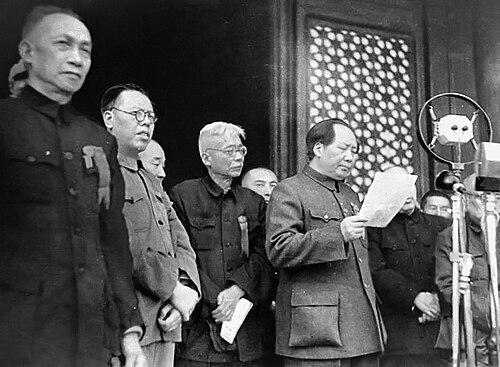
وصل ماو تسي تونغ والحزب الشيوعي الصيني إلى السلطة في الصين عام 1949 بعد فرار القوميين بقيادة الكومينتانغ إلى جزيرة تايوان. وفي الفترة ما بين عامي 1950 و1953، انخرطت الصين في حرب واسعة النطاق وغير معلنة مع الولايات المتحدة وكوريا الجنوبية وقوات الأمم المتحدة في الحرب الكورية . ورغم أن هذه الحرب انتهت بمأزق عسكري، إلا أنها أتاحت لماو فرصة تحديد وتطهير العناصر التي بدت مؤيدة للرأسمالية في الصين. في البداية، كان هناك تعاون وثيق مع ستالين، الذي أرسل خبراء تقنيين للمساعدة في عملية التصنيع على غرار النموذج السوفيتي في ثلاثينيات القرن العشرين. [ 158 ] بعد وفاة ستالين عام 1953، تدهورت العلاقات مع موسكو ، إذ اعتقد ماو أن خلفاء ستالين قد خانوا المثل الشيوعية. واتهم ماو الزعيم السوفيتي نيكيتا خروتشوف بأنه زعيم "زمرة تحريفية" انقلبت على الماركسية واللينينية، وأنها الآن تمهد الطريق لعودة الرأسمالية. [ 159 ] بحلول عام 1960، كانت الدولتان على حافة المواجهة. وبدأت كلتاهما في عقد تحالفات مع مؤيدي الشيوعية حول العالم، مما أدى إلى انقسام الحركة العالمية إلى معسكرين متناحرين. [ 160 ]
Rejecting the Soviet model of rapid urbanization, Mao Zedong and his top aide Deng Xiaoping launched the Great Leap Forward in 1957–1961 with the goal of industrializing China overnight, using the peasant villages as the base rather than large cities.[161] Private ownership of land ended and the peasants worked in large collective farms that were now ordered to start up heavy industry operations, such as steel mills. Plants were built in remote locations, despite the lack of technical experts, managers, transportation or needed facilities. Industrialization failed, but the main result was a sharp unexpected decline in agricultural output, which led to mass famine and millions of deaths. The years of the Great Leap Forward in fact saw economic regression, with 1958 through 1961 being the only years between 1953 and 1983 in which China's economy saw negative growth. Political economist Dwight Perkins argues, "Enormous amounts of investment produced only modest increases in production or none at all. [...] In short, the Great Leap was a very expensive disaster".[162] Put in charge of rescuing the economy, Deng adopted pragmatic policies that the idealistic Mao disliked. For a while, Mao was in the shadows, but he returned to center stage and purged Deng and his allies in the Cultural Revolution (1966–1969).[163]
Early post-war dissident communists
Following the Second World War, Trotskyism was wracked by increasing internal divisions over analysis and strategy. This was combined with an industrial impotence that was widely recognised. Additionally, the success of Soviet-aligned parties in Europe and Asia led to the persecution of Trotskyist intellectuals such as the infamous purge of Vietnamese Trotskyists. The war had also strained social democratic parties in the West. In some cases, such as Italy, significant bodies of membership of the Social Democratic Party were inspired by the possibility of achieving advanced socialism. In Italy, this group, combined with dissenting communists, began to discuss theory centred on the experience of work in modern factories, leading to autonomist Marxist. In the United States, this theoretical development was paralleled by the Johnson–Forest Tendency whereas in France a similar impulse occurred.
De-Stalinization, Sino-Soviet split and spread of the Cold War (1958–1979)
Maoism and the Cultural Revolution in China

كانت الثورة الثقافية انتفاضة استهدفت المثقفين وقادة الحزب من عام 1966 إلى عام 1976. هدف ماو إلى تطهير الشيوعية بإقصاء المؤيدين للرأسمالية والتقليديين، وفرض المذهب الماوي داخل الحزب الشيوعي الصيني . شلّت هذه الحركة الصين سياسيًا، وأضعفت البلاد اقتصاديًا وثقافيًا وفكريًا لسنوات. اتُهم الملايين، وأُهينوا، وجُرّدوا من السلطة، وسُجنوا أو قُتلوا، أو أُرسلوا في أغلب الأحيان للعمل كعمال زراعيين. أصرّ ماو على إقصاء هؤلاء الذين وصفهم بالمراجعين، من خلال صراع طبقي عنيف . كان أبرز المناضلين المارشال لين بياو من الجيش، وزوجة ماو، جيانغ تشينغ . استجاب شباب الصين لنداء ماو بتشكيل جماعات الحرس الأحمر في أنحاء البلاد. امتدت الحركة إلى الجيش، وعمال المدن، وقيادة الحزب الشيوعي نفسها، ما أسفر عن صراعات فصائلية واسعة النطاق في جميع مناحي الحياة. في القيادة العليا، أدى ذلك إلى حملة تطهير واسعة النطاق لكبار المسؤولين الذين اتُهموا باتباع " نهج رأسمالي "، وعلى رأسهم ليو شاو تشي ودنغ شياو بينغ . خلال الفترة نفسها، نمت عبادة شخصية ماو إلى أبعاد هائلة. بعد وفاة ماو عام 1976، أُعيد تأهيل الناجين وعاد الكثير منهم إلى السلطة. [ 164 ]
الثورة الكوبية
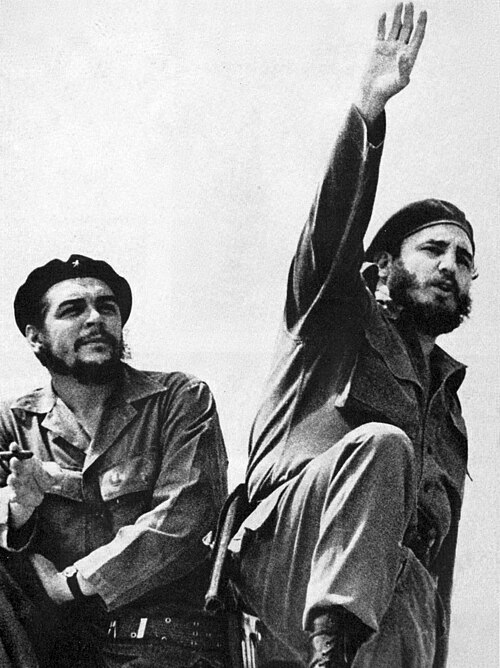
كانت الثورة الكوبية ثورة مسلحة ناجحة قادها فيدل كاسترو وحركة 26 يوليو ضد نظام الديكتاتور الكوبي فولغينسيو باتيستا . أطاحت الثورة بباتيستا في 1 يناير 1959، وأقامت حكومة كاسترو الثورية مكانه. خلال عام 1959، بدأ فيدل كاسترو بالتقرب من سياسيين شيوعيين. [ 165 ] كان رد فعل الولايات المتحدة سلبيًا للغاية، مما أدى إلى محاولة غزو فاشلة عام 1961. قرر السوفيت حماية حليفهم بنشر أسلحة نووية في كوبا عام 1962. في أزمة الصواريخ الكوبية ، عارضت الولايات المتحدة بشدة تحرك الاتحاد السوفيتي. ساد خوف شديد من اندلاع حرب نووية لبضعة أيام، ولكن تم التوصل إلى حل وسط، بموجبه سحبت موسكو أسلحتها علنًا، وسحبت الولايات المتحدة أسلحتها سرًا من قواعدها في تركيا، وتعهدت بعدم غزو كوبا أبدًا. [ 166 ]
ربيع براغ عام 1968
The Czechoslovak Communist Party began an ambitious reform agenda under Alexander Dubček. The plan to limit central control and make the economy more independent of the party threatened bedrock beliefs. On 20 August 1968, Soviet leader Leonid Brezhnev ordered a massive military invasion by Warsaw Pact forces that destroyed the threat of internal liberalization.[167] At the same time, the Soviets threatened retaliation against the British-French-Israeli invasion of Egypt. The upshot was a collapse of any tendency toward détente and the resignations of more intellectuals from communist parties in the West.[168]
African communism

During the decolonization of Africa, the Soviet Union took a keen interest in that continent's independence movements and initially hoped that the cultivation of communist client states there would deny their economic and strategic resources to the West.[169] Soviet foreign policy with regard to Africa assumed that newly independent African governments would be receptive to communist ideology and that the Soviets would have the resources to make them attractive as development partners.[169] During the 1970s, the ruling parties of several sub-Saharan African states formally embraced communism, including the People's Republic of Benin, the People's Republic of Mozambique, the People's Republic of the Congo, the People's Democratic Republic of Ethiopia, and the People's Republic of Angola.[170] Most of these regimes ensured the selective adoption and flexible application of communist theory set against a broad ideological commitment to Marxism or Leninism.[170] The adoption of communism was often seen as a means to an end and used to justify the extreme centralization of power.[170]
ربما كانت أنغولا الدولة الأفريقية الوحيدة التي التزمت التزامًا طويل الأمد بالشيوعية، [ 171 ] إلا أن هذا الالتزام تعرّض لعوائق جمّة بسبب اقتصادها المثقل بأعباء الحرب، والفساد المستشري ، والواقع العملي الذي سمح لعدد قليل من الشركات الأجنبية بممارسة نفوذ كبير على الرغم من القضاء على القطاع الخاص الأنغولي المحلي، ووجود قدر كبير من التخطيط الاقتصادي المركزي . [ 172 ] [ 173 ] وقد أنشأت كل من أنغولا وإثيوبيا مؤسسات اجتماعية وسياسية جديدة على غرار تلك الموجودة في الاتحاد السوفيتي وكوبا. [ 6 ] ومع ذلك، فقد تفككت أنظمتهما إما بعد انهيار الاتحاد السوفيتي بسبب الصراع الأهلي، أو تخلّت طواعية عن الشيوعية لصالح الديمقراطية الاجتماعية . [ 6 ]
الشيوعية الأوروبية
كان التيار الشيوعي الأوروبي اتجاهاً هاماً في العديد من دول أوروبا الغربية من أواخر الستينيات وحتى الثمانينيات . وبلغ ذروته في الحزب الشيوعي الإسباني ، وحزب فنلندا ، وخاصة في الحزب الشيوعي الإيطالي ، حيث استند إلى أفكار أنطونيو غرامشي . وقد طوّره أعضاء الحزب الشيوعي الذين خاب أملهم في كل من الاتحاد السوفيتي والصين، وسعوا إلى برنامج مستقل. تبنوا الديمقراطية البرلمانية الليبرالية وحرية التعبير، كما قبلوا، بشروط معينة، اقتصاد السوق الرأسمالي . لم يتحدثوا عن تدمير الرأسمالية، بل سعوا إلى كسب تأييد الجماهير من خلال تحويل تدريجي للبيروقراطيات. في عام 1978، استبدل الحزب الشيوعي الإسباني شعار "الماركسية اللينينية" التاريخي بشعار جديد هو "الماركسية، الديمقراطية، والثورية". تضاءل هذا التيار في الثمانينيات، وانهار مع سقوط الشيوعية في أوروبا الشرقية عام 1989. [ 174 ]
أشكال أخرى
Anarcho-communism is a political philosophy and anarchist school of thought which advocates the abolition of the state, capitalism, wage labour, social hierarchies and private property (while retaining respect for personal property, along with collectively-owned items, goods and services) in favor of common ownership of the means of production and direct democracy as well as a horizontal network of workers' councils with production and consumption based on the guiding principle "From each according to his ability, to each according to his needs."[175]
Left communism is a position held by the left wing of communism, which criticises the political ideas and practices espoused by Marxist–Leninists and social democrats. Left communists assert positions which they regard as more authentically Marxist than the views of Marxism–Leninism espoused by the Communist International after its Bolshevization by Joseph Stalin and during its second congress.[176]
Libertarian Marxism is a broad scope of economic and political philosophies that emphasize the anti-authoritarian and libertarian aspects of Marxism.[177]
End of the Eastern Bloc – Reform and collapse (1980–1992)

Social resistance to the policies of communist regimes in Eastern Europe accelerated in strength with the rise of the Solidarity, the first non-communist controlled trade union in the Warsaw Pact that was formed in the People's Republic of Poland in 1980.
في عام ١٩٨٥، وصل ميخائيل غورباتشوف إلى السلطة في الاتحاد السوفيتي، وبدأ سياسات إصلاح سياسي جذري شملت التحرر السياسي المعروف باسم البيريسترويكا والغلاسنوست . صُممت سياسات غورباتشوف لتفكيك العناصر الاستبدادية للدولة التي أرساها ستالين، بهدف استعادة الدولة اللينينية المثالية المزعومة، مع الإبقاء على نظام الحزب الواحد، ولكن مع السماح بالانتخاب الديمقراطي للمرشحين المتنافسين للمناصب السياسية داخل الحزب . كما سعى غورباتشوف إلى استعادة الانفراج الدولي مع الغرب، وإنهاء الحرب الباردة التي كان الاتحاد السوفيتي يخوضها لعدم جدواها الاقتصادية. وانضم الاتحاد السوفيتي والولايات المتحدة، بقيادة الرئيس جورج بوش الأب، إلى الجهود المبذولة لتفكيك نظام الفصل العنصري (الأبارتايد)، كما أشرفا على إنهاء الحكم الاستعماري الجنوب أفريقي لناميبيا .
في غضون ذلك، تدهورت الأوضاع السياسية في الدول الشيوعية في أوروبا الشرقية استجابةً لنجاح حركة التضامن البولندية وإمكانية حدوث انفتاح سياسي على غرار غورباتشوف. وفي عام ١٩٨٩، اندلعت ثورات في أنحاء أوروبا الشرقية والصين ضد الأنظمة الشيوعية. وفي الصين، رفضت الحكومة التفاوض مع الطلاب المحتجين، مما أدى إلى هجمات ميدان تيانانمن التي أوقفت الثورات بالقوة.
The opening of a border gate between Austria and Hungary at the Pan-European Picnic on August 19, 1989, then set in motion a peaceful chain reaction, at the end of which there was no longer a GDR and the Eastern Bloc had disintegrated. It was the largest escape movement from East Germany since the Berlin Wall was built in 1961. But with the mass exodus at the Pan-European Picnic, the subsequent hesitant behavior of the Socialist Unity Party of East Germany and the non-intervention of the Soviet Union broke the dams. The revolts culminated with the revolt in East Germany against the communist regime of Erich Honecker. The event in East Germany developed into a popular mass revolt with sections of the Berlin Wall being torn down and East and West Berliners uniting. Gorbachev's refusal to use Soviet forces based in East Germany to suppress the revolt was seen as a sign that the Cold War had ended. Honecker was pressured to resign from office and the new government committed itself to reunification with West Germany. The Communist Party regime of Nicolae Ceaușescu in Romania was forcefully overthrown in the Romanian Revolution of 1989 and Ceaușescu was executed. The other Warsaw Pact regimes also fell during the Revolutions of 1989, with the exception of the Socialist People's Republic of Albania that continued until 1992.

Unrest and the eventual collapse of communism also occurred in Yugoslavia, but the collapse of communism in Yugoslavia and the collapse of communism in the Warsaw Pact occurred for different reasons. The death of Josip Broz Tito in 1980 and the subsequent vacuum of strong leadership allowed the rise of rival ethnic nationalism in the multinational country. The first leader to exploit such nationalism for political purposes was Slobodan Milošević, who used Serbian nationalism to seize power as president of Serbia and demanded concessions to the Socialist Republic of Serbia and Serbs by the other republics in the Yugoslav federation. This resulted in a surge of Slovene and Croat nationalism in response and the collapse of the League of Communists of Yugoslavia in 1990, the victory of nationalists in multi-party elections in most of Yugoslavia's constituent republics and eventually civil war between the various nationalities beginning in 1991. Yugoslavia was dissolved in 1992.
The Soviet Union itself collapsed between 1990 and 1991, due to the rise of secessionist nationalism and the outbreak of a political power dispute between Gorbachev and Boris Yeltsin, the new leader of the Russian Federation. The collapse of the Soviet Union was also aided by political pressure from capitalist powers, loans from world banks, and pressure for liberal democracy and increased consumerism within the Soviet Bloc.[178] U.S. monetary and fiscal policy raised interest rates, making borrowing money very difficult for the Soviet Union.[179] With the Soviet Union collapsing, Gorbachev prepared the country to become a loose federation of independent states called the Commonwealth of Independent States. Hardline communist leaders in the military reacted to Gorbachev's policies with the August Coup of 1991 in which hardline communist military leaders overthrew Gorbachev and seized control of the government. This regime only lasted briefly as widespread popular opposition erupted in street protests and refused to submit. Gorbachev was restored to power, but the various Soviet republics were now set for independence. On 25 December 1991, Gorbachev officially announced the dissolution of the Soviet Union, ending the existence of the world's first communist state.
Contemporary communism (1993–present)
With the fall of the communist governments in the Soviet Union and the Eastern Bloc, the influence of state-based Marxist–Leninist ideologies in the world was weakened, but there are still many communist movements of various types and sizes around the world. Two other communist nations, particularly those in East Asia such China and Vietnam, all moved toward market economies, but without any major privatization of the state sector during the 1980s and 1990s (see socialism with Chinese characteristics and doi moi for more details). Spain, France, Portugal and Greece have very publicly strong communist movements that play an open and active leading role in the vast majority of their labor marches and strikes as well as also anti-austerity protests, all of which are large, pronounced events with much visibility. Worldwide marches on International Workers' Day sometimes give a clearer picture of the size and influence of current communist movements, particularly within Europe.
Cuba has recently emerged from the crisis which was sparked by the fall of the Soviet Union due to the growth in the volume of its trade with its new allies, Venezuela and China (the former nation has recently adopted a socialism of the 21st century according to Hugo Chávez). Various other countries throughout Latin America and the Caribbean have also made similar shifts to more clearly socialistic policies and rhetoric in a phenomenon which academics are calling the pink tide.[180][181][182]
North Korea claims that its success in avoiding the downfall of socialism is a result of its homegrown ideology of Juche which it adopted in the 1970s, replacing Marxism–Leninism. Cuba has an ambassador to North Korea and China still protects North Korean territorial integrity even as it simultaneously refuses to supply the state with material goods or other significant assistance.
In Nepal, the Communist Party of Nepal (Unified Marxist–Leninist) leader Man Mohan Adhikari briefly became Prime Minister of Nepal and national leader from 1994 to 1995 and the Maoist guerrilla leader Prachanda was elected prime minister by the Constituent Assembly of Nepal in 2008. Prachanda has since been deposed as prime minister, leading the Maoists to abandon their legalistic approach and return to their typical street actions and militancy and to lead sporadic general strikes using their quite substantial influence on the Nepalese labor movement. These actions have oscillated between mild and intense, only the latter of which tends to make world news. They consider Prachanda's removal to be unjust. Since 2008, Nepal has been ruled by a coalition of communist parties: Communist Party of Nepal (Unified Marxist–Leninist) and Communist Party of Nepal (Maoist Centre) which they merged in 2018 in the Nepal Communist Party.
The previous national government of India depended on the parliamentary support of the Communist Party of India (Marxist) and Communist Party of India. Presently CPI(M) along with CPI leads the state government in Kerala. The armed wing of the Communist Party of India (Maoist), the People's Liberation Guerrilla Army, is fighting the Naxalite–Maoist insurgency against the Government of India and is active in some parts of the country. Indian government forces have been successful in eliminating insurgency to quite an extent.
In Cyprus, the veteran communist Dimitris Christofias of AKEL won the 2008 presidential election, the first and only communist head of state of a European Union country.[183][184]
في أوكرانيا وروسيا ، حلّ الشيوعيون في المركز الثاني في الانتخابات البرلمانية الأوكرانية عام 2002 والانتخابات التشريعية الروسية عام 2003 على التوالي. ولا يزال الحزب الشيوعي للاتحاد الروسي يتمتع بنفوذ قوي في روسيا، إلا أن الانتخابات البرلمانية الأوكرانية عام 2014، التي أعقبت الغزو الروسي لأوكرانيا وضم شبه جزيرة القرم، أسفرت عن خسارة الحزب الشيوعي الأوكراني لـ32 عضواً، وانعدام تمثيله في البرلمان الأوكراني (فيرخوفنا رادا) . [ 185 ] وقد تم حظر الحزب منذ عام 2015.
في جمهورية التشيك ، احتل الحزب الشيوعي لبوهيميا ومورافيا المركز الثالث في انتخابات عام 2002 [ 186 ] كما فعل الحزب الشيوعي البرتغالي في عام 2005. [ 187 ]
في جنوب أفريقيا ، يُعدّ الحزب الشيوعي الجنوب أفريقي عضواً في التحالف الثلاثي إلى جانب المؤتمر الوطني الأفريقي ومؤتمر نقابات عمال جنوب أفريقيا . أما في سريلانكا، فيوجد وزراء شيوعيون في حكوماتها الوطنية.
في زيمبابوي ، كان الرئيس السابق روبرت موغابي، زعيم الاتحاد الوطني الأفريقي الزيمبابوي - الجبهة الوطنية ، والذي حكم البلاد لفترة طويلة، شيوعياً معلناً. [ 188 ] [ 189 ]
لقد كانت كولومبيا في خضم حرب أهلية مستمرة منذ عام 1966 بين الحكومة الكولومبية والجماعات شبه العسكرية اليمينية المتحالفة معها ضد مجموعتين من الجماعات الشيوعية المسلحة، وهما القوات المسلحة الثورية الكولومبية - جيش الشعب (فارك-إي بي) وجيش التحرير الوطني (إل إن).
يقوم الحزب الشيوعي الثوري الأمريكي، بقيادة رئيسه بوب أفاكيان، حالياً بتنظيم ثورة في الولايات المتحدة للإطاحة بالنظام الرأسمالي واستبداله بدولة اشتراكية . [ 190 ] [ 191 ]
اعتبارًا من أوائل العقد الثاني من القرن الحادي والعشرين، تشهد الفلبين تمردًا مسلحًا محدود النطاق من قبل جيش الشعب الجديد ، الجناح المسلح للحزب الشيوعي الفلبيني المحظور . [ 192 ]
انظر أيضاً
- الكتاب الأسود للشيوعية
- مقارنة بين النازية والستالينية
- Crimes against humanity under communist regimes
- Criticism of communist party rule
- Foreign relations of China
- Foreign relations of Cuba
- Foreign relations of Laos
- Foreign relations of North Korea
- Foreign relations of the Soviet Union
- Foreign relations of Vietnam
- Mass killings under communist regimes
References
- ↑The exact number of purge victims is unknown by a factor of 10. Estimates range from several million upwards to 20 million. Historian Robert Service believes that 1.5 million were arrested and 200000 were eventually released. Service, chapter 31, especially p. 356. The lowest estimates by J. Arch Gettyet al. give more than 300000 executions in each of the years 1937 and 1938.[144]
- 1234567Lansford, Thomas (2007). Communism. New York: Cavendish Square Publishing. pp. 9–24, 36–44. ISBN 978-0761426288.
- ↑Holzer, Jerzy (2015). "Communism, History of". International Encyclopedia of the Social & Behavioral Sciences (Second Edition): 302–307. doi:10.1016/B978-0-08-097086-8.62040-8. ISBN 978-0-08-097087-5.
- 123Leopold, David (2015). Freeden, Michael; Stears, Marc; Sargent, Lyman Tower (eds.). The Oxford Handbook of Political Ideologies. Oxford: Oxford University Press. pp. 20–38. ISBN 978-0198744337.
- 123Schwarzmantle, John (2017). Breuilly, John (ed.). The Oxford Handbook of the History of Nationalism. Oxford: Oxford University Press. pp. 643–651. ISBN 978-0198768203.
- 12MacFarlane, S. Neil (1990). Katz, Mark (ed.). The USSR and Marxist Revolutions in the Third World. Cambridge: Cambridge University Press. pp. 6–11. ISBN 978-0812216202.
- 123Dunn, Dennis (2016). A History of Orthodox, Islamic, and Western Christian Political Values. Basingstoke: Palgrave-Macmillan. pp. 126–131. ISBN 978-3319325668.
- 12Ball, Terence; Dagger, Richard, eds. (2019) [1999]. "Communism". Encyclopædia Britannica (revised ed.). Retrieved June 10, 2020.
- ↑Djilas, Milovan (1991). "The Legacy of Communism in Eastern Europe". The Fletcher Forum of World Affairs. 15 (1): 83–92. ISSN 1046-1868. JSTOR 45290119.
- ↑Shaoguang, Wang. "Political change and democracy in China"(PDF). Archived from the original(PDF) on September 9, 2017.
- ↑Pierson, Christopher (2013). Just Property: A History in the Latin West. Volume One: Wealth, Virtue, and the Law. Oxford: Oxford University Press. p. 54. ISBN 978-0-19-967328-5– via Google Books.
- ↑Felluga, Dino (January 1, 2011). "Introductory Guide to Critical Theory – Modules on Marx: On the Stages of Economic Development". Purdue University. Retrieved February 3, 2021.
- 12Laidler, Harry W. (2013). History of Socialism: An Historical Comparative Study of Socialism, Communism, Utopia. Routledge. p. 17. ISBN 978-1-136-23143-8– via Google Books.
- ↑van Ree 2015, p. 17.
- 123van Ree 2015, p. 19.
- ↑Dawson, Doyne (1992). Cities of the Gods: Communist Utopias in Greek Thought. Oxford University Press. pp. 37–43. ISBN 978-0-19-536150-6– via Google Books.
- ↑Plato (2001). Plato's Republic, Books 1–10. Agora Publications, Inc. pp. 192–193. ISBN 978-1-887250-25-2– via Google Books.
- ↑Laidler 2013, pp. 12–13.
- ↑Plato 2001, pp. 189–191.
- ↑American University (Washington, D.C.). Foreign Area Studies (1978). Iran, a Country Study. Department of Defense, Department of the Army. p. 114 – via Google Books.
- ↑Busky, Donald F. (2002). Communism in History and Theory: From Utopian socialism to the fall of the Soviet Union. Greenwood Publishing Group. p. 14. ISBN 978-0-275-97748-1– via Google Books.
- ↑Service 2007, pp. 14–15.
- 12Boer, Roland (2019). Red Theology: On the Christian Communist Tradition. Brill. pp. 15–16. ISBN 978-90-04-39477-3– via Google Books.
- ↑Brackney, W.H. (2012). Historical Dictionary of Radical Christianity. G – Reference, Information and Interdisciplinary Subjects Series. Scarecrow Press. p. 321. ISBN 978-0-8108-7179-3. Retrieved March 2, 2023.
- ↑Freeman, Michael (2011). Human Rights: An Interdisciplinary Approach. Polity Press. p. 19. ISBN 9780745639666– via Google Books.
- ↑Barilan, Yechiel Michael (2012). Human Dignity, Human Rights, and Responsibility: The New Language of Global Bioethics and Biolaw. MIT Press. p. 63. ISBN 9780262304887– via Google Books.
- 12Cross, Frank; Livingstone, Elizabeth, eds. (2005). The Oxford Dictionary of the Christian Church. Oxford University Press. p. 180. ISBN 978-0-19-280290-3.
- ↑Román, Reinaldo L. (1996). "Christian Themes: Mainstream Traditions and Millenarian Violence". In Barkun, Michael (ed.). Millennialism and Violence. Routledge. p. 66. ISBN 9781136308482– via Google Books.
- ↑Gilliat-Smith, Ernest (1907). "Beguines; Beghards". The Catholic Encyclopedia. Vol. 2. Robert Appleton Company. p. 390.
- ↑Traill, Henry Duff (1894). Social England: From the accession of Edward I. to the death of Henry VII. Cassell. pp. 163–165 – via Google Books.
- ↑Lechler, Gotthard Victor (1904). John Wycliffe and His English Precursors. Religious Tract Society. p. 358. ISBN 978-0-404-16235-1– via Google Books.
{{cite book}}: ISBN / Date incompatibility (help) - 123Kaufmann, Moritz (1883). Socialism and Communism in Their Practical Application. Society for promoting Christian knowledge. pp. 96–98. ISBN 978-0-7905-9010-3– via Google Books.
{{cite book}}: ISBN / Date incompatibility (help) - ↑Brown 2009, p. 12.
- ↑Carrafiello, Michael L. (1998). Robert Parsons and English Catholicism, 1580–1610. Susquehanna University Press. p. 79. ISBN 978-1-57591-012-3– via Google Books.
- ↑Kautsky 1897, pp. 58–60.
- ↑van Ree 2015, p. 21.
- ↑Wagner, M.L. (1983). Petr Chelčický: A Radical Separatist in Hussite Bohemia. Studies in Anabaptist and Mennonite history (in Slovak). Herald Press. ISBN 978-0-8361-1257-3. Retrieved March 2, 2023.
- ↑Pavlicek, O.; Šmahel, F. (2015). A Companion to Jan Hus. Brill's Companions to the Christian Tradition. Brill. p. 227. ISBN 978-90-04-28272-8. Retrieved March 2, 2023.
- ↑Berenger, J.; Simpson, C.A. (2014). A History of the Habsburg Empire 1273–1700. Taylor & Francis. p. 68. ISBN 978-1-317-89570-1. Retrieved March 4, 2023.
- ↑Malia, M.E.; Emmons, T. (2006). History's Locomotives: Revolutions and the Making of the Modern World. Yale University Press. p. 52. ISBN 978-0-300-12690-7. Retrieved March 4, 2023.
- ↑Kautsky 1897, pp. 78–82.
- ↑Kautsky 1897, pp. 86–89.
- 12van Ree 2015, pp. 23–25.
- ↑Service 2007, p. 16.
- 123Afanasyevv, Viktor Grigoryevich (1967). Scientific Communism: (a Popular Outline). Progress Publishers. pp. 15–16 – via Google Books.
- ↑Fokkema, Douwe Wessel (2011). Perfect Worlds: Utopian Fiction in China and the West. Amsterdam University Press. pp. 33–35. ISBN 978-90-8964-350-6– via Google Books.
- ↑Laidler 2013, pp. 22–24.
- ↑Bridgett, Thomas Edward (1891). Life and Writings of Sir Thomas More: Lord Chancellor of England and Martyr Under Henry VIII. Burns & Oates. p. 103. ISBN 978-0-598-99084-6– via Google Books.
{{cite book}}: ISBN / Date incompatibility (help) - ↑Service 2007, p. 15.
- ↑Morrison, Tessa (2016). Unbuilt Utopian Cities 1460 to 1900: Reconstructing their Architecture and Political Philosophy. Routledge. p. 52. ISBN 978-1-317-00556-8– via Google Books.
- ↑van Ree 2015, pp. 38–39.
- ↑Laidler 2013, p. 32.
- ↑Fried & Sanders 1992, pp. 14–15.
- ↑van Ree 2015, p. 46.
- 12Woolsey, Theodore Dwight (1880). Communism and Socialism in Their History and Theory: A Sketch. C. Scribner's Sons. pp. 98–102 – via Google Books.
- ↑The Cambridge Modern History. 1904. pp. 33–34.
- 12Engels, Friedrich (1999). Socialism: Utopian and Scientific. Resistance Books. p. 11. ISBN 978-0-909196-86-8– via Google Books.
- ↑Fried & Sanders 1992, pp. 31–33.
- ↑Priestland 2010, pp. 5–7.
- 12Fried & Sanders 1992, pp. 17–20.
- 123Billington 2011, pp. 79–80.
- 123Billington 2011, pp. 81–82.
- 12Linebaugh, Peter (2014). Stop, Thief!: The Commons, Enclosures, and Resistance. PM Press. pp. 205–206. ISBN 978-1-60486-747-3– via Google Books.
- 12Hodges, Donald C. (2014). Sandino's Communism: Spiritual Politics for the Twenty-First Century. University of Texas Press. p. 7. ISBN 978-0-292-71564-6– via Google Books.
- ↑Lansford 2007, p. 26.
- ↑Priestland 2010, pp. 18–19.
- ↑Billington 2011, p. 84.
- ↑Blaisdell, Bob (2012). The Communist Manifesto and Other Revolutionary Writings: Marx, Marat, Paine, Mao Tse-Tung, Gandhi and Others. Courier Corporation. pp. 92–94. ISBN 978-0-486-11396-8– via Google Books.
- ↑Billington 2011, p. 71.
- ↑Rose, Robert Barrie (1978). Gracchus Babeuf: the first revolutionary communist. Arnold. pp. 32, 332. ISBN 0-7131-5993-6. OCLC 780996378.
- ↑Service 2007, pp. 16–17.
- ↑Woolsey 1880, p. 102.
- ↑Greene, Doug Enaa (2017). Communist Insurgent: Blanqui's Politics of Revolution. Haymarket Books. p. 46. ISBN 978-1-60846-888-1– via Google Books.
- ↑Hodges 2014, pp. 36–37.
- 12Lowy 2020, pp. 71–72.
- 12Corcoran, Paul E.; Fuchs, Christian (1983). Before Marx: Socialism and Communism in France, 1830–48. Palgrave-Macmillan UK. pp. 3–5, 22. ISBN 978-1-349-17146-0– via Google Books.
- ↑Brie, Michael (2019). Rediscovering Lenin: Dialectics of Revolution and Metaphysics of Domination. Springer. p. 128. ISBN 978-3-030-23327-3– via Google Books.
- ↑Marx, K., and F. Engels, The Holy Family: Critique of Critical Criticism. Ch. VI 3. Online at: http://www.marxists.org/archive/marx/works/1845/holy-family/ch06_3_d.htm.
- ↑van Ree 2015, p. 10.
- 12Lowy 2020, pp. 65–66.
- ↑Lindemann 1983, p. 68.
- 12Marx, Karl (2019). "Introduction.". In Fernbach, David (ed.). Political Writings. Verso Books. pp. 18–19. ISBN 978-1-78873-686-2– via Google Books.
- ↑van Ree 2015, pp. 44–45.
- ↑Henderson, William Otto (1976). The Life of Friedrich Engels. Taylor & Francis. p. 93. ISBN 978-0-7146-4002-0– via Google Books.
- ↑Mehring, Franz (2013). Karl Marx: The Story of His Life. Routledge. p. 139. ISBN 978-1-134-55883-4– via Google Books.
- ↑Fuchs, Christian (2015). Reading Marx in the Information Age: A Media and Communication Studies Perspective on Capital. Routledge. p. 357. ISBN 978-1-317-36449-8– via Google Books.
- ↑Marx, Karl (1844). "Private Property and Communism". Economic and Philosophic Manuscripts of Nov, 5, 1844– via Marxists Internet Archive.
- ↑Service 2007, pp. 24–25.
- ↑Moggach, Douglas (2011). Politics, Religion, and Art: Hegelian Debates. Northwestern University Press. p. 168. ISBN 978-0-8101-2729-6– via Google Books.
- ↑Lowy, Michael (September–October 1989). "«شعر الماضي»: ماركس والثورة الفرنسية . مجلة نيو ليفت ريفيو (1/177) 871: 111–124 . doi : 10.64590/ulj . تاريخ الاطلاع: 5 ديسمبر 2022 .
- ↑ تاكر، جي إس إل (1961). "ريكاردو وماركس" . مجلة إيكونوميكا . 28 (111): 252-269 . doi : 10.2307/2601601 . ISSN 0013-0427 . JSTOR 2601601 .
- ↑ الخدمة 2007 ، ص 13.
- ↑ "101 كنزًا من كنوز تشيثام" . مكتبة تشيثام . مؤرشف من الأصل في 10 نوفمبر 2011. تم الاطلاع عليه في 25 نوفمبر 2011.
التقى الفيلسوفان كارل ماركس وفريدريك إنجلز في مكتبة تشيثام لإجراء أبحاثهما حول النظرية الشيوعية
. - ↑ "الحرب والقطن هما ما أعطى تشيثام اسمها في مانشستر" . بي بي سي نيوز . 2 مارس 2010. تم الاطلاع عليه في 25 نوفمبر 2011 .
- ↑ الخدمة 2007 ، الصفحات 27-28.
- ↑ ماركس، كارل (1875). "الجزء الأول" . نقد برنامج غوتا . تم الاطلاع عليه في 15 يوليو 2008 – عبر أرشيف الإنترنت الماركسي .
- ^ بيكر، أغسطس (1844). هل كان من المفترض أن يموت الشيوعية؟ [ ماذا يريد الشيوعيون؟ ] (باللغة الألمانية). ص. 34 – عبر كتب جوجل .
- ↑ Blanc, Louis (1851). بالإضافة إلى دي جيروندان . p. 92 – عبر كتب جوجل .
- ↑ ليندمان 1983 ، ص 50.
- ↑ الخدمة 2007 ، ص 28.
- ↑ الخدمة 2007 ، ص 29.
- ↑ الخدمة 2007 ، ص 36.
- ↑ ماركس، كارل (1848). "الفصل الرابع: موقف الشيوعيين من أحزاب المعارضة المختلفة القائمة" . البيان الشيوعي - عبر أرشيف الإنترنت الماركسي .
- ↑ الخدمة 2007 ، الصفحات 39-41.
- ↑ الخدمة 2007 ، الصفحات 36-37.
- ↑ الخدمة 2007 ، ص 46.
- ↑ الخدمة 2007 ، الصفحات 48-49.
- ↑ الخدمة 2007 ، الصفحات 50-51.
- ↑Pons & Smith 2017, pp. 74–75; Brown 2009, pp. 48–50; Holmes 2009, p. 17.
- ↑Service 2007, pp. 59–60; Brown 2009, p. 49; Pons & Smith 2017, pp. 77–78.
- ↑Service 2007, pp. 61–62; Brown 2009, pp. 50–51; Pons & Smith 2017, pp. 79–81.
- ↑"The Constituent Assembly". jewhistory.ort.spb.ru.
- ↑Service 2007, pp. 67–69; Brown 2009, pp. 50–51; Pons & Smith 2017, pp. 81–83.
- ↑Dando, William A. (June 1966). "A Map of the Election to the Russian Constituent Assembly of 1917". Slavic Review. 25 (2): 314–319. doi:10.2307/2492782. JSTOR 2492782.
- ↑Brown 2009, pp. 51–52; Pons & Smith 2017, pp. 81–83.
- ↑Pons & Smith 2017, pp. 82–84, 358–359; Service 2007, pp. 70–71.
- ↑Pons & Smith 2017, pp. 82–84, 358–359; Service 2007, pp. 70–71; Brown 2009, pp. 54–55.
- ↑Pons & Smith 2017, p. 83.
- ↑Pons & Smith 2017, p. 84; Pons 2014, pp. 9–10.
- ↑Pons & Smith 2017, pp. 83–86; Brown 2009, pp. 53–55; Pons 2014, pp. 9–10.
- ↑Pons & Smith 2017, p. 85-86; Brown 2009, p. 53.
- ↑Himmer, Robert (1994). "The Transition from War Communism to the New Economic Policy: An Analysis of Stalin's Views". The Russian Review. 53 (4): 515–529. doi:10.2307/130963. JSTOR 130963.
- ↑Pons & Smith 2017, pp. 91–92; Brown 2009, p. 58.
- ↑Pons & Smith 2017, p. 102-116; Brown 2009, pp. 79–81.
- ↑Pons & Smith 2017, p. 91; Brown 2009, p. 83; Service 2007, p. 107.
- ↑Pons & Smith 2017, pp. 102–104; Smith 2017, pp. 116–117.
- ↑Pons & Smith 2017, pp. 102–104; Smith 2017, pp. 116–117; Service 2007, pp. 90–92.
- ↑Service 2007, pp. 86–90.
- ↑Service 2007, pp. 92–94.
- ↑Service 2007, pp. 117–118.
- ↑Pons & Smith 2017, pp. 116–118; Brown 2009, pp. 81–82.
- ↑Service 2007, pp. 115–116.
- ↑Birchall, Ian (2009). "'Profintern: Die Rote Gewerkschaftsinternationale 1920–1937' review (in English) of a German language study by Reiner Tosstorff". Historical Materialism. 17 (4): 164–176. doi:10.1163/146544609X12537556703557.
- ↑Joan Urban, Moscow and the Italian Communist Party: from Togliatti to Berlinguer (1986) p. 157.
- ↑Jackson, Julian (1990). The Popular Front in France: Defending Democracy, 1934–38. Cambridge University Press. pp. x. ISBN 978-0521312523.
- ↑Klehr, Harvey; Haynes, John Earl; Firsov, Fridrikh Igorevich (1996). The Secret World of American Communism. Yale University Press. p. 42. ISBN 978-0300068559.
- ↑Trapeznik, Alexander (Winter 2009). "'Agents of Moscow' at the Dawn of the Cold War: The Comintern and the Communist Party of New Zealand". Journal of Cold War Studies. 11 (1): 124–149. doi:10.1162/jcws.2009.11.1.124. S2CID 57558503.
quote on p. 144
- ↑For listings of front organizations in East Asia see Malcolm Kennedy, History of Communism in East Asia (Praeger Publishers, 1957) pp. 118, 127–128, 130, 277, 334, 355, 361–367, 374, 415, 421, 424, 429, 439, 444, 457–458, 470, 482.
- ↑Large, Stephen S. (2010). Organized Workers and Socialist Politics in Interwar Japan. Cambridge University Press. p. 85. ISBN 9780521136310.
- ↑Scalapino, Robert A. (1967). The Japanese Communist Movement 1920–1967. University of California Press. p. 117. ISBN 978-0520011342.
- ↑Brown 2009, pp. 62–77.
- ↑Service 2007, p. 167.
- ↑Brown 2009, pp. 88–90.
- ↑Applebaum, Anne (2003). Gulag: A History. Anchor Books. ISBN 978-1400034093.
- ↑Getty & Manning 1993.
- ↑Getty, J. Arch; Rittersporn, Gábor; Zemskov, Viktor (1993). "Victims of the Soviet penal system in the pre-war years: a first approach on the basis of archival evidence"(PDF). American Historical Review. 98 (4): 1017–1049. doi:10.2307/2166597. JSTOR 2166597.
The long-awaited archival evidence on repression in the period of the Great Purges shows that levels of arrests, political prisoners, executions, and general camp populations tend to confirm the orders of magnitude indicated by those labeled as 'revisionists' and mocked by those proposing high estimates.
- ↑Wheatcroft, Stephen G. (1999). "Victims of Stalinism and the Soviet Secret Police: The Comparability and Reliability of the Archival Data. Not the Last Word"(PDF). Europe-Asia Studies. 51 (2): 340–342. doi:10.1080/09668139999056.
For decades, many historians counted Stalin' s victims in 'tens of millions', which was a figure supported by Solzhenitsyn. Since the collapse of the USSR, the lower estimates of the scale of the camps have been vindicated. The arguments about excess mortality are far more complex than normally believed. R. Conquest, The Great Terror: A Re-assessment (London, 1992) does not really get to grips with the new data and continues to present an exaggerated picture of the repression. The view of the 'revisionists' has been largely substantiated. (Getty & Manning 1993) The popular press, even TLS and The Independent, have contained erroneous journalistic articles that should not be cited in respectable academic articles.
- ↑Brown 2009, p. 76.
- ↑Kennedy, Malcolm (1957). History of Communism in East Asia. Praeger Publishers. p. 126.
- ↑Carew, Anthony (December 1984). "The Schism within the World Federation of Trade Unions: Government and Trade-Union Diplomacy". International Review of Social History. 29 (3): 297–335. doi:10.1017/S002085900000794X. S2CID 145428599.
- ↑Gorlizki & Khlevniuk 2004, p. 3ff.
- ↑Gaddis, John Lewis (2006). The Cold War: A New History. Penguin Books.
- ↑Gorlizki & Khlevniuk 2004.
- ↑Schmidl, Erwin A.; Ritter, László; Dennis, Peter (2006). The Hungarian Revolution 1956. Osprey Publishing. ASIN B01K3JYZEO.
- ↑Brown 2009, pp. 278–292.
- ↑Major 1997, p. 215.
- ↑Major 1997, pp. 217–218.
- ↑Mastny, Vojtech (1998). The Cold War and Soviet Insecurity: The Stalin Years. Oxford University Press. p. 162.
- ↑Brown 2009, pp. 179–193.
- ↑Gittings, John (2006). The Changing Face of China: From Mao to Market. Oxford University Press. p. 40. ISBN 9780191622373– via Google Books.
- ↑Luthi, Lorenz M. (2010). The Sino-Soviet Split: Cold War in the Communist World. Princeton University Press. ISBN 978-1400837625– via Google Books.
- ↑Brown 2009, pp. 316–332.
- ↑Perkins, Dwight Heald (1984). China's economic policy and performance during the Cultural Revolution and its aftermath. Harvard Institute for International Development. p. 12 – via Google Books.
- ↑Vogel, Ezra F. (2011). Deng Xiaoping and the Transformation of China. Harvard University Press. pp. 40–42.
- ↑Brown 2009, pp. 324–332.
- ↑Perez-Stable, Marifeli (2011). The Cuban Revolution: Origins, Course, and Legacy (3rd ed.).
- ↑Brown 2009, pp. 293–312.
- ↑Bischof, Günter; Karner, Stefan; Ruggenthaler, Peter, eds. (2010). The Prague Spring and the Warsaw Pact Invasion of Czechoslovakia in 1968. Rowman & Littlefield. ISBN 9780739143063– via Google Books.
- ↑Bracke, Maude (2009). Which Socialism, Whose Détente? West European Communism and the Czechoslovak Crisis of 1968.
- 12Magyar, Karl; Danopoulos, Constantine (2002) [1994]. Prolonged Wars: A Post Nuclear Challenge. Honolulu: University Press of the Pacific. pp. 260–271. ISBN 978-0898758344.
- 123Markakis, John; Waller, Michael (1986). Military Marxist Regimes in Africa. New York: Routledge. pp. 131–134. ISBN 978-0714632957.
- ↑Johnson, Elliott; Walker, David; Gray, Daniel (2014). Historical Dictionary of Marxism. Historical Dictionaries of Religions, Philosophies, and Movements (2nd ed.). Lanham, Maryland: Rowman & Littlefield. p. 294. ISBN 978-1-4422-3798-8.
- ↑Ferreira, Manuel (2002). Brauer, Jurgen; Dunne, Paul (eds.). Arming the South: The Economics of Military Expenditure, Arms Production and Arms Trade in Developing Countries. Basingstoke: Palgrave-Macmillan. pp. 251–255. ISBN 978-0-230-50125-6.
- ↑Akongdit, Addis Ababa Othow (2013). Impact of Political Stability on Economic Development: Case of South Sudan. Bloomington: AuthorHouse Ltd, Publishers. pp. 74–75. ISBN 978-1491876442.
- ↑Priestland, David (2009). The Red Flag: A History of Communism. Grove Press. pp. 497–499. ISBN 9780802119247– via Google Books.
- ↑Kinna, Ruth (2012). "Anarchism, Individualism and Communism: William Morris's Critique of Anarcho-communism"(PDF). Libertarian Socialism. Palgrave Macmillan. pp. 35–56.
- ↑Thatcher, Ian D. (2007). "Left-communism: Rosa Luxemburg and Leon Trotsky compared"(PDF). Twentieth-Century Marxism. Routledge. pp. 42–57.
- ↑Price, Wayne (2017). "What is Libertarian Socialism? An Anarchist-Marxist Dialogue"(PDF).
- ↑Bartel, Fritz (August 9, 2022), "The Triumph of Broken Promises: The End of the Cold War and the Rise of Neoliberalism", The Triumph of Broken Promises, Harvard University Press, doi:10.4159/9780674275805, ISBN 978-0-674-27580-5, S2CID 249327761, retrieved April 21, 2023
- ↑Gatejel, Luminita (2016). "Appealing for a Car: Consumption Policies and Entitlement in the USSR, the GDR, and Romania, 1950s–1980s". Slavic Review. 75 (1): 122–145. doi:10.5612/slavicreview.75.1.122. ISSN 0037-6779. S2CID 203276304.
- ↑Lopes, Dawisson Belém; de Faria, Carlos Aurélio Pimenta (January–April 2016). "When Foreign Policy Meets Social Demands in Latin America". Contexto Internacional (Literature review). 38 (1). Pontifícia Universidade Católica do Rio de Janeiro: 11–53. doi:10.1590/S0102-8529.2016380100001.
No matter the shades of pink in the Latin American 'pink tide', and recalling that political change was not the norm for the whole region during that period, there seems to be greater agreement when it comes to explaining its emergence. In terms of this canonical interpretation, the left turn should be understood as a feature of general redemocratisation in the region, which is widely regarded as an inevitable result of the high levels of inequality in the region.
- ↑Abbott, Jared. "Will the Pink Tide Lift All Boats? Latin American Socialisms and Their Discontents". Democratic Socialists of America. Archived from the original on April 6, 2017. Retrieved April 5, 2017.
- ↑Oikonomakis, Leonidas (March 16, 2015). "Europe's pink tide? Heeding the Latin American experience". The Press Project. Retrieved April 5, 2017.
- ↑"New Cyprus president takes office with pledge for solution". Xinhua News Agency. February 28, 2008. Archived from the original on March 3, 2008.
- ↑Kambas, Michele (February 24, 2008). "Communist Christofias wins Cyprus presidential vote". Reuters. Archived from the original on January 12, 2009. Retrieved December 17, 2011.
- ↑"People's Front 0.33% ahead of Poroshenko Bloc with all ballots counted in Ukraine elections". Interfax-Ukraine. November 8, 2014. Archived from the original on November 12, 2014.
- ↑"Election for the Chamber of Deputies of the Parliament of the Czech Republic held on 14–15.6.2002". volby.cz.
- ↑"Comissão Nacional de Eleições"[National Election Commission](PDF). Diário da República – I Série-a (in Portuguese) (55): 2437–2438. March 18, 2005.
- ↑Smith, David (May 24, 2013). "Lunch with the Mugabes". The Guardian. Johannesburg. Archived from the original on February 18, 2022.
- ↑"From Liberator to Tyrant: Recollections of Mugabe". PBS. Archived from the original on March 8, 2021.
- ↑Revolutionary Communist Party (2010). Constitution for the New Socialist Republic in North America: (Draft Proposal). R C P Publications. ISBN 9780898510072.
- ↑Scott, Dylan (August 21, 2014). "What the Heck is the Revolutionary Communist Party' Doing In Ferguson?". Talking Points Memo. Retrieved March 21, 2019.
- ↑"Philippine Military Kills 8 Suspected NPA Rebels in Firefight". Benar News. March 24, 2021. Retrieved March 27, 2021.
Bibliography
- Billington, James H. (2011). Fire in the Minds of Men: Origins of the Revolutionary Faith. Transaction Publishers. ISBN 978-1-4128-1401-0.
- Brown, Archie (2009). The Rise and Fall of Communism. HarperCollins. ISBN 978-0-06-188548-8.
- Fried, Albert; Sanders, Ronald (1992). Socialist Thought: A Documentary History. Columbia University Press. ISBN 978-0-231-08265-5– via Google Books.
- هولمز، ليزلي (2009). الشيوعية: مقدمة موجزة جدًا . مطبعة جامعة أكسفورد . ISBN 978-0-19-955154-5.
- جيتي، ج. آرتش؛ مانينغ، روبرتا ت.، محرران. (1993). الإرهاب الستاليني: منظورات جديدة . كامبريدج.
{{cite book}}: CS1 maint: موقع الناشر مفقود ( رابط ) - غورليتسكي، يورام؛ خليفنيوك، أوليغ (2004). السلام البارد: ستالين والدائرة الحاكمة السوفيتية، 1945-1953 . مطبعة جامعة أكسفورد . ص 3 وما بعدها. doi : 10.1093/acprof:oso/9780195165814.001.0001 . ISBN 9780195165814.
- كاوتسكي، كارل (1897). الشيوعية في أوروبا الوسطى في زمن الإصلاح . تي إف أنوين – عبر كتب جوجل .
- ليندمان، ألبرت س. (1983). تاريخ الاشتراكية الأوروبية . مطبعة جامعة ييل . ISBN 978-0-300-03246-8– عبر كتب جوجل .
- لوي، مايكل (2020). نظرية الثورة عند ماركس الشاب . بريل. ISBN 978-90-04-44160-6. OCLC 1239987105 – عبر كتب جوجل .
- ماجور، باتريك (1997). موت الحزب الشيوعي الألماني: الشيوعية ومعاداة الشيوعية في ألمانيا الغربية، 1945-1956 . مطبعة جامعة أكسفورد .
- نايمارك، نورمان ؛ بونس، سيلفيو [بالإيطالية] ، محرران. (2017). "المعسكر الاشتراكي والقوة العالمية 1941-1960". تاريخ كامبريدج للشيوعية . المجلد 2. مطبعة جامعة كامبريدج . ISBN 978-1-31645-985-0.
- بونس، سيلفيو [بالإيطالية] (2014). الثورة العالمية: تاريخ الشيوعية الدولية 1917-1991 (باللغة الإنجليزية، طبعة بغلاف مقوى). مطبعة جامعة أكسفورد . ISBN 978-0-19965-762-9.
- بونس، سيلفيو [بالإيطالية] ؛ سميث، ستيفن أ.، محرران (2017). "الثورة العالمية والاشتراكية في بلد واحد 1917-1941". تاريخ كامبريدج للشيوعية . المجلد 1. مطبعة جامعة كامبريدج . ISBN 978-1-31613-702-4.
- بريستلاند، ديفيد (2010). الراية الحمراء: الشيوعية وصناعة العالم الحديث . دار بنغوين للنشر . رقم ISBN 978-0-14-029520-7. OCLC 762107381 .
- سيرفيس، روبرت (2007). أيها الرفاق!: تاريخ الشيوعية العالمية . كامبريدج: مطبعة جامعة هارفارد . ISBN 978-0-674-02530-1– عبر كتب جوجل .
- Smith, S. A., ed. (2017). The Oxford handbook of the history of communism (1 ed.). Oxford New York: Oxford University Press. ISBN 978-0199602056.
- van Ree, Erik (2015). Boundaries of Utopia – Imagining Communism from Plato to Stalin. Routledge. ISBN 978-1-134-48533-8– via Google Books.
Further reading
- Books
- Borkenau, Franz. World communism; a history of the Communist International (1938) online
- Crozier, Brian. The Rise and Fall of the Soviet Empire (1999), long detailed popular history
- Davin, Delia (2013). Mao: A Very Short Introduction. Oxford UP. ISBN 9780191654039.
- Deakin, F. W. ed. A history of world communism (1975) online
- Furet, François. The Passing of an Illusion: The Idea of Communism in the Twentieth Century (1999).
- Garver, John W. China's Quest: The History of the Foreign Relations of the People's Republic (2nd ed. 2018) comprehensive scholarly history. excerpt
- Harvey, Robert, A Short History of Communism (2004), ISBN 0-312-32909-1.
- Kotkin, Stephen. Stalin, Volume I: Paradoxes of Power, 1878–1928 (2014) highly detailed scholarly biography; vol 2 Stalin: Waiting for Hitler, 1929–1941 (2017)
- Pathak, Rakesh, and Yvonne Berliner. Communism in Crisis 1976–89 (2012)
- Pipes, Richard. Communism: A History (2003)
- Pons, Silvio and Robert Service, eds. A Dictionary of 20th-Century Communism (Princeton University Press, 2010). 944 pp. ISBN 978-0-691-13585-4online review
- Sandle, Mark. Communism (2nd ed. 2011), short introduction
- Service, Robert. Lenin: A Biography (2000) excerpt and text search; also online
- Service, Robert. Stalin (2005) online
- Seton-Watson, Hugh. From Lenin to Khrushchev, the history of world communism (1954) online
- Taubman, William. Khrushchev: The Man and His Era (2004) excerpt and text search; also complete text
- Taubman, William. Gorbachev: His Life and Times (2018)
- تاكر، روبرت سي. ستالين كثوري، 1879-1929 (1973)؛ ستالين في السلطة: الثورة من أعلى، 1929-1941 (1990) . نسخة إلكترونية. مؤرشفة في 25 مايو 2012 على موقع Wayback Machine . سيرة ذاتية قياسية؛ متاحة على الإنترنت في قسم الكتب الإلكترونية التابع لمجلس الجمعيات العلمية الأمريكية.
- أولام، آدم ب. التوسع والتعايش: السياسة الخارجية السوفيتية 1917-1973 (1974) متوفر على الإنترنت
- المجلات
- تاريخ الشيوعية الأمريكية (الولايات المتحدة)
- الشيوعية (فرنسا)
- الشيوعية في القرن العشرين (المملكة المتحدة)
- المصادر الأولية
- دانيلز، روبرت ف.، محرر. تاريخ موثق للشيوعية في روسيا: من لينين إلى غورباتشوف (1993)
- دانيلز، روبرت ف. (محرر). تاريخ موثق للشيوعية: الشيوعية والعالم (1985)
- غروبر، هيلموت. الشيوعية الدولية في عهد لينين: تاريخ وثائقي (1967)
- مذكرات
- تشامبرز، ويتاكر (1952). الشاهد . نيويورك: راندوم هاوس .
- ديفيس، هوب هيل (1994). يوم عظيم قادم: مذكرات من ثلاثينيات القرن العشرين . دار ستيرفورث للنشر. رقم ISBN 9781883642174– عبر كتب جوجل .
- تشيرنافين، تاتيانا (1934). الهروب من السوفييت . ترجمة ناتالي دودينغتون (تحت الاسم المستعار ن. ألكسندر) . دار نشر إي بي داتون وشركاه.
- الأماكن القريبة : أولانوفسكايا، ناديجدا (2016). قصة العائلة . ترجمة هوفمان، ستيفاني. لولو. رقم ISBN 9781326667573– عبر كتب جوجل .
- الرسوم المتحركة
- شيوعية
- تاريخ الفكر السياسي
- تاريخ الاشتراكية