
التاريخ المعاصر لإسبانيا

يُعدّ التاريخ المعاصر لإسبانيا فرعاً من فروع علم التأريخ وفترة تاريخية من تاريخ إسبانيا . ويميل التأريخ الإسباني تقليدياً إلى اعتبار بداية حرب الاستقلال الإسبانية (1808) علامة فارقة، بدلاً من الثورة الفرنسية أو استقلال الولايات المتحدة أو الثورة الصناعية الإنجليزية . [ 1 ]
عهد كارلوس الرابع (1788-1808)


أدى اندلاع الثورة الفرنسية (1789) إلى تغيير موازين القوى الدولية في أوروبا ، واضعًا إسبانيا في إحدى بؤر التوتر الثوري. وقد أثبتت التدابير الرامية إلى تجنب انتشار العدوى فعاليتها، لأنه باستثناء مجموعات معزولة من المتعاطفين ( مؤامرة بيكورنيل ، 1795)، [ 2 ] كان الإجماع الاجتماعي في إسبانيا مناهضًا للثورة ، روج له رجال الدين بنشاط ، وخضع لرقابة محاكم التفتيش التي عملت كحاجز وقائي . [ 3 ] في المقابل، فشلت محاولة التحالف الأول لإنهاء الثورة الفرنسية عسكريًا (والتي اتخذت على الحدود الإسبانية الفرنسية شكل حرب البرانس أو روسيون، 1793-1795). بعد إعادة توجيه العملية الفرنسية الداخلية ( رد فعل ثيرميدور ، 1794) نحو السلطة الشخصية لنابليون (1799)، تغيرت الأولويات الإسبانية، وتقرر تجديد التحالف الفرنسي الإسباني التقليدي ( باكت دي فامي ) على الرغم من أنه لم يعد ملكًا بوربونيًا بل سياسيًا من العامة، أو إمبراطورًا متوجًا ذاتيًا بونابرت، الذي احتل السلطة أو جلس على عرش باريس، وأن هؤلاء المتسللين حافظوا على الشرعية الثورية التي أدت إلى إعدام لويس السادس عشر ، ابن عم ملك إسبانيا، بالمقصلة.
ابتداءً من عام 1792، أدى تفضيل مانويل غودوي ، وهو رجل عسكري طموح ذو أصول غامضة يحظى بحماية الملكة ، والذي مُنح لقب أمير السلام (بموجب معاهدة بازل عام 1795)، إلى إزاحة النخبة الأرستقراطية المستنيرة التي حكمت البلاد منذ عهد كارلوس الثالث ( فلوريدابلانكا ، وأراندا ، وجوفيلانوس ) من السلطة، بل ودفعهم في بعض الحالات إلى المنفى أو السجن. وحققت حرب البرتقال ضد البرتغال (1801) نجاحًا محدودًا، حيث اقتصرت على إعادة ترسيم حدودي طفيفة ( أوليفينزا )؛ إلا أن العواقب الوخيمة لمعركة ترافالغار (21 أكتوبر 1805) كانت أكثر حسمًا، إذ خسرت إسبانيا معظم أسطولها البحري. على الرغم من الهزيمة، فإن ربط موقف غودوي بالخضوع للإمبراطور (الذي حقق انتصارات حاسمة في الحملات البرية في وسط أوروبا) أدى إلى توقيع معاهدة فونتينبلو في عام 1807 ، والتي تنبأت بالغزو المشترك للبرتغال (نقطة ضعف في الحصار القاري ضد إنجلترا) والتي خدمت في الواقع العديد من فيالق الجيش الفرنسي لاحتلال مناطق استراتيجية من إسبانيا.
من الذي يشعر بالإهانة والأذى؟
إسبانيا
من سينتصر في الحرب؟
إنجلترا
ومن الذي يحقق التفوق؟
فرنسا
لحن شعبي [ 4 ]
أظهرت الأزمة الاقتصادية العميقة في مطلع القرن بشكلٍ جليّ الضعف الهيكلي للنظام القديم في إسبانيا، والذي في ظله لم تكن الأزمة المالية للملكية ( فرانسيسكو كاباروس ، بنك سان كارلوس )، والأزمة التجارية والمالية الناجمة عن الحروب، سوى جانبٍ ظرفي. أما استنفاد الدورة الديموغرافية التصاعدية للقرن الثامن عشر، والذي لم تدعمه إصلاحات زراعية من شأنها أن تسمح بزيادة كبيرة في الإنتاج ( تقرير جوفيلانوس في كتاب "إكسبيدينتي دي لا لي أغراريا" الذي لا ينتهي (1795)، [ 5 ] مثل بقية مشاريع عصر التنوير منذ " كاتاسترو دي إنسينادا " (1749)، لم يتحقق بسبب معارضة الجماعات المتميزة القوية التي تأثرت بها)، فكانت له أسباب أعمق بكثير؛ الاستثناءات الوحيدة كانت تقليص امتيازات الميستا من قبل كامبومانيس بين عامي 1779 و1782، [ 6 ] وسياسات التحرير المترددة لسوق الحبوب - التي تم تعديلها بعد أعمال شغب إسكيلاتشي عام 1766 - أو التجارة مع أمريكا (1765 و1778)، والتي أدت إلى أزمات معيشية ومجاعة وتزايد السخط الاجتماعي. [ 7 ]
تدهورت الأهمية العلمية والاستراتيجية التي حققتها البعثات الإسبانية ( بعثة اللقاحات ، 1803)، والوضع الواعد للعلوم والتكنولوجيا الإسبانية ، التي كانت قد بلغت مرتبةً قريبةً من مرتبة أكثر الدول الأوروبية تقدماً، بشكلٍ كبيرٍ في ظل عجز الدولة عن مواصلة الجهود المبذولة، إذ لم يكن بالإمكان تعويض التأخر في البنية الاجتماعية والاقتصادية بمبادرةٍ خاصةٍ أضعف بكثيرٍ من مبادرة إنجلترا في ذلك الوقت، التي كانت تقود الثورة الصناعية . وقد انتهى الأمر بالاضطهاد أو الازدراء الذي تعرض له بعض أبرز الداعمين للتحديث العلمي والتكنولوجي الإسباني ( أليخاندرو مالاسبينا ، أغوستين دي بيتانكورت ) إلى إفادة دولٍ أخرى (كما حدث مع أكثر المشاريع الواعدة على الإطلاق: البحث الأمريكي لألكسندر فون هومبولت ، الذي بدأ برعايةٍ إسبانية).
أدى تزايد عدم شعبية غودوي إلى تشكيل حزب فرناندين داخل البلاط، والذي قام بالتحضير لانتفاضة أرانخويز ، وهي انقلاب تمكن من عزل الملك الشرعي شارل الرابع وتنازله عن العرش لابنه الأكبر فرديناند السابع ، الذي لم يتمكن، على الرغم من ذلك، من الاستقرار على العرش بسبب تدخل نابليون، الذي تمكن من جلب جميع أفراد العائلة المالكة للانضمام إليه في فرنسا، عمليًا كأسرى.
حرب الاستقلال (1808-1814)

أدى السلوك الفاضح للبلاط والعائلة المالكة وكبار مسؤولي البيروقراطية والجيش قبل الاحتلال العسكري الفرنسي والمناورات السياسية لنابليون إلى ثورة اجتماعية تم توثيقها في بيان رؤساء بلديات موستوليس بعد انتفاضة 2 مايو 1808 في مدريد. تزامن الانتشار السريع للوثيقة مع إنشاء مجالس محلية، نصبت لنفسها، بشكل صريح أو ضمني، تمثيلاً سيادياً نيابة عن ملك أسير ( فرديناند السابع المرغوب فيه ). مما أدى إلى ظهور أشكال سياسية ثورية متزايدة: أولًا، مجلس مركزي أعلى (25 سبتمبر 1808)، هيمنت عليه شخصيات مستنيرة ( فلوريدابلانكا وجوفيلانوس )، ثم مجلس وصاية دعا إلى انعقاد كورتيس قادس (24 سبتمبر 1810)، حيث تمكنت المجموعة السياسية الليبرالية ( وهو مصطلح محلي امتد لاحقًا إلى المصطلحات السياسية الدولية [ 8 ] [ 9 ] - دييغو مونيوز توريرو ، وأغوستين أرغويليس ، وكونت تورينو -) من فرض نفسها على المستبدين ( برناردو موزو دي روزاليس ، وبيدرو دي كيفيدو إي كوينتانو - أسقف أورينسي والمفتش العام -) [ 10 ] في صياغة دستور عام 1812 (19 مارس، والذي سُمي باسم " لا بيبا ") وفي التشريعات التي فككت الأسس الاقتصادية والاجتماعية والقانونية للنظام القديم. —السلع الكنسية، والسيادات، والإقطاعيات، ومحاكم التفتيش، إلخ.—.
في الوقت نفسه، بدأ جزء كبير من النخبة الاجتماعية والفكرية، عن قناعة أو بدافع المصلحة، بالتعاون مع السلطات التي فرضها نابليون، وحصلوا على لقب " أفرانشاسادوس " ( ماريانو لويس دي أوركيخو ، وكاباروس ، وميلينديز فالديس ، وخوان أنطونيو لورينتي ، ولياندرو فرنانديز دي موراتين ، وقائمة طويلة أخرى، بما في ذلك غويا نفسه). وتم استدعاء جوزيف الأول ملك إسبانيا (جوزيف بونابرت أو بيبي بوتيلا )، شقيق نابليون، والذي كان نابليون قد عينه ملكًا على نابولي ، لتولي عرش إسبانيا الشاغر. إن حقيقة كونه أول ملك يحكم نظرياً بموجب دستور أو ميثاق ممنوح ( قانون بايون الصادر في 8 يوليو 1808) تجعله أول ملك دستوري لإسبانيا تأسست كدولة ليبرالية وفقاً لمعايير النظام الجديد، الذي فرضه المحتلون في هذه الحالة قبل أربع سنوات من تمكن نواب قادس من بناء مفهوم السيادة الوطنية بشكل مستقل .
توالت الحملات العسكرية تباعاً بنتائج مذهلة. فبعد النجاح الأولي للجيش الإسباني بقيادة الجنرال كاستانيوس ، الذي تمكن من هزيمة وأسر فيلق من الجيش الفرنسي في معركة بايلين (19 يوليو 1808)، فيما شكل أول هزيمة برية كبيرة في الحروب النابليونية ، رد الإمبراطور نفسه بوجوده الفعلي في شبه الجزيرة الأيبيرية، واحتلال واسع النطاق للأراضي لم يترك سوى عدد قليل من الجيوب المحاصرة، من بينها قادس نفسها، التي كانت محمية من قبل الأسطول الإنجليزي المتمركز في جبل طارق .
أظهرت غزوات سرقسطة وجيرونا مقاومةً ملحمية. فقد تمكنت المقاومة الشعبية، المتمثلة في حركات حرب العصابات ( مثل حركة إمبيسينادو ، وإسبوز إي مينا ، والراهب ميرينو )، وتقدم القوات النظامية الإسبانية والإنجليزية والبرتغالية بقيادة دوق ويلينغتون، من دحر الجيش الفرنسي في نهاية المطاف ( معركة أرابيلس ، 22 يوليو 1812، ومعركة فيتوريا ، 21 يونيو 1813). وكانت عواقب الحرب وخيمة من حيث الموت والمجاعة وتدمير المعدات والبنية التحتية العلمية الإسبانية (نتيجة للعنف، وفي بعض الحالات للتخطيط المسبق، من كلا الجانبين). ومع انتهاء فترة النفي الفرنسي، بدأت موجة النفي السياسي الإسباني التي تكررت مع كل تغيير في النظام حتى عام 1977. [ 11 ]
 لوحة "الدفاع عن حديقة المدفعية في مونتيليون" ، للفنان سورولا ، وهي لوحة تاريخية تصور إحدى حلقات انتفاضة 2 مايو 1808 في مدريد.
 جوزيف بونابرت ، ملك إسبانيا ، بريشة جيرار .
 لوحة "استسلام بايلين" للفنان خوسيه كاسادو ديل أليسال ، وهي لوحة تاريخية عن معركة بايلين عام 1808، بتكوين مستوحى من لوحة " استسلام بريدا" للفنان فيلاسكيز .
 أغوستينا دي أراغون خلال حصار سرقسطة ، في لوحة بعنوان "الدفاع عن سرقسطة" للفنان ديفيد ويلكي عام 1828.
استقلال أمريكا الإسبانية

في الأراضي الإسبانية في أمريكا ، أثارت أنباء عام 1808 حراكًا اجتماعيًا مشابهًا جزئيًا فقط لما حدث في شبه الجزيرة الأيبيرية. كما سدت المجالس المحلية ، التي اتجهت بدورها نحو مواقف ثورية متزايدة، غياب السلطة. تميزت هذه المجالس باستقلال واضح لجماعة الكريول ، بلغ ذروته بإعلانات الاستقلال. لم يُشكل استقبال النواب الأمريكيين في كورتيس قادس، الذين اعتبروا الأمة الإسبانية، كما حددها الدستور، تجمعًا للإسبان من نصفي الكرة الأرضية ، [ 12 ] عرضًا جذابًا بما يكفي لمنع حركات الاستقلال، المدعومة من إنجلترا، من الاقتداء بحركات التحرر السابقة في الولايات المتحدة وهايتي ، رافضةً أي حل وسط سوى الاستقلال التام. لم يكن فرض السلطة العسكرية الإسبانية على القوى المؤيدة للاستقلال راسخًا بما يكفي، لا سيما بعد إعلان رافائيل ديل رييغو في كابيزاس دي سان خوان (يناير 1820)، الذي حوّل مسار القوات التي كانت تخطط للتوجه إلى أمريكا نحو الصراع الداخلي في شبه الجزيرة. حاصرت حملات سيمون بوليفار من فنزويلا وخوسيه دي سان مارتين من الأرجنتين آخر القوات الإسبانية في جبال الأنديز الوسطى، والتي مُنيت بهزيمة ساحقة في معركة أياكوتشو (9 ديسمبر 1824). نالت المكسيك وأمريكا الوسطى استقلالهما بشكل مستقل وسلمي نسبيًا، مما أدى إلى ترسيخ الولاية الشخصية لأغوستين دي إيتوربيدي ، حاملًا لقب الإمبراطور . لم يبقَ سوى كوبا وبورتوريكو ، بالإضافة إلى الفلبين ، خاضعتين للسلطة الإسبانية، وهو وضع استمر حتى عام 1898 .
عهد فرديناند السابع (1814-1833)
السكسنيوم المطلق (1814–1820)

The liberation of Ferdinand VII by Napoleon (Treaty of Valençay, December 11, 1813) meant the non-continuation of hostilities on the part of Spain, which meant the loss of all British support for the future. In the internal part of the country, the absolutists (or servile, as they were called by the liberals) were ideologically configured around a document: the Manifesto of the Persians, which requested the king to restore the institutional and socio-political situation prior to 1808. There was even a spontaneous reception of the king by the people, who unhitched the horses from their carriage to pull it by themselves, to the cry of Long live the chains! Receptive to these ideas, Ferdinand refused to recognize any validity to the Constitution or the Cadiz legislation, and exercised power without any limits. He began an active political persecution, both of the liberals (no matter how much they were fernandinos) and of the afrancesados.
Nor were the military spared from the purge, as the king was aware that he could not trust the majority of an army that was no longer the stereotyped institution of the Ancien Régime, but formed mostly by young men promoted by war merits, second sons who in other circumstances would have become clergymen, or even former clergymen who had hung up their habits, or guerrillas of any social origin. Many of those who did not go into exile were imprisoned, banished or lost their posts (such as El Empecinado). More reliability for social control was expected from a reestablished institution: the Inquisition.
The only possibility of resuming the liberal revolutionary process was the military pronunciamiento, which was repeatedly attempted, always unsuccessfully, leading to new exiles (Espoz y Mina). Juan Díaz Porlier, Joaquín Vidal or Luis Lacy y Gautier died in action, or were arrested and shot.
The restored privileges of the nobility and clergy aggravated the bankruptcy of the fiscal system, made chronic by the interest on the debt and impossible to balance by the loss of American revenues. Under pressure from the United States, the king obtained some financial resources from the sale of the Floridas, which were used to purchase from the Russian Tsar Alexander I a fleet of ships to transport an army to America. The delays resulting from the poor condition of these ships (some of them were not fit to sail again) were among the reasons why the accumulation of troops stationed around Cadiz became more and more politically dangerous.
Trienio Liberal (1820–1823)
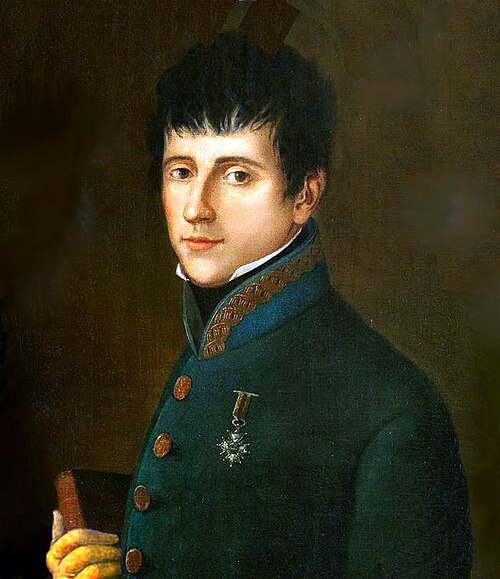
لم ينطلق الجيش الاستكشافي لقمع الثورة الأمريكية، بل تحوّل في الأول من يناير عام ١٨٢٠ إلى جيش ثوري بحد ذاته، باسم الدستور وتحت قيادة العقيد ريغو . بعد رحلة حافلة بالأحداث، نجحت أنباء التمرد في حشد المدن المنظمة مجدداً في مجالس عسكرية ؛ بينما عجز الملك عن التدخل لقلة الرجال العسكريين الراغبين في دعمه. وفي النهاية، أقسم على دستور قادس بالعبارة الشهيرة: "لنَسِرْ بِصراحة، وأنا أول من يسير، على الدرب الدستوري". وقد انعكس دليل عدم صدق هذا القسم في كلمات أغنية "تراغالا" ، وهي أغنية ساخرة تحولت إلى نشيد ليبرالي.
خلال فترة الثلاث سنوات، سعت الجمعيات الوطنية والصحافة إلى توسيع نطاق المفاهيم الليبرالية؛ بينما أعاد البرلمان، المنتخب بنظام الاقتراع العام غير المباشر، العمل بقوانين قادس (إلغاء الإقطاعيات والعقارات الموروثة، والمصادرة، وإغلاق الأديرة، وإلغاء نصف العشور)، ومارس الدور المحوري الذي منحه إياه دستور عام 1812 باسم السيادة الوطنية، دون مراعاة إرادة ملك لم يكن بوسعهم توقع أي تعاون مؤسسي منه. وقد ترسخ الانقسام السياسي في المجال المؤسسي بين الليبراليين المعتدلين، أو ما يُعرف بـ " الدوقيينيين "، الذين أيدوا استمرارية الدستور الحالي، حتى لو كان ذلك يعني الحفاظ على توازن السلطات مع الملك. أما الليبراليون المتشددون ، أو ما يُعرفون بالليبراليين المُتعالين ، فقد أيدوا صياغة دستور جديد يُعزز هيمنة السلطة التشريعية، ويُفعّل الإصلاحات إلى أقصى درجات التحول الثوري (وكان بعضهم، كأقلية، جمهوريين صريحين ). شُكّلت الحكومات الأولى من قِبل المعتدلين ( إيفاريستو بيريز دي كاسترو ، وأوسيبو بارداخي أزارا ، وخوسيه غابرييل دي سيلفا بازان - ماركيز سانتا كروز -، وفرانسيسكو مارتينيز دي لا روزا ). بعد الانتخابات الثانية، التي جرت في مارس 1822، هيمن الليبراليون المتشددون بوضوح على الكورتيس الجديد، برئاسة رييغو. في يوليو من العام نفسه، قام الملك بمناورة لتغيير الوضع السياسي لصالحه، مستغلاً استياء إحدى الهيئات العسكرية التابعة له ( انتفاضة الحرس الملكي )، والتي تم تحييدها من قبل الميليشيا الوطنية في مواجهة في ساحة بلازا مايور بمدريد (7 يوليو). ثم شُكّلت حكومة عليا برئاسة إيفاريستو فرنانديز دي سان ميغيل (6 أغسطس).
بسبب قصر مدة تلك الفترة، لم تدخل معظم تشريعات السنوات الثلاث حيز التنفيذ (كقانون بيع الأراضي الزراعية والفلاحين ، والنظام الضريبي النسبي الجديد، إلخ). فقط بعض القضايا، مثل تنظيم السوق الوطنية، وإلغاء الجمارك الداخلية، وإرساء حماية زراعية قوية، استمرت إلى حد ما. وكذلك التقسيم الإقليمي الجديد، الذي لم يدخل حيز التنفيذ حتى عام 1833.
كان تأثير الأحداث في إسبانيا متعالياً في أوروبا، وخاصة في البرتغال وإيطاليا (حيث اندلعت ثورات مماثلة، استناداً إلى النموذج التآمري للجمعيات السرية وبطولة الرجال العسكريين الشباب، الذين اتخذوا حتى نص دستور قادس نموذجاً)، لدرجة أن التأريخ يطلق على العملية برمتها اسم ثورة 1820 .
تجلّت ردة الفعل الاستبدادية في البلاد في المقاومة الشديدة التي أبداها جزء كبير من رجال الدين (وخاصة كبار رجال الدين والرهبان العاديين)؛ إذ دعموا جماعات الفلاحين الذين جُرِّدوا من أراضيهم، وروّجوا للمؤامرات، بدعمٍ واضح من الملك (ما يُعرف بوصاية أورجيل ). إلا أن القوة الحاسمة جاءت من الخارج: فأوروبا الشرعية والرجعية في عصر الاستعادة، أو مؤتمر فيينا ، الداعمة بشدة للتدخل الحكومي ، لم تستطع الرضوخ للعدوى الثورية . وقد عهدت دول التحالف المقدس ، المجتمعة في مؤتمر فيرونا (22 نوفمبر 1822)، إلى جيش فرنسي (سُمّي بـ" مئة ألف ابن للقديس لويس ") بمهمة إعادة ترسيخ السلطة المطلقة للملك الشرعي.
العقد المشؤوم (1823-1833)

جلب عودة الحكم المطلق معه عودة القمع السياسي من جانب الليبراليين. تم إنشاء الشرطة السياسية، وأُعدم رافائيل دي ريغو ، وغادرت البلاد موجة جديدة من المنفيين. لجأ الجيش الليبرالي مجدداً إلى الجمعيات السرية والمؤامرات والاتهامات، مما أسفر مرة أخرى عن إخفاقات وإعدامات ( مثل إل إمبيسينادو ، وتوريخوس ، وماريانا بينيدا ، وغيرهم). أدت التقارير التي طلبتها الشرطة إلى ظهور شخصيات مشبوهة، مثل العمة كوتيلا من مدريد .
مع ذلك، وبالرغم من التسمية التاريخية (نتيجة لتجارب المتضررين)، كانت حدة القمع في تلك الفترة المشؤومة أقل مما كانت عليه خلال فترة الحكم المطلق التي امتدت لست سنوات؛ بل إن تخفيف القمع أصبح واضحًا مع اقتراب نهاية تلك الفترة، عندما دفعت الأدلة على عدم وجود وريث ذكر (حتى بعد ثلاث زيجات عقيمة، أنجب الملك ابنةً، إيزابيل ، ولدت عام ١٨٣٠) جزءًا كبيرًا من البلاط، حول الملكة ماريا كريستينا والأرستقراطيين الأقل رجعية، إلى الضغط على الملك، الذي كان يزداد ضعفًا، لإلغاء القانون السالي الذي يمنع وراثة المرأة للعرش. والتفّت العناصر الأكثر تشددًا من النبلاء ورجال الدين حول شقيق الملك، كارلوس ماريا إيسيدرو ، الذي كان سيصبح الوريث الشرعي للعرش إذا بقي القانون السالي ساريًا. رأى المسيحيون في التوجه نحو العناصر الأكثر اعتدالاً بين الليبراليين الخطوة الأكثر جدوى، وكانوا يستقطبونهم بإجراءات مثل العفو العام في الفترة 1832-1833، الذي سمح للكثيرين بالعودة من المنفى. في غضون ذلك، كان الكارليون يدرسون خيار الثورة ( حرب الساخطين ) الذي مهدت له أنشطة جماعات مثل الرسل ، لا سيما في المناطق الريفية المواتية . [ 13 ]
وجدت جماعة الكاماريلا المُستبدة (المجموعة المُقربة من البلاط الملكي ، والتي خضعت لآلية اختيار عكسية [ 14 ] ) نفسها عاجزة عن حل الأزمة المالية المُلحة، لا سيما في ذلك الوقت، بعد أن فقدت عائدات المستعمرات. لم يكن أمامها خيار سوى اللجوء إلى سياسيين مُستنيرين. أدى نشاطهم التقني إلى سنّ قانون التعدين ، وفرض تعريفات جمركية حمائية على الصناعة، وإصدار قانون التجارة (1829)، وتقسيم المقاطعات على يد خافيير دي بورغوس (1833). كانت هذه التحولات الاقتصادية المُترددة تُمهد الطريق عمليًا نحو الليبرالية. كما لم يكن بإمكان المُستبدين الاعتماد على دعم خارجي: فقد أسست ثورة 1830 في فرنسا نظامًا ملكيًا برجوازيًا (نظام لويس فيليب ).
عهد إيزابيلا الثانية (1833-1868)
فترات الوصاية (1833-1843)
وصاية ماريا كريستينا (1833-1840) والحرب الكارلية الأولى


 الحصارات الرئيسية للكارليين.
  المراكز الليبرالية في الشمال.
  المراكز الرئيسية للكارليين.
  المعارك
في 29 سبتمبر 1833، ورثت إيزابيلا الثانية ، ابنة فرناندو السابع ، العرش قبل أن تبلغ الثالثة من عمرها، تحت وصاية والدتها ماريا كريستينا . أدى رفض الكارليين للخلافة إلى اندلاع حرب أهلية حقيقية، نتج عنها انقسام أيديولوجي واجتماعي بين الجانبين: فمن جهة، أنصار النظام القديم، الذين كانوا يشكلون غالبية رجال الدين، وجزءًا كبيرًا من طبقة النبلاء والفلاحين في النصف الشمالي من إسبانيا؛ ومن جهة أخرى، أنصار النظام الجديد، الذين كانوا يشكلون الطبقة الوسطى وعامة الشعب الحضري (بقيادة الأكثر وعيًا سياسيًا: نحو 13 ألف منفي سُمح لهم بالعودة بموجب عفو عام جديد، والعديد من السجناء الذين أُطلق سراحهم، والقادة المحليون الجدد الذين برزوا من الانتخابات البلدية في نوفمبر، ومعظم ضباط الجيش الذين سُمح لهم بالوصول إلى مناصب قيادية رئيسية). [ 15 ] وانقسمت الطبقة الأرستقراطية وفقًا لمعايير الفرصة، والمكانة في الإقليم، والوضع في البلاط. انقسمت العديد من العائلات انقسامًا مؤلمًا، وفي مناطق واسعة كان الصدام واضحًا جغرافيًا، إذ كانت المدن، حيث نُظمت وجُندت الميليشيات الليبرالية الوطنية ، محاطة بريف تسلحت فيه الأحزاب الكارلية ( بعد حلّ المتطوعين الملكيين ). وبدا أن التعبئة الشعبية، من كلا الجانبين، تُذكّر بتعبئة عام 1808، في حالة بروح ثورية واضحة، وفي الأخرى بروح رجعية واضحة.
في المحكمة، لم تحقق الحكومات ذات التوجه الليبرالي إلى حد ما ( سيا بيرموديز - استبدادية معتدلة -، مارتينيز دي لا روزا - ليبرالية معتدلة -، مينديزابال ، إستوريز وكالاترافا - ليبراليون تقدميون -، الذين استحدثوا لقب رئيس مجلس وزراء إسبانيا - وكان يُستخدم سابقًا وزير الدولة -) نصرًا حاسمًا في الحرب وواجهت صعوبات مالية خطيرة، لم يكن من الممكن حلها إلا من خلال المصادرة الكنسية أو مصادرة مينديزابال ، وهو قرار متعالٍ: ففي الوقت الذي حرم فيه العدو الاجتماعي والأيديولوجي الرئيسي للنظام الجديد (رجال الدين) من الموارد الاقتصادية، بنى طبقة اجتماعية جديدة من ملاك الأراضي الزراعية من أصول اجتماعية متنوعة - نبلاء، برجوازيون أو فلاحون أثرياء، والذين شكلوا في النصف الجنوبي من إسبانيا أوليغارشية حقيقية لملاك الأراضي - والذين يدينون بثروتهم لها؛ وبقبول سندات الدين العام كوسيلة للدفع في المزادات، أعادت هذه الخطوة تقييم الدين العام، وسمحت باستعادة المصداقية الدولية واستدامة الخزانة (المضمونة مستقبلاً بالمساهمات المدفوعة عن تلك الأراضي، التي كانت معفاة من الضرائب سابقاً، وأصبحت الآن متحررة من نظام الوقف الذي كان يحجبها عن السوق). لم يكن إلغاء النظام الإقطاعي يعني (كما حدث خلال الثورة الفرنسية مع المرسوم التاريخي الذي ألغى الإقطاع في 4 أغسطس 1789) ثورة اجتماعية منحت الفلاحين ملكية الأراضي. في حالة اللوردات العلمانيين، أدى التمييز المربك بين الإقطاعيين السلفيين والإقطاعيين القضائيين ، ذوي الأصل البعيد جداً والألقاب التي يستحيل التحقق منها، إلى اعتراف قضائي واسع النطاق بالملكية الكاملة للوردات السابقين، الذين لم يشهدوا سوى تغيير وضعهم القانوني، وتركوا دون حماية في السوق الحرة بسبب اختفاء مؤسسة "مايورازغو" ( أي أنهم كانوا أحراراً في البيع أو التوريث حسب رغبتهم، ولكنهم كانوا أيضاً عرضة لفقدان ممتلكاتهم في حالة سوء الإدارة).
أصبحت معاداة رجال الدين قوة اجتماعية متنامية الأهمية، تجلّت بعنف بعد مذبحة الرهبان في مدريد عام 1834 (في 17 يوليو، خلال وباء الكوليرا ، انتشرت شائعات بأن سببها تسميم النوافير). [ 16 ] وفي العام التالي (1835)، شهدت إسبانيا حرقًا واسع النطاق للأديرة في أنحاء متفرقة منها. وبلغ القمع المناهض لليبرالية الذي مارسه الجانب الكارلي ذروته مع أعمال انتقامية عنيفة ( رامون كابريرا ، نمر مايسترازغو ).
مؤسسياً، كانت تُحكم وفقاً لميثاق مُنح : القانون الملكي لعام 1834 ، الذي لم يعترف بالسيادة الوطنية ولا بالحقوق أو الحريات المعترف بها ذاتياً، بل الممنوحة بإرادة ملكية، والذي أدخل آليات قوية للتحكم في التمثيل الشعبي ( نظام المجلسين ، وانتخابات غير مباشرة مع اقتراع محدود للغاية في تعداد السكان لـ Estamento de Procuradores - 0.15٪ من السكان - و Estamento de Próceres مع أعضاء بحكم مناصبهم من الطبقة الأرستقراطية وكبار رجال الدين). [ 17 ]
ظلّ النصّ ساري المفعول حتى أجبرت ثورة رقيبات لا غرانخا (12 أغسطس/آب 1836) الملكة الوصية على إعادة العمل بدستور 1812. وفي العام التالي، تغيّر الوضع بنصٍّ أكثر تحفظًا: دستور إسبانيا لعام 1837 ، الذي، رغم استناده إلى مبدأ السيادة الوطنية الثوري ، أرسى توازنًا للسلطات بين الكورتيس والتاج لصالح الأخير، وحافظ على النظام البرلماني ذي المجلسين (مع تغيير اسمي الكونغرس ومجلس الشيوخ). أما النظام الانتخابي، فرغم أنه أدخل الانتخابات المباشرة لأول مرة، إلا أنه استمر في تفضيل الأثرياء (إذ لم يزد عدد الناخبين المسجلين إلا قليلًا: 257,908 ناخبًا، أي 2.2% من السكان). واستُبدلت النزعة الطائفية بالاعتراف بوجوب الحفاظ على العبادة ورجال الدين الكاثوليك الذين يعتنقون الديانة الكاثوليكية . [ 18 ] في تلك اللحظة، حدث الانقسام بين الليبراليين المعتدلين (الذين كان العديد منهم من الشخصيات البارزة في عهد الثلاثين عامًا الماضية، والذين تطوروا نحو الاعتدال ) مثل كونت تورينو ، وألكالا غاليانو، والجنرال نارفايز ، الذين حظوا بثقة الوصي وشكلوا الحكومة حتى عام 1840 ( إيفاريستو بيريز دي كاسترو )؛ والتقدميين مثل مينديزابال ، وأولوزاغا، والجنرال إسبارتيرو (الذين تم تهميشهم من تلك الثقة، ولكن دعمهم السياسي والعسكري ظل حاسمًا). [ 19 ]
عندما تُرك الكارليون بلا دعم دولي ولا موارد، وافق الجنرال ماروتو على التفاوض على السلام مع إسبارتيرو ( اتفاقية فيرغارا ، 31 أغسطس 1839)، مما أتاح لضباط الكارليين إمكانية الاندماج في الجيش الوطني. وقد تقبّل معظم نبلاء الكارليين، بدرجات متفاوتة من الرضا، الوضع الجديد. ومن السمات المميزة الأخرى للنظام الجديد، وهي المركزية السياسية في مواجهة اعتراف الكارليين بالوحدات العسكرية (الفوروس ) ، والتي خُففت بالنسبة لمقاطعات الباسك ونافارا (حيث أكد قانون 25 أكتوبر 1839، بدلاً من إلغاء الوحدات العسكرية ، وجودها دون المساس بالوحدة الدستورية للملكية ). [ 20 ] صمدت النواة الكارلية بقيادة موريلا ( رامون كابريرا ) لعدة أشهر أخرى (30 مايو 1840).
كان وضع ماريا كريستينا في الوصاية مُهددًا منذ البداية عام 1833 بسبب زواجها السري، بعد فترة وجيزة من ترملها، من رجل عسكري في البلاط ( أغوستين فرناندو مونيوز إي سانشيز ، الذي نال لقب دوق ريانساريس )، وأنجبت منه ثمانية أطفال. وقد مكّنته المكانة الرفيعة والسيطرة على الجيش التي حققها الجنرال إسبارتيرو من أن يصبح قوة بديلة. ولم تُفلح محاولات استمالته عبر منحه لقب النبيل، [ 21 ] وحتى تعيينه رئيسًا لمجلس الوزراء، في تجنب الخلافات العميقة بين الجنرال والوصية، لا سيما حول دور الميليشيا الوطنية واستقلالية المجالس البلدية؛ وهو ما أدى إلى استقالة إسبارتيرو (15 يونيو). أدت الانتفاضات المتتالية ضد ماريا كريستينا في أهم المدن في النهاية إلى إجبارها على التنازل عن العرش، والتخلي عن ممارسة الوصاية وحضانة بناتها، بما في ذلك الملكة إيزابيلا، لصالح الجنرال (12 أكتوبر 1840).


الرومانسية الإسبانية
قام المثقفون (الذين كان لدى الكثير منهم اهتمامات سياسية، بعد عودتهم من منفى غني بالتأثيرات) بزرع الذوق الرومانسي الجديد ، الذي امتد إلى الشعر ( خوسيه دي إسبرونسيدا )، وإلى المسرح ( دوق ريفاس )، وإلى صحافة ذات تعددية وإبداع كبيرين، حفزتها المناقشات السياسية والأدبية، والتي كان بقاؤها مهددًا دائمًا بالرقابة والهشاشة الاقتصادية. من بين الشخصيات الصحفية العديدة ألبرتو ليستا ، ومانويل بريتون دي لوس هيريروس ، وسيرافين إستيبانيز كالديرون ، وخوان نيكاسيو جاليجو ، وأنطونيو روس دي أولانو ، ورامون ميسونيرو رومانوس ، وقبل كل شيء، كاتب العمود الاستثنائي ماريانو خوسيه دي لارا ، الذي تمكن من التقاط الحياة اليومية والقضايا الأكثر خطورة في تعبيرات موجزة ورائعة، والتي أصبحت كليشيهات واسعة النطاق ( فولفا أوستيد) mañana، Escribir en Madrid es llorar، Aquí yace media España، murió de la otra media ). كان دفن لارا (الذي انتحر في 13 يناير 1837) إحدى اللحظات المميزة في الحياة الفنية الإسبانية، وكان يعني تسليم عصا الرومانسية الإسبانية إلى الشاب خوسيه ثوريلا .
وصاية إسبارتيرو (1840–1843)

تم تأكيد الوصاية لإسبارتيرو بتصويت من الكورتيس (8 مارس 1841)، والذي نظر أيضًا في إمكانية منحها لمرشحين آخرين، أو لثلاثة .
شرعت الحكومات التقدمية في تطبيق قانون مصادرة ممتلكات رجال الدين العلمانيين، ضامنةً بذلك من جانب الدولة صيانة الرعايا والمعاهد الدينية. وجرت محاولة لتصميم نظام تعليمي وطني لا تلعب فيه الكنيسة دورًا مهيمنًا، ولكن نظرًا لنقص الموارد، لم يتحقق إنشاء نظام تعليمي جدير بهذا الاسم إلا في النصف الثاني من القرن، في ظل ميزانيات معتدلة وأخرى ذات توجهات كاثوليكية جديدة. واعتُبرت تنشئة المواطنين وبناء تاريخ وطني (من خلال رعاية أنواع فنية مثل الرسم التاريخي ) من أهم متطلبات بناء الدولة الليبرالية .
تم نقض التسوية التي تم التوصل إليها في فيرغارا مع قوات الباسك ( fueros) بموجب قانون 29 أكتوبر 1841، الذي ألغاها بالكامل. [ 22 ]
بُذلت جهود لتشجيع النشاط الاقتصادي من خلال تطبيق مبادئ التجارة الحرة ، مما جذب استثمارات رأسمالية أجنبية (بشكل رئيسي من إنجلترا وفرنسا وبلجيكا) في قطاعات مثل التعدين والتمويل. وأدت أوجه عدم المساواة الجديدة إلى ظهور ما يُسمى بالمسألة الاجتماعية . وشهدت صناعة النسيج الكاتالونية الناشئة، التي كانت قد شهدت بالفعل ظهور حركات عمالية (إذ تعرض مصنع إل فابور للأخوين بونابلاتا ، الذي افتُتح عام 1832، لهجوم من اللوديين عام 1835 - بالتزامن مع حرق الأديرة -)، استمرارًا لعملية التحديث التكنولوجي (استقبال الحركات الذاتية ، التي ستؤدي لاحقًا إلى صراعات )، [ 23 ] كما استضافت الآن أبرز مؤيدي التيار الأكثر راديكالية في الليبرالية التقدمية ( الديمقراطيون والجمهوريون المستقبليون ، الذين لم يُعرفوا بعد بهذه المسميات). وحوّلت المصالح الحمائية لكل من أصحاب العمل والعمال برشلونة إلى بؤرة للاحتجاجات ضد إسبارتيرو، مما أدى إلى انتفاضة. اختار الوصي أسلوب القمع الأكثر عنفاً، فقام بقصف المدينة في 3 ديسمبر 1842، ثم أعدم قادة الثورة.
يؤكد شخص أعرفه، كقانون من قوانين التاريخ الإسباني، ضرورة قصف برشلونة كل خمسين عاماً. هذه المقولة تشير إلى برنامج سياسي متكامل. مانويل أثانيا ، مقتبساً عبارة مبتذلة تُنسب إلى إسبارتيرو نفسه. [ 24 ]
أدت العداوة التي أبداها السياسيون والعسكريون ( مانويل كورتينا ، خواكين ماريا لوبيز ، الجنرال خوان بريم )، الذين رفضوا أسلوبه السريع في حل ليس فقط هذا الصراع بل الحياة السياسية بأكملها (إذ كان قد حل البرلمان وحكم بطريقة ديكتاتورية عمليًا)، إلى عزله بشكل متزايد. منحت الانتخابات النصر للفصيل التقدمي بقيادة سالوستيانو أولوزاغا ، الذي كان ينتقد إسبارتيرو بشدة، وقد طعن في نتائجها. في 11 يونيو، حصل انقلاب عسكري مشترك بين مقاتلين معتدلين وتقدميين (بعضهم من المنفى، لكونهم من أبرز الشخصيات في عمليات التطهير السابقة : نارفايز ، أودونيل ، سيرانو، وبريم ) ، على دعم معظم الجيش، حتى القوات التي أرسلها إسبارتيرو نفسه لمحاربتهم (توريخون دي أردوز، 22 يوليو). والتي أجبرت الوصي على الذهاب إلى المنفى في إنجلترا، المستفيد الرئيسي من سياسته الاقتصادية (30 يوليو 1843).
بلوغ إيزابيل الثانية سن الرشد (1843-1868)
تم تجاوز مشكلة تجديد الوصاية بالموافقة على إعلان بلوغ إيزابيلا سن الرشد (10 نوفمبر 1843) ومنحها صلاحية ممارسة مهامها بنفسها؛ وهو ما أثبت توافقه التام مع مبادئ الاعتدال ، بعد فترة من المكائد البرلمانية التي قادها التقدميان سالوستيانو أولوزاغا ولويس غونزاليس برافو (الذي انضم لاحقًا إلى صفوف المعتدلين)، والتي انتهت بانتصار الأخير ونفي أولوزاغا. بل وحدثت محاولة فاشلة للتنديد العسكري التقدمي ( ثورة بونيه في أليكانتي، من يناير إلى مارس 1844).
العقد المعتدل (1844–1854)
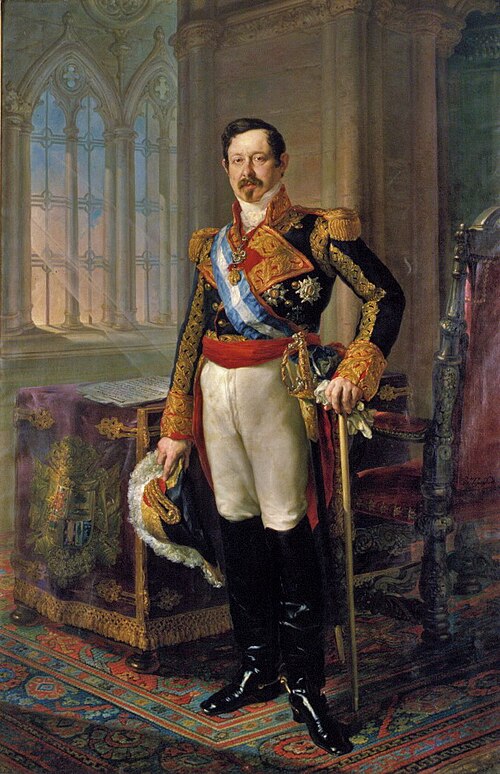

بقي الجنرال رامون نارفايز زعيماً للحزب المعتدل وتولى رئاسة مجلس الوزراء (3 مايو 1844)، مما بدأ حقبة من الاستقرار السياسي تم فيها تهميش التقدميين إلى المعارضة دون أي إمكانية للوصول إلى مناصب السلطة التي تم التفاوض عليها في مجالس القصر .
في 13 مايو 1844، تم إنشاء الحرس المدني ، وهو هيئة عسكرية تم نشرها في المنطقة في ثكنات لضمان النظام والقانون ، وخاصة في المناطق الريفية؛ لقد كان من الواضح أنه شكل مضاد للميليشيا الوطنية.
في 4 يوليو 1844، تمت مراجعة إلغاء القوافل الباسكية والنافارية التي نفذها إسبارتيرو، وأعيد العمل بها جزئياً، وإن لم يكن ذلك في مسائل مثل تصريح المرور، أو الجمارك الداخلية، أو الإجراءات الانتخابية. [ 25 ]
قيّد قانون مجالس المدن لعام 1845 بشدة استقلال البلديات لصالح المركزية ، مانحًا الحكومة صلاحية تعيين رؤساء البلديات. وفي العام نفسه، صدر دستور 1845 ، الذي كان مشابهًا جدًا لدستور 1837 (حيث تطابقت 60 مادة من أصل 77)، ولكنه أُجريت عليه تعديلات تتماشى إلى حد كبير مع الليبرالية العقائدية . فبدلًا من السيادة الوطنية ، أقرّ الدستور سيادة مشتركة بين الكورتيس والملك، مع منح الملك الأولوية المطلقة، إذ كان بإمكانه استدعاء المجلسين وحلهما دون قيود. كما تم تأكيد الطابع الكاثوليكي للدولة. ونظّم الدستور حقوق المواطن ، التي كانت مقيدة بشدة، مثل حرية التعبير التي حُدّت بالرقابة (وهي مسألة بالغة الأهمية نظرًا لنشاط الصحافة الذي بلغ ذروته في إسبانيا ). واختفت الميليشيا الوطنية. استمر النظام الانتخابي، الذي أُرسِيَ بموجب قانون الانتخابات لعام 1846، في كونه نظام اقتراع أوليغاركي بامتياز ، مما زاد من تقييد حق التصويت، حيث اقتصر على 97,000 ناخب (رجال فوق سن 25 عامًا ممن تجاوز دخلهم مستوىً معينًا، أعلى مما كان متوقعًا حتى ذلك الحين)، أي ما يعادل 0.8% من إجمالي السكان. [ 26 ] حاولت حكومة خوان برافو موريلو تمرير دستور أكثر تقييدًا (نُشِرَ نصه في جريدة مدريد الرسمية في 2 ديسمبر 1852)، لكن المعارضة الشديدة التي أبداها جميع أعضاء البرلمان أجبرت الملكة على التخلي عن المشروع، وأجبرت برافو موريلو على الاستقالة. [ 27 ]
أعادت اتفاقية عام ١٨٥١ العلاقات الطيبة مع الكرسي الرسولي . اعترف البابا بإيزابيلا الثانية ملكةً (مُميزًا إياها بالوردة الذهبية ، وهي الزخرفة البابوية الرئيسية)، وقبل بفقدان الممتلكات الكنسية التي سبق أن تم التنازل عنها، مُهدئًا بذلك ضمائر مشتريها. في المقابل، التزمت الدولة الإسبانية بالحفاظ على ميزانية العبادة ورجال الدين التي تُغطي احتياجات رجال الدين العلمانيين؛ فضلًا عن ضمان شمولية التعليم، الذي سيكون للكنيسة فيه دور حاسم، وفي الرقابة على المنشورات. أصبح بلاط إيزابيلا الثانية بلاطًا حقيقيًا للمعجزات نظرًا للنفوذ الذي بلغه بعض رجال الدين على الملكة ( القديس أنطوني ماري كلاريت والأخت باتروسينيو ، راهبة الجراح ). أدى التقاء النخبة المثقفة الكاثوليكية والتقليدية مع الاعتدال إلى ظهور الحركة الكاثوليكية الجديدة ( ماركيز فيلوما ، دونوسو كورتيس ، خايمي بالميس ).
وشمل الفساد السياسي ممولين بارزين ( ماركيز سالامانكا ) وعائلة ملكية متنامية (عائلة الملكة وزوجها - ابن عمها فرانسيسكو دي أسيس دي بوربون -، وعائلة والدتها وزوج والدتها - ماريا كريستينا المطرودة وزوجها غير المتكافئ، اللذان سُمح لهما بالعودة في عام 1844 -، وعائلة مونتبنسييه - شقيقة الملكة وزوجها -، اللذان تزوجا في نفس يوم زواجها في حفل زفاف ملكي مزدوج فخم [ 28 ] واستقرا في إسبانيا منذ طردهما من فرنسا بمناسبة ثورة 1848 -)، ورافق ذلك الانطلاقة الخجولة للرأسمالية الإسبانية ؛ بينما تم إصلاح المالية العامة مع الإصلاح الضريبي لعام 1845 (المعروف باسم مروجيه باسم إصلاح مون سانتيلان الضريبي ). بدلاً من أن تكون ثورة صناعية إسبانية فاشلة ، تركز النمو الاقتصادي، في غياب رأس المال الوطني، على الشركات المصرفية والمالية المدعومة بمصادر طبيعية للثروة (نمو الأراضي المزروعة واستغلال العديد من المناجم) وشبكة سكك حديدية ناشئة ، وكل ذلك بمشاركة أجنبية واسعة النطاق وسط فضائح مدوية، مما سهل عودة التقدميين إلى السلطة.


التقدم الكبير (1854–1856)
أدى استبداد نارفايز، واستحالة مواجهته بالوسائل المؤسسية، إلى رفض المعارضة للحل العسكري: وهو بيانٌ أصدره الجنرال ليوبولدو أودونيل في فيكالفارو ( فيكالفارادا ، 28 يونيو 1854). أدى الفشل الأولي إلى تراجع أودونيل جنوبًا، حيث تواصل مع الجنرال سيرانو ، وأعلن معه بيان مانزاناريس (الذي صاغه أنطونيو كانوفاس ديل كاستيلو ، 7 يوليو)، موفرًا للحركة برنامجًا سياسيًا وحاصلًا على الدعم الشعبي الكبير الذي طالبت به، مما عجّل بانتصارها.
نريد الحفاظ على العرش، ولكن دون مجلس يُهينه؛ نريد تطبيقًا صارمًا للقوانين الأساسية، مع تحسينها، لا سيما قوانين الانتخابات والطباعة؛ نريد تخفيض الضرائب، استنادًا إلى اقتصاد صارم؛ نريد احترام الأقدمية والجدارة في الوظائف العسكرية والمدنية؛ نريد انتزاع المدن من المركزية التي تستنزفها، ومنحها الاستقلال المحلي اللازم للحفاظ على مصالحها وتنميتها، وكضمانة لكل هذا، نريد وسنقترح، على أسس متينة، الميليشيا الوطنية. المجالس الحكومية التي يجب تشكيلها في المقاطعات الحرة؛ المحاكم العامة التي ستجتمع لاحقًا؛ الأمة نفسها، باختصار، ستضع الأسس النهائية للنهضة الليبرالية التي نطمح إليها. لقد كرّسنا سيوفنا للإرادة الوطنية، ولن نغمدها حتى تتحقق.
لم يأتِ الدعم الهائل من الجيش إلا بعد أن وافق إسبارتيرو على قيادة المبادرة. عيّنته الملكة رئيسًا لمجلس الوزراء، وشُكّل مجلسٌ تقدمي.
أسس أودونيل الاتحاد الليبرالي ، وهو حزب انتقائي سعى إلى دمج المعتدلين والتقدميين. وقد صاغ البرلمان التأسيسي الجديد وثيقة دستورية لم تتم الموافقة عليها ولم تدخل حيز التنفيذ (ما كان سيصبح دستور عام 1856 ).
تمثلت أهم أنشطة فترة السنتين التقدمية في تشريعاتها الاقتصادية: فقد سعت إلى وضع شرعية التنمية الرأسمالية على المسار الصحيح، وإغلاق دورة خصخصة الأراضي بقانون مصادرة مادوز (3 مايو 1855)، والذي تم تطبيقه، بالإضافة إلى العديد من الممتلكات الكنسية التي لم تتأثر بعد، على الأنظمة العسكرية والمؤسسات الأخرى، ولا سيما الأراضي المملوكة للبلديات (الأراضي المملوكة للبلديات والتي تم استخدام إيجارها لتغطية الخدمات التي تقدمها مجالس المدن أو التي يستغلها سكان البلدية بشكل مشترك)؛ وتم سن تشريعات بشأن المناجم والتمويل والاستثمارات الرأسمالية (إنشاء الشركات ). سهّل مادوز بنفسه هدم أسوار برشلونة (وهو إجراء طالما طالب به مجلس المدينة، والذي عارضه إسبارتيرو وكان من بين أسباب قصف عام 1842)، مما سمح بتوسع المدينة ( خطة سيردا ، 1860) كما هو الحال في مدن أخرى كانت تُشكّل تطورها الحضري وفقًا للمبادئ الصحية الجديدة للأحياء البرجوازية الحديثة ( خطة كاسترو لمدريد، 1860، قناة إيزابيل الثانية ، 1858). إن فقدان التراث التاريخي الذي ترتب على عمليات الهدم والتجديد هذه، بالإضافة إلى المصادرة، ترك آلاف المباني الدينية دون حماية (بما في ذلك مباني جامعية مثل تلك الموجودة في ألكالا ). لكن تم افتراض ذلك كضرورة للتقدم مما أدى بسهولة إلى إسكات أي صوت احتجاج (مثل صوت الشاعر غوستافو أدولفو بيكر أو شقيقه الرسام فاليريانو دومينغيز بيكر وآخرين - فالنتين كارديريرا ، وجينارو بيريز فيلاميل - الذين قاموا بمشاريع للحفاظ على ذاكرة ذلك العالم المعرض لخطر الاختفاء، على الأقل في صورهم).
تم تنظيم نظام السكك الحديدية وتوسيعه بصعوبة نسبية باتباع مخطط شعاعي منخفض الكثافة، مع مركز في مدريد، وتم منح امتياز تشغيله لشركات كبيرة ( شركة سكك حديد مدريد إلى سرقسطة وأليكانتي - عائلة روتشيلد -؛ شركة سكك حديد شمال إسبانيا - عائلة بيريريس -). في العقود اللاحقة، اتسم التصنيع باستمرارية أكبر، وبدأت تظهر مزايا اندماج السوق الوطنية الناشئة. بدأت علاقات الإنتاج الرأسمالية، في المناطق الحضرية والريفية على حد سواء، في توليد صراعات اجتماعية ذات طبيعة جديدة ( الصراع الطبقي )، وفي المراكز الصناعية القليلة، تجلى ذلك في حركة عمالية ناشئة أدركت تعارض مصالحها مع مصالح أصحاب رأس المال (حركات التعبئة عام 1855 في برشلونة [ أ ] وبلد الوليد [ ب ] ). بينما تجلّى ذلك في الريف بطريقة مماثلة بين جموع العمال المهجّرين والأوليغارشية الجديدة من ملاك الأراضي. وقد حفّزت الظروف المواتية بشكل خاص خلال حرب القرم (1853-1856) تواطؤ المصالح بين الأوليغارشية القشتالية الأندلسية المالكة للأراضي، ذات النزعة التصديرية في ظل ضعف السوق المحلية وتفككها، والانفتاح على العالم الخارجي الذي سهّلته سياسة التجارة الحرة التي قبلت الاستثمارات الأجنبية . [ ج ] [ د ]
فترة السنتين المعتدلة (1856-1858)
أثارت الاضطرابات الاجتماعية شرخًا بين إسبارتيرو وأودونيل. سعت رئاسة أودونيل (من يوليو إلى أكتوبر 1856) إلى اتباع سياسة انتقائية ترضي جميع الأطياف السياسية، إذ كانت أول حكومة لا تُجري التجديد التقليدي للموظفين المدنيين بتعيين المؤيدين وفصل المعارضين. في الواقع، تطلبت إجراءاتها مراجعة جذرية لعمل السنتين، مع حلّ الميليشيا الوطنية والعودة إلى دستور 1845 ، مع إضافة قانون إضافي لتوسيع الحقوق، والذي لم يُفعّل إلا لشهر واحد تقريبًا. ونظرًا لاستحالة الحفاظ على مظهر المركزية، اختارت الملكة استدعاء نارفايز، الذي شغل الرئاسة لمدة عام كامل، من أكتوبر 1856 إلى أكتوبر 1857.
كان أهم إجراء في فترة السنتين المعتدلة هو إصدار قانون التعليم العام أو قانون مويانو ، الذي أسس النظام التعليمي الذي ظل ساري المفعول لأكثر من قرن مع تعديلات قليلة.
أدت الأزمة الاقتصادية لعام 1857 إلى استقالة نارفايز، وخلفه حكومتا أرميرو وإستوريز لفترة وجيزة .
قادت الحركة الجمهورية الناشئة احتلال الأراضي في ريف الأندلس، فتعرضت للقمع وعمليات الإعدام الجماعي التي أمر بها نارفايز ( في أراهال عام 1857 ولوخا عام 1861). وفي المدن، أدى ارتفاع أسعار المواد الغذائية والضرائب غير المباشرة ( الاستهلاكية ) إلى اندلاع أعمال شغب غذائية واستهلاكية، استلهمت بدورها من الفكر الجمهوري. أما نظام التجنيد الإجباري ( الخماسيات ) والخدمة العسكرية لمدة ثماني سنوات، والتي يمكن الإعفاء منها بدفع رسوم أو تعويض، فقد أدى إلى تفاقم المظالم، الأمر الذي لم تزد سياسة تعزيز المكانة الخارجية في الفترة اللاحقة إلا من حدته. [ 32 ]
حكومات الاتحاد الليبرالي (1858-1863)

في 30 يونيو 1858، شكل أودونيل حكومة جديدة، والتي ستكون، إلى جانب الحكومة التي تلتها، أطول الحكومات استمراراً في ذلك الوقت، حتى بداية عام 1863. وخلال هذه الفترة، تم الحفاظ على الانتعاش الاقتصادي والسيطرة على الفساد الانتخابي والانقسام داخل الحزب نفسه.
استُثمرت مبالغ طائلة في مشاريع البنية التحتية العامة، وجرى تطوير شبكة السكك الحديدية والجيش، واستمرت عمليات المصادرة مع تحويل جزء من الدين العام إلى الكنيسة وإعادة العمل باتفاقية عام ١٨٥١. كما سُنّت سلسلة من القوانين الهامة التي كان لها تداعيات لاحقة. ومع ذلك، استمر الفساد السياسي والاقتصادي على نطاق واسع، ولم يُقرّ قانون الصحافة الموعود، فبقي دون دعم برلماني.
وقد بذلت محاولة للقيام بسياسة خارجية مرموقة ، مع وجود في المغرب ( الحرب الأفريقية ، 1859-1860) وفي أماكن بعيدة مثل جنوب شرق آسيا ( حرب كوشينشينا ، 1858-1862).
أزمة الاعتدال ونهاية عهد إيزابيلا الثانية (1863-1868)
تحالف التقدميون والمعتدلون للضغط على الاتحاد الليبرالي، مما أدى إلى استقالة أودونيل (مارس 1863). ومع ذلك، لم يكن استبدال الحكومة بالأمر الهين، إذ كانت الأحزاب التقليدية غارقة في انقسامات داخلية حادة. ورفضت الملكة الدعوة إلى انتخابات كما طالبت المعارضة، فشكلت حكومات معتدلة متتالية برئاسة ماركيز ميرافلوريس ، ولورينزو أرازولا ، وأليخاندرو مون ، إلى أن استدعت في النهاية زعيم الاعتدال الرئيسي، نارفايز (سبتمبر 1864). حاول نارفايز المصالحة مع التقدميين بدمجهم في الحكومة، لكنهم رفضوا. وتعززت نزعته الاستبدادية، حتى أنه حرم نفسه من دعم بعض وزرائه. وأدت الأزمة الجديدة إلى عودة أودونيل (يونيو 1865). وصدر قانون لزيادة عدد الناخبين بمقدار 400 ألف ناخب، ودُعيت إلى انتخابات البرلمان. ولكن بدون دعم التقدميين لم يتم تحقيق حكومة مستقرة وحدثت عودة نارفايز (10 يونيو 1866).
تفاقمت الأزمة السياسية بفعل أزمة اقتصادية حادة (انخفضت أسعار الأسهم الإسبانية في بورصة باريس، وتدهور قطاع السكك الحديدية). حاول الجيش التقدمي والديمقراطي مجددًا الخروج من المأزق، لكن محاولاته باءت بالفشل (الجنرال بريم في فياريخو دي سالفانيس والرقباء في ثكنات سان جيل في 22 يونيو 1866). وكان رد فعل نارفايز هو استخدام القوة المفرطة ضد المعارضة السياسية (حل البرلمان، ونفي الجنرال سيرانو وعائلة مونتبنسييه ) والمعارضة الفكرية (إغلاق مدارس التعليم وفصل أساتذة لا أدريين مثل إميليو كاستيلار - ما يُعرف بمسألة الجامعة - التي أشعلت شرارة احتجاجات الطلاب في ليلة القديس دانيال - 10 أبريل 1865 -، والتي أسفرت عن مقتل أربعة عشر شخصًا وإصابة مئة آخرين).
توفيت الشخصيتان الرئيسيتان في تلك الفترة في فترة وجيزة ( ليوبولدو أودونيل في 5 نوفمبر 1867، ورامون ماريا نارفايز في 23 أبريل 1868). ويُقال عن الأخير أنه على فراش الموت، عندما طلب منه الكاهن أن يغفر لأعدائه، أجاب: "يا أبتاه، ليس لي أعداء؛ لقد قتلتهم جميعًا". [ 33 ]
شكّلت الملكة على عجل حكومات قصيرة الأجل، وعُيّن لويس غونزاليس برافو رجلاً قوياً جديداً، لم يكن أمامه سوى مواصلة سياسة القمع ونفي العسكريين والسياسيين. لم يُسهم النفي، بدلاً من تعزيز القوى المحافظة، في زيادة التطرف وتكوين نخبة من المثقفين الإسبان، الذين احتكوا بمختلف الأفكار الجديدة المتداولة في لندن وباريس وبروكسل ( تأثر بي إي مارغال بشدة بقراءاته لبرودون ). وهكذا، اضطرت النخبة السياسية الإسبانية، من جميع الفصائل الواقعة بين الوسط واليسار، في ظل هذه الظروف الصعبة، إلى التوصل إلى اتفاق بشأن الأمور الجوهرية. وفي اجتماع عُقد في مدينة بلجيكية، اتفقت مجموعة من النقابيين ( سيرانو )، والتقدميين ( بريم وبراكسيدس ماتيو ساغاستا )، والديمقراطيين ( نيكولاس ماريا ريفيرو وإميليو كاستيلار ) على ما يُعرف بـ" ميثاق أوستند" .
الجنس الديمقراطي (1868–1874)
ثورة 1868
في التاسع عشر من سبتمبر عام ١٨٦٨، حمل الجنرالان بريم وسيرانو والأميرال توبيتي السلاح في قادس. وانطلق جيش بقيادة سيرانو من الجنوب نحو مدريد، منتصرًا في معركة ألكوليا (٢٨ سبتمبر) على الجيش الذي أرسلته الحكومة لاعتراضه. أما الملكة، التي كانت تقضي إجازتها في سان سيباستيان ، فقد عبرت الحدود الفرنسية، ومن منفىها حافظت على أحقيتها بالعرش، ولم تتنازل عنه لصالح ابنها ألفونسو إلا بعد عامين.

كان طرد الملكة المسلوبة المصداقية أحد المطالب الرئيسية لـ"الثورة المجيدة"، التي كانت شعاراتها "الموت لسلالة البوربون الزائفة!" و"تحيا إسبانيا بشرف!". [ 34 ] وكان التعبئة الشعبية بالغة الأهمية. ومرة أخرى، تم تنظيم المجالس المحلية كما حدث في أعوام 1808 و1836 و1854. كما تم تنظيم الميليشيا الوطنية مجدداً تحت اسم " متطوعو الحرية" .
سعى سيرانو، عند توليه قيادة الحكومة المؤقتة كوصي (18 يونيو)، إلى تهدئة النزعة المتطرفة للثورة بحلّ المجالس العسكرية وإعلان استمرار النظام الملكي كنظام حكم ، ودعا إلى انتخابات للكورتيس. ومن بين أولى الإجراءات إلغاء ضريبة الاستهلاك ، وإعلان إنهاء التجنيد الإلزامي، وإقرار حق الاقتراع العام للذكور . كما تم حلّ الرهبانيات التي كانت تعمل منذ عام 1837، وإغلاق الأديرة ومصادرة ممتلكاتها، وجرد التحف الفنية للكنائس التي أصبحت جزءًا من التراث الوطني. وقد أدى التوجه المعادي لرجال الدين في النظام الجديد إلى قطع العلاقات مع الكرسي الرسولي .
جمعت الثورة مصالح متعددة. فبالإضافة إلى الجماعات السياسية في أوستند، حظيت بدعم القطاعات المالية والصناعية، إدراكاً منها لعجز حكومة إيزابيلا عن التغلب على الأزمة الاقتصادية.
منذ البداية، واجهت الحكومة الجديدة اندلاع مشكلة الاستعمار الكوبي، التي كانت تتشكل منذ زمن طويل، حيث تعقدت مطالب الحكم الذاتي المحلي بسبب مشكلة إلغاء العبودية (التي تأخرت باستمرار بسبب نفوذ جماعات الضغط المؤيدة للعبودية، المهيمنة على المجالات الاقتصادية - أنطونيو لوبيز، ماركيز كومياس المستقبلي -، بينما هيمنت الجماعات المناهضة للعبودية على البيئة الفكرية - خوليو فيزكاروندو ، رافائيل ماريا دي لابرا -). اندلعت الحرب المفتوحة في 10 أكتوبر 1868، مع صرخة يارا ( سيسبيس )، التي استغلت الثورة في العاصمة لإعلان الاستقلال. [ 35 ]
الحكومة المؤقتة، والدستور، ووصاية سيرانو (1868-1871)

أُجريت انتخابات بلدية في ديسمبر 1868، مع حق الاقتراع العام للذكور. وحصل الجمهوريون على حصص مهمة من السلطة (عشرون عاصمة إقليمية، من بينها برشلونة وفالنسيا ولا كورونيا ) .
في مطلع عام 1869، أُجريت أول انتخابات برلمانية إسبانية بالاقتراع المباشر للذكور. وقد اتسم المشهد البرلماني الناتج عنها بالتعددية الحزبية، مما أتاح أغلبية للوحدويين والتقدميين، مع تمثيل واسع للجمهوريين، وجماعات أقل أهمية من الكارليين والديمقراطيين.
أعلن دستور عام 1869 ، وهو أول دستور ديمقراطي في تاريخ إسبانيا، السيادة الوطنية وأسس نظامًا ملكيًا برلمانيًا بفصل صارم للسلطات ، حيث تكون الحكومة مسؤولة أمام البرلمان ( مجلسين ) بينما يتمتع القضاء باستقلاليته. وكان الاعتراف بالحقوق والحريات واسعًا ومفصلاً ( حق التصويت ، وحرمة المسكن ، وحرية التعليم والتعبير والإقامة والتجمع وتكوين الجمعيات ) ؛ كما كُفلت حرية العبادة ، وحُفظت ميزانية العبادة الكاثوليكية ورجال الدين . وأُقرّ نظام المحاكمة أمام هيئة محلفين . وتمّ تحديد اللامركزية الإقليمية في المحافظات والبلديات، واقتُرح إمكانية إصلاح وضع الأراضي المستعمرة.
في غياب الملك، أصبح سيرانو وصيًا على العرش، بينما شكّل بريم أولى الحكومات، وتولى ساغاستا ورويز زوريلا الوزارتين الرئيسيتين. تولى ساغاستا، من وزارة الداخلية، قمع جيوب الفيدرالية التي كانت نشطة منذ الثورة. أُسندت مهمة قمع الانتفاضات الجمهورية في الأندلس وإكستريمادورا وكتالونيا وأراغون إلى الجيش (بقيادة الجنرال أنطونيو كاباييرو دي روداس )، والتي تم القضاء عليها بحلول أكتوبر 1869.
ساهمت الإجراءات الاقتصادية التي اتخذها لوريانو فيغيرولا ( التعريفة الجمركية للتجارة الحرة ، وإعادة تنظيم القطاع المصرفي - النواة الأولى لما سيصبح لاحقًا بنك إسبانيا -، والسياسة النقدية - إنشاء البيزيتا عام 1869 -) في استعادة الثقة الدولية. وارتفعت أسعار الأسهم الإسبانية في باريس، وعادت رؤوس الأموال الأجنبية للتدفق، وشهدت خطوط السكك الحديدية انتعاشًا جديدًا. كما ساهم قانون التعدين الجديد في زيادة النشاط في أحواض التعدين المنتشرة في جميع أنحاء شبه الجزيرة الأيبيرية ( ريوتينتو ، ألمادين ، قرطاجنة ، أستورياس، بيسكاي )، مما أدى إلى تطوير صناعة حديدية مهمة في مصب نهر بلباو .
تمت معالجة المشكلة الكوبية في عام 1870 بإجراءين استباقيين ولكن غير فعالين: قانون موريت ، الذي سعى إلى إلغاء تدريجي ( حرية الأرحام - عند الولادة - وحرية العبيد عندما يبلغون سن الستين)، ومنح الحكم الذاتي لبورتوريكو .
أدت الحرب في كوبا إلى ظهور سبب جديد للسخط الشعبي. تم تشكيل مجالس عسكرية جديدة ، وردت عليها مظاهرات مناهضة للعسكرة تطالب بقمعها (بقيادة أمهات المجندين)، وكان ذلك ذا أهمية خاصة في برشلونة، حيث تم استدعاء الجيش لحلها.
حركة العمال
في تلك المدينة نفسها، المركز الصناعي الرئيسي لإسبانيا والمدينة التي تضم أكبر طبقة عاملة، وصل صدى الأممية البروليتارية بشكل ملحوظ بعد وصول جوزيبي فانيلي عام 1868 ، والذي رحب به اليسار الديمقراطي والجمهوري ( فرناندو جاريدو ، الذي تحول في المنفى إلى الاشتراكية - كتاب الديمقراطية والاشتراكية ، مع مقدمة لمازيني - وخوسيه ماريا أورينسي ، جدليها الرئيسي، من الجمهورية الفردية). ويعود الفضل في تأثيرهم، ونشاط القادة المحليين الأوائل، مثل أنسيلمو لورينزو وفرانسيسكو مورا وتوماس غونزاليس موراغو ، إلى انعقاد مؤتمر برشلونة أو المؤتمر الأول للاتحاد الإقليمي الإسباني -FRE-، حيث تم إنشاء الفرع الإسباني للرابطة العمالية الدولية ، عام 1870؛ في حين شهد مؤتمر سرقسطة عام 1872 انقسامًا بين الماركسيين أو الاشتراكيين والباكونينيين أو الأناركيين ، كما حدث في مؤتمر لاهاي في العام نفسه. كانت هيمنة الأناركية في إسبانيا واضحة جدًا في تلك الفترة، ويعود ذلك إلى وصولها المبكر (كان فانيلي مقربًا من باكونين ، بينما كان بول لافارج - الذي وصل لاحقًا إلى إسبانيا بعد هزيمة الكومونة عام 1871 - صهر ماركس وكان هو من أدخل الماركسية ) ، وإلى الظروف الموضوعية التي فرضتها دولة ذات تصنيع أضعف، وغلبة للقوى العاملة الزراعية، وموقع هامشي في الرأسمالية الأوروبية (على غرار الحالة الروسية). بدأ انتشار مختلف منظمات وأيديولوجيات الحركة العمالية الإسبانية في المراكز الصناعية الكاتالونية والفالنسية، وفي ريف الأندلس (ذي الهيمنة الأناركية). بينما ساد التيار الاشتراكي في مركزي مدريد والباسك، اللذين أُنشئا لاحقًا. وشملت المطالب الأولية، بالإضافة إلى قضايا العمل، قضايا سياسية كحرية التجمع وتكوين الجمعيات؛ أما في الريف، فقد كان الأمل الكبير الذي طُرح كحلٍّ جذريٍّ لظروف المعيشة المزرية هو توزيع الأراضي على العمال اليوميين. وكان أهم عاملٍ مُحفِّزٍ هو الاحتجاجات المناهضة للعسكرة، والتي تحولت أحيانًا إلى انتفاضاتٍ حقيقية، مثل انتفاضة خيريز في مارس 1869، والتي قمعها الجيش بوحشية. [ 36]]
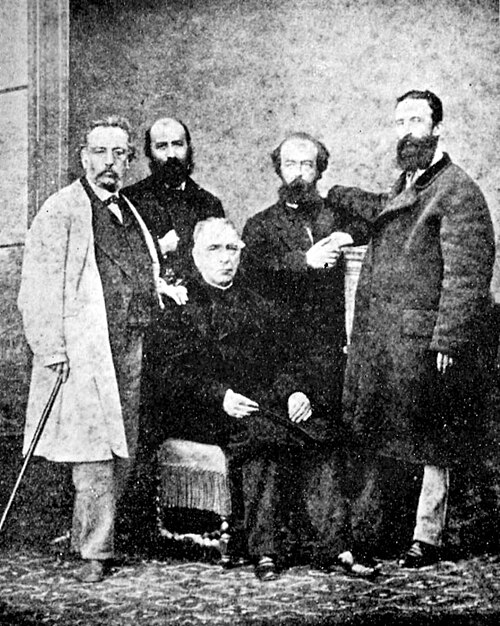
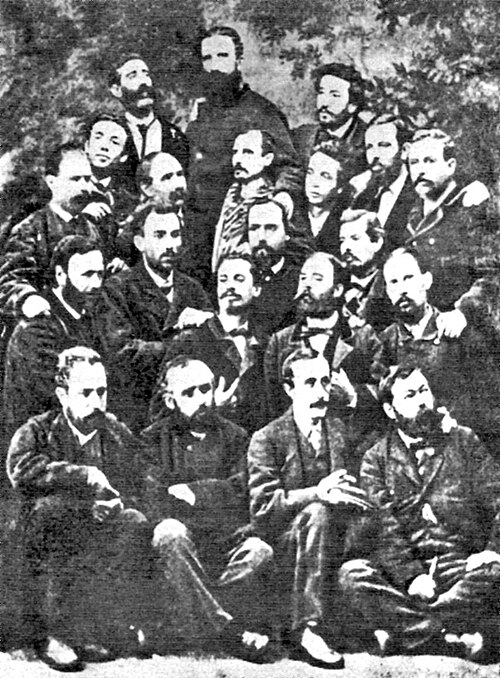

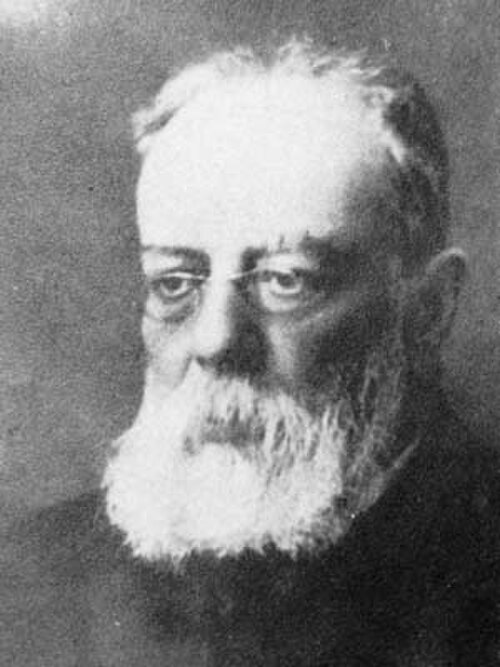
المرشحون للعرش الشاغر
كانت القضية السياسية الداخلية التي استحوذت على الاهتمام الرئيسي، والتي وصلت إلى صدى دولي كبير، هي البحث عن مرشح مناسب لتولي العرش. تم استبعاد المدعي الكارلي ( كارلوس السابع ، الذي كان يدرس خياراته للوصول إلى العرش بالوسائل السلمية أو عن طريق انتفاضة مسلحة، والتي ستحدث في النهاية عام 1872 - الحرب الكارلية الثالثة -) لأسباب أيديولوجية واضحة، وتم النظر في عدة أسماء؛ مثل إسبارتيرو نفسه (آخر سلالة أياكوتشوس ، وكان يبلغ من العمر 72 عامًا، لكنه سيعيش 11 عامًا أخرى)، ودوق مونتبنسير (صهر إيزابيلا الثانية) ومجموعة مختارة من المطالبين الأوروبيين، من بينهم فرديناند من ساكس-كوبرغ-غوتا (والد ملك البرتغال - تم الترويج للاتحاد بين البرتغال وإسبانيا من قبل الحركة الأيبيرية -) وليوبولد من هوهنزولرن-سيغمارينغن (الذي دعمه أوتو فون بسمارك - مستشار فيلهلم ملك بروسيا - ورفضه نابليون الثالث ملك فرنسا، وكانت مواجهته من أجل هذه القضية من بين تلك التي أدت إلى الحرب الفرنسية البروسية - برقية إيمس ، 13 يوليو 1870 -). وأخيرًا، سيكون المختار أماديو، دوق أوستا ، ابن فيكتور إيمانويل الثاني ملك إيطاليا، من آل سافوي ، ممثل أكثر الملكيات تحررًا في أوروبا، والذي أبقاه دوره في توحيد إيطاليا في مواجهة حادة مع البابا نفسه. [ 35 ]
عهد أماديو الأول (1871-1873)

في 30 ديسمبر 1871، وصل أماديو دوق سافوي إلى ميناء قرطاجنة، حيث تلقى نبأ وفاة الجنرال بريم، داعمه الرئيسي، ضحية محاولة اغتيال في مدريد قبل ثلاثة أيام. ولا يزال مُدبّر الاغتيال لغزًا. ومنذ ذلك الحين، طُرحت احتمالات مختلفة: جماعة ضغط مؤيدة للعبودية لتحقيق مصالحها، أو أيٌّ من خصومه السياسيين الكثيرين داخل إسبانيا أو خارجها، والذين اكتسبهم بسبب قضية الانتخابات الملكية، مثل دوق مونتبنسييه ، أو الجمهوريين، أو حتى فصيل من الماسونية (التي كان ينتمي إليها). [ 37 ]

تصرف أماديو الأول كملك ليبرالي، مع احترام دقيق للدستور وحياد سياسي بالغ، إلا أن ذلك لم يكسبه تأييد أي من الفئات الاجتماعية أو السياسية. ولم تدعمه الطبقة الأرستقراطية والطبقات العليا، ومعظمهم من آل بوربون.
كان أبرز قادة تلك الفترة الحزب التقدمي، الذي انقسم إلى الحزب الدستوري بقيادة ساغاستا ، المتحالف مع ألفونسينوس والاتحاديين؛ والحزب الراديكالي بقيادة رويز زوريلا ، الذي سعى إلى حشد الدعم من مختلف أطياف البرلمان، من الجمهوريين إلى الكارليين. وقد تصادمت هذه الجماعات حول قضايا اجتماعية، كإلغاء الرق ومسألة الأممية . اتهم ساغاستا المنظمة بإثارة انتفاضات متواصلة، وحظرها. كان رويز زوريلا مصممًا على إلغاء الرق، لكن دعم الملك، المعروف بموقفه المناهض للرق، لم يكن حاسمًا، نظرًا لوضعه المؤسسي. وواصلت جماعات الضغط المؤيدة للرق سياستها في عرقلة الانتفاضة بكل الوسائل، بما في ذلك تقديم الدعم المالي للانتفاضة الكارلية والتواصل مع ألفونسينوس دي كانوفاس ( الذين كان شقيقهم زعيمًا بارزًا لتجار الرقيق).
إلى جانب القضية الكوبية التي كانت تطول أمدها، اندلعت الحرب الكارلية الثالثة . في مايو/أيار 1872، دخل المدعي كارلوس ماريا دي بوربون إي أوستريا إستي (كارلوس السابع) نافارا مُجنّدًا جيشًا؛ ولكن سرعان ما أجبره جيش الشمال ، بقيادة سيرانو شخصيًا (الذي كان رئيسًا لمجلس الوزراء)، على العودة إلى فرنسا بعد هزيمته في معركة أوروكيتا . وفي تقليد واضح لاحتضان إسبارتيرو لفرغارا ، عرض سيرانو على الكارليين شروط استسلام مُغرية ( اتفاقية أموريبيتا ) لدرجة أن البرلمان رفضها؛ ما دفع سيرانو إلى مطالبة الملك بتعليق الضمانات الدستورية. ولما لم يحصل على ذلك، استقال. ولم يوافق جميع الكارليين (بدءًا من المدعي نفسه، الذي اعتبر الموقعين خونة) على شروط الاتفاقية؛ فاستمرت أعمال الشغب، لا سيما في نافارا وكتالونيا، والتي تحولت أحيانًا إلى أعمال سطو مسلح. أصبحت الكارلية مرتبطة بشكل متزايد باستعادة وحدات الباسك والنافارية ، والتي أعلن المدعي استعادتها في يوليو 1872، فضلاً عن إلغاء مراسيم نويفا بلانتا التي قمعت الوحدات في تاج أراغون في القرن الثامن عشر، مما زاد من قوة الثورة، وخاصة في المناطق الريفية في كاتالونيا، وبدرجة أقل في مناطق أخرى من أراغون وفالنسيا.
وجد أماديو، المتلهف لإيجاد سبب للتنازل عن العرش والعودة إلى إيطاليا، نفسه في أزمة حادة بين حكومة رويز زوريلا وسلاح المدفعية. أعرب الملك عن دعمه للجيش، بينما أعرب الكونغرس عن دعمه للحكومة، ما برر لأماديو الأول تقديم تنازله عن العرش في 11 فبراير 1873. وفي الليلة نفسها، أدرك البرلمان استحالة إيجاد مرشح لشغل العرش الشاغر، فأعلن قيام الجمهورية الإسبانية الأولى . [ 35 ]
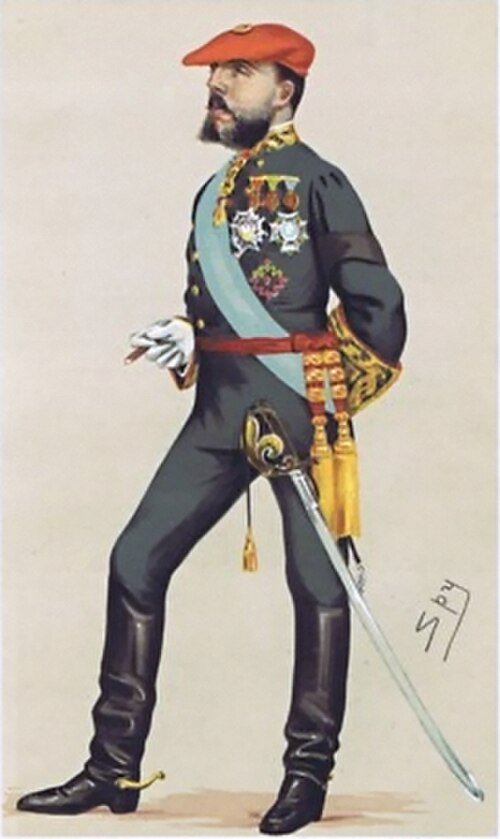 المتظاهر الكارلي، كارلوس ماريا دي بوربون إي أوستريا-إستي ، في رسم من مجلة فانيتي فير (1876).
 زعيم مقاتلي الاستقلال الكوبيين كارلوس مانويل دي سيسبيديس .
 رسم ساخر نُشر في صحيفة لا فلاكا في 1 مارس 1873. بعد أقل من شهر من إعلانها، تظهر فتاة الجمهورية الجميلة ، جالسة في المحاكم التأسيسية، منقسمة بين الموحدين والفيدراليين (الذين تم تعريفهم بأزياء الطبقة البرجوازية والطبقة العاملة، على التوالي)، والأخير بين المتنازلين والمتشددين (الذين يمثلهم الكلب المواجه للديك).
الجمهورية الأولى (1873-1874)

في 11 فبراير 1873، أعلن الكونغرس قيام الجمهورية بأغلبية 256 صوتًا مقابل 32 صوتًا. انقسم الجمهوريون بين أقلية من الموحدين ( إميليو كاستيلار ، نيكولاس سالمرون ، يوجينيو غارسيا رويز ، أنطونيو دي لوس ريوس روساس )، الذين كان ثقلهم السياسي يفوق بكثير تمثيلهم الهش؛ وأغلبية من الفيدراليين ، الذين انقسموا بدورهم بين مترددين ( فرانسيسكو بي إي مارغال ) ومتشددين ( خوسيه ماريا أورينسي ). خلال العامين القصيرين اللذين شهدت فيهما التجربة الجمهورية تطورًا، اتسمت دائمًا بهشاشة مؤسسية. على الصعيد الدولي، لم تعترف بالنظام الجديد سوى الولايات المتحدة وسويسرا، بينما فضّلت القوى الأوروبية البقاء على الحياد (كانت فرنسا وألمانيا قد خرجتا لتوّهما من الحرب الفرنسية البروسية ، التي كان من بين أسبابها المناورة للتدخل في الترشح للعرش الإسباني).
انتخب البرلمان إستانيسلاو فيغيراس ، الجمهوري المعتدل، رئيسًا للسلطة التنفيذية، وشكّل حكومةً تضمّ جمهوريين من كلا التيارين (كاستيلار، وبي - الذي كان بمثابة الرجل القوي في الحكومة من وزارة الداخلية -، وسالميرون، والجنرال خوان أكوستا - وزير الحرب). ألغت مراسيمه الأولى ألقاب النبلاء، وأعادت تنظيم متطوعي الحرية ، وأعلنت عن قرب إلغاء العبودية ، بالإضافة إلى الدعوة إلى جمعية تأسيسية . كان وضع مسودة دستور عام 1873 صعبًا، ولم يدخل حيز التنفيذ قط. أنشأ الدستور جمهوريةً اتحاديةً تضمّ 17 ولايةً وعدة أقاليم ما وراء البحار، لكلٍّ منها دستورها الخاص. كان من المقرر أن يكون للبلديات دستور محلي، وأن يكون هناك تقسيم للسلطات بين مكتب رئيس البلدية، ومجالس المدن، والمحاكم المحلية. في الدولة المركزية، تُمارس السلطة التنفيذية من قِبل رئيس حكومة يُعيّنه الرئيس. تُمارس السلطة التشريعية من خلال مجلسين، يُنتخب كلاهما مباشرةً، يتألف مجلس الشيوخ من أربعة ممثلين عن كل ولاية، بينما يتألف مجلس النواب من نائب واحد لكل 50,000 نسمة. أما السلطة القضائية، فيرأسها محكمة عليا تتألف من ثلاثة قضاة من كل ولاية. ويُعهد إلى الرئيس بما يُسمى سلطة التواصل مع السلطات الأخرى والولايات الفيدرالية. ويُفصل الدين عن الدولة فصلاً تاماً. [ 35 ]
سرعان ما ظهرت حركات تدعو إلى تعميق الإصلاحات بشكل جذري، سواء على الصعيد الإقليمي أو الاجتماعي: ففي برشلونة، أُعلن قيام الجمهورية الاتحادية الديمقراطية، التي ستكون كاتالونيا إحدى ولاياتها. وبدأت أولى منظمات الحركة العمالية الإسبانية في الظهور بشكل فاعل في المجال العام، مطالبةً بإجراءات مثل تقليص ساعات العمل أو زيادة الأجور. وفي مالقة ، استولى الأمميون على السلطة البلدية، وفي ريف الأندلس وإكستريمادورا، احتل العمال الزراعيون الأراضي.
وعلى النقيض من ثوار عام 1868، حاول الجنرال سيرانو القيام بانقلاب عسكري، لكنه فشل.
أُعلن بي إي مارغال رئيسًا للجمهورية في يونيو، واستقال بعد شهر في مواجهة تفاقم جبهات المعارضة العنيفة الثلاث: الانتفاضة الكارلية (التي زادت من دعمها وامتدادها الإقليمي، مع قيام مقاتلي سافال ببث الذعر في كاتالونيا)، واستمرار الحرب في كوبا، وظهور ثورة كانتونية من قبل الأكثر تطرفًا بين الجمهوريين الفيدراليين (قوية بشكل خاص في كانتون كارتاخينا ).
تولى سالمرون السلطة التنفيذية بقرارٍ كان له أثرٌ كارثي على استمرارية الجمهورية: قمع الانتفاضة الكانتونية بالجيش، الذي كان تحت سيطرة جنرالات ألفونسينو (أنصار الأمير ألفونسو، نجل إيزابيلا الثانية). أُرسل بافيا إلى الأندلس ، ومارتينيز كامبوس إلى فالنسيا ، ولوبيز دومينغيز إلى قرطاجنة . استقال سالمرون في 7 سبتمبر/أيلول بعد رفضه التوقيع على أحكام الإعدام الصادرة بحق بعض الجنود الكانتونيين، الذين وجدوا أنفسهم عالقين بين ضغوط حزبه ( إدواردو بالانكا ) والجيش (بافيا). [ 39 ] في الوقت نفسه، اندلعت أزمة دولية تورطت فيها الولايات المتحدة والمملكة المتحدة في الصراع الكوبي، نتيجةً لمصادرة سفينة فيرجينيوس في كوبا وإطلاق النار على 53 من أفراد طاقمها، من بينهم مواطنون أمريكيون وبريطانيون.
سعى الرئيس التالي، كاستيلار، إلى حل دبلوماسي للنزاع الدولي، وفي الوقت نفسه، مستندًا إلى صلاحياته الخاصة، أغلق البرلمان حتى يناير، بحجة ضرورة استخدام السلطة التنفيذية دون قيود في حل المشاكل الكوبية والكارلية والكانتونية. إلا أن رئاسته لم تستمر حتى افتتاح الدورة التالية في 2 يناير 1874.
 إستانيسلاو فيغيراس ، أول رئيس للجمهورية (كان اللقب المستخدم هو رئيس السلطة التنفيذية).
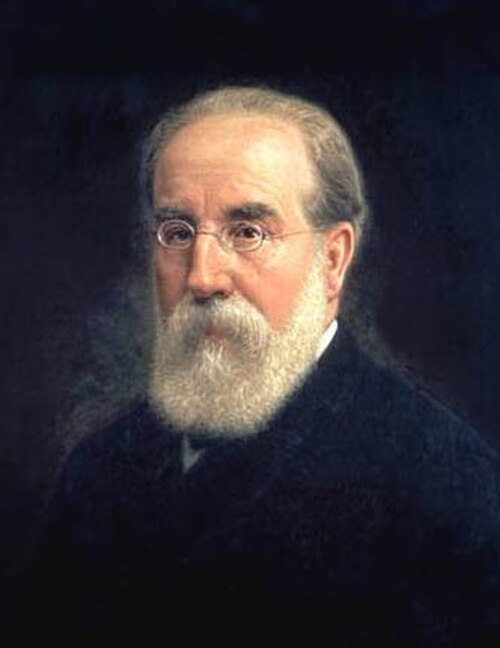 فرانسيسكو بي مارجال ، الرئيس الثاني.
 نيكولاس سالميرون ، الرئيس الثالث.
 إميليو كاستيلار ، الرئيس الرابع؛ خلال فترة الاستعادة ضغط على ساغاستا لإعادة تأسيس الحريات التي تحققت خلال فترة الستينيو مقابل دعمه.
ديكتاتورية سيرانو (1874)

في الثالث من يناير عام ١٨٧٤، قاطع الجنرال مانويل بافيا بعنف جلسة للبرلمان، الذي كان قد سحب للتو ثقة كاستيلار (مع أن الفعل لم يكن بالضخامة التي وُصفت بها الشائعات، إلا أن عبارة " حصان بافيا" أصبحت تعبيرًا سياسيًا إسبانيًا شائعًا، يُشبه التلويح بالسيف ، ويُشير إلى التهديد بانقلاب عسكري). أدى انعدام السلطة إلى تشكيل حكومة مركزية وضعت رئاسة الجمهورية في يد سيرانو ، الذي لم يخضع عمليًا للضوابط الدستورية، واعتُبرت ولايته (التي امتدت قرابة عام كامل) ديكتاتورية حقيقية. [ ٤٠ ]
في خضم أزمة مالية حادة، واجه مشاكل سياسية بالتزامن مع سعيه الحثيث لإخماد جبهات الحرب الثلاث المفتوحة: ثورة كانتون كارتاخينا، والحرب الكارلية الثالثة ، والحرب في كوبا . شكّل حكومة مع الجمهوريين الموحدين بقيادة يوجينيو غارسيا رويز ، وتولى خوسيه دي إتشيغاراي وزارة الخزانة، حيث أعاد تنظيم الشؤون المالية وأنشأ بنك إسبانيا . تولى ساغاستا رئاسة مجلس الوزراء منذ سبتمبر (شغل رؤساء السلطة التنفيذية في الفترة السابقة كلا المنصبين، بينما فضّل سيرانو تعيين شخص آخر لهذا المنصب، مما جعله في وضع مؤسسي مماثل لوضع الملوك)، وألغى مجدداً الفرع الإسباني للأممية ، وأغلق المقرات والصحف الثورية، وحلّ جماعات مثل متطوعي الحرية .
وعلى الفور، اعترفت القوى الأوروبية، وعلى رأسها ألمانيا، بالنظام الجديد.
أرسل ألفونسو ، ابن إيزابيلا الثانية، الذي كان يتلقى تدريباً عسكرياً في إنجلترا، من الأكاديمية الملكية في ساندهيرست رسالةً إلى الإسبان ( بيان ساندهيرست ) روج لها حزب ألفونسو ، وهو الحزب الأكثر اعتدالاً بين الملكيين الإسبان، بقيادة أنطونيو كانوفاس ديل كاستيلو . وبلهجة تصالحية، أعلن أنه قد استوعب الدرس المستفاد من طرد والدته، وأنه مصمم على ألا يكفّ عن كونه إسبانياً صالحاً، ولا كاثوليكياً ملتزماً كأجداده، ولا ليبرالياً حقيقياً كرجل عصره ؛ وسعى إلى حشد تأييد طيف واسع من الأطياف السياسية، بين الرجعيين والليبراليين المعتدلين.
في غضون ذلك، طال أمد الحرب في المناطق التي تتواجد فيها القوات الكارلية. تمكنت جيوش الحكومة، بقيادة الجنرال سيرانو نفسه، من حصر القوات الكارلية في نافارا، وفك الحصار عن بلباو، وشن هجومًا في منطقة كوينكا.
في 29 ديسمبر 1874، أشعل الجنرال مارتينيز كامبوس انتفاضة في ساغونتو تأييدًا للأمير ألفونسو. اختار سيرانو الاعتراف بالأمر الواقع وعدم معارضة إعلان الحكم، فدعا كانوفاس، زعيم حزب ألفونسو، لتشكيل حكومة، إلا أن كانوفاس لم يكن راضيًا عن الدور العسكري المحوري في عودة آل بوربون إلى العرش. فنجح في تهميش الجنرال المتمرد، تاركًا الحكومة في أيدي المدنيين. [ 35 ]
استعادة البوربون في إسبانيا (1874-1931)
عهد ألفونسو الثاني عشر (1874-1885) ووصاية ماريا كريستينا (1885-1902).


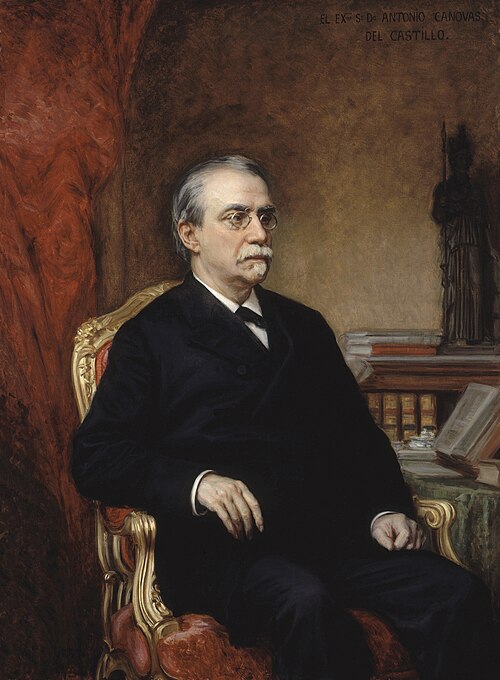 قام أنطونيو كانوفاس ديل كاستيلو ، الزعيم الأعلى للحزب المحافظ، بالترويج لنظام الحزبين للتناوب السياسي إلى جانب الحزب الليبرالي الذي يتزعمه ساغاستا.
 براكسيدس ماتيو ساغاستا ، مؤسس الحزب الليبرالي ورئيس الحكومة سبع مرات. كان أيضاً مهندساً، وعضواً بارزاً في الماسونية، ورئيساً أعلى لمحفل الشرق الأعظم في إسبانيا .
 نصب تذكاري للجنرال أرسينيو مارتينيز كامبوس ، من تصميم ماريانو بينليوري . وقد أدى موقعه في حديقة ريتيرو بمدريد إلى تفسير طريف، حيث أنه يدير ظهره لنصب ألفونسو الثاني عشر القريب .
بعد عودة آل بوربون إلى الحكم، أعاد الملك الجديد كانوفاس إلى السلطة، الذي دعا إلى انتخابات في يناير من العام التالي وفقًا للنظام المنصوص عليه في دستور عام 1869 (الاقتراع العام)، مما منحه أغلبية ساحقة من الملكيين المحافظين المتعاطفين مع حكومته. أُسندت صياغة دستور إسبانيا لعام 1876 إلى لجنة من الشخصيات البارزة اختارها كانوفاس بنفسه، برئاسة مانويل ألونسو مارتينيز ، والتي عُرضت على البرلمان وتمت الموافقة عليها دون تغييرات جوهرية في 30 يونيو. تقرر عدم تحديد النظام الانتخابي (بحيث تُجرى الانتخابات اللاحقة بالاقتراع العام حتى عام 1890). تقاسم الملك والبرلمان السيادة في نظام برلماني ثنائي المجلس، مما منح السلطة التنفيذية صلاحيات واسعة للغاية. وتم تقييد الاعتراف بالحريات العامة، وتحديد المذهب الكاثوليكي للدولة والتسامح مع الأديان الأخرى. لضمان استقرار النظام السياسي، أدرك كانوفاس، الذي أسس الحزب الليبرالي المحافظ ، ضرورة وجود معارضة وراثية ، أي معارضة موالية للملكية البرلمانية في عهد ألفونسو الثاني عشر. وفي عام ١٨٧٩، أنشأ ساغاستا ، بدعم من إميليو كاستيلار ، الحزب الليبرالي الاندماجي الذي ضمّ التقدميين والديمقراطيين الساخطين على النظام الجمهوري. وبموجب اتفاقية "إل باردو" (٢٤ نوفمبر ١٨٨٥، تحسبًا لاحتمال اندلاع أزمة سياسية إثر وفاة ألفونسو الثاني عشر)، أرست الاتفاقية بين كانوفاس وساغاستا نظامًا تناوبيًا شبه تلقائي بين الحزبين لتولي السلطة، ما يعني ضمنًا أن المحافظين سيقبلون بأن الليبراليين سيستعيدون تدريجيًا المكاسب السياسية التي حققوها خلال السنوات الست (حرية الصحافة، وحق تكوين الجمعيات، والاقتراع العام). أصبحت السيطرة على الانتخابات من خلال وزارة الداخلية ( encasillado of the candidates) النقطة الرئيسية لنظام قائم على ما يسمى بـ caciquismo : الهيمنة المحلية لشخصيات ذات مكانة اجتماعية واقتصادية كبيرة، وإنشاء شبكات زبائنية والتلاعب بالنتائج ( pucherazo ).
الحديث
في الجزء الخلفي من متجر صيدلاني:
-لا أعرف،
دون خوسيه،
كيف حال الليبراليين
يا له من سلوك كلبيّ، يا له من سلوك غير أخلاقي.
—أوه، اهدأ!
بعد انتهاء المهرجانات
سيأتي المحافظون،
الوكلاء الصالحون
من منزلك.
كل شيء يأتي وكل شيء يزول.
لا شيء أبدي:
لا حكومة
يدوم ذلك،
ولا شر يدوم مئة عام.
أنطونيو ماتشادو ، تأملات ريفية
على الرغم من الاستقرار الذي اتسم به النظام الكانوفي ، فقد شهدت الأحزاب الحاكمة انقساماتٍ قادها شخصياتٌ مثل فرانسيسكو سيلفيلا (الذي انتقد بشدة نظام المحسوبية، وهو ما لم يمنعه من تولي منصب وزير الداخلية)، وفرانسيسكو روميرو روبليدو أو رايموندو فرنانديز فيلافيردي في الحزب المحافظ، وسيغيسموندو موريت أو يوجينيو مونتيرو ريوس في الحزب الليبرالي. وقد استُبعدت الأحزاب غير الحاكمة عمليًا من أي فرصة للوصول إلى السلطة، مع أنها بدأت في نهاية القرن تحظى ببعض التمثيل في الدوائر الانتخابية الحضرية، التي كان من الصعب التأثير عليها. وهذا ما سمح للحركة الكاتالونية الناشئة (بقيادة إنريك برات دي لا ريبا - الاتحاد الكاتالوني ، 1891، قواعد مانريسا ، 1892) بالوصول إلى البرلمان ( الرابطة الإقليمية ، 1901)؛ بينما استغرق الحزب القومي الباسكي بزعامة سابينو أرانا ، الأكثر راديكالية، سنواتٍ أطول.

 بارتوميو روبرت ، أحد الأربعة المنتخبين من قبل الدوري الإسباني عام 1901، مع سيباستيان توريس وألبرتو روسينول ولويس دومينيك
أُعيد تنظيم الحركة العمالية بإنشاء أحزاب ونقابات ذات أيديولوجية ماركسية ( مثل الحزب الاشتراكي العمالي الإسباني (1879) والاتحاد العام للعمال (1888)، بقيادة بابلو إغليسياس ، الذي اختار المشاركة الانتخابية، مع انتشار أوسع في مدريد وإقليم الباسك) أو فوضوية ( مثل اتحاد عمال الإقليم الإسباني (1881) الذي اختار عدم التدخل في النظام السياسي، مع انتشار أوسع في كاتالونيا والأندلس). وطورت شبكة معقدة من الجماعات والأفراد الفوضويين ممارسات ما يُسمى بالعمل المباشر ، والذي تضمن، إلى جانب التدابير السلمية، تدابير عنيفة أخرى ( دعاية الفعل )، مع هجمات إرهابية كانت في بعض الحالات مروعة للغاية ( مثل تفجير مدرسة ليسيو دي برشلونة (1893)، واغتيال كانوفاس عام 1897)، وفي حالات أخرى تم التلاعب بها من قبل السلطات نفسها (مثل حركة لا مانو نيجرا ، 1882-1884).

 إعدام سبعة فوضويين في خيريز بتهمة الانتماء إلى لا مانو نيجرا ، 1884 (رسم توضيحي من مجلة فرنسية صدرت عام 1892).
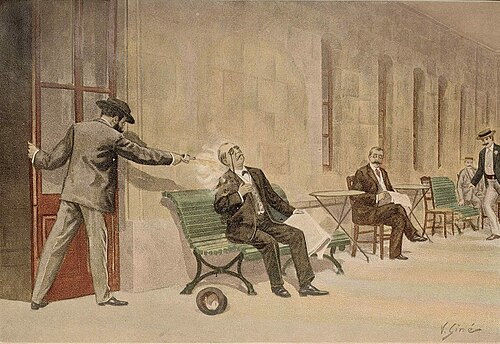 إعادة بناء فنية لاغتيال كانوفاس من قبل ميشيل أنجيوليلو .
كانت ما يُسمى بـ" مسألة الجامعة" الصراعَ الرئيسي في الحياة الفكرية، وإحدى أهم القضايا السياسية التي حددت ملامح النظام الجديد: فقد قيّد تعميم أوروفيو لعام 1875 (الصادر عن ماركيز أوروفيو ، وزير الأشغال العامة) الحرية الأكاديمية بشكل كبير ، إذ ألزمَ بالحفاظ على أساليب تدريس لا تمسّ الكاثوليكية والملكية. وقد طُرد عددٌ كبيرٌ من أساتذة الجامعة، الذين عُرفوا باسم "الكراوسيين " ( فرانسيسكو جينر دي لوس ريوس ، وجوميرسيندو دي أزكاراتي ، وتيودورو ساينز رويدا ، ونيكولاس سالمرون ، وأوغوستو غونزاليس ليناريس )، من الجامعة، واجتمعت مجموعةٌ منهم لمواصلة التدريس خارج الجامعة، في " مؤسسة التعليم الحر" ، مما أدى إلى نهضةٍ تربويةٍ بالغة الأهمية.
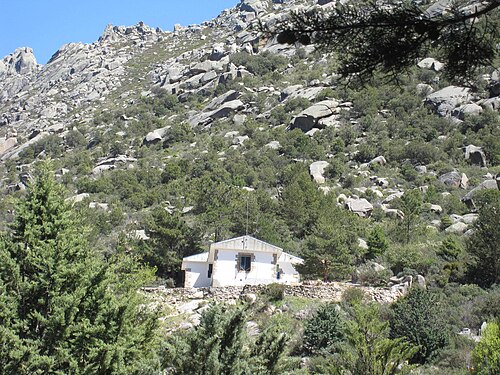 ملجأ في لا بيدريزا يحمل اسم جينر دي لوس ريوس منذ بنائه لأول مرة في عام 1914. [ 41 ] كانت الرحلات الطبيعية إحدى الموارد التعليمية المبتكرة لمعهد Institución Libre de Enseñanza .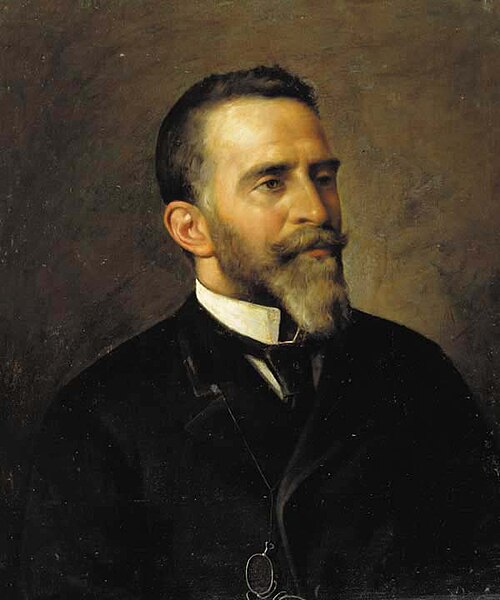
أسفرت جهود عسكرية حثيثة، بقيادة مارتينيز كامبوس، عن إنهاء المقاومة الكارلية، التي استُخدمت لإلغاء نظام الإقطاعيات في مقاطعات الباسك الثلاث (1876). وفي عام 1893، طُعن في بقاء نظام الإقطاعيات في نافارا، لكن التعبئة الشعبية ( غامازادا ) وضعت حدًا لهذه المزاعم. وبعد وصول مارتينيز كامبوس نفسه إلى الجزيرة، تحوّل مسار الصراع في كوبا نحو مفاوضات صلح زانخون (1878). إلا أن وعد الحكم الذاتي وتطبيق قانون موريه المناهض للرق (الذي تأخر حتى عام 1886) لم يُترجما إلى إصلاحات كافية لتجنب استياء المناضلين الكوبيين من أجل الاستقلال وإحباط آمال دعاة الحكم الذاتي، الأمر الذي أدى بعد عشرين عامًا إلى حرب جديدة، هذه المرة بتدخل حاسم من الولايات المتحدة، فيما يُعرف بكارثة عام 1898 . كانت عواقبها الداخلية، التي تجاوزت نهاية معظم الإمبراطورية الاستعمارية، حاسمة فكرياً وسياسياً ( التجديدية ، جيل 98 )، مما أدى إلى ما يسمى بأزمة الاستعادة.
مخزن المؤن، والمدرسة، ومفتاح مزدوج لضريح السيد.
شعارات خواكين كوستا . [ 42 ]
الاختلالات الديموغرافية والاقتصادية والاجتماعية والمكانية
شهدت السنوات الأخيرة من القرن التاسع عشر والسنوات الأولى من القرن العشرين أزمة اقتصادية حادة. فبعد وباء الكوليرا عام ١٨٨٥ ، الذي ضرب الأحياء الفقيرة المكتظة وغير الصحية للطبقة العاملة، متسببًا في ارتفاع معدلات الوفيات إلى مستويات كارثية، تفاقمت أزمة زراعية عميقة، ذات أصول مناخية وبيولوجية (ضعف محاصيل الحبوب، ووباء الفيلوكسيرا الذي دمر مزارع الكروم)، بسبب البنية الاجتماعية والاقتصادية للريف الإسباني، الذي لم يشهد الميكنة أو غيرها من تحولات الثورة الزراعية، واستمرت هذه الأزمة حتى عام ١٩٠٢ على الأقل. كانت ساعات العمل طويلة ومرهقة، بأجور زهيدة للغاية، بل وأحيانًا بنظام القطعة . وتدهورت الظروف المعيشية بشكل حاد، مع ارتفاع معدلات وفيات الرضع، بينما ظلت بقية البيانات الديموغرافية مطابقة لأرقام نموذجية لمجتمع ما قبل الصناعة . ونظرًا للخسائر الفادحة التي تكبدها ملاك الأراضي، ازدادت معارضتهم لمطالب العمال اليوميين، واشتدت المواجهة. أضرب آلاف العمال الأندلسيين مطالبين بالأراضي. ولم تسلم المناطق الأخرى ذات البنية العقارية الأقل تركيزًا من الصراعات الاجتماعية التي رافقت عمليات التحول، حتى أنها انعكست في الأدب، الذي تحول من التمسك بالتقاليد إلى التنديد الاجتماعي (كما في حالة " هورتا" فالنسيا التي خلدها فيسنتي بلاسكو إيبانيز ، و"هورتا" أستورياس التي كتبها ليوبولدو ألاس ). وحيثما كانت الظروف مواتية، برزت الهجرة كخيار للهروب ، لا سيما إلى أمريكا، وكذلك إلى فرنسا والجزائر؛ وكانت الهجرة شديدة بشكل خاص في غاليسيا ومناطق أخرى من شمال إسبانيا، حيث ساهم بعض الشخصيات التي عادت بنجاح (مثل " الهنود ") بمكانتهم المرموقة في نشر المثل الأعلى الاجتماعي المتمثل في الثراء من خلال العمل الجاد في بلاد بعيدة.
الجاليكية لا تسأل، بل تهاجر. ألفونسو رودريغيز كاستيلاو . [ 43 ]
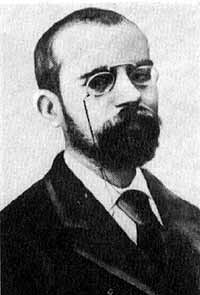 ليوبولدو ألاس "كلارين".

شهدت منطقة الباسك نهضة صناعية قائمة على تعدين الحديد، الذي كان يُصدّر إلى إنجلترا عبر مصب نهر بلباو . وقد أدى سهولة العودة محملاً بشحنات الفحم الإنجليزي إلى نشأة صناعة محلية للحديد والصلب ، وازدهار قطاعات مرتبطة بها، كصناعة بناء السفن والمؤسسات المالية (لا سيما أن النظام المصرفي الباسكي - حتى بنك سانتاندير - كان أكثر متانة من نظيره الكاتالوني). وفي الوقت الذي شهدت فيه العلاقات الاجتماعية التقليدية في ريف الباسك (الكاسيريو ) أزمةً، ما دفع الكثيرين إلى الهجرة على غرار سكان غاليسيا، ظهرت حركة معاكسة من المهاجرين الناطقين بالإسبانية للعمل في الصناعات الجديدة. وقد تجلى الصدام الثقافي الحتمي في شتى أنواع الصراعات والأيديولوجيات البديلة، كالاشتراكية والقومية الباسكية، وفي مسارات شخصية معقدة، كمسارات ميغيل دي أونامونو ، وبيو باروخا ، وتوماس ميابي .
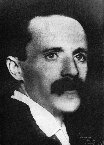 كُلِّف توماس ميابي من قِبَل القومية الباسكية بدراسة الماركسية بهدف مكافحتها بشكل أفضل. وبعد اطلاعه على الأدب والجماعات الاشتراكية، انضم إليها.
 كان ميغيل دي أونامونو في البداية قريبًا من الاشتراكية (في منشوراته الأولى أيد إضراب ترام بلباو)، ثم اتجه إلى البحث عن جوهر إسبانيا في المناظر الطبيعية والريف القشتالي، مما دفعه إلى التخلي عن أي نزعة أوروبية (الجدل " دعهم يخترعون! " مع خوسيه أورتيغا إي جاسيت )، ليختتم حياته بدفاع مدوٍ عن الذكاء ضد الفاشية.
 حافظ بيو باروخا ، الذي شارك أونامونو المسار الفكري لما يُسمى بجيل 98 ، على شخصية أكثر فوضوية. وبصفته طبيباً، فقد اقترح علاجات جذرية في السياسة: فالكارلية تُشفى بالقراءة، والقومية بالسفر.
في الوقت نفسه، شهدت الطبقة البرجوازية الكاتالونية طفرة اقتصادية هائلة (خلال فترة المعرض العالمي عام 1888 ) استمرت في خضم صراع اجتماعي حاد ( الأسبوع المأساوي عام 1909، وأزمة عام 1917 ، وسنوات عصيبة من عنف النقابات العمالية) في العصر الذهبي الذي امتد على الأقل حتى المعرض الدولي عام 1929. [ 44 ] وقد جعلت حيوية برشلونة منها العاصمة الاقتصادية الحقيقية لإسبانيا، حتى أنها استفادت من عودة رؤوس الأموال إلى الوطن بعد خسارة كوبا؛ كما أصبحت مركزًا فنيًا على المستوى الأوروبي ( الحداثة الكاتالونية ، وحركة "نوسينتيزم "). وقد أدى اتساع الفجوة الاجتماعية بين الأغنياء والفقراء إلى زيادة نفوذ الفوضوية في كاتالونيا، مما ترتب عليه عواقب سياسية عميقة وطويلة الأمد.
في جميع أنحاء إسبانيا، اتسمت صورة الفوضوية في نظر الرأي العام بشدة بقرار مجموعات صغيرة من النشطاء اختيار الاغتيال كأنجع وسيلة دعائية . فبعد تفجير مسرح ليسيو (1893)، وتفجير موكب عيد القربان (1897)، واغتيال كانوفاس (1897)، كانت هناك محاولة فاشلة لاغتيال ألفونسو الثاني عشر ( ماتيو مورال ، 1906)، واغتيال الرئيسين خوسيه كاناليخاس (1912) وإدواردو داتو (1921).
أدت التحولات الاجتماعية، كما هو الحال في بقية أوروبا، إلى تحفيز أقلية من النساء للمطالبة بإدماجهن في مختلف مجالات الحياة الثقافية ، مما أثار شتى أنواع الرفض والعقبات التي أخرت ذلك. اضطرت كونسبسيون أرينا لحضور دروس القانون متنكرة بزي رجل؛ واضطرت سيسيليا بوهل دي فابر للاختباء تحت اسم مستعار ذكوري للغاية هو فرناندو كاباييرو ؛ بينما كانت حالات مثل حالة ماريا دي لا أو ليخاراغا أكثر إذلالًا (إذ كانت مؤلفة العديد من الأعمال الموقعة باسم زوجها غريغوريو مارتينيز سييرا ). وبموجب ترخيص خاص بين عامي 1880 و1910، ظل وجود النساء في الجامعة نادرًا حتى ثلاثينيات القرن العشرين. وقد تقبلهن الوسط الأدبي بشكل متقطع ( روزاليا دي كاسترو ، إميليا باردو بازان ، كونشا إسبينيا ، كارمن دي بورغوس ). كان إدماج الطبقات الدنيا في العمل الصناعي مبكراً جداً، حيث كانت أجورهم أقل من أجور الرجال.

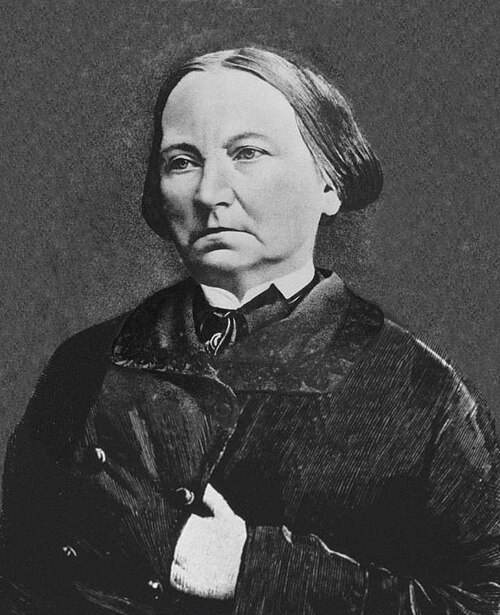
 النصب التذكاري لإميليا باردو بازان .
 نصب تذكاري لكونشا إسبينيا
عهد ألفونسو الثالث عشر (1902-1931)
الفترة الدستورية (1902-1923)


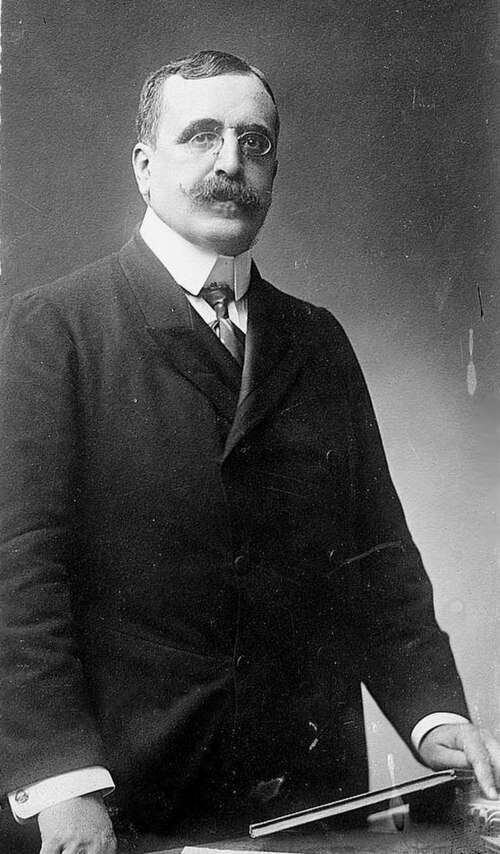
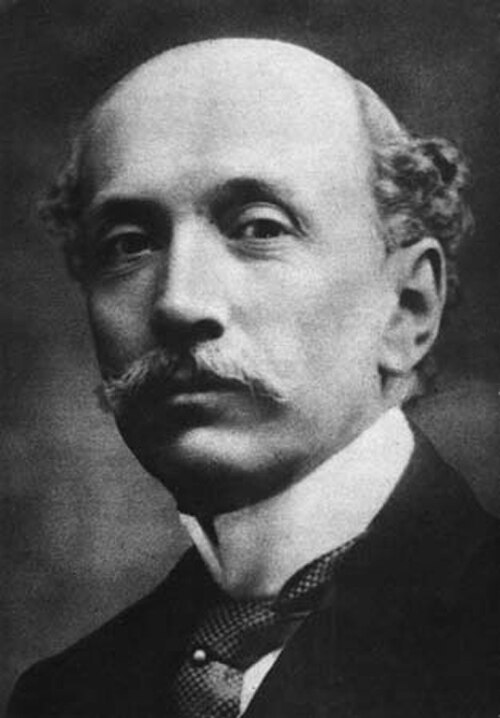
بدايات الحكم
أدى عدم الاستقرار السياسي إلى تعاقب سريع للحكومات المحافظة والليبرالية، وشهدت كلٌّ من الحزبين انقسامات وخلافات ومؤامرات شتى. وسادت روح التجديد في تبني قرارات اقتصادية واجتماعية إصلاحية، كقانون إعادة توطين المناطق الداخلية لعام 1907 ( أوغوستو غونزاليس بيسادا ) [ 45 ] ، وخطة إنشاء خزانات لمضاعفة الري ثلاث مرات (تطبيقًا للسياسة الهيدروليكية لخواكين كوستا أو لوكاس مالادا ). إلا أن هذه الإجراءات تأخرت بسبب نقص الموارد الاقتصادية التي كانت محل نزاع، مدعومة بجيش غير متناسب (عدد القادة يفوق عدد الجنود)، وإعادة بناء أسطول بحري لم يعد لديه إمبراطورية يدافع عنها. وفي عام 1908، أُطلق المعهد الوطني للحماية الاجتماعية ، الذي شكّل نواة سياسات الحماية الاجتماعية النموذجية لدولة اجتماعية كتلك التي طُبقت في ألمانيا بسمارك.


شهدت مجالات العلوم والتعليم والثقافة ازدهارًا ملحوظًا، لدرجة أنه بدءًا من عام ١٩٠٦ (وهو العام الذي مُنحت فيه جائزة نوبل في الطب لسانتياغو رامون إي كاخال ) يُمكن الإشارة إلى عصر ذهبي للعلوم والأدب الإسباني استمر لثلاثين عامًا (حتى الحرب الأهلية). في عام ١٩٠٠، أُنشئت وزارة التعليم ، ما ألزم الدولة بدفع رواتب المعلمين. وفي عام ١٩٠٧، أُنشئ مجلس توسيع الدراسات ، وهو هيئة بحثية علمية ذات توجه مؤسسي ، يرأسها الحائزون الجدد على الجائزة. وكانت الحركة العمالية نفسها مُوجهة نحو التعليم الشعبي ( الجامعات الليبرالية ، والمدارس الحديثة الفوضوية ، وبيوت الشعب الاشتراكية ).
أسبوع مأساوي وإصلاحات كاناليخاس
بعد كارثة عام ١٨٩٨ ، كان السبيل الوحيد للخروج من الاستعمار الإسباني هو النهج الأفريقي . أدى نشاط دبلوماسي مكثف إلى ترسيخ وجود استعماري في محمية المغرب ، وهو ما تحقق تحديدًا بفضل الفرصة التي سنحت للقوى الأوروبية لمنح إسبانيا سلطةً لا تُعتبر ذات قيمة كبيرة، على عكس ما كانت ستُهدد بمنحه لألمانيا أو فرنسا ( معاهدة الجزيرة الخضراء ، ٧ أبريل ١٩٠٦). أدى الطلب على جهد عسكري جديد إلى تعبئة أعداد كبيرة من المجندين الإجباريين (مع نظام "الخماسيات" الجائر واستبعاد من دفعوا حصة ٦٠٠٠ ريال). أثارت التعبئة المناهضة للجيش انتفاضةً خطيرة في برشلونة في يوليو ١٩٠٩ ( الأسبوع المأساوي )، والتي كادت أن تنتشر، ما استدعى قمعها بالجيش واستدعاء قوات الاحتياط. اتسمت أعمال الشغب بطابع مناهض لرجال الدين، روج له الزعيم الراديكالي أليخاندرو ليرو ( الشباب البرابرة )، حيث تم حرق الأديرة والكنائس. أعلنت حكومة أنطونيو ماورا المحافظة حالة الطوارئ في جميع أنحاء البلاد، واعتقل آلاف الأشخاص، وأخضعوا للمحاكمة العسكرية. وكان أبرزهم فرانسيسكو فيرير غوارديا، مؤسس المدارس الأناركية الحديثة . ورغم احتجاجات الرأي العام الدولي، نُفذ الحكم عليه بالإعدام بتهمة التحريض على أعمال الشغب (13 أكتوبر). وأجبرت الضغوط على ماورا على الاستقالة (21 أكتوبر).
أدى تحول الليبراليين إلى وصول خوسيه كاناليخاس إلى الحكومة ، والذي سعى إلى قمع المطالب الشعبية عبر إصلاحات تشريعية، مثل الخدمة العسكرية الإلزامية التي كان من شأنها وضع حد لظلم نظام الحصص العسكرية ووقف تنامي النزعة المعادية للعسكرة ، ومحاولة كبح جماح النزعة المعادية لرجال الدين، وتعزيز الطابع العلماني للدولة. وأمام رفض البابا التفاوض على اتفاقية عام 1851 ، اختار كاناليخاس تقييد نشاط الرهبانيات من جانب واحد ( قانون القفل ، ديسمبر 1910). وشملت التوجهات الاجتماعية للتدابير الحكومية استبدال الاستهلاك بضريبة تصاعدية على دخول المدن، ودعم التعليم الابتدائي. ومع ذلك، لم يتردد في استخدام إجراءات حازمة عند مواجهة الانتفاضات الاجتماعية، كما في العسكرة التي أنهت إضراب عمال السكك الحديدية عام 1912. [ 46 ]
الحرب العالمية الأولى وأزمة عام 1917
أدى حياد إسبانيا في الحرب العالمية الأولى (1914-1918)، الذي شكك فيه أنصار التحالف (وهم أكثر عدداً من اليسار) وأنصار ألمانيا (وهم أكثر عدداً من اليمين)، إلى زيادة ملحوظة في الطلب على جميع أنواع المنتجات المخصصة للتصدير، على الرغم من الخيار السياسي للحماية الصناعية الذي روّج له الكتالونيون في رابطة كاتالونيا ، الذين حققوا حصة كبيرة نسبياً من السلطة السياسية والحكم الذاتي المحلي ( مانكومونيتات كاتالانا ، 1913) وكانوا يطمحون إلى لعب دور حاسم في السياسة الوطنية ( فرانسيسك كامبو ). ارتفعت الأسعار نتيجة لزيادة الصادرات، بينما لم ترتفع الأجور بنفس الوتيرة، مما أدى إلى انخفاض كبير في القدرة الشرائية للعمال، في حين شهد رجال الأعمال زيادة في هوامش أرباحهم. وقد فاقمت التفاوتات الاجتماعية من عضوية النقابات في الاتحاد العام للعمال (UGT، الاشتراكي) والاتحاد الوطني للعمل (CNT، الفوضوي، الذي تأسس عام 1910). [ 47 ]
اندلعت أزمة عام 1917 نتيجةً لأربع مشكلات خطيرة: المشكلة السياسية (قصور المؤسسات عن مواكبة مجتمع حديث متزايد ورأي عام واعٍ، لا سيما في المناطق الحضرية غير الخاضعة لنظام التنافس بين القوى العمالية)، والمشكلة الاقتصادية والاجتماعية (تدهور مستوى المعيشة وتصاعد مطالب العمال)، والمشكلة العسكرية (استياء الضباط من الرتب المتوسطة والدنيا من سياسة الترقيات وانخفاض الرواتب الحقيقية)، والمشكلة الكاتالونية (تزايد الضغوط الإقليمية، والتي ردّ عليها الجيش الإسباني بضغوط منذ حادثة كو-كوت عام 1905). وقد طرح اجتماعٌ لمجلس النواب في برشلونة إمكانية وجود بديل للأحزاب الحاكمة وإعادة بناء النظام السياسي. وفي الوقت نفسه، اندلع إضراب عام (دعا إليه الاتحاد العام للعمال ودعمه الاتحاد الوطني للعمل). ردّت حكومة إدواردو داتو المحافظة بالقمع، فأودعت قادة الاحتجاجات (الاشتراكيون فرانسيسكو لارجو كاباييرو ، وخوليان بيستيرو ، وإنداليسيو برييتو ، وأندريس سابوريت ، ودانيال أنغويانو ، أو الجمهوري مارسيلينو دومينغو - وجميعهم كانوا يتمتعون بمستقبل سياسي واعد -) إلى السجن أو النفي. وشُكّلت حكومة ذات أغلبية ليبرالية ومحافظة، وأسفرت الانتخابات اللاحقة عن نتائج غير مؤكدة.
The end of the economic cycle coincided with the end of World War I and the demographic catastrophe of the so-called Spanish flu (the Spanish press, unlike that of the belligerent countries, was not subject to war censorship and could report on the epidemic). Nevertheless, at that point in the 20th century, the demographic figures of the "normal" years already corresponded to those of a demographic transition that had begun, with a growing urban population; and the data on the economic structure to those of a country immersed in a process of industrialization, with most of the labor force available to the market, beyond the village circuits of self-sufficiency, although with a clear relative backwardness, far from the levels of development that had already turned some countries into true consumer societies.
I go to work, with my money I pay for the suit that covers me
the suit that covers me and the mansion I live in,
the bread that feeds me and the bed where I lie.
Antonio Machado, Portrait.[48]
Crisis of the Restoration (1917–1923)
An imprudent military maneuver in Africa, personally supported by the king,[49] led to the disaster of Annual (July 22, 1921, with nearly ten thousand dead). The parliamentary investigation of the scandal (Picasso File) threatened to destabilize the centers of power of the Canovist system: the monarchy and the army.
Simultaneously, there was an upsurge of social conflicts, both in urban and rural areas: the so-called Bolshevik triennium[50] in Andalusia (strikes and peasant revolts that led to the declaration of a state of war in May 1919) and the years of lead in Barcelona[51] (characterized by the pistolerismo of the employers and the direct action or anarchist violence of groups of workers, and the policy of harsh repression against them by Governor Severiano Martínez Anido,[52] which made Catalan social life increasingly rarefied). Among all these events was the La Canadiense strike, carried out by the CNT, which led Spain to become one of the first countries to establish the eight-hour working day.[53][54]
قام القائد العام لبرشلونة، ميغيل بريمو دي ريفيرا ، بانقلاب عسكري في 13 سبتمبر 1923 ، وحظي بقبول فوري من الملك، دون ردود فعل معارضة قوية في المجال السياسي أو الاجتماعي، بينما انقسم المثقفون: معارضة من أونامونو (الذي تم نفيه) وقبول من أورتيغا . [ 55 ]
... تصرفتُ بمحض إرادتي. لم يكن لي شركاء. اعتقدتُ أنه إذا حققتُ هدفي بقتل الملك، فسأُثير ثورة في إسبانيا. لم يكن دافعي كراهية شخصية للملك، لأني أحترمه كإنسان لا كملك، وأعتقد أن اختفاءه قد يُساهم في إنقاذ إسبانيا. اعترافات بوينافينتورا دوروتي للشرطة الفرنسية، يونيو 1926. [ 56 ]
ديكتاتورية بريمو دي ريفيرا (1923-1930)

في السنوات الأولى للدكتاتورية، حظيت بأنواع شتى من الدعم الاجتماعي، من البرجوازية الكاتالونية إلى الاتحاد العام للعمال بزعامة لارغو كاباييرو ، بينما قبلت الأحزاب الحاكمة بتعليق الدستور. وتعززت شعبية النظام بحل عسكري، تمثل في عملية واسعة النطاق، لمشكلة المغرب، بمساعدة فرنسية: إنزال الحسيمة (8 سبتمبر 1925). وتم تأميم قطاعات استراتيجية، مثل قطاعي النفط والهاتف، حيث أُنشئت شركات احتكارية ضخمة ( كامبسا والشركة الوطنية للاتصالات ). وساهمت سياسة طموحة للأشغال العامة بروح التجديد (بناء الطرق والخزانات، والري، وإعادة التشجير) في تعزيز فرص العمل والنشاط الاقتصادي، بمجرد إرساء السلام الاجتماعي بالقوة. وبدا أن هذه هي الفضائل العلاجية للجراح الحديدي التي تنبأ بها خواكين كوستا . [ 57 ]
بمرور الوقت، انحرف النظام نحو نظامٍ نقابيٍّ ، بلغ في بعض جوانبه حدًّا يُذكّر بإيطاليا الفاشية في عهد موسوليني ، حتى مع إنشاء حركة سياسية ذات توجه حزبي ( حزب سياسي، لكنه غير سياسي : الاتحاد الوطني ). وقد أدى استبدال الإدارة العسكرية الأولية بإدارة مدنية (3 ديسمبر 1925)، ضمت سياسيين من خارج الأحزاب التقليدية ( خوسيه كالفوسوتيلو ، غالو بونتي ، إدواردو كاليخو )، إلى إرساء النظام مؤسسيًا (تأسيس المنظمة الوطنية للشركات (1926)، وعقد الجمعية الاستشارية الوطنية (1927)، وبدء صياغة نص دستوري جديد - دستور 1929 ، الذي لم يُستكمل قط -)، والذي أظهر بشكل متزايد نوايا لتمديد حكمه، على عكس ما ادّعى في البداية من أنه مؤقت.
أدى سوء إدارة السياسة النقدية إلى عرقلة تطوير برنامج الأشغال العامة، وزادت الصعوبات الاقتصادية من تراجع شعبية الديكتاتور، الذي تزايدت انتقاداته من قبل معارضة متنامية، لا سيما بين شباب الجامعات والمثقفين والحركة العمالية ؛ في حين كانت تُحاك مؤامرة سياسية بين الحزبين الجمهوري والاشتراكي. وأمام هذا النقص في الدعم، أصبح وضع بريمو دي ريفيرا لا يُطاق، فاختار الاستقالة والذهاب إلى المنفى (28 يناير 1930).
ديكتابلاندا والأزمة النهائية للملكية (1930-1931)
وقد عهدت الحكومة إلى الجنرال بيرينجر . كان فقدان مصداقية الحكومة الجديدة فوريًا: فقد انتهى مقال مدوٍ بقلم أحد أبرز المثقفين، خوسيه أورتيجا إي جاسيت ( El error Berenguer — El Sol ، 15 نوفمبر 1930 —)، بـ delenda est royalria . تم قمع الانتفاضة المؤيدة للجمهوريين لوحدة عسكرية في جاكا في 12 ديسمبر 1930، لكن إعدام الجناة الرئيسيين ( فيرمين غالان وأنخيل غارسيا هيرنانديز ) رميًا بالرصاص كان له تأثير كبير على الرأي العام. قام أورتيجا، بدعم من مجموعة مختارة ( رامون بيريز دي أيالا وجريجوريو مارانيون )، بإنشاء Agrupación al Service de la República ، برئاسة أنطونيو ماتشادو . أعقب أول عمل علني لها (14 فبراير 1931) استقالة بيرينغير.


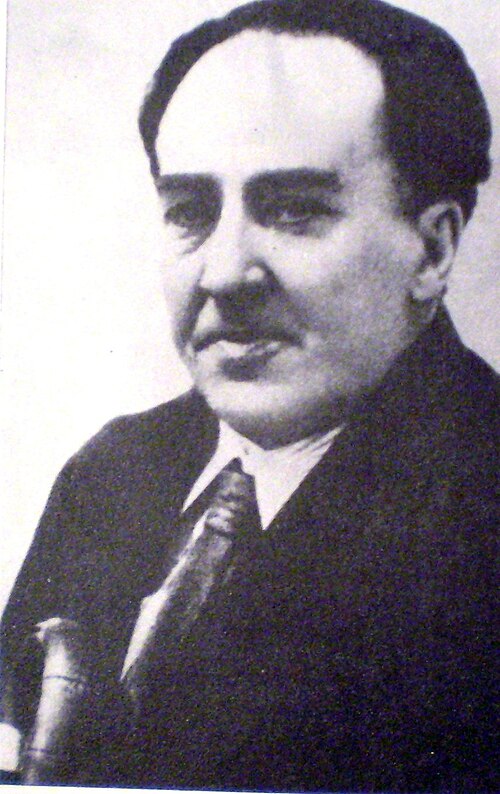
إن وحدة عمل السياسيين الجمهوريين ذوي التوجهات المختلفة، بدءًا من ميثاق سان سيباستيان (17 أغسطس 1930)، سمحت لهم بتحدي الحكومة الضعيفة بشكل متزايد وتقديم أنفسهم كبديل موثوق به للسلطة.
في هذا السياق، اختار الرئيس الجديد، الأدميرال أزنار ، إعادة ترسيخ الممارسات الديمقراطية تدريجيًا، بدءًا بإجراء الانتخابات البلدية في 12 أبريل ، وهو سيناريو سياسي يُرجّح إعادة تشكيل سيطرة الشبكات الزبائنية التقليدية على السلطة المحلية. وشكّلت الأحزاب الجمهورية وحزب العمال الاشتراكي الإسباني كتلة انتخابية حظيت بدعم الاتحاد العام للعمال. وفي كتالونيا، تحالفت الأحزاب العائلية مع رابطة الأحزاب ، بينما انضمت أحزاب المعارضة الوطنية إلى حزب اليسار الجمهوري الكتالوني ( فرانسيسك ماسيا ) الذي تأسس حديثًا . وطبّق الاتحاد الوطني للعمل (CNT) العقيدة الأيديولوجيّة الفوضوية، التي اعتبرت التدخل في المؤسسات السياسية البرجوازية أمرًا غير مُجدٍ؛ في حين كان الحزب الشيوعي الإسباني (بالإسبانية: Partido Comunista de España ، PCE، الذي انشق عن حزب العمال الاشتراكي الإسباني نتيجة لتشكيل الأممية الثالثة الموالية للسوفيت ) لا يزال حزبًا ذا كيان ضئيل للغاية. على الرغم من فوز المرشحين الملكيين في عدد الأصوات وعدد المجالس البلدية، لم يكن بالإمكان إخفاء حقيقة أن معظم الدوائر الانتخابية (القرى الخاضعة لنظام الحكم المحلي والمحرومة من حرية التصويت الحقيقية) لا تُقارن بالمدن التي حققت فيها القوائم الجمهورية الاشتراكية فوزًا ساحقًا. وبناءً على هذه النتائج، وفي 14 أبريل/نيسان، وفي أجواء احتفالية وشعبية، امتلأت شوارع جميع المدن بالحشود التي لوّحت بالأعلام ثلاثية الألوان (حيث استُبدل الشريط الأحمر السفلي في العلم الجمهوري بشريط أرجواني)، بينما سيطر سياسيون جمهوريون بارزون، في مواجهة تقاعس السلطات، على المباني العامة معلنين قيام الجمهورية. آثر الملك عدم اللجوء إلى رد فعل قمعي لا يحظى بدعم الجيش أو الأحزاب الحاكمة، فذهب إلى المنفى متنازلًا عن سلطاته دون أن يتنازل رسميًا عن العرش.
الجمهورية الإسبانية الثانية (1931-1939)
أول سنتين، "اجتماعي- أزانيستا "، إصلاحي أو تحويلي
A provisional government presided by Niceto Alcalá Zamora was established, formed by republicans of different ideologies, including socialists. On June 28, 1931, elections to the constituent Parliament resulted in a chamber dominated by left-wing Republican parties, together with the PSOE, which imposed a secularist and socially advanced orientation, leading to the resignation of Alcalá Zamora and the formation of a new government presided over by Manuel Azaña (October 14, 1931). An attempt was made to maintain the institutional balance by naming Alcalá Zamora president of the Republic (December 10 of the same year).
The 1931 Constitution recognized a wide range of political and social rights, such as women's suffrage, the institution of mixed juries of employers and workers in parity for the resolution of labor disputes. By subordinating private property to the interests of the national economy, it responded to the need for an agrarian reform (substantiated in the Law of September 9, 1932) which provided for the expropriation with compensation of farms considered not to be exploited with sufficient social profitability (such as most of the large estates in southern Spain), for the benefit of landless day laborers. The total separation Church-State was expressed in a complete religious freedom, in the suppression of the cult and clergy budget (a concession to the Catholic Church since the Concordat of 1851, which remedied the deprivation of resources due to the confiscation by paying salaries to bishops and priests), in the prohibition of formal teaching to the religious orders and in the suppression of the Society of Jesus (based on its vow of special obedience to the Pope). The new institutional design placed the executive power in the hands of a president of the republic who appointed the president of a government responsible to a unicameral legislature. The new territorial structure recognized the right to autonomy within a so-called integral State, which resulted in the constitution of the Generality of Catalonia on August 2. Special jurisdictions were abolished (such as the military, which had been exercised over civilians since 1906), the jury was extended and the formation of a Court of Constitutional Guarantees was envisaged.
أدى إصلاح الجيش، الذي كان يعاني من اختلال التوازن بسبب كثرة عدد الضباط، إلى إغلاق الأكاديمية العامة في سرقسطة . وتسبب السخط العسكري، بالإضافة إلى سخط الحرس المدني ، في قيام الجنرال سانخورخو بتنفيذ محاولة الانقلاب الفاشلة عام 1932 ، ذات الطابع الملكي، والتي عزت أيضاً إلى النزعة المعادية لرجال الدين في الجمهورية، والتي تجسدت في حرق الأديرة . وعلى النقيض من ذلك، فرض القادة الأناركيون في الاتحاد الوطني للعمل (CNT) والاتحاد الأناركي الأيبيري (FAI) تكتيك الضغط المستمر من خلال الإضرابات والتعبئة العامة، والتي كانت عنيفة بشكل خاص في الريف. ووقعت مواجهات خطيرة، مثل أحداث جيلينا ، وكاستلبلانكو ، وأرنيدو ، وكاساس فييخاس . [ 58 ] التي من شأنها أن تقوّض الحكومة الاشتراكية الفوضوية إلى حدّ إجبارها على حلّ البرلمان والدعوة إلى انتخابات نوفمبر 1933 ، والتي أظهر فيها الفوضويون عدم اكتراثهم بالنظام الجمهوري بالامتناع عن التصويت. وقد طُرحت أيضًا ( في مناظرة فيكتوريا كينت وكلارا كامبومور ) فكرة أن ممارسة المرأة لحق الاقتراع لأول مرة ستمنح هذا الحق لعدد كبير من النساء، متأثرات بشكل حاسم بآراء رجال الدين من على المنابر وفي غرف الاعتراف. وكانت الأحزاب التي حصدت أكبر عدد من المقاعد هي كتلة الاتحاد الإسباني للحقوق المستقلة (CEDA) بزعامة خوسيه ماريا جيل روبلز ، وحزب الراديكالية بزعامة أليخاندرو ليرو (الذي كان بعيدًا كل البعد عن التطرف الذي ميّزه في بداية القرن)، والذي توصّل إلى اتفاق لتشكيل الحكومة.
 الاحتفالات في برشلونة بعد إعلان الجمهورية في 14 أبريل 1931.
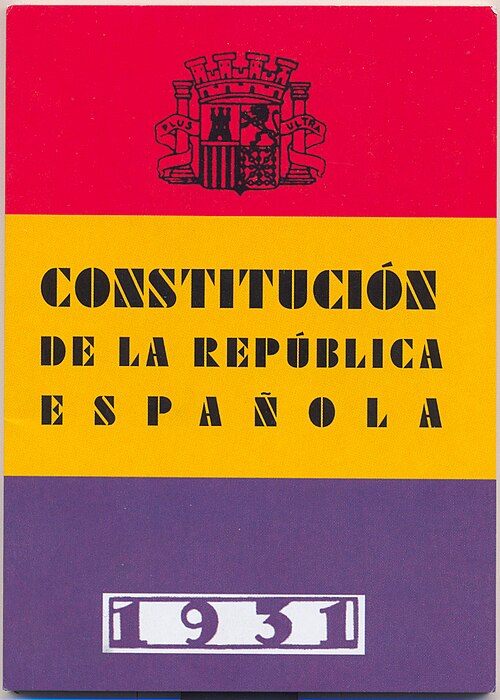 غلاف نسخة من دستور الجمهورية الإسبانية لعام 1931
السنة الثانية، "راديكالي-سيديستا" أو "أسود"
توقفت الإصلاحات التي بدأت في العامين الأولين بشكل جذري بسبب حكومة السيديستا. فقد أُوقف تطبيق قانون الإصلاح الزراعي، ومُنح العفو لمدبري انقلاب عام 1932 (سانخورخو، خوان مارش ، وغيرهم)، ورُفض قانون حكومة كاتالونيا العامة المؤيد للعمال الرحل . وخشي اليسار الجمهوري وحركة العمال من أن يؤدي انضمام جيل روبلز إلى الحكومة، كما حدث مع هتلر في ألمانيا، إلى إقامة نظام فاشي رغم أصوله الديمقراطية. وفشلت انتفاضة أكتوبر 1934 ، التي روج لها الحزب الاشتراكي العمالي الإسباني ، ودعمها الأناركيون، والتي حظيت في كاتالونيا بالدعم المؤسسي من حكومة اليسار الجمهوري المستقلة (التي ذهبت أبعد من ذلك، معلنةً قيام دولة كاتالونيا داخل الجمهورية الاتحادية الإسبانية في 6 أكتوبر)، في جميع أنحاء إسبانيا باستثناء أستورياس، حيث سيطر عمال المناجم على المدن. عهدَت الحكومة بقمع الانتفاضة إلى الجيش الأفريقي بقيادة فرانشيسكو فرانكو ، الذي أنهى الثورة بسرعة؛ فبالإضافة إلى القتلى والجرحى، سُجن آلاف العمال والنقابيين والسياسيين من أحزاب اليسار. [ 59 ] وشهدت نهاية تلك الفترة فضيحة فساد (فضيحة " إسترابيرلو ") تسببت في صعوبات برلمانية لحزب ليرو، مما أدى إلى تفككه، الأمر الذي أجبر على إجراء انتخابات مبكرة.
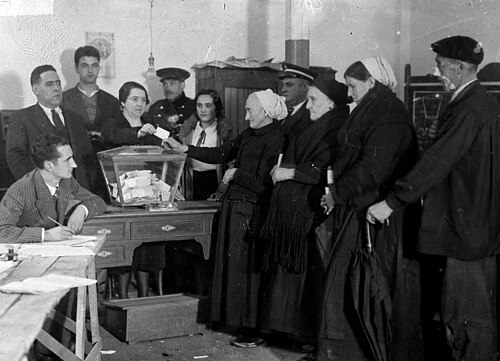 التصويت في إيبار في 5 نوفمبر 1933.
الجبهة الشعبية (من فبراير إلى يوليو 1936)
In imitation of France where a Front Populaire had reached the government (the popular-front strategy, designed by Dimitrov and Stalin in the Komintern, responded to the need to stop fascism by electoral means by bringing together antifascist parties from a wide area of the political spectrum), in Spain, under the same name of Popular Front, an electoral coalition was formed that won the elections of February 1936. Despite the small distance in votes, the electoral system produced a large majority of deputies from the PSOE, Izquierda Republicana and the rest of the coalition parties. Alcalá Zamora was dismissed by the new chamber as president of the Republic (April 7), and Manuel Azaña was elected to replace him (May 11), a change identical in persons to that which took place in the presidency of the government in 1931. Previously (February 19) a government presided over by Azaña had been formed with Republican ministers among whom no Socialists were appointed (whose parliamentary support was essential, but who were internally divided between the more moderate tendency of Indalecio Prieto and the more radical one of Francisco Largo Caballero).
The Catalan Generalitat was re-established and the reforms paralyzed by the radical-cedista biennium were unblocked, among them the procedures to give autonomy statutes to Galicia and the Basque Country. Labor confrontations and public disorder were on the rise. A new wave of anticlerical riots broke out again. Since April 14 (fifth anniversary of the proclamation of the Republic) violent demonstrations and counter-demonstrations followed one after another, resulting in deaths due to a spiral of personal and political revenge. On June 15, 1936, Gil-Robles denounced the serious situation in a parliamentary speech:
160 churches destroyed, 251 assaults on temples, smothered fires, destruction, attempted assaults. 269 dead. 1287 wounded of varying degrees of seriousness. 215 personal aggressions frustrated or whose consequences are not recorded. 69 private and political centers destroyed, 312 buildings assaulted. 113 general strikes, 228 partial strikes. 10 newspapers totally destroyed, all right-wing. 83 assaults on newspapers, attempted assaults and destruction. 146 bombs and explosive devices. 38 picked up unexploded.[60]
في الثاني عشر من يوليو/تموز، اغتيل الملازم كاستيلو ، عضو الاتحاد العسكري الجمهوري المناهض للفاشية، والذي شارك في قمع مظاهرة يمينية. وفي اليوم التالي، أرادت مجموعة من حراس الاقتحام (قوة الأمن التي ينتمي إليها كاستيلو) الانتقام له بقتل جيل روبلز، ولكن عندما لم يكن في منزله، قرروا مهاجمة خوسيه كالفوسوتيلو ، وزير المالية السابق في النظام الملكي ورئيس الكتلة الوطنية (وهي تجمع للملكيين والكارليين، ذوي توجهات تقليدية أو محافظة متشددة)، والذي، على الرغم من قلة نفوذه السياسي، كان له دور بارز في البرلمان كأحد أبرز قادة المعارضة. واعتُبر اغتياله مبرراً (وُصف بأنه أول شهيد للحملة الصليبية ) للانتفاضة العسكرية التي اندلعت بعد أربعة أيام، وإن لم يكن شرارتها، إذ أصبح التحضير لها لعدة أشهر أمراً معروفاً للجميع، ما دفع جميع القوى الاجتماعية والسياسية إلى اتخاذ موقف.
الحرب الأهلية الإسبانية


في ظهيرة يوم 17 يوليو، اندلعت الانتفاضة العسكرية في المغرب، وفي صباح يوم 18 يوليو في معظم أنحاء شبه الجزيرة الإسبانية. فشلت ما سُميت بالانتفاضة الوطنية في مواقع رئيسية، مثل مدريد وبرشلونة، ويعود ذلك في بعض الحالات إلى معارضة جزء من الجيش، وفي حالات أخرى إلى المقاومة الشعبية المنظمة في ميليشيات النقابات العمالية والأحزاب اليسارية التي حصلت على أسلحة من السلطات الحكومية (طوال فترة الحرب، كان النشاط العسكري لقادة من أصول شعبية بارزًا، مثل إنريكي ليستر وفالنتين غونزاليس إل كامبسينو - شيوعيان، من الفوج الخامس -، وبوينافينتورا دوروتي - فوضوي، من الميليشيا الكونفدرالية -). وتمت محاصرة بعض المناطق التي انتصرت فيها الانتفاضة كمناطق معزولة (إشبيلية، طليطلة، غرناطة). قُسّمت إسبانيا إلى منطقتين ( المنطقة الوطنية أو الفاشية والمنطقة الجمهورية أو الحمراء - بحسب التسمية -)، وحدّدت هاتان المنطقتان وضع المواطنين أو الجمهوريين الجغرافيين (أي ليس عن قناعة، بل عن إجبار) لجزء كبير من الجيش والشرطة والحرس المدني والموظفين المدنيين؛ بالإضافة إلى المجندين قسرًا ومنظمات المجتمع المدني. وبشكل عام، تطابقت المنطقة الوطنية مع المناطق الزراعية في الشمال حيث سادت الملكية الصغيرة (غاليسيا، والهضبة الشمالية، ونافارا)، بينما تطابقت المنطقة الجمهورية مع المناطق الصناعية والعمالية (أستورياس، وإقليم الباسك، وكتالونيا، ومدريد، وفالنسيا) والمناطق الزراعية ذات الملكية الكبيرة في الجنوب (إكستريمادورا، والهضبة الجنوبية، والأندلس)؛ وهو ما انعكس أيضًا بشكل عام على توجه التصويت الذي استمر منذ بداية القرن في الانتخابات المتعاقبة بين اليسار واليمين . أما السمات الأيديولوجية الأخرى التي مثّلت مؤشراتٍ للانتماء، فكانت تلك التي ميّزت أنصار المفهوم التقليدي لوحدة إسبانيا عن القوميين المهمشين، وتلك التي ميّزت أنصار الدور التقليدي للكنيسة الكاثوليكية عن المعادين لرجال الدين. وشمل هذا التباين القوميين الباسكيين (الكاثوليك) في الجانب الجمهوري، والكتالونيين من الرابطة ( اليمينيين) في جانب المتمردين. وقد أدّى تطرّف المواقف إلى تهميش المعتدلين في كل جانب، أو أولئك الذين لم يشعروا بالانتماء لأيٍّ من الجانبين (ما يُعرف بإسبانيا الثالثة ).
بدأ قمع عنيف للغاية من كلا الجانبين، أكثر منهجية من جانب المتمردين، وأكثر عشوائية من جانب الجمهوريين، مما أدى إلى اشتباكات داخلية خطيرة (أحداث برشلونة في مايو 1937 ، بين الفوضويين والتروتسكيين والشيوعيين، الذين انخرطوا في صراع أولويات بين كسب الحرب أو إشعال الثورة - ما يسمى بالثورة الاجتماعية الإسبانية ، التي نفذت عمليات تجميع زراعي وتجارب تحررية في مناطق تفتقر إلى سيطرة الحكومة، وخسرتها في وقت قصير -). ركزت المسيرات وعمليات تحرير السجناء (الإعدامات السرية) والاعتقالات النظامية وغير النظامية (في سجون نظمتها المنطقة الوطنية المتقدمة ووحدات تشيكا ذات توجهات مختلفة في مؤخرة الجيش الجمهوري) على الخصوم الطبقيين والأيديولوجيين : ملاك الأراضي ورجال الدين من جانب الجمهوريين، والنقابيون والمعلمون من جانب الوطنيين.
تم تعويض العيب الاستراتيجي الأولي للمتمردين العسكريين (قوات متمركزة في أفريقيا دون سيطرة على البحرية والطيران، ومعظمها جمهوري) بدعم المعدات التي قدمتها ألمانيا النازية، والتي أصبحت مع إيطاليا الفاشية حليفًا حاسمًا للمتمردين. [ 61 ]
لم تتمكن حكومة الجمهورية، التي ترأسها أولًا خوسيه خيرال ثم فرانسيسكو لارجو كاباييرو ، من الحصول على دعم مماثل من الديمقراطيات الأوروبية، التي تبنت سياسة عدم التدخل ، بينما سعت في الوقت نفسه، من خلال سياسة الاسترضاء ، إلى وقف توسع هتلر في أوروبا الوسطى، وهو جهد باء بالفشل في نهاية المطاف، مُظهرًا، من بين أمور أخرى، أن الحرب الإسبانية كانت بمثابة بروفة ومعركة أولى للحرب العالمية الثانية . وكان الدعم الدولي الوحيد الذي حصلت عليه الجمهورية هو دعم الاتحاد السوفيتي ، الذي اتخذ شكل معدات حربية ومستشارين عسكريين وتنظيم حملة تجنيد دولية للمتطوعين في الألوية الدولية . وتزامن تنامي النفوذ السوفيتي مع ازدياد الحضور الاجتماعي والمؤسسي للحزب الشيوعي الإسباني ، الذي كان صغيرًا في السابق، لا سيما مع حكومة الاشتراكي خوان نيغرين (من مايو 1937). وقد تعقدت مسألة الدفع الاقتصادي بسبب مسألة غامضة تتعلق بسحب احتياطيات الذهب من بنك إسبانيا للاحتفاظ بها في روسيا، والمعروفة باسم " ذهب موسكو" .
ابتداءً من الأول من أكتوبر عام ١٩٣٦، وُضِعَ الجانب المتمرد تحت القيادة المطلقة للجنرال فرانكو، الذي تعززت مكانته بفضل الحملة العسكرية الشرسة التي ربطت بين المنطقتين الجنوبية والشمالية ( السيطرة على باداخوز في ١٤ أغسطس ١٩٣٦)، والتي امتدت لتشمل إنقاذ المحاصرين في قصر طليطلة (٢٧ سبتمبر ١٩٣٦). لم يستطع أي جيش منافسة هذا الوضع (فقد لقي كل من منظم الانتفاضة، الجنرال مولا ، وأبرز قادة المتمردين، الجنرال سانخورخو ، حتفهما في حادثي تحطم طائرتين). كما لم تشهد الساحة السياسية الداخلية أي خلافات جدية: فقد كان مؤسس كتائب الفلانخ الإسبانية ، خوسيه أنطونيو بريمو دي ريفيرا ، سجينًا في سجن أليكانتي (أُعدم رميًا بالرصاص في ٢٠ نوفمبر)، ومنذ ذلك الحين أصبح يُعرف بـ" الغائب" . بفضل جمالياتها وبرنامجها المستوحى من الفاشية الإيطالية، كانت هذه الحركة الحزب الأكثر تطرفًا في اليمين والأكثر نفوذًا، نظرًا لخيارها الحازم للعنف، بين أولئك الذين فقدوا ثقتهم تمامًا في النظام الجمهوري منذ خسارة اليمين انتخابات فبراير 1936، مما أدى إلى زيادة مذهلة في نضالها ( القمصان الجديدة ضد القمصان القديمة ). تم حل جميع الأحزاب والحركات الأخرى التي انضمت إلى الانتفاضة (الجبهة الوطنية للعمل التقليدي، المندمجة بالفعل في الكتائب، وأحزاب اليمين المندمجة بالفعل في الاتحاد الإسباني للعمل التقليدي ، وحركة التقليد والتجديد الإسباني ، وجماعات يمينية مختلفة، من كاثوليك وكارليين وملكيين، إلخ) وأُجبرت على التوحد مع الكتائب تحت الاختصار FET y de las JONS (بالإسبانية: Falange Española Tradicionalista y de las Juntas de Ofensiva Nacional Sindicalista ، مرسوم التوحيد الصادر في 19 أبريل 1937). لقد اتضح أن الحرب لم تكن تشن لإعادة تأسيس ملكية ليبرالية محافظة أو حكومة جمهورية يمينية، بل لزرع نظام شمولي مماثل للنظامين الإيطالي والألماني.
اكتسب الدفاع عن مدريد ، التي تعرضت لقصف مكثف، طابعًا دعائيًا (شعار " لن يمروا" ، قصيدة أنطونيو ماتشادو الذي وصف مدريد بأنها "محطمة كل إسبانيا ")، وتفاقم هذا الطابع بفضل دعم غالبية المثقفين للجمهورية ( تحالف المثقفين المناهضين للفاشية ، المعرض الدولي في باريس عام 1937 ). ونجحت المقاومة الشرسة في تجنب سقوط العاصمة، رغم اضطرار الحكومة لإخراجها منها، والتي لجأت إلى فالنسيا. وتسبب إجلاء سجناء اليمين في واحدة من أكثر فصول الحرب إثارة للجدل: اغتيال باراكويوس . كما أثارت الأحداث المتعلقة بسقوط المنطقة الشمالية الجمهورية جدلًا واسعًا: قصف غيرنيكا ، وسقوط بلباو (التي كانت نظريًا محمية بحزام حديدي )، وتراجع القوميين الباسكيين ( ميثاق سانتونيا ).
حاول الجمهوريون أخذ زمام المبادرة بشن هجمات بيلشيت (أغسطس-سبتمبر 1937) وتيرويل (ديسمبر 1937 - فبراير 1938)، والتي تم تحييدها. وكانت العواقب وخيمة لوصول قوات فرانكو إلى البحر الأبيض المتوسط في معركة فيناروز ( الجنرال ياغوي ، 15 أبريل 1938، ذروة هجوم أراغون )، مما أدى إلى تقسيم المنطقة الجمهورية إلى قسمين. لم يفلح الهجوم المضاد الجاد في معركة إيبرو (يوليو - نوفمبر 1938)، وهي الأهم في الحرب بأكملها، في اختراق الجبهة بشكل حاسم، وأدى استنزاف القوات الجمهورية إلى سقوط كاتالونيا (ديسمبر 1938 - فبراير 1939) ورحيل أول فوج كبير من الجمهوريين الإسبان إلى المنفى في فرنسا، بمن فيهم الرئيس المستقيل أثانيا (27 فبراير 1939)، الذي حاول عبثًا التوفيق بين الجانبين بخطابه المؤثر " السلام والرحمة والمغفرة" (18 يوليو 1938). [ 62 ] لم تكن الأيام الأخيرة من الحرب قتالًا على الجبهة، بل في مؤخرة الجيش الجمهوري، حيث وقع انقلاب العقيد كاسادو (4 مارس 1939) والانهيار السريع للسلطة، بينما تم تنظيم عملية الفرار إلى المنفى على عجل. تم الاستيلاء على مدريد من قبل قوات فرانكو دون أي مقاومة، وفي الأول من أبريل تم توقيع التقرير الأخير للحرب الأهلية الإسبانية .
The subject of the Civil War is the one with the greatest literary production of all Spanish historiography, as well as the most polemic and generator of social and political debate (see historical memory). Not even on the dates there is total agreement: the so-called revisionists propose the revolution of 1934 as the beginning of the war, while the declaration of the state of war itself was divergent on both sides: the Republican government did not declare the state of war until almost its end (to maintain civil control of all institutions), while Franco's government did not lift the declaration until several years after the end (to ensure its military control).
The consequences of the Civil War have greatly marked the subsequent history of Spain, because of their exceptionally dramatic and long-lasting nature: both demographic, which marked the population pyramid for generations (increased mortality from direct violence —175,000 dead at the front, 60,000 from repression in the national rearguard and 30,000 in the republican rearguard— and from the deterioration of living conditions and food; the destruction of the cities, of the economic structure —50% of the railway structure and more than a third of the merchant navy and livestock—,[63] of the artistic heritage —despite attempts to protect it, such as the one that led to the evacuation to Switzerland of the main collections of the Museo del Prado to avoid the bombing of Madrid, but that were unfeasible to generalize, given the dispersion of religious art—, the repression in the rearguard of both zones —maintained by the victors with greater or lesser intensity throughout the Franco regime, some 50,000 executions— and the exile of the losers), which were perpetuated well beyond the prolonged postwar period, including the geopolitical exceptionality of maintaining Franco's regime until 1975.
 Poles swearing allegiance to the Second Republic.
 German soldiers loading a Heinkel He 111 of the Condor Legion with bombs
 Guernica after the bombing of April 26, 1937
Franco's dictatorship (1939–1975)
Autarchy and National Catholicism (1939–1959)


بعد النصر ، انتشرت حملة قمع شديدة للغاية على مر الزمن ( لم يُرفع إعلان حالة الحرب حتى عام 1948)، واستهدفت الجماعات الاجتماعية المصنفة كمعادية لإسبانيا : النقابات العمالية والأحزاب الجمهورية واليسارية والقومية المهمشة، التي صودرت ممتلكاتها. وصدر قانون لقمع الماسونية والشيوعية (1 مارس 1940)، وبدأت دعوى قضائية عامة بشأن الهيمنة الشيوعية في إسبانيا (ابتداءً من 26 أبريل 1940، واستمرت حتى عام 1969، حين تم تحديد مدة التقادم للجرائم المرتكبة قبل 1 أبريل 1939). ورُفعت دعاوى قضائية بتهمة التمرد العسكري، إذ أنه على الرغم من أن التمرد كان في الواقع من جانب الجانب المنتصر، فقد اعتُبر أنه بعد إعلان حالة الحرب، أصبح أي نشاط مخالف لها، حتى من جانب الحكومة الجمهورية، غير قانوني. أُولي اهتمام خاص للماسونية (التي كانت هدفًا لهوس فرانكو الشخصي - المؤامرة اليهودية الماسونية -)، ونُفذت عملية تطهير شاملة للسلطة التعليمية لمنع استمرارية هيئة مرتبطة بالقيم الجمهورية؛ وكذلك لجميع الموظفين العموميين، الذين طُلب منهم أداء قسم الالتزام بمبادئ الحركة الوطنية. معظم المثقفين والفنانين والكتاب والعلماء وأساتذة الجامعات، الذين كانت أغلبية المنتمين إلى الجانب الخاسر، لجأوا إلى المنفى في الخارج أو بدأوا حياة مؤلمة من التهميش والصمت (ما يُسمى بالمنفى الداخلي : [ 64 ] فيسنتي أليكساندري ، بلاس دي أوتيرو ، أنطونيو بويرو فاليخو ، جيل الخمسينيات ). على الرغم من إنتاج الكتاب والفنانين المتعاطفين مع نظام فرانكو ( أزورين ، خوسيه ماريا بيمان ، إرنستو جيمينيز كاباليرو ، لويس روزاليس ، كاميلو خوسيه سيلا ، بيدرو لين إنترالجو )، وعودة بعض المشاهير ذوي الأهمية الدولية الكبيرة (أبرزهم أورتيجا إي جاسيت ودالي ) والحفاظ على الحد الأدنى من النشاط العلمي (إنشاء CSIC )، لقد أصبحت الفترة تسمى تدمير العلم في إسبانيا ؛ [ 65 ] أو، على حد تعبير لويس مارتين سانتوس ، وقت الصمت ( Tiempo de silencio).
أظهرت أحداث عام 1956 أنه على الرغم من نجاح نظام فرانكو في الحفاظ على التوافق الاجتماعي وتحقيقه ( شرعية الممارسة ، كما جادل به المدافعون عنه)، عن طريق الإقناع أو القمع، بين الطبقات الشعبية والمتوسطة، إلا أنه فشل تحديداً بين النخب، مما أدى إلى اغتراب واضح لجزء كبير من المثقفين المرتبطين به في البداية، وخاصة شباب الجامعات، مما يسلط الضوء على المشاركة المشتركة في أعمال الشغب لأبناء المنتصرين وأبناء المهزومين.
استمر توحيد الأحزاب السياسية والحركات الاجتماعية المؤيدة للانتفاضة بعد الحرب، على الرغم من أن الحساسيات والمصالح المختلفة لكل عائلة من عائلات فرانكو كانت واضحة داخل الحركة الوطنية ، حيث أدار فرانكو، بطريقة أبوية، توزيع قطع السلطة والنفوذ (الزرق - الفلانجيون -، والتقليديون أو الكارليون -، والخوانيون - الملكيون، أنصار خوان دي بوربون ، وريث ألفونسو الثالث عشر، الذي بقي في المنفى واتخذ مقاربات بديلة لفرانكو والمعارضة - ، والكاثوليك - العمل الكاثوليكي ، والرابطة الكاثوليكية الوطنية للدعاة ، وغيرها من المؤسسات، والتي اكتسبت من بينها أوبوس داي نفوذًا تدريجيًا - والعسكريون - وخاصة الأفارقة، الأكثر ثقة لدى فرانكو، مع قادة بارزين في الحرب الأهلية وفي كثير من الحالات في الحملة الروسية اللاحقة للفرقة الزرقاء -). وقد عبر كل منهم علنًا عن اختلافات طفيفة من خلال عدد من وسائل الإعلام الصحفية، وكلها مؤيدة بحماس للنظام وتخضع لرقابة مسبقة صارمة ( Arriba و ABC و Ya )، والتي خضعت في حالة وسائل الإعلام السمعية والبصرية لتوحيد كامل في الرسائل الإعلامية (جزء من راديو إسبانيا الوطني ، والبث الإلزامي في جميع محطات الراديو، ومنع عرضه في جميع العروض السينمائية).
أجبر اندلاع الحرب العالمية الثانية فرانكو على الحفاظ على توازن دقيق بين مؤيديه الرئيسيين ( محور روما-برلين وحلف مناهضة الكومنترن ، الذي انضمت إليه إسبانيا)، وبين مصلحة تجنب عداوة إنجلترا والولايات المتحدة. أُعلن عدم الانخراط في الحرب أو الحياد الحميد ، مما سمح حتى بإرسال وحدات عسكرية (مُشكّلة نظريًا من متطوعين) إلى الحملة الروسية مُدمجة في الجيش الألماني ( الفرقة الزرقاء ). لعب رامون سيرانو سونير دورًا قياديًا في العلاقات الودية مع ألمانيا في أوائل الأربعينيات، عندما بدا التقدم الألماني لا يُقهر. بل إن هتلر اقترح على فرانكو دخول إسبانيا الحرب، لكن المفاوضات، التي كان فيها الموقف الإسباني مُطالبًا بشكل غير متناسب، لم تُثمر ( اجتماع هينداي ، 23 أكتوبر 1940).
أدى تغير الوضع الحربي في السنوات الأخيرة إلى فتور في إعلانات الصداقة الإسبانية الألمانية، وانسحاب الفرقة الزرقاء، والتهميش الواضح للكتائبيين (إذ أُزيح سيرانو سونير سرًا، واقتصر نشاط الفرقة الزرقاء على الشؤون الاجتماعية؛ وقُمعت حركات السخط القليلة - سواءً أكانت من أتباع هيديل ، الذين كانوا قد ابتعدوا عن القيادة منذ عام 1937، أو من الكتائبيين الحقيقيين - أو أُعيد توجيهها). ومع ذلك، لم يمنع التقارب الخفي مع الحلفاء الغربيين نظام فرانكو من التعرض لعزلة دولية قاسية بعد انتهاء الحرب. على أي حال، ما تحقق هو بقاء النظام نفسه، في مواجهة مطالب الاتحاد السوفيتي والمنفيين الجمهوريين (الذين قاتل العديد منهم إلى جانب الحلفاء في الحرب) بأن يلقى مصير الأنظمة الفاشية الأخرى في أوروبا. في سياق مؤتمري يالطا وبوتسدام ، اعتبرت الحسابات الجيوستراتيجية لتشرشل وترومان أنه من الأفضل إبقاء فرانكو في إسبانيا (وكذلك أوليفيرا سالازار في البرتغال، الذي كان موالياً للبريطانيين بشكل واضح)، بدلاً من المخاطرة بزيادة النفوذ السوفيتي في أوروبا الغربية في الوقت الذي كان فيه اصطفاف جديد للكتل على جانبي الستار الحديدي يحدث في بداية الفترة المعروفة باسم الحرب الباردة .
بدأت حملة حرب غير نظامية ( الماكيس ) على يد وحدات جمهورية صغيرة تسللت إلى إسبانيا، مستخدمةً التكتيكات التي استخدمتها خلال مشاركتها في المقاومة الفرنسية . ورغم أنها لم تحقق أي نجاح عسكري (إذ تم صد غزو وادي آران عام 1944 بسهولة)، إلا أنها نجحت في إثارة رد فعل قمعي قوي حال دون أي نشاط معارض في الداخل. كما ساهمت في تفاقم الخلافات التي جعلت الجمهورية الإسبانية الثانية في المنفى عاجزة عن العمل، مع تضاؤل الدعم الذي تحظى به من الحكومات الأجنبية. وقد أدى إدراك استحالة هزيمة فرانكو عسكريًا إلى قرار ستالين بأن يسعى الحزب الشيوعي الإسباني إلى ترسيخ وجوده الاجتماعي في العمل السري، حتى أنه تسلل إلى مؤسسات الحركة النقابية التي أسسها فرانكو. وبعد وفاة ستالين، أصرّ سانتياغو كاريلو على هذا المسار من خلال التوجه السياسي المسمى بالمصالحة الوطنية (1956).
تجلّت شمولية النظام في مجموعة من التشريعات التي استُلهمت في البداية من الفاشية الإيطالية ( قانون العمل ، وهو تقليد لقانون العمل )، ولكنها عُدّلت لتتلاءم مع الأوضاع السياسية المتعاقبة، إذ رأت سلطة فرانكو الداخلية المطلقة ضرورة تحديثها، فيما سُمّي بالقوانين الأساسية . لم يكن للدولة تقسيم للسلطات (إذ كانت جميعها مُركّزة في يد القيادة، الممنوحة لفرانكو مدى الحياة)، ولكن بُذلت محاولة لإضفاء مظهر مؤسسي ثنائي المجلس ( البرلمان الإسباني والمجلس الوطني للحركة ، اللذان أُقيما في القصور التي كان يشغلها تقليديًا الكونغرس ومجلس الشيوخ)، وحُدّدت الملكية على أنها الشكل النظري للحكم (مع احتفاظ فرانكو بحق انتخاب "خليفة ملك" من بين أي فرد من أي فرع تاريخي من السلالة الحاكمة)، وصِيغ مصطلح الديمقراطية العضوية كتعبير سياسي (اعترف بأن "الأسرة والبلدية والنقابة العمالية" هي الوسائل الوحيدة للمشاركة الشعبية).
أدى نظام الشركات الكبرى وإنكار أي صراع طبقي يعكس تباين المصالح بين أصحاب العمل والعمال إلى تشكيل نقابة عمالية رأسية ، حيث كان لكليهما تمثيل عضوي وتحت رقابة سياسية صارمة، مما ساهم في تحديد الأسعار والأجور في سوق شديدة التدخل. لم تكن الاكتفاء الذاتي مجرد ضرورة فرضتها الحرب العالمية والعزلة اللاحقة، بل قيل إنها خيار سياسي واعٍ قائم على الفخر القومي والحمائية الاقتصادية.
استمرت الصعوبات الاقتصادية التي واجهتها إسبانيا في فترة ما بعد الحرب نحو عشرين عامًا لاستعادة مستويات الإنتاج التي كانت سائدة قبل الحرب. في ظلّ تفشي الجوع وسوء التغذية وتعاطي الأطعمة الضارة ( التسمم بالعفن )، كان من الضروري الحفاظ على مؤسسات "أوكسيليو سوسيال" وتقنين الضروريات الأساسية، بالتوازي مع ازدهار السوق السوداء (المعروفة شعبيًا باسم " إسترابيرلو ")، والتي كانت مربحة للغاية لمن يديرونها، بالتواطؤ مع فساد بعض قادة النظام. وقد مُنعت الهجرة من الريف إلى المدينة، واشترطت جوازات سفر داخلية وتصاريح إقامة، وفي الواقع، تعكس إحصاءات التوظيف حسب القطاعات التوسع الريفي الذي حدث في أربعينيات القرن العشرين، والذي لم ينعكس إلا في العقد التالي. أُنشئ نظام أعمال، تهيمن عليه احتكارات عامة ضخمة ( تاباكاليرا ، كامبسا ، رينفي ، تيليفونيكا )، إلى جانب تكتل أعمال عام مُنشأ حديثًا ( المعهد الوطني للصناعات ) يتألف من شركات في قطاعات تُعتبر استراتيجية ( أستيليروس إسبانيوليس ، الحديد والصلب - إنسيديسا -، التعدين - هونوسا -، المركبات الصناعية - إيناسا -)، يتشارك مديروها مع نخبة مختارة من الشركات الاحتكارية الكبيرة للرأسمالية الإسبانية التقليدية ، ولا سيما البنوك وشركات الكهرباء. وتم إطلاق سياسات للأشغال العامة، تركز على بناء الخزانات وغيرها من التحسينات الزراعية مثل توسيع أنظمة الري، وتوحيد الأراضي ، وما يُسمى بالتوطين ( المعهد الوطني للتوطين ، خطة باداخوز )، كبدائل للإصلاح الزراعي الجمهوري.
أصبحت الكاثوليكية القومية الأيديولوجية المهيمنة، مع حضور طاغٍ للكنيسة الكاثوليكية في جميع المجالات العامة والخاصة. وُضعت متطلبات أخلاقية صارمة للسلوك لقمع التحرر الجنسي المرتبط بالعلمانية الجمهورية؛ مع إصرار شديد على الأخلاق الجنسية، والخضوع لرب الأسرة، وإخضاع المرأة، والتربية الدينية للأطفال والشباب. [ 66 ] وقد أعلنت التسلسلية الكنسية، التي أضعفها القمع الجمهوري، أن الحرب الأهلية كانت بمثابة حملة تحرير ، وأن شخصية القائد فرانكو كانت منحة إلهية ، حيث اعتُرف له بحق ترشيح الأساقفة . بل إنه استُقبل في المعابد تحت مظلة، وأُدرج اسمه ولقبه في صلاة القداس. وكان الكرسي الرسولي الداعم الدولي الرئيسي للنظام، والذي وُقّعت معه اتفاقية عام 1953 ، التي اعترفت بالكنيسة كمجتمع مثالي ، تتطابق مصالحه تمامًا مع مصالح دولة دينية متجانسة . وكان مؤتمر برشلونة الإفخارستي عام 1952 الحدث الدولي الوحيد المهم الذي عُقد في إسبانيا آنذاك.
لم يسمح العزل الدولي لإسبانيا بالاستفادة من خطة مارشال ، لكن التقارب مع الولايات المتحدة أدى إلى توقيع اتفاقيات مدريد (26 سبتمبر 1953)، والتي بموجبها أُنشئت قواعد عسكرية أمريكية في إسبانيا، وتلقت قروضًا ومساعدات اقتصادية وعسكرية. وسمح الدعم الأمريكي لإسبانيا بالانضمام إلى الأمم المتحدة في ديسمبر 1955.
التطوير والافتتاح (1959-1975)

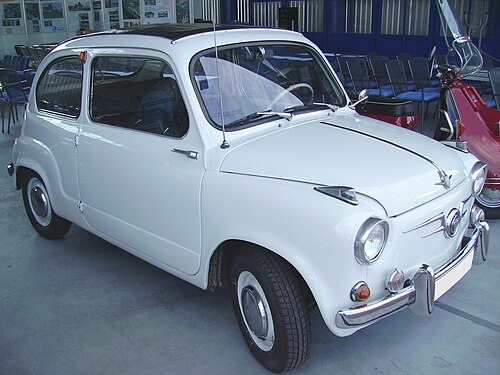

بعد إقامة التحالف مع الولايات المتحدة، سمح النظام بانفتاح سياسي نسبي، تمثل في كبح الخطاب الفاشي للكتائب أو سن قوانين (مثل قانون الصحافة والطباعة لعام 1966 أو قانون فراغا ، من قبل مانويل فراغا إيريبارني، الوزير الأكثر انفتاحًا) التي قمعت الرقابة السابقة، على الرغم من أنها لم تكن تعني حرية تعبير حقيقية .
The economic liberalization was more profound, opening the economy to foreign investment and to private initiative, although the institutional edifice of the INI and the public monopolies was maintained. The necessary previous step was the Stabilization Plan of 1959, followed by the subsequent Development plans; a whole design planned and managed by a group of economists linked to Opus Dei who were called technocrats (Alberto Ullastres, Mariano Navarro Rubio, Laureano López Rodó, Gregorio López-Bravo) with the support of credits from the International Monetary Fund, the OECD and the U.S. government. At the end of the period, the modernization demands of the international institutions made it necessary to propose an educational reform (General Education Law of 1970) that would introduce functionalist criteria and renovation techniques in a system already far removed from the national-Catholic school of the first Franco regime.
The internal opposition among the families of Francoism manifested itself in scandals such as the Matesa case (1969), which was resolved expeditiously by Franco, who dismissed both the ministers involved (from Opus) and his adversaries (among them Fraga himself, who was accused of using the press to denounce the case). Fraga had also been the driving force behind international tourism (Spain is different campaign, network of Paradores Nacionales), which was becoming an important engine of the economy. Income from tourism together with remittances from Spanish emigrants abroad compensated for the structural deficit in the balance of payments of an expanding international trade.
The rural exodus and emigration to Europe (which replaced the traditional American destination of Spanish emigration) alleviated social tensions at a high human and cultural cost: uprooting; but it brought as a consequence the definitive overcoming of the pre-industrial society by an industrial and urban society, which in time meant the destruction of the very social and ideological bases of Francoism. The increase of the urban population was spectacular in the periphery of the industrial cities and dormitory towns of the metropolitan areas of Madrid, Barcelona or Bilbao, creating problems of supplies and public services, overcrowding and shantytowns. The economic sectors experienced accelerated industrialization and tertiarization, with a notable contribution from the construction sector, both housing and public works. Social and geographic inequalities, however, allowed social stability to prevail, imposed by the dominant values of an expanding middle class whose priority was material well-being rather than ideological issues (in terms that became popularized with the denominations of sociological Francoism and silent majority).
The commemoration of the XXV Years of Peace (1964) was intended to demonstrate that Francoism had achieved a broad social consensus and sufficient flexibility to allow the institutionalization of the future of the regime. After adding the Organic Law of the State to the increasingly complex legislative edifice, Juan Carlos de Borbón y Borbón, grandson of Alfonso XIII and son of the pretender Juan de Borbón, was named successor to Franco as king, in compliance with the Fundamental Laws of the Realm (July 1969). The latter, despite being at odds with Franco since the 1940s and remaining in exile in Portugal, had allowed his son to be educated in Spain under the control of the authorities; although he maintained his ascendancy over the so-called monarchist family around the ABC newspaper, which produced some internal conflicts in the Franco regime.[67]

The opposition to Francoism, very atomized and among which the organizational capacity of the Communist Party of Spain stood out, began to move with increasing boldness, even using the mechanisms of labor representation of the Francoist vertical union through the Comisiones Obreras (Workers' Commissions). There was an important meeting of personalities from the Republican exile with important figures from the interior who were repressed on their return, which the Spanish press baptized with the pejorative name of the Munich Contubernium (June 1962).[68] The formation of opposition coordinating bodies continued in the 1970s (Democratic Platform, in which the PCE did not participate, and the Democratic Junta, promoted by the PCE).
After the Second Vatican Council the distancing between the Catholic Church and the regime became evident, personalized in figures such as Father Llanos, who shared the working class life in the suburbs of Madrid, and bishops such as Vicente Enrique y Tarancon and Antonio Añoveros Ataún (who was the protagonist of a notorious scandal).
In 1968 the problem of separatist violence arose with Euskadi Ta Askatasuna (Euskadi Y Libertad, ETA), a group previously founded as a radical split of Basque nationalism, and which was intended to be dismantled by combining severity and clemency with the condoning of the death sentences of the Burgos Trial (December 3, 1970). After reorganizing, their most spectacular attack was the assassination of Luis Carrero Blanco (December 20, 1973), a few months after he was named president of the government (in June). Carrero Blanco, a man trusted by Franco since the beginning of the regime, had been the first to be appointed to that position during the Franco regime, since until then his functions were included in the competencies reserved for himself by the head of state.
After an ambiguous speech by Franco (in which he even pronounced the enigmatic phrase no evil for good), Carlos Arias Navarro was appointed President of the Government. The worsening of Franco's state of health forced Prince Juan Carlos to take over as head of state on an interim basis for a few months, after which the general returned to exercise power on his own, making his last public appearance, in the Plaza de Oriente, to reject the international condemnation of some death sentences (October 1, 1975). Finally, in the last months of the year, Franco's illness entered its final course, at a critical moment of the Western Sahara conflict: the Green March, which Juan Carlos had to manage by authorizing the negotiation of the abandonment of the African province in favor of Morocco and Mauritania (Madrid Agreements of November 14, 1975). After an agony artificially prolonged by his own son-in-law (the Marquess of Villaverde, a doctor with political and scientific ambitions, who had tried to emulate Barnard with a controversial heart transplant), his death was declared on November 20, 1975, the anniversary of the death of José Antonio Primo de Rivera, the founder of the Falange.
Art and culture during Franco's dictatorship
 | The poet Miguel Hernández, who died in prison in 1942, was portrayed by his fellow captive Antonio Buero Vallejo, who would later achieve great acceptance on the theatrical stage with a bitter vision of the human being and society. Spanish cultural life in the post-war period was tragically overshadowed by the violent deaths of prominent personalities identified with both sides (Federico García Lorca, Ramiro de Maeztu, Pedro Muñoz Seca). Valle Inclán and Unamuno (in January and December 1936, respectively) and Antonio Machado (shortly after crossing the French border in 1939) had died of natural causes. |
 | Vicente Aleixandre, among the poets of 1927, was the one who best represented the vital and intellectual commitment to a fruitful but discreet inner exile, like that of the painter Joan Miró. On the other hand, outstanding representatives of the generation of friendship, such as Dámaso Alonso and Gerardo Diego, became involved in the cultural institutions of Franco's regime; while others, such as Luis Cernuda or Rafael Alberti, went into exile and shared it along with writers (Ramón J. Sender, Claudio Sánchez-Albornoz, Américo Castro, José Bergamín, León Felipe, Francisco Ayala, Arturo Barea), musicians (Manuel de Falla, Pau Casals), plastic artists (Pablo Picasso, Julio González, Alberto Sánchez Pérez, Josep Lluis Sert),[69] scientists and professionals from all disciplines; whose international recognition was very high in universities and all kinds of cultural institutions, culminating in the Nobel Prizes of Juan Ramón Jiménez —Literature, 1956— and Severo Ochoa —Medicine, 1959—. The awarding of the same prize to Aleixandre in 1977 —the year in which prominent surviving exiles returned— was understood as the international validation of the recovery of democracy in Spain. |
 | Monument to José María Pemán (the minstrel of the Crusade). He was also an outstanding monarchist who became president of the private council of Juan de Borbón. Intellectuals close to Francoism (Ernesto Giménez Caballero, Luis Rosales, Agustín de Foxá) or those who for one reason or another tried to get closer (Josep Pla, Azorín, Jacinto Benavente) have suffered a common fate in terms of their subsequent evaluation: "they won the war and lost the history of literature".[70] |
 | Gonzalo Torrente Ballester, like other intellectuals coming from Falangism (Pedro Laín, Dionisio Ridruejo), distanced themselves from the regime. The end of Franco's regime meant the opening of a significant cultural space that was occupied by authors directly hostile to the regime, such as Manuel Vázquez Montalbán and others of the novísimos group. The editorial impact of the Latin American boom had a great influence. Other consecrated figures continued with an active literary production, such as Camilo José Cela or the authors of the 50's generation. The university became one of the bastions of opposition to Francoism, as demonstrated in February 1965 by the scandal of the deprivation of the professorships of Enrique Tierno, José Luis López Aranguren and Agustín García Calvo, with whom Antonio Tovar and José María Valverde expressed their solidarity.[71] |
 | Joaquín Rodrigo (Concierto de Aranjuez, Fantasía para un gentilhombre) was the most important figure in Spanish classical music under Franco, which also had conductors such as Ataúlfo Argenta and performers such as Narciso Yepes and Andrés Segovia. Spanish dance was consolidated with Vicente Escudero (Decálogo del buen bailarín, 1951). Regional folklore was revitalized through the extensive recovery and compilation work of Coros y Danzas (Sección Femenina de Falange);[72] and individual efforts such as that of the Segovian dulzaineroAgapito Marazuela. Popular music was dominated by the so-called Spanish song, in which performers such as Imperio Argentina and Concha Piquer gave voice to the work of composers and poets of extraordinary quality, such as Quintero, León and Quiroga. |
 | Antoni Tàpies and other representatives of art that broke with academic conventions (Museo de Arte Abstracto Español, in Cuenca) obtained institutional support and space in the cultural life of Franco's regime |
 | The initial refusal and subsequent municipal rectification to install Eduardo Chillida's The Beached Mermaid in Madrid's Open Air Sculpture Museum was a resounding cultural scandal of the 1970s. |
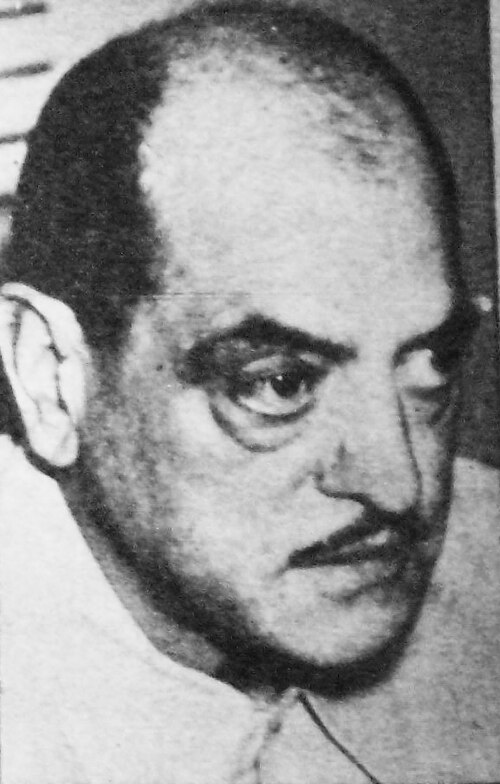 | The film director Luis Buñuel, exiled in Mexico and France, was admitted into Spanish cinema in the 1960s, causing a scandal with Viridiana (1961), which Franco himself considered an excess of clerical zeal.[73] The censorship of cinema and other mass media during the Franco regime produced some ridiculous extremes (scandal of Gilda (1946), alteration of the script of Mogambo, 1953). Although it continued until the 1970s, it was greatly mitigated over time, allowing productions of great artistic stature that included a fairly evident critical component, such as those of Carlos Saura, Luis García Berlanga or Juan Antonio Bardem. |
Reign of Juan Carlos I (1975–2014)
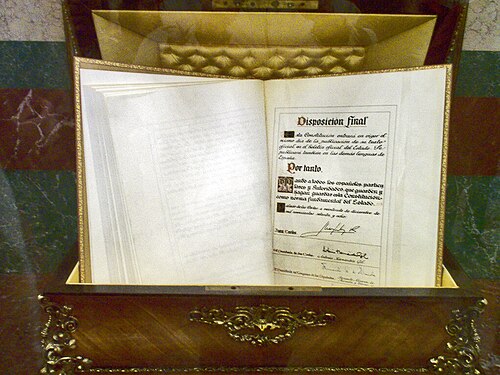
Democratic Transition (1975–1982)
Second government of Carlos Arias Navarro (1975–1976)
Carlos Arias Navarro, who had been the last president of Franco's government, was appointed to this post by Juan Carlos I. After an opening speech, known as the spirit of February 12, there was a clear reversal in response to the pressures of the bunker (gironazo). In a few months, the King's loss of confidence in Arias Navarro became clear, until he obtained his resignation. Together with Torcuato Fernández Miranda, the king obtained a proposal from the institutions in charge of presenting the shortlist of candidates for the presidency of the government to introduce the name of Adolfo Suárez, a relatively obscure character coming from the blue family.
Governments of Adolfo Suarez (1976–1981)


To the surprise of Franco's supporters and opponents, who did not expect such an appointment, he began a rapid dismantling of the Francoist institutional edifice, which involved the so-called harakiri of the Parliament and the calling of a referendum for the approval of the Political Reform Act. The debate between reform and rupture presided over the political movements of groups across the political spectrum, from those in favor of maintaining pure Francoism (the bunker) to those in favor of recovering republican legitimacy without any kind of concessions; however, it was the groups that showed greater flexibility and moderation that proved to have the greatest social support and political capacity.[74]
The problem of terrorism was intensifying; both from the opposition to Francoism (ETA of Marxist–Leninist and Basque nationalist ideology, and the GRAPO of Maoist ideology) and from the far right, whose simultaneous practice seemed to obey the so-called action-repression spiral foreseen by the theory of insurrectionary movements, widely spread at the time, with the aim of provoking political involution, in the form of a military coup d'état.[75] The month of January 1977 was particularly violent, when street altercations between demonstrators and counter-demonstrators (with several deaths) coincided with kidnappings of military personnel and high-ranking officials, assassinations of policemen and labor lawyers (the Atocha massacre). After the mourning manifestation, controlled by the Communist Party of Spain, at the burial of the lawyers, the prestige of Santiago Carrillo as a necessary interlocutor for the government increased. After a few months of clandestine negotiations, during the Easter vacations the PCE was legalized, which was seen as a betrayal by an important part of the army, that in spite of this maintained discipline for the most part (largely as a result of the efforts of Vice-president Manuel Gutiérrez Mellado). As a counterpart demanded by Suarez, Carrillo, in a multitudinous press conference, communicated that his party renounced the republican flag and accepted the parliamentary monarchy and the concept of unity of Spain; it was intended that the military accepted that a party homologated with the communist parties of Western Europe (with whom it had built the concept of Eurocommunism) was not going to get involved in a revolutionary adventure of Leninist character in pursuit of the dictatorship of the proletariat and would not represent a threat to be reacted to violently.[74]
The 1977 General Elections were held, the first democratic elections in forty-two years, and were won by the Unión de Centro Democrático, a party improvised around the figure of Suárez, which enjoyed a comfortable relative majority. Contrary to the most widespread predictions, the main opposition party was not the PCE, but the PSOE, a social democratic party supported by the Socialist International (which later renounced Marxism). The extreme right did not obtain representation, reducing the Francoist camp to the modest result of Manuel Fraga Iribarne's Alianza Popular, considered the most open-minded within the previous regime. The Christian Democrat or Liberal leaders who months before had seemed predestined to occupy the government (José María de Areilza or Joaquín Ruiz-Giménez) had no success, being skillfully overshadowed by Suárez's maneuvers prior to the elections, and who had the support of the team of political confidence formed around the king.[74]
In 1977, the great majority of the parties with parliamentary representation signed the Moncloa Pacts, in which social and economic reforms were agreed upon to combat the crisis, which was seriously affecting employment and inflation, and which established the social market economy model sanctioned by the Constitution. The 1978 Constitution was drafted by consensus and approved that same year in a referendum. Spain defined itself as a social and democratic stategoverned by the rule of law, with the aim of becoming a Western European welfare state; and it recognized the right to autonomyof its nationalities and regions, a concept of sufficient ambiguity so as not to frustrate the agreement of a very broad political, social and territorial majority. The Spanish transition was proposed internationally as a model to be followed, which implied a broad consensus, the guarantee of public liberties, moderation in social demands, the renunciation of the satisfaction of past grievances and a generous amnesty (which at that time was proposed as a guarantee for the return of exiles, and would later serve to guarantee the non-prosecution of crimes attributable to the repression of Franco's regime).[74]

The 1979 elections increased the number of UCD deputies, without reaching the absolute majority, allowing the confirmation of Adolfo Suárez as president of the government. The normalization of the political system implied continuing with the pre-autonomy process, carried out with the approval of the statutes of autonomy of the regions recognized by the Constitution, for historical reasons (having had autonomy in the Second Republic or having initiated the procedures for it), a privative procedure to reach the maximum competence ceiling: Catalonia and Euskadi (both approved on December 18, 1979), in addition to that foreseen for Galicia, which did so later. In the elections to their autonomous parliaments, the UCD candidacies suffered a significant defeat, to the benefit of the peripheral nationalist parties (Convergència i Unió in those of Catalonia and PNV in those of Euskadi). The Andalusian referendum (February 28, 1980), regardless of its confusing result, implied a defeat for the government and the evidence that it would not be possible to prevent the generalization of the maximum competencies to the communities that so determined, whether or not they had some kind of differential fact of historical or any other nature (what Minister Manuel Clavero Arévalo, who resigned because of this issue, called "coffee for all").[76] Other important laws, passed in the midst of social contestation, were the Statute of Workers and the Statute of Teaching Centers. Negotiations for joining the European Economic Community dragged on in the face of the reluctance of some countries (especially France), which, added to the increase in unemployment and inflation, in the midst of the second oil crisis, contributed to a bleak outlook, in which the so-called "years of lead" must be emphasized. The separatist group ETA killed 240 people between 1978 and 1980, especially members of the army, the Civil Guard and the police. ETA's bloodiest year was 1980, when they killed 91 people. The political situation was becoming increasingly untenable. The PSOE presented a motion of censure, which was rejected, but it showed the loneliness of the government. Within the party that supported it, the UCD, the different families (Christian Democrats, Liberals, Social Democrats) began to show ever greater differences of opinion among themselves and with the president. The King himself also let his uneasiness about the political situation and his loss of confidence in Suarez be made public, and his Christmas message of 1980 was interpreted in this way, in spite of the fact that such a function does not correspond to the King in the Constitution. By the beginning of 1981, Suarez understood that he had no other way out but to resign.[74]
23 February coup d'état and government of Leopoldo Calvo-Sotelo (1981–1982)

The resignation of Adolfo Suárez, who had lost the confidence of most of the leaders of his own party, precipitated preparations for a coup d'état, and during the investiture session of his replacement, Leopoldo Calvo-Sotelo (February 23, 1981), a detachment of civil guards led by Antonio Tejero occupied the Congress and kidnapped the deputies and the entire government. Simultaneously, Jaime Milans del Bosch militarily occupied the city of Valencia and Alfonso Armada, former secretary of the royal house, tried to obtain the king's support to form a government of civil-military concentration. The opposition of the king and the lack of coordination and difference of objectives among the coup plotters prevented most of the military authorities from joining them, and the following day they surrendered.[77]
Among the most outstanding events of Calvo Sotelo's government was the integration of Spain into NATO (May 30, 1982)[78] and the approval of the divorce law (June 22, 1981), promoted by Minister Francisco Fernández Ordóñez and which had aroused intense opposition from the Spanish Episcopal Conference, becoming one of the main causes of disagreement within the government party.[79] The autonomic process attempted to be harmonized by means of the LOAPA (June 30, 1982), a restrictive law which was later dismantled in essential aspects by the Constitutional court (August 13, 1983).
Governments of Felipe González (1982–1996)
Legislatures with a majority (1982–1993)


In the general elections held on October 28, 1982, the PSOE, led by Felipe González, obtained an absolute majority (202 seats) by winning more than 10 million votes, or 48% of voter support. Alianza Popular (AP) became the second political force with 106 seats. Meanwhile, the collapse of the UCD and the PCE which obtained eleven and four seats, respectively, presided over the trend of bipartisanship that was to preside from then on over Spanish political life.
The new government had to face the economic crisis, while at the same time implementing measures typical of a social democraticwelfare state, increasing public spending on social policies (universal health care with the General Health Law of 1986, increase in pensions and unemployment coverage, LOGSE of 1990 which extended compulsory schooling to 16 years of age). The negative effects on employment of industrial reconversion and restructuring, added to other liberalizing measures, such as the flexibilization of the labor market or of business hours, provoked the radical opposition of the UGT and CCOO unions, which called the general strike of December 14, 1988, which paralyzed the country. The rift had been evident since the historic leader of the UGT, Nicolás Redondo, resigned as a PSOE deputy in 1987 after voting against the budget. In June 1992 and January 1994, union calls for general strikes against Socialist governments were repeated.

Inflation was controlled and fiscal policy was improved (creation of the Tax Agency), reorganizing public accounts in such a way as to facilitate entry into the European Economic Community, whose accession treaty was signed in June 1985 (official entry on January 1, 1986). On March 12, 1986, NATO membership was guaranteed by means of a referendum to which Felipe González had committed himself when he was still in the opposition.
Per capita income doubled at the same time as the active population and the incorporation of women into the labor force increased. The migratory balance, traditionally negative, became positive, making Spain the largest receiver of immigrants in Europe and one of the largest receivers in the world. Cohesion Funds obtained from EU institutions were used to improve basic infrastructures. The fragility of economic growth, in a period known as the "pelotazo", due to the ease with which speculation took place, led to financial imbalances that forced several devaluations in the 1990s.
The autonomous process ended with the configuration of seventeen autonomous communities and two autonomous cities, which began to have their own institutions and legislation, and to coordinate with the state and municipal ones through highly complex negotiations, especially those related to financing.
There was still the problem of ETA violence, an organization that perpetrated two massacres in 1987, in a shopping mall in Barcelona and in the Casa Cuartel in Zaragoza. Due to this, the socialist government attempted all sorts of solutions: internal political pressure based on consensus among the democratic parties (Madrid Agreement on Terrorism of November 5, 1987 and the Ajuria Enea Pact of January 12, 1988), attempted negotiations (ETA truce of January 8, 1988, or the Algiers talks initiated earlier and maintained until April 4, 1988),[80] and French police and judicial collaboration (linked to the improvement of political and economic relations). As it was later demonstrated (in a judicial process promoted among others by El Mundo, a right-wing newspaper, and by Judge Garzón who re-entered the judicial career after a brief and conflictive period in politics as a PSOE deputy), several high-ranking officials of the first Socialist governments (among them the minister José Barrionuevo and the secretary of security Rafael Vera) had promoted between 1982 and 1986 State terrorism or a dirty war through the activity of the so-called Anti-Terrorist Liberation Groups (GAL), which carried out several attacks in French territory against members of ETA.
Legislature in minority (1993–1996)
The "92" was a conjunction of events of such magnitude in Spain: the Olympic Games of Barcelona and the Universal Exposition of Seville, which also meant the realization of important road infrastructures such as the first high-speed railroad line (AVE) that linked Madrid with Seville. After that unrepeatable year, a period of crisis began that would last until 1997. The economic crisis (at the end of 1993 the unemployment rate reached 24% and in less than a year three successive devaluations of the peseta were carried out) was compounded by the excessive extraordinary expenditures made by the public administration for the "1992 celebrations".

The V Legislature was marked by a climate of political tension generated by the public knowledge of corruption cases that directly affected the government of the State. Among them, that of the director of the Civil Guard, Luis Roldán and his embezzlement of public funds, and his subsequent flight from the country, and that of the governor of the Bank of Spain, Mariano Rubio, who was put on trial. At the same time, allegations of corruption implicated high-ranking officials of the Administration and government for their political responsibilities, and the judicial investigations continued with figures from the private sector. Among them, Mario Conde, after the intervention of the Bank of Spain in the banking institution he presided over, Banesto; and Javier de la Rosa, financially important after his intervention in the Kuwaiti multinational KIO.
In 1995, new scandals associated with the government appeared: the new declarations of the accused in the "GAL case", José Amedo and Míchel Rodríguez, provoked the reopening of the case by the judge of the Audiencia Nacional, Baltasar Garzón.[81] This case involved José Barrionuevo and Rafael Vera, minister and secretary of state, respectively, of the Ministry of the Interior during the 1st González Legislature; both were judged by the Supreme court and sentenced to prison sentences for kidnapping and embezzlement in 1998.
On May 28, 1995, municipal elections were held throughout the State and regional elections were held on the same day in all the Communities except Andalusia, Catalonia, Galicia and the Basque Country, the Partido Popular won in ten autonomous communities and was the most voted party in 42 provincial capitals —for the first time in its history it managed to win a national election—.
The crisis of corruption cases, combined with the failure to comply with the parameters required for European convergence according to the Maastricht agreements, led to a rift between CiU and the PSOE. When the General State Budget Law was rejected in Congress due to the lack of support from Convergència i Unió, Felipe González dissolved the Parliament and called an early general election.
Governments of José María Aznar (1996–2004)


On March 3, 1996, José María Aznar's Partido Popular won the general elections, although with a minimal majority. The PP obtained 156 seats and the PSOE 141. The difference in votes between the two parties was around 300,000 votes. As a result, for his investiture as President of the Government he had to reach a pact with CiU (with whom he had an arduous negotiation that ended with the Majestic pacts), the PNV and the Canary Islands Coalition (CC).
The new PP government set out to meet the convergence criteria of the Maastricht Treaty so that the Spanish economy could join the group of countries that would share the new European currency: the euro. The economic recovery was consolidated in the first period of the PP government. An anti-inflationary policy and budgetary rigor practiced by Rodrigo Rato, the privatization of state-owned companies and the excellent international situation made possible a period of economic growth, with unemployment and inflation falling. In 1999, with most of the criteria fulfilled, Spain was accepted as a member of the Eurozone, establishing a rate of 166.386 pesetas per euro. Peseta coins and banknotes ceased to circulate on March 1, 2002.
The police success of the release of prison officer José Antonio Ortega Lara, who suffered the longest kidnapping by the separatist group ETA (532 days) in inhumane conditions on July 1, 1997, was immediately overshadowed ten days later. On July 10, ETA kidnapped the PP councilman in the Biscayan town of Ermua (Basque Country) Miguel Angel Blanco. ETA's demands were unacceptable to the Aznar government: the transfer of more than 500 ETA prisoners to the prisons of the Basque Country within two days. After 48 hours of anguished waiting, in which millions of Spaniards mobilized in numerous demonstrations — in Bilbao the largest demonstration in its history was held — on July 12, ETA killed Blanco. ETA's reputation rapidly deteriorated, even among part of its social base in the Basque Country. A change of strategy was proposed and made public by the nationalist parties: the Lizarra Pact (September 12, 1998). Signed by the PNV, EA, Herri Batasuna and IU-Ezquer Batúa, the pact was a secessionist plan that committed itself to dialogue on some ETA postulates. Four days later, on the 16th, for the first time in its history, ETA declared an "indefinite truce",[82] which led the government to accept the beginning of talks (November of that same year) which did not lead to any positive result, and which Minister Mayor Oreja later called a trap truce (September 1999). On November 28, 1999, ETA broke the truce.[83]


In the 2000 general elections, the PP won an absolute majority, which allowed it to carry out its policies without the constraint of seeking support from the peripheral nationalist parties. The year 2000 ended after a brutal ETA offensive in which 23 people were murdered. Trade union opposition to the new labor reform decree was substantiated in the general strike of 20-J (2002). Compulsory military service was abolished and the National Hydrological Plan was promoted.
In foreign policy, Aznar clearly aligned himself with the United States, becoming one of its main European allies (Azores trio) in the conflicts following the terrorist attack against the US (9/11): the war in Afghanistan and the war in Iraq. The ecological disaster caused by the Prestige oil tanker accident (2002–2004, possibly aggravated by the confused political management, which generated the Nunca Mais protest movement) was added to the scandal resulting from the Yak-42 accident and the great opposition of public opinion to Aznar's support for the Bush Administration in its invasion of Iraq, without the consent of the UN (No to war protest movement), discrediting the government and the Popular Party, which nevertheless managed to maintain acceptable results in the autonomic and municipal elections of 2003, won by the PSOE (7,999,178 votes against 7,875,762 for the PP).[84] Aznar had promised not to run in a third election. Three names were being considered to replace him as candidate: Rodrigo Rato, Jaime Mayor Oreja and Mariano Rajoy, who was finally chosen by the president himself.
Three days before the 2004 general elections, the 11-M attacks on several commuter trains in Madrid took place, resulting in 191 dead and 1858 injured, the worst terrorist attack in the history of Spain and Europe in peacetime. The attacks shocked the country and caused confusion within the government itself, which at first attributed them to ETA. After a united demonstration of repulsion held the following day, which brought more than 12 million people into the streets throughout the country, and as evidence began to emerge that the attacks were the work of Islamic terrorism (later disputed by the media — especially the newspaper El Mundo which continues to support alternative theories to the judicial investigation), the discontent and the idea that the attacks were the work of ETA and that they were the work of the Islamic terrorist group, the government's own government was unable to make any progress, the discontent and the idea that information about the authorship was being concealed began to circulate within the government, and on the same day of reflection illegal demonstrations were called in front of the headquarters of the Popular Party. In the general elections of March 14, the PSOE of Rodríguez Zapatero achieved an unexpected electoral success. The turnout was very high, over 77%, and the PSOE won more than 10,900,000 votes and 164 seats. Defeated by this punishment vote was Mariano Rajoy, head of the PP list.
Governments of José Luis Rodríguez Zapatero (2004–2011)


José Luis Rodríguez Zapatero made a significant statement on the second day of his term of office with a decision of great international impact: the withdrawal of Spanish troops from Iraq, in fulfillment of his electoral promise, although surprising for its immediacy, communicated even before the formation of his government.[85] In domestic policy, the increase in the minimum wage (one of the lowest in Europe) opened the way for other social reforms, including the authorization of homosexual marriage (June 30, 2005), much protested by the Catholic Church, and the Dependency Law (November 30, 2006). Other social measures of great impact were the introduction of the points-based license for traffic offenses (2006)[86] and the successive extensions of the smoking ban (2006 and 2011), which ended up being extended to practically all public spaces. Other issues were postponed for the following legislature, such as the reform of the abortion law (February 24, 2010).[87]
Before the UN, Zapatero proposed the Alliance of Civilizations, an initiative of international collaboration which he co-led with the Turkish president Erdogan. The approval by referendum of the European constitution on February 20, 2005, was inoperative, given the failure of similar mechanisms in France and the Netherlands.
Several communities initiated the procedure for the reform of their statutes of autonomy. The so-called Ibarretxe Plan, not proposed as a statutory reform but as a sovereignty initiative for the Basque Country, was rejected by the Parliament (February 1, 2005). The reform of the Catalan Statute was even more controversial; despite passing through all the legislative procedures with various modifications and entering into effect after the referendum of June 18, 2006, it was the subject of an appeal of unconstitutionality processed in an eventful manner by the Constitutional court, which did not issue its ruling until June 28, 2010, restrictively interpreting certain parts of the text and invalidating others.
During almost the whole of 2006, government contacted ETA in a context of a "permanent ceasefire" declared by the terrorist group and protests by the Popular Party, the Association of Victims of Terrorism and the conservative-oriented media, which proved unsuccessful after the attack at T4 of Madrid-Barajas airport in which two people were killed (December 30, 2006). Police, judicial and international pressure proved to be more effective, which led to the consecutive arrests of the leadership teams that succeeded each other at the top of the terrorist group; and the prevention, by means of legislative reforms and judicial decisions, of the political groups organized around ETA from obtaining political representation in city councils and parliaments, as they were partially or totally outlawed in some or other elections (especially since the Anti-Terrorist Pact of 2000 and the Law of Parties of 2002, both with the consensus of PP and PSOE, which was maintained, with occasional tensions, with both parties in opposition or government positions).
During an Ibero-American conference there was a verbal incident between the King and the Venezuelan President Hugo Chávez, which became very popular ("¿Por qué no te callas?", November 10, 2007); and which is used as an example of the complexity of the relations between Spain and Latin America. These relations, intensified both economically and politically, are denounced as neo-colonialist by the indigenist current of opinion,[88] while conservative opinion within Spain criticizes as counterproductive and naive the maintenance of relatively friendly relations with the government of Cuba and others of similar orientation, described as populist and contrary to Spanish interests.[89]
After the general elections of March 9, 2008 (whose final campaign acts had to be suspended due to the murder of Isaías Carrasco by ETA), the majority of the PSOE and the second place of the PP were repeated. Both parties increased their number of deputies. The nationalist parties and Izquierda Unida decreased their representation, while a new national party appeared: Unión Progreso y Democracia, for which Rosa Díez obtained a deputy's seat.
The debate around the Law of Historical Memory, dating from the previous legislature, reached its peak as a result of Judge Garzón's decision to initiate legal proceedings against the crimes of Francoism (October 16, 2008); and the reaction against him, that, in addition to his removal from the case, which had no continuity, was substantiated in three simultaneous judicial proceedings for various reasons, some linked to that matter and others unrelated, but also with political repercussions, which led to his suspension as judge of the National Court, in the midst of an international scandal (May 14, 2010).
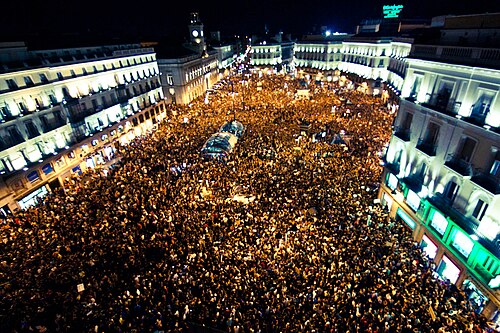

The world economic-financial crisis (which began in 2008), added to a national real estate crisis, had a very serious impact on the Spanish economy, which, after experiencing the end of the so-called 2008 bubble, suffered several consecutive quarters of falling GDP and an increase in unemployment, which in the third quarter of 2011 reached the historic figure of five million unemployed (more than 20% of the active population);[91] and even on the demographic structure, producing for the first time in decades a reversal of migratory movements (more emigration than immigration).[92] The sovereign debt crisis in Greece, which became a true Eurozone crisis, led European governments, and even US president Barack Obama, to demand drastic measures to reduce the public deficit from Spain (which held the rotating presidency of the EU during that six-month period). Zapatero's decision (May 12, 2010) to reduce civil servants' salaries and not to increase pensions was described as an unprecedented measure in the history of Spanish democracy, questioning the maintenance of the welfare state model. The pressure of the debt markets on the peripheral countries of the European Union (known as PIGS) and the demanding attitude of German chancellor Angela Merkel even imposed a constitutional reform which was urgently carried out on August 23, 2011, by consensus of the two main Spanish parties (PP and PSOE), when Prime Minister Zapatero had already communicated his intention to dissolve the Parliament and call an early general election. In the Catalan autonomous elections (November 28, 2010), Convergencia i Unió won a victory without an absolute majority, which was enough for Artur Mas to be appointed president of the Generalitat, displacing the previous left-wing tripartite government.
The following elections gave victory to the Partido Popular, which managed to accumulate an unprecedented majority in the democratic period, with absolute majorities in most of the autonomous communities and city councils on May 22, 2011, and in Congress and the Senate on the November 20, 2011 (in the early elections held for the PSOE. Zapatero did not participate in the elections, replaced by Alfredo Pérez Rubalcaba — who obtained the worst results for his party since 1977 — while the representation of minority parties such as Izquierda Unida and Unión Progreso y Democracia increased.
The presence in the Basque institutions of the abertzale left, under the name Bildu, which won the mayoralty of San Sebastian and the Provincial Council of Guipuzcoa (municipal elections and the Juntas Generales, May 22, 2011), led to the convening of a so-called International Peace Conference in San Sebastian (October 17, 2011), received with varying degrees of skepticism by the other political groups and with the presence of international personalities. The final declaration of that conference was used by the terrorist group ETA to announce "that it has decided the definitive cessation of its armed activity" (October 20, 2011). After 829 fatalities, ETA put an end to 43 years of death and terror.[93] The end of ETA's barbarity led to a remarkable electoral representation of the abertzale left, under the name of Amaiur, in the general elections (November 20, 2011).
Since May 15, 2011, the indignados or 15-M movement has been at the forefront of new social mobilizations, with characteristics similar to some extent to other simultaneous protest movements in other countries, such as the Arab Spring or Occupy Wall Street.[94] More significantly, the role of the majority trade union centrals in social protests has been considered low-profile, despite the call for a general strike against the adjustment measures of May 2010 or the protests against cuts in autonomous communities governed by the PP since mid-2011 (notably, against the measures taken by the Ministry of Education of the Community of Madrid for the beginning of the 2011–2012 school year: Marea Verde). On the other hand, much more notable (and negative in most public opinion) was the social impact of large-scale strikes such as that of the Madrid Metro in June 2010[95] or air traffic controllers during Christmas 2010, which motivated an unprecedented government initiative: the declaration of a state of emergency.
First government of Mariano Rajoy (2011–2015)

On December 21, 2011, Mariano Rajoy was installed as prime minister. Faced with the seriousness of the economic situation (recession and unemployment, which continued to increase) and the urgency of controlling the public deficit (whose figures deviated significantly from those declared until then, reaching over 8% of GDP),[96] the new government of the Partido Popular decided to raise taxes (VAT and personal income tax), increase reduction of public spending in all areas of expenditure, including dependency, health, education, and research and development, and to promote reforms, particularly in the labour market with the reduction of the cost of dismissal and the application of collective bargaining agreements.
The financial crisis forced the nationalization of several institutions, among them Bankia (where several savings banks affected by the so-called real estate bubble had merged), and the request (June 9, 2012)[97] for a "partial bailout" from the European Union (initially for a maximum of 100 billion euros, which materialized in 39 billion in December,[98] amid rumors about the opportunity to request a "total bailout" of the Spanish economy, as the risk premium, the differential with the interest of the German ten-year bond, fluctuated).[99]
The social protest was directed by the trade unions in two general strikes (29-M and 14-N) and in numerous sectoral strikes, together with massive mobilizations of a very different social base (Marea Verde, 25-S: surrounding the Congress, protests in the health and judicial fields). The only one that achieved a positive political reaction was the mobilization against evictions, centered on the demand for the payment in kind for mortgages.
There was also an increase in territorial-based protests. After a massive pro-independence demonstration on the Diada (September 11, 2012), Artur Mas called early regional elections (November 25), pledging to call a referendum aimed at turning Catalonia into "a new state of the European Union". Despite the poor results for his political force (he lost 12 seats), the advance of Esquerra Republicana de Cataluña allowed him to be re-invested president by agreeing with them on a "sovereigntist" program.[100] The Basque regional elections (October 21) brought the PNV (Íñigo Urkullu) back to power, with a more moderate program, while Bildu became the second political force. Simultaneously, the Galician regional elections were held, which revalidated the absolute majority of the Partido Popular. Also in the Andalusian regional elections (March 25) the PP had been the most voted party, but the Andalusian government continued to be exercised by the PSOE, from then on in coalition with Izquierda Unida.

The corruption scandals, whose media repercussions were prolonged by the slow legal proceedings (the cases, already complex themselves, are complicated by the status as aforados of some of those involved, and remain open for years), affected practically all political, economic and social institutions. These include the Bárcenas affair (the treasurer of the PP, who would have collected illegal donations from individuals and companies interested in public procurement or political decisions, allocating them to the financing of the party, to the leaders' bonuses or to his own enrichment), ERE case in Andalusia (misuse of public subsidies, which affected members of the PSOE, including former presidents Manuel Chaves and José Antonio Griñán), the Nóos affair (company run by Iñaki Urdangarín, son-in-law of the king, which affected autonomous communities and city councils on the Balearic Islands mostly governed by the PP led by Jaume Matas), the Gürtel affair (which affected the PP of Madrid and Valencia), the Pujol case (which affected the former president of the Generalitat of Catalonia and his family), and the Bankia affair (which, through the scandal of preferential loans, the fraudulent IPO and "black cards", implicated all the parties and unions represented on the board of directors of the former Caja Madrid).[102]
The president of the Catalan autonomous government, Artur Mas, announced at the end of 2013 a plan for a referendum on self-determination for Catalonia for November 9 of the following year. The pro-independence movement had led during the Diada of September 11 another massive demonstration, which on that occasion took the form of a 400 km human chain.
The elections to the European Parliament held on May 25, 2014, meant a strong punishment for the two main parties, PP and PSOE, which lost respectively 2.6 and 2.5 million votes; neither of them reached half of the votes (in the previous European elections of 2009 they had reached 81%). The other half of the votes was distributed among the various nationalist candidacies, La Izquierda Plural (10.03% of the votes, formed around Izquierda Unida and the Greens) and a group of emerging forces among which the Podemos candidacy stood out (7.98% of the votes, led by university professor Pablo Iglesias, created in January of the same year as one of the initiatives[103] arising from the movement of the "indignados" of 15-M), while UPyD (6.5% of the votes) disputed its political space with Ciudadanos (3.16% of the votes). In the following months the possibility of collaboration between both forces was raised, but the contacts did not bear fruit and a serious internal crisis began in UPyD, while the expectations of Ciudadanos grew.[104]
The prestige of the royal family suffered as a result of several scandals, including that of the Infanta Cristina (imputed, de-imputed and who finally declared as imputed in the prosecution of her husband Iñaki Urdangarín for economic crimes) and the accidents of one of her grandsons (who, despite being a minor, went shooting with his father, who was divorced from his mother, the Infanta Elena) and of King Juan Carlos himself (during an elephant hunt in Botswana that had not been communicated to the Government).[105]
Reign of Felipe VI (since 2014)

On June 2, 2014 Juan Carlos I announced his abdication after almost 39 years of reigning. The decision had been taken five months earlier (coinciding with his 76th birthday, during the celebration of the military Easter services, his difficulties in making a speech became evident) and had been communicated to the president of the Government in the meantime.[106]
On Thursday the 19th of that same month, the then-Prince of Asturias Felipe de Borbón took the oath of the Spanish Constitution before the Cortes Generales and was proclaimed King of Spain, reigning under the name Felipe VI.
On November 9, 2014, the Catalan autonomous authorities held an independence referendum that was not accepted by the State, of varied interpretation in terms of its significance and outcome (taking into account that there was no official census, the turnout is estimated at 37% of the possible voters, including resident foreigners and young people over 16 years of age; of the votes counted, 80% answered "yes-yes" to the questions posed, on a possible State and its independence), and which had judicial consequences.

The municipal and autonomic elections of May 24, 2015 confirmed the crisis of the two main parties (PP and PSOE), although they continued to be so, they summed between them little more than half of the votes when four years before they added two-thirds (particularly, the votes to the PP weren less). In the main cities, municipal government came to be exercised by candidates with origins in the "indignados" movement, in which Podemos participated, and which were subsequently supported by the traditional parties of the left: the mayor of Madrid, from the Popular Party since 1991, became the former judge and Human Rights activist Manuela Carmena (from the Ahora Madrid list); the mayor of Barcelona, a Socialist from 1979 to 2011 and since then from CiU, became the anti-eviction activist Ada Colau (from the Barcelona en Comú list). Several regional governments passed to the PSOE supported by Podemos (Aragón, Balearic Islands, Castilla-La Mancha and Comunidad Valenciana), while others remained in the PP supported by Ciudadanos.[107] In Andalusia, which held its elections earlier, also due to the fact that they were early on March 22, the pact to invest Susana Díaz was between PSOE and Ciudadanos.
On September 27, 2015, autonomous elections were held in Catalonia, which the autonomous government, declaredly pro-independence, proposed as "plebiscitary", in the sense that the vote for the unitary candidacy called Junts pel Sí should be considered a vote for independence. The opposing parties did not accept such consideration and no joint candidacy was presented; a total of six political forces obtained representation. Junts pel Sí obtained 39.59% of the votes (separately its components had obtained 44.40% in the previous elections) and a smaller number of deputies (62 seats), insufficient to repeat the absolute majority they had (71 seats), but after several months of uncertainty they managed to form a government with the partial support of the CUP (8.21% of the votes), which demanded the replacement of the then president (Artur Mas) by another member of the same party (Carles Puigdemont). The coalition Convergència i Unió, that had dominated Catalan political life since 1980, was broken. Unió ran separately, obtaining no representation (2.51% of the votes), while Convergència (the party of Pujol, Mas and Puigdemont) ran together with Esquerra Republicana and other pro-independence supporters in Junts pel Sí. The second-most votes were for Ciudadanos (17.90%).
Acting Government of Mariano Rajoy (2015–2016)

In addition to the traditional debate between the candidates of the government party (Mariano Rajoy) and the main opposition party (Pedro Sánchez), and that took place with the traditional format established by the Television Academy; the interest aroused by the existence of two emerging parties (Podemos led by Pablo Iglesias and Ciudadanos led by Albert Rivera) led to a debate that Rajoy declined to attend, with the PP being represented by the vice-president Soraya Sáenz de Santamaría.
The general elections held on December 20, 2015 gave rise to an unprecedented situation with a great fragmentation of the vote in which the two parties that had been succeeding each other in government since 1982 (PP and PSOE) were not in a position to do so again. In the short, the XI legislature (it lasted only 111 days) was unable to invest a new president of the Government: Mariano Rajoy did not accept the king's proposal to form a government (his party, the PP, had obtained the highest number of seats: 123, 63 less than in the previous elections in which he had an absolute majority), while Pedro Sánchez did (his party, the PSOE, had obtained the second highest number of seats: 90, 20 less than in the previous elections), who only obtained the negotiated support of Ciudadanos (40 seats) and Coalición Canaria (1 seat), which was insufficient, given the vote against Podemos (69 in total, including the seats of the confluences in different territories),[108] the PP and the nationalist parties. For the first time in democratic Spain, a candidate for the presidency of the government failed and did not win the confidence of the Congress, not even in the second vote.
The government continued "in functions" during the whole period, which seriously limited the capacity to carry out any kind of initiative of both the executive and the legislative wings, as well as parliamentary control of the government (this circumstance was the object of a conflict that was taken to the Constitutional Court).[109] Even when a minister was forced to resign (José Manuel Soria, affected by the Panama Papers scandal) or was promoted to another position (Ana Pastor, who became president of Congress after the second elections), his or her functions had to be taken over by someone, as it was not possible to appoint a replacement. Once the deadlines foreseen in the Constitution had been met, the automatic call for general elections had to be applied. Paradoxically, in the meantime, economic indicators confirmed the positive data initiated in the last two years, both in terms of growth and employment, and which the government attributes to the results of its reforms, in addition to the favorable international context.[110]
On May 3, 2016, King Felipe VI dissolved the XI Legislature after no candidate for the presidency of the Government had the backing of the House. He then signed the decree dissolving the Parliament and calling for new general elections.

The new election was held on June 26 of the same year. The increase in votes and deputies of the Partido Popular (33% and 137 respectively) motivated Mariano Rajoy to accept the royal commission's invitation to form a government. The first attempt was unsuccessful, as he only had the support of the same parties that had previously supported Pedro Sánchez (Ciudadanos 32 seats, and Coalición Canaria 1 seat). After several months of uncertainty, in which the possibility of a new round of elections was seriously considered, the political situation changed drastically due to the internal crisis of the PSOE (Federal Committee of October 1, 2016),[111] which replaced the then-Secretary General Pedro Sánchez (who was in favor of continuing to vote "no" to Rajoy's investiture and eventually exploring the possibility of a pact with Podemos — despite running together with Izquierda Unida, it had not achieved its expectations of surpassing the PSOE, losing more than one million votes — [112] and the nationalists)[113] with a representative, after which Rajoy's investiture session was repeated. In the first vote of the investiture session (in which an absolute majority is necessary) Rajoy obtained 170 yes (PP, Ciudadanos and Coalición Canaria) and 180 no votes. Two days later, in the second vote, he obtained 170 votes in favor, 111 against and the abstention of 68 of the PSOE deputies (except for 15 no votes, among them 7 belonging to the PSC, a Catalan party federated to the PSOE), allowing the formation of a government without the need for any concession on the part of the PP.[114] Rajoy was sworn in as president by a simple majority after 315 days, and with two days left until the Parliament would be automatically dissolved and Spaniards were called again to elections.
Second Government of Mariano Rajoy (2016–2018)
On February 17, 2017, the court made public the sentence for the Nóos affair, Iñaki Urdangarin — son-in-law of the emeritus King Juan Carlos I—, was sentenced to six years and three months in prison for prevarication, embezzlement, fraud, influence peddling and two crimes against public finances. His wife, the Infanta Cristina, was acquitted. The following year, on May 3, 2018, the terrorist group ETA announced its dissolution after half a century of terror, kidnappings, extortion and more than 800 murders.
On April 19, public opinion became aware of another corruption case — the Lezo case — affecting an important popular leader: the former president of the Community of Madrid, Ignacio González was arrested by the Guardia Civil for having enriched himself with the diversion of public funds from the Canal de Isabel II and was imprisoned.
Thirteen years and five months later, Spain was once again the victim of a jihadist attack. Between August 17 and 18, 2017, 16 people were killed by an Islamic State terrorist cell in a double terrorist attack on Las Ramblas in Barcelona and in the early hours of the following day in Cambrils.[115]


2017 ended as the most convulsive year since the establishment of democracy due to Catalonia's independence process, the biggest institutional crisis experienced in Spain since 23-F. The peak of independence sentiment was experienced in September and October. On September 6, the Parliament of Catalonia, with the support of Junts pel Sí and the CUP and in the absence of Ciudadanos, the PSC and the PPC, approved the referendum law. It was suspended by the Constitutional Court, which adopted the same decision for the Transitory Law approved the following day. On Sunday, October 1, the independence referendum was held without any democratic or judicial guarantee. The Police and the Guardia Civil intervened in some schools to comply with the court order to prevent the vote. Photographs of the police activity were seen around the world (CNN called them "the shame of Europe").
On the 3rd, a general strike was carried out in Catalonia in protest against the use of force by the Police and Civil Guard on 1-O. At nine o'clock in the evening, an institutional message from King Felipe VI was broadcast, who accused the Generalitat of "inadmissible disloyalty" and made calls to "ensure the constitutional order". On October 10, the president of the Generalitat, Carles Puigdemont, appeared in the Parliament. There he assumed the "mandate of the people" for "Catalonia to become an independent state in the form of a republic", but then offered to "suspend the effects of the declaration" to allow dialogue with Rajoy's government. On Saturday, October 21, the Spanish government complied with its announcement and approved the application of Article 155 of the Constitution, with the aim of restoring legality. This implied the dismissal of the Government in full and the intervention against any moves for autonomy. On Friday the 27th, the half-empty Parliament declared the independence of Catalonia in a secret vote. The Senate supported the request for Article 155 by absolute majority; Unidos Podemos, ERC, PNV and PDECat voted against. On that afternoon, the president of the Government, Mariano Rajoy, called a surprise election for December 21, in which for the first time a constitutionalist party, Ciudadanos led by Inés Arrimadas, won the autonomic elections, which broke a record of participation by exceeding 81% of the census, clearly in votes and seats but the pro-independence party revalidated its absolute majority. Junts per Catalunya finished as the second political force ahead of ERC. Its leader, the former president Puigdemont, together with several ex-counselors, fled to Brussels and remain there due to the fact that the Prosecutor's Office had filed a complaint against them for crimes of rebellion, sedition and embezzlement (for the first one alone they face sentences of up to 30 years in prison), and also emphasize that Judge Carmen Lamela decreed unconditional imprisonment for the former vice-president of the Generalitat, Oriol Junqueras and seven ex-counselors, while Santi Vila was imposed bail on November 2.
After the sentence of the National Court on the Gürtel affair in which it condemned the Popular Party for being a "system of institutional corruption", the secretary general of the PSOE, Pedro Sánchez, announced that his parliamentary group would carry out the fourth motion of censure of the democratic stage and the second against Rajoy. On June 1, this motion of censure triumphed with the support of the PSOE, Unidos Podemos, ERC, PDeCAT, Compromís, Nueva Canarias, EH Bildu and the PNV, and Pedro Sánchez was invested that day as the seventh president of the Spanish democratic government.
Government of Pedro Sánchez (since 2018)

On June 2, Sánchez pledged his office before King Felipe VI. The 17 members of his new Council of Ministers took office on June 7, becoming the government with the most female ministers in the history of democracy — 11 — and in which for the first time, after only 103 days of service by the executive, had suffered the resignations of two of its members.
On December 2, 2018, elections were held for the Junta de Andalucía in which the PSOE won again in the electoral appointment but did not achieve an absolute parliamentary majority —nor with the support of Adelante Andalucía—, however, the big news of that election day was the irruption of Vox (described by several media as an extreme right-wing party) with 12 seats. On January 16, 2019, the popularJuanma Moreno was invested president of Andalusia after a pact, putting an end to more than 36 uninterrupted years of socialist governments. On February 13 of that same year, the pro-independence deputies of ERC and PDeCAT were decisive in their vote against the first draft Budget of the Sánchez government, which precipitated that two days later, Pedro Sánchez called early general elections for April 28. Sánchez's executive was the shortest in the history of democracy (260 days).

In the 14th election after the establishment of democracy, the PSOE won with 123 seats, while the Popular Party suffered its worst electoral debacle by winning only 66 deputies, Ciudadanos won 57 and became the third political force in the country, overtaking Podemos, which was left with 42 deputies, losing 29 seats. The election night also saw the historical entry of Vox into Congress, with 24 deputies.
Between July 23 and 25, 2019, the investiture session of Pedro Sánchez as candidate for President of the Government took place, which was unsuccessful as the second session, which only requires a simple majority, had the support of the PSOE and the Regionalist Party of Cantabria.
In the fourth general election since 2015, the PSOE won again. The following day, Albert Rivera, one of the two politicians who helped create the rupture of the bipartisanship, resigned.
On October 14, 2019 the Supreme Court sentenced nine Catalan independence leaders who were convicted of sedition for their roles in organising the 2017 Catalan independence referendum. The ensuing riots in the Catalan capital caused more than three million euros worth of damage to street furniture. More than 1,000 containers were burned and some 6,400 square meters of pavement were affected. On the 24th of the same month, Francisco Franco's exhumation was carried out.[116]
Pandemic


Due to the COVID-19 pandemic beginning in 2020, the government of Pedro Sanchez declared for the second time in democratic times a state of alarm, decreeing the lockdown of the entire population on March 13 after an extraordinary Council of Ministers that lasted more than 7 and a half hours.[117]
After the first wave of the coronavirus pandemic, with an economy in recession and a general feeling of uncertainty, Spain, as with the rest of European countries, bent the curve of contagions and implemented a set of relaxed restrictions. However, after the end of the summer period, the Spanish nation entered a second wave of the pandemic, predicted by scientists, which led to new lockdowns and restrictive measures, as well as the declaration, for the third time in the democratic era, of a new state of alarm. Spain suffered the loss of thousands of its citizens, the infection of millions more and the loss of tens of thousands of jobs since the beginning of this convulsive period of contemporary history.
See also
Notes
- ↑On May 11 this petition to Espartero was written by the workers' societies (reproduced in veuobrera.org): The working class of Catalonia asks to be recognized the property of their work, the same as it is recognized to that of their masters the capitalists, wishes therefore in each of its individuals the absolute freedom to associate for cases in which enjoying health lacks work, for the same reason that is granted when having work lacks health: to be able to refuse the wage that he considers insufficient to his needs, and to the magnitude of his work and to ask for the, in his concept, just, (all peacefully and without the least violence), for the same reason that the capitalist can associate his capitals by refusing the wages in his concept high. The appointment of a mixed jury; that is to say, of masters and workers, to settle well and rightly the questions of wages between manufacturers and workmen... That the maximum number of hours of wages be fixed at ten, and that the premises of manufacturing establishments be subjected to inspection to see if they meet the necessary hygienic conditions; that the greatest possible number of free industrial schools be established, where the workers can learn the least violent, most useful and modern means to carry out their various operations and perhaps to found their inventions, and finally that asylum rooms be established for the children of the workers who, occupied in their work, find themselves in need of having them in their homes, and their parents should be forbidden to put them to work before the age of ten years, since the all too frequent misfortunes of their weakness and inexperience in the workshops would be avoided, they would achieve better physical development, and could take advantage of the industrial schools.
- ↑The conservative press accused the anarchists of the riots in Valladolid, which took the traditional form of subsistence riots. Faced with the tolerance shown by the National Militia towards the participants in the revolt, and pressured by O'Donnell himself, the minister of the interior, Patricio de la Escosura, resigned, despite having the confidence of President Espartero. The confrontation between both swordsmen ended with the intervention of the queen, who deposed Espartero and called O'Donnell to form a government. Jaime Prieto,[29]
- ↑The complete proverb, quoted and commented by Miguel de Unamuno: "For wine, water, sun and war in Sebastopol". That is to say, the motto of our economic system, win what someone else loses".
- ↑There are at least two other references by Unamuno to this proverb in other passages of his work:[30][31]
References
- ↑Álvarez Junco, op. cit. See the concept of national history and other related concepts in Spanish nationalism.
- ↑"Rebeliones de Picornell y Malaspina". Archived from the original on January 15, 2012.
- ↑España y la Revolución francesa (in Spanish), in Artehistoria.
- ↑Cotarelo, Emilio (1897). Iriarte y su época. Rivadeneyra.
- ↑Informes en el Expediente de Ley Agraria. Andalucía y la Mancha (1768). (in Spanish) Edition and preliminary study by Gonzalo Anes. ICI, Quinto Centenario, IEF. Madrid, 1990. ISBN 84-206-2840-4
{{isbn}}: Checkisbnvalue: checksum (help). Gonzalo Anes: La Ley Agraria. Alianza Editorial, Madrid, 1995. ISBN 84-7196-879-7. Sources quoted in: [web.usal.es/~rrobledo/text/anes_1995.doc]. Texto de Jovellanos in cervantesvirtual. - ↑El bloqueo agrario (in Spanish), in Artehistoria.
- ↑La crisis del cambio del siglo (España)(in Spanish), in Artehistoria
- ↑The term liberal applied to a party or to individuals, is of modern date and Spanish in its origin, since it began to be used in Cadiz in 1811, and later it has passed to France, England and other countries. — Antonio Alcalá Galiano. Quoted by Francisco Arias Solis in La palabra liberalArchived 2013-12-27 at the Wayback Machine. Archived on December 27, 2013.
- ↑Liberalism, a Spanish movement. The first point to be emphasized is the Spanish origin of the words ''liberal'' and ''liberalism'' in their political meaning. This fact is today recognized even in Anglo-Saxon literature. — José Luis Abellán. Historia crítica del pensamiento español: Liberalismo y romanticismo (in Spanish), Espasa-Calpe, 1979, ISBN 84-239-6411-6, p. 56.
- ↑In the Manifesto of the Persians, written in 1814 by the former, and signed by 69 deputies of the Cortes of Cadiz, they refer to the latter in these terms: On August 17 of the same year [1812] the Cortes, extending the legislative authority as the only one they had reserved for themselves, deprived of honors, jobs, and expatriated the reverend Bishop of Orense, for having sworn the Constitution after making several protests, and the same penalty was extended to any Spaniard who in the act of swearing it, used or had used the same reservations: and that in the case of being an ecclesiastic, the temporalities would be occupied in addition. This determination to terrify because they swore, at a time when everyone was free to express their thoughts in writing and by word of mouth, is what most proves the lack of freedom in the oath, the lack of general consent of the Nation, and the fear that there would be none (point 83).
- ↑Juan GoytisoloLiberales y románticos, El País 17/12/2006 (article on the exiles of the 19th century, commenting on the centenary of their birth in Vicente Lloréns' work Liberales y románticos, una emigración española en Inglaterra (1823–1834) Mexico, 1954).
- ↑"Constitución de 1812 (art. 1)" (in Spanish). Retrieved April 1, 2017.
- ↑Benito Pérez Galdós gave this title to one of his Episodios Nacionales, published in 1879 (see cervantesvirtual.com). Voz "Apostólicos"Archived 29 January 2012 at the Wayback Machine. in Gran Enciclopedia Aragonesa.
- ↑Josep Fontana, op. cit.
- ↑Avilés et al. op. cit., pg. 169.
- ↑Page on the epidemic. Article on the massacre.
- ↑Avilés op. cit., pg. 168.
- ↑Article 11. Other data can be found in Avilés et al. op. cit., pg. 167.
- ↑La implantación del Estado liberal durante las regencias de Maria Cristina y Espartero (1833–1843) (in Spanish) in historiasiglo20.org
- ↑La abolición de los fueros vascos en 1841 (in Spanish), in Sabino Arana Fundazioa.
- ↑Titles of Duke of La Victoria, Count of Luchana, Viscount of Banderas and Duke of Morella, with Greatness of Spain.
- ↑La abolición de los Fueros, web cit.
- ↑Gabriel Tortella, op. cit., pp. 68–76
- ↑Obras Completas, vol. III. Giner. 1990. p. 511. ISBN 84-7273-141-3.
- ↑La abolición de los fueros, web cit.
- ↑Avilés et al., op. cit. pg. 168
- ↑La década moderada, in Artehistoria.
- ↑Reflected by Benito Pérez Galdós in Bodas reales, one of the Episodios Nacionales, published in 1900.
- ↑op. cit., pg. 166.
- ↑Unamuno, politics and philosophy: recovered articles (1886–1924), pg. 44.
- ↑
- ↑Paredes Alonso, Francisco Javier (2004). Historia contemporánea de España: Siglo XIX (in Spanish). Ariel. p. 230. ISBN 84-344-6755-0.
- ↑Quoted by Manuel Jiménez de Parga, Recuerdos y olvidos del pasado (in Spanish).
- ↑Veiga Alonso, Xosé R. "El significado del Sexenio en la definición de una identidad política conservadora"(PDF). Archived from the original(PDF) on February 2, 2010. Retrieved November 9, 2023.
- 12345Guerrero, Pérez Garzón y Rueda, 2004, pp. 325–431.
- ↑The legend of La Mano NegraArchived 2016-03-06 at the Wayback Machine (on the activity of Reclus, Rey and Fanelli in Spain). Jean Maitron, Dictionnaire biographique du mouvement ouvrier français (source cited in fr:Aristide Rey from the French Wikipedia. For the Jerez uprising, see Sagasta's speech in the Cortes (March 18, 1869), which reproduces telegrams of the same day (including one issued only an hour earlier).
- ↑"Asesinato de Juan Prim" (in Spanish). Archived from the original on June 23, 2010.
- ↑The use of the term "niña bonita" to refer to the republic itself is usually attributed to Salvador de Madariaga, who in his text relates it to the name that his faithful conspirators affectionately gave it throughout the 19th century (inEspaña. Ensayo de historia contemporánea, Madrid: Espasa Calpe, 1979 (ed. or. 1942); pg. 311 and ff.
- ↑Luis Suárez op. cit., pg. 222.
- ↑The use of the expression "dictatorship of Serrano" is common in historiography (examples of use); although "Serrano's government" is more frequent (examples of use).
- ↑Historia in refugioginer.com
- ↑Quoted by Jose Luis Comellas, "Del 98 a la semana trágica: 1898–1909: crisis de conciencia y renovación política" Biblioteca Nueva, 2002, p. 124.
- ↑The phrase, very famous, also appears in the text of a satirical drawing entitled ''Exodus'' in which a crowd appears, and this text: "And they also ask for autonomy? No, Galicians do not ask for anything, they emigrate". Quoted in Javier Costa Clavell, Castelao: entre la realidad y el mito, BPR, 1986 pg. 65
- ↑The name Febre d'or comes from the title of a novel by Narcís Oller (adapted to the cinema La fiebre del oro, 1993). The literature and filmography on the period is very extensive, including La saga de los Rius, based on the stories of Ignacio Agustí. Eduardo Mendoza wrote, in collaboration with his sister, an essay on the period: Barcelona modernista. The same author makes a literary recreation of the period in La ciudad de los prodigios.
- ↑"Política de colonización y repoblación". Retrieved April 1, 2017.
- ↑El gobierno de Canalejas in Artehistoria.
- ↑Antonio Elorza, «La CNT y el anarquismo.» (in Spanish) El País, 27/10/2010.
- ↑Published in press in 1908 and as part of Campos de Castilla in 1912 (see text and notes in Francisco Caudet's Antología comentada, p. 143).
- ↑It was vox populi that he had encouraged the beginning of the penetration into enemy territory with a telegram that read "Olé tus cojones" or "Viva los hombres", depending on the version. See a summary of the bibliography on the subject.
- ↑The original study by Juan Díaz del Moral (Historia de las agitaciones campesinas andaluzas, 1929) uses the term trienio bolchevista.
- ↑1919–1923, los "años de plomo" de las luchas sociales catalanas. Dolores de la Calle y Manuel Redero Guerra Civil: documentos y memoria, Universidad de Salamanca, 2006, ISBN 84-7800-398-3.
- ↑"Centenario de la fundación de la CNT El anarcosindicalismo y la revolución social". Izquierda Revolucionaria. Retrieved September 26, 2024.
- ↑Un siglo de la huelga de La Canadiense o cómo se consiguió tu jornada laboral de 8 horas (in Spanish). Retrieved June 8, 2021.
- ↑Centenario de la Huelga de La Canadiense: Lección histórica sobre cómo conquistar derechos luchando (in Spanish). Retrieved June 8, 2021.
- ↑If the military movement has wanted to identify itself with public opinion and be fully popular, it is fair to say that it has succeeded entirely (Ortega y Gasset in El Sol, November 27, 1923); quoted by Tuñón de Lara, La España del siglo XX.
- ↑Carlos García Alix, "Matar al rey" (in Spanish). October 30, 2010. El País.
- ↑See bibliographical references to Costa's phrase, much debated in its meaning.
- ↑Some sources refer to them as the Revolution of January 1933.
- ↑Opinion of Salvador de Madariaga on the Asturian Revolution of 1934.
The uprising of 1934 is unforgivable. The presidential decision to call the CEDA to power was unassailable, inevitable and even long overdue. The argument that José María Gil-Robles was trying to destroy the Constitution in order to establish fascism was both hypocritical and false. Hypocritical, because everybody knew that the socialists of Largo Caballero were dragging the others into a rebellion against the 1931 Constitution without any consideration for what Gil-Robles was or was not trying to do; and, on the other hand, it is obvious that President Companys and the entire Generalitat also violated the Constitution. With what faith are we going to accept as heroic defenders of the 1931 Republic, against its more or less illusory enemies of the right, those who in order to defend it were destroying it? But the argument was, moreover, false, because if Gil-Robles had had the slightest intention of destroying the Constitution of 1931 by violence, what better occasion than the one provided by his political adversaries who rose up against the Constitution itself in October 1934, precisely when he, from power, could, as a reaction, have declared himself a dictatorship? Far from having demonstrated in the facts attachment to fascism and detachment to parliamentarism, Gil-Robles came out of this crisis convicted and confessedly parliamentary, to the point that he ceased to be, if he had ever been, a persona grata for the fascists (...) With the rebellion of 1934, the Spanish left lost even the shadow of moral authority to condemn the rebellion of 1936. Salvador de Madariaga. Spain. Essay on contemporary history. Espasa-Calpe, Madrid, 1979, p. 362.
- ↑Speech reproduced on the website of the Francisco Franco Foundation.
- ↑Payne: "Sin la ayuda de Hitler, la insurrección de Franco hubiera fracasado" (in Spanish) Retrieved April 15, 2009. La Vanguardia.
- ↑"El discurso en la web de Radio Nacional de España" (in Spanish). Retrieved April 1, 2017.
- ↑Juan Pablo Fusi, Reflexión, en VV. AA.: Historia de España (in Spanish) Madrid: Mc Graw, 2009, ISBN 978-84-481-6938-1 pg. 356.
- ↑Expression by Miguel Salabert for an article in L'Express in 1958; quoted by himself in the introduction to El exilio interior, 1988, Barcelona: Anthropos. The book was written in 1961 and had problems to be published in Spain (Letter to the editor of El País by José Manuel Fajardo 30/12/1984.
- ↑Luis Enrique Otero Carvajal: The destruction of science in Spain. The consequences of the military triumph of Franco's Spain, (in Spanish) in Historia y Comunicación Social. number 6. Complutense University, Madrid, 2001. ISSN 1137-0734 pp. 149–186. Luis Enrique Otero Carvajal (dir), Mirta Núñez Díaz-Balart, Gutmaro Gómez Bravo, José María López Sánchez, Rafael Simón Arce: La destrucción de la ciencia en España. Depuración universitaria en el franquismo] UCM-Editorial Complutense, Madrid, 2006 ISBN 978-84-7491-808-3 (review by Salvador López Arnal).
- ↑Two very descriptive works are Usos amorosos de la posguerra by Carmen Martín Gaite and El Florido Pensil by Andrés Sopeña.
- ↑Luis María Anson (1999), Don Juan.
- ↑The coincidence in time between the Asturian miners' strike of 1962 and the "Munich Contubernium" is highlighted in Jorge Martínez Reverte, "Mieres y Múnich, hace 50 años." April 17, 2012. El País.
- ↑Los arquitectos del exilio (review of the exhibition Arquitecturas desplazadas. Arquitecturas del exilio español, Madrid, Nuevos Ministerios, 2007).
- ↑Andrés Trapiello's phrase Las armas y las letras, Ed. Península (quoted by Javier Rodríguez Marcos in "Generales, curas y señoritos españoles").
- ↑Also among the repressed were professors Santiago Montero Díaz and Mariano Aguilar NavarroSantiago Montero Díaz 1911–1985 at filosofia.org. Shirley Mangini Rojos y rebeldes: la cultura de la disidencia, pg. 142. José Vidal-BeneytoMemoria democrática, pg. 83
- ↑Dances of Spain in Google Earth, 234 recordings on the website of the Ministry of Culture.
- ↑«El cine que burló a Franco.»Público, 19/10/2007.
- 12345Cercas, op. cit.
- ↑Artehistoria. The political cinema of the time produced an exceptional document: Juan Antonio Bardem's Siete días de enero (1979). Costa Gavras had made similar reflections in Estado de sitio (film) (1972), set in Uruguay.
- ↑Quoted by Sonia Aparicio «Café para todos» (in Spanish)
- ↑Javier Cercas op. cit.
- ↑Ministry of Defense website.
- ↑Pablo Martín de Santa Olalla. "La ley del divorcio de junio de 1981 en perspectiva histórica" (in Spanish). Espacio, tiempo y forma, Serie V, Historia contemporánea. Archived from the original on July 21, 2011. Retrieved June 2, 2010.
- ↑Florencio Domínguez El fracaso de Argel, in El Sur, March 23, 2006.
- ↑«El batallón de la muerte del ministerio de interior.» (in Spanish), El Mundo.
- ↑"ETA y el histórico lanzamiento de una tregua de paz" (in Spanish). Retrieved April 1, 2017.
- ↑Romero y Rodríguez: «Lo que Aznar hizo por la tregua.» (in Spanish), El País. 24/03/2006.
- ↑"datoselecciones.com, Elecciones municipales 2003" (in Spanish). Retrieved April 1, 2017.
- ↑Spain's participation in peace missions or Spanish military missions abroad (official website of the Ministry of Defence), which went back many years, under different legal forms (UN resolutions – of much debated interpretation –, NATO agreements or different ad hocinternational coalitions – the European Union's common foreign and security policy did not materialise in very operational initiatives), in the 1980s had included a secondary participation in the Gulf War of 1990–1991 (during the government of Felipe González). After the withdrawal from Iraq, Spain's military presence abroad continued in other scenarios such as Haiti and Lebanon, but especially in Afghanistan. There was also a withdrawal from military participation in Kosovo, due to Spanish disagreement over the way the unilateral declaration of independence took place (17 February 2008, supported by a large part of the international community, but interpreted as opposed to Spanish interests). The mission in Bosnia ended, after 18 years, on 18 October 2010. A naval deployment against Somali piracy (Operation Atalanta – official website of the Ministry of Defence) is still underway in the Indian Ocean, motivated mainly by the hijacking of the Alakrana ship. Spanish intervention in the Libyan War (since March 2011) was reduced to a limited number of aircraft for surveillance missions. – Inmaculada Marrero Rocha, La participación de las fuerzas armadas españolas en misiones de paz, Plaza Valdes, 2007, ISBN 84-96780-27-9 – El Mundo, 25/10/2011 – ABC, 06-01-09 – «Los argumentos para ir a guerras en busca de la paz. Recorrido por los principales razonamientos ofrecidos por los partidos políticos en los debates sobre el envío de tropas españolas a misiones internacionales.»El País, 22/03/2011. – "El papel de España en la guerra de Irak" in Temas de El País.
- ↑– «Las muertes en la carretera registran la menor caída desde 2006.»El País, 02/01/2011. – «Las víctimas mortales en carretera bajan de 1.500 por primera vez en 50 años.»El Mundo. January 2, 2012. In 2011, a maximum speed limit of 110 km/h was maintained for a few months as part of the austerity measures, which was lifted in the summer (with some confrontation within the Council of Ministers between Industry — Miguel Sebastián — and Interior – Rubalcaba, who was emerging as a future candidate). Another issue to be taken into account is the ageing of the car fleet ("El parque automovilístico español envejece de manera progresiva y constante." 13 October 2011) due to the sharp reduction in the number of new vehicles registered each year since 2007. – «Las ventas caen un 17,7% en 2011 por tercer año consecutivo.» El Mundo 2/01/2012.
- ↑"Noticia en El País" (in Spanish).
- ↑Hugo Chávez, Daniel Ortega, Fidel Castro, Adolfo Pérez Esquivel, Luis Britto García et al. (2008) ¿Por qué no te callas, Borbón? (in Spanish), Editorial Txalaparta, ISBN 978-84-8136-528-3
- ↑Rafael L. Bardají y Florentino Portero «De la irrelevancia al ridículo.» (in Spanish), Libertad Digital, 24 de diciembre de 2007.
- ↑España en medio siglo será un país de viejos y solitarios, EFE, 20/10/2016. INE press release, 20/10/2016: "Population Projections 2016–2066 – If current demographic trends were to continue, Spain would lose just over half a million inhabitants in the next 15 years and 5.4 million by 2066 – The percentage of the population aged 65 and over, which currently stands at 18.7%, would reach 25.6% in 2031 and 34.6% in 2066 – Comunidad de Madrid, Canarias, Illes Balears, Región de Murcia and Cataluña are the only communities that would gain population in the next 15 years". INE press release, 30 June 2016: "Cifras de Población 1-1-2016, Estadística Migraciones 2015 (provisionales) – Cifras de Población a 1 de enero de 2016 – Estadística de Migraciones 2015 – Adquisiciones de Nacionalidad Española de Residentes 2015 – Datos Provisionales."
- ↑- Nota de prensa del INE (in Spanish), October 28. 2011. – «De 2,2 millones a 5: el paro se dobla en la era Zapatero. El agravamiento de la crisis se cobra 144 700 puestos de trabajo entre junio y septiembre – La tasa de paro sube al 21,5 %, la más alta desde 1996.» (in Spanish) El País, October 29, 2011. – «España retrasa el reloj. La economía española acabará 2013 en el mismo nivel de siete años antes – La crisis ha destruido 2,7 millones de empleos, el peor dato de los grandes países.» (in Spanish), El País, January 29, 2012.
- ↑- «España pierde población. El INE estima una caída de 27.771 habitantes en lo que va de año – La emigración supera ya a la inmigración – Crecen las salidas de españoles.» (in Spanish), El País, 25/07/2011 – «Fin del 'boom inmigrante': sólo se empadronan 3.753 extranjeros más en 2011.» (in Spanish), El Mundo, 13/01/2012
- ↑Aizpeolea, Luis R. (October 20, 2011). "ETA pone fin a 43 años de terror". El País (in Spanish). Retrieved June 1, 2012.
- ↑""The Protester – Time Person of the Year 2001."" (in Spanish). Archived from the original on May 8, 2013. Retrieved April 1, 2017.
- ↑"La huelga "salvaje" en el Metro de Madrid continuará mañana" (in Spanish). Retrieved April 1, 2017.
- ↑""Bruselas da la razón a Rajoy – La UE confirma que Zapatero dejó dos puntos de déficit oculto."" (in Spanish). Archived from the original on August 6, 2013. Retrieved November 9, 2023.
- ↑Video of the appearance on 10 June (a few hours before Rajoy travelled to Poland to watch a match of the Spain national football team, which won the European Championship.
- ↑A public cost of 52 billion (including previous aid) plus 12 billion in losses to private investors. "The bailout of the banks costs more than 2,800 euros per taxpayer" (in Spanish), La Vanguardia, 21 December 2012.
- ↑C.E.C. (December 28, 2012). "Rajoy pide comprensión y justifica sus reformas para evitar la quiebra de España". El País (in Spanish). ISSN 1134-6582. Retrieved May 16, 2022.
Rajoy evaluates his first year in government. The president appears after the Council of Ministers – Cuts, Mas's sovereignty challenge, the possibility of a bailout, main issues
- ↑Other data: Catalonia is the most indebted community in Spain, with a debt of more than 45 billion euros (http://www.lavanguardia.com/economia/20121214/54357960865/la-deuda-de-catalunya-asciende-a-45-754-millones-el-23-del-pib.html Catalonia's debt amounts to 45 754 million, 23% of its GDP.").
- ↑ABC news.
- ↑""La corrupción se extiende por todas las instituciones del Estado."". January 20, 2013. Retrieved April 1, 2017.
- ↑Others were X Party —presented Hervé Falciani— or the RED Movement —presented Elpidio José Silva—. None of them obtained representation.
- ↑UPyD pone 20 condiciones para explorar el pacto con Ciudadanos (in Spanish), El País, 4/09/2014. UPyD y Ciudadanos buscarán acuerdos 'sin límites' y 'sin descartar nada' – Pueden acabar en pactos preelectorales, una federación de partidos o en una fusión – Cada partido nombrará a un interlocutor que coordinará la creación de grupos de trabajo – Tras seis años y medio dándose la espalda, Rivera y Díez se han visto las caras en Madrid (in Spanish), El Mundo, 23/09/2014. Ciudadanos solo acepta negociar con UPyD si el pacto es para toda España – El partido de Díez quiere alcanzar acuerdos para las elecciones catalanas (in Spanish), El País, 30/09/2014. Albert Rivera: "UPyD jamás ha querido llegar a un acuerdo con Ciudadanos" – Rivera se ha referido al último intento de pacto con UPyD –convertido ya en un fracaso– para afirmar que Rosa Díez nunca se ha llegado a plantear llegar a un acuerdo (in Spanish), El Confidencial, 21/11/2014. Albert Rivera cierra la puerta a un pacto con UPyD (in Spanish), Huffington Post, 18/04/2015.
- ↑F, M. (April 3, 2013). "Un año de tropiezos reales". El País (in Spanish). Retrieved April 6, 2017.
- ↑EFE-El Mundo, January 5, 2015
- ↑Los pactos definen los nuevos gobiernos autonómicos para una legislatura de diálogo – Podemos ha facilitado al PSOE poder gobernar en Aragón, Comunidad Valenciana, Extremadura, Castilla-La Mancha y Aragón. Ciudadanos facilita el gobierno del PP en Madrid, Castilla y León, Murcia, y al PSOE en Andalucía (in Spanish), in 20 Minutos, 24 June 2015. Mapa en Cuarto Poder.
- ↑El árbol genealógico de Podemos y sus confluencias territoriales (in Spanish), in El Confidencial, 24/01/2016.
- ↑NOTA INFORMATIVA Nº 57 /2016[INFORMATION NOTE NO. 57 /2016](PDF). TRIBUNAL CONSTITUCIONAL. Archived from the original(PDF) on June 7, 2023. Despite the fact that on June 14, 2016, the Court admitted for processing "the constitutional conflict promoted by the Congress of Deputies against the decision of the acting Government not to submit to parliamentary control initiatives", indicating that it "will resolve in the near future", the situation remained unresolved until the formation of the next government.
- ↑"Este país no tiene Gobierno y crece al 3%", así de perpleja está la CNN con España – El medio estadounidense destaca la "sorprendente recuperación" de nuestro país tras la crisis y 260 días sin Gobierno. Las claves: las reformas del PP, el turismo y el consumo, CNN-El Confidencial, 7/09/2016. Montoro: «España no crece por Europa, lo hace gracias a las reformas del PP» (in Spanish), in Diario de León, 12/11/2014.
- ↑"Noticia en El Mundo" (in Spanish). October 2016. Retrieved April 1, 2017.
- ↑ABC. La Vanguardia. El Diario].
- ↑Declaraciones a Cadena SER, (in Spanish) in La Vanguardia, 27/09/2016.
- ↑News on El Mundo, 29/10/2016. El PSOE se entrega sin condiciones al PP – Te contamos en directo el Comité Federal del PSOE (in Spanish), CXT, 23/10/2016.
- ↑"Atentados en Barcelona y Cambrils: al menos 14 muertos y un centenar de heridos". El Mundo.es (in Spanish). August 17, 2017. Retrieved August 18, 2017.
- ↑Las 10 noticias políticas que han marcado el año 2019 (in Spanish).
- ↑Así fueron los días que llevaron a España al confinamiento (in Spanish)
Bibliography
- Miguel Álvarez-Fernández, Luis de Pablo: Inventario (in Spanish). Madrid: Ediciones Casus Belli, 2020, ISBN 978-84-947072-8-5
- José Álvarez JuncoMater Dolorosa. La idea de España en el siglo XIX (in Spanish), 2002
- Juan Avilés, Juan Francisco Fuentes, Germán Rueda et al. Historia de España (in Spanish), Madrid: McGraw Hill, 2009, ISBN 978-84-481-6938-1
- Julio ArósteguiLa Guerra Civil, 1936–1939, (in Spanish), Madrid: Temas de Hoy, 1997
- Miguel ArtolaLa burguesía revolucionaria (1808–1874) (in Spanish), Alianza, 1973
- Ángel BahamondeEspaña en democracia. El Sexenio, 1868–1874 (in Spanish), Madrid: Temas de Hoy, 1997
- Ángel Bahamonde y Luis Enrique OteroHistoria de España (in Spanish), Madrid: SM, 2009, ISBN 978-84-675-3478-8
- M. Balanzá, J. Roig et al. Ibérica. Geografía e Historia de España y de los Países Hispánicos (in Spanish), Barcelona: Vicens Vives, 1994, ISBN 84-316-3480-4
- Raymond Carr, (ed.) Raymond Carr, Edward Malefakis, Richard Robinson, Stanley Paine, Burnett Bolloten, Ramón Salas Larrazábal, Ricardo de la Cierva, Robert H. Whealey and Hugh ThomasEstudios sobre la República y la Guerra Civil Española (in Spanish), Madrid: Ariel-Sarpe, 1985 ISBN 84-7291-863-7
- Javier CercasAnatomía de un instante (in Spanish), 2009
- Carlos DardéLa Restauración, 1875-102. Alfonso XII y la regencia de María Cristina (in Spanish), Madrid: Temas de Hoy, 1997
- Julio Gil PecharrománLa Segunda República. Esperanzas y frustraciones (in Spanish), Madrid: Temas de Hoy, 1997
- Antonio Fernández García y otros Historia (in Spanish), Barcelona: Vicens Vives, 2003, ISBN 84-316-5831-2
- Josep FontanaLa quiebra de la monarquía absoluta (in Spanish), Ariel, 1971
- Josep Fontana (ed.) Jordi Solé Tura, Juan Pablo Fusi, José Luis García Delgado, Fabián Estapé, José Antonio Ferrer Benimeli et al., España bajo el franquismo (in Spanish), Barcelona: Crítica, 1986 ISBN 84-7423-284-8
- Fernando García de Cortázar and José Manuel González VesgaEl rapto de España, capítulo XIII de Breve Historia de España (in Spanish), Madrid: Alianza, 1993, ISBN 84-206-0666-9
- Genoveva García Queipo de LlanoEl reinado de Alfonso XIII. La modernización fallida (in Spanish), Madrid: Temas de Hoy, 1997
- Santos JuliáMadrid, 1931–1934, de la fiesta popular a la lucha de clases (in Spanish), Madrid: Siglo Veintiuno, 1984.
- Santos Juliá Historia Contemporánea en Historia de España (in Spanish), de Julio Valdeón, Joseph Pérez and Santos Juliá, Espasa Calpe-Austral, 2003 ISBN 84-670-1041-X
- Francisco Javier Paredes Alonso, Historia contemporánea de España (in Spanish),. Ed. Ariel, 1998. ISBN 978-84-344-6603-6
- Ana Guerrero, Juan Sisinio Pérez Garzón and Germán Rueda, Historia Política, 1808–1874 (in Spanish), Madrid, Ediciones Istmo, 2004. ISBN 978-84-7090-321-2
- José Mª Marí, Carme Molinero, Pere Ysàs, Historia política de España, 1939–2000 (in Spanish), Madrid, ed. Istmo, 2000.
- Jesús A. Martínez (Coord.), Historia de España. Siglo XX, 1936–1996 (in Spanish), Madrid, ed. Cátedra, 1999.
- Miguel Martínez CuadradoLa burguesía conservadora (1874–1931) (in Spanish), Alianza, 1973
- Abdón Mateos and Álvaro SotoEl final del franquismo, 1958–1975 (in Spanish), Madrid: Temas de Hoy, 1997
- Jordi NadalEl fracaso de la revolución industrial en España (in Spanish), 1975
- Stanley G. Payne, El primer franquismo, 1939–1959. Los años de la autarquía (in Spanish), Madrid: Temas de Hoy, 1997
- Jaime PrietoHistoria de España (in Spanish), Madrid: Bruño, 2009 ISBN 978-84-216-6454-4
- Manuel Tuñón de Lara (dir.), Historia de España (in Spanish), Barcelona, Labor, 1980. (complete work) ISBN 84-335-9431-1
- Emiliano Fernández de Pinedo, Alberto Gil Novales and Albert Dérozier, Centralismo, Ilustración y agonía del Antiguo Régimen (in Spanish), vol. 7
- Gabriel Tortella, Casimiro Martí, José María Jover, José Luis García Delgado and David Ruiz GonzálezRevolución Burguesa, oligarquía y constitucionalismo (in Spanish), vol. 8
- بيير ماليربي ، مانويل تونيون، كارمن غارسيا نيتو وخوسيه كارلوس ماينر ، أزمة الحالة. Dictadura، República، Guerra (بالإسبانية)، المجلد. 9
- خوسيه أنطونيو بيسكاس ومانويل تونيون إسبانيا bajo la dictadura franquista (بالإسبانية)، المجلد. 10
- خافيير توسيل La Transición Española. استعادة الحريات (بالإسبانية)، مدريد: تيماس دي هوي، 1997 ISBN 84-7679-327-8
- خوان فيلاردي فويرتيس ، Cien años de economía española (بالإسبانية)، Encuentro، 2009، ISBN 84-7490-960-0
- بيير فيلار لا غيرا سيفيل اسبانيولا (بالإسبانية)، برشلونة: Crítica، 1986، ISBN 84-7423-285-6
روابط خارجية
- تاريخ الفن:
- إسبانيا الثورات (بالإسبانية)
- عودة الملكية ونهاية النظام الملكي (بالإسبانية)
- الجمهورية الثانية والحرب الأهلية (بالإسبانية)
- ديكتاتورية فرانكو والتحول الديمقراطي (بالإسبانية)
- ArtEEspaña:
- النحت الحداثي في إسبانيا (بالإسبانية)
- فن الحرب الأهلية (بالإسبانية)
- فن ما بعد الحرب (بالإسبانية)
- التاريخ الحديث لإسبانيا
- التاريخ المعاصر
- الحرب الأهلية الإسبانية
- التسلسل الزمني للتاريخ الإسباني