دُفنت القديسة جينيفيف على قمة التل على الضفة اليسرى الذي يحمل اسمها الآن. بُنيت بازيليكا، بازيليكا القديسين الأبوتر ، في الموقع ودُشّنت في 24 ديسمبر 520. أصبح الموقع فيما بعد موقع بازيليكا القديسة جينيفيف، التي أصبحت بعد الثورة الفرنسية البانثيون .
ورد ذكر في الوثائق ما هو أقدم شارع معروف في باريس، وهو شارع سان جيرمان لوكسيروا ( الدائرة الأولى ).
845
حصار باريس - الهجوم الأول على المدينة من قبل الفايكنج ، الذين أحرقوا المدينة. منحهم الملك شارل الأصلع 7000 رطل من الفضة للرحيل.
846
مجمع مو - باريس - افتُتح المجمع الكنسي في مو بسبب الحصار، لكنه انتهى في باريس في فبراير 846.
856
28 ديسمبر - عاد الفايكنج وأحرقوا المدينة مرة أخرى.
857
كاد الفايكنج بقيادة بيورن أيرونسايد أن يدمروا باريس، وأحرقوا جميع كنائسها، باستثناء تلك التي دفعت فدية: سانت إتيان (كاتدرائية نوتردام حاليًا)، وسانت دوني، وسانت جيرمان دي بري.
861
أحرق الفايكنج باريس ودير سان جيرمان دي بري. وتعرض الدير للنهب مرة أخرى عام 869.
6 فبراير - انجرف جسر بيتي بونت ، مما سمح للفايكنج بمحاصرة المدينة ونهب المنطقة المحيطة بها.
سبتمبر – دفع الإمبراطور الكارولنجي شارل السمين للفايكنج 700 رطل من الفضة للرحيل.
887-889
شن الفايكنج هجومًا آخر على باريس في مايو 887 ويونيو-يوليو 888، ولكن بفضل الدفاعات المعززة لم يتم الاستيلاء على المدينة.
978
أكتوبر - حصار باريس من قبل الإمبراطور الروماني المقدس أوتو الثاني . منع الباريسيون إمدادات الغزاة من الوصول إلى نهر السين. وصل جيش بقيادة هيو كابيه، ورُفع الحصار أخيرًا في 30 ديسمبر.
988
هيو كابيه ، الذي انتُخب ملكًا للفرنجة عام 987، أقام في باريس لفترة من الزمن، ثم عاد مرة أخرى في أعوام 989 و992 و994-995. [ 9 ] [ 4 ]
في القرن الثاني عشر الميلادي، تم إنشاء مقبرة الأبرياء المقدسين في باريس، لتصبح موطناً للمقابر الجماعية.
1100
بدأ العالم الشهير أبيلارد التدريس في مدرسة نوتردام.
1112
منح الملك لويس السادس امتيازات خاصة لكاتدرائية سان دوني، مما رفع مكانة باريس على أورليانز كعاصمة لملوك الكابيتيين. [ 10 ]
1113
بدأ بناء جسر جراند بونت الجديد ، والذي أطلق عليه لاحقًا اسم جسر بونت أو شانج ، واكتمل بناؤه في عام 1116. كما أعيد بناء جسر بيتي بونت .
1116
بدأ العالم أبيلارد علاقة غرامية أسطورية مع الراهبة هيلويز حوالي عام 1116. وفي عام 1117 عوقب على علاقتهما بالإخصاء. اعتزل في دير سان دوني ثم في سان أيول، لكنه عاد لاحقًا إلى باريس وإلى هيلويز.
حوالي عام 1120
بدأ المعلمون والطلاب بالاستقرار على الضفة اليسرى، حول جبل سانت جينيفيف ، لأن دير نوتردام لم يكن واسعًا بما يكفي لاستيعابهم جميعًا. هذه هي بداية الحي اللاتيني وجامعة باريس المستقبلية. [ 10 ]
1131
13 أكتوبر - وفاة فيليب ، الابن الأكبر للملك لويس السادس ، الذي توفي في اليوم التالي لسقوطه عن حصانه الذي أصيب بالذعر عند رؤيته خنزيرًا. ونتيجة لذلك، مُنع ترك الخنازير تتجول بحرية في شوارع المدينة. [ 10 ]
1132
أسقف باريس يعاقب المعلمين والطلاب في جبل سانت جينيفيف بسبب تزايد عدد الصراعات بين الطلاب وسكان المدينة.
بدأ رئيس الدير سوجر إعادة بناء كاتدرائية سان دوني على الطراز القوطي الجديد . تم تدشين الكاتدرائية الجديدة في 11 يونيو 1144، وأصبحت نموذجًا للكاتدرائيات والكنائس في جميع أنحاء أوروبا.
1134
منح الملك لويس السادس تجار باريس الحق في الاستيلاء على ممتلكات مدينيهم وتشكيل جمعيات، وهي الخطوات الأولى نحو إنشاء بلدية. [ 11 ]
1137
تم إنشاء سوق جديد في شامبو، والذي يحل تدريجياً محل السوق الموجود في ساحة غريف ويصبح السوق المركزي في ليه هال .
1139
تأسيس فرسان الهيكل في المعبد القديم، بالقرب من كنيسة سان جيرفيه .
1146
أول ذكر في الوثائق لاتحاد الجزارين في المدينة.
1147
يحتل فرسان الهيكل مبناهم الجديد في باريس، بحضور الملك لويس السابع والبابا. وعندما يغادر الملك إلى الحروب الصليبية، يترك الخزانة الملكية في عهدة فرسان الهيكل، والوصاية على الدير تحت إشراف رئيس دير سان دوني، سوجر .
21 أبريل - قام البابا يوجين الثالث بتدشين كنيسة سان بيير دي مونمارتر الجديدة.
يؤكد الملك لويس السابع امتيازات نقابة تجار المياه، الذين ينقل حاملو المياه التابعون لهم المياه من نهر السين إلى المساكن.
1176
أول ذكر له في وثائق معرض سان جيرمان. وقد تم تخصيص نصف الأرباح للملك لويس السابع.
1180
تأسيس كلية دي دي أوي على يد السيد جوس دي لوندريس، وهو إنجليزي. كانت هذه أول كلية في باريس، أُنشئت لثمانية عشر طالبًا فقيرًا من رجال الدين في غرفة داخل فندق ديو. [ 13 ] [ 14 ]
5 فبراير - قام الملك فيليب أوغسطس ( فيليب أوغسطس ) باعتقال قادة الجالية اليهودية، وألزمهم بدفع 15000 مارك فضي.
1182
طرد فيليب أوغسطس اليهود من جزيرة لا سيتي ، وحُوِّل كنيسهم إلى كنيسة. سُمح لهم بالعودة عام 1198، مقابل دفع ضرائب باهظة. [ 15 ]
تم بناء مبنيين للسوق في القرية الصغيرة Les Champeaux التي تعني ("الحقول الصغيرة")، وهي بداية Les Halles .
1186
يأمر فيليب أوغسطس بتعبيد الشوارع الرئيسية في المدينة بالأحجار المرصوفة ( pavés ).
1190
ينطلق فيليب أوغسطس إلى الحملة الصليبية الثالثة . يُعيّن ستة تجار من باريس للعمل كمجلس وصاية في غيابه، ويُمنح كل منهم مفتاح الخزانة. قبل مغادرته، يأمر ببناء أول سور حول المدينة بأكملها. اكتمل بناء السور على الضفة اليمنى عام ١٢٠٨، وعلى الضفة اليسرى بين عامي ١٢٠٩ و١٢١٣. كما بدأ بناء قلعة اللوفر على الضفة اليمنى. [ ١٧ ]
1197
مارس – دمر فيضان جميع الجسور فوق نهر السين؛ واضطر الملك إلى التخلي عن قصره في جزيرة لا سيتي والانتقال إلى تل سانت جينيفيف.
اندلعت معارك بين ضباط شرطة باريس والطلاب، أسفرت عن مقتل خمسة طلاب. وعندما هدد طلاب باريس بمغادرة المدينة، منحهم فيليب أوغسطس الحق في أن تُحاكم قضاياهم حصريًا أمام محكمة أسقف باريس. شكّل هذا بداية الوضع القانوني لجامعة باريس.
قام رئيس دير سانت جينيفيف بشراء منزل غارلاند على الضفة اليسرى وبنى منازل في الحي للطلاب.
1207
قام البابا إنوسنت الثالث بتقييد عدد كراسي اللاهوت في الجامعة إلى ثمانية، وذلك للحفاظ على السيطرة على الجامعة.
1209
تأسيس الكلية الثانية بالجامعة؛ Collège des pauvres écoliers de Saint-Honoré لثلاثة عشر طالبًا بدون أموال.
1210
سمح البابا إنوسنت الثالث لأساتذة الجامعة بتشكيل هيئة، وفي عام 1212 منحهم درجة من الاستقلال عن سلطة أسقف باريس. [ 18 ]
أُدين عشرة من طلاب أموري دي شارتر بتهمة الهرطقة وأُحرقوا على الخازوق خارج باريس، خلف بوابة الأسوار بورت دي شامبو ، بسبب إفراطهم في تقدير أعمال أرسطو . [ 18 ]
16 نوفمبر - البابا إنوسنت الثالث يحظر تدريس القانون الروماني أو المدني في الجامعة؛ ولا يُسمح بتدريس سوى القانون الكنسي.
ديسمبر – صراعات بين أسقف باريس والجامعة، التي يدعمها البابا الجديد، هونوريوس الثالث .
1229
٢٦ فبراير - المزيد من الاشتباكات في الشوارع بين الطلاب وضباط شرطة باريس. في ١٥ أبريل، غادرت الجامعة المدينة مؤقتًا احتجاجًا، وتوجه بعض الأساتذة إلى أكسفورد وكامبريدج.
1230
ازدهرت ورش نسخ المخطوطات المزخرفة في باريس ، وانتشر أسلوب مدرسة باريس في جميع أنحاء فرنسا.
لأول مرة، أصبح دق أجراس كنائس باريس مُنظَّماً بواسطة الساعات، بحيث تُصدر جميعها صوتاً في نفس الوقت تقريباً. وأصبح وقت اليوم سمةً مهمةً في تنظيم العمل والحياة في المدينة. [ 21 ]
1246
تتمتع جامعة باريس بالاستقلال المالي والقضائي، ولها ختمها الخاص.
26 أبريل - تدشين كنيسة سانت شابيل ، التي بنيت لإيواء الآثار المقدسة من الأراضي المقدسة التي اشتراها لويس التاسع (القديس لويس).
حوالي 1250
تأسيس برلمان باريس ( كوريا ريجيس )، لتقديم المشورة للملك بشأن المسائل القانونية، وفي وقت لاحق لاتخاذ القرارات القضائية.
1252
بدأ القديس توما الأكويني التدريس في جامعة باريس، وبقي هناك حتى عام 1259. ثم عاد بين عامي 1269 و1272. [ 21 ]
1254
يونيو – انتقل ألفونس دو بواتييه ، شقيق لويس التاسع، إلى منزله الذي بناه حديثًا ( فندق هوستريش ) بالقرب من متحف اللوفر. وعلى غراره، بنى أمراء آخرون من العائلة المالكة وأفراد من الطبقة الأرستقراطية العليا مساكن أميرية في نفس الحي. [ 21 ]
1256
10 يونيو - وضع حجر الأساس لدير لونغشامب الملكي ، من قبل إيزابيل ، شقيقة لويس التاسع.
7 يوليو - اشترى إتيان مارسيل منزلاً في ساحة غريف ليكون بمثابة أول مبنى لبلدية المدينة.
1358
في 22 فبراير، اقتحم أنصار إتيان مارسيل المسلحون القصر. وبحضور الدوفين، شارل، ولي العهد، الذي سيصبح لاحقًا شارل الخامس ، قتلوا مارشالات شامبانيا ونورماندي، وأخذوا الدوفين تحت حمايتهم. وفي 24 فبراير، أصبح أربعة تجار من باريس، من بينهم إتيان مارسيل، أعضاءً في المجلس الملكي الجديد.
4 مايو - دخل الملك تشارلز الثاني ملك نافارا ، برفقة جيش من المرتزقة الإنجليز، باريس. انحاز إتيان مارسيل إلى جانبه، وفر الدوفين من المدينة.
22 يوليو - معارك داخل باريس وحولها بين أنصار الدوفين وأنصار شارل نافارا. يفر شارل نافارا من المدينة.
31 يوليو - يحاول إتيان مارسيل فتح أبواب المدينة لمرتزقة شارل نافارا، ويُقتل عند حصن سانت أنطوان على يد أنصار الدوفين.
٢ أغسطس - يعود الدوفين إلى باريس. يُعدم أبرز مؤيدي إتيان مارسيل وشارل نافارا، بينما يُمنح آخرون عفواً عاماً. يشتري الدوفين فندق سان بول في حي سان بول، ويقيم فيه حتى وفاته.
1368
يُحوّل مجرى نهر بييفر عند خندق سان برنارد ليصب في نهر السين عند لا تورنيل . أما الجزء الواقع داخل المدينة فهو مغطى ويُستخدم كمصرف صحي.
1370
يأمر مرسوم ملكي بأن تدق جميع الكنائس أجراسها في الساعة وربع الساعة، كما هو محدد بواسطة الساعة المثبتة في الفناء المربع لقصر المدينة .
17 سبتمبر – مرسوم ملكي يطرد اليهود من فرنسا. يفقد المجتمع اليهودي هويته القانونية لأربعة قرون تالية. [ 26 ]
1398
أولى الخطوات لتخفيف سيطرة الكنيسة على الجامعة. يُسمح لطلاب وأساتذة كلية الطب بالزواج.
القرن الخامس عشر - البورغنديون والإنجليز في باريس
قصر المدينة كما ظهر بين عامي 1412 و1416، كما هو موضح في Très Riches Heures du Duc de Berry (يونيو).جولة جان سانس بور ، آخر بقايا الاحتلال البورغندي (القرن الخامس عشر)، في 20 شارع إتيان مارسيل في الدائرة الثانية.
1404
18 يوليو - لويس، دوق أورليان ، الذي لا يحظى بشعبية كبيرة لدى الباريسيين، يفر من باريس، ويأخذ معه ولي عهد فرنسا الرضيع، شارل السابع ملك فرنسا المستقبلي .
19 يوليو - جان سان بيور ، دوق بورغندي، يعود إلى باريس منتصراً.
1407
أول تشريح رسمي معتمد لجثة في كلية الطب بالجامعة. [ 28 ]
23 نوفمبر - مقتل دوق أورليان في شارع فييل دو تمبل على يد قتلة أرسلهم جان سانس بور.
1408
31 يناير - تسبب انهيار الجليد على نهر السين في تدمير جسر بيتي بون وجراند بون .
28 يونيو - يدخل جان سان بيور باريس على رأس جيش صغير. يستقبله الباريسيون بحفاوة، ويغادر في يوليو.
يوليو - أغسطس - بعد سلسلة من أعمال الشغب والاضطرابات، سيطر الأرمانياك على باريس من البورغنديين؛ وفر جان سان بيور من المدينة. [ 4 ]
1418
29 مايو - انقلاب بورغندي - ازدادت شعبية الأرماجناك في باريس. خلال ليلة 29 مايو، فتح تجار باريس بوابة سان جيرمان دي بري أمام جنود بورغندي. أُلقي القبض على برنارد السابع، كونت أرماجناك، وقادة الأرماجناك الآخرين في أسرّتهم، وقُتلوا في 12 يونيو.
14 يوليو - دخل جان سان بيور والملكة إيزابو باريس من بوابة سانت أنطوان . هرب الدوفين البالغ من العمر خمسة عشر عامًا، والذي سيصبح لاحقًا شارل السابع ملك فرنسا ، من المدينة. [ 29 ]
1419
10 سبتمبر - يذهب جان سان بيور لمقابلة الدوفين عند جسر مونتيرو، ويقتل على يد أنصار الدوفين (الأرماجناك).
1420
30 مايو - فيليب الطيب ( فيليب لو بون )، دوق بورغندي الجديد وحاكم باريس، يشكل تحالفًا مع الإنجليز ويقنع الملك شارل المجنون ( شارل لو فول ) وقادة الجامعة وتجار باريس بأداء قسم قبول هنري الخامس ملك إنجلترا كوريث للعرش الفرنسي.
1 ديسمبر - وصل الملك هنري الخامس ملك إنجلترا إلى باريس واتخذ من متحف اللوفر مقراً لإقامته، بينما نُقل الملك شارل السادس المجنون إلى فندق سان بول . [ 29 ]
1422
31 أغسطس - وفاة هنري الخامس ملك إنجلترا، تلتها في 21 أكتوبر وفاة شارل السادس ملك فرنسا. بعد ذلك، لم يمكث ملوك فرنسا في باريس إلا قليلاً، حتى عام 1528، عندما عاد فرانسوا الأول إليها برفقة حاشيته. [ 30 ]
1423
فبراير – يؤدي قادة باريس يمين الولاء لدوق بيدفورد، ممثلاً هنري السادس ملك إنجلترا ، الموجود في إنجلترا والذي يبلغ من العمر عامًا واحدًا فقط.جوان دارك تحاصر باريس التي يسيطر عليها البورغنديون دون جدوى، وتصاب بجروح – رسم توضيحي من كتاب " Vigile du roi Charlotte VII " (1429).
8 سبتمبر - حاولت جان دارك ، التي كانت تقاتل إلى جانب الملك شارل السابع ( شارل المنتصر )، استعادة باريس لكنها فشلت. أصيبت بجروح خارج بوابة سانت أونوريه .
1430
في مايو/أيار، أُسرت جان دارك على يد البورغنديين عام ١٤٢٩، وسُلّمت إلى الإنجليز في روان، حيث قُدّمت للمحاكمة بتهمة الهرطقة . أعدّ الأسقف بيير كوشون ملف القضية ضدها . وبناءً على طلب كوشون، أيّدت هيئة التدريس في جامعة باريس تهمة الهرطقة الموجهة إليها. أُدينت جان دارك وأُحرقت حية.
1431
16 ديسمبر. هنري السادس ملك إنجلترا ، البالغ من العمر تسع سنوات، يأتي إلى باريس لمدة شهر ويتوج ملكًا لفرنسا في كاتدرائية نوتردام من قبل عمه، الكاردينال وينشستر.
1432
من مارس إلى 8 أبريل - غمرت الفيضانات منطقة لو ماريه من بوابة سانت أنطوان إلى بوابة سانت مارتان . [ 30 ]
1436
28 فبراير – بعد سلسلة من الانتصارات، حاصر جيش شارل السابع باريس. ووعد شارل السابع بالعفو عن الباريسيين الذين ساندوا البورغنديين والإنجليز.
13 أبريل - انتفاضة داخل المدينة ضد الإنجليز والبورغنديين؛ جنود شارل السابع يدخلون المدينة عبر بوابة سانت جاك .
15 أبريل - سُمح للجنود الإنجليز بالمغادرة بالقارب على نهر السين إلى روان.
1437
12 نوفمبر – يعود شارل السابع إلى باريس، لكنه لا يمكث فيها سوى ثلاثة أسابيع. ينقل مقر إقامته وبلاطه إلى قلاع وادي اللوار . [ 31 ]
يلجأ لويس الحادي عشر إلى باريس ويطلب دعم التجار والجامعة ورجال الدين، الذين ألغى امتيازاتهم في عام 1461. ويستمر حصار باريس من قبل الرابطة حتى 29 أكتوبر، عندما يتم توقيع معاهدة مع لويس الحادي عشر.
1467
تم إلغاء الميليشيات المحلية، واستُبدلت بواحد وستين مفرزة من الجنود المحترفين، والتي استعرضها لويس الحادي عشر في 14 سبتمبر.صفحة من أول كتاب طُبع في باريس، رسائل غاسبارين دي بيرغام .
أول حالة مسجلة لمرض الزهري في باريس، وقد جلبها جنود شارل الثامن من إيطاليا. وتم طرد الأجانب المصابين بالمرض من المدينة في 6 مارس 1497.
1497
يصل فيضان نهر السين إلى ساحة دي جريف وساحة موبير وشارع سان أندريه دي آرتس .
1499
25 أكتوبر - تسبب فيضان نهر السين في انهيار الجسر الخشبي نوتردام .
القرن السادس عشر – حروب الدين
1500
6 يوليو - بدأت إعادة بناء جسر نوتردام بالحجر، ليحل محل الجسر الخشبي الذي انهار في 25 أكتوبر 1499. تم الانتهاء من الجسر الجديد في عام 1514. [ 23 ] [ 33 ]
1504
يوليو – مرسوم برلمان باريس بشأن إنارة شوارع باريس؛ حيث يُلزم الباريسيون بوضع شمعة في فانوس في نوافذهم عند الساعة التاسعة مساءً. لم يُلتزم بهذا المرسوم على نطاق واسع، وتكرر في أعوام 1524 و1526 و1551 وما بعدها. [ 34 ]
1505
نشر أول كتاب ساعات مطبوع بالأحرف اللاتينية. واختفى استخدام الخط القوطي تدريجياً.
5 أبريل - تم نقل إدارة مستشفى أوتيل ديو من راهبات كاتدرائية نوتردام إلى ثمانية حكام من عامة الشعب تم اختيارهم من بين قادة الأعمال في باريس من قبل مجلس المدينة.
نُشرت أول ترجمة فرنسية للعهد الجديد من الكتاب المقدس . وفي عام 1525، وبسبب القلق من هذا النص غير المصرح به، منعت كلية اللاهوت بجامعة باريس أي ترجمات أخرى للكتاب المقدس.
مارس - تم تعزيز قوة شرطة المدينة المكونة من 120 رامي سهام و60 حامل سلاح بـ 100 من حاملي البنادق .
8 أغسطس - تم حرق الراهب الأوغسطيني جان فاليير على الخازوق لإعلانه أن يسوع المسيح ولد مثل باقي البشر.
1527
15 مارس - تم إصدار خطابات براءات الاختراع لبناء رصيف اللوفر .
28 فبراير - من أجل تحويل متحف اللوفر إلى مقر إقامة فخم، بدأ هدم برجه المركزي الكبير.
15 مارس - أعلن فرانسوا الأول رسمياً أنه يخطط لجعل باريس مقر إقامته الرئيسي.
1529
19 أغسطس - تم إدانة مايلز رينو، سكرتير أسقف باريس، الذي اعتنق المذهب اللوثري، وحرقه على الخازوق في ساحة غريف .
1530
مارس - أسس فرانسوا الأول كلية القراء الملكيين ، أو كلية فرنسا ، لتقديم محاضرات في مواضيع لا يتم تدريسها في كلية السوربون ، بما في ذلك العبرية واليونانية القديمة والرياضيات.
١٧-١٨ أكتوبر - قام الكالفينيون بتعليق ملصقات معادية للكاثوليكية في شوارع باريس والعديد من المدن الفرنسية، بما في ذلك على باب غرفة نوم الملك فرانسوا الأول في أمبواز . أمر برلمان باريس باعتقال مئتي شخص يُشتبه في كونهم كالفينيين، أُحرق ستة منهم ليلة ١٨ أكتوبر، وأُعدم آخرون كثيرون قبل نهاية العام. [ ٣٦ ]
17 نوفمبر - أصبح الطابع أنطوان أوجيرو أول طابع يُحرق على الخازوق، في ساحة موبير ، لنشره كتابًا ينتقد شقيقة الملك، مارغريت دي نافار ، بسبب خطاياها المزعومة.
1535
23 يناير - أول امرأة هرطقية، ماري لا كاتيل، وهي معلمة، أُحرقت على الخازوق لقراءتها العهد الجديد باللغة الفرنسية لتلاميذها.
15 فبراير - تم حرق الطابع إتيان دي لا فورج على الخازوق لطباعته نسخًا من العهد الجديد وتوزيعها على الفقراء.بدأ بناء جناح ليسكوت في الفناء المربع ، وهو أقدم واجهة موجودة لقصر اللوفر، في عام 1546
2 أغسطس - رسائل براءات الاختراع من فرانسوا الأول توافق على إعادة بناء الجناح الغربي من متحف اللوفر، والتي سيقوم بها المهندس المعماري بيير ليسكوت مع زخرفة من قبل النحات جان غوجون .
3 أغسطس - أُحرق الطابع إتيان دوليه على الخازوق في ساحة موبير . كما أُحرق طابعان آخران في ذلك الصيف، وهما ميشيل فنسنت (19 أغسطس) وبيير غريستو (13 سبتمبر).
1547
31 مارس - وفاة الملك فرانسوا الأول، الذي خلفه ابنه هنري الثاني .
22 أبريل - لأول مرة، تم نقل شحنة كبيرة من الحطب عن طريق تعويم جذوع الأشجار أسفل النهر في طوف من منطقة نيفيرنيه إلى باريس.
8 أكتوبر - أنشأ برلمان باريس لجنة تسمى " Chambre ardente " لمقاضاة البروتستانت.
30 أغسطس - افتتاح مسرح جديد بجوار فندق دو بورغون، كان يُستخدم لعرض المسرحيات الدينية والكوميدية من قِبل فرقة تُدعى " إخوان العاطفة" . وكان هذا أول مسرح في المدينة. [ 37 ]نافورة الأبرياء (1549)، أقدم نافورة موجودة في باريس
7 فبراير - برلمان باريس يحظر المدارس السرية التي تقدم التعليم الديني.
12 يوليو - وضع الحجر الأول لبوابة مدينة جديدة، تسمى Porte Neuve ثم Porte de la Conférence ، على الحافة الغربية لحديقة التويلري .
1557
11 أغسطس - فرّ العديد من الباريسيين من المدينة بعد أن هزم الجيش الإسباني المتقدم من فلاندرز الفرنسيين في سان كوينتين. بقيت الملكة كاترين دي ميديشي في المدينة وساعدت في استعادة الثقة.
1558
13 مايو - تجمع آلاف البروتستانت في بري أو كليرك لإقامة قداس في الهواء الطلق، على الرغم من التهديدات التي وجهتها سلطات المدينة.
حرق آن دو بورغ ، عضوة برلمان باريس، على الخازوق بعد شنقها، بتهمة الهرطقة (23 ديسمبر 1559).
1559
25 مايو - أول مجمع للكالفينيين في شارع ماريه ( شارع فيسكونتي حاليًا ) يؤسس رسميًا الكنيسة الإصلاحية في فرنسا في 29 مايو.
10 يونيو - ناقش برلمان باريس مراسيم ملكية جديدة تحظر الكنيسة البروتستانتية. حضر هنري الثاني الجلسة شخصياً، وتم اعتقال الأعضاء الذين دعوا إلى التسامح. [ 41 ]
30 يونيو - خلال احتفالات زواج شقيقة الملك هنري الثاني وابنته في شارع سان أنطوان، أصيب هنري الثاني بجرح قاتل في عينه من رمح كان يحمله قائد حرسه الاسكتلندي، غابرييل دي مونتغمري . توفي في 10 يوليو، وخلفه ابنه الشاب المريض فرانسوا الثاني .
23 ديسمبر - تم شنق آن دو بورغ ، عضوة برلمان باريس والمدافعة الكاثوليكية عن التسامح مع البروتستانت، ثم حرقها على الخازوق لمعارضتها آراء الملك.
29 ديسمبر - أحداث شغب سان ميدار. هاجم الكاثوليك البروتستانت الذين كانوا يقيمون قداسًا في دار البطريرك ، بالقرب من كنيسة سان ميدار. وفي اليوم التالي، أُحرق المبنى الذي كان يُقام فيه القداس.
1562
4 أبريل - أمر الكونتابل دي مونتمورنسي بحرق الكراسي والمقاعد في المعابد البروتستانتية في بوبينكور والقدس.
22 أغسطس - تعرض الأدميرال غاسبار الثاني دي كوليني ، وهو زعيم بروتستانتي بارز، للهجوم وأصيب بجروح في شارع دي بولي ، ليس بعيدًا عن متحف اللوفر.
24 أغسطس - في تمام الساعة الرابعة صباحًا، دقت أجراس كنيسة سان جيرمان لوكسيروا إيذانًا ببدء مذبحة البروتستانت، المعروفة بمذبحة يوم القديس بارثولوميو . استمرت المذبحة حتى 30 أغسطس، وأودت بحياة حوالي ألفي بروتستانتي في المدينة. [ 42 ]
1573
بدأ المهندس المعماري جان بولان بناء مقر إقامة جديد لكاثرين دي ميديشي، وهو فندق سويسون المستقبلي ، الذي تم الانتهاء منه في عام 1584.
19 يونيو – العرض الأول لفرقة المسرح الإيطالية I Gelosi في قاعة Petit-Bourbon ، وقد حقق نجاحًا كبيرًا. [ 44 ]
1577
تم تشكيل لجنة لدراسة مشاريع بناء جسر جديد فوق نهر السين. وفي 15 فبراير 1578، اختار هنري الثالث مشروع بناء جسر عبر الطرف الغربي من جزيرة إيل دو لا سيتي ، وهو جسر بونت نوف المستقبلي .
24 سبتمبر - أول عرض لباليه في البلاط الفرنسي: سيرسيه من تصميم بالتازار دي بوجويو، تم عرضه في متحف اللوفر.
1582
تم إدخال التقويم الغريغوري في باريس، مع حذف عشرة أيام؛ حيث يتبع يوم 9 ديسمبر يوم 20 ديسمبر.
1587
يتم تدريس اللغة العربية في كوليج دو فرانس .
1588
9 مايو - هنري الأول، دوق غيز ، زعيم الفصيل الكاثوليكي المتشدد، يدخل باريس دخولاً منتصراً، وسط هتافات الباريسيين.
12 مايو - يوم المتاريس . يقود دوق غيز انتفاضة ضد هنري الثالث. يفر الملك من باريس إلى وادي اللوار في 13 مايو.
18-20 مايو – تولى حزب الرابطة المقدسة، الحزب الكاثوليكي، إدارة باريس. وتم تعيين دوق غيز قائداً للجيش.
25 ديسمبر - بعد اغتيال دوق غيز ولويس الثاني، أعلن الكاردينال دي غيز في قصر بلوا أن الفرنسيين لم يعودوا مدينين بالولاء للملك هنري الثالث. وتم انتخاب مجلس مدينة جديد مؤلف من أربعين عضواً، يهيمن عليه أنصار العصبة المقدسة.
1589
13 مارس - أعلنت الرابطة أن الكاردينال دي بوربون هو الملك الجديد، تحت اسم شارل العاشر.
2 أغسطس - أصبح هنري الثالث ملك نافارا هنري الرابع ملك فرنسا.
في الأول من نوفمبر، حاول هنري الرابع الاستيلاء على باريس بهجوم مفاجئ على الأسوار المحيطة بالضفة اليسرى، لكنه فشل.
1590
7 مايو - شن هنري الرابع هجومًا على المدينة مرة أخرى، وهذه المرة على ضاحيتي سان دوني وسان مارتان، لكن الهجوم فشل.
14 مايو - نظمت الرابطة الكاثوليكية موكباً كبيراً في المدينة لرفع معنويات الباريسيين الكاثوليك.
8 أغسطس - ثورة شعبية في باريس ضد الرابطة الكاثوليكية، مطالبين إما بالخبز أو السلام. وقد قُمعت الثورة بقسوة.
١٠-١١ سبتمبر - شنّ هنري الرابع هجومًا ليليًا على المدينة بين بوابتي سان جاك وسان مارسيل، لكن الهجوم باء بالفشل. رفع هنري الرابع الحصار عندما علم باقتراب جيش إسباني لمساعدة الرابطة الكاثوليكية.
1591
2 سبتمبر - المجلس الحاكم للرابطة الكاثوليكية، المسمى " الستة عشر"، يعرض تاج فرنسا على فيليب الثاني ملك إسبانيا .
15 نوفمبر - تصاعد التوترات بين حركة "السيطرة" وبرلمان باريس. اعتقال ثلاثة من قادة البرلمان ومحاكمتهم وإعدامهم شنقاً.
4 ديسمبر - ألقت الشرطة القبض على أعضاء حركة "الستة" على يد شارل دي ماين ، القائد العسكري للرابطة الكاثوليكية، وأُعدم أربعة منهم شنقاً في متحف اللوفر. وتزايد السخط في باريس ضد الرابطة.
9 يناير - بدء أعمال المسح لجناح جديد (جنوبي) من متحف اللوفر، على جانب نهر السين، معرض bor-de-l'eau ، لربط متحف اللوفر بقصر التويلري.
14 مارس - وافق حاكم الرابطة الكاثوليكية في باريس، الكونت دي بريساك ، على تسليم المدينة إلى هنري الرابع مقابل المال ووعد بمنحه لقب مارشال . [ 47 ]
22 مارس - فتح أبواب باريس لجيش هنري الرابع.
24 مارس - يدخل هنري الرابع المدينة، ويستقبله حشد من المشجعين.
12 مايو - طرد اليسوعيين من المدينة، الذين أعلنهم برلمان باريس ورئيس الجامعة "أعداء الدولة".
1596
23 ديسمبر - انهار جسر بون أو مونييه . وتم استبداله في عام 1609 بجسر بون مارشان .
1598
13 أبريل - وضع مرسوم نانت حداً للحروب الدينية. حُظرت المعابد البروتستانتية داخل باريس وفي نطاق خمسة فراسخ من المدينة. افتُتحت أول المعابد البروتستانتية في غريني ، ثم في أبلون . [ 47 ]
28 سبتمبر - تم نشر النظام الأساسي الجديد لجامعة باريس الذي يزيد من السلطة الملكية ويقلل من سلطة الطلاب.
1602
أدخل نساجو النسيج من بروكسل التقنيات الفلمنكية في ما أصبح فيما بعد مصنع غوبلان . [ 47 ]
٢ يناير - بدء بناء مضخة " لا ساماريتان" العملاقة، الواقعة عند جسر بونت نوف ، لرفع مياه الشرب من نهر السين وريّ حدائق التويلري. بدأت المضخة العمل في ٣ أكتوبر ١٦٠٨. وفي القرن التاسع عشر، بُني متجر متعدد الأقسام يحمل الاسم نفسه بجوار موقع المضخة.
20 يونيو - يعبر الملك هنري الرابع جسر بونت نوف لافتتاح الجسر، على الرغم من أن العمل لم ينته حتى يوليو 1606. وهو أول جسر في باريس مزود بأرصفة للمشاة وبدون مبانٍ [ 47 ].
1604
29 يونيو - تأسيس دير الكابوسين في شارع سان أونوريه .
يوليو – وقّع هنري الرابع على براءة اختراع تأمر ببناء ساحة رويال (التي تُعرف الآن باسم ساحة فوزج )، وهي أول ساحة سكنية في باريس، في موقع الحديقة السابقة لفندق تورنيل الملكي . وقد اكتمل بناؤها في عام 1612.
ورشة عمل أُنشئت داخل متحف اللوفر لصنع منسوجات من الحرير، "على الطراز الفارسي والتركي". [ 48 ]
1607
6 فبراير - افتتاح شارع دوفين ، تبعه بعد فترة وجيزة شارع كريستين وشارع دانجو دوفين (الآن شارع دي نيسل )، تكريماً لابن هنري الرابع الثالث، غاستون دي فرانس ، الدوفين، الذي يحمل لقب دوق دانجو .
28 مايو - تمت الموافقة على إنشاء ساحة دوفين ، في موقع الحدائق الملكية القديمة في جزيرة إيل دو لا سيتي .
18 أغسطس - وضع حجر الأساس للكلية الملكية ، والتي أصبحت فيما بعد كلية فرنسا .
1611
18 سبتمبر - وضع الحجر الأول لكنيسة مينيم في ساحة رويال (التي أصبحت فيما بعد ساحة فوزج ).لوحة "كاروسيل لو رومان دي شوفالييه دو لا غلور" الشهيرة ، وهي احتفال كبير أقيم بمناسبة افتتاح ساحة رويال ، التي تُعرف الآن باسم ساحة فوزج (1612). (زيت على خشب، المدرسة البولندية، القرن السابع عشر، متحف كارنافاليه، باريس).
1612
5-7 أبريل - الاحتفال بعقد الزواج بين لويس الثالث عشر وآنا النمساوية وافتتاح ساحة رويال ، حيث يقام عرض باليه الفروسية الشهير "كاروسيل" داخل ساحة رويال . [ 49 ]
1614
19 أبريل - تم توقيع عقد لإنشاء جزيرة سان لويس من خلال دمج جزيرتين صغيرتين، هما جزيرة أو فاش وجزيرة نوتردام ، وبناء جسر جديد، هو جسر بونت ماري ، إلى الضفة اليمنى. وقد اكتمل العمل في عام 1635.
24 أبريل - قُتل كونشيني ، وزير الملك لويس الثالث عشر والمفضل لدى الملكة الأم، ماري دي ميديشي ، على جسر مدخل متحف اللوفر، على الأرجح بأوامر من لويس الثالث عشر؛ ونُفيت ماري دي ميديشي إلى بلوا .
1617
22 أكتوبر - تم منح براءات اختراع لثلاث شركات من حاملي الكراسي، وهي أول وسيلة نقل عام منظمة داخل المدينة. [ 50 ]
1618
يونيو – يتم نقل السلطة على المطابع ومجلدي الكتب ومتاجر الكتب من الكنيسة إلى السلطات المدنية.
1619
27 يوليو - وضع حجر الأساس لدير الثالوث التابع لرهبنة بيتيت أوغسطين الإصلاحية ، في موقع مدرسة الفنون الجميلة الحديثة .منظر لباريس عام 1620، بريشة ماتيوس ميريان
1620
افتتاح أول جسر "بونت دو لا تورنيل" المصنوع من الخشب. دُمر الجسر بسبب كتل الجليد الطافية على النهر في عامي 1637 و1651، وأعيد بناؤه بالحجر في عام 1654.
1621
26 سبتمبر - أحرق حشد كاثوليكي المعبد البروتستانتي في شارينتون، بعد نبأ وفاة هنري لورين، دوق ماين، الذي كان يقاتل البروتستانت في حصار مونتوبان الفاشل .
23 أكتوبر - تم حرق كل من جسر مارشان وجسر أو شانج ؛ وتم إلقاء اللوم على البروتستانت.منظر لقصر اللوفر عام 1622، إعادة بناء من قبل هوفباور.
1622
تم بناء طاحونة هوائية، تسمى مولان دو باليه ، فوق مونمارتر . وفي القرن التاسع عشر، أعيد تسميتها إلى مولان دو لا غاليت (وأصبحت معلمًا شهيرًا في القرن التاسع عشر).
9 أكتوبر – عقد بناء سور جديد حول المدينة، مدعم بحصون. استمر العمل حتى عام 1647.
1632
تم بناء جسر بونت روج (المعروف أيضًا باسم جسر بونت باربييه ) ليحل محل العبّارة القديمة . وفي عام 1689، أعيد بناء الجسر من الحجر، وسُمّي جسر بونت رويال . [ 51 ]
1633
21 مارس - تشتري الدولة أرضًا في ضاحية سان فيكتور لإنشاء حديقة النباتات المستقبلية .
23 نوفمبر – وافق مجلس الدولة على بناء تحصينات جديدة لحماية ضاحية سان أونوريه ، ومونمارتر، وفيلنوف. وقد اكتمل بناؤها في عام 1636.
1634
13 مارس - الاجتماع الأول للأكاديمية الفرنسية . تم تأسيس الأكاديمية رسميًا بموجب براءات اختراع في 27 يناير 1635. [ 53 ]
13 أكتوبر - تم تشكيل شركة لمصنعي وموردي ماء الحياة ، منفصلة عن شركة مصنعي الخل، وذلك بسبب تزايد شعبية هذا المشروب. [ 53 ]
1634
Théâtre du Marais ، المعروف أيضًا باسم Troupe de Montdory أو Troupe du Roi au Marais ، تأسس في ملعب تنس غير مستخدم في شارع Vieille Rue du Temple مقابل كنيسة الرهبان الكبوشيين .
15 يناير – أصدر المجلس الملكي أمراً بوضع واحد وثلاثين حجراً لتحديد حدود المدينة؛ ويُحظر البناء خارج هذه الأحجار دون موافقة ملكية. وقد وُضعت الأحجار في مكانها بحلول 4 أغسطس. [ 53 ]
30 يونيو - عثر موليير ومادلين بيجار والعديد من الآخرين على مسرح Illustre Théâtre في شارع لا بيرل ، في منطقة ماريه .
7 أكتوبر - ينتقل الملك الشاب وحاشيته من متحف اللوفر إلى قصر رويال .
افتُتح أول مقهى في باريس، لكنه لم يكن مربحاً وأُغلق. ولم يظهر أول مقهى ناجح حتى عام 1672. [ 53 ]
١١ أكتوبر - انتقل الكاردينال مازاران إلى فندق توبوف في شارع بيتي شان ، بجوار القصر الملكي ، وفتح مكتبته الشخصية للباحثين. وفي عام ١٦٨٢، تبرع بمكتبته إلى كلية الأمم الأربع ، حيث لا تزال قائمة حتى اليوم باسم مكتبة مازاران . [ ٥٥ ]
1644
1 يناير - بدأت فرقة موليير ومادلين بيجار المسرحية عروضها في ملعب التنس في ميستايير ( jeu de paume des Mestayers ). تراكمت على موليير ديون طائلة لدعم الفرقة، وسُجن في أغسطس 1645 في سجن غراند شاتليه . [ 56 ]
1645
28 فبراير - العرض الأول لأوبرا في باريس، La Finita Panza من تأليف ماركو مارازولي ، في قاعة القصر الملكي .
1646
20 فبراير - بدء بناء كنيسة سان سولبيس ، ولم يكتمل بناؤها حتى عام 1788.
في السادس والعشرين من أغسطس، أمر الكاردينال مازاران باعتقال قادة البرلمان ، أو المحاكم القانونية، في باريس، لرفضهم تطبيق مراسيمه المتعلقة بالسياسة المالية والضرائب. وبذلك بدأت انتفاضة باريس ضد الحكومة الملكية، والمعروفة باسم فروند بارلمنتير (1648-1649).
27 أغسطس - يوم المتاريس. تم نصب أكثر من ألف ومائتي متاريس في باريس ضد السلطات الملكية، وتم تحرير السجناء الذين اعتقلهم مازاران في 29 أغسطس.
13 سبتمبر - غادر الملك لويس الرابع عشر والملكة الأم الوصية ومازاران باريس متوجهين إلى روي، ثم إلى سان جيرمان أون لاي . وبعد مفاوضات مع البرلمان ، قبلوا مقترحات البرلمان وعادوا إلى باريس في 30 أكتوبر.
1649
5-6 يناير - الملك والملكة الأم يفران من باريس مرة أخرى إلى سان جيرمان أون لاي.
11 يناير - أقسم قادة حركة الفروند على إنهاء حكم الكاردينال مازاران. وفرض الجيش الملكي بقيادة كوندي حصاراً على باريس.
11 مارس - بموجب اتفاقية السلام مع روي ، يُسمح للملك وحاشيته بالعودة إلى باريس، مقابل العفو عن جماعة فروندورز .
19 سبتمبر - نفدت أموال مجلس المدينة. لم يتقاضى موظفو المدينة رواتبهم، واندلعت أعمال شغب متفرقة حتى نهاية العام.
27 أغسطس - يوم المتاريس. تم نصب أكثر من ألف ومائتي متاريس في شوارع باريس ضد السلطات الملكية، وتم تحرير السجناء الذين اعتقلهم مازاران في 29 أغسطس.
13 سبتمبر - غادر الملك والملكة الأم ومازاران باريس متوجهين إلى روي ، ثم إلى سان جيرمان أون لاي . وبعد مفاوضات مع البرلمان ، قبلوا مقترحاته وعادوا إلى باريس في 30 أكتوبر.برج قصر غراند شاتليه عام 1650
1650
تم اكتشاف ينابيع معدنية في باسي ، في شارع ديزو الحالي . وظلت الحمامات المعدنية هناك رائجة حتى نهاية القرن التاسع عشر.
18 يناير - أمر مازاران باعتقال لويس دي بوربون، أمير كوندي ، لو غراند كوندي ، الذي انقلب على الحكومة، وجبهة البرلمان .
1 مارس - جرف فيضان تاريخي لنهر السين جسر بونت ماري ، على الرغم من بنائه من الحجر. وبلغ منسوب المياه مستوى قياسياً تاريخياً قدره 8.81 متراً، متجاوزاً بذلك منسوب فيضانات عام 1910 الذي بلغ 8.50 متراً.
24 يونيو - مُنحت فرقة مسرح موليير امتياز الأداء أمام الملك، وهو امتياز سبق أن مُنح لفرقة فندق بورغون وفرقة الكوميديين الإيطاليين .
1659
10 مايو - موليير وفرقته يقدمون عرض L'Étourdi في متحف اللوفر. في 21 أكتوبر، قاموا بأداء السخرية من Les Précieuses .
28 نوفمبر - مُنح ديفيد شايو، كبير خدم كونت سواسون ، امتياز صنع وبيع الشوكولاتة الساخنة . وبذلك بدأت موضة شرب الشوكولاتة في باريس. [ 58 ]متحف اللوفر ورصيف نهر السين في ستينيات القرن السابع عشر
1660
تقديم القهوة في باريس. كانت قد قُدّمت سابقاً في مرسيليا عام 1626، لكنها لم تحظَ بشعبية حتى عام 1669، خلال زيارة أول سفير من السلطان العثماني إلى باريس. [ 58 ]
26 أغسطس - تم إنشاء ساحة جديدة، ساحة العرش (الآن ساحة الأمة ) على الجانب الشرقي من باريس لإقامة حفل استقبال لويس الرابع عشر وعروسه الجديدة، ماريا تيريزا ملكة إسبانيا .
من 3 إلى 7 مارس - نصت وصية الكاردينال مازاران على تأسيس كلية الأمم الأربع ، لتوفير التعليم المجاني لستين شابًا من النبلاء من المقاطعات التي ضُمت حديثًا وهي الألزاس ، وبينيرول ، وأرتوا ، وروسيون . وقد تم اختيار المهندس المعماري لو فو لتصميم المبنى.
1662
14 فبراير - تركيب قاعة الآلات ، وهي قاعة للعروض المسرحية والعروض، في قصر التويلري.
مارس – تمنح الرسائل الملكية براءات الاختراع لـ Laudati de Caraffa امتياز إنشاء محطات لحاملي المشاعل وحاملي الفوانيس لمرافقة الناس عبر الشوارع المظلمة ليلاً.
18 مارس - تم إنشاء أول خط نقل عام للعربات التي تسير بانتظام بين بورت سانت أنطوان ولوكسمبورغ. واستمرت الخدمة حتى عام 1677.
4 يونيو – العرض الأول لمسرحية موليير "كاره البشر" .
11 ديسمبر - مرسوم يعيد تنظيم عمل الشرطة في باريس، ويضاعف عدد حراس المدينة أربع مرات.
22 ديسمبر - إنشاء الأكاديمية الملكية للعلوم .كولبير يقدم أعضاء أكاديمية العلوم إلى لويس الرابع عشر (1667)
1667
17 فبراير - تم تخفيض عدد دور الطباعة المرخصة في باريس إلى ستة وثلاثين داراً لتسهيل الرقابة.
مارس – تأسيس مرصد باريس ، الذي اكتمل بناؤه عام 1672. يقع المرصد في شارع المرصد . أصبح خط زوال باريس هو خط الزوال على جميع الخرائط الفرنسية: فهو يمر عبر مركز قاعة الزوال (المعروفة أيضًا باسم قاعة كاسيني ) في المرصد. [ 23 ]
15 مارس - صدر مرسوم ملكي بإنشاء منصب نائب قائد الشرطة. وكان غابرييل نيكولاس دي لا ريني أول من شغل هذا المنصب ، وذلك في 29 مارس.
18 أغسطس - أولى اللوائح التي تنظم ارتفاع المباني في باريس وضواحيها.
2 سبتمبر - أول مرسوم ملكي لإضاءة الشوارع. تم تركيب 2736 فانوسًا مزودًا بالشموع في 912 شارعًا.
15 سبتمبر - تم تقسيم تلة مولان ، الواقعة بين شارع دي بيتي شامب وشارع سان روك ، إلى قطع أرض، وتم إنشاء اثني عشر شارعًا جديدًا.
10 فبراير - لويس الرابع عشر ينقل البلاط الملكي إلى فرساي .
30 نوفمبر - وضع حجر الأساس لفندق ديز إنفاليد ، وهو مأوى للجنود الجرحى. تم افتتاحه في أكتوبر 1674.
1672
فبراير - افتتاح أول مقهى باريسي ناجح في معرض سان جيرمان ، وهو معرض يقام بالقرب من دير سان جيرمان دي بري.
أبريل 1672 - صدر العدد الأول من مجلة "ميركور غالانت" ، التي أصبحت فيما بعد "ميركور دو فرانس" . وفي عام 1678، نشرت المجلة أولى مراجعاتها للأزياء الراقية. [ 62 ] [ 65 ]
٢٦ أغسطس - حددت لائحة بلدية جديدة حدود المدينة، وحاولت مجدداً الحد من أي بناء خارجها. وفي أبريل ١٦٧٤، وُضعت خمسة وثلاثون حجراً حدودياً جديداً حول المدينة.تم بناء بوابة سان دوني من قبل لويس الرابع عشر على موقع سور المدينة القديم، والذي أعلن أنه لم يعد هناك حاجة إليه (1675).
1673
تم بناء مضختين كبيرتين على جسر نوتردام لرفع مياه الشرب من نهر السين. واستمرتا في العمل حتى عام 1858.
17 مارس - مرسوم المجلس ببناء رصيف كواي نوف ، والذي أصبح رصيف كواي لو بيليتييه .
نوفمبر - تم تغيير اسم Collège de Clermont إلى Collegium Ludovici Magni ، Collège de Louis le Grand .
1685بناء الجسر الملكي (1685-1689)
أصبح شرب القهوة مع الحليب رائجاً، كما وصفته مدام دي سيفينيه في رسالة بتاريخ 17 ديسمبر 1688.
4 يوليو - اشترت الدولة فندق فاندوم ودير الكابوسين من أجل بناء ساحة لويس لو غران المستقبلية، ساحة فاندوم الحديثة .
٢٢ أكتوبر - سجل برلمان باريس إلغاء مرسوم نانت ، الذي ألغى التسامح مع الكنيسة البروتستانتية. وفي اليوم نفسه، بدأت عملية هدم المعبد البروتستانتي في شارنتون.
25 أكتوبر - وضع حجر الأساس لجسر بونت رويال ليحل محل جسر بونت روج القديم . وقد اكتمل بناؤه في يونيو 1689.
28 مارس - افتتاح ساحة النصر ، التي تتوسطها تمثال فروسي للويس الرابع عشر. ولأن المنازل المحيطة بها لم تُبنَ بعد، فقد تم تمثيلها بخلفيات مرسومة. [ 67 ]
1687
مرسوم يسمح لعائلة فيلان بفتح حمامات عامة على طول النهر بين كورس لا رين وبونت ماري .
1692
فبراير – استحداث منصب نائب الملك العام لحكومة باريس. وكان أول من شغل هذا المنصب هو جان بابتيست لو راغوا دي بريتونفيلييه دي سان دييه.
1693
20 أكتوبر - خلال أزمة نقص الخبز، قامت سلطات المدينة بتوزيع الخبز على الفقراء. وانتهى الأمر بأعمال شغب أسفرت عن مقتل العديد من الأشخاص.
1697
يونيو - مُنعت فرقة مسرح الكوميدي إيطاليان من تقديم عرضها لمسرحية "لا فوس برود" في فندق دو بورغون ؛ إذ تتضمن المسرحية شخصية غير لائقة تمثل بوضوح مدام دو مينتينون ، الزوجة غير المتكافئة للويس الرابع عشر. واضطر الممثلون إلى مغادرة المدينة.
1698
18 سبتمبر - سُجن سجين غامض يرتدي قناعًا مخمليًا أسود في سجن الباستيل. وقد أضفى فولتير طابعًا رومانسيًا على هذه القصة، فحوّلها إلى قصة سجين يرتدي قناعًا حديديًا، والذي أصبح فيما بعد موضوع رواية " فيكونت براجيلون: بعد عشر سنوات" لألكسندر دوما . [ 68 ]
القرن الثامن عشر
قام لويس الرابع عشر بزيارة قصر ليزانفاليد غير المكتمل عام 1706
1701
ديسمبر – مرسوم ملكي يقسم المدينة إلى عشرين منطقة شرطية، بالإضافة إلى الأحياء الستة عشر التي أنشأتها دار البلدية . [ 68 ]
6 يناير - ضربت موجة برد قارس باريس، استمرت حتى نهاية مارس. انخفضت درجات الحرارة إلى -40 درجة مئوية (تقديرًا، إذ كان مقياس الحرارة قد اختُرع في ذلك العام). تجمد نهر السين، مما أدى إلى توقف شحنات الغذاء عبر القوارب. شلّت موجة البرد فرنسا بأكملها، وجعلت من المستحيل أيضًا إيصال الإمدادات إلى باريس برًا. خلال تلك الفترة، توفي ما بين 24 و30 ألف شخص جوعًا وبردًا في باريس وحدها؛ ونحو مليون شخص في فرنسا بأكملها. [ 68 ]
15 مارس - بدأ نهر السين بالذوبان، مما تسبب في حدوث فيضان.
5 أبريل - وصول أول شحنة غذائية إلى باريس براً.
20 أغسطس - قمع الجيش أعمال شغب بسبب نقص الغذاء، مما أسفر عن مقتل شخصين.
1714
7 أغسطس - المجلس الملكي يحظر البناء على الطرق الرئيسية من بوابة سانت أونوريه إلى بوابة سانت أنطوان دون ترخيص من مكتب المدينة . [ 69 ]
الانتهاء من ساحة لويس لو جراند ، الآن ساحة فاندوم .
24 مارس - أغلق بنك جون لو أبوابه لعجزه عن سداد مستحقات المشتركين. وتبع ذلك ذعر مالي، وأُغلق سوق باريس للأوراق المالية حتى عام 1724.
10 يوليو - اقتحم مثيرو الشغب بنك رويال ، مطالبين باستبدال أوراقهم النقدية بالفضة. فرّ المصرفي جون لو إلى بروكسل، ثم إلى البندقية. [ 71 ]
1721
28 نوفمبر - إعدام علني للصوص لويس دومينيك كارتوش ، المشهور بسرقة الأغنياء وإعطاء الفقراء. وبفضل مسرحية عنه قدمتها الكوميدي إيطاليان في العام نفسه ، أصبح بطلاً شعبياً باريسياً. [ 71 ]
1722
بدأ بناء قصر بوربون ، وانتهى في عام 1728. وبعد ثورة 1789، أصبح مقر الجمعية الوطنية.
فندق دي فيل عام 1740
1723
23 فبراير - يحظر مرسوم ملكي دور الطباعة والنشر خارج الحي اللاتيني على الضفة اليسرى. ويهدف القانون إلى جعل الرقابة أكثر فعالية. [ 71 ]
1728
16 يناير - تم وضع أولى لافتات الشوارع، المصنوعة من الحديد المطلي باللون الأبيض مع حروف سوداء. كانت سهلة السرقة، وفي عام 1729 تم استبدالها بلوحات حجرية منحوتة. [ 72 ]
يُتيح تأسيس مطعم بولانجر لسكان باريس خياراتٍ من "المطاعم"، وتحديداً الحساء وأطباق اللحوم والبيض، في منافسةٍ مع الحانات والملاهي الليلية القائمة. وكان هذا بمثابة نواةٍ للمطعم الحديث. [ 79 ]
1767
سبتمبر – يصل بنجامين فرانكلين إلى باريس لمناقشة تجاربه المتعلقة بالكهرباء مع العلماء الفرنسيين
1767-1783 - تم بناء سوق الحبوب ( Halle aux Blés ). في عام 1885 أصبح المبنى مقرًا لغرفة تجارة باريس. [ 80 ]
30 مايو - عرض ألعاب نارية مأساوي، ساحة لويس الخامس عشر ، خلال الاحتفالات التي أقيمت بمناسبة زواج الدوفين والدوفينة (الملك المستقبلي لويس السادس عشر والملكة ماري أنطوانيت )؛ لقي 132 شخصًا حتفهم. [ 81 ]
بدأ بناء فندق دو سالم ، الذي تم الانتهاء منه عام 1784. وبعد ثورة 1789، أصبح قصر جوقة الشرف .
1783
[ 87 ] مراسيم ملكية تشترط وجود علاقة بين ارتفاع المباني وعرض الشارع، وتنص على أن الشوارع الجديدة يجب ألا يقل عرضها عن ثلاثين قدمًا (حوالي عشرة أمتار).
3 سبتمبر - تم توقيع معاهدة باريس في 56 شارع جاكوب من قبل بنجامين فرانكلين ، وجون جاي ، وجون آدامز ، وهنري لورنس للولايات المتحدة وديفيد هارتلي لبريطانيا، مما أنهى الثورة الأمريكية .تصوير لأول رحلة بالون قام بها الأخوان مونغولفييه، وهي رحلة محصورة برفقة رجلين، في 19 أكتوبر 1783، في حدائق جان باتيست ريفيون ، صانع ورق الجدران الملكي ، في ضاحية سان أنطوان بباريس. نُشرت الصورة في الجريدة الرسمية رقم 299، بتاريخ 26 أكتوبر 1783.
8 يونيو - سمح مرسوم صادر عن رئيس بلدية باريس لأصحاب المطاعم والطهاة بإنشاء مطاعم وتقديم الطعام للزبائن حتى الساعة الحادية عشرة مساءً في الشتاء وحتى منتصف الليل في الصيف. [ 91 ]
افتتح أنطوان بوفيليه أول مطعم بالمعنى الحديث، وهو مطعم Taverne anglaise ، في رواق قصر رويال. [ 88 ]
بدأ بناء مضخة كبيرة تعمل بالبخار في غروس كايو ، على رصيف أورسيه ، لتوفير مياه الشرب من نهر السين لسكان الضفة اليسرى. [ 88 ]
سبتمبر – صدر مرسوم ملكي يأمر بهدم المنازل المبنية على جسور باريس وبعض الأرصفة. ونُفذ المرسوم عام 1788.
1787
يبيع دوق أورليان مساحات في أروقة قصر رويال تشغلها المقاهي والمطاعم والمتاجر.
تمت الموافقة على بناء جسر لويس السادس عشر ، المعروف الآن باسم جسر الكونكورد .
1788
١٣ يوليو/تموز - هطلت عواصف برد مدمرة مصحوبة برياح عاتية نادرة الحدوث، واتجهت من جنوب غرب فرنسا نحو الشمال، مما أدى إلى تدمير المحاصيل والبساتين، ونفوق الحيوانات، واقتلاع أسطح المنازل، وسقوط أبراج الكنائس. وفي باريس، كانت ضاحية سان أنطوان الأكثر تضررًا. [ ٩٢ ] وقد تسببت هذه العواصف في ارتفاع كبير في أسعار الخبز، وهجرة آلاف الفلاحين إلى باريس. [ ٩٣ ]
16 أغسطس - أعلنت الدولة الفرنسية إفلاسها، وبدأت بإصدار عملة ورقية لدفع المعاشات التقاعدية والإيجارات ورواتب الجنود. وبدأت مظاهرات واضطرابات مدنية واسعة النطاق.اقتحام الباستيل ( 14 يوليو 1789). مجهول.
12-19 مايو - تنتخب باريس نوابًا إلى مجلس طبقات الأمة، وهو مجلس تشريعي دعا إليه لويس السادس عشر لجمع الأموال.
١٢ يوليو/تموز - ردّ الباريسيون على إقالة وزير الملك الإصلاحي، نيكر ، باضطرابات مدنية. ووقعت مواجهات بين فوج الفرسان الملكي الألماني وحشد من المتظاهرين في ساحة لويس الخامس عشر ، ومتنزهين يوم الأحد في حدائق التويلري. واقتحمت حشود غاضبة مستودعات الأسلحة في المدينة واستولت على أسلحة. وفي المساء، أُحرقت الحواجز الجمركية الجديدة المحيطة بالمدينة. [ ٩٣ ]
14 يوليو - اقتحام سجن الباستيل ، رمز السلطة الملكية، وإطلاق سراح سبعة سجناء. استسلم حاكم الباستيل وقام الحشد بإعدامه شنقاً. [ 94 ]
15 يوليو - تم اختيار عالم الفلك جان سيلفان بايلي عمدة لباريس في فندق دو فيل .
17 يوليو - يأتي الملك لويس السادس عشر إلى فندق دي فيل ويستلم شارة ثلاثية الألوان .
20 November – Discovery of the Armoire de fer, an iron box containing documents incriminating Louis XVI, in his apartment at the Tuileries.
10 to 26 December – King Louis XVI's trial. The execution of King Louis XVI on the Place de la Révolution, 21 January 1793. Bibliothèque nationale de France
30 March – Arrest of Georges Danton, chief opponent of Robespierre. He is guillotined 5 April. The Festival of the Supreme Being, by Pierre-Antoine Demachy, 8 June 1794.
8 June – Celebration of the Cult of the Supreme Being held on Champ de Mars, presided over by Robespierre.
11 June – Beginning of the climax of Reign of Terror, period known as the Grande Terreur. Between June 11 and 27 July, 1,366 persons are condemned to death.[97]
27 July – 9th Thermidor, the convention accuses Robespierre of crimes. He is arrested together with several of his acolytes, among which Saint-Just.
28 July – Robespierre and those arrested with him are guillotined, this signaling the end of the Reign of Terror.[94]
24 August – The revolutionary committees of the twelve Paris sections are abolished, and replaced by new arrondissement committees.
31 August – The municipal government of Paris is abolished, and the city put directly under the national government.[88]
22 October – The École centrale des travaux publics, predecessor of the École Polytechnique (school) established.
1795
20 May – Rioting sans-culottes invade the convention meeting hall, demanding "bread and the 1793 Constitution". Army troops loyal to the government occupy the Faubourg Saint-Antoine and disarm demonstrators. First use of a frameless parachute from a Montgolfier balloon over Paris by André Garnerin in 1797
5 October – An uprising by royalists in the center of the city is suppressed with artillery fire by General Napoleon Bonaparte.
11 October – Paris is once again organized into twelve municipalities, within the new department of the Seine.
2 November – The Directory government is established.
22 October – First parachute jump with a frameless parachute made by André Garnerin from a Montgolfier balloon at an altitude of 700 meters over the Plaine de Monceau.[98]
17 February – Napoleon reorganizes city into twelve arrondissements, each with a mayor with little power, under two Prefects, one for the police and one for administration of the city, both appointed by him.[97]
19 February – Napoleon makes the Tuileries Palace his residence.
12 March – Napoleon orders the creation of three new cemeteries outside the city; Montmartre to the north; Père-Lachaise to the east, and Montparnasse to the south.[100]
4 February – Napoleon decrees a new system of house numbers, beginning at the Seine, with even numbers on the right side of street and odd numbers on the left.
1806
2 May – Decree ordering the building of fourteen new fountains, including the Fontaine du Palmier on the Place du Châtelet, to provide drinking water.
7 July – First stone laid for the Arc de Triomphe du Carrousel, on Place du Carrousel, between the Tuileries Palace and the Louvre.
8 August – First stone laid for the Arc de Triomphe at Étoile. Inaugurated on 29 July 1836, during the reign of Louis Philippe.
2 December – Decree ordering the creation a "Temple of Glory" dedicated to the soldiers of Napoleon's armies on the site of the unfinished church of the Madeleine.
13 June – Decree to build rue Soufflot on the left bank, on the axis of the Panthéon.
29 July – Decree reducing the number of theaters in Paris to eight; the Opéra, Opéra-Comique, Théâtre-Français, Théâtre de l'Impératrice (Odéon); Vaudeville, Variétés, Ambigu, Gaîté. The Opéra Italien, Cirque Olympique and Théâtre de Porte-Saint-Martin were added later.[103]
1808
2 December – Completion of the Ourcq Canal, bringing fresh drinking water 107 kilometers to Paris.[101]
2 December – First stone placed of the elephant fountain on Place de la Bastille. Only a wood and plaster full-size version was completed.
1809
16 August – Opening of the flower market on quai Desaix (now quai de Corse).
A military review at the Carrousel facing the Tuileries Palace (1810).
1810
5 February – For censorship purpose, number of printing houses in Paris limited to fifty.
2 April – Religious ceremony of the marriage of Napoléon to his second wife, Marie-Louise of Austria, in the Salon carré of the Louvre.
4 April – first stone laid for the Palace of the Ministry of Foreign Affairs on the quai d'Orsay. It was completed in 1838.
15 August – Completion of the Place Vendôme column, made of 1200 captured Russian and Austrian cannons[101]
29 April – During review of the Paris National Guard by King Charles X, the soldiers greet him with anti-government slogans. The King dissolves the National Guard.[107]
30 June – A giraffe, a gift of the Pasha of Egypt to Charles X, and the first-ever seen in Paris, is put on display in the Jardin des Plantes.
19–20 November – political demonstrations around the legislative elections; street barricades go up in the Saint-Denis and Saint-Martin neighborhoods.
February – Concert Society of the Paris Conservatory founded. The first concert took place on 9 March.
11 April – Introduction of service by the omnibus, carrying 18 to 25 passengers. Fare was 25 centimes.[108]
1829
1 January – The rue de la Paix becomes the first street in Paris lit by gaslight.
12 March – Creation of the sergents de ville, the first uniformed Paris police force. Originally one hundred in number, they were mostly former army sergeants. They carried a cane during the day, and a sword at night.[109]
25 February – Pandemonium in the audience at the Théâtre Français, between the supporters of the classical style and those of the new romantic style, during the first performance of Victor Hugo's romantic drama Hernani.
16 March – Two hundred twenty deputies send a message to king Charles X criticizing his governance.
July – First vespasiennes, or public urinals, also serving as advertising kiosks, appear on Paris boulevards.
25 July – Charles X issues ordinances dissolving the national assembly, changing the election law and suppressing press freedom.
27–29 July – The Trois Glorieuses, three days of street battles between the army and opponents of the government. The insurgents install a provisional government in the Hôtel de Ville. Charles X leaves Saint-Cloud, his summer residence.
9 August – the Duke of Orléans, Louis-Philippe, is sworn King of the French.
28 November – Assassination attempt on Louis-Philippe by Giuseppe Marco Fieschi, using an "infernal machine" of twenty gun barrels firing at once, as the king is riding on the Boulevard du Temple. The king is unharmed, but eighteen people are killed.
1836
Founding of two popular inexpensive newspapers, La Presse and Le Siècle.
7 January – Louis Daguerre presents his pioneer work on photography at the French Academy of Sciences. The academy gives him a pension, and publishes the technology for free use by anyone in the world.
12–13 May – Followers of Louis Blanqui begin armed uprising in attempt to overthrow government, but are quickly arrested by the army and national guard.[113]
2 August – Opening of railway line along the Seine between Paris and Versailles.
28 June – City government decrees installation of new street numbers, in white numbers on enameled blue porcelain plaques. These numbers remain until 1939.
9 July – Opponents of the government hold the first of a series of large banquets, the Campagne des banquets, to defy the law forbidding political demonstrations.[115]
1848–1869 – The Second Republic and the Second Empire
22 February – Government bans banquets of the political opposition.
23 February – Crowds demonstrate against Louis-Philippe's Prime Minister, Guizot. That evening soldiers fire on a crowd outside Guizot's residence, boulevard des Capucines, killing 52.[117]
24 February – Barricades appear in many neighborhoods. The government resigns, Louis-Philippe and his family flee into exile in England, and the Second Republic is proclaimed at the Hôtel de Ville.
22–26 June – Armed uprising by the more radical republicans in the working-class neighborhoods of eastern Paris, suppressed by the army under General Louis-Eugène Cavaignac. The city remains under martial law until 19 October.
2 August – The first tourist excursion train to the beach at Dieppe leaves Paris. This begins the tradition of leaving Paris for summer holidays in August.[118]
3 March – new cholera epidemic begins in the overcrowded center of the city. Between March and September, sixteen thousand deaths.
8 May – First stone placed for first public housing for workers in Paris, the cité ouvrière on rue de Rochechouart.
13 June – Armed uprising by radical republicans in the Saint-Martin district against the government of the Second Republic, led by Ledru-Rollin. It was suppressed by the army, causing eight deaths.
3 July – Inauguration of the train line, operated by the Compagnie du chemin de fer de Paris à Strasbourg, opens between Paris and Strasbourg in eastern France.
12 August – Inauguration of the train line between Paris and Lyon.
19 May – opening of Mazas prison. Building the stone banks of the Seine, begun in 1840, underway in 1851
1851
5 June – Louis-Napoleon lays first stone for the new central market of Les Halles.
2 December – Louis-Napoleon, not allowed by the Constitution to run for re-election, seizes power through a coup d'état and moves his residence to the Tuileries Palace. There is sporadic opposition in the Faubourg Saint-Antoine and neighborhood of the temple, quickly subdued by the army.
10 December – Decree of Louis-Napoleon to begin building the ceinture railroad line around the city, 38 kilometers long. The line was finished in 1870.
1852
26 March – A decree allows the government to more easily expropriate old buildings and the adjacent land in order to build new boulevards through the center of Paris.
Aristide Boucicaut and the Videau brothers open Le Bon Marché, the first modern Paris department store. The store has twelve employees in 1852, and 1,788 in 1877.[120]
1853
29 June – Napoleon III installs a huge map of Paris in his office at the Tuileries Palace and he and his new prefect of the Seine, Georges-Eugène Haussmann, begin planning the reconstruction of central Paris.
21 November – A demonstration of the first tram line between the modern avenue de New York and the Cours-la-Reine. A line is later opened connecting Place de la Concorde with the pont de Sèvres.
1854 A Paris omnibus in the early 1850s
Louis Vuitton opens a luggage shop on Rue Neuve des Capucines, and in 1858 introduces a line of flat-bottomed canvas trunks, convenient for stacking.
19 July – The Compagnie parisienne d'éclairage is formed, with a monopoly for providing gas distribution. The company installs thousands of new gaslights along the city streets.[122]
11 August – Napoleon III decrees the construction of boulevard Saint-Michel and boulevard Saint-Germain on the left bank.
29 August – Napoleon III decrees the building of Avenue des Amandiers (now Avenue de la République) and Boulevard Prince-Eugène (now Boulevard Voltaire). The new Boulevard de Sébastopol, opened by Napoleon III in 1858.
1858
14 January – Bomb attack on Emperor Napoleon III by Orsini, an Italian nationalist, outside the Paris Opera. The Emperor is unharmed, but 156 persons are killed or injured.
17 February – Napoleon III decrees the annexation of the faubourgs, which were small communes lying between the Mur des Fermiers généraux and the Thiers wall, effective January 1, 1860.
16 June – decree creating twenty arrondissements for the future enlarged city.
22 June – Decree by Haussmann that, along boulevards and streets at least twenty meters wide, buildings can be as high as twenty meters, but must not have more than five floors. This, along with standards for uniform façade design, material and color, gives the distinct Haussmann look to Paris boulevards.[126]
5 January – After intense criticism by Parliament, Napoleon III dismisses Haussmann
19 July – France declares war on Prussia, the southern German states immediately side with Prussia. The Franco-Prussian War begins.
28 July – Napoleon III departs Paris to take command of the French army at Metz.
4 September – News reaches Paris that Napoleon III has been captured by the Prussians at Battle of Sedan. The government falls and the Third Republic proclaimed at Hôtel de Ville.
17 September – The Prussian army surrounds the city, and siege of Paris begins.[136]
23 September – first balloon departs the besieged city. By January 28, sixty-six balloons depart with a hundred passengers.[137]
14 November – Message service by carrier pigeons established between Paris and the outside world. The Paris population suffers from cold, hunger and disease.
1871
January – Prussians bombard Paris with heavy siege guns for twenty-three nights.
28 January – Armistice and capitulation of Paris. Prussians remain in their positions outside the city.
1 March – Prussians hold a brief victory parade on the Champs-Élysées, then withdraw to their positions.[138]
18 March – French army tries to remove 271 cannon from the heights of Montmartre, but is blocked by members of the Paris National Guard. The Guard captures and executes two French generals. The most radical members of the Guard seize the Hôtel de Ville and other strategic points in the city. The army and government withdraw from Paris to Versailles.[139]The burning of the Tuileries Palace by the Paris Commune (24 May 1871)
26 March – Elections for the new Paris Commune, or city council, with low voting in affluent west Paris but high turnout in the working-class neighborhoods. The new council is dominated by anarchists, radical socialists and revolutionary candidates.
27 March – The new Commune officially takes power. It replaces the French tricolor with the red flag and proposes a revolutionary program.
16 May – At the suggestion of Gustave Courbet, the column in the Place Vendôme is pulled down in a civic ceremony.
21–28 May – The Paris Commune is suppressed by the French Army during "The Bloody Week" (La Semaine sanglante) with seven to ten thousand Communards killed in the fighting or executed afterwards and buried in mass graves in the city's cemeteries, and forty three thousand Parisians taken prisoners.[139] The Tuileries Palace, Hôtel de Ville and other government buildings are burned down by the Communards; and the Paris city archives are destroyed. Afterwards, Paris is placed under martial law.[140]
September – Installation of the first Wallace fountain, to encourage Parisians to drink water instead of wine or liquor.
30 May – The first test of electric lighting on the avenue de l'Opéra and the Place de l'Etoile.[142]
1879
July – Installation of first telephone system in Paris.
1880–1889
1880
3 January – The ice on the Seine thaws suddenly, and the river rises more than two meters in three hours, sweeping away the pont des Invalides, under reconstruction.[142]
10 July – Amnesty for those imprisoned or exiled after the Paris Commune.
14 July – Bastille Day is celebrated officially for the first time since 1802
15 August (through 15 November) – The Exposition internationale d'électricité is held, highlighted by the illumination of the Grands Boulevards with electric lights.
18 August – Opening of the Chat Noir, the first modern cabaret in Montmartre.[143]
12 April – opening of the Olympia music hall on boulevard des Capucines.
3 July – Disturbances in the Latin Quarter between students and supporters of Senator René Bérenger over supposedly indecent costumes worn at the Bal des Quatre z'arts. One person is killed.[145]
December – Opening of the Vélodrome d'hiver cycling stadium on the rue Suffren, in the former Galerie des Machines from the 1889 Exposition.
9 December – the anarchist Auguste Vaillant explodes a bomb in the National Assembly, injuring forty-six persons. Poster for the first public screening of a motion picture at the Grand Café, Paris (1895)
1894
10 to 30 January – The Photo-club de Paris, founded in 1888 by Constant Puyo, Robert Demachy and Maurice Boucquet, holds the first International Exposition of Photography at the Galeries Georges Petit,[147]8 rue de Sèze (8th arrondissement), devoted to photography as an art rather than a science. The exhibit launches the movement called Pictorialism.
First championship of France football tournament between six Parisian teams.
12 February – The anarchist Émile Henry explodes a bomb in the café of the Gare Saint-Lazare, killing one person and wounding twenty-three.
15 March – The anarchist Amédée Pauwels explodes a bomb in the church of La Madeleine. One person, the bomber, is killed.
22 July – The first automobile race, organized by Le Petit Journal, from Paris to Rouen.
22 March – first projected showing of a motion picture by Louis Lumière at a conference on the future industry of cinematography at 44 rue de Rennes.[150]
10 August – The founding of Gaumont, the first major French film studio.
28 December – First public projection of a motion picture by the Lumière Brothers in the basement of the Grand Café, on the corner of Rue Scribe and boulevard des Capucines.[89] Thirty-eight persons attend, including future director Georges Méliès.
3 September – opening of the first movie theater, in the theatre Robert-Houdon on boulevard des Italiens. The theater is rented for three months by Georges Méliès to show films.
4 December – The first Paris automobile show held as part of the Salon du Cycle at the Palais des Sports on rue de Berri.
22 March – First England-France Rugby match played at Parc des Princes.
11 June – first motorized bus line begins service between Montmartre and Saint-Germain-des-Prés. Horse-drawn omnibuses continued to run until January 1913.
23 October – First airplane flight in Paris by Santos Dumont, flying sixty meters at an altitude of three meters at the Parc de Bagatelle.
1907
22 February – First woman receives a license to drive a taxi in Paris.
25 March – first traffic roundabout created in Paris at Place de l'Étoile.
January 21–28 – Great flood of Paris. The Seine rises 8.5 meters, the highest level since 1658, and overflows its banks. The flood affects one sixth of the buildings in Paris.[157]
13 February – Opening of the Vélodrome d'hiver cycling stadium on rue de Grenelle.
3 December – First use of neon lights on the Grand Palais. The first neon advertising sign appears on Boulevard Montmartre in 1912.
Coco Chanel Opens her first boutique, called Chanel Modes, at 21 rue Cambon.[158]
At the Salon d'automne of 1910, held from 1 October to 8 November, Jean Metzinger introduced an extreme form of what would soon be labeled Cubism.[160]
1911
24 January – Departure of the first Paris-Monte Carlo automobile race.
22 August – The Mona Lisa is stolen from the Louvre. It was recovered in Florence in December, 1913.[161]
The Cubist contribution to the 1912 Salon d'automne created a controversy in the Municipal Council of Paris, leading to a debate in the Chambre des Députés about the use of public funds to provide the venue for such art. The Cubists were defended by the Socialist deputy, Marcel Sembat.[163][164]
1 October – First collection of trash my motorized trucks instead of handcarts.
24 December – First presidential Christmas tree, placed at Trocadéro, is lit by President Raymond Poincaré.
1914–1918 – First World War
Crowd of reservists being mobilized at the Gare de l'Est (2 August 1914)
1914
31 July – Jean Jaurès, leader of the French socialists, assassinated by mentally disturbed man in the Café du Croissant on rue du Croissant in Montmartre.
1 August – Mobilization of army reservists.
3 August – France declares war on Germany. The beginning of the First World War. Paris taxis carried 6000 soldiers to the front lines during the First Battle of the Marne (8 September 1914).
29 August – As German army approaches, French government and National Assembly depart Paris for Bordeaux.[165]
September 6–9 – Army requisitions 600–1000 Paris taxis to transport six thousand soldiers fifty kilometers to the front lines in the First Battle of the Marne.[166]
December 9 – Government and National Assembly return to Paris. During the First World War, Montparnasse became the new gathering place for Paris artists and writers. Amedeo Modigliani, Pablo Picasso and André Salmon in front of the café Le Dôme, photographed by Jean Cocteau (1916).
El Ajedrecista automaton introduced at University of Paris.
1915
10 September – the Satirical magazine Canard enchaîné begins publication.
30 October – official prices of food are posted on doorways of public schools, to deter speculation.
1916
20 January – Frozen meat goes on sale in two Paris butcher shops.
29 January – First bombing of Paris by a German Zeppelin. Twenty-six persons are killed and thirty two wounded at Belleville.
27 August – 1,700 Chinese workers arrive at the Gare de Lyon to work in Paris armaments factories, replacing men mobilized into the army. One of the Chinese workers was Zhou Enlai, future Communist leader in China, who worked in the Renault factory at Boulogne-sur-Seine, town renamed Boulogne-Billancourt in 1924.[167]
15 December – The first woman conductor is hired for the Paris tramways.
9 February – Shortage of coal and grain. Bakers are permitted to sell only one kind of bread, sold the day after it is baked.
15 May – Wave of strikes in Paris workshops and factories, demanding a five-day week and an extra franc a day to compensate for higher prices. Most demands are granted.[168]
1 September – Rationing of coal begins.
25 November – Seats are reserved on Paris public transportation for the blind and those wounded in the war.
15 October – Execution by firing squad of the DutchMata Hari, a spy for the Germans, in the moat of the Château de Vincennes. Victory parade on Place de la Concorde, (11 November 1918)
1918
29 January – Rationing of bread is imposed; a card allows three hundred grams per day per person.
30 January – Night bombing raid by twenty-eight German aircraft kills sixty-five persons and injures two hundred. Further raids took place on 8 and 11 March.
11 March – German bombing raid causes a panic in the Bolivar metro station, killing seventy-one persons.
21 March – German long-range artillery fires eighteen shells into Paris, killing fifteen and wounding sixty-nine. The shelling continued until 16 September.
29 March – a German shell hits the Saint-Gervais church during mass, killing eighty-two persons and injuring sixty-nine.
October – Epidemic of Spanish influenza, which began at the start of the year, kills 1,778 persons in one week.
11 November – Signing of armistice ends the war. Victory celebrations on the Champs-Élysées.
The first Shakespeare and Company, owned by Sylvia Beach, an American expatriate, opened at 8 rue Dupuytren. It moved to a larger location at 12 rue de l'Odéon in the 6th arrondissement in 1922 but closed in 1940 and never re-opened.
1920
19 August – National Assembly votes a credit of 500,000 francs to build a mosque near the Jardin des Plantes.
The Paris edition of the American fashion magazine Vogue begins publication.
28 January – Remains of an unknown French soldier killed in the war placed in a tomb beneath the Arc de Triomphe.
26 November – first concert broadcast by radio from the transmitter on the Eiffel Tower.
November – Ernest Hemingway arrives in Paris as a correspondent for the Toronto Star with his wife Hadley and settles at 74 rue du Cardinal-Lemoine on the Left Bank. He remains in Paris at different addresses and with a different wife until 1928.
22 January – A bronze star is placed on the parvis of the Cathedral of Notre-Dame. Henceforth, distances on French highways are measured from this point.
23 April – Street battles between the Communists and a nationalist group, the Jeunesses Patriotes, on rue Damrémont. Four persons are killed, forty injured.[174]
20 June – Fifteen-hundred seat Théâtre Pigalle opens, designed to be the most modern theater in the world. It presented plays staged by Sacha Guitry, Max Reinhardt and other leading directors, before closing in 1948 and being replaced by a parking garage in 1958.
5 October – Communists attack a rally of young socialists at the Gymnase Japy; more than two hundred persons injured.[179]
14 April – First broadcast of a television signal by René Barthélemy at the École Supérieure d'électricité (Supélec) de Malakoff.
6 May – Paris Colonial Exposition, celebrating the products and cultures of France's overseas colonies, opens in the Bois de Vincennes. Before it closes on 15 November, it attracts thirty-three million visitors.[179]
6 May – Assassination of Paul Doumer, President of the French Republic, on rue Berryer, by a white Russian émigré, Paul Gorguloff. President Doumer died the following day, on 7 May.
7 November – First drawing of the National Lottery.
1934
3 January – First metro line to the suburbs, to Pont de Sèvres, opens.
12 January – National Assembly debates the Stavisky Affair, a case of high-level political corruption. Violent anti-government street demonstrations break out.
6 February – Riots outside the National Assembly protesting corruption of parliament members. Eleven persons are killed and more than three hundred injured.[180] (See also 6 February 1934 riots)
1935 Popular Front banners for the 1936 elections. The lowest sign says: "Make the rich pay."
26 April – First official television broadcast from the Ministry of the post, telegraph and telephone (PTT) on rue de Grenelle.
5 July – First stone placed for the Musée national d'art moderne (Museum of Modern Art), in the western wing of the Palais de Tokyo, on the avenue de Tokio (renamed avenue de New York in 1945). (The Musée national d'art moderne is now in the Centre Georges Pompidou.)
14 July – The Communists and socialists hold a joint demonstration on Bastille Day, the first demonstration of the new Front populaire, or Popular Front of the left.
1936 – Population: 2,829,753[172]The pavilions of Soviet Russia (right) and Nazi Germany (left) faced each other at the 1937 Paris Exposition.
3 May – The Front populaire wins the parliamentary elections.
26 May – Strikes in many Paris industries and businesses settled by a salary agreement made with the new government on 7 June.
1937
1 May – May Day is celebrated as an official holiday for the first time.
10 March – First gas masks distributed to Paris population.
19 March – Bomb shelters designated throughout Paris.
25 August – The Communist newspaper L'Humanité is closed by the French government for praising the Hitler-Stalin pact as a "new and appreciable contribution to peace, constantly threatened by the warmongering fascists."[181]
31 August – Children are evacuated from Paris.
September 1 – Government orders mobilization and a state of siege.
23 June – Hitler comes to Paris for one day. He makes a brief visit to the terrace of the Palais de Chaillot to see the Eiffel Tower.
18 October – German occupation authorities announced that Jews will have a special status.
11 November – First anti-occupation demonstration by students at the Arc de Triomphe.[181]
26 December – Germans suspend the powers of the Municipal Council.
1941
14 May – Five thousand non-French Jews, mostly refugees, arrested.
22 June – Germany invades the Soviet Union. The French Communist Party actively joins the Resistance.
1 July – Rationing of textiles begins.
20 July – Opening of the transit Drancy internment camp to hold Jews before deportation.
21 August – A German officer is killed at the Barbès-Rochechouart metro station by a member of the Communist Party, Pierre Georges, later known as Colonel Fabien. The Germans respond by taking civilian hostages and threatening to execute them if more assassinations take place.
3 September – First Allied bombing of factories and railroad yards in Paris; four hundred five persons killed. General de Gaulle celebrates the liberation of Paris (26 August 1944).28th Infantry Division marches down the Champs Élysées, 29 Aug 1944.
1944
20–21 April – Allied bombing of gare de la Chapelle-Saint-Denis in 18th arrondissement kills 650 persons. Marshal Pétain attends the funeral on 23 April, his first visit to Paris since 1940.
6 June – Allied forces land at Normandy. French Resistance groups in Paris, largely led by the Communist Party, begin organizing an uprising.
19 August – As Allied forces approach Paris, the French resistance seizes the telephone exchange, ministries and public buildings, including the Prefecture of Police, which is defended against the Germans by two thousand policemen. About 1,500 resistance fighters are killed in the uprising, including about six hundred civilians.[184]
25 August – The German commander, General Choltitz, refuses to carry out Hitler's order to destroy the city's monuments. At four in the afternoon, at gare Montparnasse, he surrenders the city to General Leclerc.
25 August – General Charles de Gaulle arrives at gare Montparnasse, and is shown Choltitz' surrender. In the evening, he gives a speech to the crowd from the balcony of the Hôtel de Ville.
26 August – General de Gaulle arrives at three in the afternoon at the Arc de Triomphe and walks down the Champs-Élysées to the Place de la Concorde, acclaimed by a huge and delirious crowd.
29 August – Parade of the US 28th Infantry Division down the Champs Élysées to Place de la Concorde.
1 September – Provisional French government led by de Gaulle established in Paris.
18 December – Le Monde newspaper begins publication.[185]
Épuration, or purge, of Parisians who collaborated with the Germans. 9,969 persons were arrested, of whom 211 were executed, and 1616 acquitted. The others received prison sentences. Many suspected collaborators left Paris and went abroad.[186]
1945
29 April – First municipal elections after the war, and the first French elections in which women could vote. Six parties take part: the Communists take thirty percent of the vote and 27 council seats out of ninety, making them the largest group in the council.
21 October – Communists and socialists win majority of seats in the first parliamentary elections after the war.
1946–1967
Recovering from the war. Paris automobile show in 1946.High fashion became a major French export after the war. A gown by Christian Dior worn by Eva Peron (1950)
1 January – Rationing of bread re-established, and continues until 1 February 1949.
3 February – First issue of the sports newspaper L'Équipe published.
5 April – Socialist government nationalizes the private gas and electricity companies.
23 April – Houses of prostitution ordered closed.
1947
12 February – First major fashion show after the war organized by Christian Dior at 30 Avenue Montaigne. High fashion became an important French export industry and foreign – currency earner.
25 April – Communist trade union begins strike at Renault factory.
5 May – Split between communists and socialists. New socialist Prime Minister Paul Ramadier dismisses communist ministers from French government.
June – Communist unions organize strikes and work stoppages of railroad and bank employees.[184]
The Bread ration reduced to 200 grams per person, less than during the German Occupation.
20 October – The Rassemblement du peuple français, a new center-right party led by Charles de Gaulle, wins Paris municipal elections, with 52 seats on the council out of ninety. The Communists win twenty-five seats, the socialists win five.[184]
November – Communist trade unions organize strikes of metal workers, public employees, teachers, and railroad workers in an effort to bring down the government, and call a general strike for December 1. Railroad lines are sabotaged. The navy, army and firemen are called in to keep electricity networks and the metro running.[184]
9 – The Communists call off the general strike.
1948
21 March – The Régie autonome des transports parisiens (RATP) organized, a single authority to manage Paris public transport.
26 June – Inauguration of Paris-Orly airport, at the time the largest airport in Europe.
1 May – First demonstrations in Paris of Algerians demanding independence from France.
1952
18 May – Large demonstration on the Champs-Élysées of Algerians supporting independence for Algeria.
28 May – Violent confrontations between Communist demonstrators and police over visit of U.S. General Matthew Ridgway. Several hundred persons injured.
1953
26 April to May 3 – The Paris municipal elections won by center right – coalition formed with left republicans (RGR), Gaullists (RPF) and independents.[184]
14 July – Violent confrontations between Communists and Algerian independence supporters and the police. Seven persons are killed, and one hundred twenty-six injured.
1 February – Abbé Pierre issues an appeal for the city to aid the homeless.
1 August – Ordnance forbids Parisians to honk their car horns "except in case of danger."
1 November – War of independence begins in Algeria, with serious repercussions in Paris. Numerous killings in Paris of members of two rival Algerian factions, the Front de Libération Nationale (FLN), or National Liberation Front, and the Mouvement national algérien (MNA), and large demonstrations are organized by the Communists and Algerian nationalists.[188]
1955
15 September – Renault workers win three weeks of paid vacation.
1956
Short film – The Red Balloon released, set in Paris. It won the Academy Award in 1956 for best original screenplay.
7 November – Following the suppression of the Hungarian uprising by Soviet troops, large demonstrations take place outside Communist Party headquarters in Paris. When the name of the place outside their building is changed to the name of Lajos Kossuth, a Hungarian anti-Russian patriot, the Communists move to a new location on place du Colonel-Fabien.[189]
8 November – New metro cars running on rubber wheels instead of steel wheels begin service between Châtelet and Mairie des Lilas.
1958
19 May – Following a revolt by the French military in Algiers on 13 May, Charles de Gaulle holds a press conference at the Palais d'Orsay offering to form a new government, "If the people wish."
1 June – De Gaulle is invested as head of government by the National Assembly.
28 September – Proposed Constitution of the Fifth French Republic approved by the National Assembly.
1959
27 April – Demolition begins of the Vélodrome d'Hiver.
30 December – Rock singer Johnny Hallyday performs on radio program Paris-Cocktail and becomes an instant star.
1960
20 March – Paris police creates an auxiliary force of Muslim policemen to combat increasing terrorist attacks coming from the Algerian War.
12 April – Inauguration of the autoroute du Sud a highway from Paris to the south of France via Lyon.
1961
6 January – First bomb attacks in Paris by the Organisation armée secrète (OAS), an armed terrorist group fighting to keep Algeria as part of France.
24 April – Opening of expanded Paris-Orly airport.
29 August – The Paris wing of the FLN, the major underground group fighting for Algerian independence, begins a campaign of killing French policemen, particularly Muslim auxiliaries. Thirteen policemen are killed between 29 August and 3 October.[190]
5 October – Paris municipality imposes a curfew on Algerians (French Muslim of Algeria), advising them to be off the streets between 8:30p.m. and 5:30a.m.
17 October – Between thirty and forty thousand Algerians stage an illegal but peaceful march against the curfew, marching in four columns to the center of the city. The police violently breaks up the demonstration, arresting six to seven thousand persons. Trapped by the police, some demonstrators jump or are thrown off the pont Saint-Michel. The number of persons killed has never been reliably established; estimates vary widely from thirty to fifty dead[190] to over two hundred.[191] (See Paris massacre of 1961 for one point of view of the events).
17 January – Seventeen bombs explode planted by the OAS, demanding continued French rule over Algeria.
8 February – Illegal anti-OAS demonstration by FLN and Communists is suppressed by the police. Eight persons are killed, most of them crushed by the crowd trying to take sanctuary in the Charonne metro station. (For one point of view of the event, see The Charonne Metro Station Massacre.)
4 August – Malraux Law, named for French Culture Minister André Malraux, requires that façades of Paris buildings be cleaned of decades of soot and dirt. Cleaning begins.
1963
Landmarks such as the Cathedral of Notre-Dame-de-Paris change in color from dark grey to white after cleaning.[192]
21 April – The last duel is fought in the Bois de Boulogne between two members of the French National Assembly, Gaston Defferre and René Ribière (who lost the duel).[193]
29 November – Autoroute opens from Paris to Lille.
22 March – Coalition of Trotskyists, Maoists and anarchists organizes anti-government demonstrations at University of Nanterre.[195]
3 May – Student demonstrations spread to the Sorbonne campus, and police are called in.
6 May – The violent confrontations between demonstrators and police in the Latin Quarter leave eight hundred persons injured.
10 May – Barricades go up on rue Gay-Lussac, and a night of rioting.
13 May – The CFDT trade union and other unions support the students, and join in a large joint demonstration.
20 May – A general strike paralyzes the city. The Communists denounce Daniel Cohn-Bendit and other student leaders, because many have a Maoist ideology.[195][196]
25 May – Prime Minister Georges Pompidou negotiates a labor agreement with the CGT and other unions, concluded on May 27.
27 May – Large meeting of students, socialist party and CFDT at the Charléty stadium calls for bringing down the government of President Charles de Gaulle. Socialist leader François Mitterrand is proposed as a candidate for president, with Pierre Mendès France as prime minister.[195]
30 May – President de Gaulle launches a counter-offensive; he dissolves the National Assembly and calls for new elections 23 June and June 30. A demonstration on the Champs-Élysées.of an estimated one million persons supports de Gaulle.
June – The student leaders deny the authority of the President and call for more demonstrations. The Communist-backed unions of the CGT announce that they have no objections to new elections. The government raises the minimum wage by 35 percent, and most union members gradually go back to work. The last barricades are removed 20 June. The official statistics for the May events show 1,910 policemen injured, and 1,459 demonstrators injured. Damage to the streets (the removal of cobblestones to make barricades) is calculated at 2.5 million francs.[195]
June – Gaullist candidates win an absolute majority in the National Assembly. In Paris, the vote for the Communist candidates falls to eighteen percent from thirty percent in the previous elections.[195]
1969
28 February – The central market at Les Halles is moved outside the city to Rungis.
In the Paris municipal council elections Gaullist and center-right candidates win forty-six out of ninety seats; the Communists win twenty seats and the socialists seven.
The demolition begins of the historic pavilions of Les Halles, the central wholesale food market, whose function had been moved to the suburb of Rungis in 1969.
13 September – Opening of Tour Maine-Montparnasse, the first (and last) skyscraper in central Paris—said to have the most beautiful view of the city because it's the one place from which one cannot see the Tour Montparnasse.[197]
27 May – Valéry Giscard d'Estaing is elected President of the French Republic. He abruptly cancels several of the major Paris projects begun by President Georges Pompidou, including the highway along the left bank of the Seine, a skyscraper at Place d'Italie, and an international commerce center at Les Halles.[198]
25 March Jacques Chirac becomes the first elected mayor of Paris since 1793. He centralizes municipal power in the mayor's office, creating the positions of twenty-five deputy mayors and restricting the meetings of the municipal council to one meeting a month, no longer than one day long.[199]
1 May – "Les autonomes" attack eighty-three Paris stores after the traditional May Day demonstration.
1979
13 January – Stores around the Gare Saint-Lazare are vandalized by "Les autonomes".
23 March – Following a peaceful demonstration by communist mine workers, "Les autonomes" vandalize 121 stores and shops in Paris. More than two hundred persons are injured.
1 May – The "Nuit bleu" (Blue night). A dozen bombs are set off by Corsican nationalists, who set off more bombs on 2 May and 31 May.
4 September – Inauguration of the Forum des Halles, on the site of the former central market.
1980
28 January – First anisettes, automated individual pay toilets for Paris streets, authorized.
12 June – First terrorist attack at Paris-Orly airport by the anarchist-communist revolutionary organization Action directe. Seven people wounded.
3 October – Terrorist attack on the synagogue on rue Copernic. Four persons are killed and twenty injured.
1981–1999 – Mitterrand era
1981
10 May – François Mitterrand elected President of the French Republic. He is the first socialist president of the Fifth Republic and the first leftist president in 23 years.
22 May – First Salon du Livre book fair opens at the Grand Palais.
2 September – The inauguration of the TGV high-speed train line between Paris and Lyon.
7 February – Corsican terrorist group FLNC sets off seventeen bombs in the Paris region.
22 February – Car bomb on rue Marbeuf kills one and injures sixty-three. The Syrian secret services are suspected of organizing the attack.[201]
21 June – First Fête de la Musique festival in the Paris streets and parks.
30 June – New socialist majority in the National Assembly tries to make the office of Paris mayor ceremonial, and hand over real power to the mayors of the twenty arrondissements. Their effort, opposed by Mayor Jacques Chirac, fails.[201]
9 August – A Palestinian terrorist group places a bomb at the Jo Goldenberg restaurant on rue des Rosiers in Le Marais, killing six persons and wounding twenty-two.
17 September – A bomb placed in the car of an Israeli diplomat in front of the Lycée Carnot injures forty-seven persons.
1983
13 March – In the Paris municipal elections, Jacques Chirac and center-right candidates win 68 percent of the vote and eighteen out of twenty arrondissements. Only the 13th and 20th arrondissements give a majority to the left.
15 July – The Armenian militant group ASALA explodes a bomb at the check-in counter of Turkish Airlines at Paris-Orly airport. Eight persons, including a child, are killed, and fifty-four injured.[201]
20 March – Bomb explodes in the Galerie Point-Show on the Champs-Élysées. Two persons are killed.
4 May – First Paris Marathon takes place, with eleven thousand participants.
9 July – Action-Directe terrorist group explodes a bomb at the headquarters of the police brigade charged with fighting terrorism. One person is killed and twenty-two injured.
17 September – Bomb attack on Tati store on rue de Rennes kills seven and injures fifty-six. Between September 4 and September 17, attacks by radical Islamic groups kill eleven persons and injure city-six.
1 December – Opening of the Musée d'Orsay, featuring 19th century French art.
4–5 December – Students demonstrate against the Devaquet project for university reform. The Minister resigns and the reform plan is withdrawn.
1987
29 June – Police lay siege to the Iranian Embassy in France, until an Iranian diplomat implicated in the bombings of 1986 appears before a judge and then is expelled from France back to Iran.
4 March – President Mitterrand inaugurates the Louvre Pyramid, part of the Grand Louvre, the first of his grand projects for Paris.
14 July – President Mitterrand announces project to construct a new national library.
Mayor Jacques Chirac defeats President Mitterrand in Paris in the first round of the Presidential elections, but in the second round Mitterrand wins Paris by 58 to 42 percent. Mitterrand receives an absolute majority in nine Paris arrondissements.[202]
19 March – Paris municipal elections won by center-right Rassemblement pour la République (RPR) and Union pour un mouvement populaire (UMP) parties. Of the 163 municipal council seats, 140 are won by the center-right, 18 by the socialists; three communists are elected, and one ecologist.[202]
1 August – First class cars on the metro are taken out of service.
7 November – Prime Minister Édith Cresson decrees that about twenty government institutions, including the École Nationale d'Administration, (ENA) will be moved outside of Paris. ENA goes to Strasbourg. The move is highly unpopular with government officials.
28 March – Center-right parties dominate legislative elections in Paris. Socialists win only one out of twenty-one seats.
18 May – Opening of the TGV train line between Paris and Lille.
8 July – The floating swimming pool Deligny, first placed in the Seine in 1796, sinks.
20 November – Inauguration of the Richelieu wing of the Louvre, the second phase of the Grand Louvre project.
26 December – City of Paris begins a medical doctor service called SAMU (Service d'aide médicale d'urgence) providing emergency medical treatment at home.
1994
31 March – Violent demonstrations over changes in French labor laws; cars burned and stores pillaged.
14 July – First Bastille Day parade on Champs-Élysées with participation of 200 German soldiers of the Eurocorps.
November – Eurostar railway service between Paris and London begins.
7 May – Paris Mayor Jacques Chirac wins the second round of the French presidential elections over Lionel Jospin. He wins 60 percent of the vote in Paris.
22 May – Deputy Mayor Jean Tiberi replaces Chirac as the new mayor of Paris. He is formally elected by the municipal council on 25 June.
14 June – First scandals emerge about Paris city government, involving attribution of city-owned luxury apartments at low rents to government officials.
25 July – Bomb explodes on an RER train at the Saint-Michel station. Seven are killed, eighty-four injured. The attack is blamed on Algerian Islamists.
17 August – A bomb explodes in a garbage can on avenue de Friedland at corner with Place Charles de Gaulle-Étoile, injuring seventeen people.
17 October – Bomb explodes on RER train between Musée-d'Orsay and Saint-Michel stations; twenty-nine persons are injured. The attacks are blamed on the Armed Islamic Group of Algeria.[203]
Paris hosts the finals of the 1998 World Cup, won by France.
21st century
2000
1 January – Eiffel Tower lit with sparkling lights for first time, to mark the new century.
2001
18 March – Election of Bertrand Delanoë, the first socialist and first openly gay mayor of Paris. The socialists and greens take 49.63 percent of the vote, compared with 50.37 percent for the center-right candidates, but the left wins a majority of the seats in the municipal council, which selects the mayor.
2002
5 October – First Nuit Blanche festival, with museums and cultural institutions remaining open all night long.
5 October – Mayor Delanoë is stabbed but not seriously injured by a deranged unemployed man, outside the Hôtel de Ville.
27 October to 14 November – Riots of young residents of the low-income housing projects of the Paris suburbs and then across France, burning schools, day-care centers and other government buildings and almost nine thousand cars. The riots caused an estimated 200 million euros in property damage, and led to almost three thousand arrests.[204] On 14 November 2005, as the riots ended. President Jacques Chirac blamed the rioters for a lack of respect for the law and for French values, but also condemned inequalities in French society and "the poison of racism."[205]
12 February – Seven activists from the radical feminist group Femen bare their breasts inside the Cathedral of Notre Dame de Paris to demonstrate against the doctrines of the Catholic Church.
19 June – Inauguration of the Promenade des Berges de la Seine, a city park located on 2.3 kilometers of the former highway along the left bank of the Seine.
Paris Musées, a non-profit organization created in 1985 to manage the fourteen city-owned museums, is turned into public institution overseen by the city government.
2014
17 March – One-day limited traffic ban in effect due to a peak in air pollution.[208]
30 March – Election of Anne Hidalgo, the first woman mayor of Paris.
17 June – Mayor Hidalgo announces that the city budget deficit will increase to 400 million Euros in 2014, due to a reduction in support from the national government and a growth of spending on social services.[209]
19 September – City officials announce plan to gradually remove more than seven hundred thousand locks attached by tourists to the Pont des Arts as symbols of love. Officials said the weight of the locks damaged the bridge and altered its historic appearance.[210]
11 January – An estimated 1.3 million persons demonstrate in Paris against terrorism and for freedom of speech following the terrorist attack at Charlie Hebdo.
14 January 2015 – President Hollande inaugurates the city's new symphony hall, the Philharmonie de Paris, designed by architect Jean Nouvel, at Parc de la Villette. The opening concert is dedicated to the victims of the Charlie Hebdo shooting.[212]
25 June – Three thousand Paris taxicab drivers go on strike, blocking roads to the airports and train stations, burning two cars, and damaging seventy others. Seven policemen were injured. Taxi drivers were protesting against competition from other vehicle for hire companies such as Uber.[213]
13 November – Simultaneous terrorist attacks took place in Paris, carried out by three coordinated teams of terrorists. The Islamic State of Iraq and the Levant claimed responsibility for the attacks. The gunmen opened fire at several sidewalk cafes, exploded two bombs near the Stade de France stadium, where a match between Germany and France was taking place, and killed more than eighty persons at the Bataclan theater, where a concert was about to take place. In all, the attackers killed 130 persons and injured 368, of whom 42 were still in a critical state on 16 November.[214] Seven terrorists took part, and killed themselves by setting off explosive vests.[215] French president François Hollande declared that France was in a nationwide state of emergency, reestablished controls at the French border, and brought fifteen hundred soldiers into Paris. Schools and universities and other public institutions in Paris were ordered closed. It was the most deadly recorded terrorist attack to take place in France.[216]
30 November to 12 December – The 2015 United Nations Climate Change Conference is held.[217]
↑Paris et ses fontaines, de la Renaissance à nos jours, texts assembled by Dominique Massounie, Pauline-Prevost-Marchilhacy and Daniel Rabreau, Délégation à l'action artistique de la Ville de Paris
↑Fierro, Alfred, Histoire et dictionnaire de Paris, p. 571
12Fierro, Alfred, Histoire et dictionnaire de Paris, p. 573.
↑Knecht, pp. 51–2; Robert Jean Knecht in The French Religious Wars 1562-1598, Osprey Publishing, 2002, ISBN1-84176-395-0
↑Fierro, Alfred, Histoire et dictionnaire de Paris, p. 574.
1234Joan DeJean. The Essence of Style: How The French Invented High Fashion, Fine Food, Chic Cafés, Style, Sophistication, and Glamour, New York: Free Press, 2005, ISBN978-0-7432-6413-6
↑Stephen Rose (2005). "Chronology". In Tim Carter and John Butt (ed.). Cambridge History of Seventeenth-Century Music. Cambridge University Press. ISBN978-0-521-79273-8.
↑Fierro, Alfred, Histoire et dictionnaire de Paris, p. 589
12Fierro, Alfred, Histoire et dictionnaire de Paris, p. 590
↑E C. Spary (2013). Eating the Enlightenment: Food and the Sciences in Paris, 1670–1760. University of Chicago Press. ISBN978-0-226-76888-5.
↑Fierro, Alfred, Histoire et dictionnaire de Paris, p. 591.
1234Fierro, Alfred, Histoire et dictionnaire de Paris, p. 592.
↑Fierro, Alfred, Histoire et dictionnaire de Paris, p. 593.
12345Fierro, Alfred, Histoire et dictionnaire de Paris, p. 594.
123Fierro, Alfred, Histoire et dictionnaire de Paris, p. 595.
↑Fierro, Alfred, Histoire et dictionnaire de Paris, p. 596.
12Fierro, Alfred, Histoire et dictionnaire de Paris, p. 597.
1234"Timeline of opera", Oxford Music Online, Oxford University Press, retrieved 30 March 2015
1234Fierro, Alfred, Histoire et dictionnaire de Paris, p. 598.
↑Fierro, Alfred, Histoire et dictionnaire de Paris, p. 599.
123456Jonathan Conlin (2013). Tales of Two Cities: Paris, London and the Birth of the Modern City. Counterpoint. ISBN978-1-61902-225-6.
12Fierro, Alfred, Histoire et dictionnaire de Paris, p. 600.
↑Du Camp, Maxime, Paris – Ses organes, ses fonctions et sa vie jusqu'en 1870, p. 137
↑Château de Versailles link to Wedding of the Dauphin Louis and Marie-Antoinette: "Wedding of the Dauphin Louis and Marie-Antoinette - Palace of Versailles". Archived from the original on 2015-01-11. Retrieved 2015-01-31.
↑Fierro, Alfred, Histoire et dictionnaire de Paris, p. 624.
↑Dominique Jarrassé, Grammaire des jardins parisiens, p. 75
↑Dominique Jarrassé, Grammaire des jardins parisiens, p. 110
1234Michael Barker (1998). "Brasseries, Restaurants and Cafés in Paris, and a Gazetteer of Establishments of Decorative Interest". Journal of the Decorative Arts Society (22): 82–89. JSTOR41809275.
123Fierro, Alfred, Histoire et dictionnaire de Paris, p. 625
↑Alfred Hermann Fried (1911). "Ein Verzeichnis der internationalen Regierungskonferenzen von 1815-1910 (List of intergovernmental conferences)". Handbuch der Friedensbewegung[Handbook of the Peace Movement] (in German) (2nded.). Berlin: Verlag der Friedens-Warte. hdl:2027/mdp.39015008574801– via HathiTrust.
↑Dominique Jarrassé, Grammaire des jardins parisiens, p. 122
↑Dominique Jarrassé, Grammaire des jardins parisiens, p. 129
↑Fierro, Alfred, Histoire et dictionnaire de Paris, p. 626
12Fierro, Alfred, Histoire et dictionnaire de Paris, p. 627
12Rougerie, Jacques, La Commune de 1871 (2014), p. 50-51.
↑Sarmant, Thierry, Histoire de Paris (2012), p. 196–97
↑"Mémoires de la Société de l'histoire de Paris et de l'Île-de-France" (in French). 1874. Archived from the original on 2015-05-05.{{cite journal}}: Cite journal requires |journal= (help)
12Fierro, Alfred, Histoire et dictionnaire de Paris, p. 628
12Fierro, Alfred, Histoire et dictionnaire de Paris, p. 629
123Fierro, Alfred, Histoire et dictionnaire de Paris, p. 630
12Fierro, Alfred, Histoire et dictionnaire de Paris, p. 631.
↑Chilver, Ian (Ed.). "Fauvism"Archived 2011-11-09 at the Wayback Machine, The Oxford Dictionary of Art, Oxford University Press, 2004. Retrieved from enotes.com, 26 December 2007.
↑MAM, Musée d'Art Moderne de la Ville de Paris, Paris 1937, L'Art Indépendant, ex. cat. ISBN2-85346-044-4, Paris-Musées, 1987, p. 188
↑Mackrell, Alice (2005). Art and Fashion. Sterling Publishing. p.133. ISBN978-0-7134-8873-9. Retrieved 8 March 2011.
↑Christopher Green, Cubism and its Enemies, Modern Movements and Reaction in French Art, 1916-28, Yale University Press, New Haven and London, 1987 p. 314, note 51
↑Irene Anastasiadou (2011). "Timeline of Conferences". Constructing Iron Europe: Transnationalism and Railways in the Interbellum. Amsterdam University Press. ISBN978-90-5260-392-6.
↑Fierro, Alfred, Histoire et dictionnaire de Paris, p. 641
↑"Le Jazz-Hot: The Roaring Twenties", in William Alfred Shack, Harlem in Montmartre: A Paris Jazz Story Between the Great Wars, University of California Press, 2001, p. 35.
↑Direction de l'information et de la communication. "Histoire et Patrimonie" (in French). Mairie de Paris. Archived from the original on 10 June 2015. Retrieved 30 June 2014. Comité d'histoire de la Ville de Paris
↑"Commune: Paris (75056)" (in French). INSEE. Archived from the original on 8 December 2012. Retrieved 16 June 2013.


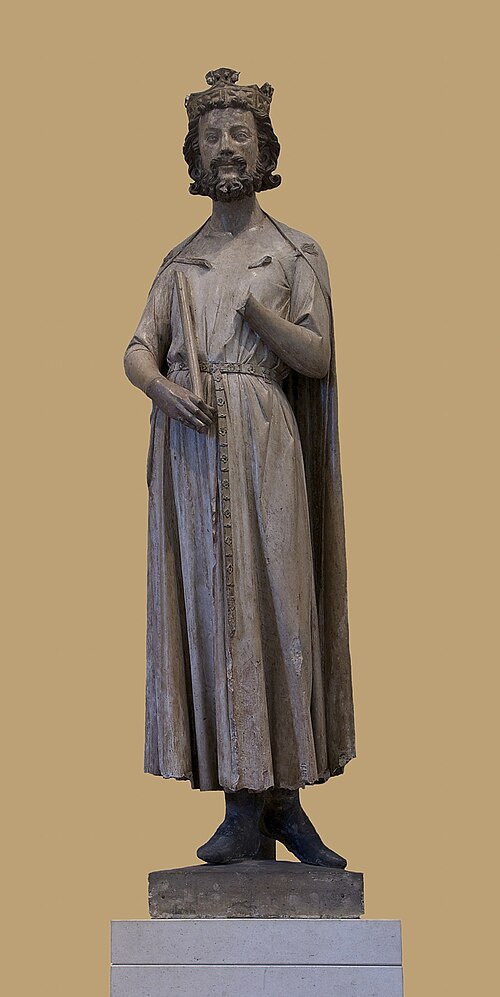


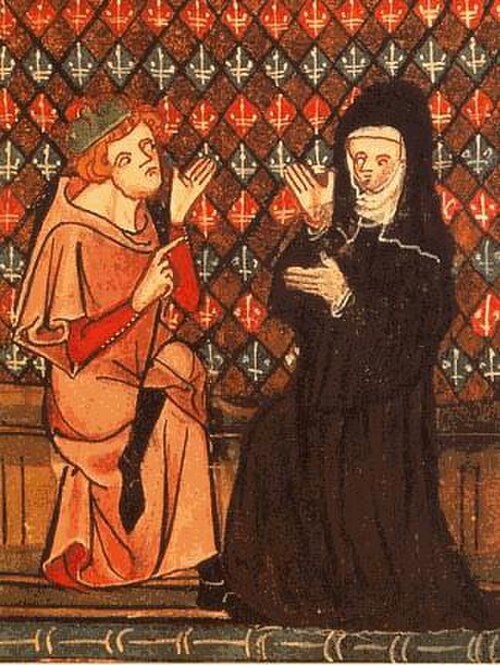


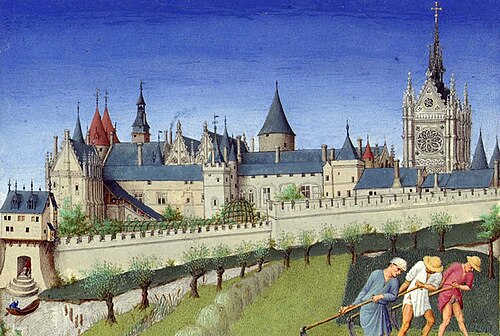


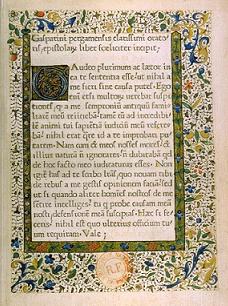


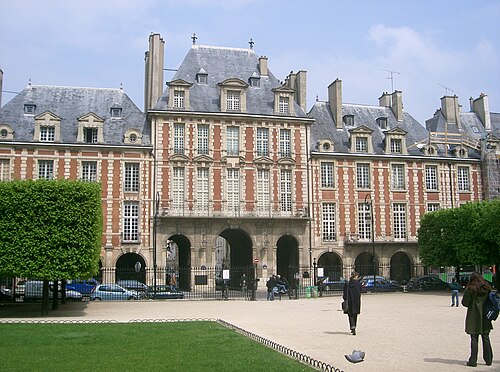


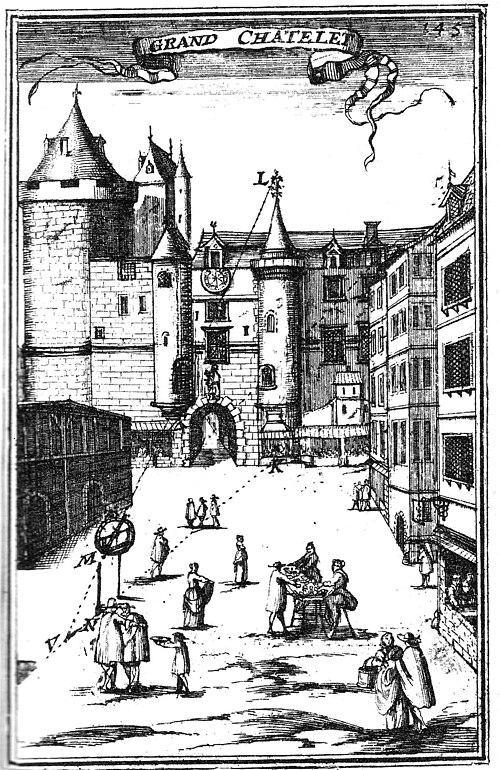

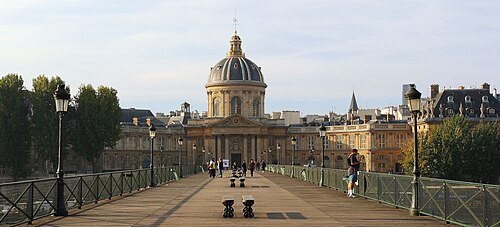


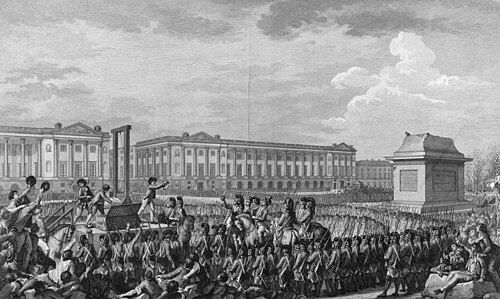


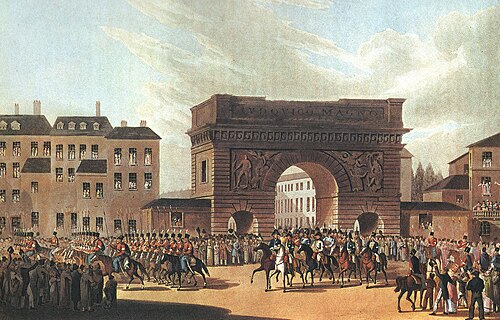


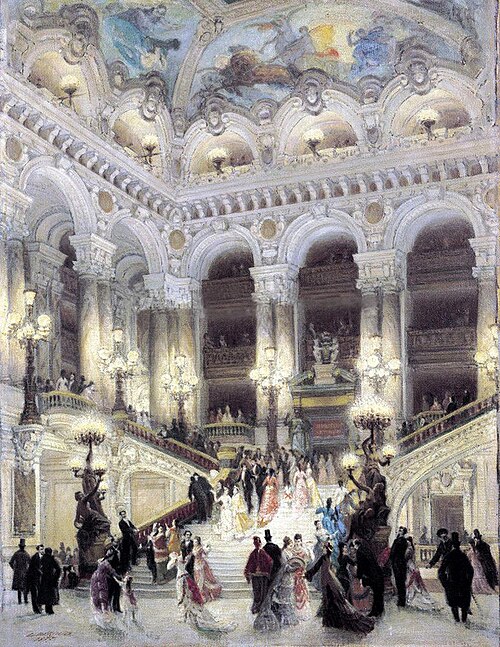
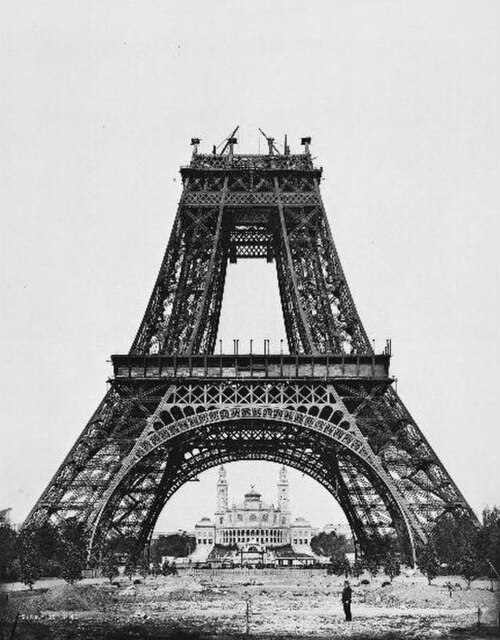


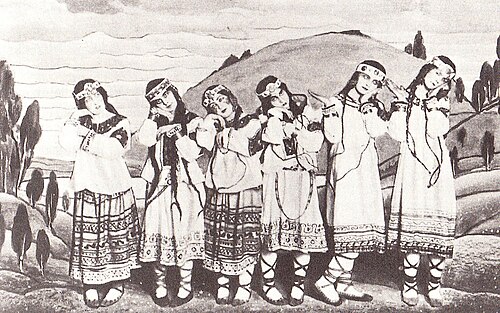


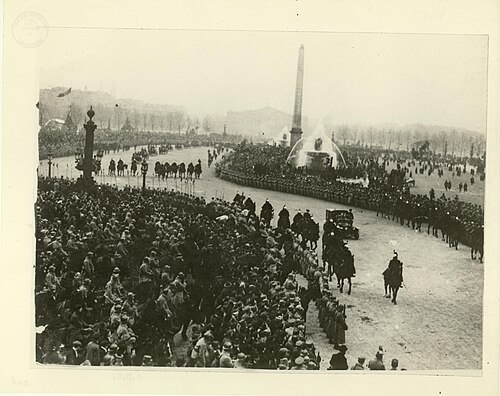


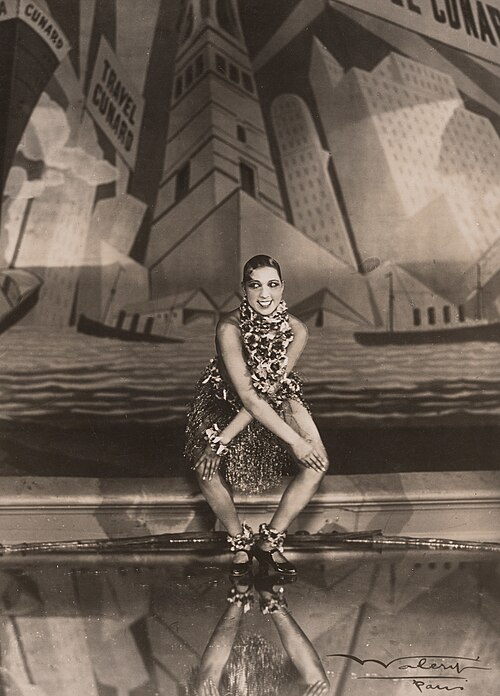


 1180
1180 1575
1575 1615
1615 1650
1650 1682
1682 1703
1703 1720
1720 ~1741
~1741 1765
1765 1782
1782 1784
1784 1789
1789 1799
1799 1801
1801 1821
1821 1828
1828 1838
1838 1845
1845 1853
1853 1859
1859 1867
1867 1871
1871 1891
1891 1892
1892 1905
1905 1933
1933 1944
1944 1956
1956 1960
1960 1989
1989