
تلفزيون بي بي سي شكسبير
مسلسل شكسبير التلفزيوني من إنتاج بي بي سي هو سلسلة من الأعمال التلفزيونية البريطانية المقتبسة من مسرحيات ويليام شكسبير ، من تأليف سيدريك ميسينا وبثها تلفزيون بي بي سي . عُرض المسلسل في المملكة المتحدة من 3 ديسمبر 1978 إلى 27 أبريل 1985، وامتد على سبعة مواسم وسبعة وثلاثين حلقة.
بدأ تطوير المسلسل عام ١٩٧٥ عندما رأى ميسينا أن أراضي قلعة غلاميس ستكون موقعًا مثاليًا لتقديم اقتباس مسرحي لشكسبير بعنوان " كما تشاء" ضمن سلسلة "مسرحية الشهر" . لكن عند عودته إلى لندن، كان قد تصوّر مسلسلًا كاملًا مخصصًا لأعمال شكسبير الدرامية. ولما لم يلقَ ترحيبًا حارًا من رؤساء أقسام هيئة الإذاعة البريطانية (BBC)، تجاوز ميسينا القنوات المعتادة وعرض فكرته مباشرةً على أعلى مستويات الهيئة، التي وافقت على إنتاج المسلسل. ورغم ما واجهه من صعوبات مالية ولوجستية وإبداعية في بدايات الإنتاج، ثابر ميسينا وعمل كمنتج تنفيذي لمدة عامين. وعندما حلّ جوناثان ميلر محله في بداية الموسم الثالث، شهد المسلسل نهضة إبداعية ملحوظة مع تخفيف القيود المفروضة على تفسيرات المخرجين للمسرحيات، وهي سياسة استمرت في عهد شون ساتون ، الذي تولى منصب المنتج التنفيذي للمواسم الخامس والسادس والسابع. بحلول نهاية عرضها، أثبتت السلسلة نجاحها على الصعيدين التنافسي والمالي.
في البداية، لاقت الاقتباسات آراءً سلبية بشكل عام، إلا أن الاستقبال تحسن نوعًا ما مع استمرار المسلسل، ومنح المخرجين مزيدًا من الحرية، مما أدى إلى تفسيرات أكثر جرأة. تحظى العديد من الحلقات الآن بتقدير كبير، لا سيما بعض المسرحيات الأقل شهرة والأقل عرضًا. تُعد المجموعة الكاملة مجموعةً رائجة، وتمثل بعض الحلقات الإنتاج غير المسرحي الوحيد لهذه المسرحية المتوفر حاليًا على أقراص DVD. ابتداءً من 26 مايو 2020، أصبحت جميع المسرحيات الـ 37 متاحة للبث في أمريكا الشمالية عبر BritBox . [ 1 ] اعتبارًا من مايو 2025، لم تعد متاحة على BritBox. [ 2 ]
مقدمة
الأصول
بدأت فكرة المسلسل عام ١٩٧٥ مع سيدريك ميسينا ، منتج في هيئة الإذاعة البريطانية (BBC) متخصص في إنتاج الأعمال المسرحية الكلاسيكية للتلفزيون، وذلك أثناء تواجده في موقع تصوير قلعة غلاميس في أنغوس ، اسكتلندا، لتصوير اقتباس لرواية " الوزير الصغير" لجيمس ماثيو باري ضمن سلسلة "مسرحية الشهر" التي تبثها BBC . [ ٣ ] خلال فترة وجوده في موقع التصوير، أدرك ميسينا أن أرض القلعة ستكون موقعًا مثاليًا لاقتباس مسرحية شكسبير " كما تشاء" . وبحلول عودته إلى لندن، كانت فكرته قد تطورت بشكل ملحوظ، وأصبح يتصور مسلسلًا مخصصًا بالكامل لأعمال شكسبير الدرامية؛ مسلسلًا يقتبس جميع مسرحياته السبع والثلاثين. [ ٤ ]
فور طرح ميسينا للفكرة على زملائه، واجه بعض المشاكل. كان يتوقع أن يتحمس الجميع في هيئة الإذاعة البريطانية (BBC) للفكرة، لكن لم يكن الأمر كذلك. على وجه الخصوص، رأى قسم الدراما/المسرحيات أن المسلسل لن يحقق نجاحًا ماليًا دون مبيعات دولية، وهو أمر لم يرجحوه. علاوة على ذلك، جادلوا بأن أعمال شكسبير على التلفزيون نادرًا ما تنجح، ورأوا أنه لا داعي لعرض جميع المسرحيات السبع والثلاثين، لأن الكثير منها غير معروف ولن يجد جمهورًا واسعًا، حتى في المملكة المتحدة. خاب أمل ميسينا من عدم حماسهم، فتجاوز رؤساء الأقسام، وأرسل اقتراحه مباشرة إلى مدير البرامج ألاسدير ميلن والمدير العام إيان تريثوان ، وكلاهما أعجب بالفكرة. [ 5 ] على الرغم من وجود بعض التحفظات داخل هيئة الإذاعة البريطانية (BBC)، وعدم نسيان قرار ميسينا بتجاوز التسلسل الهرمي المتعارف عليه، إلا أنه بدعم من ميلن وتريثوان، تمت الموافقة على المسلسل، حيث تم الترويج لنطاقه الضخم كجزء من جاذبيته؛ "لقد كان مشروعًا ضخمًا، لا أحد غيره يستطيع القيام به، ولا أحد غيره سيفعله، ولكن كان ينبغي القيام به." [ 6 ] بعد مرور عدة أشهر على بدء الإنتاج، كتب الصحفي هنري فينويك أن المشروع "بريطاني بامتياز، وبي بي سي بامتياز." [ 7 ]
شكسبير على قناة بي بي سي
سبق لهيئة الإذاعة البريطانية (BBC) أن عرضت العديد من الأعمال المقتبسة من مسرحيات شكسبير، وبحلول عام ١٩٧٨، كانت المسرحيات الوحيدة التي لم تعرضها في نسخ تلفزيونية خاصة هي هنري الثامن ، وبريكليس ، وتيمون الأثيني ، وتيتوس أندرونيكوس، ونبيلان من فيرونا . [ ٨ ] ومع ذلك، ورغم هذه الخبرة، لم تُنتج الهيئة قط أي عمل على نطاق سلسلة شكسبير . بدأت عروض شكسبير التلفزيونية الحصرية في ٥ فبراير ١٩٣٧ بالبث المباشر للفصل الثالث، المشهد الثاني من مسرحية " كما تشاء" ، من إخراج روبرت أتكينز ، وبطولة مارغريتا سكوت في دور روزاليند ، وإيون سوينلي في دور أورلاندو . [ ٩ ] وفي وقت لاحق من تلك الليلة، بُثّ مشهد المغازلة من مسرحية هنري الخامس ، من إخراج جورج مور أوفيرال ، وبطولة هنري أوسكار في دور هنري، وإيفون أرنو في دور كاثرين . [ 10 ] أشرف أوفيرال على بثّ العديد من مقتطفات شكسبيرية خلال عام 1937، بما في ذلك خطاب مارك أنطوني الجنائزي من مسرحية يوليوس قيصر ، من بطولة هنري أوسكار في دور أنطوني (11 فبراير)، [ 11 ] وعدة مشاهد بين بينيديك وبياتريس من مسرحية ضجة كبيرة بلا طائل ، من بطولة هنري أوسكار ومارجريتا سكوت (أيضًا 11 فبراير)، [ 12 ] وعدة مشاهد بين ماكبث وليدي ماكبث من مسرحية ماكبث ، من بطولة لورانس أوليفييه وجوديث أندرسون (25 مارس)، [ 13 ] ونسخة مختصرة للغاية من مسرحية عطيل ، من بطولة باليول هولواي في دور عطيل ، وسيليا جونسون في دور ديدمونة ، ودي . إيه. كلارك سميث في دور ياغو (14 ديسمبر). [ 14 ]
تضمنت إنتاجات عام 1937 الأخرى عرضين مختلفين لمشاهد من مسرحية حلم ليلة صيف ؛ أحدهما من إخراج دالاس باور ، وبطولة باتريشيا هيليارد في دور تيتانيا وهاي بيتري في دور نيك بوتوم (18 فبراير)، [ 15 ] والآخر مقتطف من إنتاج ستيفن توماس في ريجنت بارك ، وبطولة ألكسندر نوكس في دور أوبرون وثيا هولم في دور تيتانيا، والذي عُرض كجزء من احتفالات عيد ميلاد شكسبير (23 أبريل). [ 15 ] وشهد عام 1937 أيضًا بث مشهد المغازلة من مسرحية ريتشارد الثالث ، من إخراج ستيفن توماس، وبطولة إرنست ميلتون في دور ريتشارد وبياتريكس ليمان في دور الليدي آن (9 أبريل). [ 16 ] وفي عام 1938، تم بث أول عرض كامل لمسرحية شكسبيرية؛ عرض دالاس باور مسرحية يوليوس قيصر بأزياء عصرية على مسرح شكسبير التذكاري ، من بطولة دي إيه كلارك سميث في دور مارك أنطوني وإرنست ميلتون في دور قيصر (24 يوليو). [ 17 ] وفي العام التالي، عُرضت أول مسرحية طويلة مُخصصة للتلفزيون؛ وهي مسرحية العاصفة ، من إخراج باور أيضًا، وبطولة جون أبوت في دور بروسبيرو وبيغي آش كروفت في دور ميراندا (5 فبراير). [ 14 ] بُثّت الغالبية العظمى من هذه العروض مباشرةً، وتوقفت مع اندلاع الحرب عام 1939. ولم يبقَ منها شيء.
بعد الحرب، انخفض عرض الأعمال المقتبسة من مسرحيات شكسبير، واتجهت نحو إنتاجات تلفزيونية أكثر أهمية. ففي عام 1947، على سبيل المثال، أخرج أوفيرال عملاً مقتبساً من مسرحية هاملت في جزأين ، من بطولة جون بايرون في دور هاملت ، وسيباستيان شو في دور كلاوديوس، ومارغريت راولينغز في دور جيرترود (5 و15 ديسمبر). [ 18 ] ومن بين الإنتاجات الأخرى التي عُرضت بعد الحرب مسرحية ريتشارد الثاني ، من إخراج رويستون مورلي ، وبطولة آلان ويتلي في دور ريتشارد، وكليمنت ماكالين في دور بولينغبروك (29 أكتوبر 1950)؛ [ 19 ] ومسرحية هنري الخامس ، من إخراج مورلي أيضاً، وبطولة كليمنت ماكالين في دور هنري، وأولاف بولي في دور الدوفين (22 أبريل 1951). [ 20 ] إنتاج أصلي لمسرحية ترويض الشرسة من إنتاج مسرح ليلة الأحد ، من إخراج ديزموند ديفيس ، وبطولة مارغريت جونستون في دور كاثرين وستانلي بيكر في دور بيتروشيو (20 أبريل 1952)؛ [ 21 ] نسخة تلفزيونية من إنتاج شركة مسرح إليزابيثان لجون بارتون لمسرحية هنري الخامس ، من بطولة كولين جورج في دور هنري ومايكل ديفيد في دور الدوفين (19 مايو 1953)؛ [ 22 ] عرض حي لمسرح ليلة الأحد للإنتاج الموسيقي لليونيل هاريس لمسرحية كوميديا الأخطاء ، من بطولة ديفيد بول في دور أنتيبولوس الإفسوسي وبول هانسارد في دور أنتيبولوس السرقوسي (16 مايو 1954)؛ [ 23 ] وحياة هنري الخامس ، البرنامج الافتتاحي لسلسلة المسرح العالمي الجديدة لهيئة الإذاعة البريطانية ، من إخراج بيتر ديوز ، وبطولة جون نيفيل في دور هنري وجون وود في دور الدوفين (29 ديسمبر 1957). [ 20 ]
كما عُرضت خلال الخمسينيات والستينيات أربعة مسلسلات تلفزيونية متعددة الأجزاء مقتبسة من أعمال شكسبير؛ ثلاثة منها صُممت خصيصًا للتلفزيون، وواحد مقتبس من مسرحية. كان أولها مسلسل " حياة وموت السير جون فالستاف" (1959)، من إنتاج وإخراج رونالد آير ، وبطولة روجر ليفسي في دور فالستاف . اقتبس المسلسل جميع مشاهد فالستاف من مسرحية " هنرياد" وحوّلها إلى سبع حلقات مدة كل منها ثلاثون دقيقة. [ 24 ] أما المسلسل الثاني فكان "عصر الملوك " (1960)، من إنتاج بيتر ديوز وإخراج مايكل هايز ، ويتألف من خمس عشرة حلقة تتراوح مدة كل منها بين ستين وثمانين دقيقة، وقد اقتبس جميع مسرحيات شكسبير التاريخية الثماني المتسلسلة ( ريتشارد الثاني ، هنري الرابع 1 ، هنري الرابع 2، هنري الخامس ، هنري السادس 1 ، هنري السادس 2 ، هنري السادس 3 ، وريتشارد الثالث ). [ 25 ] [ 26 ] أما المسلسل الثالث فكان "انتشار النسر" (1963)، من إخراج وإنتاج ديوز. يتألف المسلسل من تسع حلقات، مدة كل منها ستون دقيقة، وقد اقتبس المسرحيات الرومانية، مرتبةً ترتيبًا زمنيًا للأحداث الواقعية التي صُوِّرت فيها؛ وهي: كوريولانوس ، ويوليوس قيصر ، وأنطونيو وكليوباترا . [ 27 ] أما المسلسل الرابع فكان إعادة إنتاج تلفزيونية لمسرحية " حروب الورود" ، التي عُرضت في عامي 1965 و1966. "حروب الورود" عبارة عن اقتباس من ثلاثة أجزاء لأول رباعية تاريخية لشكسبير ( هنري السادس 1 ، وهنري السادس 2 ، وهنري السادس 3 ، وريتشارد الثالث )، والتي عُرضت بنجاح نقدي وتجاري كبير على مسرح شكسبير الملكي عام 1963، وقد اقتبسها جون بارتون، وأخرجها بارتون وبيتر هول . في نهاية عرضها، أُعيد إنتاج المسرحية للتلفزيون، وصُوِّرت على خشبة مسرح رويال شكسبير، باستخدام نفس ديكورات العرض المسرحي، ولكن ليس خلال العروض الحية. أخرجها للتلفزيون مايكل هايز وروبن ميدجلي ، وعُرضت لأول مرة عام 1965 كمسلسل من ثلاثة أجزاء، تمامًا كما عُرضت المسرحيات على خشبة المسرح (كانت الأجزاء الثلاثة تُسمى هنري السادس ، وإدوارد الرابع ، وريتشارد الثالث).نظراً لشعبية بث عام 1965، عُرض المسلسل مرة أخرى في عام 1966، حيث قُسّمت المسرحيات الثلاث إلى عشر حلقات مدة كل منها خمسون دقيقة. [ 28 ] [ 29 ]
على الرغم من أن مسرحية "عصر الملوك" ، التي كانت أغلى وأكثر إنتاجات شكسبير طموحًا حتى ذلك الحين، حققت نجاحًا نقديًا وتجاريًا كبيرًا، إلا أن مسرحية "انتشار النسر" لم تحقق النجاح المأمول، وبعد ذلك، قررت هيئة الإذاعة البريطانية (BBC) العودة إلى إنتاجات أصغر حجمًا وأقل مخاطرة مالية. [ 30 ] ففي عام 1964، على سبيل المثال، عرضت الهيئة عرضًا حيًا لمسرحية "كوميديا الأخطاء" من إنتاج شركة شكسبير الملكية (RSC) لكليفورد ويليامز من مسرح ألدويتش ، وبطولة إيان ريتشاردسون في دور أنتيبولوس الإفسوسي وأليك ماكوين في دور أنتيبولوس السرقوسي. [ 31 ] وشهد عام 1964 أيضًا بث مسرحية " هاملت في إلسينور" ، من إخراج فيليب سافيل وإنتاج بيتر لوك . وقد تم تصوير المسرحية بالكامل في موقعها الأصلي في هيلسينغور ، في قلعة إلسينور الحقيقية ، من بطولة كريستوفر بلامر في دور هاملت، وروبرت شو في دور كلاوديوس، وجون توبين في دور جيرترود. [ 32 ] في عام 1970، عرضوا مسرحية مأساة ريتشارد الثاني ، المقتبسة من إنتاج ريتشارد كوتريل الجوال، وبطولة إيان ماكيلين في دور ريتشارد وتيموثي ويست في دور بولينجبروك. [ 33 ]
بالإضافة إلى ذلك، عرضت سلسلة مسرحية الشهر العديد من الاقتباسات الشكسبيرية على مر السنين؛ روميو وجولييت (1967)، العاصفة (1968)، يوليوس قيصر (1969)، ماكبث (1970)، حلم ليلة صيف (1971)، تاجر البندقية (1972)، الملك لير (1975) وجهود الحب الضائعة (1975).
التمويل
كان مشروع شكسبير التلفزيوني لهيئة الإذاعة البريطانية (BBC) أضخم مشروعٍ يُعنى بأعمال شكسبير على الإطلاق، سواءً من قِبل شركة إنتاج تلفزيوني أو سينمائي. أُعلن مبدئيًا عن ميزانية إجمالية قدرها 7 ملايين جنيه إسترليني، أو 13.6 مليون دولار أمريكي . [ 34 ] ثم ذُكر لاحقًا أنها أقرب إلى 16 مليون دولار أمريكي. [ 35 ] بعد خصم التكاليف الإجمالية، بلغت ميزانية كل إنتاج حوالي 325 ألف دولار أمريكي. [ 36 ] كان المشروع ضخمًا لدرجة أن هيئة الإذاعة البريطانية لم تستطع تمويله بمفردها، ما استدعى وجود شريك من أمريكا الشمالية يضمن الوصول إلى السوق الأمريكية، وهو أمرٌ يُعتبر ضروريًا لاسترداد تكاليف المسلسل. وفي مساعيها للحصول على هذا التمويل، حالف الحظ هيئة الإذاعة البريطانية في البداية. كان آلان شالكروس ، محرر سيناريو سيدريك ميسينا ، ابن عم دينهام تشالندر، المدير التنفيذي لفرع نيويورك لشركة مورغان غارنتي ترست . كان تشالندر يعلم أن مورغان تسعى لتمويل مشروع فني عام، فاقترح مسلسل شكسبير على رؤسائه. تواصل مورغان مع هيئة الإذاعة البريطانية (BBC)، وتم التوصل إلى اتفاق سريعًا. [ 6 ] مع ذلك، لم يكن مورغان مستعدًا إلا لاستثمار ثلث المبلغ المطلوب تقريبًا (حوالي 1.5 مليون جنيه إسترليني/3.6 مليون دولار أمريكي). واستغرق تأمين باقي التمويل اللازم وقتًا أطول بكثير بالنسبة لهيئة الإذاعة البريطانية، قرابة ثلاث سنوات.
كانت شركة إكسون ثاني المستثمرين، حيث قدمت ثلث الميزانية الإضافية عام ١٩٧٦. [ ٣٧ ] وفي العام التالي، تواصلت مؤسسة البث العام (CPB) مع شركة تايم لايف ، الموزع الأمريكي لهيئة الإذاعة البريطانية (BBC)، بشأن استثمار محتمل في المشروع. إلا أنه نظرًا لاعتماد CPB على التمويل العام، فقد لفت اهتمامها بالمسلسل انتباه النقابات العمالية الأمريكية والعاملين في المسرح، الذين اعترضوا على فكرة دعم البرامج البريطانية بأموال أمريكية. وبدأ الاتحاد الأمريكي لفناني التلفزيون والراديو (AFTRA) والاتحاد الأمريكي للعمل ومؤتمر المنظمات الصناعية (AFL-CIO) بالضغط على CPB لعدم الاستثمار في المسلسل. وقد أبدى جوزيف باب ، مدير مهرجان نيويورك لشكسبير ، استياءً بالغًا، مُجادلًا بأن التلفزيون الأمريكي قادر على إنتاج جميع أعمال شكسبير الكلاسيكية بسهولة تامة كما تفعل BBC، وحثّ CPB علنًا على عدم الاستثمار. [ ٣٨ ] ولكن قبل أن يتفاقم الوضع، تم العثور على المستثمر الثالث الضروري، شركة متروبوليتان لايف . [ 37 ] بفضل استثمارهم، تم تمويل المشروع بالكامل، حيث بلغ المبلغ الذي استثمرته هيئة الإذاعة البريطانية 5.5 مليون دولار، بالإضافة إلى أموال مورغان وإكسون. [ 8 ]
يتضح مدى تعقيد هذا التمويل من خلال مقدمة العرض الأمريكي لكل حلقة: "أُنتج هذا المسلسل بفضل منح من إكسون، ومتروبوليتان لايف، ومورغان بنك. وهو إنتاج مشترك بين بي بي سي تي في وتايم/لايف، ويُقدم لهيئة الإذاعة العامة من قِبل WNET /Thirteen، نيويورك." ووفقًا لجاك فينزا ، المنتج التنفيذي في WNET، "كانت هذه إحدى المرات النادرة التي حصلنا فيها على موافقة ثلاثة ممولين مؤسسيين منفصلين على تمويل مشروع سيُعرض بعد ست سنوات. كان ذلك في حد ذاته إنجازًا استثنائيًا." [ 39 ]
الخطط المرفوضة
كان من أوائل قرارات ميسينا المتعلقة بالمسلسل تعيين مستشار أدبي، وهو البروفيسور جون وايلدرز من كلية ووستر، أكسفورد . أراد وايلدرز في البداية أن تعتمد العروض على نصوص جديدة تمامًا أعيد تحريرها من مختلف الطبعات الرباعية والثمانية والفوليو خصيصًا للإنتاجات ، ولكن عندما تبين أن الوقت اللازم لذلك غير عملي، قرر وايلدرز بدلاً من ذلك استخدام طبعة بيتر ألكسندر لعام 1951 من الأعمال الكاملة كـ"مرجع" للمسلسل. [ 40 ]
تصوّر ميسينا المسلسل على أنه يتألف من ستة مواسم، كل موسم ست حلقات، وكان من المقرر أن تُحوّل مسرحيات هنري السادس الثلاث إلى حلقات من جزأين. إلا أن هذه الفكرة رُفضت سريعًا، إذ اعتُبرت حلاً وسطًا غير مقبول، فتقرر بدلاً من ذلك الاكتفاء بموسم واحد من سبع حلقات. في البداية، راودت ميسينا فكرة تصوير المسرحيات وفقًا لترتيب تأليفها الزمني ، لكن هذه الخطة تُركت جانبًا لأنه رُئي أن ذلك سيستلزم بدء المسلسل بمجموعة من المسرحيات غير المعروفة نسبيًا، ناهيك عن عدم وجود تسلسل زمني محدد. [ 40 ] وبدلًا من ذلك، قرر ميسينا وويلدرز وشالكروس أن يضم الموسم الأول بعضًا من أشهر الكوميديات ( جعجعة بلا طحن وكما تشاء ) والتراجيديات ( روميو وجولييت ويوليوس قيصر ). واختيرت مسرحية " العين بالعين " لتكون المسرحية "الأقل شهرة" في الموسم، وأُدرجت مسرحية "الملك ريتشارد الثاني" لبدء سلسلة المسرحيات التاريخية المكونة من ثمانية أجزاء . عندما تم التخلي عن إنتاج الحلقة الافتتاحية، " ضجة كبيرة حول لا شيء" ، بعد تصويرها، تم استبدالها بحلقة "التاريخ الشهير لحياة الملك هنري الثامن" كالحلقة السادسة من الموسم. [ 40 ]
لكن سرعان ما واجهت فكرة المسلسل التاريخي الثماني صعوبات. كان ميسينا يرغب في تصوير المسرحيات التاريخية الثماني المتسلسلة وفقًا للتسلسل الزمني للأحداث التي تصورها، مع توحيد طاقم التمثيل وإخراج المخرج نفسه لجميع الأعمال الثمانية ( ديفيد جايلز )، على أن يمتد التسلسل على مدار المواسم الستة. [ 41 ] خلال المراحل الأولى من التخطيط لمسرحيتي " الملك ريتشارد الثاني" و "الجزء الأول من الملك هنري الرابع"، انهارت خطة توحيد طاقم التمثيل، عندما تبين أنه على الرغم من إمكانية عودة جون فينش (هنري بولينجبروك في "ريتشارد" ) لتجسيد شخصية هنري الرابع، إلا أن جيريمي بولوك في دور هوتسبير وديفيد سويفت في دور إيرل نورثمبرلاند لم يتمكنا من ذلك، ما استدعى إعادة اختيار الممثلين، وبالتالي تقويض فكرة تصوير المسرحيات كسلسلة واحدة. [ 42 ] في نهاية المطاف، خلال الموسم الأول، عُوملت مسرحية الملك ريتشارد الثاني ، رغم استمرار جايلز في إخراجها، كعملٍ مستقل، بينما عُوملت مسرحيات الجزء الأول من الملك هنري الرابع ، والجزء الثاني من الملك هنري الرابع، وحياة هنري الخامس (جميعها من إخراج جايلز أيضًا) كثلاثية خلال الموسم الثاني، مع ربط الممثلين بينها. إضافةً إلى ذلك، وفي محاولةٍ لربطها بمسرحية ريتشارد من الموسم الأول ، عاد جون فينش لتجسيد شخصية هنري الرابع، وافتُتح الجزء الأول من الملك هنري الرابع بمشهد مقتل ريتشارد من المسرحية السابقة. ثم أخرجت جين هاول المجموعة الثانية من المسرحيات الأربع كوحدةٍ واحدة، بديكورٍ مشترك وطاقم تمثيلٍ مترابط، وعُرضت خلال الموسم الخامس.

كانت إحدى الأفكار المبكرة الأخرى، التي لم تُكتب لها النجاح، هي فكرة تشكيل فرقة تمثيلية واحدة لتقديم جميع المسرحيات السبع والثلاثين. قبل أن يُنفذ هذا المخطط، اعترضت نقابة الممثلين البريطانية (Equity Association) على الاقتراح، بحجة أنه ينبغي منح أكبر عدد ممكن من أعضائها فرصة الظهور في المسلسل. [ 38 ] كما نصّت النقابة في عقدها مع هيئة الإذاعة البريطانية (BBC) على أنه لا يُسمح إلا للممثلين البريطانيين والأيرلنديين بالمشاركة. خلال التخطيط للموسم الثاني، عندما علمت النقابة أن ميسينا كان يحاول إسناد دور عطيل إلى جيمس إيرل جونز ، هددت النقابة بإضراب أعضائها، مما كان سيُشلّ المسلسل. أجبر هذا ميسينا على التخلي عن اختيار جونز، وتأجل عرض عطيل إلى موسم لاحق. [ 38 ]
دعاية المملكة المتحدة
قبل عرض الحلقة الأولى، حظي المسلسل بحملة ترويجية واسعة النطاق في المملكة المتحدة، شاركت فيها جميع أقسام هيئة الإذاعة البريطانية (BBC) تقريبًا. وبمجرد بدء عرض المسلسل، تمثل جانب رئيسي من الحملة الترويجية في عرض حلقات تجريبية للصحافة قبل بثها الرسمي، حتى يتسنى نشر المراجعات قبل عرض الحلقة؛ إذ كان الهدف هو أن تشجع المراجعات الإيجابية المشاهدين على مشاهدته. وشملت فعاليات ترويجية أخرى حفلاً للاحتفال بانطلاق الموسم الثالث في فندق جورج إن، ساوثوارك ، بالقرب من موقع مسرح غلوب ، وحفلاً مماثلاً في بداية الموسم السادس في قلعة غلاميس، حضره كل من إيان هوغ ، وآلان هوارد ، وجوس أكيلاند ، وتايلر باتروورث ، وويندي هيلر ، وباتريك رايكارت ، وسيريل كوساك ، الذين كانوا جميعًا حاضرين لإجراء مقابلات مع العديد من الصحفيين المدعوين. [ 43 ]
كان من أبرز جوانب العمل الترويجي توفير مواد تعليمية إضافية. فعلى سبيل المثال، أصدرت هيئة الإذاعة البريطانية (BBC) قسم الكتب التابع لها نصوص كل حلقة، والتي أعدها محرر النصوص آلان شالكروس (للموسمين الأول والثاني) وديفيد سنودين (للموسمين الثالث والرابع)، وقام بتحريرها جون وايلدرز. تضمنت كل نسخة مقدمة عامة بقلم وايلدرز، ومقالًا عن الإنتاج نفسه بقلم هنري فينويك، ومقابلات مع الممثلين وطاقم العمل، وصورًا فوتوغرافية، وقاموسًا للمصطلحات، وشروحًا للتعديلات النصية التي أجراها شالكروس، ثم سنودين لاحقًا، مع توضيح أسباب حذف بعض المشاهد. نُشرت مقالات فينويك كمقالات رئيسية في مجلة راديو تايمز في أسبوع عرض كل حلقة. [ 44 ]
إلى جانب النصوص المنشورة المشروحة، أنتجت هيئة الإذاعة البريطانية (BBC) برنامجين مكملين يهدفان إلى مساعدة المشاهدين على التفاعل مع المسرحيات على مستوى أكاديمي أعمق؛ وهما سلسلة إذاعية بعنوان " مقدمات إلى شكسبير" وسلسلة تلفزيونية بعنوان "شكسبير من منظور مختلف " . كانت "مقدمات" سلسلة من الحلقات مدة كل منها ثلاثون دقيقة، تركز على تاريخ أداء كل مسرحية، مع تعليق يقدمه ممثل سبق له أداء المسرحية. يناقش الممثل تاريخ المسرح بشكل عام، بالإضافة إلى تجاربه الشخصية في العمل على المسرحية، حيث تُبث كل حلقة على إذاعة BBC Radio 4 قبل ليلة إلى ثلاث ليالٍ من عرضها الفعلي على قناة BBC 2. [ 45 ]
كان البرنامج التلفزيوني التكميلي، "شكسبير من منظور مختلف" ، برنامجًا تعليميًا ذا طابع عام، حيث تناولت كل حلقة مدتها خمس وعشرون دقيقة جوانب مختلفة من الإنتاج، وقدمها شخصيات معروفة، لم تكن، في الغالب، منخرطة في أعمال شكسبير نفسها . [ 46 ] عُرض البرنامج على قناة BBC 2 في الليلة التي سبقت بث البرنامج نفسه، وكان الهدف الرئيسي منه "تعريف جمهور جديد بشكسبير على شاشة التلفزيون، وجذب الناس إلى المسرحيات، وتزويدهم ببعض المعلومات الأساسية. [وقدّم المذيعون] ملخصًا لقصص المسرحيات، ووفروا إطارًا تاريخيًا، حيثما أمكن، وطرحوا بعض الأفكار المبتكرة التي قد تثير اهتمام من هم على دراية بالنص". [ 47 ] وقد صُمم مستوى المعرفة في البرنامج خصيصًا لامتحانات الشهادة العامة للتعليم الثانوي ( O -level) والشهادة الثانوية العامة (A-level) ، حيث كتب المذيعون نصوصهم بأنفسهم. ومع ذلك، واجه البرنامج بعض المشاكل أحيانًا. فعلى سبيل المثال، في حلقة برنامج " هاملت، أمير الدنمارك" ، عندما حضر فريق العمل للتصوير، قال المذيع ببساطة: "هذه واحدة من أسخف المسرحيات التي كُتبت على الإطلاق، وليس لدي ما أقوله عنها". وقد دفع هذا إلى تنظيم برنامج على عجل من تقديم كلايف جيمس . [ 48 ]
لكن المشكلة الأكبر في برنامج "شكسبير من منظور مختلف" ، والتي تم التطرق إليها بكثرة في المراجعات، هي أن مقدم كل حلقة لم يشاهد العمل المسرحي الذي يتحدث عنه، وغالبًا ما كان هناك تباين بين ملاحظاته والتفسير الذي يقدمه البرنامج. على سبيل المثال، بدت تعليقات الشاعر ستيفن سبندر حول مسرحية "حكاية الشتاء" باعتبارها مسرحية بالغة الجمال تحتفي بدورة الطبيعة متناقضة مع إنتاج جين هاول شبه المُنمّق ذي الديكور الواحد، حيث استُخدمت شجرة وحيدة لتمثيل تغير الفصول. وكان المثال الأكثر تداولًا لهذا التباين متعلقًا بمسرحية "سيمبلين" ، التي قدمها الكاتب المسرحي والسينمائي دينيس بوتر . في مراجعته التي نشرها في صحيفة "ذا أوبزرفر" لكلٍ من الإنتاج وبرنامج "برسبكتيف "، كتب جوليان بارنز : "من المفهوم تمامًا وجود فجوة كبيرة بين يديّ هيئة الإذاعة البريطانية (BBC) اليمنى واليسرى. مع ذلك، نادرًا ما نشهد مثل هذا التناقض الصارخ بين الفريقين كما حدث الأسبوع الماضي خلال عرضهم لأعمال شكسبير: حيث أمسكت اليد اليمنى بالمطرقة وسددت اليد اليسرى بعنف بذراع الكرسي". يشير بارنز إلى أنه من الواضح أن بوتر لم يكن قد شاهد العرض عند تسجيل تعليقه. وكان محقًا؛ فقد سُجّل برنامج "برسبكتيف" الخاص ببوتر قبل حتى تصوير مسرحية "سيمبلين" . وفقًا لبارنز،
اكتُشف بوتر لأول مرة وهو يختبئ بين الصخور المغطاة بالطحالب والكهوف المترددة في غابة دين ، التي تُشكّل خلفية مثالية، كما أوضح، لتقديم مسرحية مليئة بـ"المناظر الطبيعية الصخرية الغامضة التي تُذكّر بطفولتي وذكرياتنا المليئة بالحكايات الخرافية ". حثّنا بلطف على الانغماس في عالم الأحلام: "استرجعوا ذكرياتكم إلى أمسيات الطفولة الخافتة. جفونكم تثقل [...] المنزل الدافئ المريح يُهيّئ نفسه للانجراف، بلا مرسى، في الليل [...] عالم "كان يا ما كان". الصخور الضخمة والذكريات، السرخس والجنيات : هكذا كان عالم سيمبلين . من الواضح أن إيليا موشينسكي ، المخرج، لم يسمع بهذا. الجنيات غائبة؛ الصخور غائبة؛ المناظر الطبيعية الصخرية الغامضة لا قيمة لها. تحوّلت بريطانيا القديمة في عهد أغسطس قيصر إلى بلاطٍ متأنقٍ على طراز القرن السابع عشر، مع لمساتٍ من رامبرانت وفان دايك ، وفيرمير (عندما ظهرت هيلين ميرين في إضاءةٍ معينةٍ وفستانٍ معين) . أصبحت الحكاية الخيالية التي وعد بها السيد بوتر مسرحيةً تدور حول مكائد البلاط والعاطفة المعاصرة: أشبه بجزءٍ مُقتطعٍ من مسرحية عطيل . [ 49 ]
دعاية أمريكية
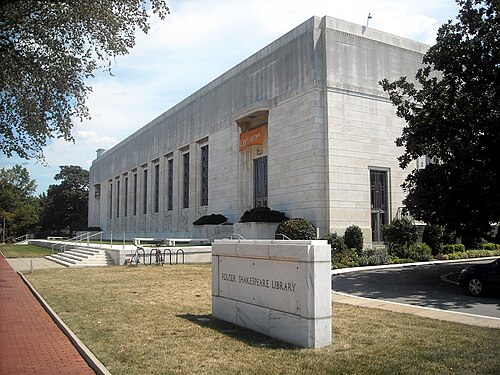
في الولايات المتحدة، استعانت هيئة الإذاعة البريطانية (BBC) بشركة ستون/هالينان أسوشيتس لإدارة الدعاية. ومع ذلك، ولأن المسلسل عُرض على التلفزيون العام ، لم تُغطِّه العديد من الصحف والمجلات الأمريكية. [ 50 ] ولإطلاق المسلسل في الولايات المتحدة، أُقيم حفل استقبال في البيت الأبيض ، حضرته روزالين كارتر ، تلاه غداء في مكتبة فولجر شكسبير . وكان الممثل الرئيسي هو أنتوني كويل ، الذي أُسند إليه دور فالستاف في حلقات الموسم الثاني من مسلسل هنري الرابع . ومما ساعد أيضًا على ذلك أن كويل، على عكس العديد من الممثلين الآخرين الذين ظهروا في الحلقات الأولى، كان معروفًا جيدًا في الولايات المتحدة. كما حضر الحفل ريتشارد باسكو ، وسيليا جونسون، وباتريك رايكارت، وهيلين ميرين. وكان من المقرر في البداية أن يظهر جيمس إيرل جونز، تحسبًا لإنتاج الموسم الثاني من مسرحية عطيل ، ولكن بحلول موعد حفل الاستقبال، اضطر ميسينا إلى التخلي عن اختياره. [ 51 ] في الأسابيع التي سبقت العرض الأول، أرسلت شركة ستون/هالينان موادًا صحفية لكل حلقة، بينما أنتجت شركة إكسون إعلانات تلفزيونية وإذاعية، ونظمت شركة ميت لايف أيامًا مفتوحة خاصة بشكسبير في مقرها الرئيسي، وأرسلت ملصقات وأدلة للمشاهدين لكل حلقة. [ 52 ]
في الولايات المتحدة، خططت شبكة WNET لسلسلة من البرامج مدتها ثلاثون دقيقة لتكون بمثابة مقدمات عامة لكل حلقة. وقد أثار هذا الأمر ضجة إعلامية كبيرة عندما سألوا جوزيف باب (بنوع من المزاح) عما إذا كان مهتمًا بتقديم البرنامج. [ 53 ] إلا أنهم تخلوا في النهاية عن الفكرة واكتفوا ببث حلقات برنامج "شكسبير من منظور" الذي تبثه هيئة الإذاعة البريطانية (BBC ). أما فيما يتعلق بالدعاية الإذاعية، ففي عام 1979، بثت الإذاعة الوطنية العامة (NPR) برنامج "مهرجان شكسبير" ؛ وهو عبارة عن سلسلة من الأوبرات والبرامج الموسيقية المستوحاة من مسرحيات شكسبير، بالإضافة إلى فيلم وثائقي درامي مدته ساعتان بعنوان "ويليام شكسبير: صورة بالصوت" ، من تأليف وإخراج ويليام لوس ، وبطولة جولي هاريس وديفيد وارنر . كما بثت الإذاعة سلسلة محاضرات من مركز لينكولن ، شارك فيها كل من صموئيل شونباوم ، وماينارد ماك، ودانيال سيلتزر . بالإضافة إلى ذلك، كانت محطة الإذاعة الوطنية العامة WQED-FM تبث مقدمات مدتها نصف ساعة لكل مسرحية في الأسبوع الذي يسبق بث الحلقة على التلفزيون. ومع ذلك، عندما لم تحقق الحلقات الأولى من البرنامج نسب المشاهدة المرجوة، توقف تمويل الدعاية بسرعة؛ فبرنامج منوعات شكسبيري كان من المقرر عرضه على قناة PBS عام 1981، وكان من المقرر أن يقوم ببطولته تشارلتون هيستون ، وروبن ويليامز ، وريتشارد تشامبرلين، وشيتا ريفيرا ، لكنه فشل في إيجاد ممول وتم إلغاؤه. [ 54 ] أما معرض "شكسبير: غلوب والعالم" التابع لمكتبة فولجر شكسبير ، وهو معرض جوال متعدد الوسائط ، فقد حقق نجاحًا أكبر، وجاب مدنًا في جميع أنحاء البلاد خلال الموسمين الأولين من البرنامج. [ 55 ]
كما ركزت جهود الترويج البريطانية التي بذلتها هيئة الإذاعة البريطانية (BBC) على التعليم، كذلك فعلت الدعاية الأمريكية، حيث أنفق الرعاة على المواد التعليمية ما يعادل إنفاقهم على تمويل المسلسل نفسه. أُسندت مهمة إدارة برنامج التوعية التعليمية في الولايات المتحدة إلى شركة "تيل-إد"، وهي شركة تابعة لـ"ستون/هالينان". ركزت الجهود التعليمية على المرحلتين الإعدادية والثانوية، حيث يتعرف الطلاب الأمريكيون على شكسبير لأول مرة. كان لدى "تيل-إد" ثلاثة أهداف رئيسية: تعريف الطلاب بمزيد من المسرحيات (إذ اقتصرت معظم المدارس على تدريس روميو وجولييت ، ويوليوس قيصر، وماكبث ) ، وتشجيع الطلاب على الاستمتاع بأعمال شكسبير، وزيادة وتيرة تدريسها. كان هدف "تيل-إد" هو إتاحة المسلسل كاملاً لجميع المدارس الثانوية في الولايات المتحدة. خلال الموسم الأول، أرسلت الشركة 36 ألف حزمة تعليمية إلى أقسام اللغة الإنجليزية، وتلقت 18 ألف طلب للحصول على مزيد من المعلومات. [ 55 ] لاقى الجانب التعليمي من المسلسل نجاحًا باهرًا، لدرجة أنه بعد توقف عرضه عام 1985، واصل بنك مورغان جهوده التعليمية، فأنشأ برنامج "ساعة شكسبير" عام 1986. كانت فكرة البرنامج تقديم حلقات من أعمال شكسبير التلفزيونية التي أنتجتها هيئة الإذاعة البريطانية (BBC) كأدوات تعليمية. خُطط للبرنامج أن يستمر ثلاث سنوات، بواقع خمس حلقات سنويًا على مدار خمسة عشر أسبوعًا، حيث جُمعت المسرحيات معًا وفقًا لمواضيعها. عُيّن والتر ماثيو مقدمًا للبرنامج، وتضمنت كل حلقة موادًا وثائقية ممزوجة بمقاطع مطولة من إنتاجات BBC نفسها. كما نُشر كتاب يتضمن النص الكامل لكل حلقة بعنوان " ساعة شكسبير: دليل لسلسلة PBS التلفزيونية" ، من تحرير إدوارد كوين. بلغت تكلفة الموسم الأول 650 ألف دولار، لكن الجميع توقع نجاحه. تناول البرنامج موضوع الحب، مستخدمًا مسرحيات "حلم ليلة صيف" ، و " الليلة الثانية عشرة" ، و" كل شيء على ما يرام" ، و"العين بالعين" ، و "الملك لير" . مع ذلك، حقق المسلسل نسب مشاهدة متدنية للغاية، وتم إلغاؤه في نهاية الموسم الأول. وكان من المقرر أن يتناول الموسم الثاني موضوع السلطة ( الملك ريتشارد الثاني ، الجزء الأول من الملك هنري الرابع ، مأساة ريتشارد الثالث ، ترويض الشرسة ، ماكبث، ويوليوس قيصر )، بينما سيتناول الموسم الثالث موضوع الانتقام ( تاجر البندقية ، هاملت، أمير الدنمارك ، حكاية الشتاء ، العاصفة ، وعطيل ).). [ 56 ]
الجدولة
نظراً لنطاق المسلسل، أدركت هيئة الإذاعة البريطانية (BBC) صعوبة الحفاظ على أعداد المشاهدين، وعزمت على الالتزام الصارم بجدول عرضه. كانت النية الأصلية بث كل موسم على جزأين: ثلاث حلقات أسبوعية في أواخر الشتاء، تليها فترة راحة قصيرة، ثم ثلاث حلقات أسبوعية أخرى في أوائل الربيع. كان من شأن ذلك أن يُعظّم التسويق قبل عيد الميلاد، ويستغل فترة الهدوء المعتادة في أوائل الربيع. [ 57 ] اتبعت جميع حلقات الموسم الأول هذا النمط، حيث بُثت على قناة BBC 2 يوم الأحد، وبدأت جميعها في تمام الساعة الثامنة، مع فاصل زمني مدته خمس دقائق تقريباً في التاسعة لنشرة الأخبار على القناة الثانية وتقرير عن حالة الطقس. أما الموسم الثاني، فقد واجه تأخيرات في جدولة الربيع، ويعود ذلك جزئياً إلى تأجيل عرض مسرحية هاملت بسبب جدول ديريك جاكوبي .
مع انطلاق الموسم الثالث، تحت إشراف المنتج جوناثان ميلر، لاحظ العديد من النقاد أن جدول العرض أصبح أكثر عشوائية. عُرضت ست حلقات من الموسم الثالث على مدار ثمانية أشهر، دون عرض أي منها في أسابيع متتالية. أما الموسم الرابع، فقد عُرضت فيه ثلاث حلقات فقط على مدار ثلاثة أشهر. وفي الموسم الخامس، تحت إشراف شون ساتون ، عُرضت ست حلقات على مدار خمسة أشهر، على الرغم من أن الرباعية التاريخية الأولى - التي سُجلت كسلسلة متصلة - عُرضت في أسابيع متتالية. وعُرضت خمس حلقات من الموسم السادس على مدار عشرة أشهر، بينما عُرض الموسم السابع بالكامل أيام السبت، حيث عُرضت أربع مسرحيات في غضون سبعة أسابيع، ثم عُرضت مسرحية تيتوس أندرونيكوس بعد بضعة أشهر، والتي تأخر عرضها بسبب إضراب في هيئة الإذاعة البريطانية (BBC).
واجهت برمجة البرامج في الولايات المتحدة تعقيدات أكبر. ففي المملكة المتحدة، يمكن أن تبدأ كل حلقة في أي وقت وتستمر لأي مدة دون مشاكل كبيرة، لأن البرامج لا تُختصر لتناسب فترات زمنية محددة، بل تُرتّب الفترات الزمنية لتناسب البرامج. أما في الولايات المتحدة، فكان التلفزيون يعمل وفق فترات زمنية صارمة للغاية؛ فلا يمكن أن يستمر البرنامج، على سبيل المثال، 138 دقيقة، بل يجب أن يستمر إما 120 أو 150 دقيقة ليتناسب مع الفترة الزمنية المتاحة. إضافةً إلى ذلك، فبينما كانت هيئة الإذاعة البريطانية (BBC) تُضيف استراحة لمدة خمس دقائق تقريبًا في منتصف كل برنامج، كان على قناة PBS أن تُضيف استراحة كل ستين دقيقة. وقد تركت العديد من البرامج في الموسم الأول "فجوات" في الفترات الزمنية الأمريكية تصل إلى عشرين دقيقة تقريبًا، وكان لا بد من ملئها بشيء ما. في الموسمين الأول والثاني، كانت أي فجوات زمنية كبيرة في نهاية البرنامج تُملأ بموسيقى عصر النهضة التي تُؤديها فرقة ويفرلي كونسورت . وعندما تولى جوناثان ميلر منصب المنتج في نهاية الموسم الثاني، اقترحت قناة WNET شيئًا مختلفًا. كان من المفترض أن تتضمن كل حلقة مقدمة مدتها دقيقتان، تليها مقابلات مع المخرج وأحد أعضاء فريق التمثيل في نهاية الحلقة، والتي كان من المقرر تعديلها لتغطي المدة اللازمة لسد الفجوات. [ 58 ] ومع ذلك، ومع دخول الموسم الخامس، لم يتبق لدى WNET أي أموال لتسجيل المزيد من المقدمات أو المقابلات، وكان البديل الوحيد هو تقليص مدة الحلقات لتناسب أوقات البث، الأمر الذي أثار استياء BBC. وكانت سلسلة جين هاول عن هنري السادس / ريتشارد الثالث هي الإنتاجات التي سببت أكبر قدر من المشاكل . إذ بلغ مجموع مدتها 14 ساعة، ورأت WNET أن بث الحلقات في أربعة أجزاء متتالية لن يكون مجديًا. في البداية، قاموا بتغيير الجدول الزمني لبث الحلقات بعد ظهر يوم الأحد بدلًا من عرضها المعتاد مساء الاثنين، ثم قسموا مسرحيات هنري السادس الثلاث إلى جزأين لكل منها. وأخيرًا، قاموا بحذف 77 دقيقة من الإنتاجات الثلاثة (35 دقيقة منها مأخوذة من الجزء الثالث من مسرحية هنري السادس وحدها). للمساعدة في تقليص الجزء الأول من مسرحية هنري السادس ، حُذف الكثير من الحوارات المبكرة، وأُضيف بدلاً منها تعليق صوتي، سُجّل، ويا للمفارقة، بصوت جيمس إيرل جونز، يُطلع المشاهدين على الخلفية الدرامية الضرورية. مع ذلك، عُرضت مأساة ريتشارد الثالث (الأطول بين الأربعة) كحلقة واحدة، مع حذف ثلاث دقائق فقط. [ 59 ]
إنتاج
القيود المبكرة
نظرًا لضخامة التمويل الذي قدمه المستثمرون الأمريكيون للمشروع، تمكن الداعمون من إدراج معايير جمالية في العقد. ومع ذلك، ولأن معظم هذه المعايير كانت متوافقة مع رؤية ميسينا للمسلسل ("إنتاج نسخ تلفزيونية متقنة وبسيطة من مسرحيات شكسبير للوصول إلى جمهور تلفزيوني واسع وتعزيز تدريس أعماله")، [ 60 ] لم تُسبب هذه المعايير أي مشاكل جوهرية. وكان أهم هذه الشروط هو أن تكون الأعمال المعروضة تفسيرات "تقليدية" للمسرحيات، تدور أحداثها إما في زمن شكسبير (1564-1616) أو في الفترة الزمنية للأحداث المصورة (مثل روما القديمة لمسرحية يوليوس قيصر أو حوالي عام 1400 لمسرحية ريتشارد الثاني ). كما تم تحديد مدة عرض قصوى لا تتجاوز ساعتين ونصف، إلا أنه تم التخلي عن هذا الشرط لاحقًا عندما اتضح أن المآسي الكبرى تحديدًا ستتأثر سلبًا إذا تم اختصارها بشكل مفرط. كان الحل الأولي لهذه المشكلة هو تقسيم المسرحيات الطويلة إلى قسمين، وعرضها في ليالٍ منفصلة، ولكن تم التخلي عن هذه الفكرة أيضًا، وتم الاتفاق على أن طول المسرحيات الرئيسية ليس مشكلة بالغة الأهمية. [ 61 ]
مع ذلك، كان التقييد المتعلق بالتفسيرات المحافظة والتقليدية غير قابل للتفاوض. كان الممولون مهتمين بالدرجة الأولى بنسب المشاهدة، وقد ساهمت هذه القيود في تحقيق هذا الهدف، إذ ضمنت للمسرحيات "أقصى قدر من القبول لدى أوسع شريحة ممكنة من الجمهور". ومع ذلك، وعلى الرغم من أن هذا الشرط كان عمليًا، فإن مثل هذه القرارات "تُظهر أن الاهتمام بالأمور المالية كان يفوق الاهتمام بالجوانب التفسيرية أو الجمالية عند التخطيط للمسلسل". [ 62 ] أما ميسينا نفسه، فلم يكن لديه أي مشكلة مع أي من هذه القيود، لأنها كانت متوافقة مع رؤيته الأولية؛ "لم نقم بأي شيء مثير للجدل في تصويره - لا يوجد تصوير فني متقن على الإطلاق. جميعها، باختصار، إنتاجات مباشرة". [ 63 ]
كان لهذه القيود أصل عملي، لكنها سرعان ما أدت إلى درجة من التدهور الجمالي؛
اقترح الرعاة ببساطة نشر المسرحيات على نطاق واسع لتحقيق فائدة ثقافية وتعليمية. كانوا يأملون أن يشاهد الكثيرون مسرحيات شكسبير لأول مرة في المسلسل التلفزيوني، وهي نقطة أكد عليها ميسينا مرارًا وتكرارًا؛ ولا شك أن آخرين سيرددون الحوار مع الممثلين [...] وبالتالي، ستكون التوقعات ومعايير الحكم إما معدومة تقريبًا أو عالية جدًا [...] هل يهم مدى جودة الإنتاجات طالما أنها "مقبولة" وفقًا لبعض المعايير - نسبة الجمهور، أو الاستقبال النقدي، أو المبيعات الخارجية؟ مع ذلك، فإن كون العمل مقبولًا لا يعني بالضرورة أنه جيد، ويبدو أن الهدف في البداية كان الأول، مع بعض المحاولات في الثاني. [ 64 ]
اكتسب المسلسل سمعةً في بعض الأوساط لكونه تقليديًا للغاية. ونتيجةً لذلك، عندما حاول ميلر لاحقًا إقناع مخرجين مرموقين مثل بيتر بروك ، وإنغمار بيرغمان ، وويليام غاسكيل ، وجون ديكستر بإخراج اقتباساتٍ منه، فشل. [ 65 ] في مراجعةٍ للموسمين الأولين من المسلسل في مجلة "كريتيكال كوارترلي "، في مقالٍ بعنوان "شكسبير الممل على تلفزيون بي بي سي"، اقتبس مارتن بانهام من مقتطفٍ دعائي كتبه ميسينا، حيث ذكر فيه: "لم تكن هناك أي محاولةٍ للتنميط، ولا حيل، ولا زخارف لتضليل الطالب". ورأى بانهام أن بعضًا من أفضل الإنتاجات المسرحية الحديثة كانت "مُبتذلة" للغاية بمعنى "مغامرة"، بينما كانت أول حلقتين من المسلسل "خاليتين من الخيال" وأكثر اهتمامًا "بالجمال" البصري من الجودة الدرامية. [ 66 ]
في ضوء الانتقادات الموجهة للطابع المحافظ للإنتاجات الأولى، دافع جاك فينزا عن هذه القيود، مشيرًا إلى أن هيئة الإذاعة البريطانية (BBC) كانت تهدف إلى إنتاج برامج ذات عمر طويل؛ فهي لم تكن فرقة مسرحية تُقدم عرضًا واحدًا من المسرحيات لجمهور مُلمّ بها مسبقًا، ويُقدّر التجديد والابتكار. بل كانت تُنتج نسخًا تلفزيونية من المسرحيات لجمهورٍ غالبيته العظمى غير مُلمّ بمعظم المواد. وأوضح فينزا أن العديد من النقاد الذين هاجموا بشدة الطابع التقليدي والمحافظ للمسلسل كانوا من رواد المسرح المنتظمين و/أو من دارسي شكسبير، والذين كانوا في جوهرهم يطالبون بشيء لم تكن هيئة الإذاعة البريطانية تنوي إنتاجه أبدًا. لقد أرادوا الوصول إلى جمهور واسع وجذب المزيد من المهتمين بشكسبير، ولذلك لم يكن التجديد والتجريب جزءًا من الخطة، وهو قرار وصفه فينزا بأنه "حكيم للغاية". [ 67 ]
قيد الإنتاج
بعد خمسة أسابيع من التخطيط المسبق وأسبوع تحضيري للمخرج وفريق التصميم، كان الممثلون يتدربون لمدة أربعة أسابيع، يعملون خمسة أو ستة أيام في الأسبوع من العاشرة صباحًا حتى الرابعة مساءً. [ 68 ] [ 69 ] أشار السير جون جيلجود إلى أن أحد التحديات في بروفات شكسبير هو أن أسلوب الأداء المطلوب كان مختلفًا تمامًا عن التلفزيون: "أدنى حركة رمش ... ستُفهم على التلفزيون حيث لا يمكن فهمها على المسرح". [ 70 ] كان لدى مصممي الأزياء حوالي شهرين لكل مسرحية للبحث والتصميم وإنشاء الأزياء اللازمة، بما في ذلك إعادة تدوير أو تعديل المواد الموجودة في مستودع أزياء بي بي سي. [ 71 ] ثم ينتقل الإنتاج إلى استوديو بي بي سي لإجراء بروفة فنية. كان التسجيل يتم على مدار سلسلة من الأيام التي تستغرق إحدى عشرة ساعة، والتي تضمنت جميع بروفات الكاميرا وإعداداتها. [ 72 ] كانت بي بي سي تتوقع أن يؤدي كل يوم إلى تسجيل ثلاثين دقيقة من المحتوى. [ 73 ] استغرقت عملية مونتاج مسرحية "كوميديا الأخطاء" ، وهي إحدى المسرحيات القصيرة، ستة أيام. [ 74 ] كان جون راسل براون، المدير الأدبي للمسرح الوطني ، يعتقد أن فترة التدريب القصيرة، دون عرض مسرحي طويل لصقل الشخصيات، تؤدي بالضرورة إلى أداء سطحي. "من الحماقة الاعتقاد بأنه في غضون أسابيع قليلة من التدريب، ستحصل على أداء شكسبيري من فرقة مؤقتة يكون جيدًا بما يكفي ليصمد أمام عدسة الكاميرا". [ 35 ]
أتاح تنسيق الكاميرات المتعددة للمخرجين أساليبهم الخاصة للتعبير عن رؤيتهم من خلال حركة الكاميرا وتأطيرها. قارن هاردي إم. كوك بين نسخة جوناثان ميلر من مسرحية الملك لير في هذه السلسلة ونسخة عام 1983 التي أخرجها مايكل إليوت بأسلوب الكاميرا الواحدة. يشير كوك إلى أنه في المشهد الافتتاحي، عندما يناقش غلوستر وكينت ابن غلوستر غير الشرعي إدموند، يضع ميلر إدموند في الإطار لكن بعيدًا عن الكاميرا: "أول نمط من أنماط التمركز المثلثية العديدة في هذا المشهد". بينما ينتقل إليوت إلى إدموند عندما يريد إظهار رد فعل الشخصية على كلمات والده، يستطيع ميلر استخدام التأطير لتأسيس "علاقات داخل الإطار بدلاً من العلاقات بين الإطارات". بمجرد دخول لير وحاشيته إلى المشهد، يجادل كوك بأن استخدام إليوت للمونتاج "يحرمنا من التأثير المتزامن للغة شكسبير على جميع الشخصيات الرئيسية في الإطار ... ومن اختيار وجهة انتباهنا". على النقيض من ذلك، يُظهر ميلر الممثلين وهم يتحركون بالنسبة للكاميرا خلال لقطة طويلة، يتقاربون ويشكلون أنماطًا تُصوَّر بالكامل؛ فأسلوب ميلر في توجيه الممثلين "يُعدّ بمثابة مقال بصري عن العلاقات المتغيرة بين الشخصيات". [ 75 ] ومن فوائد التلفزيون الأخرى إمكانية استخدام تقنيات مثل اللقطة المقربة لتوضيح المعلومات للمشاهدين الجدد. ففي مسرحية ريتشارد الثاني ، على سبيل المثال، يحتاج جمهور المسرح إلى حاشية لفهم أن الملك ريتشارد قد يكون مسؤولاً عن وفاة توماس وودستوك ، وهو المعنى الضمني للمشهد الافتتاحي. أما على الشاشة، "فإن الانتقال المفاجئ إلى وجه ديريك جاكوبي عند ذكر وودستوك يحسم الأمر لجميع المشاهدين". [ 76 ]
الموسمان الأول والثاني (سيدريك ميسينا، المنتج)
كان المفهوم الجمالي الأولي لميسينا للمسلسل هو الواقعية ، لا سيما فيما يتعلق بالديكورات، التي كان من المفترض أن تكون تمثيلية طبيعية قدر الإمكان. استند هذا إلى معرفة ميسينا بجمهور التلفزيون وتوقعاتهم. وكان رأيه، الذي أيده العديد من موظفيه، أن غالبية الجمهور لن يكونوا من رواد المسرح المعتادين الذين سيتفاعلون مع الأسلوبية أو الابتكار. وفي حديثه عن ديكور مسرحية روميو وجولييت ، يشير هنري فينويك إلى أن
كان كل من المخرج راكوف وميسينا على يقين من ضرورة تقديم المسرحية بأكبر قدر ممكن من الواقعية. أصر ميسينا قائلاً: "يجب أن يروا قاعة رقص حقيقية ، وشرفة، وحديقة، وساحة عامة". ويؤكد راكوف: "لجذب انتباه الجمهور، يجب أن يكون العرض واقعيًا قدر الإمكان. أنت تطلب من الجمهور القيام بأمر بالغ الصعوبة؛ فالتلفزيون هو الوسيلة الإعلامية الأكثر واقعية في العالم؛ يشاهدون الأخبار في التاسعة مساءً ويرون دماءً حقيقية، وفجأة نقول لهم: 'تعالوا إلى عنفنا التمثيلي'. لقد قدمتُ عروضًا ذات طابع فني من قبل، ويستغرق الجمهور وقتًا طويلاً جدًا للتفاعل معها. يمكنك تقديم روميو وجولييت على ستائر بيضاء أو سوداء، لكنني أعتقد أنك ستنفر الكثير من المشاهدين المحتملين. كنت أتمنى لو حاولت تقديم روميو في الهواء الطلق في مدينة فيرونا. " [ 77 ]
في الواقع، تم تسجيل حلقتين من الموسم الأول في مواقع حقيقية؛ الأولى بعنوان "كما تشاء" في قلعة غلاميس وحولها، والثانية بعنوان " التاريخ الشهير لحياة الملك هنري الثامن" في ثلاث قلاع مختلفة في كينت.
تنوعت الديكورات على مدار السلسلة. ففي الحلقتين الأوليين، روميو وجولييت والملك ريتشارد الثاني ، ظهرت ديكورات مصطنعة بشكل واضح، تم إنشاؤها حديثًا داخل الاستوديو، وقد انتقدها بعض النقاد لعدم قدرتها على إضفاء أي إحساس بالواقعية؛ "فمثل هذه الواقعية الجزئية تُناقض مرارًا وتكرارًا الهدف الأساسي من المحاكاة." [ 78 ] واعتمدت أعمال أخرى نهجًا تصميميًا أكثر طبيعية، مثل الليلة الثانية عشرة ، وزوجات وندسور المرحات ، وسيمبلين ، والتي تتميز جميعها "بمحاكاة استوديوية مقنعة للمشاهد الخارجية، لأماكن تُحاكي التصوير في مواقع حقيقية بدلًا من مسرح أو استوديو واقعي إلى حد ما." [ 78 ] فضل جون وايلدرز "الواقعية المصطنعة" في المسرحيات الأولى، والتي شعر أنها "أكثر إرضاءً من التصوير في مواقع حقيقية لأن الطابع الاصطناعي المتعمد للمناظر يتناغم مع تقاليد المسرحيات. لسوء الحظ، قد يُوحي ذلك بأننا حاولنا بناء ديكورات واقعية لكننا فشلنا لقلة المهارة أو المال." [ 79 ] عندما تولى جوناثان ميلر منصب المنتج في بداية الموسم الثالث، لم تعد الواقعية أولوية في التصميم.
كان من المقرر أن تكون الحلقة الافتتاحية بعنوان " ضجة كبيرة حول لا شيء" ، من إخراج دونالد ماكويني ، وبطولة بينيلوبي كيث ومايكل يورك . [ 80 ] تم تصوير الحلقة (بتكلفة 250 ألف جنيه إسترليني)، ومونتاجها، بل وأُعلن عنها رسميًا كحلقة افتتاحية للمسلسل، قبل أن تُسحب فجأة من جدول العرض وتُستبدل بحلقة " روميو وجولييت " (التي كان من المفترض أن تُعرض كالحلقة الثانية). لم تُقدم هيئة الإذاعة البريطانية (BBC) أي أسباب لهذا القرار. أشارت تقارير صحفية أولية إلى أن الحلقة أُجلت لإعادة تصوير بعض المشاهد، بسبب "لكنة ثقيلة جدًا" لممثل لم يُحدد اسمه، ومخاوف من عدم قدرة الجمهور الأمريكي على فهم الحوار. مع ذلك، لم يُعرض العمل أبدًا، واستُبدل بإنتاج جديد كليًا في الموسم السابع. [ 81 ] [ 82 ] تشير وثائق داخلية لهيئة الإذاعة البريطانية إلى أن إدارة الهيئة اعتبرت الإنتاج فاشلًا. [ 83 ] هذه المشكلة، التي حدثت في بداية المسلسل، كان لها تداعيات طويلة الأمد.
يبدو أن السبب الحقيقي للمشكلة نابع من صراعات داخلية، صراعٌ داخليٌّ انصبَّ على ميسينا نفسه بدلًا من المسلسل أو مخرجه أو الممثلين، صراعٌ خلّف آثارًا بالغة. فبينما كان ميسينا هو من وضع خطة المسلسل، بدا أنه لم يكن الشخص المناسب لإنتاجه. فقد كان طرفًا في صراعاتٍ كثيرة على السلطة، ورفض العديد من المخرجين العمل معه، واستمر في اتباع أساليب الإنتاج التقليدية. في الواقع، كان الصراع على " جعجعة بلا طحن" صراعًا على السلطة والإنتاج؛ فبمجرد خسارة ميسينا وإلغاء المسلسل، أصبحت فترة عمله كمنتج مهددة. [ 84 ]
من المشاكل المبكرة الأخرى التي واجهها ميسينا، أن الحملة الترويجية الأمريكية للمسلسل قد وصفت العروض بأنها اقتباسات "نهائية" لمسرحيات شكسبير، مما أثار انتقادات واسعة من قبل العاملين في المسرح وصناع الأفلام والأكاديميين. وقد تكررت مزاعم تقديم المسلسل لعروض "نهائية" وتعرضت لانتقادات من وسائل الإعلام الأمريكية طوال فترة عرضه التي امتدت سبع سنوات، خاصةً عندما لم ترقَ إحدى الحلقات إلى مستوى التوقعات. [ 85 ] وكان المنتجان المستقبليان، ميلر وساتون، يعارضان باستمرار استخدام كلمة "نهائية" لوصف عروضهما، حيث قال ميلر: "نحن لا نقدم النسخة النهائية من شكسبير، بل نقدم تجارب مثيرة للاهتمام". [ 86 ]
من الناحية العملية، لم يكن ميسينا، خلال فترة عمله كمنتج، منخرطاً بشكل كبير في عملية تصوير كل حلقة. فبينما كان يختار المخرج ويساعد في اختيار الممثلين الرئيسيين، كان المخرج مسؤولاً عن القرارات الجمالية الرئيسية: وضع الكاميرا وحركتها، وتخطيط المشاهد، وتصميم الإنتاج، والأزياء، والموسيقى، والمونتاج. [ 87 ]
يُنظر إلى إرث ميسينا فيما يتعلق بمسلسل شكسبير التلفزيوني على قناة بي بي سي على أنه مزيج من الإيجابيات والسلبيات؛ "ما كلّفته سنوات ميسينا الأولى من توترات ونفور وافتقار إلى أفكار جديدة أو تخطيط تقني/جمالي متقن، لم يستطع المسلسل استعادته أبدًا. إن وجود مسلسل شكسبير التلفزيوني لدينا يعود بالكامل إلى ميسينا؛ كما أن وجود مسلسل شكسبير الحالي، وليس مسلسلًا أفضل وأكثر إثارة، يعود أيضًا إلى حد كبير إلى ميسينا." [ 65 ]
الموسمان الثالث والرابع (جوناثان ميلر، المنتج)
عندما تولى جوناثان ميلر الإخراج في بداية الموسم الثالث، استحدث مقدمة جديدة واستبدل موسيقى ويليام والتون بمقطوعة جديدة من تأليف ستيفن أوليفر . إلا أن تغييرات ميلر كانت أعمق بكثير. فبينما كان ميسينا يفضل نهجًا واقعيًا، سعى لتبسيط النصوص للجمهور غير الملمّ بشكسبير، عارض ميلر أي نوع من التخفيف الجمالي أو الفكري. استندت نظرية ميسينا إلى سنوات خبرته الطويلة في التلفزيون، ووفقًا لمارتن ويغينز، فإن افتقار ميلر لمثل هذه الخبرة هو ما دفعه إلى تغيير أسلوبه في إخراج المسلسل؛ فقد جاء ميلر من
خارج نطاق تقاليد هيئة الإذاعة البريطانية (BBC) في البحث الدقيق والمحاكاة التاريخية الدقيقة [...] تعامل ميسينا مع المسرحيات بواقعية باعتبارها أحداثًا وقعت بالفعل ويمكن تمثيلها حرفيًا على الشاشة. أما ميلر، فقد رآها نتاجًا لخيال إبداعي، أعمالًا فنية قائمة بذاتها تستحق أن تُجسد في الإنتاج باستخدام المواد البصرية والمفاهيمية لعصرها. وقد أدى ذلك إلى إعادة تقييم شاملة لإرشادات الإنتاج الأصلية. [ 42 ]
تشير سوزان ويليس إلى نقطة مماثلة؛ "بدلاً من القيام بما اعتادت عليه هيئة الإذاعة البريطانية، رأى ميلر المسلسل كوسيلة لدراسة حدود الدراما التلفزيونية، ورؤية ما يمكن أن يفعله هذا الوسيط؛ لقد كان مشروعًا إبداعيًا وخياليًا." [ 65 ] كان ميلر من نواحٍ عديدة النقيض التام لميسينا؛
إذا كانت إنتاجات ميسينا تدور في الغالب في الفترات التاريخية المشار إليها، فإن إنتاجات ميلر كانت تتسم بطابع عصر النهضة في الأزياء والسلوك. وإذا كان من المفترض أن يقوم التلفزيون على الواقعية، فقد نقل ميلر إنتاجاته مباشرةً إلى الفنون البصرية لتلك الفترة. وإذا كانت معظم الإنتاجات السابقة ذات طابع سينمائي بصري، فقد أكد ميلر على الطابع المسرحي. وإذا كانت التفسيرات السابقة متينة ومباشرة في جوهرها، فقد شجع ميلر على تقديم عروض أقوى وأكثر حدة، تتجاوز المألوف، نابضة بالحياة وغير تقليدية. [ 88 ]
صرح ميلر نفسه قائلاً: "أعتقد أنه من غير الحكمة محاولة تمثيل شيء لم يكن في ذهن شكسبير عندما كتب تلك السطور على شاشة التلفزيون. يجب إيجاد ما يُشابه المسرح غير المُؤثث الذي كتب شكسبير من أجله، دون الحاجة بالضرورة إلى إعادة إنتاج نسخة من مسرح غلوب. لأنه لا توجد طريقة للقيام بذلك [...] يجب أن تُذكّر التفاصيل التي تُقدمها الجمهور بخيال القرن السادس عشر." [ 89 ] بالنسبة لميلر، كانت أفضل طريقة للقيام بذلك هي استخدام أعمال فنانين مشهورين كمصدر إلهام بصري ونقاط مرجعية؛
إن مهمة المخرج، بصرف النظر عن العمل مع الممثلين واستخراج أداءات دقيقة وحيوية منهم، هي أن يكون بمثابة رئيس قسم التاريخ وقسم تاريخ الفن. كان هذا كاتبًا منغمسًا في مواضيع وأفكار عصره. والطريقة الوحيدة لإطلاق العنان لهذا الخيال هي الانغماس في المواضيع التي انغمس فيها. والطريقة الوحيدة لتحقيق ذلك هي النظر إلى الصور التي تعكس العالم البصري الذي كان جزءًا منه، والتعرف على القضايا السياسية والاجتماعية التي شغلته، محاولًا، بطريقة ما، التماهي مع العالم الذي كان عالمه. [ 89 ]
وفي هذا الموضوع، كتبت سوزان ويليس:
كان لدى ميلر رؤية لشكسبير ككاتب مسرحي من العصر الإليزابيثي/اليعقوبي ، كرجل عصره في نظرته الاجتماعية والتاريخية والفلسفية. وتعكس الأعمال التي أخرجها ميلر نفسه هذا الاعتقاد بوضوح تام، ولكنه غرس هذا الوعي أيضاً في المخرجين الآخرين. وإذا لم يكن هناك "بصمة" أسلوبية واحدة للمسرحيات التي أنتجها ميلر، فقد كانت أقرب إلى بصمة فكرية. فقد شعر ميلر أن كل شيء كان انعكاسياً بالنسبة لفنان عصر النهضة، وخاصة المراجع التاريخية، ولذا اتخذت مسرحيات أنطونيوس الروماني ، وكليوباترا المصرية، وتيمون وثيسيوس الأثيني ، أسلوباً ومظهراً مألوفاً من أواخر القرن السادس عشر وأوائل القرن السابع عشر. [ 90 ]
كما يتضح من ذلك، تبنى ميلر سياسة بصرية وتصميمية للديكورات والأزياء مستوحاة من روائع اللوحات الفنية في العصر الذي كُتبت فيه المسرحيات، على الرغم من هيمنة فناني القرن السابع عشر، فيرمير ورامبرانت، على هذا الأسلوب. وبهذا المعنى، "لا يقتصر الفن في إنتاجات ميلر على مجرد مظهر، بل يوفر نمطًا من الوجود، وعبقًا من أجواء ذلك العالم، ومناخًا فكريًا بالإضافة إلى الفضاء المادي". [ 91 ] وقد أتاحت هذه السياسة للمخرجين الآخرين إضفاء المزيد من رؤيتهم الجمالية الخاصة على الإنتاجات، أكثر مما كان ممكنًا في عهد ميسينا. ووفقًا لميلر نفسه،
عندما بدأت هيئة الإذاعة البريطانية (BBC) في تخيّل المسلسل، كان هناك مفهومٌ عن شكسبير "الأصيل": شيءٌ يجب عدم التلاعب به قدر الإمكان، حتى يُقدّم للجمهور البريء شكسبير كما كان قبل وصول المخرج المُفرط في الخيال. أعتقد أن هذا كان مفهومًا خاطئًا: فالنسخة الافتراضية التي اعتبروها أصيلة كانت في الواقع شيئًا مُستعادًا من ثلاثين عامًا مضت؛ ومن المفترض أنها تختلف اختلافًا كبيرًا عما عُرض في الإنتاج الافتتاحي قبل أربعمائة عام. رأيتُ أنه من الأفضل بكثير الاعتراف بالإبداع غير المحدود لأي إنتاج مسرحي لشكسبير، إذ لا سبيل للعودة إلى نسخة مسرح غلوب الأصلية [...] ثمة معانٍ شتى غير متوقعة قد تُنسب إلى المسرحية، لمجرد أنها نجت إلى حقبة لم يكن المؤلف على دراية بها، وبالتالي فهي قادرة على ملامسة مشاعر الجمهور المعاصر بطريقة لم تكن لتُلامس مشاعر الجمهور عند عرضها لأول مرة [...] بدا واضحًا أن القائمين على إطلاق السلسلة يجهلون تمامًا ما حدث لشكسبير، ولم يكونوا على دراية بالدراسات الأكاديمية، بل كانت لديهم عداوة قديمة الطراز بين عالم الفن والعالم الأكاديمي [...] مع ذلك، كنتُ مقيدًا ببعض الشروط التعاقدية التي وُضعت قبل انضمامي إلى الرعاة الأمريكيين: لكن ثمة طرق عديدة لتجاوز مثل هذه الأمور، وحتى مع اشتراط ارتداء الأزياء التقليدية، كانت هناك حريات لم يتوقعوها، والتي استطعت أن آخذ. [ 92 ]
قيّم إيليا موشينسكي مساهمة ميلر في المسلسل بالقول: "لم يكن ليُنقذ المسلسل من انحداره الفني لولا تعيين ميلر". [ 93 ] وفي حديثه عن القيود الأمريكية، صرّح ميلر: "كانت التعليمات هي "ممنوع الحيل المبتذلة" - لكنني أعتقد أن الحيل المبتذلة تُشكّل 50% على الأقل من الإخراج المثير للاهتمام [...] والحقيقة هي أن الحيل المبتذلة لا تُعتبر كذلك إلا عندما تفشل. أما الحيلة المبتذلة الناجحة فهي ضربة عبقرية. إذا بدأتَ بقاعدة صارمة تمنعك من استخدام الحيل المبتذلة، فأنتَ مُقيّدٌ تمامًا". [ 94 ] وبالمثل، بعد تنحّيه عن منصب المنتج في نهاية الموسم الرابع، صرّح ميلر: "لقد فعلتُ ما أردتُ فعله [...] أصرّ الرعاة على أنه عمل تقليدي، وأنه لا يُزعج الناس بأجواء غريبة. فقلتُ: حسنًا، لا بأس، لكنني سأُزعجهم بتفسيرات غريبة". [ 95 ] لم يكن ميلر مهتمًا بتقاليد المسرح؛ فلم يُصوّر أنطوني بطلًا، ولا ترويض شريرةً هزلية، ولا كريسيدا فاسقة . لم يكن لأوثيلو الذي قدّمه علاقة تُذكر بالعرق ، وكان لير الذي قدّمه أقرب إلى رجل عائلة منه إلى ملك جبار. وقد عبّر ميلر نفسه عن كراهيته لـ"العروض التقليدية"، مصرحًا: "أعتقد أن هناك مؤامرة في المسرح لإدامة نماذج أولية معينة ، اعتقادًا بأنها تحمل الحقيقة الخفية للشخصيات المعنية. ولا يُكسر هذا التواطؤ بين الممثلين والمخرجين إلا بالابتكار الناجح الذي يُغيّر النمط السائد." [ 96 ]
كانت الحلقة الأولى التي تم تصويرها تحت إشراف ميلر الإنتاجي هي أنطونيو وكليوباترا (على الرغم من أن الحلقة الأولى التي تم بثها كانت ترويض الشرسة )، وفي هذه الحلقة، التي أخرجها أيضًا، قدم سياساته التصميمية، حيث شرع في "تشبع التصميم برؤية عصر النهضة للعالم القديم، لأنه لاحظ أن عصر النهضة رأى العالم الكلاسيكي من منظوره الخاص، بوعي معاصر بدلاً من وعي أثري؛ لقد تعاملوا مع المواضيع الكلاسيكية لكنهم دائمًا ما ألبسوها ملابس عصر النهضة بطريقة غير متناسبة مع العصر." [ 91 ]
مع ذلك، واجهت حرية ميلر الجمالية بعض القيود. فعندما عيّن مايكل بوغدانوف لإخراج مسرحية "تيمون الأثيني" ، اقترح بوغدانوف إنتاجًا عصريًا بطابع شرقي . رفض الممولون الموافقة على الفكرة، واضطر ميلر للإصرار على التزام بوغدانوف بالمعايير الجمالية. أدى ذلك إلى استقالة بوغدانوف، وتولي ميلر نفسه الإخراج. [ 97 ] من بين جوانب إنتاج ميسينا التي استنسخها ميلر، ميله إلى عدم التدخل كثيرًا في تصوير الأعمال التي لا يُخرجها. فبعد تعيين المخرج واختيار الممثلين، كان يُقدم اقتراحاته ويُجيب على استفساراتهم، لكنه كان يؤمن بأن "مهمة المنتج هي تهيئة الظروف بأفضل صورة ممكنة، ليُمنح خيال المخرجين أفضل فرصة ممكنة للإبداع". [ 94 ]
المواسم 5 و6 و7 (شون ساتون، المنتج)
بينما كانت هيئة الإذاعة البريطانية (BBC) تبحث عن شخص من خارجها لضخ أفكار جديدة في المشروع مع بداية الموسم الثالث، عادت إلى داخلها مرة أخرى للعثور على شخص ينهي المسلسل؛ شون ساتون. كان ميلر قد جدد المسلسل جماليًا، وأنقذت أعماله سمعته لدى النقاد، لكن المسلسل تأخر عن الجدول الزمني، حيث أشرف ميلر على تسع حلقات فقط بدلًا من اثنتي عشرة حلقة خلال فترة إنتاجه التي امتدت لعامين. تم استقدام ساتون للتأكد من إكمال المسلسل دون تجاوز الجدول الزمني بشكل كبير. رسميًا، أنتج ساتون المواسم الخامس والسادس والسابع، لكن في الواقع، تولى الإنتاج في منتصف تصوير رباعية هنري السادس / ريتشارد الثالث ، والتي تم تصويرها من سبتمبر 1981 إلى أبريل 1982 وعُرضت خلال الموسم الخامس في أوائل عام 1983. أنتج ميلر الجزء الأول والثاني من هنري السادس ، بينما أنتج ساتون الجزء الثالث من هنري السادس ومأساة ريتشارد الثالث . كما أنتج ساتون مسرحية الملك لير التي أخرجها ميلر ، والتي تم تصويرها في مارس وأبريل 1982، وعُرضت كحلقة افتتاحية للموسم الخامس في أكتوبر 1982. وعلى هذا النحو، وعلى عكس الانتقال من ميسينا إلى ميلر، كان الانتقال من ميلر إلى ساتون غير ملحوظ تقريبًا.
احتفظ ساتون بتسلسل عناوين ميلر، لكنه استغنى عن موسيقى ستيفن أوليفر الرئيسية، واستُبدلت بها موسيقى أُلفت خصيصًا لكل حلقة لتكون موسيقى افتتاحية لتلك الحلقة (باستثناء حلقة " سيدان فيرونا" ، التي لم تكن لها موسيقى أصلية، لذا استُخدمت موسيقى أوليفر الرئيسية من المواسم 3-5). وعندما سُئل ساتون عن رأيه في فترة ميسينا كمنتج، أجاب ببساطة: "أعتقد أن النهج كان عاديًا بعض الشيء، وأنه بإمكاننا تقديم ما هو أفضل". [ 98 ] كما استمر ساتون في الحديث عن ميل ميسينا وميلر إلى ترك المخرجين يقومون بعملهم؛
ثلاثة عناصر أساسية في أي عمل درامي: النص، والمخرج، والممثلون. إذا توفرت هذه العناصر الثلاثة بشكل صحيح، فلا يهم إن كان التصوير في ديكورات بسيطة أو بإضاءة متوسطة - بل حتى في التلفزيون أحيانًا لا يهم إن كان التصوير رديئًا [...] فالنصوص هي أساس العمل، وليس طريقة عرضها. الكتّاب، والمخرجون، والممثلون؛ إذا كان هؤلاء الثلاثة جيدين، يمكنك إنجاز العمل حتى في أبسط الظروف. [ 99 ]
استقبال
أثبتت مغامرة ميسينا عام 1978 نجاحها في نهاية المطاف، إذ حقق المسلسل نجاحًا ماليًا باهرًا. فبعد ثمانية عشر شهرًا فقط من بدء المشروع، استرد المسلسل ما يقارب 50% من ميزانيته من خلال المبيعات الخارجية. [ 35 ] وبحلول عام 1982، كان المسلسل يحقق أرباحًا بالفعل. ويعود ذلك بشكل أساسي إلى المبيعات في الأسواق الخارجية، حيث عُرض المسلسل في عدد أكبر بكثير من الدول مما كان متوقعًا في البداية؛ فإلى جانب المملكة المتحدة والولايات المتحدة، عُرض المسلسل في أستراليا، النمسا، جزر البهاما، البحرين، بربادوس، بلجيكا، بوتان، بلغاريا، كندا، تشيلي، الصين، كولومبيا، تشيكوسلوفاكيا، دبي، مصر، فرنسا، اليونان، هندوراس، هونغ كونغ، المجر، الهند، العراق، أيرلندا، إيطاليا، جامايكا، اليابان، الأردن، كينيا، كوريا، لبنان، ماليزيا، المكسيك، هولندا، نيوزيلندا، بنما، بيرو، الفلبين، بولندا، البرتغال، بورتوريكو، قطر، رومانيا، المملكة العربية السعودية، سنغافورة، إسبانيا، سريلانكا، تايوان، تايلاند، ترينيداد وتوباغو، تركيا، فنزويلا، ألمانيا الغربية، ويوغوسلافيا. [ 100 ]
في مقالٍ له في صحيفة لوس أنجلوس تايمز عام ١٩٨٥، أشار سيسيل سميث إلى أن "المسلسل كان هدفًا لانتقادات لاذعة على جانبي المحيط الأطلسي، وعُومِلَ بشكلٍ سيء من قِبَل العديد من محطات PBS، وكثيرًا ما تم تجاهله أو وصفه بالممل للغاية". [ ١٠١ ] وقد نالت الحلقات الأولى على وجه الخصوص انتقاداتٍ لاذعة. وفي حديثه عن روميو وجولييت ، كتب كلايف جيمس في صحيفة الأوبزرفر : "يبدو أن فيرونا قد بُنيت على أرضٍ مستوية تمامًا، مثل أرضية استوديو تلفزيوني. إن حقيقة قبول هذا التصنّع جزئيًا وإنكاره جزئيًا، تُشير إلى أنك لست في فيرونا على الإطلاق، بل في تلك المدينة شبه المجردة، شبه الملموسة، وغير المثيرة للاهتمام على الإطلاق، والتي يعرفها الطلاب باسم ميسينا". [ 102 ] وفي سياق الحديث عن روميو وجولييت ، توقع ريتشارد لاست من صحيفة ديلي تلغراف أن " مسلسل شكسبير التلفزيوني الذي تنتجه هيئة الإذاعة البريطانية (BBC) سيكون، قبل كل شيء، محافظاً من الناحية الأسلوبية. فالتقاليد والترسيخ، بدلاً من المغامرة أو التجريب، ستكون هي المعايير الأساسية." [ 103 ]
في مراجعته للموسم الأول في صحيفة "ديلي تلغراف" ، ذكر شون داي لويس أن مسرحيات "روميو وجولييت" و" كما تشاء" و "يوليوس قيصر" لم تحقق النجاح المأمول، بينما حققت مسرحيات "الملك ريتشارد الثاني" و" العين بالعين " و "التاريخ الشهير لحياة الملك هنري الثامن" نجاحًا كبيرًا. ومع ذلك، حتى في الأعمال التي لم تحقق النجاح المأمول، وجد داي لويس جوانب إيجابية، ولذا قال: "لم تكن بداية سيئة، بالنظر إلى أن بعض المخرجين كانوا حديثي العهد بتحديات تحويل أعمال شكسبير إلى مسلسلات تلفزيونية". [ 104 ] وقد تراوح مؤشر ردود فعل هيئة الإذاعة البريطانية (BBC)، وهو مقياس لرضا الجمهور، باستمرار بين 75 و80% خلال الموسمين الأولين، وهو أعلى من متوسط نسبة مشاهدة المسلسلات الدرامية التلفزيونية. [ 35 ] ومع ذلك، بلغ عدد مشاهدي الحلقة الأولى من "روميو وجولييت" 1.9 مليون مشاهد بريطاني، بينما اجتذبت إعادة عرض مسرحية "صوت الموسيقى" بعد ثلاثة أسابيع 26 مليون مشاهد. [ 105 ] على مدار المسلسل بأكمله، بلغ متوسط نسب المشاهدة في بريطانيا حوالي 3 ملايين مشاهد، وهو رقم ليس مرتفعًا مقارنةً بالبرامج السائدة، ولكنه يُعدّ مهمًا بالنسبة للبرامج الفنية. [ 106 ] أما البرنامج الأعلى مشاهدةً في الولايات المتحدة فكان "هاملت" ، الذي وصل إلى 5.5 مليون مشاهد. [ 107 ]
في مراجعته لإنتاج الموسم الثاني من مسرحية العاصفة في ملحق التايمز الأدبي ، رأى ستانلي رينولدز أنه على الرغم من "قلة ما يمكن أن ينتقده النقاد [...] فإن أسوأ ما يمكن قوله عنها هو أنها تفتقر إلى ما يثير الغضب أو البهجة العارمة لتجربة جديدة. ما حصلنا عليه هو المزيد من ذوق بي بي سي المتوسط البغيض." [ 108 ] أما شيلدون ب. زيتنر، في مقال له في مجلة جامعة تورنتو الفصلية ، فقد تناول النجاح المتفاوت للمسلسل حتى الآن، لكنه رأى أن المسلسل كان محقًا في تجنب الاقتباسات المبتكرة بشكل مفرط، خاصةً مع استهدافه جمهورًا واسعًا. وخلص إلى أن "أفضل ما قدمته [الإنتاجات] جمع بين الحذر والإبداع." [ 109 ] وفي بداية عرض المسلسل، أشاد ريتشارد إنجرامز ، في مجلة ذا سبيكتاتور ، بالمسلسل لاتباعه "نهجًا مباشرًا". بمقارنة هذا العمل بالعديد من العروض المسرحية المعاصرة لشكسبير، التي أجرت تجارب جمالية أو سياسية على النص، جادل إنغرامز بأن العديد من الجماهير نفرت من "الحيل السخيفة" المصممة "لتأكيد نظرية أستاذ مُفصّلة بإسهاب في ملاحظات البرنامج". [ 110 ] وعلى الرغم من معارضة مارك كريسبين ميلر للعروض التي غيّرت النص لأغراض سياسية أو جمالية، إلا أنه لم يُعجبه "النهج المُتكلّف بلا هوادة" الذي شعر أنه جعل المسرحيات "غير مفهومة" و"غير متاحة" للمشاهد العادي. اعتقد ميلر أنه لو كان شكسبير على قيد الحياة، لكان قد حذف الإشارات المعاصرة التي لا تعني شيئًا لجمهور القرن العشرين، بدلًا من توقع استمتاعهم بالنص كـ"عرض أثري فارغ". [ 111 ]
مع اقتراب المسلسل من نهايته، كتب أندرو ريسيك من مجلة "ليتراري ريفيو " : "لا بد أن يكون واضحًا الآن، مع اختتام هيئة الإذاعة البريطانية (BBC) لسلسلة أعمال شكسبير مع مسرحية تيتوس أندرونيكوس ، أن المشروع برمته كان متهورًا ومضللًا [...] كانت إنتاجات ميسينا الأولى ركيكة وغير محددة، سيئة التصوير في معظمها، واختيار الممثلين فيها غير موفق. أما إنتاجات ميلر فكانت تحسنًا واضحًا؛ إذ تميز أسلوبها البصري بالدقة والتميز، وكان اختيار الممثلين، في مجمله، ذكيًا [...] لكن المسلسل لم يحقق النجاح المرجو." [ 112 ] وبصراحة أكبر، وصف مايكل بوغدانوف المسلسل بأنه "أكبر إساءة لشكسبير في السنوات الخمس والعشرين الماضية". [ 113 ] على الرغم من اعتراف ستانلي ويلز في ملحق التايمز الأدبي بأن بعض المخرجين قدموا أداءً جيدًا في المسرحيات، وأن "قلة منهم - مثل [إليجاه] موشينسكي في كوريولانوس - قدموا تفسيراتٍ بارعةً وأصيلة"، إلا أنه رأى أن المسلسل فشل في "معالجة مشاكل تكييف شكسبير مع التلفزيون بشكل شامل، ناهيك عن حلها". [ 114 ]
كان آخرون أكثر تفاؤلاً. في كتابه "دراسة شكسبير "، خلص نيل تايلور إلى أن مخرجين مثل موشينسكي وجين هاول "ربما لم يحلوا جميع المشاكل، لكنهم بالتأكيد عالجوا بعضها بجرأة". اعتقد تايلور أن هؤلاء المخرجين أظهروا في أعمالهم "حساسية تجاه طبيعة التلفزيون كشكل ثقافي بحد ذاته". [ 115 ] تكتب أولين تيريس أنه على الرغم من جميع العيوب الملحوظة، كانت المشاريع ممتازة من الناحية التقنية (وكثيراً ما حازت على جوائز بناءً على ذلك) مع العديد من "العروض التي تستحق الإعجاب". والأهم من ذلك، أنها منحت "ملايين الأشخاص فرصة مشاهدة مسرحيات نادرة العرض"، بالإضافة إلى إتاحة الفرصة للأشخاص الذين لم يتمكنوا من زيارة المسرح أو لم يرغبوا في زيارته لمشاهدة المسرحيات أثناء العرض. [ 116 ] رفض ويليام دبليو إي سلايتس الادعاءات الكبيرة بالنجاح الشامل أو الفشل الشامل، بحجة أن المسلسل كان "مجموعة من الإخفاقات والنجاحات الجزئية والنجاحات". [ 117 ] في معرض تعليقه على المشروع في نشرة شكسبير السينمائية ، صرّح سكوت كولي بأن "المسلسل، بشكل عام، بدا ناجحًا"، لا سيما تلك الأعمال التي أخرجها ميلر وموشينسكي وهويل. [ 118 ] أقرّ إتش آر كورسين بتفاوت جودة الإنتاجات، لكنه حذّر من كثرة الشكاوى حول نقص "الابتكار" فيها. واستذكر كورسين "الرداءة التي غمرتنا في الستينيات وأوائل السبعينيات" في أعمالٍ أعطت الأولوية للابتكار على حساب النص، وأشار إلى أن المسلسل تميّز بقوة خاصة، وهي أن "تلفزيون بي بي سي لا يزال وسيلةً لعرض التمثيل، على عكس التلفزيون الأمريكي". [ 119 ]
لخص المنتج الأخير للمسلسل، شون ساتون، الأمر بقوله: "نهاية حقبة عظيمة، وحدث جلل في تاريخ التلفزيون". [ 120 ] وفي نهاية المطاف، أقر ستانلي ويلز بأنه في عصر تراجع فيه عرض أعمال شكسبير على التلفزيون، كانت "الخطة الطموحة" لتقديم الأعمال الكاملة وسيلةً لإبقاء شكسبير حاضرًا على الشاشة: "على الرغم من وجود بعض خيبات الأمل، إلا أننا نستطيع أن نكون ممتنين لمشروع طموح لا يُقلل من شأن شكسبير على الأقل، والذي حقق بعض النجاحات الحقيقية". [ 121 ] وبحسب جون ج. أوكونور في صحيفة نيويورك تايمز ، فإن هذه الإنتاجات ليست تجريبية، بل هي "تفسيرات دقيقة، أشبه ما تكون بكتب تمهيدية، نادرًا ما تكون أقل من كفؤة، وغالبًا ما تتخللها عروض رائعة للحركة". [ 122 ] اعتقد أوكونور أن المسلسل كان تجربة ثقافية مهمة، قائلاً إنه مع إنتاج يفوق المتوسط "تتجلى عبقرية شكسبير، متجاوزة كل ما يحيط بها". هذا، في النهاية، ما يمنح "مسرحيات شكسبير" قيمة دائمة. [ 123 ]
قام آيس جي. بيلكينغتون، أحد أوائل الأكاديميين الذين تناولوا مسرحيات هيئة الإذاعة البريطانية (BBC) كنصوص رئيسية في دراسة مطولة، بتحليل استقبال المسلسل، وخاصة مسرحيتي هنري الرابع وهنري الخامس . وبمقارنة المراجعات مع الإنتاج على الفيديو، وجد بيلكينغتون أمثلة عديدة على سوء فهم النقاد أو "قراءتهم المتسرعة" للإنتاجات، بحيث لم تصف مراجعاتهم أحيانًا بدقة ما حدث على الشاشة، أو فشلت في تفسير الخيارات الأسلوبية المتعمدة التي اتخذها مخرج كل إنتاج. يقدم بيلكينغتون سببين لذلك. الأول هو فكرة "النص المتوقع": أن النقاد كانوا يأتون إلى الإنتاجات وهم يحملون ذكريات عن العروض المسرحية والأفلام ذات الميزانيات الضخمة، ولم يتمكنوا من رؤية الإنتاجات بموضوعية من خلال منظور ما يمكن تحقيقه في فترة زمنية قصيرة في استوديو تلفزيوني معاصر. أما السبب الثاني فهو أنه في عصر كانت فيه الوسائط المنزلية لا تزال حديثة العهد، لم يكن بإمكان النقاد مشاهدة كل إنتاج إلا مرة واحدة، ولكنهم مع ذلك كانوا يتوقعون على الأرجح أن يفي كل إنتاج بمعايير "نهائية" لكيفية تفسير النص. جادل بيلكينغتون، الذي كتب بعد عدة سنوات من انتهاء المسلسل، بأنه مع ظهور الفيديو المنزلي وتوسع سوق خيارات الفيديو لأعمال شكسبير، أصبح بإمكان المشاهدين الاستمتاع بالإنتاج كأحد التفسيرات، بدلاً من توقع أن يمثل المسرحية بشكل نهائي. [ 124 ]
المسلسل
الموسم الأول
روميو وجولييت
- إخراج ألفين راكوف
- من إنتاج سيدريك ميسينا
- صممه ستيوارت ووكر
- تواريخ التسجيل: 31 يناير - 5 فبراير 1978
- تم بثه لأول مرة في المملكة المتحدة: 3 ديسمبر 1978
- تم بثه لأول مرة في الولايات المتحدة: 14 مارس 1979
- مدة العرض (قرص DVD بنظام PAL): 168 دقيقة
يقذف
- باتريك رايكارت في دور روميو
- ريبيكا ساير في دور جولييت
- سيليا جونسون بدور الممرضة
- مايكل هوردن في دور كابوليت
- جون جيلجود في دور الجوقة
- جوزيف أوكونور في دور الراهب لورانس
- لورانس نايسميث في دور الأمير إسكالوس
- أنتوني أندروز في دور ميركوتيو
- آلان ريكمان في دور تيبالت
- جاكلين هيل في دور ليدي كابوليت
- كريستوفر ستراولي في دور بينفوليو
- كريستوفر نورثي في دور باريس
- بول هنري في دور بيتر
- روجر ديفيدسون في دور بالتازار
- جون بول في دور مونتاجيو
- زوليما دين في دور الليدي مونتاجيو
- إزموند نايت في دور كابوليت العجوز
- ديفيد سيبل في دور شمشون
- جاك كار في دور غريغوري
- باني ريد في دور إبراهيم
- فيرنون دوبتشيف بدور الصيدلي
- جون سافيدنت في دور الراهب جون
- داني شيلر كموسيقي
- جيريمي يونغ في دور المناوبة الأولى
- جيفري تشيسويك في نوبة الحراسة الثانية
- غاري تايلور في دور بوتبان
- مارك أردن بدور بيج
- روبرت بورباج في دور الصفحة
- آلان بويرمان كأول مواطن
خلف الكواليس
اختار راكوف منطقة توسكانا في عصر النهضة العليا كموقع لأحداث فيلمه، مُقرًّا بأن أجواء هذا المكان "مُتشبّعة بالتقاليد". وقد دفعته خبرته السابقة في إخراج أعمال فنية ذات طابع فني مميز، كاستخدام الخلفيات بدلًا من الديكورات التي تهدف إلى الواقعية، إلى استنتاج أنه من الصعب إشراك الجمهور في رحلة ترتكز على الشخصيات في مثل هذه الحالة. [ 125 ] كما سمحت تلك الفترة لمصممة الأزياء أوديت بارو بتصميم أزياء أبسط وأكثر شبابًا من تلك التي كانت سائدة في إنجلترا الإليزابيثية. استلهمت بارو تصاميمها من المحفوظات في مكتبة ويت التابعة لمعهد كورتولد للفنون . [ 126 ] وقد تم اختيار سيليا جونسون على عكس أدوارها النمطية، إذ عُرفت بأدوارها لشخصيات "راقية" مثل دورها الأشهر في فيلم "لقاء قصير " . [ 127 ] وتم تصوير مشهد الرقص في حفل عائلة كابوليت في لقطة واحدة. [ 128 ]
كانت ريبيكا ساير في الرابعة عشرة من عمرها فقط عند تصوير المسلسل، وهو سنٌّ صغيرٌ بشكلٍ غير معتاد لممثلةٍ تؤدي دور جولييت، مع أن الشخصية في المسلسل تبلغ من العمر ثلاثة عشر عامًا فقط. في مقابلاتٍ صحفيةٍ قبل البث، انتقدت ساير المخرج ألفين راكوف، مصرحةً بأن جولييت في تفسيره تبدو طفوليةً للغاية وغير جنسية. أثار هذا الأمر استياء منتجي المسلسل، الذين ألغوا العديد من المقابلات المقررة مع الممثلة قبل البث. [ 129 ] من جانبه، أقرّ راكوف بأن ساير "لديها بعض القيود - وهو أمرٌ لا مفر منه في هذا العمر - لكنها على الأقل تبلغ من العمر أربعة عشر عامًا". [ 130 ]
قدمت بيغي آش كروفت ، التي جسدت دور جولييت في إنتاجٍ لجمعية الدراما بجامعة أكسفورد عام ١٩٣٢ من إخراج جون جيلجود، حلقة "مقدمات شكسبير" الخاصة بمسرحية روميو وجولييت . أما حلقة "شكسبير من منظورٍ آخر" فقد قدمتها الأكاديمية والصحفية النسوية جيرمين جرير .
استقبال
جادلت جاكلين بيرسون بأن فقدان الكثير من خطابات الراهب لورانس التحذيرية كان محبطًا، إذ فات الجمهور بذلك "الغموض المثير" الذي يحيط بالعلاقة المحورية، مما جعل التركيز منصبًا على الطبيعة المتهورة للعاشقين. وبدلًا من ذلك، شعرت بيرسون أن راكوف "قد أضفى طابعًا عاطفيًا على العلاقة بحذف هذه الصور المتناقضة أو التقليل من تأثيرها الدرامي". [ 131 ] ركز العديد من النقاد على اختيار الممثلين الرئيسيين، وخاصة ساير. قال مايك سيلفرمان، في صحيفة نيو أورليانز تايمز بيكايون ، إن اختيار ساير كان "مقامرة لم تؤتِ ثمارها"، وأنها بدت "أقرب إلى طفلة متذمرة منها إلى شابة شغوفة". [ 132 ] ووافق توم شيلز ، في صحيفة واشنطن بوست ، على ذلك، معتبرًا أن "اختيار الممثلين الرئيسيين مخيب للآمال"، وأن ساير، على الرغم من "شبابها وحماسها المقنعين، إلا أنها تفتقر إلى الشغف". [ 133 ] في المقابل، وصف هوارد روزنبرغ في صحيفة لوس أنجلوس تايمز ساير بأنها "نضرة كالندى، رقيقة وبريئة". [ 134 ] وأشاد جون ج. أوكونور في صحيفة نيويورك تايمز بالممثلين الرئيسيين ووصفهما بأنهما "جذابان دائمًا ومؤثران في أغلب الأحيان"، قائلاً إن ساير "تجسد ببراعة براءة جولييت ورقتها الطبيعية". [ 135 ]
كان كلايف جيمس رافضًا تمامًا تقريبًا، مُجادلًا بأن جيلجود، بصفته الجوقة، هو الوحيد الذي فهم كيفية أداء الحوار، وانتقد بشكل خاص معالجة أندروز للبيت الشعري. [ 136 ] في صحيفة "نيو ستيتسمان" ، كان جوليان بارنز مُترددًا. قال بارنز إن ساير "تُجسد جرأة جولييت بشكل جيد" وأن هوردن "لا يُضاهى"، لكن "الفكاهة والابتذال المزعومين في المسرحية كانا، كالعادة، مُملّين وناقصين". [ 137 ] استمتعت نانسي بانكس سميث بالعرض، مُشيدةً بهوردن باعتباره "كابوليت مُضحكًا للغاية" ومُتأثرةً بسيليا جونسون في دور المُمرضة. لكن بانكس سميث شعرت أن أجواء عصر النهضة في المسرحية ستجعلها أقل قابلية للتفاعل بالنسبة للشباب، في حين أن نظائرها الواقعية مثل أيرلندا الشمالية ستكون لها تأثير مُباشر يفتقر إليه هذا النوع من العروض. [ 138 ] كتب ريتشارد إنجرامز في مجلة " ذا سبيكتاتور " أن ساير كان فقيراً وأن رايكارت "كان يلقي جميع خطاباته تقريباً بنبرة منخفضة رتيبة من نوع لا بيمول"، ولم يكن هوردن هو الوحيد الذي لا يُنسى. [ 139 ]
الملك ريتشارد الثاني
- من إخراج ديفيد جايلز
- من إنتاج سيدريك ميسينا
- صممه توني أبوت
- تواريخ التسجيل: 12-17 أبريل 1978
- تم بثه لأول مرة في المملكة المتحدة: 10 ديسمبر 1978
- تم بثه لأول مرة في الولايات المتحدة: 28 مارس 1979
- مدة العرض (قرص DVD بنظام PAL): 157 دقيقة
يقذف
- ديريك جاكوبي في دور الملك ريتشارد
- جون جيلجود في دور جون غونت
- جون فينش في دور هنري بولينجبروك
- ويندي هيلر في دور دوقة يورك
- تشارلز غراي في دور دوق يورك
- ماري موريس دوقة غلوستر
- ديفيد سويفت بدور دوق نورثمبرلاند
- كليفورد روز أسقف كارلايل
- تشارلز كيتنغ دوق أوميرل
- ريتشارد أوينز في دور توماس موبراي
- جانيت ماو في دور الملكة
- جيفري هولاند في دور دوق سري
- جيريمي بولوك في دور هنري بيرسي
- روبن ساكس في دور بوشي
- داميان توماس في دور باغوت
- آلان دالتون بدور غرين
- ديفيد دوديميد في دور اللورد روس
- جون فلينت في دور اللورد ويلوبي
- كارل أوتلي في دور إيرل بيركلي
- ويليام ويمبر في دور السير ستيفن سكوروب
- جون باركروفت بصفته إيرل سالزبوري
- ديفيد غارفيلد كقائد منتخب ويلز
- ديزموند آدامز في دور السير بيرس من إكستون
- جو ريتشي بدور العريس
- بادي وارد كحارس مرمى
- برونو بارنابي في دور رئيس دير وستمنستر
- جوناثان آدامز في دور البستاني
- آلان كولينز في دور رجل البستاني
- جون كورليس في دور اللورد فيتزواتر
- تيري رايت في دور القاتل
- رونالد فيرني بدور الخادم
- تيم براون في دور هيرالد
- مايك ليوين بدور هيرالد
- فيليدا سيويل بدور سيدة الملكة
- ساندرا فريز بدور سيدة الملكة
خلف الكواليس
صوّر المخرج ديفيد جايلز الحلقة بطريقة تخلق استعارة بصرية لموقع ريتشارد في البلاط . في بداية العرض، يظهر ريتشارد دائمًا فوق بقية الشخصيات، خاصةً أعلى الدرج، لكنه ينزل دائمًا إلى نفس مستوى الجميع، وغالبًا ما ينتهي به المطاف أسفلهم. ومع تقدّم الحلقة، يقلّ ظهوره فوق الشخصيات تدريجيًا. [ 140 ] ومن بين اللمسات التفسيرية التي لاقت استحسان النقاد، تقسيم جايلز لمونولوج ريتشارد المطوّل في زنزانة السجن إلى عدة مقاطع تتلاشى تدريجيًا من مقطع لآخر، مما يوحي بمرور الوقت، وعملية تفكير تتطور ببطء. [ 141 ] رأى جايلز المسرحية "مسرحية بامتياز"، وسعى إلى إضفاء طابع رمزي وإيمائي على المشاهد الخارجية (التي صُوّرت في الاستوديو)، كما هو الحال مع مشهد الحديقة والمشهد الافتتاحي في القوائم. [ 142 ] تتألف مجموعة المصمم توني أبوت من وحدات كبيرة يمكن إعادة توجيهها لإنشاء مناظير وتصاميم مختلفة، "مثل مجموعة ليغو ضخمة "، لإعطاء الانطباع العام بالعمارة القوطية. [ 143 ]
بالنسبة للأزياء، سعى جايلز إلى تصميم ملابس تُشبه قدر الإمكان ما يرتديه الشخصيات يوميًا، بدلًا من أن تكون مُستوحاة من كتاب ساعات . ولاحظ أن الناس في العصور الوسطى لم يكونوا يرتدون الملابس كوسيلة للتعبير عن الذات. فبينما يرتدي ريتشارد وحاشيته ألوانًا زاهية، يبقى بولينجبروك مرتديًا درعًا أسود وفضيًا حتى يصبح ملكًا، ثم يرتدي ملابس أكثر ألوانًا. جون جيلجود، الذي أدى دور جون غونت، أخرج المسرحية عدة مرات. [ 142 ] كان جون فينش، الذي لم يكن لديه خبرة كبيرة في أداء مسرحيات شكسبير، متوترًا بشأن الدور حتى أشاد جيلجود بأدائه الشعري في قراءة النص؛ فازدادت ثقة فينش بعد ذلك. [ 144 ] اتفق جايلز وجاكوبي مُبكرًا على أن ريتشارد مُذنب بجريمة قتل وودستوك التي تسبق أحداث المسرحية. وقال جايلز إنهم اتفقوا على أن مشاعر ريتشارد في المشهد الأول كانت "متوترة للغاية لأنها اللحظة التي انتظرها طويلًا". [ 145 ]
أُعيد بث هذه الحلقة في 12 ديسمبر 1979 في المملكة المتحدة، وفي 19 مارس 1980 في الولايات المتحدة، تمهيدًا لثلاثية هنري الرابع / هنري الخامس . وقدّم المؤرخ بول جونسون حلقة "شكسبير من منظور مختلف" التي عرّفت بالملك ريتشارد الثاني ، حيث جادل بأن مسرحية هنرياد قد عززت أسطورة تيودور بشكل كبير ، وهو ما أكده أيضًا غراهام هولدرنيس الذي رأى في عرض هيئة الإذاعة البريطانية (BBC) لمسرحية هنرياد "تجسيدًا لانتهاك النظام الاجتماعي الطبيعي من خلال عزل ملك شرعي". [ 146 ]
استضاف إيان ريتشاردسون حلقة "مقدمات شكسبير" الخاصة بالملك ريتشارد الثاني ، والذي قام ببطولة إنتاج شركة شكسبير الملكية عام 1974 من إخراج جون بارتون، حيث تناوب على أداء دوري ريتشارد وبولينجبروك مع الممثل ريتشارد باسكو .
استقبال
حظي الإنتاج بتقييمات إيجابية واعتُبر من أبرز أحداث الموسم الأول. أشاد هوارد روزنبرغ ، في صحيفة لوس أنجلوس تايمز ، بالإنتاج "الرائع والمتقن للغاية"، مُشيدًا بأداء تشارلز غراي "المذهل في دور دوق يورك المسكين". [ 147 ] ورأى روزنبرغ أن قرار تقسيم خطاب ريتشارد في السجن على عدة مشاهد كان موفقًا، وهو ما أكده مايكل مانهايم. ورأى مانهايم أن جايلز استغل إمكانيات التلفزيون على أكمل وجه: فمع أنه لم يتمكن من الاعتماد على اللقطات البعيدة والتصوير الخارجي، إلا أن جايلز "حقق الروعة والشمولية من خلال التركيز على التفاصيل بدلًا من المسافة". [ 148 ] كما وجد جاك يورغنز أن استخدام جايلز للكاميرا كان مدروسًا، وشعر أن الإنتاج قد أحسن التعامل مع المشاهد القصيرة في المسرحية، والتي غالبًا ما يمررها المخرجون بسرعة، ولكنها حظيت هنا بتركيز قوي. [ 149 ] في صحيفة نيويورك تايمز ، وافق جون ج. أوكونور على ذلك، قائلاً إن "المشاهد القصيرة ولكن الحاسمة التي تربط خيوط الحبكة" قد تضيع على خشبة مسرح كبير، ولكن في إنتاج جايلز، "حظيت بوزنها المناسب في حميمية الشاشة الصغيرة". [ 150 ] أشاد آرثر أونغر ، في صحيفة كريستيان ساينس مونيتور ، بجيلجود وهيلر لأدائهما أدوارهما "بنوع من الحماس الجريء المتوازن مع السخرية". [ 151 ] أثنى النقاد على أداء جاكوبي الحساس في الدور الرئيسي. شعر جيرالد كلارك، في مجلة تايم ، أنه في أيدي جايلز وجاكوبي، أصبحت المسرحية "دراسة معاصرة تقريبًا للسلطة المستخدمة والمسيئة استخدامها". [ 152 ]
وصف بيتر جينكينز ، في مجلة "ذا سبيكتاتور "، المسرحية بأنها "نجاح باهر"، وأن "المسرحية كانت مؤثرة للغاية عند عرضها عن قرب"، حيث أدى جاكوبي خطابات شخصيته "بجمال وحساسية فائقين". [ 153 ] وأشاد كلايف جيمس بـ"الأزياء الفاخرة، والديكورات المتقنة، والخلفيات الغنية والمقنعة". كما أثنى على الممثلين الرئيسيين: جاكوبي الذي قدم "قراءات ذكية ومتقنة من البداية إلى النهاية"، بينما أضفى فينش عمقًا على شخصية تبدو بسيطة على الورق، موحيًا بأنه "يسعى للوصول إلى عرش إنجلترا عبر الطريق المباشر". واعتبر جيمس أداء فينش لشخصية هنري الرابع "مفاجأة الأمسية". [ 154 ] كما جادل جيمس بأن نهج جايلز كان صائبًا في إدراكه أن التلفزيون لا ينبغي أن يحاول محاكاة الأفلام، بل يجب أن يركز على الممثلين والشاشة الصغيرة. في صحيفة الغارديان ، تبنّت نانسي بانكس سميث وجهة نظر معاكسة، معربةً عن استيائها من استخدام التلفزيون لتقديم عرض مسرحي تقليدي، محصور داخل الاستوديو، بدلاً من تجسيد إنجلترا التي تدور حولها أحداث القصة. ومع ذلك، أشادت بانكس سميث باستخدام التلفزيون كوسيلة لعرض المونولوج، وتكييف أداء جاكوبي ليناسب ذلك. [ 155 ]
كما يحلو لك
- إخراج باسيل كولمان
- من إنتاج سيدريك ميسينا
- صممه دون تايلور
- تواريخ التسجيل: 30 مايو - 16 يونيو 1978
- تم بثه لأول مرة في المملكة المتحدة: 17 ديسمبر 1978
- تم بثه لأول مرة في الولايات المتحدة: 28 فبراير 1979
- مدة العرض (قرص DVD بنظام PAL): 150 دقيقة
يقذف
- هيلين ميرين في دور روزاليند
- برايان ستيرنر في دور أورلاندو
- ريتشارد باسكو في دور جاك
- أنغاراد ريس في دور سيليا
- جيمس بولام في دور تاتشستون
- كلايف فرانسيس في دور أوليفر
- ريتشارد إيستون في دور الدوق فريدريك
- توني تشيرش في دور الدوق المنفي
- جون كوينتين في دور لو بو
- ماينارد ويليامز في دور سيلفيوس
- فيكتوريا بلوكنت في دور فيبي
- مارلين لو كونت في دور أودري
- توم ماكدونيل في دور أميان
- ديفيد لويد ميريديث في دور كورين
- آرثر هيوليت في دور آدم
- جيفري هولاند في دور ويليام
- تيموثي بيتسون في دور السير أوليفر ماركست
- ديفيد براوز في دور تشارلز
- جون مولدر براون في دور هايمين
- بول بنتال في دور جاك دي بويز
- بيتر تولو بصفته سيد القصر
- مايك ليوين في دور لورد القصر
- كارل فورجيون في دور سيد الدوق المنفي
- ماكس هارفي بدور لورد الدوق المنفي
- كريس سوليفان في دور دينيس
- بول فينيكس بدور بيج
- باري هولدن في دور الصفحة
خلف الكواليس
تم تصوير العمل في قلعة غلاميس باسكتلندا، وهو أحد عملين فقط تم تصويرهما في موقع حقيقي، والآخر هو " التاريخ الشهير لحياة هنري الثامن" . إلا أن التصوير في الموقع لم يلقَ استحسانًا كبيرًا من النقاد وموظفي هيئة الإذاعة البريطانية (BBC) أنفسهم، حيث كان الرأي السائد أن الطبيعة في الحلقة طغت على الممثلين والقصة. [ 156 ] كان المخرج باسل كولمان يعتقد في البداية أن تصوير المسرحية يجب أن يتم على مدار عام، بحيث يرمز تغير الفصول من الشتاء إلى الصيف إلى التحول الفكري في الشخصيات، لكنه اضطر إلى التصوير بالكامل في شهر مايو، على الرغم من أن أحداث المسرحية تبدأ في الشتاء. ونتيجة لذلك، استُبدلت قسوة الغابة الموصوفة في النص بخضرة وارفة، بدت غير مُهدِّدة على الإطلاق، حيث بدا "وقت الشخصيات في الغابة أشبه برحلة تخييم فاخرة منه بمنفى". [ 156 ] وقد اضطروا إلى إعادة بناء كوخ الراعي، الذي بُني خصيصًا للتصوير، بعد أن أكلت الأبقار الكوخ الأول. [ 157 ]
قدمت جانيت سوزمان حلقة "مقدمات شكسبير" الخاصة بمسرحية " كما تشاء" ، وهي الممثلة التي جسدت دور روزاليند في إنتاج فرقة شكسبير الملكية عام 1967 من إخراج جورج رايلاندز . أما حلقة "شكسبير من منظور آخر" فقد قدمتها الروائية بريجيد بروفي .
استقبال
وصف سيسيل سميث ، في صحيفة لوس أنجلوس تايمز ، هذا العمل بأنه "إنتاج رائع"، واصفًا وضوح كلام الممثلين بأنه "يكاد يكون موسيقى". [ 158 ] ووصفت جاكلين بيرسون هذا العمل بأنه أنجح الأعمال الثلاثة الأولى التي بُثت في الولايات المتحدة. [ 159 ] ووجدت نانسي بانكس سميث، في صحيفة الغارديان ، أن الإنتاج ساحر وأفضل أعمال الموسم الأول، واصفةً ميرين بأنها "مؤثرة للغاية" وأن أداءها كان "متغيرًا ومتألقًا"، وجادلت بأن ريس كانت أقوى من معظم من جسدن شخصية سيليا. [ 160 ] وقال برايان جونسون، في صحيفة ذا غلوب آند ميل ، إن هذا الإنتاج كان نقطة تحول كشفت عن المسلسل باعتباره "ضربة إلهام خالصة"، وأن "الإنتاج المبهج" نقل المسرحية إلى "الطبيعة الخلابة كما لو كانت مخلوقًا من الغابة عائدًا إلى موطنه". قارن جونسون مسرحية " كما تشاء" بمسرحية "يوليوس قيصر" بشكل إيجابي ، مفضلاً أداء الشخصيات لمونولوجاتها وتعليقاتها الجانبية مباشرةً أمام الكاميرا، بدلاً من مسرحية هربرت وايز حيث كانت هذه الحوارات تُلقى بصوت الراوي، كما لو كانت مونولوجات داخلية. [ 161 ] كما أشاد دون شيرلي بالتصوير في مواقع حقيقية، قائلاً: "هذا الإنتاج المفعم بالألوان هو ترفيه هروب من الواقع في أسمى صوره". [ 162 ]
في المقابل، وصف جون ج. أوكونور الإنتاج بأنه "فشل ذريع"، لا سيما فيما يتعلق بالتصوير الخارجي. [ 123 ] انتقد جاك يورغنز، في مجلة شكسبير الفصلية ، إخراج كولمان قائلاً: "غالباً ما يكون توجيه الممثلين وتأطير المشاهد غير متقن، والتكوينات غير متناسقة، والقطع غير موفق التوقيت ... لا بد من القول إنه نادراً ما استُخدمت المواقع الطبيعية بهذا الشكل غير الموفق". [ 149 ] اعتقد ر. آلان كيمبرو، في نشرة شكسبير السينمائية ، أن التصوير الخارجي أدى إلى "مباهج بصرية" و"كوارث بصرية"، لكن جاذبية المواقع الصيفية "تفرض بعض التناقضات المقلقة بين ما تقوله الشخصيات وما نراه". ورأى كيمبرو أن ريس في دور سيليا كانت "نابضة بالحياة وجميلة بشكل مذهل" لدرجة يصعب معها اعتبارها أقل شأناً من روزاليند، وانزعج من اللهجة الاسكتلندية غير المناسبة لتشارلز واللهجة الأيرلندية لفيبي. لكنه قال إن ميرين كانت رائعة في دور روزاليند، وأن باسكو حقق توازناً فعالاً في دور جاك. [ 163 ] لخص شون داي لويس، في مقال له في صحيفة ديلي تلغراف ، أن العرض "لم يثر المشاعر إلا بشكل متقطع، ولم يشتعل حماس الجمهور أبداً". [ 164 ]
حذّر جيه سي بولمان من المبالغة في انتقاد الموقع، مُشيرًا إلى أن مسرحية " كما تشاء" تتضمن "قدرًا كبيرًا من السخرية من روح الحياة الريفية". ورأى بولمان أن كولمان، امتثالًا لقواعد المسلسل، أحسن صنعًا بوضع "علامات اقتباس حول الحيلة الريفية" وإبراز السخرية من خلال مقارنة صناعة الأساطير في النوع الأدبي "الرعوي" بواقع الحياة في الريف. [ 165 ]
يوليوس قيصر
- إخراج هربرت وايز
- من إنتاج سيدريك ميسينا
- صممه توني أبوت
- تواريخ التسجيل: 26-31 يوليو 1978
- تم بثه لأول مرة في المملكة المتحدة: 11 فبراير 1979
- تم بثه لأول مرة في الولايات المتحدة: 14 فبراير 1979
- مدة العرض (قرص DVD بنظام PAL): 161 دقيقة
يقذف
- ريتشارد باسكو في دور ماركوس بروتوس
- تشارلز غراي في دور يوليوس قيصر
- كيث ميتشل في دور ماركوس أنطونيوس
- ديفيد كولينجز في دور كاسيوس
- فيرجينيا ماكينا في دور بورشيا
- إليزابيث سبريجز في دور كالبورنيا
- سام داستور في دور كاسكا
- جون لوريمور في دور فلافيوس
- جون ستيرلاند في دور مارولوس
- غاريك هاغون في دور أوكتافيوس قيصر
- برايان كوبورن في دور ميسالا
- ليونارد بريستون في دور تيتينيوس
- ألكسندر دافيون في دور ديسيوس بروتوس
- دارين أنغادي في دور سينا
- أندرو هيلتون في دور لوسيليوس
- أنتوني داوز في دور ليغاريوس
- روجر بيزلي في دور ميتيلوس
- مانينغ ويلسون في دور شيشرون
- رونالد فورفار في دور العراف
- باتريك مارلي في دور أرتميدوروس
- ويليام سيمونز في دور تريبونيوس
- جون توردوف في دور سينا الشاعر
- فيليب يورك في دور كاتو الصغير
- كريستوفر جود في دور كليتوس
- روبرت أوت في دور بينداروس
- آلان طومسون كأول مواطن/أول عامي
- ليو دولان في دور المواطن الثاني/العامة الثاني
- جوني ويد في دور الجندي الثالث من العامة/الجندي الأول
- ديفيد هنري في دور الجندي الرابع من العامة/الجندي الثاني
- جوناثان سكوت تايلور في دور لوسيوس
- توم كيلي في دور كلوديوس
- جاك إليوت في دور خادم أوكتافيوس
- مايكل كوجان في دور خادم قيصر
- ريجينالد جيسوب كشاعر
- موريس ثوروغود في دور ستراتو
- مايكل جريتوركس في دور فارو
- نيكولاس جيكس في دور فولومنيوس
- مايكل جينكينسون في دور داردانيوس
- روي سبنسر في دور ليبيدوس
- تيرينس كونولي في دور بوبيليوس
- نويل جونسون في دور بوبليوس
خلف الكواليس
رأى المخرج هربرت وايز أن مسرحية يوليوس قيصر يجب أن تدور أحداثها في العصر الإليزابيثي ، ولكن نظرًا لتركيزه على الواقعية، فقد اختار بدلاً من ذلك أن تدور أحداثها في بيئة رومانية . [ 166 ] جادل وايز بأن المسرحية "ليست في الحقيقة مسرحية رومانية. إنها مسرحية إليزابيثية، وهي رؤية لروما من منظور إليزابيثي". وفيما يتعلق بوضع أحداث المسرحية في زمن شكسبير، صرّح وايز قائلاً: "لا أعتقد أن هذا مناسب للجمهور الذي سنشاهده. فهو ليس جمهورًا متمرسًا يشاهد المسرحية للمرة الألف: بالنسبة لهم، سيكون هذا نهجًا مثيرًا للاهتمام وقد يلقي ضوءًا جديدًا على المسرحية. لكن بالنسبة لجمهور لم يشاهد المسرحية من قبل، أعتقد أنه سيكون مربكًا فقط". [ 167 ] ومع ذلك، قدّر وايز أنه تم حذف عشرة أسطر فقط. [ 168 ]
استعانت مصممة الأزياء أوديت بارو بأقمشة لتصميم أزياء جديدة، كما أعادت استخدام بعض الأقمشة من إنتاج بي بي سي السابق لمسلسل " أنا، كلوديوس" ، مع ضرورة إزالة الزخارف نظرًا لبساطة التصميم في تلك الفترة من تاريخ روما. في أواخر مرحلة ما قبل الإنتاج، اكتشفت بارو بحثًا يُظهر أن الزي العسكري الروماني المستخدم في الإنتاجات السابقة لم يكن دقيقًا تمامًا، ما استدعى تعديل التصاميم على عجل. [ 169 ] صمم توني أبوت أعمدة بتصاميم مختلفة على كل جانب، وديكورًا قابلًا للتغيير أثناء الإنتاج لإنشاء مواقع تصوير جديدة. [ 170 ] كان كيث ميتشل، الذي يؤدي دور مارك أنطوني، قد أدى الدور نفسه في أكبر إنتاج سابق لبي بي سي للحكايات الرومانية، قبل خمسة عشر عامًا، وهو مسلسل "انتشار النسر" . [ 171 ]
قدّم رونالد بيك آب حلقة "مقدمات شكسبير" الخاصة بمسرحية يوليوس قيصر ، وهو الممثل الذي سبق له تجسيد شخصية أوكتافيوس قيصر في إنتاج مسرح رويال كورت عام 1964 من إخراج ليندسي أندرسون ، وشخصية كاسيوس في إنتاج المسرح الوطني عام 1977 من إخراج جون شليزنجر . أما حلقة "شكسبير من منظور مختلف" فقد قدّمها المعلق السياسي جوناثان ديمبلبي .
استقبال
لطالما كانت مسرحية يوليوس قيصر من المسرحيات الشائعة في المناهج الدراسية، وتُعتبر غير مسيئة للأطفال. وقد اتفقت معظم المراجعات على أن هذا ينطبق على هذا الإنتاج، سواءً من حيث الإيجابيات أو السلبيات. وصف توم شيلز من صحيفة واشنطن بوست هذا العمل بأنه "رائع" و"بداية مذهلة" للمسلسل، لما يتميز به من "حضور آسر وإلحاح"، قائلاً إن التلفزيون جعل المأساة أكثر سهولة في الفهم. [ 172 ] ووافقه الرأي روبرت إي. نول، قائلاً إن "جودة التمثيل عالية بشكل عام"، ومن غير المرجح أن نرى "أنطوني أكثر بلاغة من كيث ميتشل". [ 173 ]
استمتعت جانيت ماسلين ، من صحيفة نيويورك تايمز ، إلى حد كبير بالإنتاج وقرار تحريك الكاميرات بين الممثلين لخلق زخمٍ ذي طابع مسرحي. وأشادت ماسلين بشكل خاص بأداء ديفيد كولينجز لشخصية كاسيوس، واصفةً إياه بأنه "مثالي بنظراته الحادة وشخصيته الجذابة"، بالإضافة إلى تشارلز غراي، الذي أصبح تجسيده المتقن لشخصية قيصر كسياسي "الجزء الأكثر تأثيراً في الإنتاج". [ 174 ] ومع ذلك، رأت ماسلين أن كيث ميتشل كان "خيبة الأمل الرئيسية"، وهو شعورٌ ردده جيرالد كلارك في مجلة تايم، الذي وجد أن ميتشل "أكبر سناً وأكثر بدانةً من أن يكون أنطونيوس قوياً ورجولياً". [ 175 ] في المقابل، رأت جو ماكمورتري، مع إقرارها بأن ميتشل كان أكبر سناً من الممثل المعتاد لدور أنطونيوس، أن فارق السن ساهم في خلق إحساسٍ بأن أنطونيوس يُمثل نقيضاً لأوكتافيوس الشاب. [ 176 ] كانت سيلفيا كلايتون، في صحيفة ديلي تلغراف ، مترددة: "لقد كان إنتاجًا حذرًا ... وقورًا في الكلام، تقليديًا في الحركة." [ 177 ]
لم يُعجب النقاد الأكثر نقدًا ما اعتبروه غيابًا للرؤية الإخراجية. وصف آرثر أونغر، في صحيفة كريستيان ساينس مونيتور ، إنتاج وايز بأنه "عرض أكاديمي، لكنه يفتقر إلى الحيوية بشكل غريب، لمسرحية عاطفية". [ 178 ] أشادت نانسي بانكس سميث، في صحيفة الغارديان ، بأداء كولينغز "الجذاب" على الرغم مما اعتبرته اختيارًا للممثلين تجاهل وصف كاسيوس في النص، ولاحظت أن المسرحية أحيت أحداثًا بدت مشابهة بشكل ملحوظ للأخبار المعاصرة. لكن بشكل عام، وجدت بانكس سميث أن إحساس الإنتاج بالمكان والفروق السياسية الدقيقة ضعيف مقارنةً بنسخة تريفور نان من أنطونيو وكليوباترا ، التي عُرضت على التلفزيون عام 1974. [ 179 ] كان جاك يورغنز أكثر صراحة في مجلة شكسبير الفصلية : كانت العروض "سخيفة، ومتكلفة، ومحرجة، وجامدة، أو مضللة"، مما أدى إلى "عمل تلفزيوني متوسط، مليء بصور غير منظمة، ومبتذلة، وقبيحة". [ 149 ] كتب أندرو جيمس هارتلي أن هذا الإنتاج دليل على ضرورة أن يتطور إنتاج شكسبير بشكل طبيعي من خلال البروفات في المسرح، كعملية تفاعل واكتشاف. فبدلاً من ذلك، من خلال البروفات القصيرة التي تتأثر حتمًا بالمتطلبات التقنية للتلفزيون، تتعارض العديد من اللحظات الصغيرة مع النص، وتفتقر المفاهيم إلى المنطق الداخلي. [ 180 ] وصفت صحيفة صنداي تلغراف إنتاج وايز بأنه "يحمل رائحة معقمة غريبة، خالية من العرق". [ 181 ]
مقياس مقابل مقياس
- إخراج ديزموند ديفيس
- من إنتاج سيدريك ميسينا
- صممه ستيوارت ووكر
- تواريخ التسجيل: 17-22 مايو 1978
- تم بثه لأول مرة في المملكة المتحدة: 18 فبراير 1979
- تم بثه لأول مرة في الولايات المتحدة: 11 أبريل 1979
- مدة العرض (قرص DVD بنظام PAL): 145 دقيقة
يقذف
- كينيث كولي في دور الدوق
- كيت نيليجان في دور إيزابيلا
- تيم بيغوت سميث في دور أنجيلو
- كريستوفر ستراولي في دور كلاوديو
- جون ماكنيري في دور لوسيو
- جاكلين بيرس في دور ماريانا
- فرانك ميدلمايس في دور بومبي
- ألون أرمسترونغ عميداً للجامعة
- أدريان كوري في دور السيدة أوفردون
- إليس جونز بدور إلبو
- جون كليج في دور فروث
- ويليام سلي في دور بارناردين
- نيل مكارثي في دور أبورسون
- يولاند بالفري في دور جولييت
- إيلين بيج في دور فرانسيسكا
- كيفن ستوني في دور إسكالوس
- غودفري جاكمان في دور الراهب توماس
- آلان تاكر كأول رجل
- جون أبوت بصفته الرجل الثاني
- ديفيد براونينغ في دور القاضي
- جيفري كوزينز في دور الخادم
- ديفيد كينج لاسمان في دور حامل الخواتم
خلف الكواليس
عُرض دور الدوق في البداية على أليك غينيس . وبعد رفضه، عُرض الدور على واحد وثلاثين ممثلاً آخر قبل أن يقبله كينيث كولي. [ 182 ]
استوحى المخرج ديزموند ديفيس تصميم بيت الدعارة في المسرحية من صالون غربي تقليدي ، والسجن من زنزانة نموذجية في أفلام الرعب . [ 183 ] كان موقع تصوير الحلقة عبارة عن ديكور دائري بزاوية 360 درجة مدعوم بشاشة بانورامية ، مما سمح للممثلين بالتنقل بين المواقع بسلاسة تامة - إذ كان بإمكانهم التجول في شوارع فيينا بالدوران حول الاستوديو ثماني مرات. [ 184 ] أما بالنسبة لمشاهد المقابلات، فقد قرر ديفيس ربطها جماليًا، فصوّرها بنفس الأسلوب؛ حيث صُوّر أنجيلو من مستوى الخصر إلى الأعلى ليبدو ضخمًا، بينما صُوّرت إيزابيلا من مسافة أبعد ليظهر المزيد من الخلفية في لقطاتها، مما جعلها تبدو أصغر حجمًا. تدريجيًا، تتقارب اللقطات في أسلوبها، بحيث تُصوّر في نهاية المشهد بنفس الإطار. [ 185 ] كان حذف الحوار محدودًا للغاية، حيث ركز محرر السيناريو آلان شالكروس على إزالة المشاهد المصممة لزيادة حدة التوتر حول عودة الدوق إلى فيينا، والتي رأى أنها أضافت شخصيات ثانوية ومواقف غير ضرورية للمشاهد. [ 186 ]
كتب شالكروس حوارًا إضافيًا على الطراز الإليزابيثي للشخصيات الثانوية في المشاهد الجماعية، مثل مشهد اعتقال السيدة أوفردون، نظرًا لعدم قدرة الممثلين على الارتجال كما هو الحال في الإنتاجات الحديثة. استوحت مصممة الأزياء أوديت بارو تصميماتها من الأزياء الإيطالية في ذلك الوقت، إذ تميزت أزياء فيينا بأقمشة وأنماط جامدة يصعب على الممثلين التعامل معها. [ 187 ] كان بيت الدعارة والدير عبارة عن ديكور واحد، مع اختلاف الألوان فقط، الأمر الذي أثار دهشة ديفيس لما يحمله من ازدواجية بين المكانين. [ 185 ]
قدمت جودي دينش ، التي جسدت دور إيزابيلا في إنتاج عام 1962 لفرقة شكسبير الملكية من إخراج بيتر هول، حلقة "مقدمات شكسبير" الخاصة بمسرحية " العين بالعين " . أما حلقة "شكسبير من منظور مختلف" فقد قدمها المحامي والكاتب السير جون مورتيمر .
استقبال
حظي العرض بإشادة عامة، مع أن نانسي بانكس سميث، في صحيفة الغارديان ، رأت أن فرانك ميدلمايس هو الممثل الوحيد من بين الممثلين الرجال الذي يُضاهي أداء الممثلات. [ 188 ] ورأى روبرت لاست، في صحيفة التايمز ، أن العرض نجح في تجسيد روح الدراما المعاصرة، "الزاخرة بالسخرية والفكاهة السوداء"، لكنه جادل بأن كولي كان "غير مناسب تمامًا" لدور الدوق المتلاعب. [ 189 ] ورأت فيرجينيا إم. كار في مشاهد إيزابيلا وأنجيلو دليلًا على أن "التلفزيون قد يكون أفضل وسيلة متاحة لعرض فن شكسبير"، لكنها لم تعتقد أن مشاهد الشارع ومشاهد لوسيو الكوميدية قد بلغت نفس المستوى على الشاشة. [ 190 ]
وصف سيسيل سميث الإنتاج بأنه "مبهر"، وأشاد بشكل خاص بنيليجان، كما فعل توم شيلز في صحيفة واشنطن بوست ، الذي أثنى أيضًا على بيرس في دور ماريانا، بالإضافة إلى "براعة" المخرج. [ 191 ] [ 192 ] ووصف جون ج. أوكونور هذا الإنتاج بأنه "الأكثر نجاحًا" في السلسلة الأولى، مشيرًا إلى أداء الممثلين الجماعي و"المواضيع الحديثة اللافتة" للمسرحية. [ 123 ] وردد إتش آر كورسين، في مجلة الأدب/السينما الفصلية ، هذا الرأي، حيث شعر أن النص "يبدو وكأنه كُتب خصيصًا للتلفزيون". وأشاد بإخراج ديفيس للكاميرا، الذي كان متوازنًا بشكل جيد مع أداء الممثلين في تجسيد المواضيع المتناقضة للمسرحية. [ 193 ] وقال موريس شارني، في مجلة شكسبير الفصلية ، إن هذا هو "الإنتاج الوحيد في السلسلة حتى الآن الذي يمكن مقارنته بعروض لا تُنسى على خشبة المسرح". [ 194 ]
أشاد كلايف جيمس، الذي كان غالبًا ما ينتقد الموسم الأول، باستخدام ديفيس الواقعي للحشود وزوايا الكاميرا المُخطط لها. وقال جيمس إن هذا الإنتاج تميز بـ"أفضل الأزياء والديكورات في ماراثون بارداثون حتى الآن"، وأن نيليجان استخدمت صوتها وذكاءها الفطري ببراعة لتقديم أداء قوي، وأن تيم بيجوت-سميث تحدث بطلاقة لدرجة "أنك تشعر بأن مسيرة مهنية لامعة مضمونة". [ 195 ]
التاريخ الشهير لحياة الملك هنري الثامن
- إخراج كيفن بيلينجتون
- من إنتاج سيدريك ميسينا
- صممه دون تايلور
- تواريخ التسجيل: 27 نوفمبر 1978 - 7 يناير 1979
- تم بثه لأول مرة في المملكة المتحدة: 25 فبراير 1979
- تم بثه لأول مرة في الولايات المتحدة: 25 أبريل 1979
- مدة العرض (قرص DVD بنظام PAL): 165 دقيقة
يقذف
- توني تشيرش كمقدمة
- جون سترايد في دور هنري الثامن
- جوليان غلوفر في دور دوق باكنغهام
- جيريمي كيمب في دور دوق نورفولك
- ديفيد رينتول في دور اللورد أبرغافيني
- تيموثي ويست في دور الكاردينال وولسي
- جون رو في دور كرومويل
- لويس فياندر دوق سوفولك
- آلان ليث في دور رقيب الأسلحة
- كلير بلوم في دور كاثرين أراغون
- جون بيلي في دور غريفيث، رجل الخدمة
- ديفيد تروتون كمهندس مساحة
- جون نيتلتون بصفته اللورد تشامبرلين
- تشارلز لويد باك في دور اللورد سانديز
- نايجل لامبرت في دور السير توماس لوفيل
- باربرا كيلرمان في دور آن بولين
- آدم بارهام في دور السير هنري جيلدفورد
- جيفري داونتون في دور خادم
- جون كاتر بصفته الرجل الأول
- روجر لويد باك في دور الرجل الثاني
- جاك ماكنزي في دور السير نيكولاس فوكس
- مايكل بول في دور الكاردينال كامبيوس
- بيتر فوغان في دور غاردينر، أسقف وينشستر
- سيلفيا كولريدج في دور السيدة العجوز، صديقة آن بولين
- مايكل غونت في دور الباكي
- رونالد بيك أب في دور كرانمر، رئيس أساقفة كانتربري
- ديفيد دوديميد أسقفًا لمدينة لينكولن
- إيما كيركبي في دور المغنية
- سالي هوم كصبر
- أوليفر كوتون في دور إيرل ساري
- مايكل ووكر في دور رسول
- جون ريس ديفيز في دور كابوسيوس، سفير الإمبراطور شارل الخامس
- تيموثي باركر بدور مساعد غاردينر
- برايان أوزبورن حارس باب قاعة المجلس
- جون روغان في دور الدكتور بوتس
- جاك ماي بصفته اللورد المستشار
خلف الكواليس
هذه الحلقة هي الثانية من حلقتين فقط تم تصويرهما في مواقع حقيقية، بعد حلقة "كما تشاء" . وبينما وُجهت انتقادات لاذعة لتصوير تلك الحلقة في مواقع حقيقية، حيث اعتُبر ذلك انتقاصًا من المسرحية، فقد لاقى هذا التصوير استحسانًا كبيرًا هنا. [ 156 ] صُوّرت الحلقة في قلعة ليدز ، وقصر بنشورست، وقلعة هيفر ، في الغرف نفسها التي شهدت بعض الأحداث الحقيقية. [ 196 ] شعر المخرج كيفن بيلينغتون أن التصوير في مواقع حقيقية كان ضروريًا للإنتاج؛ "أردتُ الابتعاد عن فكرة أن هذا مجرد استعراض مُبهرج . أردتُ أن أشعر بالواقع. أردتُ جدرانًا حجرية ضخمة [...] صوّرنا في قلعة هيفر، حيث عاشت آن بولين؛ وفي بنشورست، مقر إقامة باكنغهام؛ وفي قلعة ليدز، حيث كان هنري برفقة آن بولين." [ 197 ] ناضل وايلدرز من أجل الإبقاء على مشهد البواب (الفصل الخامس، المشهد الرابع) باعتباره المشهد الوحيد في المسرحية الذي يُمثّل عامة الشعب. لكن بيلينغتون اعتقد أن الغرض الرئيسي من المسرحية على خشبة المسرح، إلى جانب تقديم شخصيات ثانوية جديدة، هو إتاحة تغيير الأزياء للآخرين، وهو أمر غير ضروري في النسخة التلفزيونية. [ 198 ] استعان مصمم الأزياء ألون هيوز بلوحات تيودور كمصدر لأزيائه. [ 199 ]
كان للتصوير في مواقع خارجية مزايا عديدة؛ إذ أمكن ضبط الكاميرا بطريقة تُظهر الأسقف، وهو أمر غير ممكن في استوديوهات التلفزيون، حيث تكون الغرف بلا أسقف لتسهيل الإضاءة. صُوّرت الحلقة في الشتاء، وفي بعض الأحيان، يمكن رؤية أنفاس الشخصيات، وهو أمر كان مستحيلاً تحقيقه في الاستوديو. كان الطقس شديد البرودة لدرجة أنه في مشهد وفاة باكنغهام على البحيرة، اضطر فريق الإنتاج إلى كسر الجليد أولاً قبل إطلاق القارب. [ 200 ] في النهاية، ونظرًا للتكلفة واللوجستيات والتخطيط اللازم للتصوير في مواقع خارجية، قرر ميسينا أن تُصوّر جميع الأعمال اللاحقة في الاستوديو، وهو قرار لم يلقَ استحسانًا لدى العديد من المخرجين المرشحين للعمل في الموسم الثاني.
لم يكن من المفترض أصلاً أن تكون هذه الحلقة جزءاً من الموسم الأول، ولكن تم تقديمها في الجدول الزمني لتحل محل إنتاج مسرحية " جعجعة بلا طحن" التي تم التخلي عنها . [ 40 ] وقد أعيد عرضها في 22 يونيو 1981.
قدّم دونالد سيندن ، الذي جسّد شخصية هنري في إنتاجٍ للفرقة الملكية الاسكتلندية الاسكتلندية عام ١٩٦٩ من إخراج تريفور نان ، حلقة " مقدمات شكسبير" ضمن سلسلة " التاريخ الشهير لحياة الملك هنري الثامن". أما حلقة "شكسبير من منظورٍ آخر" فقد قدّمها الروائي والباحث الأدبي أنتوني بورغيس .
استقبال
تباينت الآراء، وعبّر جاك يورغنز عن رأي الكثيرين حين قال إن العمل لم يحقق النجاح المأمول، لكن هذا "يعود إلى قصور العمل نفسه أكثر من قصور الإنتاج والأداء". ويرى يورغنز أن الممثلين أدّوا عملاً مشرفاً، وأن التصميم والمونتاج يشيران إلى أن هيئة الإذاعة البريطانية (BBC) قد "بلغت ذروة إبداعها" في تقديم مسرحيات شكسبير، لكن الجمهور في نهاية المطاف كان على دراية كبيرة بنسخ أفضل من قصص هنري الثامن وزوجاته. "المسرحية ببساطة لا تحافظ على اهتمام المشاهد طوال ثلاث ساعات". [ 149 ] ويرى جون ج. أوكونور أن رطوبة مواقع التصوير الواضحة أدت إلى "انتشار ملحوظ للأصوات الأنفية بين الممثلين"، مما جعل تجربة المشاهدة غير سارة. [ 123 ] وأعرب جيمس لاردن في صحيفة "واشنطن بوست" عن خيبة أمله مما اعتبره أداءً "باهتاً". [ 201 ] وفي صحيفة "ذا غلوب آند ميل" ، صرّح راي كونلوغ بأن جون سترايد لم يجد ما يثير اهتمامه في تجسيده للشخصية الرئيسية المملة، وأن النص المسرحي انهار تماماً في النصف الثاني. لكن كونلوغ لم يُبدِ سوى الثناء على بلوم، الذي أثبت خطأ من يعتقدون أن "تجسيد الخير أمرٌ صعب" كممثل. [ 202 ] ورأى موريس شارني أن "معظم الأمريكيين وجدوا هذه المسرحية ذات الحلقات المتفرقة مملة للغاية"، وانتقد جايلز لاستخدامه اللقطات المقربة "بشكل رتيب" لعكس الصراع بين الشخصيات. [ 194 ]
على النقيض من ذلك، وبينما أقرت نانسي بانكس سميث في صحيفة الغارديان بأن النص كان "عملاً متواضعاً"، وصفت هذا الإنتاج بأنه الأفضل حتى الآن. وأشادت بأداء ويست بشكل خاص، بالإضافة إلى المؤثرات التي تمكن بيلينغتون من تحقيقها بكاميرته في مواقع التصوير. [ 203 ] ورأت سيلفيا كلايتون، في صحيفة التايمز ، أن التصوير في المواقع الخارجية كان مناسباً تماماً لـ"الأقمشة المخملية والفراء والمجوهرات الرائعة لأزياء تيودور". [ 204 ] وجادل كلايف جيمس بأن خيارات بيلينغتون الجمالية نجحت في إضفاء "مظهر ناعم" على الإنتاج، بدلاً من محاولة استحضار جمالية هانز هولباين المألوفة التي يتبادر إلى ذهن معظم المشاهدين عند سماع هذا العمل. وأشاد جيمس بويست لجعله سقوط وولسي مؤثراً، وبسترايد لأدائه الجيد في دور رئيسي لا يقدم الكثير على الورق، لكنه خصّص أعظم إشاداته لبلوم، فيما وصفه بأنه "أفضل أداء في المسلسل حتى الآن". قال جيمس إن بلوم "ألقى الآية بموسيقى ثابتة حتى عندما كانت مشاعرها متأججة"، مما جعل من المعقول أن تستمر كاثرين في حب هنري حتى وهو يقلب عالمها رأسًا على عقب. [ 205 ]
في صحيفة نيويورك تايمز ، أعرب بنديكت نايتنجيل عن إعجابه بقدرة بيلينغتون على التوفيق بين شعر إليزابيث "وسيلة إعلامية تتسم دراماها عادةً بالواقعية، بل وحتى الوثائقية". [ 206 ] وصف آرثر أونغر شخصية بلوم بأنها "ضعيفة بشكلٍ مؤثر" كجزء من "إنتاج جريء ومبهر". [ 207 ] بالنسبة لـ آر. سكوت كولي، بدت المسرحية نابضة بالحياة على الشاشة الصغيرة، إذ ناسبت تمامًا "ذلك الطابع التأملي" لمونولوجات المسرحية. ورأى كولي أنها من أبرز حلقات الموسم الأول، إذ أصبحت "ميلودراما جيدة وتلفزيونًا ممتازًا". [ 190 ] اختارت جمعية شكسبير الأمريكية هذا الإنتاج كأفضل إنتاج في السلسلة بأكملها. [ 208 ]
الموسم الثاني
الجزء الأول من قصة الملك هنري الرابع، مع حياة وموت هنري الملقب بهوتسبير
- من إخراج ديفيد جايلز
- من إنتاج سيدريك ميسينا
- من إخراج دون هومفري
- تواريخ التسجيل: 7-12 مارس 1979
- تم بثه لأول مرة في المملكة المتحدة: 9 ديسمبر 1979
- تم بثه لأول مرة في الولايات المتحدة: 26 مارس 1980
- مدة العرض (قرص DVD بنظام PAL): 147 دقيقة
يقذف
- جون فينش في دور الملك هنري الرابع
- ديفيد جويليم في دور هنري، أمير ويلز
- روب إدواردز في دور الأمير جون من لانكستر
- ديفيد باك في دور إيرل ويستمورلاند
- روبرت براون في دور السير والتر بلانت
- كلايف سويفت في دور توماس بيرسي، إيرل ووستر
- بروس بيرتشيس بدور هنري بيرسي، إيرل نورثمبرلاند
- تيم بيغوت سميث في دور هنري "هوتسبير" بيرسي
- روبرت موريس في دور إدموند مورتيمر، إيرل مارس
- جون كيرني في دور أرشيبالد، إيرل دوغلاس
- ديفيد نيل في دور سكوروب، رئيس أساقفة يورك
- نورمان روثرفورد في دور السير مايكل
- ريتشارد أوينز في دور أوين غليندوير
- تيرينس ويلتون في دور السير ريتشارد فيرنون
- أنتوني كويل في دور السير جون فالستاف
- جاك غالاوي بدور بوينز
- غوردون غوستيلو في دور باردولف
- ستيفن بيرد في دور بيتو
- ميشيل دوتريس في دور الليدي بيرسي
- شارون مورغان في دور الليدي مورتيمر
- بريندا بروس في دور السيدة كويكلي
- مايك ليوين كأول ناقل جوي
- ديفيد بيلي كناقل ثانٍ
- دوغلاس ميلفين في دور تشامبرلين
- نيفيل باربر في دور الشريف
- جورج وينتر خادمًا لهوتسبير
- مايكل هيث كأول رسول
- مالكولم هيوز بصفته الرسول الثاني
خلف الكواليس
في الأسبوع الذي سبق عرض هذه الحلقة في كل من المملكة المتحدة والولايات المتحدة، أُعيد عرض حلقة الموسم الأول "الملك ريتشارد الثاني" كتمهيد للثلاثية. وبدأت الحلقة أيضاً بمشهد وفاة ريتشارد من المسرحية السابقة.
عاد أنتوني كويل إلى دور فالستاف بعد ما يقرب من ثلاثين عامًا من أدائه الأول له في مهرجان بريطانيا . كان أداؤه أكثر إنسانية في هذه النسخة اللاحقة. فالستاف، بوصفه الشخصية التي تتواجد على مستوى مسرحي مجازي، هو الشخصية الوحيدة التي تتحدث مباشرةً إلى الكاميرا. [ 209 ] استخدم جايلز عدسة ضيقة خلال مشاهد المعارك، وذلك لإبقاء المقاتلين واضحين في مقدمة الإطار ولتقليل عمق المجال، مما أدى إلى ضبابية ديكورات الاستوديو المحدودة في الخلفية. [ 210 ] لاحظ تيم بيجوت سميث أن تصميم رقصات القتال كان يهدف تحديدًا إلى رفض أي فكرة عن النبل في المعارك، سواء كانت كبيرة أو صغيرة. [ 211 ]
رأى سيدريك ميسينا في مسرحية هنرياد "نوعًا من لعنة بيت أتريوس باللغة الإنجليزية". [ 212 ] عند دراسة دوافع الشخصيات، علم جايلز أن الأمير هال قد سُلِّم رهينةً لريتشارد الثاني خلال رحلة الأخير إلى أيرلندا، لضمان ولاء والده. عامل ريتشارد هال معاملةً حسنةً للغاية، وتساءل جايلز عما إذا كان هذا أحد أسباب ردة فعل هال تجاه والده قبل وأثناء أحداث المسرحية. [ 213 ]
قدّم مايكل ريدغريف، الذي أدّى دور هوتسبير في إنتاجٍ لفرقة شكسبير الملكية عام ١٩٥١ من إخراج أنتوني كويل، حلقة "مقدمات شكسبير" الخاصة بالجزء الأول من مسرحية الملك هنري الرابع . أما حلقة "شكسبير من منظورٍ آخر" فقد قدّمها الموسيقي ومؤرخ الفن والناقد جورج ميلي .
استقبال
ذكر كريستيان ويليامز ، في صحيفة واشنطن بوست ، أنه على الرغم من أن الإنتاج يستغرق حوالي نصف ساعة للبناء، إلا أنه كان مليئًا بلحظات مؤثرة ومتقنة الأداء، مثل الأغنية الويلزية التي أدتها الليدي مورتيمر، و"مناظر كوميدية ضخمة تنهار لتكشف عن عمق وغموض أخلاقي". كما أشاد ويليامز بـ"المذبحة المهيبة والتأثير الساحق" لمشاهد ساحة المعركة. [ 214 ] وفي صحيفة بوسطن غلوب ، اعتبر ويليام أ. هنري هذا أفضل إنتاج تلفزيوني للمسرحية من المرجح مشاهدته. [ 215 ] وأشادت ديانا لورتشر، في صحيفة كريستيان ساينس مونيتور ، بغويليم وكويل، واصفةً الإنتاج بأنه "قيّم للغاية". ومع ذلك، انتقدت هيئة الإذاعة البريطانية (BBC) وهيئة الإذاعة العامة (PBS) لعدم تقديمهما ملخصًا تمهيديًا، ربما من قِبل شخصية مثل أليستير كوك ، للمشاهدين الذين ليس لديهم خلفية تاريخية. [ 216 ] كما أشاد راسل ديفيز ، في صحيفة التايمز ، بكويل، الذي "أتقن تمامًا" تجسيد انعدام أمان فالستاف. [ 217 ]
وصف كلايف جيمس الإنتاج بأنه "جيد، متين، وجدير بالثناء، يسير بثبات بين مستويات الإثارة المنخفضة ومستويات الملل العالية". وقارن جيمس أداء كويل بأداء أورسون ويلز المتميز في مسرحية "أجراس منتصف الليل " ، وانحاز إلى جانب كويل. [ 218 ] أبدى ريك غروين، في صحيفة "ذا غلوب آند ميل" ، إعجابه الشديد ببيغوت سميث وغويليم، ورأى أن جون فينش أنسب للدور هنا منه في "ريتشارد الثاني" . كانت مشاهد إيستشيب مُصممة بشكلٍ مُبهر، في رأي جيمس، كما أثنى على كلايف سويفت لأدائه دور ووستر "الساخر ببرود". ومع ذلك، تمنى جيمس استخدامًا أكثر إبداعًا للكاميرا. [ 219 ]
وجد صامويل كرول الكثير من الإيجابيات، لا سيما في استخدام غويليم "فمه الواسع والمعبّر بشكل ملحوظ" لتجسيد شخصية هال، مع لمحة من شخصيته مع بداية تطورها. أعجب كرول باستخدام جايلز للقطات المقربة، لكنه صرّح في النهاية أنه على الرغم من موهبة المخرج، إلا أنه لم يستطع نقل "الطاقات الهائلة" للمسرحية إلى الشاشة. كان كرول مستهزئًا بفينش، الذي "يبدو أن نطاق تعبيره يمتد من الرعب إلى الرعب"، مستخدمًا إيماءات يدوية محرجة وغير احترافية بدلًا من تجسيد الشخصية. "مشاهد المعارك في هذا الإنتاج تبدو مصطنعة، لكن المسرحية في النهاية بدت أكثر حيوية من معظم عروض ميسينا. رأى كراول أن أداء كويل لشخصية فالستاف كان أكثر إثارة للاهتمام عندما كان يتحدث إلى الكاميرا، مما أضفى حيوية على النص والشخصية على حد سواء. [ 220 ] في المقابل، لم يُعجب جون ج. أوكونور، في صحيفة نيويورك تايمز ، بالتوجه المباشر إلى الكاميرا، والذي أثر سلبًا على واقعية الشخصيات. وجد أوكونور أن مشاهد المعارك تفتقر إلى العمق، لكنه أشاد ببيغوت سميث الذي "يشع حيوية حتى في لحظات سكونه"، وبكويل لاستغلاله "جانبًا مثيرًا للاهتمام من الكآبة في الشخصية" وتقديمه أداءً "ذكيًا ومسرحيًا رائعًا". [ 122 ]
في مجلة "ذا سبيكتاتور "، أعرب ريتشارد إنجرامز عن استيائه من عادة فينش في حك يده كصفة مميزة لشخصيته. والأهم من ذلك، شعر أن اختيار كويل للدور لم يكن موفقًا، إذ يفتقر إلى "النضج" الذي يتمتع به ممثل مثل ليو ماكيرن . وخلص إنجرامز إلى أن اختيار كويل للدور يُجسد "نوعًا من التردد" في الموسم الأول، وكأن "المنتجين كانوا حريصين بالدرجة الأولى على بيع الأفلام للقناة التعليمية الأمريكية لعرضها في المدارس". [ 221 ]
الجزء الثاني من كتاب الملك هنري الرابع الذي يتضمن وفاته: وتتويج الملك هنري الخامس
- من إخراج ديفيد جايلز
- من إنتاج سيدريك ميسينا
- صممه دون هومفري
- تواريخ التسجيل: 11-16 أبريل 1979
- تم بثه لأول مرة في المملكة المتحدة: 16 ديسمبر 1979
- تم بثه لأول مرة في الولايات المتحدة: 9 أبريل 1980
- مدة العرض (قرص DVD بنظام PAL): 150 دقيقة
يقذف
- جون فينش في دور الملك هنري الرابع
- ديفيد جويليم في دور هنري، أمير ويلز
- روب إدواردز في دور الأمير جون من لانكستر
- مارتن نيل في دور الأمير همفري من غلوستر
- روجر دافنبورت في دور توماس، دوق كلارنس
- بروس بيرتشيس بصفته إيرل نورثمبرلاند
- ديفيد نيل في دور سكوروب، رئيس أساقفة يورك
- مايكل ميلر في دور اللورد موبراي
- ريتشارد بيب في دور اللورد هاستينغز
- جون همفري في دور اللورد باردولف
- سالفين ستيوارت في دور السير جون كولفيل
- ديفيد سترونج في دور ترافيرز
- كارل أوتلي في دور مورتون
- رود بيتشام في دور إيرل وارويك
- ديفيد باك في دور إيرل ويستمورلاند
- برايان بويزر في دور غاور
- رالف مايكل بصفته رئيس القضاة
- أنتوني كويل في دور السير جون فالستاف
- جاك غالاوي بدور بوينز
- غوردون غوستيلو في دور باردولف
- برايان برينجل بدور بيستول
- ستيفن بيرد في دور بيتو
- جون فاولر في دور خادم السير جون فالستاف
- روبرت إديسون في دور القاضي روبرت شالو
- ليزلي فرينش في دور القاضية سايلنس
- ريموند بلات في دور ديفي، خادم شالو
- فريدريك براود كـ فانغ، ضابط شرطة
- جوليان باترسبي في دور رالف مولدي
- روي هيريك في دور سيمون شادو
- آلان كولينز في دور توماس وارت
- جون توردوف في دور فرانسيس فيبل
- روجر إليوت في دور بيتر بولكالف
- جيني ليرد في دور الليدي نورثمبرلاند
- ميشيل دوتريس في دور الليدي بيرسي، أرملة هوتسبير
- بريندا بروس كمضيفة سريعة
- فرانسيس كوكا بدور دول تيرشيت
- تيم براون خادم رئيس القضاة
- كولين دان بصفته رسولاً
خلف الكواليس
تبدأ هذه الحلقة بإعادة تمثيل وفاة ريتشارد، متبوعة بمقتطف من حلقة الموسم الأول " الملك ريتشارد الثاني ". ثم يُسمع مونولوج رومر الافتتاحي بصوت الراوي ، مصحوبًا بمشاهد من حلقة الأسبوع الماضي " الجزء الأول من الملك هنري الرابع" ؛ رثاء هنري لعدم تمكنه من زيارة الأراضي المقدسة ، ومقتل هوتسبير على يد الأمير هال. مع حذف أكثر من ربع سطور نص فوليو ، احتوى هذا الإنتاج على مواد محذوفة أكثر من أي إنتاج آخر في السلسلة بأكملها. [ 222 ] يشك الباحثون في أن شكسبير لم يكن يعرف على وجه التحديد المرض الذي أصيب به الملك هنري. تشير نصوص من العصور الوسطى، مثل سجلات بروت، إلى أنه كان مزيجًا من الجذام والزهري ، وهو ما انعكس في مكياج الشخصية مع تدهور حالته الصحية. [ 223 ] ومع ذلك ، يرفض الباحثون المعاصرون عمومًا فكرة إصابة الملك بالجذام. [ 224 ] استخدم جايلز عددًا أكبر من اللقطات ذات الزاوية العكسية واللقطات من فوق الكتف مقارنةً بفيلم ريتشارد الثاني ، مما خلق جوًا أكثر توترًا مما كان يُحقق عادةً في ظل "أسلوب ميسينا" المميز. [ 225 ]
قدّم أنتوني كويل، الذي جسّد شخصية فالستاف في النسخة التي أنتجتها هيئة الإذاعة البريطانية (BBC)، حلقة "مقدمات شكسبير" الخاصة بالجزء الثاني من مسرحية الملك هنري الرابع ، وكان قد أدّى الدور نفسه عدة مرات على خشبة المسرح، بما في ذلك إنتاج شهير لفرقة شكسبير الملكية عام 1951، والذي أخرجه بالاشتراك مع مايكل ريدغريف. أما حلقة "شكسبير من منظور مختلف" فقد قدّمها عالم النفس فريد إيمري .
استقبال
قاد لورانس كريستون، في صحيفة لوس أنجلوس تايمز ، حملة انتقادات حادة للعرض، واصفًا إياه بأنه "طويل جدًا وممل جدًا ... أسوأ أنواع شكسبير في تبجيله المفرط للكلمة وتفاعله المتواضع مع روح العمل". [ 226 ] واتفق مارك كريسبين ميلر ، في مجلة ذا نيشن ، مع هذا الرأي إلى حد كبير، قائلًا إن أداء كويل لشخصية فالستاف كان "مجرد نبرة خجولة طويلة"، وأن جون فينش وحده يستحق الإشادة بأدائه "المتألق بشكل منفرد" في دور الملك المثقل بالذنب. [ 111 ] أما جون ج. أوكونور، في صحيفة نيويورك تايمز ، فقد أشاد بالأداء القوي للثلاثي الرئيسي من الممثلين، لكنه اشتكى من بطء وتيرة العرض، مُلقيًا باللوم على نص شكسبير، ومُشيرًا إلى أن "بعض المسرحيات قد لا تستحق عرضًا كاملًا". [ 227 ] بالنسبة لديفيد بيفينجتون ، كان هذا إنتاجًا "متينًا عمومًا ولكنه غير مُلهم"، شابهت تقنيات التصوير غير المقنعة لمشاهد المعارك. [ 228 ] قارن مايكل تشيرش، في صحيفة التايمز اللندنية، هذا الإنتاج بشكل إيجابي مع إنتاجات فرقة شكسبير الملكية المتلفزة. وبينما أقر تشيرش بأن فرقة شكسبير الملكية كانت تصل إلى جماهير جديدة، أشار إلى أنه -مقارنةً بإنتاجات هيئة الإذاعة البريطانية- فإن "نهج فرقة شكسبير الملكية غالبًا ما يكون متكلفًا للغاية". [ 229 ]
كان العديد من النقاد أكثر إيجابية. فقد أعجب ويليام أ. هنري بشدة بالجزء الأول ، لكنه شعر أن الجزء الثاني قد تفوق عليه بطريقة ما. ويرى أن جايلز، كمخرج، قد وجد "العمق العاطفي والعاطفة الجياشة ... دون أن يخفت أيًا من الضحكات الصاخبة". وأشاد هنري بكويل لمعالجته "أغنى اللحظات بأقصى درجات البساطة"، لا سيما في مشاهده مع دول وشالو، كما أشاد بروبرت إدينغتون في دور شالو، الذي أخذ الجمهور في رحلة مؤثرة. وأثنى على دوتريس وبروس لأدائهما القوي للشخصيات، على الرغم من أنه وجد غويليم "جميلًا بشكل باهت" وفينش "مبالغًا في جنونه". [ 215 ] في المقابل، رأى مايكل كيرنان ، في صحيفة واشنطن بوست ، أن تصوير الملك هنري الرابع كان الأبرز، قائلاً إن "فينش يسيطر على المسرحية بسلطة كاملة ولا يتخلى عنها أبدًا". [ 230 ] وجد موريس شارني، في مجلة شكسبير الفصلية ، أن كويل مقنع للغاية، ولاحظ أن ميشيل دوتريس جعلت مشاهدها بدور الليدي بيرسي "لا تُنسى". [ 194 ] لم يُعجب صموئيل كرول إطلاقًا "بالتدخلات غير الضرورية" التي أضافها كويل إلى حواره بدور فالستاف، والتي بدت متناقضة مع الشخصية البارعة التي لا ينبغي لها أن تبحث عن الكلمة المناسبة. [ 220 ] في المقابل، يرى تي إف وارتون أن اختيار كويل للأداء يخلق فالستاف يملأ كل فراغ، "ليس جسديًا فحسب، بل صوتيًا أيضًا". [ 231 ]
أشار جي إم بيرس، في مجلة "كاييه إليزابيثان" ، إلى المشاهد في بستان شالو والتصميم الذي "أضفى على هذه المشاهد المبهجة شعورًا إضافيًا بالأصالة". [ 232 ] وفي مجلة "تايم " ، قال جيرالد إن غويليم "يُجسد ببراعة جميع تناقضات هال"، بينما يجعل كويل شخصية فالستاف "ليست بسيطة فحسب، بل طبيعية أيضًا". [ 233 ] جادل كلايف جيمس بأن نجاح هذا الإنتاج يعود جزئيًا إلى أن جايلز لم يفرض تفسيرًا قويًا، بل "ترك النص يقوم بمعظم العمل". وأشار جيمس إلى أن غويليم، في دور الأمير هال، كان يتمتع بحس إيقاعي مرهف، بالإضافة إلى "وجهٍ يُشبه لوحات عصر النهضة". [ 234 ] بالنسبة لبيتر ساكيو، كان هذا الإنتاج الأكثر إثارةً للاهتمام من بين إنتاجات جايلز الأربعة في مسرحية هنرياد . وأقر ساكيو بأن فرك فينش ليديه كان اختيارًا مقصودًا للشخصية، يحمل دلالات مختلفة بين الدورين. وقد وجد الكثير مما يُعجبه في الأدوار الثانوية، مثل بوينز ورئيس الأساقفة، مع ملاحظة "فم غويليم المعبر للغاية" أثناء التمثيل. وفي النهاية، اعتقد ساكيو أن استخدام كاميرا التلفزيون سمح لجايلز بالتقاط الصراعات الشخصية والدقائق السياسية التي تُشكل المسرحية. [ 235 ]
حياة هنري الخامس
- من إخراج ديفيد جايلز
- من إنتاج سيدريك ميسينا
- صممه دون هومفري
- تواريخ التسجيل: 18-25 يونيو 1979
- تم بثه لأول مرة في المملكة المتحدة: 23 ديسمبر 1979
- تم بثه لأول مرة في الولايات المتحدة: 23 أبريل 1980
- مدة العرض (قرص DVD بنظام PAL): 163 دقيقة
يقذف
- أليك ماكوين في دور الكورس
- ديفيد غويليم في دور الملك هنري الخامس
- مارتن سميث في دور دوق غلوستر
- روب إدواردز في دور دوق بيدفورد
- روجر دافنبورت في دور دوق كلارنس
- كليفورد باريش دوق إكستر
- ديريك هوليس في دور دوق يورك
- روبرت آشبي في دور إيرل سالزبوري
- ديفيد باك في دور إيرل ويستمورلاند
- روب بيتشام في دور إيرل وارويك
- تريفور باكستر رئيس أساقفة كانتربري
- جون أبينيري أسقفًا لإيلي
- ويليام ويمبر بصفته إيرل كامبريدج
- إيان برايس في دور اللورد سكوروب
- جورج هاو في دور السير توماس إربينغهام
- ديفيد رولاندز في دور السير توماس غراي
- برايان بويزر في دور غاور
- تيم ويلتون في دور فلويلين
- بادي وارد في دور ماكموريس
- مايكل مكيفيت في دور جيمي
- رونالد فورفار في دور بيتس
- جو ريتشي في دور المحكمة
- ديفيد بينر في دور ويليامز
- جيفري هولاند بدور نيم
- غوردون غوستيلو في دور باردولف
- برايان برينجل بدور بيستول
- جون فاولر بدور الصبي
- سايمون برود بدور هيرالد
- ثورلي والترز في دور تشارلز السادس، ملك فرنسا
- كيث درينكل في دور لويس، الدوفين
- روبرت هاريس في دور دوق بورغندي
- جون سوندرز في دور دوق أورليان
- جون برايانز في دور دوق بوربون
- جوليان غلوفر في دور قائد شرطة فرنسا
- كارل فورجيون في دور رامبوريس
- آلان براون حاكماً لمدينة هارفلور
- غاريك هاغون في دور مونتجوي، وهو مبشر فرنسي
- باميلا رودوك في دور إيزابيل، ملكة فرنسا
- جوسلين بواسو في دور كاثرين، ابنة تشارلز وإيزابيل
- آنا كويل في دور أليس
- بريندا بروس كمضيفة
- غراهام باونتني بدور جندي فرنسي
- رونالد تشينيري بصفته رسولاً
خلف الكواليس
رأى كلٌّ من المخرج ديفيد جايلز ومصمم الإنتاج دون هومفري أن هذه الحلقة يجب أن تختلف عن مسرحيتي هنري الرابع . فبينما ركّزت المسرحيتان السابقتان على الغرف والديكورات الداخلية، ركّزت مسرحية هنري الخامس على المساحات المفتوحة الواسعة. ولأنّهما لم يتمكّنا من التصوير في مواقع حقيقية، ولأنّ إنشاء نسخ واقعية لهذه المساحات في الاستوديو لم يكن ممكنًا، فقد قرّرا اتباع نهج أكثر تجريدًا في تصميم الإنتاج ممّا كان سائدًا في المسلسل. ومن المفارقات، أنّ المنتج النهائي بدا أكثر واقعية ممّا توقّع أو رغب أيٌّ منهما. [ 236 ] شعر جايلز أنّ هذه المسرحية هي الأقلّ واقعية في الرباعية، ويعود ذلك جزئيًا إلى دور الجوقة، وجزئيًا لأنّ الملك هنري شخصية تمثيلية. وقد برز التجريد بشكل خاص في مشاهد البلاط الفرنسي، مع استخدام ديكورات غير واقعية وأسلوب تمثيلي أوسع. [ 237 ] تلقّت مصممة الأزياء أوديت بارو نصائح في علم الشعارات من تشارلز كايتلي من الكلية الملكية للأسلحة ، وهو خبير في معركة أجينكور . [ 238 ] بما أن هذا العمل صُمم ليكون خاتمة لثلاثية، تصف صعود هنري من أمير إلى ملك، وليس عملاً درامياً مستقلاً، فقد رحّب ميسينا بإجراء بعض التعديلات التي قللت من غموض شخصية هنري الطيبة. قال ميسينا: "إن الخطاب الذي يُهدد فيه أهل هارفلور فظيع للغاية". [ 239 ]
تمت إعادة بث الحلقة في يوم القديس جورج (23 أبريل) عام 1980.
قدّم روبرت هاردي، الذي جسّد شخصية هنري الخامس في مسلسل " عصر الملوك" الذي عرضته هيئة الإذاعة البريطانية عام 1960، حلقة "مقدمات شكسبير" ضمن سلسلة " حياة هنري الخامس" . أما حلقة "شكسبير من منظور مختلف" فقد قدّمها السياسي ألون غوين جونز .
استقبال
أشاد بول إم. كوبيتا، في نشرة شكسبير السينمائية ، بأداء غويليم، واصفًا إياه بـ"الرائع" في تجسيده لشخصية الملك الغامضة، و"المقنع للغاية في خلق وحدة بين الذات المزدوجة لهنري كملك وإنسان". وقد أعجب بأداء الممثلين في البلاط الفرنسي، وكذلك أداء أليك ماكوين في دور الجوقة، الذي كان أشبه بـ" أليستر كوك الذي يقدم شرحًا متغطرسًا" مع تجسيده لطبيعة الشخصية غير الموثوقة. وأثنى كوبيتا على جايلز لعدم تأثره بأسطورة النسخة السينمائية للورانس أوليفييه ، حيث نجح ببراعة في خلق إحساس بمساحة أوسع على الرغم من صعوبة تصوير مشاهد المعارك على الشاشة الصغيرة. "إن اللقطة الصامتة المقربة للصبي الميت، تعبر عن انتصار أجينكور أكثر من جميع مشاهد المعارك التي تم تصويرها". [ 240 ] وصف جون ج. أوكونور، في صحيفة نيويورك تايمز ، الإنتاج بأنه "متين، بسيط، وذكي"، مشيرًا إلى الأموال التي أُنفقت بوضوح على "بعض الأزياء الرائعة". كان أوكونور قد وجد غويليم غير مرتاح في دور الأمير هال، لكنه وجد أنه برز هنا كـ"هنري جدير بالإعجاب". أشاد أوكونور بشكل خاص بـويلتون وبرينغل وآنا كويل في "ظهورهم المميز"، ولاحظ أن كاثرين التي جسدتها بواسو "نموذج للبراءة الآسرة". [ 241 ] أعجب جي إم بيرس، في مجلة كاييه إليزابيثان ، بـ"حدة ماكوين وحماسته المكبوتة" وتوقيت بواسو الكوميدي و"سحره الكبير"، لكنه شعر بخيبة أمل لأن "الصلابة الداخلية" التي ألمح إليها غويليم بشخصيته في المسرحيات السابقة لم تظهر هنا. [ 232 ]
كانت بعض المراجعات الأخرى فاترة. فقد استمتع سيسيل سميث، في صحيفة لوس أنجلوس تايمز ، بالعرض، لكنه وجده "احترافيًا للغاية ... وذا طابع أكاديمي نوعًا ما، ومقيدًا بالمسرح أكثر من اللازم"، معربًا عن خيبة أمله من أداء غويليم لشخصية هنري الخامس، الذي وصفه بأنه "متواضع الأداء، وذو نبرة وأسلوب رقيقين". [ 242 ] أما مارك كريسبين ميلر، في مجلة ذا نيشن ، فقد انتقد بشدة الدعائم والديكورات الواقعية، مقارنًا إياها بمسرح جمهور شكسبير الفارغ، الذي أتاح مساحة أكبر لخيال الجمهور، وزاد من ثراء الأداء. ويرى ميلر أن هيئة الإذاعة البريطانية (BBC) اختارت إرضاء مموليها الأمريكيين، و"شوّهت هذه الشخصية الصعبة [الملك هنري]، محولةً "هاري المحارب" إلى شخص لطيف للغاية". ويرى ميلر أن غويليم جعل حتى مشهد إدانته للمغتالين المحتملين بالإعدام مشهدًا عاطفيًا مبتذلًا. [ 111 ] بالنسبة لدون داوني، في صحيفة "ذا غلوب آند ميل" ، كان بويسو الجانب الأكثر جاذبية في إنتاج لم يكن مقنعًا إلى حد كبير. فقد اعتقد أن غويليم كان أصغر من أن يجسد شخصية هنري البالغ بشكل مقنع، مما جعله يجسد كل ما يدعيه الدوفين الفرنسي عن الشخصية: "هذا هنري مكانه في حفل تخرج طلاب المرحلة الثانوية ... وليس في الصفوف الأمامية يقود قوة من الإنجليز إلى المعركة". [ 243 ]
أشاد ويليام أ. هنري بالممثلين المساعدين، بمن فيهم فاولر وبروس وويلتون وبواسو، لكنه شعر بخيبة أمل من غويليم. فبينما أقرّ هنري بموهبة الممثل، رأى أن غويليم قدّم شخصية متغطرسة وليست شخصية آسرة، وبدونها "لا تكتمل المسرحية". وكانت أطروحته أنه على الرغم من أن استخدام الممثل نفسه في المسرحيات الثلاث كان منطقيًا، إلا أنه لم يكن أفضل طريقة لتحقيق أداء جيد في كل مسرحية على حدة. وفي النهاية، وجد هنري أن جايلز "لم يُظهر سوى القليل من العبقرية التفسيرية" التي أظهرها في المسرحيات الثلاث السابقة. [ 244 ]
الليلة الثانية عشرة
- إخراج جون غوري
- من إنتاج سيدريك ميسينا
- صممه دون تايلور
- تواريخ التسجيل: 16-21 مايو 1979
- تم بثه لأول مرة في المملكة المتحدة: 6 يناير 1980
- تم بثه لأول مرة في الولايات المتحدة: 27 فبراير 1980
- مدة العرض (قرص DVD بنظام PAL): 128 دقيقة
يقذف
- أليك ماكوين في دور مالفوليو
- روبرت هاردي في دور السير توبي بيلش
- فيليسيتي كيندال بدور فيولا
- أنيت كروسبي بدور ماريا
- سينيد كوساك بدور أوليفيا
- تريفور بيكوك في دور فيست
- كلايف أرينديل في دور أورسينو
- روني ستيفنز في دور السير أندرو أغويتشيك
- روبرت ليندسي في دور فابيان
- موريس رويف في دور أنطونيو
- مايكل توماس في دور سيباستيان
- مالكولم رينولدز في دور فالنتاين
- ريان مايكل بدور كوريو
- ريك مورغان في دور قبطان البحر
- آرثر هيوليت في دور كاهن
- دانيال ويب في دور الخادم
- أندرو ماكلاشلان كضابط أول
- بيتر هولت كضابط ثان
- جان شانون في دور امرأة وصيفة
خلف الكواليس
قدّم المخرج جون غوري مسرحية "الليلة الثانية عشرة" ككوميديا تدور أحداثها في منزل ريفي إنجليزي ، مستلهماً منها أعمالاً متنوعة، بدءاً من مسرحية لويجي بيرانديلو " لعبة الحفلات" وصولاً إلى مسلسل "أبستيرز، داونستيرز" الذي عُرض على قناة ITV . [ 245 ] كما اختار غوري أن تدور أحداث المسرحية خلال الحرب الأهلية الإنجليزية، أملاً في أن يُسهم استخدام شخصيات الفرسان والأنصار في إبراز الصراع الدرامي بين الاحتفالات والتقاليد البيوريتانية . [ 42 ] حرص غوري على أن تكون الحلقة واقعية قدر الإمكان، ولذا، عند تصميم منزل أوليفيا، راعى أن يكون تصميم المبنى عملياً. ثم صوّر الحلقة بطريقة تجعل المشاهد يدرك هذا التصميم المنطقي، حيث كان يُصوّر الشخصيات وهي تدخل وتخرج من الأبواب المؤدية إلى الغرف والممرات. [ 246 ]
قدمت دوروثي توتين، التي جسدت دور فيولا في إنتاجٍ لفرقة شكسبير الملكية عام ١٩٥٨ من إخراج بيتر هول، حلقة "مقدمات شكسبير" الخاصة بمسرحية " الليلة الثانية عشرة" . أما حلقة "شكسبير من منظورٍ آخر" فقد قدمها الرسام والشاعر ديفيد جونز .
استقبال
وصف سيسيل سميث، في صحيفة لوس أنجلوس تايمز ، العرض بأنه "مغامرة مفعمة بالحيوية والبهجة". [ 247 ] استمتع جي إم بيرس، في مقال له في مجلة كاييه إليزابيثان ، بالعرض "المبهج والحيوي"، وأبدى إعجابه بنجاحه في شرح المكانة الاجتماعية النسبية للشخصيات للجمهور بشكل أفضل من معظم العروض المسرحية. [ 248 ] وصفته صحيفة الغارديان بأنه "من متع الشتاء"، بإخراجه الحساس، في موسم متفاوت الجودة. [ 249 ] أما موريس شارني، فقد وصف عرض غوري بأنه "متواضع ولكنه مُرضٍ للغاية"، حيث خلقت ديكورات تايلور إحساسًا قويًا بحياة أسرة تمارس أنشطتها اليومية، وامتلأت بـ"سحر الريف". وأشار شارني إلى أداء ماكوين "المتزن والذكي بشكل رائع"، وقال إن القصة تتكشف "بواقعية مقنعة". [ 194 ]
كانت بعض المراجعات أكثر تباينًا. فقد وصف جون ج. أوكونور، في صحيفة نيويورك تايمز ، العمل بأنه "متين، بل ومثير للإعجاب في كثير من الأحيان"، معتبرًا أن الحبكات الفرعية الكوميدية هي أبرز ما فيه. وأشار أوكونور إلى الدرجات الحجرية التي تُصدر صريرًا عند السير عليها، كاشفةً عن زيفها. ووجد أن أرينديل "تبدو جميلة، لكنها تفتقر إلى الجوهر"، وأن ماكوين لم يُضف أي بُعدٍ مميز لشخصية مالفوليو، الذي "يبقى غريبًا بين الشخصيات الأخرى". [ 250 ] أما ديانا لورتشر، في صحيفة كريستيان ساينس مونيتور ، فقد رأت أن العمل بشكل عام "يُضيء شاشة التلفزيون كشمعة رومانية"، مع إشادتها بستيفنز وماكوين (اللذين اعتبرتهما أبرز ما في الجانب الكوميدي)، وتقديرها للتشابه السطحي بين التوأمين. مع تقديرها لتصوير كوزاك لشخصية أوليفيا بأنها "جميلة ومتغطرسة بشكل مناسب"، شعرت لورشر أن كوزاك لم تقنع الجمهور بشغفها تجاه سيزاريو، وشعرت بخيبة أمل من أداء أرينديل "المتذمر" لشخصية أورسينو. [ 251 ]
رأت صحيفة شيكاغو تريبيون أن الحبكة الفرعية الكوميدية كانت "فاشلة تمامًا تقريبًا"، لكنها استمتعت بـ"الفكاهة العاطفية" في حبكة فيولا. في النهاية، جادل لاري كارت بأن اعتماد شكسبير المسرحي على الشعر السريع واللغة الكثيفة يتعارض مع التركيز البصري للتلفزيون، وأن أنجح اللحظات كانت تلك التي استطاعت فيها الشاشة أن تدخل إلى عقل الشخصية، كما هو الحال عندما تخبر فيولا أورسينو عن حب "سيزاريو" السابق. [ 252 ] في نشرة شكسبير السينمائية ، أعربت فيرجينيا إم. كار عن خيبة أملها لأن غوري لم يجد العناصر الأكثر قتامة في النص الضمني للمسرحية، وشككت في قدرة الجماهير غير الملمة بالمسرحية على فهم التقاليد المسرحية - مثل امرأة متنكرة لا تزال تبدو كامرأة. ومع ذلك، خلصت إلى أن غوري كان أكثر نجاحًا في "موضوعات الجنون وفقدان الهوية". [ 253 ] ويليام أ. هنري، في صحيفة بوسطن غلوب كان رأيه متجاهلاً: فقد وجد أن أداء ماكوين لشخصية مالفوليو يفتقر إلى الفكاهة، وأن الحبكة الفرعية الكوميدية خالية من الشخصيات "الدافئة والمخلصة"، بينما بدت بقية المسرحية "واقعية للغاية في حين كان ينبغي أن تكون مرحة ومفعمة بالحيوية". [ 254 ]
العاصفة
- إخراج جون غوري
- من إنتاج سيدريك ميسينا
- صممه بول جويل
- تواريخ التسجيل: 23-28 يوليو 1979
- تم بثه لأول مرة في المملكة المتحدة: 27 فبراير 1980
- تم بثه لأول مرة في الولايات المتحدة: 7 مايو 1980
- مدة العرض (قرص DVD بنظام PAL): 124 دقيقة
يقذف
- مايكل هوردن في دور بروسبيرو
- ديريك جودفري في دور أنطونيو
- ديفيد والر في دور ألونسو
- وارن كلارك في دور كاليبان
- نايجل هاوثورن في دور ستيفانو
- ديفيد ديكسون في دور آرييل
- أندرو ساكس في دور ترينكولو
- جون نيتلتون في دور غونزالو
- آلان رو في دور سيباستيان
- بيبا غارد بدور ميراندا
- كريستوفر غارد في دور فرديناند
- كينيث جيلبرت في دور رئيس البحارة
- إدوين براون بصفته المعلم
- بول غرينهاغ في دور فرانسيسكو
- كريستوفر برامويل في دور أدريان
- جوينيث لويد في دور جونو
- إليزابيث غاردنر في دور سيريس
- جوديث ريس في دور إيريس
خلف الكواليس
استُخدم في هذه الحلقة ديكور بزاوية 360 درجة، مما سمح للممثلين بالانتقال بسلاسة من الشاطئ إلى الجرف ثم إلى البستان دون الحاجة إلى تعديلات. وكان البستان مُكوّنًا من أشجار تفاح حقيقية. [ 255 ] لم تُصمّم المؤثرات البصرية المستخدمة في هذه الحلقة خصيصًا لهذا الغرض، بل طُوّرت لبرنامجي " توب أوف ذا بوبس" و "دكتور هو" . [ 245 ] كان جون جيلجود مرشحًا في البداية لدور بروسبيرو، لكنّ خلافات تعاقدية أخرّت الإنتاج، وبحلول الوقت الذي حلّ فيه ميسينا هذه الخلافات، لم يكن جيلجود متاحًا. [ 256 ]
قدّم مايكل هوردن، الذي جسّد شخصية بروسبيرو في النسخة التي أنتجتها هيئة الإذاعة البريطانية (BBC)، حلقة "مقدمات شكسبير" الخاصة بمسرحية " العاصفة" . أما حلقة "شكسبير من منظور مختلف" فقد قدّمها الفيلسوف لورنس فان دير بوست .
استقبال
أشاد إريك بايس بالعرض في صحيفة "نيو ستيتسمان"، واصفًا إخراج غوري بأنه "يكاد يكون مثاليًا"، ومؤكدًا أن هذه النسخة من "العاصفة " تُدرك أن أفضل طريقة لتقديم شكسبير على التلفزيون هي "ترك السرد يروي قصته بنفسه دون حيل إنتاجية". [ 257 ] ورأى كلايف جيمس أنه حتى في ديكور بسيط، كان هوردن "ساحرًا بما يكفي ليُضفي سحرًا على محيطه"، وأدى دور بروسبيرو بشكل أفضل مما سمعه جيمس من قبل. وكان العاشقان الشابان "ساحرين للغاية". [ 258 ] ووصف بلايك كيربي، في صحيفة "ذا غلوب آند ميل" ، العرض بأنه "نسخة رقيقة وواضحة وجميلة" من المسرحية، مناسبة لشاشة التلفزيون، بقيادة "أداء متقن" من هوردن، الذي وجد التوازن بين إلقاء الحوار بإيقاع وفهم عميق للجمهور. ووجد كيربي أن العاشقين الشابين "حساسين ومُحبّين"، وأثنى على كلارك لإبرازه الجانب الإنساني والحساس دون إنكار الطبيعة الوحشية لكاليبان. [ 259 ] في صحيفة بوسطن غلوب ، أشاد ويليام أ. هنري أيضًا بهورديرن لجعله دور بروسبيرو "مظلمًا ومعقدًا مثل لير أو هاملت، ونبيلًا مثل بروتوس أو ماكدوف". وقدّر هنري أن غوري لم يحاول تصوير بروسبيرو كمستعمر شرير، ولا تبسيط شخصيات السكان الأصليين. ووجد أن تصميم ديكسون لشخصية آرييل يشبه "ملاكًا مسيحيًا منتقمًا من إحدى لوحات عصر النهضة الفلمنكية "، وأن تصميم كلارك لشخصية كاليبان يشبه " شخصية روبنز المتشردة من لوحات سيلينوس السكير ". كما أشاد بتصميم جويل للمسرح وقناع جيفري كولي الإليزابيثي، وخلص إلى أن الإنتاج "يبدو أقرب إلى الطبيعة منه إلى المسرح"، وحتى عندما لا يبدو كذلك، "فهو يستحضر من جديد سحر الجزيرة". [ 260 ]
كانت آراء العديد من النقاد أقل إطراءً. فقد سخر سيسيل سميث، في صحيفة لوس أنجلوس تايمز ، من الإنتاج ووصفه بأنه "مروع ... كارثة بطيئة ومملة"، وانتقد بشدة مشهد الأرواح "المحرج". [ 261 ] ورأى موريس شارني أن "كل شيء يسير على نحو خاطئ هنا" بسبب سوء اختيار هوردن للدور، وأنه "يبدو كجدٍّ رتيب لدرجة أنه يُنيم الجميع بنفس فعالية أدائه لشخصية ميراندا". [ 194 ] أما ستانلي رينولدز ، في صحيفة لندن تايمز ، فقد اختلف مع قرار غوري بتجنب التفسير الإخراجي القوي، واصفًا هذا العمل بأنه "إنتاج جامد آخر موجه للأرشيف" و"مزيد من ذوق بي بي سي المتوسط البشع". [ 262 ] في حين استخفت صحيفة نيو أورليانز تايمز بيكايون بالإنتاج ككل، إلا أنها وجدت أن هوردن "أنقذ الموقف بأدائه الرائع". [ 263 ]
قدّم جون ج. أوكونور مراجعةً متباينةً في صحيفة نيويورك تايمز ، واصفًا الإنتاج بأنه "لا يخلو من العيوب"، لكنه أشار إلى أن غوري "نجح في تجنّب بعض الأخطاء الشائعة" بفضل اختياره للممثلين وتصاميم جويل "البسيطة عمومًا". أشاد أوكونور بالطريقة التي تمّ بها استخدام المؤثرات الخاصة في تجسيد سحر آرييل، لكنه خلص إلى أن العرض بدا وكأنه "عطلة نهاية أسبوع مزدحمة للغاية في فاير آيلاند ". [ 264 ] أما دومينيك غروندي، في نشرة شكسبير السينمائية ، فقد شعر بخيبة أمل من أداء هوردن لشخصية بروسبيرو، إذ رأى أنه يفتقر إلى السلطة كشخصية، كما شعر بخيبة أمل مماثلة بسبب غياب السحر الناتج عن الإضاءة الباهتة. ومع ذلك، وجد غروندي أن الشخصيات الثانوية مقنعة، مشيرًا إلى أن هوثورن وساكس وكلارك شكّلوا ثلاثيًا كوميديًا ناجحًا، وأشاد بأداء رو وغودفري لشخصيتي رجال الحاشية. [ 265 ]
هاملت، أمير الدنمارك
- من إخراج رودني بينيت
- من إنتاج سيدريك ميسينا
- صممه دون هومفري
- مواعيد التسجيل: 31 يناير - 8 فبراير 1980
- تم بثه لأول مرة في المملكة المتحدة: 25 مايو 1980
- تم بثه لأول مرة في الولايات المتحدة: 10 نوفمبر 1980
- مدة العرض (قرص DVD بنظام PAL): 214 دقيقة
يقذف
- ديريك جاكوبي في دور هاملت
- كلير بلوم في دور جيرترود
- باتريك ستيوارت في دور كلوديوس
- إريك بورتر في دور بولونيوس
- لالا وارد في دور أوفيليا
- ديفيد روب في دور ليرتيس
- باتريك ألين في دور شبح والد هاملت
- روبرت سوان في دور هوراشيو
- جوناثان هايد في دور روزنكرانتز
- جيفري باتمان في دور غيلدنستيرن
- إمريس جيمس كأول لاعب (ملك)
- جيسون كيمب كلاعب ثانٍ (ملكة)
- جيفري بيفرز في دور اللاعب الثالث (لوسيانوس)
- بيل هوم وود في دور الملك في فن التمثيل الصامت
- بيتر ريتشاردز في دور الملكة في التمثيل الصامت
- تيرينس ماكجينيتي في دور القاتل في التمثيل الصامت
- بيتر بوروز كلاعب
- سقط ستيوارت كلاعب
- إيان تشارلسون في دور فورتينبراس
- تيم ويلتون كأول حفار قبور
- بيتر بنسون في دور حفار القبور الثاني
- بول هامبوليتز في دور مارسيلوس
- نيال بادن في دور برناردو
- كريستوفر باينز في دور فرانسيسكو
- جون همفري في دور فولتماند
- جون ستيرلاند في دور كورنيليوس
- بيتر غيل في دور أوسريك
- ريموند ماسون في دور رينالدو
- دان ميدن بدور القبطان النرويجي
- إيان بلير في دور البحار
- ريجينالد جيسوب بصفته رسولًا
- مايكل بول في دور الكاهن
- ديفيد هنري سفيراً لإنجلترا
خلف الكواليس
في البداية، أراد المخرج رودني بينيت تصوير العمل في مواقع حقيقية، لكن بعد الموسم الأول، صدر قرارٌ يقضي بأن تُصوَّر جميع الأعمال في الاستوديو. استغل بينيت هذا القيد لصالحه، فكانت مسرحيته " هاملت، أمير الدنمارك " أول عملٍ مُنمَّقٍ بالكامل في السلسلة. [ 236 ] وقد جادل بينيت نفسه قائلاً: "مع أن هاملت تبدو، ظاهرياً، مسرحيةً واقعيةً عظيمة، إلا أنها ليست كذلك في الحقيقة [...] فهي تحمل في طياتها واقعاً، لكنه في جوهره واقعٌ مسرحي. والطريقة المثلى هي البدء من الصفر وإضافة ما هو مطلوبٌ فقط تدريجياً." [ 266 ] وبناءً على ذلك، اتسم تصميم الإنتاج بالانفتاح، مع مساحاتٍ غامضة، وفتحاتٍ تفتقر إلى الخصوصية المعمارية، وفراغٍ واضح. وتقول سوزان ويليس عن هذه الحلقة إنها "كانت الأولى التي تؤكد على أسلوبٍ مسرحيٍّ بدلاً من السعي المتردد إلى محاكاة طبيعة السينما." [ 88 ]
بدأ ديريك جاكوبي هذا الإنتاج مباشرةً بعد عرضٍ طويلٍ على خشبة المسرح في إنتاج توبي روبرتسون ، أولًا في مسرح أولد فيك ثم في جولةٍ عالميةٍ لمدة عامين. [ 267 ] حاول جاكوبي تقديم الإنتاج بعقليةٍ جديدة. فعلى سبيل المثال، على خشبة المسرح، عبّر هاملت الذي يؤديه جاكوبي عن غضبه عندما يؤدي الممثلون مشهد الصمت قبل مسرحية "مصيدة الفئران" ، خوفًا من أن يُفسد ذلك خطته للإمساك بكلاوديوس. هنا، اعتقد بينيت أن هاملت سيعرف محتوى المسرحية، لذا غيّر جاكوبي أداءه ليُظهر أنه كان يتوقع رد فعلٍ في مشهد الصمت، وعندما لم يُبدِ كلاوديوس أي رد فعل، بدأ هاملت يشك في أن الشبح كان يكذب. [ 268 ] أراد جاكوبي إلقاء خطاب "أكون أو لا أكون" كخطابٍ مباشرٍ إلى أوفيليا، وربما حتى مغازلة، لكن بينيت رفض هذا النهج. [ 269 ]
تم تصوير العمل في الاستوديو رقم 1 بمركز تلفزيون بي بي سي ، الذي كان ثاني أكبر استوديو تلفزيوني في بريطانيا آنذاك، بمساحة 995 مترًا مربعًا . [ 270 ] استخدم المصمم دون هومفري منحدرات حول محيط مساحة التمثيل للكاميرا، مما سمح له بإضفاء إحساس بالمسافة من خلال تصوير الأرضية في الخلفية البعيدة. كما ساعد النظر إلى الأسفل في إخفاء الأضواء العلوية. [ 271 ] وكما هو الحال مع هاملت الذي لا يتأكد أبدًا مما هو حقيقي، أراد بينيت إبقاء التصميم المعماري غامضًا حتى تدور الأحداث في فضاء غير مؤكد. كانت الجدران غير متينة، مع إضاءة مستوحاة من رامبرانت، لخلق إحساس بعالم توجد فيه دائمًا فرصة للمراقبة أو التنصت. ومن المفارقات أن المساحة ثلاثية الأبعاد الوحيدة ذات الجدران الصلبة كانت خشبة المسرح، التي صُممت لتشبه مسرحًا من عصر النهضة الإيطالي. [ 272 ] أضفى بينيت ومصممة الأزياء باربرا كرونيغ طابع منتصف القرن السادس عشر على العمل، مستلهمين من أعمال دورر وبرويغل، لنقل فكرة أن هاملت قصة تقليدية سبقت شكسبير. استخدمت كرونيغ درجات الأخضر والأزرق الداكنة، فقام هومفراي بموازنة ذلك باستخدام درجات الرمادي والفولاذي. [ 273 ]
أُعيد عرض الحلقة في الولايات المتحدة في 31 مايو 1982. وكان العرض الأول هو الأعلى تقييمًا بين جميع حلقات المسلسل في أمريكا الشمالية، حيث بلغ عدد المشاهدين 5.5 مليون مشاهد. [ 107 ]
قدّم ديريك جاكوبي، الذي جسّد شخصية هاملت في النسخة التي أنتجتها هيئة الإذاعة البريطانية (BBC)، حلقة "مقدمات شكسبير" الخاصة بمسرحية هاملت ، أمير الدنمارك . أما حلقة "شكسبير من منظور مختلف" فقد قدّمها الصحفي كلايف جيمس .
استقبال
في صحيفة واشنطن بوست ، أشاد جون لاردنر بنسخة بينيت واصفًا إياها بأنها "إنتاج جريء ومغامر، حافل بالصور التي لا تُنسى"، لا سيما في وضوح مشهد مبارزة السيوف الحاسمة. [ 269 ] أقر جون ج. أوكونور، في صحيفة نيويورك تايمز، بأن "النهج البسيط" قد يتعثر أحيانًا، كما هو الحال عندما لا يجد هاملت وهوراشيو مكانًا على خشبة المسرح المفتوحة للاختباء من المعزين في جنازة أوفيليا. لكنه اعتبر هذا النهج عمليًا وتقليديًا في مجمله، حيث نال جاكوبي "الاهتمام والإشادة"، وقدمت بلوم أداءً رائعًا لشخصية جيرترود، التي وصفها بأنها "ذكية وجميلة ومتعاطفة". وأثنى على بينيت لإعطائه الشخصيات الثانوية سمات مميزة، ورأى أن الجمع بين اللقطات المقربة على الشاشة وديكور الاستوديو الفارغ أتاح "وضوحًا غير عادي في السرد" للمشاهد. مع ذلك، ذكر أوكونور أن كلاً من بولونيوس وأوفيليا بدتا باهتتين، وأعرب عن خيبة أمله من أداء روب الباهت عاطفياً في دور ليرتيس، وأداء سوان المتواضع في دور هاملت. [ 274 ] أشاد جاك توماس، في صحيفة بوسطن غلوب ، بهذا الإنتاج قائلاً إنه "يمثل معياراً لما يمكن أن يحققه التلفزيون"، وأنه عوض عن خيبات الأمل السابقة في المسلسل، مؤكداً أن جاكوبي قدّم دوراً عريقاً في التقاليد على شاشة التلفزيون دون المساس بتأثيره أو عمقه النفسي. [ 275 ]
بالنسبة لبيرنيس دبليو. كليمان، مثّل هذا الإنتاج نقطة تحوّل للسلسلة ككل، إذ اعترف أخيرًا بـ"التقارب الطبيعي بين مسرح شكسبير ومجموعة الصوت غير المُقنّعة". ووجدت أن الإنتاج سمح بالاعتراف بالمسرحية كعمل غير متناسق في حد ذاته، وأنه على الرغم من أن جاكوبي بدأ بإفراط، إلا أن إنتاجه تماسك حتى نقل "بشكل كامل شعور هاملت بالوحدة والضعف" على خشبة مسرح سمحت بأسلوب تمثيل "يتجاوز الواقع". [ 276 ] لاحظ سيسيل سميث، في صحيفة لوس أنجلوس تايمز ، أن الإنتاج كان "مُقيدًا بالمسرح"، لكن جاكوبي كان "هاملت الذي لن تنساه قريبًا". [ 277 ] ركزت مراجعة كلايف جيمس في صحيفة ذا أوبزرفر على ما اعتبره مشكلة متنامية تتمثل في نطق الممثلين لسطور شكسبير بطريقة تعيق الإيقاع، لأنهم كانوا يركزون على الإسهاب في شرح كل كلمة في النص. ورأى أن جاكوبي كان المُذنب الأكبر (على الرغم من كونه ممتازًا في تجسيد الشخصية)، بينما أدى بلوم وستيوارت الحوار بما يتناسب مع الإيقاع. [ 278 ] شعرت نانسي بانكس سميث، في صحيفة الغارديان ، بخيبة أمل مما اعتبرته إنتاجًا مُقيدًا بالاستوديو، مُصرًا على أن يكون مسرحيًا بدلًا من أن يكون تلفزيونيًا. [ 279 ] قال إتش آر كورسين إن بلوم تعامل ببراعة مع مستوى غفلة جيرترود عن أنشطة زوجها، كما أشاد بأداء إمريس جيمس. ووجد وصف وارد العرض بأنه "غير مميز"، وعلى الرغم من استمتاعه بأداء ستيوارت، إلا أنه شعر بأن مشهد الصلاة قد تم عرضه بسرعة كبيرة لدرجة أنه لم يكن من الواضح ما هي النتيجة التي توصل إليها كلاوديوس. وأعلن كورسين أن هذا كان أحد أفضل عروض هاملت التي من المحتمل أن تُشاهد خارج المسرح. [ 119 ]
قال ريتشارد إنجرامز، في مجلة "ذا سبيكتاتور "، إن العرض "ليس فيلمًا ولا مسرحية"، إذ لم يظهر "أي خبث حقيقي" في تجسيد ستيوارت لشخصية كلاوديو، بينما كان جاكوبي "أميرًا تقليديًا". أشاد إنجرامز بـ"خلو العرض من الحيل"، لكنه شعر أن ما شاهده الجمهور كان باهتًا. [ 280 ] قيّم كينيث روثويل العرض بأنه لم ينبض بالحياة إلا عندما تقاسم جاكوبي وبلوم خشبة المسرح، لكنه وجده في غير ذلك غير مبتكر. انتقد روثويل طول العرض، وطاقم الممثلين الذين "كانوا يجرون اختبارات أداء لأدوار في هاملت ، لكنهم لم يؤدوا هاملت ". وعلى وجه الخصوص، وجد أن جاكوبي يمثل عودة إلى هاملت العصابي في القرن التاسع عشر، بدلًا من تقديم تفسير جديد. وأشار إلى أنه ربما كان من السابق لأوانه رؤية جاكوبي في مأساة شكسبيرية رئيسية أخرى، إذ رأى آثارًا من ريتشارد الثاني "المتذمر" في هاملت الذي قدمه، مما جعل المشاهد يشعر بالتعاطف مع كلاوديوس. كما تساءل روثويل عن [ 281 ] نهج مسرحي، إذ شعروا أنه لا معنى لأن تكون المقبرة مساحة مفتوحة ذات طابع فني، بينما يظل القبر حقيقياً، مكتملاً بالتراب.
وصف ريك غروين، في صحيفة "ذا غلوب آند ميل" ، أداء بينيت لشخصية هاملت بأنه "أسهل في الإعجاب منه في الحب"، و"غني بالمضمون لكنه فقير في الخيال". وأشاد بأداء جاكوبي ووصفه بأنه تصوير سلس ومعقد في آن واحد، "سيسعد معلمي المدارس الثانوية في كل مكان"، ورأى أن أداء الممثلين كان قويًا بشكل عام. وكان من أبرزهم بورتر، الذي "كان هادئًا بشكل منعش: حيث جسّد شخصية بولونيوس بتعاطف أكبر من المعتاد"، وبلوم الذي أتقن التعبير عن المشاعر الجياشة في المسرحية. وبينما لم يجد غروين أي مشكلة في الديكورات البسيطة، إلا أنه شعر بخيبة أمل من كاميرا بينيت التي بدت وكأنها تُستخدم "بجمود"، حيث صوّرت حتى أكثر المشاهد حدة، مثل وصول الشبح، بطريقة تقليدية. [ 282 ]
الموسم الثالث
ترويض الشرسة
- إخراج جوناثان ميلر
- من إنتاج جوناثان ميلر
- صممه كولين لوري
- مواعيد التسجيل: 18-24 يونيو 1980
- تم بثه لأول مرة في المملكة المتحدة: 23 أكتوبر 1980
- تم بثه لأول مرة في الولايات المتحدة: 26 يناير 1981
- مدة العرض (قرص DVD بنظام PAL): 126 دقيقة
يقذف
- سيمون تشاندلر في دور لوسينتيو
- أنتوني بيدلي في دور ترانيو
- جون فرانكلين روبنز في دور بابتيستا
- فرانك ثورنتون في دور غريميو
- سارة باديل في دور كاثرين
- جوناثان سيسيل في دور هورتينسيو
- سوزان بينهاليغون في دور بيانكا
- هاري ووترز في دور بيونديلو
- جون كليز في دور بيتروشيو
- ديفيد كينكيد في دور غروميو
- بيف ويليس في دور خادمة بابتيستا
- أنغوس ليني بدور كورتيس
- هاري ويبستر في دور ناثانيال
- جيل موريس في دور فيليب
- ليزلي ساروني في دور غريغوري
- ديريك ديدمان بدور نيكولاس
- دينيس جيلمور في دور بيتر
- جون بيرد في دور المتشدد
- آلان هاي بدور الخياط
- ديفيد كينزي في دور بائع الأقمشة
- جون بارون في دور فينسينتيو
- جوان هيكسون في دور الأرملة
- توني مارتيل بدور الضابط
خلف الكواليس

استند الإنتاج، جزئيًا على الأقل، إلى إنتاج ميلر المسرحي الخاص بمهرجان تشيتشستر عام 1972، من بطولة جوان بلاورايت وأنتوني هوبكنز ، [ 283 ] وكما هو الحال مع جميع الحلقات التي أخرجها جوناثان ميلر، فقد سمح لأعمال حرفيين مرموقين بالتأثير على مفاهيمه التصميمية. في حالة "ترويض الشرسة" ، استند تصميم الشارع إلى عمل المهندس المعماري سيباستيانو سيرليو ، بالإضافة إلى مسرح أولمبيكو الذي صممه أندريا بالاديو . أما غرفة معيشة بابتيستا فقد صُممت بشكل وثيق على غرار لوحة " درس الموسيقى" لفيرمير . [ 91 ]
لم يخلُ اختيار جون كليز لتجسيد شخصية بيتروشيو من الجدل. لم يسبق لكليز أن أدى أي عمل من أعمال شكسبير، ولم يكن من مُحبي الموسمين الأولين من مسلسل شكسبير التلفزيوني الذي أنتجته هيئة الإذاعة البريطانية (BBC) . ولذلك، احتاج إلى بعض الإقناع من ميلر بأن مسلسل بي بي سي لن يُقدم شخصية بيتروشيو ، إذ كان كليز يخشى "أن تُقلب الكثير من الأثاث، وتُسكب الكثير من النبيذ، وتُصفع الأفخاذ، ويُطلق الكثير من الضحك غير المبرر". [ 284 ] أخبر ميلر كليز أن الحلقة ستُصوّر بيتروشيو كشخصية بيوريتانية قديمة أكثر اهتمامًا بمحاولة إظهار مدى سخافة سلوك كيت ("إظهار صورة لنفسها" كما قال ميلر [ 285 ] )، بدلاً من إخضاعها بالقوة، وبالتالي، لم يكن من المُقرر أداء الدور وفقًا للأسلوب التقليدي للمُتباهي المُتغطرس على غرار ريتشارد بيرتون في فيلم فرانكو زيفيريلي المُقتبس عام 1967 . بحسب كليز، الذي استشار طبيباً نفسياً متخصصاً في علاج "النساء المتسلطات"، "لا يؤمن بيتروشيو بتصرفاته الغريبة، لكنه يحتاج، بأكثر الطرق دهاءً ودهاءً، إلى أن يُظهر لكيت أموراً معينة حول سلوكها. يلقي نظرة واحدة عليها ويدرك أنها المرأة المناسبة له، لكن عليه أن يمر بعملية "إعادة تأهيلها" قبل أي شيء آخر. لذا يتصرف بنفس فظاظتها ليجعلها تدرك تأثير سلوكها على الآخرين [...] تحتاج كيت إلى أن تُسعد - من الواضح أنها غير سعيدة في بداية المسرحية، ثم سعيدة للغاية في النهاية بسبب ما حققته بمساعدة بيتروشيو." [ 286 ] كما بحث ميلر في كيفية علاج الأطفال المشاغبين في عيادة تافيستوك ، حيث كان التقليد يُستخدم غالباً أثناء العلاج؛ هناك طرقٌ يستطيع بها المعالج الماهر أن يُهدّئ نوبة غضب الطفل بلطفٍ عن طريق تقليدها بطريقةٍ مُسليةٍ فور حدوثها. عندها يُصبح الطفل قادرًا على رؤية نفسه في المرآة، وبالتالي يُدرك كيف يبدو الأمر للآخرين. [ 287 ] في مراجعته للفيلم المُقتبس في صحيفة فايننشال تايمز ، أشار كريس دانكلي إلى هذه المسألة، واصفًا شخصية بيتروشيو التي يؤديها كليز بأنها "أخصائية اجتماعية غريبة الأطوار وعملية، تستخدم عادات المريضة المُتمردة المُريبة لتهدئتها". [ 288 ]كان لدى الممثلة سارة باديل تصور مماثل للجانب النفسي وراء الإنتاج. فقد ابتكرت "سيرة ذاتية متخيلة" لكاثرينا، قائلةً: "إنها امرأة شديدة الشغف [...] امرأة ذات قدرة هائلة على الحب، لدرجة أن السبيل الوحيد لسعادتها هو العثور على رجل يمتلك نفس هذه القدرة. لذلك فهي تعاني من الجنون بسبب نقص الحب [...] هو يتظاهر بالجنون، وهي على حافة الجنون. بيتروشيو هو الرجل الوحيد الذي يُريها حقيقتها." [ 289 ]
كان ميلر مصمماً على ألا يتحول الاقتباس إلى مهزلة، ولذلك، كان كتابا لورانس ستون " العائلة والجنس والزواج في إنجلترا: 1500-1800" ومايكل والزر " ثورة القديسين " نصين أساسيين له أثناء الإنتاج ، حيث استعان بهما لتأسيس تفسيره للمسرحية على أسس اجتماعية تُعرف بعصر النهضة؛ فتصرفات بيتروشيو، وكذلك تصرفات بابتيستا، تستند إلى وجهات نظر اقتصادية واجتماعية ودينية مقبولة في ذلك الوقت. [ 91 ] وبالتوازي مع هذا التفسير، فإن الأغنية التي تُغنى في نهاية المسرحية هي نسخة موسيقية من المزمور 128 ("طوبى لكل من يتقي الرب")، والذي كان يُغنى غالباً في بيوت البيوريتانيين في نهاية الوجبة في زمن شكسبير، والذي كان يُشيد بالحياة الأسرية السلمية. [ 290 ] وفي معرض حديثه عن إضافة المزمور، يقول ميلر: "كان عليّ أن أعطي [الخاتمة] صيغة دينية صريحة، حتى يتمكن الناس من رؤيتها ليس فقط على أنها مجرد حماقات رجل متعصب وأناني كان يدمر امرأة لإشباع غروره، بل على أنها نظرة مقدسة لطبيعة الزواج، حيث وصل هذا الزوجان إلى حب بعضهما البعض من خلال تصالحهما مع متطلبات مجتمع كان ينظر إلى الطاعة على أنها واجب ديني." [ 291 ]
اختار ميلر عدم تضمين مشهد "التمهيد" من نص شكسبير، الذي يُقدّم بقية المسرحية كقصة خيالية تُؤدّى أمام صانع أدوات سكير يُدعى كريستوفر سلاي. كان يعتقد أن الأسلوب المسرحي والشعبي المتأصل في السرد الإطاري سيكون صعب التنفيذ على التلفزيون، بالإضافة إلى أنه سيجعل شخصيات القصة الرئيسية تبدو كـ"ممثلين في قصة" بدلاً من أشخاص حقيقيين يتعاطف معهم الجمهور. [ 292 ] ركّز ميلر في كاميرته على عمق المجال، مستخدمًا عدسة مقربة، وغالبًا ما كان يضع الشخصيات في مقدمة اللقطة ووسطها وخلفها. كان الهدف من ذلك ضمان وجود الشخصيات دائمًا ضمن العالم المحيط بها، وإظهار أفعالها نابعة من ثقافتها. [ 293 ] شهدت هذه الحلقة العرض الأول لشارة البداية الجديدة، والموسيقى التصويرية الجديدة من تأليف ستيفن أوليفر.
قدمت باولا ديونيسوتي، التي جسدت دور كاثرين في إنتاجٍ لفرقة شكسبير الملكية عام ١٩٧٨ من إخراج مايكل بوغدانوف، حلقة "مقدمات شكسبير" الخاصة بمسرحية " ترويض الشرسة " . أما حلقة "شكسبير من منظورٍ آخر" فقد قدمتها الكاتبة والصحفية بينيلوبي مورتيمر . [ ٢٩٢ ]
استقبال
أشاد كريس دانكلي، في صحيفة فايننشال تايمز ، بالتصميمات الداخلية "الجميلة" للمدرسة الهولندية، ورأى أن ميلر نجح في جعل القصة "أقل كراهية للنساء من المعتاد، وأقرب إلى دراسة حالة فردية غريبة وأقل هجومًا عامًا على النساء". [ 294 ] وأثنى مايكل راتكليف، في صحيفة التايمز اللندنية ، على ذكاء باديل في الدور، وقال إن ضبط كليز "أضفى على العرض لمسةً مميزة وخطيرة". [ 295 ] وفي مجلة ذا ليسنر ، وصف أندرو سنكلير الإنتاج بأنه "جديد وجذاب بقدر ما يمكن أن يكون عليه شكسبير"، وكان مقتنعًا بأن كاثرين التي جسدتها باديل تصرفت بالطريقة التي كان عليها أن تحارب بها "مؤامرة الرجال". [ 296 ] وقال ديفيد ستيريت ، في صحيفة كريستيان ساينس مونيتور ، إن كليز أثبت نفسه بأداء "دقيق، ومنضبط بعناية، ومجنون بعض الشيء". [ 297 ] أشادت صحيفة "ذا غلوب آند ميل" بتولي ميلر إخراج المسلسل، لما أضفاه عليه من حيوية جديدة، ولاستخدامه حميمية الكاميرا والابتكارات التقنية للتلفزيون بطريقة لم يوفق فيها المخرجون السابقون. [ 298 ] وأشادت صحيفة "ذا غارديان" بالأداء المساعد لكل من سيسيل وفرانكلين-روبنز، وارتجالات بيرد، كما أعربت عن سعادتها برؤية نجم المسرح الموسيقي السابق ساروني يستغل دوره الصغير كغريغوري على أكمل وجه. [ 299 ]
وصف ديفيد كوثبرت، في صحيفة نيو أورليانز تايمز بيكايون ، إخراج ميلر بأنه "بارع بهدوء ودون كلل"، لا سيما في الطريقة التي طورت بها باديل شخصية كيت ضمن إطار رؤية إليزابيثية للعالم. [ 300 ] ورأى جي إم بيرس، في مجلة كاييه إليزابيثان، أن المشهد الأخير كان أكثر إقناعًا من المعتاد لأنه كان من الواضح أن كيت، على الرغم من إجبارها على البقاء مع بيتروشيو، وجدت زوجًا تستطيع أن تحبه وتحترمه حقًا في نهاية المسرحية. [ 301 ] وفي صحيفة نيويورك تايمز ، أعجب جون جيه أوكونور بتأثير فيرمير باعتباره "أرضية محايدة فعالة للغاية" لتفسير استكشف السياسة الجندرية في المسرحية. وعلى الرغم من أنه شعر أن كليز لم يُبرز جمال اللغة في بعض الأحيان، إذ كان يتحدث "بأسلوب أقرب إلى المحادثة منه إلى الطلاقة"، إلا أنه قدّر أن كلمات المسرحية كانت مفهومة، بما في ذلك معظم التورية. [ 302 ] قال كينيث روثويل إن ساروني وبيدلي خطفا الأنظار في أدوار مساعدة، وأن كليز نجح في إزالة ذكريات المفسرين السابقين لبيتروشيو. أشاد باستخدام ميلر لتقنية توجيه الممثلين داخل إطارات الكاميرا الثابتة، وبمونتاجه الذكي: "لم يكن هذا مجرد مسرح جيد، بل كان تلفزيونًا بارعًا أيضًا." [ 281 ] وفي صحيفة "ذي أوبزرفر " ، وصف جون نوتون اختيار كليز بأنه "اختيار موفق للغاية" استغل توقعات الجمهور لشخصية بازيل فاوولتي، لكنه حوّلها إلى شخصية متزمتة، فبدا بيتروشيو "شبه كرومويلي ". كما استمتع بأداء بيدلي وثورنتون وبينهاليغون "الرائع". [ 303 ] وفي مجلة "بانش"، استمتع بيني غرين كثيرًا بالعلاقة بين الشخصيتين الرئيسيتين، حيث وجد كليز فيهما الكوميديا واليأس على حد سواء. وعندما ألقت كاثرين خطابها الأخير، قال غرين: "ظننت أنني سمعت ضحكة آن هاثاواي الشبحية تطفو في هواء الليل." [ 304 ]
شعر ستانلي ويلز بخيبة أمل كبيرة لحذف مشهد كريستوفر سلاي، مما جرّد المسرحية من بُعدها الدرامي. ووجد أن أساليب الممثلين متباينة للغاية، من الكوميديا الارتجالية لبيرد إلى التهريج الذي قدمه بيدلي. ورغم إعجاب ويلز بأداء الممثلين الرئيسيين الرائعين، حيث تطورت شخصياتهم في فهم متبادل، وقدّم كليز أداءً عميقًا ومدروسًا، إلا أنه خلص إلى أن الإنتاج لم يكن مضحكًا أو مبتكرًا بشكل خاص، وأن الإطار الإليزابيثي جعل المسرحية تنتهي بنهاية مخيبة للآمال. [ 305 ] وفي موضع آخر، أقر ويلز بأن التحدي الذي يواجه المخرج في مسرحية "ترويض الشرسة" هو إيجاد الجانب الكوميدي فيها رغم تاريخها الطويل في الكوميديا التهريجية. لكنه شعر أن ميلر لم يجعل المسرحية "إليزابيثية" إلا بانتهاكه لأصالة النص، وأن حذف مشهد سلاي غيّر طبيعة المسرحية، وهو ما "يتعارض مع الأهداف المعلنة للمسلسل". [ 306 ] في صحيفة واشنطن بوست ، أشاد توم شيلز بالممثلين الرئيسيين، لكنه لم يُعجب ببقية المسرحية، التي رغم جمالها، مالت إلى "الرتابة المبتذلة". واختلف شيلز مع اختيار ميلر للقطات الطويلة باستخدام الكاميرا الثابتة، واصفًا إياها بأنها " أسلوب عرضٍ مُبتذل ، وليس أسلوبًا جذابًا للمشاهدة التلفزيونية". [ 307 ] وفي مجلة سبيكتاتور ، أعلن ريتشارد إنجرامز أن اختيار كليز كان خطأً في التقدير، قائلاً إنه لم يكن ممثلاً بل "دمية مهووسة لا تستطيع سوى تجسيد الغضب والإحباط، مثل السيد بانش ". وقد شعر بالإحباط من كثرة "المشتتات" في الأداء، حيث سمح ميلر لممثليه بإضافة تعليقات، ونقرات بالألسنة، وأصوات لفظية أخرى. [ 308 ] في نشرة شكسبير السينمائية ، اتهمت إيرين جي. داش ميلر بأنه كاره للنساء، ومقيد بنظرة ثقافية ضيقة للمرأة، رغم اعتقاده بأنه يقدم رؤية "متحررة" للمسرحية. وجدت داش أن ميلر، بدلاً من إطار كريستوفر سلاي، استخدم تفسيره الإخراجي الخاص كإطار، لكنه مع ذلك لم يستطع تقبّل كيت القوية والجذابة. في السطور الأخيرة، حيث يغادر بيتروشيو وكاثرين عادةً قبل أن يقول هورتينسيو في حيرة أن بيتروشيو "روّض زنبورة ملعونة"، أبقى ميلر الاثنين على خشبة المسرح. شعرت داش أن وجودهما الصامت أثناء الحوار يشير إلى أن الإنتاج يتفق مع وجهة نظر هورتينسيو. [ 309 ] لم تكن ديانا إي. هندرسون معجبة بنهج ميلر بنفس القدر، فكتبت: "كان هذا الإنتاج مثاليًا لتمهيد الطريق للنهج المحافظ الجديد"."في ثمانينيات القرن العشرين" و"هذه القطعة المتحفية التي أنتجتها بي بي سي التلفزيونية تحتفي بلا خجل بالنظام الذي تحقق من خلال خضوع المرأة." [ 310 ]
تاجر البندقية
- إخراج جاك جولد
- من إنتاج جوناثان ميلر
- صممه أوليفر بايلدون
- تواريخ التسجيل: 15-21 مايو 1980
- تم بثه لأول مرة في المملكة المتحدة: 17 ديسمبر 1980
- تم بثه لأول مرة في الولايات المتحدة: 23 فبراير 1981
- مدة العرض (قرص DVD بنظام PAL): 157 دقيقة
يقذف
- جون فرانكلين روبنز في دور أنطونيو
- جون ريس ديفيز في دور ساليريو
- آلان ديفيد في دور سولانيو
- جون نيتلز في دور باسانيو
- ريتشارد موران في دور لورينزو
- كينيث كرانام في دور غراتيانو
- جيما جونز في دور بورشيا
- سوزان جيمسون في دور نيريسا
- دانيال ميتشل في دور بالتازار
- وارن ميتشل في دور شايلوك
- مارك زوبر في دور أمير المغرب
- إن ريتل في دور لانسلوت غوبو
- جو جلادوين في دور العجوز غوبو
- روجر مارتن في دور ليوناردو
- ليزلي أودوين في دور جيسيكا
- بيتر غيل في دور أمير أراغون
- ريتشارد أوستن في دور خادم أنطونيو
- أرنولد دايموند في دور توبال
- دوغلاس ويلمر في دور دوق البندقية
- شون سكوت بدور ستيفانو
- أدريان هارمان كموسيقي
خلف الكواليس
رغم أن هذه الحلقة لم تُثر جدلاً يُذكر في المملكة المتحدة، إلا أنها أثارت ضجة كبيرة في الولايات المتحدة. فما إن أعلنت قناة WNET عن موعد البث، حتى أرسلت اللجنة التنفيذية للهولوكوست التابعة للجنة محاكمة مجرمي الحرب النازيين رسالةً تطالب فيها بإلغاء البرنامج. كما تلقت WNET رسائل احتجاج من رابطة مكافحة التشهير (ADL) ومنظمة بناي بريث . إضافةً إلى ذلك، كتب موريس شابيس ، محرر مجلة "جويش كارنتس" ، رسالة احتجاج مفتوحة إلى صحيفة نيويورك تايمز . وذكرت اللجنة التنفيذية للهولوكوست أن مسرحية "شيلوك" قادرة على إثارة "أعمق مشاعر الكراهية في العقل المريض والمتعصب"، وحثت WNET قائلةً: "إن العقل وفهمًا عميقًا لعلم النفس المرضي للإنسان سيدفعانكم إلى إلغاء عرض [المسرحية]". ثم صرحوا لاحقًا: "اعتراضنا ليس على الفن، بل على مُروّج الكراهية، أياً كان هدفه [...] وهذا يشمل العمل الفني الفريد والمميز الذي يشاهده الملايين عند بثه، مما يُفاقم بشكلٍ مُقلق انتشار الكراهية". صرحت رابطة مكافحة التشهير (ADL) بأن عرض الحلقة سيُتيح "منبرًا لشخصية شايلوك التي كانت ستُثير إعجاب يوليوس شترايشر، أحد أبرز دعاة النازية ". وأصدرت كل من شبكة PBS وقناة WNET بيانًا مشتركًا استشهدت فيه باحتجاجات السعوديين في العام السابق على عرض فيلم " موت أميرة" ، وهو فيلم وثائقي درامي يتناول الإعدام العلني للأميرة مشعل ، ونقلت عن رئيس شبكة PBS، لورانس ك. غروسمان ، قوله: "إن الطريقة السليمة للتعامل مع هذه الحساسيات هي طرح المخاوف والانتقادات، لا تجاهلها أو حظرها". كما أشارت PBS وWNET إلى أن كلًا من المنتج جوناثان ميلر والممثل وارن ميتشل يهوديان . من جانبهما، توقع ميلر والمخرج جاك غولد الجدل واستعدا له. وفي المواد الصحفية التي نشرها ستون/هالينان، صرّح غولد قائلًا: "إن يهودية شايلوك، من الناحية الدرامية، هي استعارة لحقيقة أنه، أكثر من أي شخصية أخرى في البندقية، غريب عن المجتمع". صرح ميلر قائلاً: "الأمر لا يتعلق باليهود ضد المسيحيين بالمعنى العنصري؛ إنه عالم التشريع ضد عالم الرحمة." [ 311 ]
اختار المخرج جاك غولد أسلوبًا غير مألوف في هذا المشهد؛ أزياء واقعية وأصيلة تمامًا، لكن خلفية غير تمثيلية ذات طابع فني مميز تبرز من خلالها الشخصيات؛ "إذا تخيلت مستويات مختلفة، فإن أقرب شيء إلى الكاميرا هو واقع الممثل بزي حقيقي - كانت الأزياء حقيقية تمامًا وجميلة جدًا - ثم خلف الممثل يوجد عمود أو جزء من جدار شبه اصطناعي، وفي المسافة توجد الخلفية، وهي انطباعية." [ 312 ] استُخدمت الخلفيات للإيحاء بالمكان دون تمثيل فوتوغرافي؛ فهي توحي بالهواء والماء والبحر والتلال والمدينة، لكنها لا تُظهر أي شيء محدد.
فاز جيف فيلد بجائزة أفضل مصور سينمائي في حفل توزيع جوائز بافتا عام 1981 عن عمله في هذه الحلقة. وكانت هذه الحلقة الوحيدة في المسلسل التي لم تُحذف منها أي سطور حوارية (من النص الأصلي المستخدم). [ 313 ]
قدّم تيموثي ويست، الذي أدّى دور شايلوك في إنتاج مسرحية "تاجر البندقية" عام 1980 على مسرح أولد فيك والذي أخرجه أيضاً، حلقة " مقدمات شكسبير". أما حلقة " شكسبير من منظور مختلف" فقد قدّمها الكاتب المسرحي والسينمائي وولف مانكويتز .
استقبال
أشادت صحيفة نيويورك تايمز بالعرض ووصفته بالناجح تمامًا، مشيرةً إلى أداء ميتشل "الآسر" الذي حظي بدعمٍ قوي من جونز ونيتلز وفرانكلين-روبنز. [ 314 ] وأثنى كينيث روثويل على ميتشل "المذهل"، الذي جعل شيلوك يتحول إلى شرير فقط بعد أن تركته جيسيكا، مما جعل الجمهور يعتقد أن الشخصية في المشاهد الأولى ربما تعاملت مع علاقته بأنطونيو على أنها "مجرد تسلية". ورأى روثويل أن المسرحية تناولت علاقة باسانيو وأنطونيو بشكلٍ جيد للغاية، حيث ظهر باسانيو "سطحيًا" عن قصد، ولم يستطع إدراك ما يراه الجمهور. [ 281 ] ورأى شيلدون ب. زيتنر أن غولد أدار المسرحية ببراعة، متناولًا "المضمون الجنسي الخفي" بمهارة، ومُظهرًا "احترامًا بارعًا لوسيلة" التلفزيون. [ 315 ]
في صحيفة الغارديان ، أشادت نانسي بانكس سميث بتعابير وجه ميتشل، ولاحظت أن الأزياء صُنعت بتكلفة باهظة. [ 316 ] وأشادت صحيفة كريستيان ساينس مونيتور بجونز لأدائها "المقنع للغاية" في دور بورشيا، مشيرةً إلى أن شخصيات شكسبير نمطية، لكنها تبدو مقنعة مع طاقم تمثيلي جيد كهذا. [ 317 ] واتفق جي إم بيرس، في مجلة كاييه إليزابيثان ، على أن الشخصيات نمطية، ووجد أن ميتشل بارعة في إضفاء عمق على شخصية نمطية. وأشاد بيرس بأداء العديد من الممثلين، لا سيما "حدة وسم" أودوين، وموران وجيمسون، واستخدام مصمم الإضاءة دينيس تشانون "للتظليل والإضاءة الخافتة". وفي رأي بيرس، أدى نيتلز دور باسانيو بنبل مبالغ فيه، لكنه ألقى الشعر ببراعة. وخلص بيرس إلى أن ميتشل "سيُذكر بالتأكيد كواحد من أعظم شيلوكس" وأن الإنتاج كان "ترفيهًا مسائيًا مثيرًا". [ 318 ]
كان مايكل مانهايم، في نشرة شكسبير السينمائية ، أقل تأييدًا، إذ انزعج من أداء جيسيكا كشخصية ماكرة بدلًا من بريئة، وشعر أن مشاهد شايلوك أغفلت المفارقات المهمة في النص. [ 319 ] ورأى ميرفين جونز ، في مجلة " ذا ليسنر "، أن كثرة "الضحك السخيف" أعاقت فهم الجانب الكوميدي، وأن الممثلين "لم يقدموا للشخصيات إلا القليل قدر الإمكان". وخلص جونز إلى أن الإنتاج "يرفض اتخاذ موقف بشأن المسألة الشائكة المتعلقة بمعاداة السامية"، ونتيجة لذلك لم يقدم الكثير من الجوهر للمشاهدين. [ 320 ] وفي مقال له في صحيفة "غلوب آند ميل" ، وصف ريك غروين الإنتاج بأنه "عملي" ذو إخراج جامد، وأن جونز كان أكثر إقناعًا في دور المرأة منه في دور بورشيا في بلمونت، وأن ميتشل لم يتمكن أبدًا من تجاوز مرحلة الكاريكاتير في شخصية شايلوك. "النتيجة رائعة بلا شك، لكنها من إخراج طاهٍ غير ملتزم وفي حالة مزاجية مترددة." [ 321 ]
كل شيء على ما يرام ما دام ينتهي على خير
- إخراج إيليا موشينسكي
- من إنتاج جوناثان ميلر
- صممه ديفيد مايرسكوف جونز
- تواريخ التسجيل: 23-29 يوليو 1980
- تم بثه لأول مرة في المملكة المتحدة: 4 يناير 1981
- تم بثه لأول مرة في الولايات المتحدة: 18 مايو 1981
- مدة العرض (قرص DVD بنظام PAL): 142 دقيقة
يقذف
- سيليا جونسون في دور كونتيسة روسيليون
- إيان تشارلسون في دور بيرترام
- مايكل هوردن في دور لافو
- أنجيلا داون بدور هيلينا
- بيتر جيفري بدور باروليس
- كيفن ستوني في دور مدير الكونتيسة
- دونالد سيندن ملكًا لفرنسا
- روبرت ليندسي بصفته اللورد الفرنسي الأول
- دومينيك جيفكوت بصفته اللورد الفرنسي الثاني
- بول بروك في دور لافاش
- جيمس سيمونز في دور العازب
- جون سيغال في دور العازب
- بيتر ساندز في دور العازب
- إيف أوبير في دور العازب
- تيرينس ماكجينيتي في دور الرجل الأول
- ماكس آرثر في دور الرجل الثاني
- روزماري ليتش أرملة فلورنسا
- بيبا غارد في دور ديانا
- جوليا كابلمان في دور ماريانا
- نيكولاس غريس في دور الجندي
- فالنتين ديال في دور القابض
خلف الكواليس
عمل المخرج إيليا موشينسكي مع مصمم الإضاءة نفسه، جون سامرز، ومهندس الصوت، ديريك ميلر-تيمينز، في جميع إنتاجاته الخمسة لهيئة الإذاعة البريطانية (BBC). [ 322 ] وتماشياً مع السياسة الجمالية للمنتج جوناثان ميلر، استلهم موشينسكي أعمال الفنانين كمصدر إلهام بصري. وكان لجورج دي لا تور أهمية خاصة . عرض موشينسكي بعض أعمال دي لا تور على فني الإضاءة جون سامرز، رغبةً منه في تجسيد التباين بين الظلام والنور في العمل، بالإضافة إلى بروز الظلال وتأثيرات التباين الضوئي الشائعة في اللوحات. أعجب سامرز بهذه الفكرة ودمجها في إضاءته. فعلى سبيل المثال، أضاء المشهد الذي توافق فيه الأرملة على رهان هيلينا كما لو كان مضاءً بشمعة واحدة. ولتحقيق ذلك، استخدم مصباح جهاز عرض مخفياً خلف أشياء على الطاولة لمحاكاة إحساس مصدر ضوء ساطع واحد. [ 323 ]
كان موشينسكي حريصًا جدًا على وضع الكاميرا. تبدأ اللقطة بلقطة بعيدة لهيلينا، قبل أن تنتقل تدريجيًا إلى لقطة مقرّبة. وعلّق موشينسكي على هذه اللقطة الافتتاحية قائلًا: "أردتُ أن أبدأ بلقطة بعيدة لهيلينا، وألا أنتقل مباشرةً إلى لقطة مقرّبة - لم أُرِد أن يتعاطف المشاهد معها كثيرًا، بل أردتُ صورة امرأة أسيرة هوسها، مع ثبات الكاميرا أثناء حديثها، ووضوحها، وكأنها تُقيّم كلماتها. أردتُ أن أبدأ باللقطات البعيدة لأنني شعرتُ أنها ضرورية لوضع الشخصيات في سياقها، ولخلق جوٍّ مناسب. أردتُ أن يُساهم هذا الجوّ في سرد القصة." [ 324 ] باستثناء لقطة واحدة، جميع لقطات الحلقة داخلية. اللقطة الخارجية الوحيدة هي لقطة باروليس وهو يمرّ بجانب النساء ينظرن من النافذة في فلورنسا. ومع ذلك، فقد صُمّمت اللقطة بطريقة لا تُظهر أيًّا من المحيط. (كان هذا أحد أسباب حذف موشينسكي للمشهدين اللذين يظهر فيهما دوق فلورنسا؛ فإلى جانب كونهما غير ضروريين للحبكة، كانا يتطلبان على الأرجح إحساسًا بالأجواء الخارجية.) [ 325 ] أما مشهد رقص الملك وهيلينا في القاعة الكبرى، فقد صُوّر من خلال لوح زجاجي رُسمت عليه جدران وسقف القاعة، لإضفاء مظهر قاعة أكبر وأكثر فخامة مما كانت عليه في الواقع. [ 326 ] كانت فكرة جعل المشاهد بين الملك وهيلينا مشحونة جنسيًا من ابتكار الممثل دونالد سيندن نفسه. [ 327 ] استند اختيار ليتش لتجسيد دور الأرملة إلى رغبة موشينسكي في ألا يكون الدور مجرد ظهور عابر لممثلة كوميدية، كما هو شائع في المسرح. أراد أن تكون الأرملة شخصية متكاملة تستطيع هيلينا أن تتعلم منها. [ 328 ]
أدلى موشينسكي بتصريحات متضاربة حول نهاية المسرحية. ففي النص المطبوع، أشار إلى أنه يرى في تقبيل بيرترام لهيلينا نهاية سعيدة، لكنه في المواد الصحفية الخاصة بالبث الأمريكي، قال إنه وجد النهاية كئيبة لأن أياً من الشخصيات الشابة لم يتعلم شيئاً. [ 329 ] تم تصوير الخاتمة الأخيرة للملك، حيث ظهر سيندن أمام ستارة المسرح وهو يضع المكياج، لكن موشينسكي اختار في النهاية حذفها. [ 330 ]
قدّم سيباستيان شو، الذي جسّد دور ملك فرنسا في إنتاجٍ لفرقة شكسبير الملكية عام ١٩٦٨ من إخراج جون بارتون، حلقة "مقدمات شكسبير" ضمن برنامج " كل شيء على ما يرام" . أما حلقة "شكسبير من منظورٍ آخر" فقد قدّمها الممثل الكوميدي وكاتب السيناريو التلفزيوني باري توك .
استقبال
أعرب مايكل بيلينغتون ، في صحيفة الغارديان، عن سعادته الغامرة بالعرض. [ 331 ] وأشاد راسل ديفيز، في صحيفة التايمز اللندنية ، بشكل خاص بالأداء الذكي والمميز لهيلينا داون. [ 332 ] وأبدى جيريمي تريغلوون ، في ملحق التايمز الأدبي ، إعجابه الشديد بالعرض باستثناء دلالات مشهد استعادة الملك لصحته. فبحسب ما ابتكره موشينسكي ودونالد سيندن في موقع التصوير، كان المشهد يوحي بأن هيلينا ربما استخدمت وسائل جنسية لاستعادة حيوية الملك. ورأى تريغلوون أن هذا "يتعارض مع أداء هيلينا، ويشتت الانتباه عن أداء سيندن المبالغ فيه". [ 333 ] في المقابل، أشاد ستانلي كوفمان بالمشهد لإبرازه "أنوثة هيلينا"، مما ساعد على تذكيرنا بأن الشخصية تستحق اهتمام الرجال كأي شخصية أخرى. [ 334 ]
أعلن كينيث روثويل أن هذا العمل "أبرز أعمال الموسم" و"متعة بصرية"، ويعود ذلك بالدرجة الأولى إلى استعداد المخرج للتعاون مع فريقه التقني لتحقيق أقصى استفادة من إمكانيات الشاشة. وقد أعجب روثويل بالاستعارة المتكررة للمرايا طوال العمل، وأداء تشارلسون وهوردن. وخلص إلى أن حذف أجزاء كبيرة من نص شكسبير كان ثمناً مقبولاً مقابل أداء متقن الإيقاع. [ 281 ] واتفق هربرت ويل الابن على أن هذا العمل "من أفضل إنتاجات بي بي سي"، حيث تم اختيار الممثلين بعناية فائقة وإخراج العمل ببراعة، وأن موشينسكي "يواجه المشكلة الأساسية للمسرحية بدلاً من التهرب منها". وكان مشهده المفضل هو عودة هيلينا في المشهد الأخير، حيث التقطت الكاميرا ردود فعل كل شخصية بطريقة تُجسد روعة اللحظة. إنها آلية لا يمكن أن تنجح إلا على الشاشة، وتساعدنا على الاقتناع بصدق تحول بيرترام المفاجئ. [ 335 ] أشار بيني غرين، في مجلة بانش ، إلى أن جونسون وداون قدّما عرضًا "أنيقًا في إخراجه وذكيًا في أدائه"، حيث "أضفى سيندن هيبةً ملكيةً بصوتٍ يُذكّر بكعكة الفاكهة المُلصقة". [ 336 ] وصفه سيسيل سميث في صحيفة لوس أنجلوس تايمز بأنه "عرضٌ جميل ... وأداءٌ رائع". [ 337 ] قال لون تاك، في صحيفة واشنطن بوست ، إن جونسون قدّم "أداءً متميزًا حقًا"، بينما "استغلت الإضاءة والديكور هشاشة داون العابرة على أكمل وجه". [ 338 ]
في صحيفة "ذي أوبزرفر" ، أشار كلايف جيمس إلى أن الصور الهولندية لم تكن مناسبة تمامًا للبيئة الفرنسية، لكنه رأى أن الإنتاج كان "مزيجًا ثريًا" نجح في النهاية لأن الممثلين احترموا شعر شكسبير. وأشاد بشكل خاص بخطابات جيفري، وخلص إلى أن سيندن كان "مبالغًا فيه" في دور الملك، لكن يمكن التغاضي عن ذلك في تلك الشخصية تحديدًا. [ 339 ] استمتع جوليان بارنز بشكل خاص بأداء داون - "قوية وذكية بشكل رائع" - وغارد، التي خطفت الأنظار في مشاهدها في دور أصغر. لكنه لم يُعجب بتشارلسون، الذي "أُسند إليه دور بيرترام بشكل غريب"، والذي بدا دائمًا وكأنه لا يفهم معنى الحوار. [ 340 ] وكرر جي إم بيرس هذا الرأي، معتبرًا أن تشارلسون كان "النشاز" في طاقم تمثيلي رائع، كئيبًا للغاية و"لا يُصدق إلا في الشهوة العارية التي صورها لديانا". [ 341 ] خالف جون ج. أوكونور، في صحيفة نيويورك تايمز ، هذا الرأي، مشيرًا إلى أن تشارلسون أبقى شخصية بيرترام آسرة "حتى في أحلك لحظاته". ووجد أوكونور أن المسرحية "تنجح بشكلٍ مدهش على شاشة التلفزيون"، وأن الإضاءة تستحق الجوائز. كما وجد أن سيندن "بارعة في أدائها ومقنعة"، وقدّر أن موشينسكي رأى هيلينا كما كان يراها الإليزابيثيون: "المرأة الصالحة المظلومة". [ 342 ]
كان غوردون ب. جونز أكثر انتقادًا. فقد اختلف مع قرار موشينسكي بإعادة صياغة النص وحذف أجزاء منه، وخاصةً حذفه لجزء كبير من دوري لافاش ولافو. ورأى جونز أن موشينسكي جعل المسرحية أسهل فهمًا، بمعنى سلبي، "لأن معناها قد تقلص ليُلبي متطلبات السوق الجماهيري". [ 343 ]
حكاية الشتاء
- من إخراج جين هاول
- من إنتاج جوناثان ميلر
- صممه دون هومفري
- مواعيد التسجيل: 9-15 أبريل 1980
- تم بثه لأول مرة في المملكة المتحدة: 8 فبراير 1981
- تم بثه لأول مرة في الولايات المتحدة: 8 يونيو 1981
- مدة العرض (قرص DVD بنظام PAL): 173 دقيقة
يقذف
- جون ويلش في دور أرشيداموس
- ديفيد بيرك في دور كاميلو
- روبرت ستيفنز في دور بوليكسينس
- جيريمي كيمب في دور ليونتيس
- آنا كالدر مارشال في دور هيرميون
- جيريمي ديميك في دور ماميلوس
- ميريلينا كيندال في دور إميليا
- سوزان برودريك بدور سيدة هيرميون
- ليونارد كافانا في دور اللورد لليونتيس
- جون بيلي بصفته لورد ليونتيس
- سيريل لوكهام في دور أنتيغونوس
- ويليام ريلتون في دور اللورد لليونتيس
- مارغريت تيزاك في دور بولينا
- جون بينفيلد في دور السجان/البحار
- كورنيليوس غاريت خادمًا لليونتيس
- جون كورليس في دور كليومينس
- كولين ماكورماك في دور ديون
- إمريس ليشون كمسؤول في المحكمة
- آرثر هيوليت في دور شيبارد
- بول جيسون بدور المهرج
- هارولد غولدبلات في دور الزمن
- ريكي فولتون في دور أوتوليكوس
- روبن كيرمود في دور فلوريزيل
- ديبي فارينغتون في دور بيرديتا
- جانيت ليج في دور دوركاس
- ماغي ويلز بدور موبسا
- بيتر بنسون في دور خادم المهرج
- جورج هاو في دور خادم بولينا
- بات جورمان بدور الدب
خلف الكواليس
كما هو الحال في جميع أعمال جين هاول، عُرضت هذه الحلقة على مسرح واحد. ويُشير تغير الفصول، وهو أمر بالغ الأهمية لسير أحداث المسرحية، إلى شجرة وحيدة تتغير ألوان أوراقها مع مرور العام، بينما تُشكّل الستارة البانورامية أحادية اللون خلفيةً لها، إذ يتغير لونها بتناغم مع تغير ألوان الأوراق. أخرجت هاول المسرحية وهي تُدرك إيقاع المسرح الإليزابيثي، فلاحظت، على سبيل المثال، أن ممثلي شكسبير كانوا سيقفون ما لم يُطلب منهم الجلوس. استوحى مصمم أزيائها، جون بيكوك، تصميمه من بوتيتشيلي لشخصية بيرديتا، ومن برويغل لأزياء الفلاحين. كان كالدير-مارشال وبورك متزوجين. [ 344 ]
قدمت آنا كالدر مارشال، التي جسدت شخصية هيرميون في النسخة التي أنتجتها هيئة الإذاعة البريطانية (BBC)، حلقة "مقدمات شكسبير" الخاصة بمسرحية " حكاية الشتاء" . أما حلقة "شكسبير من منظور مختلف" فقد قدمها الشاعر والروائي ستيفن سبندر .
استقبال
في صحيفة واشنطن بوست ، أعرب جوزيف ماكليلان عن إعجابه بـ"احتضان الطابع غير الواقعي للمسرحية بحفاوة"، وأن الديكور المجرد كان مناسبًا لقصة "تدور أحداثها في عالم خيالي". وقد استمتع ماكليلان بشكل خاص بأداء كيمب وتيزاك وفولتون. [ 345 ] أما ريك غروين، في صحيفة غلوب آند ميل ، فقد اعتبر هذا الإنتاج الأفضل في السلسلة حتى الآن، "لا تشوبه شائبة" مع "طاقم تمثيلي متقن"، "يُجسّد كل نغمة غامضة من سرد غريب للأخلاق والعاطفة". ورأى أن تولي ميلر منصب المنتج قد أنعش السلسلة بأكملها، وأن إخراج هاول تعامل ببراعة مع تلاعب الضوء والظل. [ 346 ]
خلص جون ج. أوكونور، في صحيفة نيويورك تايمز ، إلى أن هذا الإنتاج سمح للغة شكسبير بالظهور بشكلٍ بديع، وكان "مفاجأة سارة" لا سيما وأن قلة من المشاهدين يعرفون المسرحية. وقد استمتع بشكل خاص بالأداء الثنائي لجيسون وهيويت. [ 347 ] أما جي إم بيرس، في مجلة كاييه إليزابيثان ، فقد أعجبت بتصميم هاول، مشيرةً إلى أن معطف الفرو الذي يرتديه ليونتيس كان يحمل صدىً للدب. وقد استمتعت بأداء ديميك "الرائع" لشخصية ماميلوس الشاب، على الرغم من أنها لاحظت قلة المحاولات المبذولة لإظهار تقدم الشخصيات البالغة في السن مع تقدم أحداث المسرحية. [ 348 ]
أشاد أنتوني ماسترز، في صحيفة التايمز اللندنية ، بفريق التمثيل الرئيسي: تايزاك "مثير حقًا"، وكيمب الذي أدى الدور ببراعة وبساطة، وكالدير-مارشال الحساسة في دور هيرميون. لكنه رأى أن الإيقاع والديكور لم يجذبا الجمهور. [ 349 ] كما شكك كلايف جيمس في جدوى الديكور المجرد، مع أنه وجد الإنتاج بشكل عام "جيدًا". [ 350 ] وأشاد جوليان بارنز، في مجلة سبيكتاتور ، بإخراج هاول الرائع واستخدامه أسلوب الخطاب المباشر للكاميرا لشخصية ليونتيس التي أداها كيمب. وخلص إلى أن النصف الثاني كان "مملًا كوميديًا في بعض الأحيان"، لكن ذلك كان خطأ شكسبير، وليس خطأ هاول. [ 351 ] وكان كينيث روثويل مترددًا، إذ أشاد بأن الديكور المجرد يتناسب جيدًا مع جغرافية شكسبير المعقدة، وأن نهج هاول الإخراجي كان ذكيًا. لكن روثويل اعتقد في النهاية أن الإخراج لم يستغل النص بالشكل الأمثل، فعلى سبيل المثال، غيرة ليونتيس الجنسية التي تُشبه، في سياق إليزابيث، حرارة المناخات الجنوبية لا بردها. قد يكون أسلوب كيمب الهادئ الأنسب لأجواء التلفزيون الحميمة، لكنه كان يود أن يراه يُصعّد من حدة غضبه. [ 281 ]
وجد ستانلي ويلز، في ملحق التايمز الأدبي ، أن قيود الديكور "تحرم القصة من حريتها الرومانسية". فقد جعلت المسرحية تبدو أصغر حجمًا وأقل عمقًا مما كانت عليه في المسرح، على الرغم من "إخراج هاول الرصين والسلس"، مع تفاعل محدود بين الشخصيات. كان كيمب "انطوائيًا للغاية، يفتقر إلى روح الدعابة"، مُضحيًا بنطاق أدائه لتجنب المبالغة، بينما قدم ستيفنز أداءً متكلفًا "لا يحترم الوزن الشعري"، وكان كالدير-مارشال متعاطفًا لكنه لم يُبدِ حماسًا كافيًا في مشهد المحاكمة. استمتع ويلز بأداء لوكهام، وتيزاك، وفارينغتون، وفولتون، لكنه وجد أن تصوير المشاهد بكثرة القطع، خاصة في مشهد التمثال، قد حرم من بعض الروعة التي يمكن الحصول عليها من رؤية ردود فعل جميع الشخصيات: "لقد قللت الوسيلة من الرسالة". [ 352 ] في نشرة شكسبير السينمائية ، أشاد دونالد ك. هيدريك بالأداء "الواضح والمتزن"، وخاصة براءة بيرديتا التي جسدتها فارينغتون. لكنه وجد عمومًا أن أناقة الإنتاج طغت على العمل، فجعلته "خجولًا - كما لو كان أكاديميون يتحكمون بالكاميرا". أدى حذف الرقصات الأكثر صخبًا إلى الإبقاء على الرقصة الأكثر رقة التي أعطت "إحساسًا بالصالون". كما عبّر هيدريك عن رأي العديد من النقاد عندما أعرب عن خيبة أمله من "الدب الرخيص". [ 353 ] في مجلة سبيكتاتور ، أشاد ريتشارد إنغرامز بأداء كيمب المتقن لشخصية ليونتيس، وأثنى على إخراج هاول، لكن المسرحية "لم تبدُ أبدًا وكأنها ستنطلق". لم يُعجبه "ديكور لوح التزلج الغريب" ولهجة فارينغتون التي تُشبه لهجة بام آيرز ، واشتكى من أن إنتاجات سلسلة بي بي سي لم تكن "متناسقة". [ 354 ]
انتقدت آن جينالي كوك، في مقال لها في مجلة شكسبير بوليتين ، النقاد لما اعتبرته عدم اهتمامهم بفهم أساليب هاول. دافعت كوك عن أداء كيمب، مؤكدةً أنه يتماشى مع منهج هاول لخلق جو خانق ومتوتر، بل وربما خانق للهواء. أشارت كوك إلى أن هاول يتجنب اللقطات الواسعة التي تُظهر جميع الشخصيات في المشهد، "مؤكدًا على التحيز، ومحدودية الإدراك المتأصلة في النص". ونتيجةً لذلك، لا يكون الجمهور مُلِمًّا بكل شيء. ليونتيس، باعتباره الشخصية الأكثر ضيق أفق، يُرى في لقطات ضيقة، بينما تتسع اللقطة عند دخول باولينا، نظرًا لامتلاكها وجهة نظر أكثر عقلانية حول الأحداث. [ 355 ]
تيمون الأثيني
- إخراج جوناثان ميلر
- من إنتاج جوناثان ميلر
- صممه توني أبوت
- تواريخ التسجيل: 28 يناير - 3 فبراير 1981
- تم بثه لأول مرة في المملكة المتحدة: 16 أبريل 1981
- تم بثه لأول مرة في الولايات المتحدة: 14 ديسمبر 1981
- مدة العرض (قرص DVD بنظام PAL): 128 دقيقة
يقذف
- جون فورتشن كشاعر
- جون بيرد كرسام
- توني جاي في دور التاجر
- ديفيد كينزي بدور صائغ مجوهرات
- جوناثان برايس في دور تيمون
- جون ويلش في دور فلافيوس
- سيباستيان شو في دور الأثيني العجوز
- ماكس آرثر في دور لوسيليوس
- نورمان رودواي في دور أبيمانتوس
- جيفري كولينز في دور فلامينيوس
- تيرينس ماكجينيتي في دور سيرفيليوس
- جون شرابنيل في دور ألكيبيادس
- هيو توماس في دور لوسيوس
- جيمس كوسينز في دور لوكولوس
- دونالد جي في دور فينتيديوس
- جون بيلي في دور سيمبرونيوس
- مايكل أنتوني في دور كافيس
- بيف ويليس في دور خادمة فارو
- أندرو مانسون في دور خادم إيزيدور
- ديفيد نيل كأول عضو في مجلس الشيوخ
- جون جاستن كسيناتور ثان
- كورنيليوس غاريت في دور السجين
- إيليان شارلينغ في دور فرينا
- ديانا دورس في دور تيماندرا
- ديفيد كينكيد في دور اللص الأول
- ديريك ديدمان بدور اللص الثاني
- جيل موريس بدور الجندي
خلف الكواليس
كان مايكل بوغدانوف قد عُيّن في الأصل لإخراج هذه الحلقة، لكنه استقال بعد أن اعتُبرت رؤيته للأزياء الشرقية العصرية متطرفة للغاية، وتولى جوناثان ميلر مهام الإخراج على مضض. [ 97 ] في هذه الحلقة، يمتلئ مخيم تيمون الساحلي بالأنقاض؛ تماثيل نصف مدفونة وأسطح منازل قديمة من عصور غابرة. انبثق هذا التصميم من فكرة كانت لدى ميلر في الأصل لمسلسل "ترويلوس وكريسيدا" ، الذي كان يُحضّر له عندما تولى إخراج "تيمون" . كانت الفكرة أن المخيم اليوناني بُني على أنقاض طروادة القديمة ، لكن بقايا المدينة التي كانت مدفونة بدأت تظهر من تحت الأرض. [ 356 ] أما بالنسبة للمشهد الذي يفقد فيه تيمون أعصابه بعد المأدبة الثانية، فلم يكن الممثل جوناثان برايس يعرف كيف يريد أداء المشهد، لذا طلب منه ميلر ببساطة أن يرتجل. استلزم هذا الأمر من المصور جيم أتكينسون إبقاء برايس ضمن نطاق الكاميرا دون معرفة مسبقة إلى أين سيذهب أو ماذا سيفعل. في مرة واحدة فقط، عندما بدا برايس وكأنه على وشك الانحناء ثم توقف فجأة، فقد أتكينسون برايس من منتصف الإطار. [ 357 ]
قدّم ريتشارد باسكو، الذي أدّى دور تيمون في إنتاجٍ لفرقة شكسبير الملكية عام ١٩٨٠ من إخراج رون دانيلز ، حلقة "مقدمات شكسبير" الخاصة بمسرحية تيمون الأثيني . أما حلقة "شكسبير من منظورٍ آخر" فقد قدّمها الصحفي والكاتب الساخر مالكولم موغريدج .
استقبال
استمتعت كورينا آدم، في مجلة " ذا ليسنر "، بالشخصيات الساخرة لأمراء البلاط، ورأت أن برايس نجح في الانتقال من رجل "يذوب فرحًا بكرمه" إلى "أكثر الرجال مرارة على وجه الأرض". [ 358 ] واتفق سيسيل سميث، في صحيفة "لوس أنجلوس تايمز" ، على أن برايس أدى دور تيمون ببراعة في "إنتاج لا تشوبه شائبة"، وأن ميلر "قدّم عملاً تلفزيونيًا آسرًا". [ 359 ] واتفق جون ج. أوكونور، في صحيفة "نيويورك تايمز" ، على أن برايس كان "متحكمًا بشكل ملحوظ" وأشاد برودواي وشرابنيل وويلش ضمن طاقم تمثيل "رائع بشكل موحد". [ 360 ] كما وجد ديفيد ريتشاردز، في صحيفة "واشنطن بوست"، أن أداء برايس "جريء". ومثل العديد من النقاد، أشار إلى أن ديانا دورس، التي لعبت دور تيماندرا، كانت بمثابة رد المملكة المتحدة على مارلين مونرو في الخمسينيات. [ 361 ]
أشادت نانسي بانكس سميث، في صحيفة الغارديان ، بالتجربة واصفةً إياها بأنها "اكتشاف مسرحية شكسبيرية جديدة في العلية". وبينما أشارت إلى أن النص الأصلي لشكسبير لم يكن مؤثراً للغاية، اعتبرت بانكس سميث هذا العمل أفضل إنتاج شكسبيري على التلفزيون منذ مسرحية ماكبث لتريفور نان ، حيث كان أداء بيرد مضحكاً بشكل خاص، ووجد رودواي "خبثاً متألقاً وفعالاً". [ 362 ] وفي صحيفة التايمز اللندنية ، اعتبر أنتوني ماسترز شخصية تيمون ذروة المسلسل، وأنها مناسبة تماماً للتلفزيون. استمتع بموسيقى ستيفن أوليفر "الرائعة المستوحاة من مونتيفيردي "، وأداء توماس وكوسينز. كان اختيار تيمون كشخص يستمد قيمته من كرمه قرارًا تمثيليًا موفقًا، إذ أضفى مزيدًا من المنطق على عنف ردة فعله عند تغير الأمور. في المشاهد الأخيرة، اقترب العرض "لفترة وجيزة" من مستوى مسرحية الملك لير . [ 363 ] وجد جي إم بيرس، في مجلة "كاييه إليزابيثان " ، أن برايس مناسب تمامًا للدور، على الرغم من أن وضوح نطقه كان يضيع أحيانًا بسبب "حدة انفعاله الشديدة". كان أداء رودواي، المتحكم في انفعالاته، تباينًا فعالًا. أعجب بيرس بموهبة دورس الكوميدية، لكنه لم يعتقد أن فورتشن وبيرد نجحا في تقديم الجانب الكوميدي. إن فشل ميلر في توضيح الفصل الأخير الفوضوي لم يُبرز سوى ضعف المسرحية الأصلية. [ 364 ]
أشاد ستانلي ويلز بمرونة تصميم أبوت للمسرح، لكنه رأى أن قرار إخفاء تيمون في المشاهد الأخيرة كان "متعمّدًا ومُقيّدًا"، حتى وإن كان يهدف إلى تجسيد انعزال الشخصية عن العالم. أما برايس، فرغم أدائه القوي، "لم يجد تلك الموسيقى الغريبة التي توحي بتيمون بإدراكه لعالم آخر"، ولم يتضح سبب وصف الشخصيات له بـ"تيمون النبيل". وقد بالغ برايس في استخدام الشهقات والأنفاس المتقطعة التي أعاقت لغته البليغة. [ 365 ] في موضع آخر، خلص ويلز إلى أن نجاح ميلر يكمن في أن إنتاجه "ملأ ثغرات النص، من خلال تجسيد مسرحية صعبة بدلاً من مجرد تفسيرها". [ 366 ] وجدت ميريام جيلبرت، في نشرة شكسبير السينمائية ، لحظات مُرضية، ورأت أن أداء برايس في النصف الأول كان الأبرز، إذ وازن بين التوتر الداخلي لشخصيته والتفاؤل الظاهر. لكنها رأت أن لقطات ميلر الطويلة المتكررة تخلق مسافة كبيرة جدًا عن نص خالٍ من المشاعر أصلاً، وأن المسرحية "تبدو وكأنها تتفكك" عندما يغادر تيمون أثينا. كان هناك نقص في التنوع في التفسير، ولم يكن هناك ما يحل المشاكل البنيوية للمسرحية أو يفسر تسلسل الزوار والمونولوجات خلال الفصل الرابع الطويل. [ 367 ]
خلص ريك غروين، في صحيفة غلوب آند ميل ، إلى أن "ويل كتب نصًا رديئًا"، ورغم أن ميلر حذف بعض المشاهد غير الضرورية، إلا أن انتباه الجمهور تراجع طوال النص. ومع ذلك، رأى أن برايس تعامل جيدًا مع خطابات تيمون المطولة، وأن ويلش أضفى "جوًا مؤثرًا من الكآبة المستسلمة" على شخصية فلافيوس، بينما ساعدت حركة الكاميرا خلال مشاهد الكهف على الأقل في الحفاظ على تركيز الجمهور على الرغم من رتابة النص. [ 368 ]
أنطونيو وكليوباترا
- إخراج جوناثان ميلر
- من إنتاج جوناثان ميلر
- صممه كولين لوري
- مواعيد التسجيل: 5-10 مارس 1980
- تم بثه لأول مرة في المملكة المتحدة: 8 مايو 1981 [ 369 ]
- تم بثه لأول مرة في الولايات المتحدة: 20 أبريل 1981
- مدة العرض (قرص DVD بنظام PAL): 170 دقيقة
يقذف
- يوحنا بولس الثاني في دور كانيديوس
- جوناثان آدامز في دور فينتيديوس
- جين لابوتاير في دور كليوباترا
- كولين بلاكلي في دور أنتوني
- دارين أنغادي بدور أليكساس
- جانيت كي بدور شارميان
- هوارد جورني في دور العراف
- كاسي مكفارلين بدور إيراس
- إمريس جيمس في دور إينوباربوس
- كيفن هاكستيب بدور الرسول
- مايكل أنتوني بصفته رسولاً
- محمد شمسي بدور مارديان
- إيان تشارلسون في دور أوكتافيوس قيصر
- إزموند نايت في دور ليبيدوس
- هاري ووترز في دور ثيريوس
- ديفيد نيل في دور بروكوليوس
- أنتوني بيدلي في دور أغريبا
- جيفري كولينز في دور دولابيلا
- دونالد سومبتر في دور بومبيوس
- جورج إينيس في دور ميناس
- ديزموند ستوكس في دور مينيكراتيس
- لين فارلي في دور أوكتافيا
- ديفيد كينكيد في دور رسول كليوباترا
- سيمون تشاندلر في دور إيروس
- بات كونيل بدور الجندي
- كريستوفر إتريدج في دور سكاروس
- جورج هاو في دور إيفرونيوس
- جون إيستام في دور الخادم
- إيان راتراي في دور الجندي
- فريدريك واردر بدور الجندي
- مايكل إيغان بدور الجندي
- أليك سابين في دور ديرسيتاس
- جيمي غاردنر بدور المهرج
خلف الكواليس
على الرغم من أن هذه الحلقة كانت آخر حلقات الموسم التي عُرضت، إلا أنها كانت أول حلقة تُصوَّر تحت إشراف جوناثان ميلر كمنتج. وقد تعمّد ميلر تقديمها بأسلوبٍ مُغايرٍ لمعظم الإنتاجات المسرحية. كان ميلر مُقتنعًا تمامًا بأن المسرحية لا يُمكن فهمها إلا من خلال منظور مُعاصري شكسبير، لا كقصة تاريخية حقيقية، ما يجعلها "نسخة من القرن السادس عشر للعصور الرومانية القديمة" (136). ونتيجةً لذلك، أراد تجنُّب المناظر الطبيعية الواقعية، التي جادل بأنها لن تكون مُقنعةً كمصر القديمة على أي حال (136-137). وأشار إلى أننا لم نعد نعيش في "البطولة الرومانسية" للقرون السابقة، التي كان بإمكانها أن تنظر إلى هذه الشخصيات دون أي إشكاليات (142-143). [ 370 ] بينما يُنظر عادةً إلى الحب بين أنطونيوس وكليوباترا بصورة مبالغ فيها، كعاطفة جياشة، رآه ميلر حبًا بين شخصين تجاوزا ذروة شبابهما، وكلاهما في حالة انحدار، يكافح كل منهما للحفاظ على موطئ قدم. شبّه ميلر أنطونيوس بلاعب كرة قدم انتظر عدة مواسم قبل الاعتزال، وكليوباترا بامرأة خائنة. [ 371 ] استلهم ميلر تصميمه البصري لهذه الحلقة من لوحة باولو فيرونيز " عائلة داريوس قبل الإسكندر " ، حيث يمزج فيها بين الأزياء الكلاسيكية وأزياء عصر النهضة في صورة واحدة. [ 91 ]
This is one of only two episodes in which original Shakespearean text was substituted with additional material (the other is Love's Labour's Lost). Miller and his script editor David Snodin cut Act 3, Scene 10 and replaced it with the description of the Battle of Actium from Plutarch's Parallel Lives, which is delivered as an onscreen legend overlaying a painting of the battle.
During rehearsal of the scene with the snake, Jane Lapotaire, who suffers from ophidiophobia, was extremely nervous, but was assured the snake was well-trained. At that point, the snake crawled down the front of her dress towards her breast, before then moving around her back. During the shooting of the scene, Lapotaire kept her hands on the snake at all times.[372]
The Prefaces to Shakespeare episode for Antony & Cleopatra was presented by Barbara Jefford who had played Cleopatra in a 1965 Oxford Playhouse production directed by Frank Hauser. The Shakespeare in Perspective episode was presented by "agony aunt" Anna Raeburn.
Reception
In the Times of London, Michael Ratcliffe called the production a "triumph" through Miller"s "overall use of intelligence and scale". He appreciated Blakely restoring the "warm-blooded, witty and gentle" nature to Antony, while Lapotaire "radiates nervous high spirits and mischief". But his strongest acclaim was for the verse speaking, which walked the perfect middle ground between the music of the rhythm and modern understanding.[373] In the Washington Post, Henry Mitchell concurred that the production was "gorgeous ... handsomely, even superbly mounted".[374] G. M. Pearce in Cahiers Élisabéthains declared the production be a "satisfying experience", with rich costumes and a clever use of close-ups to concentrate on the actors. Lapotaire conveyed Cleopatra's "magnetic attraction" and Blakely gave her a "virile and hot-tempered Antony to love".[375] Rick Groen, in the Globe and Mail, was equally laudatory, praising the revisionist production for being "acutely psychological", with Miller's choices supported by the text. The short scenes of the play also made sense on television. The play stripped away "rusted-on layers of staid dramaturgy" to reveal the complex text and a central pair who remain gorgeous "but only in each other's calcified eyes".[376]
The New York Times was uncertain, although enjoyed the "generally strong cast", in particular Blakely, Charleson, and James. Lapotaire sometimes got "overheated" but, by the final scene, 'this fine actress is in total control of Cleopatra as woman and symbol". The criticism was mostly aimed at Miller's approach, whereby "too much of the romance and glamour is eliminated", to the point where the production felt like a theatrical performance being put on by suburban ladies.[377]Jack Kroll, in Newsweek, enjoyed Miller's artistic framing and design but found that he "undercut the tragic dimension" to the point where the lead characters seemed closer to Wilbur Mills and Fanne Foxe than grand tragedy.[378] Clive James, in the Observer, was horrified that only Lynn Farleigh spoke the iambic pentameter as he believed it was intended. "You could marvel at the miracles of lighting while the actors got on with murdering the verse".[379]
Kenneth Rothwell found that the production "achieves respectability but not brilliance", with the Elizabethan setting sacrificing "theatrical values on the altar of pedantry". He found the blocking of Antony's death scene inept, but found Charleson memorable and Lapotaire "so strong it should be retitled Cleopatra and Antony". The sets sometimes went too far in the direction of paintings, so that the ship sequences contained too many drapes and hangings: "one is left with a sense of Antony and Cleopatra who dwell in a universe of Gypsy Tea Rooms."[281] In the Spectator, Richard Ingrams found Miler's "bad casting" in both lead roles. Cleopatra was "wretchedly misconceived ... a neurotic, petulant woman", while Blakely's Antony was "more of a grizzled Ulster soccer manager fighting to save off relegation".[380] In the Guardian, Peter Fiddick enjoyed the lead actors going against tradition, including Charleson as a "fresh-faced, less than impervious" Octavius. But found an "uneasy contrast" with actors like Farleigh who played and spoke their roles traditionally. Ultimately, Miller's concept didn't live up to its ideas, with unsuccessful moments such as the women trying to life Antony into the monument, making this a rare disappointment from the director.[381]William Boyd, in the New Statesman, was impressed by Lapotaire's "mercurial, tense" Cleopatra, and Miller's direction with its "remarkable, painterly compositional sense". But he felt that Shakespeare's "schizophrenic" Antony defeated both Miller and Blakely.[382] By contrast, Cecil Smith, in the Los Angeles Times, found Blakely "marvelous" in a production with "vigor, brawn, wit, and clarity" but Lapotaire turned Cleopatra into little more than a "bright and witty suburban housewife", making Antony's massive sacrifice unbelievable.[383]
In Shakespeare on Film Newsletter, Charles B. Lower was generally positive, remarking on the "lively pacing" and the ability of the lead pair to sustain viewer attention, and noting James as a stand-out in the cast. But cuts to the text were damaging, such as cutting the early reference to Pompey which limits the impact of his first appearance, and reducing the scope of the play by removing the short Act 4 scene 3 where soldiers perceive the god Hercules abandoning Antony. While understanding that Miller combined several minor characters to make it easy for the viewer to comprehend, it often neutered the effect of these characters. Rather than being an "emblematic" figure who appears in one scene, characters like Eros had to serve multiple purposes, which reduces Shakespeare's intended function of their main scene.[384]
H. R. Coursen loathed the production, calling it "a disaster as unmitigated and as monumental as possible". The setting erased any difference between Egypt and Rome, crucial to the play, while the casting was "egregious" with a "short, pathetic Antony who, never having been on the hill, could not be over it" and a "sexless Cleopatra". He found the production took the text closer to Edward Albee than Shakespeare, and failing to find any real love or passion. The biggest problem was that nothing seems to happen. "Miller forgets that he is working with drama. Not painting". Taking act 2 scene 2 as an example, Coursen argues that, while the scene looks breathtakingly beautiful, most audience members wouldn't know afterward what had happened. This was a particular problem for the character of Cleopatra, who is supposed to be creating the sense of grandeur about herself as much as the playwright.[385] Richard David believed Blakely succeeded "in suggesting both the basic opportunism of the man and the geniality and generosity" that earn him followers, while Charleson gave Caesar "a more subtle portrait" than usual. But Lapotaire did not convey the regal nature of her character and "lacked something of the mystery, the never-ending unpredictability" of the character.[386] For Nicholas Shrimpton, in the Times Literary Supplement, Charleson was splendid and James in particular powerful by adapting his performance to the intimate medium. But there was too much "visual and verbal serenity", making the production a "kind of theatrical bas-relief". "The predominant effect is of complicated events in a crowded corridor", Shrimpton wrote, removing the grandeur and becoming "a smaller thing than Shakespeare".[387]
Season 4
Othello
- Directed by Jonathan Miller
- Produced by Jonathan Miller
- Designed by Colin Lowrey
- Taping dates: 9–17 March 1981
- First transmitted in the UK: 4 October 1981
- First transmitted in the US: 12 October 1981
- Running time (PAL DVD): 203 minutes
Cast
- Anthony Pedley as Roderigo
- Bob Hoskins as Iago
- Geoffrey Chater as Brabantio
- Alexander Davion as Gratiano
- Anthony Hopkins as Othello
- David Yelland as Cassio
- Joseph O'Conor as Lodovico
- Peter Walmsley as Officer
- John Barron as Duke of Venice
- Seymour Green as First Senator
- Howard Goorney as Second Senator
- Penelope Wilton as Desdemona
- Rosemary Leach as Emilia
- Tony Steedman as Montano
- Max Harvey as First Gentleman
- Terence McGinity as Second Gentleman
- Nigel Nobes as Third Gentleman
- Wendy Morgan as Bianca
- Arabella Weir as Lady in Waiting
Behind the scenes
Cedric Messina had planned to screen Othello during the second season, and had attempted to cast James Earl Jones as Othello. However, the British Actors' Equity Association had written into their contract with the BBC that only British actors could appear in the series, and if Messina cast Jones, Equity threatened to strike, thus crippling the show. Messina backed down and Othello was pushed back to a later season. By the time it was produced, Jonathan Miller had taken over as producer, and he decided that the play was not about race at all, casting a white actor in the role.[38] Miller believed that "the play is thrown out of balance by making race the central issue" when the universal human emotion of jealousy underpins the plot and often has unclear motivations in people.[388] Although white Othellos were still seen on the British stage until 1980, this became the last major production in the country to have a white actor playing the role in makeup.[389][390] Jones would later see the production, concluding that Hopkins "seemed lost".[391]
During production, Miller based the visual design on the work of El Greco.[372] He opted for an unadorned, monochrome costume design as the colours of the script are in the emotion of the characters. The monochrome was offset by touches of red and umber. The Venetian council chamber was based on a Joos van Wassenhovepainting of the Duke of Urbino listening to a lecture. Scenic artist Alan Matthews painted the Tintoretto paintings.[392] The interior design was also based on the interiors of the Palazzo Ducale, Urbino, while the street set was based on a real street in Cyprus.[393] Miller and Hoskins conceived of Iago as a classic trickster figure from ancient mythology. Hoskins said that his main acting note "was to do him as Rumplestiltskin".[394]
For the scene where Iago asks Cassio about Bianca, Othello stands behind the open door. Most of the scene is shot from behind him, so the audience sees what he sees. However, not all the dialogue between Iago and Cassio is audible, which led to criticism when the episode was screened in the US, where it was assumed that the sound people simply had not done their job. It was, in fact, an intentional choice; if Othello is having difficulty hearing what they are saying, so too is the audience.[395] Miller chose to omit the material with the clown and the musicians to ensure a dramatic throughline.[396]
The Prefaces to Shakespeare episode for Othello was presented by Bob Peck who had played Iago in a 1979 RSC production directed by Ronald Eyre. The Shakespeare in Perspective episode was presented by author Susan Hill.
Reception
Sean French, in the London Times, declared it was "magnificently conceived for television", remarking on how the dialogue was able to be played in a style that would be impossible on stage but felt "appropriate for [this] cloistered drama".[397] John Naughton, in the Listener, found the production "quite, quite ravishing to watch", commenting on the aesthetics of Miller's production that , "every time Miller's cast moved, they moved into another still life".[398] In the New York Times, John J. O'Connor found that Hoskins playing Iago as a gangster "works to a surprising degree" although over a long night it made Iago seem too obvious, making the other characters seem oblivious Wilton transformed Desdemona "into a figure of unusual strength", while Leach stole the final scene with her pathos. While Hopkins sometimes went incomprehensible in his most emotional moments, he largely spoke the verse in such a way as to produce a "remarkable clarity of meaning".[399]
Russell Davies found a production that didn't work, with only Rosemary Leach's Emilia redeeming things in the final scene. Hoskins was "nasty, brutal and short ... making Iago a giggling psychopath reduces the tragedy to vicitimisation".[400] Nancy Banks-Smith also praised Leach as well as Miller's artistic compositions, but she founds Hopkins's performance – as well as his pants with their codpiece – to be ill-advised and distracting.[401] G. M. Pearce, in Cahiers Élisabéthains, agreed that Hopkins was not everyone's idea of how Othello should be portrayed but admired Hoskins as a "mastiff-like" Iago, "by turns disturbing and magnetic throughout". Pearce concluded that Othello was not one of Miller's more successful productions, although often beautiful and with some striking performances.[402] R. Thomas Simone, in Shakespeare on Film Newsletter, also noted Hopkins's unfortunate striped pants and the domestication of the production, which was dominated by Iago. Simone found it unusual that even in the final tableau, Desdemona's body and Othello's final moments are treated as less visually important than Iago. Although Simone felt Hoskins, Wilton, and Leach all succeeded, the domestic approach by Miller and Hopkins neutered the power of the title figure: "the largeness of the character of Othello is thrown away".[403]
In the Washington Post, David Richards felt it was ridiculous to retain the references to Hopkins as black, when Richards felt Hopkins was playing the role as a white man, and bringing only "peevish and snarling" approaches to a great character. The low-volume of speech turned the production into mumbling, and Miller's camera lingered too much, mistaking slow pacing for intimacy. Howard Hoskins was successful in playing the class distinction of Iago from the rest of the cast.[404]Choice declared that the production lacked "verbal music, passion, and epic tragic scale" and would alienate students from Shakespeare. "Iago and Desdemond have been more interestingly and movingly played in dozens of regional theatre productions in the US".[405] Richard Ingrams, in the Spectator, declared Hopkins "hopelessly miscast", suiting the intellectual Pierre in the 1972 War and Peace but not the martial Othello; his opening speech to the council was "delivered in the dull monotone of a policeman giving evidence in a magistrate's court". Wilton was too old, coming across like Joyce Grenfell. Ingrams concluded that Miller understood every line of the play but had "no insight whatsoever into the actors who speak them".[406]
Clive James was indecisive. He found the production interesting and visually "absolutely ravishing", and enjoyed the subtle notes (except for Othello's codpiece). Wilton and Hopkins spoke the verse well but not Hoskins, who additionally made Iago too overtly untrustworthy, asking "would you buy a used handkerchief from this man?" Ultimately, Miller's approach left the play deprived of most of its forward drive.[407]
Troilus and Cressida
- Directed by Jonathan Miller
- Produced by Jonathan Miller
- Designed by Colin Lowrey
- Taping dates: 28 July-5 August 1981
- First transmitted in the UK: 7 November 1981
- First transmitted in the US: 17 May 1982
- Running time (PAL DVD): 190 minutes
Cast
- Charles Gray as Pandarus
- Anton Lesser as Troilus
- Tony Steedman as Aeneas
- Suzanne Burden as Cressida
- Max Harvey as Alexander
- Peter Walmsley as Servant to Troilus
- Vernon Dobtcheff as Agamemnon
- Geoffrey Chater as Nestor
- Benjamin Whitrow as Ulysses
- Bernard Brown as Menelaus
- Anthony Pedley as Ajax
- The Incredible Orlando as Thersites
- Kenneth Haigh as Achilles
- Simon Cutter as Patroclus
- Esmond Knight as Priam
- John Shrapnel as Hector
- Elayne Sharling as Cassandra
- David Firth as Paris
- Paul Moriarty as Diomedes
- David Kinsey as Servant to Paris
- Ann Pennington as Helen
- Peter Whitbread as Calchas
- Merelina Kendall as Andromache
- Cornelius Garrett as Margarelon
- Tony Portacio as Helenus
- Peter J. Cassell as Deiphobus
Behind the scenes
Director Jonathan Miller used the work of gothic painter Lucas Cranach as primary visual influence during this production. Several of Cranach's sketches can be seen in Ajax's tent, most notably, Eve from his Adam and Evewoodcut, hung on the tent like a nude centrefold. Miller wanted Troy to be sharply differentiated from Greece; Troy was decadent, with clear abstract lines (based on some of Hans Vredeman de Vries' architectural experiments with perspective). Costumes were elegant and bright, based on the works of Cranach and Albrecht Dürer because they seemed "poised on the edge of a new world" between the age of Chaucer and the Renaissance.[408] The Greek camp, on the other hand, was based on a gypsy camp near the BBC Television Centre; cluttered, dirty and squalid. Miller envisioned it as built on the remains of an earlier Troy, with bits of roofs jutting out of the ground and bits and pieces of ancient statues lying around (although this idea originated for Troilus, Miller had first used it in his earlier Timon of Athens). Also, on one side of the camp, a huge wooden horse leg can be seen under construction – the Trojan Horse. In the command tent, a schematic for the horse is visible in several scenes, as is a scale model on the desk nearby. Miller wanted the camp to give the sense of "everything going downhill," with the men demoralised, fed up fighting, wanting only to get drunk and sleep (except Ulysses, who is depicted as still fully alert) The uniforms were all khaki coloured, and although Renaissance in style, were based on the TV show M*A*S*H, with Thersites specifically based on Corporal Klinger.[408]
Of the play, Miller stated "it's ironic, it's farcical, it's satirical: I think it's an entertaining, rather frothily ironic play. It's got a bitter-sweet quality, rather like black chocolate. It has a wonderfully light ironic touch and I think it should be played ironically, not with heavy-handed agonising on the dreadful futility of it all."[409] Miller chose to set the play in a Renaissance milieu rather than a classical one, as he felt it was really about Elizabethan England rather than ancient Troy, and as such, he hoped the production would carry relevance for a contemporary TV audience; "I feel that Shakespeare's plays and all the works of the classic rank, of literary antiquity, must necessarily be Janus-faced. And one merely pretends that one is producing pure Renaissance drama; I think one has to see it in one's own terms. Because it is constantly making references, one might as well be a little more specific about it. Now that doesn't mean that I want to hijack them for the purposes of making the plays address themselves specifically to modern problems. I think what one wants to do is to have these little anachronistic overtones so that we're constantly aware of the fact that the play is, as it were, suspended in the twentieth-century imagination, halfway between the period in which it was written and the period in which we are witnessing it. And then there is of course a third period being referred to, which is the period of the Greek antiquity."[410]
During rehearsals, Miller saw Cressida not as an ethically corrupt person but as an innocent who finds herself enjoying the game rather than processing it seriously. Burden somewhat disagreed, seeing Cressida as a witty and intelligent young woman but one who is still discovering herself, and whose survival instincts kick in when she is taken to the Greek camp.[411] The lover's meeting scene, at eleven minutes, was the longest single-camera take in the production.[412] Act 5 scene 9 was rehearsed but had to be cut when time ran out during the studio session; the same happened to an intended moment of Achilles entering carrying Patroclus's body in Act 5 scene 5.[413][414]
The Prefaces to Shakespeare episode for Troilus & Cressida was presented by Norman Rodway who had played Thersites in a 1968 RSC production directed by John Barton. The Shakespeare in Perspective episode was presented by diplomat Sir David Hunt.
Reception
In the Globe and Maill, Rick Groen found the play very relevant, and revelatory for most audience members who wouldn't be familiar with it. Miller "makes the overblown language accessible" and his camera effectively tells the story from the first slow dolly shot during the prologue. Groen found Gray and Birkett particularly memorable, leading the audience "deep into a bleak demi-monde", while the themes of futile war resonated with then-recent conflicts such as the Falklands War.[415] Barbara Hogdon, in Shakespeare on Film Newsletter, noted Miller approached the play very differently to Terry Hands' then-recent (1981) production for the Royal Shakespeare Company. Whereas Hands exaggerated his characters almost to caricature to play up the politics, Miller seemed to step back, allowing the characters' own points-of-view to come forth, keeping "all options open, treating the characters with care and respect". However Hodgdon also noted she was beginning to tire of Miller's trademark shot of "three talking heads, two in three-quarter profile, one slightly backgrounded".[416]
In the New York Times, John J. O'Connor declared Lesser and Burden "properly lyrical and passionate" among a strong cast, with Gray standing out for bringing a "pronounced homosexual patina" to his role. However O'Connor felt that Miller's treatment of the play would have led to confusion for the audience, largely new to the play, about which character is which, and on which side of the war they fight. While the approach was deliberate, "anybody not familiar with the play is only likely to be puzzled".[417] Michael Ratcliffe, writing for the London Times, thought the love scenes were first-rate, especially the lovers' farewell, but concluded that the production failed in terms of "casting, clarity of argument, and a single, dazzling visual key".[418] G. M. Pearce in Cahiers Élisabéthains thought the production was too confusing throughout, stronger in the scenes of war than scenes of love, and that Gray was too overwhelming when compared to Lesser's low-key approach as Troilus.[419]
Stanley Wells thought the production, although beautifully lit, was too "dispassionate", existing simply to create a sense of reality rather than have any interpretation. He also compared it to the 1981 Terry Hands production which used a World War I analogy, whereas this production didn't get at "the desolating futility of war, the pathetic grandeur of the human challenge to oblivion", which Hands's production, and before that, Peter Hall's 1960 production, had achieved. Wells also felt that "it is misplaced pedantry" for Miller's cast to pronounce "Trojan" as "Troyan".[420] Wells noted that the sequence where Troilus spies on Cressida in the Greek camp was a good example of the challenges of adapting Shakespeare to television; the three different groups are supposed to be reacting and speaking almost simultaneously, which becomes very difficult on screen.[306] In the Guardian, Nancy Banks-Smith admired the acting from Gray, Sharpnel and Whitrow, but only Birkett really kept the audience awake. She felt that the play's relevance cried out for modern dress, and it was a shame that the overall series is "committed to a kind of Elizabethan vacuum". Banks-Smith concluded that the production felt like "some intolerable ten-year cocktail party", filled with "thick, clotted, interminable talk".[421]
A Midsummer Night's Dream
- Directed by Elijah Moshinsky
- Produced by Jonathan Miller
- Designed by David Myerscough-Jones
- Taping dates: 19–25 May 1981
- First transmitted in the UK: 13 December 1981
- First transmitted in the US: 19 April 1982
- Running time (PAL DVD): 111 minutes
Cast
- Estelle Kohler as Hippolyta
- Nigel Davenport as Theseus
- Hugh Quarshie as Philostrate
- Geoffrey Lumsden as Egeus
- Pippa Guard as Hermia
- Nicky Henson as Demetrius
- Robert Lindsay as Lysander
- Cherith Mellor as Helena
- Geoffrey Palmer as Quince
- Brian Glover as Bottom
- John Fowler as Flute
- Don Estelle as Starveling
- Nat Jackley as Snout
- Ray Mort as Snug
- Phil Daniels as Puck
- Helen Mirren as Titania
- Peter McEnery as Oberon
- Tania Bennett as Fairy
- Alexandra Segal as Fairy
- Louise Mason as Fairy
- Lee MacDonald as Fairy
- Bruce Savage as Peaseblossom
- Massimo Mezzofanti as Cobweb
- Dominic Martelli as Moth
- Timothy Cross as Mustardseed
Behind the scenes
Jonathan Miller planned on directing this episode himself, with fairies inspired by the work of Inigo Jones and Hieronymus Bosch, but he directed Timon of Athens instead, after original director Michael Bogdanov quit that production.[356] Elijah oshinsky called his production in part "an homage to Max Reinhardt, who directed the play several times in the first half of the twentieth century in a style that paid tribute to the 19th century romantic conception, and subsequently adapted the play into a 1935 film.[422] As such, Moshinsky based his fairies on the baroqueeroticism of Rembrandt and Peter Paul Rubens; in particular Rembrandt's Danaë was used as the inspiration for Titania's bed. Fashioning a darker production than is usual for this play, Moshinsky referred to the style of the adaptation as "romantic realism."[90] As a result, the backgrounds were abstract and impressionist, while the props and key set items, including the animals, were real in the foreground.[423] Designer David Myerscough-Jones added to this with touches of seventeenth-century Cavalier-style.[424] Miller disliked productions which portrayed Puck as a mischievous but harmless and lovable sprite, so he had Phil Daniels play him as if he were an anti-establishment punk, with A Clockwork Orange as a reference point for the character's anarchic nature.[425] Unlike most productions on screen, Puck doesn't disappear or travel quickly using camera tricks, but is sweaty when he returns from errands, becoming more seemingly human.[424] It has long been rumoured, but never confirmed, that in his portrayal of Peter Quince, actor Geoffrey Palmer was imitating the soon-to-retire Director General of the BBC, Ian Trethowan.[426]
The Prefaces to Shakespeare episode for A Midsummer Night's Dream was presented by Frances de la Tour who had played Helena in a 1970 RSC production directed by Peter Brook. The Shakespeare in Perspective episode was presented by art historian Roy Strong.
Reception
In the Guardian, Nancy Banks-Smith considered this the most successful of the BBC productions thus far, enjoying the consistent water imagery although feeling that Moshinsky cut too much of the text. But the lovers "were the great success of this production", more delightful than any she had seen on stage.[427] G. M. Pearce, in Cahiers Élisabéthains, also considered the water imagery to be a success, singling out Guard, and Mirren's strongly sensual Titania, as highlights.[428]
John J. O'Connor, in the New York Times, declared that with a "typically strong and impressive cast", "Moshinsky's conception weaves its spell from beginning to end". O'Connor felt that Moshinsky successfully brought his characters into gatherings in front of the camera, so the audience felt like it was eavesdropping, rather than having characters spaced around like in a stage production. He especially liked Daniels bringing "a curious element of sexuality" to Puck's dealings with the humans, and felt this was as iconic a performance for the 1980s as Peter Brook'sfamous Royal Shakespeare Company production was for the 1970s.[429] Whereas O'Connor liked the tight framing, Scott Colley, in Shakespeare on Film Newsletter, was critical of forcing the characters into tight configurations. Attempting to make the frames look like paintings "chokes the actors", Colley argued, although Mohsinsky's use of colour and light was nonetheless impressive. Mellor stood out as a performer, as well as Mirren, who stood out in her white gown as sometimes "the source of all the light".[430]
In the Times Literary Supplement, Nicholas Shrimpton declared the production "the nearest this series has come to disaster" since Jonathan Miller took over as producer. Shrimpton found many scenes failed, from the "modish" quarrel scene in which the lovers spoke simultaneously to the performance of Pyramus and Thisbe that seemed onscreen like "a strange sequence of individual party pieces" that couldn't combine to be funny. Shrimpton was confused by the 'rude mechanicals' having such differing accents, which suggested classes mingling, and there was no explanation as to why Hippolyta went from being a resentful captive in the first act to a satisfied bride in the last act. Stephen Oliver's score, too, was criicised as "sub-Mendelssohn at one moment, sub-Gibbons at the next". Shrimpton concluded that Moshinsky was reacting against Miller's "house style" which set the plays in a Jacobean sensibility, by ignoring all approaches to A Midsummer Night's Dream since World War II, closer to the romantic accounts of Herbert Beerbohm Tree, with too similarities to Max Reinhardt's film, including a working-class Puck and an "earth-goddess Titania".[431] David Richards, in the Washington Post, also found that Moshinsky had gone back to a pre-Brook romantic framework, but believed that this worked well. The production was "bewitching" throughout, with Mellor especially funny, the mechanicals scenes lit "in the golden tones of an Old Master", and Titania looking like she "stepped from a Pre-Raphaelite canvas".[422]
Season 5
King Lear
- Directed by Jonathan Miller
- Produced by Shaun Sutton
- Designed by Colin Lowrey
- Taping dates: 26 March-2 April 1982
- First transmitted in the UK: 19 September 1982
- First transmitted in the US: 18 October 1982
- Running time (PAL DVD): 185 minutes
Cast
- John Shrapnel as Earl of Kent
- Norman Rodway as Earl of Gloucester
- Michael Kitchen as Edmund
- Michael Hordern as King Lear
- Gillian Barge as Goneril
- Brenda Blethyn as Cordelia
- Penelope Wilton as Regan
- John Bird as Duke of Albany
- Julian Curry as Duke of Cornwall
- David Weston as Duke of Burgundy
- Harry Waters as King of France
- Anton Lesser as Edgar
- John Grillo as Oswald
- Iain Armstrong as First Gentleman
- Frank Middlemass as Fool
- Ken Stott as Curan
- Stuart Blake as First Servant
- Tony Sympson as Second Servant
- Peter Walmsley as Third Servant
- George Howe as Doctor
- John Dallimore as Second Gentleman
- Tim Brown as Captain
- Adam Kurakin as Herald
- Fraser Wilson as Third Gentleman
- Richard Albrecht as Officer
Behind the scenes
Originally, Cedric Messina cast Robert Shaw to play Lear, with an aim to do the show during the second season with a different director, but Shaw died suddenly in 1978 before production could begin, and the play was pushed back.[432] Jonathan Miller, who took over as producer of the series from Messina, had previously directed a Nottingham Playhouse production of King Lear in 1969, starring Michael Hordern as Lear and Frank Middlemass as the Fool. In 1975, he remounted that production for the BBC Play of the Month, which happened to be the BBC's last Shakespeare production prior to the beginning of the Television Shakespeare. During his time as producer, Miller tried to persuade the BBC to re-air the Play of the Month production in place of a new King Lear, but this was rejected, and a new production expected. At the end of the fourth season, when Miller concluded his time as producer, his contract stipulated that he still had one production to direct. Incoming producer Shaun Sutton offered him Love's Labour's Lost, but Miller wanted to do a tragedy. Of the three remaining tragedies, Miller had never directed Macbeth or Coriolanus, but felt comfortable with Lear.[90]
The production was much the same as his 1969/1975 version, with Hordern and Middlemass reprising their roles alongside Penelope Wilton as Regan, and similar concepts for the design, costume, and lighting. However where that production had a truncated text, this used much more of Shakespeare's script.[357] Miller used a "board and drapes" approach to the play; all interiors were shot on or near a plain wooden platform while all exteriors were shot against a cycloramic curtain with dark tarpaulins. As such, although exteriors and interiors were clearly distinguished from one another, both were nonrepresentational.[433] Miller had considered using a built set but he was inspired by a book of Irving Penn photographs shared with him by his son, which featured people photographed in front of cloth drapes. The useful byproduct of having no set was that more funds could be spent on costumes. Lear's throne was reused from Miller's production of Troilus and Cressida, now painted black.[434]
To enhance the starkness of the look of the production, Miller had lighting technician John Treays desaturate the colour by 30 per cent.[435] Miller also used colour to connect characters; the Fool wears white makeup which washes off during the storm, Edgar wears a white mask when he challenges Edmund to fight, and Cordelia wears white makeup after her death. Similarly, the Fool has red feathers in his hat, Edgar has a red tunic, and Cordelia's red welts on her neck stand out starkly against the white of her skin after her death.[436]
In Miller's earlier versions, the Fool was not in the opening scene (in line with the text). This time, his addition gave the character a stronger personal and protective connection to Cordelia. Hordern adjusted his performance to criticism he had previously received that his Lear was not "regal" enough. He noted that the only chance an actor has to show Lear in his role as King is in the first scene. Although some critics disagreed with Miller's choice to cast a fool in his 60s, Miller argued that the character's wisdom and his "reproving peevishness" didn't make sense in a young person.[434]
The Prefaces to Shakespeare episode for King Lear was presented by Tony Church who had played the Fool in a 1962 RSC production directed by Peter Brook. The Shakespeare in Perspective episode was presented by literary critic Frank Kermode.
Reception
In the Observer, Martin Amis enjoyed the majority of the "quietly satisfying" production, with the first two acts played as "domestic farce". With Hordern making a Lear who was disagreeable, Goneril and Regan seemed almost sensible to the audience, which increased the impact of the later acts. This was a Lear addicted to being King, and Hordern's speeches in Act IV were superb. Miller's reading "Gives the play a magical and mythical aspect" while being less political. However, for Amis, Lesser was the weak point as Edgar, making his lines both meaningless and anti-poetic with his "looney-tunes gabbling".[437] John J. O'Connor, in the New York Times, concluded that the production "works not spectacularly but quite rewardingly", with a convincing Hordern in the lead role. Shrapnel was sympathetic as Kent, Rodway moving as Gloucester, and Middlemass had "exceptional dignity" as the Fool. The subplot with Gloucester was given "just the right dramatic weight", with Lesser and Kitchen strong as the brothers. O'Connor concluded that Miller's direction was "sensible" rather than flashy, but always engaging.[438] Cecil Smith, in the Los Angeles Times, declared the production "stark, clean, chilling", with a brilliant storm scene and direction that "caught the fairy tale aura to Lear".[439]
Dennis Hackett, in the London Times, admired Hordern and Miller finally getting a chance with a fuller text, and that the play moved with strong pacing: "a memorable reconciliation of reflective experience with opportunity". All three sisters and Lesser were exceptional, as well as Rodway, while the decision to cast an older fool suggests the intimacy of the character with Lear, and adds a weary pathos to his wisdom.[440] Alexander Leggatt found the production to use the medium intelligently, revealing brilliant insight into the characters, including catching small character responses not possible on stage. But Leggatt also found that sometimes Miller's images made more sense in rehearsal than on screen, from Edgar's mask in the fight scene to the old man who pats Gloucester's head after he has been blinded. Kent having such a "striking and exotic" disguise made him pull too much attention for what is supposed to be a secondary character. At times the production was too "intelligent", missing the chances to be funny, especially with the Fool, but was still broadly a success.[441]
Richard Ingrams concluded that he was unmoved by Hordern, who "could not bring any majesty" to the role of Lear, which was outside the actor's range, and thus came across as a "dotty professor".[442] For Megan Rosenfield, in the Washington Post, the production was "clearly conceived and well realised", with the drama developing clearly with the use of a longer text than often seen on stage, especially among the sisters and Kent. However Rosenfield found the imagery that paralleled the mad Edgar with Jesus too obvious and the decision to have Edgar feign his madness a mistake on the small screen, where it came across as "overkill". Hordern also put too much self-pity in his madness, so the sense wasn't clear that Lear redeems his social conscience in the final act.[443]H. R. Woudhuysen, in the Times Literary Supplement, acknowledged that Miller's work deserves close study for its intentionality, but that the simple camera work sometimes led to badly composed frames, with "too much of the unexplained and unnecessary which distracts the viewer". Lear was not sufficiently regal, making a domestic tragedy that gives too much audience interest to the villainous characters; the fool was "tiresome and unwitty, miscast", and John Bird was out of his depth as the husband to Gillian Barge's Goneril. Overall, there was too much "stumbling and mumbling" from the supporting cast, but Hordern was "astonishingly good", giving an intelligent and moving lead performance.[444]
For Rick Groen, in the Globe and Mail, the production was aesthetically rewarding with the monochromatic look, "touching but never sublime". Without sets, there was no sense of Lear's grandeur at the start and thus nowhere for the character to fall from: "when the emperor starts out with no clothes ... all that subsequent raging and blowing seems less pitiable than redundant". The first two acts were too melodramatic, "like a rejected script from Dallas", but it became more powerful from there.[445] In Shakespeare on Film Newsletter, Steven Urkowitz wrote the production off as a "hasty and inconsistent effort", largely abandoning Shakespeare's "magnificent design". Urkowitz noted several occasions when Shakespeare's words didn't meet the actions on screen, for example characters saying they are crying when they are not or violence not occurring in the way it is described in a letter scene. The undifferentiated costumes of the characters ignored the important division of social class in the play, while Miller's reliance on an "unmoving frame" into which the actors move resembled football on television more than Shakespeare.[446] Nancy Banks-Smith, in the Guardian, agreed that Miller's blocking for the camera was too tight, most notable when the figures were "jostling" together on the heath. Banks-Smith also concluded that making the fool an older man only made the character seem more foolish than wise.[447]
The Merry Wives of Windsor
- Directed by David Jones
- Produced by Shaun Sutton
- Designed by Don Homfray
- Taping dates: 1–8 November 1982
- First transmitted in the UK: 28 December 1982
- First transmitted in the US: 31 January 1983
- Running time (PAL DVD): 167 minutes
Cast
- Alan Bennett as Justice Shallow
- Richard O'Callaghan as Slender
- Tenniel Evans as Sir Hugh Evans
- Bryan Marshall as George Page
- Richard Griffiths as Sir John Falstaff
- Gordon Gostelow as Bardolph
- Nigel Terry as Pistol
- Michael Robbins as Nym
- Miranda Foster as Anne Page
- Judy Davis as Mistress Ford
- Prunella Scales as Mistress Page
- Ron Cook as Peter Simple
- Michael Graham Cox as Host of the Garter Inn
- Lee Whitlock as Robin
- Elizabeth Spriggs as Mistress Quickly
- John Joyce as John Rugby
- Michael Bryant as Doctor Caius
- Simon Chandler as Fenton
- Ben Kingsley as Frank Ford
- Ralph Brown as John
- Peter Gordon as Robert
- Crispin Mair as William Page
Behind the scenes
Director David Jones wanted to shoot the episode in Stratford-upon-Avon but was restricted to a studio setting. Determined that the production be as realistic as possible, Jones had designer Dom Homfray base the set on real Tudor houses associated with Shakespeare; Falstaff's room is based on the home of Mary Arden (Shakespeare's mother) in Wilmcote, and the wives' houses are based on the house of Shakespeare's daughter Susanna, and her husband, John Hall. For the background of exterior shots, he used a miniature Tudor village built of plasticine.[448]
Jones was determined that the two wives not be clones of one another, so he had them appear as if Page was a well-established member of the bourgeoisie and Ford a member of the nouveau riche.[449]
The Prefaces to Shakespeare episode for The Merry Wives of Windsor was presented by Prunella Scales who portrayed Mistress Page in the BBC adaptation. The Shakespeare in Perspective episode was presented by novelist Jilly Cooper.
Reception
John Engstrom, in the Boston Globe, declared this a "very funny production, filled with imaginative comic performances and bright splashes of slapstick", calling Kingsley a "virtuoso" as Ford, proving an "Elizabethan Charlie Chaplin". Spriggs, David, and Bryant provided great performances for television, alongside Jones's use of much social nuance and "exquisite" costumes. While Griffiths and Scales had more passive characters, Engstrom didn't blame them as this was reflected in the text. Ultimately, this is "as engaging a Merry Wives as currently exists".[450]D. A. N. Jones, in the Listener, praised Griffiths's performance as Falstaff, with his "dark, predatory eyes asking for trouble", and convincing us of the character's seductive capabilities.[451] In the New York Times, Walter Goodman acknowledged that the opening scenes could be off-putting for new audiences, with a range of unfamiliar actors in a complex series of near-unintelligible jests. But once things took off, this was a very appealing farce, with Scales bringing "wit and twinkling charm", Spriggs "delicious", and the basket scene the high point. Griffiths as Falstaff lost some of the typical quality of the character of Falstaff, but created "a consistent character who rises as required to moments of high farce".[452]
In the Los Angeles Times, Dan Sullivan was disappointed in Jones's direction. Scenes supposed to be fun "are interiorised and lingered over", losing the play's theatrical rhythm and sense of farce: "it's Shakespeare-for-the-record".[453] Stanley Wells, in the Times Literary Supplement, enjoyed Jones's willingness to let the comedy emerge from the characters rather than slapstick. But ultimately not enough was done to establish the social context within which the characters operate, such as Slender's wealth or a sense of other townspeople. As a result, the production sometimes felt like "an underpopulated travelogue".[454]
Numerous reviewers disagreed with Griffiths's approach to the lead character. G. M. Pearce in Cahiers Élisabéthains thought he "spent the entire time.. looking grim-faced and worried". For Pearce, Spriggs was the real star, giving a "wonderfully observed portrait" as Mistress Quickly. Pearce appreciated the authentic set design and the inclusion of often-cut scenes such as the Latin lesson sequence.[455] Peter Fiddick, in the Guardian, also felt Griffiths seemed to be still feeling his way into the part, upstaged by the detailed characterisation all around him. Fiddick enjoyed the production overall, though, with Homfray's "remarkably spacious and varied set", crisp editing, and a strong sense of collaboration between Scales and Davis as the wives. Bennett was a natural Shadow, Bryant was "having a ball" as Doctor Caius, and Gostelow was "born surely to play Bardolph". Kingsley stood out in a role that isn't always the most noticeable, creating a strongly individual Ford.[456] In Shakespeare on Film Newsletter, Jeanne Addison Roberts enjoyed Spriggs and thought there were some inspired moments, well edited, with the final scenes very well done. But the piece was not cohesive. The opening was the dullest part, and Jones should have found a way to make these scenes clearer. Too many "lines and whole scenes were thrown away in a futile approximation of verisimilitude". Regardless of Jones's intentions, it was peculiar to Americans for Mistress Page to have a lower-class accent, as they would read it based on other popular British TV series. Ultimately both Griffiths and Kingsley were miscast—the first was too subdued for the production, the other too farcical.[457]
The First Part of Henry the Sixt
- Directed by Jane Howell
- Produced by Jonathan Miller
- Designed by Oliver Bayldon
- Taping dates: 13–19 October 1981
- First transmitted in the UK: 2 January 1983
- First transmitted in the US: 27 March and 3 April 1983[458]
- Running time (PAL DVD): 188 minutes
Cast
- John Benfield as Basset/French Sergeant/French Soldier (uncredited)/Scout (uncredited)
- Peter Benson as King Henry VI
- Brenda Blethyn as Joan La Pucelle
- Antony Brown as Duke of Burgundy
- David Burke as Duke of Gloucester
- Michael Byrne as Duke of Alençon
- Paul Chapman as Earl of Suffolk/Sir William Glasdale (uncredited)
- Ron Cook as Third Messenger to the King/Countess's Porter
- Arthur Cox as Mayor of London/Sir John Fastolf/Papal Legate (uncredited)
- David Daker as Reignier, Duke of Anjou/Vernon
- Brian Deacon as Earl of Somerset
- Tenniel Evans as Duke of Bedford/Mortimer, Earl of March/French General
- Derek Farr as Earl of Salisbury/Sir William Lucy
- Julia Foster as Margaret, Daughter of Reignier
- Derek Fuke as Talbot's Captain/Servant to Gloucester/Blue Coat (uncredited)
- Alex Guard as Young John Talbot
- Bernard Hill as Master Gunner/Duke of York
- Paul Jesson as Second Messenger to the King
- Joanna McCallum as Countess d'Auvergne
- Oengus MacNamara as Countess's Messenger/Tawny Coat (uncredited)/York's Messenger (uncredited)
- Frank Middlemass as Bishop, later Cardinal, of Winchester
- Joseph O'Conor as Duke of Exeter/Shepherd
- Trevor Peacock as Lord Talbot
- Brian Protheroe as Bastard of Orléans/First Messenger to the King (uncredited)
- David Pugh as Mayor's Officer/Watchman of Rouen/English Soldier (uncredited)
- Ian Saynor as the Charles, Dauphin of France
- Mark Wing-Davey as Earl of Warwick
- Peter Wyatt as Woodville, Lieutenant of the Tower/Sir Thomas Gargrave (uncredited)/French Sentinel (uncredited)/Lawyer (uncredited)/Blue Coat (uncredited)/Governor of Paris (uncredited)
- John Alford as Master Gunner's Boy
Behind the scenes

Although airing after King Lear and The Merry Wives of Windsor, this was produced before, as part of Jonathan Miller's time leading the series. Inspired by the notion that the political intrigues behind the Wars of the Roses often seemed like playground squabbles, Howell and production designer Oliver Bayldon staged the four plays in a single set resembling a children's adventure playground. They found their idea for the set in a medieval-themed adventure playground in Fulham, with power plants on the horizon, which seemed to Bayldon like a symbol of encroaching modernity.[459] Little attempt was made at realism within the design. For example, Bayldon did not disguise the parquet flooring ("it stops the set from literally representing [...] it reminds us we are in a modern television studio"[460]), and in all four productions, the title of the play is displayed within the set itself (on banners in The First Part and The Second Part (where it is visible throughout the entire first scene), on a shroud in The Third Part, and written on a chalkboard by Richard himself in The Tragedy of Richard III). Costumes were designed with blocks of colour for each of the main characters, to keep them identifiable to the audience, with the colours darkening as the play goes on.[459] Many critics felt these set design choices lent the production an air of Brechtianverfremdungseffekt.[461][462]
An element of verfremdungseffekt in this production is seen when Gloucester and Winchester encounter one another at the Tower; both are on horseback, but the horses they ride are hobbyhorses, which actors David Burke and Frank Middlemass cause to pivot and prance as they speak. The ridiculousness of this situation works to "effectively undercut their characters' dignity and status."[463] The "anti-illusionist" set was also used as a means of political commentary; as the four plays progressed, the set decayed and became more and more dilapidated as social order becomes more fractious.[464] In the same vein, the costumes become more and more monotone as the four plays move on – The First Part of Henry the Sixt features brightly coloured costumes which clearly distinguish the various combatants from one another, but by The Tragedy of Richard III, everyone fights in similarly coloured dark costumes, with little to differentiate one army from another.[465] With most of the cast members performing a variety of small and large roles over the four productions, in the manner of repertory theatre, Howell also cast a "second company" of young actors trained in stage combat. These actors would perform the battle sequences, and had to battle the fight arranger, Malcolm Ranson, as part of their audition.[459]
The Prefaces to Shakespeare episode for The First Part of Henry the Sixt was presented by Brewster Mason who had played Warwick in the 1963 RSC production The Wars of the Roses directed by John Barton and Peter Hall. The Shakespeare in Perspective episode was presented by historian Michael Wood.[466]
Reception
Howell's presentation of the complete tetralogy was one of the most lauded achievements of the entire BBC series, and prompted Stanley Wells to argue that the productions were "probably purer than any version given in the theatre since Shakespeare's time. Wells wrote of the set that it was intended to invite the viewer to "accept the play's artificiality of language and action." He regarded Frank Middlemass, as Beaufort, and Trevor Peacock's Talbot and later Jack Cade, as some of the highlight performances of the tetralogy.[467] Michael Hattaway describes the design as "anti-illusionist."[468] Susan Willis argues it allows the productions "to reach theatrically toward the modern world."[469] Ronald Knowles writes, "a major aspect of the set was the subliminal suggestion of childlike anarchy, role-playing, rivalry, game and vandalism, as if all culture were precariously balanced on the shaky foundations of atavistic aggression and power-mad possession."[470]
In the Guardian, Nancy Banks Smith gave a largely negative review, calling it "terrible tosh" and disliking the seemingly low-budget set design, although appreciated Peacock being effective at both comedy and tragedy.[471]Peter Ackroyd, for the Los Angeles Times, was grateful for Howell's manic take on the plays, which "extracted enjoyment from a play which otherwise would have been sheer torture to watch".[472] In The Listener, D.A.N. Jones found much to admire, with Howell successfully drawing out both "the kindergarten babyishness and the noble savagery of the work".[473] In the New York Times, John J. O'Connor found that the tetralogy plays worked "magnificently" under Howell's rein, with Bayldon's set particularly praised alongside Blethyn, the "truly formidable" Foster, and Benson's Henry "a model of admirable yet infuriating pity". O'Connor believed that the success was in large part due to the nature of the repertory cast; because the cast and crew had spent seven months together rehearsing and taping the productions, they had formed a "stage troupe" that heightened the productions in a way most television Shakespeare couldn't achieve.[474]
Graham Holderness saw Howell's non-naturalistic production as something of a reaction to the BBC's adaptation of the Henriad in seasons one and two, which had been directed by David Giles in a traditional and straightforward manner; "where Messina saw the history plays conventionally as orthodox Tudor historiography, and [David Giles] employed dramatic techniques which allow that ideology a free and unhampered passage to the spectator, Jane Howell takes a more complex view of the first tetralogy as, simultaneously, a serious attempt at historical interpretation, and as a drama with a peculiarly modern relevance and contemporary application. The plays, to this director, are not a dramatization of the Elizabethan World Picture but a sustained interrogation of residual and emergent ideologies in a changing society [...] This awareness of the multiplicity of potential meanings in the play required a decisive and scrupulous avoidance of television or theatrical naturalism: methods of production should operate to open the plays out, rather than close them into the immediately recognisable familiarity of conventional Shakespearean production."[146]
The Second Part of Henry the Sixt
- Directed by Jane Howell
- Produced by Jonathan Miller
- Designed by Oliver Bayldon
- Taping dates: 17–23 December 1981
- First transmitted in the UK: 9 January 1983
- First transmitted in the US: 10 and 17 April 1983[458]
- Running time (PAL DVD): 213 minutes
Cast
- John Benfield as First Murderer/Ship's Master/Beadle of St. Albans (uncredited)/King's Messenger (uncredited)/1st Neighbour (uncredited)
- Peter Benson as King Henry VI
- Antony Brown as Walter Whitmore/Alexander Iden/Governor of the Isle of Man (uncredited)
- David Burke as Duke of Gloucester/Dick the Butcher
- Michael Byrne as John Hume/Ship's Lieutenant
- Anne Carroll as Duchess of Gloucester
- Paul Chapman as Earl of Suffolk
- Ron Cook as Richard Plantaganet/Alderman of St. Albans (uncredited)
- Arthur Cox as Thomas Horner/Lord Clifford/Master's Mate (uncredited)
- David Daker as Duke of Buckingham
- Brian Deacon as Duke of Somerset/Smith the Weaver
- Tenniel Evans as Earl of Salisbury/Clerk of Chartham
- Derek Farr as Lord Say/Roger Bolingbroke (uncredited)/1st Gentleman (uncredited)
- Julia Foster as Queen Margaret
- Derek Fuke as Sander Simpcox/George Bevis/Gloucester's Captain (uncredited)/1st Petitioner (uncredited)/2nd Neighbour (uncredited)
- Alex Guard as 2nd Prentice/Michael/Cade's Messenger (uncredited)
- Bernard Hill as Duke of York
- Paul Jesson as John Holland/George Plantagenet/John Southwell (uncredited)
- Pat Keen as Margery Jourdain
- Gabrielle Lloyd as Simpox's Wife
- Oengus MacNamara as Young Clifford/Irish Post (uncredited)/Gloucester's Messenger (uncredited)/1st Prentice (uncredited)
- Frank Middlemass as Cardinal Beaufort, Bishop of Winchester
- Trevor Peacock as Sheriff/Jack Cade
- Brian Protheroe as Edward Plantagenet
- David Pugh as Peter Thump/Second Murderer/William Stafford (uncredited)/2nd Gentleman (uncredited)
- Mark Wing-Davey as Earl of Warwick
- Peter Wyatt as Sir Humphrey Stafford/Mayor of St. Albans (uncredited)/Vaux (uncredited)/2nd Petitioner (uncredited)/3rd Neighbour (uncredited)
Behind the scenes

Jonathan Miller's last play as producer, this production was filmed on the same set as The First Part of Henry the Sixt. However, designer Oliver Bayldon altered the set so it would appear that the paintwork was flaking and peeling, and the set falling into a state of disrepair, as England descended into an ever-increasing state of chaos.[464] Bayldon felt that the design should still invoke a "play park" but now one that had been boarded up and whitewashed, and become sinister in the process.[475] In the same vein, the costumes became more and more monotone as the four plays went on; The First Part of Henry the Sixt features brightly coloured costumes which clearly distinguish the various combatants from one another, but by The Tragedy of Richard III, everyone fights in similarly coloured dark costumes, with little to differentiate one army from another.[465] Costume designer John Peacock said that "at first the designs were costumes, but now they are becoming clothes". The cyclorama at the back of the set was lit with a blue light to obscure the gold threads in the cloth which had glimmered in the first part.[475]
A strong element of verfremdungseffekt in this production is the use of doubling, particularly in relation to actors David Burke and Trevor Peacock. Burke plays Henry's most loyal servant, Gloucester, but after Gloucester's death, he plays Jack Cade's right-hand man, Dick the Butcher. Peacock plays Cade himself, having previously appeared in The First Part of Henry the Sixt as Lord Talbot, representative of the English chivalry so loved by Henry. Both actors play complete inversions of their previous characters, re-creating both an authentically Elizabethan theatrical practice and providing a Brechtian political commentary.[476][477] The tetralogy was taped not long after the 1981 England riots and during the early stages of the Falklands War, and Howell related these political issues to the cast as part of the topical nature of the play. She made care not to romanticise the plays' commoners either, who were often the "thickest, daftest people", and saw Jack Cade as a neo-fascist from the National Front. To help clarify some moments in the play, additional lines were taken from the 1594 quarto publication of the play, The First part of the Contention betwixt the two famous Houses of Yorke and Lancaster. The origin of that text, which varies in many places from the standard (First Folio) text of the play, provides lines in scenes 1.1, 1.3, and 2.1.[475]
The Prefaces to Shakespeare episode for The Second Part of Henry the Sixt was presented by Brewster Mason who had played Warwick in the 1963 RSC production The Wars of the Roses directed by John Barton and Peter Hall. The Shakespeare in Perspective episode was presented by historian Michael Wood.[466]
Reception
Michael Manheim saw the production as effective in promoting a pacifist view of the plays, removing any glory from the many battle sequences. He praised Howell's ability to give each battle an individual feeling. Manheim was struck by Bernard Hill's performance as York, taking the audience on a journey while convincingly developing "the lingering medieval 'honor' which underlies York's actions".[478] Stanley Wells, in the Times Literary Supplement, was especially admiring of Chapman's performance as Suffolk and MacNamara as Young Clifford. Benson, too, came into his own in a "delicate performance", "making Henry both pathetically ineffectual and truly saintly". Wells admired the death of the Clerk and all of the Cade scenes which "have so timeless an impetus and vitality" that they might belong to a newly-commissioned modern television play. Wells concluded that this "is real translation of Shakespeare into the medium of television".[467]
The Third Part of Henry the Sixt
- Directed by Jane Howell
- Produced by Shaun Sutton
- Designed by Oliver Bayldon
- Taping dates: 10–17 February 1982
- First transmitted in the UK: 16 January 1983
- First transmitted in the US: 24 April and 1 May 1983[458]
- Running time (PAL DVD): 211 minutes
Cast
- John Benfield as Earl of Northumberland/Huntsman/Warwick's Messenger (uncredited)
- Peter Benson as King Henry VI
- Gerald Blackmore as Messenger to Warwick
- Antony Brown as Lewis, King of France/Sir John Montgomery/Lieutenant of the Tower (uncredited)
- Michael Byrne as Marquess of Montague/Father that killed his son
- Paul Chapman as Earl Rivers
- Ron Cook as Richard, Duke of Gloucester
- Rowena Cooper as Lady Elizabeth Grey, later Queen to Edward IV
- Arthur Cox as Duke of Somerset/Sir John Mortimer (uncredited)
- David Daker as Lord Hastings
- Mathew David as Edmund, Earl of Rutland
- Brian Deacon as Earl of Oxford
- Tenniel Evans as Messenger to York/First Keeper/First Watchman/Sir William Stanley (uncredited)
- Derek Farr as Duke of Exeter/Mayor of York/Rutland's Tutor (uncredited)/Second Watchman (uncredited)/Nobleman (uncredited)
- Julia Foster as Queen Margaret
- Derek Fuke as Earl of Westmoreland/Post/Third Watchman (uncredited)/Clifford's Messenger (uncredited)
- Alex Guard as Son that Killed his Father/Marquess of Dorset
- Bernard Hill as the Duke of York
- Paul Jesson as George, Duke of Clarence
- Merelina Kendall as Lady Bona
- Oengus MacNamara as Young Clifford/Messenger to Warwick/Messenger to Henry (uncredited)
- Brian Protheroe as Edward, Earl of March, later Edward IV
- Nick Reding as Edward, Prince of Wales
- Mark Wing-Davey as Earl of Warwick
- Peter Wyatt as Duke of Norfolk/Second Keeper (uncredited)
- Tim Fuke as the Young Richmond
Behind the scenes

This episode was filmed on the same set as The First Part of Henry the Sixt and The Second Part of Henry the Sixt. However, designer Oliver Bayldon altered the set so it would appear to be falling apart, as England descended into an even worse state of chaos.[464] The cyclorama around the set was repainted with grey rolled over the gauze. Said Bayldon: "The adventure playground has become burned and charred—colours have been subdued to black and grey, and the colour of charred timber".[479] The fights were designed to have very strong violence here, deliberately in contrast to the "knockabout" violence of The First Part.[459]
The scene where Richard kills Henry has three biblical references carefully worked out by Howell: as Richard drags Henry away, his arms spread out into a crucified position; on the table at which he sat are seen bread and wine; and in the background, an iron crossbar is illuminated against the black stone wall.[480] Howell's editing uses more frequent cuts as the tetralogy progresses, emphasising the growing violence and tension in a divided England.[481] Although the tetralogy takes place over decades, Howell chose not to focus on heavy ageing makeup. As Shakespeare's fidelity to historical fact is often not accurate, and the theatricality of the plays was already being emphasised, Howell decreed that any ageing makeup would be restricted to minor details.[482]
The Prefaces to Shakespeare episode for The Third Part of Henry the Sixt was presented by Brewster Mason who had played Warwick in the 1963 RSC production The Wars of the Roses directed by John Barton and Peter Hall. The Shakespeare in Perspective episode was presented by historian Michael Wood.[466]
Reception
Michael Mannheim, in Shakespeare on Film Newsletter, was highly impressed, calling the tetralogy "a fascinating, fast paced and surprisingly tight-knit study in political and national deterioration."[478] G. M. Pearce, in Cahiers Élisabéthains, admired the many touching moments throughout, and was impressed by Foster's complete transformation across the tetralogy. Pearce found Benson's voice well-suited to the part but annoyed that he didn't seem visibly aged throughout the three plays, while Cooper was more convincing as the Queen than during her character's earlier scenes. Ron Cook created a Richard with a strong personality, bringing out a lot of the script's dark humour, but he was "short on personal charm" and didn't make the most of the poetry in the dialogue.[483] Russell Davies, in Time, praised Cooper and Foster, but found Cook underwhelming: "not so much a lump of foul deformity, more a disaffected pensionee of the Injured Jockeys' Fund".[484]
For Stanley Wells, in the Times Literary Supplement, Howell displayed "great cunning" in her direction of the tetralogy, effectively shifting from the anti-naturalistic feel of the earlier instalments to something more palpably realistic. He praised Warwick's death scene for the way Mark Wing-Davey gave a personal significance to choric lines that many actors would treat with a broad emotional style. Foster, as Queen Margaret, was "both charming and vicious, a siren and a spitfire". Her scene taunting York was a highlight of the cycle, with Bernard Hill also showing "splendid authority and fire" as York. However Wells questioned the use of a variety of regional accents, which were effective to help differentiate the many characters played by the same actors, but sometimes seemed at odds with those characters' social status.[467]
The Tragedy of Richard III
- Directed by Jane Howell
- Produced by Shaun Sutton
- Designed by Oliver Bayldon
- Taping dates: 31 March-6 April 1982
- First transmitted in the UK: 23 January 1983
- First transmitted in the US: 2 May 1983
- Running time (PAL DVD): 239 minutes
Cast
- Peter Benson as King Henry VI/Priest (uncredited)
- Antony Brown as Sir Richard Ratcliffe
- David Burke as Sir William Catesby
- Michael Byrne as Duke of Buckingham
- Anne Carroll as Jane Shore
- Paul Chapman as Earl Rivers/Archbishop of Canterbury (uncredited)
- Ron Cook as Richard III
- Rowena Cooper as Queen Elizabeth
- Arthur Cox as Lord Grey/Lord Mayor of London/Sir Christopher (uncredited)
- Annette Crosbie as Duchess of York
- David Daker as Lord Hastings
- Brian Deacon as Second Citizen/First Messenger/Earl of Richmond
- Jeremy Dimmick as Young Duke of York
- Tenniel Evans as Stanley, Earl of Derby/Archbishop of York
- Derek Farr as Sir Robert Brackenbury/Earl of Surrey/Scrivener (uncredited)/Third Citizen (uncredited)/Bishop of Ely (uncredited)
- Dorian Ford as Edward, Prince of Wales
- Julia Foster as Queen Margaret
- Derek Fuke as Second Murderer/Sir Thomas Vaughan/Richard's Fourth Messenger (uncredited)
- Alex Guard as Marquess of Dorset
- Bernard Hill as First Murderer/Sir William Brandon (uncredited)/Sheriff of Wiltshire (uncredited)
- Paul Jesson as George, Duke of Clarence/Pursuivant (uncredited)/Richard's Third Messenger (uncredited)
- Patsy Kensit as Lady Margaret Plantagenet
- Rusty Livingston as Page to Richard
- Oengus MacNamara as Halberdier/Lord Lovell/Elizabeth's Messenger (uncredited)/Richard's First Messenger (uncredited)
- Brian Protheroe as Edward IV/Sir Walter Herbert (uncredited)/Richard's Second Messenger (uncredited)
- Nick Reding as Ghost of the Prince of Wales
- Stephen Rooney as Edward Plantagenet
- Zoë Wanamaker as Lady Anne
- Mark Wing-Davey as Sir James Tyrrell/Sir James Blount (uncredited)/First Citizen (uncredited)
- Peter Wyatt as Duke of Norfolk/Keeper (uncredited)/Stanley's Messenger (uncredited)
Behind the scenes
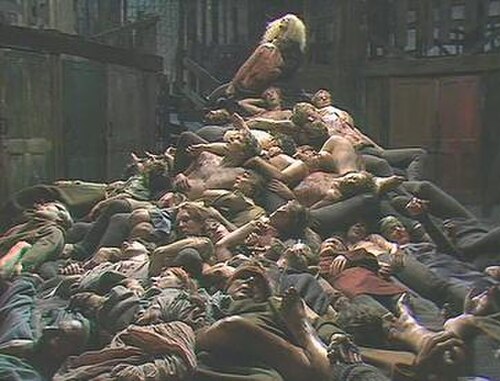
This episode was filmed on the same set as the three Henry VI plays. However, designer Oliver Bayldon altered the set so it would appear to be a ruin, as England reached its lowest point of chaos.[464] The various doors in the set, which were prominent in the previous instalments, are now boarded up and derelict. For Bayldon, "the play-park of Henry VI Part 1 is now Belfast. Although the overall colour design is dark, there are new splashes of colour on the doors, playing up the higher level of comedy in this play. Green, which had previously not been used in the design, appears for the first time on Richmond's banners, giving the feeling of his arrival breathing life into England. For the costumes, Howell wanted "the effect of three-piece suits" in a medieval vein, with sleeker, cleaner-looking costumes than earlier in the tetralogy. The sequence with the Lord Mayor putting on old armour allowed Howell to make the direct visual comparison back to the bright costumes of the previous plays. To show Richard without his shirt on, in the final sequence, fifteen prosthetic humps were made to find one that would look the most natural.[482]
As this version of Richard III functioned as the fourth part of a series, it meant that much of the text usually cut in standalone productions could remain. The most obvious beneficiary of this was the character of Margaret, whose role, if not removed completely, is usually truncated. Textual editor David Snodin was especially pleased that a filmed version of Richard III was finally presenting Margaret's full role.[485] Director Jane Howell also saw the unedited nature of the tetralogy as important for Richard himself, arguing that without the three Henry VI plays "it is impossible to appreciate Richard except as some sort of diabolical megalomaniac," whereas in the full context of the tetralogy "you've seen why he is created, you know how such a man can be created: he was brought up in war, he saw and knew nothing else from his father but the struggle for the crown, and if you've been brought up to fight, if you've got a great deal of energy, and physical handicaps, what do you do? You take to intrigue and plotting."[486] The production is unusual amongst filmed Richards insofar as no one is killed on camera, other than Richard himself. This was a conscious choice on the part of Howell; "you see nobody killed; just people going away, being taken away – so much like today; they're just removed. There's a knock on the door and people are almost willing to go. There's no way out of it."[487] Howell emphasised the recurring use of actors, bringing back many of the most prominent faces of previous plays in smaller parts, so that "Richard III should be like a nightmare. Faces will keep coming back".[482]
At 239 minutes, this production was the longest episode in the entire series, and when the series was released on DVD in 2005, it was the only adaptation split over two disks. Of the 3,887 lines constituting the First Folio text of the play, Howell cut only 72; roughly 1.8% of the total.[488]
The Prefaces to Shakespeare episode for The Tragedy of Richard III was presented by Edward Woodward who had played Richard in a 1982 Ludlow Festival production directed by David William. The Shakespeare in Perspective episode was presented by novelist Rosemary Anne Sisson.
Reception
Nancy Banks-Smith, in the Guardian, had commenced the cycle unimpressed. But she concluded that this production was the "high tide" of a highly successful experiment, praising the use of repertory company and for Howell making the plays feel "positively modern" in their politics. Cook was "vivid and original" in the title role, unafraid to contradict previous Richards. Banks-Smith declared that, of the BBC series thus far, these had been the most enjoyable.[489] Lee Winfrey, in the Philadelphia Inquirer, found Cook to be a surprising but successful choice as Richard, with flawless diction and a "face an ever-shifting map of malice". His energy and creativity never flag across four hours, and he's well accompanied by Byrne and Wanamaker in particular. Winfrey described the production as "high-velocity Shakespeare, moving fast along his rails of rhetoric from beginning to end".[490] In the Times Literary Supplement, Stanley Wells understood Cook's "legitimate interpretation" of the title role as "an amorally intelligent urchin" but concluded that Howell and Cook's approach made the play unusually anti-climactic. Usually productions of Richard III are dominated by a virtuouso performance, whereas this experience felt more sombre.[467] For Dennis Bingham, Howell's tetralogy made him "convinced that TV was practically made for the Bard", although the series to date had suggested otherwise.[462]
Analysing the production, Hugh M. Richmond liked the use of a moderate Yorkshire accent for Richard, which matched the historical Richard's place as an outsider at court, and fitted Shakespeare's method of using of accent and regional language to help define character. The choric scenes between the female characters had "never before been played so fully and convincingly", benefiting from both being uncut and the intimacy of the camera. But Richmond found that Howell ultimately didn't understand the play. By showing Henry as a saintly man, Howell ignored the text's depiction of Henry's "well-meaning incompetence", a non-political man in a time when politics was needed. Richmond argued that, while Shakespeare no doubt saw the horror of war, he was not a pacifist like Howell but saw war as a part of the "complex balance of social forces" throughout history, building up to the renewal of the Tudor dynasty under Richmond. Foster, too, was very strong as Queen Margaret but was playing a modern idea of a woman maintaining her resilience in the face of destruction. As a result, she lost some of Margaret's choric "ritual power" that Shakespeare intended for the character, whose growing madness was equated in the Elizabethan mind with prophecy. Richmond's conclusion was that many critics also did not see these issues, as they share Howell's "unconscious frame of reference" that is contemporary, not Elizabethan.[491]
The final shot of the production divided some critics. The production ended with Margaret sitting atop a pyramid of corpses (played by all of the major actors who had appeared throughout the tetralogy) cradling Richard's dead body and laughing manically, an image Edward Burns refers to as "a blasphemous pietà."[492] Howell herself referred to it as a "reverse pietà," and defended it by arguing that the tetralogy is bigger than Richard III, so to end by simply showing Richard's death and Richmond's coronation is to diminish the roles that have gone before; the vast amount of death that has preceded the end of Richard III cannot be ignored.[493] R. Chris Hassel Jr., although concluding that the final act of the play was "superb", remarks of this scene that "our last taste is not the restoration of order and good governance, but of chaos and arbitrary violence." For Hassel, this was "perversely contradictory" of the play's thematic integrity that was designed to build thematically from division to unification.[494] Hugh M. Richmond says the scene gives the production a "cynical conclusion," as "it leaves our impressions of the new King Henry VII's reign strongly coloured by Margaret's malevolent glee at the destruction of her enemies that Henry has accomplished for her."[495] For Michael Manheim, the final shot was a successful transformation of Margaret into a "kind of death-goddess".[478] John J. O'Connor, in the New York Times, found the final shot "a stunning coda for this admirable production".[474] Stanley Wells, otherwise greatly admiring Howell's approach, declared that the final shot was "a melodramatically simplistic conclusion to a richly varied experience".[467] In Shakespeare Quarterly, Roger Warren assessed the tetralogy as a "continuously absorbing" and "fascinating" production, concluding that Howell was deliberately contradicting Shakespeare's intended optimistic restoration with a "forced ending" that focused on Richard and Margaret.[496]
Season 6
Cymbeline
- Directed by Elijah Moshinsky
- Produced by Shaun Sutton
- Designed by Barbara Gosnold
- Taping dates: 29 July-5 August 1982
- First transmitted in the UK: 10 July 1983
- First transmitted in the US: 20 December 1982[369]
- Running time (PAL DVD): 174 minutes
Cast
- Richard Johnson as Cymbeline
- Hugh Thomas as Cornelius
- Aimée Delamain as Gentlewoman
- Claire Bloom as Queen
- Helen Mirren as Imogen
- Michael Pennington as Posthumus
- John Kane as Pisanio
- Nicholas Young as Lord
- Paul Jesson as Cloten
- Robert Lindsay as Iachimo
- Geoffrey Lumsden as Philario
- Patsy Smart as Helen
- Allan Hendrick as Frenchman
- Nigel Robson as Singer
- Terence McGinity as British Captain
- Graham Crowden as Caius Lucius
- Michael Gough as Belarius
- Geoffrey Burridge as Guiderius
- David Creedon as Arviragus
- Patricia Hayes as Soothsayer
- Peter Aldwyn as British Captain
- Ray Mort as Gaoler
- Madge Ryan as Mother
- Marius Goring as Sicilius Leonatus
- Michael Hordern as Jupiter
Behind the scenes

From this episode on, the show featured no unique theme music; the opening titles were scored with music composed specifically for the episode; although the new title sequence introduced by Miller at the start of the third season continued to be used.
Moshinsky took many of his visual inspirations from the artworks of Rembrandt and Vermeer.[497] He was inspired by Rembrandt's portrait of Angela Bas for his conception of Imogen as someone "quite severe and yet young and quite princess-like".[498]
Mohsinsky saw the play's focus as moral ambiguity, with Pisanio a central symbol as no-one knows whether he's good or bad. He viewed this as the opposite of his production of All's Well That Ends Well; where that was a "social, realistic" world, Cymbeline became a "nightmare realism". Moshinsky felt this to be a dark play in which only the literal intervention of the gods stops it from becoming a tragedy, and thus it needed "the intensity and neuroticism of a tragedy".[498] Moshinsky shot the scene of Iachimo watching the sleeping Imogen in the same way as he shot the scene of Imogen finding Cloten in bed beside her; as Iachimo leaves the room, the camera is at the head of the bed, and as such, Imogen appears upside-down in frame. Later, when she awakes to find the headless Cloten, the scene begins with the camera in the same position, with Imogen once again upside-down; "the inverted images visually bind the perverse experiences, both nightmarish, both sleep related, both lit by one candle."[499] The decision to have Imogen be almost successfully seduced by Iachimo was, Moshinsky told the Radio Times, because Imogen should not be "a good person in a world of evil" but a victim of Iachimo, who aggressively "but cunningly wheedles the evil side out of other people ... His evil depends on having made the other person guilty".[500]
During the episode, the battle between the Romans and the Britons is never shown on screen; all that is seen is a single burning building, intended to indicate the general strife; we never see the defeat of Iachimo, Posthumus sparing him or Iachimo's reaction. Moshinsky did not want to expunge the political context of the play, but he was not especially interested in the military theme, and so removed most of it, with an aim to focus instead on the personal.[501] The cuts were designed to "make a complex tale clearer by ridding it of comparative irrelevancies and highlighting certain moments and themes". Many cuts emerged during rehearsal, as Moshinsky discovered scenes that didn't fit with the "high level of emotional intensity" h thought necessary to realise the play on screen; the second half was more rigorously cut, including material with Belarius and the princes. He also sought to restructure scenes and sequences, especially in Act IV, as the audience would build connections to several characters, and would relate more if intercut between them rather than having slow sequences of development with each one in turn.[498]
The Prefaces to Shakespeare episode for Cymbeline was presented by Jeffery Dench, who had played Cymbeline in a 1979 RSC production directed by David Jones. The Shakespeare in Perspective episode was presented by dramatist and journalist Dennis Potter.
Reception
For Nancy Banks-Smith, in the Guardian, Mirren "missed some of Imogen's sparkle" but managed to "make the ridiculous marvellous" in difficult scenes such as the discovery of the headless body. Pennington stood out as being so powerful in both his jealousy and remorse that Posthumus's illogical plot almost made scene, but Hordern's Jupiter was not godlike enough.[502] Henry E. Jacobs, in Shakespeare on Film Newsletter, thought that the distinctions between the various 'worlds' of the play were too blurred into one "generalised eighteenth-century milieu". There were some negatives, such as the cutting of the battle and Iachimo's subsequent contrition, which leaves the character's change of heart unclear and unmotivated, and the many static painting-like scenes. But overall Moshinsky showed a strong understanding of characters, eliciting superb performances, including Bloom's uniquely subtle Queen, Johnson's realistic Cymbeline, Pennington avoiding too much excess, and Jesson a wonderful "mixture of fop, oaf, braggart". Lindsay and Mirren gave masterful performances, Lindsay avoiding the common portrayal of Iachimo as a "bored dilettante", instead a lascivious voyeur, and Mirren giving an intelligent Helen who remained noble but without the bland "paragon of virtue" approach of many 19th century performances of the role.[503] In response to Jacobs, Peggy Muñoz Simonds argued that the production overall was "both convincing and moving" but raised concerns about the Jupiter scene. With the Jacobean imagery, it would have been unclear to audience members who Jupiter was, although the director included eagle imagery elsewhere in the production. "Moshinsky didn't even try" to convey the complex symbolism that Jupiter invoked for Shakespeare, including issues of rebirth and resurrection.[504]
In the New York Times, John J. O'Connor acknowledged that the play itself adds odd plot devices "very near to the point of absurdity" but, as had become expected, the series excelled at the lesser-known plays. This was a "superb" production, benefiting from Moshinsky's experience as an opera director in dealing with fantastic plot. The pacing was "uncluttered and brisk", with Mirren "emotionally appealing" and Bloom standing out among a strong cast. "An intelligent and rewarding production".[505] G. M. Pearce, in Cahiers Élisabéthains, enjoyed the production overall, singling out Bloom's "unrestrained venom" in her performance as the Queen.[506]Mary Harron, writing for the New Statesman, gave a mixed review. Jesson perfectly judged his approach as Cloten, and Mirren was a joy as Imogen. But Moshinsky erred when he "decided to lace up this mixture of barbarism, myth, and Snow White fairy tale wonder into starched, high-ruffed and desperately measured 17th century political drama". And the sensual nature of Imogen's attraction to Iachimo was "gratuitous sensationalism".[507] Julian Barnes, in the Observer, largely agreed. He liked that Mirren "sexed the play up", debunking the more common Puritan-seeming approach to the text. But Moshinsky focusing on a sense of quiet court intrigue "sore-thumbed large chunks of the text" that were designed to be more exciting, and that the miscellaneous locations and pieces of the text didn't come together, or even feel like they were part of one unified production.[508]
Gordon P. Jones discussed this production alongside Moshinsky's other work for the series, and compared him to 17th century poet Nahum Tate, who heavily adapted Shakespeare's works to meet contemporary tastes. Jones argued that, by cutting much of the complexity, Moshinsky's effect was "to simplify, radically, the baroque narrative structure of the play", giving the audience only a watered-down understanding of Shakespeare's intention.[343] For Katherine Duncan-Jones, in the Times Literary Supplement, Moshinsky's aesthetic mimicry of the Dutch Masters was the highlight, with small pleasing touches such as Hayes's performance as the Soothsayer and Delamain's Rembrandt-looking Gentlewoman, which pulled a lot from a small amount of text. But, overall, she felt Moshinsky had neutered the play. "Almost all of the poetry" was lost, alongside a decent amount of plot, "and all the sweet poignancy which made this a favourite play of Keats, Swinburne and Tennyson". Duncan-Jones found the production too static in its use of tableaux, and sometimes at odds with the text, such as the indoor funeral for Fidele that removed the sense of rural landscape. Ultimately, the director's attempt at emotional intensity was wrong for the "gentle, almost sentimental texture" of the play.[509]
In Shakespeare Quarterly, Roger Warren was moved by Moshinsky "sombrely beautiful Jacobean interiors", Bloom as a "striking Medici Queen Mother", speaking the verse impeccably, and Lindsay, so skillful with Iachimo's attempted seduction that the textual difficulties of that long scene vanished. Gough was a standout, and—in spite of being sung rather than spoken—"Fear No More" gave a "magical effect". By contrast, Hordern's scene as Jupiter was "oddly unspectacular". Posthumus was too realistically treated in contrition that he became "grotesque" like a character from the later scenes of King Lear. Warren questioned how Iachimo could see Imogen's discreetly-located mole, when he was shirtless rather than her. Ultimately, the reordering and cutting of sequences in the second half of the play made things "unnecessarily chaotic".[510] Warren approved of the slow pan shot to Imogen at I.vi, which emphasises her isolation at court. Johnson was "caricatured" and "ranting" as Cymbeline. The most effective scenes were those between Posthumus and Iachimo, which fit both the intimacy of television and Moshinsky's stated tragic approach. Pennington gave an intelligent reading of the text. Gough in particular gave a "superbly rounded characterisation" as Belarius, and he and the princes brought some needed humanity to a confused final scene. Moshinsky's editing is often so abrupt between scenes as to confuse new viewers as to the actions of the plot. Pennington in the later sequences has to resort to overacting as some the key moments of his character development have been cut, while having Cloten unable to fit into Posthumus's clothes may be funny in the moment but makes a mockery of the later scene where Imogen is supposed to assume the headless Cloten is Posthumus based on their similar physiques. Warren disliked that Moshinsky re-interpreted Shakespeare, such as Patsy Smart's serving woman, delivering lines malevolently that had no such intention in the script. But he concluded that sometimes the smallest moments said more than entire scenes, as when a shot captures Imogen simply closing her eyes as she comes to understand Iachimo's plot in the final scene.[497]
Macbeth
- Directed by Jack Gold
- Produced by Shaun Sutton
- Designed by Gerry Scott
- Taping dates: 22–28 June 1982
- First transmitted in the UK: 5 November 1983[369]
- First transmitted in the US: 17 October 1983
- Running time (PAL DVD): 147 minutes
Cast
- Brenda Bruce as First Witch
- Eileen Way as Second Witch
- Anne Dyson as Third Witch
- Mark Dignam as Duncan
- James Hazeldine as Malcolm
- Christopher Ellison as Captain
- John Rowe as Lennox
- Gawn Grainger as Ross
- Nicol Williamson as Macbeth
- Ian Hogg as Banquo
- David Lyon as Angus
- Jane Lapotaire as Lady Macbeth
- Gordon Kane as First Messenger
- Alistair Henderson as Fleance
- James Bolam as Porter
- Tony Doyle as Macduff
- Tom Bowles as Donalbain
- Will Leighton as Old Man
- Eamon Boland as Seyton/Third Murderer
- Barry Lowe as First Murderer
- Christopher Reich as Second Murderer
- Denyse Alexander as Gentlewoman
- Jill Baker as Lady Macduff
- Crispin Mair as Son to Macduff
- Philip Dunbar as Murderer
- Rodney Cardiff as Murderer
- Mark Lindsay Chapman as Murderer
- John Woodnutt as Doctor
- Matthew Long as Menteith
- Peter Porteous as Caithness
- William Abney as Old Siward
- Christopher Fulford as Second Messenger
- Nicholas Coppin as Young Siward
Behind the scenes
This episode was shot with a 360-degree cycloramic backcloth in the background which could be used as representative of a general environment, with much use made of open space.[511]
The Prefaces to Shakespeare episode for Macbeth was presented by Sara Kestelman who had played Lady Macbeth in a 1982 RSC production directed by Howard Davies. The Shakespeare in Perspective episode was presented by crime writer and poet Julian Symons.
Reception
David Richard, in the Washington Post, felt this was "one of the strongest offerings in the series to date". Williamson's "harsh" voice and Lapotaire's "sleek grace" combined to give a production of true distinction.[512] Arthur Unger, in the Christian Science Monitor, praised Williamson for an "unforgettable" portrayal: "He grasps one of the most fascinating Shakespearean roles like a dog with a bone in his mouth" and creates a Macbeth that will be "remembered for all time", even if he sometimes mumbled and underplayed the role. His was a "savage and riven ...naïve and self-deceived" character. Meanwhile, Lapotaire sometimes exaggerated to a ludicrous degree as part of a strong characterisation. Unger concluded that, while Gold's production couldn't always decide whether it wanted to be stylised or naturalistic, "it is not a perfect Macbeth but it is an unforgettable Macbeth".[513] In the Globe and Mail, Rick Groen appreciated the "streamlined production" in Gold's "subdued, almost elliptical interpretation", which highlighted Williamson's talent at creating an intimate Macbeth: "the inward view proves far more horrific than any outward show". Lapotaire was every bit Williamson's equal, playing a successful game of power and sexual desire. The bleak setting and moral equivocation of the characters were well-utilised, along with the ending implying that Fleance will continue the trend of bloodshed.[514]
Steven Reddicliffe, in the Los Angeles Times, greatly enjoyed the witches and found Williamson strong albeit a bit too frenzied.[515] For John J. O'Connor, in the New York Times, this was a production assembled with care, with strong performances from Dignam, Hogg, Doyle, and Hazeldine, and an impactful Lady Macduff murder scene. Gold captures and holds the "terrifyingly dark model" of the play. O'Connor assessed both Lapotaire and Williamson as having had uneven careers, but were truly great at their best, as here. Lapotaire had an intensity to her Lady Macbeth that worked "with chilling effectiveness", and Williamson understated the text with clarity, retaining the poetry while portraying a man "fighting vainly to keep his passions under control".[516] In Shakespeare on Film Newsletter, Michael Mullin found that the BBC had "fulfilled much of the promise so sadly lacking" in earlier instalments of the series. The expressionistic sets were effective in Gold's "clear-cut reimagining" of the play, and having the ghosts appear only in Macbeth's mind worked well on screen. Williamson found new readings of every speech in a style of line-reading that was not musical but hugely impactful at conveying his internal struggles. Hogg, Doyle, and Hazeldine gave "fine performances by first-rate actors" in a "convincing and consistent production" that would reward repeat viewing. Lapotaire's "snug gown and feline grace" made Lady Macbeth's power credible, and she conveyed a character who acts on her desire for power without thinking through the consequences until it is too late.[517]
G. M. Pearce, in Cahiers Élisabéthains, thought that the production was successful in its relentless pacing but sacrificed the "imaginative and poetical aspects. Williamson's breathy line delivery conveyed Macbeth's anguish well but "murdered most of the poetry".[518] Bernice W. Kliman sees this as a production based in chiasmus, with Macbeth going from weakness to strength, and Lady Macbeth from strength to weakness. Lapotaire making an orgasmic reading of her line "unsex me here" was effective in showing that she was not wanting to be less sensual, but to "take away her woman's repugnance for violence". Gold wisely shot the Macbeths' first duologue, including the reference to their own deceased children, with both faces in the frame, which effectively conveyed the characters' pain. Williamson developed an intelligent and evil Macbeth, finding the contradictions in Macbeth's lines that show a strong yet deluded character. Lapotaire is "varied, believable, and mesmerising", among an effective design and a production that "frankly confronts the mystery and power of demonic energy". Sometimes, however, Gold's camera did not provide the most useful reading for the audience, as when he takes too long during the banquet to show the guests' reaction to Macbeth's mental breakdown. And Kliman questioned that, if some other characters like Seyton are portrayed as unrepentantly evil, it became unclear why Macbeth's descent was a tragedy worthy of being told.[519]
In the Observer, Julian Barnes dismissed Gold's Macbeth as "not a convincing production" with little of note, and Lapotaire erratic with her speaking of the verse. Williamson, meanwhile, could not "speak a single Shakespearean line without some false, bellowing emphasis".[520] Peter Kemp, in the Times Literary Supplement, liked the sets and design, and Gold's "intelligently traditional" approach to the overall play, and the Birnam Wood design and lighting were ideal. Kemp was disappointed to lose Malcolm's speech described King Edward's "royal touch", which effectively contrasted Macbeth's evil. However the production was let down by the two lead performances. Lapotaire gave a "fatally lightweight performance", only becoming chilling in the sleepwalking scene. Williamson played Macbeth with two different vocal registers, as if schizophrenic, leading to the later scenes full of "ogreish howls and rapid simian gibber".[521]
Nancy Banks-Smith, in the Guardian, found this "colourless" in comparison to Trevor Nunn's1979 televised version of his Royal Shakespeare Company production. While acknowledging that Gold had an individual approach to the play, the abstract design forced a lot of focus on Williamson's Macbeth, whose line-readings had "odd emphases and changes of pace", while Lady Macbeth shouldn't be so sexualised during her "unsex me" scene.[522] H. R. Coursen thought that the production simply "wasn't very good", with Williamson giving "an absolute misreading of the script" in the wrong kind of voice for the character, and Lapotaire's sexuality unconvincing. The witches were not effective, while the final ominous sequence seemed unconvincing. For a production that had 'no frills', the audience focus would be on the acting, which wasn't good enough.[523] Peter Ackroyd, in the London Times, was unsatisfied with the characterisations offered by Gold and the leads: "the closer the camera came to the Macbeths the more murky and formless they became".[524]
The Comedy of Errors
- Directed by James Cellan Jones
- Produced by Shaun Sutton
- Designed by Don Homfray
- Taping dates: 3–9 November 1983
- First transmitted in the UK: 24 December 1983
- First transmitted in the US: 20 February 1984
- Running time (PAL DVD): 109 minutes
Cast
- Cyril Cusack as Aegeon
- Charles Gray as Solinus, Duke of Ephesus
- Nicolas Chagrin as Master of the Mime
- Bunny Reed as Gaoler
- Michael Kitchen as The Antipholi
- Roger Daltrey as The Dromios
- Noel Johnson as First Merchant
- Suzanne Bertish as Adriana
- Joanne Pearce as Luciana
- Marsha Fitzalan as Luce
- Sam Dastor as Angelo
- David Kelly as Balthazar
- Alfred Hoffman as Second Merchant
- Frank Williams as Officer
- Ingrid Pitt as Courtezan
- Geoffrey Rose as Pinch
- Wendy Hiller as Aemelia
- Peter MacKriel as Messenger
Behind the scenes

Director James Cellan Jones felt very strongly that the play was not just a farce, but included a serious side, specifically represented by the character of Aegeon, who has lost his family and is about to lose his life. In several productions Jones had seen, Aegeon was completely forgotten between the first and last scenes, and determined to avoid this, and hence give the production a more serious air, Jones had Aegeon wandering around Ephesus throughout the episode.[525]
The entire production takes place on a stylised set, the floor of which is a giant map of the region, shown in its entirety in the opening and closing aerial shots; all of the main locations (the Porpentine, the Abbey, the Phoenix, the market etc.) are located in a circular pattern around the centre map. While most stage productions have separate actors playing each Antipholus and each Dromio, Jones chose to double-cast the actors and use special effects for the final scene. The production's composer, Richard Holmes, appears onscreen as the street band's harpsichord player.[526] The sea backdrop had staples placed through it, so the light would glimmer in the sunlight and then moonlight.[527]
The Prefaces to Shakespeare episode for The Comedy of Errors was presented by Roger Rees who had played Antipholus of Syracuse in a 1976 RSC production directed by Trevor Nunn. The Shakespeare in Perspective episode was presented by comedian Roy Hudd.[528]
Reception
The Boston Globe arts critic, Ed Siegel, considered this the most accessible and enjoyable of the BBC series thus far with wonderful actors and design. Daltrey was "exhilarating" in his screwball turn as the Dromios.[529] In the New York Times, John J. O'Connor enjoyed everything about the production, with Michael Kitchen "deft" and Jones wisely casting greatly experienced actors—Cusack, Gray, and Hiller—for the characters with long speeches. O'Connor liked that Jones stressed the "more ominous aspects" of the play and created a design that emphasised the playing space. He noted that Daltrey's casting was heavily emphasised in the BBC's marketing of the production, and it luckily paid off, with Daltrey capturing "the music and sense" of Shakespeare's words.[530] G. M. Pearce, in Cahiers Élisabéthains, consdiered this a "sparkling production" and appreciated that having the same actor play each twin made the confusion all the more realistic.[531]
Jeanne Addison Roberts, in Shakespeare on Film Newsletter, ranked this production among the very best of the series, with praise for Jones's camera that neither got stuck with endless images of talking heads like Julius Caesar, nor tried to muffle the play's theatricality with naturalism like Antony and Cleopatra. Roberts enjoyed the "sense of spaciousness, mystery and hidden possibilities" in Jones's set, which equalled any stage production. Cusack in particular earned praise, convincing the audience of his pathos and desolation, yet always allowing the audience to enjoy both comedy and tragedy, given the scene parodied him even as it engaged with his sorrow. "We owe ... Jones and his company an enduring debt of gratitude".[532]
In Literature/Film Quarterly, Robert E. Wood appreciated that Jones found a classical unity of place in his set, which felt clearly three dimensional, unlike many previous instalments in the series. Having characters address the camera increased the intimacy of the comedy, which Wood felt the audience was more open to on television than in film. The choice to have the same actor play each twin was risky but successful, as the audience came to know each character separately and then was delighted by the success of the visual effects at the end. Ultimately the techniques of television "sharpen the contrasts inherent in this Shakespearean text without distorting its natural rhythm".[533]
By contrast, Stanley Wells, in the Times Literary Supplement, found that the comedy raised a chuckle but few outright laughs. While the play could be a delicate dessert on stage, "Here it is not so much a soufflé as a pudding".[534] Roger Warren, in Shakespeare Quarterly, liked Jones's choice of a "quiet, small-scale realism" and his commedia dell'arte touches, which were well suited to television. Jones managed throughout to retain the comedy while giving his characters legitimate motivations, rather than simply riotous farce as sometimes shown on stage. Bertish stood out as the strongest performance, and Kitchen nicely distinguished his Antipholi. However, Warren thought Cusack poorly cast, and ruined the opening monologue with his delivery, "running on phrases regardless of sense". In his desire to keep the story intelligible to a television audience, Jones had his actors speak far slower and more clearly in the long final scene than would happen on stage, reducing the "great crescendo of confusion" that occurs in the best productions.[535]
The Two Gentlemen of Verona
- Directed by Don Taylor
- Produced by Shaun Sutton
- Designed by Barbara Gosnold
- Taping dates: 25–31 July 1983
- First transmitted in the UK: 27 December 1983
- First transmitted in the US: 23 April 1984
- Running time (PAL DVD): 136 minutes
Cast
- Frank Barrie as Sir Eglamour
- Tessa Peake-Jones as Julia
- Hetta Charnley as Lucetta
- Tyler Butterworth as Proteus
- John Hudson as Valentine
- Nicholas Kaby as Speed
- Michael Byrne as Antonio
- John Woodnutt as Panthino
- Joanne Pearce as Sylvia
- Tony Haygarth as Launce
- Bella as Crab
- David Collings as Thurio
- Paul Daneman as Duke of Milan
- Daniel Flynn as Servant
- Charlotte Richardson as Cupid
- Jonathan Taylor as Cupid
- Bill Badley as Lutenist
- Tom Finucane as Lutenist
- Robin Jeffrey as Lutenist
- Adam Kurakin as First Outlaw
- John Baxter as Second Outlaw
- Andrew Burt as Third Outlaw
- Michael Graham Cox as Host
Behind the scenes

The music in this episode was created by Anthony Rooley, who wrote new arrangements of works from Shakespeare's own time, such as John Dowland's piece 'Lachrimae'. Performed by The Consort of Musicke, other musicians whose music was used include William Byrd, Thomas Campion, Anthony Holborne, John Johnson, Thomas Morley and Orazio Vecchi. As no original music was used, Stephen Oliver's theme from seasons three to five was used for the opening titles.[536]
Director Don Taylor initially planned a representational setting for the film; Verona, Milan and the forest were all to be realistic. However, he changed his mind early in preproduction and had production designer Barbara Gosnold go in the opposite direction, choosing a stylised setting. To this end, the forest is composed of metal poles with bits of green tinsel and brown sticks stuck to them (the cast and crew referred to the set as "Christmas at Selfridges"). While the set for Verona was more realistic, that for Milan featured young extras dressed like cherubs. This was to convey the idea that the characters lived in a "Garden of Courtly Love", slightly divorced from everyday reality.[537] Working in tandem with this idea, upon Proteus's arrival in Milan, after meeting Silvia, he is left alone on stage, and the weather suddenly changes from calm and sunny to cloudy and windy, accompanied by a thunderclap. The implication being that Proteus has brought a darkness within him into the garden of courtly delights previously experienced by Silvia.[538]
Although the production is edited in a fairly conventional manner, much of it was shot in extremely long takes, and then edited into sections, rather than actually shooting in sections. Taylor would shoot most of the scenes in single takes, as he felt this enhanced performances and allowed actors to discover aspects which they never would have had everything been broken up into pieces.[539]
The Prefaces to Shakespeare episode for The Two Gentlemen of Verona was presented by Geoffrey Hutchings who had played Launce in a 1969 RSC production directed by Gareth Morgan. The Shakespeare in Perspective episode was presented by journalist Russell Davies.
Reception
In the New York Times, John J. O'Connor found Taylor succeeded in a "quite charming" production, which was against the odds given the underwhelming source text. Taylor smartly used young actors and gave his design a "never-never land magical quality", leading to a rewarding and "surprisingly diverting" play.[540] G. M. Pearce, in Cahiers Élisabéthains, applauded the "rich colour" of the design, the lyrical use of music, and the lighting. She noted especially how Pearce found "dignity and distance" in her portrayal of Silvia, which justified Proteus's obsession[541] Stanley Wells, in the Times Literary Supplement, enjoyed Pearce's performance and felt she looked lovely, but the role of Silvia remained unrewarding in performance. Meanwhile, Peake-Jones's portrayal of Julia played "against the verse", falling too often into the trap of "maudlin lachrymosity".[534]
Harry Keyishian, in Shakespeare on Film Newsletter, concluded that the play worked very well for television: as an early Shakespeare work, it features a lot of duologues, which work well with two people in shot. The comic dialogues were given "special vitality and charm" by Taylor's cast, especially between Launce and Speed. Taylor's camera placement was adroit and had a strong use of composition for his shots. Taylor enjoyed the decision to interpret the Duke as clearly disliking Thurio, recognising Proteus's hypocrisy, and testing Valentine's love. He appreciated the decision to play the final scene straight, but felt that Taylor somewhat avoided the problem of Valentine's offer of Silvia to his friend after the attempted rape by not showing her reaction to the crucial moment.[542] In Shakespeare Quarterly, Roger Warren disagreed, interpreting Valentine's line to imply "I love Proteus as much as Silvia", rather than "I give Silvia to you". Otherwise, Taylor thought the performances were strong, especially from Butterworth and Hudson, and the "Temple of Love" design in Milan was especially effective when it became clear that Proteus's decision to betray Valentine was desecrating the Temple.[535]
Comparing Warren and Keyishian's views, Patty S. Derrick interpreted the production more in favour of Warren. She observed that Taylor makes important choices early on in the play, by making Proteus baby-faced and clearly discovering love and jealousy for the first time. Because he is reluctant to betray Valentine, and because the friendship theme is threaded into the early production design, it becomes a focus that the audience expects to be concluded. In her forceful lines before the attempted rape, and the way she looks on when Valentine first approaches Proteus, it is clear that Silvia approves of "the bond of heroic friendship". By showing that Proteus clearly perceived the offer as a "noble gesture of friendship", Taylor succeeded in navigating a problematic element of Shakespeare's play.[543]
The Tragedy of Coriolanus
- Directed by Elijah Moshinsky
- Produced by Shaun Sutton
- Designed by Dick Coles
- Taping dates: 18–26 April 1983
- First transmitted in the UK: 21 April 1984[369]
- First transmitted in the US: 26 March 1984
- Running time (PAL DVD): 145 minutes
Cast
- Paul Jesson as First Citizen
- Ray Roberts as Second Citizen
- Leon Lissek as Third Citizen
- Jon Rumney as Fourth Citizen
- Russell Kilmister as Fifth Citizen
- Joss Ackland as Menenius
- Alan Howard as Caius Marcius
- Patrick Godfrey as Cominius
- John Rowe as First Roman Senator
- Peter Sands as Titus Larcius
- John Burgess as Sicinius
- Anthony Pedley as Brutus
- Mike Gwilym as Aufidius
- Valentine Dyall as Adrian
- Brian Poyser as First Volscian Senator
- Reginald Jessup as Second Volscian Senator
- Irene Worth as Volumnia
- Joanna McCallum as Virgilia
- Patsy Smart as Gentlewoman
- Heather Canning as Valeria
- Jay Ruparelia as Roman Soldier
- Damien Franklin as Young Marcius
- Nicholas Amer as Aedile
- Teddy Kempner as Nicanor
- Stephen Finlay as Citizen of Antium
Behind the scenes
For the production design of Rome, everywhere except the Senate was to be small and cramped. The idea behind this design choice was to reflect Coriolanus's mindset. He dislikes the notion of the people gathering together for anything, and on such a cramped set, because the alleys and streets are so small, it only takes a few people to make them look dangerously crowded.[499] The red interior of the tent during the scene where Volumnia and the women come to plead for Coriolanus's assistance was intended to be "womblike".[544] When an actor was in close-up, Moshinsky adopted an aesthetic choice of keeping them off-centre in the frame.[545]
Moshinsky had minimal television experience when he first joined the BBC series. Now, he found himself moving away from his earlier "painterly" approach toward productions that engaged more with an interpretative issue in the play. He concluded that it would be difficult to explore the contemporary political relevance of the play on television, because it is not a medium where you can debate directly with the audience, unlike theatre.[544] He felt that "you either direct it as an epic play about a political debate or as a study of an alienated state of mind", and, if the latter, some of the more public sequences could be cut to keep the focus on the interpretation.[106] In the script for the episode, Coriolanus's death scene is played as a fight between himself and Aufidius in front of a large crowd who urge Aufidius to kill him. However, in shooting the scene, Moshinsky changed it so that it takes place in front of a few silent senators, and there is, as such, no real fight.[546] For cutting substantial amounts of the text that were more political and less personal, Moshinsky received hate mail from some American viewers, who found the cutting "sacriligeous".[106]
For the portrayal of Volumnia, Moshinsky and Worth examined what they felt would be the weakness of such a domineering character, and concluded it was in her over-fondness for family. As a result, Volumnia is clearly fond of her daughter-in-law, which is not always the case in stage productions. Moshinsky wanted to make clear "the power of the sexuality" that underlines the relationship between Coriolanus and Aufidius, and motivates their mutual hatred.[544] To emphasises the subtext of homoeroticism, when Caius Marcius fights the Coriolian soldiers, he leaves his shirt on, but when he fights Aufidius in one-on-one combat, he takes it off.[547]
The Prefaces to Shakespeare episode for The Tragedy of Coriolanus was presented by Ian Hogg who had played Coriolanus in a 1972 RSC production directed by Trevor Nunn. The Shakespeare in Perspective episode was presented by General Sir John Hackett.
Reception
In the New York Times, John J. O'Connor viewed Howard as a "commanding" Coriolanus, displaying all of the character's "magnificent disdain" for the common people. It was a fascinating interpretation of the main character, and his battle sequences with Gwilym's Aufidius were "almost homoerotic danses macabres. Worth was "splendid", delivering the long speeches in the final act "with consummate artistry", while Ackland spoke his lines with "unfailing clarity" and John Summers's lighting was elegant and prefect. Although noting the text had been pared down, it was powerfully served by Moshinsky's production.[548] Lee Winfrey agreed that Howard gave a "definitive reading" of his stage role, never falling into the trap of trying to earn the viewer's sympathy.[549] G. M. Pearce, in Cahiers Élisabéthains, appreciated Gwilym's "sensitive and volatile" Aufidius, who was able to show the relatively uncivilised nature of the Volsces, while Howard's voice was perfect for "metallic resonance" of the verse, and the two leads had a strong and evident bond.[550]
In the Boston Globe, John Engstrom also praised the "transcendent performances" of Howard and Gwilym, with Howard proving himself "a great declamatory actor" for his "controlled, passion, wit, venom, sexiness, irony, introspection". Engstrom praised Worth, too, with her cultivated Volumnia making the character's ruthlessness all the more horrific. But he concluded that the cutting of much of the politics of the play had a real impact, as Coriolanus is "one of the most architecturally sound" of Shakespeare's works.[551] Gordon P. Jones shared this view, arguing that the cutting made the play too introspective, coming across as Moshinsky's play rather than Shakespeare's, misrepresenting the entire play. The general effect of the cuts "is to diminish the human and stylistic range" of Coriolanus.[343] Roger Warren, in Shakespeare Quarterly, recognised Moshinsky's deliberate interpretation of the play, and thought the production succeeded in its intimate approach, particularly with the "infatuation" that formed the relationship between Coriolanus and Aufidius, with both actors equal to the idea, and each other. Worth was "magnificent", the best he had ever seen in the role, with "richly musical deliver", while Warren felt that Howard consciously scaled down the "grandeur" of his earlier stage performance. He appreciated, too, the director's decision to use the mechanics of television to break up some scenes into smaller parts, making the play feel more natural to the medium.[535]
Katherine Duncan-Jones, in the Times Literary Supplement, was uncertain. She found Ackland admirable and Worth "magnetic", and acknowledged Moshinsky's strong framing of his shots and his portrayal of the power games with the plebeians early in the play. The production had the virtues of the director's earlier Cymbeline but also the flaws. There was no atmosphere in the battle scenes, and too many dialogue scenes consisted of "peaceful, pictorially composed interiors". Howard was "seriously miscast" as Coriolanus, with "extraordinarily affected diction" that would never convince as a military leader. The production failed to "rise to real excitement", in large part because Howard had no rapport with Worth and the relationship with Aufidius, which seemed too ambiguous to be explicable, "never fully comes alive".[552] Robert Ormsby writes that Moshinsky successfully creates violent spectacles in the battle scenes. But he takes exception to Moshinsky's uneven production, removing over 240 lines of dialogue in the first act, mostly from citizens and servants, and focusing his camera in the plebeian scenes mostly on the couple of lead citizens. When there are reaction shots of the citizens to Coriolanus's actions, they are often only somewhat visibly resentful. With many of the scenes reduced to smaller debates, the production loses its sense of the body politic, even giving the sense that "an ignoble cabal is operating against Coriolanus", without giving due blame to his own actions.[553]
In the Guardian, Nancy Banks-Smith singled out McCallum for praise, as well as the production design, but regretted that the production opted for an "orthodox, classical" approach when it would have strongly suited a modern political interpretation. Howard's performance was too big for television, and the style and textual cutting "buried the play in a rather beautiful box".[554] For Maurice Charney, there were some wonderful individual performances, and Gwilym made a wonderful contrast to Howard, but this was a "strikingly painterly and static" production where the pieces didn't add up to make "good critical sense" of the play. Howard was too old for the role, albeit "splendidly dismissive" and self-assured. Worth, although powerful, lacked "the hardness and ferocity for the role", with both Coriolanus and Volumnia too emotional in the final act. Charney also found the homoeroticism overdone, preferring it to be an undertone as intended in Shakespeare's text. He appreciated the beautifully stylised battle scenes, which showed how far the BBC series had come since its early days, but the mob scenes were too wooden, as if Moshinsky wasn't very interested.[555]
Julian Barnes, in the Observer, found this a "splendid, snarling, rampant account" of the play with Howard "thrilling", having found the perfect role in Coriolanus. He disagreed with reviewers who thought the performance was too big for television, instead feeling that Howard adequately conveys how Coriolanus's "oppressive certainty and upstaging arrogance" are precisely too big for those around him, leading to the political instability. Barnes found that Moshinsky managed to keep viewer interest in a tough play, with Worth "operatic", Gwilym both tough and thoughtful, and McCallum turning a normally thankless part into "something fierce, watchful, and erotic". All of the design elements strongly cohered, with particular appreciation for the high-angle shots in some of the battle sequences.[556]
Season 7
The Life and Death of King John
- Directed by David Giles
- Produced by Shaun Sutton
- Designed by Chris Pemsel
- Taping dates: 1–7 February 1984
- First transmitted in the UK: 24 November 1984
- First transmitted in the US: 11 January 1985
- Running time (PAL DVD): 157 minutes
Cast
- Leonard Rossiter as King John
- William Whymper as Chatillon
- Mary Morris as Queen Elinor
- Robert Brown as Earl of Pembroke
- John Castle as Earl of Salisbury
- John Flint as Lord Bigot
- John Thaw as Hubert de Burgh
- George Costigan as Philip, the Bastard
- Edward Hibbert as Robert Faulconbridge
- Phyllida Law as Lady Faulconbridge
- Mike Lewin as James Gurney
- Charles Kay as King Philip of France
- Jonathan Coy as Lewis, the Dauphin
- Luc Owen as Arthur, Duke of Britaine
- Gorden Kaye as Lymoges, Duke of Austria
- Claire Bloom as Constance
- John Moreno as Melun
- Ian Barritt as French Herald
- Janet Maw as Blanche
- Carl Oatley as English Herald
- Clifford Parrish as Citizen of Angiers
- Richard Wordsworth as Cardinal Pandulph
- Ian Brimble as First Executioner
- Ronald Chenery as English Messenger
- Alan Collins as Peter of Pomfret
- Tim Brown as French Messenger
- Rusty Livingstone as Prince Henry
Behind the scenes
For this production, director David Giles chose to go with a stylised setting. He viewed the first three acts as "emblematic" and "heraldic", and stressed this through the bright blue set of Acts 2 and 3. Giles saw the last two acts as "more realistic", and as a result the colours are more muted.[557] The music for the production was written by Colin Sell. Leonard Rossiter died in October 1984, the month before the production first aired.
The Prefaces to Shakespeare episode for The Life and Death of King John was presented by Emrys James who had played John in a 1974 RSC production directed by John Barton and Barry Kyle. The Shakespeare in Perspective episode was presented by the chairman of the British Railways Board Peter Parker.
Reception
In the Times Educational Supplement, Nicholas Shrimpton approved of the production even if it was dealing with Shakespeare "at his third best". Costigan came across as a spring-heeled jack, Bloom had "fierce energy and flawless technique", and Rossiter grew stronger as the production goes on to find a "grander and more majestic style" for the dying King.[558] Joan Hanauer, in the Sun Sentinel praised Rossiter in particular as memorable.[559] In the Guardian, Nancy Banks-Smith credited Rossiter with a "gloriously eccentric and really very human performance, making a funny, pitiful fellow creature out of a cypher".[560] Peter Kemp, in the Times Literary Supplement, found Giles's production a "very credible" approach to a difficult text. Bloom was moving, Rossiter at his best in John's downfall, and Morris, with "poisonous aplomb" played Elinor as "a glittery-eyed, leathery-skinned old reptile". Costigan stood out in a "fresh, forceful performance" with "engaging verve and trenchancy".[561]
In the Observer, Julian Barnes admired Rossiter's strong, accomplished performance, although concluded that Shakespeare's text has a shapeless plot and tedious events. As a result, Giles's cheap, "cardboard" production was not enough to make the play a success.[562] For Dennis Hackett, in the London Times, Rossiter, Bloom, and Costigan all deserved plaudits but things were let down by the "insubstantial nature and limited mood of the sets".[563] John J. O'Connor, in the New York Times, also agreed that the design was "singularly disappointing", aiming for stylisation but "the effect is merely chintzy". However Bloom and Morris in particular were compelling and Giles kept the action running smoothly, even though the production sounded better than it looked.[564]
John Engstrom, writing for the Boston Globe, liked the lead performances and the visual contrast between the French and English courts, but concluded the play made "pretty tedious viewing".[565] Scott Colley, in Shakespeare on Film Newsletter, admired Costigan, who was dignified as well as satirical, and Rossiter finding both "menace and desperation" in John. Particularly interesting was Coy, playing a Dauphin who had more sense of character growth and "a sense of self" than usually seen. Claire Bloom brought great subtlety to a role that could easily become melodramatic: "when Bloom is on camera, the set is not cramped and the stone walls do not so insistently resemble painted styrofoam". But the production was sometimes lifeless, feeling more like the BBC filling a gap in the canon than seeking to add new dimensions to the text. Where most of the recent productions in the series had a particular aesthetic, this was a visual disappointment.[566] In the Christian Science Monitor, Christopher Swan was also unsatisfied by a surface-level production of a play that moral force and fascinating imagery. The reason the lesser-known plays often succeeded in the series was because they were "discovered" by the director, whereas Giles seemed to just set up a scene and then breeze through it. Rossiter was not at his best as King John and the two child princes struggled visibly with the language. However Bloom was exceptionally well-spoken as Constance, and Costigan stood out, speaking "as though fresh from Liverpool's pubs, yet [making] the anachronism work".[567]
Pericles, Prince of Tyre
- Directed by David Jones
- Produced by Shaun Sutton
- Designed by Don Taylor
- Taping dates: 21–28 June 1983
- First transmitted in the UK: 8 December 1984[369]
- First transmitted in the US: 11 June 1984
- Running time (PAL DVD): 177 minutes
Cast
- Edward Petherbridge as Gower
- John Woodvine as King Antiochus
- Edita Brychta as Antiochus's Daughter
- Mike Gwilym as Pericles
- Robert Ashby as Thaliard
- John Bardon as Lord of Tyre
- Peter Gordon as Lord of Tyre
- Iain Mitchell as Lord of Tyre
- Patrick Godfrey as Helicanus
- Toby Salaman as Escanes
- Norman Rodway as Cleon of Tarsus
- Annette Crosbie as Dionyza
- Christopher Saul as Lord of Tarsus
- Gordon Gostelow as Fisherman of Pentapolis
- John Bardon as Fisherman of Pentapolis
- Richard Derrington as Fisherman of Pentapolis
- Patrick Allen as King Simonides
- Juliet Stevenson as Thaisa
- Roger Bizley as Marshal
- Christopher Ravenscroft as Knight
- Malcolm Kaye as Knight
- Adam Kurakin as Knight
- Christopher Saul as Knight
- Robert Ashby as Knight
- Edward Clayton as Lord of Pentapolis
- Stephen Oxley as Lord of Pentapolis
- Valerie Lush as Lychorida
- John Bardon as Storm Sailor
- Malcolm Kaye as Storm Sailor
- Clive Swift as Lord Cerimon
- Edward Clayton as Philemon
- Christopher Ravenscroft as Gentleman of Ephesus
- Richard Derrington as Gentleman of Ephesus
- Stephen Oxley as Cermion's Servant
- Nick Brimble as Leonine
- Amanda Redman as Marina
- Roger Bizley as Pirate
- Peter Gordon as Pirate
- Iain Mitchell as Pirate
- Trevor Peacock as Boult
- Toby Salaman as Pandar
- Lila Kaye as Bawd
- Malcolm Kaye as Brothel Gentleman
- Adam Kurakin as Brothel Gentleman
- Patrick Ryecart as Lysimachus
- Frances Kelly as Marina's Companion
- Elayne Sharling as The Goddess Diana
Behind the scenes
Director David Jones used long shots in this episode to try to create the sense of a small person taking in a vast world. During rehearsal, Jones stressed to the actors that they should look for the simple narrative through-line rather than over-complicating the play by looking for the subtext, as actors usually would with Shakespeare. Jones felt that the style of the play meant that characters and situations would not stand up to that level of examination.[568] For his design, Jones wanted the "feel" of the ancient Mediterranean but without capturing any particular historical or ethnic look in each of the lands which Pericles visits. The costumes were designed from North African and Arab styles. Jones and designer Don Taylor aimed to create a world where the sea was a constant theme but where the viewer would never explicitly see water.[44] To tie the narrative together, Jones added the goddess Diana—who makes her appearance in the final act—to two previous sequences. Actress Elayne Sharling, as Diana, appears at the end of 1.4 comforting a starving famine victim, and again in 3.3 holding a dove, both times witnessing Pericles's acts of generosity.[44]
Annette Crosbie thought of Dionyza as an early version of Alexis Colby, Joan Collins's character in Dynasty.[245] Mike Gwilym viewed Pericles as "Candide on an Odyssey".[568]
Jones assessed two "big holes" in the text which needed to be dealt with. The first was the brothel scene (4.6). Jones followed other directors, such as Terry Hands for the RSC, in taking material from George Wilkins's 1608 novel, The Painful Adventures of Pericles. Wilkins is the most common candidate for Shakespeare's collaborator on the play, and his novel is believed to be a "novelisation" to capitalise on the play's success, so has been used in numerous editions to clarify difficult parts of the play text, which scholars agree has serious textual issues due to the quality of the printing. Two pages of Wilkins's novel were translated to blank verse and added to the production, to explain why Lysimachus is at the brothel and make the scene where Marina wins him over more convincing. The second "big hole" was the stage direction "Marina sings" in 5.1, as the music and lyrics are not included in Shakespeare's text, but the music has significant theatrical importance as the moment Marina heals the depressed Pericles. Unable to find an appropriate song in the source texts, Jones asked the production's composer, Martin Best, to write new lyrics which followed the pattern of an original song from Lawrence Twine's 1576 prose novel, one of the sources for Shakespeare's play.[44]
The Prefaces to Shakespeare episode for Pericles, Prince of Tyre was presented by Amanda Redman who portrayed Marina in the BBC adaptation. The Shakespeare in Perspective episode was presented by poet and journalist P. J. Kavanagh.
Reception
John Engstrom, in the Boston Globe, commended the "formal beauty" in Jones's shot compositions, shedding light on both character and situation. The pacing and structuring was "as gripping and moving as a raw documentary", leading Engstrom to declare this one of the strongest productions of the series.[569] Julian Barnes, in the Observer, lauded Taylor's design and Jones's choice to play the text overall with a realistic approach, so that the moments of magic were "even more wondrous" when they appeared. The raising of Thaisa from the dead was "beautifully paced" and the reunion of Marina and Pericles was "as moving and shaking as anything" in the whole Shakespeare series. Gwilym created a character constantly in mental and physical action, which guarded against the written character's "essential passivity", and Redman was "heroic in the task of making virtue both forceful and interesting". Martin Best's "beguiling score" stood out: "the music of the spheres—on television". Barnes concluded the production was "sheer magic".[570]
Peter Kemp, in the Times Literary Supplement, thought Jones "triumphantly met" the great challenge that the play poses for a director. Jones's production felt colourful and streamlined, with a wonderful score and sets. Allen and Stevenson stood out, alongside John Woodvine's "incisive menace". Retaining a sense of "high-coloured naturalism" made the production's emotions impactful, leading to a "haunting experience". Kemp concluded that this production helped to explain why the exciting play was so popular in its day.[571] In the Guardian, Nancy Banks-Smith regretted that the production looked like no money had been spent on it, but admired Redman's strong performance and thought that the performance picked up in the later acts, i.e. the parts which Shakespeare is agreed to have written.[572]
Writing for the New York Times, John J. O'Connor appreciated that Jones found smart ways for his characters to speak soliloquies to camera, and thought Gwilym was "immensely touching" as Pericles if somewhat physically slight for the role. But as a production, O'Connor found Pericles failed "to form a cohesive and convincing whole". Given the nature of the text, he felt it might require more directorial cutting and gimmicks.[573] Roger Warren, in Shakespeare Quarterly, was impressed with the detailed, naturalistic sets, and appreciated Jones letting each location have its own distinctive atmosphere. Ryecart stood out in a "very subtle performance" as Lysimachus. However Warren found that the choice to enter into each part of the story without textual edits led to some longueurs in the earlier acts. Worse, Gwilym "lacked the wide vocal range needed" for the title role and "missed the sublime tenderness" needed for the reunion scene.[535]
Joan Hartwig, in Shakespeare on Film Newsletter, rejected Jones's "insistent realism" which stood "at odds with the remoteness and fairy-tale world". It worked sometimes, as with the incest subplot that Shakespeare intended to be taken seriously. But much of the time the mixture of tragedy and comedy did not come through. Although Redman played Marina "sensitively and attractively', Gwilym's Pericles started off weak in contrast to King Antiochus and continued to seem like a victim throughout the play, looking "lost and unappealing", rather than commanding the audience's respect, when he washes up on shore in Pentapolis. Hartwig concluded that Gwilym took the part too seriously, and was not delicate enough in the reunion scene.[574] In the same publication, Lewis Walker disagreed, concluded that almost everything works in the production, from the textual emendations to the music. By rendering many of the play's romantic elements more natural and personal, Jones created a "plausible, coherent production for a modern audience ... unifying a diverse and fragmentary plot".[575]
Much Ado About Nothing
- Directed by Stuart Burge
- Produced by Shaun Sutton
- Directed by Jan Spoczynski
- Taping dates: 15–21 August 1984
- First transmitted in the UK: 22 December 1984[369]
- First transmitted in the US: 30 November 1984
- Running time (PAL DVD): 148 minutes
Cast
- Lee Montague as Leonato
- Tim Faulkner as Messenger
- Cherie Lunghi as Beatrice
- Katharine Levy as Hero
- Jon Finch as Don Pedro
- Robert Lindsay as Benedick
- Robert Reynolds as Claudio
- Gordon Whiting as Antonio
- Vernon Dobtcheff as Don John
- Robert Gwilym as Conrade
- Tony Rohr as Borachio
- Pamela Moiseiwitsch as Margaret
- Ishia Bennison as Ursula
- Oz Clarke as Balthasar
- Ben Losh as Boy
- Michael Elphick as Dogberry
- Clive Dunn as Verges
- Gorden Kaye as First Watch
- Perry Benson as Second Watch
- Graham Crowden as Friar Francis
- John Kidd as Sexton
Behind the scenes
The inaugural episode of the entire series was originally set to be a production of Much Ado About Nothing, directed by Donald McWhinnie, and starring Penelope Keith and Michael York.[80] The episode was shot (for £250,000), edited and publicly announced as the opening of the series, before it was pulled from the schedule and replaced with Romeo & Juliet, originally intended as the second episode. No reasons were given by the BBC for this decision. Initial newspaper reports suggested that the episode had been postponed for reshoots, due to an unspecified actor's "very heavy accent," and concerns that US audiences would not be able to understand the dialogue.[81] However, no reshoots materialised, and internal evidence at the BBC suggests management simply regarded the production as a failure..[82][83][576]
The play was finally adapted in the final season. Director Stuart Burge considered shooting the entire episode against a blank tapestry background, with no set whatsoever, but it was felt that audiences would not respond well to this.[577] Ultimately the production used "stylized realism"; the environments are suggestive of their real-life counterparts, the foregrounds are broadly realistic representations, but the backgrounds tended to be more artificial; "a representational context close to the actors, with a more stylized presentation of distance."[578] Burge took his design inspiration from 16th and 17th century Sicily, so designer Jan Spoczynski could also incorporate Turkish and Moorish influences. The costumes were inspired by early Elizabethan designs, as there are specific references to the clothing styles and items in the text. Costume designer June Hudson used Elizabethan patterns held in the Victoria and Albert Museum. Hudson chose animals as the inspiration for the masks at the Act 1 party, to contrast with the human skulls later scene in Hero's crypt.[577]
Burge cast Beatrice and Benedick younger than they were typically seen in British stage productions at the time. He felt the play should be about young love. Beatrice, in Burge's view, is "much the strongest character" in the play and should be "sexually attractive, tremendously independent". She stands out not because she is an older, unmarried lady but because her independence separates her from the traditional romantic desires of the men. Composer Simon Rogers based his music on 16th century Italian folk songs.[577]
The Prefaces to Shakespeare episode for Much Ado About Nothing was presented by Kenneth Haigh who had played Benedick in a 1976 Royal Exchange Theatre production directed by Braham Murray. The Shakespeare in Perspective episode was presented by actress Eleanor Bron.
Reception
In the Washington Post, David Richards regarded this as "a handsome, thoughtful ... sober interpretation of a comedy" that wisely avoided "flashy effects". Lindsay and Lunghi were an "uncommonly attractive" Beatrice and Benedick, allowing their respective self-doubts to show. Dobtcheff and Elphick were particularly strong among the supporting cast.[579] Peter Kemp, in the Times Literary Supplement, considered this a "rich production" with "gorgeous sets" that brought the Sicilian setting to the fore. Lunghi and Lindsay gave "psychologically astute performances" that did justice to their characters. Dobtcheff did a wonderful job infusing "what might seem like an extinct piece of dramatic fauna—the saturnine Machiavellian—with creepy life".[580] Hugh Hebert, in the Guardian, agreed that this was "very creditable and handsomely presented". Burge had chosen to make his Much Ado "darker and more realistic" than most contemporary theatre productions, and the outcome was "none the worse for that".[581]
By contrast, in the New York Times, John J. O'Connor was disappointed in an "almost relentlessly pedestrian" production that exhibited "the kind of lifelessness that sometimes afflicts repertory companies in the hinterlands"". He generally enjoyed Dobtcheff and Elphick, and Lindsay and Lunghi were spirited enough, while Rogers's music was nicely arranged. But the remainder of the cast presented as if they didn't have time to rehearse. Finch was "inadequate", playing the role of Don Pedro too arch, and Reynolds came across "childish and inexperienced". The use of too many reaction shots of frozen faces made the comedy feel awkward and the design was "cluttered and heavy-handed", especially the grand staircase.[582] In Shakespeare on Film Newsletter, Susan McCloskey appreciated that the set and lighting designers captured both the "sunlit comedy" of Beatrice and Benedick and the "tragic darkening" of Claudio and Hero's plot. But Burge as director treated them as two separate genres, never allowing them to mix and contrast as intended by Shakespeare. Lindsay was too prickly as Benedick while Lunghi's Beatrice was rarely merry despite characters noting that she was. In the "uncertain first half" the actors often defied "the sense of their lines", and Dogberry's scenes were mostly interminable. It was disappointing to see a lack of physical comedy even in the scenes where Benedick and then Beatrice are tricked. However Burge exhibited an ability to create three dimensions on screen, at his strongest with the camera in group scenes like the party and the wedding, which was a particular highlight, capturing the varied reactions. The exterior designs created a strong sense of physical space. After the wedding, the production became stronger, and Beatrice and Benedick were "radiant" in the later scenes. McCloskey wished Burge had harmonised the comic and tragic parts, rather than having "split the difference".[583]
Love's Labour's Lost
- Directed by Elijah Moshinsky
- Produced by Shaun Sutton
- Designed by Barbara Gosnold
- Taping dates: 30 June-6 July 1984
- First transmitted in the UK: 5 January 1985
- First transmitted in the US: 31 May 1985
- Running time (PAL DVD): 120 minutes
Cast
- Jonathan Kent as The King of Navarre
- Christopher Blake as Longaville
- Geoffrey Burridge as Dumain
- Mike Gwilym as Berowne
- David Warner as Don Armado
- John Kane as Moth
- Paul Jesson as Costard
- Frank Williams as Dull
- Paddy Navin as Jaquenetta
- Clifford Rose as Boyet
- Maureen Lipman as The Princess of France
- Katy Behean as Maria
- Petra Markham as Katharine
- Jenny Agutter as Rosaline
- Jay Ruparelia as Adrian
- John Burgess as Sir Nathaniel
- John Wells as Holofernes
- Valentine Dyall as Marcade
- Linda Kitchen as Spring
- Susanna Ross as Winter
Behind the scenes

This is the only play of the series to be set in the eighteenth century. Director Elijah Moshinsky took as inspiration the paintings of Jean-Antoine Watteau, especially his use of fête galante in pictures such as L'Embarquement pour Cythère, the music of Wolfgang Amadeus Mozart and the writing of Pierre de Marivaux. Of the play, Moshinsky said, "it has the atmosphere of Marivaux – which is rather delicious, and yet full of formalised rules between men and women, sense against sensibility; there's a distinction between enlightenment and feeling. I think the atmosphere of Watteau's paintings suits this enormously well and gives it a lightness of touch. And also it abstracts it; we don't want anything too realistic because the whole thing is a kind of mathematical equation – four men for four women – and the play is testing certain propositions about love."[584] To capture the fête galante style, Moshinsky had lighting technician John Summers use footlights (as opposed to the usual method of ceiling lighting) for the exterior scenes involving the Princess and her ladies. He also shot sequences through a very light gauze to create a softness in line and colour.[585]
For Moshinsky, the central episode of the production is the play-within-the-play in the final scene which is interrupted by the arrival of Marcade with bad news, a moment to which Moshinsky refers as "an astonishing sleight of hand about reality and the reflection of experiencing reality."[584] He argues that the audience is so wrapped up in watching the characters watch the pageant that they have forgotten reality. The arrival of Marcade with news of the death of the King of France jolts the audience back to reality in the same way it jolts the eight main characters. In this sense, Moshinsky sees the play more as about artifice and reality than romantic relationships.[586] In rehearsal, the character of Holofernes had a cat, on which he doted, which was designed to make the character more sympathetic. But the cat proved too distracting for the performers and crew, and the only cats available were black, which got lost on camera against Holofernes's black coat, so the animal was dismissed.[587]
This was one of two productions which replaced original dialogue with material from outside the play (the other was Anthony & Cleopatra). Here, in an invented scene set between Act 2 Scene 1 and Act 3, Scene 1, Berowne is shown drafting the poem to Rosaline, which will later be read by Nathaniel to Jacquenetta. The lines in this invented scene (delivered in voice-over) are taken from the fifth poem of the William Jaggard publication The Passionate Pilgrim, a variant of Berowne's final version of his own poem.[584]
The character of Moth is referred to on multiple occasions as "boy". In 19th century and early 20th century productions, the role was always played by an adult, although it is possible Shakespeare's original production used a child actor. Tyrone Guthrie, in 1936, introduced the modern idea of casting a child in the role, although productions throughout the 20th century often cast a young female adult instead. Moshinsky decided that the use of the word "boy" was an eccentricity on the part of the character of Don Armado, and cast John Kane (aged 38 at time of filming). The series' literary advisor, John Wilders, strongly disagreed. This was the only production that Wilders criticised publicly, feeling that it ruined the comedy of a child being wiser than his master.[588][586]
The Prefaces to Shakespeare episode for Love's Labour's Lost was presented by Kenneth Branagh who had played Navarre in a 1984 RSC production directed by Barry Kyle. The Shakespeare in Perspective episode was presented by novelist Emma Tennant.
Reception
Dan Sullivan, in the Los Angeles Times, accepted that it is hard—but not impossible—to bring the language of this play alive. But Moshinsky's production "isn't particular entertaining, isn't particularly scholarly, and wouldn't turn anyone on to Shakespeare". It was a mistake to make Moth an adult and ruin the joke, while using numerous cuts during the love-letter sequence deflated the comedy of the four men overhearing one another. The audience didn't get to see the men's entrance disguised as Muscovites, so there's no sense to capture what is always a funny entrance on stage. Although well-spoken and witty, Moshinsky's play was "teacup Shakespeare: words-words-words, with very little sense of the people to whom they are attached".[589] In the Boston Globe, Ed Siegel compared this negatively to a contemporary production of the play by the American Repertory Theatre. The ART updated the play to 1936 and opened up possibilities, whereas Moshinsky's production seemed stuck in quicksand, closing down possibilities instead with its "static direction and harsh declamation that seems totally foreign to television".[590]
In Shakespeare on Film Newsletter, Frances Teague admired Moshinsky's pleasing design and found the actors' diction impeccable, but sadly the production was dull. Characterisations were all wrong: Agutter was too sullen, Wells too arrogant, and casting Kane as Moth made all of the jokes about the character meaningless. The pacing was too fast and the setting conveyed a dusty atmosphere so the audience "lost sight of Shakespeare's quicksilver comedy". Teague was unhappy about rearranging speeches and scenes, feeling that Moshinsky was talking down to the audience by cross-cutting scenes and assuming that audiences couldn't connect storylines unless the camera explicitly did so. Ultimately, quoting William Blake, Teague concluded that "tastefulness is an enemy to art".[591]
In the New York Times, John J. O'Connor thought that the production fell into the category of "good-but-not-great middle range" within the series, although much of the problem was down to Shakespeare's "elusively precious" text. Moshinsky's conception worked best in the sombre closing scene of the play, when some depth of character shone through.[592] Peter Kemp, in the Times Literary Supplement, was disappointed. The play is already difficult enough with most of its jokes expired, and what was most interesting about it was simply its place in the development of Shakespeare's career. The play was out of place in the 18th century, and Kemp was disappointed that the design wasn't original, since Peter Brook had used a similar design at the Royal Shakespeare Company forty years earlier, in 1946. Only Lipman stood out as an actor, while the decision to fill the play with "a Watteau-like mellowness" merely "travestied" the work by gilding something that would look prettier if it were more simplistic. The final scene with the songs of Spring and Winter, which should have a refreshingly simple zest, "gets titivated into a pseudo-Mozartian sequence of self-conscious operatic trills and cadenza fanciness".[593]
Megan Rosenfield, in the Washington Post, found Warner and Wells "gloriously funny" in the subplot but concluded that the eight lovers were vacant characters in the text and the production did little to change that. Moshinsky's design choice "swamps whatever irony or poignance might be brought out [with] archness and artificiality".[594]
Titus Andronicus
- Directed by Jane Howell
- Produced by Shaun Sutton
- Designed by Tony Burrough
- Taping dates: 10–17 February 1985
- First transmitted in the UK: 27 April 1985[369]
- First transmitted in the US: 19 April 1985
- Running time (PAL DVD): 167 minutes
Cast
- Paul Davies Prowles as Young Lucius
- Edward Hardwicke as Marcus
- Walter Brown as Aemilius
- Brian Protheroe as Saturninus
- Nicholas Gecks as Bassianus
- Derek Fuke as Captain/3rd Goth/Sempronius
- Eileen Atkins as Tamora
- Peter Searles as Alarbus/4th Goth/Valentine
- Neil McCaul as Demetrius
- Michael Crompton as Chiron
- Hugh Quarshie as Aaron
- Gavin Richards as Lucius
- Crispin Redman as Quintus
- Tom Hunsinger as Martius
- Michael Packer as Mutius
- Trevor Peacock as Titus
- Anna Calder-Marshall as Lavinia
- Paul Kelly as Publius/2nd Goth
- John Benfield as Messenger/1st Goth/Caius
- Deddie Davies as Nurse
- Tim Potter as Clown
Behind the scenes

Director Jane Howell was given a choice of all the remaining plays in the final season, and chose Titus because it "seemed impossible" and thus a challenge.[595] Howell was interested in setting the play in a modern setting such as contemporary Northern Ireland, to explore the political resonances of the play. Unable to do this under the series' mandate, she settled on a more conventional approach.[596] Trevor Peacock was cast first and, as he was of average height, the other actors were cast to complement his stature.[597] Howell had the Roman populace all wear identical generic masks without mouths, so as to convey the idea that the Roman people were faceless and voiceless, as she felt the play depicted a society which "seemed like a society where everyone was faceless except for those in power."[598] In the opening scene, as the former emperor's body is carried out, only Saturninus and Bassianus take their masks away from their faces, and they do so only to glare at one another.
All the body parts seen throughout were based upon real autopsy photographs and were authenticated by the Royal College of Surgeons. The costumes of the Goths were based on punk outfits, with Chiron and Demetrius specifically based on the band Kiss. For the scene when Chiron and Demetrius are killed, a large carcass is seen hanging nearby; this was a genuine lamb carcass purchased from a kosher butcher and smeared with Vaseline to make it gleam under the studio lighting.[599]
Howell set Young Lucius as the centre of the production so as to prompt the question "What are we doing to the children?"[600] At the end of the play, as Lucius delivers his final speech, the camera stays on Young Lucius rather than his father, who is in the far background and out of focus, as he stares in horror at the coffin of Aaron's child. (Although in most productions the baby survives, the text is ambiguous.) Thus the production became "in part about a boy's reaction to murder and mutilation. We see him losing his innocence and being drawn into this adventure of revenge; yet, at the end we perceive that he retains the capacity for compassion and sympathy."[601] Howell chose to rearrange the first scene, opening with the entrance of Titus (1.1.64) and the sacrifice of Alarbus, and then introducing Bassanius and Saturninus. The benefit of this was to introduce the audience first to the title character before the potential confusion of the busy and long first scene.[602]
The production rehearsed in January and February 1984, and was intended to be shot in February/March, earlier in the seventh season. However a BBC strike impacted the studio dates. When the strike ended, there were no studio slots available until later in the year, by which point Peacock had a scheduling clash due to his commitment to the Royal Shakespeare Company. Taping finally took place in February 1985, a year later than planned. The delay meant the recasting of some supporting roles, including Demetrius, Quintus, young Lucius, and the Clown. The taping schedule still had to work around Peacock, who was performing some nights in a repertory season of Mother Courage and Her Children for the RSC.[603]
The Prefaces to Shakespeare episode for Titus Andronicus was presented by Patrick Stewart who had played Titus in a 1981 RSC production directed by John Barton. The Shakespeare in Perspective episode was presented by psychiatrist Anthony Clare.
Reception
John J. O'Connor, writing for the New York Times, praised Howell's solid cast and the device of young Lucius as observer. Quarshie in particular stood out, "silkily smooth and abrasively horrifying as the complex Aaron". The production was likely to linger in the memory.[604]David Bianculli, in the Philadelphia Inquirer', was impressed overall. He noted Calder-Marshall and Atkins as "spellbindingly good", the former truly chilling and the latter both sexy and sinister.[605] In the Observer, Julian Barnes was entertained but not consistently. There was fun to be had in the production, and Peacock played the later scenes with "rugged relish". But Barnes considered the play an apprentice work for Shakespeare, where any audience had to take the bad with the good.[606]
Stanley Wells, in the Times Literary Supplement, considered the use of Young Lucius "brilliant": "his grave compassion reflects and directs our response". Calder-Marshall was particularly touching as the ravished Lavinia, and Howell's choices to amend or modernise the text were almost invariably successful, such as a clear passing of time between the murders and the banquet, which added "dignity and plausibility to the closing passages". But Wells found that the handling of grief and horror in the play wasn't always successful. Howell's camera, for the "tableaux of grief", lingered too much on the person wounded or dead, rather than on the person speaking, where the dialogue should drive our emotional response. As Marcus, Hardwicke failed to command the verse in his significant speech, and the play's rhetoric seemed to prove too much of a challenge for television. While Peacock began well as the gravelly-voiced warrior, his voice did "not realise the emotion latent in his anguished arias" and he made no attempt to seem mad—truly or feigned—in the final act.[607]
David Richards, in the Washington Post, found the director did not conquer the challenges of this text. Howell made the work pretentious by accident, by trying "to ennoble the material". It was bald horror, and became "inadvertently entertaining".[247] In the London Times, Sean French found the production "Dull ... a blankly-lit studio set and some over-theatrical performances all apparently designed for export and schools".[608]
Awards
| Award | Year | Category | Recipients | Production | Notes | Result | Ref. |
|---|---|---|---|---|---|---|---|
| British Academy Television Awards | 1980 | Best Actress | Kate Nelligan | Measure for Measure | Nominated | [609] | |
| 1981 | Best Television Cameraman | Geoff Feld | The Merchant of Venice | also for The Fatal Spring and We, The Accused | Won | [610] | |
| Best Lighting | John Treays | The Taming of the Shrew | Nominated | ||||
| Dennis Channon | The Merchant of Venice | Nominated | |||||
| Best Graphics | Alan Jeapes | Nominated | |||||
| Best Original Music | Carl Davis | also for Fair Stood The Wind For France, Love Story, Oppenheimer, Hollywood, The Misanthrope, The Sailor's Return, and The Old Curiosity Shop | Won | [611] | |||
| 1982 | Best Television Cameraman | Jim Atkinson | All's Well That Ends Well, Othello, Timon of Athens and Troilus and Cressida | Won | [612] | ||
| 1983 | Best Sound Supervisor | Richard Chubb | The Merchant of Venice | also for Frost In May, Tishoo, Another Flip for Dominick, Season of Alan Bennett Plays, and La Ronde | Nominated | [613] | |
| 1984 | Best Lighting | Chris White | King Lear | Nominated | [614] | ||
| Best VTR Editor | Peter Reason | The Comedy of Errors and The Two Gentlemen of Verona | Nominated | ||||
| Stan Pow | Macbeth | also for Mansfield Park | Nominated | ||||
| Best Original Music | Carl Davis | also for The Aerodrome, The Spice Of Life, The Tale Of Beatrix Potter, and Unknown Chaplin | Nominated | [615] | |||
| Royal Television Society Programme Awards | 1985 | Designer of the Year | Jan Spoczynski | Much Ado About Nothing | also for A Month in the Country | Won | [616] |
| Judges Award | Shaun Sutton | The BBC Shakespeare plays | Won |
See also
- An Age of Kings (1960)
- The Spread of the Eagle (1963)
- The Wars of the Roses (1963; 1965)
- Shakespeare: The Animated Tales (1992–1994)
- ShakespeaRe-Told (2005)
- The Hollow Crown (2012; 2016)
References
- ↑Culwell-Block, Logan (21 May 2020). "BritBox to Make Complete BBC Shakespeare Collection Available for Streaming". Playbill.com. Retrieved 25 May 2020.
- ↑"The Bloodbath at BritBox: What Happened? - BritishTV.com". 25 May 2025. Retrieved 28 June 2026.
- ↑Willis, Susan (1991). The BBC Shakespeare Plays: Making the Televised Canon. Chapel Hill, NC: University of North Carolina Press. p. 3. ISBN 9780807843178.
- ↑At the time, Shakespeare's complete canon was considered thirty-seven plays; seventeen comedies, ten tragedies, and ten histories. These comprised the thirty-six plays of the First Folio (1623), plus Pericles, Prince of Tyre from the second impression of the Third Folio (1664). As The Two Noble Kinsmen was considered primarily the work of John Fletcher, Shakespeare's authorship of Edward III was still in doubt, his involvement with Sir Thomas More confined to one scene, and the situation involving Cardenio/Double Falshood far from certain, these four plays were not included.
- ↑Willis, p. 4.
- 12Willis, p. 5.
- ↑Fenwick, Henry (24 September 1978). "Transatlantic Row Breaks over the BBC's Most Ambitious Drama Series". The Daily Telegraph. p. 25.
- 12Willis, p. 8.
- ↑Rothwell, Kenneth S. (2004) [1999]. A History of Shakespeare on Screen: A Century of Film and Television (2nd ed.). Cambridge: Cambridge University Press. p. 91. ISBN 9780521543118.
- ↑Rothwell, Kenneth S.; Henkin Melzer, Annabelle (1990). Shakespeare on Screen: An International Filmography and Videography. New York, NY: Neal-Schuman. p. 11. ISBN 9780720121063.
- ↑Greenhalgh, Susanne (2006). ""True to you in my fashion": Shakespeare on British Broadcast Television". In Burt, Richard (ed.). Shakespeares After Shakespeare: An Encyclopedia of the Bard in Mass Media and Popular Culture. Vol. Two. Westport, CT: Greenwood Press. p. 690. ISBN 9780313331169.
- ↑Holderness, Graham; McCullough, Christopher (1994). "Shakespeare on the Screen: A Selective Filmography". In Davies, Anthony; Wells, Stanley (eds.). Shakespeare and the Moving Image: The Plays on Film and Television. Cambridge: Cambridge University Press. p. 38. ISBN 9780521435734.
- ↑Rothwell, Kenneth S.; Henkin Melzer, Annabelle (1990). Shakespeare on Screen: An International Filmography and Videography. New York, NY: Neal-Schuman. p. 152. ISBN 9780720121063.
- 12Rothwell, Kenneth S. (2004) [1999]. A History of Shakespeare on Screen: A Century of Film and Television (2nd ed.). Cambridge: Cambridge University Press. p. 94. ISBN 9780521543118.
- 12Greenhalgh, Susanne (2006). ""True to you in my fashion": Shakespeare on British Broadcast Television". In Burt, Richard (ed.). Shakespeares After Shakespeare: An Encyclopedia of the Bard in Mass Media and Popular Culture. Vol. Two. Westport, CT: Greenwood Press. p. 703. ISBN 9780313331169.
- ↑Willis, p. 322.
- ↑Rothwell, Kenneth S. (2004) [1999]. A History of Shakespeare on Screen: A Century of Film and Television (2nd ed.). Cambridge: Cambridge University Press. p. 92. ISBN 9780521543118.
- ↑Holderness, Graham (2002). Visual Shakespeare: Essays in Film and Television. Hertfordshire: University of Hertfordshire Press. p. 8. ISBN 9781902806136.
- ↑Shewring, Margaret (1996). Shakespeare in Performance: Richard II. Manchester: Manchester University Press. p. 142. ISBN 9780719046261.
- 12Smith, Emma, ed. (2002). Henry V. Shakespeare in Production. Cambridge: Cambridge University Press. p. 70. ISBN 9780521595117.
- ↑Schafer, Elizabeth, ed. (2002). The Taming of the Shrew. Shakespeare in Production. Cambridge: Cambridge University Press. p. 69. ISBN 9780521667418.
- ↑Díaz Fernández, José Ramón (2008). "The Henriad: An Annotated Filmo-Bibliography". In Vienne-Guerrin, Nathalie (ed.). Shakespeare on Screen: The Henriad. Rouen: Université de Rouen. p. 336. ISBN 9782877754545.
- ↑Holderness, Graham; McCullough, Christopher (1994). "Shakespeare on the Screen: A Selective Filmography". In Davies, Anthony; Wells, Stanley (eds.). Shakespeare and the Moving Image: The Plays on Film and Television. Cambridge: Cambridge University Press. p. 39. ISBN 9780521435734.
- ↑Smith, Emma (2007). "Shakespeare Serialized: An Age of Kings". In Shaughnessy, Robert (ed.). The Cambridge Companion to Shakespeare and Popular Culture. Cambridge: Cambridge University Press. p. 136. ISBN 9780521605809.
- ↑Lennox, Patricia (2001). "Henry VI: A Television History in Four Parts". In Pendleton, Thomas A. (ed.). Henry VI: Critical Essays. London: Routledge. pp. 235–241. ISBN 9780815338925.
- ↑Smith, Emma (2007). "Shakespeare Serialized: An Age of Kings". In Shaughnessy, Robert (ed.). The Cambridge Companion to Shakespeare and Popular Culture. Cambridge: Cambridge University Press. pp. 134–149. ISBN 9780521605809.
- ↑Hatchuel, Sarah (2011). Shakespeare and the Cleopatra/Caesar Intertext: Sequel, Conflation, Remake. Plymouth: Fairleigh Dickinson University Press. pp. 33–34. ISBN 9781611474473.
- ↑Willis, p. 328.
- ↑Lennox, Patricia (2001). "Henry VI: A Television History in Four Parts". In Pendleton, Thomas A. (ed.). Henry VI: Critical Essays. London: Routledge. pp. 241–245. ISBN 9780815338925.
- ↑Brooke, Michael. "The Spread of the Eagle". BFI Screenonline. Retrieved 22 November 2012.
- ↑Billington, Michael (2001). "Comedy of Errors at Stratford: Williams Production, 1962/1972". In Miola, Robert S. (ed.). The Comedy of Errors: Critical Essays. London: Routledge. pp. 487–488. ISBN 9780815338895.
- ↑Rothwell, Kenneth S. (2004) [1999]. A History of Shakespeare on Screen: A Century of Film and Television (2nd ed.). Cambridge: Cambridge University Press. p. 103. ISBN 9780521543118.
- ↑Shewring, Margaret (1996). Shakespeare in Performance: Richard II. Manchester: Manchester University Press. p. 81. ISBN 9780719046261.
- ↑Day-Lewis, Sean (11 December 1978). "Giving Shakespeare the Works". Daily Telegraph. p. 10.
- 1234Nightingale, Benedict (24 February 1980). "TV or Not TV? That Is the Question: Can Shakespeare Fit on the Home Screen?". New York Times. ProQuest 121024329.
- ↑Lockey, Nicola (September 1980). "The BBC Shakespeare Plays". Millimeter. New York: Devlin Productions, Inc.
- 12Willis, p. 9.
- 1234Willis, p. 14.
- ↑Quoted in Willis, p. 10.
- 1234Willis, p. 13.
- ↑Holderness, Graham (1994) [1985]. "Radical potentiality and institutional closure: Shakespeare in film and television". In Dollimore, Jonathan; Sinfield, Alan (eds.). Political Shakespeare: Essays in Cultural Materialism (Second ed.). Manchester: Manchester University Press. p. 220. ISBN 9780719043529.
- 123Wiggins, Martin (2005). The (BBC DVD) Shakespeare Collection: Viewing Notes (booklet included with DVD box-set). London: BBC Video. p. 6.
- ↑Willis, p. 35.
- 1234Nelsen, Paul (2000). "Shot from the Canon: The BBC Video of Pericles". In Skeele, David (ed.). Pericles: Critical Essays. New York: Garland Publishing. pp. 297–324. ISBN 0815329113.
- ↑A complete list of the Prefaces to Shakespeare episodes, with details on each presenter and content, can be found here
- ↑A complete list of the Shakespeare in Perspective episodes, with details on each presenter and content, can be found here
- ↑Quoted in Willis, p. 42.
- ↑Willis, p. 43.
- ↑Barnes, Julian (17 July 1983). "The BBC's Shakespeare in Perspective". The Observer.
- ↑Willis, pp. 35–36.
- ↑Willis, p. 36.
- ↑Willis, p. 37.
- ↑Willis, p. 45.
- ↑Willis, pp. 45–46.
- 12Willis, p. 46.
- ↑Willis, p. 334n68.
- ↑Willis, p. 32.
- ↑See Willis, pp. 60–61.
- ↑Willis, pp. 62–63.
- ↑Willis, pp. 10–11.
- ↑Wilders, John, ed. (1978). Romeo & Juliet. The BBC TV Shakespeare. London: BBC Books. p. 21. ISBN 9780831774691.
- ↑Willis, p. 11.
- ↑Andrews, John F. (Spring 1979). "Cedric Messina discusses The Shakespeare Plays". Shakespeare Quarterly. 30 (2): 134–137. doi:10.2307/2869287. JSTOR 2869287.(subscription required)
- ↑Willis, pp. 12–13.
- 123Willis, p. 24.
- ↑Banham, Martin (March 1980). "BBC Television's Dull Shakespeares". Critical Quarterly. 22 (1): 32–35. doi:10.1111/j.1467-8705.1980.tb01746.x.(subscription required)
- ↑Willis, p. 53.
- ↑Willis, p. 231.
- ↑Willis, p. 269
- ↑Fenwick, Harry (25 March 1979). "Gielgud Approaches Shakespeare on TV, Warily". New York Times. New York.
- ↑Wilders, John, ed. (1979). Julius Caesar. The BBC TV Shakespeare. London: BBC Books. p. 21. ISBN 9780831752767.
- ↑Willis, p. 294.
- ↑Willis, p. 246.
- ↑Willis, p. 284.
- ↑Cook, Hardy M. (1986). "Two Lears for Television: An Exploration of Televisual Strategies". Literature/Film Quarterly. 14 (4): 179–186. ProQuest 226988425.
- ↑Saccio, Peter (1988). "The Historicity of the BBC History Plays". In Bulman, James C.; Coursen, Herbert R. (eds.). Shakespeare on Television: An Anthology of Essays and Reviews. University Press of New England. p. 208. ISBN 0874514428.
- ↑Quoted in Wilders, John, ed. (1978). Romeo & Juliet. The BBC TV Shakespeare. London: BBC Books. pp. 20–21. ISBN 9780831774691.
- 12Willis, p. 88.
- ↑Wilders, John (10 July 1981). "Adjusting the Sets". The Times Literary Supplement. p. 13.
- 12"Shakespeare in Performance: Film – Much Ado about Nothing (1978, Donald McWhinnie)". Internet Shakespeare Editions. Retrieved 11 September 2014.
{{cite web}}: CS1 maint: deprecated archival service (link) - 12Coburn, Randy Sue (25 January 1979). "Shakespeare Comes to the Colonies". The Washington Star.
- 12"BBC scrap £1/4m Much Ado". The Daily Telegraph. 29 March 1979. p. 15.
- 12Lawson, Mark (29 June 2012). "The Hollow Crown: as good as TV Shakespeare can get?". The Guardian. Archived from the original on 7 July 2014. Retrieved 22 November 2012.
- ↑Willis, pp. 15–16.
- ↑Willis, pp. 16–17.
- ↑Lambinus, Gene (25 January 1981). "Television Week: Fresh Blood, Military Matters, 'Original' Set Designer". New York Times. p. D39.
- ↑Willis, pp. 17–18.
- 12Willis, p. 101.
- 12Hallinan, Tim (Summer 1981). "Jonathan Miller on the Shakespeare Plays". Shakespeare Quarterly. 32 (2): 134–145. doi:10.2307/2870006. JSTOR 2870006.(subscription required)
- 123Willis, p. 27.
- 12345Willis, p. 111.
- ↑Holderness, Graham (1988). "Jonathan Miller Interviewed by Graham Holderness". In Holderness, Graham (ed.). The Shakespeare Myth. Manchester: Manchester University Press. pp. 195–196. ISBN 9780719026355.
- ↑Moshinsky, Elijah (26 July 1984). "A Medium Fit for the Bard". The Guardian. p. 10.
- 12Quoted in Fenwick, Henry (18–24 October 1980). "To Be Or Not To Be A Producer". Radio Times. p. 90.
- ↑Quoted in Willis, pp. 114–115.
- ↑Miller, Jonathan (1986). Subsequent Performances. London: Faber. p. 109. ISBN 9780571139286.
- 12Willis, p. 26.
- ↑Quoted in Griffin-Beale, Christopher (8 February 1982). "All's Well That Ends Well for BBC Bardathon". Broadcast. p. 10.
- ↑Quoted in Maher, Mary Z. (October 1986). "Shaun Sutton at the End of the Series: The Shakespeare Plays". Literature/Film Quarterly. 14 (4): 190. Archived from the original on 3 March 2016. Retrieved 12 September 2014.(subscription required)
- ↑Willis, p. 333n60.
- ↑Smith, Cecil (26 May 1985). "Good Night, Sweet Series, Parting is Such ... Or Is It?". Los Angeles Times. p. 38.
- ↑James, Clive (10 December 1978). "The Fantastic Voyage". The Observer. p. 20.
- ↑Last, Richard (11 December 1978). "Shakespeare Creates Boxed-In Feeling". The Daily Telegraph. p. 11.
- ↑Day-Lewis, Sean (5 March 1979). "Years of the Bard". The Daily Telegraph. p. 11.
- ↑"Shakespeare, "Romeo and Juliet"". Learning On Screen. Retrieved 25 August 2025.
- 123Elsom, John (1989). Is Shakespeare Still Our Contemporary?. London and New York: Routledge. pp. 123–124. ISBN 9780415044042.
- 12Willis, p. 39.
- ↑Reynolds, Stanley (28 February 1980). "Review of The Tempest". The Times Literary Supplement. p. 29.
- ↑Zitner, Sheldon P. (Fall 1981). "Wooden O's in Plastic Boxes: Shakespeare and Television". University of Toronto Quarterly. 51: 1–12. doi:10.3138/utq.51.1.1.
- ↑Ingrams, Richards (16 December 1978). "No More Ado". The Spectator.
- 123Crispin Miller, Mark (12 July 1980). "The Shakespeare Plays". The Nation.
- ↑Rissik, Andrew (February 1985). "BBC Shakespeare: Much to be Desired". Literary Review. p. 28.
- ↑Quoted in Day-Lewis, Sean (24 January 1983). "History in an Adventure Playground". The Daily Telegraph. p. 11.
- ↑Wells, Stanley (10 May 1985). "The Canon in the Can". Times Literary Supplement. London.
- ↑Taylor, Neil (1987). "Two Types of Television Shakespeare". Shakespeare Survey. 39: 103–112.
- ↑Terris, Olwen (1994). "The BBC Television Shakespeare: Weary, Stale, Flat and Unprofitable?". In McKernan, Luke; Terris, Olwen (eds.). Walking Shadows: Shakespeare in the National Film and Television Archive. British Film Institute. pp. 219–226. ISBN 0851704867.
- ↑Slights, W.W.E. (1988). "The art of limning: Some smaller characters in the BBC Shakespeare". English Studies. 69 (4): 323. doi:10.1080/00138388808598583.
- ↑Colley, Scott (April 1992). "Review : Willis on the BBC 'Shakespeare Plays'". Shakespeare on Film Newsletter. 16 (2). JSTOR 44711886.
- 12Coursen, H. R. (May 1981). "The Shakespeare Plays on TV: Hamlet". Shakespeare on Film Newsletter. 5 (2): 5, 8.
- ↑"Exit Bard, Mayhem Stage Right". Liverpool Daily Post. Liverpool. 27 April 1985.
- ↑Wells, Stanley (1982). "Television Shakespeare". Shakespeare Quarterly. 33 (3): 261–277. doi:10.2307/2869732. JSTOR 2869732.
- 12O'Connor, John J. (26 March 1980). "Television". New York Times.
- 1234O'Connor, John (29 April 1979). "TV VIEW The Bard's Genius Shines Through". The New York Times.
- ↑Pilkington, Ace G. (1991). Screening Shakespeare from Richard II to Henry IV. Newark: University of Delaware Press. pp. 95, 156–163. ISBN 0874134129.
- ↑Wilders, Romeo, p. 21
- ↑Wilders, Romeo, p. 20
- ↑Wilders, Romeo, p. 23
- ↑Wilders, Romeo, p. 25
- ↑Willis, p. 16.
- ↑Wilders, Romeo, p. 22
- ↑Pearson, Jacqueline (March 1979). "Shadows on the Shadow-Box: The BBC Shakespeare". Critical Quarterly. 21 (1): 67–70. doi:10.1111/j.1467-8705.1979.tb01687.x.
- ↑Silverman, Mike (14 March 1979). "Romeo and Juliet". New Orleans Times-Picayune.
- ↑Shales, Tom (14 March 1979). "TV Review". Washington Post.
- ↑Rosenberg, Howard (14 March 1979). "TV Reviews". Los Angeles Times.
- ↑O'Connor, John J. (14 March 1979). "TV Reviews". New York Times. New York.
- ↑James, Clive (10 December 1978). "The fantastic voyage: Television". Observer.
- ↑Barnes, Julian (8 December 1978). "Look Up Life". New Statesman.
- ↑Banks-Smith, Nancy (4 December 1978). "Television". The Guardian.
- ↑Ingrams, Richard (9 December 1978). "Generations". Spectator.
- ↑Willis, pp. 201–202.
- ↑Willis, p. 202.
- 12Shewring, Margaret. Shakespeare in Performance: King Richard II. New York: Manchester University Press. pp. 145–148. ISBN 071904626-2.
- ↑Wilders, John, ed. (1978). Richard II. The BBC TV Shakespeare. London: BBC Books. p. 20. ISBN 9780831773960.
- ↑Wilders, Henry IV, Part 1, p. 24
- ↑Wilders, Richard II, p. 22
- 12Holderness, Graham (1994) [1985]. "Radical potentiality and institutional closure: Shakespeare in film and television". In Dollimore, Jonathan; Sinfield, Alan (eds.). Political Shakespeare: Essays in Cultural Materialism (Second ed.). Manchester: Manchester University Press. p. 221. ISBN 9780719043529.
- ↑Rosnberg, Howard (28 March 1979). "TV Reviews". Los Angeles Times.
- ↑Manheim, Michael (December 1979). "The Shakespeare Plays on TV: Season One". Shakespeare on Film Newsletter. 4 (1): 4–8. JSTOR 44711565.
- 1234Jorgens, Jack (Summer 1979). "The BBC-TV Shakespeare Series". Shakespeare Quarterly. 30 (3): 411–415. doi:10.2307/2869478. JSTOR 2869478.
- ↑O'Connor, John J. (28 March 1979). "TV Reviews". New York Times.
- ↑Unger, Arthur (26 March 1979). "Richard II". Christian Science Monitor.
- ↑Clarke, Gerald (12 February 1979). "Longest Run". Time.
- ↑Jenkins, Peter (16 December 1978). "Realities". The Spectator.
- ↑James, Clive (17 December 1978). "Disco Dementia". Observer.
- ↑Banks-Smith, Nancy (11 December 1978). "Television". The Guardian.
- 123Willis, p. 190.
- ↑Wilders, John, ed. (1979). As You Like It. The BBC TV Shakespeare. London: Mayflower Books. p. 20. ISBN 0831704837.
- ↑Smith, Cecil (28 February 1979). "Television Reviews". Los Angeles Times.
- ↑Pearson, Jacqueline (1979). "The BBC Shakespeare". Critical Quarterly. 21. doi:10.1111/j.1467-8705.1979.tb01687.x.
- ↑Banks-Smith, Nancy (18 December 1978). "Television". The Guardian.
- ↑Johnson, Bryan (22 February 1979). "As You Like It: Inspired TV". The Globe and Mail.
- ↑Shirley, Don (28 February 1979). "Television". The Washington Post.
- ↑Kimbrough, R. Alan (April 1979). "The Shakespeare Plays: The First Season". Shakespeare on Film Newsletter. 3 (2).
- ↑Day-Lewis, Sean (18 December 1978). "Naturalism Overcomes the Bard". Daily Telegraph. p. 9.
- ↑Bulman, J. C. (1988). "As You Like It and the Perils of Pastoral". In Bulman, James C.; Coursen, Herbert R. (eds.). Shakespeare on Television: An Anthology of Essays and Reviews. University Press of New England. pp. 174–179. ISBN 0874514428.
- ↑Willis, p. 93.
- ↑Wilders, Julius Caesar, p. 20
- ↑Wilders, Julius Caesar, p. 25
- ↑Wilders, Julius Caesar, pp. 21–22
- ↑Wilders, Julius Caesar, pp. 23–24
- ↑Wilders, Julius Caesar, p. 26
- ↑Shales, Tom (14 February 1979). "Television Reviews". Washington Post.
- ↑Knoll, Robert E. (April 1979). "The Shakespeare Plays: The First Season". Shakespeare on Film Newsletter. 3 (2).
- ↑Maslin, Janet (14 February 1979). "TV: Caesar Tailored to Small Screen". New York Times.
- ↑Clark, Gerald (12 February 1979). "Longest Run". Time.
- ↑McMurtry, Jo (1998). Julius Caesar: A Guide to the Play. Westport: Greenwood Press. pp. 126–128. ISBN 0313304793.
- ↑Clayton, Sylvia (12 February 1979). "Caesar Dominates a Cautious Production". Daily Telegraph. p. 11.
- ↑Unger, Arthur (12 February 1979). "TV: Julius Caesar". Christian Science Monitor.
- ↑Banks-Smith, Nancy (12 February 1979). "Television". Guardian.
- ↑Hartley, Andrew James (2014). Shakespeare in Performance: Julius Caesar. Manchester: Manchester University Press. pp. 126–130. ISBN 9780719079191.
- ↑Purser, Philip (18 February 1979). "Going Round Again". Sunday Telegraph. p. 13.
- ↑Kliman, Bernice W. (December 1979). "Wilders Interview at MLA". Shakespeare on Film Newsletter. 4 (1): 3.
- ↑Wilders, John, ed. (1979). Measure for Measure. The BBC TV Shakespeare. London: BBC Books. p. 19. ISBN 9780831757755.
- ↑Wilders, Measure for Measure, p. 25
- 12Wilders, Measure for Measure, p. 24
- ↑Wilders, Measure for Measure, p. 20
- ↑Wilders, Measure for Measure, pp. 21–22
- ↑Banks-Smith, Nancy (19 February 1979). "Television". Guardian.
- ↑Last, Robert (19 February 1979). "Television". The Times of London.
- 12Carr, Virginia M.; Colley, R. Scott (December 1979). "The Shakespeare Plays on TV: Season One". Shakespeare on Film Newsletter. 4 (1).
- ↑Smith, Cecil (11 April 1979). "Television". Los Angeles Times.
- ↑Shales, Tom (11 April 1979). "Television Reviews". Washington Post.
- ↑Coursen, H. R. (1984). "Why Measure for Measure?". Literature/Film Quarterly. 12: 65–69.
- 12345Charney, Maurice (Summer 1980). "Shakespearean Anglophilia: The BBC-TV Series and American Audiences". Shakespeare Quarterly. 31 (2): 287–292. doi:10.2307/2869555. JSTOR 2869555.
- ↑James, Clive (25 February 1979). "For good measure". Observer.
- ↑"Kent Film Office Henry VIII (1979)". Kent Film Office. 25 August 1979. Retrieved 25 August 2015.
- ↑Quoted in Wilders, John, ed. (1979). Henry VIII. The BBC TV Shakespeare. London: BBC Books. p. 22. ISBN 9780831744434.
- ↑Wilders, Henry VIII, p. 19
- ↑Brooke, Michael. "Henry VIII (1979)". British Film Institute. London. Retrieved 28 August 2025.
- ↑Wilders, Henry VIII, p. 22
- ↑Larden, James (25 April 1979). "Television Reviews". Washington Post.
- ↑Conlogue, Ray (18 April 1979). "Henry's talents, pageantry not enough". Globe and Mail.
- ↑Banks-Smith, Nancy (26 February 1979). "Television". Guardian.
- ↑Clayton, Sylvia (26 February 1979). "Television". The Times of London.
- ↑James, Clive (4 March 1979). "Squirrel Nuttigens". Observer.
- ↑Nightingale, Benedict (24 February 1979). "TV or Not TV?". New York Times.
- ↑Unger, Arthur (23 April 1979). "TV: Henry VIII". Christian Science Monitor.
- ↑Richmond, Hugh M. (1994). Shakespeare in Performance: King Henry VIII. Manchester: Manchester University Press. p. 120. ISBN 0719036577.
- ↑McMillin, Scott (1991). Shakespeare in Performance: Henry IV Part One. Manchester: Manchester University Press. p. 99. ISBN 0719027292.
- ↑Wilders, John, ed. (1979). Henry IV, Part 1. The BBC TV Shakespeare. London: BBC Books. p. 19. ISBN 0563177241.
- ↑Wilders, Henry IV, Part 1, p. 23
- ↑Wilders, Henry IV, Part 1, p. 21
- ↑Wilders, Henry IV, Part 1, pp. 22–23
- ↑Williams, Christian (26 March 1980). "Television Reviews". Washington Post.
- 12Henry, William A. (19 April 1980). "Television: Henry IV, Part 2 An Unforgettable Masterpiece". Boston Globe.
- ↑Loercher, Diana (19 March 1980). "BBC Shakespeare: Do your homework". Christian Science Monitor.
- ↑Davies, Russell (16 December 1979). "Television". Times of London.
- ↑James, Clive (16 December 1979). "Dashing Downhill". Observer.
- ↑Groen, Rick (24 January 1980). "BBC's Henry IV offers superb performances". The Globe and Mail.
- 12Crowl, Samuel (December 1980). "The Shakespeare Plays on TV: Season Two". Shakespeare on Film Newsletter. 5 (1).
- ↑Ingrams, Richard (15 December 1979). "Pooh-sticks". Spectator.
- ↑Brooke, Michael. "Henry IV, Part II (1979)". BFI Screenonline. Retrieved 22 November 2012.
- ↑McMillin, Henry IV, Part One, p. 103
- ↑Kirby, J. L. (1970). Henry IV of England. London: Constable. p. 195. ISBN 9780094572102.
- ↑Pilkington, Ace G. (1991). Screening Shakespeare from Richard II to Henry IV. Newark: University of Delaware Press. p. 67. ISBN 0874134129.
- ↑Christon, Laurence (9 April 1980). "Television". Los Angeles Times.
- ↑O'Connor, John J. (9 April 1980). "TV". New York Times.
- ↑Bevington, David (1987). Henry IV, Part 1. Oxford: Oxford University Press. p. 84. ISBN 9780198129158.
- ↑Church, Michael (17 December 1979). "Henry IV - BBC2". Times of London. p. 7.
- ↑Kernan, Michael (9 April 1980). "Television Reviews". Washington Post.
- ↑Wharton, T. F. (1983). Henry the Fourth Parts 1 and 2. Frome, Somerset: Macmillan. p. 62. ISBN 9781349064717.
- 12Pearce, G. M. (April 1980). "Henry IV, Parts I and II". Cahiers Élisabéthains. 17.
- ↑Clarke, Gerald (31 March 1980). "Fathers and Sons". Time.
- ↑James, Clive (23 December 1979). "St Vitus's gospel". Observer.
- ↑Saccio, Peter (January 1982). "The Shakespeare Plays on TV". Shakespeare on Film Newsletter. 6 (1).
- 12Willis, p. 19.
- ↑Hall, Joan Lord (1997). Henry V: A Guide to the Play. London: Greenwood. p. 151. ISBN 0313297088.
- ↑Wilders, John, ed. (1979). Henry IV, Part II. The BBC TV Shakespeare. London: BBC Books. pp. 20–22. ISBN 9780831744427.
- ↑Wilders, John, ed. (1979). Henry V. The BBC TV Shakespeare. London: Mayflower Books. p. 22. ISBN 9780831744427.
- ↑Cubeta, Paul M. (December 1980). "The Shakespeare Plays on TV". Shakespeare on Film Newsletter. 5 (1).
- ↑O'Connor, John J. (23 April 1980). "TV: Henry V and a Look at the Uranium Factor". New York Times.
- ↑Smith, Cecil (23 April 1980). "Television". Los Angeles Times.
- ↑Downey, Donn (14 February 1980). "BBC's Henry V too faithful to Bard". The Globe and Mail.
- ↑Henry, William A. (25 April 1980). "Henry V Not For All Seasons". Boston Globe.
- 123Wiggins, p. 4.
- ↑Willis, p. 191.
- 12Smith, Cecil (27 February 1980). "Television". Los Angeles Times.
- ↑Pearce, G. M. (April 1980). "Twelfth Night". Cahiers Élisabéthains. 17.
- ↑"Television/Radio: Monday". Guardian. London. 23 February 1980.
- ↑O'Connor, John J. (27 February 1980). "TV: 'Shakespeare Plays' Back with 'Twelfth Night'". New York Times.
- ↑Loercher, Diana (27 February 1980). "Second Bard series coming". Christian Science Monitor.
- ↑Kart, Larry (22 February 1980). "The Bard Too Talky for a Medium in Which the Message Must Show". Chicago Tribune.
- ↑Carr, Virginia M. (April 1980). "The Second Season: Twelfth Night". Shakespeare on Film Newsletter. 4 (2).
- ↑Henry, William A. (22 March 1980). "Shakespeare's Appealing Lovers". Boston Globe.
- ↑Wilders, John, ed. (1980). The Tempest. The BBC TV Shakespeare. London: BBC Books. p. 19. ISBN 9780563177777.
- ↑Willis, p. 20.
- ↑Paice, Eric (2 March 1980). "Television". New Statesman. Vol. 99, no. 2555.
- ↑James, Clive (2 March 1980). "The washed-up cast". Observer. p. 20.
- ↑Kirby, Blaik (7 May 1980). "The Tempest fare well on tube". Globe and Mail. p. 17.
- ↑Henry, William A. (9 May 1980). "Shakespeare's Wisest Creation". Boston Globe.
- ↑Smith, Cecil (7 May 1980). "Television". Los Angeles Times.
- ↑Reynolds, Stanley (28 February 1980). "The Tempest". Times of London.
- ↑"The Play Isn't the Thing - Hordern Is!". New Orleans Times-Picayune. 4 May 1980.
- ↑O'Connor, John J. (7 May 1980). "TV". New York Times.
- ↑Grundy, Dominick (May 1981). "The Shakespeare Plays on TV: The Tempest". Shakespeare on Film Newsletter. 5 (2): 3–4. JSTOR 44711615. Retrieved 30 August 2025.
- ↑Quoted in Wilders, John, ed. (1980). Hamlet, Prince of Denmark. The BBC TV Shakespeare. London: BBC Books. p. 18. ISBN 9780831743505.
- ↑Wilders, Hamlet, p. 8
- ↑Wilders, Hamlet, p. 24
- 12Lardner, John (10 November 1980). "Changing of the Bard". Washington Post.
- ↑"Television Centre". BBC. London. Retrieved 30 August 2025.
- ↑Wilders, Hamlet, p. 19
- ↑Wilders, Hamlet, pp. 19–20
- ↑Wilders, Hamlet, p. 20
- ↑O'Connor, John J. (10 November 1980). "TV: Derek Jacobi in BBC's 'Hamlet'". New York Times.
- ↑Thomas, Jack (10 November 1980). "Don't miss Derek Jacobi's Hamlet". Boston Globe.
- ↑Kliman, Bernice W. (1982). "The BBC Hamlet, a Television Production". Hamlet Studies. 4.
- ↑Smith, Cecil (10 November 1980). "Television". Los Angeles Times.
- ↑James, Clive (1 June 1980). "JR bites the dust". Observer. p. 48.
- ↑Banks-Smith, Nancy (26 May 1980). "The Outer Limits/Hamlet". Guardian. p. 7.
- ↑Ingrams, Richard (31 May 1980). "Uninspired". The Spectator. p. 24.
- 123456Rothwell, Kenneth (Autumn 1981). "The Shakespeare Plays: Hamlet and the Five Plays of Season Three". Shakespeare Quarterly. 32 (3): 395–401. doi:10.2307/2870274. JSTOR 2870274. Retrieved 30 August 2025.
- ↑Groen, Rick (20 October 1980). "TV: Hamlet treats Bard with too much respect". Globe and Mail. p. 17.
- ↑Schafer, Elizabeth, ed. (2002). The Taming of the Shrew. Shakespeare in Production. Cambridge: Cambridge University Press. pp. 72–73. ISBN 9780521667418.
- ↑Brooke, Michael. "The Taming of the Shrew (1980)". BFI Screenonline. Retrieved 22 November 2012.
- ↑Quoted in Henderson, Diana E. (2003). "A Shrew for the Times, Revisited". In Boose, Lynda E.; Burt, Richard (eds.). Shakespeare, the Movie II: Popularizing the Plays on Film, TV, Video, and DVD. London: Routledge. p. 123. ISBN 9780415282994.
- ↑Quoted in Romain, Michael (1992). A Profile of Jonathan Miller. Cambridge: Cambridge University Press. p. 134. ISBN 9780521409537.
- ↑Pasternak Slater, Ann (September 1980). "An Interview with Jonathan Miller". Quarto. 10: 11.
- ↑Dunkley, Chris (24 October 1980). "The Taming of the Shrew Review". Financial Times.
- ↑Quoted in Holderness, Graham (1989). Shakespeare in Performance: The Taming of the Shrew. Manchester: Manchester University Press. p. 107. ISBN 9780719027383.
- ↑Hodgdon, Barbara, ed. (2010). The Taming of the Shrew. The Arden Shakespeare, Third Series. London: Methuen. pp. 120–121. ISBN 9781903436936.
- ↑Holderness, Graham (1988). "Jonathan Miller Interviewed by Graham Holderness". In Holderness, Graham (ed.). The Shakespeare Myth. Manchester: Manchester University Press. p. 201. ISBN 9780719026355.
- 12Holderness, Graham (1988). "Jonathan Miller Interviewed by Graham Holderness". In Holderness, Graham (ed.). The Shakespeare Myth. Manchester: Manchester University Press. pp. 195–202. ISBN 9780719026355.
- ↑Holderness, Graham (1989). Shakespeare in Performance: The Taming of the Shrew. Manchester: Manchester University Press. p. 101. ISBN 9780719027383.
- ↑Dunkley, Chris (24 October 1980). "Taming of the Shrew". Financial Times.
- ↑Ratcliffe, Michael (28 October 1980). "Television". Times of London.
- ↑Sinclair, Andrew (30 October 1980). "TV: The Taming of the Shrew". The Listener.
- ↑Sterritt, David (23 January 1981). "Shakespeare's 'Shrew': lots of fun -- even if some say it's sexist". Christian Science Monitor.
- ↑Groen, Rick (10 November 1980). "Python's Petruchio a fine bit of casting". Globe and Mail. p. 17.
- ↑Banks-Smith, Nancy (24 October 1980). "Say Cleese". Guardian.
- ↑Cuthbert, David (25 January 1981). "Television Reviews". New Orleans Times-Picayune.
- ↑Pearce, G. M. (April 1981). "The Taming of the Shrew". Cahiers Élisabéthains. 19: 121–122. doi:10.1177/018476788101900131.
- ↑O'Connor, John J. (26 January 1981). "Jonathan Miller's 'Shrew' on PBS". New York Times. p. 31.
- ↑Naughton, John (26 October 1980). "Barks and Whistles". Observer.
- ↑Green, Benny (5 November 1980). "The Taming of the Shrew". Punch.
- ↑Wells, Stanley (31 October 1980). "A Prosaic Transformation". Times Literary Supplement.
- 12Wells, Stanley (Fall 1982). "Television Shakespeare: Jonathan Miller and Director's Theatre". Shakespeare Quarterly. 33: 261–267. doi:10.2307/2869732. JSTOR 2869732.
- ↑Shales, Tom (26 January 1981). "Television Reviews". Washington Post.
- ↑Ingrams, Richard (1 November 1980). "Truly wonderful". The Spectator. p. 27.
- ↑Dash, Irene G. (May 1981). "The Shakespeare Plays on TV: The Taming of the Shrew". Shakespeare on Film Newsletter. 5 (2): 7, 10.
- ↑Henderson, Diana E. (2003). "A Shrew for the Times, Revisited". In Burt, Richard; Boose, Lynda E. Boose (eds.). Shakespeare, the Movie II: Popularizing the Plays on Film, TV, Video, and DVD. London: Routledge. pp. 122, 138n5. ISBN 9780415282994.
- ↑All information in this section is taken from Willis, pp. 37–38.
- ↑Wilders, John, ed. (1980). The Merchant of Venice. The BBC TV Shakespeare. London: BBC Books. p. 20. ISBN 9780563178569.
- ↑Willis, p. 86
- ↑O'Connor, John J. (23 February 1981). "TV". New York Times.
- ↑Zitner, Sheldon P. (Fall 1981). "Wooden O's in Plastic Boxes: Shakespeare and Television". University of Toronto Quarterly. 51: 1–12. doi:10.3138/utq.51.1.1.
- ↑Banks-Smith, Nancy (18 December 1980). "Elvis Lives". Guardian.
- ↑Loercher, Diana (20 February 1982). "Television". Christian Science Monitor.
- ↑Pearce, G. M. (April 1981). "The Merchant of Venice". Cahiers Élisabéthains. 19.
- ↑Manheim, Michael (May 1981). "The Shakespeare Plays on TV". Shakespeare on Film Newsletter. 5 (2).
- ↑Jones, Mervyn (December 1980). "Television Reviews". Listener.
- ↑Groen, Rick (19 January 1981). "A four-course TV feast for easy-to-please diners". Globe and Mail. p. 17.
- ↑Willis, pages 139, 148
- ↑Wilders, John, ed. (1981). All's Well That Ends Well. The BBC TV Shakespeare. London: BBC Books. p. 26. ISBN 9780563178743.
- ↑Quoted in Wilders, All's Well, p. 25
- ↑Willis, p. 137.
- ↑Willis, p. 144.
- ↑Willis, p. 149.
- ↑Wilders, All's Well, p. 18
- ↑Willis, p. 150.
- ↑Willis, p. 152
- ↑Billington, Michael (18 July 1982). "TV". Guardian Weekly.
- ↑Davies, Russell (11 January 1981). "BBC: 'All's Well That Ends Well'". Times of London.
- ↑Treglown, Jeremy (9 January 1981). "Television". Times Literary Supplement.
- ↑Kauffmann, Stanley (June 1981). "All's Well That Ends Well". The Dial. p. 10.
- ↑Weil, Jr, Herbert (December 1982). "The Shakespeare Plays on TV: All's Well That Ends Well". Shakespeare on Film Newsletter. 7 (1): 2. JSTOR 44711636. Retrieved 3 September 2025.
- ↑Green, Benny (14 January 1981). "TV". Punch.
- ↑Smith, Cecil (18 May 1981). "Television Reviews". Los Angeles Times.
- ↑Tuck, Lon (18 May 1981). "Television: All's Well That Ends Well". Washington Post.
- ↑James, Clive (11 January 1981). "Womb with a view". Observer.
- ↑Barnes, Julian (9 January 1981). "Crazy crowd". New Statesman.
- ↑Pearce, G. M. (April 1981). "All's Well That Ends Well". Cahiers Élisabéthains. 19.
- ↑O'Connor, John J. (18 May 1981). "TV: 'Shakespeare Plays' Tackles a Problem". New YorK Times.
- 123Jones, Gordon (1988). "Nahum Tate is Alive and Well: Elijah Mohsinsky's BBC Shakespeare Productions". In Bulman, James C.; Coursen, H. R. (eds.). Shakespeare on Television: An Anthology of Essays and Reviews. Lebanon, NA: University Press of New England. pp. 192–200. ISBN 9780874514353.
- ↑Wilders, John, ed. (1981). The Winter's Tale. The BBC TV Shakespeare. London: BBC Books. pp. 17–27. ISBN 0563178558.
- ↑McLellan, Joseph (8 June 1981). "Television Reviews". Washington Post.
- ↑Groen, Rick (16 February 1981). "The Winter's Tale well told by BBC". Globe and Mail. p. 15.
- ↑O'Connor, John J. (8 June 1981). "TV: 'The Winter's Tale', A Moving Poetic Version". New York Times.
- ↑Pearce, G. M. (October 1981). "The Winter's Tale". Cahiers Élisabéthains. 20. doi:10.1177/018476788102000112.
- ↑Masters, Anthony (9 February 1981). "Television: The Winter's Tale". Times of London.
- ↑James, Clive (15 February 1981). "Turning bright yellow". The Observer. p. 48.
- ↑Barnes, Julian (13 February 1981). "Television". New Statesman.
- ↑Wells, Stanley (20 February 1981). "Goes Out, Followed by a Furry Animal". Times Literary Supplement.
- ↑Hedrick, Donald K. (January 1982). "The Shakespeare Plays on TV: The Winter's Tale". Shakespeare on Film Newsletter. 6 (1): 4, 6. JSTOR 44711604. Retrieved 4 September 2025.
- ↑Ingrams, Richards (14 February 1981). "Weighty". Spectator.
- ↑Cook, Ann Jennalie (Summer 1993). "Jane Howell's Manipulation of Distance in The Winter's Tale (BBC-TV)". Shakespeare Bulletin. 11 (3): 37–38. JSTOR 26352563. Retrieved 4 September 2025.
- 12Willis, p. 125.
- 12Willis, p. 127.
- ↑Adam, Corinna (23 April 1981). "Television: Timon of Athens". The Listener.
- ↑Smith, Cecil (14 December 1981). "Television". Los Angeles Times.
- ↑O'Connor, John J. (14 February 1981). "TV: 'Timon of Athens' on WNET". New York Times.
- ↑Richards, David (14 December 1981). "Television Review". Washington Post.
- ↑Banks-Smith, Nancy (18 April 1981). "Tasty Timon". Guardian. p. 11.
- ↑Masters, Anthony (16 April 1981). "Timon of Athens". Times of London.
- ↑Pearce, G. M. (October 1981). "Timon of Athens". Cahiers Élisabéthains. 20.
- ↑Wells, Stanley (24 April 1981). "Living Both Ends". Times Literary Supplement.
- ↑Wells, Stanley (Autumn 1982). "Television Shakespeare". Shakespeare Quarterly. 33 (3): 261–277. doi:10.2307/2869732. JSTOR 2869732. Retrieved 4 September 2025.
- ↑Gilbert, Miriam (March 1982). "The Shakespeare Plays on TV: Timon of Athens". Shakespeare on Film Newsletter. 6 (2): 10. JSTOR 44711632. Retrieved 4 September 2025.
- ↑Groen, Rick (12 December 1981). "TV magic fails to revive Bard's Timon". Globe and Mail.
- 1234567The first transmission date in the United States is earlier than that in the United Kingdom.
- ↑Hallinan, Tim (Summer 1981). "Jonathan Miller on the Shakespeare Plays". Shakespeare Quarterly. 32 (2): 134–145. doi:10.2307/2870006. JSTOR 2870006. Retrieved 4 September 2025.
- ↑Willis, 110–111
- 12Wiggins, 7
- ↑Ratcliffe, Michael (8 May 1981). "Television: Antony and Cleopatra". London Times.
- ↑Mitchell, Henry (20 April 1981). "Antony and Cleopatra". Washington Post.
- ↑Pearce, G. M. (October 1981). "Antony and Cleopatra". Cahiers Élisabéthains. 20.
- ↑Groen, Rick (21 April 1981). "A brilliant Antony and Cleopatra". Globe and Mail. p. 17.
- ↑O'Connor, John J. (20 April 1981). "TV: By Jonathan Miller,' Antony and Cleopatra'". New York Times.
- ↑Kroll, Jack (27 April 1981). "Dr Miller's Shakespeare". Newsweek.
- ↑James, Clive (17 May 1981). "Instant horror". Observer. p. 43.
- ↑Ingrams, Richard (10 May 1981). "Miller's Tale". Spectator. Vol. 246, no. 7975.
- ↑Fiddick, Peter (9 May 1981). "Just folks". Guardian. p. 11.
- ↑Boyd, William (15 May 1981). "Television". New Statesman.
- ↑Smith, Cecil (20 April 1981). "Television". Los Angeles Times.
- ↑Lower, Charles B. (March 1982). "The Shakespeare Plays on TV: Antony and Cleopatra". Shakespeare on Film Newsletter. 6 (2): 2, 7. Retrieved 4 September 2025.
- ↑Coursen, H. R. (1988). "The BBC-TV Antony and Cleopatra: Far More Harm Than Good". In Bulman, James C.; Coursen, H. R. (eds.). Shakespeare on Television: An Anthology of Essays and Reviews. Lebanon, NA: University Press of New England. pp. 272–273. ISBN 9780874514353.
- ↑David, Richard (1988). "Shakespeare in Miniature: The BBC Antony and Cleopatra". In Bulman, James C.; Coursen, H. R. (eds.). Shakespeare on Television: An Anthology of Essays and Reviews. Lebanon, NA: University Press of New England. pp. 139–144. ISBN 9780874514353.
- ↑Shrimpton, Nicholas (15 May 1981). "Shakespeare: In Miniature ...". Times Literary Supplement.
- ↑Quoted in Wilders, John, ed. (1981). Othello. The BBC TV Shakespeare. London: BBC Books. p. 18. ISBN 0563200030.
- ↑Potter, Lois (2002). Othello - Shakespeare in Performance. Manchester: Manchester University Press. p. 153. ISBN 9780719027260.
- ↑Hampton-Reeves, Stuart (1983). Othello (Shakespeare Handbooks). London: Bloomsbury Publishing. p. 132. ISBN 9780230535671.
- ↑Jones, James Earl (2003). Othello: Actors on Shakespeare. London: Faber & Faber. p. 133. ISBN 9780571216758.
- ↑Wilders, Othello, pp. 19–20
- ↑Wilders, Othello, p. 20
- ↑Wilders, Othello, pp. 20, 26
- ↑Willis 67–68
- ↑Willis, p. 124
- ↑French, Sean (28 April 1985). "Television: Othello". Times of London.
- ↑Naughton, John (8 October 1981). "BBC: Othello". Listener.
- ↑O'Connor, John J. (12 October 1981). "TV: Miller Directs 'Othello'". New York Times.
- ↑Davies, Russell (11 October 1981). "Television: BBC: Othello". London Times.
- ↑Banks-Smith, Nancy (18 October 1981). "Performing monkeys". Guardian.
- ↑Pearce, G. M. (April 1982). "Othello". Cahiers Élisabéthains. 21.
- ↑Simone, R. Thomas (March 1982). "Jonathan Miller's Iago". Shakespeare on Film Newsletter. 6 (2): 4–5. JSTOR 44711626. Retrieved 5 September 2025.
- ↑Richards, David (12 October 1981). "Television Reviews". Washington Post.
- ↑"PBS: Othello". Choice. Middletown, Connecticut. February 1982.
- ↑Ingrams, Richard (10 October 1981). "Miscast". Spectator.
- ↑James, Clive (11 October 1981). "Revolting jokes". Observer.
- 12Willis, p. 230.
- ↑Quoted in Wilders, John, ed. (1982). Troilus and Cressida. The BBC TV Shakespeare. London: BBC Books. p. 28. ISBN 9780563200048.
- ↑Quoted in Willis, p. 229.
- ↑Wilders, Troilus and Cressida, pp. 22–24
- ↑Willis, p.248
- ↑Willis, pp. 249–250
- ↑For a detailed overview of the production of this episode, see Willis pp. 229–259.
- ↑Groen, Rick (17 May 1982). "Troilus echoes with timeless truths". Globe and Mail. p. 15.
- ↑Hudgdon, Barbara (December 1982). "The Shakespeare Plays on TV: 'Troilus and Cressida". Shakespeare on Film Newsletter. 7 (1): 5. JSTOR 44711639. Retrieved 6 September 2025.
- ↑O'Connor, John J. (17 May 1982). "TV: BBC's 'Troilus and Cressida'". New York Times.
- ↑Ratcliffe, Michael (9 November 1981). "Television: 'Troilus and Cressida'". Times of London.
- ↑Pearce, G. M. (April 1982). "Troilus and Cressida". Cahiers Élisabéthains. 21.
- ↑Wells, Stanley (20 November 1981). "Speaking for Themselves". Times Literary Supplement.
- ↑Banks-Smith, Nancy (9 November 1981). "Television". Guardian.
- 12Richards, David (19 June 1981). "Television: A Midsummer Night's Dream". Washington Post.
- ↑Wilders, John, ed. (1981). A Midsummer Night's Dream. The BBC TV Shakespeare. London: BBC Books. p. 19. ISBN 9780563200024.
- 12Halio, Jay, ed. (2003). A Midsummer Night's Dream: Shakespeare in Performance. Manchester: Manchester University Press. pp. 108–112. ISBN 9780719062209.
- ↑Willis, p. 69.
- ↑Willis, p. 72.
- ↑Banks-Smith, Nancy (14 December 1981). "Wet but Warm". Guardian.
- ↑Pearce, G. M. (April 1982). "A Midsummer Night's Dream". Cahiers Élisabéthains. 21.
- ↑O'Connor, John J. (19 April 1982). "TV: 'A Midsummer Night's Dream". New York Times.
- ↑Colley, Scott (December 1983). "The Shakespeare Plays on TV: A Midsummer Night's Dream". Shakespeare on Film Newsletter. 8 (1): 5–6. JSTOR 44678333. Retrieved 7 September 2025.
- ↑Shrimpton, Nicholas (25 April 1981). "Hot Ice and Wondrous Strange Snow". Times Literary Supplement.
- ↑Willis, p. 17
- ↑Willis, p. 128.
- 12Wilders, John, ed. (1983). King Lear. The BBC TV Shakespeare. London: BBC Books. pp. 20–25. ISBN 0563200812.
- ↑Willis, p. 129.
- ↑Willis, p. 130.
- ↑Amis, Martin (26 September 1982). "Daylight robbery". The Observer. p. 40.
- ↑O'Connor, John J. (18 October 1982). "TV: A No-Nonsense 'King Lear'". New York Times. p. C16.
- ↑Smith, Cecil (18 October 1982). "Television". Los Angeles Times.
- ↑Hackett, Dennis (20 September 1982). "Pride and Pathos". London Times.
- ↑Leggatt, Alexander (2005). King Lear: Shakespeare in Performance (second ed.). Manchester: Manchester University Press. pp. 118–131. ISBN 9780719062247.
- ↑Ingrams, Richard (25 September 1982). "Tit for tat". The Spectator. p. 27.
- ↑Rosenfield, Megan (18 October 1982). "Television: King Lear". Washington Post.
- ↑Woodhuysen, H. R. (1 October 1982). "An Interest in Evil". Times Literary Supplement.
- ↑Groen, Rick (16 October 1982). "Lear robbed of tragic pathos". Globe and Mail. p. E5.
- ↑Urkowitz, Steven (April 1983). "The Shakespeare Plays on TV: King Lear". Shakespeare on Film Newsletter. 7 (2): 21. JSTOR 44711657. Retrieved 8 September 2025.
- ↑Banks-Smith, Nancy (20 September 1982). "Dutch without tears". Guardian.
- ↑Wilders, John, ed. (1982). The Merry Wives of Windsor. The BBC TV Shakespeare. London: BBC Books. pp. 18–19. ISBN 9780563201151.
- ↑Wilders, John, ed. (1982). The Merry Wives of Windsor. The BBC TV Shakespeare. London: BBC Books. pp. 25–26. ISBN 9780563201151.
- ↑Engstrom, John (31 January 1983). "'Merry Wives' Well-Treated Tonight". Boston Globe.
- ↑Jones, D. A. N. (6 January 1983). "BBC: Merry Wives of Windsor". The Listener.
- ↑Goodman, Walter (31 January 1983). "TV: Fallen Falstaff of 'Merry Wives'". New York Times. p. C24.
- ↑Sullivan, Dan (31 January 1983). "Television: Merry Wives of Windsor". Los Angeles Times.
- ↑Wells, Stanley (14 January 1983). "A Picturesque Comedy of Character". Times Literary Supplement.
- ↑Pearce, G. M. (October 1983). "The Merry Wives of Windsor". Cahiers Élisabéthains. 24.
- ↑Fiddick, Peter (29 December 1982). "A jolly rural ride". Guardian. p. 9.
- ↑Addison Roberts, Jeanne (April 1983). "The Shakespeare Plays on TV: The Merry Wives of Windsor". Shakespeare on Film Newsletter. 7 (2): 5. JSTOR 44711659. Retrieved 8 September 2025.
- 123This episode was re-edited for US broadcast, split in two and shown on different days; beginning at noon on successive Sundays; for more information, see Willis, pp. 62–63.
- 1234Wilders, John, ed. (1983). Henry VI, Part 1. The BBC TV Shakespeare. London: BBC Books. pp. 21–31. ISBN 9780563203384.
- ↑Quoted in Holderness, Graham (1994) [1985]. "Radical potentiality and institutional closure: Shakespeare in film and television". In Dollimore, Jonathan; Sinfield, Alan (eds.). Political Shakespeare: Essays in Cultural Materialism (Second ed.). Manchester: Manchester University Press. p. 222. ISBN 9780719043529.
- ↑Taylor, Neil (1986). "Shakespeare on Film and Television". Shakespeare Survey. 39. Cambridge University Press: 106–107. doi:10.1017/CCOL0521327571.008. ISBN 9781139053167. Retrieved 13 September 2014.
- 12Bingham, Dennis (1988). "Jane Howell's First Tetralogy: Brechtian Break-out or Just Good Television?". In Bulman, James C.; Coursen, H. R. (eds.). Shakespeare on Television: An Anthology of Essays and Reviews. Lebanon, NA: University Press of New England. pp. 221–229. ISBN 9780874514353.
- ↑Kingsley-Smith, Jane, ed. (2005) [1981]. Henry VI Part I. The Penguin Shakespeare (Revised ed.). London: Penguin. pp. lxvii. ISBN 9780141017495.
- 1234Warren, Roger, ed. (2003). Henry VI, Part Two. The Oxford Shakespeare. Oxford: Oxford University Press. p. 15. ISBN 9780199537426.
- 12Willems, Michèle (1986). "Verbal-Visual, Verbal-Pictorial, or Textual-Televisual? Reflections on the BBC Shakespeare Series". Shakespeare Survey. 39: 101. doi:10.1017/CCOL0521327571.007. ISBN 9781139053167. Retrieved 13 September 2014.
- 123An analysis of the entire tetralogy can be found in Willis, pp. 175–185.
- 12345Wells, Stanley (4 February 1983). "The History of the Whole Contention". The Times Literary Supplement.
- ↑Hattaway, Michael, ed. (1990). The First Part of King Henry VI. The New Cambridge Shakespeare. Cambridge: Cambridge University Press. p. 51. ISBN 9780521296342.
- ↑Willis, p. 28.
- ↑Knowles, Ronald, ed. (2001). King Henry VI Part 2. The Arden Shakespeare, Third Series. London: Methuen. p. 306. ISBN 9781903436639.
- ↑Banks-Smith, Nancy (3 January 1983). "Nancy Banks-Smith joins Whicker on the Orient Express". Guardian. p. 9.
- ↑Ackroyd, Peter (3 January 1983). "Television". Los Angeles Times.
- ↑Jones, D.A.N. (6 January 1983). "TV: The First Part of Henry the Sixt". The Listener.
- 12O'Connor, John J. (10 April 1983). "Shakespeare's Challenge Brilliantly Met". New York Times. p. H27.
- 123Wilders, John, ed. (1983). Henry VI, Part 2. The BBC TV Shakespeare. London: BBC Books. pp. 18–29. ISBN 0563200200.
- ↑Knowles, Ronald, ed. (2001). King Henry VI Part 2. The Arden Shakespeare, Third Series. London: Methuen. p. 24. ISBN 9781903436639.
- ↑Cox, John D.; Rasmussen, Eric, eds. (2001). King Henry VI Part 3. The Arden Shakespeare, Third Series. London: Methuen. p. 37. ISBN 978-1903436318.
- 123Manheim, Michael (December 1986). "The English History Play on screen". Shakespeare on Film Newsletter. 11 (1): 12.
- ↑Wilders, John, ed. (1983). Henry VI, Part 3. The BBC TV Shakespeare. London: BBC Books. pp. 20–31. ISBN 9780563200215.
- ↑Willis, p. 181.
- ↑Cook, Hardy M. (1992). "Jane Howell's BBC First Tetralogy: Theatrical and Televisual Manipulation". Literature/Film Quarterly. 20 (4): 326–331. JSTOR 43796568. Retrieved 10 September 2025.
- 123Wilders, John, ed. (1983). Richard III. The BBC TV Shakespeare. London: BBC Books. pp. 20–30. ISBN 9780563176213.
- ↑Pearce, G. M. (October 1983). "1 Henry VI, 2 Henry VI, 3 Henry VI, Richard III". Cahiers Élisabéthains. 24.
- ↑Davies, Russell (30 January 1983). "TV". Time.
- ↑See Taylor, Neil (1986). "Shakespeare on Film and Television". Shakespeare Survey. 39. Cambridge University Press: 105. doi:10.1017/CCOL0521327571.008. ISBN 9781139053167. Retrieved 13 September 2014.
- ↑Quoted in Richmond, Hugh M. (1989). Shakespeare in Performance: Richard III. Manchester: Manchester University Press. pp. 90–91. ISBN 9780719027246.
- ↑Quoted in Eccles, Mark, ed. (1998) [1964]. The Tragedy of Richard III. Signet Classic Shakespeare (Second Revised ed.). New York: Signet. p. 244. ISBN 9780451526953.
- ↑Kossak, Saskia (2005). "Frame My Face to All Occasions": Shakespeare's Richard III on Screen. Berlin: Braumüller. p. 188. ISBN 9783700314929.
- ↑Banks-Smith, Nancy (24 January 1983). "Oh, what lovely wars". Guardian. p. 11.
- ↑Winfrey, Lee (2 May 1983). "A Wide Choice: Legs, Aliens or the Bard". Philadelphia Inquirer. p. D8.
- ↑Richmond, Hugh M. (1989). Shakespeare in Performance: Richard III. Manchester: Manchester University Press. pp. 89–110. ISBN 9780719027246.
- ↑Burns, Edward, ed. (2000). King Henry VI Part 1. The Arden Shakespeare, Third Series. London: Thompson Learning. p. 306. ISBN 9781903436431.
- ↑Willis, p. 179.
- ↑Hassel, R. Chris Jr. (1987). Songs of Death: Performance, Interpretation and the Text of Richard III. Lincoln, NE: University of Nebraska Press. p. 28. ISBN 9780803223417.
- ↑Richmond, Hugh M. (1989). Shakespeare in Performance: Richard III. Manchester: Manchester University Press. p. 12. ISBN 9780719027246.
- ↑Warren, Roger (Autumn 1983). "Shakespeare in England, 1982-83". Shakespeare Quarterly. 34 (3): 340. doi:10.2307/2869894. JSTOR 2869894. Retrieved 12 September 2025.
- 12Warren, Roger (1989). Cymbeline: Shakespeare in Performance. Manchester: Manchester University Press. p. 62-80. ISBN 9780719027178.
- 123Wilders, John, ed. (1983). Cymbeline. The BBC TV Shakespeare. London: BBC Books. pp. 16–26. ISBN 9780563201144.
- 12Willis, p. 156.
- ↑Moshinsky interview with Radio Times, 10 July 1983, quoted in Warren, Roger (1989). Cymbeline: Shakespeare in Performance. Manchester: Manchester University Press. p. 69. ISBN 9780719027178.
- ↑Willis, pp. 154–155.
- ↑Banks-Smith, Nancy (11 July 1983). "Clash of tinkling Cymbelines: Nancy Banks-Smith on the latest television Shakespeare and Richard Gott on the filming of war". Guardian. p. 11.
- ↑Jacobs, Henry E. (April 1983). "The Shakespeare Plays on TV: Cymbeline". Shakespeare on Film Newsletter. 7 (2): 6. JSTOR 44711660.
- ↑Muñoz Simonds, Peggy (December 1985). "Jupiter, His Eagle and BBC-TV". Shakespeare on Film Newsletter. 10 (1): 3. JSTOR 44712307.
- ↑O'Connor, John J. (20 December 1982). "TV: Knotty 'Cymbeline' Untied and Uncluttered". New York Times. p. C16.
- ↑Pearce, G. M. (October 1983). "Cymbeline". Cahiers Élisabéthains. 24: 92–93. doi:10.1177/018476788302400124.
- ↑Harron, Mary (15 July 1983). "Television". New Statesman. p. 25.
- ↑Barnes, Julian (17 July 1983). "Sexing up the BBC's Bardathon: TELEVISION". Observer. p. 32.
- ↑Duncan-Jones, Katherine (22 July 1983). "Sitting Pretty". Times Literary Supplement.
- ↑Warren, Roger (Winter 1983). "Shakespeare in England, 1983". Shakespeare Quarterly. 34 (4): 451–460. doi:10.2307/2869864. JSTOR 2869864.
- ↑Wilders, John, ed. (1984). Macbeth. The BBC TV Shakespeare. London: BBC Books. p. 21. ISBN 9780563200949.
- ↑Richard, David (17 October 1983). "TV: Macbeth". Washington Post.
- ↑Unger, Arthur (17 October 1983). "Nicol Williamson is a superb, unforgettable Macbeth". Christian Science Monitor.
- ↑Groen, Rick (15 October 1983). "Out, damned gimmicks, out". Globe and Mail. p. E3.
- ↑Reddicliffe, Steven (17 October 1983). "Television". Los Angeles Times.
- ↑O'Connor, John J. (17 October 1983). "TV: BBC Shakespeare Series Turns to 'Macbeth'". New York Times. p. C21.
- ↑Mullin, Michael (December 1984). "The BBC Macbeth". Shakespeare on Film Newsletter. 9 (1): 2. JSTOR 44711666. Retrieved 12 September 2025.
- ↑Pearce, G. M. (April 1984). "Macbeth". Cahiers Élisabéthains. 26.
- ↑Kliman, Bernice W. (1992). Macbeth: Shakespeare in Performance. Manchester: Manchester University Press. pp. 76–85. ISBN 0719027314.
- ↑Barnes, Julian (13 November 1983). "Nagged by the 'granny police'". Observer. p. 48.
- ↑Kemp, Peter (18 November 1983). "Schizoid Schemers". Times Literary Supplement. p. 1280.
- ↑Banks-Smith, Nancy (7 November 1983). "A dance fit for a queen: Nancy Banks-Smith on two views of royalty--from the fertility rites of the Kwakiuti Indians to the new BBC Macbeth". Guardian. p. 7.
- ↑Coursen, H. R. (Spring 1985). "Murky Macbeth". Marlowe Society of America Newsletter. 1.
- ↑Ackroyd, Peter (7 November 1983). "Television: Macbeth". Times of London.
- ↑Willis, pp. 260–261.
- ↑Willis, p. 274
- ↑Willis, p. 282
- ↑An analysis of this production can be found in Coursen, H. R. (2001). "The Comedy of Errors on Television". In Miola, Robert S. (ed.). The Comedy of Errors: Critical Essays. London: Routledge. pp. 533–538. ISBN 9780815338895.
- ↑Siegel, Ed (20 February 1984). "It's Rock vs. Shakespeare". Boston Globe. p. 1.
- ↑O'Connor, John J. (20 February 1984). "'The Comedy of Errors', Starring Roger Daltrey". New York Times. p. C17.
- ↑Pearce, G. M. (April 1984). "The Comedy of Errors". Cahiers Élisabéthains. 26.
- ↑Addison Roberts, Jeanne (December 1984). "The Shakespeare Plays on TV: The Comedy of Errors". Shakespeare on Film Newsletter. 9 (1): 4. JSTOR 44711668. Retrieved 12 September 2025.
- ↑Wood, Robert E. (November 1986). "Cooling the Comedy: Television as a Medium for Shakespeare's Comedy of Errors". Literature/Film Quarterly. 14 (4): 195–202. JSTOR 43797524. Retrieved 12 September 2025.
- 12Wells, Stanley (6 January 1984). "Melancholy Misunderstandings". Times Literary Supplement. p. 14.
- 1234Warren, Roger (Autumn 1984). "Shakespeare in England". Shakespeare Quarterly. 35 (3): 334–340. doi:10.2307/2870376. JSTOR 2870376. Retrieved 1 September 2025.
- ↑Brooke, Michael. "The Two Gentlemen of Verona (1983)". BFI Screenonline. Retrieved 30 November 2014.
- ↑Willis, p. 212.
- ↑Warren, Roger, ed. (2008). The Two Gentlemen of Verona. The Oxford Shakespeare. Oxford: Oxford University Press. pp. 11–13. ISBN 9780192831422.
- ↑Wilders, John, ed. (1984). The Two Gentlemen of Verona. The BBC TV Shakespeare. London: BBC Books. p. 26. ISBN 9780563202776.
- ↑O'Connor, John J. (23 April 1984). "'Gentlemen of Verona' in 'Shakespeare Series'". New York Times. p. C14.
- ↑Pearce, G. M. (October 1984). "The Two Gentlemen of Verona". Cahiers Élisabéthains. 27.
- ↑Keyishian, Harry (December 1984). "The Shakespeare Plays on TV: Two Gentlemen of Verona". Shakespeare on Film Newsletter. 9 (1): 6–7. JSTOR 44711672.
- ↑Derrick, Patty S. (December 1991). "Two Gents: A Crucial Moment". Shakespeare on Film Newsletter. 16 (1): 1–4. JSTOR 44712678.
- 123Wilders, John, ed. (1984). Coriolanus. The BBC TV Shakespeare. London: BBC Books. pp. 18–28. ISBN 9780563201885.
- ↑Willis, pp.163–164
- ↑Willis, pp. 159–160.
- ↑Willis, p. 157.
- ↑O'Connor, John J. (26 March 1984). "PBS Offers 'Coriolanus' Tonight". New York Times. p. C18.
- ↑Winfrey, Lee (30 March 1984). "Mightily Mixed Fare in Story for Sunday". Philadelphia Inquirer. p. C8.
- ↑Pearce, G. M. (October 1984). "Coriolanus". Cahiers Élisabéthains. 27.
- ↑Engstrom, John (26 March 1984). "Television: Coriolanus". Boston Globe.
- ↑Duncan-Jones, Katherine (4 May 1984). "Posturing to the Populace". Times Literary Supplement. p. 497.
- ↑Ormsby, Robert (2015). Coriolanus: Shakespeare in Performance. Manchester: Manchester University Press. p. 115-139. ISBN 9780719078675.
- ↑Banks-Smith, Nancy (23 April 1984). "How to frame the candidate: Nancy Banks-Smith reviews Coriolanus and the Clive James Screen Test". Guardian. p. 9.
- ↑Charney, Maurice (December 1984). "Alan Howard in Moshinsky's "Coriolanus"". Shakespeare on Film Newsletter. 9 (1): 1, 5. JSTOR 44711665. Retrieved 15 September 2025.
- ↑Barnes, Julian (29 April 1984). "Caviare to the general: TELEVISION". Observer. p. 24.
- ↑Wilders, John, ed. (1984). The Life and Death of King John. The BBC TV Shakespeare. London: BBC Books. pp. 20–22. ISBN 9780563202769.
- ↑Shrimpton, Nicholas (30 November 1984). "Political Pageant". Times Educational Supplement. p. 24.
- ↑Hanauer, Joan (11 January 1985). "'King John' Looks at Second-Rate Ruler". Sun-Sentinel. p. 12D.
- ↑Banks-Smith, Nancy (26 November 1984). "Haul of fame". Guardian. p. 11.
- ↑Kemp, Peter (7 December 1984). "Hasty History". Times Literary Supplement. p. 1416.
- ↑Barnes, Julian (2 December 1984). "Rossiter's double farewell". Observer. p. 26.
- ↑Hackett, Dennis (26 November 1984). "Television: King John". Times of London.
- ↑O'Connor, John J. (11 January 1985). "'Shakespeare Plays' Presents 'King John'". New York Times. p. C24.
- ↑Engstrom, John (11 January 1985). "Television". Boston Globe.
- ↑Colley, Scott (December 1985). "The BBC-TV King John". Shakespeare on Film Newsletter. 10 (1): 6. JSTOR 44712309. Retrieved 15 September 2025.
- ↑Swan, Christopher (7 January 1985). "PBS' King John is a Lesson in How Not to Do Shakespeare". Christian Science Monitor. p. 28.
- 12Wilders, John, ed. (1984). Pericles, Prince of Tyre. The BBC TV Shakespeare. London: BBC Books. pp. 17–27. ISBN 9780563201434.
- ↑Engstrom, John (16 June 1984). "Television: Pericles". Boston Globe.
- ↑Barnes, Julian (16 December 1984). "Poet in a Force Nine gale". Observer. p. 20.
- ↑Kemp, Peter (21 December 1984). "Between Crest and Trough". Times Literary Supplement.
- ↑Banks-Smith, Nancy (10 December 1984). "Pinchpenny Pericles: Nancy Banks-Smith on the latest BBC Shakespeare and The Ebony Tower". Guardian. p. 11.
- ↑O'Connor, John J. (11 June 1984). "'Pericles,' Part of Shakespeare Series on WNET". New York Times. p. C18.
- ↑Hartwig, Joan (April 1985). "Pericles: An Unclaimed World". Shakespeare on Film Newsletter. 9 (2): 1–2. JSTOR 44712284. Retrieved 16 September 2025.
- ↑Walker, Lewis (December 1986). "The BBC Pericles". Shakespeare on Film Newsletter. 11 (1): 12. JSTOR 44712478. Retrieved 16 September 2025.
- ↑The 1978 production has been archived and is available at the British Film Institute; see "Much Ado About Nothing (1978)". British Film Institute. London. Retrieved 16 September 2025.
- 123Wilders, John, ed. (1985). Much Ado About Nothing. The BBC TV Shakespeare. London: BBC Books. pp. 19–28. ISBN 9780563203384.
- ↑Willis, p. 209.
- ↑Richards, David (30 November 1984). "Television". Washington Post.
- ↑Kemp, Peter (11 January 1985). "Ambivalent Amiability". Times Literary Supplement. p. 38.
- ↑Hebert, Hugh (24 December 1984). "Dark horses for television courses". Guardian. p. 10.
- ↑O'Connor, John J. (30 November 1984). "Tonight: 'Much Ado About Nothing'". New York Times. p. C30.
- ↑McCloskey, Susan (April 1985). "The Shakespeare Plays on TV: Much Ado About Nothing". Shakespeare on Film Newsletter. 9 (2): 5. JSTOR 44712290. Retrieved 16 September 2025.
- 123Wilders, John, ed. (1985). Love's Labour's Lost. The BBC TV Shakespeare. London: BBC Books. pp. 18–27. ISBN 9780563202783.
- ↑Maher, Mary Z. (December 1985). "Moshinsky's Love's Labour's Lost". Shakespeare on Film Newsletter. 10 (1): 2. JSTOR 44712305.
- 12Gilbert, Miriam (1993). Shakespeare in Performance: Love's Labour's Lost. Manchester: Manchester University Press. pp. 67–72. ISBN 9780719046247.
- ↑Willis, p. 163
- ↑Willis, p. 162.
- ↑Sullivan, Dan (26 May 1985). "PBS Series: Labours Misplaced". Los Angeles Times. p. 39.
- ↑Siegel, Ed (31 May 1985). "BBC's Shakespeare: Laborious and Lost". Boston Globe. p. 25.
- ↑Teague, Frances (December 1985). "The Shakespeare Plays on TV: Love's Labor's Lost". Shakespeare on Film Newsletter. 10 (1): 1–2. JSTOR 44712304. Retrieved 17 September 2025.
- ↑O'Connor, John J. (31 May 1985). "TV: 'Love's Labour's Lost', Tonight on Channel 13". New York Times. p. C26.
- ↑Kemp, Peter (18 January 1985). "Mellowness is All". Times Literary Supplement. p. 64.
- ↑Rosenfield, Megan (31 May 1985). "'Labour' of Love". Washington Post. p. B6.
- ↑Billington, Michael (14 April 1985). "Shaping a Gory Classic for TV". New York Times. p. H29.
- ↑Willis, p. 172
- ↑Willis, p. 175
- ↑Quoted in Barnet, Sylvan, ed. (2005) [1963]. The Tragedy of Titus Andronicus. Signet Classic Shakespeare (Second Revised ed.). New York: Signet. p. 159. ISBN 9780451529565.
- ↑For much factual information on this production, see Maher, Mary Z. (1988). "Production Design in the BBC's Titus Andronicus". In Bulman, James C.; Coursen, H. R. (eds.). Shakespeare on Television: An Anthology of Essays and Reviews. Lebanon, NA: University Press of New England. pp. 144–150. ISBN 9780874514353.
- ↑Quoted in Dessen, Alan C. (1989). Shakespeare in Performance: Titus Andronicus. Manchester: Manchester University Press. p. 44. ISBN 9780719027444.
- ↑Maher, Mary Z. (1988). "Production Design in the BBC's Titus Andronicus". In Bulman, James C.; Coursen, H. R. (eds.). Shakespeare on Television: An Anthology of Essays and Reviews. Lebanon, NA: University Press of New England. p. 146. ISBN 9780874514353.
- ↑Willis, p. 173
- ↑Willis, pp. 30, 203–205.
- ↑O'Connor, John J. (19 April 1985). "'Titus Andronicus's in Shakespeare Series". New York Times. p. C30.
- ↑Bianculli, David (19 April 1985). "'Best Times' is a Good Bet". Philadelphia Inquirer. p. D10.
- ↑Barnes, Julian (5 May 1985). "More means much worse". Observer. p. 26.
- ↑Wells, Stanley (10 May 1985). "The Canon in the Can". Times Literary Supplement.
- ↑French, Sean (28 April 1985). "Television: Titus Andronicus". Times of London.
- ↑"Television Awards 1980". British Academy of Television Awards. Retrieved 2 September 2025.
- ↑"Television Craft Awards 1981". British Academy of Television Awards. Retrieved 2 September 2025.
- ↑"Television Awards 1981". British Academy of Television Awards. Retrieved 2 September 2025.
- ↑"Television Craft Awards 1982". British Academy of Television Awards. Retrieved 2 September 2025.
- ↑"Television Craft Awards 1983". British Academy of Television Awards. Retrieved 2 September 2025.
- ↑"Television Craft Awards 1984". British Academy of Television Awards. Retrieved 2 September 2025.
- ↑"Television Awards 1984". British Academy of Television Awards. Retrieved 2 September 2025.
- ↑Willis, Susan (1991). The BBC Shakespeare Plays: Making the Televised Canon. Chapel Hill, NC: University of North Carolina Press. p. 55. ISBN 9780807843178.
External links
- BBC Television Shakespeare at IMDb
- British Universities Film and Video Council
- The BBC Television Shakespeare at Screenonline (Archived 27 July 2014 at the Wayback Machine)
- "The Television Revolution" (Archived 5 September 2014 at the Wayback Machine)
- 1978 British television series debuts
- 1985 British television series endings
- BBC television dramas
- British television plays
- Cultural depictions of Anne Boleyn
- Cultural depictions of Anne Neville
- Cultural depictions of Catherine of Aragon
- Cultural depictions of Cicero
- Cultural depictions of Edward IV
- Cultural depictions of Edward V
- Cultural depictions of Eleanor of Aquitaine
- Cultural depictions of Elizabeth Woodville
- Cultural depictions of George Plantagenet, Duke of Clarence
- Cultural depictions of Helen of Troy
- Cultural depictions of Henry IV of England
- Cultural depictions of Henry V of England
- Cultural depictions of Henry VI of England
- تصويرات ثقافية لهنري السابع ملك إنجلترا
- تصويرات ثقافية لجان دارك
- تصوير ثقافي عن ليبيدوس
- تصويرات ثقافية للويس الثامن ملك فرنسا
- تصويرات ثقافية لماركوس جونيوس بروتوس
- تصويرات ثقافية لمارك أنطوني
- تصويرات ثقافية لمارغريت بول، كونتيسة سالزبوري
- التصويرات الثقافية لأوكتافيا الصغرى
- تصوير ثقافي عن أوين جليندور
- تصويرات ثقافية لريتشارد الثاني ملك إنجلترا
- تصويرات ثقافية لريتشارد الثالث ملك إنجلترا
- تصويرات ثقافية لريتشارد شروزبري، دوق يورك
- تصويرات ثقافية لريتشارد يورك، دوق يورك الثالث
- تصويرات ثقافية لثيسيوس
- تصويرات ثقافية لتوماس مور
- تصوير أغسطس على شاشة التلفزيون
- أفلام مقتبسة من مسرحية حلم ليلة صيف
- أفلام مقتبسة من مسرحية كما تشاء
- أفلام مستوحاة من قصة أنطونيو وكليوباترا
- أفلام مستوحاة من مسرحية كوريولانوس
- أفلام مقتبسة من هاملت
- أفلام مقتبسة من مسرحية هنري الرابع
- أفلام مقتبسة من مسرحية هنري الخامس
- أفلام مقتبسة من مسرحية هنري السادس
- أفلام مقتبسة من مسرحية هنري الثامن
- أفلام مقتبسة من مسرحية يوليوس قيصر
- أفلام مستوحاة من مسرحية الملك جون
- أفلام مستوحاة من مسرحية الملك لير
- أفلام مقتبسة من مسرحية "جهود الحب الضائعة"
- أفلام مستوحاة من مسرحية ماكبث
- أفلام مقتبسة من مسرحية "جعجعة بلا طحن".
- أفلام مستوحاة من مسرحية عطيل
- أفلام مقتبسة من مسرحية ريتشارد الثاني
- أفلام مقتبسة من مسرحية ريتشارد الثالث
- أفلام مستوحاة من قصة روميو وجولييت
- أفلام مقتبسة من مسرحية كوميديا الأخطاء
- أفلام مقتبسة من مسرحية تاجر البندقية
- أفلام مقتبسة من مسرحية ترويض الشرسة
- أفلام مستوحاة من مسرحية العاصفة
- أفلام مقتبسة من رواية "سيدان من فيرونا"
- أفلام مستوحاة من مسرحية تيتوس أندرونيكوس
- أفلام مستوحاة من مسرحية الليلة الثانية عشرة
- مسلسل تلفزيوني تدور أحداثه في القرن الرابع عشر
- مسلسل تلفزيوني تدور أحداثه في القرن الخامس عشر
- برامج تلفزيونية مقتبسة من أعمال ويليام شكسبير