بحسب وزارة الشؤون الخارجية الهندية، تشمل الأهداف الرئيسية للدبلوماسية الهندية حماية المصالح الوطنية للهند، وتعزيز العلاقات الودية مع الدول الأخرى، وتقديم الخدمات القنصلية للأجانب والمواطنين الهنود في الخارج. [ 4 ] وقد انتهجت الهند في العقود الأخيرة سياسة خارجية توسعية، شملت سياسة إعطاء الأولوية للجوار التي تجسدها رابطة جنوب آسيا للتعاون الإقليمي (سارك) ، بالإضافة إلى سياسة التوجه شرقًا لإقامة علاقات اقتصادية واستراتيجية أوسع مع دول شرق وجنوب شرق آسيا. كما حافظت على سياسة الغموض الاستراتيجي ، والتي تتضمن سياستها النووية القائمة على مبدأ " عدم البدء باستخدام الأسلحة النووية" وموقفها المحايد من الحرب الروسية الأوكرانية .
تطورت علاقات الهند مع العالم منذ عهد الراج البريطاني (1857-1947)، حين تولت الإمبراطورية البريطانية مسؤولية إدارة العلاقات الخارجية والدفاعية. عندما نالت الهند استقلالها عام 1947، كان قليل من الهنود يمتلكون خبرة في صياغة السياسة الخارجية أو تنفيذها. مع ذلك، أنشأ أقدم حزب سياسي في البلاد، وهو المؤتمر الوطني الهندي ، وزارة خارجية صغيرة عام 1925 للتواصل مع الخارج والترويج لنضاله من أجل الاستقلال. منذ أواخر عشرينيات القرن الماضي، قام جواهر لال نهرو ، الذي كان من بين قادة الاستقلال المهتمين بالشؤون العالمية، بصياغة موقف المؤتمر من القضايا الدولية بالتعاون مع في كي كريشنا مينون ؛ وبعد عام 1947، تولى كلاهما، بصفته رئيس الوزراء ووزير الخارجية الفعلي ، صياغة رؤية الهند للعالم .
تفاوت النفوذ الدولي للهند على مر السنين بعد الاستقلال. فقد بلغت مكانة الهند وسلطتها المعنوية ذروتها في خمسينيات القرن الماضي، مما سهّل حصولها على مساعدات تنموية من الشرق والغرب على حد سواء. ورغم أن هذه المكانة نبعت من موقف الهند الحيادي، ولا سيما الدور الذي أسندته إلى دبلوماسييها، مثل مينون، للتوسط أو التوفيق في نزاعات الآخرين، إلا أن البلاد لم تستطع منع تداخل سياسات الحرب الباردة مع العلاقات بين الدول في جنوب آسيا. وفيما يتعلق بقضية كشمير المثيرة للجدل مع باكستان، فقدت الهند مصداقيتها برفضها دعوات الأمم المتحدة لإجراء استفتاء في المنطقة المتنازع عليها. [ 12 ]
في ستينيات وسبعينيات القرن العشرين، تراجعت مكانة الهند الدولية بين الدول المتقدمة والنامية خلال حروبها مع الصين وباكستان، ونزاعاتها مع دول أخرى في جنوب آسيا، ومحاولتها موازنة الدعم الذي حظيت به باكستان من الولايات المتحدة والصين بتوقيع معاهدة الصداقة والتعاون الهندية السوفيتية في أغسطس/آب 1971. ورغم حصول الهند على مساعدات عسكرية واقتصادية سوفيتية كبيرة، ساهمت في تعزيز قوتها، إلا أن نفوذها تضاءل إقليميًا ودوليًا بسبب الاعتقاد السائد بأن صداقتها مع الاتحاد السوفيتي حالت دون إدانة أكثر صراحة للوجود السوفيتي في أفغانستان. وفي أواخر ثمانينيات القرن العشرين، حسّنت الهند علاقاتها مع الولايات المتحدة ودول متقدمة أخرى والصين، مع استمرار علاقاتها الوثيقة مع الاتحاد السوفيتي. واستحوذت العلاقات مع جيرانها في جنوب آسيا، ولا سيما باكستان وسريلانكا ونيبال، على جزء كبير من جهود وزارة الخارجية. [ 13 ]
على الرغم من استمرار العلاقات العسكرية بين الهند وروسيا، [ 29 ] فقد برزت إسرائيل كثاني أكبر شريك عسكري للهند، [ 26 ] بينما أقامت الهند شراكة استراتيجية قوية مع الولايات المتحدة. [ 18 ] [ 30 ] وقد أشارت السياسة الخارجية لناريندرا مودي إلى تحول نحو التركيز على منطقة آسيا، وبشكل أوسع، على الاتفاقيات التجارية.
سياسة
لطالما اعتبرت السياسة الخارجية الهندية مفهوم الجوار بمثابة دوائر متحدة المركز متسعة، حول محور مركزي من القواسم المشتركة التاريخية والثقافية. [ 31 ]
يعيش ويعمل ما يصل إلى 44 مليون شخص من أصل هندي في الخارج، ويشكلون حلقة وصل مهمة مع وطنهم الأم. وقد تمثل أحد الأدوار المهمة للسياسة الخارجية الهندية في ضمان رفاهيتهم واستقرارهم في إطار قوانين البلد الذي يقيمون فيه. [ 32 ]
دور رئيس الوزراء
روّج جواهر لال نهرو ، أول رئيس وزراء للهند ، لدور شخصي قوي لرئيس الوزراء. شغل نهرو منصبي رئيس الوزراء ووزير الخارجية في آن واحد؛ وكان يتخذ بنفسه جميع القرارات الرئيسية المتعلقة بالسياسة الخارجية بعد التشاور مع مستشاريه، ثم يعهد بإدارة الشؤون الدولية إلى كبار أعضاء السلك الدبلوماسي الهندي. وكان نهرو المؤسس الرئيسي لمبادئ البانشيل، أو المبادئ الخمسة للتعايش السلمي .
استمر خلفاؤه في ممارسة سيطرة كبيرة على تعاملات الهند الدولية، على الرغم من تعيينهم وزراء منفصلين للشؤون الخارجية. [ 33 ] [ 34 ] [ 35 ]
جواهر لال نهرو ، أول رئيس وزراء للهند، يلقي خطاباً أمام الأمم المتحدة (1948)
قام رئيس الوزراء الثاني للهند، لال بهادور شاستري (1964-1966)، بتوسيع مكتب رئيس الوزراء (الذي يُسمى أحيانًا أمانة رئيس الوزراء) وزيادة صلاحياته. وبحلول سبعينيات القرن العشرين، أصبح مكتب رئيس الوزراء بمثابة المنسق الفعلي والوزارة العليا للحكومة الهندية. وقد عزز هذا الدور المتنامي سيطرة رئيس الوزراء على صنع السياسة الخارجية على حساب وزارة الخارجية. وقدّم مستشارو المكتب قنوات للمعلومات وتوصيات سياسية، بالإضافة إلى تلك التي كانت تُقدمها وزارة الخارجية. كما عمل جزء تابع للمكتب، وهو جناح البحث والتحليل (RAW)، بطرق ساهمت بشكل كبير في توسيع نطاق المعلومات المتاحة لرئيس الوزراء ومستشاريه. وكان جناح البحث والتحليل يجمع المعلومات الاستخباراتية، ويُقدم التحليلات الاستخباراتية لمكتب رئيس الوزراء، ويُنفذ عمليات سرية في الخارج.
كانت سيطرة رئيس الوزراء واعتماده على مستشاريه الشخصيين في مكتبه قويًا بشكل خاص خلال فترتي حكم إنديرا غاندي (1966-1977 و1980-1984) وابنها راجيف (1984-1989) الذي خلفها، بينما كانت أضعف خلال فترات الحكومات الائتلافية. ويجد المراقبون صعوبة في تحديد ما إذا كانت سلطة اتخاذ القرار في أي قضية تقع على عاتق وزارة الخارجية، أو مجلس الوزراء، أو مكتب رئيس الوزراء، أو رئيس الوزراء نفسه. [ 36 ]
مع ذلك، يحق لرئيس الوزراء تعيين مستشارين وتشكيل لجان خاصة لدراسة مختلف خيارات السياسة الخارجية ومجالات الاهتمام. [ 37 ] وفي مثال حديث، عيّن مانموهان سينغ ك. سوبرامانيام عام 2005 لرئاسة فريق عمل حكومي خاص لدراسة "التطورات الاستراتيجية العالمية" خلال العقد التالي. [ 38 ] وقدّم فريق العمل استنتاجاته إلى رئيس الوزراء عام 2006. [ 39 ] [ 40 ] ولم يُنشر التقرير للعموم حتى الآن .
شهد ميل الهند التاريخي نحو سياسة خارجية "غير منحازة" تحولاً في ظل قيادة رئيس الوزراء ناريندرا مودي منذ عام 2014، حيث أظهرت نيودلهي مستوى متزايداً من "الحزم" في مشاركاتها الدولية. [ 41 ]
وزارة الشؤون الخارجية
وزارة الشؤون الخارجية هي الهيئة الحكومية الهندية المسؤولة عن العلاقات الخارجية للهند. ويشغل وزير الشؤون الخارجية منصباً وزارياً بصفته عضواً في مجلس الوزراء .
في حقبة ما بعد الحرب الباردة ، شكّلت سياسة التوجه شرقاً جانباً هاماً من السياسة الخارجية الهندية. خلال الحرب الباردة، لم تكن علاقات الهند بجيرانها في جنوب شرق آسيا متينة. وبعد انتهاء الحرب الباردة، أدركت الحكومة الهندية أهمية معالجة هذا الخلل في سياستها الخارجية. ونتيجة لذلك، كشفت حكومة ناراسيمها راو في أوائل التسعينيات عن سياسة التوجه شرقاً، والتي ركزت في البداية على تجديد العلاقات السياسية والاقتصادية مع دول شرق وجنوب شرق آسيا.
في الوقت الراهن، وفي إطار سياسة التوجه شرقاً ، تُولي حكومة الهند اهتماماً خاصاً بالتنمية الاقتصادية لمنطقة شمال شرق الهند المتخلفة، مستفيدةً من السوق الضخمة لرابطة دول جنوب شرق آسيا (آسيان)، فضلاً عن موارد الطاقة المتوفرة في بعض الدول الأعضاء في آسيان، مثل بورما. [ 44 ] أُطلقت سياسة التوجه شرقاً عام 1991، عقب انتهاء الحرب الباردة وتفكك الاتحاد السوفيتي. وبعد بدء التحرير الاقتصادي، مثّلت هذه السياسة قراراً استراتيجياً بالغ الأهمية اتخذته الحكومة في مجال السياسة الخارجية. وكما قال رئيس الوزراء مانموهان سينغ: "لقد مثّلت أيضاً تحولاً استراتيجياً في رؤية الهند للعالم ومكانتها في الاقتصاد العالمي المتطور".
حظيت هذه السياسة بدفعة أولية مع زيارة رئيس الوزراء آنذاك ناراسيمها راو للصين واليابان وكوريا الجنوبية وفيتنام وسنغافورة، وانضمام الهند كشريك حوار مهم مع رابطة دول جنوب شرق آسيا (آسيان) في عام 1992. ومنذ بداية هذا القرن، أعطت الهند دفعة كبيرة لهذه السياسة من خلال انضمامها كشريك على مستوى القمة في آسيان (2002) ومشاركتها في بعض المبادرات الإقليمية مثل مبادرة خليج البنغال للتعاون التقني والاقتصادي المتعدد القطاعات (BIMSTEC) ومبادرة التعاون بين نهري الغانج والميكونغ، وانضمامها الآن كعضو في قمة شرق آسيا (EAS) في ديسمبر 2005. [ 45 ]
العلاقات مع الدول الغربية
منذ تفكك الاتحاد السوفيتي، عززت الهند شراكتها مع القوى الغربية. في تسعينيات القرن الماضي، أجبرت المشاكل الاقتصادية التي واجهتها الهند وانهيار النظام السياسي العالمي ثنائي القطب، الهند على إعادة تقييم سياستها الخارجية وتعديل علاقاتها الخارجية. فقد أثبتت السياسات السابقة عدم كفايتها لمواجهة المشاكل الداخلية والدولية الخطيرة التي واجهتها الهند. أدى انتهاء الحرب الباردة إلى تقويض جوهر مبدأ عدم الانحياز، وترك السياسة الخارجية الهندية بلا توجه واضح. كانت الاعتبارات العملية الصارمة التي سادت في أوائل التسعينيات لا تزال تُنظر إليها ضمن إطار عدم الانحياز السابق، إلا أن تفكك الاتحاد السوفيتي أدى إلى فقدان الهند الكثير من نفوذها الدولي، وهو ما لم تستطع العلاقات مع روسيا ودول ما بعد الاتحاد السوفيتي الأخرى تعويضه. بعد تفكك الاتحاد السوفيتي، حسّنت الهند علاقاتها مع الولايات المتحدة وكندا وفرنسا واليابان وألمانيا. وفي عام 1992، أقامت الهند علاقات دبلوماسية رسمية مع إسرائيل، ونمت هذه العلاقة خلال فترتي حكم حكومة التحالف الوطني الديمقراطي (NDA) وحكومات التحالف التقدمي المتحد (UPA) اللاحقة . [ 46 ]
في منتصف التسعينيات، لفتت الهند أنظار العالم إلى الإرهاب المدعوم من باكستان في كشمير . وأسفرت حرب كارجيل عن انتصار دبلوماسي كبير للهند، حيث اعترفت الولايات المتحدة والاتحاد الأوروبي بتسلل الجيش الباكستاني إلى الأراضي الهندية بشكل غير قانوني، وضغطتا على باكستان للانسحاب من كارجيل. وصُنفت عدة جماعات مسلحة معادية للهند تتخذ من باكستان مقراً لها كجماعات إرهابية من قبل الولايات المتحدة والاتحاد الأوروبي .
في عام 1998، أجرت الهند تجربة نووية للمرة الثانية (انظر بوخران-2 )، مما أسفر عن فرض عقوبات أمريكية ويابانية وأوروبية عديدة عليها. وصرح وزير الدفاع الهندي آنذاك، جورج فرنانديز ، بأن البرنامج النووي الهندي ضروري لأنه يشكل رادعًا للتهديد النووي الصيني المحتمل. وقد رُفعت معظم العقوبات المفروضة على الهند بحلول عام 2001. [ 47 ]
بعد هجمات 11 سبتمبر 2001، زودت أجهزة الاستخبارات الهندية الولايات المتحدة بمعلومات هامة حول أنشطة تنظيم القاعدة والجماعات المرتبطة به في باكستان وأفغانستان. وقد ساهمت مساهمة الهند الواسعة في الحرب على الإرهاب ، إلى جانب ازدهار اقتصادها، في تعزيز علاقاتها الدبلوماسية مع العديد من الدول. وعلى مدى السنوات الثلاث الماضية، أجرت الهند العديد من المناورات العسكرية المشتركة مع الولايات المتحدة ودول أوروبية، مما أدى إلى توطيد العلاقات الثنائية بين الولايات المتحدة والهند، وكذلك بين الاتحاد الأوروبي والهند . وقد تضاعف حجم التجارة الثنائية للهند مع أوروبا والولايات المتحدة أكثر من مرتين خلال السنوات الخمس التي تلت عام 2003. [ 48 ]
إن اقتصاد الهند المتنامي، وموقعها الاستراتيجي، ومزيج سياستها الخارجية الودية والدبلوماسية، وجاليتها الكبيرة والنابضة بالحياة، قد أكسبها حلفاء أكثر من الأعداء. [ 58 ] وتربط الهند علاقات ودية مع العديد من دول العالم النامي . ورغم أن الهند ليست جزءًا من أي تحالف عسكري رئيسي، إلا أنها تتمتع بعلاقات استراتيجية وعسكرية وثيقة مع معظم القوى الكبرى الأخرى.
نشرت مؤسسة أبحاث الأمن القومي في نيودلهي تقريرًا بعنوان " شركاء الهند الاستراتيجيون: تقييم مقارن" ، صنّفت فيه أهم شركاء الهند الاستراتيجيين من أصل 90 نقطة، حيث تصدّرت روسيا القائمة برصيد 62 نقطة، تلتها الولايات المتحدة (58)، ثم فرنسا (51)، والمملكة المتحدة (41)، وألمانيا (37)، واليابان (34). [ 79 ] ومن بين نتائج قمة مجموعة العشرين لعام 2023 مشروعٌ للنقل يهدف إلى تسهيل التجارة الهندية مع الشرق الأوسط وأوروبا. [ 80 ]
اتفاقية شراكة
وقّعت الهند اتفاقيات شراكة استراتيجية مع أكثر من 40 دولة/كيان فوق وطني، وهي مدرجة هنا بالترتيب الزمني للاتفاقيات:
اعتبارًا من عام 2025، تتخذ الهند حاليًا خطوات نحو إقامة شراكات استراتيجية مع كندا [ 127 ] وكولومبيا [ 128 ] . ورغم أن الهند لم توقع أي اتفاقية شراكة استراتيجية رسمية مع بوتان ، إلا أن وزارة خارجيتها غالبًا ما تصف العلاقات مع بوتان بأنها "استراتيجية" [ 129 ] .
العلاقات الدبلوماسية
قائمة الدول التي تربطها علاقات دبلوماسية مع الهند:
أقامت الدولتان علاقات دبلوماسية في 18 أغسطس 1947. [ 307 ]
عبد الناصر وأبناؤه مع جواهر لال نهرو. في عام ١٩٥٥، أسست مصر بقيادة جمال عبد الناصر والهند بقيادة جواهر لال نهرو حركة عدم الانحياز. وخلال حرب ١٩٥٦، دعم نهرو مصر بقوة حتى أنه هدد بسحب بلاده من الكومنولث.
تعود العلاقات المصرية الهندية الحديثة إلى الاتصالات التي جمعت سعد زغلول ومهاتما غاندي حول الأهداف المشتركة لحركتي استقلالهما. [ 308 ] في عام 1955، أسست مصر بقيادة جمال عبد الناصر والهند بقيادة جواهر لال نهرو حركة عدم الانحياز . وخلال حرب 1956، دعم نهرو مصر بقوة حتى أنه هدد بسحب بلاده من الكومنولث . وفي عام 1967، عقب الصراع العربي الإسرائيلي ، ساندت الهند مصر والدول العربية. وفي عام 1977، وصفت نيودلهي زيارة الرئيس أنور السادات إلى القدس بأنها خطوة "شجاعة"، واعتبرت معاهدة السلام بين مصر وإسرائيل خطوة أولى على طريق التوصل إلى تسوية عادلة لمشكلة الشرق الأوسط. وتشمل أهم الصادرات المصرية إلى الهند القطن الخام، والأسمدة الخام والمصنعة، والنفط ومشتقاته، والمواد الكيميائية العضوية وغير العضوية، والمنتجات الجلدية والحديدية. تشمل أهم الواردات المصرية من الهند خيوط القطن، والسمسم، والبن، والأعشاب، والتبغ، والعدس، والمنتجات الصيدلانية، ومعدات النقل. وتجري وزارة البترول المصرية حاليًا مفاوضات مع شركة هندية أخرى لإنشاء مصنع للأسمدة يعمل بالغاز الطبيعي. وفي عام 2004، استحوذت هيئة الغاز الهندية المحدودة على 15% من شركة توزيع وتسويق الغاز الطبيعي المصرية. وفي عام 2008، بلغت قيمة الاستثمارات المصرية في الهند نحو 750 مليون دولار، وفقًا للسفير المصري. [ 309 ] وبعد ثورات الربيع العربي عام 2011، التي أطاحت بحسني مبارك، طلبت مصر من الهند المساعدة في إجراء انتخابات عامة على مستوى البلاد.
الغابون
تحتفظ الغابون بسفارة في نيودلهي. كما أن سفارة الهند في كينشاسا ، بجمهورية الكونغو الديمقراطية، معتمدة لدى الغابون بشكل مشترك. [ 310 ]
غانا
أقامت الدولتان علاقات دبلوماسية في 6 مارس 1957. [ 311 ]
تتسم العلاقات بين غانا والهند عموماً بالود والتقارب، وتتخللها روابط اقتصادية وثقافية. بلغ حجم التبادل التجاري بين البلدين 818 مليون دولار أمريكي في الفترة 2010-2011، ومن المتوقع أن يصل إلى مليار دولار أمريكي بحلول عام 2013. [ 312 ] تستورد غانا السيارات والحافلات من الهند، وتتمتع شركات مثل تاتا موتورز وأشوك ليلاند بحضور قوي في البلاد. [ 313 ] [ 314 ] تشمل الصادرات الغانية إلى الهند الذهب والكاكاو والأخشاب ، بينما تشمل الصادرات الهندية إلى غانا الأدوية والآلات الزراعية والمعدات الكهربائية والبلاستيك والصلب والأسمنت. [ 315 ]
قدمت حكومة الهند خطوط ائتمان بقيمة 228 مليون دولار أمريكي إلى غانا، استُخدمت في مشاريع بقطاعات متنوعة كالتصنيع الزراعي، وتصنيع الأسماك، وإدارة النفايات، وتوفير الكهرباء للمناطق الريفية، وتوسيع شبكة السكك الحديدية في غانا. [ 316 ] كما عرضت الهند إنشاء معهد هندي-أفريقي لتكنولوجيا المعلومات (IAIIT) ومركز حاضنات أعمال لتصنيع الأغذية في غانا، وذلك في إطار قمة المنتدى الهندي الأفريقي . [ 315 ]
تُعدّ الهند من أكبر المستثمرين الأجانب في اقتصاد غانا . ففي نهاية عام 2011، بلغت الاستثمارات الهندية في غانا 550 مليون دولار أمريكي، موزعة على نحو 548 مشروعًا. [ 316 ] وتتركز الاستثمارات الهندية بشكل أساسي في قطاعي الزراعة والصناعة في غانا، بينما تقوم شركات غانية بتصنيع الأدوية بالتعاون مع شركات هندية. كما يشهد قطاع تكنولوجيا المعلومات في غانا حضورًا هنديًا قويًا. وتربط الهند وغانا اتفاقية ثنائية لحماية الاستثمار. [ 317 ] وتعمل شركة "راشتريا للكيماويات والأسمدة" الهندية حاليًا على إنشاء مصنع للأسمدة في غانا، تحديدًا في نيانكروم بمنطقة شاما في الإقليم الغربي من غانا . ويتضمن المشروع استثمارًا بقيمة 1.3 مليار دولار أمريكي، وسيبلغ الإنتاج السنوي للمصنع 1.1 مليون طن، سيتم تصدير معظمها إلى الهند. [ 318 ] [ 319 ] كما توجد خطط لإنشاء مصنع لتكرير السكر باستثمار قدره 36 مليون دولار أمريكي. [ 320 ] يُعد بنك بارودا ، وشركة بهارتي إيرتل ، وشركة تاتا موتورز ، وشركة تيك ماهيندرا من بين الشركات الهندية الكبرى العاملة في غانا. [ 321 ]
أقامت الدولتان علاقات دبلوماسية في 14 ديسمبر 1963 [ 326 ]
باعتبارها دولتين ساحليتين على المحيط الهندي، تعود الروابط التجارية والاقتصادية بين الهند وكينيا إلى قرون عديدة. وتضم كينيا جالية كبيرة من الهنود ومن أصول هندية ، وهم أحفاد العمال الذين استقدمهم البريطانيون لبناء خط سكة حديد أوغندا ، بالإضافة إلى التجار الغوجاراتيين . [ 327 ] وتشهد العلاقات التجارية والاقتصادية بين الهند وكينيا نموًا متزايدًا. فقد بلغ حجم التبادل التجاري الثنائي 2.4 مليار دولار أمريكي في الفترة 2010-2011، إلا أن واردات كينيا من الهند بلغت 2.3 مليار دولار أمريكي، مما جعل الميزان التجاري يميل بشكل كبير لصالح الهند. وتُعد الهند سادس أكبر شريك تجاري لكينيا وأكبر مُصدّر لها. وتشمل الصادرات الهندية إلى كينيا الأدوية والصلب والآلات والسيارات، بينما تشمل الصادرات الكينية إلى الهند سلعًا أولية مثل رماد الصودا والخضراوات والشاي . وتتمتع الشركات الهندية بحضور قوي في كينيا، حيث تعمل شركات هندية كبرى مثل مجموعة تاتا ، ومجموعة إيسار ، وريلاينس إندستريز ، وبهارتي إيرتل .
ليسوتو
أقامت الدولتان علاقات دبلوماسية في 8 يونيو 1971. [ 328 ]
تدير الهند مفوضية عليا في بريتوريا تخدم ليسوتو، كما تدير ليسوتو بعثة دبلوماسية مقيمة في الهند. تربط ليسوتو والهند علاقات وثيقة. وقد دعمت ليسوتو مسعى الهند للحصول على مقعد دائم في الأمم المتحدة ، واعترفت أيضاً بجامو وكشمير كجزء من الهند. بلغت صادرات الهند إلى ليسوتو 11 مليون دولار أمريكي في العام 2010-2011، بينما لم تتجاوز وارداتها منها مليون دولار أمريكي. ومنذ عام 2001، قام فريق تدريب تابع للجيش الهندي بتدريب العديد من الجنود في قوات الدفاع الليسوتوية .
ليبيريا
أقامت الدولتان علاقات دبلوماسية في 7 يوليو 1960. [ 329 ]
توسعت العلاقات الثنائية بين جمهورية الهند وجمهورية ليبيريا بفضل نمو التجارة الثنائية والتعاون الاستراتيجي. للهند تمثيل في ليبيريا من خلال سفارتها في أبيدجان ( ساحل العاج ) وقنصلية فخرية نشطة في مونروفيا منذ عام ١٩٨٤. وكانت ليبيريا ممثلة في الهند من خلال بعثتها المقيمة في نيودلهي، والتي أُغلقت لاحقًا بسبب قيود الميزانية. [ ٣٣٠ ]
ليبيا
أقامت الدولتان علاقات دبلوماسية في 20 يوليو 1952. [ 331 ]
مالاوي
أقامت الدولتان علاقات دبلوماسية في 19 أكتوبر 1964. [ 218 ]
مالي
أقامت الدولتان علاقات دبلوماسية في 24 يناير 1962. [ 332 ]
موريتانيا
أقامت الدولتان علاقات دبلوماسية في 22 أكتوبر 1965. [ 333 ]
تعود العلاقات بين الهند وموريشيوس إلى عام 1730، وأُقيمت العلاقات الدبلوماسية بينهما عام 1948 قبل استقلال موريشيوس. [ 338 ] وتتميز هذه العلاقات بالودّية الشديدة نظرًا للروابط الثقافية والتاريخية العريقة التي تجمع البلدين. ينحدر أكثر من 68% من سكان موريشيوس من أصول هندية ، ويُعرفون باسم الموريشيين من أصل هندي . وقد شهد التعاون الاقتصادي والتجاري بينهما نموًا متزايدًا على مر السنين. أصبحت الهند أكبر مصدر للواردات إلى موريشيوس منذ عام 2007، حيث بلغت قيمة واردات موريشيوس 816 مليون دولار أمريكي خلال السنة المالية الممتدة من أبريل 2010 إلى مارس 2011. كما حافظت موريشيوس على مكانتها كأكبر مصدر للاستثمار الأجنبي المباشر في الهند لأكثر من عقد من الزمان، حيث بلغ إجمالي تدفقات الاستثمار الأجنبي المباشر 55.2 مليار دولار أمريكي خلال الفترة من أبريل 2000 إلى أبريل 2011. وتتعاون الهند وموريشيوس في مكافحة القرصنة التي باتت تشكل تهديدًا كبيرًا في منطقة المحيط الهندي ، كما تدعمان موقف الهند في مكافحة الإرهاب. [ 339 ]
تعود العلاقات بين موريشيوس والهند إلى أوائل ثلاثينيات القرن الثامن عشر، عندما جُلب الحرفيون من بودوتشيري وتاميل نادو . [ 338 ] أُقيمت العلاقات الدبلوماسية بين الهند وموريشيوس عام 1948. وحافظت موريشيوس على اتصالاتها مع الهند خلال فترات الحكم الهولندي والفرنسي والبريطاني المتعاقبة. منذ عشرينيات القرن التاسع عشر، بدأ العمال الهنود بالقدوم إلى موريشيوس للعمل في مزارع قصب السكر. ومنذ عام 1833، عندما ألغى البرلمان الرق ، بدأ جلب أعداد كبيرة من العمال الهنود إلى موريشيوس كعمال بعقود عمل محددة المدة . وفي 2 نوفمبر 1834، رست السفينة "أطلس" في موريشيوس حاملةً أول دفعة من العمال الهنود بعقود عمل محددة المدة.
في الأمم المتحدة، دعمت الهند إنهاء الاستعمار في المغرب وحركة التحرر المغربية. واعترفت الهند بالمغرب في 20 يونيو 1956، وأقامت علاقاتها معه في عام 1957. [ 341 ] وذكرت وزارة الخارجية الهندية أن "الهند والمغرب تمتعتا بعلاقات ودية وحميمة، وشهدت العلاقات الثنائية على مر السنين عمقًا ونموًا ملحوظين". [ 342 ]
يروج المجلس الهندي للعلاقات الثقافية للثقافة الهندية في المغرب. [ 343 ] يسعى المغرب إلى تعزيز علاقاته التجارية مع الهند، ويتطلع إلى جذب الاستثمارات الهندية في مختلف القطاعات. [ 344 ] تعززت العلاقات الثنائية بين الهند والمغرب بعد أن أمضى السفير المغربي لدى الهند أسبوعًا في سريناغار ، عاصمة جامو وكشمير ، مما أظهر تضامن المغرب مع الهند بشأن قضية كشمير. [ 344 ]
موزمبيق
أقامت الدولتان علاقات دبلوماسية في 25 يونيو 1975. [ 345 ]
في الفترة 2008-2009، بلغ حجم التبادل التجاري بين البلدين حوالي 80 مليون دولار أمريكي. وشملت واردات ناميبيا الرئيسية من الهند الأدوية والمستحضرات الصيدلانية، والمواد الكيميائية، والآلات الزراعية، والسيارات وقطع غيارها، والزجاج والأواني الزجاجية، ومنتجات البلاستيك والمشمع. بينما استوردت الهند بشكل أساسي المعادن غير الحديدية، والخامات، وخردة المعادن. كما تُصدّر المنتجات الهندية إلى جنوب أفريقيا المجاورة، ثم تُعاد استيرادها إلى ناميبيا كواردات جنوب أفريقية. وغالبًا ما تُصدّر الماسات الناميبية إلى أسواق الماس الأوروبية قبل إعادة استيرادها إلى الهند. وفي عام 2009، تمت أول عملية بيع مباشرة للماس الناميبي إلى الهند. [ 347 ] وفي عام 2008، فازت شركتان هنديتان بعقد قيمته 105 ملايين دولار أمريكي من شركة نامباور لمدّ خط نقل ثنائي القطب عالي الجهد للتيار المستمر من كاتيمو موليلو إلى أوتجيوارونغو . [ 347 ] وتستفيد ناميبيا من برنامج التعاون التقني والاقتصادي الهندي (ITEC) المخصص لمتخصصي الاتصالات من الدول النامية.
أقامت الدولتان علاقات دبلوماسية في 18 يوليو 1977. [ 258 ]
نيجيريا
تربط الهند بنيجيريا علاقات وثيقة، إذ تُغطي نيجيريا 20% من احتياجات الهند من النفط الخام، حيث تستورد الهند 40 ألف برميل يوميًا (6400 متر مكعب ) . وبلغ حجم التبادل التجاري بين البلدين 875 مليون دولار أمريكي في الفترة 2005-2006. كما استثمرت الشركات الهندية في قطاعات متنوعة، منها التصنيع، والأدوية ، وخام الحديد، والصلب، وتكنولوجيا المعلومات، والاتصالات. وتُعدّ كل من الهند ونيجيريا عضوتين في رابطة الكومنولث ، ومجموعة الـ77 ، وحركة عدم الانحياز . وكان الرئيس النيجيري السابق، أولوسيغون أوباسانجو، ضيف شرف في عرض يوم الجمهورية عام 1999، كما زار رئيس الوزراء الهندي، مانموهان سينغ، نيجيريا عام 2007 وألقى كلمة أمام البرلمان النيجيري.
العلاقات الهندية الرواندية هي العلاقات الخارجية بين جمهورية الهند وجمهورية رواندا . وتمثل الهند في رواندا من خلال قنصليتها الفخرية في كيغالي . وتدير رواندا سفارتها في نيودلهي منذ عام 1998، وعيّنت أول سفير مقيم لها في عام 2001. [ 350 ]
لطالما جمعت الهند وجنوب أفريقيا علاقات متينة، رغم قطع الهند علاقاتها الدبلوماسية معهما احتجاجًا على نظام الفصل العنصري في منتصف القرن العشرين. ويربط تاريخ الحكم البريطاني البلدين. وتوجد جالية هندية كبيرة في جنوب أفريقيا . وقد أمضى المهاتما غاندي سنوات عديدة في جنوب أفريقيا، ناضل خلالها من أجل حقوق الهنود. وقد استلهم نيلسون مانديلا من غاندي. وبعد استقلال الهند، أدانت الهند بشدة نظام الفصل العنصري ورفضت إقامة علاقات دبلوماسية معه، بينما كان هذا النظام يُمارس كسياسة دولة في جنوب أفريقيا.
المهاتما غاندي (في الصف الأوسط) مع قادة حركة المقاومة اللاعنفية في جنوب إفريقيا.
تتمتع الدولتان اليوم بعلاقات اقتصادية وسياسية ورياضية وثيقة. وقد نما حجم التبادل التجاري بينهما من 3 ملايين دولار في الفترة 1992-1993 إلى 4 مليارات دولار في الفترة 2005-2006، ويهدفان إلى الوصول إلى 12 مليار دولار بحلول عام 2010. ويشكل الذهب ثلث واردات الهند من جنوب أفريقيا . أما الألماس المستخرج من جنوب أفريقيا، فيتم صقله في الهند. وقد مُنح نيلسون مانديلا جائزة غاندي للسلام . كما أن الدولتين عضوان في منتدى الحوار بين الهند وجنوب أفريقيا والبرازيل. وتأمل الهند في الحصول على كميات كبيرة من اليورانيوم من جنوب أفريقيا الغنية بالموارد، لتلبية احتياجات قطاع الطاقة النووية المدنية المتنامي في الهند.
جنوب السودان
اعترفت الهند بجنوب السودان في 10 يوليو/تموز 2011، بعد يوم واحد من استقلالها. وتتسم العلاقات حاليًا بالطابع الاقتصادي. فقد كتب براميت بال تشودري في صحيفة هندوستان تايمز أن جنوب السودان "يتمتع بمزايا أخرى". وكما تشير منشورات وزارة الخارجية الهندية، يُقال إن جنوب السودان يمتلك "بعضًا من أكبر احتياطيات النفط في أفريقيا خارج نيجيريا وأنغولا". [ 352 ] وذكرت مقالة في صحيفة التلغراف أن جنوب السودان "من أفقر دول العالم، [لكنها] غنية بالنفط. وقال مسؤولون في وزارة الخارجية إن نيودلهي مهتمة بشدة بزيادة استثماراتها في حقول النفط في جنوب السودان، التي تمتلك الآن أكثر من ثلثي حقول النفط في السودان الموحد سابقًا". [ 353 ]
في مقابل موارد النفط التي يمكن أن يوفرها جنوب السودان، أعربت الهند عن استعدادها للمساعدة في تطوير البنية التحتية، وتدريب المسؤولين في مجالات الصحة والتعليم والتنمية الريفية. وأضافت: "لقد وضعنا خارطة طريق محددة يمكن للهند من خلالها مساعدة جنوب السودان". [ 353 ]
السودان
أقامت الدولتان علاقات دبلوماسية في 7 مايو 1956. [ 354 ]
لطالما اتسمت العلاقات الهندية السودانية بالعراقة والترابط والود، حتى منذ المراحل الأولى لتطور البلدين. عند استقلال الهند، ساهم السودان بمبلغ 70 ألف جنيه إسترليني، استُخدم لبناء جزء من الأكاديمية الوطنية للدفاع في بونه. يُعرف المبنى الرئيسي للأكاديمية باسم "مبنى السودان". أقامت الدولتان علاقات دبلوماسية بعد فترة وجيزة من اعتراف الهند، كإحدى أوائل الدول الآسيوية، باستقلال السودان. تتشارك الهند والسودان أيضًا في أوجه تشابه جغرافية وتاريخية، فضلًا عن مصالح اقتصادية مشتركة. كان كلا البلدين مستعمرتين بريطانيتين سابقتين ، ويحدهما من بعيد المملكة العربية السعودية عبر ممر مائي. لا تزال العلاقات بين الهند والسودان ودية، على الرغم من بعض القضايا، مثل علاقة الهند الوثيقة بإسرائيل ، وتضامنها مع مصر بشأن قضايا الحدود مع السودان، وعلاقات السودان الوثيقة مع باكستان وبنغلاديش. كما ساهمت الهند بقوات ضمن قوات حفظ السلام التابعة للأمم المتحدة في دارفور .
توغو
أقامت الدولتان علاقات دبلوماسية في 31 أغسطس 1962. [ 211 ]
افتتحت توغو سفارتها في نيودلهي في أكتوبر 2010. وتُعتبر المفوضية العليا للهند في أكرا، غانا، معتمدة لدى توغو في الوقت نفسه. وقد قام الرئيس التوغولي غناسينغبي إياديما بزيارة دولة رسمية إلى الهند في سبتمبر 1994. وخلال الزيارة، اتفق البلدان على إنشاء لجنة مشتركة. [ 355 ]
أوغندا
أقامت الدولتان علاقات دبلوماسية في 9 أكتوبر 1962. [ 356 ]
أقامت الهند وأوغندا علاقات دبلوماسية عام 1965، ولكل منهما مفوض سامٍ في عاصمة الأخرى. وتتمتع المفوضية العليا الهندية في كمبالا باعتماد مشترك لدى بوروندي ورواندا. وتستضيف أوغندا جالية هندية كبيرة، وتشمل العلاقات الهندية الأوغندية طيفًا واسعًا من القطاعات، بما في ذلك التعاون السياسي والاقتصادي والتجاري والثقافي والعلمي. [ 357 ]
اعتبارًا من عام 2011، بلغ إجمالي التجارة الهندية مع أفريقيا أكثر من 46 مليار دولار أمريكي، وبلغ إجمالي استثماراتها أكثر من 11 مليار دولار أمريكي، مع خط ائتمان بقيمة 5.7 مليار دولار أمريكي لتنفيذ مشاريع مختلفة في أفريقيا. [ 363 ]
لطالما تمتعت الهند بعلاقات طيبة مع معظم دول أفريقيا جنوب الصحراء الكبرى على مر تاريخها. ففي زيارة رئيس الوزراء الهندي إلى موريشيوس عام ١٩٩٧، أبرم البلدان اتفاقية ائتمان جديدة بقيمة ١٠٥ ملايين روبية هندية (٣ ملايين دولار أمريكي) لتمويل استيراد موريشيوس للسلع الرأسمالية والخدمات الاستشارية والسلع الاستهلاكية المعمرة من الهند. كما أبرمت الحكومة الهندية اتفاقية لاستيراد الأرز والأدوية مع شعب سيشل. وواصلت الهند تعزيز علاقاتها التاريخية الوثيقة مع إثيوبيا وكينيا وأوغندا وتنزانيا. وقد أتاحت زيارات الوزراء الإثيوبيين فرصًا لتقوية التعاون الثنائي بين البلدين في مجالات التعليم والتدريب التقني، وإدارة الموارد المائية، وتنمية الصناعات الصغيرة. وقد مكّن هذا الهند من الاستفادة من دولٍ تتجاهلها الدول الغربية الأخرى. ودعا رئيس جنوب أفريقيا، ثابو مبيكي، إلى إقامة علاقة استراتيجية بين الهند وجنوب أفريقيا لتجنب فرض هيمنة الدول الغربية. واصلت الهند تعزيز علاقاتها الوثيقة والودية مع أنغولا، وبوتسوانا، وليسوتو، وملاوي، وموزمبيق، وناميبيا، وإسواتيني، وزامبيا، وزيمبابوي. وقد رتب وزير الخارجية إرسال مبعوثين خاصين إلى كل من هذه الدول خلال الفترة 1996-1997، تأكيدًا على التزام الهند بتعزيز التعاون معها بروح الشراكة بين بلدان الجنوب. وقد أسهمت هذه العلاقات في ترسيخ مكانة الهند القوية لدى الدول الأفريقية، والتي قد لا تمتلكها دول أخرى. [ 364 ]
رئيس الوزراء الهندي ناريندرا مودي يلتقي رئيسة وزراء بربادوس ميا موتلي في مؤتمر الأطراف السادس والعشرين (COP26) في غلاسكو، اسكتلندا؛ نوفمبر 2021
أقامت الدولتان علاقات دبلوماسية، ولديهما اتفاقية لتسليم المجرمين. [ 367 ] [ 368 ]
بربادوس
أقامت الهند وبربادوس علاقات دبلوماسية في 30 نوفمبر 1966 (تاريخ استقلال بربادوس). [ 369 ] وفي ذلك التاريخ، منحت حكومة الهند بربادوس مقعدًا في مجلس النواب الوطني . [ 370 ] وتُمثَّل الهند في بربادوس من خلال سفارتها في سورينام [ 371 ] [ 372 ] [ 373 ] وقنصليتها في هولتاون ، سانت جيمس . [ 374 ] وفي عامي 2011-2012، أنشأت شركة إيرا، وهي شركة هندية مقرها الهند، كلية ومستشفى لكناو الطبية، الجامعة الأمريكية في بربادوس (AUB)، لتكون أول كلية طب في الجزيرة للطلاب الدوليين. وفي عام 2015، وقّعت حكومتا بربادوس والهند اتفاقية مشتركة للأجواء المفتوحة. [ 375 ] ويعيش اليوم حوالي 3000 شخص من الهند في بربادوس، ثلثاهم من منطقة سورات في ولاية غوجارات الهندية، والمعروفين باسم "السوراتيين". معظم سكان سورات يعملون في التجارة. أما الباقون فهم من أصول سندية.
بليز
للهند قنصلية فخرية في مدينة بليز ، ولبليز قنصلية فخرية في نيودلهي . بلغ حجم التبادل التجاري بين البلدين 45.3 مليون دولار أمريكي في عام 2014، وشهد نموًا مطردًا منذ ذلك الحين. وتجري بليز والهند حوارًا في إطار نظام التكامل لأمريكا الوسطى (سيكا) لمناقشة مكافحة الإرهاب، وتغير المناخ، والأمن الغذائي. وقّعت الهند اتفاقية تبادل المعلومات الضريبية مع بليز في عام 2013. كما تُقدّم الهند لبليز 30 مليون دولار أمريكي كجزء من التزاماتها بتقديم المساعدات الخارجية لدول نظام التكامل لأمريكا الوسطى. ويحق لمواطني بليز الحصول على منح دراسية في الجامعات الهندية ضمن برنامج التعاون التقني والاقتصادي الهندي والمجلس الهندي للعلاقات الثقافية .
تربط الدولتين علاقة ثقافية وثيقة بسبب وجود جالية كبيرة من أصول هندية شرقية في بليز، تقدر بنحو 4% من إجمالي السكان.
تُعدّ العلاقات الهندية الكندية علاقات ثنائية راسخة بين الهند وكندا، تقوم على "التزام متبادل بالديمقراطية" و"التعددية" و"الروابط الشعبية"، وفقًا للحكومة الكندية. في عام 2004، بلغ حجم التبادل التجاري بين البلدين حوالي 2.45 مليار دولار كندي. إلا أن سوء إدارة التحقيق في قضية الخطوط الجوية الهندية ، والقضية بشكل عام، أثّرا سلبًا على العلاقات الهندية الكندية. فقد أدّى إجراء الهند لتجربة "بوذا المبتسم" النووية إلى تجميد العلاقات بين البلدين، وسط اتهامات بخرق الهند لبنود خطة كولومبو . وعلى الرغم من زيارة كل من جان كريتيان وروميو لوبلان للهند في أواخر التسعينيات، إلا أن العلاقات توقفت مجددًا بعد تجارب بوخران-2.
شهدت العلاقات الكندية الهندية مساراً تصاعدياً منذ عام 2005. وقد ساهمت الحكومات على جميع المستويات، ومنظمات القطاع الخاص، والمؤسسات الأكاديمية في البلدين، والاتصالات بين الشعبين - وخاصة شبكات المغتربين - من خلال جهود فردية ومنسقة في تحقيق تحسينات كبيرة في العلاقات الثنائية.
طابع بريدي هندي - 2017 - ديوالي - إصدار مشترك مع كندا
اتفقت الحكومتان على أطر سياساتية هامة لتعزيز العلاقات الثنائية. وعلى وجه الخصوص، تُشكل اتفاقية التعاون النووي (الموقعة في يونيو 2010) والمفاوضات الناجحة الجارية حالياً بشأن اتفاقية الشراكة الاقتصادية الشاملة (CEPA) نقطة تحول في العلاقات الكندية الهندية.
سعت الحكومتان إلى تعويض الوقت الضائع، وهما حريصتان على إتمام مفاوضات اتفاقية الشراكة الاقتصادية الشاملة بحلول عام 2013 وضمان التصديق عليها بحلول عام 2014. بعد إبرام الاتفاقية، يتعين على كندا والهند تحديد مجالات شراكتهما، وهو ما سيعتمد على قدرتهما على تحويل المصالح المشتركة إلى عمل مشترك، والاستجابة بفعالية لضمان تعاون مستدام. فعلى سبيل المثال، خلال اجتماعات جانبية بين رئيس الوزراء مانموهان سينغ وستيفن هاربر على هامش قمة مجموعة العشرين في المكسيك في يونيو 2012، واجتماع سابق في تورنتو بين وزير الخارجية إس إم كريشنا وجون بيرد، ناقش الزعيمان تطوير شراكة أشمل تتجاوز الأمن الغذائي، لتشمل إمكانية التعاون في قطاع الطاقة والهيدروكربونات.
كوبنهاغن
العلاقات بين الهند وكوبا وثيقة ودافئة. كلا البلدين عضوان في حركة عدم الانحياز . وقد دعت كوبا مرارًا وتكرارًا إلى تمثيل أكثر "ديمقراطية" في مجلس الأمن التابع للأمم المتحدة، وتدعم ترشيح الهند لعضوية دائمة في مجلس أمن مُصلح. [ 376 ] قال فيدل كاسترو : "إن نضج الهند... والتزامها المطلق بالمبادئ التي قامت عليها حركة عدم الانحياز يمنحنا الثقة بأن دول عدم الانحياز، تحت القيادة الحكيمة لإنديرا غاندي ( رئيسة وزراء الهند السابقة )، ستواصل التقدم في دورها المحوري كحصن للسلام والاستقلال الوطني والتنمية..." [ 377 ]
للهند سفارة في هافانا، عاصمة كوبا، افتُتحت في يناير 1960. وكان لهذا الافتتاح دلالة خاصة، إذ رمز إلى تضامن الهند مع الثورة الكوبية. [ 378 ] وكانت الهند من أوائل دول العالم التي اعترفت بالحكومة الكوبية الجديدة بعد الثورة الكوبية . [ 379 ]
تتسم العلاقات بين الهند وجامايكا عموماً بالود والتقارب. وتربطهما روابط ثقافية وسياسية عديدة موروثة من الحكم الاستعماري البريطاني، مثل عضوية الكومنولث ، والديمقراطية البرلمانية، واللغة الإنجليزية، ورياضة الكريكيت. [ 381 ] [ 382 ]
كلا البلدين عضوان في حركة عدم الانحياز والأمم المتحدة والكومنولث ، وتدعم جامايكا ترشيح الهند للحصول على عضوية دائمة في مجلس الأمن التابع للأمم المتحدة بعد إصلاحه .
خلال الحقبة البريطانية، سافر الهنود طواعيةً للعمل في جامايكا وجزر الهند الغربية، مما أدى إلى وجود جالية كبيرة من أصل هندي في جامايكا. ولدى الهند مفوضية عليا في كينغستون، [ 381 ] بينما تمتلك جامايكا قنصلية في نيودلهي، [ 383 ] وتخطط لترقيتها إلى مفوضية عليا قريبًا.
تُعدّ المكسيك شريكًا اقتصاديًا هامًا وكبيرًا للهند. وقد ألّف الحائز على جائزة نوبل وسفير الهند لدى الهند، أوكتافيو باث، كتابه " في ضوء الهند" الذي يُقدّم تحليلًا لتاريخ الهند وثقافتها. [ 384 ] وتُعتبر كلتا الدولتين قوتين إقليميتين وعضوين في مجموعة العشرين للاقتصادات الكبرى .
اقتصرت العلاقات الثنائية بين الهند ونيكاراغوا على حوارات تحالف التعاون الدولي لأمريكا الوسطى (SICA) وزيارات وزراء نيكاراغوا إلى الهند. تحتفظ الهند بقنصل عام فخري في نيكاراغوا، [ 387 ] معتمد لدى السفارة الهندية في مدينة بنما، وكانت نيكاراغوا تحتفظ بسفارة في الهند، لكنها اقتصرت على قنصلية عامة فخرية في نيودلهي. [ 388 ] زار وزير الخارجية الحالي، صامويل سانتوس لوبيز، الهند عام 2008 لحضور اجتماع وزراء خارجية الهند وتحالف التعاون الدولي لأمريكا الوسطى، وفي عام 2013 [ 389 ] لإجراء محادثات رفيعة المستوى مع وزير الخارجية آنذاك، سلمان خورشيد، مما ساهم في توسيع التجارة الثنائية بين البلدين لتصل إلى 60.12 مليون دولار أمريكي خلال الفترة 2012-2013.
تشهد العلاقات الثنائية بين بنما والهند نمواً مطرداً، مما يعكس الدور المحوري الذي تلعبه قناة بنما في التجارة العالمية. علاوة على ذلك، ومع وجود أكثر من 15 ألف هندي في بنما، تعززت العلاقات الدبلوماسية بشكل ملحوظ خلال العقد الماضي.
من المتوقع أن يوفر افتتاح قناة بنما الموسعة في عام 2016 آفاقًا جديدة للربط البحري. وسعيًا منها لتعزيز العلاقات التجارية بسرعة، حيث تضاعف حجم التجارة بين البلدين ثلاث مرات، تحرص الهند على الاستفادة من مرافق التجارة العابرة في بنما للوصول إلى سوق أمريكا اللاتينية الأوسع . وإلى جانب سعيها لإبرام اتفاقية تجارة حرة، ترغب الهند في تشجيع الاستثمار في قطاعات مختلفة من اقتصاد بنما، بما في ذلك القطاع المصرفي والقطاع البحري ومركز النقل متعدد الوسائط في منطقة كولون للتجارة الحرة . [ 390 ]
لطالما اتسمت العلاقات الثنائية بين جمهورية الهند وباراغواي بالمتانة والقوة، وذلك بفضل التعاون التجاري والثقافي والاستراتيجي الوثيق بينهما. وتمثل الهند في باراغواي من خلال سفارتها في بوينس آيرس بالأرجنتين، كما يوجد لها قنصل فخري عام في أسونسيون. وقد افتتحت باراغواي سفارتها في الهند عام ٢٠٠٥. [ ٣٩١ ] وفي مايو ٢٠١٢، أصبح فرناندو لوغو أول رئيس باراغواياني يزور الهند، برفقة وزراء الخارجية والزراعة والثروة الحيوانية والتجارة، وعدد من كبار المسؤولين الحكوميين. [ ٣٩٢ ]
دعمت باراغواي ترشيح الهند لعضوية مجلس حقوق الإنسان التابع للأمم المتحدة للفترة 2015-2017. [ 392 ]
زار رئيس وزراء باراغواي، سانتياغو بينيا، الهند في يونيو/حزيران 2025، وأجرى مباحثات على مستوى الوفود مع رئيس الوزراء الهندي ناريندرا مودي، حيث أبلغت باراغواي الهند بموقفها الداعم لها في مكافحة الإرهاب. [ 395 ] واتفق البلدان على رؤية استراتيجية والتزام بمستقبل مشترك قائم على النمو المستدام والتعاون الاقتصادي الوثيق. كما اتفقا على التعاون في قطاعات مثل التكنولوجيا الرقمية، والمعادن الحيوية، والطاقة، والزراعة، والصحة، والفضاء. [ 396 ]
شهدت العلاقات الثنائية بين جمهورية الهند وجمهورية ترينيداد وتوباغو توسعاً ملحوظاً في السنوات الأخيرة، حيث أقامت الدولتان روابط استراتيجية وتجارية. وقد أقامت الدولتان علاقات دبلوماسية رسمية في عام 1962. [ 397 ]
كانت كلتا الدولتين جزءًا من الإمبراطورية البريطانية ؛ وقد دعمت الهند استقلال ترينيداد وتوباغو عن الحكم البريطاني، وأنشأت بعثتها الدبلوماسية عام ١٩٦٢، وهو العام الذي نالت فيه ترينيداد وتوباغو استقلالها رسميًا. تمتلك الدولتان موارد طبيعية واقتصادية متنوعة، وتُعدّان أكبر اقتصادين في منطقتيهما. وهما عضوان في رابطة الكومنولث، والأمم المتحدة، ومجموعة الـ ٧٧، وحركة عدم الانحياز.
تدير جمهورية الهند مفوضية عليا في بورت أوف سبين ، بينما تدير جمهورية ترينيداد وتوباغو مفوضية عليا في نيودلهي.
قبل وأثناء الحرب العالمية الثانية، قدمت الولايات المتحدة، في عهد الرئيس روزفلت، دعمًا قويًا لحركة الاستقلال الهندية رغم تحالفها مع بريطانيا. [ 398 ] [ 399 ] كانت العلاقات بين الهند والولايات المتحدة فاترة بعد استقلال الهند، إذ تبوأت الهند مكانة قيادية في حركة عدم الانحياز ، وتلقت دعمًا من الاتحاد السوفيتي . وقدمت الولايات المتحدة دعمًا للهند عام 1962 خلال حربها مع الصين. وخلال معظم فترة الحرب الباردة ، مالت الولايات المتحدة إلى إقامة علاقات أكثر دفئًا مع باكستان، وذلك أساسًا لاحتواء الهند الموالية للاتحاد السوفيتي، واستخدام باكستان لدعم المجاهدين الأفغان ضد الاحتلال السوفيتي لأفغانستان . كما ساهمت معاهدة الصداقة والتعاون الهندية السوفيتية ، الموقعة عام 1971، في وضع الهند في مواجهة الولايات المتحدة.
بعد الحرب الصينية الهندية والحرب الهندية الباكستانية عام 1965 ، أجرت الهند تغييرات جوهرية على سياستها الخارجية. فقد وطدت علاقاتها مع الاتحاد السوفيتي، وبدأت تتلقى منه كميات هائلة من المعدات العسكرية والمساعدات المالية. أضرّ هذا بالعلاقات الهندية الأمريكية، إذ رأت الولايات المتحدة في باكستان ثقلاً موازناً للهند الموالية للسوفيت، فبدأت بتقديم مساعدات عسكرية لها. خلق هذا جواً من الشك والريبة بين البلدين. وتعرضت العلاقات الهندية الأمريكية لانتكاسة كبيرة عندما سيطر السوفيت على أفغانستان ، ودعمت الهند الاتحاد السوفيتي علناً.
وصلت العلاقات بين الهند والولايات المتحدة إلى أدنى مستوياتها على الإطلاق خلال أوائل سبعينيات القرن العشرين. فعلى الرغم من التقارير التي تتحدث عن فظائع ارتُكبت في شرق باكستان ، وتلقي معلومات، لا سيما في برقية "بلود" ، عن أعمال إبادة جماعية ارتكبتها القوات الباكستانية، لم يبذل وزير الخارجية الأمريكي هنري كيسنجر والرئيس الأمريكي ريتشارد نيكسون أي جهد لثني الرئيس الباكستاني آنذاك يحيى خان والجيش الباكستاني . وكان كيسنجر قلقًا بشكل خاص من التوسع السوفيتي في جنوب آسيا نتيجة لمعاهدة صداقة وُقعت مؤخرًا بين الهند والاتحاد السوفيتي، وسعى إلى إظهار أهمية التحالف الضمني مع الولايات المتحدة لجمهورية الصين الشعبية. [ 400 ] وخلال الحرب الهندية الباكستانية عام 1971 ، نجحت القوات المسلحة الهندية ، بالتعاون مع جيش التحرير (مكتي باهيني )، في تحرير شرق باكستان التي أعلنت استقلالها بعد ذلك بوقت قصير. خشي نيكسون من أن يؤدي غزو الهند لغرب باكستان إلى هيمنة سوفيتية كاملة على المنطقة، وأن يقوض بشكل خطير مكانة الولايات المتحدة عالميًا، ومكانة حليفها الضمني الجديد، الصين، إقليميًا. ولإثبات حسن نية الولايات المتحدة كحليف للصين، وفي انتهاك صريح للعقوبات التي فرضها الكونغرس على باكستان، أرسل نيكسون إمدادات عسكرية إلى باكستان، عبر الأردن وإيران، [ 401 ] وشجع الصين في الوقت نفسه على زيادة إمداداتها من الأسلحة إلى باكستان.
عندما بدا هزيمة باكستان في القطاع الشرقي حتمية، أرسل نيكسون حاملة الطائرات الأمريكية "يو إس إس إنتربرايز" إلى خليج البنغال ، وهي خطوة اعتبرها الهنود تهديدًا نوويًا. وصلت " إنتربرايز" إلى المحطة في 11 ديسمبر 1971. وفي 6 و13 ديسمبر، أرسلت البحرية السوفيتية مجموعتين من السفن، مسلحتين بصواريخ نووية، من فلاديفوستوك ؛ ورافقتا فرقة العمل الأمريكية 74 في المحيط الهندي من 18 ديسمبر 1971 حتى 7 يناير 1972. كما أرسل السوفيت غواصات نووية لدرء التهديد الذي تشكله "يو إس إس إنتربرايز" في المحيط الهندي. [ 402 ]
على الرغم من أن الجهود الأمريكية لم تُفلح في تغيير مسار الحرب، إلا أن حادثة حاملة الطائرات الأمريكية "يو إس إس إنتربرايز" تُعتبر الشرارة التي أشعلت اهتمام الهند اللاحق بتطوير الأسلحة النووية . [ 403 ] وقد تملي السياسة الأمريكية في نهاية الحرب، في المقام الأول، ضرورة الحد من تصعيد الحرب في القطاع الغربي لمنع "تقسيم" باكستان الغربية. [ 404 ] وبعد سنوات من انتهاء الحرب، انتقد العديد من الكُتّاب الأمريكيين سياسات البيت الأبيض خلالها، واصفين إياها بأنها معيبة للغاية ولا تخدم مصالح الولايات المتحدة. [ 405 ] وأجرت الهند تجارب نووية بعد ذلك بسنوات قليلة، ما أدى إلى فرض الولايات المتحدة عقوبات، الأمر الذي زاد من تباعد البلدين. وفي السنوات الأخيرة، تعرض كيسنجر لانتقادات حادة بسبب تصريحات أدلى بها خلال الحرب الهندية الباكستانية، وصف فيها الهنود بـ"الأوغاد". [ 406 ] وقد أعرب كيسنجر لاحقًا عن أسفه لتلك التصريحات. [ 407 ]
بعد الحرب الباردة
منذ نهاية الحرب الباردة ، شهدت العلاقات الهندية الأمريكية تحسناً ملحوظاً. وقد تعزز هذا التحسن بفضل كون كل من الولايات المتحدة والهند دولتين ديمقراطيتين، فضلاً عن العلاقات التجارية الواسعة والمتنامية بينهما. وخلال حرب الخليج ، مرّ الاقتصاد الهندي بمرحلة عصيبة للغاية، ما دفع الحكومة الهندية إلى تبني أنظمة اقتصادية ليبرالية . وبعد تفكك الاتحاد السوفيتي، عززت الهند علاقاتها الدبلوماسية مع أعضاء حلف شمال الأطلسي (الناتو) ، ولا سيما كندا وفرنسا وألمانيا. وفي عام ١٩٩٢، أقامت الهند علاقات دبلوماسية رسمية مع إسرائيل.
رئيس الوزراء ناريندرا مودي في اجتماع ثنائي مع الرئيس الأمريكي جو بايدن، في البيت الأبيض
بوخران تختبر ردود الفعل
في عام ١٩٩٨، أجرت الهند تجارب نووية، ما أدى إلى فرض عقوبات أمريكية ويابانية وأوروبية عديدة عليها. وصرح وزير الدفاع الهندي آنذاك، جورج فرنانديز ، بأن البرنامج النووي الهندي ضروري لأنه يشكل رادعًا لبعض التهديدات النووية المحتملة. وقد رُفعت معظم العقوبات المفروضة على الهند بحلول عام ٢٠٠١. وأكدت الهند بشكل قاطع أنها لن تستخدم الأسلحة أولًا، لكنها ستدافع عن نفسها في حال تعرضها للهجوم.
بدت العقوبات الاقتصادية التي فرضتها الولايات المتحدة ردًا على التجارب النووية الهندية في مايو/أيار 1998، في البداية على الأقل، وكأنها تُلحق ضررًا بالغًا بالعلاقات الهندية الأمريكية. فقد فرض الرئيس بيل كلينتون عقوبات واسعة النطاق بموجب قانون منع انتشار الأسلحة النووية لعام 1994 ، شملت عقوبات أمريكية على كيانات هندية تعمل في الصناعة النووية، ومعارضة منح قروض من المؤسسات المالية الدولية لمشاريع المساعدات غير الإنسانية في الهند. وشجعت الولايات المتحدة الهند على التوقيع الفوري وغير المشروط على معاهدة الحظر الشامل للتجارب النووية . كما دعت الولايات المتحدة الهند وباكستان إلى ضبط النفس في تجارب الصواريخ والأسلحة النووية ونشرها. وقد ساهم حوار عدم الانتشار النووي، الذي بدأ بعد التجارب النووية عام 1998، في تضييق العديد من فجوات التفاهم بين البلدين.
أُقيمت العلاقات الرسمية بين البلدين لأول مرة عام ١٩٤٩. وللهند سفارة في بوينس آيرس ، وللأرجنتين سفارة في نيودلهي. اعتبارًا من يناير ٢٠٢٥، يشغل السيد أجانيش كومار منصب سفير الهند لدى الأرجنتين (مع اعتماده أيضًا لدى أوروغواي وباراغواي) . [ ٤١٠ ]
بحسب وزارة الشؤون الخارجية لحكومة الهند ، "بموجب اتفاقية التأشيرات لعام 1968، أُلغيت رسوم تأشيرات العبور والسياحة (الأرجنتينية). وبموجب اتفاقية التأشيرات الجديدة الموقعة خلال الزيارة الرئاسية الأرجنتينية في أكتوبر 2009، تم الاتفاق على منح تأشيرات عمل متعددة الدخول لمدة خمس سنوات مجانًا. وتقدم سفارة الهند في بوينس آيرس خدمة "قهوة مع تأشيرة" للزوار الأرجنتينيين، حيث يُدعى المتقدمون لتناول القهوة ويتم منحهم التأشيرة فورًا. وقد لاقت هذه الخدمة استحسانًا من وسائل الإعلام والجمهور الأرجنتيني، وحتى من وزير الخارجية نفسه." [ 411 ]
البرازيل
امتدت العلاقات بين البرازيل والهند لتشمل مجالات متنوعة كالعلم والتكنولوجيا والصناعات الدوائية والفضاء، كونهما دولتين عضوتين في مجموعة البريكس . وقد تضاعف حجم التبادل التجاري بينهما في عام 2007 ثلاث مرات تقريباً، ليصل إلى 3.12 مليار دولار أمريكي مقارنةً بـ 1.2 مليار دولار أمريكي في عام 2004. وتولي الهند أهمية بالغة لعلاقتها مع هذا العملاق اللاتيني، وتأمل في توسيع مجالات التعاون في السنوات القادمة.
يرغب كلا البلدين في مشاركة الدول النامية في العضوية الدائمة لمجلس الأمن التابع للأمم المتحدة، حيث أن الفلسفة الأساسية لكليهما هي: يجب أن يكون مجلس الأمن أكثر ديمقراطية وشرعية وتمثيلاً - مجموعة الدول الأربع هي مجموعة جديدة لتحقيق هذا الهدف.
تلتزم البرازيل والهند التزاماً عميقاً بمبادرات التعاون بين بلدان الجنوب ( IBSA ) وتوليان أهمية قصوى لهذا التعاون الثلاثي بين البلدان النامية الثلاثة الكبيرة والمتعددة الأعراق والأديان، والتي تربطها المبادئ المشتركة للتعددية والديمقراطية.
بوليفيا
تشيلي
كولومبيا
أقامت الدولتان علاقات دبلوماسية في 19 يناير 1959. ومنذ ذلك الحين، شهدت العلاقات بينهما نموًا تدريجيًا مع ازدياد الزيارات الدبلوماسية لتعزيز التبادلات السياسية والتجارية والثقافية والأكاديمية. وتُعد كولومبيا حاليًا نقطة الدخول التجارية للشركات الهندية إلى أمريكا اللاتينية. [ 412 ]
شهدت العلاقات بين البلدين عدة زيارات قام بها رؤساء دول وحكومات ومسؤولون رفيعو المستوى. زار الرئيس هوغو تشافيز نيودلهي في الفترة من 4 إلى 7 مارس 2005. [ 413 ] والتقى تشافيز بالرئيس الهندي أبو بكر زين العابدين عبد الكلام ورئيس الوزراء مانموهان سينغ . ووقع البلدان ست اتفاقيات، من بينها اتفاقية لإنشاء لجنة مشتركة لتعزيز العلاقات الثنائية، وأخرى للتعاون في قطاع الهيدروكربونات. كما زار وزير الخارجية نيكولاس مادورو الهند لحضور الاجتماع الأول لوزراء خارجية الهند ومجموعة دول أمريكا اللاتينية ومنطقة البحر الكاريبي (سيلاك) في نيودلهي في 7 أغسطس 2012. [ 414 ]
وقّعت لجنة الانتخابات الهندية والمجلس الوطني الانتخابي الفنزويلي مذكرة تفاهم خلال زيارة قام بها مفوض الانتخابات الهندي، في إس سامباث، إلى كاراكاس عام ٢٠١٢. وزار وزير الدولة لشؤون الشركات فنزويلا لحضور الجنازة الرسمية للرئيس تشافيز في مارس ٢٠١٣. [ ٤١٤ ] وقدّم رئيس الهند ورئيس وزرائها تعازيهما في وفاة تشافيز. ووقف مجلس الشيوخ ( راجيا سابها)، المجلس الأعلى للبرلمان، دقيقة صمت حدادًا على روحه. ومثّلت السفيرة سميتا بوروشوتام الهند في حفل تنصيب نيكولاس مادورو، خليفة تشافيز، في ١٩ أبريل ٢٠١٣. [ ٤١٥ ]
رئيس الوزراء الهندي ناريندرا مودي يستقبل حرس الشرف خلال زيارته إلى كازاخستان في يوليو 2015.
وسط المدينة
كازاخستان
تسعى الهند إلى تطوير علاقات متينة مع كازاخستان، الدولة الغنية بالموارد في آسيا الوسطى. وقد حصلت شركة النفط والغاز الطبيعي الهندية على منح لاستكشاف النفط وتطوير البترول في كازاخستان. ويتعاون البلدان في مجالات البتروكيماويات وتكنولوجيا المعلومات وتكنولوجيا الفضاء. وقد عرضت كازاخستان على الهند خمسة قطاعات لاستكشاف النفط والغاز. كما تعتزم الهند وكازاخستان إقامة مشاريع مشتركة في مجالات البناء والمعادن والتعدين. ووقعت الهند أيضاً أربع اتفاقيات أخرى، من بينها معاهدة لتسليم المجرمين، بحضور الرئيسة براتيبها باتيل ونظيرها الكازاخستاني نور سلطان نزارباييف . وستوفر كازاخستان اليورانيوم والمنتجات ذات الصلة بموجب مذكرة التفاهم الموقعة بين مؤسسة الطاقة النووية الهندية وشركة كازاتومبروم. وتفتح هذه المذكرات أيضاً آفاقاً لاستكشاف اليورانيوم بشكل مشترك في كازاخستان، التي تمتلك ثاني أكبر احتياطي في العالم، ولإنشاء الهند محطات طاقة نووية في هذه الدولة الواقعة في آسيا الوسطى.
أُقيمت العلاقات الدبلوماسية بين الهند وطاجيكستان عقب استقلال طاجيكستان عن الاتحاد السوفيتي عام 1991، الذي كان يتمتع بعلاقات ودية مع الهند. تحتل طاجيكستان موقعًا استراتيجيًا هامًا في آسيا الوسطى، إذ تحدها أفغانستان وجمهورية الصين الشعبية، ويفصلها عن باكستان شريط ضيق من الأراضي الأفغانية. وقد جعل دور الهند في محاربة طالبان والقاعدة، وتنافسها الاستراتيجي مع كل من الصين وباكستان، علاقاتها مع طاجيكستان ذات أهمية بالغة لسياساتها الاستراتيجية والأمنية. وعلى الرغم من الجهود المشتركة بينهما، إلا أن حجم التبادل التجاري الثنائي كان منخفضًا نسبيًا، حيث بلغ 12.09 مليون دولار أمريكي عام 2005؛ إذ بلغت قيمة صادرات الهند إلى طاجيكستان 6.2 مليون دولار أمريكي، ووارداتها 5.89 مليون دولار أمريكي. وكان للتواجد العسكري الهندي وأنشطته أهمية كبيرة، بدءًا من دعم الهند المكثف للتحالف الشمالي الأفغاني المناهض لطالبان . وقد شرعت الهند في تجديد قاعدة فرخور الجوية ، ونشرت فيها طائرات تابعة لسلاح الجو الهندي. أصبحت قاعدة فرخور الجوية جاهزة للعمل بكامل طاقتها في عام 2006، ومن المخطط أن تتمركز فيها 12 طائرة من طراز ميج-29 قاذفة وطائرة تدريب.
تركمانستان
رئيس الوزراء ناريندرا مودي في تركمانستان
أوزبكستان
للهند سفارة في طشقند، ولأوزبكستان سفارة في نيودلهي. وقد كان لأوزبكستان تأثير كبير على الثقافة الهندية، ويعود ذلك في معظمه إلى الإمبراطورية المغولية التي أسسها بابر حاكم فرغانة ( في أوزبكستان الحالية)، والذي وسّع إمبراطوريته جنوبًا، بدءًا من أفغانستان ثم الهند.
شرق
الصين
سفينة حاويات صينية تُفرغ حمولتها في ميناء جواهر لال نهرو بالهند. وقد تجاوز حجم التبادل التجاري بين البلدين 65 مليار دولار أمريكي بحلول عام 2015، مما جعل الصين أكبر شريك تجاري للهند. [ 417 ]
على الرغم من استمرار الشكوك المتبقية من الحرب الصينية الهندية عام 1962، وحادثتي ناثو لا وتشو لا عام 1967 ، واستمرار النزاعات الحدودية حول أكساي تشين وأروناتشال براديش ، فقد شهدت العلاقات الصينية الهندية تحسناً تدريجياً منذ عام 1988. وسعى البلدان إلى تخفيف حدة التوترات على طول الحدود، وتوسيع الروابط التجارية والثقافية، وتطبيع العلاقات. [ 418 ] وقد ساهمت سلسلة من الزيارات رفيعة المستوى بين البلدين في تحسين العلاقات. ففي ديسمبر/كانون الأول 1996، زار الرئيس الصيني جيانغ زيمين الهند خلال جولة له في جنوب آسيا. وخلال وجوده في نيودلهي، وقّع مع رئيس الوزراء الهندي سلسلة من تدابير بناء الثقة بشأن الحدود المتنازع عليها. وشهدت العلاقات الصينية الهندية انتكاسة وجيزة في مايو/أيار 1998 عندما برر وزير الدفاع الهندي التجارب النووية لبلاده بالإشارة إلى تهديدات محتملة من الصين. مع ذلك، في يونيو/حزيران 1999، خلال أزمة كارجيل ، زار وزير الخارجية آنذاك، جاسوانت سينغ، بكين، وصرح بأن الهند لا تعتبر الصين تهديدًا. وبحلول عام 2001، كانت العلاقات بين الهند والصين في تحسن، وتعامل الجانبان مع انتقال الكارماپا السابع عشر من التبت إلى الهند في يناير/كانون الثاني 2000 بحساسية ولباقة. وفي عام 2003، اعترفت الهند رسميًا بالتبت كجزء من الصين، واعترفت الصين بسيكيم كجزء رسمي من الهند في عام 2004.
رئيس الوزراء الهندي الحالي، ناريندرا مودي، ورئيس الصين شي جين بينغ ، في قمة مجموعة السبع، الصين (2016)
منذ عام 2004، ساهم الصعود الاقتصادي لكل من الصين والهند في توطيد العلاقات بينهما. وبلغ حجم التبادل التجاري الصيني الهندي 65.47 مليار دولار أمريكي في الفترة 2013-2014، مما جعل الصين أكبر شريك تجاري للهند. [ 419 ] كما أدى تزايد الاعتماد الاقتصادي بين الهند والصين إلى تقارب سياسي بين البلدين، حيث يسعى كلاهما إلى حل نزاعهما الحدودي. [ 420 ] وقد تعاونا أيضًا في العديد من القضايا، بدءًا من جولة الدوحة لمنظمة التجارة العالمية عام 2008 [ 421 ] وصولًا إلى اتفاقيات التجارة الحرة الإقليمية . [ 422 ] وعلى غرار الاتفاق النووي الهندي الأمريكي ، اتفقت الهند والصين أيضًا على التعاون في مجال الطاقة النووية المدنية . [ 423 ] إلا أن المصالح الاقتصادية الصينية تتعارض مع مصالح الهند. [ 424 ] فكلتا الدولتين من أكبر المستثمرين الآسيويين في أفريقيا [ 425 ] وتتنافسان على السيطرة على مواردها الطبيعية الضخمة. [ 426 ] كان هناك وضع متوتر بسبب المواجهة بين الجنود في دوكلام ، بوتان؛ ولكن تم حل ذلك مبكراً. [ 427 ]
تدهورت العلاقات بسبب مناوشات وادي غالوان [ 429 ] [ 430 ] وتطوراتها . أوقفت الهند استيراد المنتجات الصينية. [ 431 ] واتُخذت تدابير مختلفة، مثل عدة عقود مع شركات صينية تعمل في مجال السكك الحديدية والشبكات وإنتاج سلع متنوعة، والتي أُلغيت لاحقًا . [ 432 ]
أدى تفشي جائحة فيروس كورونا من ووهان إلى توتر العلاقات بين البلدين. [ 433 ] وبعد تدهور العلاقات، تبادل الطرفان الاتهامات بشأن النزاع على خط السيطرة الفعلية. [ 434 ] وفي 29-30 أغسطس، أفادت التقارير أن الصين حاولت عبور خط السيطرة الفعلية للوصول إلى قمم تلال استراتيجية، وهو ما أكدته القوات الهندية، معتبرةً إياها ميزةً استراتيجيةً في السيطرة على مواقع استراتيجية بالقرب من خط السيطرة الفعلية. [ 435 ] حظرت الهند أكثر من 250 تطبيقًا صينيًا، [ 436 ] وفي 16 أكتوبر، حظرت استيراد أجهزة التكييف والثلاجات والمبردات من الصين. [ 437 ] عُقدت مفاوضات ومحادثات عديدة بين قادة القوات المسلحة، [ 438 ] لم تسفر إلا عن وعود مبهمة آنذاك. وشاع تبادل الاتهامات بين وسائل الإعلام .
عُقد مؤتمر في موسكو ، روسيا، في 5 سبتمبر/أيلول بين وزير الدفاع الهندي، راجناث سينغ ، والجنرال الصيني، وي فنغخه ، لكنه لم يُسفر عن أي نجاح. [ 439 ] كما شككت الصين في الاجتماع الأخير للتحالف الرباعي ، [ 440 ] إلا أن الهند أسقطته. [ 441 ]
في منتصف يناير 2021، أفادت التقارير بأن البلدين قد اتفقا أخيرًا على خفض التصعيد من مواقعهما. ونُشرت لقطات مصورة للقوات الصينية وهي تزيل الخيام/الثكنات. كما اتفق البلدان على أن تعود الهند إلى نقطة الإصبع 3، بينما تحتفظ الصين بموقعها حتى نقطة الإصبع 8، وأعلنا المنطقة الممتدة من الإصبع 3 إلى الإصبع 8 منطقةً محايدة . [ 442 ]
شاركت سفينتان حربيتان تابعتان للبحرية اليابانية في مناورات مالابار 2007 قبالة الساحل الغربي للهند، وهي واحدة من المناورات المتعددة الأطراف القليلة التي شاركت فيها اليابان على الإطلاق، والتي ترمز إلى التعاون العسكري الوثيق بين الهند واليابان.
اليابان
لطالما اتسمت العلاقات الهندية اليابانية بالمتانة. فقد أثرت الهند ثقافيًا على اليابان من خلال البوذية . وخلال الحرب العالمية الثانية ، قدم الجيش الإمبراطوري الياباني الدعم للجيش الوطني الهندي بقيادة نتاجي سوبهاش تشاندرا بوس . وظلت العلاقات ودية منذ استقلال الهند، على الرغم من فرض اليابان عقوبات عليها بعد تجارب بوخران النووية عام 1998 (رُفعت العقوبات عام 2001). [ 443 ] تمتلك شركات يابانية ، مثل سوني وتويوتا وهوندا ، مصانع في الهند، ومع نمو الاقتصاد الهندي، تُعد الهند سوقًا ضخمة للشركات اليابانية. وتُعد شركة سوزوكي العملاقة للسيارات أبرز الشركات اليابانية التي تستثمر بكثافة في الهند ، وهي شريكة لشركة ماروتي سوزوكي الهندية ، أكبر مصنّع للسيارات في الهند. كما كانت هوندا شريكة في " هيرو هوندا "، إحدى أكبر شركات بيع الدراجات النارية في العالم (انفصلت الشركتان عام 2011 [ 444 ] ).
طابع بريدي هندي - 2002 - كوليكت 834423 - الذكرى الخمسون للعلاقات الدبلوماسية بين الهند واليابان
وفقًا لنظرية "قوس الحرية" التي طرحها رئيس الوزراء الياباني الأسبق شينزو آبي ، من مصلحة اليابان توطيد علاقاتها مع الهند، أكبر ديمقراطية في العالم من حيث عدد السكان، في حين تبقى علاقاتها مع الصين فاترة. ولتحقيق هذه الغاية، مولت اليابان العديد من مشاريع البنية التحتية في الهند، وأبرزها نظام مترو أنفاق نيودلهي. [ 445 ] وفي ديسمبر/كانون الأول 2006، تُوِّجت زيارة رئيس الوزراء آنذاك مانموهان سينغ إلى اليابان بتوقيع "البيان المشترك بشأن الشراكة الاستراتيجية والعالمية بين اليابان والهند". وقد رُحِّب بالمتقدمين الهنود في عام 2006 للانضمام إلى برنامج JET، حيث بدأ البرنامج بمقعد واحد فقط في عام 2006، ثم ارتفع العدد إلى 41 مقعدًا في عام 2007. وفي عام 2007 أيضًا، شاركت قوات الدفاع الذاتي اليابانية في مناورة بحرية في المحيط الهندي، عُرفت باسم "مالابار 2007" ، والتي شاركت فيها أيضًا القوات البحرية للهند وأستراليا وسنغافورة والولايات المتحدة.
رئيس الوزراء السابق شينزو آبي ورئيس الوزراء ناريندرا مودي
في أكتوبر/تشرين الأول 2008، وقّعت اليابان اتفاقية مع الهند تمنح بموجبها الأخيرة قرضًا بفائدة منخفضة بقيمة 4.5 مليار دولار أمريكي لإنشاء خط سكة حديد فائق السرعة بين دلهي ومومباي. يُعدّ هذا المشروع أكبر مشروع خارجي تموّله اليابان، ويعكس شراكة اقتصادية متنامية بين البلدين. [ 446 ] كما وقّعت الهند واليابان اتفاقية تعاون أمني [ 447 ] تُجري بموجبها الدولتان مناورات عسكرية، وتُراقبان المحيط الهندي، وتُجريان تبادلات عسكرية في مجال مكافحة الإرهاب ، ما يجعل الهند واحدة من ثلاث دول فقط، إلى جانب الولايات المتحدة وأستراليا، تربطها باليابان اتفاقية أمنية مماثلة. [ 448 ] ويبلغ عدد الهنود المقيمين في اليابان 25 ألف نسمة حتى عام 2008.
لا تزال العلاقات بين الهند ومنغوليا في مراحلها الأولى، ويقتصر التعاون الهندي المنغولي على الزيارات الدبلوماسية، وتقديم القروض الميسرة والمساعدات المالية، والتعاون في قطاع تكنولوجيا المعلومات.
أقامت الهند علاقات دبلوماسية مع منغوليا في ديسمبر 1955، لتكون بذلك أول دولة خارج الكتلة السوفيتية تقيم علاقات دبلوماسية معها. ومنذ ذلك الحين، تم توقيع معاهدات صداقة وتعاون متبادل بين البلدين في أعوام 1973 و1994 و2001 و2004.
كوريا الشمالية
تشهد العلاقات التجارية والدبلوماسية بين الهند وكوريا الشمالية نمواً متزايداً. كان للهند سفارة عاملة بكامل طاقتها في بيونغ يانغ، أُغلقت بسبب جائحة كوفيد-19 في البلد المضيف، بينما لا تزال كوريا الشمالية تدير سفارة في نيودلهي . وقد صرّحت الهند برغبتها في "إعادة توحيد" الكوريتين. [ 449 ]
كوريا الجنوبية
استقل رئيس الوزراء، شري ناريندرا مودي، ورئيس جمهورية كوريا الجنوبية، السيد مون جاي إن، مترو دلهي في طريقهما لافتتاح مصنع سامسونج، أكبر مصنع للهواتف المحمولة في العالم، في نويدا ، بولاية أوتار براديش .
تعود العلاقات الودية بين البلدين إلى عام 48 ميلادي، عندما سافرت الملكة سورو، أو الأميرة هيو ، من مملكة أيوديا إلى كوريا. [ 450 ] ووفقًا لكتاب سامغوك يوسا ، رأت الأميرة في منامها ملكًا سماويًا ينتظر رحلته الميمونة إلى السماء. بعد هذا الحلم، طلبت الأميرة هيو من والديها، الملك والملكة، الإذن بالذهاب للبحث عن هذا الرجل، فشجعاها على ذلك إيمانًا منهما بأن الله هو من يُدبّر كل شيء. [ 451 ] وبعد الموافقة، أبحرت في قارب، حاملةً الذهب والفضة ونبتة شاي وحجرًا يُهدئ الأمواج. [ 450 ] اكتشف علماء الآثار حجرًا عليه سمكتان تُقبّلان بعضهما، وهو رمز لمملكة جايا خاص بعائلة ميشرا الملكية في أيوديا بالهند. تُقدّم هذه الصلة الملكية دليلًا إضافيًا على وجود نشاط تجاري متبادل بين الهند وكوريا منذ وصول الملكة إلى كوريا. [ 450 ] يعيش أحفادهم الحاليون في مدينة غيمهاي، وكذلك في ولايتي نيوجيرسي وكنتاكي الأمريكيتين. وقد برز العديد منهم واكتسبوا شهرة عالمية، مثل الرئيس كيم داي جونغ ورئيس الوزراء كيم جونغ بيل . وعلى الرغم من التقدم الكبير الذي أُحرز خلال العقود الثلاثة الماضية، إلا أن العلاقات بين البلدين كانت محدودة نسبيًا.
طابع بريدي من الهند - 2019 - إصدار مشترك مع كوريا الجنوبية لإحياء ذكرى العلاقة عندما سافرت الملكة سورو، أو الأميرة هيو ، من مملكة أيوديا إلى كوريا.
منذ إقامة العلاقات الدبلوماسية الرسمية بين البلدين عام 1973، تم التوصل إلى العديد من الاتفاقيات التجارية. وشهد التبادل التجاري بينهما نموًا هائلاً، تجلى ذلك في بلوغه 530 مليون دولار خلال السنة المالية 1992-1993، و10 مليارات دولار خلال السنة المالية 2006-2007. [ 452 ] وخلال الأزمة المالية الآسيوية عام 1997 ، سعت الشركات الكورية الجنوبية إلى تعزيز وصولها إلى الأسواق العالمية، وبدأت استثمارات تجارية مع الهند. [ 452 ] وكانت آخر زيارتين رئاسيتين من كوريا الجنوبية إلى الهند عامي 1996 و2006، [ 453 ] ويُنظر إلى العمل السفاري بين البلدين على أنه بحاجة إلى تحسينات. [ 454 ] ومؤخرًا، أقرّت الأوساط العامة والسياسية الكورية بأن توسيع العلاقات مع الهند يجب أن يكون أولوية اقتصادية وسياسية رئيسية لكوريا الجنوبية. وقد استُنزفت معظم الاستثمارات الاقتصادية لكوريا الجنوبية في الصين. [ 455 ] مع ذلك، تُعد كوريا الجنوبية حاليًا خامس أكبر مصدر للاستثمار في الهند. [ 456 ] صرّح الرئيس روه مو هيون لصحيفة تايمز أوف إنديا بأن التعاون بين قطاع البرمجيات الهندي وقطاع تكنولوجيا المعلومات الكوري سيُحقق نتائج فعّالة وناجحة للغاية. [ 453 ] اتفق البلدان على تحويل تركيزهما إلى مراجعة سياسات التأشيرات بينهما، وتوسيع التجارة، وإبرام اتفاقية تجارة حرة لتشجيع المزيد من الاستثمارات بينهما. أنشأت شركات كورية مثل إل جي وهيونداي وسامسونج مرافق تصنيع وخدمات في الهند ، كما فازت العديد من شركات الإنشاءات الكورية بمنح لجزء من مشاريع البنية التحتية العديدة في الهند، مثل "مشروع تطوير الطرق السريعة الوطنية". [ 456 ] يُبرز شراء شركة تاتا موتور لمركبات دايو التجارية بتكلفة 102 مليون دولار استثمارات الهند في كوريا، والتي تتكون في معظمها من عقود مقاولة فرعية . [ 456 ]
أقامت الدولتان علاقات دبلوماسية في 10 ديسمبر 1947. [ 147 ]
لطالما اتسمت العلاقات الثنائية بين الهند وأفغانستان بالقوة والود. فبينما كانت الهند الدولة الوحيدة في جنوب آسيا التي اعترفت بجمهورية أفغانستان الديمقراطية المدعومة من الاتحاد السوفيتي في ثمانينيات القرن الماضي، تراجعت هذه العلاقات خلال الحروب الأهلية الأفغانية وحكم حركة طالبان الإسلامية في تسعينيات القرن نفسه. [ 457 ] وقد ساهمت الهند في الإطاحة بحركة طالبان، وأصبحت أكبر جهة إقليمية مانحة للمساعدات الإنسانية وإعادة الإعمار. [ 62 ] [ 458 ] وعززت الحكومة الأفغانية المنتخبة ديمقراطياً علاقاتها مع الهند في ظل استمرار التوترات والمشاكل مع باكستان، التي لا تزال تؤوي حركة طالبان وتدعمها. [ 62 ] [ 458 ] وتنتهج الهند سياسة التعاون الوثيق لتعزيز مكانتها كقوة إقليمية، واحتواء منافستها باكستان، التي تزعم أنها تدعم الجماعات الإسلامية المتشددة في كشمير ومناطق أخرى من الهند. [ 62 ] وتُعد الهند أكبر مستثمر إقليمي في أفغانستان، حيث خصصت أكثر من 3 مليارات دولار أمريكي لأغراض إعادة الإعمار. [ 459 ] بعد انهيار جمهورية أفغانستان الإسلامية ، شاركت الهند في إجلاء الأقليات غير المسلمة وقدمت مساعدات غذائية لأفغانستان التي كانت تحت حكم طالبان. [ 460 ]
كانت الهند ثاني دولة تعترف ببنغلاديش كدولة منفصلة ومستقلة، وذلك في 6 ديسمبر 1971. وقد حاربت الهند إلى جانب البنغلاديشيين لتحرير بنغلاديش من باكستان الغربية في عام 1971.
شهدت علاقة بنغلاديش بالهند صعوباتٍ منذ عام 1976، لا سيما فيما يتعلق بالقتل على الحدود ، والري، والنزاعات الحدودية البرية. مع ذلك، تمتعت الهند بعلاقةٍ طيبة مع بنغلاديش خلال حكومتي حزب رابطة عوامي عامي 1972 و1996. وقد ساهمت الحلول الأخيرة للنزاعات البرية والبحرية في تخفيف حدة التوترات في العلاقات.
في البداية، كانت علاقات الهند مع بنغلاديش في أوج قوتها بفضل دعم الهند المطلق للاستقلال ومعارضتها لباكستان عام 1971. وخلال حرب الاستقلال، لجأ العديد من اللاجئين إلى الهند. وعندما بلغت المقاومة ذروتها في نوفمبر 1971، تدخلت الهند عسكريًا، وربما ساهمت في لفت انتباه المجتمع الدولي إلى القضية من خلال زيارة إنديرا غاندي إلى واشنطن العاصمة. بعد ذلك، قدمت الهند مساعدات إغاثية وإعادة إعمار. واعترفت الهند ببنغلاديش قبل نهاية الحرب عام 1971 (ثاني دولة تفعل ذلك بعد بوتان [ 461 ] )، ثم سعت لاحقًا إلى حث دول أخرى على أن تحذو حذوها. كما سحبت الهند قواتها العسكرية من بنغلاديش بناءً على طلب الشيخ مجيب الرحمن من إنديرا غاندي خلال زيارتها إلى دكا عام 1972.
شهدت العلاقات الهندية البنغلاديشية فتورًا نسبيًا منذ سقوط حكومة مجيب الرحمن في أغسطس/آب 1975. [ 462 ] وعلى مر السنين، تصاعد التوتر بسبب قضايا مثل جزيرة تالباتي الجنوبية ، وممر تين بيغا ، والوصول إلى نيبال، وسد فاراكا وتقاسم المياه، والنزاعات الحدودية قرب تريبورا ، وبناء سياج على طول معظم الحدود، وهو ما تبرره الهند بأنه إجراء أمني ضد المهاجرين والمتمردين والإرهابيين. ويرى كثير من البنغلاديشيين أن الهند تميل إلى لعب دور "الأخ الأكبر" لجيرانها الأصغر، بما في ذلك بنغلاديش. وشهدت العلاقات الثنائية تحسنًا في عام 1996، نتيجة لسياسة خارجية هندية أكثر مرونة وتشكيل حكومة رابطة عوامي الجديدة . وتم توقيع اتفاقية لتقاسم مياه نهر الغانج لمدة 30 عامًا في ديسمبر/كانون الأول 1996، بعد انتهاء اتفاقية ثنائية سابقة لتقاسم مياه نهر الغانج في عام 1988. كما تعاون البلدان في مجال الإنذار المبكر بالفيضانات والتأهب لها. وقّعت حكومة بنغلاديش والمتمردون القبليون اتفاقية سلام في ديسمبر/كانون الأول 1997، سمحت بعودة اللاجئين القبليين الذين فروا إلى الهند، بدءًا من عام 1986، هربًا من العنف الناجم عن تمرد في موطنهم بمنطقة شيتاغونغ هيل تراكتس . ولا يزال الجيش البنغلاديشي يحتفظ بوجود قوي في المنطقة حتى اليوم، وهو قلق بشكل متزايد إزاء مشكلة زراعة المخدرات غير المشروعة المتنامية .
توجد أيضًا قطع صغيرة من الأراضي على طول المنطقة الحدودية تسعى بنغلاديش لاستعادتها دبلوماسيًا. كانت بادوا، التي كانت جزءًا من منطقة سيلهيت قبل عام 1971، تحت السيطرة الهندية منذ حرب 1971. استعادت قوات حرس الحدود البنغلاديشية هذه القطعة الصغيرة من الأرض عام 2001، لكنها أعادتها لاحقًا إلى الهند بعد أن قررت حكومة بنغلاديش حل المشكلة عبر المفاوضات الدبلوماسية. لم تعد جزيرة نيو مور الهندية موجودة، لكن بنغلاديش تدّعي مرارًا وتكرارًا أنها جزء من مقاطعة ساتخيرا البنغلاديشية .
في السنوات الأخيرة، تزايدت شكاوى الهند من عدم تأمين بنغلاديش لحدودها بشكل كافٍ. وتخشى الهند من تزايد تدفق البنغلاديشيين الفقراء، وتتهم بنغلاديش بإيواء جماعات انفصالية هندية مثل جبهة تحرير آسام المتحدة (ULFA) وجماعات إرهابية مزعومة. وقد رفضت حكومة بنغلاديش هذه الادعاءات. [ 464 ] [ 465 ] وتشير تقديرات الهند إلى أن أكثر من 20 مليون بنغلاديشي يعيشون في الهند بصورة غير قانونية . [ 466 ] وقد ردّ مسؤول بنغلاديشي قائلاً: "لا يوجد مهاجر بنغلاديشي واحد في الهند". [ 467 ] ومنذ عام 2002، تعمل الهند على بناء سياج حدودي على طول جزء كبير من الحدود التي يبلغ طولها 2500 ميل. [ 468 ] ويترتب على عدم حل نزاعات الهجرة ثمن بشري باهظ للمهاجرين غير الشرعيين، مثل السجن والمخاطر الصحية (لا سيما فيروس نقص المناعة البشرية/الإيدز ). [ 469 ]
أبرم رئيس الوزراء الهندي ناريندرا مودي ونظيرته البنغلاديشية الشيخة حسينة اتفاقية تاريخية لإعادة رسم حدودهما المشتركة المتوترة، ما ساهم في حل النزاعات بين البلدين. كما منحت بنغلاديش الهند ممرًا عبوريًا للوصول إلى ولاياتها الشمالية الشرقية. ووقعت الهند وبنغلاديش اتفاقية تجارة حرة في 7 يونيو/حزيران 2015. [ 470 ]
وقد حلت الدولتان نزاعهما الحدودي في 6 يونيو 2015. [ 471 ]
سيُقلّص خط سكة حديد أغارتالا - أخاورا، الرابط بين السكك الحديدية الهندية والسكك الحديدية البنغلاديشية، المسافة البرية الحالية بين كلكتا وأغارتالا عبر سيليغوري، والبالغة 1700 كيلومتر ، إلى 350 كيلومترًا فقط عبر السكك الحديدية. ولربط كلكتا بولاية تريبورا عبر بنغلاديش بالسكك الحديدية، خصصت الحكومة المركزية في 10 فبراير 2016 حوالي 580 كرور روبية. ومن المتوقع أن يمر هذا المشروع، الذي سيُنجز بحلول عام 2017، عبر بنغلاديش.
يحتل المشروع مرتبة عالية في "سياسة التوجه شرقاً" لرئيس الوزراء ، ومن المتوقع أن يزيد من التواصل ويعزز التجارة بين الهند وبنغلاديش.
لطالما جمعت الهند وبوتان علاقات وثيقة تاريخياً. فقد وقّع البلدان معاهدة صداقة عام 1949، بموجبها تعهدت الهند بمساعدة بوتان في علاقاتها الخارجية. وفي 8 فبراير/شباط 2007، أُجريت تعديلات جوهرية على معاهدة الصداقة الهندية البوتانية في عهد ملك بوتان، جيغمي خيسار نامجيل وانغتشوك . وكانت المادة الثانية من معاهدة 1949 تنص على ما يلي: "تتعهد حكومة الهند بعدم التدخل في الشؤون الداخلية لبوتان. وتوافق حكومة بوتان، من جانبها، على الاسترشاد بمشورة حكومة الهند فيما يتعلق بعلاقاتها الخارجية".
ينصّ البند المنقّح من المعاهدة على ما يلي: "تماشياً مع روابط الصداقة والتعاون الوثيقة بين بوتان والهند، تتعاون حكومة مملكة بوتان وحكومة جمهورية الهند تعاوناً وثيقاً في القضايا المتعلقة بمصالحهما الوطنية. ولا يجوز لأيٍّ من الحكومتين السماح باستخدام أراضيها في أنشطة تضرّ بالأمن القومي ومصالح الأخرى". كما تتضمن المعاهدة المنقّحة ديباجةً بعنوان "تأكيداً على احترام كلٍّ منهما لاستقلال الآخر وسيادته وسلامة أراضيه"، وهو عنصرٌ كان غائباً في النسخة السابقة. وتعزّز معاهدة الصداقة الهندية البوتانية لعام 2007 مكانة بوتان كدولة مستقلة ذات سيادة.
لا تزال الهند أكبر شريك تجاري وتنموي لبوتان. بدأت جهود التنمية المخططة في بوتان في أوائل الستينيات. أُطلقت الخطة الخمسية الأولى لبوتان عام ١٩٦١. ومنذ ذلك الحين، دأبت الهند على تقديم مساعدات مالية لخطط بوتان الخمسية. انتهت الخطة الخمسية العاشرة في يونيو ٢٠١٣. وبلغ إجمالي مساعدات الهند لهذه الخطة ما يزيد قليلاً عن ٥٠٠٠ كرور روبية، باستثناء المنح المخصصة لمشاريع الطاقة الكهرومائية. وقد خصصت الهند ٤٥٠٠ كرور روبية للخطة الخمسية الحادية عشرة لبوتان، بالإضافة إلى ٥٠٠ كرور روبية كحزمة تحفيز اقتصادي. [ ٤٧٢ ]
يُعدّ قطاع الطاقة الكهرومائية أحد الركائز الأساسية للتعاون الثنائي، إذ يُجسّد التآزر المُفيد للطرفين من خلال توفير الطاقة النظيفة للهند وتصدير عائداتها إلى بوتان (حيث تُساهم الطاقة بنسبة 14% من الناتج المحلي الإجمالي لبوتان، وتُمثّل حوالي 35% من إجمالي صادراتها). وتقوم ثلاثة مشاريع للطاقة الكهرومائية، بإجمالي قدرة 1416 ميغاواط ( مشروع تشوكا بقدرة 336 ميغاواط، ومشروع كوريشو بقدرة 60 ميغاواط، ومشروع تالا بقدرة 1020 ميغاواط)، بتصدير الكهرباء إلى الهند. وفي عام 2008، حدّدت الحكومتان عشرة مشاريع أخرى للتطوير بقدرة توليد إجمالية تبلغ 10000 ميغاواط. من بين هذه المشاريع، يجري العمل حاليًا على ثلاثة مشاريع بإجمالي قدرة 2940 ميغاواط (محطة بوناتسانغتشو-1 بقدرة 1200 ميغاواط، ومحطة بوناتسانغتشو-2 بقدرة 1020 ميغاواط، ومحطة مانغديشو الكهرومائية بقدرة 720 ميغاواط)، ومن المقرر تشغيلها في الربع الأخير من العام المالي 2017-2018. أما بالنسبة للمحطات الكهرومائية السبع المتبقية، فسيتم إنشاء أربعة مشاريع بإجمالي قدرة 2120 ميغاواط (محطة خولونغتشو بقدرة 600 ميغاواط، ومحطة بوناخا بقدرة 180 ميغاواط، ومحطة وانغتشو بقدرة 570 ميغاواط، ومحطة تشامكارتشو بقدرة 770 ميغاواط) بموجب نموذج مشروع مشترك، والذي تم توقيع اتفاقية إطارية حكومية بين الحكومتين بشأنه في عام 2014. وقد بدأت بالفعل أعمال ما قبل الإنشاء لمحطة خولونغتشو الكهرومائية ضمن هذه المشاريع الأربعة. [ 472 ] كما تقوم شركة تاتا باور ببناء سد كهرومائي في بوتان.
قدمت الهند المساعدة لبوتان من خلال نشر قواتها في دوكلام عام 2017 - وهي منطقة تطالب بها وتسيطر عليها حكومة بوتان - لمقاومة سيطرة الجيش الصيني على المنشآت العسكرية وبنائها. [ 427 ]
تتمتع الهند بنفوذ كبير على السياسة الخارجية لجزر المالديف، وتقدم تعاوناً أمنياً واسع النطاق، خاصة بعد عملية كاكتوس في عام 1988 التي صدّت خلالها الهند المرتزقة التاميل الذين غزو البلاد.
بصفتها عضواً مؤسساً في رابطة جنوب آسيا للتعاون الإقليمي (سارك) عام 1985 ، والتي تضم أفغانستان وبنغلاديش وبوتان والهند وجزر المالديف ونيبال وباكستان وسريلانكا ، تضطلع جزر المالديف بدور فاعل للغاية في الرابطة . وقد قادت جهوداً حثيثة للمطالبة باتفاقية تجارة حرة لجنوب آسيا ، وصياغة ميثاق اجتماعي، وإطلاق مشاورات سياسية غير رسمية في منتديات سارك، والضغط من أجل اتخاذ إجراءات أكثر فعالية بشأن القضايا البيئية، واقتراح العديد من تدابير حقوق الإنسان، مثل الاتفاقية الإقليمية لحقوق الطفل، وإنشاء مركز سارك لموارد حقوق الإنسان. كما تدعم جزر المالديف تعزيز مكانة سارك على الصعيد الدولي، وذلك من خلال صياغة مواقف مشتركة في الأمم المتحدة.
بدأت الهند إجراءات ضم جزر المالديف إلى منظومة الأمن الهندية. وتأتي هذه الخطوة بعد أن تواصلت الدولة الإسلامية المعتدلة مع نيودلهي في وقت سابق من هذا العام، معربةً عن مخاوفها من إمكانية سيطرة الإرهابيين على أحد منتجعاتها الجزرية، نظراً لافتقارها إلى القدرات العسكرية والمراقبة. [ 473 ] كما وقّعت الهند اتفاقية مع جزر المالديف عام 2011، تتمحور حول النقاط التالية:
ستُقيم الهند مروحيتين بشكل دائم في البلاد لتعزيز قدراتها الاستطلاعية وسرعة استجابتها للتهديدات. وقد سُلّمت مروحية تابعة لخفر السواحل خلال زيارة القائد إيه كيه أنتوني ، بينما ستُجهز مروحية أخرى تابعة للبحرية للتسليم قريباً.
لا تملك جزر المالديف رادارات ساحلية إلا في جزيرتين فقط من أصل 26 جزيرة مرجانية. وستساعد الهند في تركيب رادارات في جميع الجزر الـ 26 لتوفير تغطية سلسة للسفن والطائرات القادمة.
سيتم ربط شبكة الرادار الساحلية في جزر المالديف بنظام الرادار الساحلي الهندي. وقد شرعت الهند بالفعل في مشروع لتركيب أجهزة رادار على طول سواحلها بالكامل. وسيتم ربط شبكات الرادار في البلدين، وستحصل غرفة التحكم المركزية في قيادة السواحل الهندية على صورة رادارية متكاملة.
سيقوم خفر السواحل الهندي بتسيير طلعات جوية منتظمة بطائرات دورنير فوق جزر المالديف لرصد أي تحركات أو سفن مشبوهة. وستسهل القيادة البحرية الجنوبية انضمام جزر المالديف إلى منظومة الأمن الهندية.
ستزور فرق عسكرية من جزر المالديف قيادة أندامان ونيكوبار المشتركة بين القوات المسلحة لمراقبة كيفية إدارة الهند للأمن والمراقبة في سلسلة الجزر الحيوية.
أثار هذا الأمر ردود فعل سلبية للغاية في الهند، حيث دعا المواطنون إلى مقاطعة قضاء العطلات في جزر المالديف، وانتقد العديد من نجوم بوليوود وشخصيات بارزة الحكومة المالديفية. وأدى ذلك أيضاً إلى وفاة مراهق مالديفي، [ 475 ] نُقل إلى الهند بواسطة إسعاف جوي ، بعد أن رفضت السلطات المالديفية طلبه في اللحظة الأخيرة بسبب التوترات المستمرة ضد البلاد. [ 476 ]
تتسم العلاقات بين الهند ونيبال بالوثوق، إلا أنها محفوفة بالصعوبات الناجمة عن النزاعات الحدودية، والجغرافيا، والاقتصاد، والمشاكل المتأصلة في علاقات القوى الكبرى والصغرى، والهويات العرقية واللغوية المشتركة التي تتداخل مع حدود البلدين. في عام 1950، بدأت نيودلهي وكاتماندو علاقتهما المتشابكة بتوقيع معاهدة السلام والصداقة ، وما رافقها من رسائل سرية حددت العلاقات الأمنية بين البلدين، واتفاقية تنظم التجارة الثنائية والتجارة العابرة للأراضي الهندية. نصت معاهدة ورسائل عام 1950 على أنه "لا يجوز لأي من الحكومتين التسامح مع أي تهديد لأمن الأخرى من قبل معتدٍ أجنبي"، وألزمت كلا الجانبين "بإبلاغ الآخر بأي احتكاك أو سوء فهم خطير مع أي دولة مجاورة من شأنه أن يتسبب في أي خرق للعلاقات الودية القائمة بين الحكومتين"، كما منحت المواطنين الهنود والنيباليين الحق في المشاركة في أي نشاط اقتصادي، كالعمل والأنشطة التجارية، في أراضي كل منهما. وقد عززت هذه الاتفاقيات "علاقة خاصة" بين الهند ونيبال منحت النيباليين في الهند نفس الفرص الاقتصادية والتعليمية التي يتمتع بها المواطنون الهنود.
يتم إجلاء السكان المحليين النيباليين والعسكريين بواسطة مروحية Mi-17 V5 التابعة للقوات الجوية الهندية بناءً على توجيهات السلطات النيبالية كجزء من عمليات الإغاثة والإنقاذ في أعقاب زلزال كاتماندو عام 2015.
بلغت العلاقات بين الهند ونيبال أدنى مستوياتها عام 1989 عندما فرضت الهند حصارًا اقتصاديًا على نيبال استمر 13 شهرًا. وقد زار رئيس الوزراء الهندي ناريندرا مودي نيبال عام 2014، في أول زيارة لرئيس وزراء هندي منذ نحو 17 عامًا.
In 2015, a blockade of the India-Nepal border affected relations. The blockade is led by ethnic communities angered by Nepal's recently promulgated new constitution.[477] However, the Nepalese government accuses India of deliberately worsening the embargo, but India denies it.[477]
Indian media stated that the actions of the Oli government were souring the relations, "and these were being done on the direction of China and propelled by Chinese ambassador Hou Yanqi". Speculations were made that since China could not handle India directly, in the aftermath of the LAC skirmish, it was lurking and trapping its neighbouring countries and provoking them against India. In August, there were reports about the Chinese "illegal occupations" in Nepal's border states' areas.[485]
Both countries established diplomatic relations on 15 August 1947.[486]
Despite historical, cultural and ethnic links between them, relations between India and Pakistan have been "plagued" by years of mistrust and suspicion ever since the partition of India in 1947. The principal source of contention between India and its western neighbour has been the Kashmir conflict. After an invasion by Pashtun tribesmen and Pakistani paramilitary forces, the Hindu Maharaja of the Dogra Kingdom of Jammu and Kashmir, Hari Singh, and its Muslim Prime Minister, Sheikh Abdullah, signed an Instrument of Accession with New Delhi. The First Kashmir War started after the Indian Army entered Srinagar, the capital of the state, to secure the area from the invading forces. The war ended in December 1948 with the Line of Control dividing the erstwhile princely state into territories administered by Pakistan (northern and western areas) and India (southern, central and northeastern areas). Pakistan contested the legality of the Instrument of Accession since the Dogra Kingdom has signed a standstill agreement with it. The Indo-Pakistani War of 1965 started following the failure of Pakistan's Operation Gibraltar, which was designed to infiltrate forces into Jammu and Kashmir to precipitate an insurgency against rule by India. The five-week war caused thousands of casualties on both sides. It ended in a United Nations (UN) mandated ceasefire and the subsequent issuance of the Tashkent Declaration. India and Pakistan went to war again in 1971, this time the conflict being over East Pakistan. The large-scale atrocities committed there by the Pakistan army led to millions of Bengali refugees pouring over into India. India, along with the Mukti Bahini, defeated Pakistan and the Pakistani forces surrendered on the eastern front. The war resulted in the creation of Bangladesh. In 1998, India carried out the Pokhran-II nuclear tests which was followed by Pakistan's Chagai-I tests. Following the Lahore Declaration in February 1999, relations briefly improved. A few months later, however, Pakistani paramilitary forces and Pakistan Army, infiltrated in large numbers into the Kargil district of Indian Kashmir. This initiated the Kargil War after India moved in thousands of troops to successfully flush out the infiltrators. Although the conflict did not result in a full-scale war between India and Pakistan, relations between the two reached an all-time low which worsened even further following the involvement of Pakistan-based terrorists in the hijacking of the Indian Airlines Flight 814 in December 1999. Attempts to normalise relations, such as the Agra summit held in July 2001, failed. An attack on the Indian Parliament in December 2001, which was blamed on Pakistan, which had condemned the attack[487] caused a military standoff between the two countries which lasted for nearly a year raising fears of nuclear warfare. However, a peace process, initiated in 2003, led to improved relations in the following years.
Since the initiation of the peace process, several confidence-building measures (CBMs) between India and Pakistan have taken shape. The Samjhauta Express and Delhi–Lahore Bus service are two of these successful measures which have played a crucial role in expanding people-to-people contact between the two countries.[488] The initiation of the Srinagar–Muzaffarabad Bus service in 2005 and the opening of a historic trade route across the Line of Control in 2008 further reflects increasing eagerness between the two sides to improve relations. Although bilateral trade between India and Pakistan was a modest US$1.7 billion in March 2007, it is expected to cross US$10 billion by 2010. After the 2005 Kashmir earthquake, India sent aid to affected areas in Pakistani Kashmir and Punjab as well as Indian Kashmir.[489]
The 2008 Mumbai attacks seriously undermined the relations between the two countries. India alleged Pakistan harbouring militants on their soil, while Pakistan vehemently denied such claims.
A new chapter started in India-Pakistan relations when a new NDA government took charge in Delhi after victory in the 2014 election and invited SAARC members' leaders to an oath-taking ceremony. Subsequently, the visit of the Indian prime minister on 25 December informally wished Pakistani Prime Minister Nawaz Sharif on his Birthday and participate in his daughter's wedding. It was hoped that the relationship between the neighbour will improve but an attack on an Indian army camp by Pakistani infiltrators on 18 September 2016[490] and a subsequent surgical strike by India[491] aggravated the already strained relationship between the nations.
A SAARC summit scheduled in Islamabad was called off because of a boycott by India and other SAARC members subsequently.[492]
The relationship took a further nosedive after another attack on CRPF in February 2019 by a terrorist associated with the Pakistan-based terror organisation, Jaish-e-Mohammed, when the terrorist rammed his vehicle packed with explosives against a bus carrying CRPF soldiers in Pulwama, Kashmir, killing 40.[493] India blamed Pakistan which was denied by the Pakistani establishment. India retaliated with an airstrike on Balakot, a region claimed and controlled by Pakistan.[494]
A new chapter in peace was ignited when it was suddenly declared that a back-door peace settlement over ceasing the cross-border firing across LOC was signed between the armies of both sides, and a steady growth in the countries coming together was observed.[495]
Sri Lanka
Bilateral relations between Sri Lanka and India have enjoyed historically a good relationship. The two countries share near-identical racial and cultural ties. According to traditional Sri Lankan chronicles (Dipavamsa), Buddhism was introduced into Sri Lanka in the 4th century BCE by Venerable Mahinda, the son of Indian Emperor Ashoka, during the reign of Sri Lanka's King Devanampiya Tissa. During this time, a sapling of the Bodhi Tree was brought to Sri Lanka and the first monasteries and Buddhist monuments were established.
Nevertheless, relations post-independence were affected by the Sri Lankan Civil War and by the failure of Indian intervention during the civil war as well as India's support for Tamil Tiger militants. India is Sri Lanka's only neighbour, separated by the Palk Strait; both nations occupy a strategic position in South Asia and have sought to build a common security umbrella in the Indian Ocean.[496]
India-Sri Lanka relations have undergone a qualitative and quantitative transformation in the recent past. Political relations are close, trade and investments have increased dramatically, infrastructural linkages are constantly being augmented, defence collaboration has increased and there is a general, broad-based improvement across all sectors of bilateral cooperation. India was the first country to respond to Sri Lanka's request for assistance after the tsunami in December 2004. In July 2006, India evacuated 430 Sri Lankan nationals from Lebanon, first to Cyprus by Indian Navy ships and then to Delhi and Colombo by special Air India flights.
There exists a broad consensus within the Sri Lankan polity on the primacy of India in Sri Lanka's external relations matrix. Both the major political parties in Sri Lanka, the Sri Lanka Freedom Party and the United Nationalist Party have contributed to the rapid development of bilateral relations in the last ten years. Sri Lanka has supported India's candidature to the permanent membership of the UN Security Council.[497]
India and its neighbour countries.
SAARC
Certain aspects of India's relations within the subcontinent are conducted through the South Asian Association for Regional Cooperation (SAARC). Its members other than India are Afghanistan, Bangladesh, Bhutan, Maldives, Nepal, Pakistan and Sri Lanka. Established in 1985, SAARC encourages cooperation in agriculture, rural development, science and technology, culture, health, population control, narcotics control and anti-terrorism.
SAARC has intentionally stressed these "core issues" and avoided more divisive political issues, although the political dialogue is often conducted on the margins of SAARC meetings. In 1993, India and its SAARC partners signed an agreement to gradually lower tariffs within the region. Forward movement in SAARC has come to a standstill because of the tension between India and Pakistan, and the SAARC Summit originally scheduled for, but not held in, November 1999 has not been rescheduled. The Fourteenth SAARC Summit was held during 3–4 April 2007 in New Delhi. The 19th SAARC summit that was scheduled to be held in Islamabad was cancelled due to terrorist acts, particularly the Uri attack.
Members of BIMSTEC.
BIMSTEC
Bay of Bengal Initiative for Multi-Sectoral Technical and Economic Cooperation is now an "organization of member states" that are littorals of the Bay of Bengal or adjacent to it. The BIMSTEC member states – Bangladesh, Bhutan, India, Myanmar, Nepal, Sri Lanka, and Thailand – are among the major South and Southeast Asia countries dependent on the Bay of Bengal.[498] India and some other countries, frustrated by the obstacles in SAARC's efforts to promote regional cooperation, have been working to make BIMSTEC the premier vehicle in this regard.[499]
PM Narendra Modi meets Indonesian President Joko Widodo, in Jakarta (2018)
In 1950, the first President of Indonesia – Sukarno called upon the peoples of Indonesia and India to "intensify the cordial relations" that had existed between the two countries "for more than 1000 years" before they had been "disrupted" by colonial powers.[503] In the spring of 1966, the foreign ministers of both countries began speaking again of an era of friendly relations. India had supported Indonesian independence and Nehru had raised the Indonesian question in the United Nations Security Council.
India has an embassy in Jakarta[504] and Indonesia operates an embassy in Delhi.[505] India regards Indonesia as a key member of ASEAN. Today, both countries maintain cooperative and friendly relations. India and Indonesia are one of the few (and also one of the largest) democracies in the Asian region which can be projected as a real democracy.[506] Both nations had agreed to establish a strategic partnership.[507] As fellow Asian democracies that share common values, it is natural for both countries to nurture and foster strategic alliances. Indonesia and India are member states of the G-20, the E7, the Non-Aligned Movement, and the United Nations.
Laos
In recent years, India has endeavoured to build relations, with this small Southeast Asian nation. They have strong military relations, and India shall be building an Airforce Academy in Laos.[508]
Stamp of India - IOCOM Submarine Telephone Cable
Malaysia
India has a high commission in Kuala Lumpur, and Malaysia has a high commission in New Delhi. Both countries are full members of the Commonwealth of Nations and the Asian Union. India and Malaysia are also connected by various cultural and historical ties that date back to antiquity. The two countries are on friendly terms with each other and Malaysia harbours a small population of Indian immigrants. Mahathir bin Mohamad the fourth and longest-serving prime minister of Malaysia is of Indian origin. His father Mohamad Iskandar, is a Malayalee Muslim who migrated from Kerala and his mother Wan Tampawan, is a Malay.[509]
India established diplomatic relations after Burma's independence from Great Britain in 1948. For many years, Indo-Burmese relations were strong due to cultural links, flourishing commerce, common interests in regional affairs and the presence of a significant Indian community in Burma.[511] India provided considerable support when Myanmar struggled with regional insurgencies. However, the overthrow of the democratic government by the Military of Burma led to strains in ties. Along with much of the world, India condemned the suppression of democracy and Myanmar ordered the expulsion of the Burmese Indian community, increasing its isolation from the world.[511][512] Only China maintained close links with Myanmar while India supported the pro-democracy movement.[511][513][514]
The Prime Minister, Shri Narendra Modi and the State Counsellor of Myanmar, Ms. Aung San Suu Kyi at the Joint Press Statement, at Hyderabad House, in New Delhi on 19 October 2016.
However, due to geopolitical concerns, India revived its relations and recognised the military junta ruling Myanmar in 1993, overcoming strains over drug trafficking, the suppression of democracy and the rule of the military junta in Myanmar. Myanmar is situated to the south of the states of Mizoram, Manipur, Nagaland and Arunachal Pradesh in Northeast India. and the proximity of the People's Republic of China gives strategic importance to Indo-Burmese relations. The Indo-Burmese border stretches over 1,600 kilometres[515] and some insurgents in North-east India seek refuge in Myanmar. Consequently, India has been keen on increasing military cooperation with Myanmar in its counter-insurgency activities. In 2001, the Indian Army completed the construction of a major road along its border with Myanmar. India has also been building major roads, highways, ports and pipelines within Myanmar in an attempt to increase its strategic influence in the region and also to counter China's growing strides in the Indochina peninsula. Indian companies have also sought active participation in oil and natural gas exploration in Myanmar. In February 2007, India announced a plan to develop the Sittwe port, which would enable ocean access from Indian Northeastern states like Mizoram, via the Kaladan River.
India is a major customer of Burmese oil and gas. In 2007, Indian exports to Myanmar totalled US$185 million, while its imports from Myanmar were valued at around US$810 million, consisting mostly of oil and gas.[516] India has granted US$100 million credit to fund highway infrastructure projects in Myanmar, while US$57 million has been offered to upgrade Burmese railways. A further US$27 million in grants has been pledged for road and rail projects.[517] India is one of the few countries that has provided military assistance to the Burmese junta.[518] However, there has been increasing pressure on India to cut some of its military supplies to Burma.[519] Relations between the two remain close which was evident in the aftermath of Cyclone Nargis, when India was one of the few countries whose relief and rescue aid proposals were accepted by Myanmar's junta.[520]
India maintains embassies in Rangoon and consulate generals in Mandalay.
Stamp of Ganges River Dolphin (Platanista gangetica) and Whale Shark (Rhincodon typus), 2009, India-Philippines joint issue.
Philippines
Through the Srivijaya and Majapahit empires, Hindu influence has been visible in Philippine history from the 10th to 14th centuries. During the 18th century, there was robust trade between Manila with the Coromandel Coast and Bengal, involving Philippine exports of tobacco, silk, cotton, indigo, sugar cane and coffee.
Indian Prime Minister Narendra Modi and Philippines President Rodrigo Roa Duterte meeting in Manila, 2017
Formal diplomatic relations between the Philippines and India were established on 16 November 1949. The first Philippine envoy to India was the late Foreign Secretary Narciso Ramos. Seven years after India's independence in 1947, the Philippines and India signed a Treaty of Friendship on 11 July 1952 in Manila to strengthen the friendly relations existing between the two countries. Soon after, the Philippine Legation in New Delhi was established and then elevated to an embassy. However, due to foreign policy differences as a result of the bipolar alliance structure of the Cold War, the development of bilateral relations was stunted. It was only in 1976 that relations started to normalise when Aditya Birla, one of India's successful industrialists, met with then-President Ferdinand E. Marcos to explore possibilities of setting up joint ventures in the Philippines. Today, like India, the Philippines is the leading voice-operated business process outsourcing (BPO) source in terms of revenue (US$5.7) and number of people (500,000) employed in the sector. In partnership with the Philippines, India has 20 IT/BPO companies in the Philippines. Philippines-India bilateral trade stood at US$986.60 million in 2009. In 2004 it was US$600 million. Both countries aim to reach US$1 billion by 2010. 60,000 Indians are living in the Philippines. The Philippines and India signed in October 2007 the Framework for Bilateral Cooperation which created the PH-India JCBC. It has working groups in trade, agriculture, tourism, health, and renewable energy, a regular policy consultation mechanism and security dialogue.
Singapore Navy frigate RSS Formidable (68) steams alongside the Indian Navy frigate INS Brahmaputra (F-31) in the Bay of Bengal. Singapore is one of India's strongest allies in South East Asia.
Singapore
India and Singapore share long-standing cultural, commercial and strategic relations, with Singapore being a part of the "Greater India" cultural and commercial region. More than 300,000 people of Indian Tamil "தமிழ்" origin live in Singapore. Following its independence in 1965, Singapore was concerned with China-backed communist threats as well as domination from Malaysia and Indonesia and sought a close strategic relationship with India, which it saw as a counterbalance to Chinese influence and a partner in achieving regional security.[521] Singapore had always been an important strategic trading post, giving India trade access to Maritime Southeast Asia and the Far East. Although the rival positions of both nations over the Vietnam War and the Cold War caused consternation between India and Singapore, their relationship expanded significantly in the 1990s;[521] Singapore was one of the first to respond to the Indian Look East policy of expanding its economic, cultural and strategic ties in Southeast Asia to strengthen its standing as a regional power.[521] Singapore, and especially, the Singaporean Foreign Minister, George Yeo, have taken an interest, in re-establishing the ancient Indian university, Nalanda University.
India Singapore Joint Issue - 2015 - Commemorating relationship.
Singapore is the 8th largest source of investment in India and the largest among ASEAN member nations.[521][522] It is also India's 9th biggest trading partner as of 2005–06.[521] Its cumulative investment in India totals US$3 billion as of 2006 and is expected to rise to US$5 billion by 2010 and US$10 billion by 2015.[521][523][524]India's economic liberalisation and its "Look East" policy have led to a major expansion in bilateral trade, which grew from US$2.2 billion in 2001 to US$9–10 billion in 2006 – a 400% growth in five years – and to US$50 billion by 2010.[521][523][524] Singapore accounts for 38% of India's trade with ASEAN member nations and 3.4% of its total foreign trade.[521] India's main exports to Singapore in 2005 included petroleum, gemstones, jewellery, and machinery and its imports from Singapore included electronic goods, organic chemicals and metals. More than half of Singapore's exports to India are basically "re-exports" – items that had been imported from India.[521][522]
Thailand
The mural of the Temple of the Emerald Buddha depicting Ninlaphat (Nila in Ramayana) a monkey soldier, serves as a bridge during an event in Ramakien ("Glory of Rama"), a Thai version of the Hindu epic Ramayana.
India's Indian Look East policy, saw India grow relations with ASEAN countries including Thailand, and Thailand's Look West policy, also saw it grow its relations with India. Both countries are members of BIMSTEC. Indian prime minister Rajiv Gandhi, P.V. Narasimha Rao, Atal Bihari Vajpayee, and Manmohan Singh, have visited Thailand, which was reciprocated by contemporary Thai Prime Ministers Chatichai Choonhavan, Thaksin Sinawatra, and Surayud Chulanont. In 2003, a Free Trade Agreement was signed between the two countries. India is the 13th largest investor in Thailand. The spheres of trade are in chemicals, pharmaceuticals, textiles, nylon, tyre cord, real estate, rayon fibres, paper-grade pulps, steel wires, and rods. However, IT services, and manufacturing, are the main spheres. Through Buddhism, India has culturally influenced Thailand. The Indian epics, Mahabharata, and Ramayana, are popular and are widely taught in schools as part of the curriculum in Thailand. The example can also be seen in temples around Thailand, where the story of Ramayana and renowned Indian folk stories are depicted on the temple wall. Thailand has become a big tourist destination for Indians.
Moreover, India and Thailand have been culturally linked for centuries and India has had a deep influence on Thai culture. There are a substantial number of words in Thai that are borrowed from Sanskrit, India's classical language. Pali, which was the language of Magadha and is a medium of Theravada, is another important root of Thai vocabulary. Buddhism, the major religion of Thailand, itself originates from India. The Hindu story of Ramayana is also well known throughout Thailand in the name Ramakien.
Timor-Leste
Both nations have friendly and collateral relations.
Indian Prime Minister Jawaharlal Nehru (left) and Vietnamese President Ho Chi Minh in Hanoi
Vietnam
India supported Vietnam's independence from France, opposed US involvement in the Vietnam War and supported the unification of Vietnam. India established official diplomatic relations in 1972 and maintained friendly relations, especially in the wake of Vietnam's hostile relations with the People's Republic of China, which had become India's strategic rival.[525]
India granted the "Most favoured nation" status to Vietnam in 1975[525] and both nations signed a bilateral trade agreement in 1978 and the Bilateral Investment Promotion and Protection Agreement (BIPPA) on 8 March 1997.[526] In 2007, a fresh joint declaration was issued during the state visit of the Prime Minister of VietnamNguyen Tan Dung.[527] Bilateral trade has increased rapidly since the liberalisation of the economies of both Vietnam and India.[525] India is the 13th-largest exporter to Vietnam, with exports having grown steadily from US$11.5 million in 1985–86 to US$395.68 million by 2003.[526] Vietnam's exports to India rose to US$180 million, including agricultural products, handicrafts, textiles, electronics and other goods.[528] Between 2001 and 2006, the volume of bilateral trade expanded at 20–30% per annum to reach $1 billion by 2006.[529][530] Continuing the rapid pace of growth, bilateral trade is expected to rise to $2 billion by 2008, two years ahead of the official target.[530][531] India and Vietnam have also expanded cooperation in information technology, education and collaboration of the respective national space programmes.[527] Direct air links and lax visa regulations have been established to bolster tourism.[532]
Bilateral signing ceremony in 2011
India and Vietnam are members of the Mekong–Ganga Cooperation, created to develop to enhance close ties between India and nations of Southeast Asia. Vietnam has supported India's bid to become a permanent member of the United Nations Security Council and join the Indo-Pacific Economic Cooperation (APEC).[533] In the 2003 joint declaration, India and Vietnam envisaged creating an "Arc of Advantage and Prosperity" in Southeast Asia;[527] to this end, Vietnam has backed a more important relationship and role between India and the Association of Southeast Asian Nations (ASEAN) and its negotiation of an Indo–ASEAN free trade agreement.[525][527] India and Vietnam have also built strategic partnerships, including extensive cooperation in developing nuclear power, enhancing regional security and fighting terrorism, transnational crime and drug trafficking.[534][527][528]
ASEAN
India's interaction with ASEAN during the Cold War was very limited. India declined to get associated with ASEAN in the 1960s when full membership was offered even before the grouping was formed.[45]
It is only with the formulation of the Look East policy in the last decade (1992), India started giving this region due importance in the foreign policy. India became a sectoral dialogue partner with ASEAN in 1992, a full dialogue partner in 1995, a member of the ASEAN Regional Forum (ARF) in 1996, and a summit-level partner (on par with China, Japan and Korea) in 2002.
The first India–ASEAN Business Summit was held in New Delhi in October 2002. The then Prime Minister A. B. Vajpayee addressed this meeting and since then this business summit has become an annual feature before the India–ASEAN Summits, as a forum for networking and exchange of business experiences between policymakers and business leaders from ASEAN and India.
Four India-ASEAN Summits, first in 2002 at Phnom Penh (Cambodia), second in 2003 at Bali, Indonesia, third in 2004 at Vientiane, Laos, and the fourth in 2005 at Kuala Lumpur, Malaysia, have taken place.
Stamp of India - ASEAN India Summit Delhi 2018 - Shared Heritage of Ramayana.
The following agreements have been entered into with ASEAN:
Framework Agreement on Comprehensive Economic Cooperation (for establishing an FTA in a time frame of 10 years) was concluded in Bali in 2003.
An ASEAN-India Joint Declaration for Cooperation to Combat International Terrorism has been adopted.
India acceded to the Treaty of Amity and Cooperation (TAC) in 2003, on which ASEAN was formed initially (in 1967).
The agreement on "India-ASEAN Partnership for Peace, Progress and Shared Prosperity" was signed at the 3rd ASEAN-India Summit in November 2004.
Setting up of Entrepreneurship Development Centres in ASEAN member states – Cambodia, Burma, Laos, and Vietnam. (The one in Laos is already functional)
The following proposals were announced by the Prime Minister at the 4th ASEAN-India Summit:
Setting up centres for English Language Training (ELT) in Cambodia, Laos, Burma and Vietnam.
Setting up a telemedicine and tele-education network for Cambodia, Burma, Laos and Vietnam.
Organising special training courses for diplomats from ASEAN countries.
Organising an India-ASEAN Technology Summit in 2006.
Organising education fairs and road shows in ASEAN countries.
Conducting an India-ASEAN IT Ministerial and Industry Forum in 2006.
The ASEAN region has an abundance of natural resources and significant technological skills. These provide a natural base for the integration between ASEAN and India in both trade and investment. The present level of bilateral trade with ASEAN of nearly US$18 billion is reportedly increasing by about 25% per year. India hopes to reach the level of US$30 billion by 2007. India is also improving its relations with the help of other policy decisions like offers of lines of credit, better connectivity through the air (open skies policy), and rail and road links.[45]
India established diplomatic relations with Armenia in December 1992. It wasn't recognised by some countries including Pakistan, while most of the nations did. As of the earliest days of the silk route, there have been strong cultural, moral and ancient other traditional relations among the nations. It fully supports India's bid for a permanent seat in UNSC and even completely supports India on Kashmir conflicts. There exists a small community of Armenians in India while there is also a small community of Indians in Armenia.
Azerbaijan
India has an embassy in Baku and Azerbaijan has an embassy in New Delhi. Both have been connected through ancient cultural links and trade routes (especially the Silk Route).
Bahrain
The Prime Minister, Shri Narendra Modi meeting the Foreign Minister of Bahrain, Shaikh Khalid Bin Mohamed Al Khalifa, in New Delhi on 23 February 2015
India is a close ally of Bahrain, the Kingdom along with its GCC partners are (according to Indian officials) among the most prominent backers of India's bid for a permanent seat on the UN Security Council,[537] and Bahraini officials have urged India to play a greater role in international affairs. For instance, over concerns about Iran's nuclear programme Bahrain's Crown Prince appealed to India to play an active role in resolving the crisis.[538]
Ties between India and Bahrain go back generations, with many of Bahrain's most prominent figures having close connections: poet and constitutionalist Ebrahim Al-Arrayedh grew up in Bombay, while 17th-century Bahraini theologians Sheikh Salih Al-Karzakani and Sheikh Ja'far bin Kamal al-Din were influential figures in the Kingdom of Golkonda[539] and the development of Shia thought in the sub-continent.
Bahraini politicians have sought to enhance these long-standing ties, with Parliamentary Speaker Khalifa Al Dhahrani in 2007 leading a delegation of parliamentarians and business leaders to meet the then Indian president Pratibha Patil, the then opposition leader L K Advani, and take part in training and media interviews.[540] Politically, it is easier for Bahrain's politicians to seek training and advice from India than it is from the United States or other Western alternatives.
Adding further strength to the ties, Sheikh Hamad Bin Isa Al-Khalifa visited India during which MOUs and bilateral deals worth $450 million were approved.[541] India expressed its support for Bahrain's bid for a non-permanent seat in the UNSC in 2026–27.[542]
Cypriot Ministry of Foreign Affairs: list of bilateral treaties with India
India supported Cyprus during its struggle for independence from British colonial rule. India supported the Greeks in Cyprus during the Turkish invasion of Cyprus in 1974 and lobbied for the international recognition of the Government of Nicosia as the sole legal representative of the entire nation. India has consistently supported and voted for a peaceful resolution of the Cyprus dispute at the United Nations.
Independent India and Iran established diplomatic links on 15 March 1950.[547] After the Iranian Revolution of 1979, Iran withdrew from CENTO and dissociated itself from US-friendly countries, including Pakistan, which automatically meant an improved relationship with the Republic of India.
Currently, the two countries have friendly relations in many areas. There are significant trade ties, particularly in crude oil imports into India and diesel exports to Iran. Iran frequently objected to Pakistan's attempts to draft anti-India resolutions at international organisations such as the OIC. India welcomed Iran's inclusion as an observer state in the SAARC regional organisation. Lucknow continues to be a major centre of Shiite culture and Persian study in the subcontinent.
In the 1990s, India and Iran both supported the Northern Alliance in Afghanistan against the Taliban regime. They continue to collaborate in supporting the broad-based anti-Taliban government led by Hamid Karzai and backed by the United States.
However, one complex issue in Indo-Iran relations is the issue of Iran's nuclear programme. In this intricate issue, India tries to make a delicate balance. According to Rejaul Laskar, an Indian expert on international relations, "India's position on Iran's nuclear programme has been consistent, principled and balanced, and makes an endeavour to reconcile Iran's quest for energy security with the international community's concerns on proliferation. So, while India acknowledges and supports Iran's ambitions to achieve energy security and in particular, its quest for peaceful use of nuclear energy, it is also India's principled position that Iran must meet all its obligations under international law, particularly its obligations under the nuclear Non-Proliferation Treaty (NPT) and other such treaties to which it is a signatory"[548]
Following an attack on an Israeli diplomat in India in February 2012, the Delhi Police contended that the Iranian Revolutionary Guard Corps had some involvement in the attack. This was subsequently confirmed in July 2012, after a report by the Delhi Police found evidence that members of the Iranian Revolutionary Guard Corps had been involved in the 13 February bomb attack in the capital.[549]
Iraq was one of the few countries in the Middle East with which India established diplomatic relations at the embassy level immediately after its independence in 1947.[550] Both nations signed the "Treaty of Perpetual Peace and Friendship" in 1952 and an agreement of cooperation on cultural affairs in 1954.[550] India was amongst the first to recognise the Ba'ath Party-led government, and Iraq remained neutral during the Indo-Pakistani War of 1965. However, Iraq sided alongside other Persian Gulf states in supporting Pakistan against India during the Indo-Pakistani War of 1971, which saw the creation of Bangladesh.[550] The eight-year-long Iran–Iraq War caused a steep decline in trade and commerce between the two nations.[550]
During the 1991 Persian Gulf War, India remained neutral but permitted refuelling for US aircraft.[550] It opposed UN sanctions on Iraq, but the period of war and Iraq's isolation further diminished India's commercial and diplomatic ties.[550] From 1999 onwards, Iraq and India began to work towards a stronger relationship. Iraq had supported India's right to conduct nuclear tests following its tests of five nuclear weapons on 11 and 13 May 1998.[550] In 2000, the then-Vice-President of IraqTaha Yassin Ramadan visited India, and on 6 August 2002 President Saddam Hussein conveyed Iraq's "unwavering support" to India over the Kashmir conflict with Pakistan.[550][551] India and Iraq established joint ministerial committees and trade delegations to promote extensive bilateral cooperation.[552][553] Although initially disrupted during the 2003 invasion of Iraq, diplomatic and commercial ties between India and the new democratic government of Iraq have since been normalised.[553]
A Beni-Israel family in BombayIsrael
The establishment of Israel at the end of World War II was a complex issue. Based on its own experience during partition, when 14 million people were displaced[554][555] and an estimated 200,000 to 500,000 people were killed in Punjab Province,[556] India had recommended a single state, as did Iran and Yugoslavia (later to undergo its genocidal partition). The state could allocate Arab- and Jewish-majority provinces to prevent the partition of historic Palestine and prevent widespread conflict.[557] But, the final UN resolution recommended the partition of Mandatory Palestine into Arab and Jewish states based on religious and ethnic majorities. India opposed this in the final vote as it did not agree with the concept of partition based on religion.[558]
Due to the security threat from a US-backed Pakistan and its nuclear programme in the 1980s, Israel and India started a clandestine relationship that involved cooperation between their respective intelligence agencies.[559] Israel shared India's concerns about the growing danger posed by Pakistan and nuclear proliferation to Iran and other Arab states.[560]
Since the establishment of full diplomatic relations with Israel in 1992, India has improved its relationship with the Jewish state. India is regarded as Israel's strongest ally in Asia, and Israel is India's second-largest arms supplier. Since India achieved its independence in 1947, it has supported Palestinian self-determination. India recognised Palestine's statehood following Palestine's declaration on 18 November 1988[561] and Indo-Palestinian relations was first established in 1974.[562] This has not adversely affected India's improved relations with Israel.
India entertained the Israeli Prime Minister in a visit in 2003,[563] and Israel has entertained Indian dignitaries such as Finance Minister Jaswant Singh in diplomatic visits. India and Israel collaborate in scientific and technological endeavours. Israel's Minister for Science and Technology has expressed interest in collaborating with the Indian Space Research Organisation (ISRO) towards using satellites to better manage land and other resources. Israel has also expressed interest in participating in ISRO's Chandrayaan Mission involving an uncrewed mission to the moon.[564] On 21 January 2008, India successfully launched an Israeli spy satellite into orbit from the Sriharikota space station in southern India.[565]
Narendra Modi's warm visit to Israel, hugging Former President Reuven Rivlin in 2017
Israel and India share intelligence on terrorist groups. They have developed close defence and security ties since establishing diplomatic relations in 1992. India has bought more than $5 billion worth of Israeli equipment since 2002. In addition, Israel is training Indian military units and in 2008 was discussing an arrangement to give Indian commandos instruction in counter-terrorist tactics and urban warfare.[566] In December 2008, Israel and India signed a memorandum to set up an Indo-Israel Legal Colloquium to facilitate discussions and exchange programmes between judges and jurists of the two countries.[567]
The India-Israel relationship has been very close and warm under the premiership of Narendra Modi since 2014. In 2017, he was the first ever Prime Minister of India to visit Israel.[569]
Lebanon
India and Lebanon enjoy cordial and friendly relations based on many complementarities such as a political system based on parliamentary democracy, non-alignment, human rights, commitment to a just world order, regional and global peace, a liberal market economy and a vibrant entrepreneurial spirit. India has a peacekeeping force as part of the United Nations Interim Force in Lebanon (UNIFIL). One infantry battalion is deployed in Lebanon and about 900 personnel are stationed in the Eastern part of Southern Lebanon.[570] The force also provided non-patrol aid to citizens.[571] India and Lebanon have had very good relations since the 1950s.
India–Oman relations are foreign relations between India and the Sultanate of Oman. India has an embassy in Muscat, Oman. The Indian consulate was opened in Muscat in February 1955 and five years later it was upgraded to a consulate general and later developed into a full-fledged embassy in 1971. The first Ambassador of India arrived in Muscat in 1973. Oman established its embassy in New Delhi in 1972 and a consulate general in Mumbai in 1976.
$5.6 bn Oman-India energy pipeline plans progressing: Fox Petroleum Group envisions a roughly five-year timeframe for the execution of the pipeline project.[572]
Ajay Kumar, the chairman and managing director of Fox Petroleum, based in New Delhi, which is an associate company of Fox Petroleum FZC in the UAE, said that Mr. Modi had "fired the best weapon of economic development and growth". "He has given a red carpet for global players to invest in India," Mr. Kumar added. "It will boost all sectors of the industry – especially for small-scale manufacturing units and heavy industries too."
Bilateral relations between India and Saudi Arabia have strengthened considerably owing to cooperation in regional affairs and trade. Saudi Arabia is the one of largest suppliers of oil to India, which is one of the top seven trading partners and the 5th biggest investor in Saudi Arabia.[578]
India was one of the first nations to establish ties with the Third Saudi State. During the 1930s, India heavily funded Nejd through financial subsidies.[579]
India's strategic relations with Saudi Arabia have been affected by the latter's close ties with Pakistan.[580] Saudi Arabia supported Pakistan's stance on the Kashmir conflict during the Indo-Pakistani War of 1971 at the expense of its relations with India.[581] The Soviet Union's close relations with India also served as a source of consternation.[580][581] During the Persian Gulf War (1990–91), India officially maintained neutrality. Saudi Arabia's close military and strategic ties with Pakistan have also been a source of continuing strain.[580][581]
Since the 1990s, both nations have taken steps to improve ties. Saudi Arabia has supported granting observer status to India in the Organisation of Islamic Cooperation (OIC) and has expanded its cooperation with India to fight terrorism.[582] In January 2006, King Abdullah of Saudi Arabia made a special visit to India, becoming the first Saudi monarch in 51 years to do so.[580] The Saudi king and former Prime Minister of IndiaManmohan Singh signed an agreement forging a strategic energy partnership that was termed the "Delhi Declaration".[583] The pact provides for a "reliable, stable and increased volume of crude oil supplies to India through long-term contracts."[584] Both nations also agreed on joint ventures and the development of oil and natural gas in public and private sectors.[584] An Indo-Saudi joint declaration in the Indian capital New Delhi described the king's visit as "heralding a new era in India-Saudi Arabia relations".[582]
Syria
Syrian Christian Women in Kerala (1912)
Bilateral relations between India and Syria are historic and the two have ancient civilizational ties. Both countries were on the Silk Road through which civilizational exchanges took place for centuries. Syriac Christianity, originating in ancient Syria, spread further to the East and created the first Christian communities in ancient India. The ancient Syriac language among the Syrian Christians of Kerala was also brought to Kerala by St Thomas in the 1st century CE. Even today the language continues to be taught in colleges and universities in Kerala.
A common nationalism and secular orientation, membership of NAM and similar perceptions on many issues further strengthened the bond between the two states. India supported "Syria's legitimate right to regain the occupied Golan Heights". In turn, this was reciprocated with Syrian recognition that Kashmir is a bilateral issue as well as general support of India's concerns and even candidature at various international forums.
Turkey
Due to controversial issues such as Turkey's close relationship with Pakistan, relations between the two countries have often been blistered at certain times, but better at others. India and Turkey's relationship alters from unsureness to collaboration when the two nations work together to combat terrorism in Central and South Asia, and the Middle East. India and Turkey are also connected by history, seeing as they have known each other since the days of the Ottoman Empire, and seeing as India was one of the countries to send aid to Turkey following its war of independence. The Indian real estate firm GMR has invested in and is working towards the modernisation of Istanbul's Sabiha Gökçen International Airport.
The President, Shri Pranab Mukherjee and the Prime Minister, Shri Narendra Modi with the Chief Guest of the Republic Day, The Crown Prince of Abu Dhabi, Deputy Supreme Commander of U.A.E. Armed Forces, General Sheikh Mohammed Bin Zayed Al Nahyan, at Rajpath, on the occasion of the 68th Republic Day Parade 2017, in New Delhi.
India–United Arab Emirates relations refer to the bilateral relations that exist between the Republic of India and the United Arab Emirates. After the creation of the Federation in 1971, India-UAE relations flourished. Today UAE and India share political, economic and cultural links. There are over a million Indians in the United Arab Emirates, being by far the largest migrant group in the country.[1] A large Indian expatriate community resides and engages in the UAE in economically productive activities and has played a significant role in the evolution of the UAE. In 2008–09, India emerged as the largest trade partner of the UAE with bilateral trade between the two countries exceeding US$44.5 billion. [9] UAE and India are each other's main trading partners. The trade totals over $75 billion (AED275.25 billion).
Arab states of the Persian Gulf
India and the Arab states of the Persian Gulf enjoy strong cultural and economic ties. This is reflected in the fact that more than 50% of the oil consumed by India comes from the Persian Gulf countries[585] and Indian nationals form the largest expatriate community in the Arabian peninsula.[586] The annual remittance by Indian expatriates in the region amounted to US$20 billion in 2007.[587] India is one of the largest trading partners of the CCASG with non-oil trade between India and Dubai alone amounting to US$19 billion in 2007.[588] The Persian Gulf countries have also played an important role in addressing India's energy security concerns, with Saudi Arabia and Kuwait regularly increasing their oil supply to India to meet the country's rising energy demand. In 2005, Kuwait increased its oil exports to India by 10% increasing the net oil trade between the two to US$4.5 billion.[589] In 2008, Qatar decided to invest US$5 billion in India's energy sector.[590]
India has maritime security arrangements in place with Oman and Qatar.[591] In 2008, a landmark defence pact was signed, under which India committed its military assets to protect "Qatar from external threats".[592] There has been progress in a proposed deep-sea gas pipeline from Qatar, via Oman, to India.[593]
Europe
Albania
Austria
Austria–India relations refers to the bilateral ties between Austria and India. Indo-Austrian relations were established in May 1949 by the first Prime Minister of IndiaJawaharlal Nehru and the Chancellor of AustriaLeopold Figl.[594] Historically, Indo-Austrian ties have been particularly strong and India intervened in June 1953 in Austria's favour whilst negotiations were going on with the Soviet Union about the Austrian State Treaty.[595] There is a fully functioning Indian embassy in Vienna, Austria's capital, which is concurrently accredited to the United Nations offices in the city.[596] Austria is represented in India by its embassy and Trade Commission in New Delhi, India's capital, as well as honorary consulates in Mumbai, Kolkata, Chennai and Goa.[597]
Bulgaria has an embassy in New Delhi and an honorary consulate in Kolkata.[602] India has an embassy in Sofia.[603]
Croatia
Since February 1995, Croatia has an embassy in New Delhi and an honorary consulate in Mumbai.[604] Since 28 April 1996, India has an embassy in Zagreb.[605]
Czech Republic
Czech-Indian relations were established in 1921 by a consulate in Bombay.[606] The Czech Republic has an embassy in New Delhi.[607] Consulates of the Czech Republic in India are in Chennai, Mumbai and Kolkata. India has an embassy in Prague.[608]
Tranquebar, a town in the southern Indian state of Tamil Nadu, was a Danish colony in India from 1620 to 1845. It is spelled Trankebar or Tranquebar in Danish, which comes from the native Tamil, Tarangambadi, meaning "place of the singing waves". It was sold, along with the other Danish settlements in mainland India, most notably Serampore (now in West Bengal), to Great Britain in 1845. The Nicobar Islands were also colonised by Denmark until sold to the British in 1868, who made them part of the British Indian Empire.
After Independence in 1947, Indian prime minister Jawaharlal Nehru's visit to Denmark in 1957 laid the foundation for a friendly relationship between India and Denmark that has endured ever since. The bilateral relations between India and Denmark are cordial and friendly, based on synergies in political, economic, academic and research fields. There have been periodic high-level visits between the two countries.[611]
The Denmark Tavern of Serampore in West Bengal
Anders Fogh Rasmussen, former Prime Minister of Denmark, accompanied by a large business delegation, paid a state visit to India from 4 to 8 February 2008. He visited Infosys, Biocon and IIM Bangalore in Bangalore and Agra. He launched an 'India Action Plan', which called for strengthening of the political dialogue, strengthening of cooperation in trade and investments, research in science and technology, energy, climate and environment, culture, education, student exchanges and attracting skilled manpower and IT experts to Denmark for short periods. The two countries signed an Agreement for the establishment of a Bilateral Joint Commission for Cooperation.
In July 2012, the Government of India decided to scale down its diplomatic ties with Denmark after that country's refusal to appeal in their Supreme Court against a decision of its lower court rejecting the extradition of Purulia arms drop case prime accused Kim Davy a.k.a. Niels Holck. Agitated over Denmark's refusal to act on India's repeated requests to appeal in their apex court to facilitate Davy's extradition to India, the government issued a circular directing all senior officials not to meet or entertain any Danish diplomat posted in India.[612]
Estonia
India's first recognition of Estonia came on 22 September 1921 when the former had just acquired membership in the League of Nations. India re-recognised Estonia on 9 September 1991 and diplomatic relations were established on 2 December of the same year in Helsinki. Neither country has a resident ambassador. Estonia is represented in India by an embassy in New Delhi one honorary consulate in Mumbai. India is represented in Estonia through its embassy in Helsinki (Finland) and an honorary consulate in Tallinn.
Rooster Motif 15th Century Sketch
Peacock Motif 19th Century Minakari
India France Joint Issue - 2003 - Commemorating relationship.
France
France and India established diplomatic relations before India's independence from the British Empire on 17 February 1947.[613] France's Indian possessions were returned to India after a treaty of cession was signed by the two countries in May 1956. On 16 August 1962, India and France exchanged the instruments of ratification under which France ceded to India full sovereignty over the territories it held. Pondicherry and the other enclaves of Karaikal, Mahe and Yanam came to be administered as the Union Territory of Puducherry on 1 July 1963.
France, Russia and Israel were the only countries that did not condemn India's decision to go nuclear in 1998.[614] In 2003, France became the largest supplier of nuclear fuel and technology to India and remains a large military and economic trade partner. India's candidacy for permanent membership in the UN Security Council has found very strong support from former French President Nicolas Sarkozy. The Indian Government's decisions to purchase French Scorpène-class submarines worth US$3 billion and 43 Airbus aircraft for Air India worth US$2.5 billion have further cemented the strategic, military and economic cooperation between India and France.
France's decision to ban schoolchildren from wearing headdresses and veils had the unintended consequence of affecting Sikh children who have been refused entry into public schools. The Indian Government, citing the historic traditions of the Sikh community, has requested French authorities to review the situation to not exclude Sikh children from education.
President Nicolas Sarkozy and François Hollande visited India in January 2008 and 2016 respectively as the Chief Guest of the annual Republic Day parade in New Delhi. France was the first country to sign a nuclear energy cooperation agreement with India; this was done during Prime Minister Singh's visit, following the waiver by the Nuclear Suppliers Group. During the Bastille Day celebrations on 14 July 2009, a detachment of 400 Indian troops marched alongside the French troops and the then Indian Prime Minister Manmohan Singh was the guest of honour.[615]
Arrival of the first Indian student to Dresden, East Germany, in 1951
Germany
During the Cold War India maintained diplomatic relations with both West Germany and East Germany. Since the fall of the Berlin Wall, and the reunification of Germany, relations have further improved.
Germany is India's largest trade partner in Europe. Between 2004 and 2013, Indo-German trade grew in volume but dropped in importance.[618] According to Indian Ministry of Commerce MX data: Total trade between India and Germany was $5.5 billion (3.8% share of Indian trade and ranked 6) in 2004 and $21.6 billion (2.6% share of Indian trade and ranked 9) in 2013. Indian exports to Germany were $2.54 billion (3.99% ranked 6) in 2004 and $7.3billion (2.41% ranked 10) in 2013. Indian imports from Germany were $2.92 billion (3.73% ranked 6) in 2004 and $14.33 billion (2.92% ranked 10) in 2013.
Indo-German ties are transactional. The strategic relationship between Germany and India suffers from sustained anti-Asian sentiment,[619]institutionalised discrimination against minority groups,[620][621][622][623] and xenophobic incidents against Indians in Germany. The 2007 Mügeln mob attack on Indians and the 2015 Leipzig University internship controversy have clouded the predominantly commercial-oriented relationship between the two countries. Stiff competition between foreign manufactured goods within the Indian market has seen machine tools, automotive parts and medical supplies from German Mittelstand ceding ground to high-technology imports manufactured by companies located in ASEAN & BRICS countries.[624][625][626][627] The Volkswagen emissions scandal drew the spotlight on corrupt behaviour in German boardrooms[628][629][630] and brought back memories of the HDW bribery scandal surrounding the procurement of Shishumar-class submarines by the Indian Navy. The India-Germany strategic relationship is limited by the insignificance of German geopolitical influence in Asian affairs. Germany has no strategic footprint in Asia. Germany like India is working towards gaining permanent seats in the United Nations Security Council.
Greek and Indian deities on the coinage of Agathocles, circa 180 BCE. Besides the Greek god Zeus, the Indian deities have been variously identified as the Buddha, Vishnu, Shiva, Vasudeva or Balarama.
Greece
For the Ancient Greeks "India" (Greek: Ινδία) meant only the upper Indus until the time of Alexander the Great. Afterwards, "India" meant to the Greeks most of the northern half of the Indian subcontinent. The Greeks referred to the Indians as "Indói" (Greek: Ἰνδοί), literally meaning "the people of the Indus River". Indians called the Greeks Yonas or "Yavanas" from Ionians.
Indo-Greek kingdoms were founded by the successor of Alexander the Great. (Greek conquests in India) The Periplus of the Erythraean Sea was a manual written in Greek for navigators who carried trade between Roman Empire and other regions, including ancient India. It gives detailed information about the ports, routes and commodities. The Greek ethnographer and explorer of the Hellenistic period, Megasthenes was the ambassador of Seleucus I in India. In his work, Indika (Greek: Ινδικά), he wrote the history of Indians and their culture. Megasthenes also mentioned the prehistoric arrival of the God Dionysus and Herakles (Megasthenes' Herakles) in India.
There is now tangible evidence indicating that the settlement of Greek merchants in Bengal must have begun as early as the beginning of the seventeenth century.[631] Dimitrios Galanos (Greek: Δημήτριος Γαλανός, 1760–1833) was the earliest recorded Greek Indologist. His translations of Sanskrit texts into Greek made knowledge of the philosophical and religious ideas of India available to many Europeans. A "Dimitrios Galanos" Chair for Hellenic Studies was established at Jawaharlal Nehru University in New Delhi, India in September 2000.
In modern times, diplomatic relations between Greece and India were established in May 1950. The new Greek Embassy building in New Delhi was inaugurated on 6 February 2001.[632] As of 2020, the relationship between the two countries is closer than ever and is considered historical and strategic by both parties.[633][634]
Iceland and India established diplomatic relations in 1972. The Embassy of Iceland in London was accredited to India and the Embassy of India in Oslo, Norway, was accredited to Iceland. However, it was only after 2003 that the two countries began close diplomatic and economic relationships.[635] In 2003, President of IcelandÓlafur Ragnar Grímsson visited India on a diplomatic mission. This was the first visit by an Icelandic President to India. During the visit, Iceland pledged support to New Delhi's candidature for a permanent seat in the United Nations Security Council thus becoming the first Nordic country to do so. This was followed by an official visit of President of IndiaA. P. J. Abdul Kalam to Iceland in May 2005.[636] Following this, a new embassy of Iceland was opened in New Delhi on 26 February 2006.[635] Soon, an Indian Navy team visited Iceland on a friendly mission.[637]Gunnar Pálsson is the ambassador of Iceland to India. The Embassy's area of accreditation, apart from India includes Bangladesh, Indonesia, the Seychelles, Singapore, Sri Lanka, Malaysia, Maldives, Mauritius and Nepal.[638] India appointed S. Swaminathan as the first resident ambassador to Iceland in March 2008.[639]
India has an embassy established in 2006 in Reykjavík.[640]
Iceland has an embassy established in 2005 in New Delhi.[641]
Indo-Irish relations picked up steam during their respective campaigns for independence from the British Empire. Political relations between the two states have largely been based on socio-cultural ties, although political and economic ties have also helped build relations. Indo-Irish relations were greatly strengthened by Pandit Nehru, Éamon de Valera, Rabindranath Tagore, W. B. Yeats, James Joyce, and, above all, Annie Besant. Politically, relations have not been cold or warm. Mutual benefit has led to economic ties that are fruitful for both states. Visits by government leaders have kept relations cordial at regular intervals.
Since 2012 the relationship has been affected by the ongoing Enrica Lexie case: two Indian fishermen were killed on the Indian fishing vessel St. Antony as a result of gunshot wounds following a confrontation with the Italian oil tanker Enrica Lexie in international waters, off the Kerala coast.
There are around 150,000 people of Indian Origins living in Italy. Around 1,000 Italian citizens reside in India, mostly working on behalf of Italian industrial groups.
Lithuania
Luxembourg
Relations were established in 1947, following India's independence. Luxembourg operates an embassy in New Delhi whilst India operates a Consulate General in Luxembourg City. Bilateral Trade stood at US$37 Million in 2014 and trade continues to grow every year. Diplomats from both countries have visited the other several times. In 2019, Luxembourg plans to host the annual Asian Infrastructure Investment Bank and open an economic mission in India.
The Indian embassy to Moldova is accredited by Bucharest, Romania. Moldova maintains an honorary consulate in New Delhi and a consulate in Mumbai. Both countries have taken steps to deepen their ties, which are still maintained at a modest level. Both countries have been found supporting each other on many international platforms like the United Nations through reciprocal support mechanisms. India-Moldova bilateral trade has been rather modest.
Monaco
Factory in Hugli-Chuchura, Dutch Bengal. Hendrik van Schuylenburgh, 1665.
Netherlands
India–Netherlands relations refer to foreign relations between India and the Netherlands. India maintains an embassy in The Hague, Netherlands and the Netherlands maintains an embassy in New Delhi and a consulate general in Mumbai. Both countries established diplomatic relations on 17 April 1947.[137]
Norway
In 2012, Trond Giske met with Minister of Finance Pranab Mukherjee, to save[646]Telenor's investments to put forth Norway's "strong wish" that there must not be a waiting period between the confiscation of telecom licences and the re-sale of those.[647] The leader of Telenor attended the meeting.
North Macedonia
Mother Teresa, honoured in the Catholic Church as Saint Teresa of Calcutta became an Indian citizen in 1951, and was born in Skopje (in present-day North Macedonia) in 1910. India has an embassy in Sofia, Bulgaria jointly accredited to the Republic of Macedonia. Both Macedonia has an embassy in New Delhi and an honorary consulate in Kolkata, Mumbai, Chennai and Bangalore.
Poland
Historically, relations have generally been close and friendly, characterised by understanding and cooperation on the international front.[648]
Both countries established diplomatic relations on 13 April 1947[137]
India's ties with the Russian Federation are time-tested and based on continuity, trust and mutual understanding. There is a national consensus in both countries on the need to preserve and strengthen India-Russia relations and further consolidate the strategic partnership between the two countries. A Declaration on Strategic Partnership was signed between present Russian president Vladimir Putin and former Indian prime minister Atal Bihari Vajpayee in October 2000 the partnership is also referred to asa "special and privileged strategic partnership".
Russia and India have decided not to renew the 1971 Indo-Soviet Peace and Friendship Treaty and have sought to follow what both describe as a more pragmatic, less ideological relationship. Russian president Yeltsin's visit to India in January 1993 helped cement this new relationship. Ties have grown stronger with President Vladimir Putin's 2004 visit. The pace of high-level visits has since increased, as discussed in major defence purchases. Russia is working on the development of the Kudankulam Nuclear Power Plant, which will be capable of producing 1000 MW of electricity. Gazprom is working for the development of oil and natural gas, in the Bay of Bengal. India and Russia, have collaborated extensively, on space technology. Other areas of collaboration include software, Ayurveda, etc. India and Russia, have set a determination in increasing trade to $10 billion. Cooperation between clothing manufacturers of the two countries continues to strengthen. India and Russia signed an agreement on joint efforts to increase investment and trade volumes in the textile industry in both countries. In signing the document included representatives of the Russian Union of Entrepreneurs of Textile and Light Industry Council and apparel exports of India (AEPC). A cooperation agreement provides, inter alia, the exchange of technology and know-how in textile production. For this purpose, a special Commission on Affairs Textile (Textile Communication Committee). Counter-terrorism techniques are also in place between Russia and India. In 2007 President Vladimir Putin was the guest of honour at the Republic Day celebration on 26 January 2007. 2008, has been declared by both countries as the Russia-India Friendship Year. Bollywood films are quite popular in Russia. The Indian public sector oil company ONGC bought Imperial Energy Corporation in 2008. In December 2008, during President Medvedev's visit, to New Delhi, India and Russia, signed a nuclear energy cooperation agreement. In March 2010, Russian prime minister Vladimir Putin signed an additional 19 pacts with India which included civilian nuclear energy, space and military cooperation and the final sale of Admiral Gorshkov (Aircraft Carrier) along with MiG-29K fighter jets.
Indian PM Narendra Modi with Russian President Vladimir Putin. India and Russia enjoy strong strategic and military relations. (Kazan, Russia, 2024)
During the annexation of Crimea by the Russian Federation, India refused to support American sanctions against Russia and one of India's national security advisers Shivshankar Menon was reported to have said "There are legitimate Russian and other interests involved and we hope they are discussed and resolved."[651]
On 7 August 2014, India and Russia held a joint counter-terrorism exercise near the Moscow boundary with China and Mongolia. It involved the use of tanks and armoured vehicles.[652]
India and Russia have so far conducted three rounds of INDRA exercises. The first exercise was carried out in 2005 in Rajasthan, followed by Prshkov in Russia. The third exercise was conducted at Chaubattia in Kumaon Hills in October 2010.[652][653]
Romania
India has an embassy in Bucharest[654] and an honorary consulate in Timișoara. Romania has an embassy in New Delhi and an honorary consulate in Kolkata.[655]
Diplomatic ties with Spain started in 1956.[661] The first Spanish embassy was established in Delhi in 1958. India and Spain have had a cordial relationship with each other, especially after the establishment of democracy in Spain in 1978. Spain has been a main tourist spot for Indians over the years. Many presidents including Prathibha Patil visited Spain. The royal family of Spain has always liked the humble nature of the Indian government and they have thus paid several visits to India. There was no direct flight from India to Spain but it all changed in 1986 when Iberian travels started to fly directly from Mumbai to Madrid. However, it was stopped in 22 months. In 2006 this issue of the direct flight was reconsidered to improve the ties between India and Spain. "Zindagi Na Milegi Dobara" was shot completely in Spain in 2011. The tourism ministry of Spain is using this movie to promote tourism to Spain in India.
Sweden
Consulate-General of India in GenevaIndia has an embassy in Stockholm, which is also accredited to Latvia.[662]
Sweden has an embassy in New Delhi, which is also accredited to Sri Lanka, Nepal, Bhutan and the Maldives. It has three honorary consulates in Chennai, Kolkata and Mumbai.[663]
Switzerland
Switzerland has an embassy in New Delhi and a consulate in Bangalore and Mumbai.[664]
India is one of Switzerland's most important partners in Asia. Bilateral and political contacts are constantly developing, and trade and scientific cooperation between the two countries are flourishing.[666] Switzerland was the first country in the World to sign a Friendship treaty with India in 1947.[667]
Ukraine
Diplomatic relations between India and Ukraine were established in January 1992. The Indian Embassy in Kyiv was opened in May 1992 and Ukraine opened its mission in New Delhi in February 1993. The Consulate General of India in Odesa functioned from 1962 until its closure in March 1999.
Since 1947, India's relations with the United Kingdom have been bilateral, as well as through the Commonwealth of Nations framework. Although the Sterling Area no longer exists and the Commonwealth is much more an informal forum, India and the UK still have many enduring links. This is in part due to the significant number of people of Indian origin living in the UK. The large South Asian population in the UK results in steady travel and communication between the two countries. The British Raj allowed for both cultures to imbibe tremendously from the other. The English language and cricket are perhaps the two most evident British exports, whilst in the UK food from the Indian subcontinent is very popular.[674] The United Kingdom's favourite food is often reported to be Indian cuisine, although no official study reports this.[674]
Economically the relationship between Britain and India is also strong. India is the second largest investor in Britain after the US.[675][676] Britain is also one of the largest investors in India.[677]
Vatican City & the Holy See
Formal bilateral relations between India and Vatican City have existed since 12 June 1948. An Apostolic Delegation existed in India from 1881. The Holy See has a nunciature in New Delhi whilst India has accredited its embassy in Bern, Switzerland to the Holy See as well. India's Ambassador in Bern has traditionally been accredited to the Holy See.
The connections between the Catholic Church and India can be traced back to the apostle St. Thomas, who, according to tradition, came to India in 52 CE in the 9th century, the patriarch of the Nestorians in Persia sent bishops to India. There is a record of an Indian bishop visiting Rome in the early part of the 12th century.
The diplomatic mission was established as the Apostolic Delegation to the East Indies in 1881, and included Ceylon, and was extended to Malaca in 1889, then to Burma in 1920, and eventually included Goa in 1923. It was raised to an Internunciature by Pope Pius XII on 12 June 1948 and to a full Apostolic Nunciature by Pope Paul VI on 22 August 1967.
There have been three Papal visits to India. The first Pope to visit India was Pope Paul VI, who visited Mumbai in 1964 to attend the Eucharistic Congress. Pope John Paul II visited India in February 1986 and November 1999. Several Indian dignitaries have, from time to time, called on the Pope in the Vatican. These include Prime Minister Indira Gandhi in 1981 and Prime Minister I. K. Gujral in September 1987. Atal Bihari Vajpayee, Prime Minister, called on the Pope in June 2000 during his official visit to Italy. Vice-President Bhairon Singh Shekhawat represented the country at the funeral of Pope John Paul II.
India was one of the first countries to develop relations with the European Union. The Joint Political Statement of 1993 and the 1994 Cooperation Agreement were the foundational agreements for the bilateral partnership. In 2004, India and European Union became "Strategic Partners". A Joint Action Plan was agreed upon in 2005 and updated in 2008. India-EU Joint Statements were published in 2009 and 2012 following the India-European Union Summits.[678]
India and the European Commission initiated negotiations on a Broad-based Trade and Investment Agreement (BTIA) in 2007. Seven rounds of negotiations have been completed without reaching a Free Trade Agreement.[679]
According to the Government of India, trade between India and the EU was $57.25 billion between April and October 2014 and stood at $101.5 billion for the fiscal period of 2014–2015.[680]
The European Union is India's second largest trade bloc, accounting for around 20% of Indian trade (Gulf Cooperation Council is the largest trade bloc with almost $160 billion in total trade[681]). India was the European Union's 8th largest trading partner in 2010. EU-India trade grew from €28.6 billion in 2003 to €72.7 billion in 2013.[682]
France, Germany and UK collectively represent the major part of EU-India trade.[683] Annual trade in commercial services tripled from €5.2billion in 2002 to €17.9 billion in 2010.[684] Denmark, Sweden, Finland and the Netherlands are the other more prominent European Union countries that trade with India.[685][686]
Oceania
Australia
India & Australia are both Commonwealth members. Sporting and cultural ties are significant. Australian cricketers often undertake large commercial ventures in India, enhanced with the IPL, and, to a lesser degree, the ICL. Bollywood productions enjoy a large market in Australia. In 2007, PM John Howard visited Mumbai and its entertainment industry, in efforts to increase Tourism in India to Australia.[687]
There are ongoing strategic attempts to form an "Asian NATO" with India, Japan, the US and Australia through the Quadrilateral Security Dialogue.[688][689] During the first decade of the 21st century, the deepening of strategic relations between the two nations was prevented by a range of policy disagreements, such as India's refusal to sign the NPT and Australia's consequent refusal to provide India with uranium. Australia's parliament later allowed for the sale of uranium to India, following changes in government.[690] Closer strategic cooperation between India, Japan, the United States and Australia also began during the second half of the 2010s, which some analysts attributed to a desire to balance Chinese initiatives in the Indo-Pacific region.[691]
Cook Islands
Fiji
Fiji's relationship with the Republic of India is often seen by observers against the backdrop of the sometimes tense relations between its indigenous people and the 44 per cent of the population who are of Indian descent. India has used its influence in international forums such as the Commonwealth of Nations and United Nations on behalf of ethnic Indians in Fiji, lobbying for sanctions against Fiji in the wake of the 1987 coups and the 2000 coup, both of which removed governments, one dominated and one led, by Indo-Fijians.
Kiribati
Marshall Islands
Micronesia
Nauru
India and Nauru relations have been established since the island nation's independence in 1968. Leaders of both countries have been meeting on the sidelines of some of the international forums of which both nations are part such as the United Nations and the Non-Aligned Movement. India is one of the largest donors to the island by improving the education ministry and creating transportation and computer connections for the MPs and the Speaker of the Parliament of Nauru. There were numerous visits by the President of Nauru to the republic to further strengthen ties and cooperation.[692]
India Vs New Zealand One Day International, 10 December 2010. Cricket is hugely popular in both nations and is seen as a connection between them.
India–New Zealand relations were cordial but not extensive after Indian independence. More recently, New Zealand has shown interest in extending ties with India due to India's impressive GDP growth.
Niue
Palau
Papua New Guinea
India and Papua New Guinea established relations in 1975, following PNG's independence from Australia. Since 1975, relations have grown between the two nations. India maintains a High Commission in Port Moresby while Papua New Guinea maintains a High Commission in New Delhi In the 2010 Fiscal Year, Trade between the two nations grew to US$239 Million. PNG has sent numerous military officers and students to be trained and educated in India's academies and universities respectively. In recent years, India and PNG have signed an Economic Partnership Agreement, allowing India to further invest in PNG's infrastructure, telecommunications and educational institutions.
Samoa
Both countries established diplomatic relations in June 1970.[694]
Solomon Islands
Tonga
Tuvalu
Vanuatu
India has its High Commission in Wellington, New Zealand, accredited to Vanuatu.
De Facto
Kosovo
Since its declaration of independence from Serbia, Kosovo sought recognition from the major of the world's most influential countries, among them, India. Indian views regarding the developments followed initial constringent to comment but dismissed to give recognition of statehood. There are almost negligible interactions.
After India achieved its independence in 1947, the country moved to support Palestinian self-determination following the partition of India. In light of a religious partition between India and Pakistan, the impetus to boost ties with Muslim states around the world was a further tie to India's support for the Palestinian cause. Though it started to waver in the late 1980s and 1990s, as the recognition of Israel led to diplomatic exchanges, the ultimate support for the Palestinian cause, was still an underlying concern. Beyond the recognition of Palestinian self-determination ties have been largely dependent upon socio-cultural bonds, while economic relations were neither cold nor warm.
India recognised Palestine's statehood following its declaration on 18 November 1988;[561] although relations were first established in 1974.[562]
PNA president Abbas paid a state visit to India in September 2012, during which India pledged $10 million as aid. Indian officials said it was the third such donation, adding that New Delhi was committed to helping other development projects. India also pledged support to Palestine's bid for full and equal membership of the UN.
Taiwan
India recognised the Republic of China (R.O.C) from 1947 to 1950. On 1 April 1950, India officially recognised the People's Republic of China (P.R.C) as "China" and continued to recognise the PRC's "One China" policy in which the island of Taiwan is a part of the Chinese territory. However, the bilateral relations between India and Taiwan have improved since the 1990s despite both nations not maintaining official diplomatic relations. Taiwan and India maintain non-governmental interaction via India-Taipei Association and Taipei Economic and Cultural Centre respectively. In July 2020, the Indian government appointed a top career diplomat, Joint Secretary Gourangalal Das, the former head of the US division in India's Ministry of External Affairs, as its new envoy to Taiwan.
International organisations
India participates in the following international organisations:[695]
ITUC – International Trade Union Confederation (the successor to ICFTU (International Confederation of Free Trade Unions) and the WCL (World Confederation of Labour))
Memorial stone plaque dedicated to Brijuni Declaration of the Non-Aligned Movement, signed on 19 July 1956, exhibited in the Brijuni Museums, Republic of Croatia
India played an important role in the multilateral movements of colonies and newly independent countries that developed into the Non-Aligned Movement. Nonalignment had its origins in India's colonial experience and the nonviolent Indian independence movement led by the Congress, which left India determined to be the master of its fate in an international system dominated politically by Cold War alliances and economically by Western capitalism and Soviet communism. The principles of nonalignment, as articulated by Nehru and his successors, were the preservation of India's freedom of action internationally through refusal to align India with any bloc or alliance, particularly those led by the United States or the Soviet Union; nonviolence and international cooperation as a means of settling international disputes. Nonalignment was a consistent feature of Indian foreign policy by the late 1940s and enjoyed strong, almost unquestioning support among the Indian elite.
The term "Non-Alignment" was coined by V K Menon in his speech at the UN in 1953 which was later used by Indian prime minister, Jawaharlal Nehru during his speech in 1954 in Colombo, Sri Lanka. In this speech, Nehru described the five pillars to be used as a guide for China–India relations, which were first put forth by Chinese PremierZhou Enlai. Called Panchsheel (five restraints), these principles would later serve as the basis of the Non-Aligned Movement. The five principles were:
Mutual respect for each other's territorial integrity and sovereignty
Jawaharlal Nehru's concept of nonalignment brought India considerable international prestige among newly independent states that shared India's concerns about the military confrontation between the superpowers and the influence of the former colonial powers. New Delhi used nonalignment to establish a significant role for itself as a leader of the newly independent world in such multilateral organisations as the United Nations (UN) and the Nonaligned Movement. The signing of the Treaty of Peace, Friendship, and Cooperation between India and the Soviet Union in 1971 and India's involvement in the internal affairs of its smaller neighbours in the 1970s and 1980s tarnished New Delhi's image as a nonaligned nation and led some observers to note that in practice, nonalignment applied only to India's relations with countries outside South Asia.
India was among the original members of the United Nations that signed the Declaration by United Nations at Washington on 1 January 1942 and also participated in the United Nations Conference on International Organization in San Francisco from 25 April to 26 June 1945. As a founding member of the United Nations, India strongly supports the purposes and principles of the UN and has made significant contributions to implementing the goals of the Charter and the evolution of the UN's specialised programmes and agencies.[700] India is a charter member of the United Nations and participates in all of its specialised agencies and organisations. India has contributed troops to United Nations peacekeeping efforts in Korea,[701][702] Egypt and the Congo in its earlier years and in Somalia, Angola, Haiti, Liberia, Lebanon and Rwanda in recent years, and more recently in the South Sudan conflict.[703] India has been a member of the UN Security Council for eight terms (a total of 16 years).[704] India is a member of the G4 group of nations who back each other in seeking a permanent seat on the security council and advocate in favour of the reformation of the UNSC. India is also part of the Group of 77.
World Trade Organization
Described by the WTO's former chief, Pascal Lamy, as one of the organisation's "big brothers",[705] India was instrumental in bringing down the Doha Development Round of talks in 2008.[77] It has played an important role in representing as many as 100 developing nations during WTO summits.[706]
The dissolution of the Soviet Union and the emergence of the Commonwealth of Independent States (CIS) had major repercussions for Indian foreign policy. Substantial trade with the former Soviet Union plummeted after the Soviet collapse and has yet to recover. Longstanding military supply relationships were similarly disrupted due to questions over financing, although Russia continues to be India's largest supplier of military systems and spare parts.
The relationship with USSR was tested (and proven) during the 1971 war with Pakistan, which led to the subsequent liberation of Bangladesh. Soon after the victory of the Indian Armed Forces, one of the foreign delegates to visit India was Admiral S.G. Gorshkov, Chief of the Soviet Navy. During his visit to Mumbai (Bombay), he came on board INS Vikrant. During a conversation with Vice Admiral Swaraj Prakash, Gorshkov asked the Vice Admiral, "Were you worried about a battle against the American carrier?" He answered himself: "Well, you had no reason to be worried, as I had a Soviet nuclear submarine trailing the American task force all the way into the Indian Ocean."[707]
India's territorial disputes with neighbouring Pakistan and the People's Republic of China have played a crucial role in its foreign policy. India is also involved in minor territorial disputes with neighbouring Bangladesh, Nepal and Maldives. India currently maintains two staffed stations in Antarctica but has made some unofficial territorial claims, which are yet to be clarified.
India is involved in the following border disputes:
Nepal
Kalapani village of India is claimed by Nepal and Susta village in Nawalparasi district of Nepal is claimed by India.[708] The dispute between India and Nepal involves about 75km2 (30sqmi) of area in Kalapani, where China, India, and Nepal meet. Indian forces occupied the area in 1962 after China and India fought their border war. Three villages are located in the disputed zone: Kuti [Kuthi, 30°19'N, 80°46'E], Gunji, and Knabe. India and Nepal disagree about how to interpret the 1816 Sugauli treaty between the British East India Company and Nepal, which delimited the boundary along the Maha Kali River (Sarda River in India). The dispute intensified in 1997 as the Nepali parliament considered a treaty on the hydroelectric development of the river. India and Nepal differ as to which stream constitutes the source of the river. Nepal regards the Limpiyadhura as the source; India claims the Lipu Lekh. Nepal has reportedly tabled an 1856 map from the British India Office to support its position. The countries have held several meetings about the dispute and discussed jointly surveying to resolve the issue.[709] Although the Indo-Nepali dispute appears to be minor, it was aggravated in 1962 by tensions between China and India. Because the disputed area lies near the Sino-Indian frontier, it gains strategic value.[710]
Pakistan
Indus and tributaries
The unresolved Kashmir conflict and the status of Kashmir with India: Pakistan claims that it is a disputed territory with India, meanwhile Pakistan claims its side of the disputed territory and calls it "Azad Kashmir".
Dispute over Sir Creek and the maritime boundary regarding the Rann of Kachchh area of the southern tip of Sindh.
Water-sharing problems with Pakistan over the Indus River (Wular Barrage). (Indus Waters Treaty)
Two regions are claimed by both India and China. Aksai Chin is in the disputed territory of Ladakh, at the junction of India, Tibet and Xinjiang, India claims the 38,000-square-kilometre territory, currently administered by China after Sino-Indian War. India also considers the cessation of Shaksam Valley to China by Pakistan as illegal and a part of its territory. Arunachal Pradesh is a state of India in the country's northeast, bordering on Bhutan, Burma and China's Tibet, though it is under Indian administration since 1914, China claims the 90,000-square-kilometre area as South Tibet. Also, the boundary between the North Indian states of Himachal Pradesh and Uttarakhand with China's Tibet is not properly demarcated with some portions under the de facto administration of India.[711]
Diplomatic relations with India through philately
List of countries commemorating anniversaries of diplomatic relations with India through philately
↑Schaffer, Terisita C (2008). "Partnering with India: Regional Power, Global Hopes". Strategic Asia 2008–09. NBR. Archived from the original on 5 August 2020. Retrieved 15 August 2020.
↑"Asia to play bigger role on world stage: report - People's Daily Online". en.people.cn. Archived from the original on 7 August 2020. Retrieved 28 September 2020.
↑Alford, Peter (7 July 2008). "G8 plus 5 equals power shift". The Australian. Archived from the original on 16 December 2008. Retrieved 21 November 2009.
↑Greenway, Phil (2 July 2021). "UKMoney.net and Indianembassy.org". UK Money. Archived from the original on 7 October 2022. Retrieved 10 October 2022.
↑Sherrod, Robert (19 January 1963). "Nehru:The Great Awakening". The Saturday Evening Post. 236 (2): 60–67.
↑Bhatia, Vinod (1989). Jawaharlal Nehru, as Scholars of Socialist Countries See Him. Panchsheel Publishers. p.131.
↑Dua, B. D.; Manor, James (1994). Nehru to the Nineties: The Changing Office of Prime Minister in India. C. Hurst & Co. Publishers. p.261. ISBN0-7748-0480-7.
↑"BHARAT RAKSHAK MONITOR: Volume 4(5)". Bharat-rakshak.com. Archived from the original on 13 April 2006. Retrieved 21 November 2009.
↑"National: Task force constituted". The Hindu. Chennai, India. 5 November 2005. Archived from the original on 13 October 2006. Retrieved 21 November 2009.
↑"Enjoy the difference". The Asian Age. India. Archived from the original on 18 August 2009. Retrieved 21 November 2009.
↑"India-US strategic partnership has unique scope". News.indiainfo.com. Archived from the original on 17 June 2011. Retrieved 21 November 2009.
↑Al Jazeera and News agencies. (9 September 2023). "G20 summit: Transport project to link India to Middle East, Europe unveiled". Al Jazeera websiteArchived 19 October 2023 at the Wayback Machine Retrieved 10 September 2023.
↑"Deepening the French connection". The Hindu. 1 February 2016. Archived from the original on 7 December 2016. Retrieved 1 December 2016.
↑"Bilateral Relations – Embassy of India, Berlin – Germany". Indianembassy.de. Archived from the original on 25 April 2016. Retrieved 1 December 2016.
↑"India-Mauritius Joint Statement". Ministry of External Affairs, Government of India. Mea.gov.in. Archived from the original on 6 October 2016. Retrieved 1 December 2016.
↑"Iran-India Strategic Partnership Needs Resuscitation | South Asia Analysis Group". Southasiaanalysis.org. 3 November 2014. Archived from the original on 9 November 2014. Retrieved 1 December 2016.
↑"Welcome to High Commission of India, London, UK". Hcilondon.in. Archived from the original on 22 March 2016. Retrieved 1 December 2016.
↑"Joint Declaration on Strategic Partnership between India and Kazakhstan – Embassy of India, Sofia (Bulgaria)". Indembsofia.org. Archived from the original on 6 October 2016. Retrieved 1 December 2016.
↑Earl, Greg. "India Australia Relations". Lowy Institute. Archived from the original on 23 November 2016. Retrieved 1 December 2016.
↑"Bangladesh as a Key Ally of India: A Growing Strategic Partnership". Diplomatist. Archived from the original on 17 November 2025. Retrieved 22 October 2025.
↑"Briefs on Foreign Relations". Ministry of External Affairs, Government of India. Archived from the original on 2 January 2017. Retrieved 29 December 2023.
↑"Diplomatic relations". Archived from the original on 12 July 2023. Retrieved 13 May 2022.
↑"Todos los países". Ministério das Relações Exteriores (in Portuguese). Archived from the original on 26 September 2023. Retrieved 16 September 2023.
↑"Diplomatic relations of the Holy See". The Permanent Observer Mission of the Holy See to the United Nations. Archived from the original on 10 January 2021. Retrieved 5 September 2022.
↑Chronicle of International Events for the Period. Library of the Carnegie Endowment for International Peace. 1948. p.915.
↑"Luxembourg - India Relations". Embassy of Luxembourg in New Delhi. 25 November 2022. Archived from the original on 19 June 2023. Retrieved 23 May 2023.
↑"Celebration of the 75th anniversary of the establishment of diplomatic relations between India and Indonesia on April 16, 2024". Indian Council For Cultural Relations. 19 April 2024. Archived from the original on 8 July 2024. Retrieved 3 July 2024.
↑"Danmark og Indien". Udenrigsministeriet Danmark (in Danish). Archived from the original on 5 January 2025. Retrieved 12 June 2025.
↑"Countries and regions A–Z". Archived from the original on 30 March 2018. Retrieved 1 April 2018.
↑"List of Countries Maintaining Diplomatic Relations with Mongolia"(PDF). p.3. Archived from the original(PDF) on 28 September 2022. Retrieved 21 December 2021.
↑"Diplomatic Relations". Ministry of Foreign Affairs of Laos. Archived from the original on 1 June 2016. Retrieved 30 June 2021.
↑V. K. Arora, Angadipuram Appadorai (1975). India in World Affairs, 1957-58. Sterling Publishers. p.101. 31 August 1957 ... New Delhi sent a ministerial - level delegation headed by S.K. Patil, Minister for Irrigation and Power ... celebrations at Kuala Lumpur, capital of Malaya. Government also raised the status of its Mission there to a High Commission.
↑Libro amarillo correspondiente al año ...: presentado al Congreso Nacional en sus sesiones ordinarias de ... por el titular despacho (in Spanish). Venezuela. Ministerio de Relaciones Exteriores. 2003. pp.528–529.
↑"Memoria anual 2015"(PDF) (in Spanish). 2015. pp.19–25. Archived from the original(PDF) on 7 May 2019.
↑"Countries with which Jamaica has Established Diplomatic Relations". 16 April 2021. Archived from the original on 8 March 2016. Retrieved 16 April 2021.
↑"NORMAS LEGALES". Publicacion Oficial - Diario Oficial El Peruano (in Spanish). p.2. Archived from the original on 27 June 2023. Retrieved 28 June 2023.
12Diplomatic and Consular List Issue 3. Malawi. Ministry of External Affairs. 1967. p.1.
↑"High Commissioner to India H.E. Reuben Gauci presented Credentials in New Delhi. MFA Malta". 23 October 2020. Archived from the original on 17 November 2020. Retrieved 11 July 2023.
↑Asian Recorder Volume 11. K. K. Thomas at Recorder Press. 1965. p.6352.
↑Asian Recorder - Volume 11 - Page 6558. K. K. Thomas at Recorder Press. 1965.
↑"Diplomatic & consular list". Ministry of Foreign Affairs of Singapore. Archived from the original on 14 March 2023. Retrieved 11 July 2022.
↑Indian Information Volume 8. Publications Division, Ministry of Information and Broadcasting, Government of India. 1965. p.699.
↑"Countries with which the Republic of Maldives has established Diplomatic Relations"(PDF). Ministry of Foreign Affairs of Maldives. 11 May 2023. Archived from the original(PDF) on 29 June 2023. Retrieved 7 July 2023.
↑Marchés tropicaux et méditerranéens Volume 22 (in French). 1966. p.2049. Un accord est intervenu entre l'Inde et le Gabon pour l'établissement de relations diplomatiques au niveau d'ambassades entre les deux pays ...
↑"LIST OF COUNTRIES WITH WHICH BARBADOS HAS DIPLOMATIC RELATIONS BY REGIONS". Ministry of Foreign Affairs and Foreign Trade (Barbados). Archived from the original on 13 August 2017. Retrieved 25 March 2021.
↑Informe a la nación del Ministro de Relaciones Exteriores. Ecuador. Ministerio de Relaciones Exteriores. 1970. p.27.
↑"India and Costa Rica". India Empire. Retrieved 19 May 2025.
↑"Formal diplomatic relations list"(PDF). Archived from the original(PDF) on 27 August 2019. Retrieved 31 March 2018.
↑Report of the Prime Minister for the Year... Tongan government. 1970. p.7.
↑Southern African Political History: A Chronology of Key Political Events from Independence to Mid-1997. Greenwood Publishing Group. 1999. p.121.
↑"Calendar of events in 1971". Arabian Gulf Digital Archives. Archived from the original on 21 April 2023. Retrieved 22 April 2023.
↑"Bilateral relations". Archived from the original on 5 May 2012. Retrieved 15 May 2023.
↑Africa Research Bulletin. Blackwell. 1971. p.2298. Swaziland-India. The High Commissioner for India to Swaziland, Mr. S. K. Chowdhry, has presented his credentials to King Sobhuza II. (SWZ 5/11)
↑"La Gaceta Diario Oficial"(PDF) (in Spanish). 16 December 1972. p.3338. Archived(PDF) from the original on 28 December 2024. Retrieved 28 December 2024.
↑Asia & Africa Review. Vol.12. Independent Publishing Company. 1972. p.15.
12Indian Foreign Policy: Annual Survey. Foreign Policy Research Centre. 1975. p.140.
↑"Lijst van Diplomatieke Betrekkingen en Visum-afschaffingsovereenkomsten"(PDF). gov.sr (in Dutch). Archived from the original(PDF) on 16 April 2019. Retrieved 22 December 2021.
↑Guidelines of the Foreign Policy of Papua New Guinea: Universalism. Department of Foreign Affairs and Trade, Papua New Guinea. 1976. p.55.
↑Africa Quarterly Volume 16. Indian Centre for Africa. 1976. p.74.
↑Muzart-Fonseca dos Santos, Idelette; Manuel Da Costa Esteves, José; Rolland, Denis (2007). Les îles du Cap-Vert: langues, mémoires, histoire (in French). L'Harmattan. pp.239–240.
↑Asian Recorder - Volume 26. K. K. Thomas at Recorder Press. 1980. p.15477. Mr. Arif Quamarain was appointed India's High Commissioner to Zimba- bwe . Diplomatic relations with Zimbabwe were formally established on April 18 when Zimbabwe became an indepen- dent State .
↑Keesing's Record of World Events. Vol.33. Longman. 1987. p.35206.
↑"Annual Report Jan 01, 1986". Ministry of External Affairs Library, New Delhi. Archived from the original on 10 January 2020. Retrieved 26 March 2013. "Following our recognition of the Sahrawi Arab Democratic Republic (SADR) in October 1985, an SADR Embassy has started functioning in New Delhi."
↑"Solomon Islands Diplomatic and Consular List". Ministry of Foreign Affairs and External Trade of Solomon Islands. 1 June 2020. pp.36–38. Archived from the original on 12 August 2021. Retrieved 12 December 2020.
↑"Order of precedence of heads of diplomatic missions in India... (1993)"(PDF). p.xii. Archived from the original(PDF) on 6 April 2024. Retrieved 6 April 2024.
↑Kaminsky, Arnold P.; Long, Roger D. (2011). ndia Today [2 volumes]: An Encyclopedia of Life in the Republic [2 volumes]. Bloomsbury Publishing USA. p.368.
↑Đogić, Mojca Pristavec (September 2016). "Priznanja samostojne Slovenije"(PDF) (in Slovenian). Archived(PDF) from the original on 26 April 2023. Retrieved 11 July 2023.
↑"Diplomatic relations". Ministry of Foreign Affairs of Andorra. Archived from the original on 20 May 2021. Retrieved 3 July 2021.
↑"Countries with which Palau has Diplomatic Relations"(PDF). U.S. Department of the Interior. Archived from the original(PDF) on 17 March 2016. Retrieved 4 April 2022.
↑"Bilateral relations". Ministry of Foreign Affairs of North Macedonia. Archived from the original on 30 September 2011. Retrieved 3 April 2021.
↑"FSM Diplomatic Relations List". Government of the Federated States of Micronesia. Archived from the original on 25 April 2013. Retrieved 13 November 2022.
↑"LISTING OF ALL COUNTRIES WHICH HAVE ESTABLISHED DIPLOMATIC RELATIONS WITH THE REPUBLIC OF THE MARSHALL ISLANDS (As of 13 February 2019)". Archived from the original on 18 July 2023. Retrieved 3 September 2023.
↑Summary of World Broadcasts: Asia, Pacific. Vol.3960–3971. British Broadcasting Corporation. 2000. p.11.
↑"The embassy". Archived from the original on 28 October 2014. Retrieved 13 March 2022.
↑"India establishes Diplomatic Relations with Niue". Ministry of External Affairs, Government of India. Ministry of External Affairs of India. 4 September 2012. Archived from the original on 29 October 2023. Retrieved 19 December 2012.
↑"Tata Motors to sell cars in Ghana". The Indian Express. 16 October 2006. Retrieved 1 January 2013.{{cite news}}: CS1 maint: deprecated archival service (link)
123"India-Ghana Relations"(PDF). Ministry of External Affairs, Government of India. Archived(PDF) from the original on 5 October 2013. Retrieved 1 January 2013.
12"Evolving India-Africa commerce relations: Ghana's lot". Archived from the original on 16 April 2013. Retrieved 1 January 2013.
↑Doing Business in Ghana(PDF). Accra: KPMG. 2012. pp.15, 21. Archived(PDF) from the original on 11 June 2014. Retrieved 2 June 2013.
↑"Work On Ghana-India Fertilizer Project To Begin At Nyankrom". Ghana Money. 13 July 2012. Archived from the original on 22 January 2013. Retrieved 1 January 2013.
↑"India to establish fertiliser plant in Ghana". Daily Graphic. 21 February 2012. Archived from the original on 5 February 2016. Retrieved 1 January 2013.
↑"High Commissioner calls on Indian firms to invest in Ghana". The Chronicle. Archived from the original on 29 April 2015. Retrieved 1 January 2013.
↑"INDIA – KENYA BILATERAL RELATIONS". High Commission of India, Nairobi. Archived from the original on 28 August 2012. Retrieved 29 December 2012.
↑Elna Schoeman, Jacqueline Kalley, L. E. Andor (1999). Southern African Political History: A Chronology of Key Political Events from Independence to Mid-1997. Greenwood Publishing Group. p.121.{{cite book}}: CS1 maint: multiple names: authors list (link)
↑"About Us: History". High Commission of India Port Louis, Mauritius. Archived from the original on 5 October 2023. Retrieved 6 December 2023.
12Choonee, Mookhesswur. "A Perspective for Future". Issuu. p.4. Archived from the original on 18 September 2023. Retrieved 22 September 2012.
↑"India Special Report – T.P. Seetharam: Mauritius has remained the largest source of FDI for India for more than a decade". Le Defimedia. Archived from the original on 20 February 2014. Retrieved 22 September 2012.
↑"NAM Member States". Archived from the original on 9 December 2010. Retrieved 21 February 2015.
↑"Gambling Secrets | Card Games | Slots | Betting - moroccoembassyin.org". Archived from the original on 14 May 2012.
123"India-Uganda Relations"(PDF). High Commission of India in Kampala. Archived from the original(PDF) on 24 January 2013. Retrieved 27 December 2012.
↑Bhatia, Rajiv (10 April 2012). "Idi Amin under Indian scanner". The Hindu. Chennai, India. Archived from the original on 5 June 2020. Retrieved 27 December 2012.
↑"Uganda killing: four held". The Hindu. Chennai, India. 17 April 2007. Retrieved 27 December 2012.{{cite news}}: CS1 maint: deprecated archival service (link)
↑"Pugmarks In A Dragon Den". Outlook India. 6 June 2011. Archived from the original on 2 April 2019. Retrieved 16 August 2020.
↑Embassy of India (16 May 1996). "Africa (South of Sahara): India's foreign policy". Indianembassy.org. Archived from the original on 5 October 1999. Retrieved 21 November 2009.
↑"Antigua Barbuda"(PDF). Archived(PDF) from the original on 9 December 2018. Retrieved 7 December 2018.
↑Anlicor. "Archived copy"(PDF). foreign.gov.bb. Archived from the original(PDF) on 23 August 2011. Retrieved 17 November 2011.{{cite web}}: CS1 maint: archived copy as title (link)
↑"The House of Assembly". The Barbados Parliament. Archived from the original on 5 November 2021. Retrieved 16 August 2020.
↑"Archived copy"(PDF). foreign.gov.bb. Archived from the original(PDF) on 25 April 2012. Retrieved 17 November 2011.{{cite web}}: CS1 maint: archived copy as title (link)
↑"About Us: Bilateral Relations, India". The High Commission of the Republic of Trinidad and Tobago. July 2020. Archived from the original on 3 August 2020. Retrieved 16 August 2020.
↑Foster Rhea Dulles, and Gerald E. Ridinger. "The Anti-Colonial Policies of Franklin D. Roosevelt." Political Science Quarterly (1955): 1–18. in JSTORArchived 24 October 2022 at the Wayback Machine
↑Kenton J. Clymer, Quest for freedom: the United States and India's independence (2013).
12"Diplomatic Relations". Embassy of Venezuela, New Delhi. Archived from the original on 11 January 2017. Retrieved 8 January 2017.
123"India-Venezuela Relations"(PDF). Ministry of External Affairs. July 2016. Archived from the original(PDF) on 13 January 2017. Retrieved 8 January 2017.
↑"India – Venezuela Relations"(PDF). Embassy of India, Caracas. 1 August 2013. Archived from the original(PDF) on 11 May 2015. Retrieved 8 January 2017.
↑"ITEC". Embassy of India, Caracas. Archived from the original on 8 January 2017. Retrieved 8 January 2017.
↑"Front Page: India, China to promote cooperation in civil nuclear energy". The Hindu. Chennai, India. 15 January 2008. Archived from the original on 13 October 2008. Retrieved 21 November 2009.
↑"Maintenance | Pinr - Local Business Directory". pinr.com. Archived from the original on 24 October 2007.
↑"AFP: Boosting ties, Japan offers India record loan for railway". 22 October 2008. Archived from the original on 4 November 2008. Retrieved 21 November 2009.
↑"Pakistan: Now or Never? " Blog Archive " India, Japan in security pact; a new architecture for Asia? | Blogs |". Reuters.com. 25 October 2008. Archived from the original on 28 October 2008. Retrieved 21 November 2009.
↑"India, Japan in security pact; a new architecture for Asia?". Reuters. 25 October 2008. Archived from the original on 1 March 2010. Retrieved 13 January 2013.
↑"Sorry for the inconvenience". Archived from the original on 5 April 2012. Retrieved 21 February 2015.
123NDTV article. Web.archive.org (29 September 2007). Retrieved 12 November 2011.
↑Iryeon, pp. 161–164. (tr. by Ha Tae-Hung & Grafton K. Mintz) (1972). Samguk Yusa. Seoul: Yonsei University Press. ISBN89-7141-017-5.
12IDSA publication. Web.archive.org (21 May 2007). Retrieved 12 November 2011.
12"Blue House commentary". Archived from the original on 30 September 2007.
↑Joong-ang Daily News article. Web.archive.org (9 March 2005). Retrieved 12 November 2011.
↑Nelson, Dean (13 November 2005). "India fences off Bangladesh to keep out Muslim terror". The Sunday Times. London. Archived from the original on 20 February 2007. Retrieved 11 July 2007.
↑Kapur, Kamlesh (2010). History of Ancient India. Sterling Publishers. p.465. ISBN9788120749108. Archived from the original on 26 March 2023. Retrieved 27 June 2016.
↑"Daceband.com". Archived from the original on 21 February 2015. Retrieved 21 February 2015.
↑Foreign Policy of India: Text of Documents 1947–59 (p.54)
↑Morais, J. Victor (1982). Mahathir: Riwayat Gagah Berani. Translated by Abdul Razak bin Haji Abdul Rahman. Arenabuku. pp.1–Kuasa Yang Merjudikan Seorang Budak Itu Bewasa, Bab 1.
↑"Asia Times: Myanmar shows India the road to Southeast Asia". Archived from the original on 22 May 2001. Retrieved 21 February 2015.
↑"Why India shifts its policy on Burma:: KanglaOnline ~ Your Gateway". Kanglaonline.com. Archived from the original on 16 December 2008. Retrieved 21 November 2009.
↑Srinivasan, Krishnan (5 November 2008). "The Telegraph – Calcutta (Kolkata) | Opinion | The absent neighbour". The Telegraph. Kolkota, India. Archived from the original on 16 December 2008. Retrieved 1 August 2010.
↑"Categories". Australian Broadcasting Corporation. Archived from the original on 16 December 2008.
123456789"IPCS Special Report – India-Singapore Relations"(PDF). Institute of Peace and Conflict Studies. Archived from the original(PDF) on 6 June 2007. Retrieved 18 June 2008.
1234"India and Vietnam in changing East Asia". Institute of Peace and Conflict Studies. Archived from the original on 7 June 2007. Retrieved 16 June 2008.
12345"Vietnam, India issue joint declaration on strategic partnership". VietNamNet Bridge. Archived from the original on 16 December 2008. Retrieved 16 June 2008.
↑"Vietnam favours FTA with India". The Hindu. Chennai, India. 7 July 2007. Archived from the original on 17 October 2007. Retrieved 16 June 2008.
12"Vietnam PM urges greater trade ties with India". Business Line. India. 7 July 2007. Archived from the original on 16 December 2008. Retrieved 16 June 2008.
↑"Trade with India to reach US $2 billion in 2008". Vietnam Business Finance. 3 May 2008. Archived from the original on 5 May 2008. Retrieved 16 June 2008.
↑"India, Vietnam to start direct flights". Business Line. India. 18 October 2004. Archived from the original on 28 September 2012. Retrieved 16 June 2008.
↑"Vietnam backs India for APEC membership". The Hindu. India. 7 November 2000. Archived from the original on 16 December 2008. Retrieved 16 June 2008.
↑"Rupture in South Asia"(PDF). United Nations High Commission for Refugees. Archived(PDF) from the original on 11 March 2016. Retrieved 16 August 2014.
↑Brass, Paul R. (2003). "The partition of India and retributive genocide in the Punjab, 1946–47: means, methods, and purposes"(PDF). Journal of Genocide Research. p.75 (5(1), 71–101). Archived from the original(PDF) on 14 April 2015. Retrieved 16 August 2014.
↑"Myths & Facts – Partition". Jewishvirtuallibrary.org. Archived from the original on 25 June 2010. Retrieved 21 November 2009.
↑Diplomat, Micha'el Tanchum, The. "Modi and the Sino-Indian Game for Iranian Gas". Archived from the original on 1 March 2021. Retrieved 12 February 2021.{{cite web}}: CS1 maint: multiple names: authors list (link)
↑Kostiner, Joseph (1993). The making of Saudi Arabia, 1916–1936: from chieftaincy to monarchical state. Oxford University Press US, 1993. ISBN9780195074406.
↑"India-Dubai trade records 74% rise- Foreign Trade-Economy-News-The Economic Times". The Economic Times. 2 June 2008. Archived from the original on 16 December 2008. Retrieved 21 November 2009.
↑"Kuwait Energy Data, Statistics and Analysis – Oil, Gas, Electricity, Coal". Eia.doe.gov. 1 January 2009. Archived from the original on 19 January 2010. Retrieved 21 November 2009.
↑"Front Page: Qatar to invest $5 billion in India". The Hindu. Chennai, India. 12 November 2008. Archived from the original on 18 December 2008. Retrieved 21 November 2009.
↑"Front Page: Navy foils bid to hijack Indian ship in Gulf of Aden". The Hindu. Chennai, India. 12 November 2008. Archived from the original on 18 December 2008. Retrieved 21 November 2009.
↑"Open Document". Archived from the original on 21 June 2024. Retrieved 11 November 2008.
↑Bhardwaj, Priyanka. "A Qatar-to-India Pipeline?". Energy Tribune. Archived from the original on 26 February 2012. Retrieved 21 November 2009.
↑"Archived copy"(PDF). Archived from the original(PDF) on 9 May 2013. Retrieved 15 January 2013.{{cite web}}: CS1 maint: archived copy as title (link)
↑"List of Missions and Posts of India Abroad". Archived from the original on 5 September 2008. Retrieved 15 January 2013.
↑"Austrian Representatives in India". Advantage Austria. Archived from the original on 21 February 2015. Retrieved 21 February 2015.
↑"Embassy of the Republic of Belarus in the Republic of India". India.mfa.gov.by. Archived from the original on 27 April 2022. Retrieved 5 August 2022.
↑"Ind Emb Minsk". Archived from the original on 16 January 2012. Retrieved 19 February 2015.
↑"Embassy and consulates". 4 December 2014. Archived from the original on 3 April 2016. Retrieved 10 April 2016.
↑"Indian embassy in Zagreb". Indianembassy.hr. 9 January 2009. Archived from the original on 24 April 2015. Retrieved 11 June 2010.
↑citaty, Santiaco.cz – tvorba WWW stranek, programovani. "History of Relations – Czech-Indian Chamber of Commerce". czechindia.com. Archived from the original on 6 October 2016. Retrieved 21 June 2016.{{cite web}}: CS1 maint: multiple names: authors list (link)
↑"Czech Republic Embassy in India". VisaHQ. Archived from the original on 27 August 2013. Retrieved 21 June 2016.
↑"Embassy of India, Czech Republic". Visa to India. Archived from the original on 4 October 2009. Retrieved 21 June 2016.
↑"Danish Embassy in New Delhi". Ministry of Foreign Affairs of Denmark. Archived from the original on 19 July 2011. Retrieved 14 July 2010.
↑"Indian Embassy in Copenhagen". Ministry of Foreign Affairs of Italy. Archived from the original on 30 July 2011. Retrieved 14 July 2010.
↑"indian-embassy.dk – Just another WordPress site"(PDF). Archived from the original on 9 March 2012.
↑"India to scale down diplomatic ties with Denmark". 12 July 2012. Archived from the original on 9 May 2013.
↑Indian Information Volume 20. 1947. 1947. p.196. Archived from the original on 10 October 2023. Retrieved 29 May 2023.
↑"Archived copy". Archived from the original on 23 November 2001. Retrieved 23 November 2001.{{cite web}}: CS1 maint: archived copy as title (link)
↑"France honours India in Bastille Day military parade". France 24. 14 July 2009. Archived from the original on 15 July 2009. Retrieved 21 November 2009.
↑"Home – Embassy of India – Finland and Estonia". Embassy of India. Archived from the original on 23 February 2015. Retrieved 19 February 2015.
↑Salentin, Kurt. Determinants of Experience of Discrimination in Minorities in Germany (International Journal of Conflict and Violenceed.). University of Bielefeld, Germany. Archived from the original on 15 October 2015. Retrieved 14 October 2015.
↑Yentl Solari, Sarah (22 April 2009). German Nationality: An Illustration of Institutionalized Discrimination(PDF) (Thesis). Virginia Polytechnic Institute and State University. hdl:10919/32117. Archived from the original on 26 October 2015. Retrieved 26 September 2020.
↑"German machine tool industry aims to catch up with Japan in Thailand". VDW (German Machine Tool Builders' Association). 26 November 2014. Archived from the original on 2 April 2015.
12"Inauguration of the Embassy of Iceland in New Delhi". Icelandic Foreign Service. 26 February 2006. Archived from the original on 3 October 2006. Retrieved 28 September 2008.
↑Prasad, K. V. (30 May 2005). "My background helps me: Kalam". The Hindu. Chennai, India. Archived from the original on 15 January 2006. Retrieved 28 September 2008.
↑"Indian Navy Team in Iceland". Icelandic Foreign Service. 25 August 2006. Archived from the original on 3 December 2008. Retrieved 28 September 2008.
↑"About the Embassy". Icelandic Foreign Service. Archived from the original on 28 September 2008. Retrieved 28 September 2008.
↑"Shri S. Swaminathan to be India's first resident Ambassador to Iceland". NIC India Ministry of External Affairs, New Delhi. 3 September 2008. Archived from the original on 10 April 2009. Retrieved 28 September 2008.
↑"Home – Embassy of India – Iceland". Embassy of India. Archived from the original on 18 May 2015. Retrieved 14 May 2015.
↑"Embassy of Iceland in New Delhi". iceland.is. Archived from the original on 10 May 2015. Retrieved 14 May 2015.
↑"Acasa – Indi". Indi. Archived from the original on 9 April 2015. Retrieved 14 May 2015.
↑"Redningsforsøk: Trond Giske mener forsøket på å redde Telenors investeringer i India er "den største saken" han noen gang har arbeidet med". Archived from the original on 21 April 2012.
12"THE NATION'S FAVOURITE DISH". BBC. 4 November 2002. Archived from the original on 18 January 2020. Retrieved 21 November 2009.
↑Tippu, Sufia (30 October 2006). "India becomes second largest investor in Britain". ITWire. Archived from the original on 17 October 2007. Retrieved 21 November 2009.
↑"India-EU Trade Economic and Technological cooperation". Indian Mission to EU. Archived from the original on 22 February 2015. Retrieved 4 March 2015.
↑"Quad Leaders' Joint Statement: "The Spirit of the Quad"". The White House. Government of United States. 12 March 2021. Archived from the original on 3 June 2022. Retrieved 4 June 2022.
↑"Archived copy"(PDF). Archived from the original(PDF) on 19 April 2014. Retrieved 18 April 2014.{{cite web}}: CS1 maint: archived copy as title (link)
↑"Bilateral Relations". hicomind.org.nz. Archived from the original on 21 July 2017. Retrieved 8 October 2016.
↑"Archived copy"(PDF). Archived from the original(PDF) on 11 January 2014. Retrieved 8 February 2014.{{cite web}}: CS1 maint: archived copy as title (link)
↑"The Role of India in the Korean War*". Archived from the original on 13 February 2015. Retrieved 21 February 2015.
↑"Archived copy"(PDF). Archived from the original(PDF) on 11 January 2014. Retrieved 8 February 2014.{{cite web}}: CS1 maint: archived copy as title (link)
Abraham, Itty. "From Bandung to NAM: Non-alignment and Indian foreign policy, 1947–65." Commonwealth & Comparative Politics 46.2 (2008): 195–219.
Bajpai, Kanti, Selina Ho, and Manjari Chatterjee Miller, eds. Routledge Handbook of China–India Relations (Routledge, 2020). excerptArchived 8 July 2020 at the Wayback Machine
Basrur, Rajesh. Subcontinental Drift: Domestic Politics and India's Foreign Policy (Georgetown University Press, 2023). ISBN9781647122843
Brands, H. W. India and the United States: The Cold Peace (1990) online
Bradnock, Robert W. India's Foreign Policy Since 1971 (1990) 128pp; by a geographer
Budhwar, Prem K. "India-Russia relations: Past, Present and the future." India Quarterly 63.3 (2007): 51–83.
Budhwar, Prem K. et al. "India-Canada Relations: a Roller-Coaster Ride." Indian Foreign Affairs Journal 13.1 (2018): 1–50. essays by seven experts.onlineArchived 3 March 2019 at the Wayback Machine
Chacko, Priya. Indian foreign policy: the politics of postcolonial identity from 1947 to 2004 (Routledge, 2013).
Chakma, Bhumitra, ed. The politics of nuclear weapons in South Asia (Ashgate, 2011).
Chaudhuri, Rudra. Forged In Crisis: India and the United States since 1947 (2014)
Fonseca, Rena. "Nehru and the Diplomacy of Nonalignment." The Diplomats, 1939-1979 (Princeton University Press, 2019) pp.371–397. online
Gaan, Narottam. India and the United States: from Estrangement to Engagement (2007)
Ganguly, Sumit. India's Foreign Policy: Retrospect and Prospect (2012)
Ganguly, Sumit. "Has Modi Truly Changed India's Foreign Policy?." The Washington Quarterly 40.2 (2017): 131–143.
Gopal, Sarvepalli. Jawaharlal Nehru: 1947–56 v.2: A Biography (1979); Jawaharlal Nehru: Vol.3: 1956–1964: A Biography (1984), a major scholarly biography with full coverage of foreign policy
Gould, Harold A. The South Asia story: The first sixty years of US relations with India and Pakistan (SAGE Publications India, 2010).
Guha, Ramachandra. India After Gandhi: The History of the World's Largest Democracy (2008) excerpt and text searchArchived 18 October 2016 at the Wayback Machine
Gupta, Surupa, et al. "Indian Foreign Policy under Modi: A New Brand or Just Repackaging?." International Studies Perspectives 20.1 (2019): 1–45. online
Heimsath, Charles H., and Surjit Mansingh. Diplomatic History of Modern India (1971), major scholarly history online
India's Development Partnership: Expanding Vistas. Editors: Dhrubajyoti Bhattacharjee, Nutan Kapoor Mahawar, ISBN 9781040037881. KW Publishers. 2024.
Jain, B. M. Global Power: India's Foreign Policy, 1947–2006 (2009)
Jain, Rashmi K. The United States and India: 1947–2006 A Documentary Study (2007)
Karunakaran, K.P. India in World Affairs, August 1947 – January 1950 (1952)
Karunakaran, K.P. India in World Affairs, Feb. 1950– Dec. 1953. Calcutta. (1958),
Kust, Matthew J. Foreign Enterprise in India: Laws and Policies (2011)
Mallavarapu, Siddharth. "Development of international relations theory in India." International Studies 46.1–2 (2009): 165–183.
Malone, David et al. eds. The Oxford Handbook of Indian Foreign Policy. (2015) excerptArchived 15 September 2021 at the Wayback Machine; a comprehensive overview by over 50 leading experts.
Mansinghm Surjit. Nehru's foreign policy, fifty years on (1998)
Michael, Arndt. India's Foreign Policy and Regional Multilateralism (Palgrave Macmillan, 2013) excerptArchived 1 July 2013 at the Wayback Machine
Miller, Manjari Chatterjee, and Kate Sullivan de Estrada. "Pragmatism in Indian foreign policy: how ideas constrain Modi." International Affairs 93.1 (2017): 27–49. onlineArchived 2 January 2018 at the Wayback Machine
Mukherjee, Mithi. "'A World of Illusion': The Legacy of Empire in India's Foreign Relations, 1947–62." International History Review 32.2 (2010): 253–271. online free
Muni, S. D. India's Foreign Policy: The Democracy Dimension (2009)
Pant, Harsh V., and Julie M. Super. "India's 'non-alignment' conundrum: a twentieth-century policy in a changing world." International Affairs 91.4 (2015): 747–764.
Pant, Harsh, and Yogesh Joshi. The US Pivot and Indian Foreign Policy: Asia's Evolving Balance of Power (Springer, 2015).
Raghavan, Srinath. The Most Dangerous Place: A History of the United States in South Asia. (Penguin Random House India, 2018); also published as Fierce Enigmas: A History of the United States in South Asia.(2018). online reviewArchived 15 September 2021 at the Wayback Machine; also see excerptArchived 15 September 2021 at the Wayback Machine
Sathasivam, Kanishkan. Uneasy Neighbors: India, Pakistan and US Foreign Policy (Routledge, 2017).
Schaffer, Teresita C. India and the United States in the 21st Century: Reinventing Partnership (2009)
Shukla, Subhash. "Foreign Policy Of India Under Narasimha Rao Government" (PhD dissertation, U of Allahabad, 1999) online free, bibliography pp 488–523.
Singh, Sangeeta. "Trends in India's Foreign Policy: 1991–2009." (PhD dissertation, Aligarh Muslim University, 2016) online, bibliography pp 270–86.
Sridharan, Eswaran. "Where is India headed? Possible future directions in Indian foreign policy." International Affairs 93.1 (2017): 51–68.
Tharoor, Shashi. Reasons of state: political development and India's foreign policy under Indira Gandhi, 1966-1977 (1982) online
External links
Briefs on India's Bilateral Relations, Ministry of External Affairs


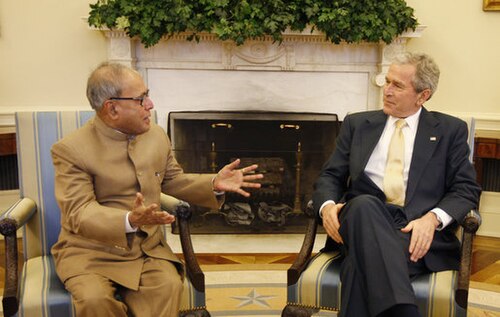



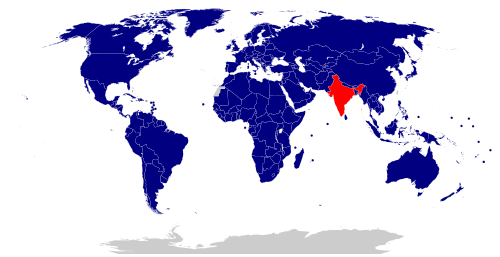
 أستراليا
 كندا
كندا الولايات المتحدة
 المملكة المتحدة
 إيطاليا
 روسيا
روسيا هولندا
 نيبال
نيبال تايلاند
 فرنسا
فرنسا النرويج
 باكستان
 المملكة العربية السعودية
 ديك رومى
 مصر
مصر بلجيكا
 الجمهورية التشيكية
 أفغانستان
 ميانمار
 البرازيل
 الكرسي الرسولي
 السويد
 أثيوبيا
 لوكسمبورغ
 البرتغال
 سويسرا
 لبنان
لبنان سريلانكا
 أوروغواي
 هنغاريا
 صربيا
صربيا رومانيا
 أيرلندا
 الأرجنتين
 تشيلي
تشيلي أندونيسيا
 الدنمارك
 فنلندا
 النمسا
 فيلبيني
 الأردن
 إيران
إيران الصين
الصين سوريا
سوريا المكسيك
 ألمانيا
 نيوزيلندا
 اليابان
 كمبوديا
 ليبيا
ليبيا العراق
 بولندا
 بلغاريا
 منغوليا
 لاوس
لاوس ألبانيا
 السودان
 اليونان
 إسبانيا
 المغرب
 غانا
غانا ماليزيا
 تونس
تونس بوليفيا
 كولومبيا
 فنزويلا
 كوبنهاغن
 مدغشقر
 ليبيريا
 غينيا
غينيا جمهورية الكونغو الديمقراطية
 نيجيريا
 الصومال
 السنغال
 سيراليون
 باراغواي
 ساحل العاج
 تنزانيا
 مالي
مالي قبرص
قبرص اليمن
اليمن بوركينا فاسو
 الكويت
 بنما
بنما الجزائر
 جامايكا
 توغو
توغو ترينيداد وتوباغو
 أوغندا
 بيرو
بيرو الكاميرون
 بنين
بنين كينيا
كينيا مالاوي
 مالطا
مالطا زامبيا
 غامبيا
 سنغافورة
 موريتانيا
 جزر المالديف
 غيانا
غيانا الغابون
 بربادوس
 جمهورية الكونغو
 بوروندي
 رواندا
 بوتان
بوتان موريشيوس
 غينيا الاستوائية
 الإكوادور
 ساموا
ساموا كوستاريكا
 فيجي
فيجي تونغا
تونغا ليسوتو
 سلطنة عمان
 البحرين
 إسواتيني
 بنغلاديش
 الإمارات العربية المتحدة
 فيتنام
 قطر
قطر أيسلندا
 غواتيمالا
 نيكاراغوا
 بوتسوانا
 كوريا الشمالية
 كوريا الجنوبية
 غينيا بيساو
 موزمبيق
 ناورو
ناورو غرينادا
 جزر البهاما
 تشاد
تشاد ساو تومي وبرينسيبي
 سورينام
 بابوا غينيا الجديدة
 جمهورية أفريقيا الوسطى
 سيشل
سيشل جزر القمر
 الرأس الأخضر
 النيجر
 السلفادور
 أنغولا
 جيبوتي
 زيمبابوي
 دومينيكا
 سانت فنسنت وجزر غرينادين
 سانت لوسيا
 أنتيغوا وبربودا
 فانواتو
 بليز
بليز سانت كيتس ونيفيس
 بروناي
 كيريباتي
 الجمهورية العربية الصحراوية الديمقراطية (ملغاة)
 توفالو
 جزر سليمان
 دولة فلسطين
 ناميبيا
 إستونيا
 لاتفيا
 أوكرانيا
 إسرائيل
 كازاخستان
 ليتوانيا
 أذربيجان
 قيرغيزستان
 أوزبكستان
 مولدوفا
 بيلاروسيا
 تركمانستان
 سلوفينيا
 كرواتيا
 البوسنة والهرسك
 طاجيكستان
 أرمينيا
 جورجيا
 سلوفاكيا
 ليختنشتاين
 إريتريا
 جنوب أفريقيا
 هندوراس
 أندورا
 بالاو
بالاو مقدونيا الشمالية
 هايتي
هايتي ولايات ميكرونيزيا الموحدة
 جزر مارشال
 جزر كوك
 جمهورية الدومينيكان
 تيمور الشرقية
 الجبل الأسود
 موناكو
 سان مارينو
 جنوب السودان
 نيوي
نيوي


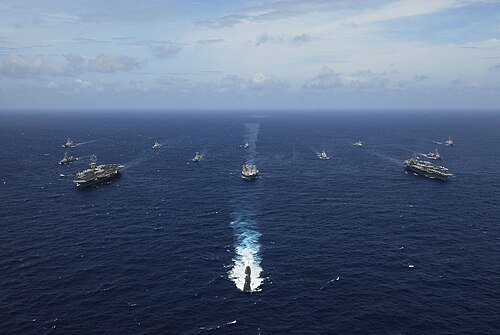


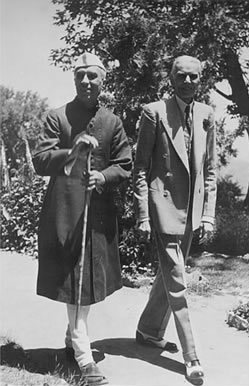


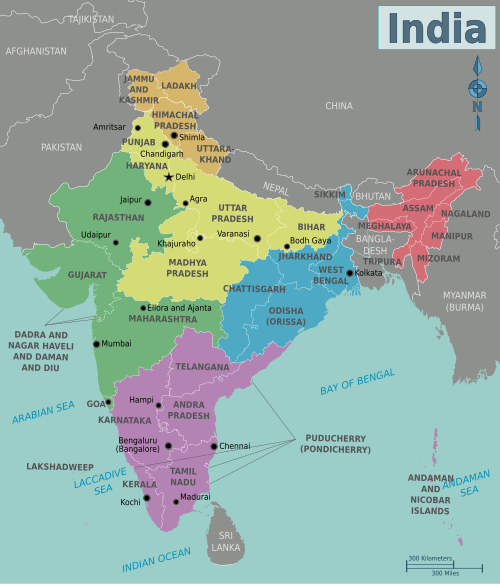
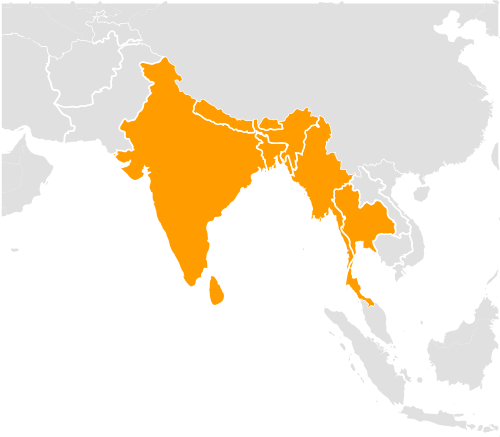




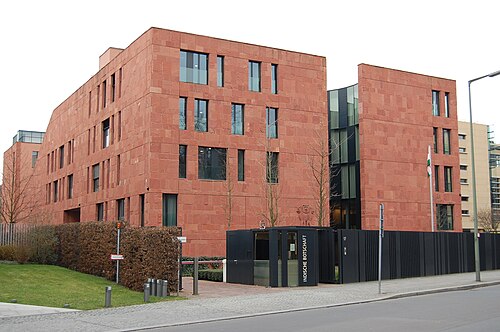


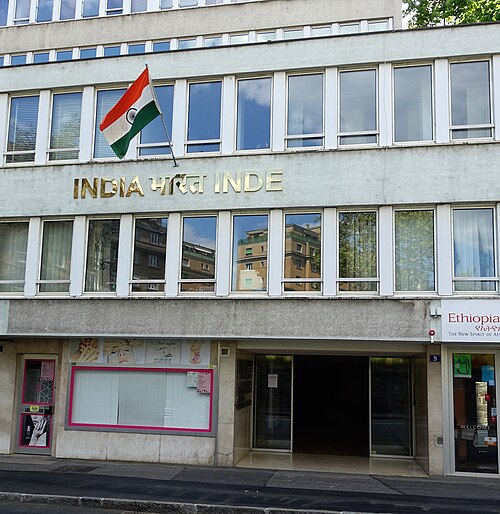




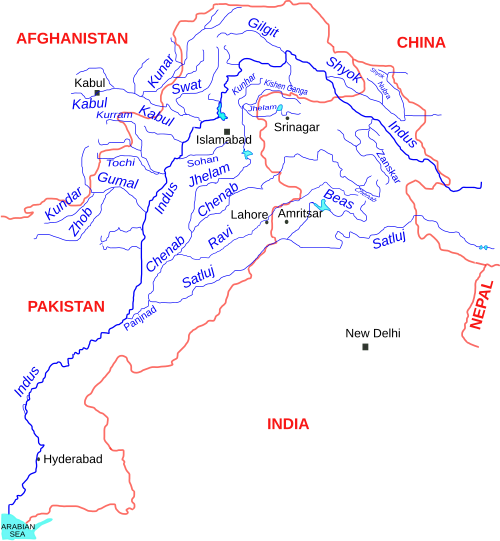
 Soviet Union
 Afghanistan