
قائمة الشعوب الأصلية
لا يوجد تعريف متفق عليه عموماً للشعوب الأصلية ، [ أ ] [ 1 ] [ 2 ] [ 3 ] على الرغم من أن التركيز في القرن الحادي والعشرين انصب على الهوية الذاتية، والاختلاف الثقافي عن المجموعات الأخرى في الدولة، والعلاقة الخاصة مع أراضيهم التقليدية، وتجربة الخضوع والتمييز في ظل نموذج ثقافي مهيمن. [ 4 ]
تتراوح تقديرات عدد السكان الأصليين بين 250 مليونًا و600 مليون نسمة. [ 5 ] يوجد نحو 5000 شعب أصلي متميز منتشرة في جميع المناطق المناخية والقارات المأهولة بالسكان في العالم. [ 6 ] [ 7 ] معظم الشعوب الأصلية أقلية في الدولة أو الإقليم التقليدي الذي تسكنه، وقد عانت من هيمنة جماعات أخرى، وخاصة غير الأصليين. [ 8 ] [ 9 ] على الرغم من أن العديد من الشعوب الأصلية قد عانت من الاستعمار من قبل مستوطنين من الدول الأوروبية، [ 10 ] إلا أن الهوية الأصلية لا تتحدد بالاستعمار الغربي. [ 4 ]
تُحدد حقوق الشعوب الأصلية في التشريعات الوطنية والمعاهدات والقانون الدولي. وتحمي اتفاقية منظمة العمل الدولية لعام 1989 بشأن الشعوب الأصلية والقبلية هذه الشعوب من التمييز، وتُحدد حقوقها في التنمية، والقوانين العرفية، والأراضي، والإقليم، والموارد، والعمل، والتعليم، والصحة. [ 11 ] وفي عام 2007، اعتمدت الأمم المتحدة إعلانًا بشأن حقوق الشعوب الأصلية، بما في ذلك حقوقها في تقرير المصير، وحماية ثقافاتها، وهوياتها، ولغاتها، وشعائرها، والحصول على العمل، والصحة، والتعليم ، والموارد الطبيعية. [ 12 ]
لا تزال الشعوب الأصلية تواجه تهديدات لسيادتها ورفاهيتها الاقتصادية ولغاتها وتراثها الثقافي وإمكانية وصولها إلى الموارد التي تعتمد عليها ثقافاتها. [ 13 ] في القرن الحادي والعشرين، سلطت جماعات الشعوب الأصلية والمدافعون عنها الضوء على العديد من الانتهاكات الواضحة لحقوق الشعوب الأصلية.
تعريف
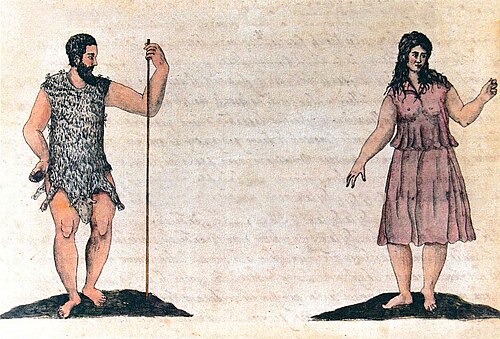
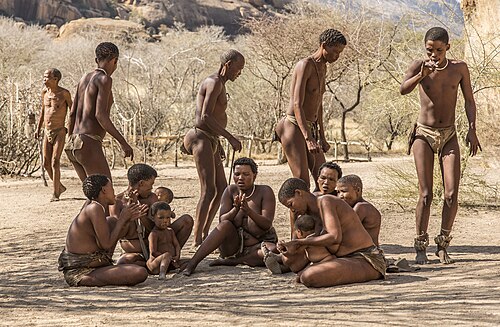
المجتمعات والشعوب والأمم الأصلية هي تلك التي تربطها صلة تاريخية بالمجتمعات التي نشأت على أراضيها قبل الغزو والاستعمار، والتي قد تعتبر نفسها متميزة عن القطاعات الأخرى للمجتمعات السائدة حاليًا في تلك الأراضي، أو أجزاء منها. وهي تشكل في الوقت الحاضر قطاعات غير مهيمنة في المجتمع، وعازمة على الحفاظ على أراضيها الموروثة وهويتها العرقية وتطويرها ونقلها إلى الأجيال القادمة، باعتبارها أساس استمرار وجودها كشعوب، وفقًا لأنماطها الثقافية ومؤسساتها الاجتماعية ونظامها القانوني. [ 14 ]
قد يتألف هذا الاستمرار التاريخي من استمرار واحد أو أكثر من العوامل التالية لفترة طويلة تمتد إلى الوقت الحاضر:
- احتلال الأراضي الموروثة، أو على الأقل جزء منها
- أصل مشترك مع السكان الأصليين لهذه الأراضي
- الثقافة بشكل عام، أو في مظاهر محددة (مثل الدين، والعيش في ظل نظام قبلي، والانتماء إلى مجتمع أصلي، واللباس، ووسائل كسب العيش، ونمط الحياة، وما إلى ذلك).
- اللغة (سواء كانت تستخدم كلغة وحيدة، أو كلغة أم، أو كوسيلة اتصال معتادة في المنزل أو في الأسرة، أو كلغة رئيسية أو مفضلة أو معتادة أو عامة أو طبيعية)
- الإقامة في أجزاء معينة من البلاد، أو في مناطق معينة من العالم
- عوامل أخرى ذات صلة.
- على المستوى الفردي، يُعتبر الشخص من السكان الأصليين إذا كان ينتمي إلى هذه المجتمعات الأصلية من خلال تعريفه الذاتي لنفسه كفرد من السكان الأصليين (الوعي الجماعي)، وكان معترفًا به ومقبولًا من قبل هذه المجتمعات كأحد أعضائها (قبول المجموعة). وهذا يحفظ لهذه المجتمعات الحق السيادي والسلطة في تحديد من ينتمي إليها، دون أي تدخل خارجي. [ 15 ]
أفريقيا


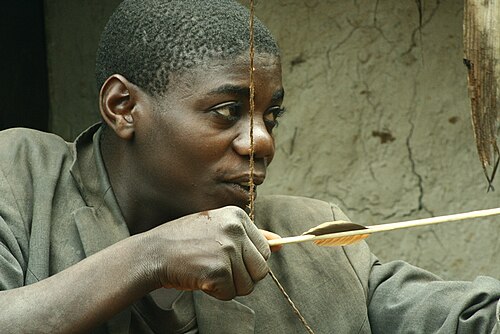


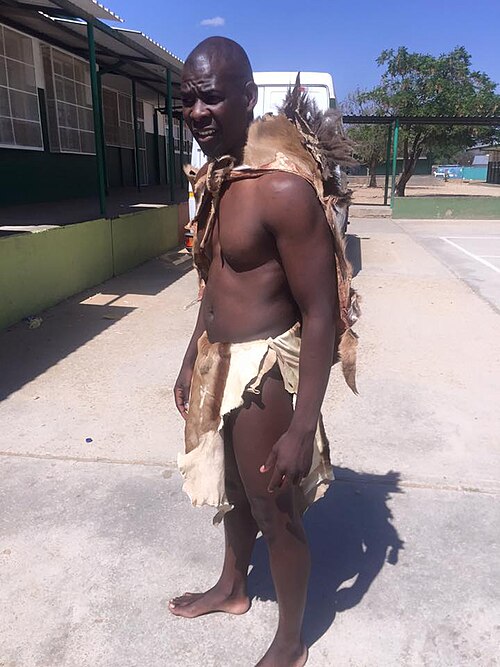
البحيرات العظمى الأفريقية
- أباغوسي : كينيا [ 16 ] [ 17 ]
- الهادزا ( هادزابي ): تنزانيا ، منطقة سينجيدا : جنوب شرق وجنوب وشمال غرب بحيرة إياشي .
- العراق : تنزانيا [ 18 ] [ 19 ]
- كالينجين : كينيا [ 20 ] [ 21 ]
- كيكويو : كينيا [ 22 ] [ 23 ]
- لغة لوهيا : كينيا [ 24 ] [ 25 ]
- الماساي : كينيا , تنزانيا [ 26 ] [ 27 ] [ 28 ]
- رينديل : كينيا [ 29 ] [ 30 ]
- سامبورو : كينيا , تنزانيا [ 20 ] [ 31 ]
- سانداوي : تنزانيا ، منطقة دودوما : منطقة كوندوا ، بين نهري بوبو ومبوندي ، منطقة سينجيدا .
- شعوب الأقزام :
- اثنان
- بانغويولو توا : شمال زامبيا ، مستنقعات بانغويولو ،
- البحيرات الكبرى توا : رواندا ، بوروندي ، أوغندا ، جمهورية الكونغو الديمقراطية
- كافوي توا : جنوب زامبيا ، سهول كافوي
- لوكانجا توا : زامبيا الوسطى ، مستنقع لوكانجا
- نسوا : غرب أوغندا
- اثنان
وسط أفريقيا
- شعوب الأقزام :
- بيدزان : شمال وسط الكاميرون
- مبينغا :
- مبوتي (بامبوتي):
- اثنان
- أنغولا توا: شمال شرق أنغولا ، وشرقها، وجنوبها
- كاساي توا (كوبا توا): جمهورية الكونغو الديمقراطية الوسطى
- مبوتي توا: جنوب شرق جمهورية الكونغو الديمقراطية ، شمال غرب بحيرة تنجانيقا
- مونغو توا (نتومبا توا): غرب جمهورية الكونغو الديمقراطية ، بحيرة تومبا ، بحيرة ماي ندومبي.
- أوبيمبا توا (لوبا توا): جنوب شرق جمهورية الكونغو الديمقراطية ، منخفض أوبيمبا
- شعب لال
القرن الأفريقي
- شعب عفار (قفار/ عفار): مثلث العفار في جيبوتي ، إريتريا ، إثيوبيا [ 32 ] [ 33 ]
- أمهرة : إثيوبيا [ 34 ] [ 35 ] [ 36 ] [ 37 ]
- بانا : جنوب غرب إثيوبيا ، منطقة الأمم والقوميات والشعوب الجنوبية (SNNPR) [ 38 ] [ 39 ]
- باسكيتو : جنوب غرب إثيوبيا ، منطقة الأمم والقوميات والشعوب الجنوبية (SNNPR) [ 40 ]
- بيرتا (الفونج) : غرب إثيوبيا ، منطقة بني شنقول جوموز ، أقصى شرق السودان [ 41 ] [ 42 ]
- بورجي : جنوب إثيوبيا ، منطقة الأمم والقوميات والشعوب الجنوبية (SNNPR) [ 43 ] [ 44 ]
- جيديو : جنوب إثيوبيا ، منطقة الأمم والقوميات والشعوب الجنوبية (SNNPR) [ 44 ] [ 45 ]
- جوموز : غرب إثيوبيا ، منطقة بني شنقول جوموز ، أقصى شرق السودان [ 46 ] [ 47 ]
- حمر : جنوب غرب إثيوبيا ، منطقة الأمم والقوميات والشعوب الجنوبية (SNNPR) [ 48 ] [ 49 ]
- كارو : جنوب غرب إثيوبيا ، منطقة الأمم والقوميات والشعوب الجنوبية (SNNPR) [ 50 ] [ 51 ]
- كوناما : إريتريا الغربية , منطقة القاش بركة , أقصى شرق السودان [ 52 ] [ 53 ]
- مالي : جنوب غرب إثيوبيا ، منطقة الأمم والقوميات والشعوب الجنوبية (SNNPR) [ 38 ] [ 54 ]
- مرسي (مون): بشكل رئيسي في منطقة دبوب أومو ، منطقة الأمم والقوميات والشعوب الجنوبية ، جنوب غرب إثيوبيا [ 55 ] [ 48 ]
- نارا : غرب إريتريا ، منطقة قاش بركة ، أقصى شرق السودان [ 53 ] [ 52 ]
- شعب الأورومو : إثيوبيا ، كينيا [ 51 ]
- ساهو : وسط إريتريا ، الجزء الجنوبي من منطقة البحر الأحمر الشمالية [ 56 ] [ 57 ]
- شيناشا ( شيناشا ): شمال غرب إثيوبيا [ 58 ]
- سيداما : جنوب إثيوبيا ، منطقة الأمم والقوميات والشعوب الجنوبية (SNNPR) [ 59 ] [ 60 ]
- الصوماليون : الصومال ، جيبوتي ، شرق إثيوبيا ، شمال شرق كينيا [ 61 ] [ 62 ]
- سوري بالي : إثيوبيا [ 63 ]
- سوري تشاي : إثيوبيا [ 64 ] [ 48 ]
- سوري تيماغا : إثيوبيا [ 64 ]
- ولايتا : جنوب غرب إثيوبيا ، منطقة الأمم والقوميات والشعوب الجنوبية (SNNPR) [ 65 ] [ 66 ]
- ييم : جنوب غرب إثيوبيا ، منطقة الأمم والقوميات والشعوب الجنوبية (SNNPR) [ 50 ] [ 67 ]
السودان
- شعوب النوبة : السودان ، جبال النوبة
- النوبيون : أقصى شمال السودان وأقصى جنوب مصر ، على طول ضفاف وادي نهر النيل الأوسط
- الدينكا (الجيانغ): بشكل رئيسي في ولايات البحيرات وواراب والوحدة ، ومجرى نهر النيل الأعلى ، ووسط وشمال جنوب السودان .
- النوير (الناهد): بشكل رئيسي في ولاية جونقلي ، شرق مجرى نهر النيل الأعلى ، شرق وسط جنوب السودان .
- أنواك (أنيوا): بشكل رئيسي في ولاية جونقلي الشرقية ، شرق جنوب السودان ، وأيضًا بشكل رئيسي في منطقة غامبيلا ، الأراضي المنخفضة في أقصى جنوب غرب إثيوبيا (المناطق الحدودية بين جنوب السودان وإثيوبيا ).
- الشلوك (تشولو/كولو): بشكل رئيسي في شمال جنوب السودان ، غرب مجرى نهر النيل الأعلى، ولاية النيل الأعلى ، جنوب السودان ( كودوك أو كوثوك ، المعروفة سابقًا باسم فشودة، تقع في أراضيهم).
- الفراء (فورا): دارفور ، غرب السودان
- المساليت : دارفور ، غرب السودان
- شعوب الكادو : السودان ، جبال النوبة
جنوب أفريقيا
- الشعوب الناطقة بلغات البانتو في جنوب أفريقيا : جنوب أفريقيا ، ليسوتو ، إيسواتيني ، بوتسوانا ، موزمبيق ، زيمبابوي ، ناميبيا ، جنوب أنغولا .
- شعب نغوني
- لغة الخوسا
- الزولو
- نديبيلي
- شعب نديبيلي الشمالي (زيمبابوي)
- شعب نديبيلي الجنوبي (جنوب أفريقيا)
- سواتي
- فوتي
- لالا
- بهاكا
- إتش لوبي
- نلانجويني
- شعب سوتو-تسوانا
- شعب ماكوا
- لغات تسوا-رونغا
- شعب الفيندا
- شعب الشونا/شونيك - الشعوب الناطقة: زيمبابوي، موزمبيق، بوتسوانا م
- زيزورو
- كوريكوري
- مانيكا
- باروي
- كارانجا
- شعب كالنجا
- نداو
- أهل تشوبي
- شعب شيوا
- شعب ييي
- لغات الكافانجو - الشعوب الناطقة بها
- شعب نغوني
- الشعوب الناطقة بلغات خويخوي الجنوبية : أنغولا، ناميبيا، بوتسوانا، صحراء كالاهاري ، زيمبابوي، غرب وجنوب غرب جنوب أفريقيا.
- الشعوب الناطقة بلغات سان الجنوبية : أنغولا، ناميبيا، بوتسوانا، صحراء كالاهاري، غرب وجنوب غرب جنوب أفريقيا.
- Kxʼa/Ju–ǂHoan
- ǃKung /Juu
- ǂʼAmkoe
- ǂKxʼao-ǁʼae (Auen)
- ǃKung /Juu
- تو
- ǃKwi (!Ui)
- ǀXam
- ǂخوماني (نو)
- خوي (خوي، كسوي)
- تا
- ǃXooŋake/Nǀumde
- Kxʼa/Ju–ǂHoan
غرب أفريقيا
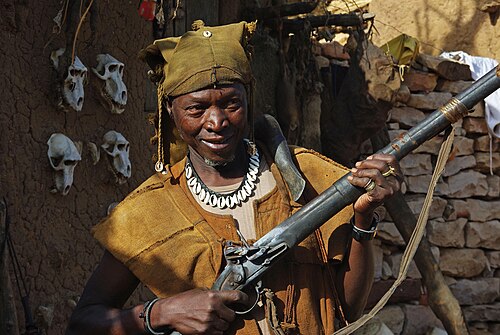

- شعب دوغون : مالي ، وعدد قليل من السكان في بوركينا فاسو . [ 68 ] [ 69 ]
- شعب الجولا : غينيا بيساو ، غامبيا ، والسنغال [ 70 ]
- شعب سيرير : السنغال ، غامبيا ، غينيا بيساو ، موريتانيا ، وشمال أفريقيا سابقاً. [ 71 ] [ 72 ]
- شعب الماندينكا : غينيا ، مالي ، السنغال ، غامبيا ، غينيا بيساو ، غانا ، ليبيريا ، وسيراليون .
- شعب سونينكي : مالي ، السنغال ، وغامبيا .
- شعب الولوف : السنغال ، غامبيا ، وموريتانيا .
- شعب موسي : بوركينا فاسو ، وكوت ديفوار ، وغانا .
- شعب الهوسا : نيجيريا ، والنيجر ، والكاميرون ، وساحل العاج ، وغانا ، وبنين ، وتوغو . [ 73 ] [ 74 ]
- شعب أوغوني [ 75 ]
- شعب اليوروبا : نيجيريا ، بنين ، غانا ، توغو ، ساحل العاج ، النيجر ، سيراليون ، وغامبيا . [ 76 ]
- شعب الفولا : نيجيريا ، السنغال ، سيراليون ، غينيا ، مالي ، بوركينا فاسو ، النيجر ، بنين ، موريتانيا ، غينيا بيساو ، غامبيا ، توغو ، غانا ، وكوت ديفوار .
- شعب الإيغبو : نيجيريا
شمال أفريقيا
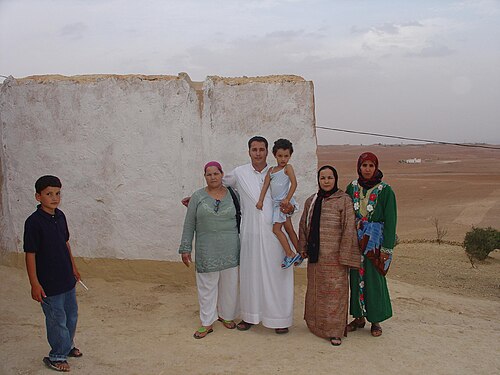

- اللغات الأفروآسيوية
- البربر (الأمازيغن): المغرب ، تونس ، الجزائر ، ليبيا ، مصر ، موريتانيا ، ساحل البحر الأبيض المتوسط، جبال الأطلس، الصحراء الشمالية والغربية
- البربر الشرقيون
- شعب نفوسة : جبال نفوسة (Drar n infusen)، طرابلس ، شمال غرب ليبيا
- زوارة البربر : زوارة ، ساحل غرب طرابلس في شمال غرب ليبيا .
- بربر مطماطة : مطماطة ، الجنوب التونسي
- أمازيغ جربة: جزيرة جربة ، الساحل الجنوبي التونسي
- سوكنة أمازيغ: واحة سوكنة (إيسقنان)، فزان ، شمال وسط ليبيا ، الصحراء
- أوجلة : واحة أوجلة ، برقة ، شرق ليبيا ، الصحراء الكبرى
- غدامس : واحة غدامس ، غرب ليبيا ، الصحراء
- السيويين : واحة سيوة (إيسوان)، غرب مصر ، الصحراء الكبرى
- البربر الشماليون
- منطقة القبائل (إقفايلين): منطقة القبائل (تمورت إقفايلين)، ساحل البحر الأبيض المتوسط شمال الجزائر.
- متحدثو لغة الزناتي (إزناتن/إزناسن): مناطق في الجزائر والمغرب
- المزابيون (المزاب): منطقة مزاب شمال الصحراء شمال وسط الجزائر
- الشاوية (العيساوية): جبال الأوراس ( إدورار أوراس )، شمال شرق الجزائر
- شنوا (إشنوين): جبال تقع في غرب وسط شمال غرب الجزائر
- الريف (العريفيون): الريف ، جبال الريف (العارف)، شمال المغرب
- شعوب سنهاجة (إيزناجين/إيزناجين): مناطق في جبال الأطلس الأوسط الغربي وشرق المغرب
- شعوب المسمودة : مناطق في شمال وغرب المغرب
- غومارا : أقصى غرب جبال الريف (العريف)، شمال المغرب
- شلحة (شلحي): جبال الأطلس الغربي ، غرب المغرب
- البربر الشرقيون
- البربر (الأمازيغن): المغرب ، تونس ، الجزائر ، ليبيا ، مصر ، موريتانيا ، ساحل البحر الأبيض المتوسط، جبال الأطلس، الصحراء الشمالية والغربية
- الحراتين : السكان الأصليون للمغرب العربي والصحراء الكبرى ذوو أصول غير مؤكدة؛ يتحدث أفرادهم الآن إما لغات بربرية أو عربية ؛ ويسكنون المغرب وموريتانيا والصحراء الغربية والجزائر .
- سيرير - العادة الحالية سينيجا وغامبيا وغينيا بيساو وموريتانيا [ 71 ] [ 72 ]
- توبو : تشاد
- الأقباط (ريم إن خيمي/ريم إن كيمي): مصر ، غالبية سكان مصر ينحدرون من المصريين القدماء.
- البجا : شمال شرق السودان ، بين ساحل البحر الأحمر وقرب الضفاف الشرقية لنهر النيل ( النيل الأبيض والنيل الأزرق )، أقصى شمال غرب إريتريا ، الصحراء الكبرى، الصحراء الشرقية ، أقصى جنوب شرق مصر
- الغوانشيين : جزر الكناري ، إسبانيا
غرب ووسط آسيا
غرب آسيا


- سامي
- كان الآشوريون (آثوراي / سوراي / سورياي) يتحدثون في الأصل اللغة الأكادية ، وهي لغة سامية شرقية ، ثم تبنوا لاحقًا اللغة الآرامية ، وهي لغة سامية شمالية غربية ، من الآراميين . وهناك توثيق لاستمرارية تاريخية بين الآشوريين القدماء والمعاصرين، لا سيما بين أولئك الذين بقوا في موطنهم الآشوري منذ العصور القديمة، قبل الفتح العربي لبلاد ما بين النهرين . ولا يُعرّف جميع الآشوريين أنفسهم بهذا الاسم، وقد تبنت بعض الجماعات هوية آشورية في مراحل لاحقة . [ 77 ]
- سامية مركزية
- سامية شمالية غربية
- الآراميون (آراماي): وسط وغرب سوريا ، موطن الآراميين ( آرام ) في بلاد الشام ، وهم شعب يتحدث الآرامية وينحدر من الآراميين القدماء . في السنوات الأخيرة، بُذلت محاولات لإحياء اللغة الآرامية الغربية بين المسيحيين الآراميين المقيمين في قرية جيش الإسرائيلية .
- المندائيون
- الكنعانيين
- السامريون ( السامريون ): من السامرة . جماعة عرقية دينية من بلاد الشام، تربطهم صلة قرابة جينية وثقافية وثيقة بالشتات اليهودي ، ويُعتقد أنهم انفصلوا عن الأخير في زمن السبي الآشوري تقريبًا . يتبع السامريون السامرية ، وهي ديانة إبراهيمية وثيقة الصلة باليهودية . ويعتمدون في ممارساتهم الدينية على التوراة السامرية . [ 78 ] [ 79 ]
- اليهود : [ 80 ] إلى جانب السامريين ، ينحدرون من بني إسرائيل في جنوب بلاد الشام، الذين يعتقد علماء الآثار والمؤرخون أنهم انفصلوا عن الشعوب والثقافة الكنعانية من خلال تطوير ديانة أحادية متميزة - ثم ديانة توحيدية لاحقة - تتمحور حول إيل / يهوه ، [ 81 ] [ 82 ] [ 83 ] أحد آلهة الكنعانيين القدماء. وقد وُجدت جالية يهودية لعدة قرون قبل سقوط الهيكل الثاني ، ولم يكن سكنهم في بلدان أخرى في معظمه نتيجة تهجير قسري. [ 84 ] في أعقاب الحصار الروماني للقدس ، وتدمير هيكل هيرودس ، وفشل الثورات اليهودية ، طُرد بعض اليهود، أو أُخذوا عبيدًا إلى روما، أو قُتلوا، [ 85 ] بينما استمر آخرون في العيش في المنطقة على مر القرون، على الرغم من اعتناق العديد منهم المسيحية والإسلام ، واضطهادهم من قبل مختلف الغزاة، بمن فيهم الرومان والعرب والعثمانيون والبريطانيون . إضافةً إلى ذلك، هاجر عدد كبير من يهود الشتات إلى فلسطين خلال القرنين التاسع عشر والعشرين (بشكل رئيسي في ظل الحركة الصهيونية )، وكذلك بعد قيام دولة إسرائيل الحديثة عام 1948. وتزامن ذلك مع إحياء اللغة العبرية ، اللغة الكنعانية الوحيدة التي لا تزال تُتحدث حتى اليوم. وتُظهر الدراسات الجينية لليهود أن العديد من المجتمعات اليهودية الرئيسية في الشتات تنحدر من أصول إسرائيلية قديمة . [ 86 ] [ 87 ] [ 88 ] [ 89 ]
- نتيجةً للتغيرات في التاريخ الديموغرافي لفلسطين ، تتضارب الادعاءات حول أصالة اليهود والفلسطينيين العرب . [ 90 ] [ 91 ] [ 92 ] وقد دخل هذا الجدل في الصراع الإسرائيلي الفلسطيني في تسعينيات القرن الماضي، حيث ادعى اليهود أصالتهم استنادًا إلى روابط تاريخية بالمنطقة . [ 93 ] [ 94 ] بينما يطالب الفلسطينيون بأصالتهم كسكان أصليين، باعتبارهم سكانًا كانوا موجودين قبل الاستيطان اليهودي، ويشكلون حاليًا أقلية في دولة إسرائيل. [ 95 ] وفي عام 2007، اعترفت الأمم المتحدة رسميًا ببدو النقب كشعب أصلي في إسرائيل. [ 96 ] وقد وُجهت انتقادات لهذا الاعتراف من قِبل باحثين مرتبطين بالدولة الإسرائيلية، الذين يشككون في ادعاء البدو بأصالتهم، [ 97 ] ومن قِبل آخرين يرون أن الاعتراف بمجموعة واحدة فقط من الفلسطينيين كأصليين يُهدد بتقويض ادعاءات الآخرين و"تقديس" الثقافات البدوية. [ 98 ]
- عربي
- بدوي (بدوي) من الصحاري الداخلية لشبه الجزيرة العربية وسوريا .
- الدروز (الموحدون/أهل التوحيد): يسكنون جبل الدروز في سوريا ولبنان والأردن وإسرائيل . دينهم مزيج من الإسلام ( الإسماعيلية ) ، واليهودية ، والمسيحية ، والأفلاطونية المحدثة ، والفيثاغورية ، والغنوصية ، والفلسفة اليونانية . ونصوصهم الأساسية هي رسائل الحكمة . ورغم أنهم كانوا أقلية طوال تاريخهم، إلا أنهم لعبوا دورًا هامًا في تشكيل تاريخ بلاد الشام . وعلى الرغم من أن دينهم نشأ من الإسلام الإسماعيلي ، إلا أن الدروز لا يُعتبرون مسلمين عادةً. وتوجد أقدم التجمعات الدرزية وأكثرها كثافة سكانية في جبل لبنان وجنوب سوريا حول جبل الدروز .
- سكان الأهوار / عرب الأهوار (معدان / عرب الأهوار): شعب يتحدث اللغة العربية ويعيش في أهوار جنوب العراق أو على الجانب الإيراني من شط العرب . [ 99 ]
- سامية شمالية غربية
- شعوب جنوب سامية
- شعب البثاري : ظفار ، جنوب عُمان . ينحدرون من السكان الأصليين لظفار قبل التعريب .
- الحراسيس : جدة الحراسيس ، وسط عُمان . ينحدرون من السكان الأصليين لجنوب الجزيرة العربية قبل التعريب .
- شعب الهوبيوت : ظفار ، جنوب عُمان ، أقصى شرق اليمن . ينحدرون من السكان الأصليين لظفار قبل التعريب .
- المهريس : المهرة ، شرق اليمن ، ظفار ، جنوب عمان . ينحدرون من السكان الأصليين لظفار قبل التعريب .
- الشعب الشهري / الشعب الجبلي : ظفار ، جنوب عُمان . ينحدرون من السكان الأصليين لظفار قبل التعريب .
- السقطرى : جزيرة سقطرى ومجموعة جزرها، جنوب شرق البر الرئيسي لليمن ، في المحيط الهندي . ينحدرون من السكان الأصليين لجنوب الجزيرة العربية قبل التعريب .


- الشعب الإيراني
- شعوب إيران الشرقية
- شعوب شمال شرق إيران
- الأوسيتيون (إريتّا): أوسيتيا الجنوبية ، جورجيا ، جبال القوقاز الجنوبية
- شعوب شمال شرق إيران
- شعوب إيران الغربية
- شعوب بحر قزوين / جنوب بحر قزوين
- شعوب شمال غرب إيران
- جامعة نورث وسترن الأولى
- الأكراد (كرد/كرماندج): كردستان ، شمال غرب وغرب إيران ، شمال العراق ، شمال شرق وشمال سوريا ، جنوب شرق تركيا ، زاغروس وهضبة شرق الأناضول
- الأيزيديون (الإيزيديون): محافظة نينوى ، شمال العراق
- شعب لاك (إيران) : جنوب غرب إيران ، جبال زاغروس
- شعب زازا-غوراني
- الشبك : قضاء سنجار التابع لمحافظة نينوى في شمال العراق .
- زازاس : جنوب شرق تركيا، نهر الفرات الأعلى، هضبة شرق الأناضول
- الأكراد (كرد/كرماندج): كردستان ، شمال غرب وغرب إيران ، شمال العراق ، شمال شرق وشمال سوريا ، جنوب شرق تركيا ، زاغروس وهضبة شرق الأناضول
- شمال غرب 2
- البلوش (بلوش/بلوش): بلوشستان ، جنوب شرق إيران ، جنوب غرب باكستان ، أقصى جنوب أفغانستان
- شعوب تاتيك
- تاليش (تاليشون): منطقة تاليش (شمال غرب إيران ، جنوب أذربيجان ، ساحل بحر قزوين الجنوبي وجبال البرز ) [ 100 ]
- تاتس (إيران) / تاتس الجنوبية (Irünə Tâtün): شمال غرب إيران
- جامعة نورث وسترن الأولى
- شعوب جنوب غرب إيران
- الفرس : إيران ، أفغانستان ، طاجيكستان ، أوزبكستان
- الهزارة : هزراجات ، أفغانستان
- شعوب اللارستانيين والخليجيين
- الكمزارية : مسندم الشمالية ، عمان
- اللور والبختياريين
- تاتس (القوقاز) : جمهورية أذربيجان ، داغستان ( روسيا )
- شعوب إيران الشرقية
القوقاز

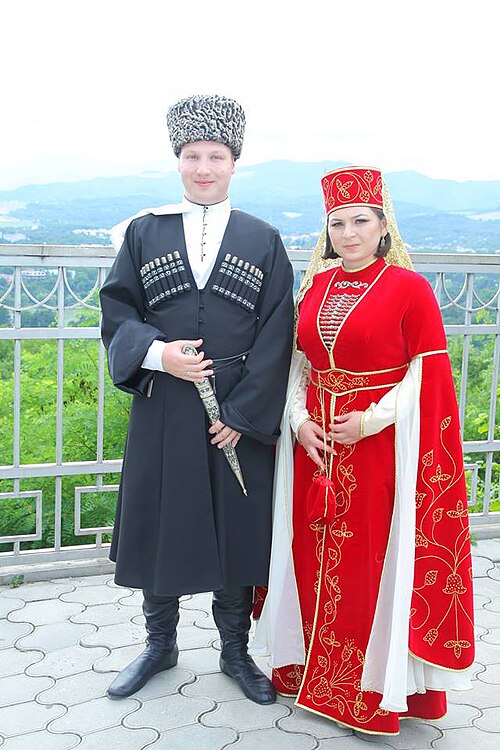
- الشعوب الهندو-أوروبية
- الشعب الإيراني
- شعوب إيران الشرقية
- شعوب شمال شرق إيران
- الأوسيتيون (Iræттæ): أوسيتيا (Iryston)، وأوسيتيا الشمالية (Cægat Iryston)، وهي جمهورية روسية ، وأوسيتيا الجنوبية (Khussar Iryston)، وهي منطقة مثل منطقة تسخينفالي في جورجيا (Sakartvelo)، أو دولة ذات سيادة معلنة من جانب واحد، تقع على المنحدرات الشمالية والجنوبية لجبال القوقاز الوسطى .
- شعوب شمال شرق إيران
- شعوب إيران الغربية
- شعوب جنوب غرب إيران
- الشعب الفارسي
- تاتس (القوقاز) (تاتي/بارسي/لوهيجون/داغلي): جبال شرق القوقاز ، أذربيجان
- تاليش (القوقاز): جبال القوقاز
- شعوب جنوب غرب إيران
- شعوب إيران الشرقية
- الشعب الإيراني
- شعوب كارتفيليان
- شعوب شمال شرق القوقاز
- شعوب الأفار والأنديك
- دارغينز (دارغانتي): داغستان ، روسيا الأوروبية ، جبال شمال القوقاز
- خينالوغ (كيتيتوردور/كايتيودور/كيتيد/كيتش خالخ)
- شعب لاك (داغستان) : داغستان ، روسيا الأوروبية ، جبال شمال القوقاز
- الشعوب الليزجية
- أغول (أغولار): داغستان ، روسيا الأوروبية ، جبال شمال القوقاز
- أرتشينز (أرشيشتيب)
- بودوخ ( بوداد )
- جيكس (سيكاد/دزيكاد)
- كريتس (Kh'rytsha'/Kyrtuar)
- الليزغيون (ليزغيار/ليقر): داغستان ، روسيا الأوروبية ، جبال شمال القوقاز
- روتول (ميخابير): داغستان ، روسيا الأوروبية ، جبال شمال القوقاز
- التاباسارانيون : داغستان ، روسيا الأوروبية ، جبال شمال القوقاز
- تساخور (يقبي): أذربيجان ، جبال القوقاز الجنوبية
- أودين (أودي/أوتي): شمال أذربيجان ، جبال القوقاز الجنوبية
- شعب ناخ
- الخفافيش (باتسبي)
- شعوب الفايناخ
- الشيشان (نوخجي): الشيشان ، روسيا الأوروبية ، جبال شمال القوقاز
- إنغوشيا (غلغاي): إنغوشيا ، روسيا الأوروبية ، جبال شمال القوقاز
- شعوب تسيزيك (ديدويك)
- شعوب شمال غرب القوقاز
- شعوب الأبخاز والأبازا
- أبازين (أبازا)
- الأبخازيون (أفسوا): أبخازيا ( أفسني ) - منطقة تتمتع بحكم ذاتي قانوني في جورجيا ( ساكارتفيلو )، وهي دولة ذات سيادة معلنة من جانب واحد.
- الشعوب الشركسية
- شعوب الشركس الغربيين
- شعوب الشركس الشرقيين
- تشيركيس (Cherkes): قراتشاي-تشيركيسيا ، روسيا الأوروبية ، جبال شمال القوقاز
- الكابارديون (كيبرديخر): كاباردينو-بالكاريا ، روسيا الأوروبية ، جبال شمال القوقاز
- الكاراتشاي (Karachai): كاراتشاي-تشيركيسيا ، شعوب شمال القوقاز ، جبال شمال القوقاز [ 101 ]
- الأوبخ (Tʷaχ): كانوا من السكان الأصليين لجبال غرب القوقاز، منطقة سوتشي ، كراسنودار كراي ، روسيا ، ثم هاجروا لاحقًا إلى تركيا .
- شعوب الأبخاز والأبازا
آسيا الوسطى

- الشعوب الهندو-أوروبية
جنوب آسيا

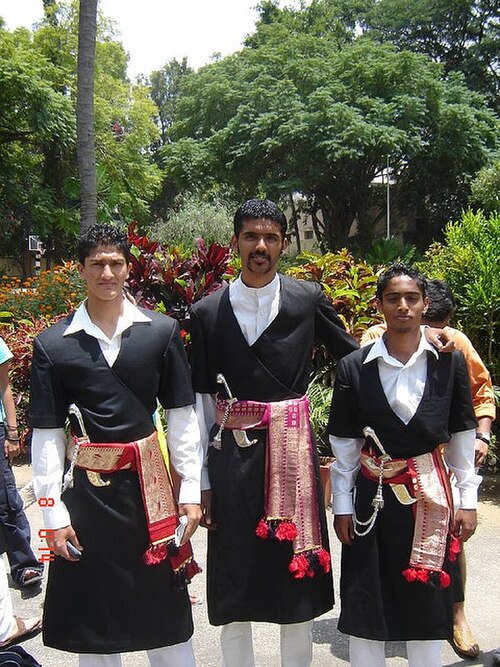


باكستان
- بوروشو : منطقتا هونزا وشيترال ، جيلجيت-بالتستان ، شمال باكستان
- توروالي : منطقة سوات ، شمال باكستان
- غوري : منطقتا سوات وأعالي دير، شمال باكستان
الهند
- الأديفاسيس : مصطلح جماعي للعديد من الشعوب الأصلية في الهند
- الشعوب الدرافيدية
- باداغا : تاميل نادو ، جنوب الهند
- غوند : أرض غوندوانا ، وسط الهند
- إيرولا : تاميل نادو ، جنوب الهند
- كيسان : السكان الأصليون في أوديشا ، شرق الهند
- كودافا : كوداجو ، كارناتاكا ، جنوب الهند
- كوتا (كوثار/كوف): تاميل نادو ، جنوب الهند
- كوروبا : أندرا براديش ، كارناتاكا ، تاميل نادو ، جنوب الهند
- التاميلية : تاميل نادو ، جنوب الهند وسريلانكا
- تودا : تاميل نادو ، جنوب الهند
- شعوب جنوب درافيدا
- الشعوب الهندو-أوروبية
- بانجارا : راجستان
- شعب بهيل : غوجارات ، راجستان ، ماديا براديش
- شعب آسام [ 102 ] [ 103 ]

امرأة من السكان الأصليين من قبيلة ثارو من جنوب نيبال - ثارو : نيبال ، شرق الهند
- وارلي
- الشعوب الناطقة باللغة الصينية التبتية
- شعوب بوديش
- لاداخي : لاداخ ، شمال الهند
- شعب كونياك
- نوكتي : تيراب، أروناتشال براديش ، شمال شرق الهند
- شعب كوكيش
- كاربي : كاربي أنجلونج ، آسام ، شمال شرق الهند
- ميزو (ميزو هنام): ميزورام ، شمال شرق الهند
- ناغا : ناغالاند ، شمال شرق الهند
- شعب راجي-راوت
- الطريق : نيبال ، أوتاراخاند
- تريبوري (بوروك): تريبورا ، شمال شرق الهند
- شعوب بوديش
- شعب ديجارو
- قوم جمعة (مصطلح جماعي لعدة شعوب)
- السكان الأصليون في سيكيم : الهند
- الشعوب الدرافيدية
- الشعوب الناطقة باللغة الصينية التبتية
- شعوب لولو البورمية
- شعب الميتي : مانيبور والولايات المجاورة في الهند وبنغلاديش وميانمار
- فيدا (وانيالا-آيتو): سريلانكا
- الديفيهية : جزر المالديف
جزر أندامان ونيكوبار
- نيغريتو :
- الأندامانيون ، في جزر أندامان ، والتي تشمل:
- الأندامانيون الكبار : كانوا في السابق ما لا يقل عن 10 مجموعات متميزة تعيش في جميع أنحاء جزيرة أندامان الكبرى ، والآن يقتصر وجودهم على مجتمع واحد في جزيرة ستريت ، جزر أندامان.
- جانجيل (جاراوة روتلاند) : منقرض الآن، كان يسكن سابقًا جزيرة روتلاند ، جزر أندامان
- جاراوا : جنوب أندامان ووسط أندامان
- أونج (Önge): ليتل أندامان ، جزر أندامان
- السنتينليين (?): جزيرة نورث سنتينل ، جزر أندامان
- الأندامانيون ، في جزر أندامان ، والتي تشمل:
- الشعوب الأسترونيزية
- الشعب النيكوباري ( هولشو ): جزر نيكوبار ، الهند
- شعب شومبين (كالاي-كيت): جزر نيكوبار ، الهند
شمال شرق آسيا

الصين
غرب الصين
- الشعوب التركية
- الأتراك العاديون
- الكارلوك ( شعوب الترك المشتركة في جنوب شرق آسيا )
- الأويغور (الأويغور): حوض تاريم ، جنوب شينجيانغ ، الصين
- إيلي توركس : محافظة إيلي الكازاخية ذاتية الحكم ، شمال شينجيانغ ، الصين
- عينوس : صحراء تاكلامكان ، جنوب غرب شينجيانغ ، الصين
- يوغور (يوغير/ساريغ يوغير): مقاطعة سونان يوغور ذاتية الحكم ، مقاطعة قانسو ، الصين
- سالار (سالير): مقاطعة شونهوا سالار ذاتية الحكم ، مقاطعة تشينغهاي ، الصين
- القيبتشاك ( شعوب تركية مشتركة شمال غرب البلاد )
- الكارلوك ( شعوب الترك المشتركة في جنوب شرق آسيا )
- الأتراك العاديون
- الشعب التبتي
- الشعوب المنغولية
شمال الصين
- فويو قيرغيزستان : مقاطعة فويو، هيلونغجيانغ
- شعب الهوي
- الشعوب التونغوسية
- شعوب التونغوس الشمالية
- ناناي (هزن/ناناي/هيزهي/غولدز/ساماغير): هيلونغجيانغ في الصين، خاباروفسك كراي وبريمورسكي كراي في روسيا
- أوروقين : أقصى شمال الصين
- شعوب التونغوسية الجنوبية
- شعوب التونغوس الشمالية
جنوب الصين
منغوليا
- الشعوب المنغولية
- شعوب المغول الوسطى
- خويد : منغوليا
- مانغود : منغوليا تاريخيا
- النيمان (نايمان): منغوليا الداخلية ، الصين
- سارتول : زافخان ، منغوليا
- شعوب المغول الوسطى
- الشعوب التركية
- الأتراك العاديون
تايوان


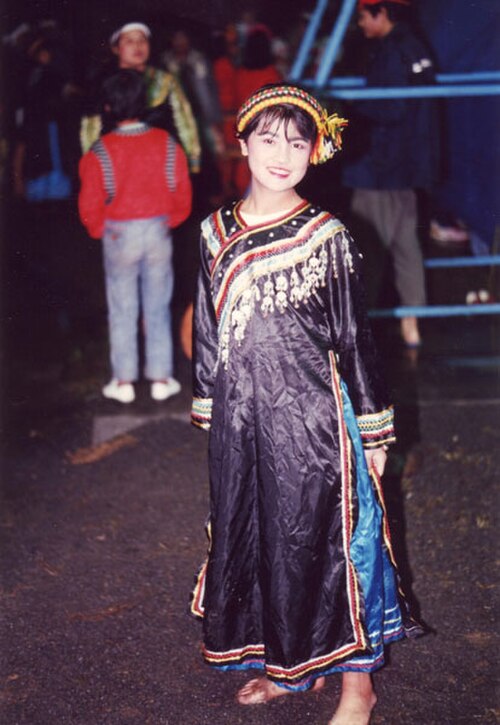
- السكان الأصليون لجزيرة تايوان
اليابان

- عينو (آينو): هوكايدو ، اليابان، وسخالين وجزر الكوريل ، روسيا
- سكان جزر بونين : جزر بونين ، اليابان
- ريوكيو (Ruuchuu Minzuku): مملكة ريوكيو القديمة، اليابان حاليًا
كوريا
سيبيريا والشرق الأقصى لروسيا
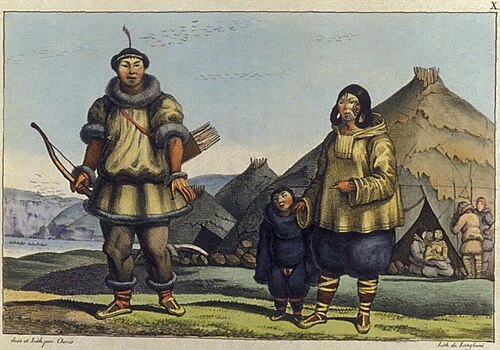
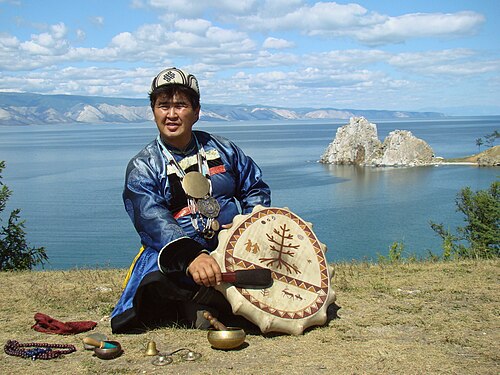


أكثر من 40 شعبًا متميزًا، لكل منهم لغته وثقافته الخاصة في الجزء الآسيوي من روسيا ( سيبيريا والشرق الأقصى ).
- شعوب تشوكشي-كامتشاتكان
- تشوفان : منطقة تشوكوتكا ذاتية الحكم [ 109 ]
- شعوب الإسكيمو-أليوت
- جزر ألوشيان ، وجزر بريبيلوف ، والطرف الجنوبي الغربي لشبه جزيرة ألاسكا [ 110 ]
- يوبيك : شمال شرق روسيا، ألاسكا ، كندا وغرينلاند [ 111 ]
- يوبيك السيبيري : شمال شرق روسيا [ 111 ]
- كامشادال : إقليمي كامتشاتكا وماجادان [ 112 ]
- الشعوب المنغولية
- البوريات (بورياد): بورياتيا ، روسيا، ومنغوليا
- هامنيغانز : منطقة زابايكالسكي ، روسيا، منغوليا، والصين
- شعب تاز ، مقاطعة أولجينسكي ، بريمورسكي كراي [ 113 ]
- الشعوب التونغوسية
- الإيفنكس : روسيا ومنغوليا وشمال شرق الصين. [ 114 ]
- شعب ناناي : حوض نهر آمور [ 115 ]
- شعب أولش : مستجمع مياه نهر آمور السفلي [ 116 ]
- شعب نيجيدال : الشرق الأقصى الروسي [ 117 ]
- شعب أوروتش : إقليم خاباروفسك [ 118 ]
- أوروكس : جزيرة سخالين [ 119 ]
- Udege : الشرق الأقصى الروسي [ 120 ]
- الشعوب التركية
- الأتراك السيبيريون
- الألتايون : جمهورية ألتاي
- تشوليمز : تومسك أوبلاست ، روسيا [ 124 ]
- دولجانس : كراسنويارسك كراي [ 125 ]
- خاكاس (تادارلار): أمة خاكاسيا الفخرية ، روسيا
- الكوماندين : ألتاي كراي ، روسيا
- الشواطئ : جنوب سيبيريا، والسكان الأساسيون في مقاطعة كيميروفو [ 126 ]
- سويوتس : بورياتيا [ 127 ]
- Teleuts : جنوب غرب سيبيريا [ 128 ]
- التوفالار : جنوب سيبيريا [ 129 ]
- التوفان : جمهورية توفا
- ياكوت (سخا): أمة ياكوتيا ، روسيا
- الأتراك القبجاقيون
- التتار السيبيريون
- تتار بارابا
- الكوماندين : جنوب غرب سيبيريا [ 131 ]
- التتار السيبيريون
- الأتراك السيبيريون
- الشعوب الأورالية
- الشعوب الأوغرية
- الشعوب السامويدية
- Enets : شمال كراسنويارسك كراي [ 133 ]
- النينيتس : شمال غرب سيبيريا وأقصى شمال روسيا الأوروبية [ 134 ]
- نجاناسان : الطرف الشمالي لشبه جزيرة تايمير [ 135 ]
- شعب سيلكوب : بين نهري أوب وينيسي [ 136 ]
- شعب يوكاغير : شرق سيبيريا [ 137 ]
- شعوب ينيسيان
- شعب كيت : على طول الفرع الأوسط لنهر ينيسي [ 138 ]
- نيفخ : الأراضي المنخفضة لنهر آمور وجزيرة سخالين [ 139 ]
جنوب شرق آسيا


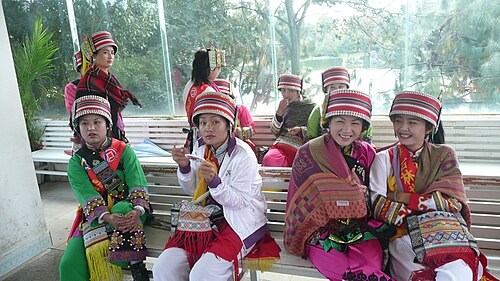

- الشعوب الأسترونيزية
- شعوب آسيا
- سينوي (Sengoi/Sng'oi) (شعب من المجموعات العرقية التي تسمى بالكلمة العامة Orang Asli - الشعب الأصلي): في شبه جزيرة ماليزيا ) [ 140 ]
- الخمير كروم : من فيتنام
- مجموعات اللغة الخمويكية :
- الشعوب البالاونجية
- وا (فاكس): إحدى القبائل الجبلية في ميانمار (كما أنها منتشرة في مقاطعة يونان ، الصين في شرق آسيا ).
- الشعوب الفيتيكية
- شعوب آسيا
- الشعوب الأسترونيزية
- شعب همونغ-مين
- مونتانيارد (ديغار): مصطلح شامل لعدة شعوب ما قبل الفيتنامية التي تسكن الهضاب والجبال في المناطق الجنوبية من فيتنام
- الشعوب الأسترونيزية
- الشعوب البهنارية
- شعوب شمال بهناري
- سيدانج ، هالانج وكايونج: فيتنام
- نحن شعب : مقاطعة كوانج نجاي ، وسط فيتنام
- شعوب البهناريك الوسطى
- باهنار : مقاطعات المرتفعات الوسطى جيا لاي وكون توم ، بالإضافة إلى المقاطعات الساحلية بينه أونه وفو ين ( فيتنام ).
- شعب جيه تاريانغ : كون توم ، فيتنام
- شعوب البهناريك الجنوبية
- شرق بهناري:
- شعوب شمال بهناري
- الشعوب الكاتوية
- الشعوب البهنارية
- الشعوب الأسترونيزية
- شعوب الملايو والبولينيزيا
- شعوب الشاميك
- شعوب تشاميك في المرتفعات
- رادي جاراي
- جاراي : المرتفعات الوسطى في فيتنام ، وكذلك في مقاطعة راتاناكيري الشمالية الشرقية ( كمبوديا ).
- رادي : جنوب فيتنام
- كرو- الشمالية
- شمال تشام
- راجلاي : في مقاطعة خانه هوا في الساحل الجنوبي الأوسط ، ومقاطعة نينه ثوين في المنطقة الجنوبية الشرقية من فيتنام.
- شمال تشام
- رادي جاراي
- شعوب تشاميك في المرتفعات
- شعوب الشاميك
- شعوب الملايو والبولينيزيا
- الشعوب الأسترونيزية
- نيغريتو :
- ماني (مانيك): أقصى جنوب تايلاند
- سيمانغ (مجموعة من عدة شعوب من المجموعات العرقية التي تُعرف بالكلمة العامة أورانغ أصلي - الشعب الأصلي): شبه جزيرة ماليزيا
- باتيك : شبه جزيرة ماليزيا
- الشعوب الناطقة باللغة الصينية التبتية
- الشعوب الكارينية
- كارين (Per Ploan Poe/Ploan/Pwa Ka Nyaw/ Kanyaw ): تحالف من قبائل التلال في ميانمار وتايلاند
- شعوب لولو البورمية
- آخا ويعرف أيضًا باسم آيني أو آيني- آخا : إحدى قبائل التلال في تايلاند ولاوس وبورما (ويتوزعون أيضًا في مقاطعة يونان الصينية في شرق آسيا ).
- لاهو (لادهولسي / كاوزهاود ): إحدى قبائل التلال في تايلاند وميانمار ولاوس (وتتوزع أيضًا في يونان، الصين).
- ليسو : إحدى القبائل الجبلية في ميانمار وتايلاند ( كما ينتشرون أيضًا في أروناتشال براديش ، الهند في جنوب آسيا ويونان وسيتشوان ، الصين).
- راخين (Rəkhàin lùmjó) ، كامان ومارما : أراكان في ميانمار
- يي (نوسو/نيسو/ساني/أكسي/لولو): مجموعة من عدة شعوب مترابطة بشكل رئيسي في يونان، الصين.
- شعوب التبت والبورما
- إنثا : بحيرة إنلي في ميانمار
- شعب تشين : مصطلح شامل للقبائل الموجودة في ولاية تشين أو بالقرب منها ، في ميانمار
- الشعوب الكارينية
- شعوب التاي : فيتنام ، ميانمار ، لاوس وتايلاند (كما ينتشرون في يونان، الصين) .
- شعوب تاي الجنوبية الغربية


- الشعوب الأسترونيزية
- شعوب الملايو والبولينيزيا
- شعب باريتو
- داياك : بورنيو ( ماليزيا وإندونيسيا )
- شعوب شمال غرب سومطرة - الجزر الحاجزة
- شعوب مينتاواي
- مينتاواي : جزر مينتاواي ، إندونيسيا
- ساكودي : جزيرة سيبيروت وجزر مينتاواي ، إندونيسيا
- شعوب مينتاواي
- الشعوب الملايوية
- شعوب شمال بورنيو
- الشعب الفلبيني
- إيغوروت (Ifugao: Ipugao؛ Benguet: Ibaloi، Kankanaey؛ المقاطعة الجبلية: Bontoc؛ Kalinga: Kiangan؛ Abra: Itneg؛ Apayao: Isneg): [ 143 ] جبال كورديليرا في لوزون في الفلبين
- لوماد (كاتاوهانج لوماد): مينداناو في الفلبين
- مانجيان : ميندورو في الفلبين
- مورو : أرخبيل مينداناو وسولو في الفلبين
- تاوسوغ (تاوسوغ/سولوك/سولوغ)
- ماجوينداناو
- ماراناو (إيرانون/إيرانان)
- قبائل بالاوان : بالاوان ، الفلبين
- شعوب الملايو والبولينيزيا
- أورانغ ريمبا (أورانج باتن سمبيلان/أورانج ريمبا/أناك دالام/كوبو): سومطرة ، إندونيسيا
- لوبو : سومطرة ، إندونيسيا
- نيغريتو :
- بريبومي (الإندونيسيون الأصليون) : من إندونيسيا
أوروبا

تصف بعض المصادر شعب سامي بأنهم الشعوب الأصلية الوحيدة المعترف بها في أوروبا، [ 144 ] [ 145 ] [ 146 ] بينما تصفهم مصادر أخرى بأنهم الشعوب الأصلية الوحيدة في الاتحاد الأوروبي . [ 147 ] [ 148 ] [ 149 ] [ 150 ] أما الجماعات الأخرى، لا سيما في وسط وغرب وجنوب أوروبا، والتي قد تُعتبر متوافقة مع تعريف الشعوب الأصلية في اتفاقية الشعوب الأصلية والقبلية لعام 1989 ، مثل الصرب ، فتُصنف عمومًا كأقليات قومية . [ 151 ]
شمال أوروبا
أوروبا الغربية
- الرحالة الأيرلنديون في جزيرة أيرلندا [ 155 ] [ 156 ]
الأمريكتين
تتكون الأمريكتان من القارة العظمى التي تضم أمريكا الشمالية وأمريكا الجنوبية والجزر المرتبطة بها.
قائمة الشعوب حسب التصنيف الجغرافي والإثنولغوي:
أمريكا الشمالية
تشمل أمريكا الشمالية كامل القارة والجزر الواقعة شرق مضيق بيرينغ وشمال برزخ بنما ؛ وتشمل غرينلاند ، وكندا ، والولايات المتحدة ، والمكسيك ، ودول أمريكا الوسطى والكاريبي . ومع ذلك، يمكن التمييز بين أمريكا الشمالية الأوسع نطاقًا وأمريكا الشمالية وأمريكا الوسطى الأضيق نطاقًا نظرًا للخصائص العرقية والثقافية.
- الشعوب الأصلية في أمريكا الشمالية حسب البلد
- الشعوب الأصلية في أمريكا الشمالية حسب المناطق الثقافية الأصلية
القطب الشمالي

- بحر بيرينج القديم - سيبيريا وألاسكا
- الإسكيمو – الأليوت
- أليوت (أونانجان/أونانجاس): جزر ألوشيان وكامتشاتكا كراي
- الإسكيمو / يوبيت-إنويت
- يوبيك : ألاسكا ، الولايات المتحدة
- ألوتيك (سوغبيات): ألاسكا، الولايات المتحدة
- يوبيك وسط ألاسكا (يوبيات/يوبيت): ألاسكا، الولايات المتحدة
- كوبيك (كوبيت): ألاسكا، الولايات المتحدة
- كوبيغ : جزيرة نونيفاك ، ألاسكا، الولايات المتحدة
- يوبيك السيبيري من جزيرة سانت لورانس ، ألاسكا، الولايات المتحدة.
- الإنويت: القطب الشمالي الكندي - الأقاليم الشمالية الغربية ، نونافيك ، نوناتسيافوت ، نونافوت ؛ غرينلاند ؛ ألاسكا، الولايات المتحدة
- الإنويت في غرينلاند : غرينلاند
- شعب الإينوبيات : ألاسكا القطبية ، والمنحدر الشمالي ، والمناطق المحيطة بها، ومضيق بيرينغ
- الإنويت : القطب الشمالي الكندي
- الإنويت في شرق كندا: القطب الشمالي الكندي الشرقي، نونافوت الشرقية ، نونافيك ، نوناتسيافوت
- الإنويت في غرب كندا (إنوفيالويت): القطب الشمالي الكندي الغربي، منطقة استيطان إنوفيالويت ، الساحل القطبي للأقاليم الشمالية الغربية ، غرب نونافوت
- يوبيك : ألاسكا ، الولايات المتحدة
- الميتيس : شعب مختلط من السكان الأصليين (من عدة شعوب) والأوروبيين (من عدة شعوب) في كندا .
شبه القطب الشمالي
- شعب نا-دينيه
- شعب أثاباسكان
- شعوب أثاباسكان الشمالية
- شعب دين في يوكون ، وكولومبيا البريطانية ، ومانيتوبا ، والإقليم الشمالي الغربي ، وألبرتا ، كندا .
- الأثاباسكان الألاسكيون
- سكان جنوب ألاسكا
- كويوكون في ألاسكا الداخلية .
- كوتشين من ألاسكا الداخلية ويوكون.
- تانانا أثاباسكان .
- كولشان من داخل ألاسكا.
- ديج هيتان من داخل ألاسكا.
- شعب ديناينا في ألاسكا الداخلية.
- هوليكاشوك
- هان من يوكون ، كندا ، وألاسكا، الولايات المتحدة.
- شعوب أثاباسكان الشمالية
- شعب أثاباسكان
- Métis: a mixed First Nations (primarily Cree) and European (primarily French) people of Canada.
- Algonquians
- Cree of Montana, United States, and Manitoba, Alberta, and Saskatchewan, Canada.
- Innu of Northeastern Quebec, and Western Labrador, Canada.
- Annishinabe of Quebec, Ontario, and Manitoba, Canada, as well as Kansas, Michigan, Minnesota, Oklahoma, and Wisconsin, United States.
- Beothuk of Newfoundland, Canada.
Pacific Northwest Coast
- Makah of Washington, United States.
- Quinault of Washington, United States.
- Nootka of British Columbia, Canada.
- Kwakiutl of British Columbia, Canada.
- Eyak of Alaska, United States.
- Haida of British Columbia, Canada, and Alaska, United States.
- Tlingit of Alaska, United States.
- Tshimshian of British Columbia, Canada, and Alaska, United States.
Northwest Plateau-Great Basin-California
Northwest Plateau
Great Basin
- Ute of Utah, United States.
- Shoshone of Colorado, Wyoming, Nevada, and Utah, United States.
- Washoe of Nevada, United States.
- Paiute of Colorado, California, Nevada, and Utah, United States.
- Pais of Colorado, Arizona, and New Mexico, United States, as well as Baja California, Mexico.
- Hualapai of Arizona, United States.
- Walapai of Arizona and Colorado, United States.
California
- Yuman-Cochimi peoples
- Cochimí people: Baja California, Mexico
- Core Yuman peoples
- Kiliwa (K'olew): Baja California, Mexico
- Paipai (Akwa'ala/Yakakwal): Baja California, Mexico
- Delta-Californian peoples
- Cocopa (Cocopah/Xawiƚƚ Kwñchawaay): Baja California, Mexico, and Arizona, United States.
- Kumeyaay (Ipai-Tipai/MuttTipi): Baja California, Mexico, and California, United States.
- Miwok of California, United States.
- Maidu of California, United States.
- Wintu of California, United States.
- Chumash of California, United States.
- Tongva of California, United States.
- Modoc of California, and Oregon, United States.
- Athabaskans
- Achumawi of California, and Oregon, United States.
- Hupa of California and Oregon, United States.
- Cahuilla of California, United States.
- Mojave of California, and Nevada, United States.
- Uto-Aztecans
- Mono of California, and Nevada, United States.
- Northern Paiute of California and Nevada, United States.
- Ohlone of California, United States.
- Karok of California, United States.
Great Plains


- Comanche, Oklahoma, United States
- Osage, Oklahoma, United States
- Sioux of North Dakota, South Dakota, and Minnesota, United States, as well as Saskatchewan, and Alberta, Canada
- Kiowa, Oklahoma
- Crow, Montana
- Omaha, Nebraska
- Blackfoot of Montana, United States, Alberta, Canada, and Saskatchewan, Canada.
Eastern Woodlands
Northeastern Woodlands
- Iroquoian peoples
- Haudenosaunee of New York, Wisconsin, and Oklahoma, United States, as well as Quebec and Ontario, Canada.
- Mohawk of Quebec, Canada, and New York, United States
- Seneca of New York, and Oklahoma, United States, as well as Ontario, Canada
- Cayuga of Oklahoma, and New York, United States, as well as Ontario, Canada
- Oneida of Wisconsin and New York, United States, as well as Ontario, Canada
- Tuscarora of New York, United States, and Ontario, Canada.
- Onondaga of New York, United States, and Ontario, Canada
- Wyandot of Kansas, Michigan, and Oklahoma, United States, as well as Ontario, Canada
- Nation du chat of Upstate New York, Ohio, and Northwest Pennsylvania, United States
- Conestoga (Susquehannock) of Pennsylvania, West Virginia, New York, and Maryland (United States)
- St. Lawrence Iroquoians: St. Lawrence River, Quebec, Canada, and New York, United States
- Monongahela: Pennsylvania, West Virginia, and Ohio, United States
- Nottoway of Virginia, United States
- Westo of Virginia and South Carolina, United States
- Haudenosaunee of New York, Wisconsin, and Oklahoma, United States, as well as Quebec and Ontario, Canada.
- Algic peoples
- Algonquian peoples
- Chowanoke of North Carolina
- Carolina Algonquian
- Powhatan Confederacy of Virginia
- Wampanoag of Massachusetts
- Wabanaki of Maine, United States, and New Brunswick and Newfoundland, Canada
- Abenaki of Maine and Quebec
- Penobscot of Maine
- Miqmac of Maine, New Brunswick, and Newfoundland
- Passamaquoddy of Maine, United States, and New Brunswick, Canada.
- Maliseet of New Brunswick and Quebec
- Shawnee of the Ohio River Valley, now Oklahoma
- Central Algonquian peoples
- Kikapú (Kiikaapoa/Kiikaapoi): Indigenous peoples from southeast Michigan, United States, also in Coahuila, Mexico
- Peoria (Illiniwek)
- Annishinabe
- Ojibwe of Minnesota, North Dakota, and Michigan, United States, as well as Ontario, Canada
- Potawatomi of Michigan, Indiana, Kansas, Oklahoma, United States, as well as Ontario, Canada
- Odawa of Michigan and Oklahoma, United States, as well as Ontario, Canada.
- Cree of Alberta, Manitoba, Ontario, Saskatchewan, and the Northwest Territories, Canada, as well as Montana, United States.
- Algonquian peoples
Southeastern Woodlands
- Cherokee of North Carolina and Oklahoma
- Natchez of Mississippi and Louisiana, descendants in Oklahoma
- Muskogeans
- Indigenous peoples of Florida
- Siouans
- Ho-Chunk of Wisconsin and Michigan
- Catawba of South Carolina
- Pee Dee of South Carolina
- Caddoans
- Caddo of Oklahoma
- Pawnee of Oklahoma, Nebraska and Kansas, United States.
- Southern Plains villagers of Western Oklahoma, Texas, Kansas, and Southeastern Colorado
- Arikara of North Dakota, United States
- Hidatsa of North Dakota, United States
- Wichita of Oklahoma, United States.
Southwest


- Uto-Aztecan peoples
- Aztecan (Nahuan) peoples
- Mexicanero (Mēxihcah): Durango, Mexico
- Cáhitan peoples
- Tarahumaran peoples
- Tepiman peoples
- Aztecan (Nahuan) peoples
- Seri (Comcaac): Sonora, Mexico
- Puebloan peoples: Colorado, New Mexico, Arizona, Utah, and Texas, United States
- Hopi of Arizona, United States.
- Zuni of Arizona, United States.
- Ancestral Pueblo peoples of Arizona, New Mexico, Colorado, and Utah, United States.
- Tiwa of New Mexico, United States.
- Mogolon of New Mexico, Arizona, United States, and Sonora, Mexico
- Hohokam of Southern Arizona, United States
- Southern Athabascans
- Apache of Chihuahua, Coahuilla, and Sonora, Mexico, as well as Arizona, New Mexico, Oklahoma, and Texas, United States.
- Chiricahua of Southern New Mexico, Northern Mexico, Southeast Arizona, and Oklahoma
- Jicarilla Apache of New Mexico
- Lipan Apache of New Mexico
- Plains Apache of Oklahoma
- Mescalero of New Mexico
- Western Apache of Western Arizona
- Navajo of Ariona]] and New Mexico, the Four Corners region
- Apache of Chihuahua, Coahuilla, and Sonora, Mexico, as well as Arizona, New Mexico, Oklahoma, and Texas, United States.
- O'odham of Sonora, Mexico, and Arizona, United States
- Akimel O'odham of Arizona, United States
- Tohono O'odham of far Northern Sonora, Mexico, and Southern Arizona
- Yavapai, Arizona
Mesoamerica
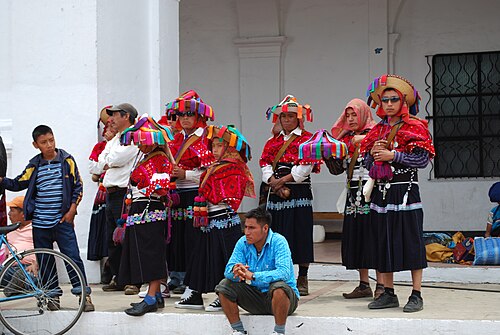

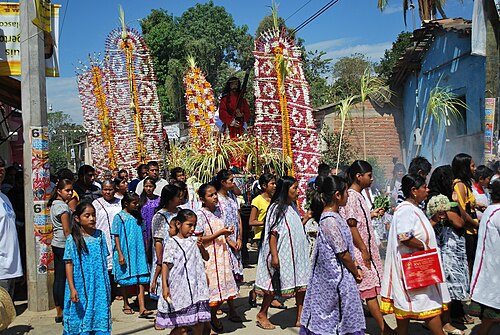


- Huave (Ikoots/Kunajts): Oaxaca, Mexico
- Maya peoples
- Huastec (Téenek/Te' Inik): San Luis Potosí, Mexico
- Mixe-Zoquean peoples
- Oto-Manguean peoples
- Amuzgo (Tzjon Non/Tzo'tyio/Ñ'anncue): Oaxaca, Mexico
- Chinantec: Oaxaca, Mexico
- Mixtecan
- Oto-Pamean peoples
- Chichimeca Jonaz (Úza): San Luis Potosí, Mexico
- Matlatzinca: Mexico (state), Mexico
- Mazahua (Tetjo Ñaa Jñatjo): Mexico (state), Mexico
- Otomi (Hñähñu/Hñähño/Ñuhu/Ñhato/Ñuhmu): Central Mexico
- Pame (Xi'úi): San Luis Potosí, Mexico
- Popolocan peoples
- Tlapanec (Me'phaa): Guerrero, Mexico
- Zapotecan peoples
- Tarascan (P'urhépecha): Michoacán, Mexico
- Tequistlatecan/Chontal de Oaxaca: Oaxaca, Mexico
- Totonacan peoples
- Uto-Aztecan peoples
Central America
Central America is generally defined as a subregion in North America located between the Isthmus of Tehuantepec and the Darién Gap.
- Indigenous peoples in Central America by country:

Mesoamerica
- Maya peoples
- Lenca: Honduras and El Salvador
- Mamean peoples
- Q'anjobalan peoples
- Qichean peoples
- Oto-Manguean peoples
- Manguean
- Chorotega (Mangue/Mankeme): Honduras, Nicaragua, and Costa Rica
- Manguean
- Xinca (Xinka): Guatemala
Isthmo-Colombian Area

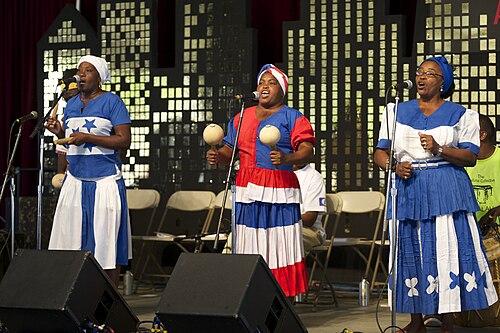
- Chibchan peoples
- Boruca: Costa Rica
- Bribri: Costa Rica
- Cabécar: Costa Rica
- Naso/Teribe/Tjër Di: Costa Rica, Panama
- Guaymi/Waimi peoples
- Bokota: Panama
- Ngäbe–Buglé: Panama, Costa Rica
- Talamanca peoplesl
- Guna (Dule): Panama
- Pech: Honduras
- Votic peoples
- Chocó/Embera-Wounaan peoples
- Misumalpan peoples
- Tolupan/Jicaque: Honduras
- Zambo/Cafuso peoples (mixed West African and Amerindian peoples)
- Garífuna: A mixed West African (from several peoples) and Amerindian people (mainly from the Island Caribs - Kalhíphona) that traditionally speaks an Arawakan language in Belize and Honduras.
- Miskito Sambu: A mixed West African (from several peoples) and Amerindian people (mainly from the original Miskito) that traditionally speaks Miskito, a Misumalpan language, and also Nicaragua Creole English in Nicaragua and Honduras.
- Black Seminoles: Florida, The Bahamas, and Mexico. (Mixed Seminole and African).
South America


South America generally includes all of the continent and islands south of the Isthmus of Panama.
- Indigenous peoples in South America by country:
- Indigenous peoples in South America by native cultural regions
Isthmo-Colombian Area
- Arawakan peoples
- Northern
- Chibchan peoples
- Chocoan peoples
- Warao: Venezuela's Orinoco River delta region.

Amazon
- Arawakan peoples
- Barbacoan peoples
- Awan
- Awá-Kwaiker: Northern Ecuador
- Awan
- Bora-Witoto peoples
- Cahuapanan peoples
- Jivaroan (Shuar): Loreto and San Martín, Peru
- Nukak: Colombia
- Panoan peoples
- Pirahã: Brazil
- Ticuna-Yuri peoples
- Tucanoan peoples
- Tupian peoples
- Urarina (Kachá): Chambira Basin, LoretoPeru
- Yanomami (Yanõmami/Yanõmami Thëpë): Venezuela/Brazil
Guianas
Eastern Highlands (Brazilian Highlands)
- Charruan peoples
- Macro-Gê peoples
- Tupian peoples
- Tupí-Guaraní
Chaco
Central Andes
- Atacama people: Chile, Argentina, and Bolivia
- Aymaran peoples
- Diaguita: Chile/Argentina
- Maina people: Peru
- Nasa: Colombia
- Quechuan peoples
- Uru people: Lake Titicaca, Peru and Bolivia
Southern Cone
Araucania
- Araucanian peoples
Pampas
Patagonia

Caribbean

The West Indies, or the Caribbean, generally includes the island chains of the Caribbean Sea, namely the Lucayan Archipelago, the Greater Antilles, and the Lesser Antilles.
- Arawakan peoples
- Northern
- Circum-Caribbean/Ta-Arawakan peoples
- Eyeri/Igneri: Lesser Antilles. An Arawak people, may have been the Kalinago/Island Caribs before Caribbeanization. (The Island Caribs had the tradition that the Igneri were the older people of Lesser Antilles but they could have been ancestors of the majority of Island Caribs).
- Island Caribs (Carib/Kalinago/Kalhíphona): Lesser Antilles. Often called "Island Caribs" (but may have been an older arawak people with a carib conquering warrior elite or influenced by Mainland Caribs. Apparently, the majority of the people spoke an arawakan language and not a carib one.)
- Taíno: Amerindians who originally inhabited the Greater Antilles of the Caribbean, they are of Arawakan descent.
- Neo-Taíno nations Some scholars distinguish between the Taíno and Neo-Taíno groups. Neo-Taíno groups were also native to the Antilles islands, but had distinctive languages and cultural practices that differed from the High Taíno.[157] These groups include:
- Circum-Caribbean/Ta-Arawakan peoples
- Northern
- Ciguayo: Eastern Hispaniola
- Macorix: Hispaniola
- Guanahatabey: Western Cuba
Oceania
Oceania includes most islands of the Pacific Ocean, New Guinea, New Zealand and the continent of Australia.
List of peoples by geographical and ethnolinguistic grouping:
Australia


Indigenous Australians include Aboriginal Australians on the mainland and Tiwi Islands as well as Torres Strait Islander peoples from the Torres Strait Islands.
- Aboriginal Australians include hundreds of groupings of people, defined by various overlapping characteristics such as language, culture and geography, which may include sub-groups. The Indigenous peoples of the island state of Tasmania and the Tiwi people (of the Tiwi Islands off the Northern Territory) are also Aboriginal peoples, who are genetically and culturally distinct from Torres Strait Islander peoples.
- Torres Strait Islander peoples are culturally and linguistically Papuo-Austronesian, and the various peoples of the islands are of predominantly Melanesian descent. The Torres Strait Islands are part of the state of Queensland.
Western Desert
- Pama-Nyungan peoples
- Kunapa: Northern Territory, Australia
- Pini: Western Australia, Australia
- Spinifex: Western Australia, Australia
- Wangkatha: Western Australia, Australia
- Warumungu: Northern Territory, Australia
- Wati peoples
- Antakirinja: South Australia, Australia
- Kokatha: South Australia, Australia
- Luritja: Northern Territory, Australia
- Madoidja: Western Australia, Australia
- Maduwongga: Western Australia, Australia
- Martu peoples
- Marrngu peoples
- Ngaanyatjarra: Northern Territory, Australia
- Ngaatjatjarra: Western Australia, Australia
- Pintupi: Western Australia, Australia
- Pitjantjatjara: Northern Territory, Australia
- Wangkatjunga: Western Australia, Australia
- Yankunytjatjara: South Australia, Australia
- Yulparija: Western Australia, Australia
- Yumu: Northern Territory, Australia
- Yankuntjatjarra: South Australia, Australia
- Mirndi peoples
Kimberley
- Bunuban peoples
- Jarrakan peoples
- Gija: Halls Creek and Kununurra, Western Australia, Australia
- Miriwoongic peoples
- Nyulnyulan peoples
- Nyulnyulic peoples
- Dyukun peoples
- Worrorran peoples
Northwest
- Pama-Nyungan peoples
- Ngayarda peoples
- Bailgu: Pilbara region, Western Australia, Australia
- Inawongga: Pilbara region, Western Australia, Australia
- Jadira: Pilbara region, Western Australia, Australia
- Kurrama: Pilbara region, Western Australia, Australia
- Mardudunera: Pilbara region, Western Australia, Australia
- Ngarla: Pilbara region, Western Australia, Australia
- Ngarluma: Pilbara region, Western Australia, Australia
- Niabali: Pilbara region, Western Australia, Australia
- Nhuwala: Pilbara region, Western Australia, Australia
- Nyamal: Pilbara region, Western Australia, Australia
- Panyjima: Pilbara region, Western Australia, Australia
- Tjuroro: Pilbara region, Western Australia, Australia
- Kanyara-Mantharta peoples
- Kanyara peoples
- Baiyungu: Gascoyne region, Western Australia, Australia
- Binigura: Pilbara region, Western Australia, Australia
- Buruna: Mid West region, Western Australia, Australia
- Thalanyji: Pilbara region, Western Australia, Australia
- Yinikutira: Exmouth, Western Australia, Australia
- Mantharta peoples
- Djiwali: Pilbara region, Western Australia, Australia
- Tharrkari: Gascoyne region, Western Australia, Australia
- Tenma: Pilbara region, Western Australia, Australia
- Warriyangga: Gascoyne region, Western Australia, Australia
- Kanyara peoples
- Kartu peoples
- Badimaya: Mid West region, Western Australia, Australia
- Maia: Mid West region, Western Australia, Australia
- Malgana: Mid West region, Western Australia, Australia
- Nanda: Mid West region, Western Australia, Australia
- Nokaan: Mid West region, Western Australia, Australia
- Wajarri: Mid West region, Western Australia, Australia
- Widi: Mid West region, Western Australia, Australia
- Yingkarta: Gascoyne region, Western Australia, Australia
- Ngayarda peoples
Southwest
- Pama-Nyungan peoples
- Nyungic peoples
- Noongar peoples
- Amangu: Geraldton Sandplains, Western Australia, Australia
- Ballardong: Avon Wheatbelt, Western Australia, Australia
- Yued: Swan Coastal Plain, Western Australia, Australia
- Kaneang: Jarrah Forest, Western Australia, Australia
- Koreng: Mallee, Western Australia, Australia
- Mineng: Warren, Western Australia, Australia
- Njakinjaki: Avon Wheatbelt, Western Australia, Australia
- Njunga: Esperance Plains, Western Australia, Australia
- Bibulman: Warren, Western Australia, Australia
- Pindjarup: Jarrah Forest, Western Australia, Australia
- Wardandi: Swan Coastal Plain, Western Australia, Australia
- Whadjuk: Jarrah Forest, Western Australia, Australia
- Wiilman: Western Australia, Australia
- Wudjari: Mallee, Western Australia, Australia
- Kalaako: Goldfields–Esperance region, Western Australia, Australia
- Kalamaia: Western Australia, Australia
- Mirning peoples
- Yingkarta: Gascoyne region, Western Australia, Australia
- Noongar peoples
- Nyungic peoples
Fitzmaurice Basin
- Yirram peoples
- Macro-Gunwinyguan peoples
- Daly peoples
- Wagaydic peoples
- Mulluk-Mulluk: Northern Territory, Australia
- Western Daly peoples
- Emmiyangal: Anson Bay, Northern Territory, Australia
- Marranunggu: Daly River, Northern Territory, Australia
- Menthe: Northern Territory, Australia
- Marrithiyal: Daly River, Northern Territory, Australia
- Maramanindji: Northern Territory, Australia
- Marridan: Northern Territory, Australia
- Marri Amu: Northern Territory, Australia
- Marri Tjevin: Northern Territory, Australia
- Marijedi: Northern Territory, Australia
- Marri Ngarr: Moyle River, Northern Territory, Australia
- Mati Ke: Wadeye, Northern Territory, Australia
- Eastern Daly peoples
- Southern Daly peoples
Arnhem Land
- Pama-Nyungan peoples
- Macro-Gunwinyguan peoples
- Maningrida peoples
- East Arnhem peoples
- Marran peoples
- Gaagudju: Northern Territory, Australia
- Gunwinyguan peoples
- Gunwinggic peoples
- Dalabon: Northern Territory, Australia
- Jawoyn: Nitmiluk National Park, Northern Territory, Australia
- Jala peoples
- Iwaidjan peoples
- Marrku-Wurrugu peoples
Top End
- Tiwi: Tiwi Islands, Northern Territory, Australia
- Darwin Region peoples
- Larrakia: Darwin, Northern Territory, Australia
- Limilngan
- Umbugarlic peoples
- Giimbiyu: Alligator Rivers, Northern Territory, Australia
Gulf Country
- Pama-Nyungan peoples
- Tankgkic peoples
- Garawan peoples
Cape York
West Cape
- Pama-Nyungan peoples
- Paman peoples
- North Cape York Paman peoples
- Djagaraga: Cape York Peninsula, Queensland, Australia
- Tjungundji: Cape York Peninsula, Queensland, Australia
- Injinoo: Cape York Peninsula, Queensland, Australia
- Luthigh: Cape York Peninsula, Queensland, Australia
- Mbewum: Cape York Peninsula, Queensland, Australia
- Tjungundji: Cape York Peninsula, Queensland, Australia
- Totj: Cape York Peninsula, Queensland, Australia
- Unduyamo: Cape York Peninsula, Queensland, Australia
- Wik peoples
- Wik-Mungkan: Cape York Peninsula, Queensland, Australia
- Kugu Nganhcara: Cape York Peninsula, Queensland, Australia
- Wiknatanja: Cape York Peninsula, Queensland, Australia
- Wik Me'anh: Cape York Peninsula, Queensland, Australia
- Wik Epa: Cape York Peninsula, Queensland, Australia
- Wik Elken: Cape York Peninsula, Queensland, Australia
- Wik Paach: Cape York Peninsula, Queensland, Australia
- Wik Ompom: Cape York Peninsula, Queensland, Australia
- Wimaranga: Cape York Peninsula, Queensland, Australia
- Winduwinda: Cape York Peninsula, Queensland, Australia
- Thaypan peoples
- North Cape York Paman peoples
- Paman peoples
East Cape
- Pama-Nyungan peoples
- Paman peoples
- North Cape York Paman peoples
- Lamalamic peoples
- Northeast Paman peoples
- Paman peoples
Daintree Rainforest
Lake Eyre Basin
- Pama-Nyungan peoples
- Kalkatungic peoples
- Karnic peoples
- Yarli peoples
Spencer Gulf
- Pama-Nyungan peoples
- Thura-Yura peoples
- Wirangu: South Australia, Australia
- Nauo: Eyre Peninsula, South Australia, Australia
- Barngarla: Eyre Peninsula, South Australia, Australia
- Kuyani: South Australia, Australia
- Adnyamathanha: Flinders Ranges, South Australia, Australia
- Malyangapa: New South Wales, Australia
- Ngadjuri: South Australia, Australia
- Nukunu: South Australia, Australia
- Narungga: Yorke Peninsula, South Australia, Australia
- Kaurna: Adelaide Plains, South Australia, Australia
- Peramangk: Adelaide Plains, South Australia, Australia
- Thura-Yura peoples
Murray-Darling Basin
- Pama-Nyungan peoples
- Yotayotic peoples
- Lower Murray peoples
- Wiradhuric peoples
- Muruwari: New South Wales and Queensland, Australia
Northeast
- Pama-Nyungan peoples
- Lower Burdekin peoples
- Maric peoples
- Biri peoples
- Gugu-Badhun: Burdekin River, Queensland, Australia
- Yilba: Mackay, Queensland, Australia
- Gia: Queensland, Australia
- Biria: Queensland, Australia
- Yambina: Queensland, Australia
- Garaynbal: Queensland, Australia
- Yangga: Queensland, Australia
- Baranha: Queensland, Australia
- Miyan: Queensland, Australia
- Yuwibara: Queensland, Australia
- Kingkel peoples
- Biri peoples
- Waka-Kabic peoples
Southeast
- Pama-Nyungan peoples
- Yugambeh-Bundjalung peoples
- Gumbaynggiric peoples
- Anēwan: Northern Tablelands, New South Wales, Australia
- Yuin-Kuric peoples
- Djangadi: Macleay Valley, New South Wales, Australia
- Geawegal: Hunter Valley, New South Wales, Australia
- Worimi: New South Wales, Australia
- Wonnarua: New South Wales, Australia
- Awabakal: New South Wales, Australia
- Eora: New South Wales, Australia
- Darug: New South Wales, Australia
- Gandangara: New South Wales, Australia
- Tharawal: Sydney, New South Wales, Australia
- Ngarigo: New South Wales and Victoria, Australia
- Koori: New South Wales and Victoria, Australia
- Gippsland peoples
- Kulinic peoples
Tasmania
- Palawa peoples
- Western Tasmanian peoples
- Northern Tasmanian peoples
- Tommeginne: Northern Tasmania, Australia
- Northeastern Tasmanian peoples
- Pyemmairre: Northeastern Tasmania, Australia
- Tyerrernotepanner: Northern Midlands and Ben Lomond, Tasmania, Australia
- Eastern Tasmanian peoples
- Paredarerme: Oyster Bay, Tasmania, Australia
- Lairmairrener: Big River, Tasmania, Australia
- Nuennone: Bruny Island, Tasmania, Australia
Torres Strait Islands
Melanesia

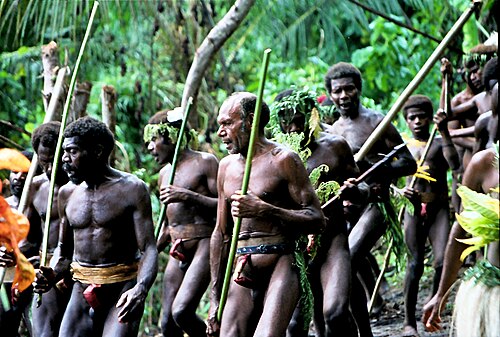
Melanesia generally includes New Guinea and other (far-)western Pacific islands from the Arafura Sea out to Fiji. The region is mostly inhabited by the Melanesian peoples.
- Melanesians
- Austronesian-speaking Melanesians
- Papuan-speaking Melanesians
- Papuans: more than 250 distinct tribes or clans, each with their own language and culture. The main island of New Guinea and surrounding islands (territory forming independent state of Papua New Guinea (PNG) and the Indonesian provinces of West Papua and Papua). Considered "Indigenous" these people are a subject to many debates.
- Sepik peoples
- Kwoma: Peilungua Mountains, Papua New Guinea.
- Iatmul: Sepik, Papua New Guinea.
- Sepik Hill
- Sanio
- Hewa: Southern Highlands, PNG
- Sanio
- Trans New-Guinean peoples
- Huli of the Southern Highlands, Papua New Guinea.
- Angu: Southwestern Morobe Province, Papua New Guinea.
- Bosavi
- Kaluli-Kasua
- Kaluli: Great Papuan Plateau, PNG
- Kaluli-Kasua
- Ok
- Mountain Ok
- Wopkaimin: western PNG, Star Mountains.
- Mountain Ok
- West Trans New-Guinean peoples
- Dani: Papua, Indonesia
- Korowai: West Papua, close to the Papua New Guinea border.
- Asmat: Asmat Regency, West Papua.
- Sepik peoples

Micronesia
Micronesia generally includes the various small island chains of the western and central Pacific. The region is mostly inhabited by the Micronesian peoples.
Polynesia

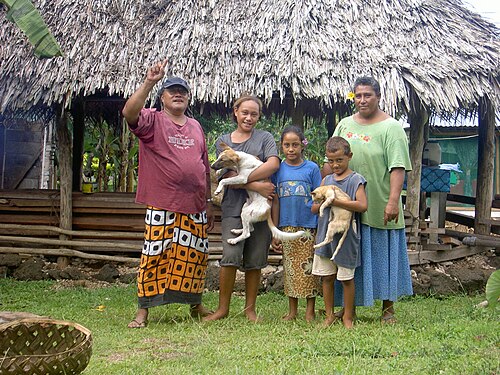
Polynesia includes New Zealand and the islands of Oceania, and has various Indigenous populations.[158]
Circumpolar
Circumpolar peoples is an umbrella term for the various Indigenous peoples of the Arctic. List of peoples by ethnolinguistic grouping:
- "Paleosiberian"
- Chukotko-Kamchatkan
- Chukchi (Lyg'oravetl'et/O'ravetl'et): Siberia, Russian Far East, Russia
- Koryaks (Nymylan-Chauchuven): Russian Far East
- Tungusic
- Chukotko-Kamchatkan
- Eskimo–Aleut
- Aleut (Unangax): Aleutian Islands and Kamchatka Krai
- Eskimo/Yupik-Inuit
- Yupik: Alaska, United States and the Russian Far East, Siberia
- Alutiiq (Sugpiat): Alaska, United States
- Yup'ik (Yupiat/Yupiit/Cup'ik/Cupiit): Alaska, United States
- Cup'ig (Nunivak Cup'ig people): Nunivak Island (Alaska), United States
- Siberian Yupik (Yupighyt): Siberia, Russia
- Inuit: Greenland, Northern Canada (Nunavut, Nunavik and Northwest Territories), Alaska, United States
- Inupiat (Iñupiat): Alaska's Arctic and North Slope boroughs and the Bering Straits
- Kalaallit (Kalaallit): Greenland
- Yupik: Alaska, United States and the Russian Far East, Siberia
- Turkic
- Northeast Turks
- Dolgans (Dolgan/Tya Kikhi): Siberia (Krasnoyarsk Krai), Russia
- Yakuts (Sakha): Siberia (Sakha Republic), Russia
- Northeast Turks
- Uralic
- Ob-Ugrians: Western Siberia
- Sami (Sámi/Saami/Lapp), formerly known as Lapps: Northern Norway, Sweden, Finland, and Kola Peninsula in Russia[161]
- Samoyedic peoples
- Northern Samoyedic peoples: West Siberia and Far Northern European Russia
- Enets: Far Northern Western Siberia, Russia[133]
- Nenets: Far Northern Western Siberia and Far Northern European Russia[134]
- Nganasan: Taymyr Peninsula, Siberia, Russia[135]
- Selkups: Between Ob and Yenisey Rivers in Russia[136]
- Northern Samoyedic peoples: West Siberia and Far Northern European Russia
- Yukaghirs: Far Northern East Siberia, Russia[137]
- Yeniseian peoples
- Ket people: along the middle branch of Yenisey River[138]
See also
- Center for World Indigenous Studies
- Declaration on the Rights of Indigenous Peoples
- Indigenous peoples
- Indigenous archaeology
- Indigenous (ecology)
- Indigenous intellectual property
- Indigenous knowledge
- Indigenous language
- Indigenous medicine
- Indigenous music
- International Work Group for Indigenous Affairs
- United Nations Permanent Forum on Indigenous Issues
- World Council of Indigenous Peoples
- Working Group on Indigenous Populations
- List of contemporary ethnic groups
- Lists of people by nationality
- List of indigenous rights organizations
- See all pages that start withindigenous peopleorindigenous
References
Notes
- ↑Also known as First peoples, First nations, Aboriginal peoples, Native peoples, Indigenous Natives, or Autochthonous peoples. Since 2020, most style guides have recommend capitalization of "Indigenous" when referring to specific Indigenous peoples as ethnic groups, nations, and the citizens or members of these groups.[162][163][164][165][166]
- ↑The Indigenous people of Vanuatu make up more than 95 percent of a country of just under a quarter of a million people (who speak more than 111 different languages), recognized by the United Nations as simultaneously having Least Developed status and having the world's greatest cultural and linguistic diversity.[160]
Citations
- ↑United Nations Human Rights, Office of the High Commissioner (2013). "Indigenous Peoples and the United Nations Human Rights System, Fact Sheet No. 9/Rev.2". United Nations. p. 2. Retrieved 29 December 2023.
- ↑"Indigenous and Tribal People's Rights Over Their Ancestral Lands and Natural Resources". Inter-American Commission on Human Rights. Archived from the original on 1 June 2020. Retrieved 30 May 2020.
- ↑McIntosh, Ian (September 2000). "Are there Indigenous Peoples in Asia?". Cultural Survival Quarterly Magazine. Archived from the original on 22 April 2021. Retrieved 1 April 2021.
- 12Secretariat of the Permanent Forum on Indigenous Issues 2009, p. 6.
- ↑Muckle, Robert J. (2012). Indigenous Peoples of North America: A Concise Anthropological Overview. University of Toronto Press. p. 18. ISBN 978-1-4426-0416-2.
- ↑"Indigenous Peoples and the United Nations Human Rights System"(PDF). United Nations. p. 2. Archived from the original(PDF) on 2 June 2025. Retrieved 21 May 2023.
- ↑Acharya, Deepak and Shrivastava Anshu (2008): Indigenous Herbal Medicines: Tribal Formulations and Traditional Herbal Practices, Aavishkar Publishers Distributor, Jaipur, India. ISBN 978-81-7910-252-7. p. 440
- ↑UNHR Fact Sheet No. 9 2013, p. 3.
- ↑Taylor Saito, Natsu (2020). "Unsettling Narratives". Settler Colonialism, Race, and the Law: Why Structural Racism Persist(eBook). NYU Press. ISBN 978-0-8147-0802-6. Archived from the original on 15 March 2023. Retrieved 21 December 2020.
...several thousand nations have been arbitrarly (and generally involuntarily) incorporated into approximately two hundred political constructs we call independent states...
- ↑Miller, Robert J.; Ruru, Jacinta; Behrendt, Larissa; Lindberg, Tracey (2010). Discovering Indigenous Lands: The Doctrine of Discovery in the English Colonies. Oxford University Press. pp. 9–13. ISBN 978-0-19-957981-5.
- ↑UNHR Fact Sheet No. 9 2013, p. 9.
- ↑Bodley 2008, p. 2.
- ↑UNHR Fact Sheet No. 9 2013, p. 4.
- ↑Jose R. Martinez Cobo
- ↑Definition of indigenous peoples
- ↑Hakansson, N. Thomas (1994). "The Detachability of Women: Gender and Kinship in Processes of Socioeconomic Change among the Gusii of Kenya". American Ethnologist. 21 (3): 516–538. doi:10.1525/ae.1994.21.3.02a00040. JSTOR 645919.
- ↑Maxon, R.M. (1976). "Gusii Oral Texts and the Gusii Experience under British Rule". The International Journal of African Historical Studies. 9 (1): 74–80. doi:10.2307/217392. JSTOR 217392.
- ↑Snyder, Katherine A. (2006). "Mothers on the March: Iraqw Women Negotiating the Public Sphere in Tanzania". Africa Today. 53 (1): 79–99. doi:10.1353/at.2006.0064. JSTOR 4187757. S2CID 144707308.
- ↑Boone, Catherine; Nyeme, Lydia (2015). "Land Institutions and Political Ethnicity in Africa: Evidence from Tanzania". Comparative Politics. 48 (1): 67–86. doi:10.5129/001041515816075123. JSTOR 43664170.
- 12Boone, Catherine (2012). "Land Conflict and Distributive Politics in Kenya". African Studies Review. 55 (1): 75–103. doi:10.1353/arw.2012.0010. hdl:2152/19778. JSTOR 41804129. S2CID 154334560.
- ↑Jungerius, P. D. (1998). "Indigenous knowledge of landscape-ecological zones among traditional herbalists: a case study in Keiyo District, Kenya". GeoJournal. 44 (1): 51–60. doi:10.1023/A:1006851813051. JSTOR 41147169. S2CID 128857738.
- ↑McGlashan, Neil (1964). "Indigenous Kikuyu Education". African Affairs. 63 (250): 47–57. doi:10.1093/oxfordjournals.afraf.a095163. JSTOR 719766.
- ↑Castro, Alfonso Peter (1991). "Indigenous Kikuyu Agroforestry: A Case Study of Kirinyaga, Kenya". Human Ecology. 19 (1): 1–18. doi:10.1007/BF00888974. JSTOR 4602996. S2CID 154663699.
- ↑Kubow, Patricia K. (2007). "Teachers' Constructions of Democracy: Intersections of Western and Indigenous Knowledge in South Africa and Kenya". Comparative Education Review. 51 (3): 307–328. doi:10.1086/518479. JSTOR 10.1086/518479. S2CID 145758842.
- ↑Crowley, Eve L.; Carter, Simon E. (2000). "Agrarian Change and the Changing Relationships between Toil and Soil in Maragoli, Western Kenya (1900-1994)". Human Ecology. 28 (3): 383–414. doi:10.1023/A:1007005514841. JSTOR 4603359. S2CID 146217282.
- ↑Hodgson, Dorothy (2011). Being Maasai, Becoming Indigenous: Postcolonial Politics in a Neoliberal World. Indiana University Press. ISBN 978-0-253-22305-0.
- ↑Shani, Serah (2022). Indigenous Elites in Africa: The Case of Kenya's Maasai. Routledge, Taylor & Francis. ISBN 978-1-032-02576-6.
- ↑"The indigenous Maasai wanted to secure plots for farming in their home villages" (p. 29). Ibrahim, Barbara; Ibrahim, Fouad N. (1995). "Pastoralists in Transition - A Case Study from Lengijape, Maasai Steppe". GeoJournal. 36 (1): 27–48. doi:10.1007/BF00812524. JSTOR 41146468. S2CID 154884572.
- ↑Sifuna, Daniel (1984). "Indigenous Education in Nomadic Communities: A Survey of The Samburu, Rendille, Gabra and Boran of Northern Kenya". Présence Africaine Nouvelle. 131 (3e): 66–88. doi:10.3917/presa.131.0066. JSTOR 24350929.
- ↑Campbell, John R. (2004). "Ethnic minorities and development: A prospective look at the situation of African pastoralists and hunter-gatherers". Ethnicities. 4 (1): 5–26. doi:10.1177/1468796804040326. JSTOR 23890130. S2CID 145416864.
- ↑Holtzman, Jon D. (2003). "In a Cup of Tea: Commodities and History among Samburu Pastoralists in Northern Kenya". American Ethnologist. 30 (1): 136–155. doi:10.1525/ae.2003.30.1.136. JSTOR 3805213.
- ↑"Eritrean Afar People". Eritrean Afar National Congress. Archived from the original on 2022-01-04. Retrieved 2022-01-04.
- ↑Steven L. Danver (2015). Native Peoples of the World: An Encyclopedia of Groups, Cultures and Contemporary Issues. Routledge. pp. 601–603, 610. ISBN 978-1-317-46400-6.
- ↑Beall, Cynthia M. (2014). "Adaptation to High Altitude: Phenotypes and Genotypes". Annual Review of Anthropology. 43: 251–272. doi:10.1146/annurev-anthro-102313-030000. JSTOR 43049574.
- ↑Young, John (1999). "Along Ethiopia's Western Frontier: Gambella and Benishangul in Transition". The Journal of Modern African Studies. 37 (2): 321–346. doi:10.1017/S0022278X9900302X. JSTOR 161849. S2CID 155057210.
- ↑Sanches, Edalina Rodrigues (2022). Popular Protest, Political Opportunities, and Change in Africa. Routledge. pp. 181–2. doi:10.4324/9781003177371-11. ISBN 978-1-003-17737-1. S2CID 246711828.
...recognition of the identity of indigenous Amhara people from Welkait as Amhara
- ↑John, Sonja (2021-09-13). "Civil rights activists in Welkait give hope for peace and democracy in Ethiopia". Africa at LSE. Retrieved 2022-02-20.
They requested state institutions recognise their indigenous Amhara identity and end discrimination.
- 12Donham, Donald L. (1992). "Revolution and Modernity in Maale: Ethiopia, 1974 to 1987". Comparative Studies in Society and History. 34 (1): 28–57. doi:10.1017/S0010417500017424. JSTOR 178984. S2CID 143440554.
- ↑Lydall, Jean (2000). "The Threat of the HIV/AIDS Epidemic in South Omo Zone, Southern Ethiopia". Northeast African Studies. Special Issue: HIV/AIDS in Ethiopia, Part I: Risk and Preventive Behavior, Sexuality, and Opportunistic Infections. 7 (1): 41–61. doi:10.1353/nas.2004.0007. JSTOR 41931329. S2CID 143405452.
- ↑Azeze, Fekade (2001). "The State of Oral Literature Research in Ethiopia: Retrospect and Prospect". Journal of Ethiopian Studies. 34 (1): 43–85. JSTOR 41966115.
- ↑Jedrej, M. C. (1975). "Ingessana Throwing Knives (Sudan)". Anthropos. Bd. 70, H. 1./2. 70 (1/2): 42–48. JSTOR 40458698.
- ↑Jedrej, M. C. (2004). "The Southern Funj of the Sudan as a Frontier Society, 1820-1980". Comparative Studies in Society and History. 46 (4): 709–729. doi:10.1017/S0010417504000337. JSTOR 3879507. S2CID 145732712.
- ↑Amborn, Hermann; Schubert, Ruth (2006). "The Contemporary Significance of What Has Been. Three Approaches to Remembering the past: Lineage, Gada, and Oral Tradition". History in Africa. 33: 53–84. doi:10.1353/hia.2006.0004. JSTOR 20065765. S2CID 162724953.
- 12Debelo, Asebe Regassa; Jirata, Tadesse Jaleta (2018). ""Peace Is Not a Free Gift": Indigenous Conceptions of Peace among the Guji-Oromo in Southern Ethiopia". Northeast African Studies. 18 (1–2): 201–230. doi:10.14321/nortafristud.18.1-2.0201. JSTOR 10.14321/nortafristud.18.1-2.0201. S2CID 203104277.
- ↑Merid, Takele (2019). "Indigenous Ecological Knowledge and the Changing Livelihood Strategies of the Gedeo People". Journal of Ethiopian Studies. 52: 139–166. JSTOR 48619998.
- ↑Donovan, Dolores A.; Assefa, Getachew (2003). "Homicide in Ethiopia: Human Rights, Federalism, and Legal Pluralism". The American Journal of Comparative Law. 51 (3): 505–552. doi:10.2307/3649118. JSTOR 3649118.
- ↑Meckelburg, Alexander (2015). "Slavery, Emancipation, and Memory: Exploratory Notes on Western Ethiopia". The International Journal of African Historical Studies. Special Issue: Exploring Post-Slavery in Contemporary Africa. 48 (2): 345–362. JSTOR 44723364.
- 123Fratkin, Elliot (2014). "Ethiopia's Pastoralist Policies: Development, Displacement and Resettlement". Nomadic Peoples. Special issue: The Emerging World of Pastoralists and Nomads. 18 (1): 94–114. doi:10.3197/np.2014.180107. JSTOR 43124163. S2CID 147312991.
- ↑Strecker, Ivo (2007). "A Hamar Spokesman on German Television and Radio: lessons on cultural difference and similarity". Journal of Ethiopian Studies. 40 (1/2): 181–201. JSTOR 41988226.
- 12Pankhurst, Alula (2002). "Research on Ethiopian societies and cultures during the second half of the twentieth century". Journal of Ethiopian Studies. 35 (2): 1–60. JSTOR 41966134.
- 12Jalata, Asafa (2017). "The Oromo Movement: The Effects of State Terrorism and Globalization in Oromia and Ethiopia". Social Justice. 44 (4): 83–106. JSTOR 26538396.
- 12Naty, Alexander (2002). "Environment, Society and the State in Western Eritrea". Africa: Journal of the International African Institute. 72 (4): 569–597. doi:10.3366/afr.2002.72.4.569. JSTOR 3556702. S2CID 142770729.
- 12Woldemikael, Tekle M. (2003). "Language, Education, and Public Policy in Eritrea". African Studies Review. 46 (1): 117–136. doi:10.2307/1514983. JSTOR 1514983. S2CID 143172927.
- ↑Donham, Donald L. (2000). "On Being "First": Making History by Two's in Southern Ethiopia". Northeast African Studies. Special Issue: Cultural Variation and Social Change in Southern Ethiopia: Comparative Approaches. 7 (3): 21–33. doi:10.1353/nas.2005.0005. JSTOR 41931255. S2CID 144593095.
- ↑Turton, David (1992). ""We Must Teach Them to Be Peaceful": Mursi views on being human and being Mursi". Nomadic Peoples. 31 (31): 19–33. JSTOR 43123371.
- ↑Weldehaimanot, Simon M; Mekonnen, Daniel R (2012). "Favourable Awards to Trans-Boundary Indigenous Peoples". Australian Indigenous Law Review. 16 (1): 60–76. JSTOR 26423239.
- ↑Tewolde, Azeb (2018). "The Archives of Eritrea as a Primary Source of Information for the Eritrean Cultural Heritage: Its Nature and Accessibility". Rassegna di Studi Etiopici. 3a Serie. 2 (49): 11–22. JSTOR 48564342.
- ↑Bender, M. L. (1971). "The Languages of Ethiopia: A New Lexicostatistic Classification and Some Problems of Diffusion". Anthropological Linguistics. 13 (5): 165–288. JSTOR 30029540.
- ↑Quinlan, Marsha B.; Quinlan, Robert J.; Dira, Samuel Jilo (2014). "Sidama Agro-Pastoralism and Ethnobiological Classification of its Primary Plant, Enset (Ensete ventricosum)". Ethnobiology Letters. 5: 116–125. doi:10.14237/ebl.5.2014.222. JSTOR 26423590.
- ↑Hamer, John H. (2002). "The Religious Conversion Process among the Sidāma of North-East Africa". Africa: Journal of the International African Institute. 72 (4): 598–627. doi:10.3366/afr.2002.72.4.598. JSTOR 3556703. S2CID 143489496.
- ↑William T. W., Morgan (2000). "The Ethnic Geography of Kenya on the Eve of Independence: The 1962 Census (Ethnogeographie Kenias am Vorabend der Unabhängigkeit: Der Zensus von 1962)". Erdkunde. 54 (1): 76–87. doi:10.3112/erdkunde.2000.01.07. JSTOR 25647252.
- ↑Bouh, Ahmed Mohammed; Mammo, Yared (2008). "Indigenous Conflict Management and Resolution Mechanisms on Rangelands in Somali Regional State, Ethiopia". Nomadic Peoples. 12 (1): 109–121. doi:10.3167/np.2008.120107. JSTOR 43123815.
- ↑"Ethiopian Tribeswomen Seek to Attract Favourable Husbands With Lip Plates". Al Bawaba. 2020-06-24. Retrieved 2022-02-15.
- 12Abbink, J. (2000). "Violence and the Crisis of Conciliation: Suri, Dizi and the State in South-West Ethiopia". Africa: Journal of the International African Institute. 70 (4): 527–550. doi:10.3366/afr.2000.70.4.527. hdl:1887/9482. JSTOR 1161471. S2CID 145471725.
- ↑Rahmato, Dessalegn (1995). "Resilience and Vulnerability: Enset Agriculture in Southern Ethiopia". Journal of Ethiopian Studies. 28 (1): 23–51. JSTOR 41966054.
- ↑"V. Contested Multi-Ethnic Politics". Ethiopia: Ethnic Federalism and Its Discontents. International Crisis Group. 2009-09-04. pp. 22–28. JSTOR resrep38375.8.
- ↑Habtu, Alem (2005). "Multiethnic Federalism in Ethiopia: A Study of the Secession Clause in the Constitution". Publius. 35 (5): 313–335. doi:10.1093/publius/pji016. JSTOR 4624714.
- ↑Douny, Laurence (2018). "The Commodification of Authenticity: Performing and Displaying Dogon Material Identity". In Bunten, Alexis Celeste; Graburn, Nelson H.H. (eds.). Indigenous Tourism Movements. University of Toronto Press. ISBN 978-1-4426-2829-8. Retrieved 2024-05-30.
- ↑Danver, Steven L. (2015). Native Peoples of the World: An Encyclopedia of Groups, Cultures and Contemporary Issues. Taylor & Francis. p. 29. ISBN 978-1-317-46400-6. Retrieved 2024-05-30.
- ↑Williams, Victoria R. (2020). Indigenous Peoples: An Encyclopedia of Culture, History, and Threats to Survival. Bloomsbury Publishing. p. 425. ISBN 979-8-216-10219-9. Retrieved 2024-05-30.
- 12Williams, Victoria R. (2020). Indigenous Peoples: An Encyclopedia of Culture, History, and Threats to Survival. Bloomsbury Publishing. p. 429. ISBN 979-8-216-10219-9. Retrieved 2024-05-30.
- 12Pierret, Paul, "Dictionnaire d'archéologie égyptienne", Imprimerie nationale 1875, p. 198-199 [in] Diop, Cheikh Anta, "Precolonial Black Africa", (trans: Harold Salemson), Chicago Review Press (1988), p. 65
- ↑Mamadou, Abba Gana Wakil (2020-01-10). "Bayajidda HAUSA Historical Legend Myth or Reality". Retrieved 2024-11-24.
- ↑Ogunnika, Olu (1988). "Inter-Ethnic Tension: Management and Control in a Nigerian City". International Journal of Politics, Culture, and Society. 1 (4).
- ↑"Ogoni -". Retrieved 2025-07-06.
- ↑Muraina, Luqman Ọpẹ́yẹmí; Ajímátanraẹjẹ, Abdulkareem J. (2023-06-05). "Gender relations in Indigenous Yorùbá culture: questioning current feminist actions and advocacies". Third World Quarterly. 44 (9).
- ↑Unrepresented Nations and People Organization | UNPO, Assyrians the Indigenous People of Iraq
- ↑The UN Refugee Agency | UNHCR, World Directory of Minorities and Indigenous Peoples
- ↑ Department of Evolutionary Biology at University of Tartu Estonian Biocentre | Reconstruction of Patrilineages and Matrilineages of Samaritans and Other Israeli Populations From Y-Chromosome and Mitochondrial DNA Sequence Variation, Molecular Anthropology Group
- ↑Williams, Victoria R. (2020-02-24). Indigenous Peoples: An Encyclopedia of Culture, History, and Threats to Survival [4 volumes]. ABC-CLIO. ISBN 978-1-4408-6118-5.
- ↑Tubb, 1998. pg 13–14.
- ↑Mark Smith, in The Early History of God: Yahweh and Other Deities of Ancient Israel, states "Despite the long regnant model that the Canaanites and Israelites were people of fundamentally different culture, archaeological data now casts doubt on this view. The material culture of the region exhibits numerous common points between Palestinians and Canaanites in the Iron I period (c. 1200–1000 BC). The record would suggest that the Israelite culture largely overlapped with and derived from Canaanite culture. ... In short, Israelite culture was largely Canaanite in nature. Given the information available, one cannot maintain a radical cultural separation between Canaanites and Palestinians for the Iron I period." (pp. 6–7). Smith, Mark (2002) The Early History of God: Yahweh and Other Deities of Ancient Israel (Eerdman's)
- ↑Rendsberg, Gary (2008). "Israel without the Bible". In Frederick E. Greenspahn. The Hebrew Bible: New Insights and Scholarship. NYU Press, pp. 3–5
- ↑Erich S. Gruen, Diaspora: Jews Amidst Greeks and RomansHarvard University Press, 2009 pp. 3–4, 233–34: 'Compulsory dislocation, .…cannot have accounted for more than a fraction of the diaspora. … The vast bulk of Jews who dwelled abroad in the Second Temple Period did so voluntarily.' (2)' .Diaspora did not await the fall of Jerusalem to Roman power and destructiveness. The scattering of Jews had begun long before-occasionally through forced expulsion, much more frequently through voluntary migration.'
- ↑Josephus. War of the Jews 9:2.
- ↑"Jewish Genetics - DNA, genes, Jews, Ashkenazi".
- ↑Haber, Marc; Gauguier, Dominique; Youhanna, Sonia; Patterson, Nick; Moorjani, Priya; Botigué, Laura R; Platt, Daniel E; Matisoo-Smith, Elizabeth; Soria-Hernanz, David F; Wells, R. Spencer; Bertranpetit, Jaume; Tyler-Smith, Chris; Comas, David; Zalloua, Pierre A (2013). "Genome-Wide Diversity in the Levant Reveals Recent Structuring by Culture". PLOS Genetics. 9 (2) e1003316. doi:10.1371/journal.pgen.1003316. PMC 3585000. PMID 23468648.
- ↑Behar, Doron M.; Yunusbayev, Bayazit; Metspalu, Mait; Metspalu, Ene; Rosset, Saharon; Parik, Jüri; Rootsi, Siiri; Chaubey, Gyaneshwer; Kutuev, Ildus; Yudkovsky, Guennady; Khusnutdinova, Elza K.; Balanovsky, Oleg; Semino, Ornella; Pereira, Luisa; Comas, David; Gurwitz, David; Bonne-Tamir, Batsheva; Parfitt, Tudor; Hammer, Michael F.; Skorecki, Karl; Villems, Richard (2010). "The genome-wide structure of the Jewish people". Nature. 466 (7303): 238–242. Bibcode:2010Natur.466..238B. doi:10.1038/nature09103. PMID 20531471. S2CID 4307824.
- ↑"Tracing the Roots of Jewishness". 2010-06-03.
- ↑Busbridge, Rachel (1 January 2018). "Israel-Palestine and the Settler Colonial 'Turn': From Interpretation to Decolonization". Theory, Culture & Society. 35 (1): 91–115. doi:10.1177/0263276416688544. ISSN 0263-2764. S2CID 151793639.
- ↑Ukashi, Ran (1 May 2018). "Zionism, Imperialism, and Indigeneity in Israel/Palestine: A Critical Analysis". Peace and Conflict Studies. 25 (1). doi:10.46743/1082-7307/2018.1442. ISSN 1082-7307.
- ↑Goldberg, Carole (14 April 2020). "Invoking the Indigenous, for and against Israel". Swimming against the Current. Academic Studies Press. pp. 298–318. doi:10.1515/9781644693087-019. ISBN 978-1-64469-308-7. S2CID 243669197.
- ↑Kattan, Victor. "'Invented' Palestinians, 'Indigenous' Jews: The Roots of Israel's Annexation Plan, and Why the World Must Stop Netanyahu, Before It's Too Late". Haaretz.
- ↑Pappe, Ilan (1 January 2018). "Indigeneity as Cultural Resistance: Notes on the Palestinian Struggle within Twenty-First-Century Israel". South Atlantic Quarterly. 117 (1): 157–178. doi:10.1215/00382876-4282082. hdl:10871/28176. ISSN 0038-2876.
- ↑Troen, Ilan; Troen, Carol (2019). "Indigeneity". Israel Studies. 24 (2): 17–32. doi:10.2979/israelstudies.24.2.02. ISSN 1084-9513. JSTOR 10.2979/israelstudies.24.2.02. S2CID 239062214.
- ↑Frantzman, Seth J.; Yahel, Havatzelet; Kark, Ruth (2012). "Contested Indigeneity: The Development of an indigenous Discourse on the Bedouin of the Negev, Israel". Israel Studies. 17 (1): 78–104. doi:10.2979/israelstudies.17.1.78. ISSN 1527-201X. S2CID 143785060.
- ↑Yiftachel, Oren; Roded, Batya; Kedar, Alexandre (Sandy) (1 November 2016). "Between rights and denials: Bedouin indigeneity in the Negev/Naqab". Environment and Planning A: Economy and Space. 48 (11): 2129–2161. Bibcode:2016EnPlA..48.2129Y. doi:10.1177/0308518X16653404. ISSN 0308-518X. S2CID 147970455.
- ↑Tatour, Lana (26 November 2019). "The culturalisation of indigeneity: the Palestinian-Bedouin of the Naqab and indigenous rights". The International Journal of Human Rights. 23 (10): 1569–1593. doi:10.1080/13642987.2019.1609454. ISSN 1364-2987. S2CID 150663547.
- ↑Sawahla & Dloomy (2007, pp. 425–433)
- ↑Williams, Victoria R. (2020). "Talysh". Indigenous Peoples: An Encyclopedia of Culture, History, and Threats to Survival [4 Volumes]. Santa Barbara, California: ABC-CLIO. p. 1016. ISBN 978-1-4408-6118-5.
- ↑Szczśniak, Andrew L. (1963). "A Brief Index of Indigenous Peoples and Languages of Asiatic Russia". Anthropological Linguistics. 5 (6): 1–29. ISSN 0003-5483. JSTOR 30022425.
- ↑Udayon, Misra (1987). "Immigration and Identity Transformation in Assam". Economic and Political Weekly. 34 (21): 1266. JSTOR 4407987.
Census official C S Mullan's observations in the 1931 Census Report where he predicted that if the immigrations went on unchecked, the indigenous Assamese would be outnumbered in all but one or two Upper Assam districts, brought to the fore the threat to the Assamese identity.
- ↑Baruah, Sanjib (1986). "Immigration, Ethnic Conflict, and Political Turmoil--Assam, 1979-1985". Asian Survey. 26 (11): 1187–88. doi:10.2307/2644315. JSTOR 2644315.
Even without immigration, Assam's indigenous population is extremely diverse in cultural, linguistic, and religious terms. [...] Of the languages that appear in Table 2, Assamese is an indigenous language.
- ↑Turaev et al. 2011, p. 35.
- ↑Turaev et al. 2011, p. 141.
- ↑Turaev et al. 2011, p. 180.
- 12Turaev et al. 2011, p. 19.
- ↑Turaev et al. 2011, p. 118.
- ↑Turaev et al. 2011, p. 56.
- ↑Turaev et al. 2011, p. 7.
- 1234Turaev et al. 2011, p. 167.
- ↑Turaev et al. 2011, p. 133.
- ↑Turaev et al. 2011, p. 363.
- 12Turaev et al. 2011, p. 99.
- ↑Turaev et al. 2011, p. 216.
- ↑Turaev et al. 2011, p. 428.
- ↑Turaev et al. 2011, p. 233.
- ↑Turaev et al. 2011, p. 280.
- ↑Turaev et al. 2011, p. 296.
- ↑Turaev et al. 2011, p. 410.
- ↑Turaev et al. 2011, p. 29.
- ↑Turaev et al. 2011, p. 372.
- ↑Turaev et al. 2011, p. 394.
- ↑Turaev et al. 2011, p. 50.
- ↑Turaev et al. 2011, p. 63.
- ↑Turaev et al. 2011, p. 333.
- ↑Turaev et al. 2011, p. 357.
- ↑Turaev et al. 2011, p. 378.
- ↑Turaev et al. 2011, p. 385.
- ↑Turaev et al. 2011, p. 401.
- ↑Turaev et al. 2011, p. 196.
- 12Turaev et al. 2011, p. 204.
- 12Turaev et al. 2011, p. 73.
- 12Turaev et al. 2011, p. 241.
- 12Turaev et al. 2011, p. 255.
- 12Turaev et al. 2011, p. 319.
- 12Turaev et al. 2011, p. 450.
- 12Turaev et al. 2011, p. 150.
- ↑Turaev et al. 2011, p. 268.
- ↑"Orang Asli in Peninsular Malaysia: Population, Spatial Distribution and Socio-Economic Condition"(PDF).
- ↑"World Directory of Minorities and Indigenous Peoples – Philippines: Overview, 2007", UNHCR | Refworld.
- ↑Hanihara, T (1992). "Negritos, Australian Aborigines, and the proto-sundadont dental pattern: The basic populations in East Asia". American Journal of Physical Anthropology. 88 (2): 183–96. doi:10.1002/ajpa.1330880206. PMID 1605316.
- ↑Agpaoa, Joshua C. (2013). Design Motifs of the Northern Philippine Textiles.
- ↑Baer, Lars-Anders (2005). "The Rights of Indigenous Peoples – A Brief Introduction in the Context of the Sámi". International Journal on Minority and Group Rights. 12 (2/3): 245–267. doi:10.1163/157181105774740589. JSTOR 24675300.
- ↑Gouverneur, Cédric (1 January 2017). "Europe's only indigenous people". Le Monde Diplomatique. Retrieved 28 August 2023.
- ↑"Europe's only recognized indigenous peoples live in Sweden". Swedish Development Forum. 27 March 2018. Retrieved 28 August 2023.
- ↑"The Sámi: The People, Their Culture and Languages". Council of Europe. 2015. Retrieved 28 August 2023.
- ↑"Rights of the Sámi People". Finnish Ministry of Justice. Retrieved 28 August 2023.
- ↑Jaakkola, Jouni J. K.; Juntunen, Suvi; Näkkäläjärvi, Klemetti (2018). "The Holistic Effects of Climate Change on the Culture, Well-Being, and Health of the Saami, the Only Indigenous People in the European Union". Current Environmental Health Reports. 5 (4): 401–417. doi:10.1007/s40572-018-0211-2. PMC 6306421. PMID 30350264.
- ↑Valkonen, Sanna; Valkonen, Jarno (2017). "The Non-State Sámi". In Wiesner, Claudia; Björk, Anna; Kivistö, Hanna-Mari; Mäkinen, Katja (eds.). Shaping Citizenship: A Political Concept in Theory, Debate and Practice. Routledge. pp. 138–152. doi:10.4324/9781315186214-11. ISBN 978-1-315-18621-4.
- ↑Grote, Rainer (2006). "On the Fringes of Europe: Europe's Largely Forgotten Indigenous Peoples". American Indian Law Review. 31 (2): 425–443. doi:10.2307/20070794. JSTOR 20070794.
- ↑"Sápmi - IWGIA - International Work Group for Indigenous Affairs". www.iwgia.org. Retrieved 2024-02-23.
- ↑"Kvener/norskfinner". www.udir.no (in Norwegian Bokmål). Retrieved 2025-05-19.
- ↑"Samoyed:eHRAF World Cultures". ehrafworldcultures.yale.edu. Retrieved 2024-02-23.
- ↑"Refworld | World Directory of Minorities and Indigenous Peoples - Ireland: Travellers". Archived from the original on 26 January 2023. Retrieved 25 August 2022.
- ↑"Irish Traveller Movement - About Irish Travellers". Archived from the original on 29 September 2022. Retrieved 28 October 2022.
- ↑Rouse (1992)
- ↑Gagné, Natacha; Salaün, Marie (2012). "Appeals to indigeneity: insights from Oceania". Social Identities. 18 (4): 381–398. doi:10.1080/13504630.2012.673868. S2CID 144491173.
- 12O. Ka'ili, Tevita (2017). Marking Indigeneity: The Tongan Art of Sociospatial Relations. University of Arizona Press. ISBN 978-0-8165-3056-4.
- ↑Geismar, Haidy (2020). "Introduction: Culture, Property, Indigeneity". Treasured Possessions. p. 1. doi:10.1515/9780822399704-004. ISBN 978-0-8223-9970-4. S2CID 241275292.
- ↑Turaev et al. 2011, p. 308.
- "APA Style - Racial and Ethnic Identity". Section 5.7 of the APA Publication Manual, Seventh Edition. Associated Press. 2019-11-01. Archived from the original on 15 March 2023. Retrieved 2022-02-03.
Racial and ethnic groups are designated by proper nouns and are capitalized. ... capitalize terms such as "Native American," "Hispanic," and so on. Capitalize "Indigenous" and "Aboriginal" whenever they are used. Capitalize "Indigenous People" or "Aboriginal People" when referring to a specific group (e.g., the Indigenous Peoples of Canada), but use lowercase for "people" when describing persons who are Indigenous or Aboriginal (e.g., "the authors were all Indigenous people but belonged to different nations")
- "Reporter's Indigenous Terminology Guide". The Native American Journalists Association. Archived from the original on 2018-11-16. Retrieved 2022-02-02.
- "NAJA AP Style Guide". The Native American Journalists Association. Archived from the original on 18 December 2018. Retrieved 2022-02-02.
- "Editorial Guide". Indian Affairs. US Bureau of Indian Affairs. Archived from the original on 18 January 2023. Retrieved 2023-02-14.
The term "indigenous" is a common synonym for the term "American Indian and Alaska Native" and "Native American." But "indigenous" doesn't need to be capitalized unless it's used in context as a proper noun.
- "FAQ Item: Capitalization". The Chicago Manual of Style Online. Archived from the original on 26 November 2022. Retrieved 2023-02-14.
We would capitalize "Indigenous" in both contexts: that of Indigenous people and groups, on the one hand, and Indigenous culture and society, on the other.
Sources
- Bodley, John H. (2008). Victims of Progress (5th ed.). Plymouth, England: AltaMira Press. ISBN 978-0-7591-1148-6.
- Kipuri, Naomi (2007). "Kenya". In Sille Stidsen (ed.). The Indigenous World 2007. International Work Group for Indigenous Affairs yearbooks. Copenhagen: IWGIA. pp. 468–476. ISBN 978-87-91563-23-2ISSN 1024-0217 . OCLC 30981676. مؤرشف من الأصل (PDF) بتاريخ 22-10-2008 .
- مجموعة حقوق الأقليات الدولية (1997)، الدليل العالمي للأقليات ، لندن، المملكة المتحدة: مجموعة حقوق الأقليات الدولية، رقم ISBN 978-1-873194-36-2
- راوس، إيرفينغ (1992)، شعب تاينو: صعود وسقوط الشعب الذي استقبل كولومبوس ، نيو هيفن، كونيتيكت: مطبعة جامعة ييل ، رقم ISBN 978-0-300-05181-0، OCLC 24469325
- توب ، جوناثان ن. (1998). الكنعانيون . مطبعة جامعة أوكلاهوما. ص 40. ISBN 978-0-8061-3108-5
الكنعانيون وأرضهم
. - تورايف، فاديم؛ سولياندزيجا، روديون؛ سولياندزيجا، بافيل؛ بوشاميكوف، فلاديمير (2011). موسوعة الشعوب الأصلية في الشمال وسيبيريا والشرق الأقصى للاتحاد الروسي . رايبون و سي اس بي ان. رقم ISBN 978-5-905728-01-3.
- الشعوب الأصلية
- قوائم المجموعات العرقية